
Zirconia beads are highly durable, high-density ceramic grinding media used in bead mills to crush, disperse, and homogenize materials down to the sub-micron level. As a manufacturer, you probably face frustrating bottlenecks with standard grinding media shattering during high-intensity milling runs. This frequent media degradation forces you to halt production, perform tedious cleaning cycles, and throw away contaminated, off-color product batches. Transitioning to high-performance Zirconia Beads solves these critical pain points by providing exceptional wear resistance and long-term process reliability.
What are Zirconia Beads?
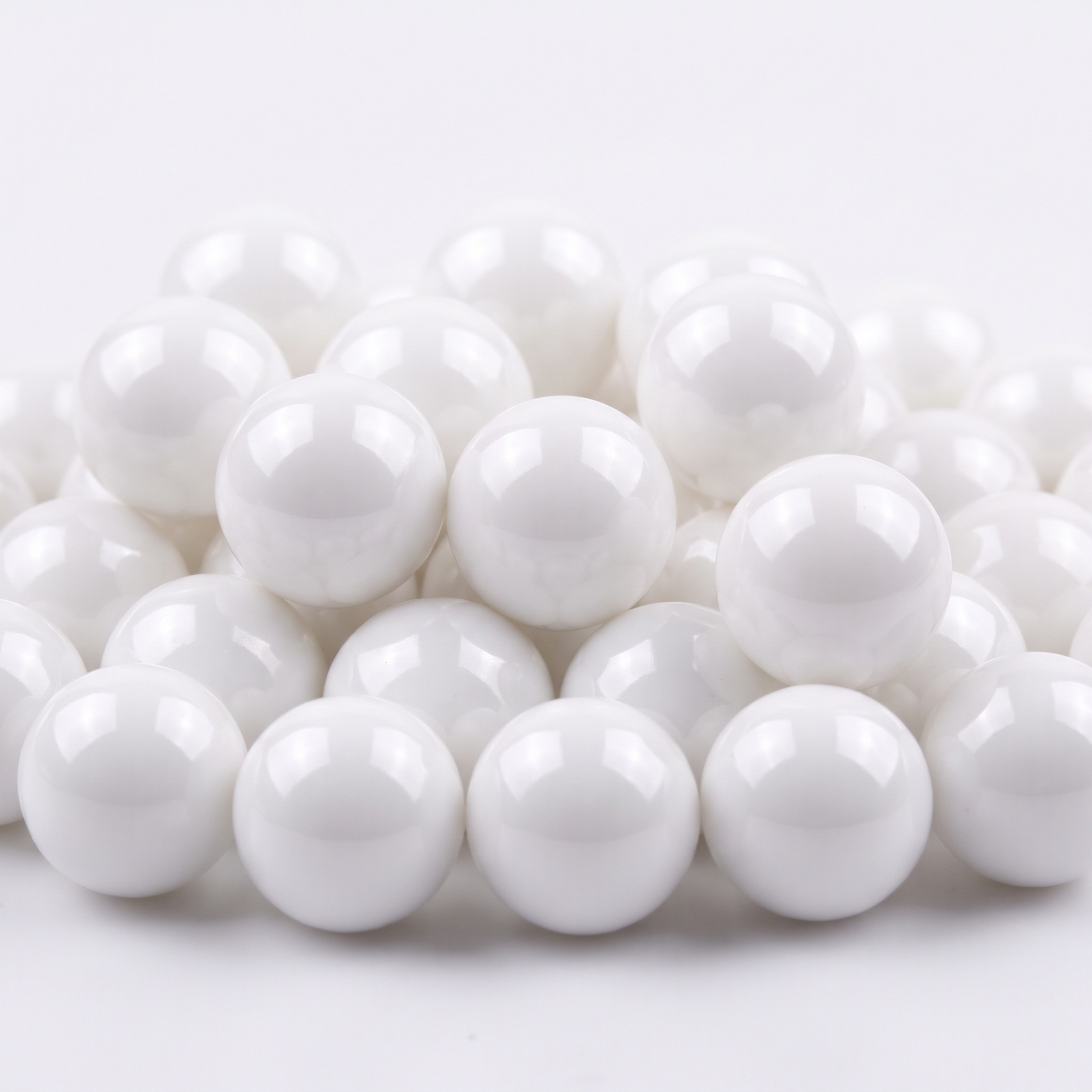
To define them precisely, Zirconia Beads represent a premium grade of ceramic grinding media renowned for their high hardness and superior fracture toughness. These highly spherical structures are meticulously engineered to minimize friction during high-speed rolling. They serve as the primary crushing element in high-energy agitator mills.
What is the core definition of these media?
When you look at modern wet milling, achieving high sphericity is key to uniform dispersion. These beads act like miniature ball bearings, transferring mechanical energy efficiently to your materials.
To break down their unique physical traits, look at these standard parameters:
- Sphericity exceeding 95% for smooth, low-friction rolling.
- Extremely dense microstructures that prevent chipping.
- Excellent resistance to high physical impact.
What chemical composition defines them?
Think about it: the chemical purity of your milling media directly dictates the purity of your final product. Typical industrial formulations utilize high-grade zirconium dioxide stabilized by yttria or ceria to arrest structural decay.
Key Takeaway: Understanding the core structure and composition of these beads helps you avoid micro-level contamination and ensures highly consistent milling batches.
Why use Zirconia Beads?
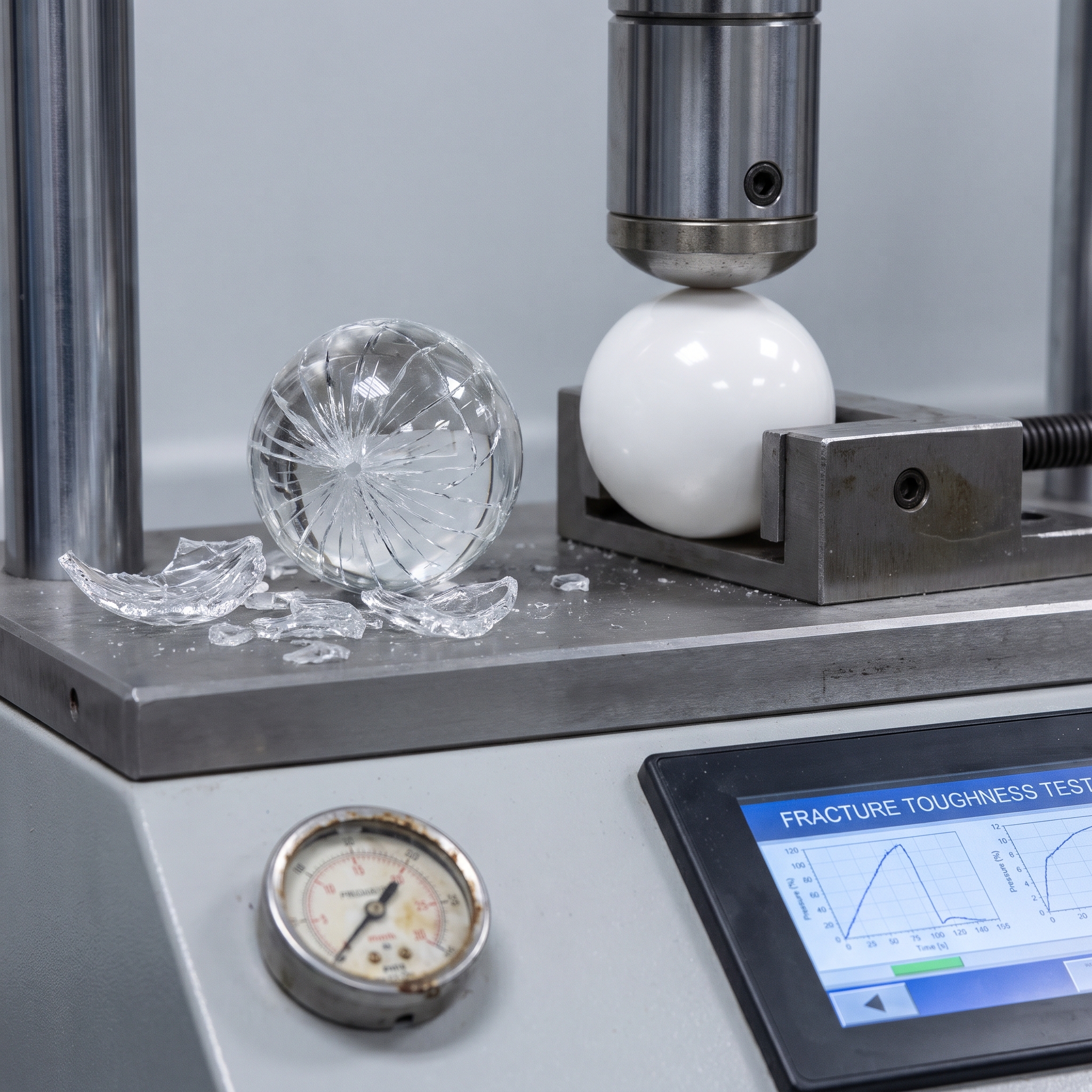
You should use Zirconia Beads because they drastically reduce product contamination and media wear rates compared to standard glass or alumina options.
How do they maximize wear resistance?
These beads utilize an incredibly dense crystal grid that naturally resists scratching and abrasive wear during high-velocity agitation. This dense network prevents micro-chipping and maintains a polished finish.
When evaluating long-term wear resistance, consider these key operational benefits:
- Lower mechanical stress on your milling machine linings.
- Reduced operational costs from fewer media replacements.
- Zero contamination in sensitive formulations.
Why are hardness and toughness crucial?
Want to know the best part? Unlike fragile glass beads, stabilized zirconia possesses unmatched fracture toughness that prevents shattering under heavy impact.
Key Takeaway: Utilizing these ultra-tough beads protects your production equipment from abrasive wear while keeping your product batches completely pure.
| Media Type | Relative Wear Rate | Fracture Toughness (MPa·m¹/²) | Lifetime Expectancy |
|---|---|---|---|
| Glass Beads | High | 0.7–1.0 | Very Short |
| Alumina Beads | Medium | 3.0–4.0 | Moderate |
| Zirconia Beads | Extremely Low | 5.0–10.0 | Outstandingly Long |
This comparison clearly highlights how zirconia outclasses other materials in demanding conditions.
How do Zirconia Beads perform?
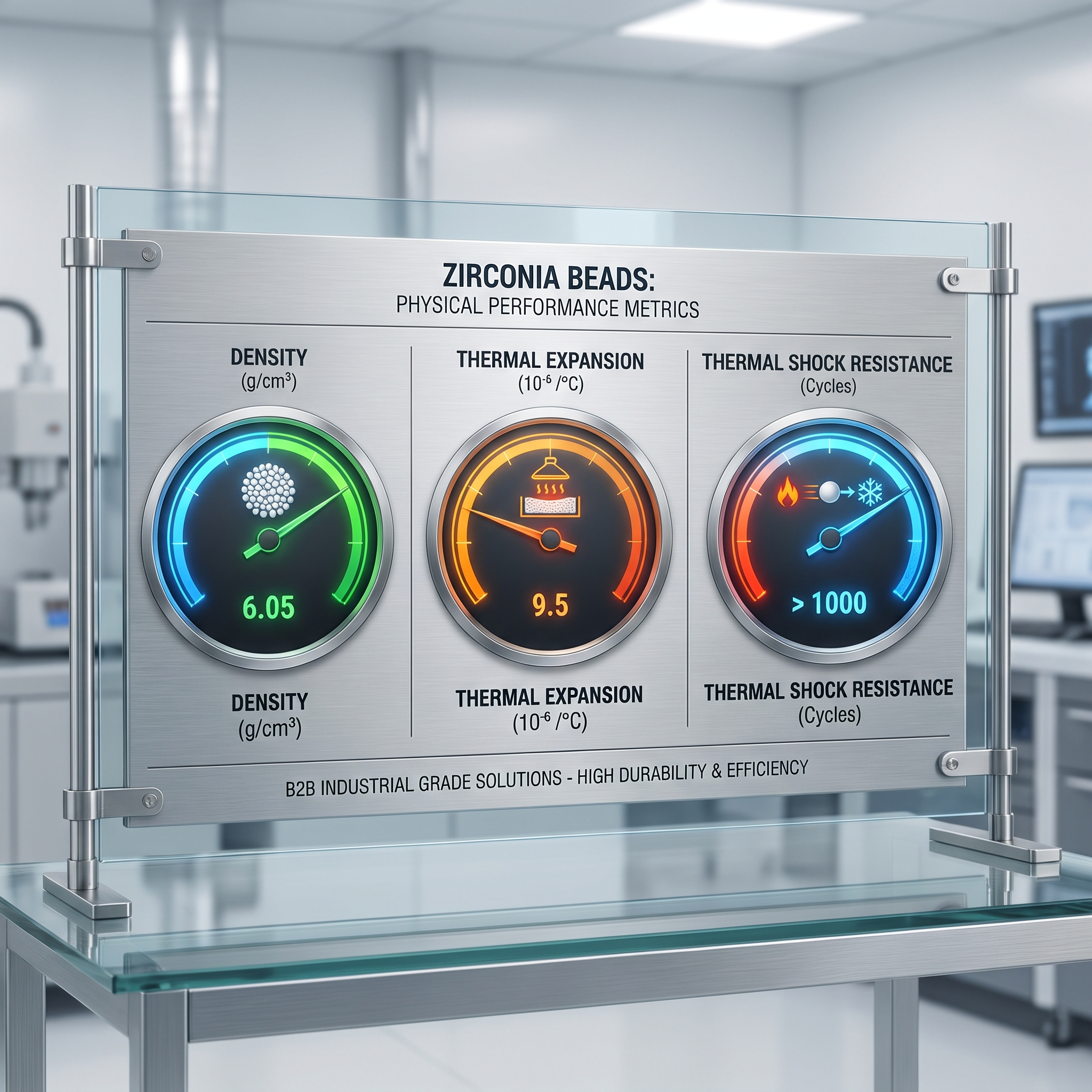
Industrial Zirconia Beads perform exceptionally well due to their high density and outstanding thermal stability.
How does high density affect milling?
High density directly increases the kinetic energy transferred during each bead collision, accelerating the breakdown of tough particles. This allows you to reach your target particle size in a fraction of the time.
To understand how density speeds up processing, review these performance vectors:
- Greater kinetic force generated per collision.
- Higher efficiency in high-viscosity slurries.
- Drastic reductions in overall milling cycles.
Do they resist thermal shock?
But that’s not all: the low thermal expansion of zirconia ensures that these beads stay physically stable under high operating temperatures. They resist severe thermal shocks, preventing catastrophic shattering when your cooling jacket starts.
Key Takeaway: High physical density and thermal stability translate to rapid particle size reduction without the risk of thermal fracturing.
| Physical Property | Value | Milling Advantage |
|---|---|---|
| Density | 5.5–6.2 g/cm³ | High energy transfer, fast particle size reduction |
| Thermal Expansion Coeff. | ≈10 × 10⁻⁶/K | Structural stability in high-heat processes |
| Thermal Shock Resistance | Excellent | Prevents cracking during rapid thermal shifts |
These physical metrics show that zirconia is uniquely suited for high-temperature and high-viscosity processes.
Which industries need Zirconia Beads?
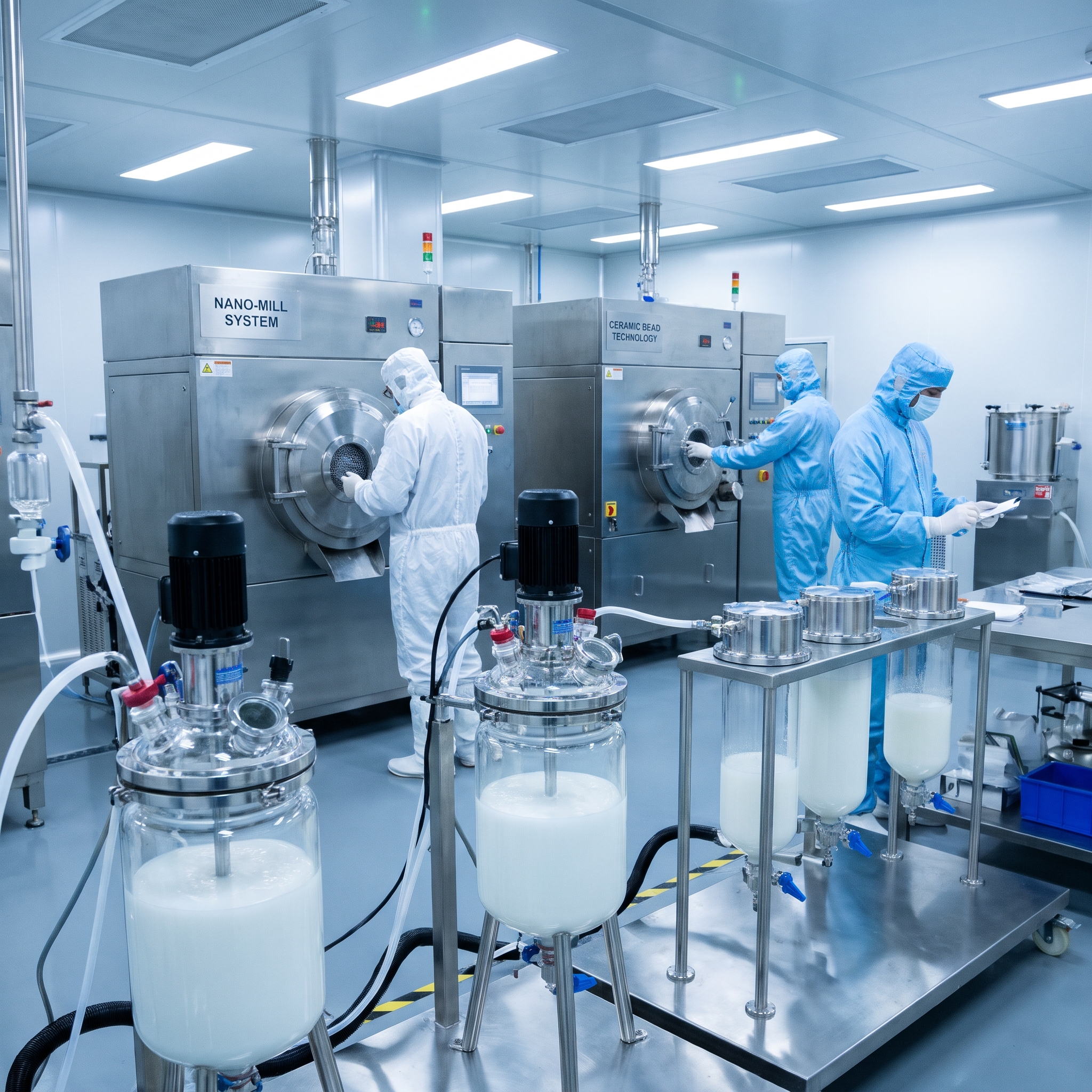
Industries like pharmaceuticals, paints, cosmetics, and electronics rely on Zirconia Beads to achieve maximum purity and ultrafine particle distribution.
Why are they vital for pharmaceuticals?
In the pharmaceutical industry, zero contamination is a strict regulatory requirement. These biocompatible beads prevent heavy metal toxicity, making them ideal for nano-sizing active pharmaceutical ingredients.
For critical pharmaceutical formulations, look at these key contributions:
- Flawless creation of active nano-suspensions.
- Safe development of targeted lipid-delivery systems.
- Elimination of metallic impurities.
What is their role in paints and inks?
Here is the critical point: producing premium coatings requires uniform dispersion of pigments to achieve rich color saturation. These beads break down pigment agglomerates without leaving behind grey metallic residues.
This level of precision ensures that high-end coatings look brilliant and remain stable over long shelf lives.
Why do electronics require them?
Advanced electronic components like ceramic capacitors require ultra-pure submicron powders to prevent electrical short-circuits. Using silica-free zirconia media ensures your delicate electronic materials retain their precise electrical properties.
Key Takeaway: Whether you produce lifesaving pharmaceuticals or high-tech electronic microchips, these beads deliver the purity your strict standards demand.
| Industry | Key Mill Requirement | Optimal Bead Role |
|---|---|---|
| Pharmaceutical | Zero contamination, sterilization | Nano-sizing drug compounds safely |
| Paints & Coatings | Color purity, high dispersion rate | Developing fine pigment suspensions |
| Electronics | Ultra-pure ceramic precursor milling | Grinding MLCC barium titanate powders |
This industry matrix outlines how specialized media performance meets strict sector-specific requirements.
Where are Zirconia Beads applied?
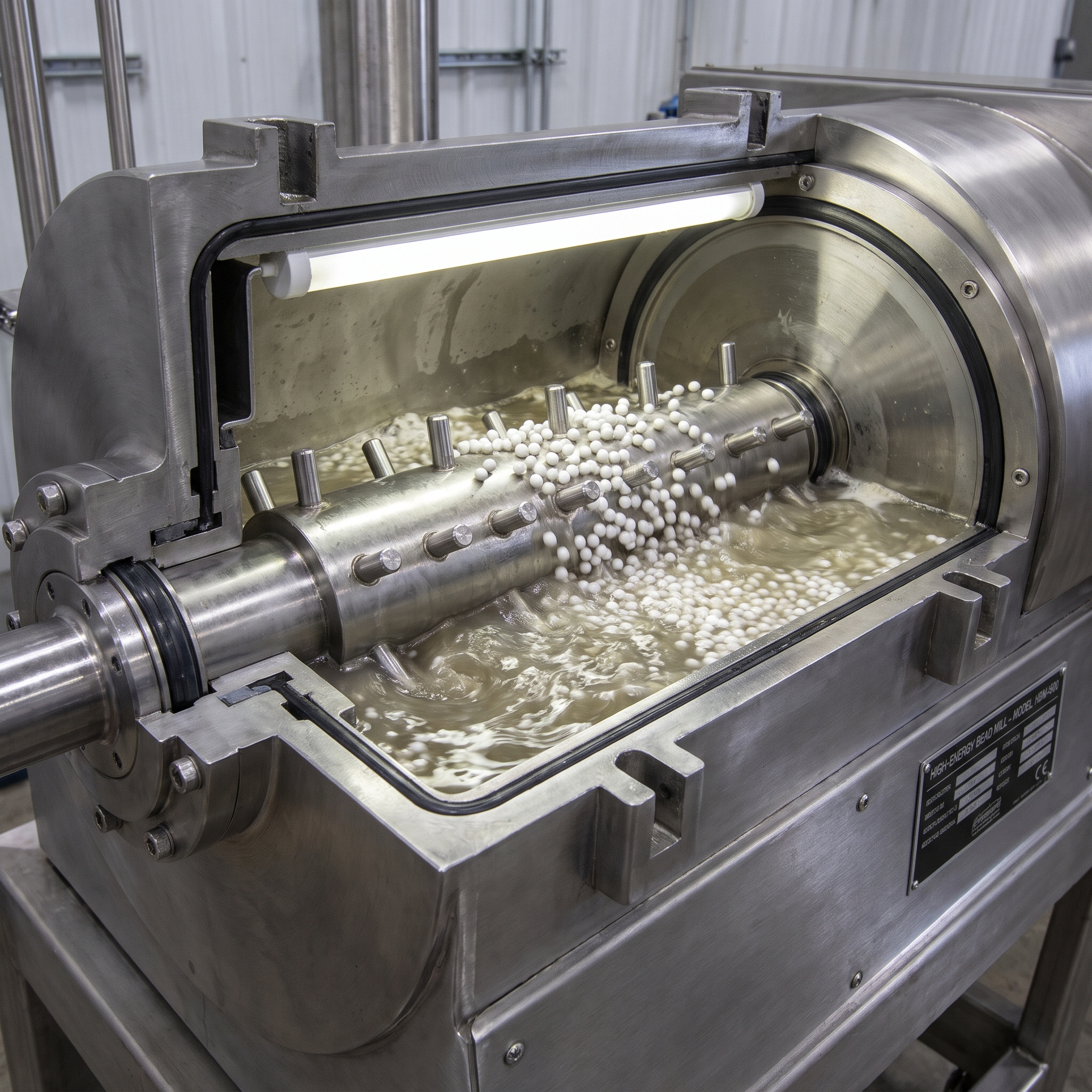
High-performance Zirconia Beads are primarily applied inside high-energy horizontal agitator mills, basket mills, and vertical stirred media mills.
Which mill types are compatible?
These beads perform flawlessly across several mill geometries due to their robust structure. They handle high-shear forces in horizontal pin mills while rolling smoothly in vertical mineral mills.
To match your equipment, consider these common mill compatibilities:
- High-energy horizontal pin mills for ultra-fine grinds.
- Practical basket mills for easy batch dispersion.
- Vertical stirred media mills for high-volume mining.
Is wet grinding better than dry milling?
Let’s be honest: wet grinding is where these beads truly shine because they easily disperse thick pigment pastes and slurries. However, larger bead structures are also highly effective in dry-milling tough raw minerals.
Key Takeaway: Their excellent compatibility with diverse mill designs and states makes them an incredibly versatile investment for your facility.
| Mill Type | Best Process State | Recommended Bead Diameter |
|---|---|---|
| Horizontal Agitator | Wet Slurry | 0.1 mm–2.0 mm |
| Basket Mill | Wet Batch | 1.0 mm–3.0 mm |
| Stirred Media Mill | Wet / Dry | 2.0 mm–5.0 mm |
Matching the correct process state and bead size to your mill geometry is crucial for high output.
How should you select Zirconia Beads?
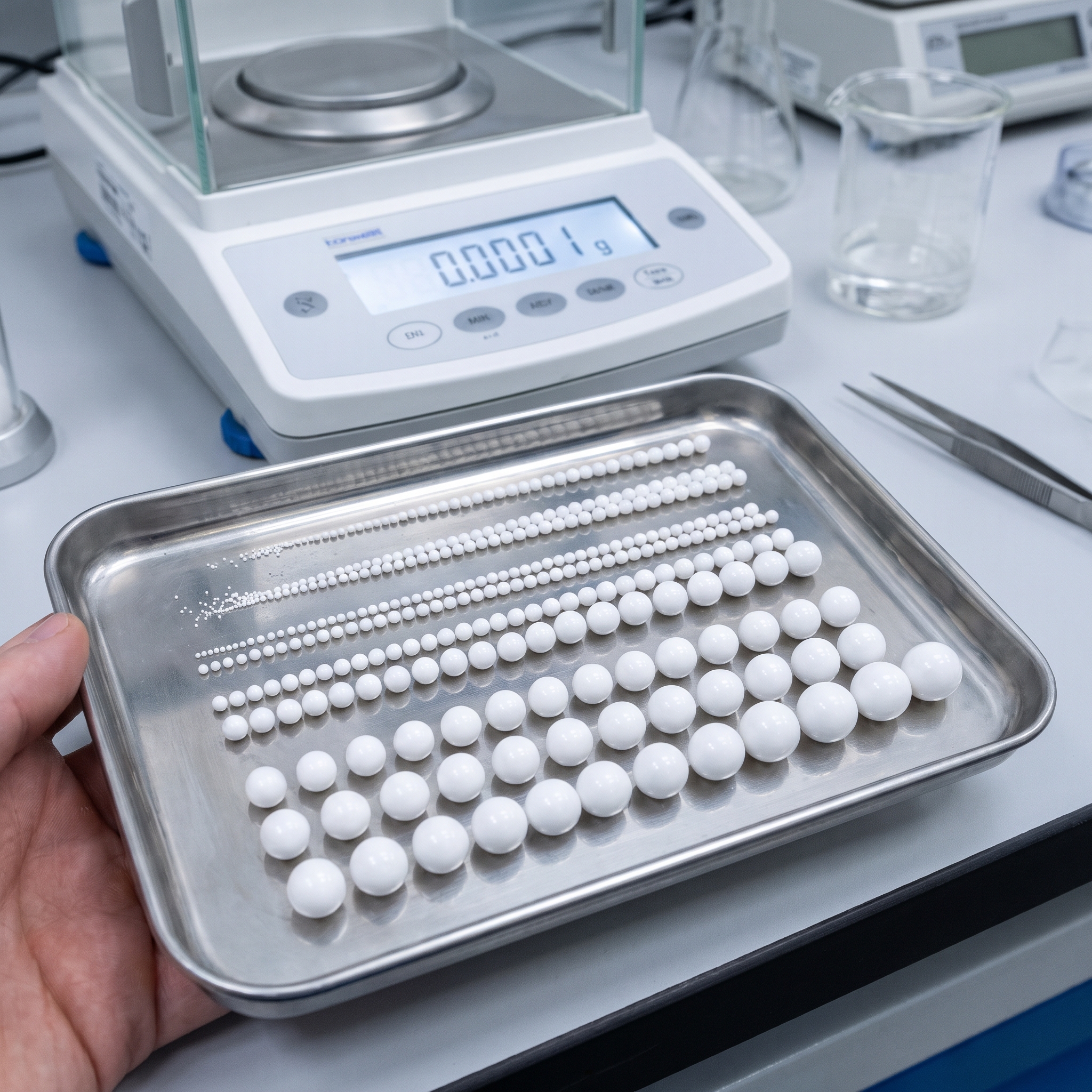
You must select Zirconia Beads by evaluating your initial feed particle size, your target final particle size, and the viscosity of your slurry.
What is the ideal size for wet milling?
For optimal wet milling, choose a bead size that is roughly ten to twenty times larger than your initial feed particle size. This provides enough contact points to crush particles while avoiding blockages in your separator.
To calculate the best size, follow these physical rules:
- Select micro-beads for sub-micron and nano-scale dispersions.
- Choose medium beads for standard paint and ink formulations.
- Use larger spheres to handle raw mineral feeds.
How do you balance density and size?
Consider this: if you work with high-viscosity paints or cosmetics, you need a higher-density bead to penetrate the fluid’s natural resistance. Combining high density with small bead sizes optimizes contact frequency.
Key Takeaway: Selecting the right media size and density ensures your mill operates at peak efficiency without unnecessary energy waste.
| Target Final Particle Size | Recommended Bead Size | Mill Operation Speed |
|---|---|---|
| Sub-micron (<100 nm) | 0.05 mm–0.2 mm | Very High (>12 m/s) |
| Fine Dispersion (1–5 μm) | 0.3 mm–1.2 mm | Medium (8–12 m/s) |
| Coarse Milling (>10 μm) | 1.5 mm–3.0 mm | Low (5–8 m/s) |
This selection matrix acts as a practical reference for setting your initial mill run parameters.
What types of Zirconia Beads exist?
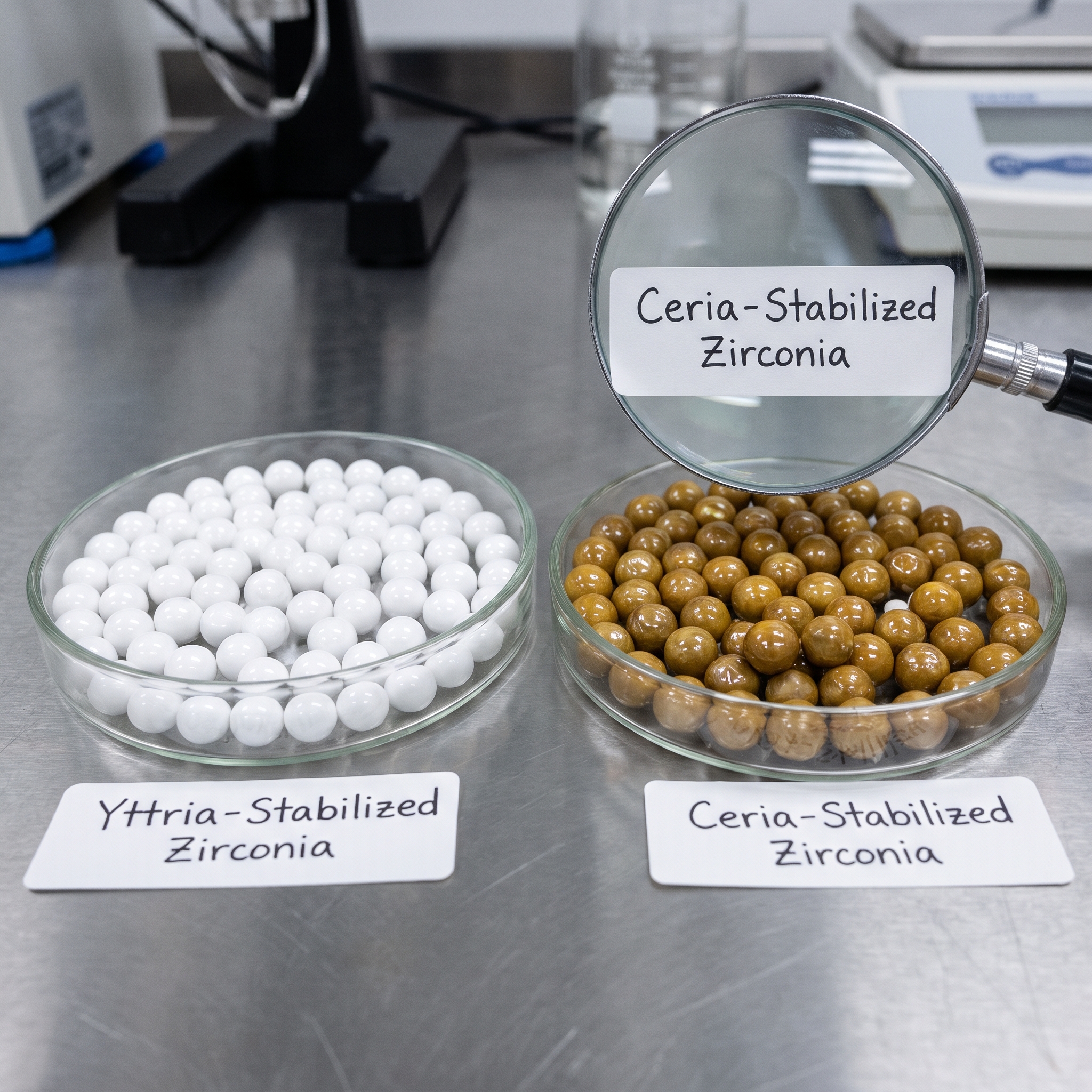
The primary types of industrial Zirconia Beads available are yttria-stabilized, ceria-stabilized, and zirconia-toughened alumina.
Why choose yttria-stabilized options?
Yttria-stabilized zirconia (YSZ) is the undisputed industry benchmark for applications that demand maximum fracture toughness and high purity. Its tetragonal zirconia polycrystalline phase actively stops cracks from spreading.
When choosing YSZ, you gain the following operational advantages:
- Exceptional wear resistance under high mechanical stress.
- Extremely low contamination rates in chemical batches.
- Outstanding sphericity that reduces internal mill friction.
What are ceria-stabilized varieties?
But wait, there is more: ceria-stabilized zirconia (CSZ) beads offer an even higher density, making them highly effective for grinding thick, high-viscosity products. They excel in high-energy mills where maximum weight is needed to displace viscous liquids.
Their excellent wear performance keeps particle distributions narrow over long production runs.
Is zirconia toughened alumina a good choice?
If you operate a large-volume industrial mining mill, zirconia-toughened alumina (ZTA) offers a budget-friendly hybrid option. It combines the extreme hardness of alumina with the elasticity of zirconia to give you a cost-effective alternative.
Key Takeaway: Choosing the right stabilizer chemistry directly balances your performance requirements with your operational budget.
| Bead Type | Density (g/cm³) | Composition | Primary Best Use Case |
|---|---|---|---|
| YSZ (Yttria-Stabilized) | ≈6.0 | 95% ZrO₂, 5% Y₂O₃ | Pharmaceutical, Electronic slurries |
| CSZ (Ceria-Stabilized) | ≈6.2 | 85% ZrO₂, 15% CeO₂ | High-viscosity inks, pigments |
| ZTA (Toughened Alumina) | ≈4.0–4.5 | Alumina/Zirconia blend | Mineral ore mining, large volume grinds |
Selecting among these three core types allows you to optimize your milling budget and target quality.
Why choose stabilized Zirconia Beads?
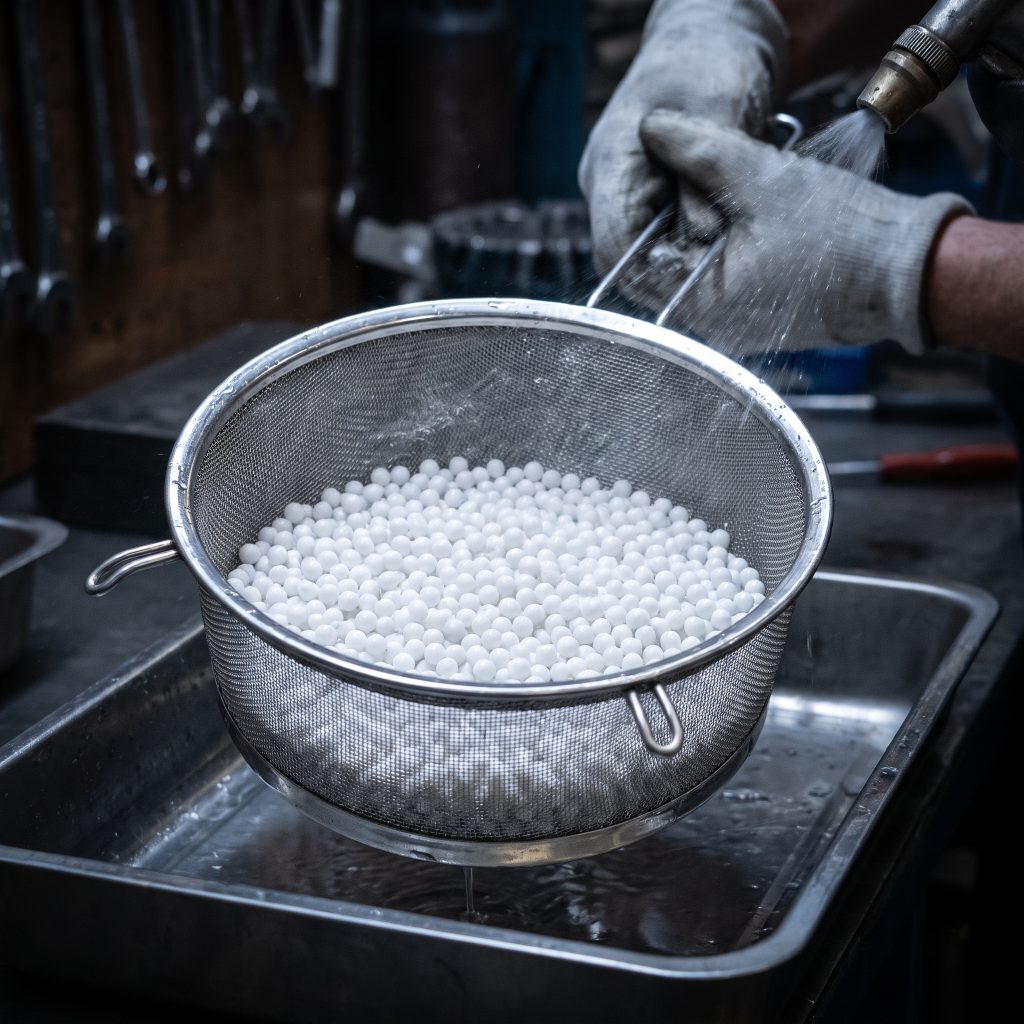
You should choose stabilized Zirconia Beads because unstabilized zirconia undergoes a catastrophic phase change under mechanical stress that causes the beads to shatter.
How do stabilizers prevent phase change?
Stabilizing agents like yttrium or cerium preserve the strong tetragonal crystal phase of zirconia at room temperature. This preservation enables a physical phenomenon called phase transformation toughening, which actively stops micro-cracks from spreading.
This mechanical shield provides these vital benefits:
- Prevents catastrophic bead cracking during high-velocity impacts.
- Preserves the perfect roundness of your media over time.
- Keeps your manufacturing runs smooth and predictable.
How is long-term structure maintained?
Think about it: keeping the crystal phases stable over thousands of operating hours is what prevents your milling media from wearing down into dusty powder. Stabilized zirconia resists hydrothermal degradation, keeping your milling runs highly consistent.
Key Takeaway: Stabilized media ensures your beads retain their shape and structure, preventing sudden production downtime.
| Crystal State | Active Phase | Behavioral Under Mechanical Strain |
|---|---|---|
| Unstabilized | Monoclinic (at RT) | Cracks easily, high disintegration rate |
| Stabilized | Tetragonal / Cubic | Transforms locally to arrest crack propagation |
This phase comparison shows why stabilizer additives are essential for maintaining media durability.
How can you optimize and source Zirconia Beads?

To achieve maximum milling efficiency, you must optimize how you operate your mill with Zirconia Beads while sourcing from verified suppliers.
How do you reduce bead contamination?
You can reduce bead contamination by matching your mill’s internal lining with your media type. Using polyurethane or ceramic linings prevents metal-on-metal wear and keeps your white pigments or pharmaceuticals perfectly pure.
To maintain maximum batch purity, implement these standard steps:
- Check separator screens regularly for worn or broken beads.
- Maintain a constant product feed rate to prevent overheating.
- Match mill chamber linings with your specific bead hardness.
How do you source for precision needs?
Want to know the best part? Sourcing from a partner who offers strict quality control guarantees that you receive beads with perfect chemical purity and tight size tolerances.
Key Takeaway: Combining proper mill settings with certified ceramic media protects your equipment and ensures consistent product quality.
| Operational Parameter | Recommended Setup Range | Intended Efficiency Outcome |
|---|---|---|
| Chamber Filling Rate | 75%–85% volume | Maximizes particle collisions |
| Tip Speed | 8–14 m/s | Optimizes kinetic energy transfer |
| Slurry Flow Rate | Medium-constant | Prevents local heat accumulation |
Following these operational guidelines keeps your grinding process stable and highly efficient.
How to resolve common queries about Zirconia Beads?
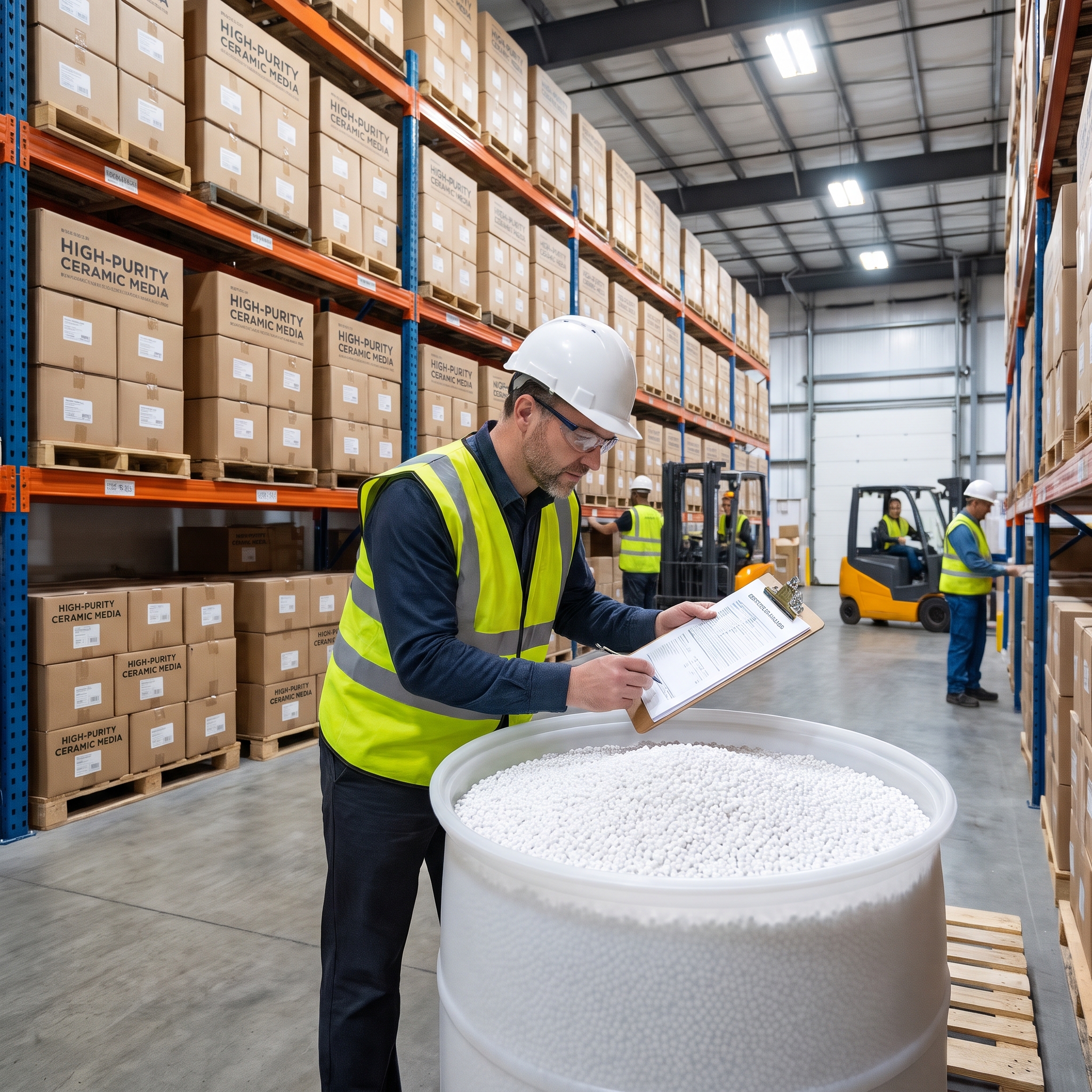
Resolving common queries about Zirconia Beads requires examining your mill setup, process parameters, and production goals.
Can I use these in any vertical mill?
Yes, you can use these beads in most vertical mills, provided your separator screen is correctly sized to retain them. You should also verify that the internal components of your mill are designed to handle high-density ceramic media without wearing out.
To verify compatibility, follow this quick checklist:
- Measure the mill’s separator gap against the bead diameter.
- Check that the chamber lining can handle dense media.
- Monitor initial temperature levels during test runs.
What’s the best choice for high-viscosity?
No, you should not use light media; ceria-stabilized beads are the absolute best choice for high-viscosity formulations due to their high density. Think about it: heavier beads generate the necessary momentum to break through thick slurries and disperse pigments evenly.
Using lighter beads in thick fluids often leads to poor dispersion and overheated mills.
How do I know if they are wearing out?
Yes, you can easily identify wear-out by checking for irregular shapes or micro-shards captured during your product discharge filtration. Additionally, a sudden drop in milling efficiency or an unexpected rise in mill pressure often indicates that your media needs grading.
Key Takeaway: Monitoring separator gaps and checking bead shapes during maintenance cycles keeps your milling quality high and protects your equipment.
Achieving Milling Excellence: Conclusion and Next Steps
Selecting the right grinding media shouldn’t be a game of trial and error that risks your company’s profit margins and product purity. This comprehensive guide has shown you how high-performance Zirconia Beads can eliminate shattering, minimize contamination, and streamline your production cycle across any milling setup. We provide high-purity, engineered ceramic media tailored to withstand the most punishing industrial environments, helping you achieve perfect consistency in every batch. Our vision is to empower global manufacturers with cutting-edge ceramic solutions that reduce waste and maximize energy efficiency. To discover how our premium media can transform your processing lines, contact us today for a tailored technical consultation.