Material Challenges in Refractory Applications
In refractory applications, zircon materials face extreme thermal, chemical, and mechanical stresses. Even minor variations in raw material quality can lead to significant operational risks that affect your entire production schedule.
Inconsistent Lining Service Life
Furnace lining performance varies between batches, making maintenance planning difficult and increasing the risk of unplanned shutdowns.
Unexpected High-Temperature Wear
Materials that pass room-temperature specifications may still experience accelerated wear or corrosion under actual operating temperatures.
Spec-Compliant But Still Failing
Materials meeting all chemical specifications still experience early failure during furnace campaigns, pointing to factors beyond standard testing.
Unpredictable Maintenance Cycles
Difficulty planning maintenance windows and shutdown schedules due to uncertain refractory behavior, affecting overall plant efficiency.
The core issue isn't your process—it's that raw material inconsistencies get amplified under extreme operating conditions, turning small variations into significant operational risks.
Experiencing similar challenges in your refractory operations?
Why Standard Specifications Fall Short
In refractory systems, performance deviation is rarely caused by a single parameter. It's typically the result of how impurities and phases behave under prolonged high-temperature exposure—factors that conventional testing methods don't capture.
The High-Temperature Performance Chain
Impurity Reactions at Elevated Temperatures
Trace elements that appear harmless at room temperature can form reactive compounds at furnace operating temperatures. These reactions create weak points in the refractory structure, leading to localized failure and accelerated degradation that standard purity tests cannot predict.
Phase Stability During Thermal Cycling
Repeated heating and cooling cycles cause phase transformations within zircon materials. Without proper phase stability, these transformations create internal stresses that accumulate over time, eventually compromising the structural integrity of the refractory lining.
Microstructural Changes Over Long Campaigns
During extended furnace campaigns, grain boundaries and internal structures evolve. Materials without controlled microstructural characteristics develop vulnerabilities that only become apparent after significant operational time—often too late to prevent costly failures.
Room-temperature test results alone cannot predict high-temperature performance. True refractory reliability requires understanding material behavior under actual operating conditions.
Want to understand how these factors affect your specific application?
Representative Refractory Application
A typical scenario illustrating how material selection impacts furnace campaign predictability
Zircon-Based Refractory Linings in Continuous High-Temperature Operation
Zircon-based materials are commonly used in refractory linings and castables subjected to continuous high-temperature operation and chemical attack. These applications demand materials that maintain structural integrity over extended service periods while resisting slag penetration and thermal shock.
Manufacturers often observe that refractory components meeting all specification requirements still exhibit inconsistent service life during furnace campaigns. This unpredictability complicates maintenance planning and increases the risk of unscheduled production interruptions.
At elevated temperatures, impurity behavior, phase transformations, and microstructural stability play a decisive role in long-term refractory performance. These factors determine whether materials will perform predictably throughout their intended service life.
Rather than relying solely on chemical composition, our focus is on controlling impurity-related behavior and phase stability under real operating temperatures. This approach addresses the root causes of performance variability, not just surface-level specifications.
This approach helps achieve more predictable refractory performance and reduces the risk of premature failure during furnace operation. Operators gain confidence in maintenance scheduling and experience fewer unexpected production interruptions.
Does this scenario reflect your operational reality?
What Really Determines Refractory Performance
Moving beyond conventional specifications to focus on factors that matter under actual operating conditions
| What Is Often Emphasized | What Actually Determines Performance |
|---|---|
| Chemical composition limits (ZrO₂ %, SiO₂ %) | High-temperature impurity behavior and reaction tendencies |
| Laboratory test values at room temperature | Phase stability over extended thermal exposure |
| Single-point specification compliance | Structural integrity under repeated thermal cycling |
| Initial material properties | Microstructural evolution during long campaigns |
| Generic industry standards | Application-specific performance requirements |
The key distinction: Conventional material selection focuses on what can be easily measured and documented. Effective refractory performance requires understanding what happens to materials under real operating conditions—high temperatures, chemical exposure, and extended service cycles. This is where our material expertise makes the difference.
Ready to move beyond specifications to real performance?
Material Selection Based on Operating Conditions
In refractory applications, material selection must start from operating conditions rather than datasheets. We evaluate your specific environment to recommend materials that will perform predictably throughout their service life.
Our Selection Philosophy
We don't recommend materials based solely on product specifications or pricing. Instead, we start by understanding your furnace environment—the temperatures you operate at, the chemical exposures your linings face, and the campaign duration you're targeting. This operating-condition-first approach allows us to match materials to real-world requirements, not theoretical benchmarks.
"The right material isn't the one with the best datasheet—it's the one that performs predictably in your specific application."
Operating Temperature Range
We assess your peak temperatures, cycling patterns, and thermal gradients to understand the thermal stresses your materials must withstand throughout each campaign.
Chemical Exposure Environment
Understanding the slag composition, atmosphere conditions, and chemical attack vectors helps us select materials with appropriate resistance characteristics for your specific process.
Expected Campaign Duration
Your target service life determines which material characteristics matter most—short campaigns require different optimization than extended continuous operation.
Let us evaluate materials based on your actual operating conditions.
What Changes When Materials Are Properly Matched
Operational improvements observed when zircon materials are selected based on high-temperature behavior
Predictable Campaign Duration
When materials are matched to operating conditions, furnace campaign lengths become more consistent. This allows for reliable maintenance scheduling and reduces the uncertainty that complicates production planning.
Reduced Failure Risk
By addressing impurity behavior and phase stability from the start, the risk of unexpected lining failure decreases. Operators gain confidence that materials will perform as expected throughout the planned service cycle.
Stable Long-Term Behavior
Materials selected for high-temperature stability maintain their properties over extended operation. This consistency means fewer surprises as campaigns progress and more reliable performance from start to finish.
Note: Outcomes depend on application conditions. We focus on consistent, predictable improvement rather than dramatic claims that may not apply to all situations.
Want to discuss expected outcomes for your specific application?
When This Approach Delivers the Most Value
Our material selection methodology is designed for specific operational priorities
This Approach is Particularly Valuable For:
Continuous High-Temperature Operations
If your furnaces operate under sustained high temperatures where materials are pushed to their limits, material behavior over time becomes critical. Standard specifications often fail to capture the factors that determine long-term performance in these demanding environments.
Predictable Maintenance Requirements
For operations where unplanned shutdowns create significant costs or safety concerns, material predictability becomes a priority. Knowing when maintenance will be needed—rather than reacting to unexpected failures—fundamentally changes operational planning.
Reliability Over Short-Term Savings
If your organization values operational reliability and long-term performance over minimizing initial material costs, our approach aligns with your priorities. The focus is on total cost of ownership and risk reduction, not lowest purchase price.
Do these priorities match your operational requirements?
Zircon Materials for Refractory Applications
In refractory applications, zircon materials are selected based on operating environment and performance requirements. Here are the material types commonly specified for high-temperature refractory use.
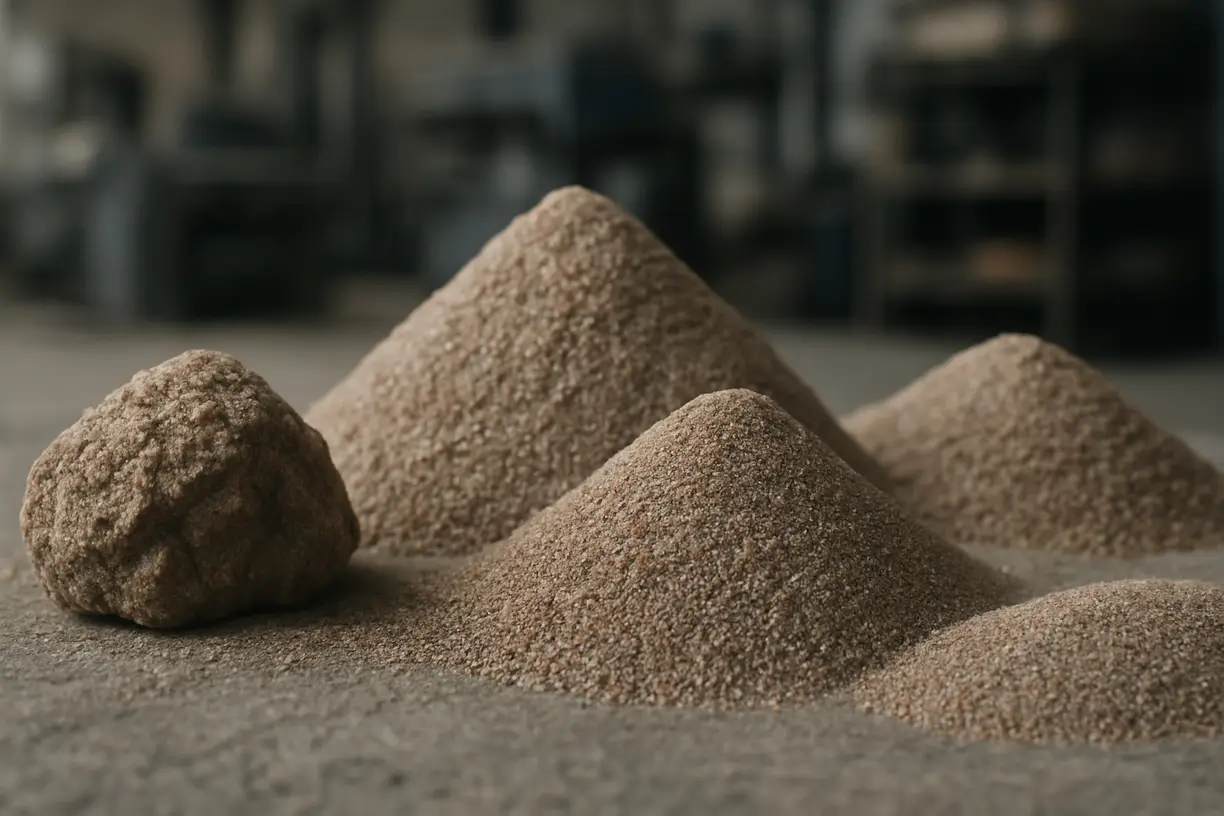
Zircon Sand
High-purity zircon sand engineered for refractory formulations where thermal stability and controlled impurity levels are critical to long-term furnace performance.
Refractory Formulations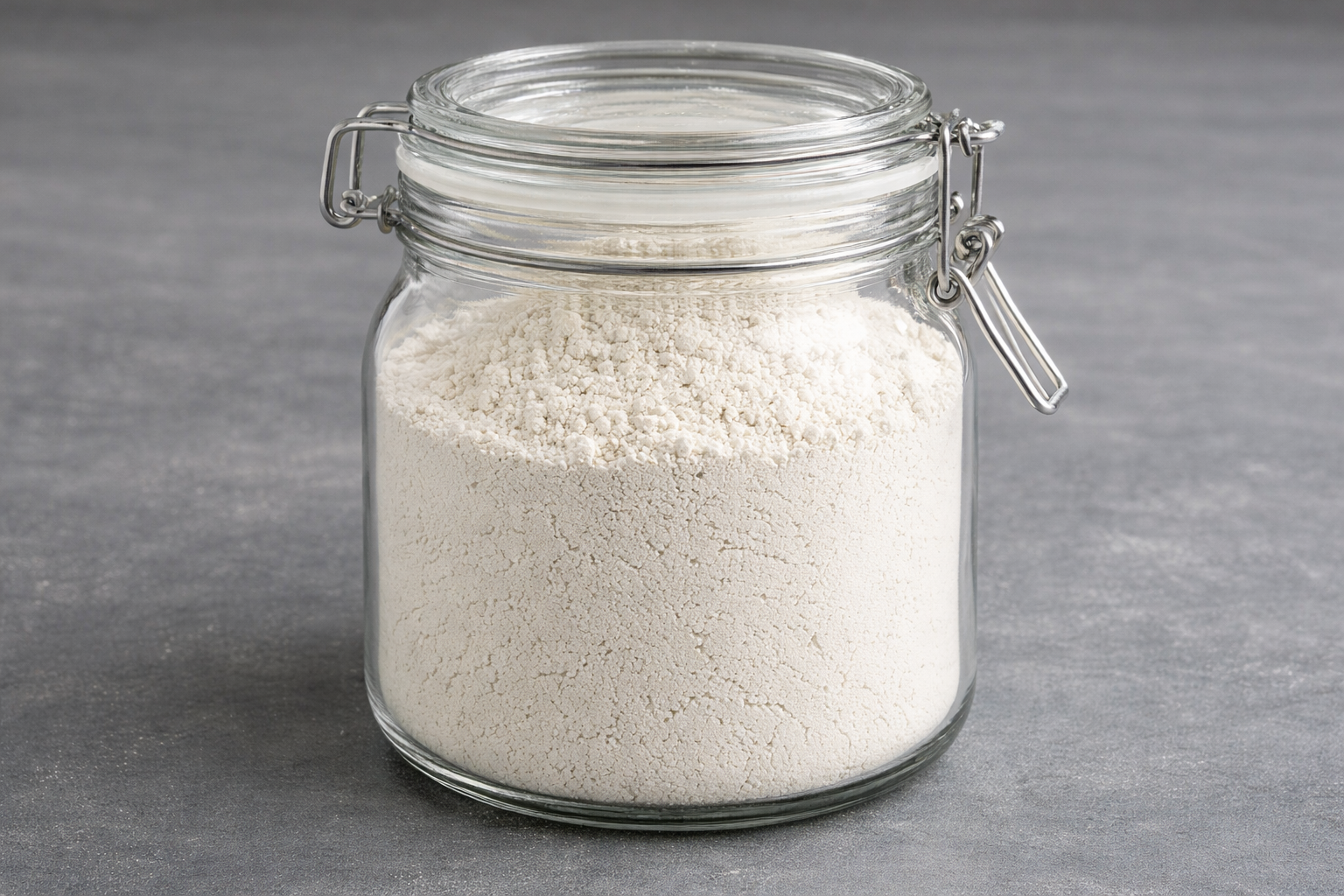
Zircon Flour
Finely milled zircon powder providing consistent particle distribution for refractory castables and coatings that require precise flow characteristics and uniform density.
Castables & Coatings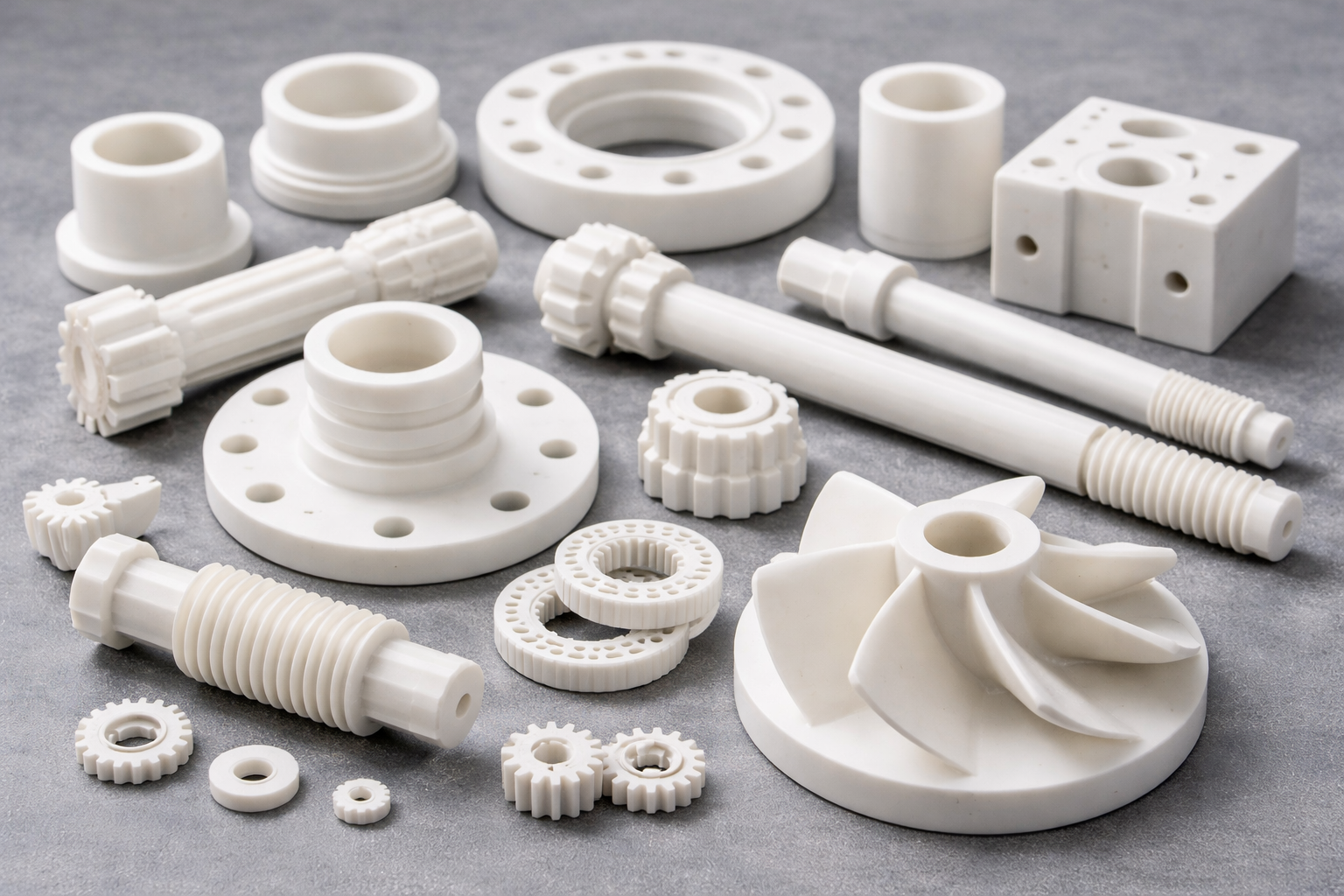
Zirconia-Based Materials
Advanced zirconia products offering enhanced thermal stability for the most demanding refractory applications where extreme temperatures and chemical resistance are required.
Enhanced Thermal StabilityNeed guidance on material selection for your application?
Discuss Your Refractory Operating Conditions
Share your operating temperature and service environment—not just material specifications. Our technical team will help evaluate which zircon materials match your specific furnace requirements for predictable, long-term performance.
We respond to technical inquiries within 24 hours. Provide your operating conditions and we'll recommend materials based on your specific furnace environment.