
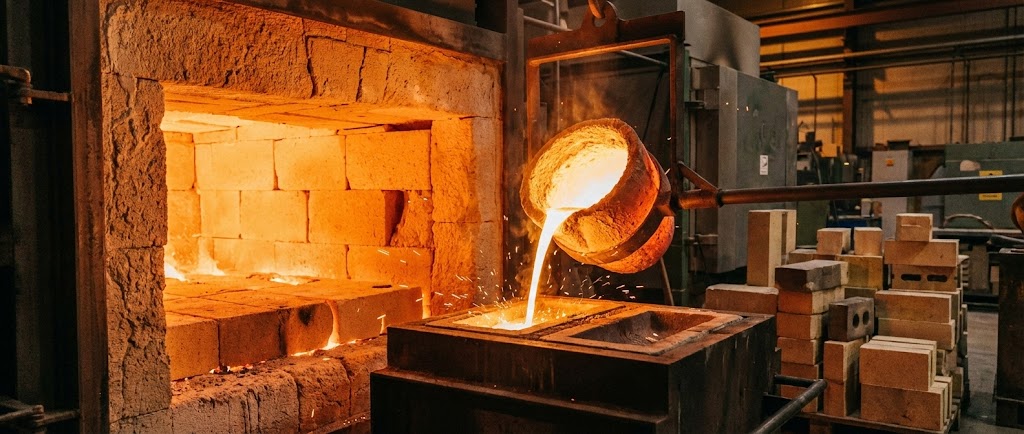
Refractory Performance Is Defined Under Extreme Conditions
In high-temperature operations, there are no minor issues. Small variations in raw material quality become amplified under thermal stress, turning into unpredictable lining failures, unplanned shutdowns, and costly repairs. The difference between reliable service and premature failure often comes down to one overlooked factor: raw material consistency.
Challenges Facing Refractory Manufacturers
Technical and procurement teams share common frustrations when sourcing zircon-based raw materials for high-temperature applications
Unpredictable Lining Lifetime
Even with consistent production processes, refractory linings show variable service life. Maintenance scheduling becomes reactive rather than planned, increasing operational uncertainty and emergency repair costs.
Batch-to-Batch Variation
Raw material inconsistency between deliveries causes erosion rate fluctuations. What worked in qualification testing may perform differently in production, creating quality assurance headaches.
Combined Thermal and Chemical Attack
Refractories face simultaneous high-temperature erosion and chemical corrosion from molten metals, slag, or glass. Raw materials must perform under both stress types, not just one.
Lab vs. Field Performance Gap
Materials that pass standard laboratory tests often underperform in actual service conditions. Testing protocols don't always capture the complexity of real-world furnace environments.
Shutdown Costs Exceed Material Costs
An unplanned furnace shutdown can cost more in lost production than an entire year's raw material budget. Yet procurement decisions often prioritize unit price over total cost of ownership.
Unclear Failure Analysis
When failures occur, suppliers often cannot explain the root cause. Without material traceability and technical support, the same problems repeat, and improvement becomes impossible.
Facing similar challenges in your refractory production?
Why Refractories Are Highly Sensitive to Zircon Quality
Understanding the technical relationship between zircon raw material properties and refractory performance in service
Zircon materials occupy critical contact zones in refractory systems—precisely where the harshest conditions exist.
In glass contact refractories, steel ladle linings, and high-temperature process equipment, zircon-based materials serve at the interface between molten substances and the vessel structure. These zones experience the highest thermal gradients, most aggressive chemical attack, and greatest mechanical stress.
Under extreme temperatures, even minor variations in raw material purity, impurity content, or microstructure trigger different dissolution, diffusion, and reaction pathways. These differences determine whether your refractory system fails early or delivers its designed service life.
Purity Level Impact
ZrO₂ content and impurity profile directly affect corrosion resistance and thermal stability
Microstructure Consistency
Crystal structure and grain boundaries determine high-temperature behavior patterns
Trace Element Effects
Even ppm-level impurities can initiate localized corrosion or phase changes
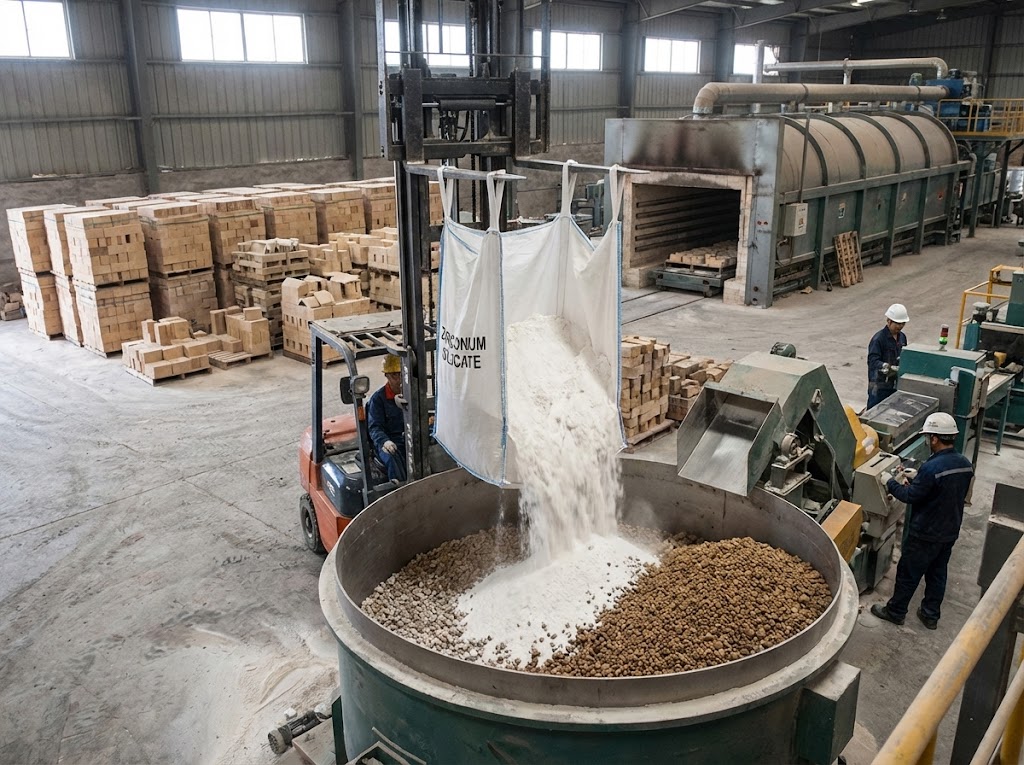
"In refractory systems, raw material differences determine failure modes—not just performance metrics."
Want to discuss how material properties affect your specific application?
Hidden Risks in Traditional Procurement Approaches
Common sourcing practices that seem reasonable can create downstream problems in refractory performance
| Common Practice | Hidden Risk |
|---|---|
| Specifying only refractoriness (temperature rating) | Ignores chemical corrosion resistance—the primary failure mechanism in many applications |
| Relying on single-batch qualification testing | Cannot predict long-term behavior or batch variation effects on service life |
| Prioritizing lowest unit price | Unplanned shutdowns and shortened campaigns cost far more than material savings |
| Frequently switching suppliers for better quotes | Destroys batch continuity—each supplier change introduces new variability |
| Accepting generic specifications only | Standard specs may not address critical parameters for your specific operating conditions |
These approaches aren't wrong—they're simply incomplete for high-stakes refractory applications where material performance directly impacts operational reliability and total cost.
Ready to evaluate a more comprehensive approach to raw material sourcing?
The Stability Logic for Refractory Raw Materials
What refractory manufacturers actually need from their zircon suppliers isn't just quality—it's predictability
Batch-to-Batch Consistency
Every delivery performs like the last one. No surprises between shipments, no process adjustments needed, no requalification required.
Predictable High-Temperature Behavior
Understand exactly how the material will respond to thermal cycling, chemical attack, and mechanical stress in your operating conditions.
Application-Specific Matching
Raw material properties aligned to your specific furnace environment, melt chemistry, and service conditions—not just generic specifications.
Long-Term Service Reproducibility
Consistent campaign lengths, predictable maintenance windows, and repeatable performance year after year across production cycles.
The Goal: Operational Predictability
When raw material performance is stable and well-understood, refractory systems become predictable. Maintenance shifts from reactive to planned. Total cost of ownership decreases while operational confidence increases.
Looking to bring more predictability to your refractory operations?
How We Understand Refractory Applications
A technical perspective on zircon materials—focused on function, not just specification
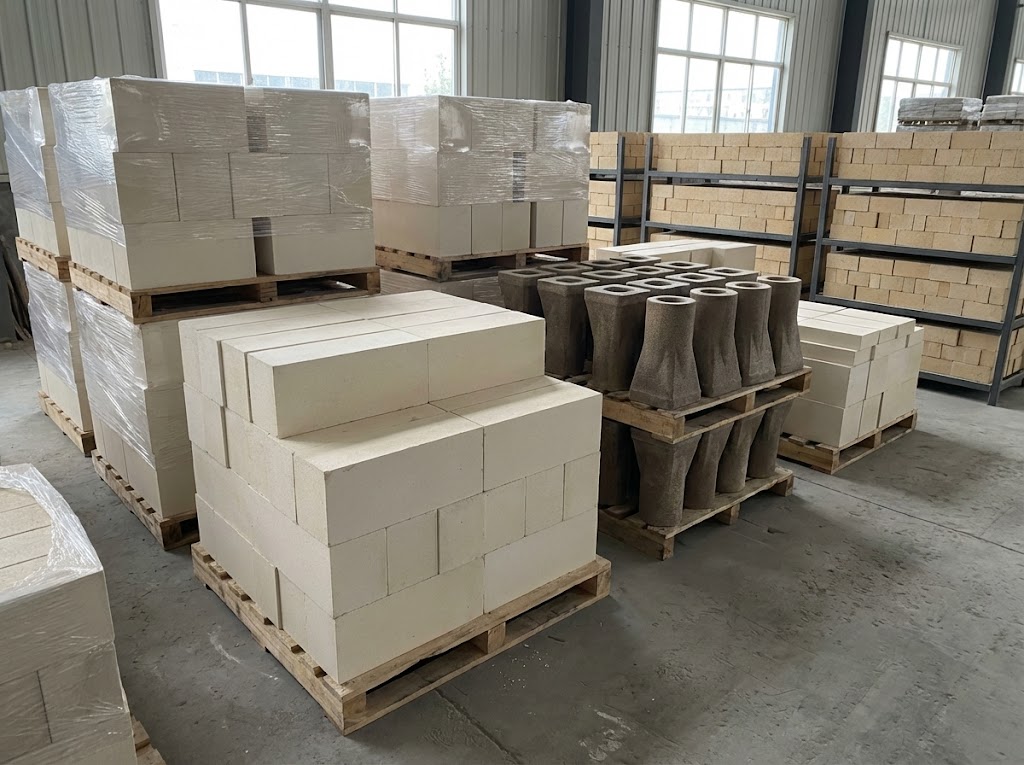
We don't treat zircon materials as generic commodities.
Every refractory system has its own operating conditions, failure mechanisms, and performance requirements. We approach each application by first understanding where the material will serve—in contact zones, erosion-prone areas, or high thermal load regions—before recommending any product.
This means our technical conversations start with your process environment, not our product catalog. We want to understand your furnace chemistry, operating temperatures, campaign length targets, and historical failure patterns before discussing material options.
Contact Zone Analysis
Understanding material behavior at the critical interface between melt and lining
Erosion Pattern Mapping
Identifying high-wear regions and matching material properties accordingly
Thermal Load Assessment
Evaluating temperature gradients and cycling effects on material performance
Want to discuss how we can support your specific refractory application?
Zircon-Based Material Systems for Refractories
Material categories designed for specific refractory performance requirements
Zircon Materials for Glass Contact Refractories
Engineered for direct contact with molten glass in tank furnaces, where chemical resistance and thermal stability are paramount. These materials provide the foundation for extended campaign life in glass production environments.
Zirconia Materials for High-Temperature Zones
Designed for the most demanding thermal environments where temperatures exceed conventional material limits. Stabilized zirconia systems deliver reliable performance in extreme heat applications across multiple industries.
Zircon Materials for Corrosion & Wear Resistance
Formulated for environments where combined chemical attack and mechanical erosion challenge refractory integrity. These materials balance hardness with corrosion resistance for aggressive service conditions.
We discuss specific grades and specifications during technical consultations, after understanding your application requirements. This ensures recommendations are matched to your actual operating conditions.
Need guidance on which material system fits your application?
Typical Refractory Application Scenarios
Industries and equipment types where our zircon materials support refractory performance
Glass Furnaces
Tank bottoms, sidewalls, throats, and superstructure components where glass contact and high temperatures demand superior material performance.
Steel & Non-Ferrous Metallurgy
Ladle linings, tundish components, and continuous casting systems requiring resistance to molten metal and slag attack.
Cement & Lime Kilns
Rotary kiln linings and transition zones where thermal cycling and chemical attack from clinite formation challenge refractory life.
High-Temperature Chemical Processing
Reactor linings and process vessels in chemical plants where corrosive atmospheres combine with elevated temperatures.
Specialty High-Temperature Equipment
Custom furnaces, incinerators, and specialized thermal processing equipment with unique operating requirements.
Power Generation
Boiler linings, gasifier components, and combustion chambers in power plants facing combined thermal and erosive wear conditions.
Don't see your specific application? We work across many refractory scenarios.
Why Refractory Customers Choose Long-Term Partnership
The factors that build lasting supplier relationships in demanding refractory applications
Long-Cycle Supply Experience
Years of continuous supply to refractory manufacturers means we understand the importance of reliability. Our customers count on consistent delivery schedules aligned with their production planning.
Full Batch Traceability
Every shipment is traceable to its production batch, raw material source, and quality test results. When you need to investigate a performance question, the data exists to support analysis.
Engineering-Led Problem Solving
When issues arise, our technical team participates directly in failure analysis and problem resolution. We don't just replace materials—we help understand why problems occurred and how to prevent recurrence.
Global Refractory Industry Experience
We serve refractory manufacturers across multiple countries and application types. This breadth of experience means we've likely seen challenges similar to yours and can share relevant insights.
"Partnership in the refractory industry isn't just about transactions—it's about building the operational confidence that comes from knowing your raw material supply is stable, traceable, and technically supported."
Looking for a supplier relationship built on technical support and consistency?
If You Want More Predictable Refractory Performance
Refractory lifetime, corrosion resistance, and operational predictability depend on raw material consistency. If these factors matter to your operation, a technical discussion is the right place to start.
We're not here to make a quick sale—we're here to understand your application and determine if our materials and approach are a good fit for your requirements.