
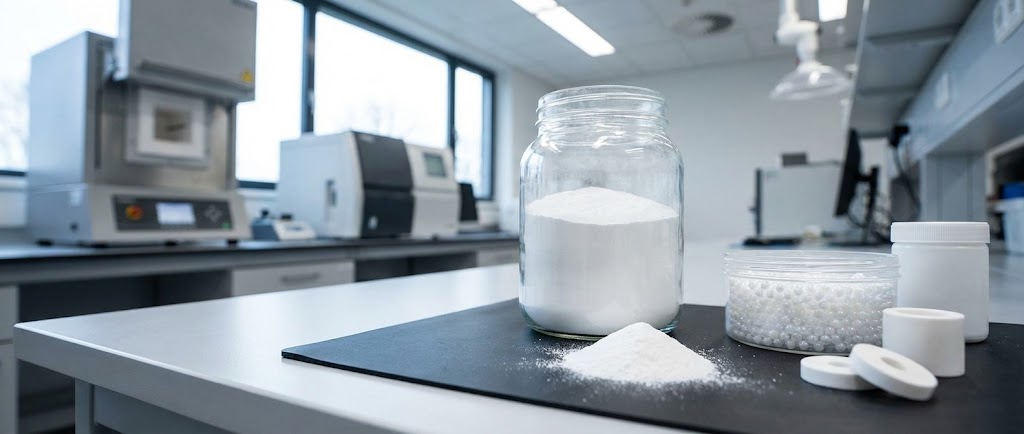
Zirconia for Industrial Applications
We supply zirconia materials engineered for industrial and technical ceramic applications—delivering the phase stability and process consistency your manufacturing line demands.
3+
Stabilization Systems
Y₂O₃, MgO, CaO and custom compositions available
0.1–5μm
Particle Size Range
Precise D50 control for optimal sintering results
≥99.5%
Purity Level
High-purity grades for demanding applications
100%
Batch Tested
Every batch verified against reference standards
Direct Manufacturer
In-house production with full process control from raw materials to finished powder
Customizable Specs
Adjust particle size, stabilizer content, and other parameters to your requirements
Complete Documentation
COA, TDS, and compliance documents ready for international shipments
Find the right zirconia grade for your application.
Talk to Our EngineersZirconia Types Overview
Explore our range of zirconia grades designed for different performance requirements and processing conditions
YSZ
Yttria-Stabilized Zirconia
Stabilization
Y₂O₃ (3–8 mol%)
Key Properties
Exceptional fracture toughness, ionic conductivity, high flexural strength
Applications
PSZ
Partially Stabilized Zirconia
Stabilization
MgO or CaO (partial)
Key Properties
Transformation toughening, thermal shock resistance, excellent wear performance
Applications
Monoclinic
Unstabilized Zirconia
Stabilization
None (pure ZrO₂)
Key Properties
High chemical stability, excellent corrosion resistance, raw material for stabilized grades
Applications
Custom Grades
Application-Specific Formulations
Stabilization
Tailored (CeO₂, Y₂O₃, etc.)
Key Properties
Optimized for specific sintering profiles, density targets, or mechanical requirements
Applications
Need help selecting the right zirconia type for your process?
Get Technical RecommendationsPhase & Stabilization Logic
Understanding zirconia phase structures helps you select materials that deliver the exact performance characteristics your application demands
Why Stabilization Matters in Zirconia Performance
Pure zirconia undergoes destructive phase transformations during thermal cycling—expanding and contracting in ways that cause cracking and mechanical failure. Stabilization with oxides like yttria (Y₂O₃) or magnesia (MgO) locks the crystal structure in beneficial forms, enabling the material to withstand demanding conditions.
Different phase structures offer distinct advantages: tetragonal phases provide exceptional toughness, cubic phases deliver superior ionic conductivity, and controlled phase mixtures enable transformation toughening. Selecting the right stabilization system allows you to optimize strength, thermal stability, and wear resistance for your specific process.
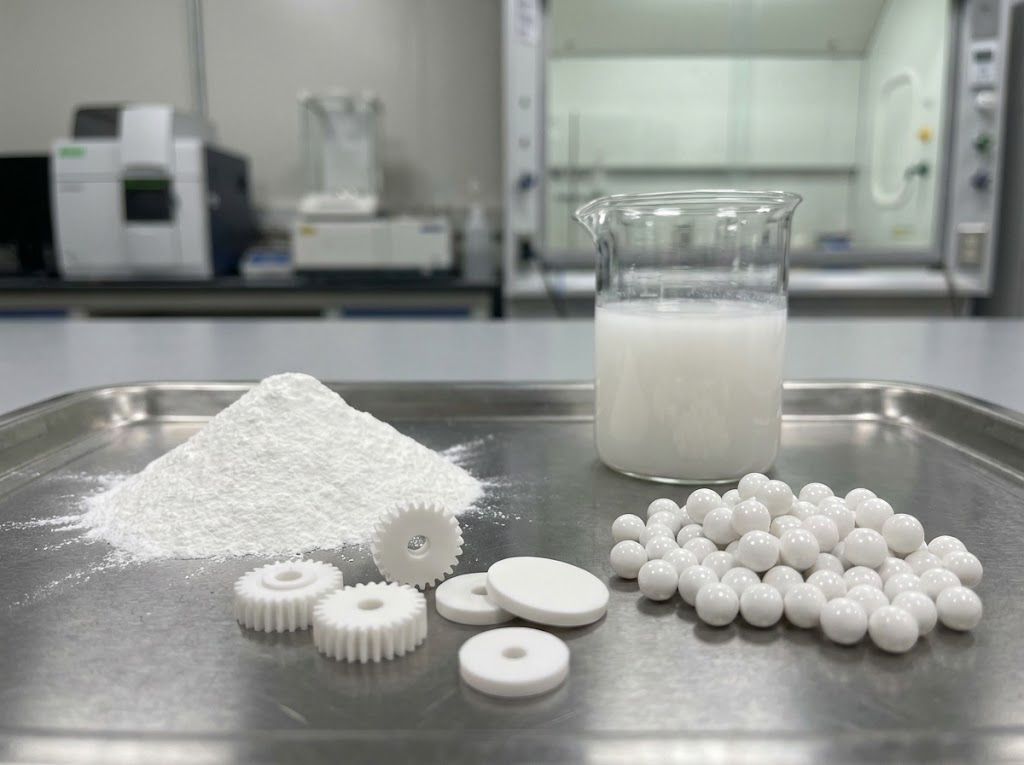
Zirconia Phase Structures Explained
Monoclinic Phase
Stable below ~1170°C
The room-temperature form of pure zirconia. While chemically stable, unstabilized monoclinic zirconia is prone to destructive volume changes during heating and cooling cycles.
- Lowest density of all phases
- Chemical inertness for pigments
- Base material for stabilization
Tetragonal Phase
Stable ~1170°C – 2370°C
Retained at room temperature through yttria or ceria stabilization. This phase enables transformation toughening—absorbing crack energy by converting to monoclinic under stress.
- Exceptional fracture toughness
- High flexural strength
- Ideal for structural ceramics
Cubic Phase
Stable above ~2370°C
Achieved with higher stabilizer concentrations. Cubic zirconia offers excellent high-temperature stability and ionic conductivity, making it essential for solid oxide fuel cells and oxygen sensors.
- Superior ionic conductivity
- Excellent thermal stability
- Critical for electrochemical uses
How Stabilization Affects Performance
Different stabilizers and concentrations enable you to fine-tune material properties for specific manufacturing outcomes
Enhanced Toughness
3Y-TZP formulations retain tetragonal phase for transformation toughening—ideal when crack resistance is critical to product reliability
Thermal Stability
Higher yttria content (8YSZ) creates cubic phases that maintain structure through thermal cycling—essential for high-temperature environments
Wear Resistance
PSZ with magnesia stabilization combines hardness with shock resistance—delivering longer service life in abrasive applications
Unsure which phase structure suits your application? Let our engineers guide you.
Request Technical ConsultationTypical Applications
Our zirconia materials are selected based on the performance requirements of your end product—not just industry categories
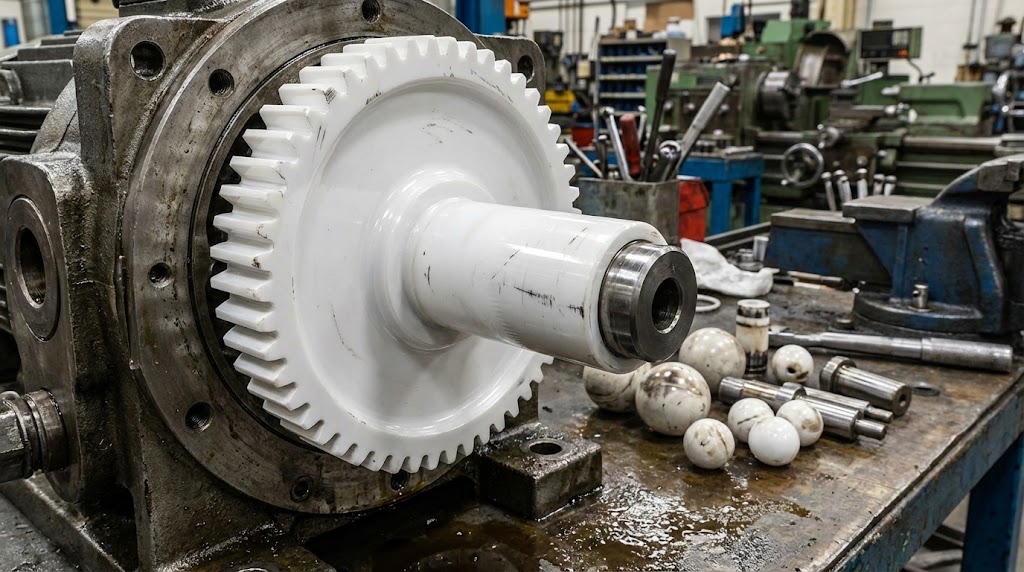
Wear Resistance & Strength
Structural Ceramics
When your components face constant abrasion and mechanical stress, YSZ and PSZ grades deliver the hardness and toughness that extend service life and reduce replacement costs.
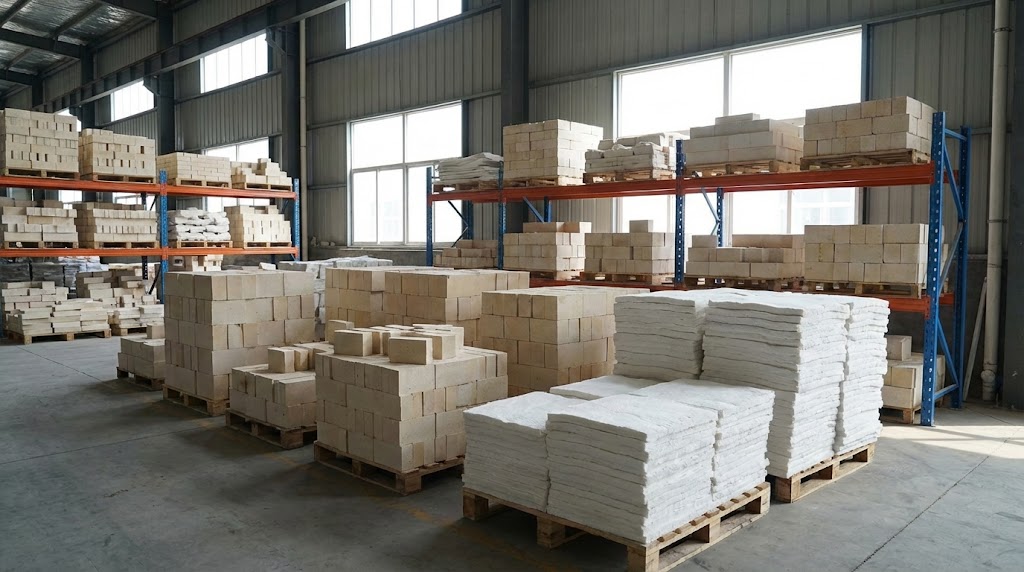
Thermal Stability
Refractories & Insulation
High-temperature environments demand materials that maintain structural integrity through repeated thermal cycles. Our stabilized grades resist thermal shock while providing excellent insulation performance.
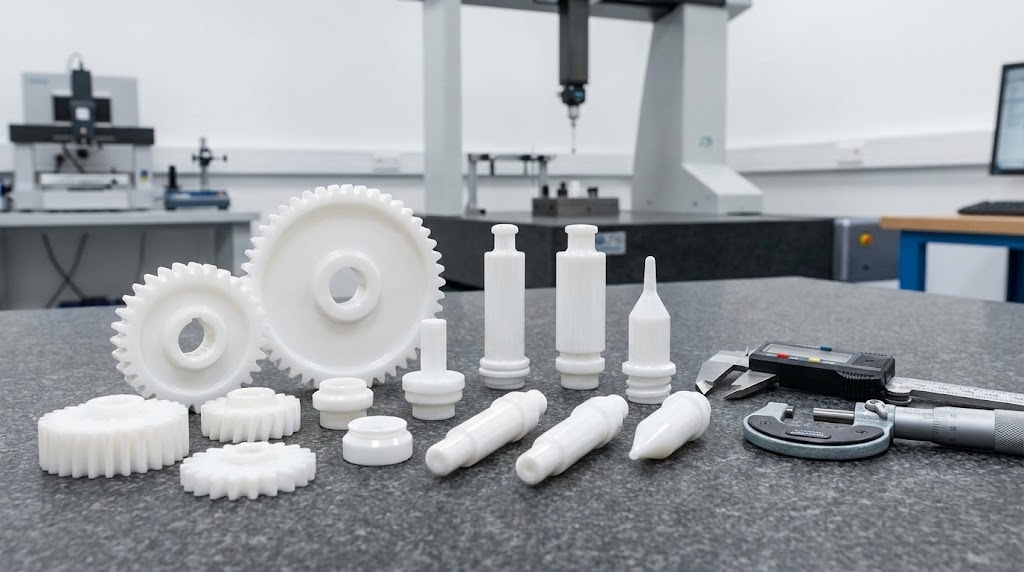
Precision & Density
Technical Ceramic Components
Achieving tight tolerances and high sintered density requires powder with controlled particle distribution. Our grades enable predictable shrinkage and superior surface finish in precision parts.
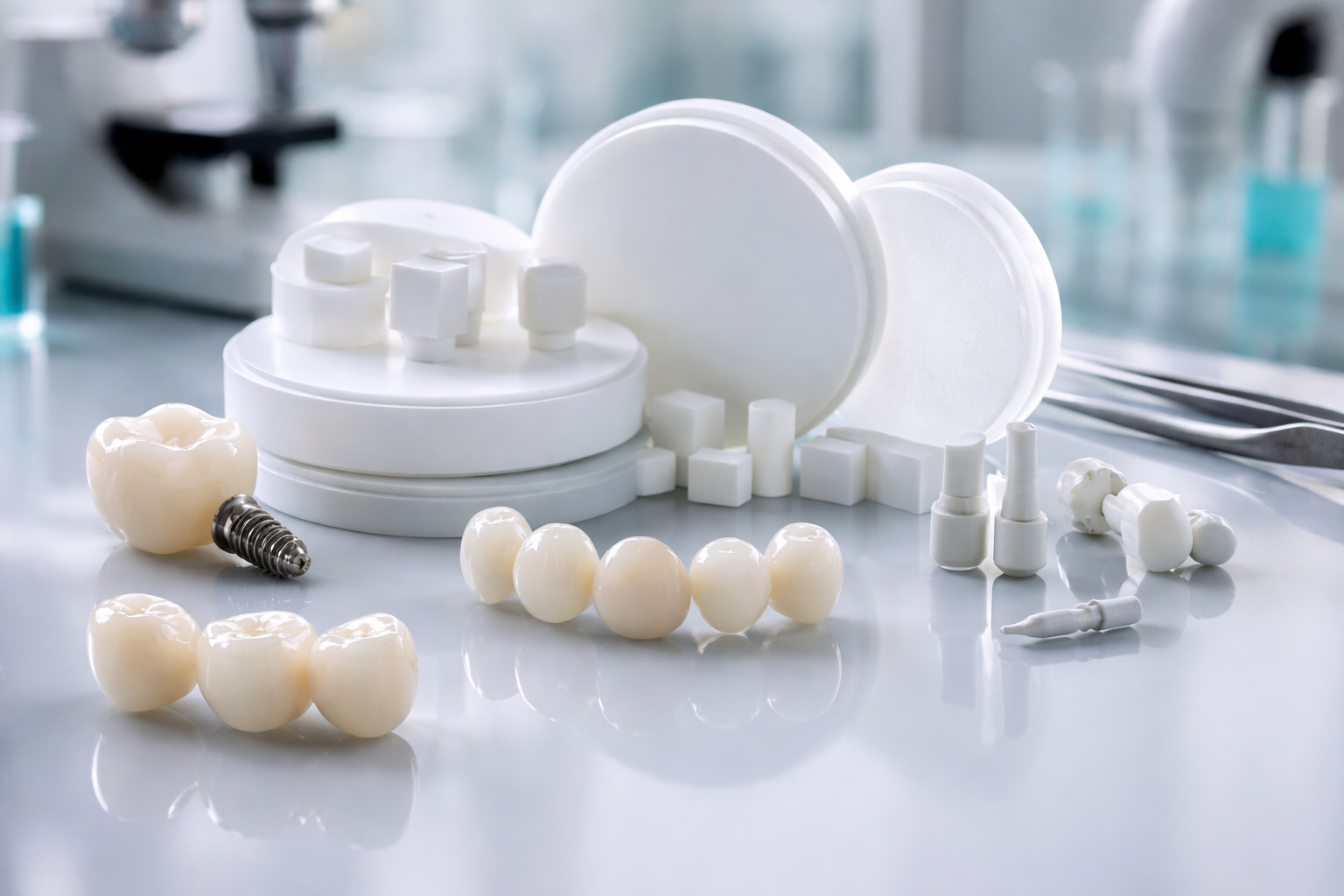
Biocompatibility
Dental & Medical Ceramics
Biomedical applications demand exceptional purity and consistent mechanical properties. Our high-purity YSZ grades meet the stringent requirements for dental restorations and implant components.
Application-First Material Selection
We don't simply categorize by industry—we match zirconia grades to the specific performance characteristics your process requires. Tell us your application challenges, and our engineers will recommend materials that deliver measurable improvements in your production outcomes.
Describe your application requirements—we'll recommend the optimal zirconia solution.
Submit Your Application DetailsKey Specifications Snapshot
Quick reference for engineers and procurement teams evaluating zirconia materials
Particle Size (D50)
0.1 – 5.0 μm
Customizable to match your sintering requirements
Purity Level
≥99.5% – 99.9%
High-purity grades for demanding applications
Stabilizer Content
Y₂O₃: 3–8 mol%
MgO, CaO, CeO₂ options available
Bulk Density
0.8 – 1.5 g/cm³
Controlled for consistent processing
Note: These are typical specification ranges. Complete Technical Data Sheets (TDS) are provided upon request to match your specific application requirements. We customize parameters based on your processing conditions.
Need detailed specifications for your evaluation?
Request Full SpecsConsistency & Processing Control
Repeatable performance isn't accidental—it's engineered. Our production process is designed to eliminate variability, ensuring that every batch meets the same specifications that qualified your initial samples.
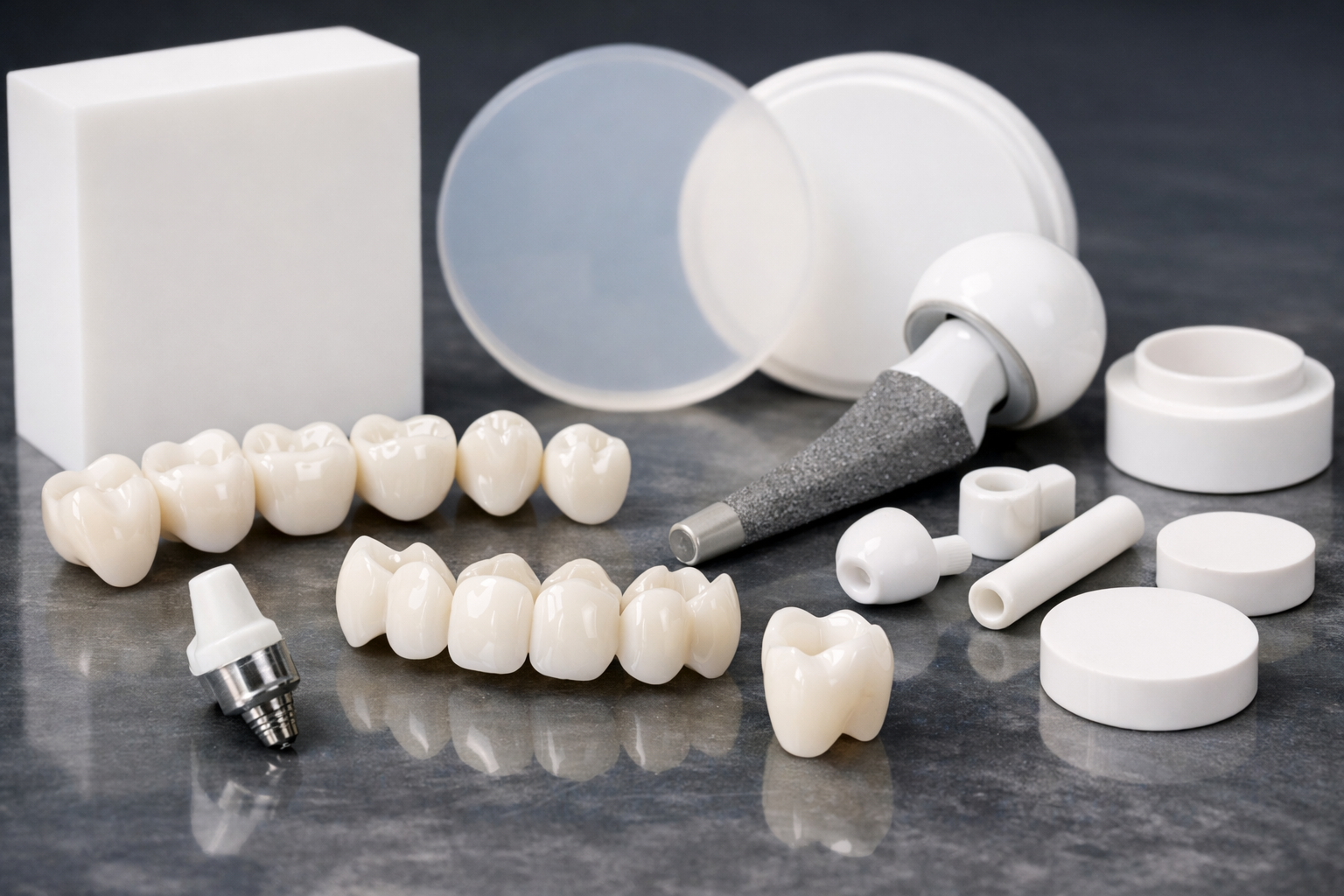
Raw Material Control
Incoming materials are tested and qualified before entering production to ensure consistent starting points
Processing & Classification
Controlled milling and classification processes deliver precise particle size distributions
Phase Consistency Management
Stabilization and calcination parameters are monitored to maintain target phase compositions
Batch-to-Batch Stability
Every batch is tested against reference standards before release to production
How to Choose the Right Zirconia Grade
Match your performance priorities to the optimal material—here's a quick guide to help you decide
If You Need
Maximum Fracture Toughness
Your components face impact loads, crack propagation risks, or need to survive mechanical shock without catastrophic failure.
Recommended
3Y-TZP (3 mol% Yttria)
If You Need
High-Temperature Stability
Your application operates above 1000°C or experiences repeated thermal cycling that destabilizes lower-yttria grades.
Recommended
8YSZ (Cubic Phase)
If You Need
Wear & Thermal Shock Resistance
Your parts face abrasive environments combined with rapid temperature changes—requiring both hardness and shock tolerance.
Recommended
Mg-PSZ or Ca-PSZ
Common Selection Mistakes to Avoid
Using 3Y-TZP above 400°C in humid environments — Low-temperature degradation can compromise tetragonal phase stability over time
Choosing by purity alone without considering phase — High purity doesn't guarantee the mechanical properties your application needs
Ignoring particle size effects on sintering — The wrong D50 can lead to density problems or excessive shrinkage variability
Not sure which grade fits your application? Our engineers can help you decide.
Get Expert RecommendationsWhy Work With Us
What makes us different from other zirconia suppliers
Zircon-Focused Expertise
We specialize in zirconium-based materials—not a general chemical catalog. Deep focus means deeper knowledge.
Application-Oriented Support
Our engineers understand your processes and help match materials to your specific manufacturing challenges.
Consistent Quality
Batch-to-batch repeatability means fewer production surprises and more predictable outcomes for your process.
Export-Ready Documentation
Complete COA, TDS, and compliance documentation prepared for international shipments and audits.
Ready to discuss your zirconia requirements?
Start a ConversationGet in Touch
Have questions about our zirconia materials? We're here to help.
Frequently Asked Questions
Do you support custom zirconia grades?
Yes. We can adjust stabilizer content, particle size distribution, and other parameters based on your specific application requirements.
What is your minimum order quantity?
MOQ varies by grade. Standard grades start from 100kg; custom formulations may require larger commitments. Contact us for specific requirements.
Can I get samples for testing?
Absolutely. We provide evaluation samples for qualified projects. Tell us about your application and testing needs.
What applications do you mainly serve?
Technical ceramics, refractories, dental/medical, fuel cells, and precision engineering components are our primary focus areas.
Send Us Your Requirements
Please tell us your application and required properties. Our team will help select the suitable zirconia material.