
Sintered yttria-stabilized zirconia beads (Y-TZP) are high-density ceramic grinding media engineered to deliver maximum kinetic milling efficiency and extreme purity in high-energy wet milling applications.
Are you struggling with rapid media wear, batch-to-batch slurry contamination, and constant mill downtime that inflates your operational overhead? Traditional grinding media degrade under high shear stress, sending unwanted wear debris into your product and forcing frequent maintenance stops. Upgrading to high-purity Zirconia Beads eliminates these production bottlenecks by locking a durable phase structure that withstands aggressive milling environments without shattering or wearing down prematurely.
What Are Yttria-Stabilized Zirconia Beads?
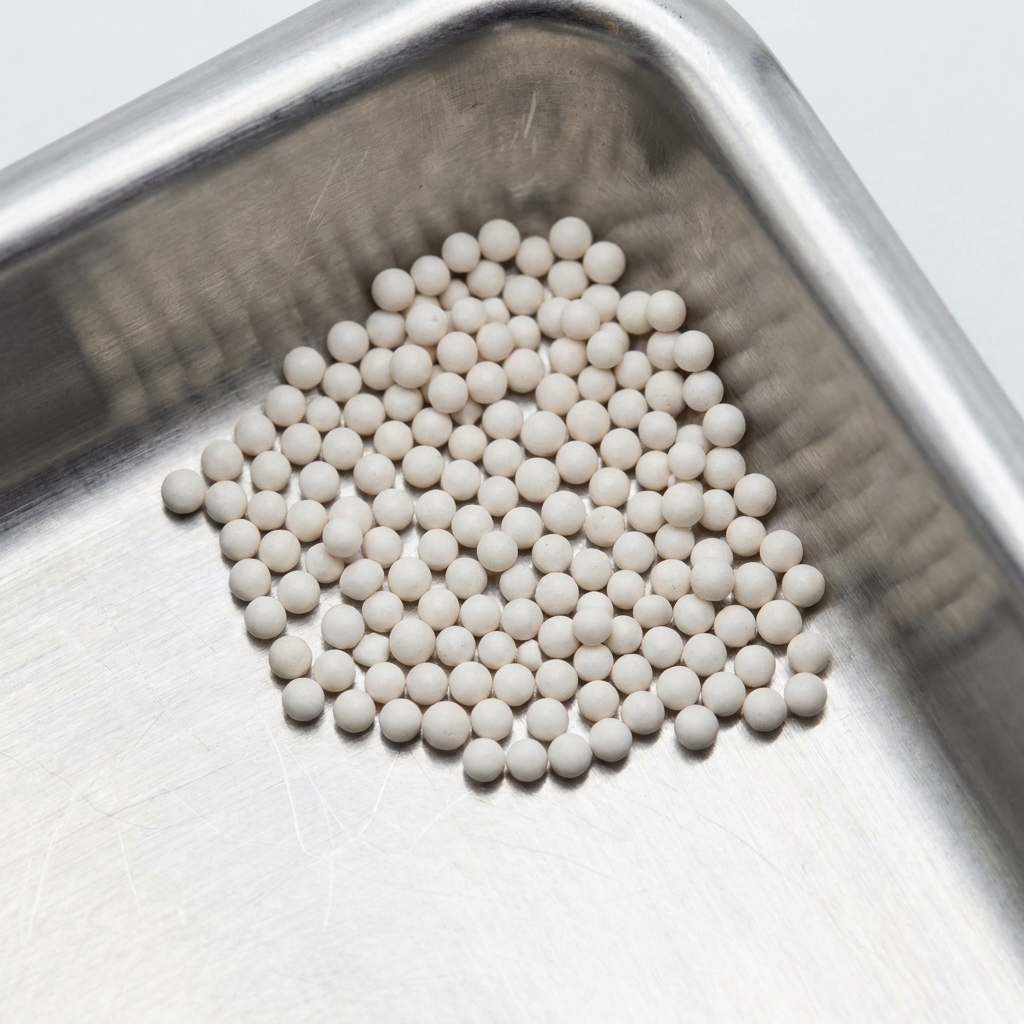
Yttria-stabilized zirconia beads are ultra-dense ceramic grinding spheres produced by alloying zirconium dioxide with approximately 3 mol% (5.2 wt%) yttrium oxide to freeze the tetragonal crystal lattice at room temperature.
Understanding Phase Transformation Toughening
Y-TZP media utilize a microscopic defense mechanism known as stress-induced phase transformation toughening. When micro-cracks attempt to form under severe kinetic impact, the tetragonal crystals around the stress field transform into a monoclinic phase, expanding by 3% to 5% in volume to clamp the crack shut.
Here is why this matters:
- Transformation toughening prevents catastrophic bead shattering in high-speed agitator mills.
- Monoclinic phase conversion absorbs mechanical shock while preserving structural integrity.
- Microscopic crack propagation is halted instantly at the grain boundary level.
What Is the Chemical Composition of Y-TZP?
The chemical formulation of yttria-stabilized ceramic media is strictly controlled to maintain optimal crystal phase ratios and mechanical strength. Minor trace oxides are kept at negligible levels to avoid chemical leaching into wet slurries.
Let’s look at the numbers:
- ZrO₂ + HfO₂ Content: ≥ 94.6% nominal composition balance
- Y₂O₃ Stabilizer Content: 5.2 ± 0.2% weight fraction
- Minor Impurities (Fe₂O₃, SiO₂, Al₂O₃): < 0.2% total mass weight
How Does Yttria Compare to Ceria Stabilizers?
While ceria-stabilized media offer high specific gravity, yttria-stabilized media provide superior wear resistance and fracture toughness. This structural difference translates into cleaner milling and longer media operating lifespans in industrial mills.
Here’s the truth:
- Y-TZP achieves higher Vickers hardness (HV10 ≥ 1250 kgf/mm²) than ceria-stabilized alternatives.
- Yttria stabilization resists stress-induced micro-spalling during continuous agitator rotation.
- Lower volumetric wear rates preserve original bead roundness across thousands of operational hours.
Key Takeaway: By utilizing stress-induced phase transformation toughening, yttria-stabilized media protect your chemical formulations from structural breakdown and particulate contamination under heavy milling shear.
| Parameter | Yttria-Stabilized Zirconia (Y-TZP) | Ceria-Stabilized Zirconia (Ce-TZP) |
|---|---|---|
| Density (g/cm³) | 6.0 ± 0.05 | 6.2 ± 0.05 |
| Fracture Toughness (MPa·m¹/²) | 9.0 – 10.0 | 6.0 – 7.0 |
| Vickers Hardness (HV10) | 1250 – 1300 kgf/mm² | 1150 – 1200 kgf/mm² |
| Wear Rate Comparison | Baseline (Lowest Wear) | ~15% Higher Volumetric Wear |
The analytical data confirms that Y-TZP provides superior fracture toughness and hardness over Ce-TZP, translating directly into extended media operational life.
How Are Sintered Zirconia Beads Manufactured?
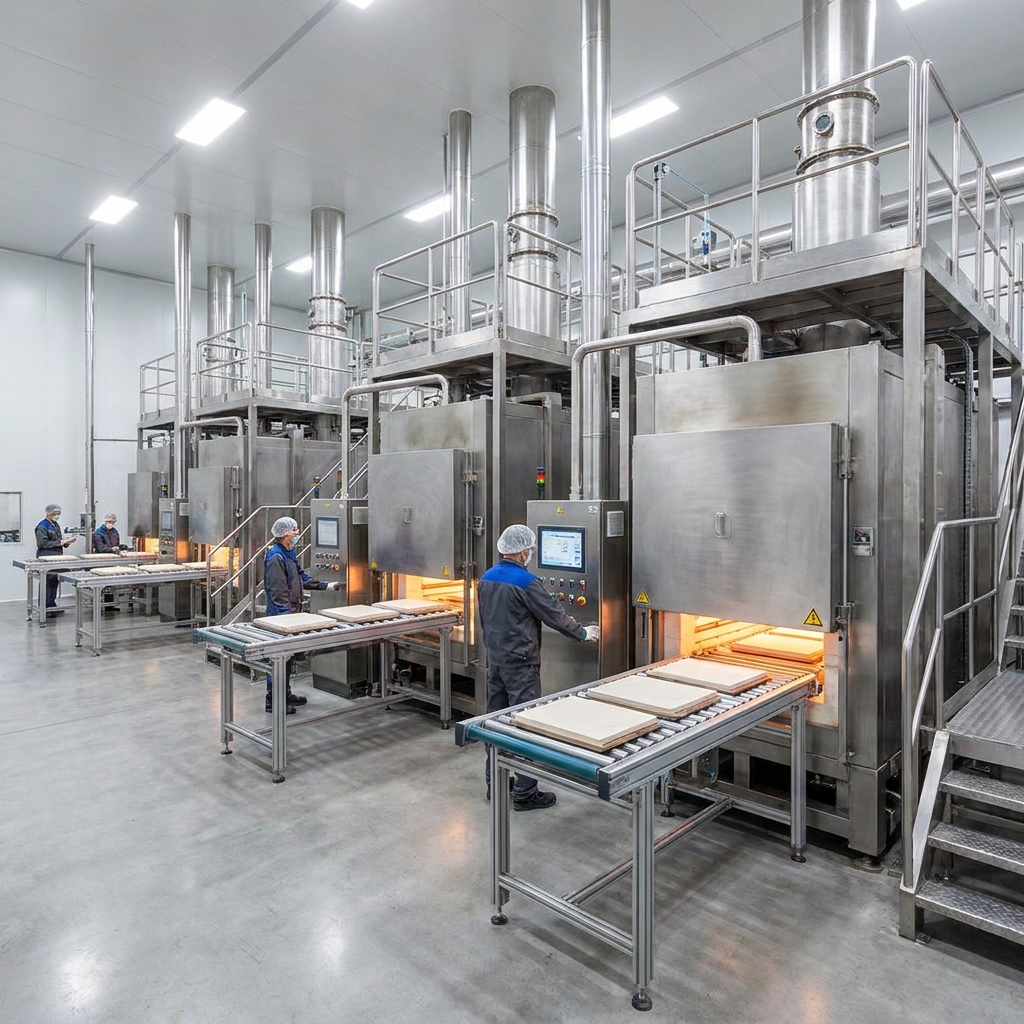
Sintered zirconia beads are produced through precision liquid-phase droplet forming followed by high-temperature thermal consolidation above 1450°C to achieve full theoretical density.
Selecting high-purity Zirconia Beads manufactured with controlled thermal processing guarantees consistent internal microstructure and zero internal voids across production batches.
Precursor Powder Synthesis and Slurry Preparation
The production lifecycle begins with sub-micron, spray-dried yttria-zirconia precursor powders. These raw powders undergo wet ball milling to ensure sub-micron particle size distribution (D₅₀ < 0.2 μm) and homogeneous stabilizer distribution.
Let’s dive in:
- Sub-micron precursor powders ensure uniform green state compaction during forming.
- Homogeneous stabilizer dispersion prevents localized monoclinic phase clustering.
- Slurry rheology is modified with organic binders to optimize spherical droplet release.
Precision Droplet Forming vs Roll Compaction
High-precision micro-beads are shaped using liquid titration dropping techniques rather than dry roll compaction. Droplet formation yields perfectly spherical green beads free of internal air pockets or surface seam defects.
Think about it:
- Liquid titration forming ensures uniform bead roundness exceeding 95% sphericity ratios.
- Absence of internal voids prevents bead implosion during high-pressure milling cycles.
- Controlled orifice vibration produces tight particle size cuts with minimal variance.
How Does Sintering Temperature Affect Density?
Green ceramic beads undergo a multi-stage thermal profile in continuous tunnel kilns, dwelling between 1450°C and 1500°C. Precise temperature control allows grains to coalesce fully while suppressing exaggerated grain growth.
The best part?
- Precise sintering profile closes inter-particle pores to reach ≥ 99.5% theoretical density.
- Sub-micron grain sizes (typically < 0.5 µm) are preserved for maximum mechanical strength.
- Controlled cooling profiles prevent thermal shock cracking within the sintered body.
Key Takeaway: Advanced liquid-phase forming and controlled sintering eliminate internal porosity, giving your production plant durable media that resist internal fatigue and cracking.
| Manufacturing Phase | Control Variable | Resulting Media Parameter |
|---|---|---|
| Powder Milling | Nano-milling (D₅₀ < 0.2 μm) | Homogeneous grain boundary chemistry |
| Titration Dropping | Frequency & surface tension | Spherical shape, ratio ≥ 0.95 |
| Tunnel Sintering | 1450°C–1500°C dwell profile | Full densification (≥ 6.0 g/cm³) |
| Planetary Polishing | Surface tumbling media | Polished finish (Ra < 0.02 μm) |
Strict control of sintering thermal cycles maximizes microstructural density and removes internal micro-porosity.
Why Choose Yttria-Stabilized Zirconia Beads?
Process engineers choose yttria-stabilized zirconia beads because their extraordinary fracture toughness and density provide superior grinding rates while drastically lowering media consumption.
Using high-performance Zirconia Beads increases kinetic transfer energy during rotor agitation, allowing production plants to process higher-viscosity materials in reduced grinding pass counts.
Wear Resistance and Media Contamination Control
Extremely low wear rates protect processed slurries from chemical and particulate contamination. This is non-negotiable in sensitive formulations like battery cathode materials, white ceramic glazes, and active pharmaceutical ingredients.
Here’s the bottom line:
- Near-zero wear rate prevents product discoloration and metallic contamination.
- Polished surfaces eliminate micro-abrasion on mill chamber liners and agitator discs.
- High chemical stability prevents chemical leaching in acidic or alkaline solvents.
High Energy Density and Kinetic Energy Transfer
With a specific gravity of 6.0 g/cm³, Y-TZP media deliver substantially higher kinetic energy per impact than glass or zirconium silicate beads. Higher energy impact speeds up particle size reduction.
Here is why this matters:
- Increased kinetic impact shortens grinding residence time per batch cycle.
- Dense media easily break down hard agglomerates in high-viscosity dispersions.
- High mass density allows mills to operate efficiently at lower shaft speeds.
How Do Y-TZP Media Lower Downtime?
Frequent media replacement forces operators to stop production, drain mill chambers, and perform screen cleanouts. Y-TZP beads resist mechanical wear, dramatically extending the period between media re-charges.
Think about it:
- Exceptional bead durability eliminates screen clogging caused by media fragments.
- Reduced replacement frequency minimizes labor hours spent on mill maintenance.
- Stable charge volume preserves consistent grinding efficiency across production runs.
Key Takeaway: Selecting durable Y-TZP media preserves your target product purity while slashing labor downtime and equipment component wear.
| Media Category | Specific Gravity (g/cm³) | Mohs Hardness | Lifespan Multiplier vs Glass |
|---|---|---|---|
| Glass Beads | 2.5 | 6.0 | 1.0x (Baseline) |
| Zirconium Silicate | 4.0 | 7.5 | 3.5x |
| Yttria-Stabilized Zirconia | 6.0 | 9.0 | 12.0x – 15.0x |
Comparative testing highlights the massive operational longevity advantage of Y-TZP media over lower-density silicate alternatives.
What Densities Do Zirconia Beads Provide?
Yttria-stabilized zirconia beads provide a true density of 6.0 g/cm³ and a bulk density of 3.7 kg/L, enabling maximum kinetic energy delivery during heavy slurry processing.
Matching high-density Zirconia Beads to your slurry parameters prevents media floating and maintains optimal bead distribution throughout the mill chamber.

Bulk Density vs True Density Calculations
Understanding the distinction between bulk density and true particle density is essential when calculating total mill charge weights. Bulk density accounts for the void space between packed spherical beads in the chamber.
Let me explain:
- True Density (6.0 g/cm³): The actual mass per unit volume of the solid ceramic structure.
- Bulk Density (3.7 kg/L): The mass of packed media occupying a standard liquid volume vessel.
- Void fraction in packed spherical beds accounts for roughly 38% to 40% of total chamber volume.
Why Density Matched Slurries Prevent Milling Defects
If the density gap between the grinding media and the liquid slurry is too small, media buoyancy causes hydraulic packing near the separation screen. High-density Y-TZP media overcome fluid drag forces easily.
Here’s the reality:
- High true density prevents media compression and hydraulic accumulation at mill outlets.
- Uniform bead distribution ensures consistent shear forces across the milling zone.
- Optimal mass differential allows smooth processing of high-solids ceramic slurries.
How Does Density Influence Milling Time?
Kinetic energy transfer is proportional to media mass (Eₖ = ½mv²). Dense media impart higher impact energy per collision, breaking primary crystals down to the nano-scale much faster.
The best part?
- Higher kinetic energy accelerates target particle size reduction (D₉₀ < 100 nm).
- Total pass requirements are cut, increasing overall plant hourly throughput.
- Reduced circulation counts decrease pumping energy and slurry thermal buildup.
Key Takeaway: Utilizing high-density 6.0 g/cm³ media optimizes kinetic impact within high-viscosity slurries, drastically shortening production milling cycles.
| Physical Metric | Measured Specification | Application Impact |
|---|---|---|
| True Ceramic Density | 6.0 ± 0.05 g/cm³ | High energy impact per collision |
| Packed Bulk Density | ~ 3.7 kg/L | Accurate chamber loading volume calculations |
| Inter-Bead Void Space | ~ 38% – 40% | Free flow path for liquid slurry circulation |
Accurate density metrics enable precise mill filling calculations, ensuring uniform energy dispersion without fluid backing.
Which Applications Utilize Zirconia Beads?
Yttria-stabilized zirconia beads are utilized across advanced industries requiring sub-micron particle dispersion, including lithium battery materials, agrochemicals, pharmaceuticals, and electronic ceramic slurries.
Modern processing plants rely on high-purity Zirconia Beads to eliminate contamination risks while meeting demanding particle size specifications.
Agrochemical and Crop Protection Dispersion
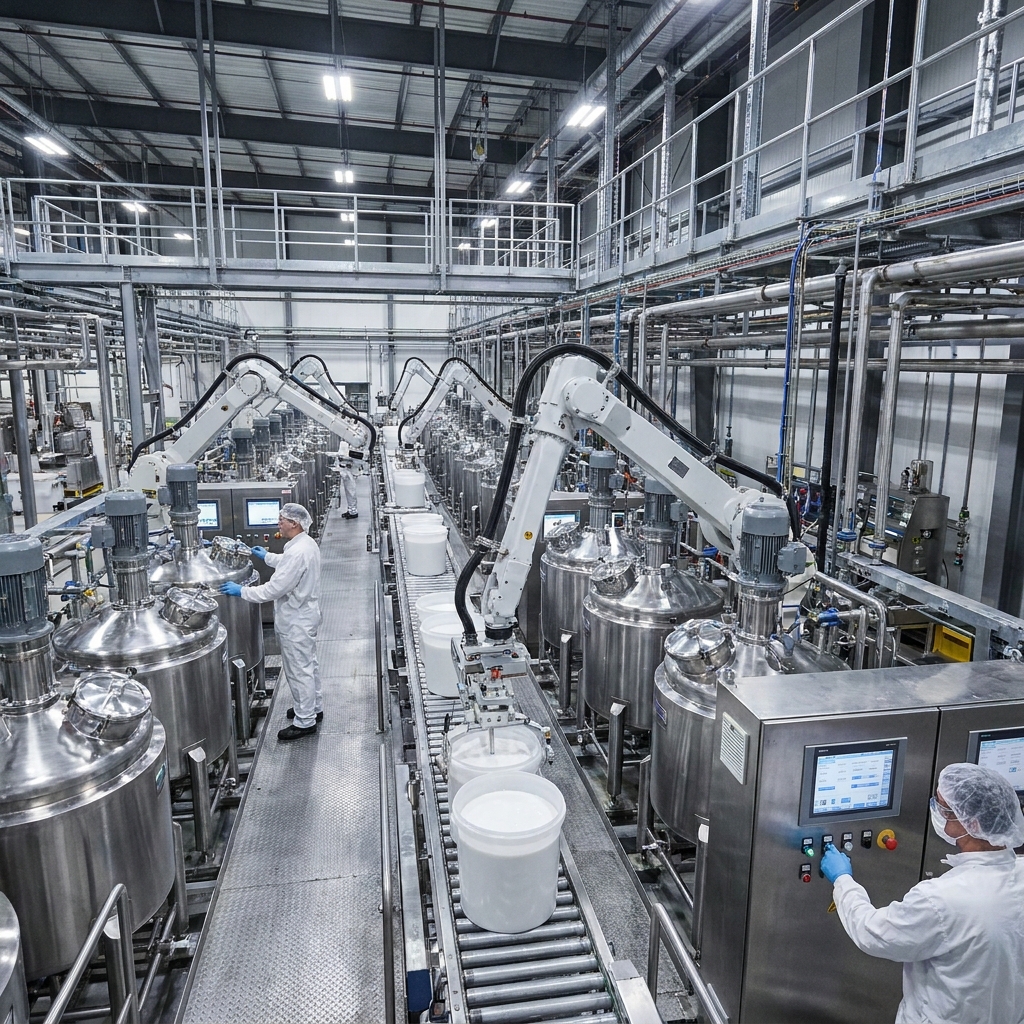
Flowable pesticide formulations (SC, FS, WDG) require uniform sub-micron dispersion to ensure leaf adhesion and chemical bio-availability. Y-TZP media handle aggressive active chemical concentrates without degradation.
Let me break this down:
- Micro-beads achieve particle sizes below 2 μm for maximum active ingredient suspension stability.
- Zero chemical interaction prevents active ingredient decomposition during grinding.
- High density allows processing of high-solids crop protection suspensions.
Lithium-Ion Battery Cathode and Anode Processing
Battery production demands zero iron or copper contamination, as metallic particles cause internal short circuits. Sintered Y-TZP media provide the high purity needed for LiFePO₄ and NMC slurry grinding.
Here is why this matters:
- High purity prevents metallic contamination in lithium iron phosphate (LFP) cathode slurries.
- Ultra-fine media (0.1–0.3 mm) reduce battery materials to sub-micron particle dimensions.
- Enhanced slurry homogeneity increases battery energy density and charge efficiency.
Can Ceramic Media Be Used in Biological Extraction?
In biological research and biotech production, micro-scale Y-TZP beads serve as high-impact cell disruption media for extracting nucleic acids (DNA/RNA) and proteins.
Here’s the truth:
- Dense micro-spheres disrupt tough cell walls via rapid mechanical agitation.
- Inactive ceramic surfaces prevent non-specific protein binding or sample contamination.
- Chemically inert composition withstands autoclaving and chemical sterilization protocols.
Key Takeaway: High phase purity and chemical inertness make Y-TZP media the standard choice for battery materials, pharmaceuticals, and sensitive agrochemical dispersions.
| Industry Sector | Target Particle Size (D₉₀) | Primary Performance Driver |
|---|---|---|
| Lithium Battery (LiFePO₄) | <200 nm | Zero metallic contamination & high slurry conductivity |
| Agrochemical (SC / FS) | <2.0 μm | Long-term suspension stability & leaf adhesion |
| Automotive Paints & Inks | <100 nm | High gloss, color strength & transparency |
| Bio-Tech Cell Lysis | Cellular Disruption | High mechanical impact & chemical inertness |
Y-TZP media satisfy strict purity and particle size standards across diverse processing sectors.
How Do Zirconia Beads Reduce Milling Costs?
Sintered yttria-stabilized zirconia beads reduce overall milling costs by minimizing wear-induced media replenishment, decreasing electricity consumption per batch, and extending mill component service life.
Investing in top-tier Zirconia Beads reduces total cost of ownership (TCO) by turning high initial purchasing costs into operational savings.

Total Cost of Ownership (TCO) Analysis
While low-cost glass or silicate beads carry a lower initial price tag, their rapid wear rates require frequent replenishment. Y-TZP media last over 10 times longer, yielding a far lower cost per operating hour.
Here is the financial reality:
- Media consumption expenses drop by up to 70% annually due to minimal wear losses.
- Labor costs associated with frequent mill cleanouts and media top-offs are reduced.
- Lower scrap product rates prevent expensive raw material losses caused by contamination.
Energy Efficiency in High-Speed Agitator Mills
High-density media transfer kinetic energy efficiently, shortening the mill residence time required to reach target particle distributions. Less motor operating time translates directly to lower kilowatt-hour power bills.
Think about it:
- Faster grinding cycles cut electrical energy consumption per ton of processed material.
- Reduced running times lower thermal stress on mill drive motors and gearboxes.
- Lower heat generation reduces plant chiller load and cooling water consumption.
How Media Longevity Protects Internal Mill Components
Broken bead fragments act as aggressive abrasives, accelerating wear on mill liners, rotor pins, and separation screens. High-toughness Y-TZP media remain intact, preserving your mill hardware.
The best part?
- Smooth, intact spherical beads prevent gouging on expensive polyurethane or ceramic liners.
- Elimination of bead fragments prevents premature clogging of dynamic separation gaps.
- Maintenance intervals for mill rotor replacement are extended significantly.
Key Takeaway: Upgrading to Y-TZP ceramic media reduces total manufacturing expenses through energy savings, reduced media consumption, and lower equipment maintenance costs.
| Operational Expense Category | Low-Grade Silicate Media | Yttria-Stabilized Zirconia (Y-TZP) |
|---|---|---|
| Media Replenishment Rate | High (5% – 10% volume loss per run) | Negligible (< 0.5% volume loss per run) |
| Power Consumption per Batch | High (Extended milling hours) | Low (Fast kinetic particle reduction) |
| Mill Component Wear Rate | Severe (Caused by media fragments) | Minimal (Smooth, shatter-resistant spheres) |
| Overall TCO Evaluation | High Operational Overhead | Lowest Total Cost per Processed Ton |
Financial analysis proves high-grade Y-TZP media deliver superior long-term cost savings despite higher initial purchasing costs.
What Sizes Are Zirconia Beads Available In?
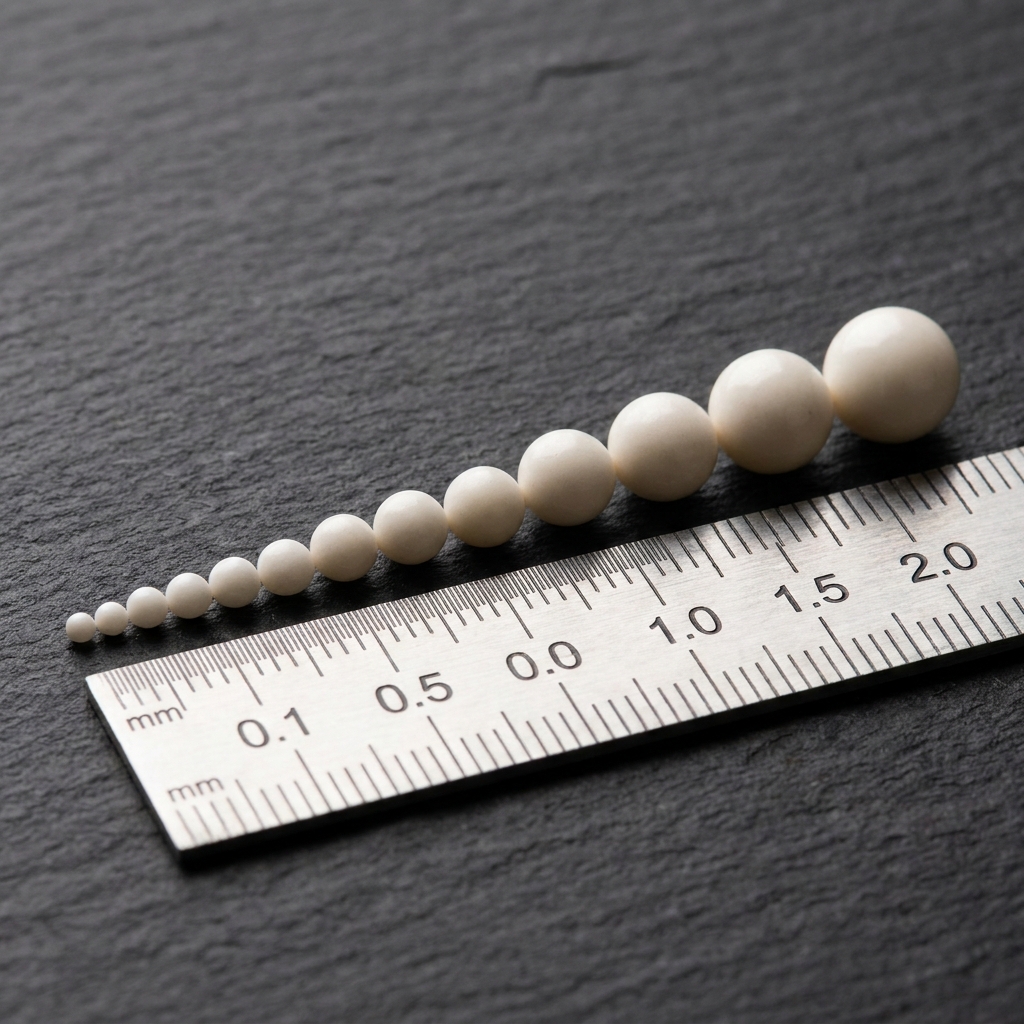
Yttria-stabilized zirconia beads are available in diameters ranging from 0.03 mm micro-beads for nano-dispersions up to 8.0 mm spheres for coarse wet milling operations.
Matching the correct size of Zirconia Beads to your feed material and target output guarantees maximum grinding contact points without causing mill screen blockages.
Micro-Media Dimensions (0.03 mm – 0.5 mm)
Ultra-fine micro-beads are engineered for high-energy nano-grinding applications. These small diameters provide millions of contact points per unit volume, accelerating particle size reduction down to the true nanometer range.
Let me explain:
- Micro-beads (0.03–0.3 mm) enable particle reduction down to D₉₀ < 50 nm.
- Higher surface area contact breaks soft agglomerates rapidly without destroying primary crystals.
- Ideal for high-end digital printing inks, CMP slurries, and active pharmaceutical ingredients.
Standard Milling Sizes (0.6 mm – 3.0 mm)
Standard ceramic bead diameters handle primary dispersion tasks in industrial horizontal and vertical bead mills. They balance effective impact force with smooth fluid flow through the grinding chamber.
Here is why this matters:
- Sizes between 0.8 mm and 2.0 mm handle general paint, coating, and mineral milling.
- Provide sufficient kinetic mass to break down tough raw material feed particles (D₅₀ ~ 10–50 μm).
- Compatible with conventional dynamic gap separators and static wire mesh screens.
What Size Sieve Screen Is Needed for Micro-Beads?
To prevent bead escape or separator screen clogging, the mill separator opening must be correctly proportioned relative to the smallest bead diameter in the charge.
Here’s the rule of thumb:
- Separator slot gap width should equal 50% (or less) of the minimum bead diameter.
- For 0.2 mm beads, use a separator screen gap width of 0.10 mm (100 μm).
- Proper screen clearance prevents hydraulic bead packing and excessive localized wear.
Key Takeaway: Selecting the correct media size balances kinetic impact force against total contact point frequency, enabling efficient particle size reduction.
| Bead Size Classification | Diameter Range (mm) | Target Output PSD | Recommended Mill Screen Gap |
|---|---|---|---|
| Nano Micro-Beads | 0.05–0.2 mm | <100 nm | 0.025–0.08 mm |
| Fine Grinding Media | 0.3–0.8 mm | 100 nm–0.5 μm | 0.15–0.30 mm |
| Standard Industrial Media | 1.0–2.0 mm | 0.5 μm–5.0 μm | 0.50–0.80 mm |
| Coarse Grinding Media | 3.0–6.0 mm | >5.0 μm | 1.50–2.50 mm |
Selecting bead diameters aligned with mill screen gap clearances ensures smooth slurry flow without media escape.
How to Select the Ideal Zirconia Beads?
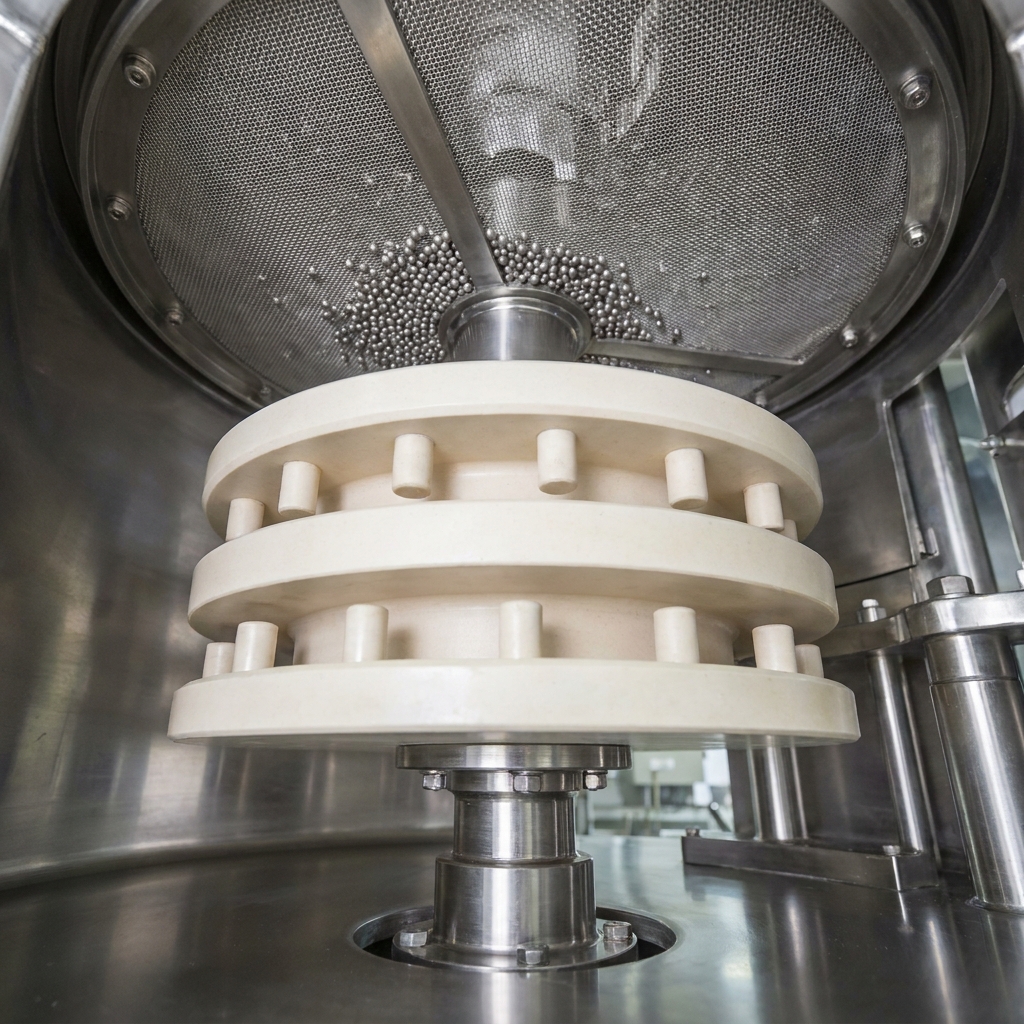
Selecting the ideal yttria-stabilized zirconia beads requires matching bead size to feed particle size, mill tip speed, slurry viscosity, and separator screen gap width.
Consulting engineered selection guidelines for Zirconia Beads ensures your mill operates at peak mechanical efficiency without overloading drive motors.
Matching Media to Mill Type and Rotor Speed
Different mill geometries—such as horizontal disc agitators, pin mills, or basket mills—require specific bead densities and sizes to optimize energy dispersion.
Let’s dive in:
- High-speed pin mills (12–16 m/s) operate best with micro-beads (0.1–0.5 mm).
- Horizontal disc mills (8–12 m/s) perform efficiently with standard media (0.8–1.5 mm).
- Basket mills rely on larger media (1.5–2.5 mm) to maintain slurry circulation without screen blinding.
Viscosity Management and Hydraulic Load Constraints
Slurry viscosity dictates fluid drag forces within the milling chamber. High-viscosity fluids demand higher density beads to prevent media packing at the discharge screen.
Here’s the truth:
- High-viscosity slurries (>1500 cPs) require dense 6.0 g/cm³ Y-TZP media to cut through fluid resistance.
- Low-viscosity formulations allow smaller micro-beads to operate without fluid packing.
- Temperature control jacket cooling maintains stable slurry viscosity during operation.
How to Transition Between Media Grades Safely?
Replacing lower-grade media (like glass or zirconium silicate) with high-density Y-TZP requires adjusting mill filling volumes and motor amp limits.
Follow this simple rule:
- Reduce initial volumetric filling ratio by 5% to 10% when switching to denser media.
- Monitor main drive motor amperage to prevent electrical overload during startup.
- Verify that separator gap clearances match the new bead size specifications.
Key Takeaway: Evaluating mill design, tip speeds, and slurry viscosity parameters prevents mechanical overloads and ensures a smooth transition to high-density Y-TZP media.
| Selection Criterion | Low Viscosity Slurry (< 500 cPs) | High Viscosity Slurry (> 1500 cPs) |
|---|---|---|
| Recommended Bead Size | Micro-Beads (0.1 – 0.6 mm) | Standard Media (1.0 – 2.0 mm) |
| Optimal Bead Filling Volume | 80% – 85% Chamber Capacity | 70% – 75% Chamber Capacity |
| Rotor Tip Speed Target | 10 – 14 m/s | 8 – 10 m/s |
Aligning bead selection parameters with slurry viscosity prevents hydraulic packing and stabilizes mill motor amperage.
What Operating Parameters Suit Zirconia Beads?
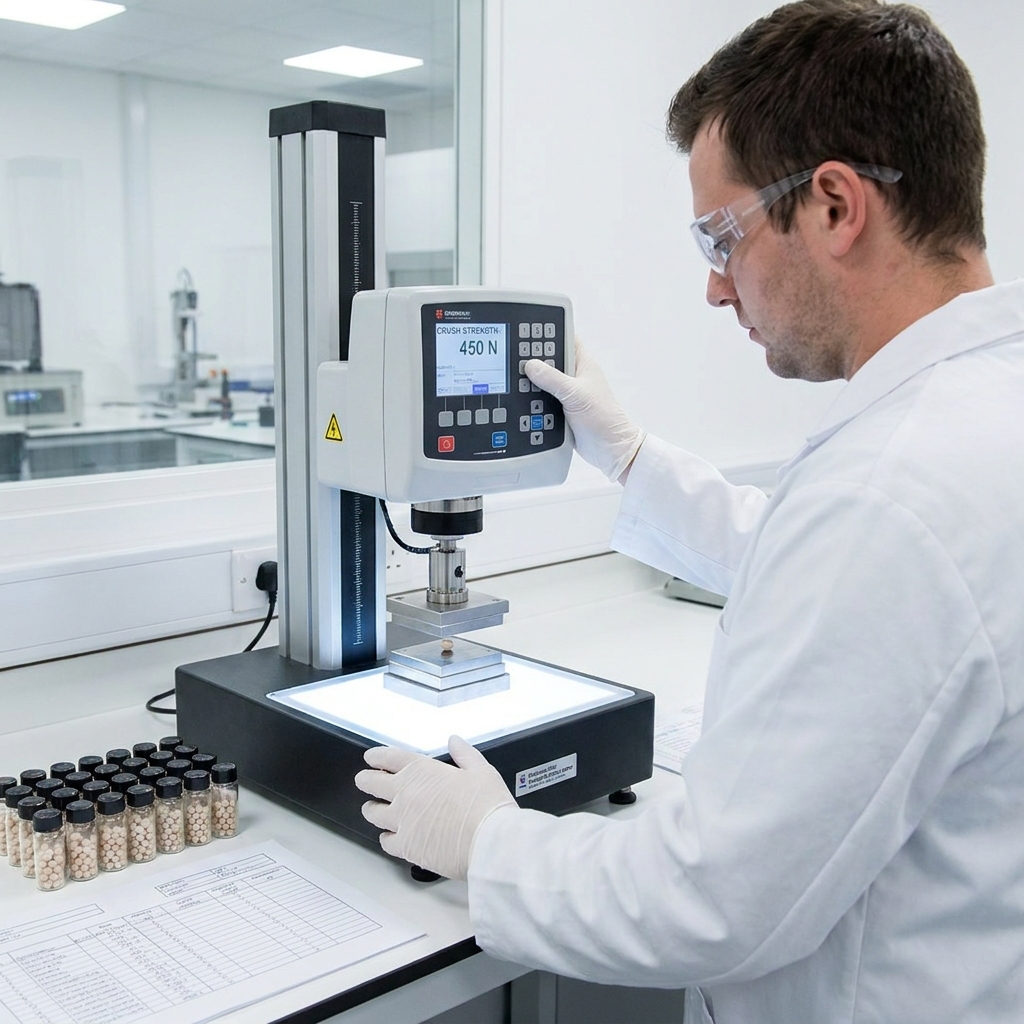
Sintered yttria-stabilized zirconia beads perform best at rotor tip speeds between 8 m/s and 14 m/s and chamber bead loading volumes of 70% to 85%.
Operating high-density Zirconia Beads within recommended engineering windows prevents thermal degradation of heat-sensitive products and maximizes equipment lifespan.
Rotor Tip Speeds and Energy Density Input
Rotor tip speed determines the kinetic velocity imparted to the grinding media. Operating within the optimal velocity window ensures high-impact collisions without causing excessive bead wear.
Let me break this down:
- Recommended rotor tip speeds for Y-TZP media range from 8.0 m/s to 14.0 m/s.
- Speeds above 16.0 m/s increase mechanical wear on mill pins without accelerating particle breakdown.
- Speeds below 6.0 m/s provide insufficient energy to break down hard crystalline materials.
Flow Rate and Temperature Control Protocols
Slurry throughput rates dictate residence time inside the mill chamber. Managing feed flow and jacket cooling maintains stable processing temperatures.
Here is why this matters:
- Higher pump flow rates increase recirculation passes, ensuring tight particle size distributions.
- Keep cooling jacket temperature differentials under control to avoid thermal shock (ΔT < 100°C).
- Temperature monitoring prevents thermal degradation of organic pigments and biological samples.
How to Prevent Media Breakage in High-Energy Mills?
Bead shattering is rarely caused by material failure; it typically stems from mechanical stress, thermal shock, or operating an undercharged mill.
The best part?
- Never operate agitator shafts at full speed when the grinding chamber is empty.
- Maintain adequate bead filling volumes (70% – 85%) to prevent bead-on-rotor impacts.
- Inspect and remove under-sized worn beads annually to keep energy transfer uniform.
Key Takeaway: Operating within recommended tip speeds, flow rates, and loading volumes prevents media damage and extends overall equipment service life.
| Parameter Category | Standard Process Target | Risk of Out-of-Spec Operation |
|---|---|---|
| Rotor Tip Speed | 8.0–14.0 m/s | Excessive shaft wear (>15 m/s) or inefficient grinding (<6 m/s) |
| Chamber Filling Volume | 70%–85% Total Volume | Media compaction (>85%) or bead damage (<65%) |
| Max Thermal Differential (ΔT) | <100°C Differential | Thermal shock cracking of ceramic body |
Maintaining operating parameters within recommended ranges prevents mechanical stress and optimizes energy input.
Why Is Quality Control Key for Zirconia Beads?
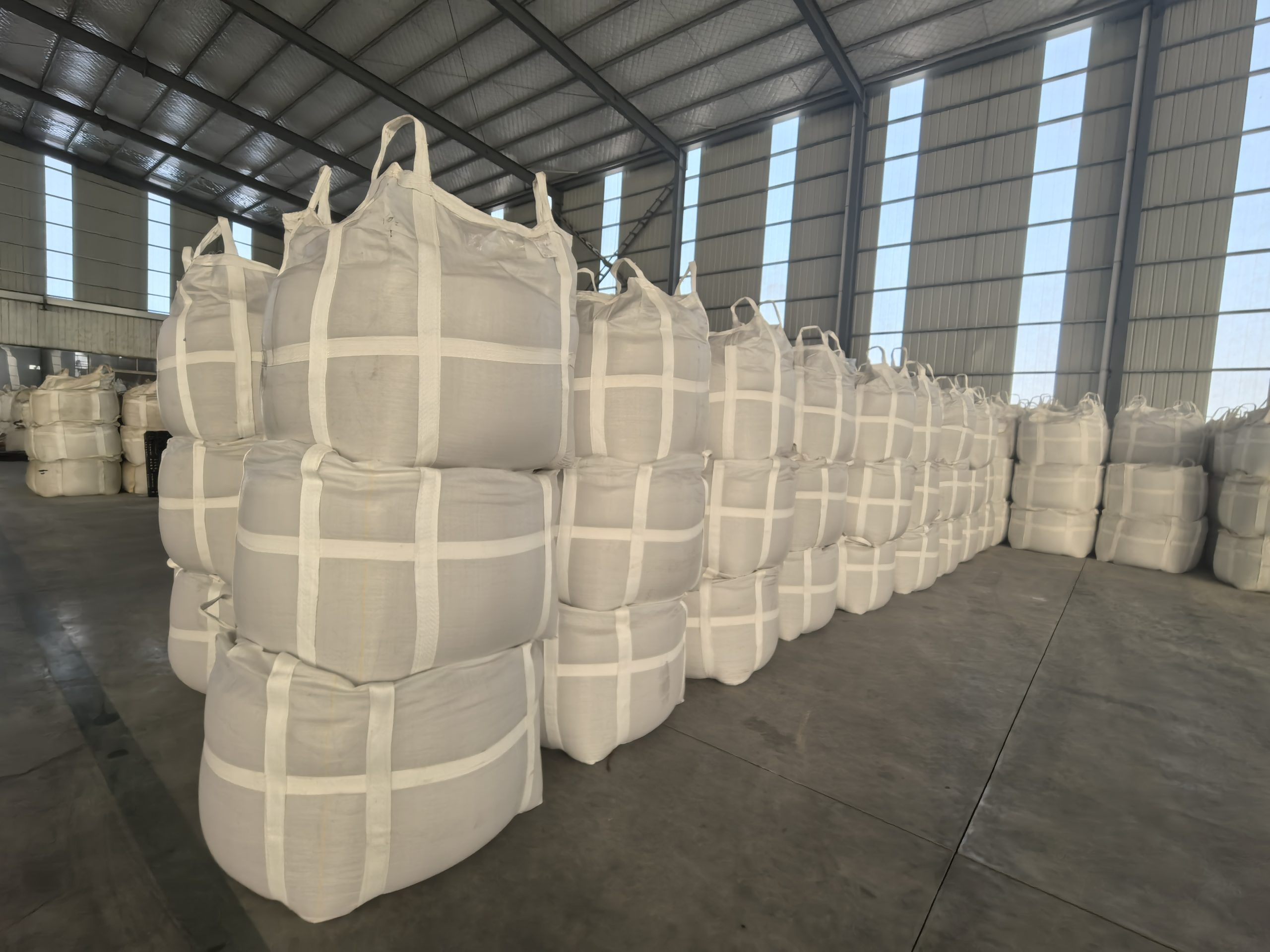
Strict quality control is critical for yttria-stabilized zirconia beads to ensure structural integrity, consistent density, zero internal voids, and low batch-to-batch variation.
Rigorous QA protocols guarantee that every shipment of Zirconia Beads meets demanding industrial performance standards without risking process drift.
Sphericity and Surface Flaw Inspection
Quality assurance begins with optical characterization of bead shape and surface finish. Irregular shapes or rough surfaces cause uneven localized wear and accelerate liner degradation.
Here is what you must demand:
- Automated optical sorters screen out deformed, elliptical, or fused twin beads.
- High sphericity ratios (≥ 0.95) ensure uniform rolling action and shear generation.
- Polished surfaces (Ra < 0.02 μm) reduce abrasive wear on dynamic shaft seals.
XRF Chemical Purity and Phase Ratio Verification
X-Ray Fluorescence (XRF) and X-Ray Diffraction (XRD) verify precursor chemistry and crystalline phase balance before releasing batches for shipment.
Let’s look at the facts:
- XRF spectroscopy verifies that stabilizer content remains strictly within 5.2 ± 0.2 wt% Y₂O₃.
- XRD phase analysis confirms pure tetragonal phase structure with zero monoclinic contamination.
- Trace element analysis ensures heavy metal impurities remain well below environmental safety limits.
What Documents Should Accompany Every Batch Shipment?
Industrial buyers must demand complete documentation packages to support plant quality systems and ensure raw material traceability.
Here’s the bottom line:
- Certificate of Analysis (COA): Detailing density, hardness, chemical purity, and size limits.
- Particle Size Distribution (PSD) Report: Verifying precise D₁₀, D₅₀, and D₉₀ dimensions.
- Full Traceability Certificate: Linking finished media back to specific raw precursor lots.
Key Takeaway: Thorough quality assurance testing guarantees consistent density, precise sizing, and structural durability, eliminating process variation across production runs.
| Quality Inspection Test | Testing Standard / Method | Quality Acceptance Benchmark |
|---|---|---|
| Crush Strength Test | Single Bead Load Compression | >1.0 kN load resistance (2.0 mm bead) |
| Chemical Composition | XRF / ICP Analysis | ZrO₂ + HfO₂ ≥ 94.6%, Y₂O₃ = 5.2 ± 0.2% |
| Crystal Phase Ratio | X-Ray Diffraction (XRD) | >98% Tetragonal Phase Ratio |
| Bulk Density Testing | Volumetric Mass Pycnometry | 3.7 ± 0.05 kg/L |
Demanding comprehensive COA verification with every shipment protects your plant against sub-standard media performance.
Frequently Asked Questions
Can I use yttria-stabilized zirconia beads in high-viscosity battery slurries?
Yes, high-density Y-TZP media are ideal for battery slurry milling. Their high specific gravity (6.0 g/cm³) cuts through viscous slurries easily, while their extreme purity eliminates metallic contamination in cathode and anode formulations.
What is the best separator screen gap size for 0.5 mm micro-beads?
The recommended screen gap size is 0.20 mm to 0.25 mm. As a standard engineering rule, the separator opening should not exceed 50% of the smallest bead diameter in the mill charge to prevent clogging or bead escape.
How do I know if my ceramic media requires replacement?
Media replacement is needed when you observe a drop in milling efficiency, rising slurry discharge temperatures, or a 10% to 15% reduction in average bead diameter. Regular sieve inspections help identify worn media for removal and topping off.
Can these beads withstand aggressive solvent-based milling systems?
Yes, fully sintered Y-TZP ceramic beads are chemically inert. They resist organic solvents, strong acids, and alkaline solutions, making them suitable for both waterborne and solvent-borne chemical processes.
How does Y-TZP compare to ceria-stabilized zirconia media?
Y-TZP media offer higher Vickers hardness and fracture toughness than ceria-stabilized media. While ceria media are slightly denser (6.2 g/cm³), Y-TZP media provide lower volumetric wear rates and superior fracture resistance under high shear.
Partnering for High-Precision Milling Success
Switching to premium sintered yttria-stabilized ceramic media resolves high wear rates, slurry contamination, and mill downtime in wet milling operations. At ZrBrontec, our vertically integrated manufacturing process controls every step from raw ore processing to finished ceramic media, delivering stable batch quality and full traceability. If you are ready to optimize your process and protect product purity, contact us today to speak directly with an application engineer. Engineered zircon solutions designed to reduce process variation and quality risk.