
Partially stabilized sintered zirconia beads with yttria represent the pinnacle of modern milling technology, specifically engineered to provide absolute wear resistance, maximum kinetic energy transfer, and contamination-free grinding for critical B2B industrial processing. In high-energy agitation and micro-milling, you face a constant struggle with product contamination and rapid media degradation. Standard ceramic grinding beads crack, wear down prematurely, and release impurities that ruin high-value slurries, driving up your overall operational costs and cutting into your margins. Fortunately, adopting yttria-stabilized sintered Zirconia Beads offers the perfect solution to these high-stress production challenges by providing a dense crystal lattice that resists extreme mechanical shear.
Why Use Sintered Zirconia Beads?
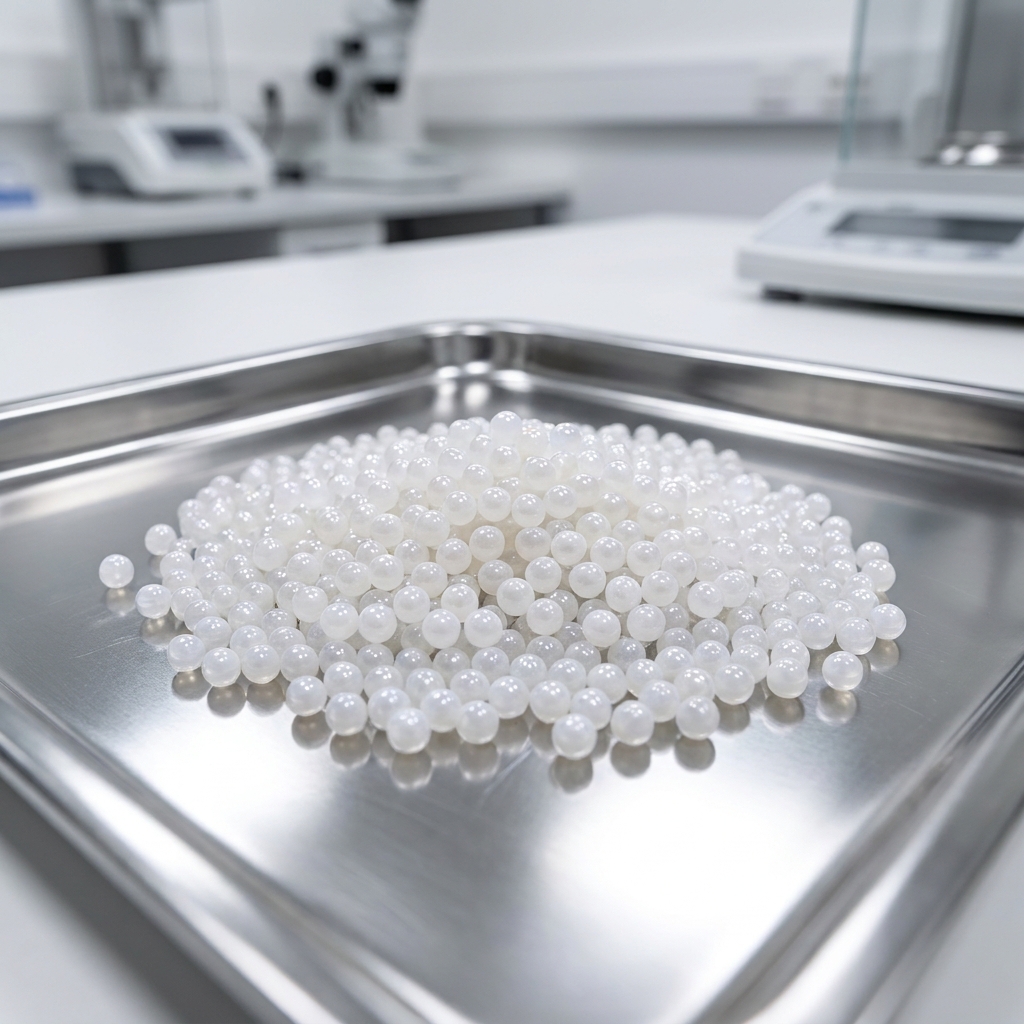
Sintered Zirconia Beads are preferred for grinding applications because their extreme density and high purity eliminate internal structural voids that lead to fracturing under high shear stress. This thermal consolidation process ensures your mills run continuously without experiencing sudden media degradation. You can rely on these beads to handle aggressive mechanical forces that would disintegrate standard alumina or glass media.
The Sintering Consolidation Advantage
Sintering locks the ceramic grains into a unified, dense matrix that blocks the propagation of internal micro-cracks. This high-temperature thermal treatment ensures a uniform spherical structure that eliminates uneven frictional wear during rapid rotational milling.
Here is the bottom line:
- Sintering eliminates internal micro-pores that cause sudden cracking.
- It drastically improves sphericity to prevent uneven mill wall friction.
- It maintains structural integrity under extreme centrifugal pressure.
When you operate high-energy agitator mills, this dense ceramic matrix directly transfers kinetic energy to your target particles. This efficient energy transfer maximizes your overall processing speeds and productivity.
Pure Microstructures and Yield
High purity levels prevent chemical leaching from contaminating your sensitive paint, cosmetic, or pharmaceutical batches. Maintaining an uncompromised slurry composition ensures your output remains flawless and your operational yield remains consistently high.
Key Takeaway: You will experience minimized product contamination and a longer media lifecycle by selecting fully consolidated sintered beads.
| Material Type | Microstructure Density | Contamination Risk |
|---|---|---|
| Sintered Zirconia | Completely Dense | Negligible |
| Low-Sintered Ceramics | Porous Matrix | High |
This performance matrix illustrates how fully consolidated sintered structures protect your slurry purity compared to porous, low-sintered alternatives.
How Do Zirconia Beads Resist Wear?
You can understand how Zirconia Beads resist wear by examining their combined extreme surface hardness and unique phase transformation capabilities that actively block micro-fractures. Utilizing this wear-resistant media ensures your milling systems operate at peak efficiency with minimal material loss. You can run highly abrasive slurries for hundreds of hours without encountering significant bead degradation or shape loss.
Combating Surface Friction
Continuous collisions inside your mill generate intense friction that rapidly degrades inferior ceramic media. Protecting your system requires specialized materials that resist both abrasive and adhesive wear mechanisms under constant movement.
Think about it:
- High surface hardness blocks abrasive scratching from hard slurry elements.
- Precise spherical profiles reduce friction-induced heat buildup.
- Chemically inert surfaces prevent adhesive bonding with the slurry.
How Cracks Are Arrested
Internal stress fields trigger localized atomic changes that arrest micro-cracks before they can split the bead. This active shielding mechanism provides an unmatched structural safety net under intense operating pressures.
Key Takeaway: You will reduce your media replacement costs and maintain a consistent grinding environment through active crack arrest.
| Wear Stress | Major Damage Type | Prevention Mechanism |
|---|---|---|
| High Shear Friction | Surface Scuffing | Smooth Spherical Polish |
| Direct Impact | Micro-Fracturing | Phase Transformation Arrest |
Reviewing this operational wear table helps you match the mechanical stresses of your mill with the correct preventative media properties.
What Makes Tough Zirconia Beads?
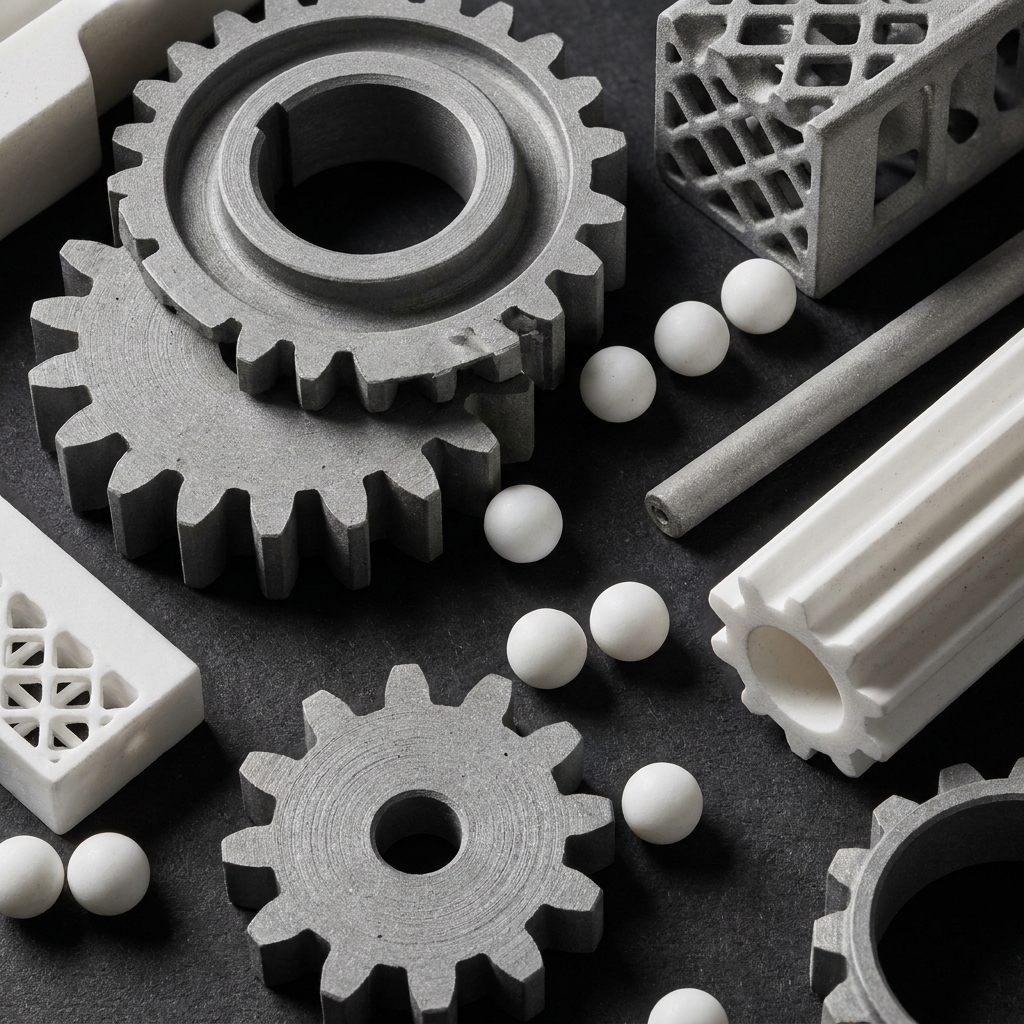
Tough Zirconia Beads derive their extreme fracture resistance from yttria stabilization, which chemically locks the ceramic crystal structure in a highly resilient state. Incorporating these stabilized media into your processes prevents unexpected shattering and costly mill shutdowns. This chemical modification makes the material ideal for your most demanding dispersion applications.
The Role of Yttria Stabilization
Adding yttria stabilizes the highly durable tetragonal crystal phase at room temperature, preventing it from reverting to a brittle monoclinic state. This chemical lock elevates the mechanical properties of the media far beyond standard oxide ceramics.
Why does this matter?
- It locks the highly tough tetragonal phase at ambient temperatures.
- It saves the media from undergoing spontaneous cracking during storage.
- It elevates fracture toughness beyond standard ceramic oxide materials.
Stress-Induced Self-Healing
When an impact stresses the bead, the tetragonal crystals at the point of contact convert to monoclinic structures. This transformation expands local volume, squeezing the crack tip shut and stopping mechanical failure in its tracks.
Key Takeaway: You will benefit from self-healing mechanical properties that prevent sudden bead shattering during high-energy processing cycles.
| Crystal Phase | Primary State | Structural Behavior under Stress |
|---|---|---|
| Tetragonal | Metastable State | Absorbs energy and converts phases |
| Monoclinic | Expanded State | Squeezes micro-cracks completely shut |
This structural phase progression shows how yttria-stabilized materials physically adapt to high impacts to maintain structural survival.
Why Do Zirconia Beads Boost Yield?
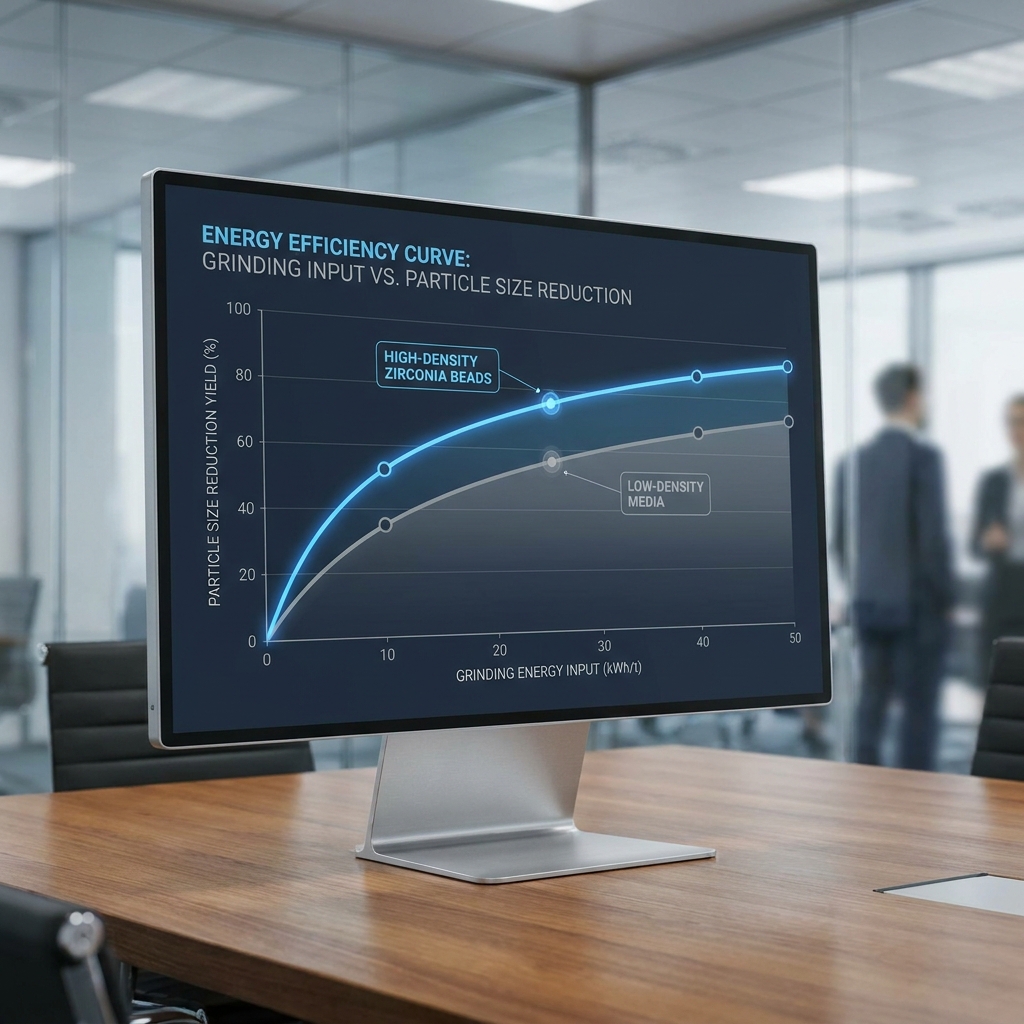
You will find that Zirconia Beads boost yield by maximizing the kinetic energy transferred directly to target particles, resulting in faster milling cycles and higher throughput. When you optimize your mechanical inputs, you achieve the desired particle size distribution with fewer grinding passes. This high efficiency translates directly into increased daily production volumes.
Optimizing Mechanical Power Input
High-density media processes thick, stubborn slurry formulations far faster than lightweight alternatives. This raw physical advantage allows you to reduce energy usage while maintaining high product quality.
Here is the secret:
- High mass cuts down grinding times to optimize manufacturing speed.
- Dense beads reduce overall power draw per batch of slurry.
- Enhanced momentum achieves narrow particle size distributions quickly.
Minimizing Mill Downtime
Using highly durable media means your production lines do not suffer from frequent interruptions for bead sorting or replacement. Keeping your mills running continuously ensures you meet your customer deadlines without fail.
Key Takeaway: You will achieve significant throughput gains and lower energy costs by optimizing your kinetic energy inputs.
| Media Choice | Relative Energy Output | Grinding Pass Efficiency |
|---|---|---|
| High-Density Zirconia | Maximum | Superior (Fewer Passes) |
| Standard Alumina | Moderate | Standard (Multiple Passes) |
This productivity data emphasizes the production efficiency gains achieved by transitioning to high-density grinding media.
Can Zirconia Beads Optimize Wet Mills?
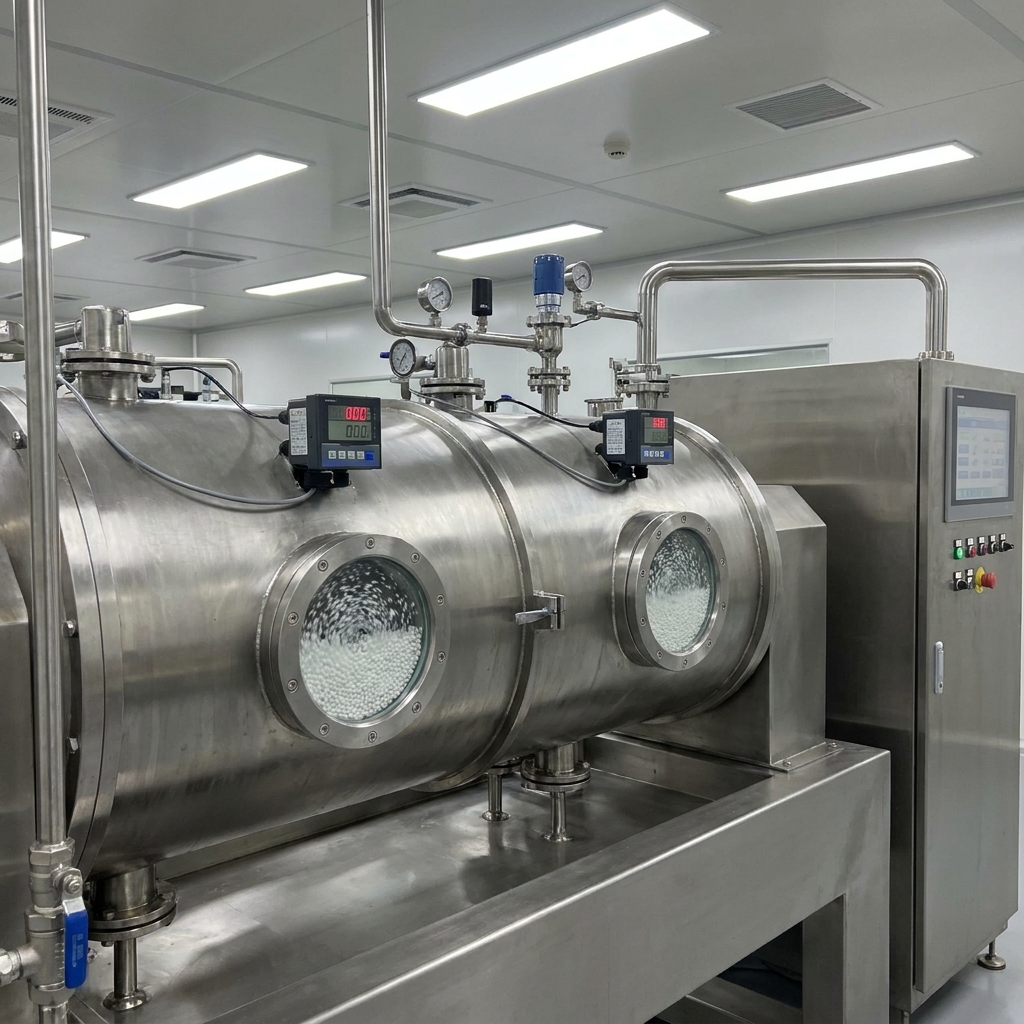
High-performance Zirconia Beads optimize wet milling by resisting chemical corrosion and preventing product discoloration in liquid slurries. Deploying high-grade media ensures that chemical interactions do not degrade your beads or alter your product formulation. This protection is critical when you manufacture ultra-white paints, cosmetics, or electronic-grade pastes.
Fluid Dynamics and Viscosity
Wet milling requires a careful balance between slurry viscosity and media weight to prevent bead packing. When you balance these dynamics, your agitator pins can distribute the media uniformly throughout the chamber.
Why does this matter?
- Balanced mass prevents bead clustering near the chamber outlet screen.
- Optimal weights ensure uniform mechanical forces throughout the liquid mix.
- Controlled dynamics reduce localized wear on the rotating agitator disks.
Preventing Chemical Leaching
Corrosive liquid environments can dissolve low-grade ceramics, introducing unwanted ions into your batch. Highly inert yttria-stabilized formulations stand up to aggressive solvents, acids, and bases.
Key Takeaway: You will maintain absolute chemical purity and prevent batch contamination by using chemically inert milling media.
| Liquid Environment | Chemical Activity | Media Integrity Rating |
|---|---|---|
| Acidic Formulations | Highly Corrosive | Outstanding Resistance |
| Alkaline Slurries | Moderate Degradation | Outstanding Resistance |
Use this chemical compatibility guide to verify how well stabilized media maintains its structural integrity under extreme pH levels.
How Do Zirconia Beads Save Capital?
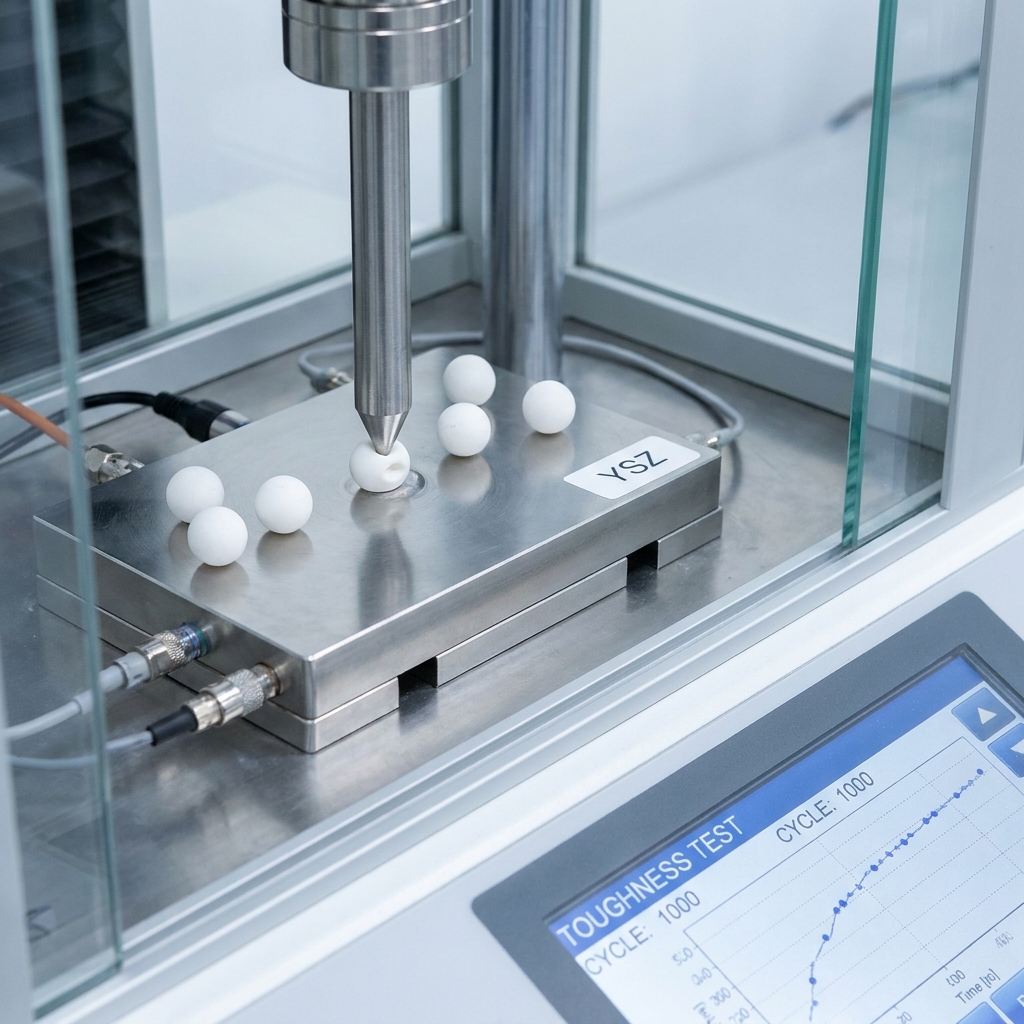
Using durable Zirconia Beads saves capital by drastically reducing your annual media replacement costs and minimizing wear on your expensive mill components. While the upfront investment is higher, the extended lifespan of this premium media pays dividends over time. You will see a rapid return on investment as your operational overhead decreases.
Analyzing Total Cost of Ownership
Purchasing cheap grinding media seems like a cost-saving measure until you calculate the frequency of top-offs. High attrition rates quickly drain your maintenance budget and increase labor costs.
Let’s face it:
- Extended operational lifetimes mean fewer bulk media purchases.
- Reduced sorting labor keeps your maintenance teams focused on production.
- Low media breakdown rates cut down raw waste disposal fees.
Protecting Your Internal Mill Parts
Broken beads act as an abrasive grit that scores expensive mill liners and damages critical separator screens. Using tough, shatter-resistant media prevents these catastrophic mechanical failures.
Key Takeaway: You will lower your total operational expenditure and protect your capital machinery by switching to low-wear media.
| Cost Parameter | Premium Zirconia Media | Low-Grade Ceramic Media |
|---|---|---|
| Annual Attrition Rate | Under 1.0% | Exceeds 15.0% |
| Liner Damage Risk | Extremely Low | Moderately High |
This financial comparison highlights the long-term cost-reduction potential of investing in high-durability grinding media.
Which Sized Zirconia Beads Work Best?
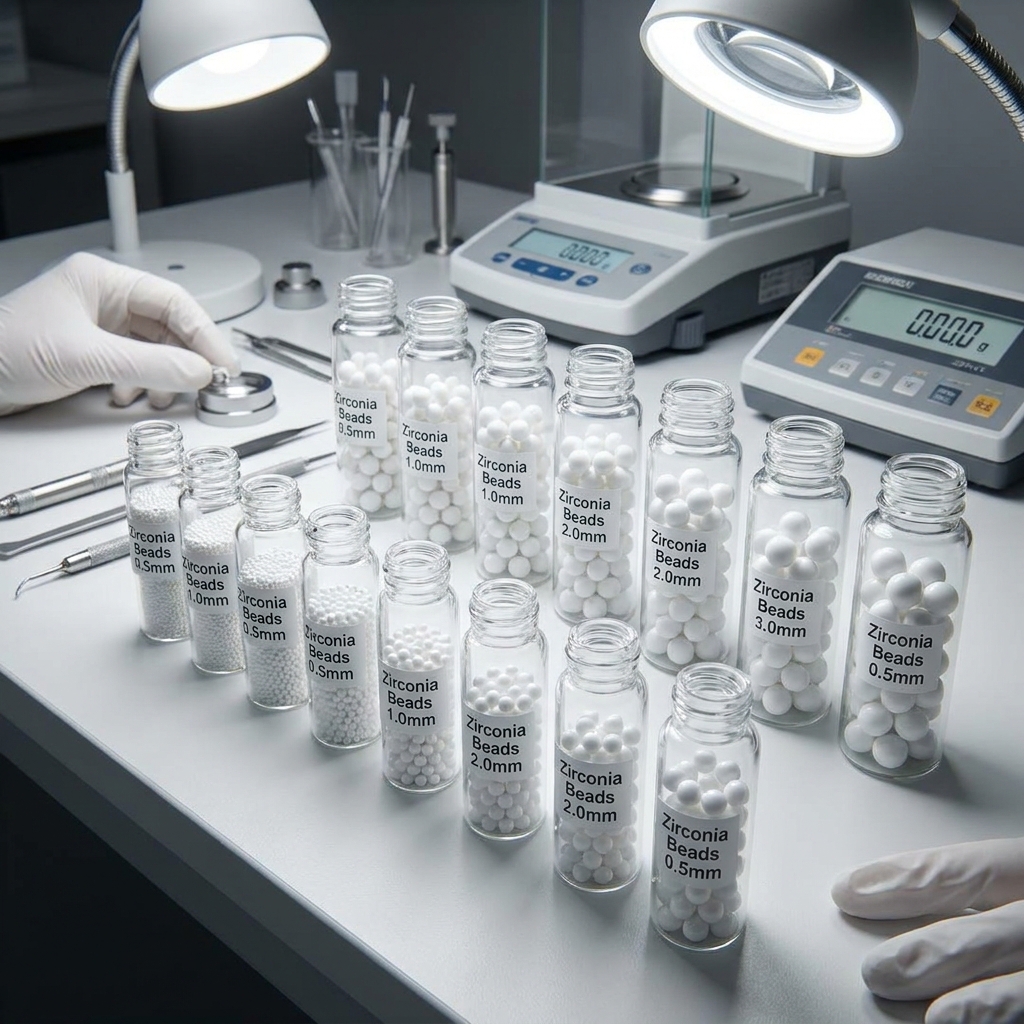
Finding which sized Zirconia Beads work best depends entirely on your feed particle size, mill design, and target product dimensions. Using the wrong size can lead to inefficient grinding cycles, screen clogging, or physical damage to your equipment. You must match the physical dimensions of the media to the physical dynamics of your milling system.
Small Versus Large Diameters
Large diameters provide the impact force needed to crush coarse, hard materials down to manageable sizes. Conversely, micro-beads offer the massive surface contact area required for sub-micron and nano-milling.
Think about it:
- Large diameters (2.0 – 5.0 mm) crush coarse feed aggregates easily.
- Medium sizes (0.8 – 1.5 mm) balance impact force and contact area.
- Micro-beads (0.1 – 0.5 mm) excel at delicate, high-energy nano-milling.
Aligning with Pin Velocities
High-speed horizontal mills demand smaller, tough beads that can handle extreme centrifugal forces without fracturing. Standard vertical mills are more forgiving, allowing the use of larger, heavier grinding media.
Key Takeaway: You will achieve rapid, uniform particle size reduction by choosing bead dimensions that match your specific mill parameters.
| Mill Configuration | Typical Agitator Velocity | Recommended Bead Size Range |
|---|---|---|
| High-Speed Horizontal | High Speed | 0.1 mm to 1.2 mm |
| Vertical Stirred Media | Low Speed | 2.0 mm to 5.0 mm |
This sizing chart acts as a practical reference to help you align your mill mechanics with optimal media diameters.
Can Zirconia Beads Stand Heat Shock?
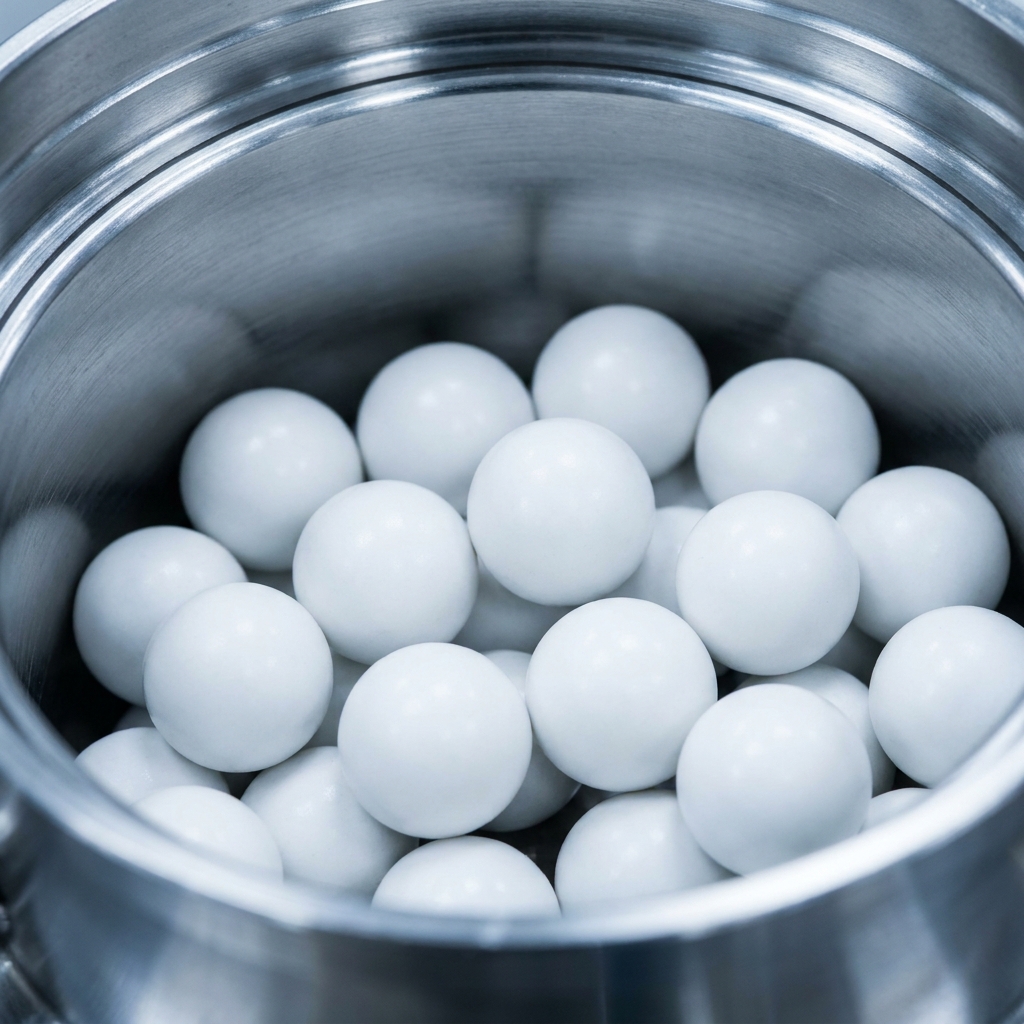
Thermal shock studies prove Zirconia Beads can withstand extreme heat transitions due to their low thermal expansion coefficient and highly stable crystal phases. Rapid heat buildup in high-energy mills can crack standard glass or composite media. By utilizing thermally stable media, you prevent thermal stress from destroying your grinding charge.
Managing High Milling Temperatures
Intense kinetic action inside the chamber generates localized heat that quickly raises the slurry temperature. If your media cannot handle these thermal gradients, micro-cracks will develop across the bead surfaces.
Here is the bottom line:
- Low thermal expansion rates prevent internal stress concentrations.
- Thermally stable structures maintain mechanical strength under sustained heat.
- Resistant crystal boundaries prevent phase reversal during intense grinding.
Preventing Cooling Degradation
Cold washes or rapid product changes can subject hot beads to sudden thermal shock. Sintered, yttria-stabilized microstructures easily absorb these thermal shockwaves without experiencing surface flaking.
Key Takeaway: You will protect your system from thermal cracking and ensure constant milling efficiency during temperature shifts.
| Temperature Limit | Microstructural Behavior | Potential System Hazard |
|---|---|---|
| Up to 250°C | Completely Stable | None (Optimal Window) |
| Above 450°C | Negligible Stress | Minor expansion (Monitor closely) |
This thermal limits table outlines the safe operational boundaries for maintaining media integrity during heat-intensive milling.
How Does Density Guide Zirconia Beads?
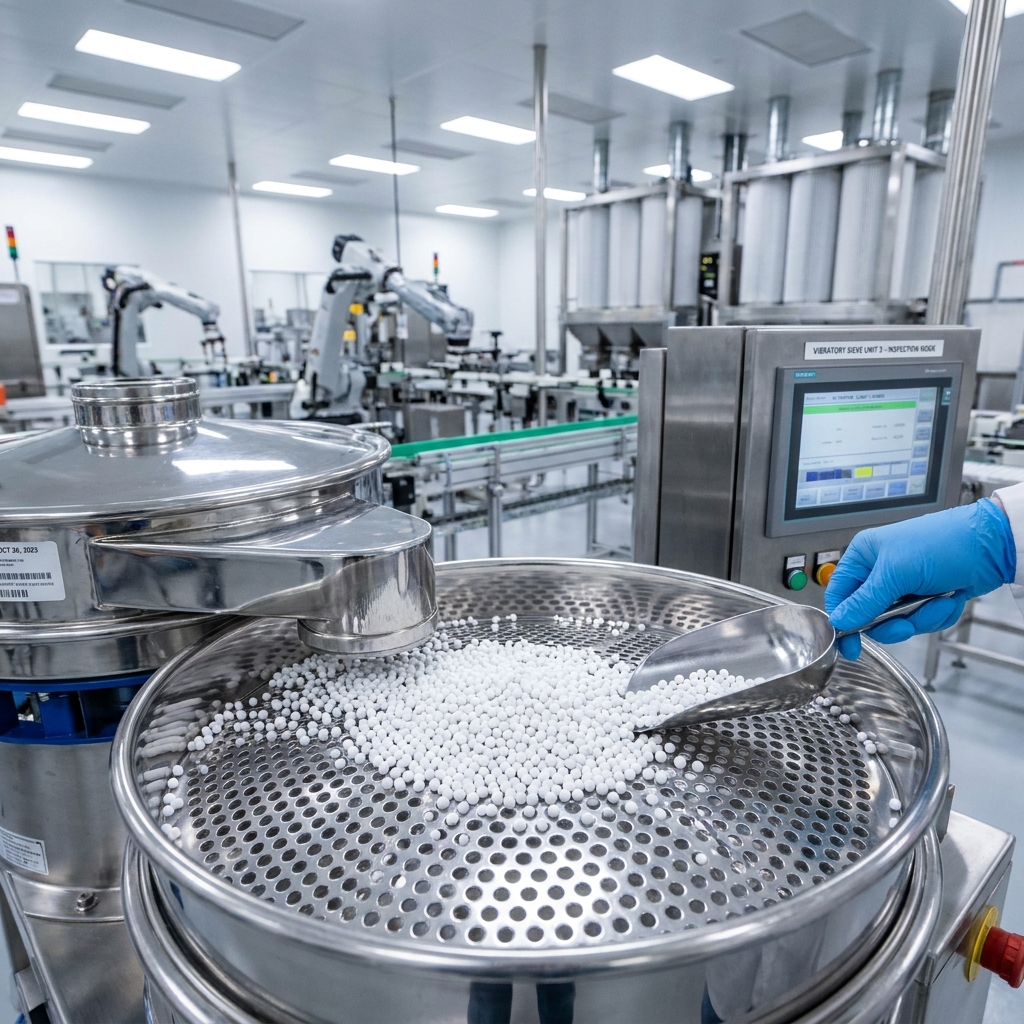
Evaluating density is essential because this metric guides how Zirconia Beads perform in high-viscosity applications. When you process highly viscous slurries, lightweight media simply floats and fails to grind effectively. Utilizing high-density media allows your mills to penetrate thick mixtures and achieve uniform dispersions.
The Power of Specific Gravity
High specific gravity means your media carries more physical momentum into each collision with the target particles. This momentum quickly fractures stubborn crystal structures that lighter media would just bounce off of.
Here is the secret:
- High specific gravity prevents the media from floating in thick mixtures.
- Heavy beads maximize kinetic energy transfer to speed up processing.
- Solid density maintains stable, predictable fluidization inside the mill.
Viscosity and Penetration Power
Thick formulations require heavy media to maintain the shearing action necessary for uniform dispersion. Sintered zirconia easily penetrates dense slurries to keep your throughput at maximum levels.
Key Takeaway: You will significantly cut down your milling cycle times by matching high-density media with thick slurry formulations.
| Media Alternative | Specific Gravity (g/cm³) | Viscous Slurry Performance |
|---|---|---|
| Sintered Zirconia | 6.0 | Exceptional Penetration |
| Alumina Composite | 3.2 to 4.5 | Poor to Moderate |
This specific gravity comparison illustrates why high-density formulations outperform lighter alternatives in complex, high-viscosity grinding applications.
Where Should You Buy Zirconia Beads?
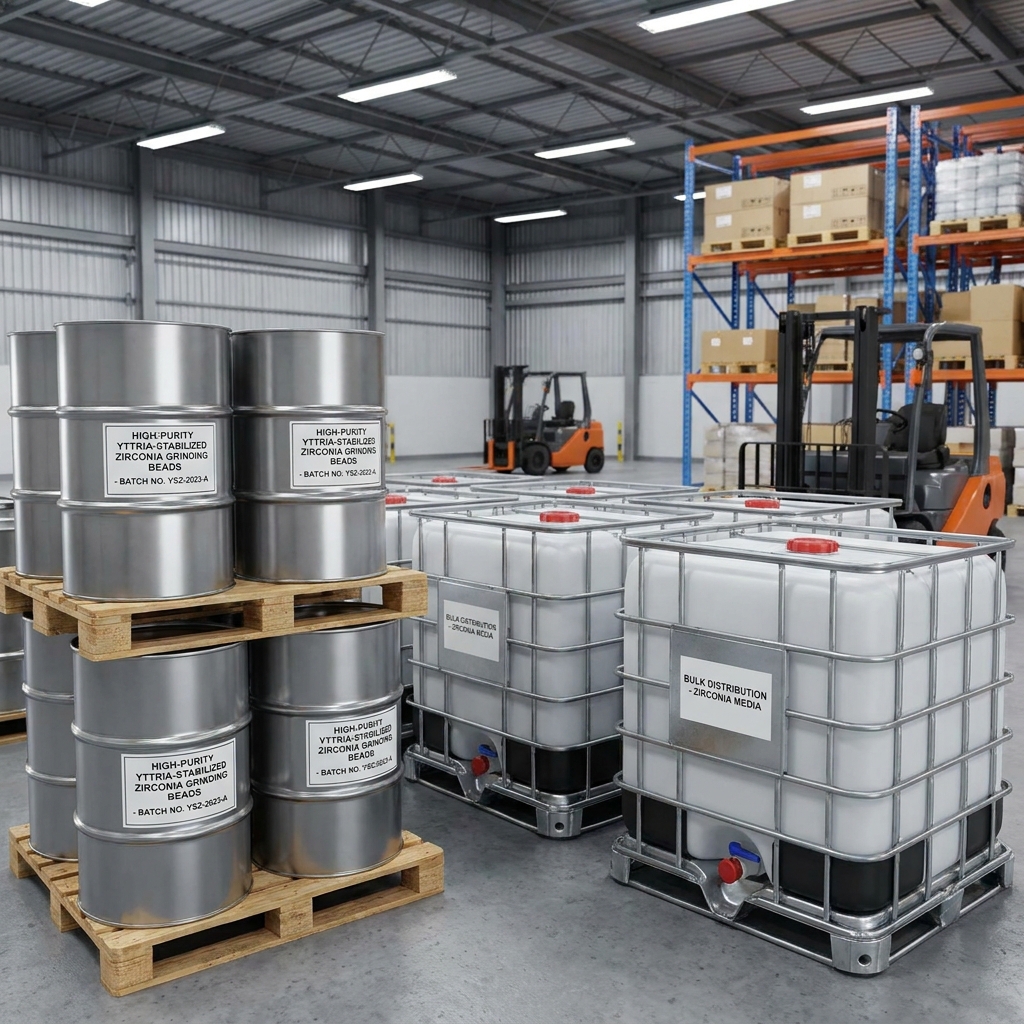
Knowing where to buy quality Zirconia Beads protects your processing equipment from out-of-specification batches and unexpected maintenance costs. Sourcing from unverified suppliers often leads to mixed-size batches that can jam your separator screen and damage your mill. Sourcing directly from a certified technical manufacturer guarantees structural integrity and dimensional consistency.
Sourcing from Technical Partners
A reliable technical manufacturer provides more than just a product; they deliver specialized engineering expertise tailored to your equipment. This support helps you select the exact bead sizing for your target output.
Think about it:
- Certified manufacturers guarantee consistent batch-to-batch purity.
- Custom sizing options are available to fit unique grinding targets.
- Reliable logistics secure long-term delivery schedules to prevent shortages.
Rigorous Quality Control Standards
Look for suppliers who utilize laser size verification and trace chemical analysis to guarantee product quality. These testing procedures ensure your milling systems run smoothly without unexpected mechanical failures.
Key Takeaway: You will safeguard your processing equipment and ensure absolute product purity by sourcing from a certified manufacturer.
| Vendor Quality Level | Size Verification | Purity Documentation |
|---|---|---|
| Certified Manufacturer | Laser Inspected (Uniform) | Full Trace Chemical Analysis |
| Broker / Middleman | Sieve Only (Variable) | Limited / Missing |
This supplier evaluation matrix highlights the mechanical and operational risks avoided when you partner with a certified manufacturer.
Technical Frequently Asked Questions
Can I use yttria-stabilized zirconia beads in dry milling systems?
Yes, you can use them safely because of their exceptional mechanical toughness. However, you must implement cooling mechanisms to handle the rapid heat buildup generated in dry environments.
What’s the best way to clean zirconia beads between batches?
Flush them thoroughly with a compatible solvent or water and dry them completely. This prevents cross-contamination and removes any residual slurry stuck to the surfaces.
How do I know if my zirconia beads are wearing out?
Monitor your mill for a loss of grinding efficiency or check your screen for deformed bead fragments. Sphericity and diameter should be measured regularly to identify wear early.
Can I mix different sizes of zirconia beads in one mill?
No, you should avoid mixing sizes because larger beads will crush the smaller ones under high mechanical forces. Keeping a tight, uniform size distribution protects your media and ensures consistent output.
What’s the best bead size for grinding sub-micron pigment dispersions?
The best option is utilizing micro-beads ranging from 0.1 mm to 0.5 mm in diameter. This ultra-small sizing provides the dense surface contact area required to break down particles into the sub-micron range.
Optimize Your Production Yield Today
You do not have to struggle with rapid media degradation, product contamination, or inefficient grinding cycles. Choosing high-performance partially stabilized sintered zirconia media protects your equipment, elevates your purity levels, and significantly lowers your long-term operational costs. To find the optimal bead size, density, and configuration for your high-energy milling systems, please contact us today for expert technical consultations and custom volume quotes. We are committed to engineering the future of high-precision milling, delivering the structural reliability and absolute purity your industry demands.