
Yttria stabilized zirconia is a modified, ultra-high-performance technical ceramic designed to survive where standard metals and lower-grade oxides suffer rapid wear and catastrophic failure. If you are an industrial engineer or a technical procurement manager, you already know the high-stakes reality of material degradation under extreme stress. High-temperature environments, aggressive chemical exposure, and intense mechanical friction constantly threaten to wear down your structural parts, causing unplanned shutdowns and budget-draining maintenance cycles. By introducing yttria stabilized zirconia into your application, you gain access to an engineering solution that blocks crack propagation, resists severe chemical corrosion, and withstands immense thermal cycling.
What is yttria stabilized zirconia?
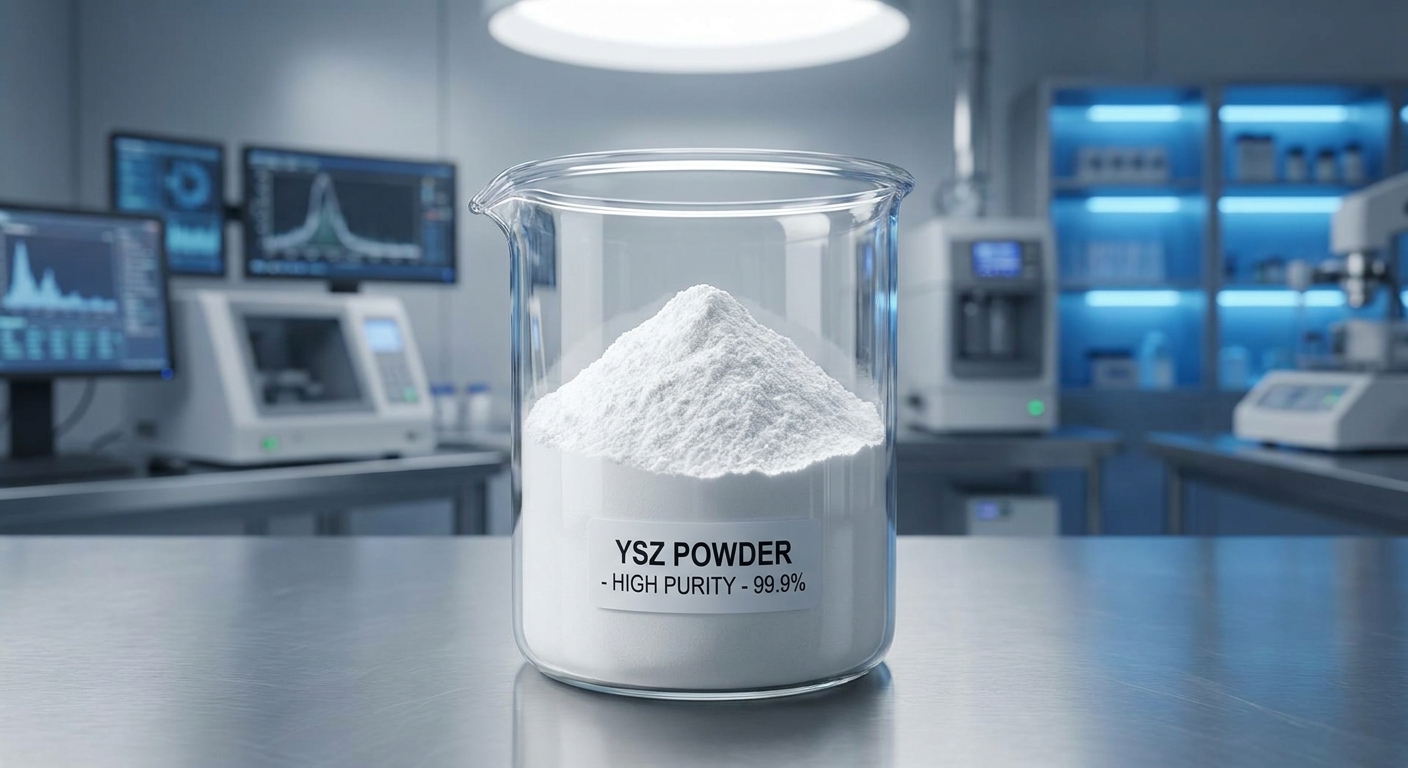
Yttria stabilized zirconia is a high-strength zirconium oxide ceramic whose crystal structure has been chemically modified at room temperature through the addition of yttrium oxide. This precise chemical doping allows the ceramic to bypass the destructive structural phase changes that occur in pure zirconium oxide during heating and cooling cycles. By choosing this advanced material, you ensure your machinery parts maintain exceptional dimensional stability in high-wear environments.
Industrial operations require materials that do not deform or degrade under sudden temperature spikes. While pure zirconia has an exceptionally high melting point, its raw form is structurally unpredictable due to spontaneous volume expansion. Stabilizing this base crystal structure turns a highly volatile material into a reliable, load-bearing engineering solution.
The basic composition of technical ceramics
To understand this material, you must look at how raw zirconium dioxide (ZrO₂) behaves at its atomic core. Raw zirconia possesses a remarkably high melting point of 2715°C, rendering it an excellent candidate for ultra-high-temperature environments. But there is a catch. As the material cools down from sintering temperatures, its atomic lattice rearrangements trigger intense internal stress.
To prevent this structural self-destruction, manufacturers carefully introduce yttrium oxide (Y₂O₃) as a stabilizing dopant. This doping process is achieved through advanced synthetic methods like chemical co-precipitation and high-temperature calcination.
- Raw ZrO₂ base: Provides the high-temperature refractory foundation.
- Y₂O₃ stabilizer: Substitutionally replaces zirconium ions to lock the crystal lattice.
- Co-precipitation synthesis: Ensures homogeneous distribution of the stabilizer.
When you procure this engineered ceramic, you receive a highly uniform powder ready for high-density molding.
Why stable crystal structures matter
Uncontrolled crystal transitions are the single greatest enemy of structural ceramics in industrial operations. When pure zirconia cools, its phase change causes a sudden volumetric expansion of up to 4% to 5%.
Why does this matter?
Without proper stabilization, your components will simply crumble under normal thermal cycling.
By locking the tetragonal phase at room temperature, yttria doping removes this volume fluctuation completely. You get a solid, crack-free component that retains its shape and density through hundreds of extreme temperature cycles.
- Dimensional retention: Zero swelling or contraction during heat cycles.
- Density integrity: No porosity or voids created by micro-fractures.
- Extended component life: Reduces maintenance downtime significantly.
Key Takeaway: Raw zirconia cannot survive severe industrial heat cycles due to destructive structural transitions. Sourcing yttria stabilized zirconia resolves this vulnerability, delivering a stable crystal matrix that withstands high mechanical loads and extreme temperatures without cracking.
| Property | Pure Zirconia (ZrO₂) | Yttria Stabilized Zirconia (YSZ) | Impact on B2B Application |
|---|---|---|---|
| Phase Stability at 1200°C | Unstable (Monoclinic transition) | Stable (Tetragonal/Cubic phases) | Prevents thermal cracking |
| Fracture Toughness | ~1.0–2.0 MPa·m¹/² | 5.0–10.0 MPa·m¹/² | Eliminates catastrophic failure |
| Wear Resistance | Low (due to micro-cracking) | Extremely High | Extends structural part lifespan |
Comparing these values highlights how chemical stabilization fundamentally transforms a highly volatile mineral into an exceptionally tough structural ceramic.
How does chemical doping stabilize yttria stabilized zirconia?
hemical doping stabilizes yttria stabilized zirconia by substituting trivalent yttrium ions (Y³⁺) into the tetravalent zirconium (Zr⁴⁺) crystal lattice, which creates oxygen vacancies that lock the high-temperature phases. This molecular modification prevents the lattice from rearranging when cooling back down to room temperature. You are left with a highly stable crystalline structure that resists sudden structural collapse.
Without this dopant-induced lattice restriction, the high-temperature tetragonal structure naturally slips back into a monoclinic state. This transition is highly destructive to any molded component because of the sheer force of atomic expansion. By maintaining the tetragonal phase at lower temperatures, the ceramic remains primed to absorb impact energy.
Understanding the role of yttrium oxide
When you introduce yttrium oxide into the zirconium host lattice, the difference in ionic charge must be structurally resolved. Because yttrium ions carry a 3+ charge compared to the 4+ charge of zirconium, oxygen vacancies are automatically generated to maintain electrical neutrality.
Think about it:
These empty oxygen sites restrict the free movement of other atoms in the crystal.
This lattice stabilization keeps your mechanical parts reliable even under thermal shock. The concentration of these vacancies is directly dependent on the amount of yttria added.
- Oxygen vacancy generation: Restricts the lattice slip planes under shear stress.
- Ionic charge balancing: Secures long-term structural integrity.
- Atomic mobility restriction: Prevents spontaneous, unwanted phase changes.
This vacancy network forms the foundation of the material’s unique dual-nature properties.
High-temperature crystal structures
Zirconia exists in three distinct crystalline polymorphs depending on the temperature range it experiences. At room temperature, it is monoclinic; from $1170^\circ\text{C}$ to $2370^\circ\text{C}$ it is tetragonal; and above that, it becomes cubic.
It gets even better:
By adding yttria, you can freeze these high-temperature structures so they remain stable at room temperature.
If the dopant concentration is insufficient, the material will undergo a partial monoclinic transition during cooling. You must ensure your raw powders are blended with precision to avoid these structural vulnerabilities.
- Monoclinic Phase: Stable at room temperature, highly brittle.
- Tetragonal Phase: Highly tough, meta-stable at room temperature with doping.
- Cubic Phase: High-temperature phase, optimized for ionic conductivity.
Key Takeaway: Chemical stabilization is not a one-size-fits-all process. Precise yttria doping is essential to suppress destructive phase transitions, and engineers must balance dopant levels to match the exact thermal and mechanical demands of their operation.
| Yttria Content (mol%) | Resulting Crystal Phase | Primary Structural Limitation | Best Suited Applications |
|---|---|---|---|
| 0 – 1.5% | Monoclinic / Unstable | Immediate cracking upon cooling | High-temperature pigment additive |
| 2.0 – 4.0% | Metastable Tetragonal (Partial) | Aging in wet environments | Structural parts, cutting blades |
| 8.0%+ | Fully Stabilized Cubic | Lower fracture toughness | Fuel cell electrolytes, sensors |
Selecting the correct mol% of stabilizer is critical to ensuring your components achieve the desired balance of strength and structural stability.
Why is yttria stabilized zirconia phase transformation key?
Phase transformation is key because it gives yttria stabilized zirconia a unique self-healing property that actively halts crack propagation under mechanical stress. When a crack begins to form, the high stress concentrated at the crack tip triggers a localized transition from the metastable tetragonal phase to the monoclinic phase. This localized transformation causes the surrounding crystal grains to expand by 3% to 4% in volume. You will find that this rapid expansion creates compressive forces that pinch the crack shut, preventing it from spreading.
In traditional ceramics, a micro-crack always leads to rapid, catastrophic shattering. By leveraging this stress-induced phase change, this ceramic behaves more like steel than a standard brittle oxide. It absorbs mechanical shock and high impact without losing its structural integrity.
The stress-induced phase transition
When a high load is applied to your component, localized tensile stresses are focused directly at the tips of microscopic flaws. In most materials, this energy is released by tearing the molecular bonds apart, causing immediate failure.
But there is a catch.
In this stabilized ceramic, that concentrated energy is instead used to drive a phase transition.
The metastable tetragonal grains absorb the physical energy of the advancing crack and rearrange into a monoclinic structure. This expansion acts like an atomic shield, blocking the internal material from further tearing.
- Tetragonal phase: Holds potential energy ready for transformation.
- Monoclinic phase: Expands to push back against the crack tip.
- Energy dissipation: Converts destructive mechanical stress into structural stabilization.
You can rely on this mechanism to survive sudden shocks that would destroy standard alumina.
How crack propagation is arrested
By squeezing the crack tip shut, the compressive stress field eliminates the tensile forces required for the crack to grow. This active crack arrest gives the material a fracture toughness that is triple that of standard technical ceramics.
Why does this matter?
It means your structural valves and pumps can endure heavy vibration and wear without sudden failure.
This self-healing mechanical barrier ensures predictable wear and reliable operation over thousands of hours. When designing dynamic industrial systems, you gain immense peace of mind knowing the material actively fights structural fatigue.
- Flexural Strength: 900–1200 MPa range.
- Elastic Modulus: Highly rigid at ~200–210 GPa.
- Weibull Modulus: >10, indicating high mechanical predictability.
Key Takeaway: Unlike traditional ceramics that shatter under tensile stress, yttria stabilized zirconia utilizes localized phase changes to arrest cracks in their tracks. This self-healing property makes it the premier choice for high-impact structural components.
| Material Class | Fracture Toughness (MPa·m¹/²) | Crack Propagation Behavior | Catastrophic Failure Risk |
|---|---|---|---|
| Alumina (Al₂O₃) | 3.0 – 4.0 | Continuous, linear cracking | Very High |
| Silicon Carbide (SiC) | 3.5 – 4.5 | Rapid brittle fracture | High |
| Yttria Stabilized Zirconia (YSZ) | 6.0 – 8.0 | Arrested crack growth (Self-healing) | Extremely Low |
These fracture mechanics make it clear why this material is frequently referred to as “ceramic steel” in high-stress structural applications.
Which yttria stabilized zirconia grades fit your design?
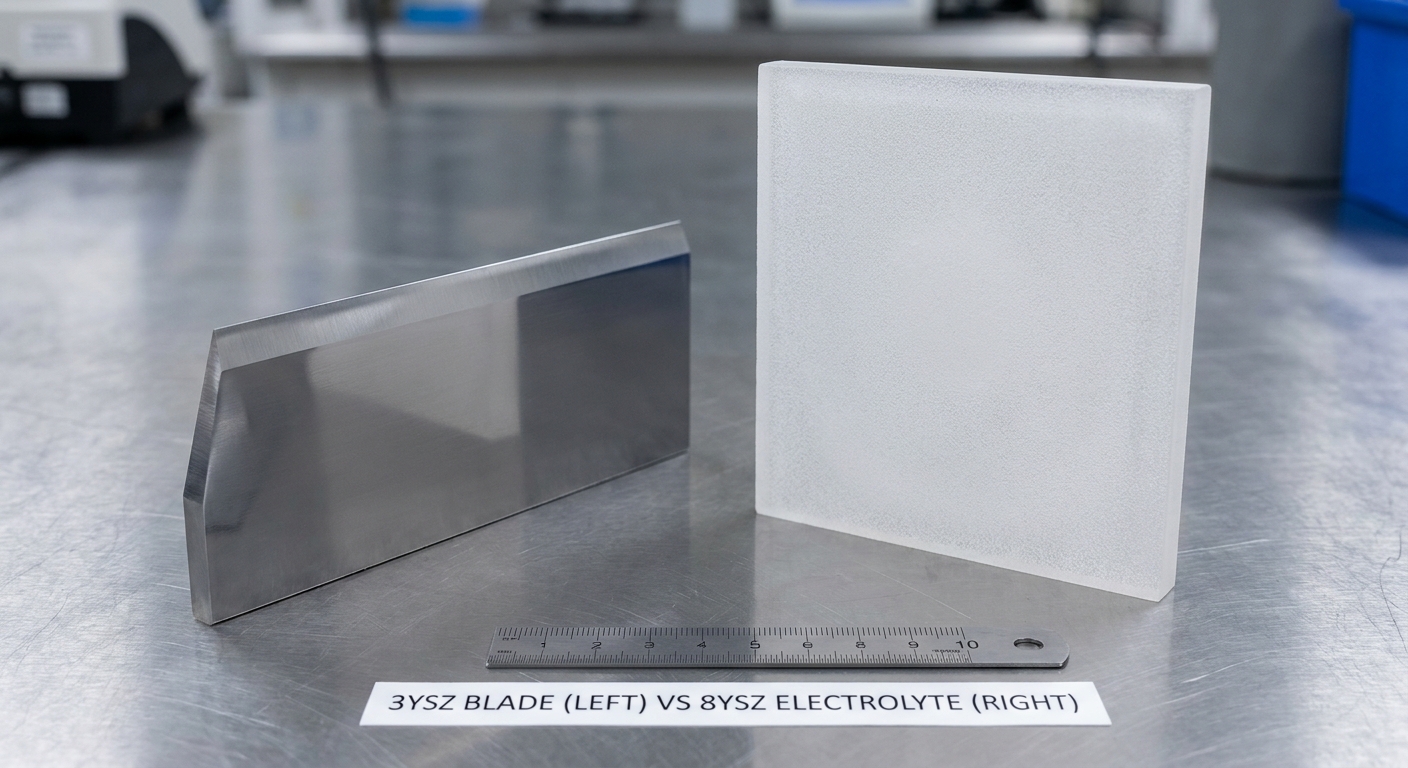
Choosing the right yttria stabilized zirconia grade depends on whether your design prioritizes mechanical toughness, optical clarity, or high-temperature ionic conductivity. Standard commercial grades are categorized by their mole percent of yttria, such as 3YSZ, 5YSZ, and 8YSZ. If you require maximum flexural strength and fracture toughness, the 3YSZ grade is the industry benchmark. For specialty applications like solid oxide fuel cells, fully stabilized 8YSZ is required to maximize oxygen ion flux.
Selecting the wrong grade can lead to premature component failure or subpar performance. For instance, using 8YSZ in high-impact structural roles will result in cracking because it lacks phase-transformation toughness. Conversely, 3YSZ cannot act as an effective electrolyte at high temperatures because its ionic conductivity is too low.
Comparing 3YSZ, 5YSZ, and 8YSZ
When you look at raw performance numbers, the difference between these formulations lies in the amount of stabilizer. The 3YSZ grade contains about 3 mole percent yttria, leaving it in a metastable tetragonal state.
Think about it:
This metastable state is precisely what permits the self-healing phase transformation when cracks start to form.
As you increase yttria to 5% and 8%, the crystal lattice transforms completely into a stable cubic phase. This change removes the material’s ability to self-heal but unlocks entirely new electrical properties.
- 3YSZ: Optimized for high flexural strength and maximum wear resistance.
- 5YSZ: Offers balanced strength with semi-translucent properties.
- 8YSZ: Optimized for maximum ionic conductivity at elevated temperatures.
Understanding these key distinctions ensures you select the exact compound for your system.
Balancing strength with translucency
In fields like dental restorations and optical housings, you cannot rely on toughness alone. Traditional 3YSZ is opaque and stark white because its small grain boundaries scatter light in all directions.
It gets even better:
By moving to a 5YSZ formulation, the larger cubic grains allow light to pass through, creating a highly realistic, translucent finish.
However, you must be prepared for a drop in mechanical properties when transitioning to higher yttria grades. Fully cubic 8YSZ is significantly more brittle and has lower impact resistance than its 3YSZ counterpart.
- Optical transmission: Increases as yttria content approaches 5 mol% to 8 mol%.
- Toughness retention: Decreases as the tetragonal phase is replaced by the cubic phase.
- Grain boundary management: Controls both mechanical wear and optical performance.
Key Takeaway: Choosing the right yttria concentration is critical to application success. Selecting 3YSZ delivers maximum mechanical toughness, while 8YSZ is required when high-temperature ionic conductivity is the primary performance driver.
| Grade Designation | Yttria Content (wt%) | Primary Advantage | Typical Industrial Application |
|---|---|---|---|
| 3YSZ | ~5.2% | Maximum flexural strength | Valve parts, grinding media, structural shafts |
| 5YSZ | ~8.5% | Balanced strength & optical clarity | Premium dental restorations, optical housings |
| 8YSZ | ~13.3% | Superior ionic conductivity | Oxygen sensors, fuel cell membranes (SOFC) |
This performance matrix highlights how increasing stabilizer content swaps raw physical toughness for advanced functional properties like translucency and conductivity.
Does yttria stabilized zirconia excel in thermal barriers?
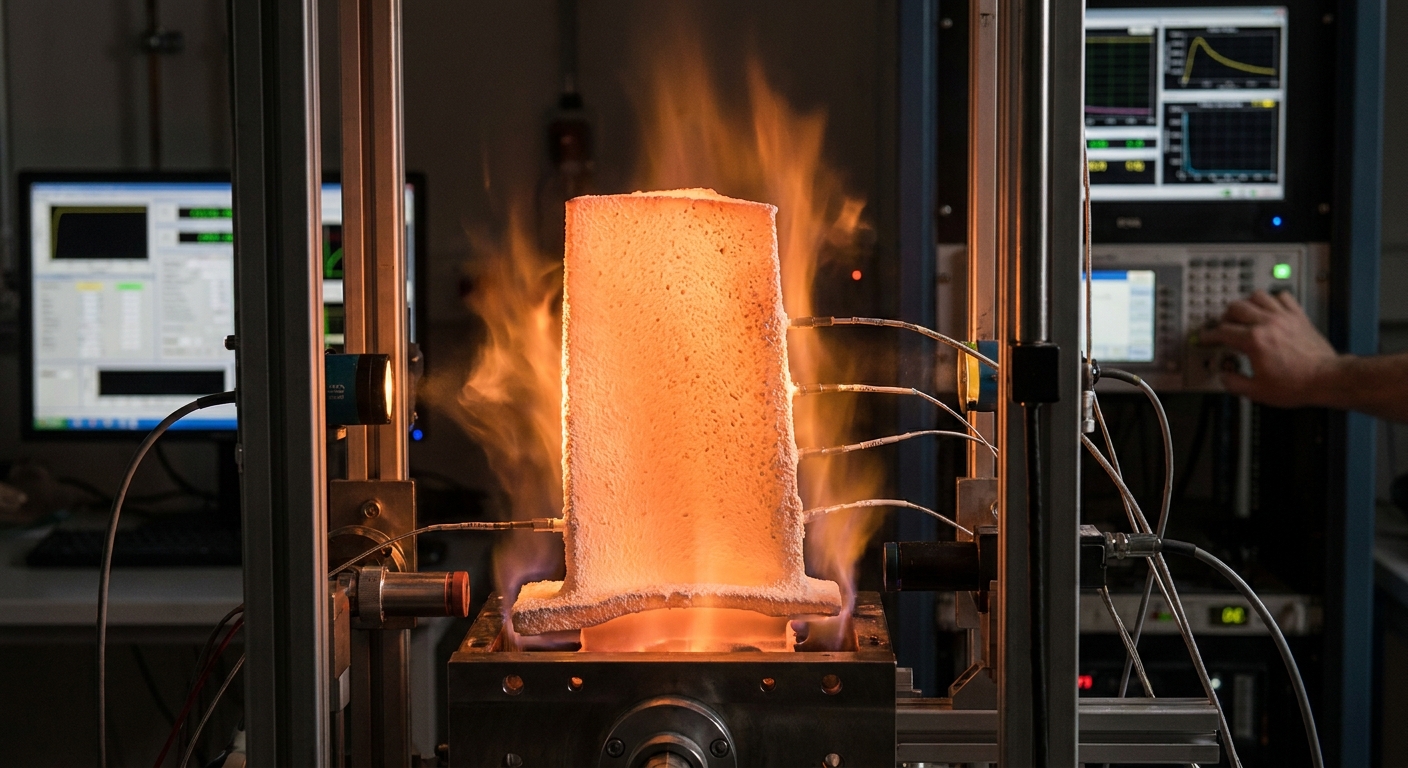
Yes, yttria stabilized zirconia excels as a thermal barrier material because of its exceptionally low thermal conductivity and its closely matched thermal expansion coefficient with metallic superalloys. In demanding gas turbine and aerospace engine environments, temperatures often exceed the melting point of the underlying metal. By applying this ceramic as a protective coating, you can run systems at higher temperatures to dramatically boost combustion efficiency. This dual thermal compatibility makes it the absolute industry gold standard for heat shielding.
Traditional insulating materials often fail under the thermal shock of rapid cooling cycles. Because they expand and contract at completely different rates than the metal substrate, they quickly delaminate and peel off. This stabilized zirconia formulation avoids this fatal defect by expanding in harmony with hot industrial alloys.
Protecting critical aerospace components
In modern jet engines, the turbine blades are constantly exposed to burning hot gas streams. To prevent the underlying metal from melting, you must implement a reliable thermal barrier coating (TBC).
Here is the kicker:
This ceramic layer acts as a physical shield, reducing the metal’s surface temperature by up to 150°C.
This thermal reduction significantly extends the service life of critical propulsion parts. Specialized plasma spraying methods are used to deposit the ceramic without compromising its porous, heat-trapping texture.
- Thermal protection: Lowers metallic substrate temperatures to prevent deformation.
- Erosion resistance: Withstands the high-velocity impact of exhaust gas particles.
- Sintering stability: Maintains its insulating pore structure at elevated temperatures.
Using this coating allows you to push engines to their absolute thermal limits.
Managing thermal expansion mismatch
When you bond a ceramic to a metal, thermal expansion mismatches will tear the interface apart during cooling. This ceramic has a coefficient of thermal expansion (10.5 × 10⁻⁶/K) that is uniquely high for an oxide, matching nickel superalloys perfectly.
Why does this matter?
It prevents the coating from cracking and peeling off during intense heating cycles.
This thermal matching eliminates interfacial stress, ensuring long-term adhesion in harsh gas paths. As a result, you get a reliable thermal barrier that keeps machinery safe over hundreds of flight hours.
- Low thermal conductivity: Limits heat transfer to the cooling channels inside the blade.
- Matched expansion: Eliminates internal shear stress at the metal-ceramic boundary.
- Phase stability: Keeps the coating intact across massive temperature swings.
Key Takeaway: With its low thermal conductivity and closely matched thermal expansion coefficient, yttria stabilized zirconia is the ideal thermal barrier material. It protects metallic substrates from extreme gas path temperatures, significantly improving engine efficiency and component lifespans.
| Coating Material | Thermal Conductivity (W/m·K at 1000°C) | Thermal Expansion Coefficient (×10⁻⁶/K) | Thermal Cycling Durability |
|---|---|---|---|
| Alumina (Al₂O₃) | ~6.0–8.0 | 8.0 | Moderate (susceptible to thermal shock) |
| Yttria Stabilized Zirconia | ~1.5–1.7 | 10.5 | Excellent (matched to superalloys) |
| Mullite (3Al₂O₃·2SiO₂) | ~2.0–2.5 | 5.3 | Poor (massive expansion mismatch) |
These thermal physical properties demonstrate why this material dominates the aerospace and power generation coating markets.
Is yttria stabilized zirconia ionic conductivity crucial?
Yes, ionic conductivity is crucial because it allows yttria stabilized zirconia to act as a solid-state electrolyte in high-temperature electrochemical systems like solid oxide fuel cells (SOFCs) and oxygen sensors. When fully stabilized with 8 mole percent yttria, the high density of oxygen vacancies in the cubic lattice allows oxygen ions (O²⁻) to hop freely between lattice sites. This ionic movement occurs with minimal resistance once the operating temperature exceeds 700°C. You can utilize this property to convert chemical energy directly into electricity or measure exact oxygen levels in hot gas streams.
In these demanding electrochemical roles, the material must also act as a physical gas barrier to keep fuels separate from oxidizers. Because the ceramic can be sintered to full density with near-zero open porosity, it prevents dangerous gas leakage. This unique combination of gas-tight density and high ionic transport is unmatched by other structural oxides.
Solid oxide fuel cell electrolytes
Solid oxide fuel cells depend on a gas-tight electrolyte layer to transport oxygen ions from the cathode to the anode. If your electrolyte leaks gas, the cell will lose efficiency or experience localized combustion.
Think about it:
This ceramic layer must remain structurally stable in both highly reducing fuel environments and oxidizing air streams.
By choosing fully stabilized 8YSZ, you achieve the optimal density of oxygen vacancies for fast ion transport. This high ionic throughput allows the fuel cell to operate with maximum power density.
- Gas-tight barrier: Prevents crossover of hydrogen and oxygen gases.
- High chemical stability: Resists degradation in aggressive gas environments.
- High ion throughput: Lowers internal resistance to boost cell voltage.
Mechanisms of oxygen ion transport
To initiate ionic transport, you must heat the cubic crystal matrix to temperatures above 700°C. This heat energy allows oxygen ions to overcome the energy barrier and hop into adjacent oxygen vacancies.
But there is a catch.
If you add too much yttria, the vacancies cluster together and actually reduce ion mobility.
This is why 8 mol% yttria represents the absolute peak of ionic conductivity for zirconium-based systems. Sourcing this precise balance is vital for high-accuracy automotive exhaust sensors and industrial gas analyzers.
- Temperature activation: Requires high operating heat to enable ionic hopping.
- Vacancy concentration: Must be balanced to avoid structural clustering.
- Fast response time: Delivers rapid sensor voltage changes during gas fluctuations.
Key Takeaway: At temperatures above 700°C, fully stabilized 8YSZ transitions into an effective conductor of oxygen ions. This unique property makes it the industry standard electrolyte for solid oxide fuel cells and high-accuracy oxygen sensors.
| Yttria Stabilizer Level | Oxygen Vacancy Density | Ionic Conductivity (S/cm) | Primary Application Area |
|---|---|---|---|
| 3YSZ (Partially Stabilized) | Moderate | ~0.01–0.02 | High-strength electrochemical membranes |
| 8YSZ (Fully Stabilized) | Maximum Optimal | ~0.10 | Solid oxide fuel cell electrolytes |
| 10YSZ (Over-Stabilized) | Excess (Vacancy clustering) | ~0.08 (conductivity decreases) | Specialty research cell designs |
Understanding these electrical parameters is crucial when engineering next-generation clean energy storage and emission control systems.
How does yttria stabilized zirconia withstand extreme wear?
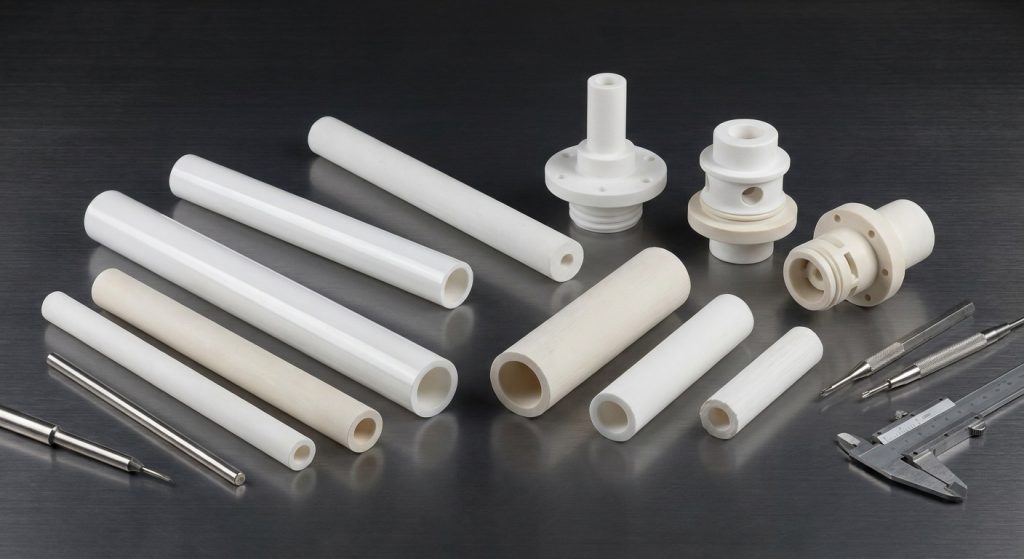
Yttria stabilized zirconia withstands extreme wear through its exceptional combination of high Vickers hardness, self-healing phase-transformation toughness, and complete chemical inertness. When you deploy yttria stabilized zirconia components in abrasive slurry lines or dry milling processes, the surface resists gouging and scratching from hard particulates. Any localized impact that would cause traditional ceramics to chip instead triggers the protective phase transition, reinforcing the surface. This unique mechanical response makes it the ideal material for high-wear industrial tooling.
Furthermore, because it does not contain metallic binders, it cannot undergo galvanic corrosion or chemical degradation. It remains completely stable when exposed to strong acids and alkaline fluids, preserving its ultra-smooth, low-friction surface finish. This continuous resistance to both chemical and physical wear ensures long-term dimensional precision in high-friction systems.
Mitigating friction in grinding media
In high-speed grinding mills, you must select milling media that will not wear down and contaminate your raw materials. Standard silica or metallic beads wear quickly, introducing unwanted iron and silica impurities into your fine powders.
It gets even better:
This stabilized ceramic milling media features an ultra-low wear rate, protecting your product’s purity.
Its high density (>6.0 g/cm³) also increases the kinetic energy transfer during grinding, reducing your processing times. You get faster particle size reductions with zero risk of batch contamination.
- Ultra-low wear rate: Prevents product contamination in pharmaceutical and paint processing.
- High density: Accelerates milling speed by increasing kinetic impact force.
- Smooth surface finish: Decreases friction between the milling beads and the chamber.
Chemical stability in corrosive environments
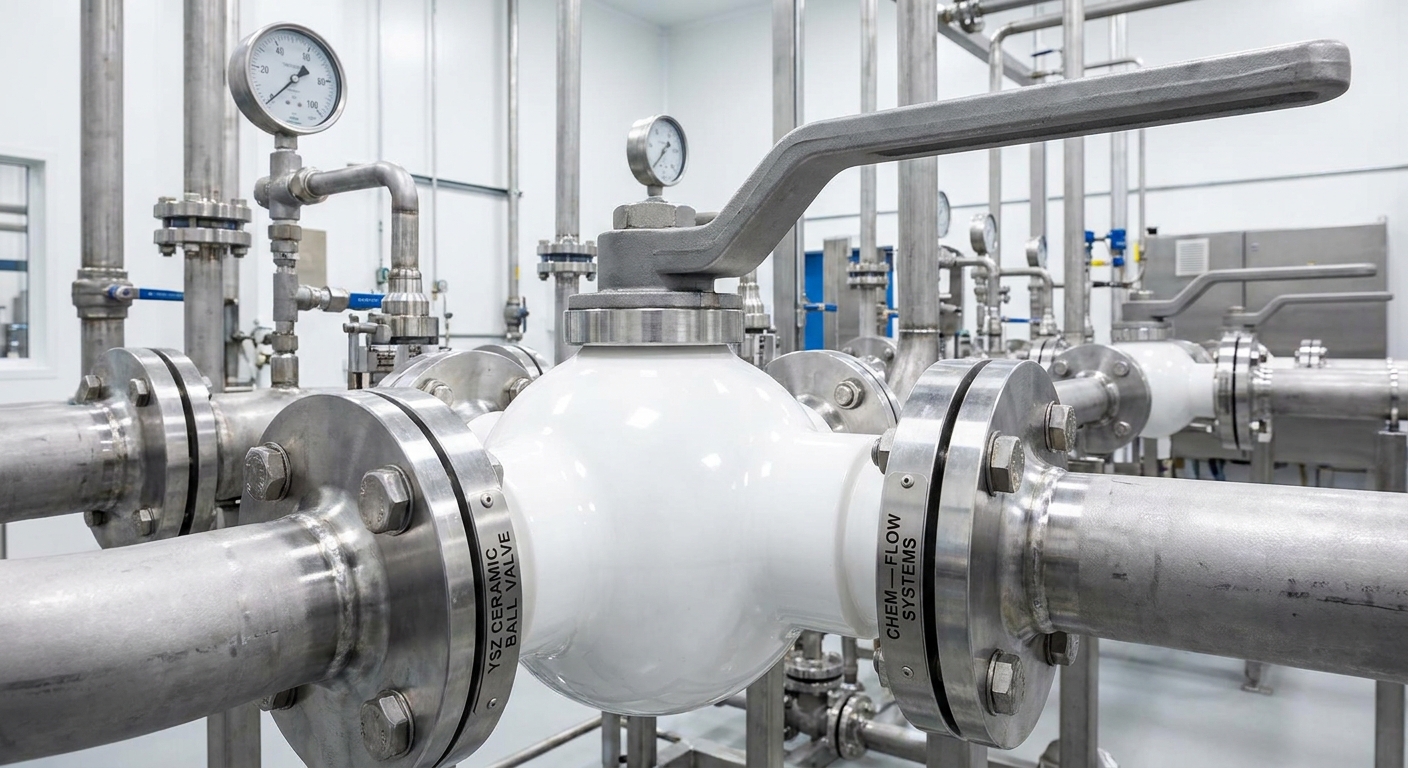
Industrial pumps and valves must handle acidic mixtures and caustic cleaning chemicals without dissolving or leaking. When you use metal parts, corrosive chemicals strip away the oxide layer, exposing the underlying alloy to rapid wear.
But there is a catch.
Standard oxide ceramics like alumina often have glassy grain boundary phases that acids easily attack.
This high-purity stabilized ceramic has no metallic phases or glassy grain boundaries, making it almost completely impervious to chemical attack. It maintains its tight structural tolerances in the most aggressive chemical processing streams.
- Acid and alkali resistance: Handles pH levels from 1 to 14 without structural loss.
- Zero galvanic corrosion: Prevents pipe corrosion in electrochemical fluid systems.
- Dimensional preservation: Eliminates material loss to prevent pump leakage.
Key Takeaway: High hardness combined with self-healing fracture toughness gives yttria stabilized zirconia unparalleled wear resistance. Using YSZ for grinding media and precision fluid-handling parts dramatically reduces wear-related contamination and extends equipment run times.
Ceramic Material Vickers Hardness (HV) Fracture Toughness (MPa·m¹/²) Relative Wear Rate (mm³/N·m) Silicate Glass ~550 0.7–0.8 120.0 × 10⁻⁶ Alumina (99.5%) ~1600 3.5–4.0 8.5 × 10⁻⁶ Yttria Stabilized Zirconia ~1250 8.0 1.2 × 10⁻⁶
Evaluating these wear metrics proves that combining moderate hardness with maximum toughness yields the most durable ceramic surface for high-friction applications.
Why is yttria stabilized zirconia ideal for dental use?
Yttria stabilized zirconia is ideal for dental use because it offers an unmatched combination of clinical biocompatibility, exceptional flexural strength to withstand mastication forces, and highly customizable translucent optical properties that mimic natural teeth. When you select this material for dental crowns and multi-unit posterior bridges, you avoid the dark margins associated with old-fashioned metal-ceramic restorations. It integrates flawlessly with modern CAD/CAM milling machinery, allowing labs to produce highly precise, patient-specific restorations. Its high fracture resistance ensures that the resulting crowns do not chip or crack under heavy chewing loads.
Additionally, the smooth surface of the fully sintered ceramic resists bacterial adhesion and plaque buildup, keeping oral tissues healthy. It does not dissolve in saliva or release harmful metal ions into the patient’s mouth. This complete bio-inertness, combined with aesthetic beauty, has made it the undisputed material of choice for modern restorative dentistry.
Meeting clinical biocompatibility standards
Any material placed in the oral cavity must undergo rigorous testing to ensure it does not trigger tissue rejection or toxic reactions. When you use this advanced ceramic, the body treats it as a completely neutral, bio-inert substance.
Think about it:
The ceramic promotes excellent soft tissue integration, reducing the risk of localized gum inflammation.
This bio-compatibility is especially crucial for dental implants that interface directly with the jawbone. It allows bone cells to grow tightly around the implant surface without any adverse immunological response.
- Non-allergic compound: Avoids the metal sensitivity issues common with titanium implants.
- Low bacterial adhesion: Reduces plaque accumulation to protect surrounding tissue.
- High chemical stability: Resists degradation from acidic foods and biological enzymes.
Achieving lifelike optical properties
Early dental ceramics were strong but lacked translucency, leaving restorations looking opaque and artificially chalky. By adjusting the yttria concentration from 3% to 5%, you can alter the grain boundaries to let light pass through.
Why does this matter?
It allows dental labs to match the exact translucent depth and color gradient of a patient’s natural enamel.
Furthermore, these modern aesthetic grades maintain high mechanical strength, allowing for thinner tooth preparations. You can design beautiful, conservative restorations that require minimal tooth reduction.
- Flexural Strength (3YSZ Dental): >1000 MPa to handle chewing forces.
- Translucency Parameter (5YSZ): 45–49%, mimicking natural enamel.
- Surface Roughness after Polishing: <0.1 μm, protecting opposing teeth.
Key Takeaway: Modern yttria stabilized zirconia resolves the historic trade-off between dental restoration strength and beauty. It provides the high flexural strength needed for posterior bridges alongside the translucency required for natural-looking anterior crowns.
Material Option Flexural Strength (MPa) Aesthetic Appeal Lifespan in Posterior Zone Porcelain Fused to Metal ~350–500 Moderate (opaque metal showing at margins) 8–12 Years Lithium Disilicate Glass ~360–400 Very High (highly translucent) 5–8 Years (anterior only) Yttria Stabilized Zirconia 900–1200 High (with modern translucent grades) 15+ Years (anterior & posterior)
This comparison demonstrates why dentists are rapidly replacing older glass and metal systems with high-toughness stabilized zirconia.
Is Scandia better than yttria stabilized zirconia?
Scandia-stabilized zirconia is not universally better than yttria stabilized zirconia because, while it provides higher ionic conductivity at intermediate temperatures, it is significantly more expensive and possesses lower mechanical strength. If you are developing cutting-edge solid oxide fuel cells that operate below 700°C, the superior ion conduction of Scandia may justify its premium price. However, for the vast majority of industrial, structural, and wear applications, yttria remains the far more cost-effective and mechanically durable stabilizer. It offers a more stable and predictable supply chain for large-scale manufacturing.
Raw scandium oxide is highly scarce, making scandia-stabilized powders up to eight times more costly than standard yttria-doped blends. In addition, scandia-doped formulations are prone to mechanical fatigue and phase instability under continuous thermal cycling. For structural components like pump shafts, valves, and grinding media, the self-healing toughness of yttria-stabilized grades remains completely unmatched.
Evaluating cost versus performance
When you are designing an industrial product, raw material cost is always a critical factor in your pricing strategy. Scandium oxide is a rare earth byproduct, leading to massive market price fluctuations and potential supply bottlenecks.
But there is a catch.
If your system absolutely requires high power density at lower heats, you might have to absorb that extra expense.
For standard mechanical systems, paying a massive premium for Scandia yields zero added benefit. You are far better off utilizing yttria-stabilized grades, which offer superior structural toughness at a fraction of the cost.
- YSZ Cost Factor: Represents the cost-effective baseline (1x) with high mechanical strength.
- ScSZ Cost Factor: Up to 5x to 8x more expensive due to rare scandium scarcity.
- Sintering window: Yttria grades sinter at lower temperatures, saving you energy.
Higher ionic conductivity requirements
At temperatures between 500°C and 700°C, Scandia-stabilized zirconia exhibits significantly higher oxygen ion transport than its yttria-stabilized counterpart.
Why does this matter?
It allows fuel cells to operate at lower temperatures, extending the life of metallic interconnects and seals.
However, you must weigh this electrical advantage against a noticeable reduction in structural toughness. In high-vibration environments, the brittle nature of Scandia formulations can lead to micro-cracking and sudden cell failure.
- Ionic Conductivity (ScSZ): Excellent at intermediate temperatures, reducing thermal wear.
- Mechanical Strength (YSZ): Superior structural load capacity, resisting fracture under vibration.
- Phase Integrity: Yttria-stabilized grades maintain excellent structural phase stability over thousands of continuous hours.
Key Takeaway: Scandia-stabilized zirconia offers superior ionic conductivity for intermediate-temperature fuel cells. However, for most structural, wear, and standard thermal applications, yttria stabilized zirconia remains the most cost-effective and mechanically durable choice.
Stabilizer Type Ionic Conductivity (at 600°C) Raw Material Cost Factor Sintering Temperature Range Mechanical Strength Yttria (Y₂O₃) Moderate (~0.02 S/cm) Baseline (1x) 1350°C–1450°C Very High (900–1200 MPa) Scandia (Sc₂O₃) Superior (~0.06 S/cm) High (5x–8x) 1400°C–1500°C High (600–800 MPa)
These data highlights show how choosing a stabilizer is a strategic decision balancing high ionic flux against mechanical durability and project budget constraints.
How can you optimize your yttria stabilized zirconia sourcing?
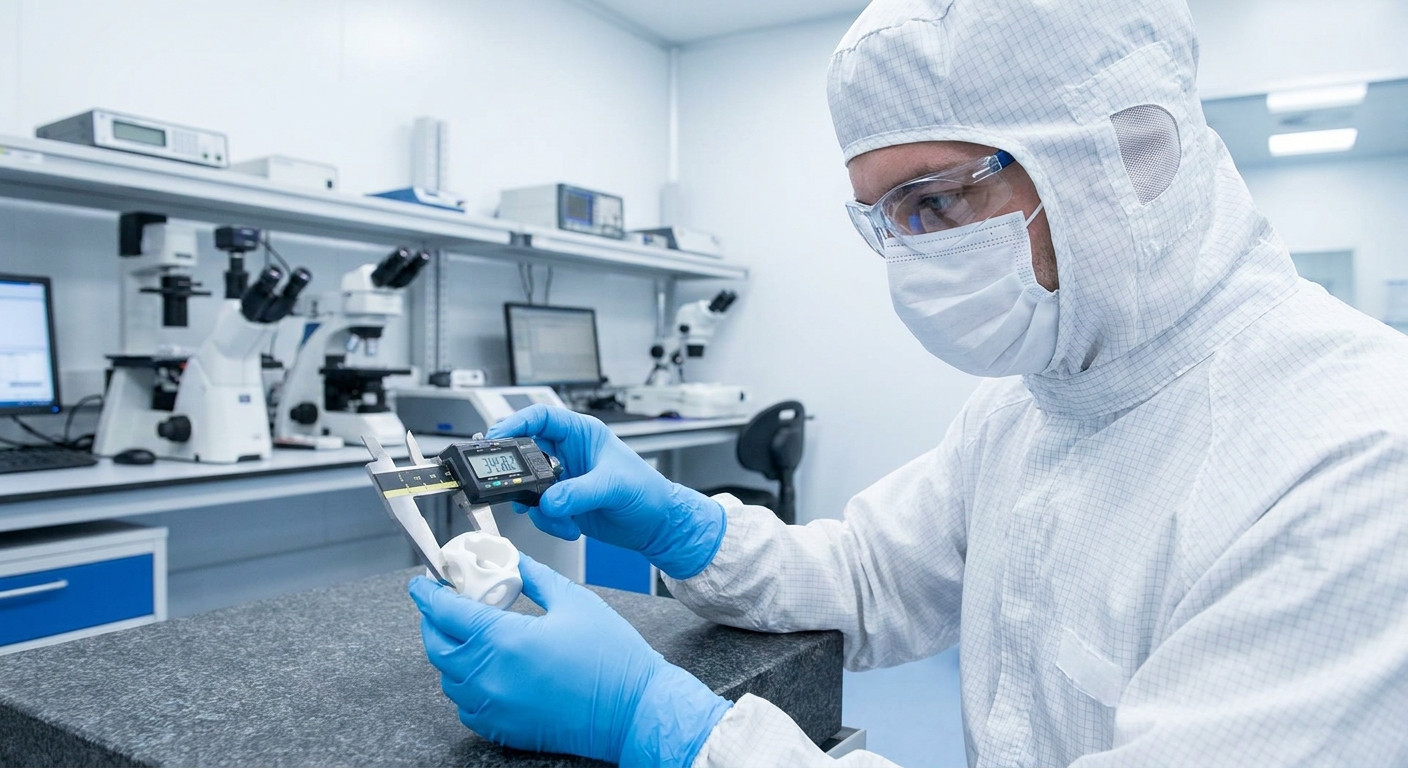
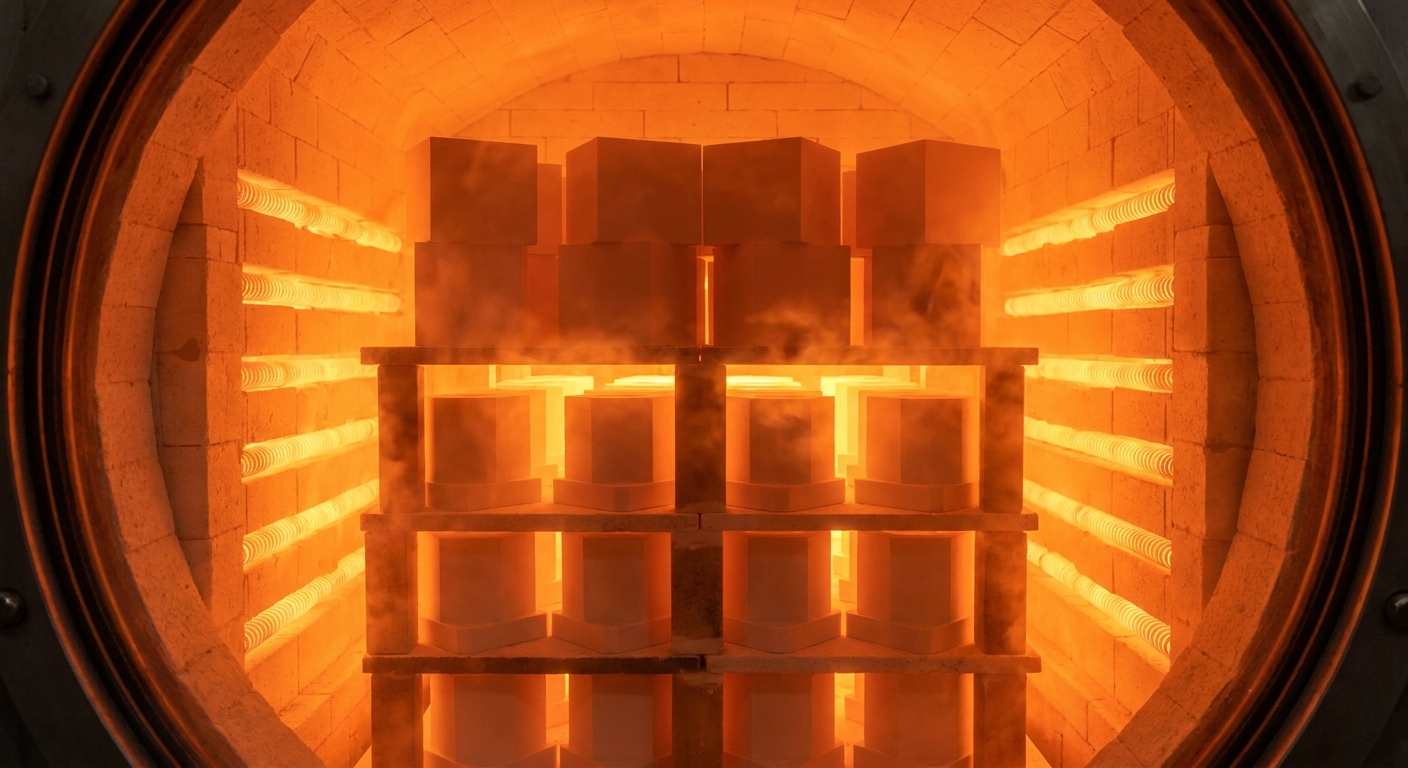
You can optimize your yttria stabilized zirconia sourcing by partnering with a manufacturer that guarantees strict batch-to-batch particle size distribution, verifies high chemical purity with comprehensive Certificates of Analysis (CoA), and holds robust ISO 9001 certifications. When you are pressing and sintering complex ceramic components, even minor fluctuations in powder consistency can lead to uneven shrinkage and warping. Specifying a controlled average particle size ($D_{50}$) ensures uniform green-state density and predictable shrinkage during high-temperature kiln firing. This strict raw material control is the secret to maintaining high production yields and avoiding costly scrap.
Additionally, you must verify that your supplier controls trace impurities like silica and iron oxide, as even trace amounts can trigger premature structural aging. Working with a vertically integrated manufacturer that controls the entire production process from raw zircon sand to finished spray-dried granules provides complete traceability. This supply chain transparency prevents unexpected raw material variations that could disrupt your automatic pressing operations.
Defining quality assurance standards
To secure consistent ceramic components, you must establish clear quality control benchmarks before signing any procurement agreements. High-purity grades require a combined zirconia and yttria content of over 99.7% to prevent mechanical failure.
Think about it:
A supplier who cannot provide detailed chemical testing data is exposing your production line to immense risk.
You should request batch-specific testing that covers both chemical composition and physical powder properties. This ensures the raw material will flow and compact uniformly inside your automatic presses.
- ISO 9001 certification: Verifies a documented, consistent manufacturing process.
- Chemical purity (>99.7%): Prevents trace elements from compromising high-temperature strength.
- Trace element limits: Keeps silica and iron levels extremely low to block structural aging.
Ensuring powder consistency batch-to-batch
When you change powder batches, any shift in the specific surface area (BET) will directly affect how your components shrink in the kiln. If the powder is too coarse, it will require higher sintering temperatures to achieve full density, increasing your energy costs.
It gets even better:
Specifying a narrow particle size distribution ensures a highly predictable, repeatable shrinkage rate of exactly 15% to 20%.
This predictability allows you to design your pressing molds with tight tolerances, eliminating the need for expensive post-sintering diamond grinding. Partnering with a technically advanced manufacturer is the best way to safeguard your production yields.
- Average Particle Size (D₅₀): 0.3 μm–1.5 μm (governs green density).
- Specific Surface Area (BET): 10 ± 2 m²/g (governs sintering speed).
- Granulated flowability: Spray-dried powders flow smoothly into automatic pressing dies.
Key Takeaway: Seamless production starts with consistent raw materials. Partnering with a manufacturer that maintains strict particle size distributions, high chemical purity, and comprehensive batch testing prevents part distortion during sintering and guarantees reliable component performance.
Physical Parameter Standard Sintering Range Target Value for Precision Parts Manufacturing Impact Average Particle Size (D₅₀) 0.3 μm–1.5 μm 0.5 μm ± 0.1 μm Governs sintering speed and final grain size Specific Surface Area (BET) 6–15 m²/g 10 ± 2 m²/g Influences sintering temperature and shrinkage Chemical Purity (ZrO₂ + Y₂O₃) >99.0% >99.7% Prevents premature mechanical failure
These strict quality control metrics are essential to establishing a stable, high-yield manufacturing process for technical ceramics.
Conclusion
Optimizing industrial component lifespans in severe environments requires selecting advanced materials that can handle intense mechanical stress, extreme heat, and harsh chemical exposure. Traditional technical ceramics often fall short under these conditions, leading to unexpected failures and costly production halts. Switching to yttria stabilized zirconia provides the durable phase-transformation toughness, thermal stability, and wear resistance needed to protect your systems. When you are ready to eliminate downtime and elevate system reliability, we stand ready to deliver high-purity, custom-tailored technical ceramic components designed specifically for your demanding applications. We encourage you to contact us today to speak with an expert materials engineer, explore our precision manufacturing capabilities, and discover how our advanced zirconia solutions can transform your operational efficiency.
Frequently Asked Questions
Can I use yttria stabilized zirconia in continuous temperatures above 1500°C?
Yes, you can operate yttria stabilized zirconia continuously at temperatures up to 1600°C in oxidizing atmospheres. However, if you exceed this limit for extended periods, the material can experience microstructural grain growth and a slow transition of the stabilized phases back into the monoclinic state, which gradually degrades its mechanical strength.
How do I know if 3YSZ is better for my application than 8YSZ?
You should choose 3YSZ if your primary requirement is mechanical toughness and wear resistance, whereas 8YSZ is necessary if you require high oxygen ion conductivity. This is because 3YSZ is partially stabilized and capable of phase-transformation toughening to halt cracks, while fully stabilized 8YSZ lacks this self-healing transition but possesses a highly vacancy-rich cubic crystal structure optimized for electrochemical performance.
Can moisture exposure degrade my yttria stabilized zirconia components?
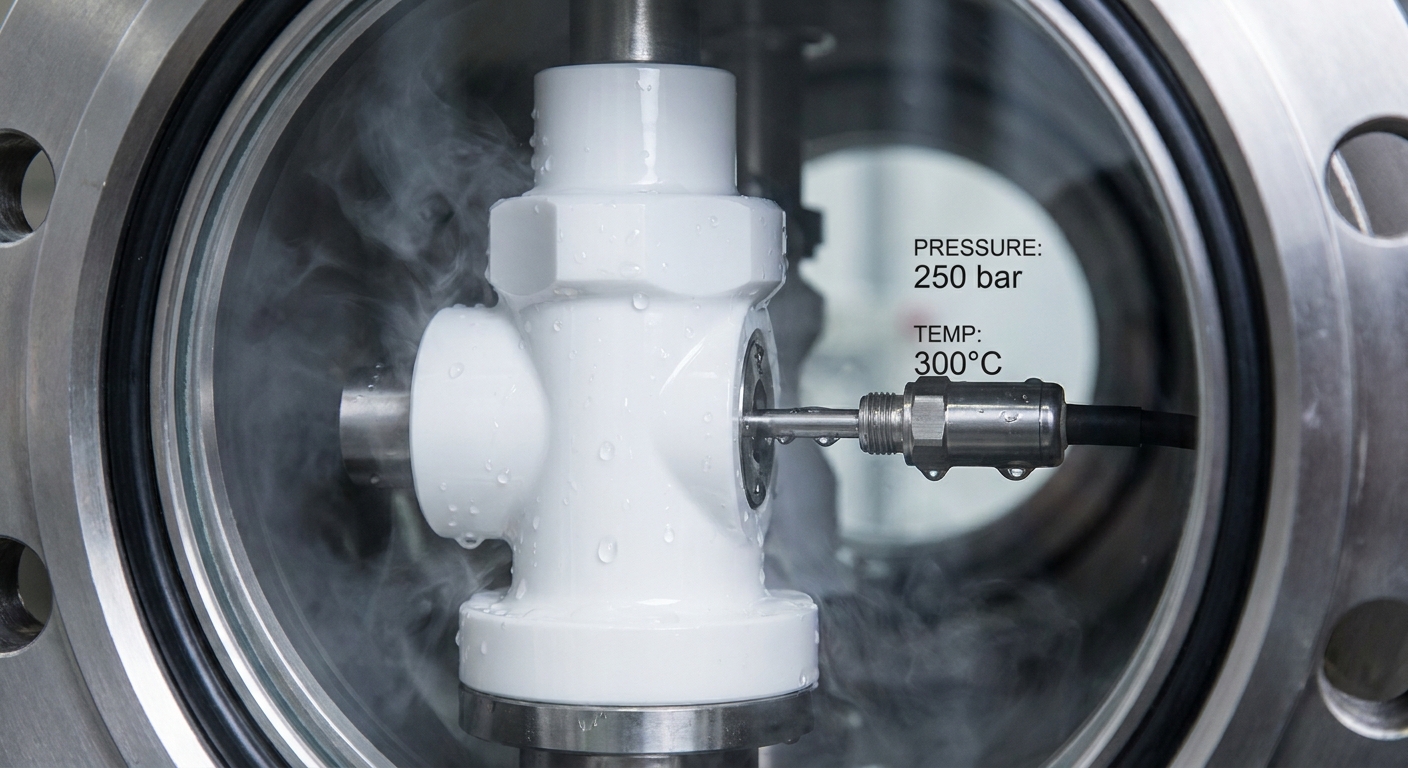
Yes, hydrothermal aging can occur if the material is exposed to water or steam at temperatures between 100°C and 300°C over long periods. This phenomenon, known as Low-Temperature Degradation (LTD), causes a slow, spontaneous phase transformation from the tetragonal to the monoclinic phase on the component’s surface, which can lead to micro-cracking and reduced service life if not properly managed.
What’s the best way to machine yttria stabilized zirconia parts without cracking them?
The best approach is to machine the components in their soft “green” or “bisque” unsintered state, before final firing. Because fully sintered zirconia is exceptionally hard and tough, post-sintering machining is extremely slow and requires precision diamond grinding tools, which should be reserved only for meeting ultra-tight dimensional tolerances.
How do I know if magnesia-stabilized zirconia is a better option than yttria stabilized zirconia?
You can determine this by analyzing your system’s operating temperature and humidity levels. While yttria-stabilized grades offer higher room-temperature strength and are easier to manufacture into complex geometries, magnesia-stabilized zirconia (MSZ) provides superior resistance to hydrothermal degradation (LTD) and behaves better under thermal shock in hot, humid process environments.