
Yttria stabilized zirconia is an advanced engineering ceramic stabilized in its high-temperature phases using yttrium oxide to prevent structural cracking in demanding industrial applications. Think about the high-stress environment of your production line, where standard components constantly fail under thermal shock and friction. You watch as ceramic components shatter, leading to expensive downtime, missed deadlines, and climbing maintenance budgets. To solve this problem, incorporating yttria stabilized zirconia nanoparticles into your manufacturing processes delivers unmatched mechanical toughness and structural integrity.
What is yttria stabilized zirconia?

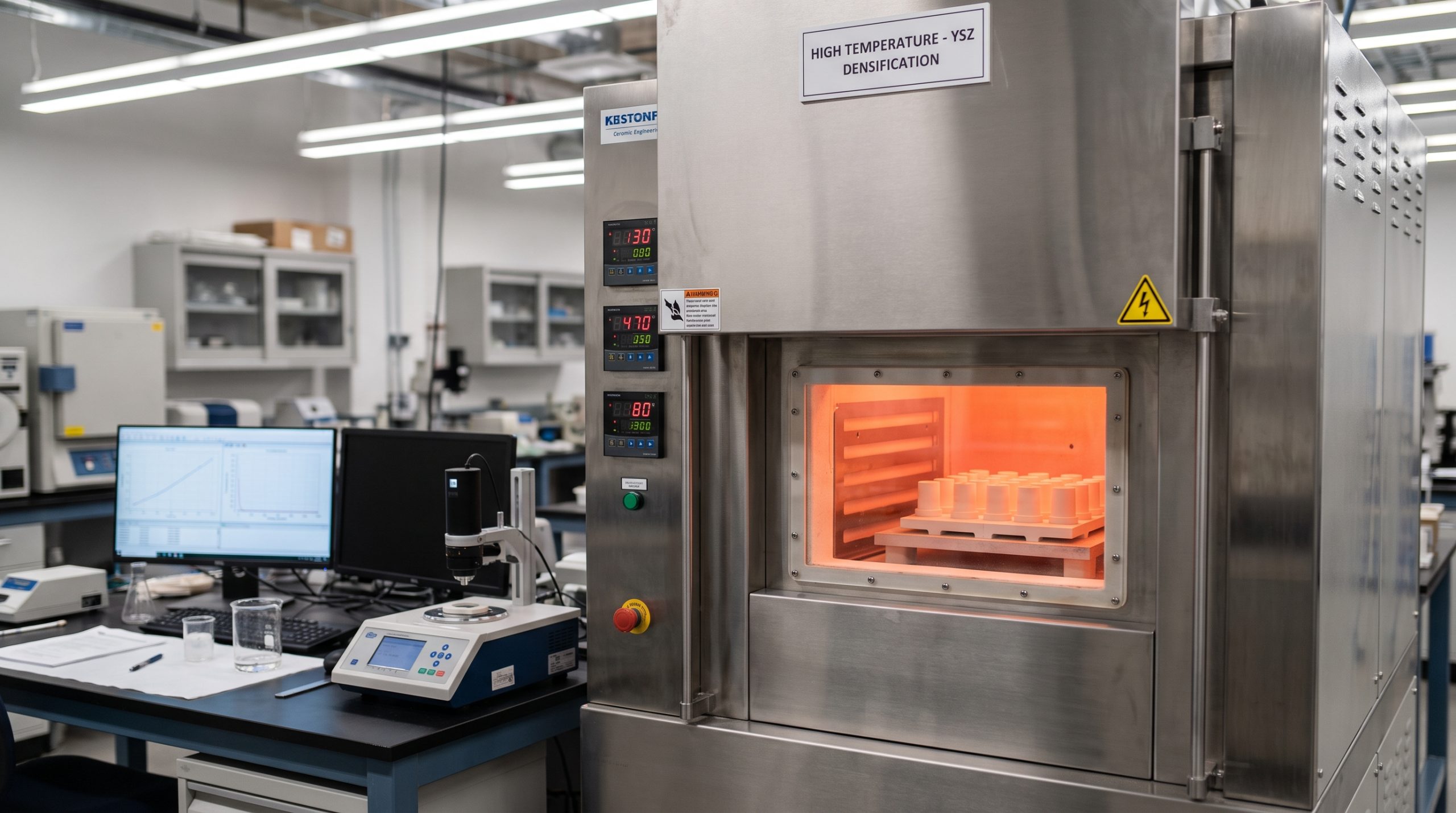
Yttria stabilized zirconia is a high-purity, zirconium-based ceramic material that incorporates yttrium oxide as a chemical stabilizer to lock its crystal structure into a highly durable tetragonal or cubic phase. By utilizing nanoscale yttria stabilized zirconia particles, you can achieve faster sintering at significantly lower temperatures. This transition allows you to produce ultra-dense components with minimized micro-porosity while conserving energy in your kilns.
Why do nano-sized particles matter?
Look at it this way: nano-sized particles possess a massive surface-area-to-volume ratio compared to bulk materials. This dramatic structural shift allows you to achieve faster sintering at lower temperatures while experiencing a major reduction in micro-porosity. You can easily produce dense, ultra-fine grain structures that prevent micro-cracks from propagating under stress.
- Enhanced density after low-temperature sintering
- Reduced grain boundary electrical resistance
- Minimized microscopic cracking risks
How does YSZ solve processing issues?
Here is why: standard zirconia undergoes a highly destructive phase transition during cooling that causes immediate micro-cracking and material failure. By adding yttrium ions, you lock the high-strength tetragonal or cubic phase into place permanently. This phase-locking technique allows you to manufacture highly reliable ceramics that maintain their dimensions under load.
- Suppressed monoclinic phase transformation
- Locked high-temperature crystal structures
- Zero volume-change deformation risks
Key Takeaway: Stabilizing the crystal structure at the nanoscale ensures your engineered components maintain absolute dimensional stability under extreme stress.
| Particle Size | Sintering Temp (°C) | Micro-porosity | Relative Density (%) |
|---|---|---|---|
| Micro-sized | 1550 – 1600 | Moderate | 95.2% |
| Nanoscale | 1350 – 1400 | Extremely Low | 99.8% |
The data above clearly highlights how nanoscale particle sizes lower sintering thresholds while maximizing final part density.
Why stabilize yttria stabilized zirconia?
Stabilizing yttria stabilized zirconia is necessary to prevent destructive phase changes and massive volume expansions during intense thermal cycling. Standard zirconia shifts its crystal structure as it heats and cools, which creates micro-cracks that ruin structural integrity. Adding yttrium oxide dopants locks the high-strength phases in place at room temperature to give you a robust material that handles extreme temperature fluctuations.
What is phase stabilization?
But that is not all: zirconia naturally shifts between monoclinic, tetragonal, and cubic phases depending on the ambient heat. These shifts cause a massive volume expansion of up to five percent that can instantly shatter your parts. By introducing yttria, you force the material to retain its tough tetragonal or cubic phase even when cooled down to room temperature.
- Blocks the volume-expansion crack mechanism
- Maintains structural integrity through heating cycles
- Creates a reliable host for yttrium ions
How does it conduct oxygen ions?
Here is the secret: substituting zirconium ions with yttrium ions creates oxygen vacancies in the crystal lattice. When you expose this material to high temperatures, oxygen ions migrate effortlessly through these open vacancies. This unique mechanism transforms the ceramic into a highly efficient solid-state electrolyte.
- Generates systematic crystal lattice vacancies
- Enables efficient oxygen ion transport at high heats
- Supports reliable electrochemical conversions
Key Takeaway: Creating oxygen vacancies through stabilization allows you to design high-efficiency oxygen sensors and energy-producing solid oxide fuel cells.
| Crystal Phase | Temperature Range | Volume Stability | Ionic Conductivity |
|---|---|---|---|
| Monoclinic | < 1170 °C | Low (unstable) | Very Low |
| Tetragonal | 1170 °C – 2370 °C | Medium (toughened) | Medium |
| Cubic | > 2370 °C | High (stabilized) | High (with 8 mol% $Y_2O_3$) |
The data above clearly highlights how stabilizing the cubic crystal phase optimizes both structural toughness and electrical conductivity.
What is in yttria stabilized zirconia?
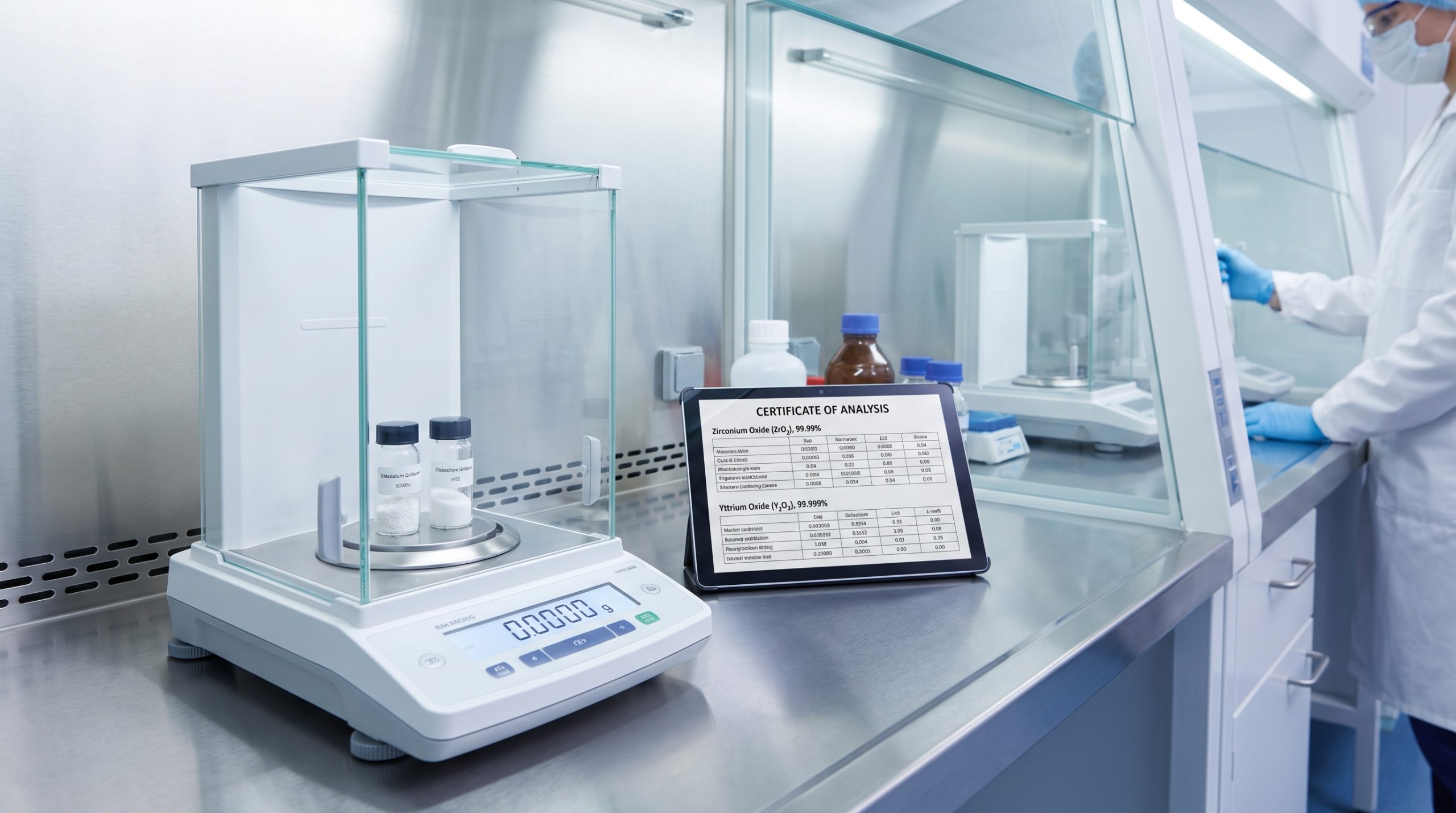
The chemical composition of yttria stabilized zirconia consists primarily of zirconium oxide acting as the base matrix combined with a precise percentage of yttrium oxide as a stabilizing agent. This exact mixture allows you to control the resulting phase of the material. You must monitor trace impurities like iron or silica to ensure consistent performance.
What is the chemical composition?
Let’s break it down: the exact chemical behavior of the material depends on the mol percentage of the yttrium oxide stabilizer. An 8 mol% formulation contains approximately 68.1% zirconium, 3.2% yttrium, and 28.7% oxygen. You must choose high-purity batches to avoid trace contamination.
- High-purity zirconium oxide base ($ZrO_2$)
- Precisely dosed yttrium oxide dopant ($Y_2O_3$)
- Extremely low trace impurity levels (<0.01%)
Does dopant concentration matter?
Think about it this way: lower concentrations like 3 mol% yield high fracture toughness through a mechanism called transformation toughening. In contrast, higher levels like 8 mol% fully stabilize the cubic phase for maximized ionic conductivity. You must select the precise grade that matches your specific mechanical or electrical requirements.
- 3 mol% (3YSZ) for extreme structural toughness
- 5 mol% (5YSZ) for optimal optical translucency
- 8 mol% (8YSZ) for maximum electrical conductivity
Key Takeaway: Matching your dopant concentration to your application needs is the single most critical step in ensuring long-term material success.
| Dopant Mol % | Primary Phase | Key Benefit | Target Application |
|---|---|---|---|
| 3 mol% (3YSZ) | Tetragonal | High Fracture Toughness | Grinding media, structural parts |
| 5 mol% (5YSZ) | Mixed (Tet/Cubic) | High Translucency | Aesthetic dental restorations |
| 8 mol% (8YSZ) | Cubic | High Ionic Conductivity | SOFC electrolytes, oxygen sensors |
The data above clearly highlights how the mol percentage of the yttrium stabilizer directly dictates the physical properties and ideal industrial applications.
What limits yttria stabilized zirconia?
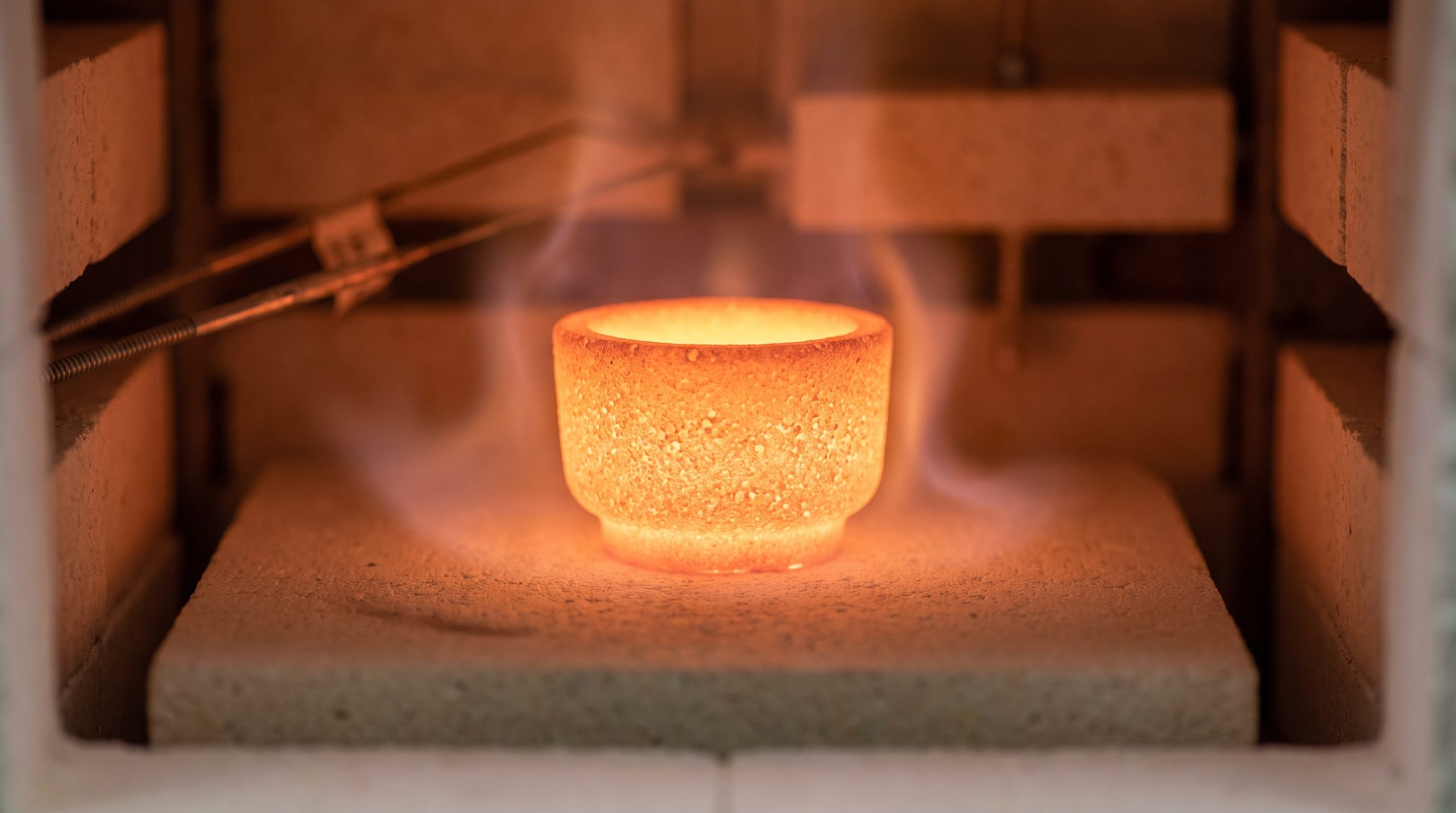
The physical limits of yttria stabilized zirconia are defined by its ultra-high melting point of 2700 degrees Celsius and its high molecular weight of 349.03 grams per mol. These metrics mean that while the material survives extreme furnace temperatures, it requires precise thermal ramp controls to prevent thermal shock. You must design your heating cycles carefully to protect your ceramic linings.
What are the thermal properties?
Here is the critical part: this material boasts an incredible melting point of approximately 2700 degrees Celsius. This allows you to deploy components in extreme high-heat zones like gas turbines and industrial furnaces. However, you must manage thermal shock carefully due to its specific thermal expansion rates.
- Melting point of ~2700 °C (4890 °F)
- Low thermal conductivity to insulate heat
- Stable coefficient of thermal expansion
Can it handle mechanical loads?
But that is not all: the molecular weight of 349.03 and dense crystal packing give the sintered material incredible hardness. You can expose it to heavy mechanical loads and abrasive environments without worrying about premature wear. Under high-stress, the material actively resists micro-cracking by absorbing energy.
- High bulk density of ~6.0 g/cm³
- Superior mechanical wear protection
- Excellent resistance to chemical corrosion
Key Takeaway: The extreme thermal limits and robust physical density of YSZ allow you to replace failing metal parts in the most demanding environments.
| Property | Metric Value | Imperial Value | Industrial Advantage |
|---|---|---|---|
| Melting Point | ~2700 °C | ~4890 °F | Survives extreme combustion zones |
| Molecular Weight | 349.03 g/mol | – | Contributes to dense crystal packing |
| Density | ~6.0 g/cm³ | 0.217 $lb/in^3$ | Resists abrasive mechanical wear |
The data above clearly highlights how the thermal thresholds and density characteristics of the material enable reliable operation in harsh industrial environments.
Where is yttria stabilized zirconia used?
Modern industrial facilities utilize yttria stabilized zirconia nanoparticles across advanced electronic thin-films, protective coatings, and high-performance textiles. This versatile material provides high insulation and thermal barrier protection in critical areas. You will find it in semiconductor chips, wear-resistant coatings, and specialized filtration systems.
How does it improve electronics?
Look at it this way: electronic manufacturers use YSZ nanoparticles to produce highly uniform thin-film coatings and micro-ceramic components. These components benefit from the material’s precise dielectric properties and high thermal resistance. You can achieve smaller, more reliable electronic architectures that resist overheating.
- Precise dielectric constant control
- Highly uniform thin-film deposit capability
- Reduced electrical leakage at high heats
Can it protect textiles and fibers?
Here is why: integrating YSZ nanoparticles into specialized nanofibers and nanowires enhances their thermal and mechanical performance. This allows you to manufacture protective textiles that survive extreme chemical exposure and high-temperature environments. Your technical fabrics will last longer and protect better in harsh industrial settings.
- Upgraded thermal insulation in nanowires
- Superior chemical resistance in filter textiles
- Enhanced physical wear resistance in fibers
Key Takeaway: Incorporating nanoscale YSZ into textiles and electronic thin films allows you to achieve breakthrough durability and performance.
| Application Area | Primary YSZ Form | Key Function | Benefit to Your Operation |
|---|---|---|---|
| Micro-Electronics | Thin-film coatings | Dielectric insulation | Prevents thermal leakage and failures |
| Technical Textiles | Nanofibers / Nanowires | Heat shielding | Protects equipment and workers in hot zones |
| Thermal Barriers | Spray coatings | Corrosion barrier | Extends metal component operating life |
The data above clearly highlights how deploying this ceramic in various formats resolves critical thermal and electrical vulnerabilities.
How does yttria stabilized zirconia power SOFCs?
In solid oxide fuel cells, yttria stabilized zirconia nanoparticles form the highly efficient solid-state electrolyte layer that conducts oxygen ions while completely blocking electrons. This selective ion passage is the engine that drives clean energy conversion in your fuel cell stack. Sintering at the nanoscale allows you to build much thinner, denser ceramic membranes with lower resistance.
Why is nanoscale YSZ better for SOFCs?
But that is not all: sintering YSZ nanoparticles allows you to produce thinner, denser electrolyte layers than traditional micro-powders. A thinner layer dramatically reduces internal resistance and increases overall fuel cell efficiency. You can operate your systems at lower temperatures while maintaining high energy outputs.
- Saves costs through lower operating heats
- Dramatically reduces internal ionic resistance
- Prevents gas cross-contamination in fuel cells
Does it prevent material degradation?
Here is the secret: standard fuel cell components often fail due to mismatched thermal expansion rates. Nanoscale YSZ matches perfectly with typical electrode materials to prevent delamination during thermal cycling. Your fuel cell stacks will enjoy a much longer service life and reliable energy generation.
- Matches electrode thermal expansion rates
- Eliminates high-temperature delamination
- Maintains steady electrical output over years
Key Takeaway: Utilizing nanoscale YSZ for your SOFC electrolytes increases electrical output while protecting the physical integrity of your fuel cell stacks.
| Electrolyte Material | Operating Temp | Ionic Conductivity | Thermal Cycling Stability |
|---|---|---|---|
| Micro-sized YSZ | 800 °C – 1000 °C | Moderate | Low (prone to cracking) |
| Nanoscale YSZ (8mol%) | 600 °C – 800 °C | Exceptional | High (resists delamination) |
The data above clearly highlights how upgrading to nanoscale electrolytes enhances conductivity while lowering overall operating temperatures.
Why choose yttria stabilized zirconia parts?
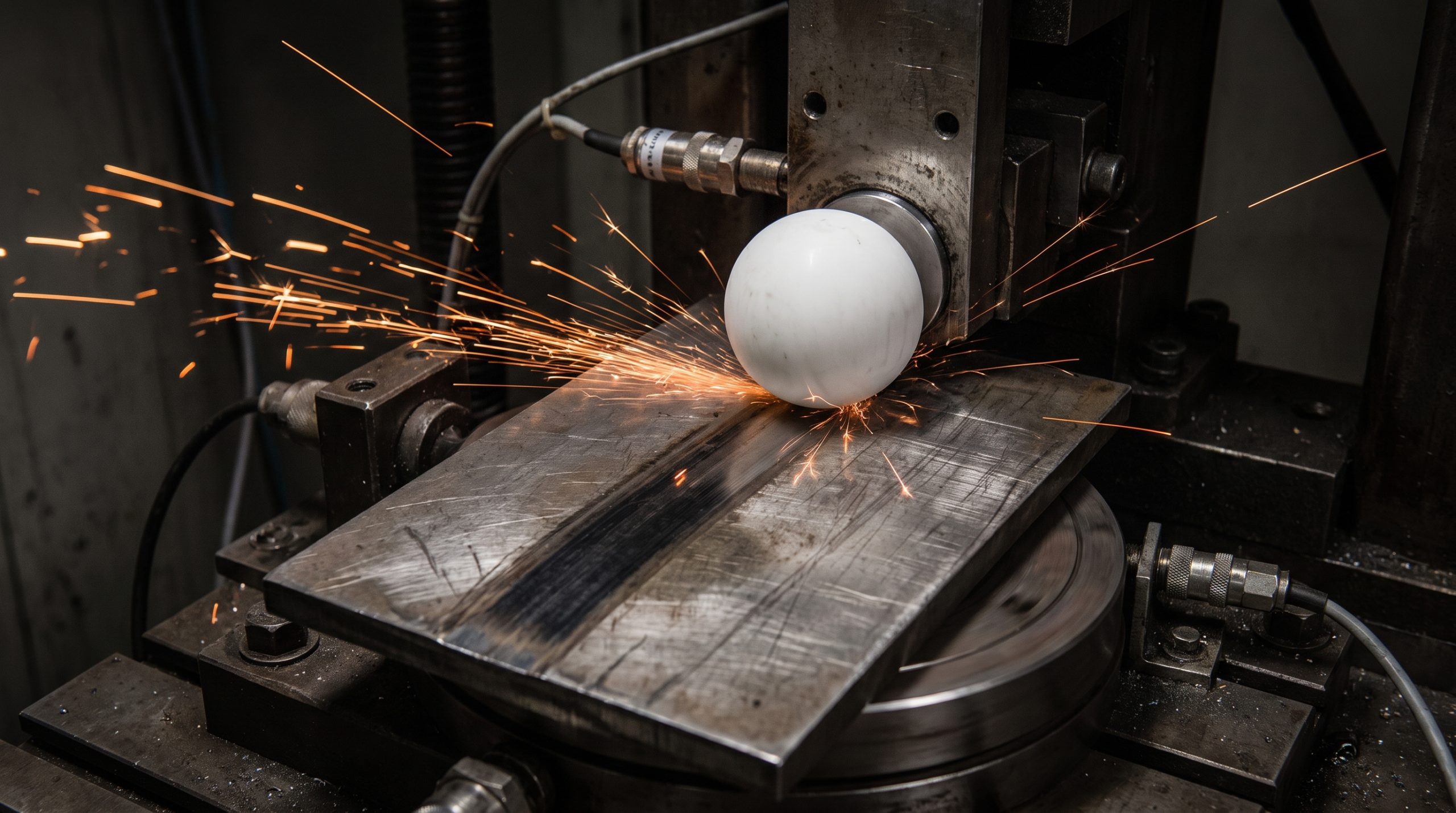
Selecting industrial components made of yttria stabilized zirconia provides you with unmatched mechanical strength, fracture toughness, and wear resistance in high-stress environments. This material is designed to handle extreme sliding wear, aggressive slurry pumping, and chemical corrosion. You can deploy these parts in mining, chemical processing, and metal extrusion lines to keep your operations running smoothly.
How does transformation toughening work?
Think about it this way: when a micro-crack begins to form under load, the surrounding crystal structure undergoes a localized phase transformation. This phase change expands the local volume and squeezes the crack tip completely shut. You get a self-healing ceramic material that resists sudden, catastrophic shattering.
- Absorbs localized crack-tip stress energy
- Expands locally to compress micro-cracks
- Prevents sudden mechanical part shattering
Does it lower your maintenance costs?
Look at it this way: failure-prone metal valves and seals require frequent replacement, driving up your maintenance expenses. Replacing these components with YSZ structural ceramics extends operating lifespans by up to ten times. You will achieve stable batch quality and continuous throughput in your chemical processing lines.
- Extends component lifespan up to 10x
- Reduces unscheduled maintenance downtime
- Maintains absolute process purity without wear
Key Takeaway: Upgrading to YSZ structural components stops the cycle of frequent part replacement and keeps your production running smoothly.
| Component Material | Hardness (HV) | Fracture Toughness (MPa·m½) | Lifespan in Slurry |
|---|---|---|---|
| Stainless Steel | ~200 – 400 | High | Short (wear-sensitive) |
| Alumina Ceramic | ~1600 | ~3.5 | Moderate (brittle) |
| Sintered YSZ (3Y) | ~1250 | ~8.0 – 10.0 | Outstanding (highly tough) |
The data above clearly highlights how switching to stabilized zirconia components dramatically improves both fracture toughness and service life compared to traditional metals and ceramics.
Is yttria stabilized zirconia dental safe?
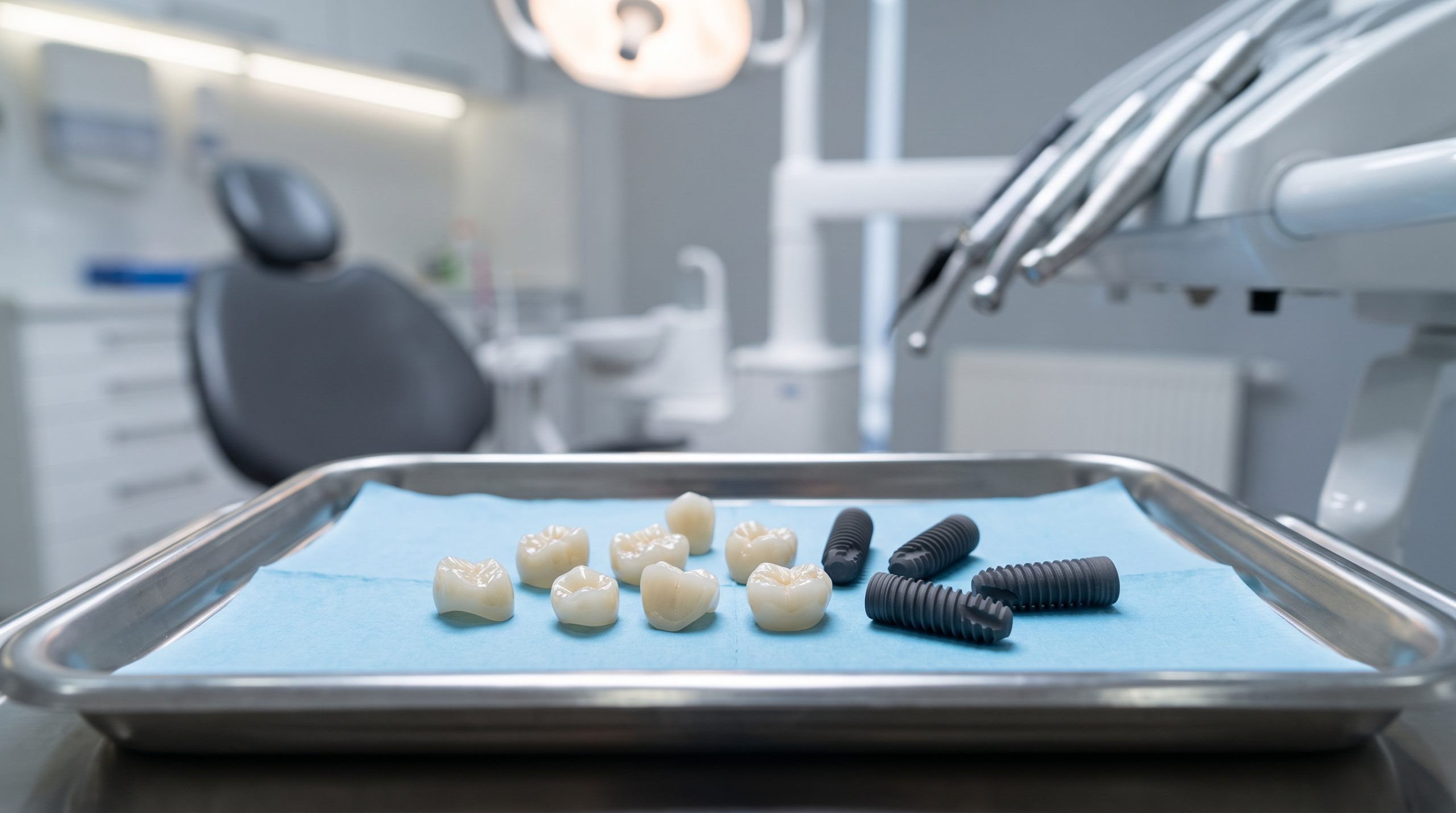
Biocompatibility tests confirm that yttria stabilized zirconia is exceptionally safe for human dental restorations and permanent medical implants. This material does not leach metallic ions or cause allergic reactions in sensitive patients. You can manufacture beautiful, lifelike crowns and bridges that integrate perfectly with oral tissues to provide long-lasting patient comfort.
Why is it preferred over metals?
But that is not all: unlike traditional metal-ceramic crowns, this advanced ceramic does not leach metallic ions or trigger allergic reactions. Your patients will enjoy natural-looking restorations that integrate perfectly with oral tissues. You can manufacture crowns that are virtually indestructible under normal chewing forces by utilizing high-performance materials.
- Zero risk of metallic ion leaching
- Hypoallergenic composition for sensitive patients
- Perfect tissue integration along gumlines
Does it support CAD-CAM workflows?
Here is the secret: YSZ dental blocks machine beautifully in modern milling equipment without chipping or fracturing. This allows you to achieve highly predictable margins and perfect anatomical fits for every patient. You save precious bench time and minimize tedious manual adjustments.
- Excellent CAD/CAM machining properties
- Perfect anatomical margin recreation
- Zero chipping during fast milling cycles
Key Takeaway: Choosing high-purity YSZ dental materials ensures beautiful, biocompatible, and long-lasting restorations for your clinical practice.
| Restoration Material | Biocompatibility | Esthetic Translucency | Fracture Resistance |
|---|---|---|---|
| PFM (Metal-Ceramic) | Moderate | Low (opaque metal core) | Moderate (chipping risk) |
| Lithium Disilicate | Excellent | High | Moderate (lower strength) |
| YSZ Ceramic (5Y) | Outstanding | High (tooth-like) | Exceptional (indestructible) |
The data above clearly highlights why clinical experts prefer stabilized zirconia for long-term dental restorations.
How to buy yttria stabilized zirconia?
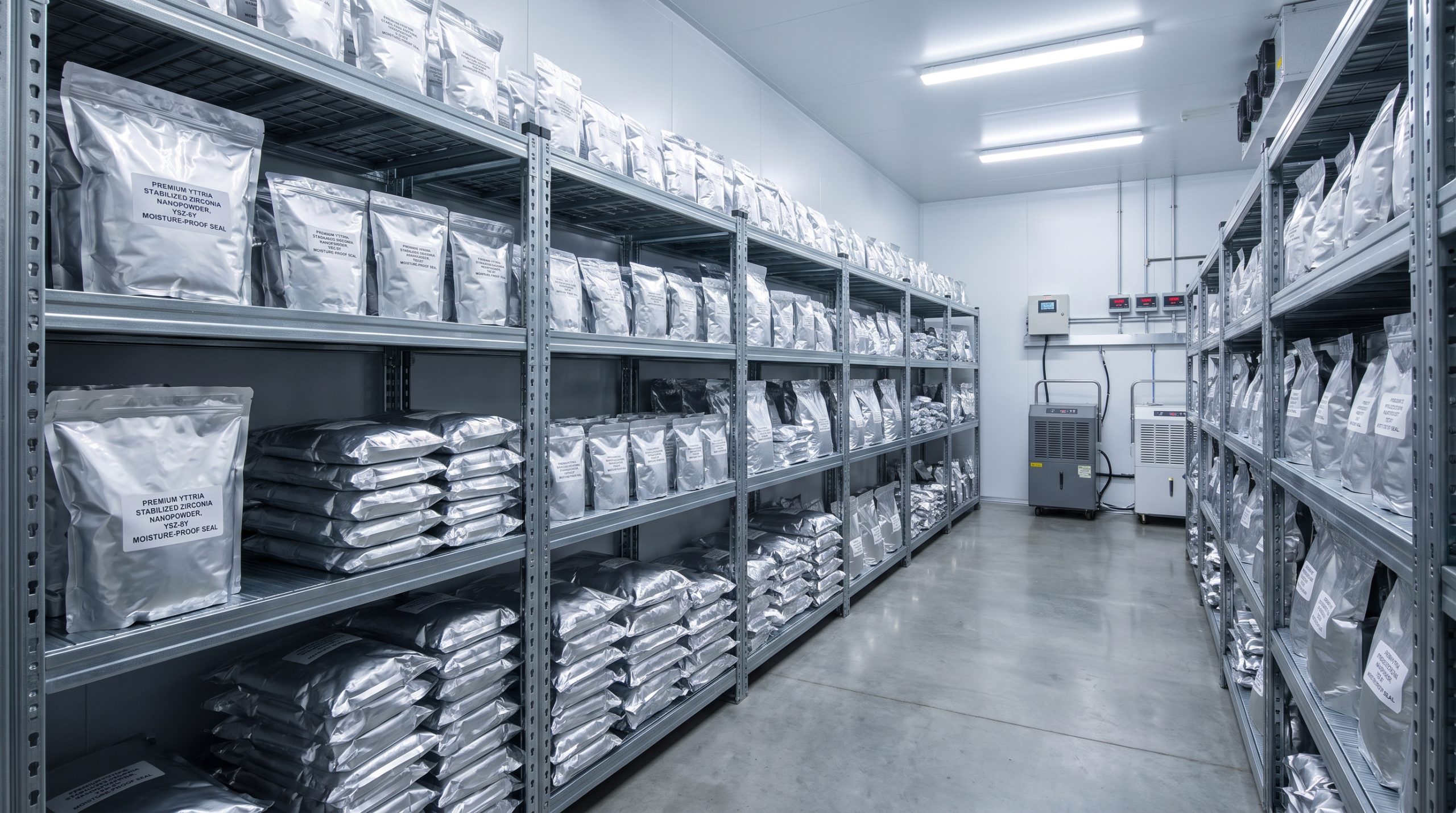
To purchase high-quality yttria stabilized zirconia nanopowders, you must verify chemical purity levels, average particle size, and batch consistency with your supplier. Procuring certified materials is critical to ensuring your components sinter uniformly. You should partner with an experienced manufacturer that provides detailed technical sheets to get the exact formulation for your needs.
What should you ask suppliers?
Here is what to do: you should request detailed chemical analysis sheets to confirm the absence of trace contaminants. Ask your supplier about their particle size distribution curves to ensure uniform sintering behavior. Working with an experienced technical team will help you select the ideal grade for your processing equipment.
- Request batch-specific COA documents
- Verify particle size distribution curves
- Check trace chemical impurity levels
Why does quality control matter?
But that is not all: minor chemical variations in raw powders cause dramatic shifts in optimal sintering temperatures. This variance leads to unexpected yield losses and mechanical part failures. By partnering with a dedicated supplier, you secure consistent manufacturing quality and eliminate production surprises.
- Eliminates unexpected kiln shrinkage shifts
- Prevents batch-to-batch component failure
- Secures predictable manufacturing margins
Key Takeaway: Securing a stable supply of certified, high-purity YSZ powder is key to maximizing your ceramic manufacturing yields.
| Buying Parameter | Ideal Specification | Why It Matters To You |
|---|---|---|
| Chemical Purity | > 99.9% $ZrO_2$ + $Y_2O_3$ | Prevents structural and electrical defects |
| Average Particle Size | < 50 nm | Lower sintering temperature, higher density |
| Phase Composition | Controlled tetragonal/cubic | Ensures predictable strength and stability |
The data above clearly highlights the technical specifications you must verify when procurement agents source raw advanced ceramic materials.
What FAQs solve yttria stabilized zirconia?
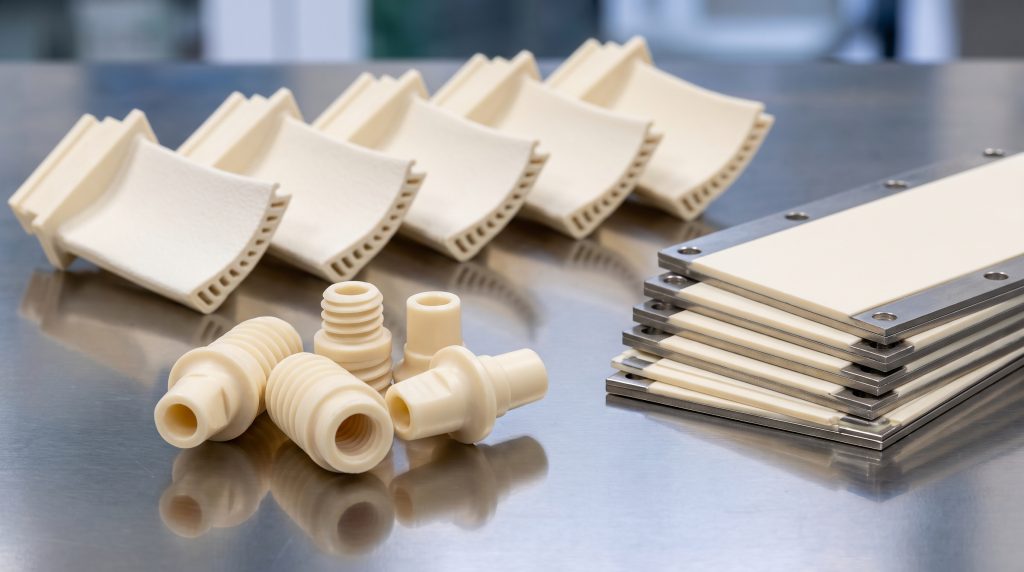
Reviewing the most common user questions helps you quickly resolve processing, handling, and storage challenges with yttria stabilized zirconia. Many operators struggle with powder clumping, sintering temperature shifts, and grade selection. Having direct answers to these technical challenges prevents production errors and saves valuable testing hours.
What are the next strategic steps?
But that is not all: choosing the right material supplier is the single most important decision you will make for your processing line. Our advanced materials are designed to eliminate your manufacturing variance and lower your structural maintenance costs. When you work with us, you gain a dedicated partner committed to your engineering success.
Our high-purity powders deliver the consistent physical performance and reliability you need to stay ahead of the competition. If you are ready to upgrade your components, you should contact us today to speak with our application specialists. We are here to help you achieve your production goals with perfect ceramic materials.
- Unmatched chemical purity levels
- Custom nanoscale grain sizes
- Dedicated engineering support
Are you ready to eliminate ceramic failure once and for all? By resolving thermal shock, micro-cracking, and mechanical wear with our high-purity yttria stabilized zirconia nanoparticles, we help you secure absolute dimensional stability and flawless component performance. Partner with ZrBrontec today to transform your high-stress manufacturing processes—where precision engineering meets unparalleled material durability.
What are the common technical questions?
Think about it: getting immediate, clear answers to your technical questions helps you avoid costly errors in the lab. If you are having trouble with sintering curves or phase transitions, these solutions will get you back on track. Our engineering team has compiled these answers directly from the field.
- Sintering optimization for nanoscale materials
- Moisture-resistant storage techniques
- Phase selection based on application needs
Can I sinter YSZ nanoparticles in a standard laboratory furnace?
Yes, you can successfully sinter them. The nanoscale dimensions of these particles lower the required energy input, allowing you to achieve full densification much faster than micro-sized powders.
What’s the best way to prevent powder agglomeration during storage?
The best way is to keep the powder in its original vacuum-sealed packaging. Store it in a climate-controlled, dry room to prevent moisture absorption and clumping.
How do I know if 3YSZ or 8YSZ is right for my system?
You must choose 3YSZ for mechanical applications and 8YSZ for electrical applications. 3YSZ is optimized for extreme wear and fracture toughness, whereas 8YSZ is designed for solid oxide fuel cells.