
The yttria stabilizer concentration directly determines the grain morphology, crystallographic phase stability, and fracture behavior of technical ceramics, resolving the critical engineering trade-offs between physical strength and wear resistance. Imagine a high-stress engineering scenario where continuous cyclic loading and corrosive process fluids push your mechanical systems to their physical limits. In these extreme environments, choosing the wrong structural material often triggers sudden, catastrophic premature ceramic failure, resulting in expensive product recalls and catastrophic system downtime. To eliminate these severe operational vulnerabilities, specifying an optimized yttria stabilized zirconia formulation provides the definitive solution, shielding your components from premature degradation and mechanical fatigue.
What controls yttria stabilized zirconia grain sizes?
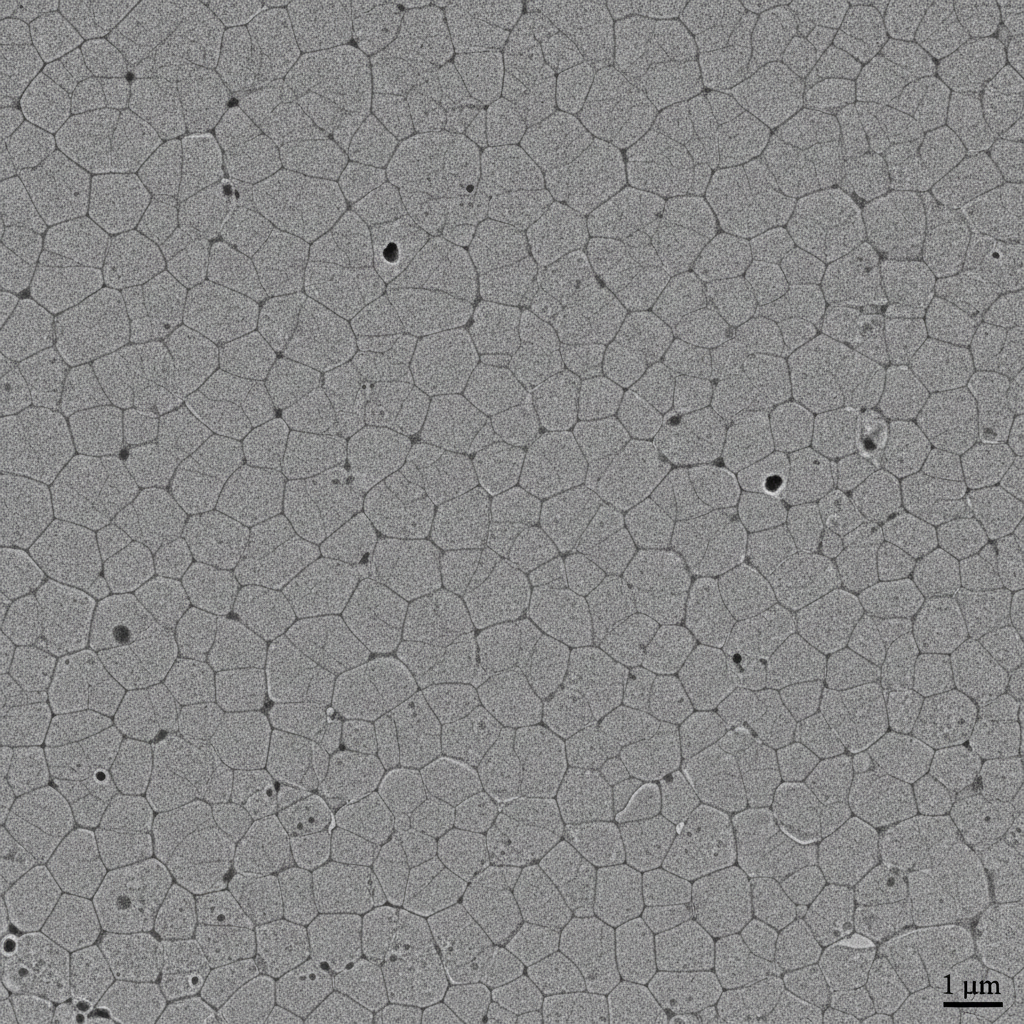
The grain size of yttria stabilized zirconia is primarily controlled by the concentration of the yttria dopant, which dictates phase boundaries and limits grain growth during sintering. Lower yttrium levels encourage bimodal grain growth, whereas higher levels stabilize fine, submicron matrices. If you are designing for high-vibration environments, monitoring this grain size distribution is key to securing structural consistency. Ultimately, managing the dopant concentration is the most reliable way to enforce grain size control.
Sintering schedules also play a secondary but crucial role in determining final grain morphology. Uncontrolled thermal cycles can lead to sudden grain growth, negating the stabilization effects. By maintaining a precise balance between chemical dopants and thermal inputs, manufacturers can customize the structural properties of the final component. This control allows you to deploy technical parts with highly predictable physical characteristics.
Bimodal Grain Size Distribution in 3YSZ to 5YSZ
At lower yttrium concentrations between 3 to 5 mol%, the sintered microstructure exhibits a distinct bimodal grain size distribution. This is characterized by a matrix of fine tetragonal grains co-existing with larger, highly stabilized cubic grains. As yttria content increases within this range, the average grain size decreases because of a rising fraction of smaller grains and a shrinking fraction of the larger grains. Why does this matter?
For your engineering team, bimodal grain distributions create localized mechanical differences in industrial parts. This variation can introduce unpredictable stress profiles across a single component under high-stress cycles. To mitigate this risk, you should select specific grades tailored to your operating environment:
- 3YSZ provides maximum transformation toughening for heavy loading.
- 4YSZ and 5YSZ transition toward higher stability and structural balance.
Can Homogeneity Be Achieved in 6YSZ to 8YSZ?
When yttria concentration is increased to 6–8 mol%, the bimodal grain size distribution completely disappears. It is replaced by a highly refined, uniform, and homogeneous grain structure where average grain sizes reach a stable, submicron level. This homogeneity is driven by the deeper stabilization of cubic and tetragonal phases, restricting the rapid, uneven grain growth typical of under-stabilized systems. But that is not all.
Requesting grain homogeneity reports for high-vibration applications is a critical quality control measure for B2B buyers. Submicron, uniform grain networks suppress micro-cracking at grain boundaries, dramatically increasing long-term operational security. This structural predictability is why advanced aerospace and chemical systems rely on homogeneous grades.
Key Takeaway: Choosing a homogeneous submicron grain structure (6YSZ to 8YSZ) over a bimodal structure eliminates localized stress concentration zones, providing your equipment with unmatched vibrational fatigue resistance and wear predictability.
| Ceramic Grade | Yttria Content (mol%) | Grain Size Distribution Type | Average Grain Size Range (μm) | Microstructural Homogeneity |
|---|---|---|---|---|
| 3YSZ | 3.0 | Distinctly Bimodal | 0.40 – 0.90 | Low (Coexisting phases) |
| 4YSZ | 4.0 | Moderately Bimodal | 0.35 – 0.75 | Medium-Low |
| 5YSZ | 5.0 | Mildly Bimodal | 0.30 – 0.65 | Medium |
| 6YSZ | 6.0 | Highly Homogeneous | 0.25 – 0.45 | High (Uniform matrix) |
| 7YSZ | 7.0 | Peak Homogeneity | 0.20 – 0.35 | Extremely High |
| 8YSZ | 8.0 | Homogeneous | 0.22 – 0.38 | Extremely High |
Now, let’s explore how these microstructural grain sizes adapt under mechanical loading as we examine the phase-shifting behavior of stabilized zirconia.
Why does yttria stabilized zirconia phase shift?
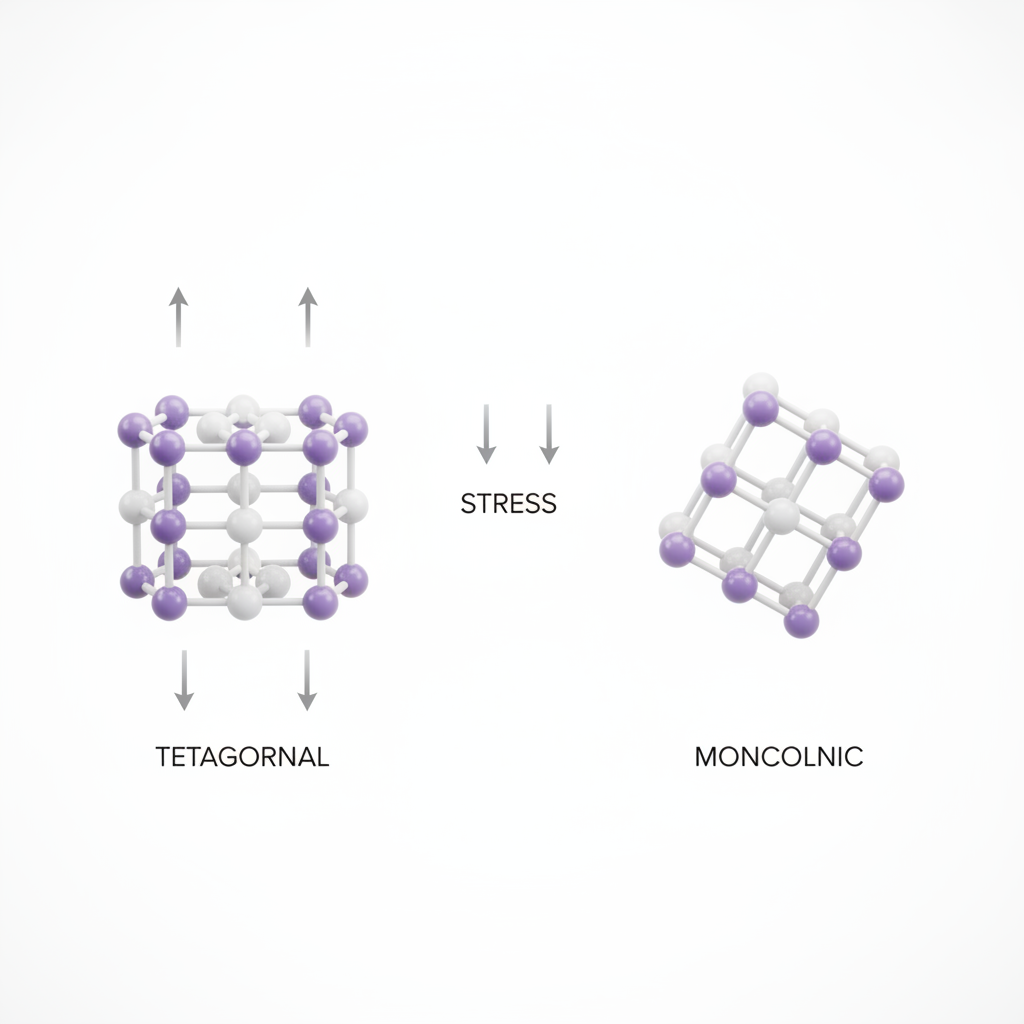
The phase shift in yttria stabilized zirconia occurs because external mechanical stress destabilizes the tetragonal phase and triggers a martensitic transformation to the monoclinic phase. This stress-induced crystallographic shift acts as an internal defensive mechanism against structural failure. The resulting volume expansion exerts localized compressive stress, effectively clamping shut any propagating cracks. Understanding this transformation allows your team to design parts that actively resist catastrophic failure.
By adding specific molar percentages of yttria, you can lock the high-temperature tetragonal and cubic phases at room temperature. This chemical stabilization is key to engineering ceramics that balance high toughness with optical translucency. However, any localized shifts in yttria content can jeopardize this delicate crystallographic balance. Let’s delve into the mechanics that govern these critical phase transformations.
Tetragonal to Monoclinic Transformation Mechanics
Under external mechanical stress, the metastable tetragonal phase (t-ZrO₂) undergoes a stress-induced martensitic transformation to the monoclinic phase (m-ZrO₂). This crystallographic transition is accompanied by a crucial 3% to 4% volume expansion at the molecular level. This expansion acts like an internal airbag, generating localized compressive stresses that arrest propagating cracks. Here is the kicker:
This unique toughening mechanism allows these technical ceramics to outperform conventional brittle structural materials. By actively stopping cracks before they can spread, your systems gain a level of mechanical redundancy unmatched by other ceramics:
- Clamps down on micro-fissures in real time.
- Dissipates mechanical energy directly at the crack tip.
- Drastically reduces the risk of sudden, brittle failure.
Phase Balance and Crystallographic Volume Changes
While tetragonal phase concentrations peak at 4 mol% yttria, cubic phase fractions reach their peak at approximately 5 mol%. Beyond this 5 mol% threshold, further stabilization can lead to localized yttrium segregation during thermal processing. This segregation leaves certain zones depleted of yttrium, causing an unexpected increase in the weaker monoclinic phase under specific sintering conditions. Why does this matter?
It means that uneven phase distribution can introduce hidden structural vulnerabilities into your custom-engineered parts. To guarantee operational success, your supply chain must enforce rigorous batch-to-batch phase verification. This ensures that every component maintains its exact designated phase volume fraction for predictable field performance.
Key Takeaway: Stress-induced phase shifting provides an active self-healing mechanism that stops cracks in their tracks, but maintaining the correct phase balance requires strict powder mixing and quality control.
| Ceramic Grade | Tetragonal Phase (t-ZrO₂) | Cubic Phase (c-ZrO₂) | Monoclinic Phase (m-ZrO₂) | Primary Toughening Action |
|---|---|---|---|---|
| 3YSZ | Medium-High | Low | Medium | High Transformation Toughening |
| 4YSZ | Peak Concentration | Low-Medium | Low | High Transformation Toughening |
| 5YSZ | Low-Medium | Peak Concentration | Extremely Low | Minimal (High hardness/translucency) |
| 6YSZ | Low | High | Low | Low (Partially stabilized) |
| 7YSZ | Low-Medium (Fine) | Low | Peak Concentration (Fine) | Micro-crack branching & deflection |
| 8YSZ | Low | High | Medium-Low | Crack deflection |
Let’s move on to examine whether the chemical composition remains consistent throughout these microstructural phases.
Does yttria stabilized zirconia chemical mix vary?
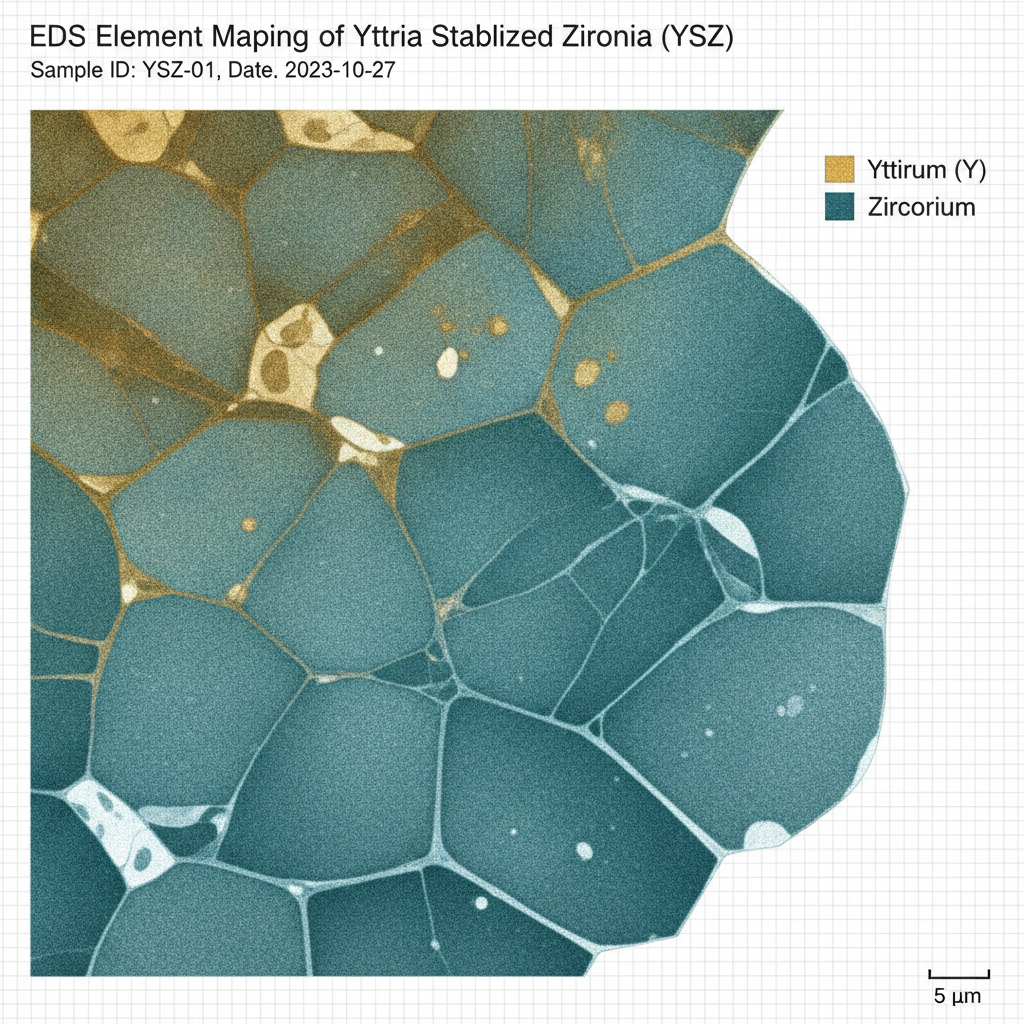
Yes, the chemical mix of yttria stabilized zirconia can vary significantly across its microstructural grains due to yttrium segregation during high-temperature sintering. Grains that grow larger during sintering are consistently enriched in yttrium, leaving surrounding smaller grains depleted. This chemical segregation means that localized areas within a single component can have vastly different phase stabilization levels. For engineering teams, managing this chemical inhomogeneity is critical to preventing localized material failures under load.
When localized zones are depleted of yttrium, they lack the necessary stabilizers to maintain crystallographic integrity. Under cyclic stress, these depleted areas transform prematurely, becoming early points of failure. Advanced elemental mapping allows you to verify that your materials meet strict chemical uniformity standards. Let’s look at how yttrium concentrations correlate directly with grain size distribution.
Yttrium Segregation and Local Concentration Gradients
Scanning electron microscopy coupled with energy-dispersive X-ray spectroscopy (SEM-EDS) reveals that yttrium distribution is chemically inhomogeneous in conventional sintered parts. As larger grains consume surrounding material during sintering, they pull yttrium into their crystal lattice, creating localized concentration gradients. This results in yttrium-enriched cubic grains alongside yttrium-depleted tetragonal or monoclinic zones. Here is the kicker:
These chemical gradients introduce microstructural stress that can cause micro-fissures long before your parts are placed into active service. To safeguard your high-pressure systems, you must source materials with highly uniform chemical dispersion:
- Prevents localized premature monoclinic transformations.
- Eliminates microstructural weak points that invite crack propagation.
- Ensures consistent thermal expansion coefficients across the entire component.
Do Elemental Ratios Shift Between Ceramic Grades?
The normalized mass concentrations of oxygen, yttrium, and zirconium show distinct structural trends as you move from 3 to 8 mol% formulations. From 3 to 5 mol%, oxygen concentration decreases while yttrium content steadily rises. Between 5 and 6 mol%, a sudden step-change occurs in both elements, signifying a major transition in the phase stabilization mechanism. But that is not all.
For 6 to 8 mol% yttria, the yttrium and oxygen mass contents become nearly equal, which alters the local electronic structure and vacancy concentration. For B2B buyers, understanding these chemical changes is vital when reviewing material specification sheets. Confirming these chemical trends ensures you receive high-purity materials with verified performance.
Key Takeaway: Chemical inhomogeneity is a primary cause of localized failure in technical ceramics; specifying uniform yttrium dispersion is essential for parts subjected to high fatigue.
| Ceramic Grade | Bulk Y₂O₃ Content | Larger Grains (>1.5 μm) | Smaller Grains (<0.5 μm) | Chemical Gradient Risk Level |
|---|---|---|---|---|
| 3YSZ | 3.0 mol% | Highly Enriched in Y | Yttrium Depleted | High (Bimodal variance) |
| 4YSZ | 4.0 mol% | Enriched in Y | Yttrium Depleted | High |
| 5YSZ | 5.0 mol% | Moderately Enriched | Slightly Depleted | Medium-High |
| 6YSZ | 6.0 mol% | Slightly Enriched | Near-Nominal Y | Medium |
| 7YSZ | 7.0 mol% | Minimal Variation | Uniform Distribution | Low (Highly uniform chemical mix) |
| 8YSZ | 8.0 mol% | Minimal Variation | Uniform Distribution | Low |
Next, let’s explore how these chemical variations and sintering behaviors directly impact the porosity and structural density of your components.
How does yttria stabilized zirconia porosity change?
The porosity of yttria stabilized zirconia changes dramatically as yttria content increases, which significantly suppresses the average pore size and narrows the pore distribution. In lower yttria grades like 3YSZ, large, coarse pores (>1.2 μm) can account for a substantial portion of the total porosity. Increasing the yttria stabilizer concentration shifts the pore size distribution, replacing large voids with highly isolated, ultra-fine pores under 0.6 μm. For your high-pressure applications, this shift is critical because smaller pores minimize localized stress concentration.
However, achieving a completely non-porous structure requires highly optimized thermal profiles alongside precise dopant levels. Large pores can act as paths for fluid leakage or initiate structural fractures under tensile loads. Specifying raw materials with a low pore-area fraction ensures your final components achieve maximum density. Let’s analyze how pore size and distribution impact overall structural reliability.
Pore Size Suppression with High Dopant Content
The average pore size within the sintered microstructure is inversely proportional to yttria content, dropping by over 50% as you move from 3YSZ to 8YSZ. In 3YSZ, large pores in the 1.2–1.5 μm and $>1.8\ \mu\text{m}$ ranges make up over 13% of the total porosity. In contrast, 7YSZ and 8YSZ show a dramatic reduction, with the 0.3–0.6 μm pore size fraction rising to over 84.5% and large pores being virtually eliminated. Why does this matter?
In high-pressure fluid, gas, or extreme wear environments, large pores invite premature wear and fluid micro-leakage. By selecting high-yttria formulations, you eliminate these microstructural voids and preserve surface smoothness:
- Blocks micro-leakage paths in precision valve components.
- Prevents the trapping of abrasive debris that accelerates surface wear.
- Increases the effective load-bearing area of your ceramic parts.
Sintering to Reach Theoretical Density?
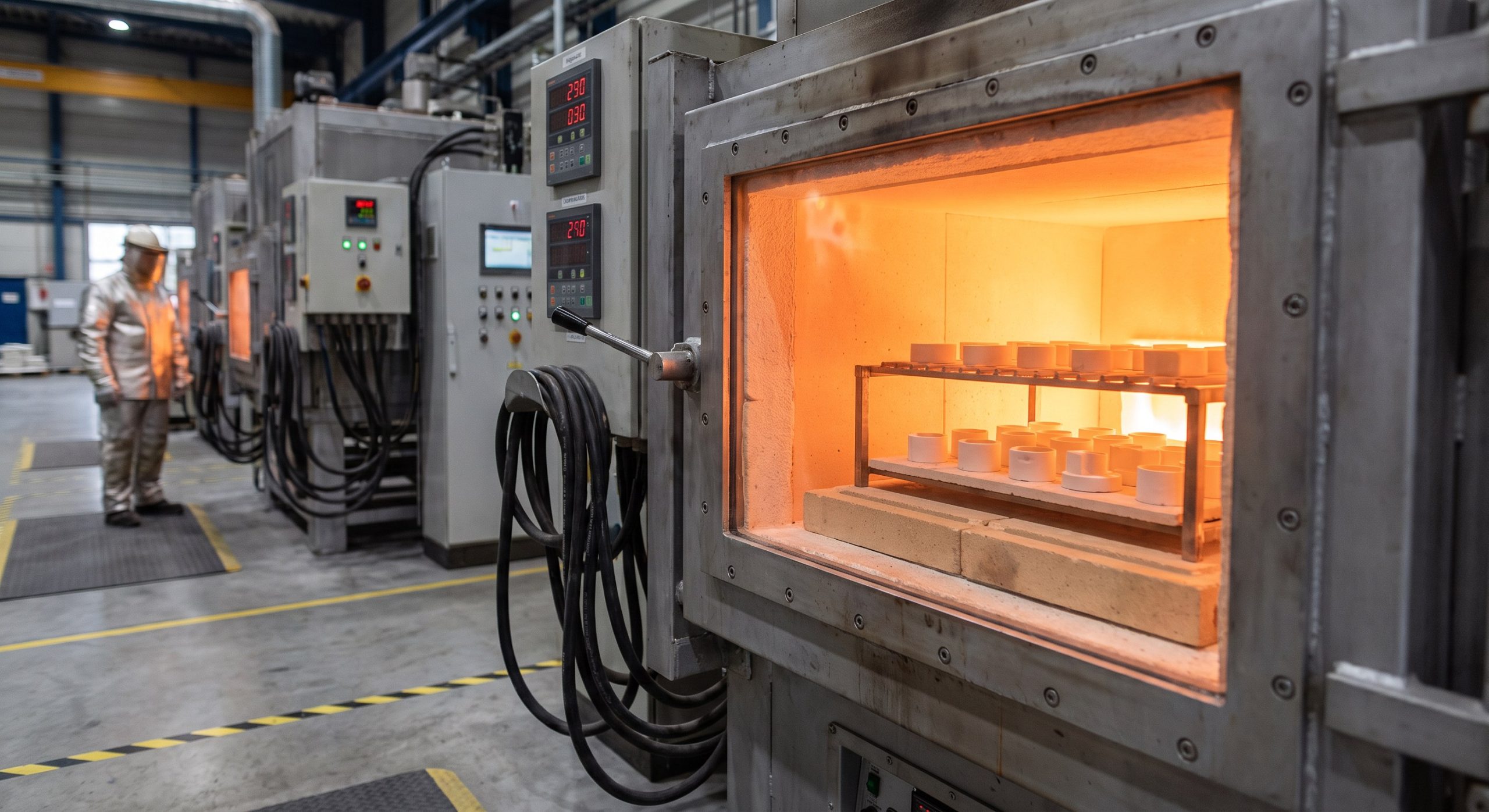
Although average pore size decreases with higher yttria content, the overall pore number density and total pore area fraction follow a non-linear trend with a clear minimum. Sintering at an optimized temperature of 1550 °C for 2 hours allows for the highest possible density without triggering excessive grain growth. Sintering above 1600 °C often backfires, accelerating pore growth and creating structural micro-cracks. But that is not all.
To reach theoretical densities exceeding 99%, you must couple optimized thermal processing with raw materials that exhibit controlled particle size distributions. Suppressing pore area fractions directly translates into longer operational lifespans for structural parts. This rigorous density control is the foundation of high-performance B2B manufacturing.
Key Takeaway: High-yttria doping (7YSZ and 8YSZ) suppresses large, catastrophic pore sizes in favor of ultra-fine, isolated voids, ensuring your high-pressure fluid and wear components achieve maximum density and hermetic sealing.
| Ceramic Grade | Average Pore Size (μm) | 0.3–0.6 μm Pore Fraction (%) | 1.2 μm Pore Fraction (%) | Total Porosity Area Fraction (%) |
|---|---|---|---|---|
| 3YSZ | ~0.85 | 26.0% | 15.0% | High |
| 4YSZ | ~0.72 | 45.0% | ~10.0% | Medium-High |
| 5YSZ | ~0.55 | 75.0% | <2.0% | Medium (Porosity minimum) |
| 6YSZ | ~0.48 | 76.0% | ~5.5% | Low-Medium |
| 7YSZ | ~0.38 | 84.5% | <0.5% | Low |
| 8YSZ | ~0.35 | 86.0% | <1.5% | Low (Thermally stable pores) |
Now, let’s look at how this density and microstructural optimization translates into pure structural strength as we identify the strongest zirconia grade.
Which yttria stabilized zirconia grade is strongest?
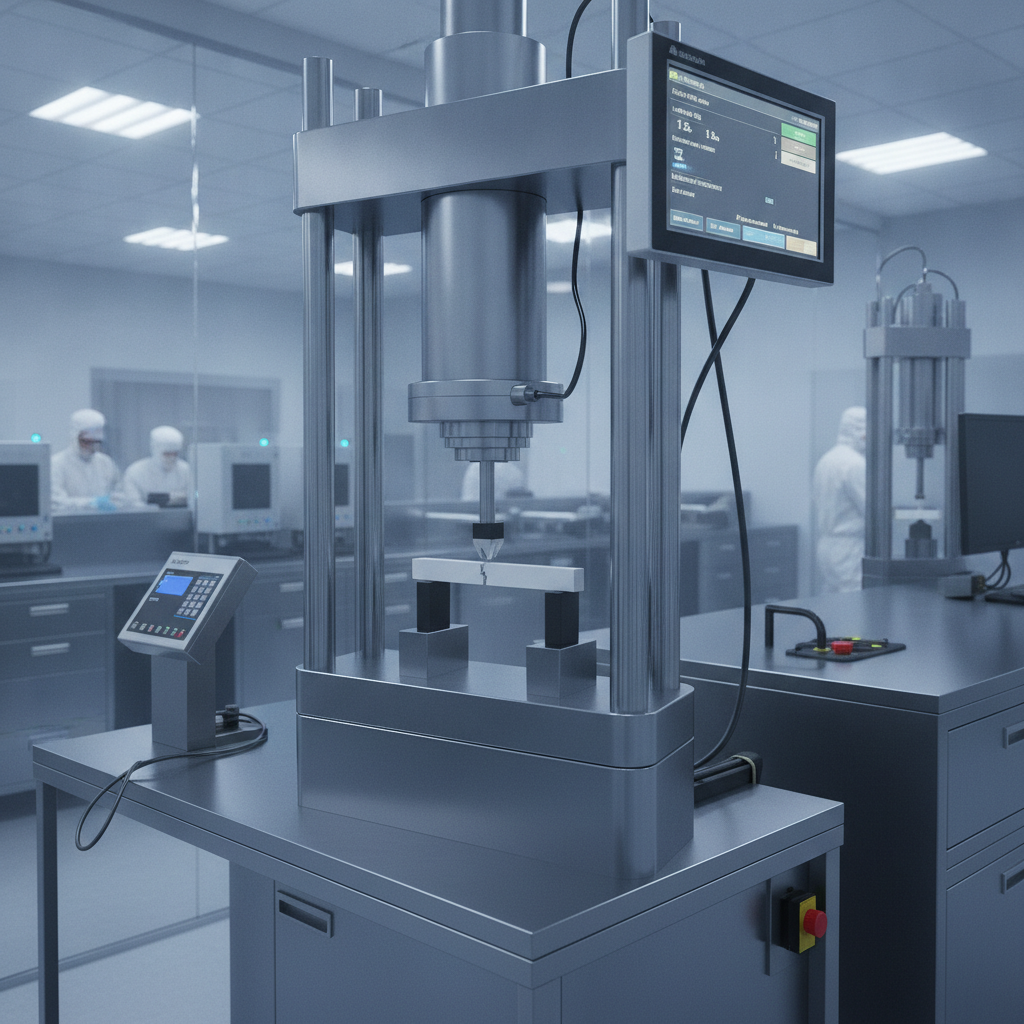
The 7YSZ formulation of yttria stabilized zirconia is the strongest grade when sintered at 1550 °C for 2 hours, exhibiting the highest flexural strength among all studied variants. This peak mechanical strength is achieved through an ultra-fine, homogeneous grain matrix (0.20–0.35 μm) and superior cohesion between recrystallized grain boundaries. For structural applications, this finding challenges the traditional B2B assumption that 3YSZ is always the strongest structural grade. By leveraging 7YSZ, you can design components that achieve the ultimate balance of structural strength and thermal stability.
While 3YSZ provides high transformation toughening, its bimodal grain distribution can sometimes introduce localized structural inconsistencies. 7YSZ bypasses these vulnerabilities, utilizing highly cohesive grain boundaries that prevent micro-fracturing under complex mechanical loads. If you are specifying materials for high-stress aerospace or chemical systems, understanding this strength peak is vital. Let’s analyze the microstructural mechanics that drive the exceptional performance of 7YSZ.
Structural Superiority of 7YSZ Formulations
Sintered at 1550 °C for 2 hours, 7YSZ exhibits the highest flexural strength because it reaches peak microstructural homogeneity. The resulting submicron grain matrix (0.20–0.35 μm) ensures that mechanical stresses are distributed uniformly across the material rather than concentrating at large grain boundaries. This eliminates the risk of premature grain-boundary sliding under load. Here is the kicker:
This peak performance is highly repeatable when you source powders with tightly controlled chemical purity. By utilizing 7YSZ, your equipment gains a substantial safety margin under high-stress cycles:
- Provides peak flexural strength compared to other stabilized grades.
- Eliminates localized stress-concentration zones.
- Maintains exceptional structural integrity up to high temperatures.
Does Phase Co-existence Drive Material Strength?
The high flexural strength of 7YSZ is driven by a unique phase mixture containing mostly the monoclinic (m-ZrO₂) and fine-grained tetragonal (t-ZrO₂) phases. Unlike coarse-grained ceramics where the monoclinic phase triggers micro-cracking and softening, fine-grained m-ZrO₂ phase in 7YSZ is highly cohesive. This fine-grained dual-phase structure acts to deflect crack propagation paths without weakening the structural matrix. But that is not all.
This unique crystallographic arrangement forces propagating cracks to navigate a complex, highly tortuous path, absorbing massive stress energy. For B2B engineering teams, this means 7YSZ provides excellent structural reliability in complex mechanical loading systems. Specifying this phase mix is your key to avoiding unexpected downtime.
Key Takeaway: Choosing 7YSZ for demanding structural parts provides maximum flexural strength and reliability, thanks to its cohesive submicron dual-phase matrix that actively deflects propagating cracks.
| Ceramic Grade | Average Flexural Strength | Primary Stabilized Phases | Grain Size Homogeneity | Structural Cohesion Level |
|---|---|---|---|---|
| 3YSZ | Medium-High | t-ZrO₂ + m-ZrO₂ | Low (Bimodal) | Medium-High |
| 4YSZ | High | t-ZrO₂ (Peak) | Medium-Low | High |
| 5YSZ | Minimum (Dip) | c-ZrO₂ (Peak) | Medium | Low (Weakest grain boundaries) |
| 6YSZ | Medium | c-ZrO₂ + t-ZrO₂ | High | Medium-High |
| 7YSZ | Maximum (Peak) | m-ZrO₂ + t-ZrO₂ | Extremely High | Extremely High (Submicron cohesion) |
| 8YSZ | High | c-ZrO₂ + m-ZrO₂ | Extremely High | High |
Let’s move on to examine the structural and crystallographic reasons behind the notable strength reduction observed at 5Y.
Why does yttria stabilized zirconia fail at 5Y?
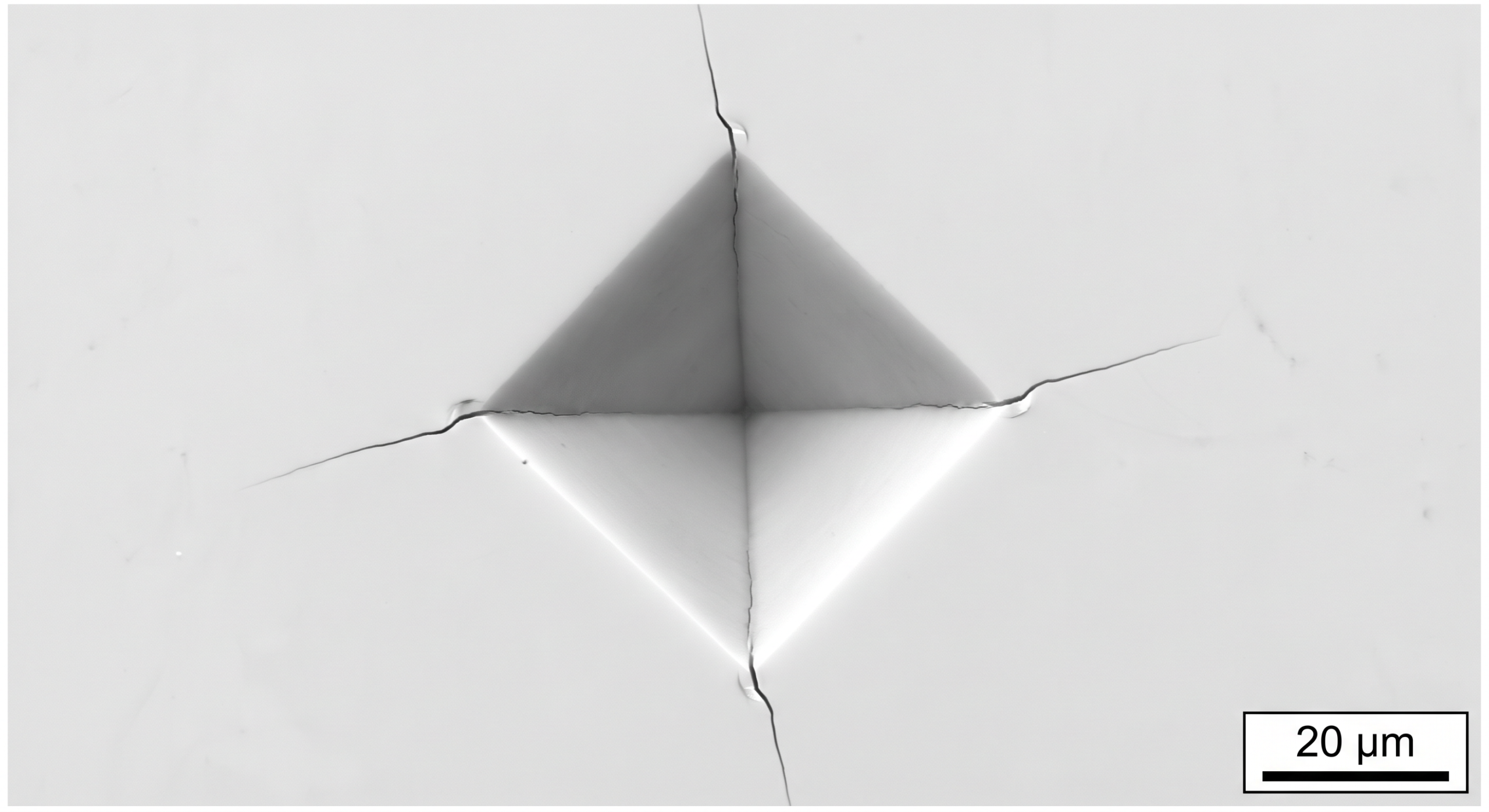
The mechanical failure or “strength dip” in yttria stabilized zirconia at 5 mol% yttria occurs because this concentration maximizes the weight fraction of the brittle cubic phase. The cubic phase lacks the stress-induced phase-transformation toughening characteristic of the tetragonal phase, rendering the material highly susceptible to unimpeded crack propagation. Under mechanical loads, cracks cut straight through these coarse cubic grains with minimal energy absorption. For B2B procurement teams, utilizing standard 5Y grades under high mechanical loads represents a significant risk of brittle failure.
Fractographic analysis confirms that 5YSZ exhibits a high concentration of coarse fracture voids and large cleavage facets. These microstructural features indicate rapid, transgranular fracture through the yttrium-enriched cubic grains. To avoid premature component failures in critical load-bearing systems, your engineering team must choose the correct grade. Let’s look closer at the physical mechanisms that drive this mechanical weakness.
Pitfall of High Cubic Phase Weight Fractions
The mechanical weakness in 5YSZ corresponds directly to its high cubic-phase ($c$-$\text{ZrO}_2$) weight fraction, which peaks at 5 mol% yttria. Unlike the tetragonal phase, the cubic phase cannot undergo transformation toughening, meaning it lacks an active energy-dissipation mechanism at the crack tip. When a crack initiates, it propagates rapidly through the brittle cubic matrix. Why does this matter?
If you are selecting zirconia for structural teeth bridges or heavy industrial pistons, this brittle behavior can lead to catastrophic failure. Standard 5Y formulations should be restricted to low-stress, high-aesthetic applications where translucency is prioritized over toughness:
- Restricts material use in heavy dynamic load-bearing zones.
- Increases susceptibility to sudden impact fracturing.
- Demands careful design parameters to minimize tensile stresses.
Does Fractography Reveal the Cause of Failure?
Fractographic analysis of 5YSZ reveals a high concentration of coarse fracture voids (average $>0.9\ \mu\text{m}$) and large cleavage facets exceeding 12 $\mu\text{m}^2$. These massive cleavage facets indicate rapid, unimpeded transgranular fracture through the coarse, yttrium-enriched cubic grains. This transgranular cleavage represents the path of least resistance, resulting in very low energy absorption during fracture. Here is the kicker:
This rapid, unimpeded fracture pathway is the primary reason for the dramatic drop in flexural strength. By implementing strict raw material quality control, you can avoid importing batches containing oversized cubic grain agglomerates. Ensuring a uniform, submicron grain structure is the best defense against transgranular failure.
Key Takeaway: The structural failure of 5YSZ is caused by its high cubic phase fraction and coarse transgranular cleavage facets, making it highly brittle and unsuitable for heavy mechanical loading.
| Microstructural Property | 3YSZ / 4YSZ | 5YSZ (The Dip) | 7YSZ / 8YSZ | Impact on Component Durability |
|---|---|---|---|---|
| Cubic Phase Fraction | Low to Medium | Highest (Peak) | Medium | Reduces transformation toughening capacity |
| Fracture Void Size | Mixed (0.3–0.7 μm) | Coarse (>0.9 μm) | Ultra-Fine (<0.3 μm) | Coarse voids act as critical failure origins |
| Cleavage Facet Area | 2.0–8.0 μm² | Peak (>12 μm²) | 2.0–6.0 μm² | Indicates rapid transgranular fracture |
| Relative Toughness | High | Low | Medium-High | 5YSZ is brittle and prone to impact failure |
Let’s move on to examine how grain cohesion and microstructural design enable these technical ceramics to resist surface wear.
How does yttria stabilized zirconia resist wear?
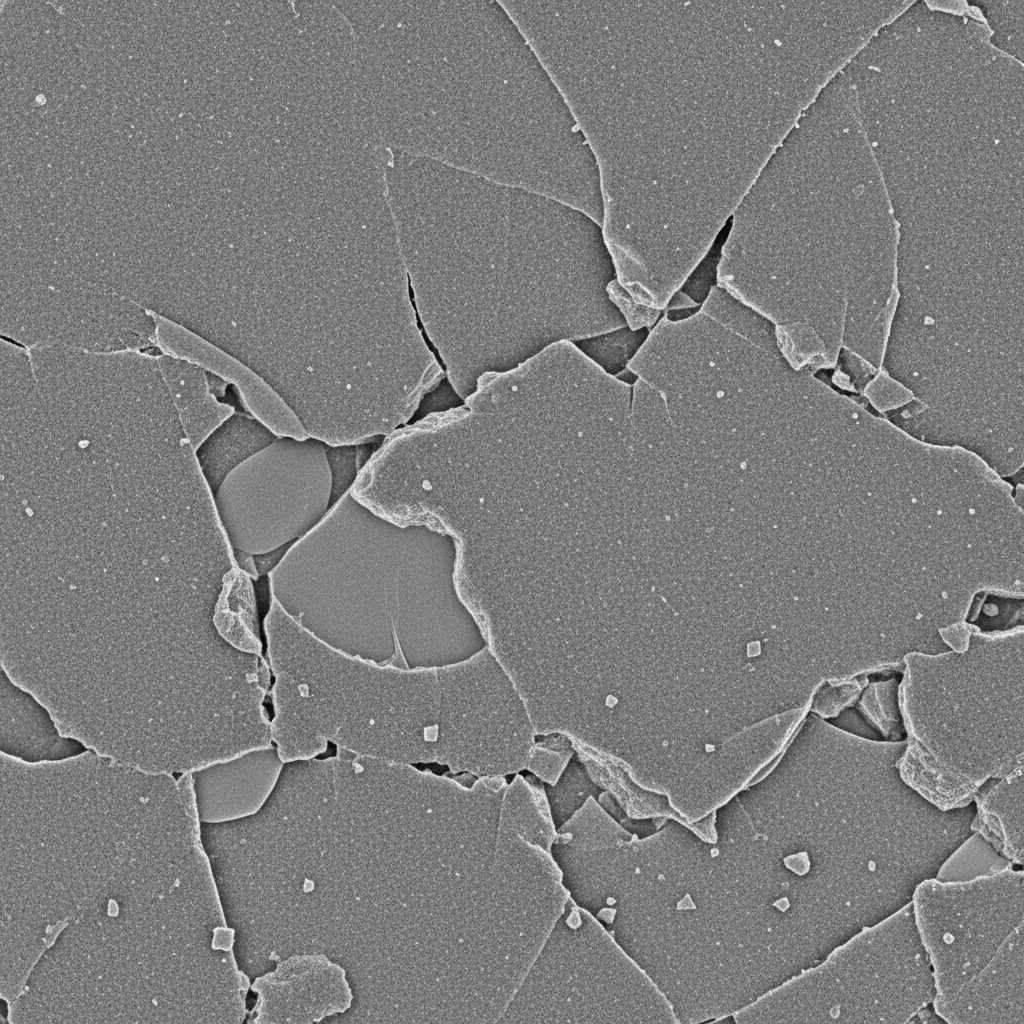
To resist wear, yttria stabilized zirconia relies on exceptional intergranular bond strength and submicron grain size, which prevent abrasive grain pull-out. In high-cohesion formulations like 7YSZ, the boundaries of completely recrystallized grains are highly resistant to micro-wear degradation. When an abrasive wear force acts on the surface, the strong boundaries force micro-cracks to deflect, absorbing frictional energy and minimizing material loss. Specifying high-cohesion, submicron grades dramatically reduces downstream contamination in grinding or processing applications.
In contrast, materials with weak intergranular cohesion suffer from rapid grain pull-out and surface gouging under sliding loads. This leads to accelerated wear cycles and premature component failure. For B2B buyers designing pumps, valves, or grinding media, selecting submicron grains is far more critical than focusing on high hardness ratings alone. Let’s delve into how grain boundary cohesion dictates mechanical wear performance.
Intergranular Bond Strength and Mechanical Wear
Ceramic wear resistance depends heavily on intergranular bond strength (cohesion) and grain size distribution. In submicron, homogeneous structures like 7YSZ and 8YSZ, completely recrystallized grains form a highly cohesive network that resists gouging. When abrasive forces try to strip grains from the surface, this high bond strength prevents localized spalling. But that is not all.
This high intergranular cohesion ensures that the ceramic maintains its smooth surface finish even under continuous frictional loads. By preventing grain pull-out, you avoid creating abrasive ceramic debris that would otherwise accelerate system wear:
- Minimizes the risk of localized surface spalling.
- Retains a polished, low-friction surface profile over millions of cycles.
- Protects downstream process fluids from particulate contamination.
Wear Optimization for Tribological Environments?
In contrast to fine-grained matrices, under-sintered or coarse-grained structures suffer from weak particle interfaces or massive transgranular cleavage. Under sliding tribological stress, these microstructural weaknesses accelerate wear rates, leading to rapid surface degradation. To achieve peak wear resistance, you must specify a material with an ultra-fine, homogeneous grain size. Why does this matter?
It matters because optimizing wear performance is what allows technical ceramics to successfully replace metals in extreme tribological environments. Specifying submicron grain structures ensures that your industrial pumps, seals, and grinding media enjoy an extended operating lifespan. This microstructural approach is the most cost-effective way to reduce long-term maintenance overhead.
Key Takeaway: Selecting submicron, highly cohesive yttria-stabilized zirconia grades prevents grain pull-out and surface spalling, ensuring your industrial components achieve maximum wear resistance in sliding and abrasive environments.
| Microstructural Feature | High Wear Resistance Profile | High-Risk Wear Profile | Tribological Impact |
|---|---|---|---|
| Grain Morphology | Submicron, Homogeneous (0.2–0.4 μm) | Coarse, Bimodal (>1.5 μm) | Controls surface finish stability |
| Boundary Cohesion | High (Fully recrystallized) | Low (Partially sintered clusters) | Governs grain pull-out and spalling |
| Primary Phase Type | t-ZrO₂ or fine-grain dual phase | Pure Cubic (c-ZrO₂) | Dictates local micro-crack propagation |
| Pore Distribution | Small, isolated (0.3–0.6 μm) | Large, interconnected (>1.5 μm) | Prevents micro-debris trapping and abrasion |
Let’s transition to evaluate how these structural grain boundaries protect the ceramic against hydrothermal aging and moisture-induced decay.
Does yttria stabilized zirconia undergo aging decay?
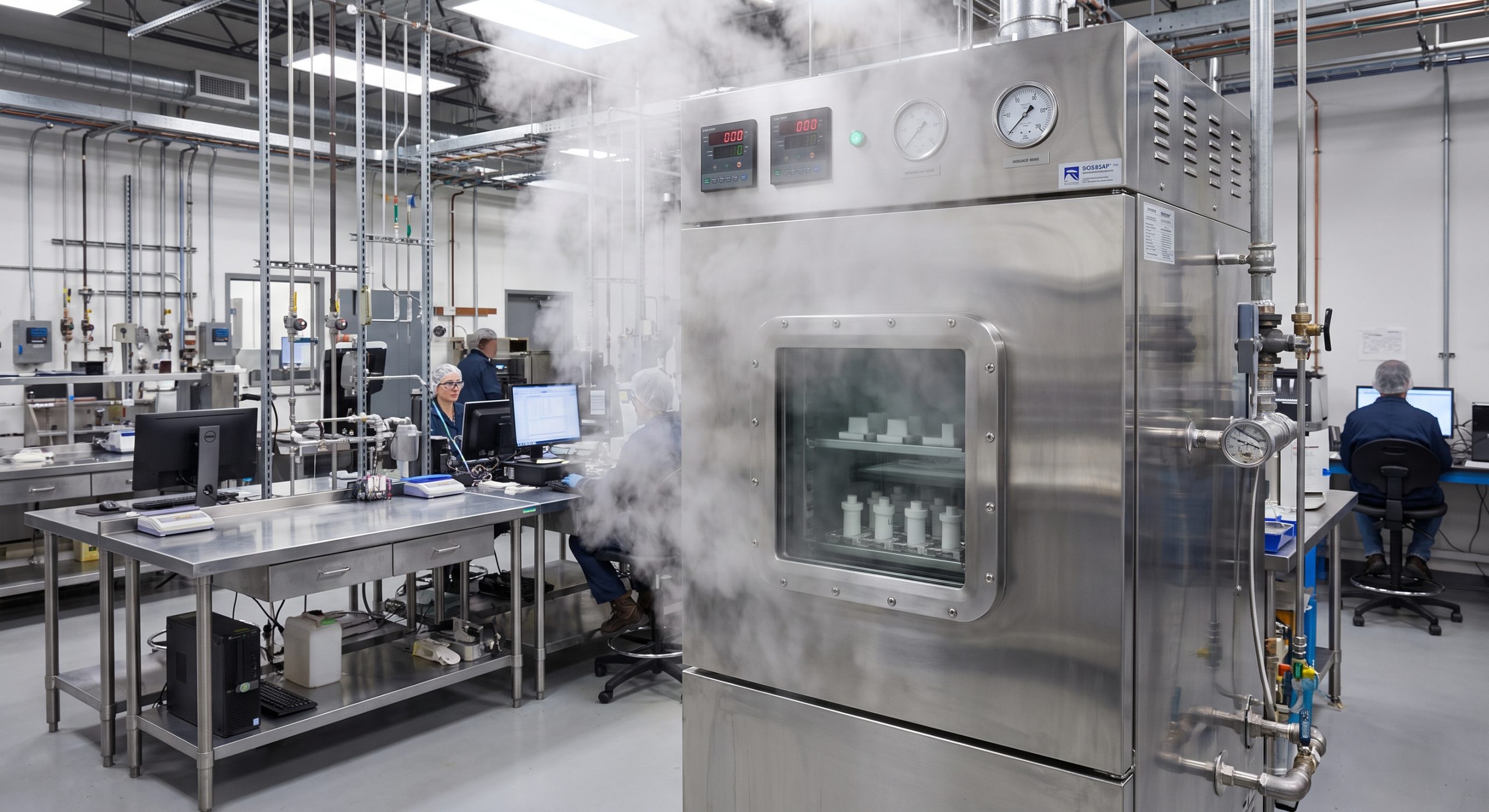
Yes, yttria stabilized zirconia can undergo low-temperature degradation (LTD), commonly known as hydrothermal aging decay, when exposed to moisture or water vapor at temperatures between 20 °C and 300 °C. LTD occurs when water molecules penetrate the zirconia crystal lattice, triggering a spontaneous, progressive transformation of metastable tetragonal grains into the monoclinic phase on the ceramic surface. This phase change is accompanied by a localized volume expansion that generates micro-cracking and severe surface roughening. For B2B buyers designing medical implants or hot-water industrial valves, hydrothermal aging is a critical threat to component life cycles.
Over time, these surface micro-cracks propagate deeper into the material, leading to a loss of mechanical strength and eventual component failure. Spontaneous degradation can quickly turn a high-performance system into a massive liability. Fortunately, you can dramatically slow down this hydrothermal decay through advanced grain refinement. Let’s explore the physical mechanisms of low-temperature degradation and how to prevent it.
Mechanics of Hydrothermal Aging and Decay
Hydrothermal aging begins when hydroxyl groups from water vapor attach to oxygen vacancies in the zirconia lattice, destabilizing the metastable tetragonal phase. This triggers a localized tetragonal-to-monoclinic transformation at the surface, which expands and creates microscopic cracks. These cracks allow water molecules to penetrate deeper into the ceramic, initiating a catastrophic chain reaction of phase transformation. Here is the kicker:
This progressive decay can destroy the structural integrity of your parts without warning. For critical applications, monitoring and testing for hydrothermal aging resistance is a vital quality assurance protocol:
- Initiates micro-cracks that act as stress concentration sites.
- Destroys surface finishes, leading to increased friction and wear.
- Penetrates deep into the bulk material over long exposure periods.
Retarding LTD with Grain Refinement?
The scientific literature demonstrates that refining the grain structure to submicron levels (grain sizes <0.3 μm) physically retards low-temperature degradation. By compressing the grain boundaries, the free energy barrier for the spontaneous tetragonal-to-monoclinic transformation is significantly increased. This grain refinement locks the tetragonal matrix in place, ensuring long-term mechanical reliability even in moisture-rich environments. Why does this matter?
It means that sourcing submicron zirconia grades is the single most effective way to protect your components against hydrothermal decay. For products designed for 10-to-20-year operational cycles, this microstructural optimization is non-negotiable. Sourcing high-quality, fine-grained materials ensures your systems remain operational for decades.
Key Takeaway: Hydrothermal aging can cause catastrophic failure in moist environments, but specifying an ultra-fine, submicron grain size (<0.3 μm) physically retards this decay, protecting your components’ long-term lifespan.
| Ceramic Grade | Grain Size Profile | Tetragonal Stability | LTD Risk Level | Recommended Application Environment |
|---|---|---|---|---|
| 3YSZ | Fine/Bimodal | Metastable | Medium-High | Dry or low-temperature industrial wear |
| 4YSZ | Medium-Fine | High (Tetragonal peak) | Medium | Structural parts, dry mechanical components |
| 5YSZ | Medium | Stable (Cubic peak) | Low-Medium | Static structural components |
| 6YSZ | Ultra-Fine | Highly Stable | Low | Warm-water industrial, medical wear zones |
| 7YSZ | Submicron (Peak) | Extremely Stable | Extremely Low | High-moisture, heavy-duty industrial load |
| 8YSZ | Submicron | Extremely Stable | Extremely Low | High-moisture, high-temperature load |
Now, let’s examine the micro-mechanisms of structural fracture to understand how cracks propagate and fail under sudden load.
Why does yttria stabilized zirconia fracture fail?
The fracture failure of yttria stabilized zirconia occurs through three principal micromechanisms: weak particle cluster cohesion, transgranular cleavage, or highly beneficial agglomerate boundary cracking. When material processing is sub-optimal, weak intergranular interfaces permit cracks to propagate rapidly with minimal energy dissipation. Conversely, a highly cohesive, submicron grain structure forces cracks to branch and deflect, absorbing massive amounts of stress energy. For B2B engineering teams, understanding these fracture pathways is the key to designing fail-safe ceramic components.
In coarse-grained structures, cracks tend to cut straight through the large grains along weak crystallographic planes, resulting in rapid, brittle failures. In contrast, fine-grained dual-phase microstructures force propagating cracks to navigate a complex path around tough grain agglomerates. By analyzing these fracture surfaces, you can diagnose the root causes of mechanical failure and optimize your manufacturing processes. Let’s break down the physical characteristics of these three fracture micromechanisms.
Three Principal Fracture Micromechanisms
The physical limits of technical ceramics are determined by three distinct fracture micromechanisms under load. The first, weak particle cluster cohesion, occurs in under-sintered powders where cracks easily bypass poorly bonded grain clusters. The second, agglomerate boundary cracking, occurs in cohesive, fine-grained microstructures where cracks branch around tough grain aggregates. The third, coarse transgranular cleavage, occurs in large grains where cracks cut straight through weak atomic planes. But that is not all.
Knowing how these mechanisms operate allows your engineering team to perform highly accurate post-mortem failure analyses. By identifying the exact fracture signature on failed parts, you can implement targeted design corrections:
- Particle cluster cohesion failures point to insufficient sintering profiles.
- Transgranular cleavage failures indicate excessive grain growth and stabilizer segregation.
- Agglomerate boundary cracking indicates a highly optimized, high-strength microstructure.
Is Crack Branching the Key to Reliability?
To achieve peak reliability, your microstructures must stimulate the second fracture mechanism: agglomerate boundary cracking. Because the submicron grain boundaries in 7YSZ and 8YSZ are highly cohesive, propagating cracks are forced to constantly branch and change direction. This tortuous path absorbs significant fracture energy, directly increasing the component’s flexural strength and mechanical reliability. Why does this matter?
It matters because forcing cracks into complex, non-linear propagation paths is what makes technical ceramics reliable under unpredictable cyclic loads. By specifying raw materials that promote submicron grain boundary cohesion, you ensure your components fail safely and predictably. This crystallographic shielding is your best defense against catastrophic system failure.
Key Takeaway: Optimizing your ceramic microstructure to stimulate agglomerate boundary cracking forces cracks to branch and deflect, drastically increasing the fracture toughness and reliability of your components.
| Fracture Mechanism Type | Primary Microstructure | Crack Propagation Path | Energy Absorption | Resulting Flexural Strength |
|---|---|---|---|---|
| Type 1: Cluster Deficit | Partially Sintered Clusters | Intergranular (Around clusters) | Low | Low (Prone to premature failure) |
| Type 2: Cohesive Deflection | Submicron, Fine-Grained | Complex Branching (Along boundaries) | Extremely High | Peak (High reliability & load) |
| Type 3: Brittle Cleavage | Coarse-Grained ($>1.5\ \mu\text{m}$) | Transgranular (Straight through grains) | Low | Low-Medium (Sudden failure risk) |
Finally, let’s explore where these high-performance materials are applied across various high-value B2B industries.
Where is yttria stabilized zirconia used in B2B?
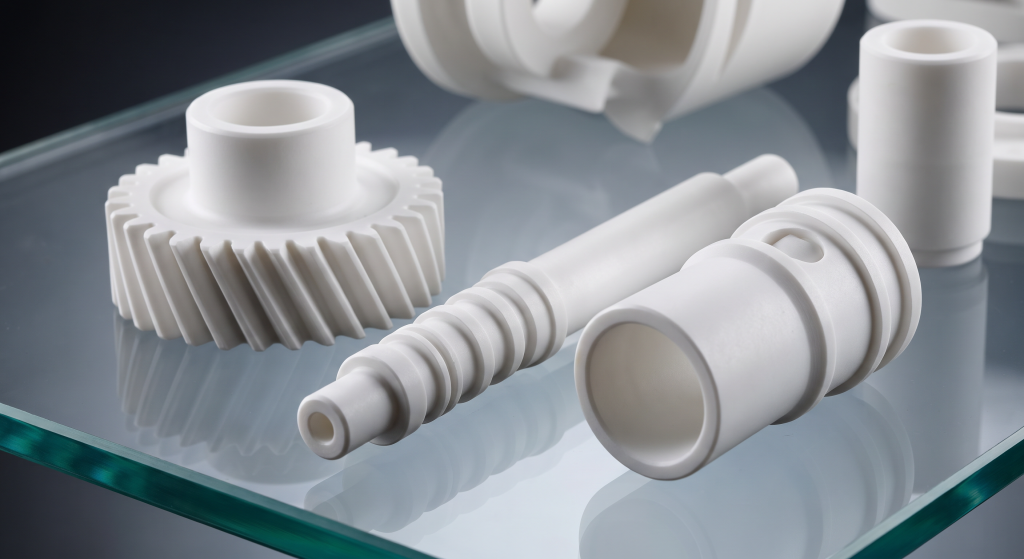
Yttria stabilized zirconia is extensively used across B2B industries for precision dental restorations and heavy-duty structural industrial components. In the medical and dental fields, the material is highly prized for its exceptional biocompatibility, wear resistance, and tunable optical translucency. Meanwhile, heavy industries utilize its steel-like toughness and corrosion resistance to withstand extreme pressures and hot, abrasive process fluids. By transitioning from conventional metals or alumina to engineered zirconia, B2B procurement teams can dramatically reduce system maintenance and downtime.
Choosing the right ceramic grade requires matching your specific operational demands with the correct microstructural characteristics. For example, aesthetic dental restorations prioritize high-translucency cubic phases, whereas industrial pump pistons demand cohesive, wear-resistant tetragonal or dual-phase matrices. Let’s analyze how different B2B sectors utilize these advanced ceramic materials to secure predictable, long-term operational success.
Precision Dental Applications and Translucency
In modern dental restorations, yttria stabilized zirconia must provide an optimal balance between mechanical strength and aesthetic translucency. Because light transmission is maximized by reducing light-scattering boundaries like grain boundaries and pores, highly cubic 5YSZ is favored for aesthetic crowns. However, for multi-unit bridges subjected to high masticatory loads, the high-strength tetragonal phase (3YSZ or 4YSZ) is mechanically required to prevent structural failure. Here is the kicker:
Specifying the wrong grade can lead to premature dental restoration failures, ruining clinical predictability and increasing remake overhead. You must match the restoration type to the correct material grade to ensure long-term clinical success:
- 5YSZ provides the high translucency required for single-unit anterior crowns.
- 3YSZ and 4YSZ provide the flexural toughness needed for load-bearing posterior bridges.
- Dual-phase formulations offer a balance of aesthetics and strength.
Structural Ceramics for Industrial Environments?
Industrial and structural components like valve seats, pump pistons, and grinding media face extreme pressures, corrosive chemicals, and continuous wear. In these severe environments, optical aesthetics are completely irrelevant; instead, mechanical toughness, density, and grain boundary cohesion are paramount. Specifying submicron 7YSZ or stabilized 3YSZ ensures your components can withstand these harsh chemical and mechanical loads without micro-cracking. But that is not all.
Upgrading from steel or traditional alumina to engineered zirconia components can extend your equipment’s operating life by up to ten times. This structural upgrade translates directly into lower maintenance costs, fewer component replacements, and zero process contamination. Partnering with a specialized manufacturer allows you to source custom-engineered parts tailored to your exact operational parameters.
Key Takeaway: Matching the correct zirconia grade to your application—whether prioritizing cubic-phase translucency for dental restorations or submicron dual-phase toughness for industrial machinery—guarantees long-term mechanical success.
| Target Industry | Core Application | Critical Material Requirement | Recommended Zirconia Grade | Secondary Considerations |
|---|---|---|---|---|
| Biomedical & Dental | Full-contour crowns | High optical translucency | 5YSZ (Highly cubic) | Needs careful handling |
| Biomedical & Dental | Multi-unit load bridges | Extreme flexural strength | 3YSZ / 4YSZ (Tetragonal) | Lower translucency profile |
| Chemical Processing | Valve balls & seats | Corrosive wear & erosion resistance | 7YSZ / 8YSZ | Requires submicron pore control |
| Advanced Mining | Grinding & milling media | Zero product contamination | 7YSZ (High cohesion) | Excellent abrasion resistance |
| Aerospace & Energy | Thermal barrier structural parts | High thermal shock resistance | 7YSZ | Low thermal conductivity |
With these B2B application profiles established, let’s summarize the core insights in our final structural synthesis.
High-Performance Manufacturing Solutions
Selecting the ideal technical ceramic requires balancing complex microstructural and crystallographic trade-offs. Minor variations in yttria stabilizer content completely alter grain morphology, phase balance, pore distribution, and ultimate fracture behavior. Guessing your material specifications or relying on generic grades is a recipe for premature component failures, costly operational downtime, and compromised product quality.
At ZrBrontec, we translate complex material science into predictable, high-performing manufacturing solutions. We specialize in engineering premium zircon and zirconia formulations with meticulously controlled grain sizes, stable phase balances, and optimized density profiles. Our engineering team works directly with your technical and procurement departments to select, test, and deliver custom-engineered ceramic components that survive the harshest industrial and clinical environments. Partner with a supplier that understands the physics of performance—contact us today to schedule a technical consultation or request a detailed material data sheet.
Frequently Asked Questions
Can I use 5Y zirconia for high-stress structural parts?
No, standard 5Y zirconia is not recommended for high-stress structural parts due to its high cubic phase fraction. The cubic phase lacks transformation-toughening capability, making the ceramic brittle and highly susceptible to rapid transgranular fracture under tensile or flexural loads. For structural applications, specify 3YSZ, 4YSZ, or 7YSZ.
What is the best sintering temperature for yttria stabilized zirconia?
The best sintering temperature is 1550 °C for 2 hours to achieve peak density and grain refinement. Sintering below 1500 °C can lead to under-sintered particle clusters, while sintering above 1600 °C triggers rapid grain growth and increases pore size, both of which severely degrade the ceramic’s mechanical strength.
How do I know if my zirconia components are prone to low-temperature degradation?
You can identify this by checking if the material has coarse, under-stabilized tetragonal grains. Zirconia with coarse grain profiles is highly prone to hydrothermal aging in warm, moist environments. To prevent this spontaneous decay, specify a submicron, homogeneous grade with an average grain size under 0.3 μm.
What is the best way to prevent transgranular cleavage in technical ceramics?
The best way is to maintain a submicron, homogeneous grain size through precise dopant control. Refining the grain size to submicron levels prevents the growth of oversized cubic grains, forcing cracks to propagate along grain boundaries (agglomerate boundary cracking) rather than cutting straight through weak crystallographic planes.
Can I replace industrial steel components with yttria stabilized zirconia?
Yes, you can confidently replace industrial steel with high-cohesion grades like 7YSZ to achieve superior wear resistance. High-cohesion zirconia prevents surface spalling and grain pull-out, offering steel-like toughness combined with exceptional corrosion and thermal resistance.