
Yttria stabilized zirconia functions as an ultra-tough structural ceramic by utilizing yttrium oxide dopants to lock its high-temperature crystal phases at room temperature, unlocking exceptional crack resistance through phase transformation toughening. For engineers designing mechanical systems, selecting materials that fail under stress can lead to disastrous breakdowns. When components crack under pressure, your production lines stall, scrap rates spike, and maintenance budgets are completely blown. Our advanced yttria stabilized zirconia provides the definitive solution, offering an active molecular defense mechanism that arrests cracks before they propagate.
By incorporating high-purity yttrium oxide into the zirconium dioxide matrix, we create a metastable crystal configuration that responds dynamically to mechanical stress. This engineering breakthrough allows components to absorb impact energy, transforming a traditionally brittle ceramic into a reliable, high-strength structural asset.
How Does Phase Stability Define Yttria Stabilized Zirconia?
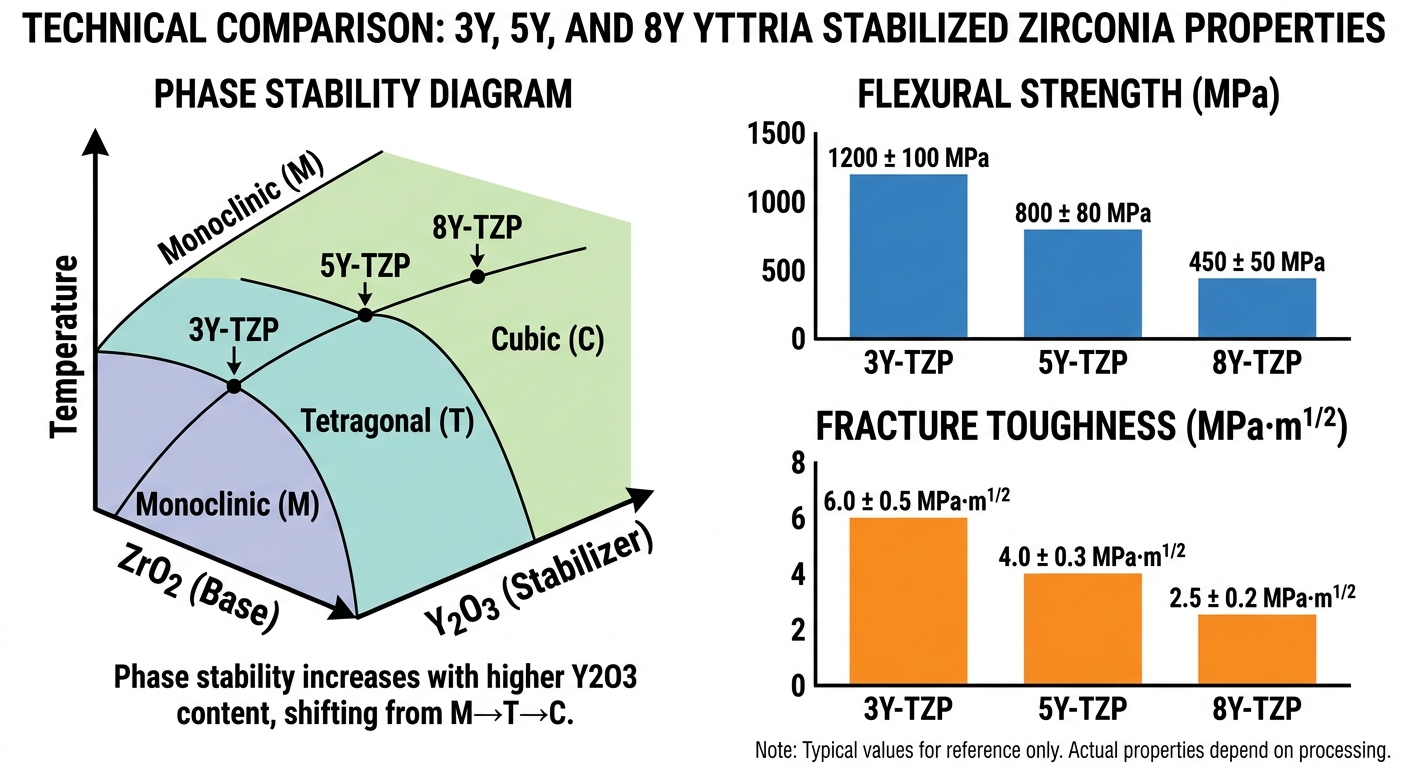
Phase stability defines this ceramic by maintaining the high-strength tetragonal or cubic crystal structures at room temperature, which would otherwise spontaneously collapse. By doping zirconium dioxide with yttrium oxide, our yttria stabilized zirconia locks the lattice structure, preventing catastrophic cooling cracks. This ensures that the material can handle intense stress without structural degradation.
Without this chemical stabilization, pure zirconia expands by three to five percent during cooling, resulting in immediate failure. Adding yttrium oxide offsets this transition, creating a reliable solid solution that engineers can confidently specify. Let us explore how these crystal phases interact under real-world stresses.
What Are the Key Crystal Phases of This Material?
Understanding crystal behavior is critical when selecting advanced ceramics. Pure zirconia naturally transitions between monoclinic, tetragonal, and cubic phases depending on the current temperature profile.
Here is why this matters:
- Monoclinic Phase: The stable phase at room temperature, which exhibits low structural strength.
- Tetragonal Phase: A metastable phase that provides the foundation for high toughness.
- Cubic Phase: A high-temperature phase offering exceptional ionic conductivity.
By carefully controlling the percentage of yttria, we can preserve the highly desirable tetragonal phase down to ambient temperatures. This phase-trapping phenomenon allows the ceramic to perform as a high-strength structural asset.
Why Does the Dopant Concentration Matter?
The amount of yttria added dictates the final mechanical and chemical capabilities. Varying the dopant between three, five, and eight mole percent directly alters the ratio of crystal phases.
But that is not all.
- 3 mol% Yttria (3Y-TZP): Delivers maximum mechanical strength and fracture toughness.
- 5 mol% Yttria (5Y-PSZ): Offers an ideal balance of moderate strength and optical translucency.
- 8 mol% Yttria (8Y-FSZ): Provides optimal ionic conductivity for oxygen sensing and power systems.
Selecting the wrong dopant concentration can lead to premature component failure. Aligning the stabilization chemistry with your operational environment is key to unlocking maximum performance.
Key Takeaway: Choosing the correct stabilization level ensures your ceramic parts are perfectly matched to your structural or thermal environment, avoiding sudden brittle fractures.
| Ceramic Grade | Yttria Content (mol%) | Dominant Phase | Flexural Strength (MPa) | Fracture Toughness (MPa·m¹/²) |
|---|---|---|---|---|
| 3Y-TZP | 3% | Tetragonal | 1000 – 1200 | 6.0 – 8.0 |
| 5Y-PSZ | 5% | Cubic + Tetragonal | 500 – 600 | 3.5 – 4.5 |
| 8Y-FSZ | 8% | Cubic | 200 – 300 | 2.0 – 3.0 |
This mechanical distribution shows why choosing the correct phase configuration is essential for high-stress applications.
Why Is This Ceramic Crucial for Solid Oxide Fuel Cells?
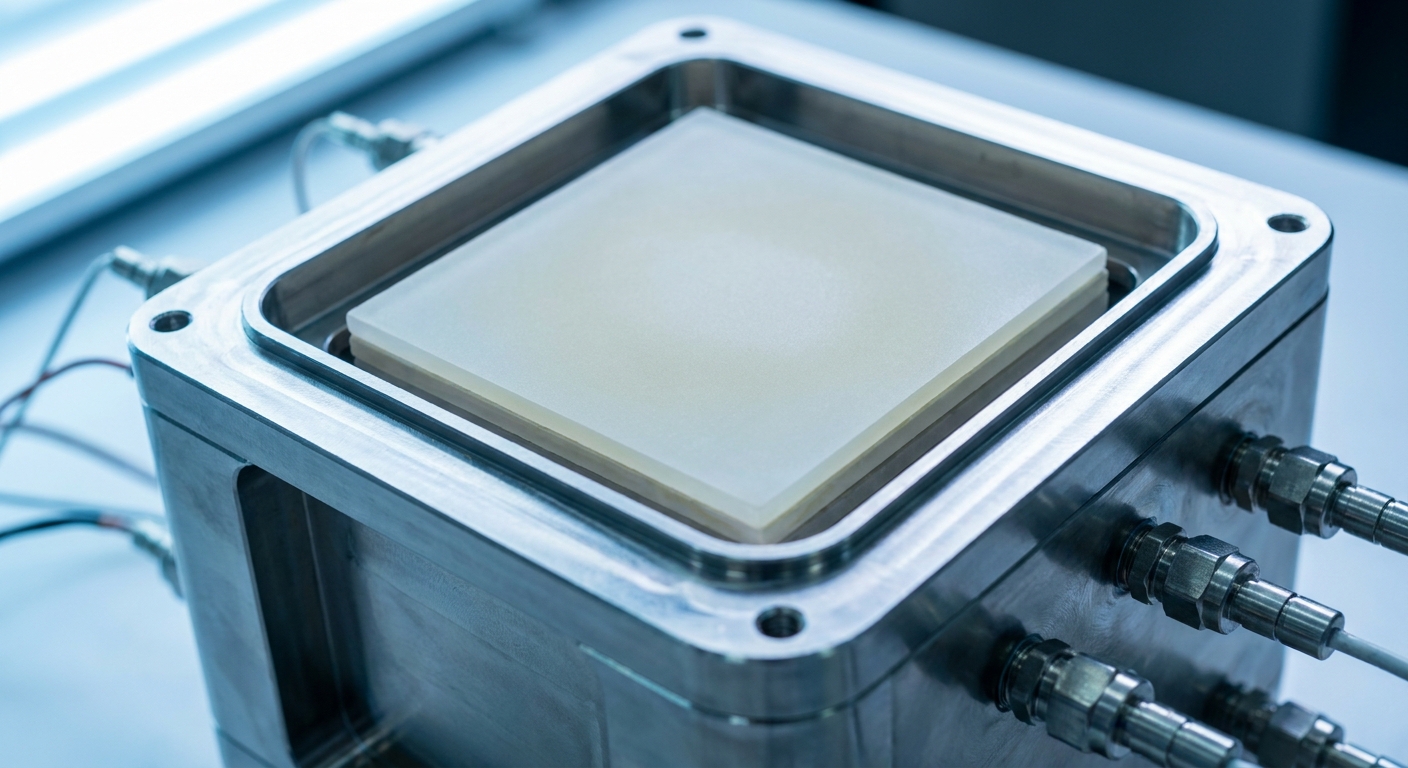
This ceramic is crucial for solid oxide fuel cells because it serves as an exceptionally efficient oxygen-ion electrolyte at elevated operating temperatures. When utilizing 8 mol% fully stabilized yttria stabilized zirconia, oxygen vacancies within the lattice allow rapid ion transport while acting as an electrical insulator. This unique combination makes it a cornerstone material for clean energy generation.
The material must withstand both reducing and oxidizing atmospheres without degrading. Engineers trust its structural integrity to prevent gas leakage between cell chambers over thousands of operating hours.
How Does Oxygen Ion Conductivity Occur?
The transport of oxygen ions is driven by the vacancy defects created within the lattice. When yttrium ions replace zirconium ions, oxygen vacancies must form to maintain charge balance.
The result?
- Oxygen Vacancy Paths: Ions hop from one vacant site to another under thermal activation.
- High Temperature Efficiency: Transport kinetics peak between 600°C and 1000°C.
- Electrical Blockade: High ionic flow is achieved with zero electronic leakage.
This precise atomic movement allows fuel cells to convert chemical energy directly into electricity. Optimizing this pathway is vital for achieving high cell efficiency.
Can It Withstand Harsh SOFC Environments?
Fuel cells operate under aggressive thermal and chemical stress profiles. The ceramic electrolyte must interface perfectly with the anode and cathode materials without reacting.
Let’s face it:
- Chemical Inertness: Resists degradation in both hydrogen-rich and oxygen-rich environments.
- Thermal Expansion Match: Minimizes delamination risks when paired with standard electrodes.
- Microstructural Stability: Resists grain growth that would otherwise reduce ion pathways.
By choosing high-purity zirconia, you prevent localized cell degradation and prolong the stack’s operational lifespan. This chemical endurance is a major upgrade over traditional materials.
Key Takeaway: Utilizing fully stabilized zirconia in fuel cell stacks ensures excellent ion transfer rates and robust thermal boundaries, resulting in reliable clean energy output.
| Electrolyte Metric | Performance Target | Operational Benefit |
|---|---|---|
| Ionic Conductivity | ~0.1 S/cm at 1000°C | Maximizes power density of the SOFC stack |
| Electronic Resistance | Extremely High | Prevents electrical shorting within cells |
| Thermal Expansion | 10 × 10⁻⁶/K | Matches metallic and ceramic interconnects |
These parameters show how chemical and physical properties unite to stabilize high-temperature electrochemical systems.
Can It Resist Severe Industrial Wear and Friction?
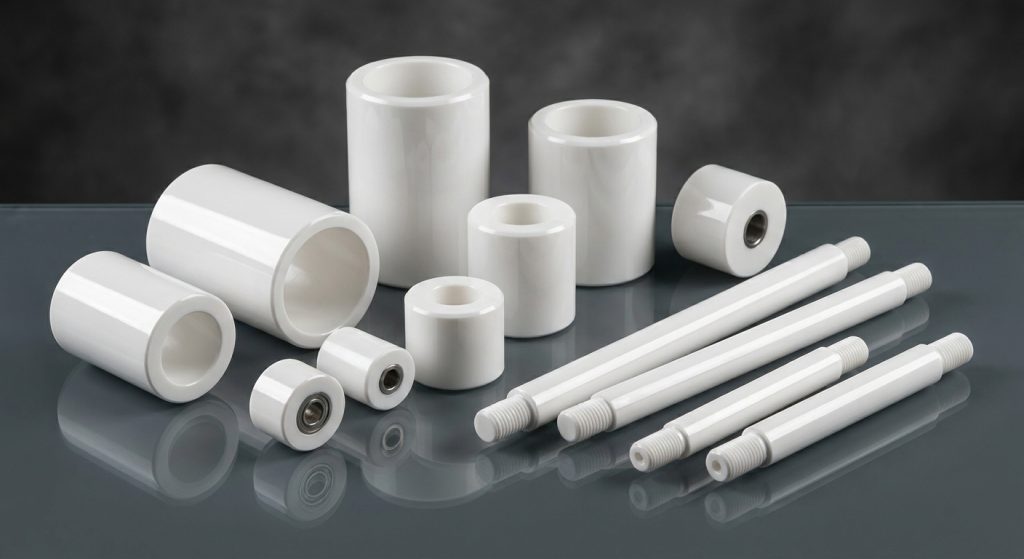
It resists severe industrial wear and friction by utilizing a high hardness and localized phase transformation that squeezes crack paths shut under mechanical pressure. In high-abrasion slurry lines and abrasive grinding mills, deploying yttria stabilized zirconia provides a self-healing surface that mitigates grain pull-out. This active protection makes it far superior to metal alloys.
Traditional wear components often suffer from premature micro-cutting and pitting. Moving to stabilized ceramic parts protects your equipment from frequent maintenance shutdowns and sliding friction damage.
What Makes It Resist Abrasive Environments?
Abrasive wear occurs when hard particles gouge material from a sliding surface. Zirconia’s fine-grained microstructure acts as an impenetrable shield against these microscopic cutting forces.
How do we know?
- Extreme Micro-Hardness: Reaches up to 12.5 GPa on the Vickers scale.
- Intergranular Strength: Prevents loose abrasive grains from plucking out individual ceramic crystals.
- Polished Smoothness: Reduces frictional drag coefficients under dry or wet sliding.
This resilience is crucial for components like sand mill linings, slurry valves, and powder compacting dies. The result is a dramatic increase in component lifetime.
How Does It Prevent Sliding Friction Damage?
Sliding contacts generate intense localized heat and micro-fissures on moving parts. Zirconia counters this by maintaining its structure and forming tribo-chemical protective layers during operation.
Here is why this matters:
- Low Coefficient of Friction: Drops to 0.15 under lubricated environments.
- Minimal Heat Generation: Prevents localized thermal shock that cracks metals.
- Adhesive Wear Resistance: Eliminates galling and material transfer common in high-load steel assemblies.
When your machinery operates with minimal friction, energy costs decrease and operational stability improves. This makes the material highly cost-effective over long production runs.
Key Takeaway: Upgrading to zirconia structural parts shields high-wear interfaces from abrasive slurry and dry friction, safeguarding continuous industrial runtimes.
| Wear Parameter | Ceramic Performance | Industrial Advantage |
|---|---|---|
| Vickers Hardness | 1200–1250 HV₁₀ | Resists abrasive cutting and deep scratches |
| Coefficient of Friction | 0.10 – 0.25 (Lubricated) | Reduces power loss and operational heat |
| Density | 6.0 g/cm³ | Offers high mass-to-volume ratio for structural parts |
Evaluating these frictional benefits outlines why advanced ceramics outperform standard carbide steels in demanding setups.
How Does It Survive in Ultra-High Temperature Kilns?
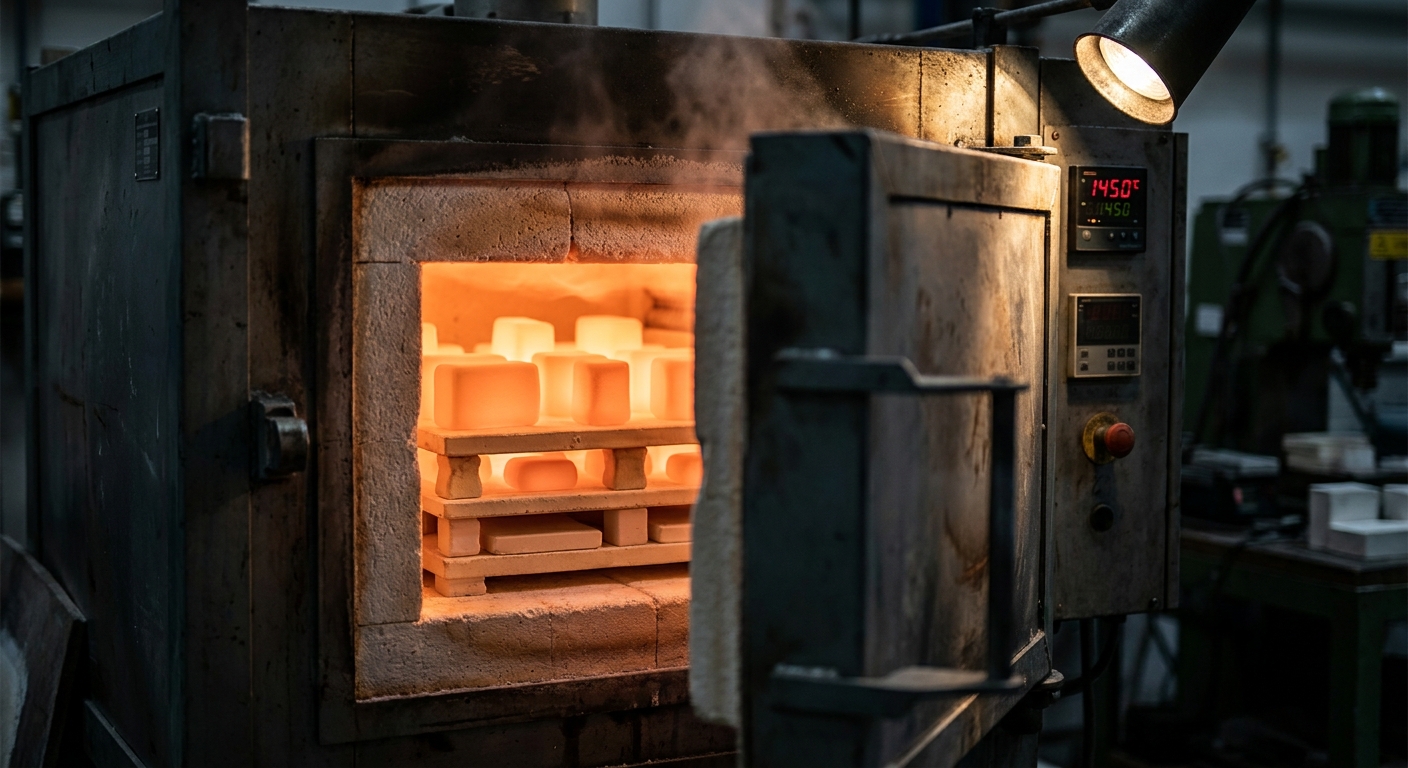
It survives in ultra-high temperature kilns through its exceptionally low thermal conductivity and extremely high melting point, which protect furnace internal walls from heat transfer. Deploying yttria stabilized zirconia inside kiln linings prevents thermal fatigue and localized heat loss at extreme temperatures. This directly boosts the fuel efficiency of your heating equipment.
However, extreme temperatures can cause localized expansion stresses. Choosing the right thermal grade allows you to balance insulating properties with thermal shock resistance.
What Is Its Maximum Operating Temperature?
Industrial kilns require materials that do not soften or deform at extreme thermal limits. Zirconia keeps its structural form up to very high temperatures.
But that is not all.
- High Melting Point: Remains solid up to 2690°C in its pure form.
- Continuous Service Limit: Operates safely up to 1500°C without creep deformation.
- Microstructural Integrity: Resists sintering-induced grain growth that weakens the lining.
This thermal endurance is vital for processing specialized alloys, firing advanced ceramics, and melting glass. It provides the reliable thermal envelope your processes require.
How Does Low Thermal Conductivity Protect Kilns?
Heat loss through furnace walls is a primary cause of low thermal efficiency in heavy manufacturing. Zirconia acts as an outstanding insulator to block this radial heat transfer.
Here is why this matters:
- Phonon Scattering: Highly dense crystal defects scatter heat waves.
- Thermal Barrier Action: Low conductivity of 2.2 W/(m·K) blocks heat flow.
- Energy Savings: Reduces the power required to maintain stable internal temperatures.
By keeping the heat locked inside the kiln chamber, you achieve highly consistent firing zones and reduce operating costs. This insulation makes it a top-tier choice for modern energy-saving kilns.
Key Takeaway: Installing zirconia linings in high-temperature kilns prevents heat loss and resists thermal deformation, optimizing fuel efficiency and firing consistency.
| Thermal Metric | Zirconia Performance | Operational Outcome |
|---|---|---|
| Thermal Conductivity | 2.0–2.5 W/(m·K) | Delivers premium thermal insulation |
| Melting Point | 2690°C | Prevents structural collapse under intense heat |
| Thermal Expansion | 10.5 × 10⁻⁶/K | Matches heating profiles of industrial alloys |
This thermodynamic profile confirms the material’s viability as a premier thermal shield for high-intensity furnace environments.
Why Are Engineers 3D Printing This Advanced Material?
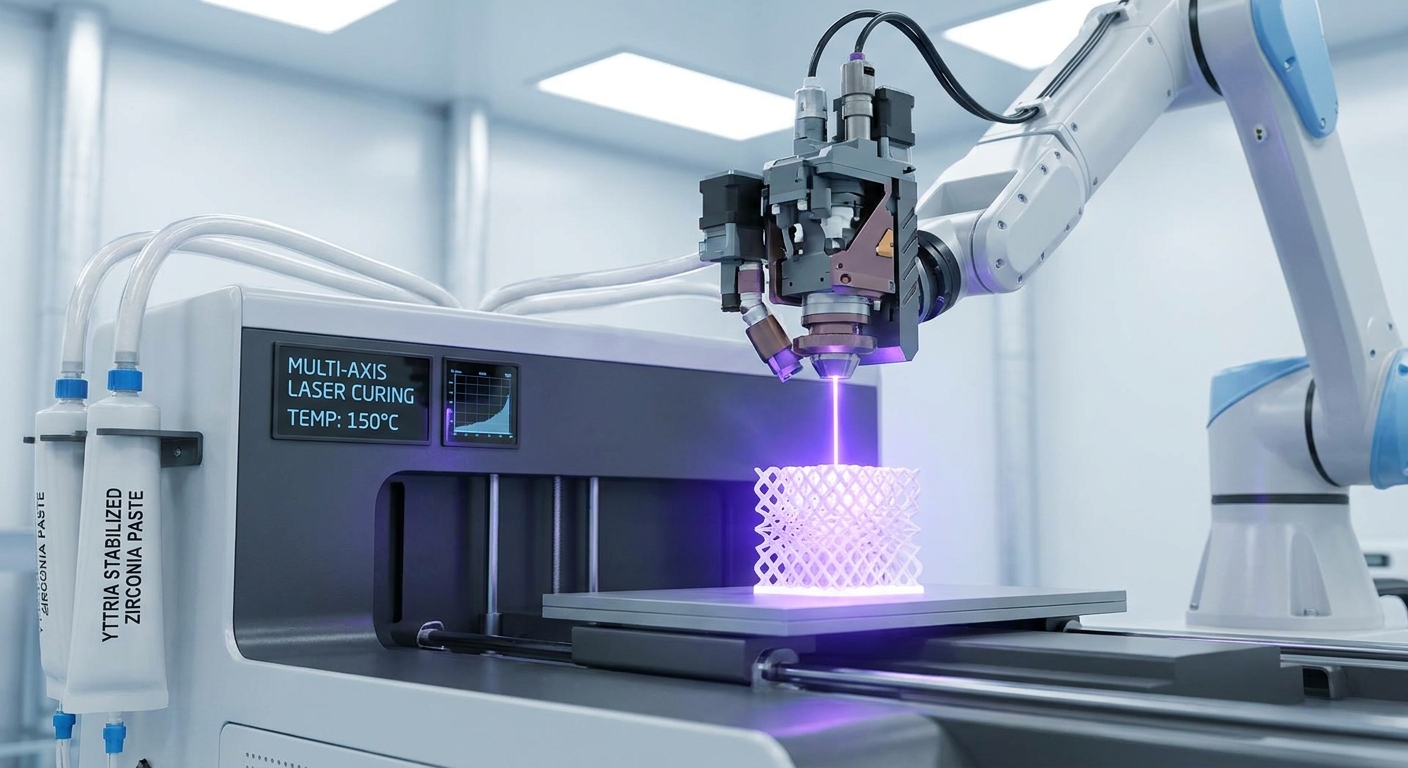
Engineers are 3D printing this advanced material because additive manufacturing allows the creation of complex geometries that are impossible to produce using traditional dry pressing or machining. By utilizing high-purity yttria stabilized zirconia slurries, modern lithography systems produce dense, net-shape parts with micron-scale accuracy. This cuts down tooling times and simplifies product development workflows.
Designing parts without the limits of draft angles opens up new pathways for innovation. Complex fluid mixers, internal cooling channels, and custom medical implants are now directly printable.
How Does Ceramic Additive Manufacturing Work?
Printing high-performance ceramics requires specialized lithography or extrusion systems. The process relies on a photosensitive resin filled with ultra-fine ceramic particles.
The result?
- Layer-by-Layer Curing: UV lasers cure the resin layer by layer to form a green part.
- Binder Burnout: The printed green part undergoes thermal processing to remove organic binders.
- Sintering Densification: High-temperature firing shrinks the part into its final dense state.
This multi-stage process yields fully dense, structural parts without the micro-voids that weaken traditional printed items. Precision engineering guarantees that printed parts perform just like pressed ceramics.
What Are the Geometric Advantages of Printing?
Traditional milling often fails when producing components with complex internal chambers or thin walls. Additive printing removes these tooling limits entirely.
Let’s face it:
- Internal Cooling Channels: Optimizes heat dissipation in high-temperature nozzles.
- Lattice Structures: Reduces component weight while preserving mechanical strength.
- Custom Prototypes: Accelerates testing cycles by eliminating the need for expensive molding dies.
Engineers can now refine prototypes in days rather than waiting weeks for custom tooling. This rapid adaptation speed keeps you ahead in highly competitive industrial markets.
Key Takeaway: Implementing additive manufacturing with zirconia enables complex, lightweight components without the high cost and turnaround time of custom pressing molds.
| Printing Metric | Performance Target | Manufacturing Advantage |
|---|---|---|
| Shrinkage Factor | 15% – 22% (Isotropic) | Compensated by software for precise final dimensions |
| Sintered Density | >99% of Theoretical | Matches the strength of dry pressed parts |
| Min Feature Size | 100 μm | Enables extremely fine internal channels |
Analyzing these advanced manufacturing parameters highlights how 3D printing makes high-performance ceramics accessible for intricate mechanical designs.
How Do Thermal Barrier Coatings Protect Turbine Blades?
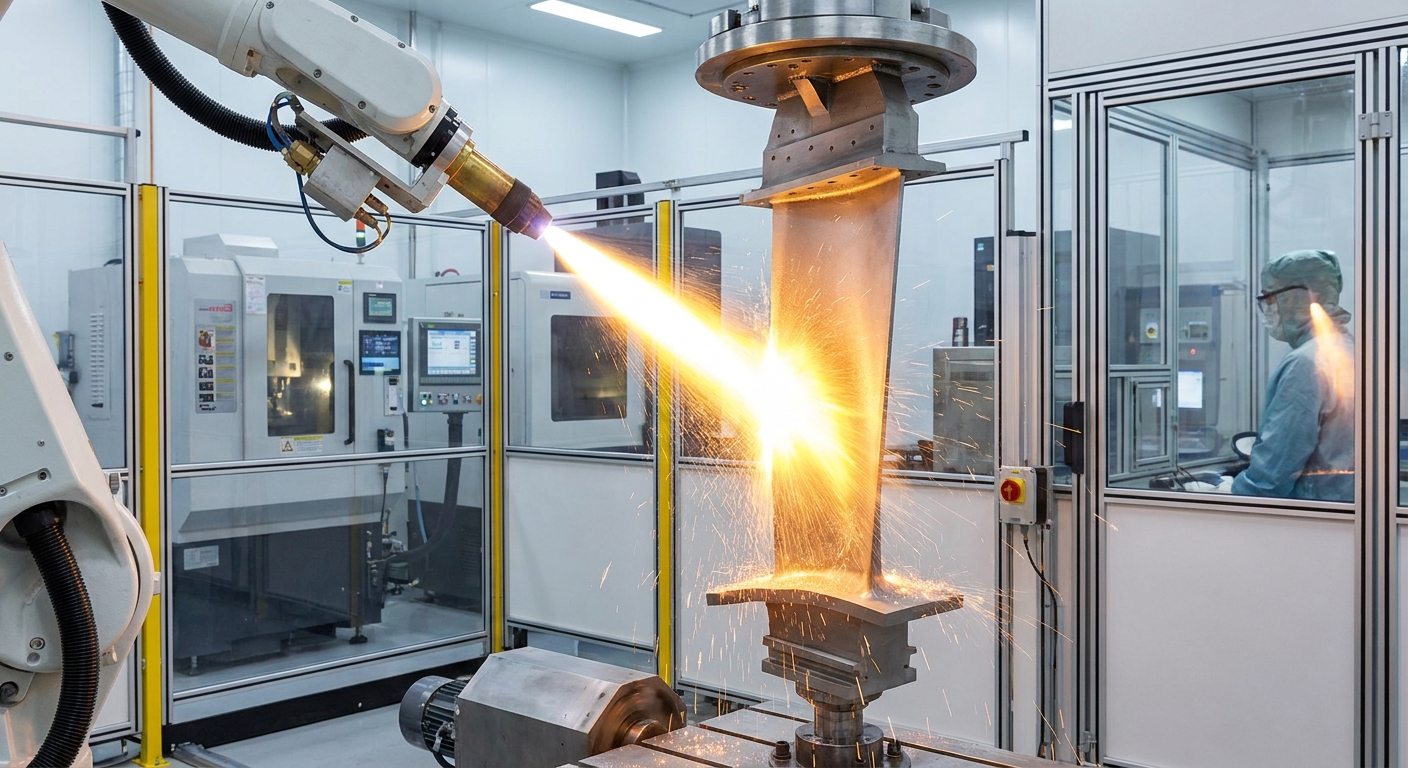
Thermal barrier coatings protect turbine blades by creating a robust insulating layer that drops the surface temperature of the underlying metal by hundreds of degrees. Using plasma spray deposition to apply yttria stabilized zirconia directly onto superalloy components prevents thermal oxidation and structural creeping in aerospace engines. This thermal insulation extends the operating lifespan of critical propulsion systems.
Aerospace turbines run at temperatures exceeding the melting points of their base metals. Without these coatings, blades would fail immediately, leading to catastrophic engine loss.
What Is the Insulation Mechanism?
Thermal barrier coatings rely on low thermal conductivity and structured micro-porosity to block extreme heat. The plasma-sprayed coating contains micro-cracks that slow down heat transfer.
How do we know?
- Phonon Deflection: Pores and yttria dopants scatter heat waves.
- Temperature Drop: Lowers the underlying metal temperature by 100°C to 300°C.
- Thermal Gradient: Maintains a steep temperature drop across a very thin coating layer.
This thermal insulation allows gas turbine engines to run hotter and with greater efficiency. This directly translates to significant fuel savings and reduced emissions in aerospace applications.
How Do Coatings Resist Delamination?
Turbine blades experience intense expansion and contraction cycles during takeoff and landing. The ceramic coating must remain firmly bonded to the metal substrate throughout these cycles.
But that is not all.
- Coefficient of Thermal Expansion: Matches the superalloy base to prevent peeling.
- Bond Coat Interface: Uses a metallic layer to bridge the gap between ceramic and alloy.
- Sintering Resistance: Resists consolidation at high heat to maintain coating elasticity.
By matching expansion rates, the coating resists cracking and peeling during thermal cycles. This thermal endurance keeps turbine engines running safely for longer service intervals.
Key Takeaway: Applying zirconia thermal barrier coatings shields turbine superalloys from extreme operating heat, increasing fuel efficiency and extending engine lifespans.
| Coating Property | Typical Value | Performance Impact |
|---|---|---|
| Thermal Conductivity | 0.8–1.5 W/(m·K) | Delivers industry-leading thermal insulation |
| Coating Thickness | 100–300 μm | Balances weight limits with thermal insulation |
| Porosity Level | 10% – 15% (Controlled) | Optimizes thermal resistance and strain tolerance |
This technical coating setup highlights why aerospace engineers rely on ceramic shields to push engine performance boundaries.
Can Metrology Assure Extreme Microscopic Precision?
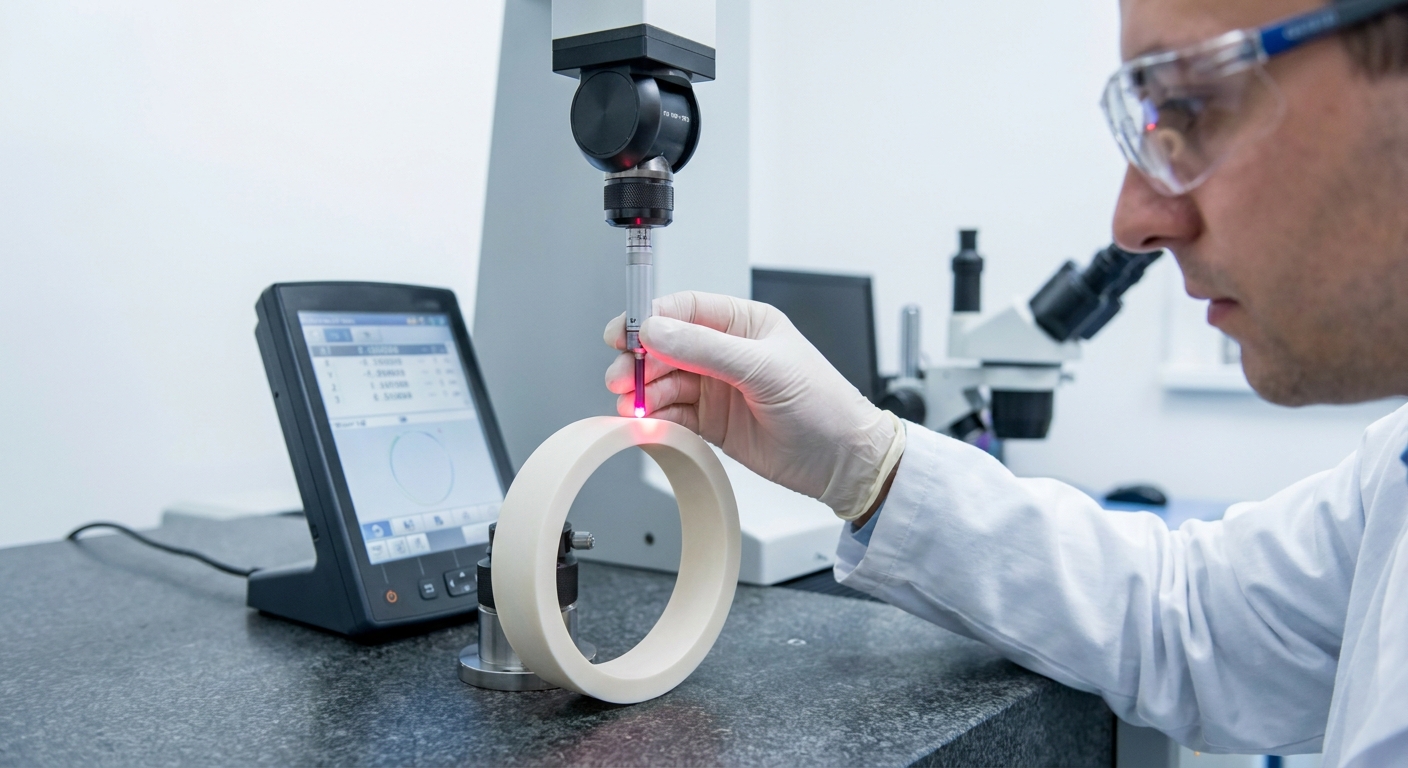
Metrology assures extreme microscopic precision by verifying the dimensions of sintered ceramic components using coordinate measuring machines with ruby tip probes. To guarantee that our yttria stabilized zirconia structural rings fit perfectly into your industrial pumps, we perform high-precision CMM quality checks. This ensures zero deviation from your custom CAD profiles.
Sintering advanced ceramics introduces a predictable shrink rate of fifteen to twenty-two percent. Fine-tuning our thermal profiles and using precise metrology allows us to manage these dimensional variations.
How Does CMM Inspection Guarantee Quality?
A coordinate measuring machine (CMM) uses ultra-precise touch probes to map the exact physical dimensions of sintered components. This process identifies even microscopic dimensional errors.
Here is why this matters:
- Sub-Micron Precision: Detects dimensional variations down to the sub-micron scale.
- 3D Coordinate Mapping: Matches physical surfaces with original CAD models.
- Batch Consistency: Ensures every component in a production run is identical.
This rigorous inspection prevents off-spec components from reaching your assembly line. The result is seamless integration and reliable operation of every single part.
Why Is Sintering Shrinkage a Challenge?
As ceramic powders fuse during sintering, the volume of the part shrinks as microscopic voids are eliminated. Controlling this shrinkage is a primary challenge in ceramic manufacturing.
Let’s face it:
- Predictive Scaling: Green-state parts must be designed larger to offset shrinkage.
- Thermal Uniformity: Uneven heating causes warping and dimensional distortion.
- Diamond Grinding: Post-sintering grinding is required for extremely tight tolerances.
By using precise shrinkage calculation algorithms, we minimize the need for costly post-sinter grinding. This makes production faster and significantly reduces component costs.
Key Takeaway: Rigorous metrology and shrinkage control ensure your sintered ceramic parts fit perfectly into high-tolerance mechanical systems, avoiding installation errors.
| Metrology Metric | Verification Method | Quality Outcome |
|---|---|---|
| Dimensional Tolerance | Coordinate Measuring Machine (CMM) | Guarantees fit within micrometers |
| Surface Roughness | Laser Profilometry ($Ra$) | Assures smooth, low-wear contact zones |
| Sintering Accuracy | Density and Shrinkage Analysis | Confirms complete material consolidation |
This precise quality assurance framework ensures that high-tolerance components always perform exactly as designed.
Why Does Raw Powder Quality Dictate Final Performance?
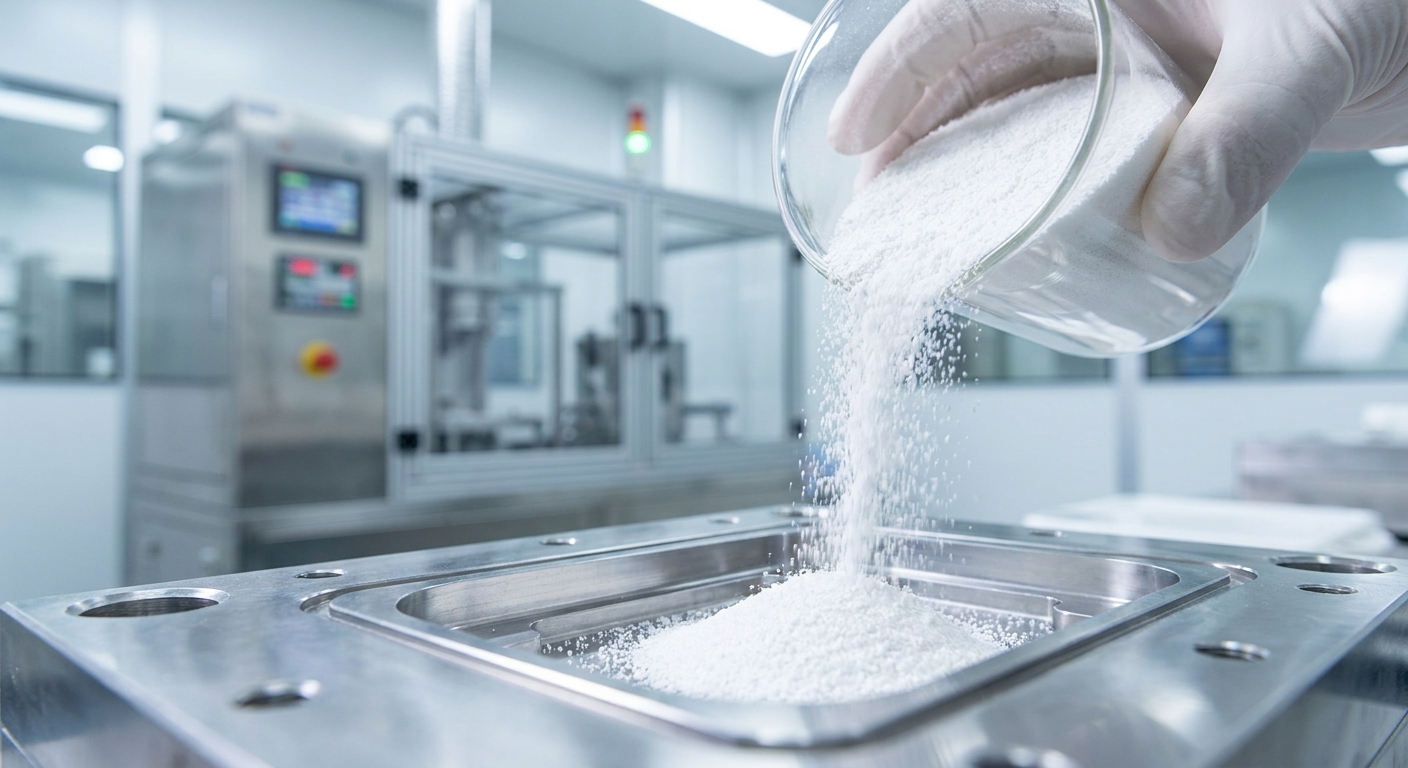
Raw powder quality dictates final performance because particle size distribution and chemical purity determine how densely the ceramic grains pack together during sintering. When starting with low-grade yttria stabilized zirconia powders, microscopic voids and trace impurities remain locked inside the finished ceramic matrix. These defects act as stress concentrators, causing premature failure.
High-quality manufacturing starts with premium raw powders. Selecting a supplier with strict raw material control is the most effective way to guarantee consistent performance.
How Does Chemical Purity Impact Durability?
Trace impurities like alumina or silica collect at grain boundaries during high-temperature sintering. These impurities can form weak, low-melting glass phases that degrade under stress.
But that is not all.
- Grain Boundary Corrosion: Impurities make boundaries susceptible to chemical attack.
- Strength Degradation: Weak glass phases lower overall flexural strength.
- Unpredictable Cracking: Impurity hotspots trigger unpredictable fractures under load.
By keeping chemical purity above 99.9 percent, we eliminate these weak boundary phases. This chemical control is critical for maintaining long-term structural reliability.
Why Is Particle Size Distribution Critical?
The particle size distribution (PSD) of the raw powder directly impacts how tightly the powder packs before firing. A uniform, sub-micron powder is essential for achieving complete densification.
How do we know?
- Consistent Sintering Shrinkage: Even particle packing ensures uniform dimensional shrinkage.
- Elimination of Micro-Voids: Fine particles fill gaps to prevent internal voids.
- Sintering Temperature Reduction: Sub-micron powders sinter at lower temperatures.
Using raw powders with a tightly controlled particle size distribution results in a highly uniform ceramic microstructure. This structural consistency is the secret to high fracture toughness.
Key Takeaway: Sourcing ultra-pure, sub-micron raw powders guarantees a flawless sintered microstructure, eliminating internal defects that cause premature brittle failure.
| Powder Metric | Quality Target | Structural Impact |
|---|---|---|
| Chemical Purity | 99.9 wt% | Eliminates weak boundary phases |
| Average Particle Size | 0.1–0.5 μm | Promotes rapid, uniform sintering |
| Sintered Grain Size | <0.5 μm | Maximizes phase transformation toughness |
This strict control of raw materials is the foundation for producing structural ceramics that survive the harshest industrial environments.
How Does It Deliver Bio-Compatible Dental Solutions?
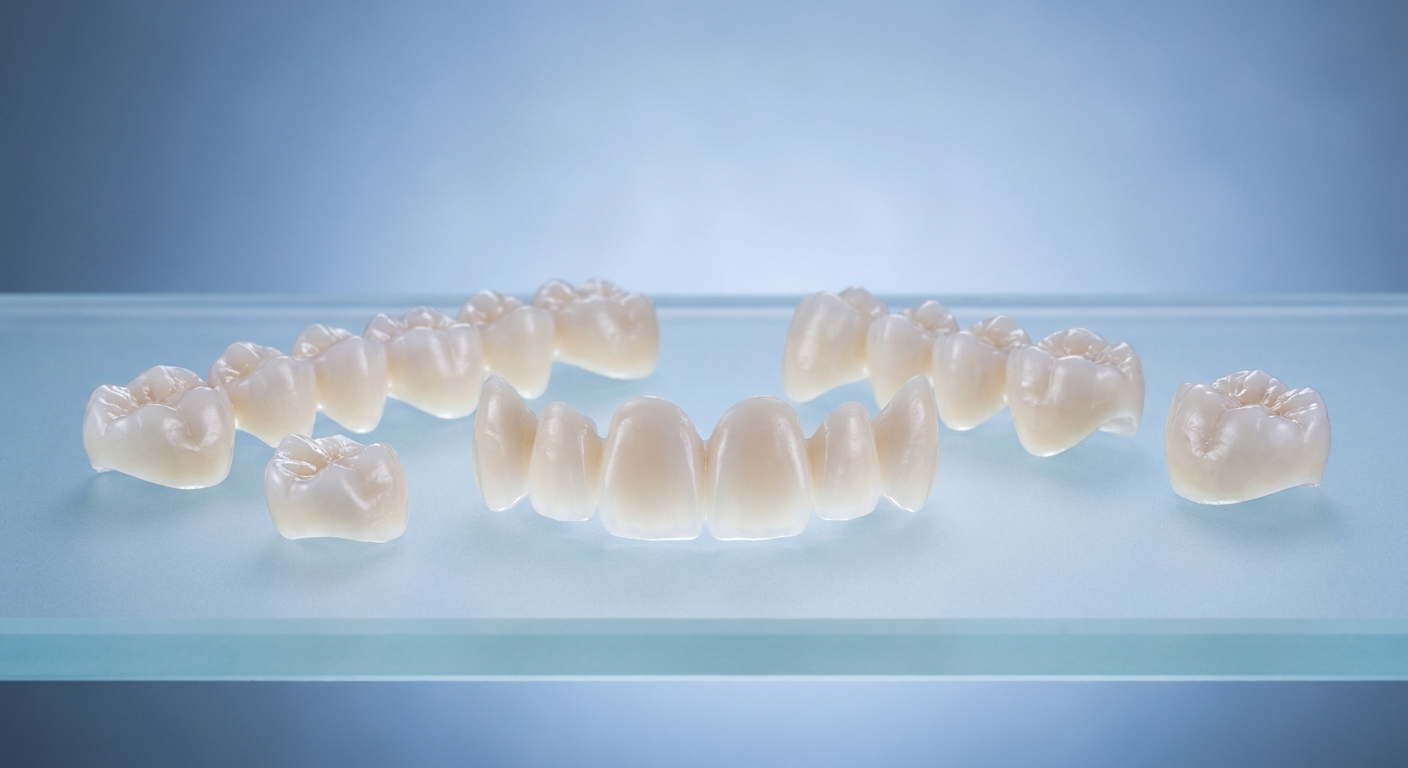
It delivers bio-compatible dental solutions by combining complete chemical inertness with a natural, tooth-like translucency that does not degrade in moisture-rich environments. In modern restorative dentistry, our yttria stabilized zirconia provides clinical-grade blocks for milling multi-unit crowns and bridges. This ensures patient safety while offering outstanding cosmetic results.
Unlike metallic restorations, zirconia does not cause allergic reactions or gum discoloration. Dentists trust its extreme fracture resistance to handle chewing forces without cracking.
Why Is Biocompatibility Critical in Dental?
Dental restorations must remain completely inert in the mouth over decades of exposure to saliva and acids. The ceramic material must not release toxic ions or irritate gum tissue.
Here is why this matters:
- Zero Oral Toxicity: Pure zirconia does not trigger allergic reactions or tissue inflammation.
- Low Plaque Adhesion: The smooth ceramic surface resists bacterial buildup.
- Gum Tissue Integration: Promotes healthy gum adaptation around the crown.
This biological safety makes zirconia the premier alternative to traditional metal-ceramic restorations. It ensures long-term comfort and optimal oral health for patients.
How Does Dental Zirconia Achieve Translucency?
Natural teeth are partially translucent, allowing light to pass into the tooth structure. Dental zirconia achieves this tooth-like appearance by adjusting its internal crystal phases.
The result?
- Increased Yttria Content: Adding 5 mol% yttria increases the cubic phase fraction.
- Light Transmission: Cubic crystals do not scatter light, increasing translucency.
- Natural Shade Matching: Pre-shaded blocks allow labs to match natural tooth colors perfectly.
This combination of translucency and extreme strength lets dental labs craft beautiful, monolithic restorations. Patients gain highly durable crowns that look completely natural.
Key Takeaway: Choosing high-translucency zirconia blocks allows dental labs to produce biocompatible, extremely durable crowns that blend perfectly with natural teeth.
| Restoration Metric | Performance Target | Clinical Benefit |
|---|---|---|
| Biaxial Strength | 1000 MPa | Prevents crown cracking under heavy chewing |
| Translucency Level | 43% – 49% | Delivers natural, tooth-like aesthetics |
| Hydrothermal Stability | Premium | Resists long-term low-temperature degradation |
This dental comparison shows how advanced ceramic engineering balances extreme physical strength with clinical-grade aesthetics.
To achieve these exceptional performance benchmarks across your specific applications, choosing an experienced B2B partner with complete in-house manufacturing control is essential. At zrbrontec, we oversee the entire production chain—from raw sand processing to final precision sintered components—ensuring that every batch delivers optimal phase purity and dimensional accuracy. Our team of specialist engineers is standing by to assist with material grading, customized dimensioning, and structural optimization. To secure a reliable, high-performance ceramic supply chain that minimizes maintenance overhead and maximizes operational lifespan, contact us today for a detailed technical consultation.
What Common FAQ Can Solve Your Core Ceramic Problems?
Can I machine yttria stabilized zirconia after it is fully sintered?
No, machining must be completed primarily in the pre-sintered green state because fully sintered zirconia is too hard for conventional cutting tools. Once sintered, the material can only be shaped using specialized diamond-grit grinding wheels or ultrasonic machining. This post-sinter grinding is highly precise but very expensive, so we recommend completing all major shaping steps while the ceramic is still soft.
What’s the best yttria grade for structural components under impact?
The 3Y-TZP grade is the best choice for high-impact applications due to its exceptional fracture toughness and mechanical strength. This grade contains approximately 3 mole percent yttria, which maximizes the presence of metastable tetragonal crystals. When an impact stresses the material, these crystals undergo phase transformation toughening, actively stopping microcracks from propagating.
How do I know if low-temperature degradation will affect my parts?
You will know by analyzing if your parts are exposed to high humidity or water vapor within a critical temperature window of 100 to 250 degrees Celsius. Under these moist, hot conditions, water molecules slowly diffuse into the zirconia crystal lattice, destabilizing the tetragonal phase. Over years, this triggers a spontaneous surface transformation to the weaker monoclinic phase, leading to microcracking.
Can I use 8Y-FSZ for high-load structural applications?
No, you should avoid using 8Y-FSZ for load-bearing components because its fully stabilized cubic structure lacks the phase-toughening mechanism. With 8 mole percent yttria, the cubic phase is completely stable and cannot transition into the monoclinic phase to stop advancing cracks. This results in much lower flexural strength and fracture toughness compared to the 3Y-TZP structural grade.
How do I ensure batch-to-batch consistency for large-scale production?
You ensure consistency by partnering with a vertically integrated manufacturer that controls the entire raw material and sintering process. Minor variations in raw powder purity, particle size distribution, or kiln temperature profiles can drastically alter the final ceramic phase mix. Sourcing from a supplier with complete in-house quality control guarantees that every batch meets identical structural specifications.