
In demanding industrial environments, standard ceramic parts often fail under heavy wear and thermal shock, leading to expensive downtime and shattered equipment. You watch your machinery halt as components fracture under cyclic fatigue, leaving your operations compromised and your maintenance costs soaring. High-performance yttria stabilized zirconia solves this critical operational challenge by transforming brittle zirconium dioxide into an incredibly tough, wear-resistant “ceramic steel.” This engineered material combines high mechanical strength, chemical inertness, and thermal stability to handle the most abusive industrial conditions.
What Is Yttria Stabilized Zirconia exactly?
This high-performance engineering ceramic, known as yttria stabilized zirconia, is a modified form of zirconium dioxide that has been structurally stabilized by adding yttrium oxide. When you introduce yttrium oxide (Y₂O₃) into the base zirconium dioxide (ZrO₂) matrix, it fundamentally alters the molecular behavior of the crystal lattice. This process locks the material’s tough tetragonal or cubic phases at room temperature, preventing it from crumbling. It effectively turns a brittle technical ceramic into a highly reliable, wear-resistant compound.
Pure zirconium dioxide cannot survive room-temperature cooling without structural failure. By replacing some zirconium ions with yttrium, you create critical oxygen vacancies that maintain electrical neutrality and stabilize the lattice. This atomic substitution forms the foundation of all advanced zirconia ceramics.
Defining the Composition of YSZ
How is this advanced compound composed? When you analyze its chemistry, you will find that it typically contains between 3 mol% and 8 mol% of yttrium oxide as a dopant.
- Zirconium Dioxide Matrix: Serves as the high-strength base structural compound.
- Yttrium Oxide Stabilizer: Added to lock the high-temperature phases at room temperature.
- Oxygen Ion Vacancies: Created at the atomic level to maintain overall charge neutrality.
Think about it: without this precise atomic dopant range, the ceramic would simply disintegrate during the manufacturing process.
Why Add Yttria to Zirconium Oxide?
Adding yttria acts as a thermodynamic lock that overrides the natural destructive phase transitions of pure zirconia. If you cool pure zirconia, it undergoes a massive volume expansion of 3% to 5% as it shifts from a tetragonal to a monoclinic phase. This localized expansion causes extreme internal stresses that lead to immediate cracking.
Here is the kicker: the yttrium dopant relaxes the crystal lattice and preserves room-temperature metastability, allowing you to use the ceramic in extreme physical environments.
Key Takeaway: For your industrial applications, choosing a stabilized zirconia compound ensures structural integrity during extreme thermal cycles, saving your equipment from catastrophic failure.
| Terminology / Compound | Chemical Formula | Typical Dopant Range (mol%) | Primary Crystal Phase at Room Temp |
|---|---|---|---|
| Pure Zirconia | ZrO₂ | 0% | Monoclinic |
| Partially Stabilized (3YSZ) | ZrO₂ – 3 mol% Y₂O₃ | 2.8% – 3.2% | Tetragonal (Metastable) |
| Partially Stabilized (5YSZ) | ZrO₂ – 5 mol% Y₂O₃ | 4.5% – 5.5% | Mixed (Tetragonal + Cubic) |
| Fully Stabilized (8YSZ) | ZrO₂ – 8 mol% Y₂O₃ | 7.5% – 8.5% | Cubic |
This structural breakdown illustrates how varying the yttrium oxide concentration directly dictates the resulting crystal phase and physical performance of the ceramic.
Why Choose Yttria Stabilized Zirconia for Extreme Use?
You should select yttria stabilized zirconia when your applications demand exceptional mechanical reliability, metal-like toughness, and high-temperature survival. This specialized material behaves like a metal in terms of fracture resistance while maintaining the thermal and chemical stability of a technical ceramic. It bridges the gap between traditional brittle ceramics and heavy-duty structural alloys. This unique combination makes it the ultimate choice for high-stress industrial applications.
Unstabilized ceramics often fail suddenly under sudden tensile or bending loads. By choosing this stabilized grade, you protect your critical machinery parts from catastrophic cleavage failure.
Mechanical Performance Under Stress
How tough is this material when subjected to intense loading? It offers incredible flexural limits that easily exceed 900 MPa in standard premium grades.
- High Bending Strength: Prevents components from warping or breaking under heavy pressure.
- Excellent Tensile Resistance: Absorbs significant energy before reaching its elastic limit.
But that is not all. Its unique structural design allows it to absorb impacts that would easily shatter other advanced ceramics.
Comparing Mechanical Properties
When you compare this ceramic to other industrial materials, its physical superiority becomes clear.
Make no mistake: while alumina is harder, it lacks the fracture toughness required to handle sudden mechanical shocks.
- Flexural Strength: Often twice as high as standard alumina ceramics.
- Fracture Toughness: Ranges between 8 and 10 $\text{MPa}\cdot\text{m}^{1/2}$, which is unmatched in the ceramic world.
Key Takeaway: Using this high-toughness material in your high-load components reduces mechanical failures and ensures continuous, worry-free operation.
| Material Class | Flexural Strength (MPa) | Fracture Toughness (MPa·m¹/²) | Hardness (HV0.5) | Elastic Modulus (GPa) |
|---|---|---|---|---|
| YSZ (3YSZ Grade) | 900 – 1200 | 8.0 – 10.0 | 1200 – 1250 | 210 |
| Alumina (Al₂O₃, 99.7%) | 300 – 400 | 3.5 – 4.0 | 1600 – 1700 | 380 |
| Silicon Nitride (Si₃N₄) | 700 – 850 | 5.0 – 7.0 | 1400 – 1500 | 310 |
Our comparative data highlights why YSZ outclasses alternative ceramics in high-stress structural situations where fracture resistance is your top priority.
How Does Yttria Stabilized Zirconia Resist Fracture?
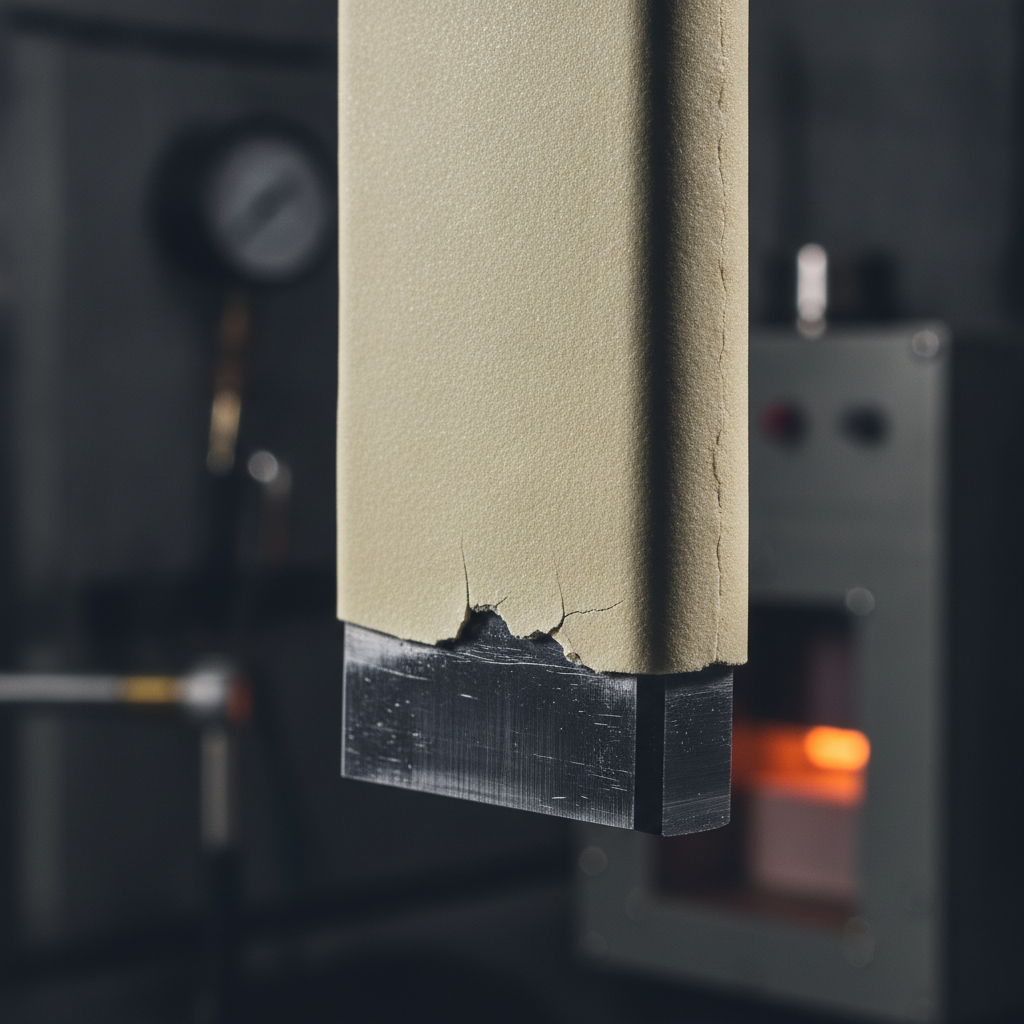
The active crystallography of yttria stabilized zirconia allows it to resist cracking through a dynamic stress-induced phase transformation that actively stops crack propagation. Unlike static materials that break when cracked, this material undergoes localized atomic shifts to combat external mechanical forces. When a crack begins to form, the stress field around the crack tip triggers an instantaneous reaction. This self-healing mechanism is what makes the material so unique.
As the crack advances, nearby metastable tetragonal grains absorb the stress and transform into a larger monoclinic structure. This localized expansion squeezes the crack shut and stops it in its tracks.
Understanding Crystal Phase Changes
How do these temperature-dependent transitions occur in your parts? Pure zirconia transitions from monoclinic to tetragonal at 1170°C, and then to cubic at 2370°C.
- Monoclinic Phase: The low-temperature state of unstabilized zirconia.
- Tetragonal Phase: The high-strength metastable state locked at room temperature by yttria.
- Cubic Phase: The high-temperature state optimized for thermal and ionic applications.
Think about it: this phase transition occurs almost instantly at the speed of sound through the crystal.
What is Phase Transformation Toughening?
This dynamic defense mechanism actively neutralizes the mechanical energy driving a crack forward. When you apply stress to the ceramic, the tensile force at the crack tip triggers the metastable grains.
Here is the kicker: the resulting 3% to 5% volume expansion creates a powerful compressive stress zone that pinches the crack closed.
- Crack Initiation: Stress creates a micro-fissure in the lattice.
- Grain Transformation: Tetragonal crystals instantly shift to monoclinic.
- Crack Arrest: The expansion exerts compressive forces to stop the crack.
Key Takeaway: Choosing this self-toughening material protects your equipment from sudden structural failure, keeping your operations running smoothly.
| Crystal Lattice Phase | Symmetry Class | Density (g/cm³) | Stable Temperature Window (Unstabilized) | Volume Deviation (vs. Tetragonal) |
|---|---|---|---|---|
| Monoclinic (m) | Primitive Monoclinic | ≈5.60 | Ambient to 1170°C | +3% to +5% (expanded) |
| Tetragonal (t) | Body-Centered Tetragonal | ≈6.10 | 1170°C to 2370°C | Baseline reference |
| Cubic (c) | Face-Centered Cubic | ≈6.27 | 2370°C to Melting Point | -1.5% (contracted) |
By utilizing active phase shifting, YSZ acts as a dynamic structural shield, changing its atomic structure to protect against cracking.
Which Types of Yttria Stabilized Zirconia Fit Your Needs?
Selecting the right grade of yttria stabilized zirconia requires matching the specific mol% concentration of yttria to the mechanical, thermal, or electrical requirements of your application. The material is commercially classified into distinct formulations, each optimized for different performance profiles. For structural components, 3mol% formulations offer the highest strength and impact resistance. Meanwhile, higher concentrations are designed for specialized thermal and electronic uses.
Choosing the wrong grade can lead to premature material wear or a loss of key electrical properties. It is crucial to understand these variations before selecting a material for your project.
Characteristics of 3mol% YSZ (3YSZ)
Why is this grade considered the premier choice for tough structural parts? It features a sub-micron, ultra-fine Tetragonal Zirconia Polycrystal (TZP) matrix that maximizes fracture toughness.
- Maximum Mechanical Strength: Ideal for wear parts, cutting blades, and grinding media.
- Optimal Metastable Retention: Delivers outstanding transformation-toughening performance.
But that is not all. It resists extreme structural stress and heavy wear, making it highly reliable in demanding environments.
Characteristics of 5mol% and 8mol% YSZ
What benefits do these higher-stabilizer formulations offer for your technical designs? While 5mol% YSZ provides an excellent balance of strength and optical translucency, 8mol% YSZ shifts to a fully stabilized cubic phase.
Here is the kicker: 8YSZ loses its transformation-toughening ability but gains exceptional oxygen-ion conductivity at high temperatures.
- 5YSZ Grade: Preferred for aesthetic dental restorations and complex precision-molded parts.
- 8YSZ Grade: Highly valued as an electrolyte in solid oxide fuel cells and oxygen sensors.
Key Takeaway: Matching the correct mol% of yttria to your application ensures your component delivers either maximum strength or optimal ionic conductivity, avoiding costly performance trade-offs.
| Material Grade | Yttria Content (wt%) | Primary Crystal Phase | Thermal Conductivity (W/m·K) | Primary Target Application |
|---|---|---|---|---|
| 3YSZ | ≈5.2% | Tetragonal (t) | 2.0 – 2.2 | Structural components, grinding media, cutting blades |
| 5YSZ | ≈8.2% | Tetragonal + Cubic | 2.1 – 2.3 | Aesthetic dental prosthetics, precision-molded parts |
| 8YSZ | ≈13.3% | Cubic (c) | 1.8 – 2.0 | SOFC electrolytes, oxygen sensors, thermal barrier coatings |
Analyzing these precise material grades helps you choose the perfect chemical formulation for your operational demands.
Is Yttria Stabilized Zirconia Tough Enough for High Wear?
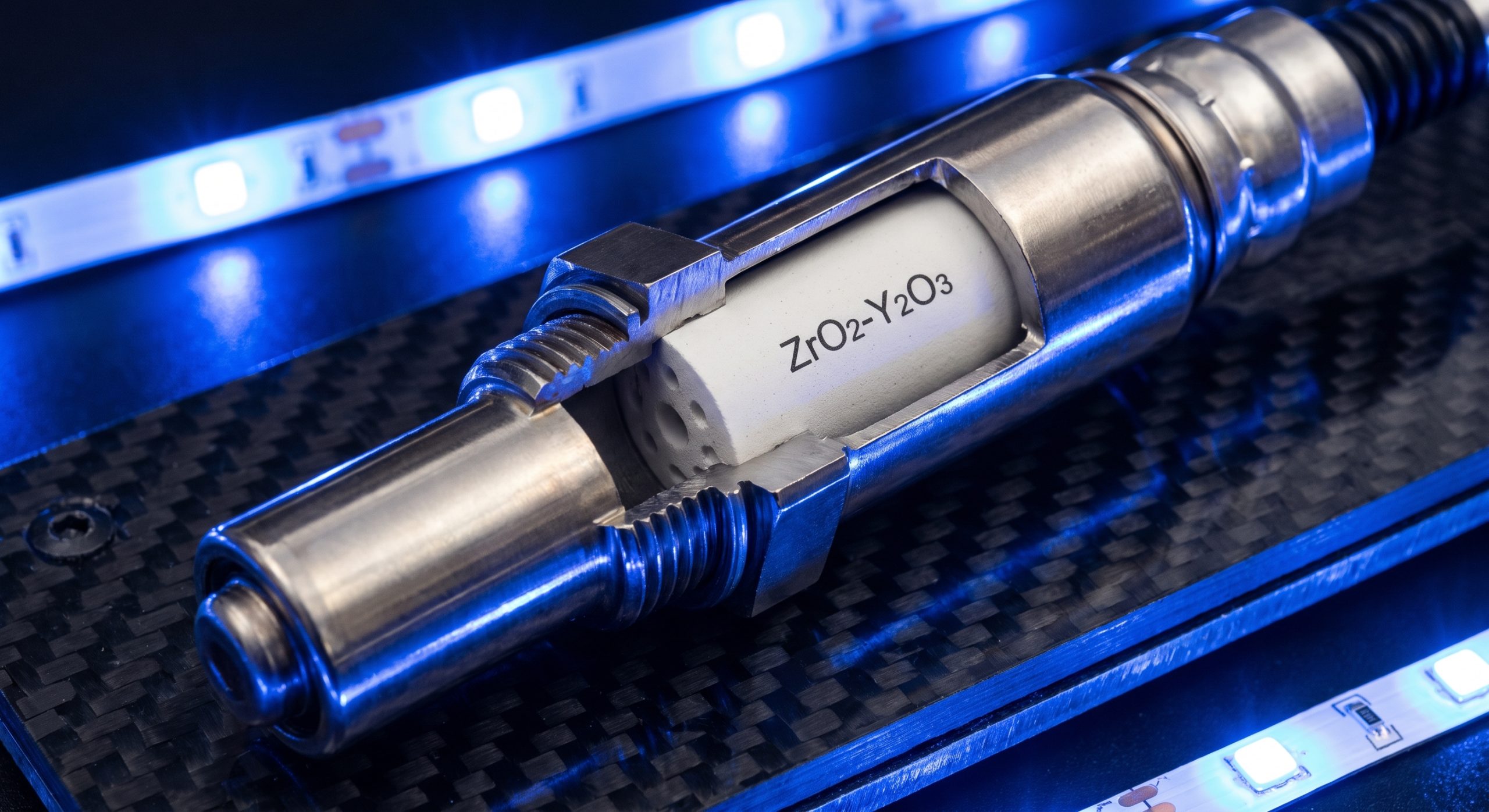
Yes, yttria stabilized zirconia is highly durable and resists abrasive wear, sliding friction, and heavy impact loads over millions of operating cycles. With a high Mohs hardness of 8.5 and a very low friction coefficient when polished, it minimizes surface degradation under continuous mechanical stress. This makes it an ideal material for protective liners and industrial components. It excels where metal parts would quickly wear down and fail.
Its tough grain structure resists micro-cracking under heavy cyclic loads. This structural resilience ensures your machinery parts maintain their exact dimensions and continue running smoothly.
High Hardness and Low Friction
How does this material reduce wear in your sliding-contact applications? Its polished, non-porous surface reduces friction and prevents abrasive debris from scoring the material.
- Vickers Hardness of 12 GPa: Provides outstanding resistance to scratches and gouges.
- Low Sliding Friction: Lowers heat generation and reduces energy loss in rotating machinery.
Think about it: a material that resists scratching under high-pressure contact is essential for long-term mechanical reliability.
Handling Dynamic Impact Loads
Can your components survive sudden, heavy impacts? While typical ceramics shatter under dynamic shocks, YSZ’s unique transformation toughening acts as a built-in energy absorber.
But that is not all. It acts as a powerful barrier that prevents micro-cracks from growing under repetitive stress.
- Cyclic Fatigue Resistance: Prevents wear-induced failure in high-speed reciprocating systems.
- Dynamic Shock Cushioning: Absorbs mechanical energy to protect the component’s core.
Key Takeaway: Upgrading your wear parts to YSZ ensures long-term dimensional stability and reduces downtime, saving you money on frequent replacements.
| Material under Evaluation | Sliding Wear Rate (mm³/N·m) | Vickers Hardness (GPa) | Friction Coefficient (vs. Steel) | Impact Resistance Rating |
|---|---|---|---|---|
| YSZ (3YSZ Grade) | <10⁻⁷ | 12.0 – 12.5 | 0.25 – 0.30 | Exceptional / High Elastic Limit |
| Alumina (Al₂O₃, 99%) | ≈10⁻⁶ | 15.5 – 16.5 | 0.35 – 0.40 | Moderate / Brittle Cleavage |
| Tungsten Carbide (Co-bonded) | ≈10⁻⁷ | 14.0 – 18.0 | 0.20 – 0.25 | High / Metallic Matrix |
This tribological comparison shows how YSZ delivers steel-like wear protection and low friction to keep your machinery running longer.
Can Yttria Stabilized Zirconia Endure Extreme Heat?
Yes, yttria stabilized zirconia is an outstanding refractory material that maintains its mechanical integrity and acts as an exceptional thermal barrier up to temperatures exceeding 1500°C. With a melting point over 2700°C and incredibly low thermal conductivity, it prevents heat from damaging underlying metallic parts. This makes it highly valued as a thermal protective coating in aerospace and industrial furnace environments. It provides unmatched thermal protection where other materials would quickly melt or crack.
Its thermal expansion rate is also close to ferritic steels and metallic superalloys. This thermal compatibility prevents delamination and cracking at the interface during rapid temperature shifts.
High Temperature Insulation
Why is this ceramic such an effective thermal insulator? It features low phonon transport, which naturally blocks the flow of heat through its crystal lattice.
- Melting Point over 2700°C: Allows the material to survive in the hottest combustion zones.
- Low Thermal Conductivity: Provides outstanding thermal protection for metal turbine components.
Let’s face it: keeping heat away from critical structural metals is key to extending the life of your equipment.
Thermal Expansion Matching
How does this material handle rapid thermal cycles without cracking? Its coefficient of thermal expansion is very close to common industrial steels, preventing high internal stresses.
Here is the kicker: matching the thermal expansion of your ceramic and metal parts prevents them from separating during intense heat cycles.
- Thermal Expansion Compatibility: Matches the thermal expansion of ferritic steels to prevent cracking.
- Thermal Shock Resistance: Withstands sudden temperature drops without structural failure.
Key Takeaway: Using this ceramic as a thermal barrier allows you to run your systems at higher temperatures, boosting efficiency while protecting your metal parts.
| Thermal Performance Metric | Value Range (YSZ – 3YSZ) | Value Range (YSZ – 8YSZ) | Reference Alumina (99.5%) |
|---|---|---|---|
| Melting Point | 2700°C | 2700°C | 2050°C |
| Max Continuous Use Temp | 1500°C | 1700°C | 1650°C |
| Thermal Conductivity (RT) | 2.2 W/m·K | 1.9 W/m·K | 28.0–32.0 W/m·K |
| CTE (25°C–1000°C) | 11.0 × 10⁻⁶/°C | 10.5 × 10⁻⁶/°C | 8.2 × 10⁻⁶/°C |
These advanced thermal properties make YSZ an outstanding thermal barrier, shielding critical metal parts from intense operating heat.
How Is Yttria Stabilized Zirconia Formed and Sintered?
Manufacturing dense, defect-free parts from raw yttria stabilized zirconia requires precise control over each step, from powder compaction to high-temperature thermal sintering. The raw powder is first shaped using techniques like dry pressing, cold isostatic pressing, or ceramic injection molding to create a “green” body. This green part is then fired in a high-temperature kiln, where atomic diffusion fuses the particles together. This process eliminates internal pores and creates a solid, high-density ceramic.
During the sintering process, the part undergoes a predictable volumetric shrinkage of 15% to 22%. Managing this shrinkage is critical to achieving the exact dimensions your application requires.
Molding Complex Parts
How do you achieve highly complex geometries with this ceramic material? You can use specialized forming techniques to shape the unfired powder into intricate components before sintering.
- Cold Isostatic Pressing: Delivers uniform density and reduces internal defects.
- Ceramic Injection Molding: Perfect for automated, high-volume production of small, intricate parts.
Think about it: shaping parts in their soft, unfired state makes machining much easier and more cost-effective.
High-Temperature Sintering
What happens inside the kiln during high-temperature thermal treatment? As the temperature rises to between 1350°C and 1550°C, atomic diffusion drives out pores and fuses the particles.
But that is not all. It eliminates raw porosity, transforming the chalk-like green body into an incredibly dense, solid ceramic.
- Solid-State Sintering: Closes internal voids through atomic-level material transport.
- Shrinkage Control: Requires precise temperature profiles to manage the 15% to 22% dimensional change.
Key Takeaway: Partnering with a manufacturer who has mastered sintering and shrinkage control ensures your finished ceramic parts match your exact dimensional tolerances, preventing installation issues.
| Forming / Molding Route | Target Geometric Complexity | Tooling Investment Cost | Green Density Uniformity | Typical Production Volume |
|---|---|---|---|---|
| Dry Pressing | Low (simple disks, plates, rings) | Moderate | Moderate | High to Very High |
| Cold Isostatic Pressing | Medium (crucibles, rods, tubes) | Low to Medium | Outstanding | Low to Medium |
| Ceramic Injection Molding | High (gears, small complex parts) | Very High | Excellent | High Volume (automated) |
| Gel Casting / Slip Casting | High (custom prototype parts) | Low | Good | Low / Prototyping |
Understanding these different fabrication methods helps you choose the most cost-effective and precise manufacturing path for your custom components.
Where Is Yttria Stabilized Zirconia Deployed Today?
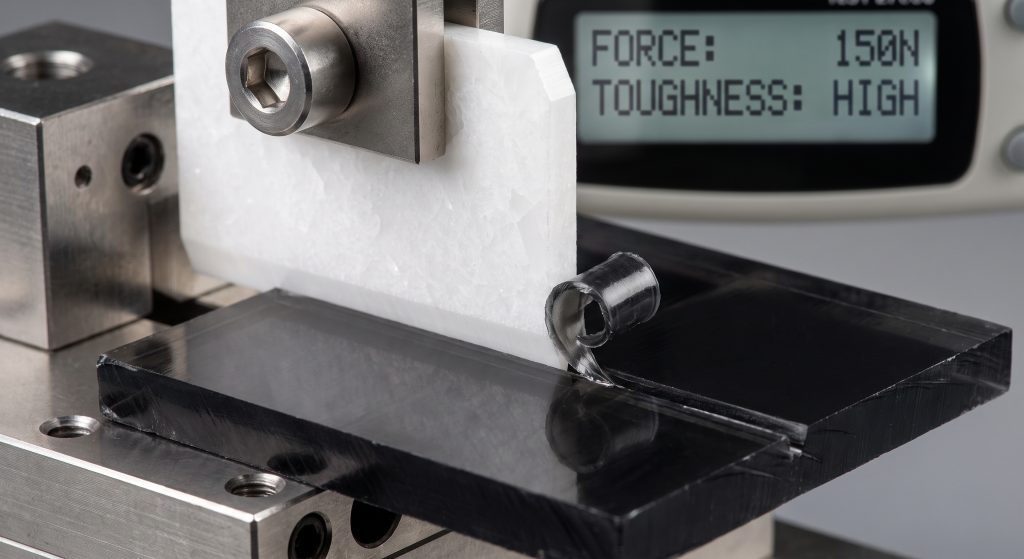
You will find yttria stabilized zirconia deployed across a wide range of industries, including chemical processing, advanced energy systems, aerospace, and precision medical dentistry. Its outstanding wear resistance, chemical stability, and bio-inertness make it the ideal choice for demanding applications. From high-pressure pump valves to natural-looking dental implants, this material excels in harsh environments. It continues to replace traditional metals and weaker plastics in critical applications.
In energy production, its high oxygen-ion conductivity allows it to serve as an exceptional electrolyte in solid oxide fuel cells. This versatility makes it one of the most widely used advanced ceramics on the market.
Chemical and Industrial Processing
How does this material cut costs in aggressive chemical systems? Its outstanding resistance to acid corrosion and wear makes it perfect for pump liners, valves, and extrusion dies.
- Corrosion-Proof Components: Resists chemical attack in highly acidic and abrasive environments.
- Non-Magnetic Bearings: Ensures smooth, interference-free operation in sensitive equipment.
Think about it: replacing corroded metal valves with chemically inert YSZ parts can double the lifespan of your fluid systems.
Medical and Energy Systems
Why is this ceramic so essential for next-generation dental restorations and green energy systems? In dentistry, it offers a natural, tooth-colored appearance combined with outstanding biocompatibility, while in energy systems, it excels as an ion-conducting membrane.
Here is the kicker: 8YSZ’s ability to conduct oxygen ions at high temperatures is the key enabling technology behind modern solid oxide fuel cells.
- CAD/CAM Dental Restorations: Allows you to mill highly precise, durable crowns and bridges.
- Solid Oxide Fuel Cells (SOFC): Serves as the vital oxygen-ion conducting electrolyte membrane.
Key Takeaway: Utilizing YSZ in your critical contact zones improves system reliability and boosts performance, helping you stay ahead of the competition.
| Target Industry | Core Application Component | Recommended YSZ Grade | Primary Enabling Property |
|---|---|---|---|
| Chemical Processing | High-pressure valve balls, seats, and liners | 3YSZ | Wear resistance & acid corrosion protection |
| Precision Dentistry | Multi-unit dental bridges and single crowns | 3YSZ / 5YSZ | Biocompatibility, high strength, and aesthetics |
| Energy & Utilities | Solid Oxide Fuel Cell (SOFC) electrolytes | 8YSZ | High-temperature oxygen-ion conductivity |
| Aerospace Propulsion | Gas turbine thermal barrier coatings (TBCs) | 8YSZ | Outstanding thermal insulation & CTE matching |
From industrial manufacturing to advanced clean energy systems, YSZ is the material of choice for solving complex engineering challenges.
Is Yttria Stabilized Zirconia Safe for Medical Devices?
Yes, yttria stabilized zirconia is exceptionally safe, biocompatible, and chemically inert, making it ideal for medical implants and surgical components. It does not release harmful metallic ions or trigger allergic reactions in human tissue, unlike traditional metal alloys. Its smooth, non-porous surface also resists bacterial adhesion, which helps prevent infections in dental and joint implants. This makes it highly trusted by medical device manufacturers worldwide.
Its high chemical inertness ensures it remains completely stable inside the human body over decades of use. This long-term safety profile makes it the premier choice for critical orthopedic and dental implants.
Biocompatibility and Chemical Inertness
Why is this ceramic so safe when placed in contact with living tissue? It is highly resistant to chemical leaching and passes strict cytotoxicity tests with ease.
- Zero Cytotoxicity: Does not irritate or harm living cells or surrounding tissues.
- Low Bacterial Adhesion: Prevents harmful biofilms from forming on implant surfaces.
Think about it: an implant material that works naturally with the body’s tissues is crucial for reducing implant rejection rates.
Suppressing Hydrothermal Aging
How do modern implants survive the warm, humid environment of the human body over long periods? Standard zirconia can undergo slow surface changes in humid conditions, a process known as hydrothermal aging.
But that is not all. Modern medical-grade formulations use optimized stabilizer levels and ultra-fine grains to prevent this aging process.
- Hydrothermal Stability: Protects the implant’s surface from degrading over decades.
- Phase Transformation Resistance: Keeps the tough tetragonal phase stable in humid conditions.
Key Takeaway: Choosing high-purity, medical-grade YSZ components ensures your medical and dental implants remain strong, safe, and reliable for the long haul.
| Evaluated Parameter | Medical Grade YSZ (ISO 13356) | Industrial Grade YSZ | Cobalt-Chrome Implant Alloy |
|---|---|---|---|
| Biocompatibility Index | Bio-inert / Non-cytotoxic | Standard Industrial Grade | Bio-compatible (risk of metal allergy) |
| Bacterial Adhesion Rate | Extremely low | Low | Moderate |
| LTD Resistance (Hydrothermal) | High (stabilized against aging) | Standard / Variable | N/A (no phase transformation) |
| Chemical Solubility / Leach | <10 μg/cm² | <50 μg/cm² | Trace metal ion release possible |
These strict biological and chemical safety ratings demonstrate why YSZ is the material of choice for high-reliability medical implants.
What Is Next for Yttria Stabilized Zirconia Innovations?
The future of yttria stabilized zirconia lies in nanostructured grain refinement, advanced 3D printing techniques, and co-stabilized composites that deliver even higher fracture toughness. Material science research is continuously pushing the boundaries of what this ceramic can achieve. By reducing grain sizes to the nanoscale, researchers are unlocking higher mechanical strength and better resistance to hydrothermal aging. This paving the way for next-generation applications.
These continuous material innovations are opening up exciting new possibilities, from 3D-printed custom implants to highly efficient micro-fuel cells. This ensures YSZ remains at the cutting edge of industrial materials technology.
Nanotechnology and Co-Stabilization
How do nanoscale structures improve the performance of your ceramic parts? Reducing the grain size below 100 nm increases hardness and prevents cracks from forming.
- Nanostructured Grains: Dramatically increases mechanical strength and wear resistance.
- Co-Stabilized Composites: Combines yttria with alumina or ceria to prevent hydrothermal aging.
Think about it: engineering the material at the nanoscale allows you to achieve performance levels that were once thought impossible.
Ceramic Additive Manufacturing
How will ceramic 3D printing change the way you design and manufacture custom components? New additive manufacturing methods allow you to print complex geometries directly, without the need for expensive tooling.
Here is the kicker: 3D printing eliminates the material waste associated with traditional machining, making custom parts far more affordable.
- Stereolithography Printing: Enables the fabrication of highly intricate, customized geometries.
- Rapid Prototyping: Allows you to test and refine your designs in days rather than months.
Key Takeaway: Staying up to date with these advanced ceramic technologies allows you to design next-generation products with complex shapes and superior performance.
| Emerging Technology | Technical Challenge | Current Development Stage | Expected Industry Impact |
|---|---|---|---|
| 3D Printing (Stereolithography) | Eliminating micro-voids and micro-cracking during binder burnout | Pilot / Early Commercialization | Enables the fabrication of complex, customized geometries |
| Nanocrystalline YSZ | Controlling grain growth during high-temperature sintering | Advanced Lab Phase | Significantly increases strength and wear resistance |
| Ceria-Yttria Co-stabilization | Balancing mechanical strength with aesthetics and translucency | Commercial Roll-out | Eliminates hydrothermal aging in medical implants |
These emerging innovations will continue to push the performance boundaries of YSZ, keeping it at the forefront of advanced materials engineering.
Conclusion
Modern industrial applications demand materials that can survive extreme wear, high heat, and intense mechanical stress without failing. Standard materials often fall short, leading to expensive downtime, broken machinery, and lost production. Throughout this article, we have explored how yttria-stabilized zirconia (YSZ) solves these critical challenges through its unique phase transformation toughening, outstanding thermal insulation, and exceptional chemical stability. At ZrBrontec, we specialize in delivering precision-engineered ceramic solutions tailored to your exact operational needs. Whether you require high-wear structural parts, advanced dental blanks, or custom-machined industrial components, our engineering team is here to help you select the optimal material formulation and shape for your application. We invite you to contact us today to discuss your technical challenges and discover how our high-performance zirconia ceramics can drive efficiency and reliability in your operations. Let us work together to build a more durable, reliable, and high-performing future for your business.
Technical FAQ
Can I use 3YSZ in electrical conduction applications?
No, 3YSZ is optimized for high-strength structural applications and has very low electrical conductivity. If you need a ceramic for electrical or oxygen-ion conduction, you should use 8YSZ instead. The higher yttria concentration in 8YSZ creates oxygen vacancies that allow ions to flow freely at high temperatures, making it the ideal choice for fuel cell electrolytes.
What’s the best way to machine YSZ parts?
The best way is to machine them while they are still in the soft “green” or partially sintered “brown” state. In these states, the ceramic behaves like chalk and can be easily milled, turned, or drilled using standard CNC tools. After machining, the parts are sintered at high temperatures to reach their final density, undergoing a predictable shrinkage of 15% to 22%.
How do I know if hydrothermal aging will affect my YSZ components?
You need to evaluate if your parts will be exposed to warm, humid environments (such as steam, water, or bodily fluids) over long periods under stress. If your application involves these conditions, you should select a high-purity, fine-grained, or co-stabilized grade of zirconia. These specialized formulations are engineered to resist hydrothermal aging, ensuring your components remain stable and reliable.
Can I coat YSZ directly onto steel components?
Yes, you can apply YSZ as a coating, and it performs exceptionally well due to its unique thermal properties. YSZ’s coefficient of thermal expansion is very close to ferritic steels and metallic superalloys, which prevents high internal stresses at the interface during heating and cooling cycles. This thermal compatibility makes YSZ highly successful as a thermal barrier coating (TBC) on metallic engine and turbine parts.
How do I choose between alumina and YSZ for high-wear parts?
You should base your choice on whether your application involves heavy impacts or dynamic shocks. While alumina is harder and cheaper, it is also brittle and prone to cracking under sudden mechanical loads. YSZ, with its steel-like fracture toughness and phase transformation toughening, is the superior choice for high-impact, high-stress environments where alumina would fail.