
Yttria stabilized zirconia is the ultimate high-performance technical ceramic engineered to survive extreme thermal stress, corrosive environments, and intense mechanical wear across modern B2B industries. In high-heat and high-friction applications, standard metal and ceramic components frequently fail, leading to catastrophic equipment downtime and compromised production quality. When a critical structural component fails under extreme operational loads, the financial damage compounds rapidly through wasted material, emergency maintenance fees, and missed client deadlines. Fortunately, choosing a premium yttria stabilized zirconia solution provides the exceptional fracture toughness, thermal shock resistance, and chemical stability required to eliminate unexpected failures and extend component lifetimes.
What Is Yttria Stabilized Zirconia and Its Composition?
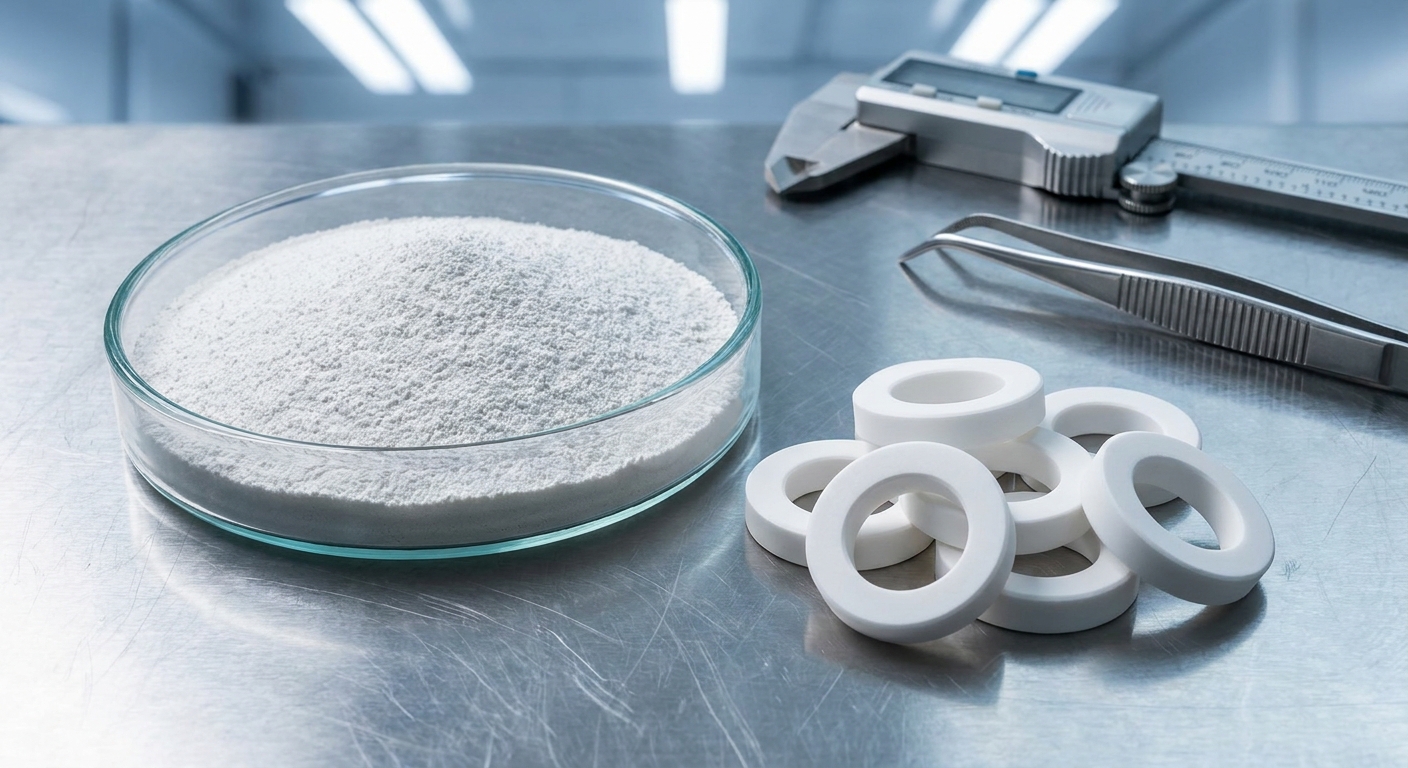
This advanced industrial material is a highly stable zirconium oxide crystal lattice doped with yttrium oxide to prevent catastrophic thermal deformation. By replacing zirconium ions with yttrium ions, manufacturers can successfully lock the ceramic into high-performance structural phases at room temperature. Utilizing premium yttria stabilized zirconia ensures your systems benefit from isotropic physical properties and reliable batch consistency. This chemical engineering breakthrough provides the foundation for modern high-wear industrial applications.
Understanding Phase Transformations and Stabilization
Pure zirconium dioxide shifts structurally from monoclinic to tetragonal and cubic phases as operational temperatures rise. Why does this matter?
- Monoclinic phase: Stable up to 1173°C, but highly brittle and prone to failure.
- Tetragonal phase: Stable from 1173°C to 2370°C, providing the highest mechanical strength.
- Cubic phase: Stable above 2370°C, providing exceptional thermal and electrical resistance.
Here is the thing: without stabilizers, cooling causes a 4% volume contraction that cracks your components instantly. Adding yttrium oxide resolves this issue permanently.
The Crucial Role of Yttria Doping Levels
Selecting the correct percentage of stabilizer dictates whether your component acts as a high-strength wear part or a thermal barrier. You can utilize different formulations depending on your specific thermal and load constraints.
- Partially Stabilized (PSZ): Typically contains 3-4 wt.% yttria for optimum fracture toughness.
- Fully Stabilized (FSZ): Typically contains 8-10 wt.% yttria for high-temperature stability.
But that’s not all: this subtle chemical tuning lets you tailor structural parts precisely to your operational requirements. ZrBrontec helps you learn how to select the right zirconia structural components using 3y 4y and 5y grades for stable processing.
| Phase Type | Stabilizer Content | Primary Crystal Structure | Thermal Conductivity |
|---|---|---|---|
| Monoclinic | 0 wt.% | Unstabilized | ~2.5 W/mK |
| Tetragonal (TZP) | 3 – 5 wt.% | Partially Stabilized | ~2.0 W/mK |
| Cubic (CSZ) | 8 – 10 wt.% | Fully Stabilized | ~1.8 W/mK |
This phase mapping demonstrates that selecting the correct yttria stabilizer concentration directly controls the final mechanical and thermal performance of your components.
Key Takeaway: Understanding these phase transitions prevents catastrophic component breakage and helps you choose the perfect material grade for high-heat applications.
How Does Yttria Stabilized Zirconia Prevent Micro-Cracking?
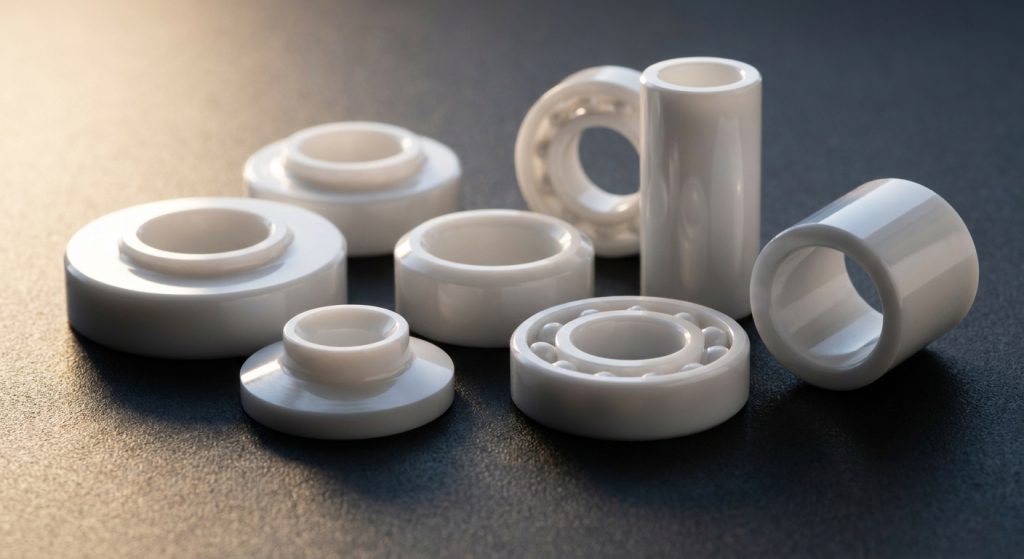
The secret to this material’s durability lies in a unique crystallographic phenomenon called transformation toughening, which actively arrests cracks under physical stress. Unlike standard brittle ceramics, yttria stabilized zirconia changes its crystal structure locally to clamp propagating fractures. This mechanical buffer ensures high structural reliability in intense high-pressure systems. Implementing these tough materials protects your high-stress assemblies from sudden impact failures.
The Mechanics of Transformation Toughening
When a micro-crack begins to form, localized tensile stress triggers a phase transition at the crack tip. Why does this matter?
- Phase Shift: The metastable tetragonal phase shifts to the monoclinic phase.
- Volume Expansion: The shifting grains expand by 4% to absorb energy.
- Clamping Force: This volumetric growth creates compressive stress that squeezes the crack shut.
It gets better: this self-arresting behavior behaves much like a self-healing metal, preventing catastrophic failure. You can learn more about this by exploring what makes zirconia ceramic so tough and reliable in engineering.
Achieving Superior Flexural Strength
By maintaining a fine tetragonal grain structure, the material consistently delivers massive flexural strength. You can deploy these parts in high-vibration systems without worrying about fatigue.
- Mechanical Strength: Flexural ratings range from 900 to 1200 MPa.
- High Fracture Toughness: Outperforms alumina under severe mechanical impacts.
Here is the thing: optimizing your design around zircon-based engineered components reduces maintenance cycles. Our engineers can guide you on how to integrate zirconia ceramic into high-stress applications to maximize reliability.
| Mechanical Property | Alumina ($Al_2O_3$) | Silicon Carbide (SiC) | Partially Stabilized YSZ |
|---|---|---|---|
| Flexural Strength (MPa) | 300 – 400 | 400 – 500 | 900 – 1200 |
| Fracture Toughness ($MPa \cdot m^{1/2}$) | 3.5 – 4.0 | 3.0 – 4.5 | 7.0 – 10.0 |
| Density (g/cm³) | 3.95 | 3.10 | 6.05 |
Comparing these values proves that partially stabilized zirconia provides an unparalleled combination of metallic-like toughness and ceramic hardness.
Key Takeaway: Leveraging transformation toughening allows you to replace failure-prone metal parts with high-strength structural ceramics.
How Does Yttria Stabilized Zirconia Protect Engine Systems?
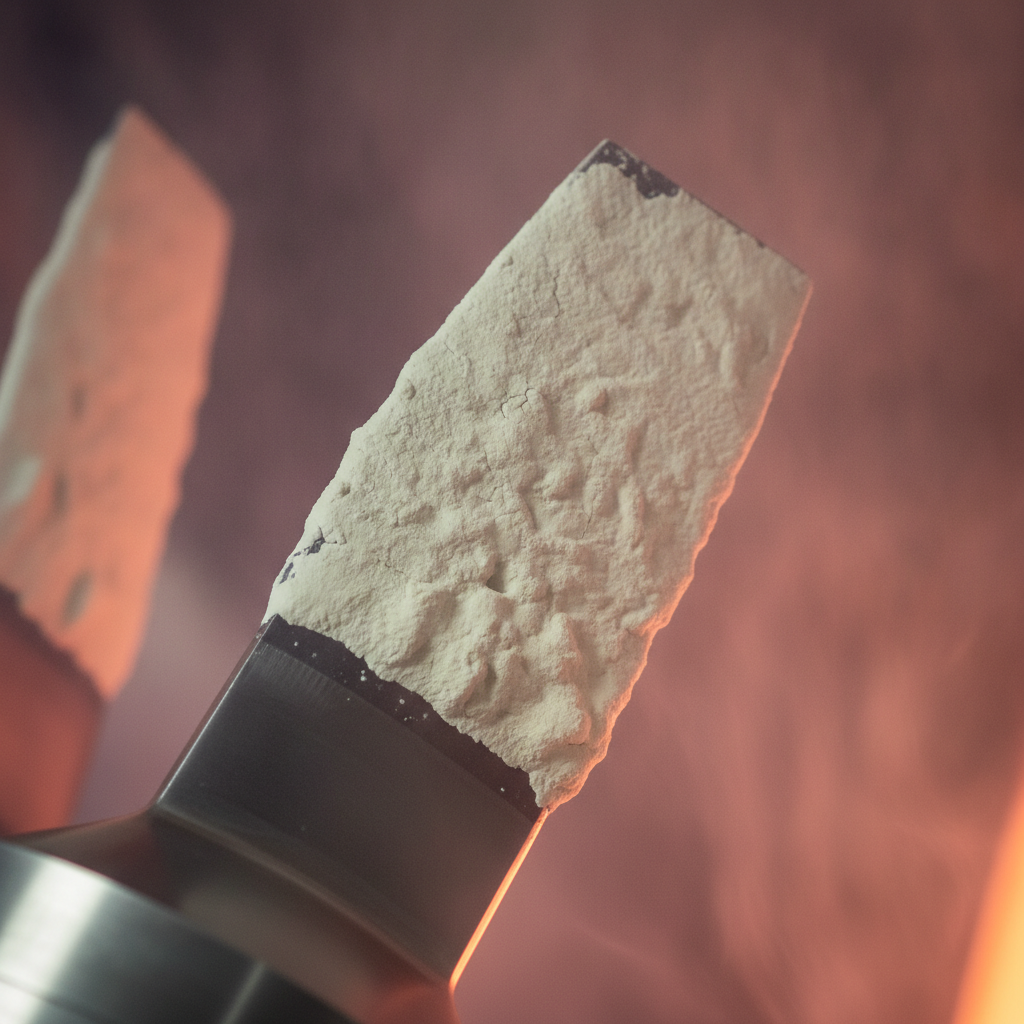
The material acts as a high-efficiency thermal barrier coating (TBC) that keeps metal turbine blades from melting under extreme combustion heat. By applying a thin insulating layer, aerospace engineers can run turbine engines far above standard metal limits. Choosing high-purity yttria stabilized zirconia protects your assemblies from rapid thermal cycling. This thermal shield is crucial for maintaining mechanical stability and boosting fuel efficiency.
Insulating Coatings in Advanced Gas Turbines
Modern engines require robust insulation because burning jet fuel temperatures exceed superalloy melting thresholds. Why does this matter?
- Ultra-Low Thermal Conductivity: Limits raw heat transfer to 2.0–3.0 W/mK.
- Coefficient Matching: High thermal expansion matches the metal base.
- Low Component Weight: Lightweight coatings reduce centrifugal fatigue on rotating blades.
But that’s not all: matching the thermal expansion prevents peeling and thermal cracking. You should review how to design zirconia structural components that survive temperatures above 1500c to see how these dynamics work.
Plasma Spraying and Columnar Microstructures
To achieve high strain tolerance, molten ceramic particles are sprayed onto substrates to create precise, vertically aligned columnar microstructures. You will find that this unique structure expands and contracts during flight cycles without cracking.
- Rapid Cooling Adhesion: Creates highly flexible, shock-absorbing vertical columns.
- Overspray Challenges: Up to 80% of valuable powder is lost as booth dust.
Here is the deal: reclaiming this high-value powder from the spray booth is critical to lowering your manufacturing costs. For more information, you can browse ZrBrontec’s premium zirconia materials section.
| Coating Property | Typical Target Value | Impact on Turbine Components |
|---|---|---|
| Thermal Conductivity | 2.0 – 2.5 W/mK | Reduces base metal temperature by up to 300°C |
| Thermal Expansion | ~11.5 × 10^-6 /K | Minimizes interface shear stresses during cycles |
| Density | 6.0 g/cm³ | Keeps centrifugal loads within safe limits |
This structural layering shows how thermal barrier coatings allow jet engines to operate at optimal, ultra-high temperatures.
Key Takeaway: Implementing YSZ thermal barrier coatings dramatically increases turbine efficiency while protecting critical superalloy components from thermal fatigue.
Why Does Yttria Stabilized Zirconia Exhibit Ionic Conductivity?
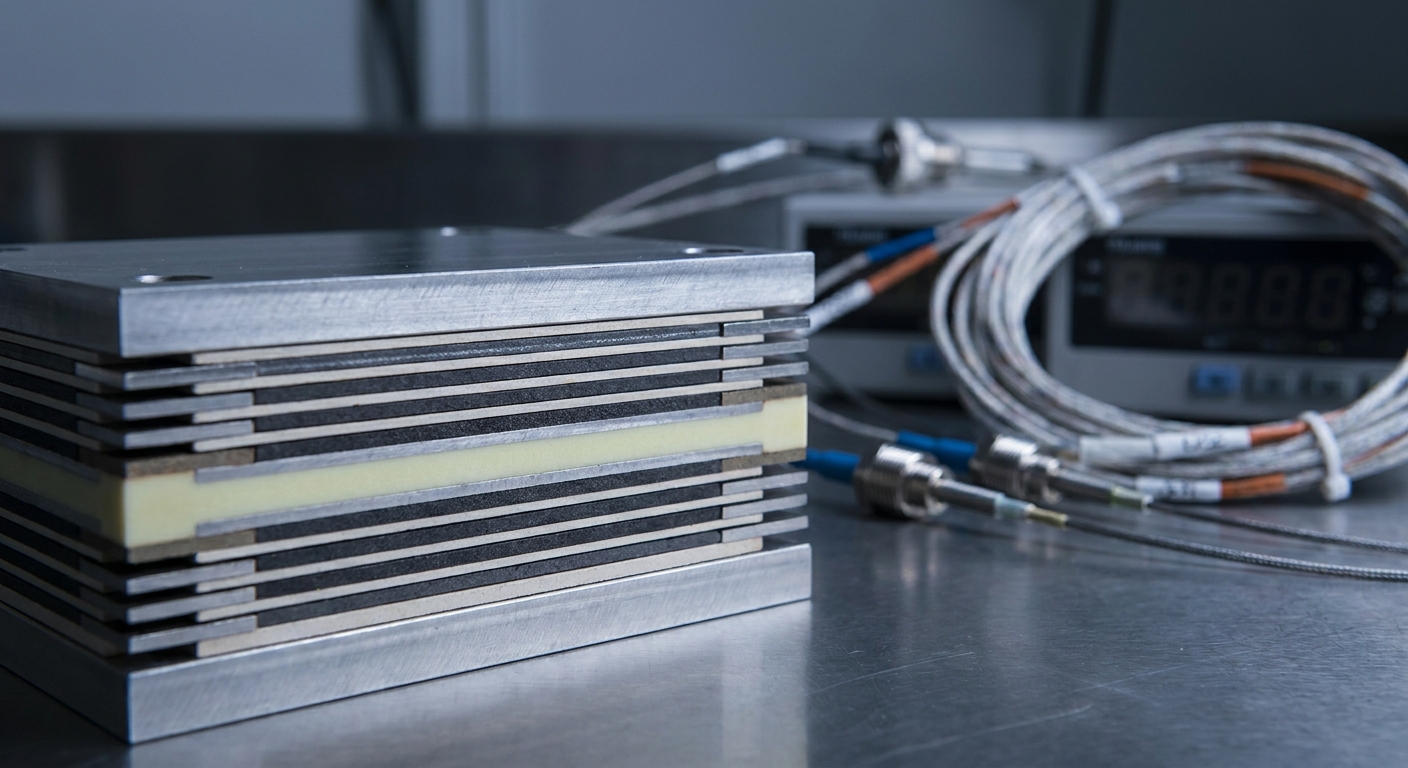
This specialized material conducts electricity via the movement of oxygen ions at high temperatures, making it an excellent solid-state electrolyte. By generating empty oxygen sites within the crystal lattice, the ceramic acts as a highly selective pathway for ionic currents. Using high-performance yttria stabilized zirconia allows you to build cleaner, more efficient energy conversion systems. This physical property is the foundation for solid oxide fuel cells (SOFCs) and oxygen sensors.
The Mechanics of Oxygen Vacancies
Substituting zirconium atoms with yttrium atoms leaves vacant oxygen sites inside the crystalline structure. Think about it: how does a ceramic function as a solid-state highway for electrical current?
- Charge Neutrality: Doping with trivalent yttrium generates vacant oxygen positions.
- Thermally Activated Transport: Oxygen ions hop through these vacancies at high temperatures.
- Electronic Insulation: The material remains completely non-conductive to free electrons.
Why does this matter? This unique combination allows you to extract electrical energy directly from chemical fuels. You can examine this mechanism in detail on the ZrBrontec zirconia materials guide.
Core Applications in Fuel Cells
In solid oxide fuel cells, a thin ceramic membrane separates hydrogen fuel from air while allowing oxygen ions to migrate. You must ensure the membrane is extremely thin to minimize internal resistance.
- Thin Electrolyte Films: Typically engineered down to just 10 μm thick.
- Gas Tight Density: Relative densities over 98% prevent fuel and air leaks.
It gets better: these durable solid-state fuel cell systems require no liquid corrosive chemicals. If you need help with custom specifications, you can contact the team through our contact us portal.
| Temperature Range | Ionic Conductivity | Mechanical Behavior | Primary Use Case |
|---|---|---|---|
| Below 600°C | Negligible | Pure Structural Insulator | Wear Components |
| 700°C – 800°C | Moderate (0.01 – 0.05 S/cm) | Highly Stable | Intermediate SOFCs |
| 900°C – 1000°C | High (0.10 – 0.20 S/cm) | High Thermal Expansion | High-Performance Fuel Cells |
This conductivity profile highlights that YSZ solid electrolytes must operate in elevated temperature windows to maximize electrical efficiency.
Key Takeaway: Fully stabilized cubic zirconia provides the high vacancy density required to drive clean energy generation in fuel cell systems.
Can Yttria Stabilized Zirconia Toughen Alumina Ceramics?
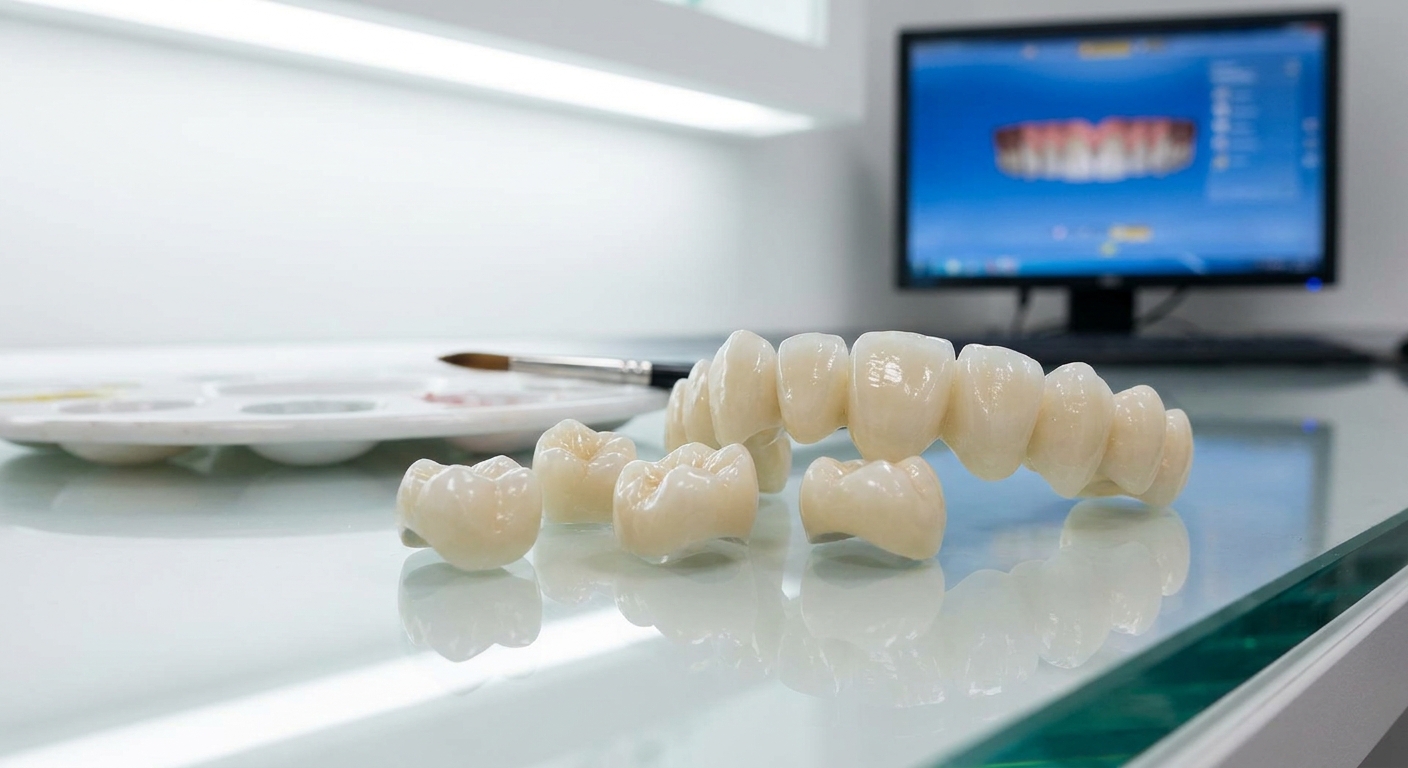
Yes, dispersing this material within an alumina matrix creates Zirconia Toughened Alumina (ZTA), which is a composite with double the fracture toughness of pure alumina. The microstructural interaction between the two phases prevents cracks from propagating under intense impact loads. Integrating premium yttria stabilized zirconia into your alumina formulations guarantees high operational uptime. This composite approach is perfect for heavy-duty industrial wear components.
Developing ZTA Composites for Tough Environments
When fine zirconia grains are dispersed throughout the alumina matrix, they absorb crack energy through local phase shifts. Why does this matter?
- Refined Grain Growth: Zirconia stops alumina grains from growing too large.
- Energy Dissipation: Micro-cracks around zirconia particles deflect primary crack tips.
- Enhanced Hardness: Keeps the high surface hardness of alumina intact.
But that’s not all: this combined effect increases the overall bending strength of your parts by up to 90%. For raw material options, check out the ZrBrontec zircon powder & sand page.
Boosting Lifespans in Industrial Machinery
By upgrading to ZTA machine parts, you can easily double the operating lifespan of your high-wear systems. You will see a major drop in maintenance costs and downtime in abrasive environments.
- Tooling Inserts: Delivers excellent chip resistance during high-speed metal cutting.
- Pump Plungers: Resists high-pressure sliding friction and abrasive slurry wear.
Here is the thing: choosing ZTA components ensures your machinery operates flawlessly in acidic and basic environments. You can learn how to optimize your systems with ZrBrontec’s zircon-based engineered components.
| Ceramic Composition | Relative Density | Vickers Hardness | Bending Strength Increase |
|---|---|---|---|
| Pure Alumina ($Al_2O_3$) | 96.5% | 15 GPa | Baseline (0%) |
| 80% Alumina / 20% YSZ | 98.5% | 17 GPa | +90% Bending Strength |
| 60% Alumina / 40% YSZ | 99.0% | 16 GPa | +60% Bending Strength |
This composite data shows that adding 20% stabilized zirconia yields the optimal mechanical blend of extreme hardness and flexural strength.
Key Takeaway: Dispersing YSZ in alumina creates ZTA, providing a cost-effective way to extend the wear life of industrial cutting and pumping machinery.
How Does Laser Treatment Alter Yttria Stabilized Zirconia?
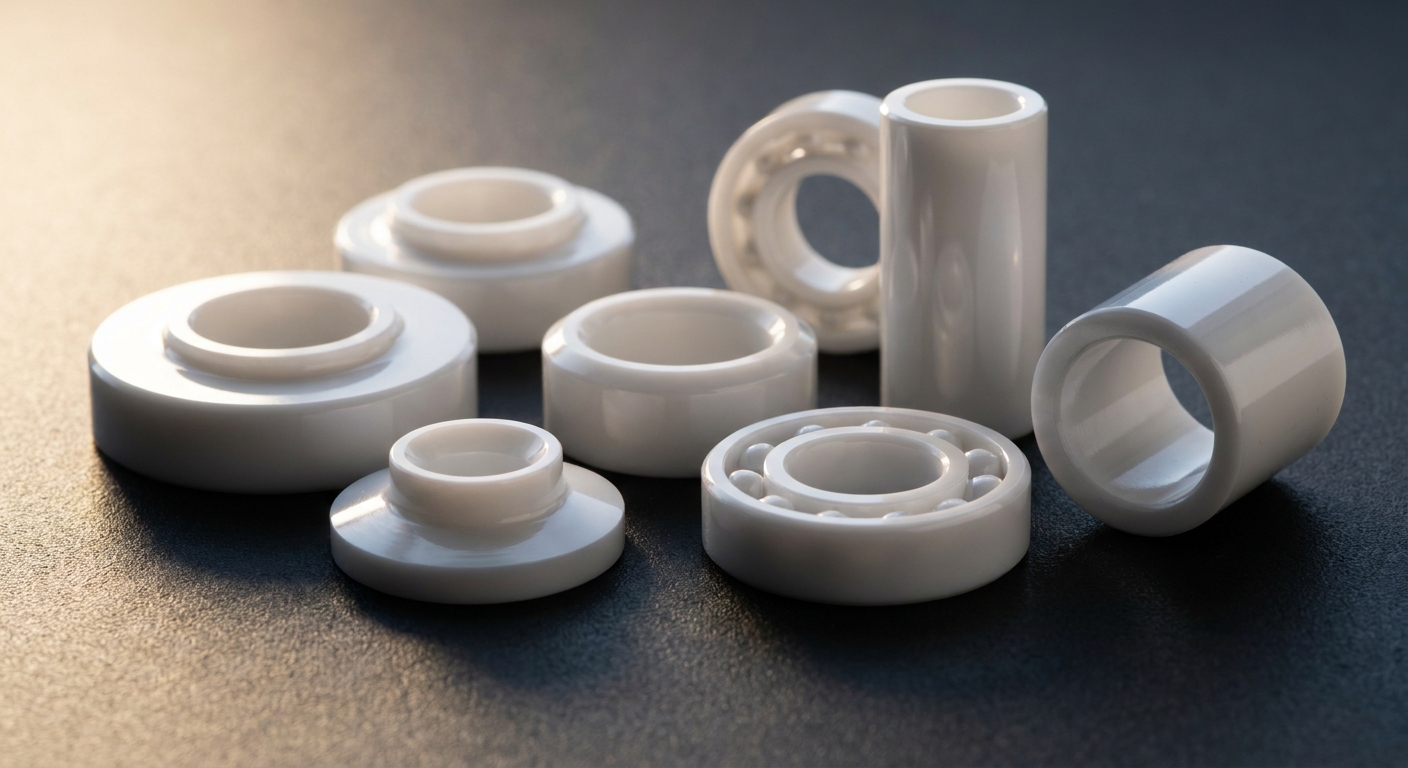
Precision laser texturing modifies the surface energy and roughness of this ceramic to create highly hydrophobic and self-cleaning structures. By micro-machining the surface using ultra-short laser pulses, engineers can modify the wetting behavior without altering the bulk mechanical properties. Using treated yttria stabilized zirconia prevents chemical fouling and liquid adhesion in complex processing systems. This surface tuning process unlocks exciting opportunities for medical and advanced industrial applications.
Creating Hydrophobic Micro-Textures
Laser ablation vaporizes thin layers of ceramic to form precise microscopic grooves and grid patterns. Why does this matter?
- Air Pocket Trapping: Water droplets rest on air cushions in the micro-grooves.
- Wetting Phase Shift: Transforms hydrophilic surfaces into water-repelling barriers.
- Self-Cleaning Qualities: Rolling water droplets easily sweep away surface dust.
Here is the deal: using femtosecond lasers is critical to avoid micro-cracks during processing. You can see how this technique compares to other surface treatments by reviewing our what future innovations are driving zirconia ceramic technology guide.
Managing Residual Thermal Stress
The extreme heating and cooling rates during laser texturing can build up dangerous tensile stresses on the ceramic surface. You must implement post-treatment annealing to restore the material’s original mechanical strength.
- Laser Glazing: Melts the outer surface to seal micro-pores.
- Post-Annealing: Relieves internal stresses to preserve high fracture toughness.
It gets better: laser nitriding in nitrogen gas forms an ultra-hard, gold-colored zirconium nitride outer layer. You can find out more about hard wear parts by reading our how to replace metal components with zirconia ceramic successfully article.
| Laser Regime | Main Material Impact | Micro-Crack Risk | Surface Hydrophobicity |
|---|---|---|---|
| Nanosecond Laser | High melting and thermal stress | High | Moderate (Irregular) |
| Femtosecond Laser | Cold ablation with zero heat | Extremely Low | Excellent (Precise Patterns) |
| Laser Glazing ($CO_2$) | Surface melting with fine grain | Low (With Preheating) | Low (Polished Finish) |
This processing comparison highlights that femtosecond lasers are the safest tool for texturing ceramics without degrading their structural integrity.
Key Takeaway: Precision laser texturing allows you to engineer self-cleaning, hydrophobic ceramic surfaces, provided you manage residual stresses with correct thermal parameters.
What Technical Limits Exist for Yttria Stabilized Zirconia?
The material suffers from phase decomposition and molten salt corrosion when exposed to continuous temperatures above 1200°C. High heat permits stabilizer ions to migrate, which triggers structural instability during subsequent cooling cycles. Understanding the boundaries of yttria stabilized zirconia is essential to design durable thermal systems. These operational limits must be carefully managed to prevent unexpected component failures.
The Phase Decomposition Issue
Operating above 1200°C allows yttrium ions to slowly diffuse out of the metastable tetragonal phase. Why does this matter?
- Ion Partitioning: The stable phase splits into yttrium-poor and yttrium-rich domains.
- Destructive Cooling: During shutdown, the yttrium-poor domains transform into the brittle monoclinic structure.
- Catastrophic Spalling: This phase transition causes volumetric expansion and extensive cracking.
But that’s not all: this degradation destroys the strain tolerance of your thermal coatings. You should consult our blog to find what makes high-purity zirconia reliable under heat, wear, and stress.
Corrosion by CMAS and Molten Salts
Aircraft engines that ingest volcanic ash, sand, and dust suffer from CMAS (Calcium-Magnesium-Alumina-Silicate) attack at high operating heats. You will find that molten silicates quickly infiltrate and destroy the ceramic coating.
- Silicate Infiltration: Molten dust penetrates the vertical columnar gaps.
- Stabilizer Extraction: The liquid silicate dissolves and removes yttrium from the lattice.
- Loss of Flexibility: The solidified silicate locks the columns, causing the coating to flake off.
Why does this matter? This chemical attack drastically shortens turbine blade lifespans in dusty air corridors. To protect your equipment, learn how to improve heat resistance with zirconia ceramic components.
| Thermal Threat | Activation Temperature | Primary Damage Mechanism | Operational Impact |
|---|---|---|---|
| Thermal Sintering | Above 1100°C | Pore collapse and grain growth | Increased thermal conductivity |
| Phase Decomposition | Above 1200°C | Yttrium migration and monoclinic cracking | Flaking of thermal barrier coat |
| CMAS Attack | Above 1240°C | Molten silicate dissolution of stabilizer | Catastrophic coating spallation |
This threat analysis emphasizes that standard YSZ coatings must be kept below 1200°C to avoid rapid structural degradation.
Key Takeaway: Operating YSZ parts above their thermal limits triggers phase changes and chemical corrosion, requiring advanced cooling or multi-layer barrier designs.
How Can We Recycle Yttria Stabilized Zirconia Materials?
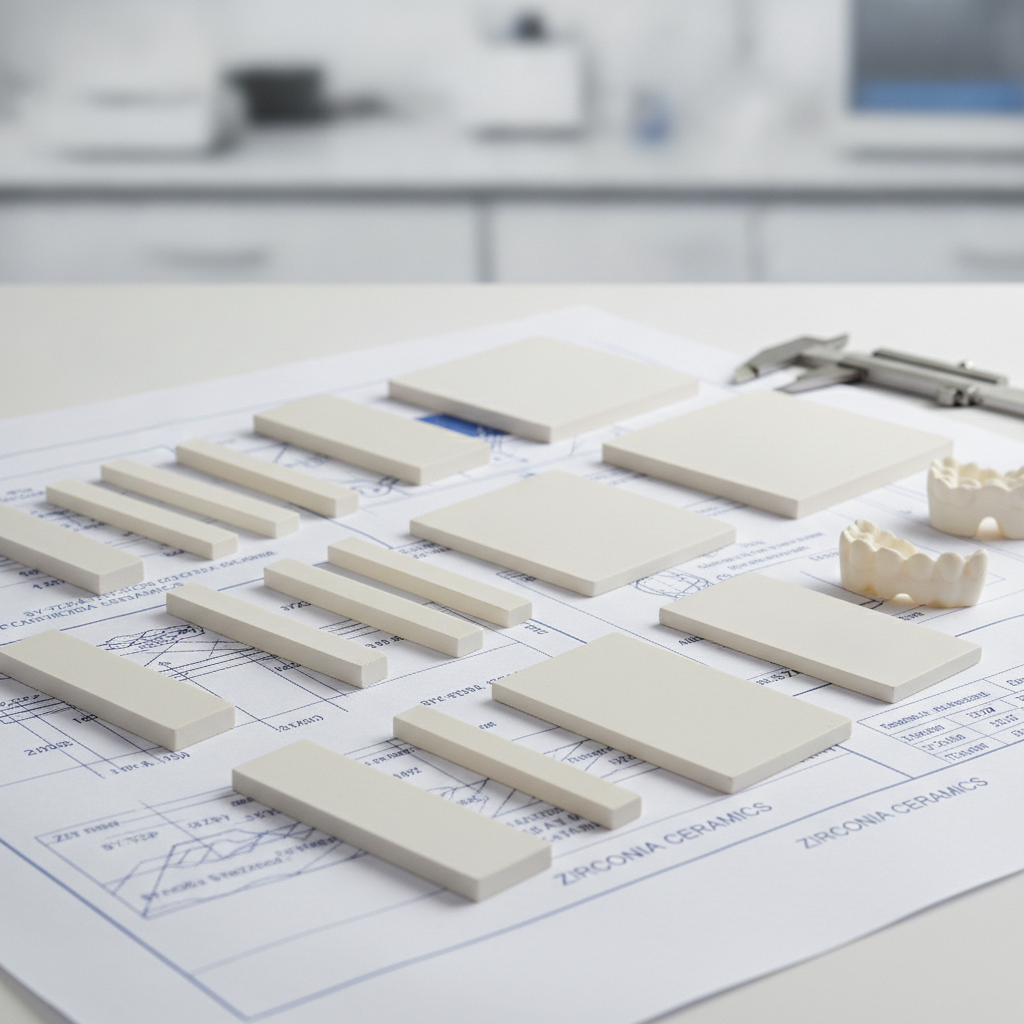
Industrial spray waste can be fully reclaimed and processed back into premium-grade ceramic powders, saving manufacturers money and securing rare earth supply chains. Because up to 80% of feedstock powder is lost as overspray in spray booths, recycling this scrap is highly economical. Using recycled yttria stabilized zirconia reduces your raw material costs while keeping quality standards high. Implementing closed-loop recycling systems is an excellent way to achieve sustainable, lean manufacturing.
The Economics of Powder Recovery
Reclaiming collected spray booth dust provides a valuable source of pre-alloyed ceramic material. Why does this matter?
- Booth Waste Reversion: Reclaims valuable pre-alloyed ceramic powder.
- Supply Chain Security: Reduces dependence on volatile rare earth imports.
- Waste Minimization: Lowers procurement costs in high-volume production lines.
Here is the thing: a zero-waste production line is no longer just a marketing dream; it is an economic necessity. You can see how we optimize processes by visiting our zirconium silicate page.
Restoring Sieve and Size Distributions
To reuse collected powder, you must separate out ablated metals and resize the particles so they flow smoothly through plasma nozzles. This recycling process ensures consistent melting behavior in your spray systems.
- Magnetic Separation: Removes ablated metallic iron and nickel particles.
- Chemical Leaching: Dissolves non-ceramic contaminants without damaging the zirconia.
- Sieve Classification: Restores the narrow particle size range required for spraying.
It gets better: this cleaning process delivers a recycled powder that matches virgin material performance. If you want to improve your production efficiency, you can read our guide on how to improve equipment life using zirconia ceramic components.
| Material Status | Contaminant Content | D50 Particle Size | Sintering Performance |
|---|---|---|---|
| Virgin Powder | < 0.05% | 45 – 75 μm | 100% (Baseline Control) |
| Raw Booth Dust | > 2.50% (Metal) | 10 – 120 μm | Unusable (Clotted Nozzles) |
| Reclaimed Powder | < 0.08% | 40 – 80 μm | 98.5% (Production Approved) |
This process comparison shows how targeted cleaning and resizing restore industrial waste powder to high-grade feedstock specifications.
Key Takeaway: Closed-loop reclamation processes clean and resize plasma spray booth waste, providing a high-grade recycled powder that reduces both raw material costs and import dependency.
Does Nickel Composite Enhance Yttria Stabilized Zirconia?
Yes, combining nickel with this material creates a cermet composite that delivers high electronic conductivity alongside excellent fracture toughness. This metal-ceramic hybrid material is essential for manufacturing robust solid oxide fuel cell anodes. Choosing high-performance yttria stabilized zirconia cermets guarantees long-term durability in hydrogen energy applications. This material blend solves the classic trade-off between metallic conductivity and ceramic heat resistance.
Structuring Ni-YSZ Cermets for Energy Systems
The nickel phase provides electron conduction, while the ceramic phase handles oxygen ion transport and prevents structural collapse. Why does this matter?
- Cermet Synergy: Blends the high ductility of nickel with the heat stability of YSZ.
- Dual Conduction Pathways: Combines electronic and ionic current flows.
- Crack Bridging: Soft nickel grains cross micro-cracks to halt their growth.
Think about it: why choose between metallic conductivity and ceramic heat resistance when you can have both? You can find complete details on our industry page.
Graded Compositions and EB-PVD Processing
By slowly shifting the material ratio from pure metal to pure ceramic, engineers can prevent interface cracking caused by differing thermal expansion rates. You can apply these functionally graded coatings using advanced physical vapor deposition methods.
- Graduated Interfaces: Prevents shear cracking at joint boundaries.
- Thermal Stress Control: Dissipates high temperature gradients across the layer.
But that’s not all: this graduated layer prevents oxygen from corroding the metal substrate beneath. Learn more about customized industrial parts in our zirconia materials section.
| Cermet Ratio (Vol% Ni / Vol% YSZ) | Thermal Conductivity | Electrical Behavior | Common Application |
|---|---|---|---|
| 10% Ni / 90% YSZ | 4.5 – 5.5 W/mK | Insulating ($< 10^{-2}$ S/cm) | Wear Chemical Barriers |
| 40% Ni / 60% YSZ | 12.0 – 15.0 W/mK | Conductive ($> 10^2$ S/cm) | SOFC Anode Active Layers |
| 70% Ni / 30% YSZ | 22.0 – 28.0 W/mK | Metallic ($> 10^4$ S/cm) | High-Adhesion Bond Layers |
This material matrix illustrates how adjusting the nickel-to-ceramic ratio changes the thermal, electrical, and structural properties of the cermet.
Key Takeaway: Blending nickel with yttria stabilized zirconia creates a cermet that combines electronic conductivity and high fracture toughness, while graduated compositions prevent thermal stress failures.
Which Grades of Yttria Stabilized Zirconia Fit Your Needs?
The optimal material grade depends on whether your project requires high flexural strength or specialized thermal insulation and ionic conductivity. Selecting the wrong yttria concentration can lead to early component cracking or insufficient insulation performance. Using verified yttria stabilized zirconia ensures your systems benefit from maximum durability and precise tolerances. Our engineering team can help you select the ideal grade for your operating parameters.
Comparing 3Y, 4Y, and 8Y Formulations
Each commercial grade is tailored to deliver a specific balance of mechanical and physical properties. You should match these grades to the specific stresses of your operating environment.
- 3Y-TZP (3 mol% Yttria): Tetragonal structure with maximum bending strength, perfect for wear parts.
- 8Y-CSZ (8 mol% Yttria): Cubic structure optimized for thermal insulation and oxygen ion transport.
- 4Y / 5Y-PSZ (4-5 mol% Yttria): Balanced blend of strength and light transparency, ideal for dental crowns.
Why does this matter? Selecting the wrong grade can lead to early structural failures or poor insulation. You can read more about choosing supplier partners in our article on how to select a reliable zirconium silicate supplier for stable production.
Mitigating Low-Temperature Hydrothermal Aging
Subjecting tetragonal ceramics to wet steam environments between 60°C and 250°C can cause surface cracking over time. You can prevent this degradation by choosing grades with fine grain boundaries and alumina additives.
- Water Diffusion Protection: Alumina additions block water molecules from entering the crystal lattice.
- Fine Grain Uniformity: Restricting grain size below 1 micron stops surface aging.
But that’s not all: we customize particle distributions and surface finishes to meet your high-pressure steam requirements. Let’s look at our case studies on our case page to see real-world performance metrics.
| Material Grade | Primary Crystal Phase | Bending Strength | Principal Application |
|---|---|---|---|
| 3Y-TZP | Tetragonal | 900 – 1200 MPa | Industrial wear parts and valves |
| 4Y / 5Y-PSZ | Mixed (Cubic + Tetragonal) | 600 – 800 MPa | Dental restorations and crowns |
| 8Y-CSZ | Cubic | 300 – 350 MPa | Fuel cell electrolytes and TBC coatings |
This grade comparison shows that 3Y-TZP is the clear mechanical workhorse, while 8YSZ is optimized for electrical and thermal applications.
Key Takeaway: Matching the correct commercial grade to your thermal and mechanical stress profiles is essential to maximize component lifespan and prevent unexpected shutdowns.
Conclusion
Yttria stabilized zirconia stands as the premier material solution for resolving high-wear, intense thermal stress, and electrical conduction challenges in demanding modern industries. From enabling jet engines to run above superalloy melting points using advanced thermal barrier coatings to acting as a durable solid electrolyte in fuel cells, YSZ delivers unmatched material properties. If you are ready to eliminate costly component failures and optimize your production consistency, contact us today to collaborate directly with our technical engineers. At ZrBrontec, we are committed to engineering the future of high-stability zircon materials to keep your production lines running flawlessly.
Frequently Asked Questions
Can I use 3Y-TZP components in continuous wet steam environments above 150°C without risk of degradation?
No, you should avoid using standard 3Y-TZP in wet steam without choosing specialized grades. At temperatures between 60°C and 250°C in wet conditions, tetragonal zirconia undergoes hydrothermal aging (Low-Temperature Degradation), where water molecules diffuse into the lattice and trigger a slow surface phase change to monoclinic. To prevent surface micro-cracking and loss of strength, you must select grain-refined zirconia alloys with alumina additions or fully stabilized cubic grades.
What is the best yttria concentration to maximize the lifespan of thermal barrier coatings?
The industry-standard optimal concentration is between 7 wt.% and 8 wt.% yttria. This composition produces the highly stable metastable tetragonal ($t’$) phase, which provides the best combination of high fracture toughness and resistance to sintering. Going below 6 wt.% yttria increases the risk of thermal cycle failure, while exceeding 12 wt.% yttria yields a brittle cubic phase.
Can yttria stabilized zirconia be machined after it has been fully sintered?
Yes, but machining fully sintered YSZ must be limited to diamond grinding and is highly expensive. Sintered zirconia possesses extreme hardness and toughness, making standard carbide cutting tools completely useless. It is highly recommended to perform all major drilling and shaping on “green” (unsintered) compacts, accounting for the 20-22% volume shrinkage that occurs during final sintering.
How does 3Y-TZP differ from 8YSZ in industrial applications?
3Y-TZP is optimized for mechanical strength and wear resistance, while 8YSZ is tailored for thermal insulation and electrical properties. 3Y-TZP (3 mol% yttria) consists of fine tetragonal grains delivering high flexural strength (900-1200 MPa) for structural components. In contrast, 8YSZ (8 mol% yttria) is composed of stable cubic grains offering excellent thermal insulation and oxygen ion transport.
Will yttria stabilized zirconia components crack if subjected to rapid thermal shock?
No, they will generally survive moderate thermal shocks, but they are more sensitive than silicon nitride. Because YSZ has a relatively high coefficient of thermal expansion, sudden temperature drops build up significant internal thermal stresses. You can minimize the risk of cracking by avoiding sharp corners in your component designs and choosing partially stabilized grades with fine, uniform grain structures.