
Zirconia is a high-performance material characterized by its extreme toughness, chemical inertness, and thermal stability, often referred to as “ceramic steel.” Industrial components frequently fail under extreme mechanical stress, leading to costly downtime and significant production losses. By utilizing high-performance Zirconia Ceramic , manufacturers can bridge the gap between metal-like toughness and ceramic stability to ensure long-term operational success. Using advanced zircon materials provides a reliable solution for the most demanding technical environments where traditional metals fail.
What is Zirconia Ceramic and why is it called ceramic steel?
Zirconia Ceramic is often called “ceramic steel” because it exhibits a fracture toughness that is significantly higher than any other technical ceramic. Engineers utilize Zirconia materials to replace high-strength steel alloys in structural roles where corrosion or heat would destroy metal. This material represents the pinnacle of structural ceramic engineering.
Definition of Zirconium Oxide
Zirconia (ZrO2) is an advanced crystalline oxide of zirconium that remains one of the most studied technical ceramics in the world. It is valued for its white, opaque appearance and its ability to be polished to a mirror-like finish. This crystalline structure allows for incredible wear resistance.
The Concept of Ceramic Steel
Unlike traditional ceramics that are notoriously brittle, this material possesses a unique mechanism that resists impact and crack propagation. Think about it: a ceramic that doesn’t shatter like glass under stress. This high toughness allows it to perform in environments previously reserved for high-strength steel.
Fundamental Chemical Composition
The chemical stability of this oxide comes from its specific molecular arrangement and extremely low microscopic porosity. Its high density is a primary factor in its durability and mechanical strength.
- Molecular Weight: 123.22 g/mol
- Melting Point: 2,715 °C
- High chemical inertness
Believe it or not, this composition is what prevents the material from reacting with aggressive acids or alkalis.
Key Takeaway: Zirconia’s “ceramic steel” moniker is well-earned through its ability to absorb energy and stop cracks, making it the toughest oxide ceramic available.
| Feature | Description | |
|---|---|---|
| Primary Oxide | Zirconium Dioxide (ZrO2) | |
| Common Name | Ceramic Steel | |
| Key Benefit | Superior Fracture Toughness |
This table illustrates the fundamental identity of zirconia as a high-strength structural material designed for durability.
How does the crystal structure of Zirconia Ceramic change?
The performance of Zirconia Ceramic is dictated by its phase transformations, which occur as the material is heated or cooled. These shifts in the crystal lattice are the secret to its “phase transformation toughening” capabilities. Understanding these phases is the first step in mastering material selection.
Monoclinic Phase (Room Temperature)
From room temperature up to 1170°C, the material exists in a monoclinic (M-ZrO2) state. While this is the naturally occurring phase, it is often unstable for high-stress mechanical applications without stabilization. The volume change during this phase shift can cause pure zirconia to crumble.
Tetragonal Phase (Intermediate)
Between 1170°C and 2370°C, the material transforms into a tetragonal (T-ZrO2) phase. This phase is critical for the “toughening” effect seen in modern industrial ceramics. Here is the kicker: by keeping it in this phase at room temperature, we create the strongest ceramic possible.
Cubic Phase (High Temperature)
At temperatures exceeding 2370°C, the material enters the cubic (C-ZrO2) phase. This phase offers excellent symmetry and stability, making it the target for fully stabilized products.
- Monoclinic: Stable < 1170°C
- Tetragonal: Stable 1170°C – 2370°C
- Cubic: Stable > 2370°C
The best part? Engineers can manipulate these phases to create specific mechanical behaviors.
Key Takeaway: Phase transformations are the heartbeat of zirconia’s strength; managing the shift from tetragonal to monoclinic is how the material stops cracks.
| Crystal Phase | Temperature Range | Structural Property | |
|---|---|---|---|
| Monoclinic | < 1170°C | Natural state, lower strength | |
| Tetragonal | 1170°C – 2370°C | High strength/toughening | |
| Cubic | > 2370°C | High temperature stability |
Understanding these temperature boundaries is essential for any application involving extreme heat or thermal cycling.
What are the primary advantages of Zirconia Ceramic?
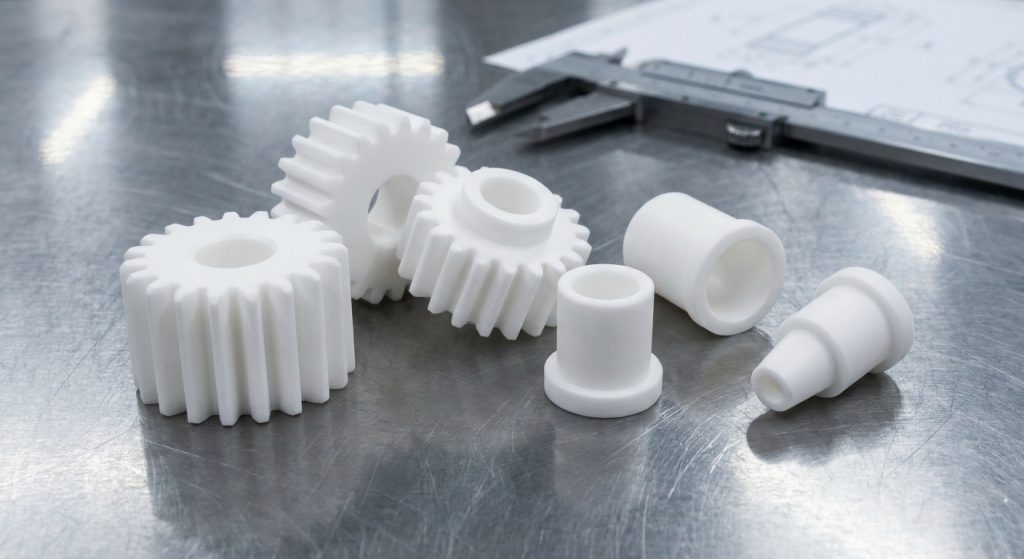
The primary advantages of Zirconia Ceramic include its extreme hardness, exceptional corrosion resistance, and low thermal conductivity. These properties allow it to thrive in grinding media and structural parts where integrity is paramount. It solves the most difficult material science challenges in modern industry.
Extreme Mechanical Hardness
With a Mohs hardness of approximately 8.5, this material is comparable to sapphire and far harder than most metals. Its compressive strength can exceed 1000MPa, ensuring it won’t deform under massive loads. This hardness translates directly into a very long service life for industrial components.
Chemical and Corrosion Resistance
The material is chemically inert and does not react with most acids, alkalis, or molten metals. You might be wondering: why does this matter? It means your parts won’t corrode or contaminate your sensitive chemical processes.
Low Thermal Conductivity
A standout feature of this ceramic is its ability to act as a potent thermal insulator. Its crystal structure naturally resists heat transfer, protecting sensitive internal components from high external temperatures.
- Thermal conductivity: ~2.2 W/m·K
- Excellent thermal shock resistance
- High operating temperature limit
But wait, there’s more to it than just heat resistance.
Key Takeaway: Zirconia offers a unique combination of mechanical “bite” and chemical “shielding,” providing a lifespan that often exceeds steel by ten times.
| Advantage | Industrial Impact | |
|---|---|---|
| 8.5 Mohs Hardness | Reduced wear and maintenance | |
| Chemical Inertness | No corrosion in acid/alkali | |
| Low Conductivity | Superior heat insulation |
These advantages collectively make zirconia the first choice for engineers dealing with aggressive industrial environments.
How do stabilizers create different Zirconia Ceramic types?
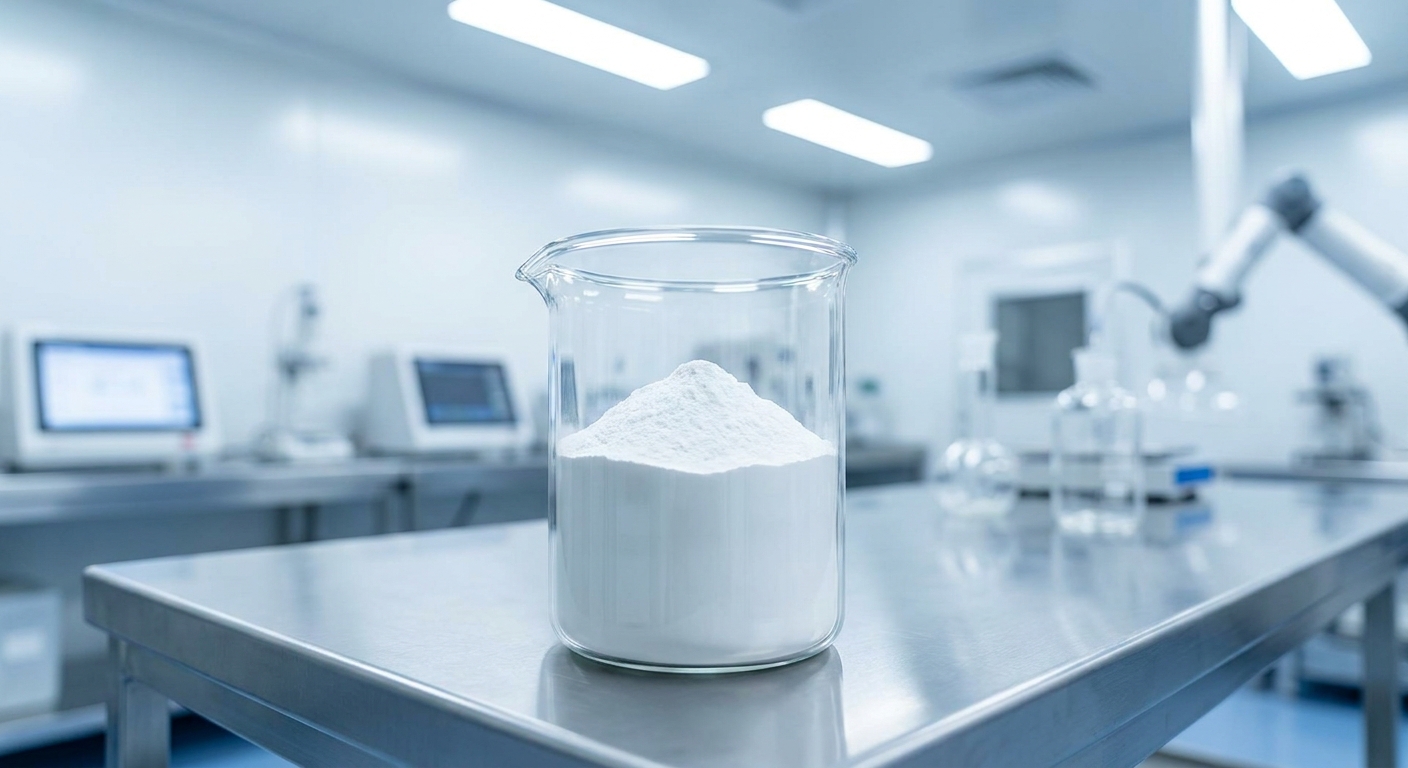
Stabilizers are added to Zirconia Ceramic to “lock” the material into useful phases at room temperature and prevent cracking. Pure zirconia undergoes a volume expansion during cooling that would normally cause the material to shatter. Adding specific oxides creates the different “grades” used across various industries.
Yttria Stabilized Zirconia (YSZ)
Typically containing 3 mol% yttrium oxide, YSZ remains in the tetragonal phase at room temperature. It is the most common grade for high-strength structural components and precision dental applications. It offers the best balance of strength and toughness for most users.
Magnesia Stabilized Zirconia (MSZ)
By adding magnesium oxide, engineers create a material with high thermal stability and mechanical strength. Think about it: MSZ is specifically designed for large-scale industrial wear parts that must endure high heat. It is particularly resistant to thermal cycling.
Ceria Stabilized Zirconia (CSZ)
Doped with cerium oxide, this variant is exceptionally resistant to “hydrothermal degradation” or aging in moist environments.
- High resistance to steam
- Excellent impact resistance
- Ideal for grinding applications
The best part? It maintains its properties even in high-pressure water environments.
Key Takeaway: Stabilizers are the “secret sauce” that transform a fragile oxide into a robust industrial material capable of surviving room-temperature use.
| Stabilizer | Type | Primary Benefit | |
|---|---|---|---|
| Yttria (Y2O3) | YSZ | Highest strength and toughness | |
| Magnesia (MgO) | MSZ | High temperature stability | |
| Ceria (CeO2) | CSZ | Hydrothermal/impact resistance |
Choosing the correct stabilizer is the most important decision when specifying a ceramic component for your project.
What are the key electrical properties of Zirconia Ceramic?
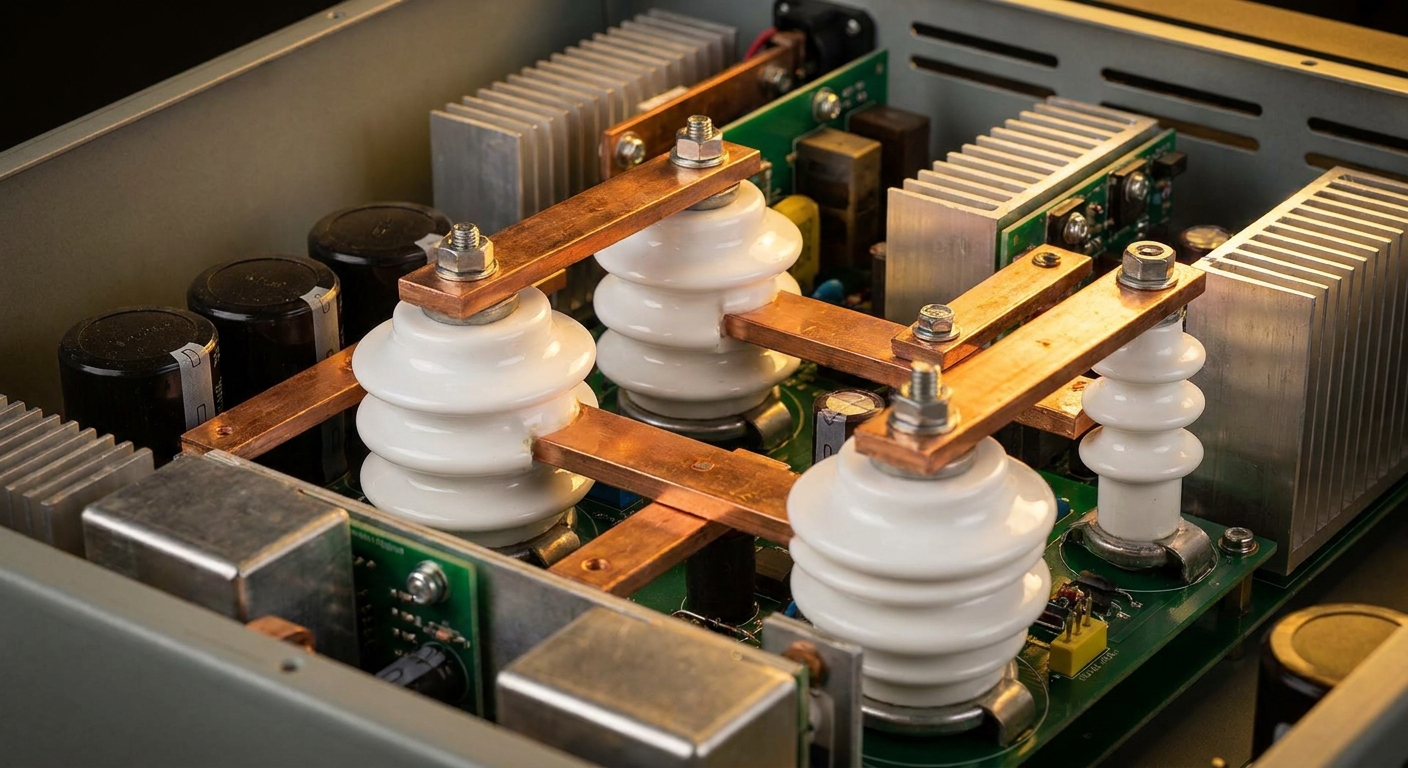
The electrical properties of Zirconia Ceramic vary significantly depending on the operating temperature of the environment. Many zircon-based engineered components are used specifically for their ability to switch from an insulator to a conductor. This makes it a dual-purpose material for advanced electronics.
Dielectric Strength and Constant
At room temperature, the material acts as a powerful electrical insulator with a high dielectric strength. It effectively prevents electrical discharge in high-voltage setups, protecting sensitive circuitry. This makes it an ideal substrate for power electronics and high-frequency components.
Volume Resistivity Variation
The resistivity of this ceramic is incredibly high at 25°C, making it a “perfect” insulator. However, as temperatures rise toward 1000°C, its resistivity drops significantly. You see, this change allows it to participate in electrical processes at high heat.
High-Temperature Conductivity
In specialized applications like oxygen sensors, the material’s ability to conduct ions at high temperatures is critical.
- Insulator at low temperatures
- Ion conductor > 650°C
- High dielectric constant (25-30)
Believe it or not, this property is what allows modern car engines to monitor exhaust gases efficiently.
Key Takeaway: Zirconia’s unique electrical behavior makes it indispensable for high-temperature sensors and fuel cell electrolytes where traditional semiconductors fail.
| Electrical Property | Value @ Room Temp | Value @ 1000°C | |
|---|---|---|---|
| Volume Resistivity | >10^12 Ohm-cm | <100 Ohm-cm | |
| Dielectric Constant | ~28 | N/A | |
| Behavior | Insulator | Ionic Conductor |
This temperature-dependent shift is the primary reason zirconia is used in advanced energy conversion and sensing technologies.
How does Zirconia Ceramic perform under thermal stress?
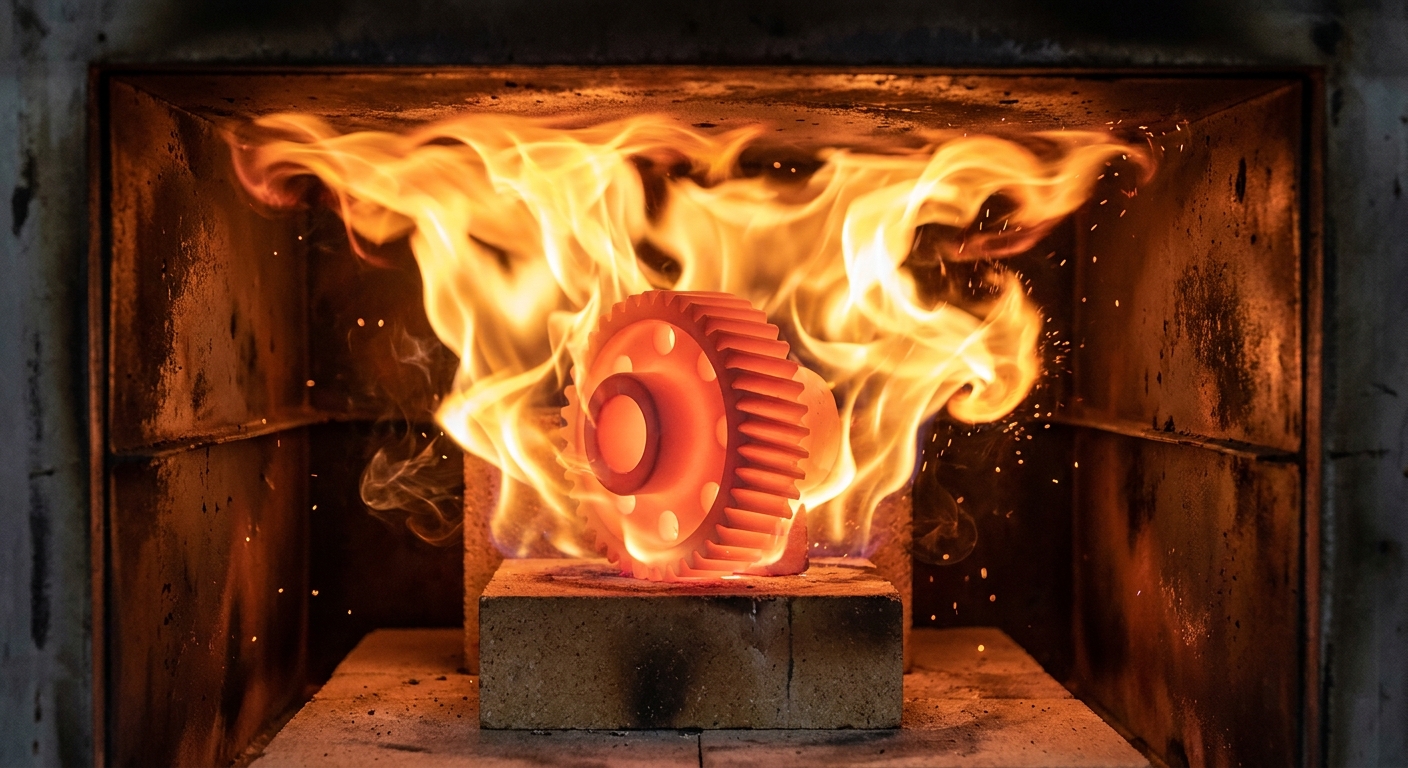
Thermal management capabilities allow Zirconia Ceramic to serve in environments where temperature fluctuations are extreme. It possesses a coefficient of thermal expansion that is remarkably close to that of steel. This compatibility is a major reason why it is integrated into complex mechanical assemblies.
Coefficient of Thermal Expansion (CTE)
The CTE of this material (approx. 10.3 x 10⁻⁶/°C) matches steel very closely. This allows for easier ceramic-to-metal bonding and assembly without excessive stress during heating or cooling. It prevents the part from cracking due to mismatched expansion rates.
Maximum Service Temperatures
Depending on the stabilizer used, the material can operate at temperatures up to 1200°C without loss of integrity. Think about it: that is hot enough to melt many common metals. It remains structurally sound where other materials would soften or sag.
Thermal Shock Resistance
Because of its low thermal conductivity and high fracture toughness, the material can survive rapid temperature changes.
- Withstands rapid cooling
- Resists “spalling” or surface cracking
- Maintains dimensional accuracy
Here is the kicker: it outperforms standard alumina ceramics in high-stress thermal shock scenarios.
Key Takeaway: Zirconia’s ability to “expand like steel but resist like ceramic” makes it the ultimate choice for high-heat industrial bonding.
| Thermal Property | MSZ Zirconia | Standard Alumina | |
|---|---|---|---|
| Max Service Temp | 1200°C | 1600°C | |
| CTE (x10⁻⁶/°C) | 10.3 | 8.1 | |
| Thermal Shock | High | Moderate |
The close CTE match to steel ensures that zirconia components maintain their fit and seal even during intense thermal cycling.
What physical properties make Zirconia Ceramic so durable?
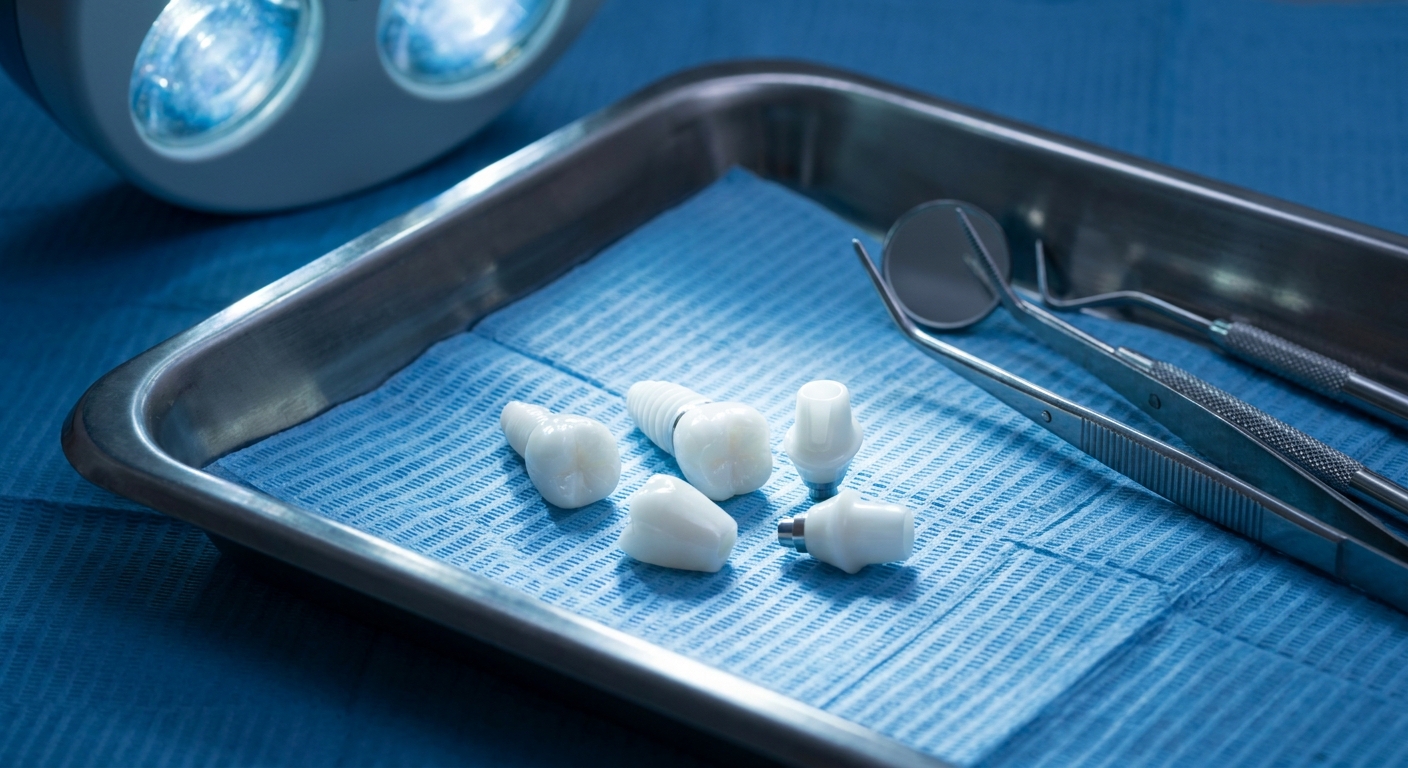
The high density and flexural strength of Zirconia Ceramic are essential for creating long-lasting, biocompatible prosthetics and parts. In the dental industry, these physical properties allow for thin-walled crowns that are as strong as natural teeth. Its durability is measured by its resistance to both pressure and impact.
Density and Flexural Strength
This material is highly dense, reaching up to 6.1 g/cm³, which contributes to its “solid” feel and strength. Yttria-stabilized grades can reach a flexural strength of 1200 MPa. This provides the “stiffness” required for precision parts that must not bend under pressure.
Fracture Toughness and Crack Resistance
The ability to resist crack propagation is the defining physical property of this ceramic. Its toughness values range from 11 to 15 MPam½, which is exceptionally high for any ceramic. You might be wondering: how does it do this? It actually expands its volume at the crack tip to “pinch” the crack shut.
Elastic Modulus and Poisson’s Ratio
With an elastic modulus between 180 and 210 GPa, the material provides the necessary rigidity for industrial rollers.
- High Young’s Modulus
- Low Poisson’s Ratio (~0.3)
- Mirror-like surface finishes possible
The best part? This rigidity ensures that precision dimensions are maintained throughout the component’s life.
Key Takeaway: High density combined with a crack-closing mechanism creates a material that is functionally closer to metal than to pottery.
| Physical Property | Typical Value | Importance | |
|---|---|---|---|
| Density | 6.05 g/cm³ | Mechanical stability | |
| Flexural Strength | 1200 MPa | Load-bearing capacity | |
| Fracture Toughness | 13 MPam½ | Impact resistance |
These metrics confirm that zirconia is engineered to survive the most physically demanding environments in modern manufacturing.
Where is Yttria Stabilized Zirconia Ceramic used most?
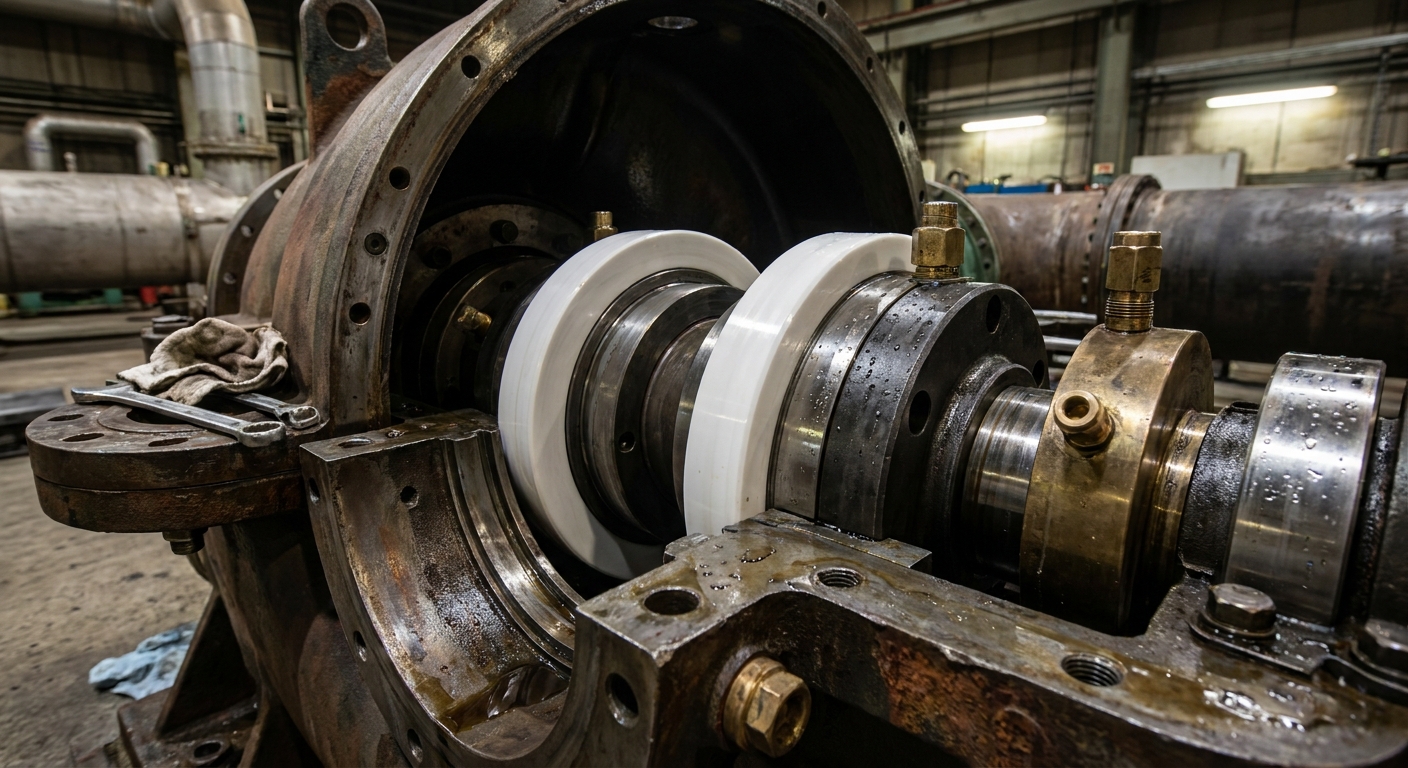
Yttria Stabilized Zirconia Ceramic is the “workhorse” of the family, found in aerospace technology and everyday consumer goods. Its self-lubricating nature and low friction coefficient make it ideal for mechanical pump seals. It is the most versatile grade for standard high-strength engineering.
Mechanical Seals and Bearings
The low friction coefficient of this material—roughly half that of alumina—reduces wear and energy loss in pumps. It operates smoothly in seals, shaft bearings, and valves without needing constant lubrication. This leads to significantly longer maintenance intervals for industrial machinery.
Solid Oxide Fuel Cells (SOFC)
Due to its high ionic conductivity at elevated temperatures, YSZ is the preferred electrolyte for fuel cells. Think about it: it allows oxygen ions to pass through while blocking electrons. This process is essential for converting chemical energy directly into clean electricity.
Precision Ceramic Nozzles
The fine grain structure of this material allows for the manufacturing of extremely precise nozzles.
- Water-jet cutting tips
- Industrial spraying nozzles
- High-pressure extrusion dies
Believe it or not, these nozzles can withstand abrasive slurries that would erode steel in hours.
Key Takeaway: If your application requires the highest possible strength and a smooth finish at room temperature, YSZ is the industry-standard solution.
| Application | Key Benefit | Industry | |
|---|---|---|---|
| Pump Seals | Low friction, no corrosion | Oil & Gas | |
| SOFC Electrolyte | Ionic conductivity | Green Energy | |
| Cutting Nozzles | Wear resistance | Manufacturing |
YSZ remains the most popular choice because it offers the most predictable performance for high-wear structural parts.
What are the industrial uses for MSZ and CSZ Zirconia Ceramic?
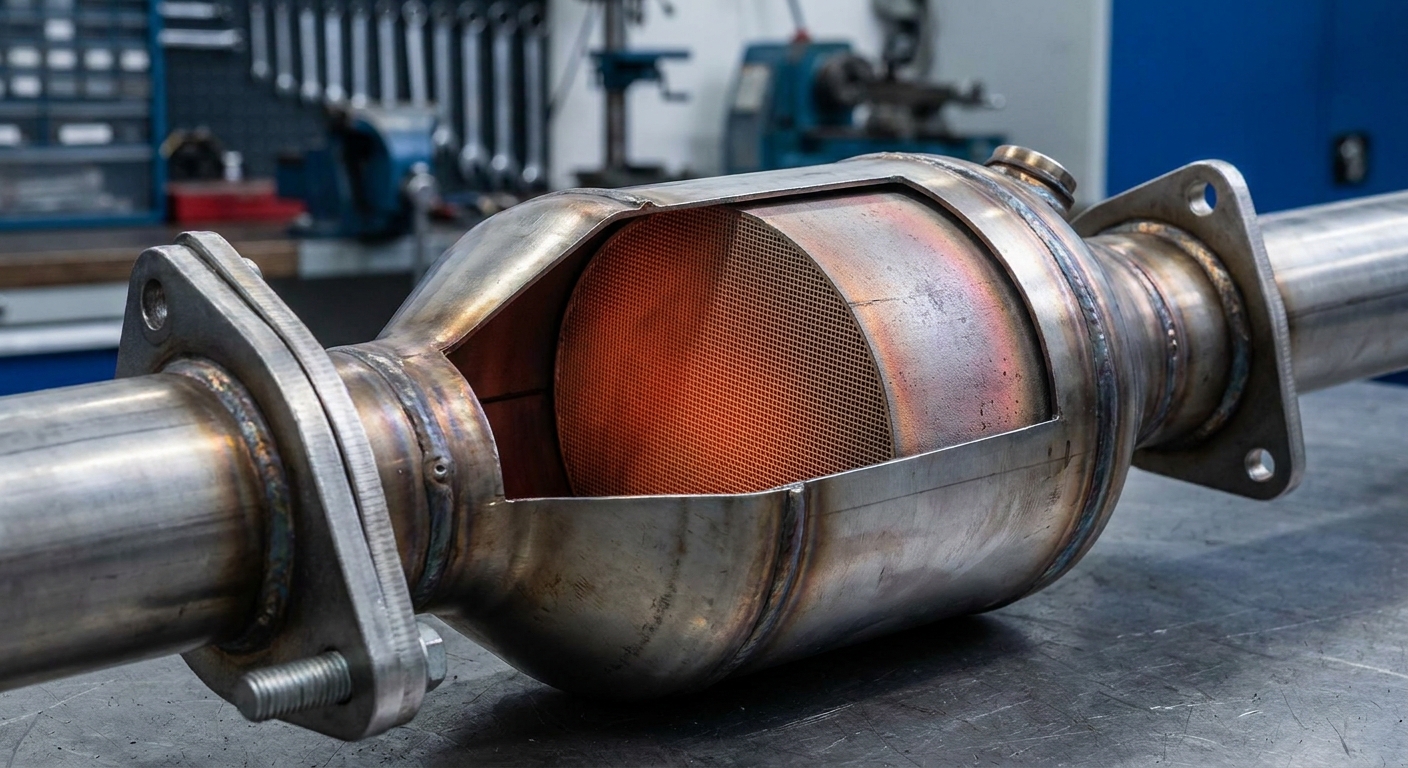
High-performance refractories and specialized grinding systems rely on the Magnesia and Ceria stabilized variants of Zirconia Ceramic. These types are chosen when the application involves extreme thermal cycling or hydrothermal stress. They fill the niches where standard YSZ might fail due to environmental factors.
MSZ in Biomedical and Optical Devices
Magnesium-stabilized zirconia is used for bone tissue repair and ceramic sleeves in optical communication. It provides excellent thermal stability for parts that must be sterilized or exposed to high-heat light sources. This makes it a staple in the medical and telecom sectors.
CSZ in Automotive Catalytic Systems
Ceria-stabilized zirconia serves as a catalyst carrier in modern automotive exhaust systems. You see, its high-temperature resistance and chemical stability help reduce emissions effectively. It protects the precious metal catalysts from the harsh environment of the engine exhaust.
High-Viscosity Grinding Media
Because CSZ has high impact resistance, it is the premier choice for grinding media in high-viscosity material processing.
- Grinding of paints and inks
- Processing of liquid metals
- High-energy bead milling
The best part? These beads don’t shatter or wear down, ensuring the purity of your end product.
Key Takeaway: MSZ and CSZ are the specialized “heavy-lifters” for heat resistance and impact-heavy grinding that ordinary ceramics can’t handle.
| Variant | Best Use Case | Special Property | |
|---|---|---|---|
| MSZ | Optical & Biomedical | Large part stability | |
| CSZ | Grinding & Automotive | Steam/Impact resistance | |
| Pure ZrO2 | Laboratory use | No stabilization required |
Utilizing these specialized grades allows manufacturers to push the limits of what their equipment can endure in the field.
How do you choose the right Zirconia Ceramic for your needs?
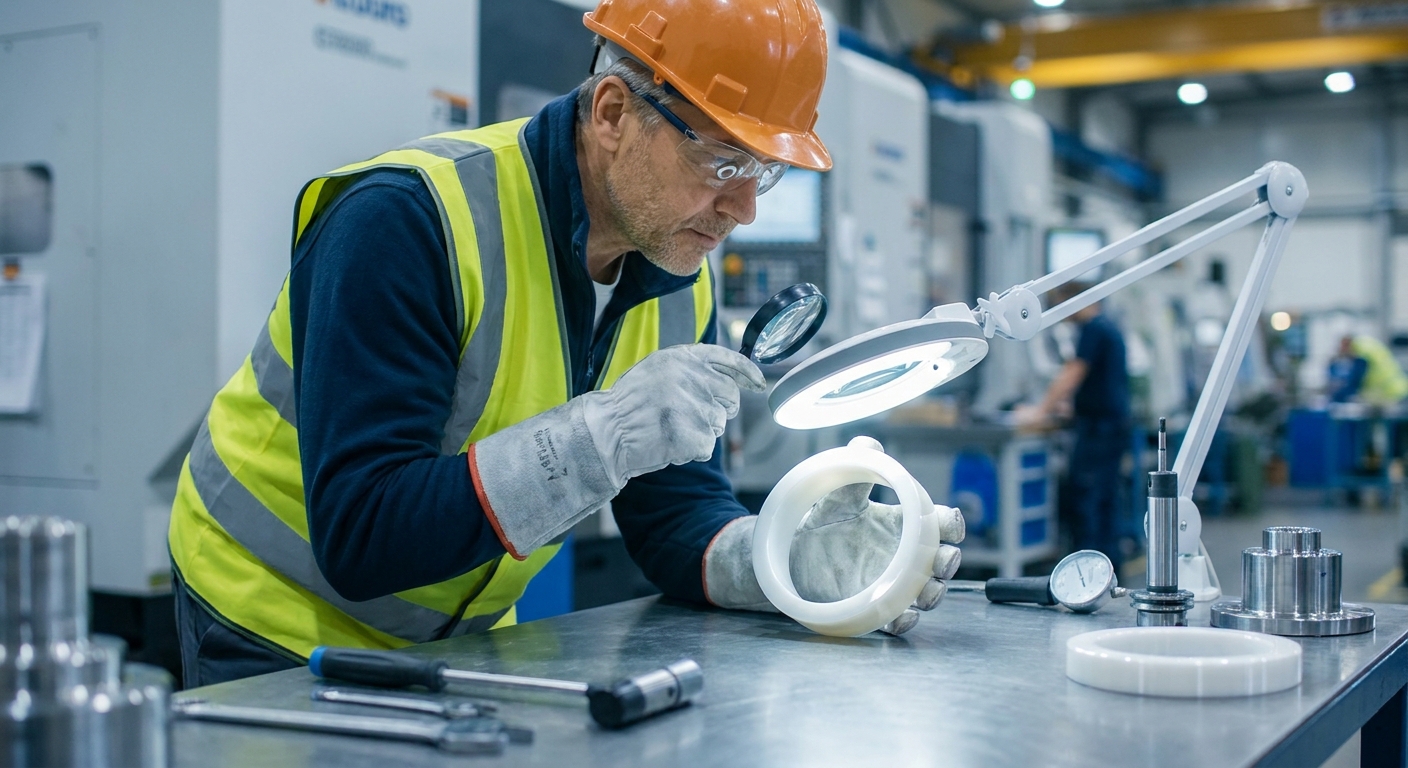
Selecting a Zirconia Ceramic grade requires a deep understanding of the mechanical and chemical environment the part will inhabit. You must consider whether room-temperature strength or high-temperature stability is your primary goal. Consulting with experienced engineers ensures you don’t overspend or risk premature part failure.
Assessing Application Stress Factors
If the application requires high room-temperature strength, YSZ is almost always the standard choice. However, if the part must endure temperatures above 1000°C for long periods, MSZ is often the superior choice. Think about it: the wrong grade could lead to catastrophic phase transformation in the field.
Matching Grade to Sintering Needs
The sintering behavior and shrinkage variance are vital for precision engineering and CAD/CAM milling. You need a material that shrinks predictably to ensure the final part fits your assembly perfectly. This precision is what separates high-quality zirconia from budget alternatives.
Quality and Batch Consistency
In technical ceramics, batch-to-batch stability in particle size is essential to prevent production defects like pinholes.
- Verify particle size distribution
- Check for color consistency
- Ensure ISO manufacturing standards
Here is the kicker: a single inconsistent batch can lead to a 50% reduction in the lifespan of your mechanical seals.
Key Takeaway: Always match the specific stabilizer and grain size to your operational parameters to avoid premature material degradation.
| Decision Factor | Recommendation | |
|---|---|---|
| High Ambient Strength | Choose YSZ | |
| Extreme Thermal Cycling | Choose MSZ | |
| Wet/Grinding Environment | Choose CSZ |
This selection guide provides a roadmap for engineers looking to optimize their components for maximum durability and cost-efficiency.
Conclusion
Choosing the right material is the difference between a high-performance system and a costly failure. Whether you are battling extreme wear, high temperatures, or corrosive chemicals, zirconia offers a path to reliability that metals simply cannot match. We specialize in transforming these advanced ceramics into the precise components your business needs to stay competitive.
At Brontec, we are committed to pushing the boundaries of material science to empower your industrial innovation. Our goal is to provide the “ceramic steel” solutions that make the impossible possible in the world’s most demanding environments. If you are ready to upgrade your components for unmatched durability, contact us today to discuss your project requirements.
Frequently Asked Questions
- Can I use Zirconia to conduct electricity?No at room temperature, but yes at high heat. At ambient temperatures, it is an excellent insulator, but it becomes an ionic conductor once heated above 650°C.
- What’s the best way to prevent Zirconia from cracking?Use a stabilized grade like YSZ or MSZ. These additives “freeze” the crystal structure and prevent the volume changes that cause pure zirconia to shatter during cooling.
- Is Zirconia Ceramic harder than industrial steel?Yes, significantly harder. It has a Mohs hardness of 8.5 and a compressive strength five times higher than many common structural steels.
- Can I use Zirconia in a steam environment?Yes, provided you choose Ceria-stabilized (CSZ) grades. Ceria prevents the hydrothermal degradation that can cause other types of zirconia to weaken in the presence of moisture.
- What makes Zirconia safe for medical implants?It is completely biocompatible and chemically inert. It does not react with human tissue or corrode in body fluids, making it ideal for hip replacements and dental crowns.