
Zirconia is unequivocally a ceramic material, specifically an inorganic, non-metallic oxide chemically known as zirconium dioxide (ZrO2). You often encounter confusion because this material possesses mechanical properties so robust they rival high-performance stainless steels. If you rely on traditional metal alloys for high-wear environments, you may be facing unnecessary corrosion or thermal failure. By switching to high-purity Zirconia Ceramic , you can achieve the “ceramic steel” performance your application requires while maintaining total chemical inertness.
Is Zirconia Ceramic Actually a Metal?
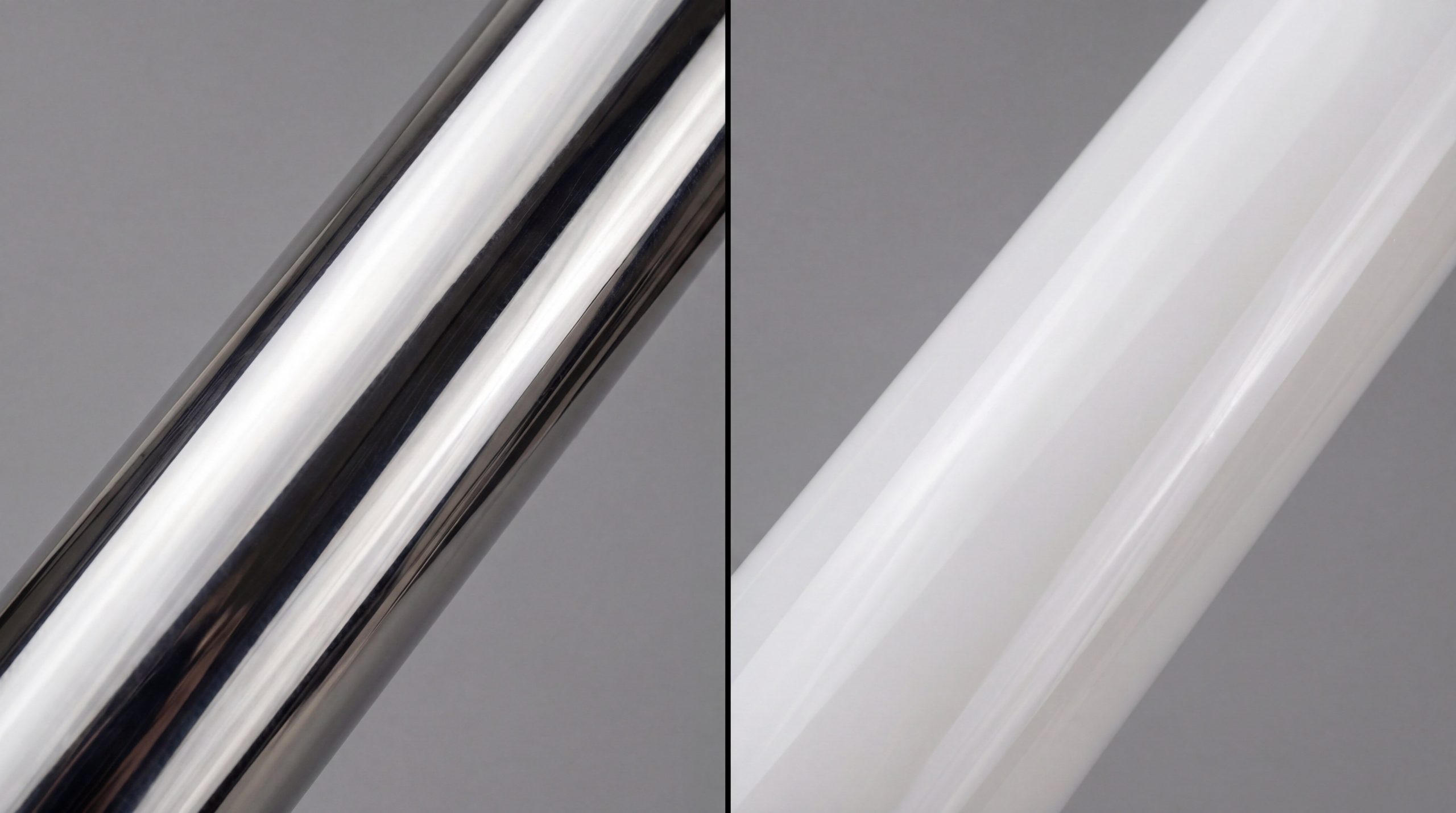
No, zirconia is not a metal, though its extreme density and high-luster finish often lead to misidentification in industrial settings. When you integrate Zirconia Ceramic into your workflow, you are utilizing a crystalline structure held together by ionic and covalent bonds rather than metallic bonds.
Fundamental Molecular Bonding
The molecular structure of this material lacks the “sea of electrons” found in metals, which is why it serves as an excellent electrical insulator. Instead, its atoms are locked into a rigid lattice that prevents the ductility common in aluminum or steel.
Look:
- Electrons are tightly bound to specific atoms.
- High melting points result from strong inter-atomic forces.
- The material remains non-magnetic and non-conductive.
Visual and Physical Similarities
Zirconia is often called “ceramic steel” because its polished surface reflects light almost exactly like a high-grade stainless steel rod. However, the weight and thermal feel of the material will immediately distinguish it for the experienced engineer.
Here is the deal:
- It maintains a metallic sheen when finished.
- The density (6.05 g/cm³) is similar to some metal alloys.
- It resists the “brittle” reputation of common ceramics.
Key Takeaway: You gain the aesthetic and mechanical benefits of metal without the risks of electrical conductivity or oxidation.
| Property | Metal (Steel) | Zirconia Ceramic | |
|---|---|---|---|
| Bond Type | Metallic | Ionic/Covalent | |
| Conductivity | High | Insulator | |
| Corrosion | Susceptible | Inert |
The table above illustrates that while physical appearances may overlap, the underlying chemistry makes these materials vastly different.
What Defines the Structure of Zirconia Ceramic?
The structure of Zirconia Ceramic is defined by a unique crystalline lattice that transitions through monoclinic, tetragonal, and cubic phases depending on the temperature. You will find that these transitions are what give the material its legendary toughness compared to standard alumina or porcelain.
Ionic and Covalent Bond Matrix
Because the zirconium and oxygen atoms share electrons through a mix of ionic and covalent bonding, the lattice is incredibly stable. This matrix prevents atoms from sliding past each other, which is why the material does not deform under heat like a metal.
The reality?
- Atoms are fixed in precise geometric positions.
- Bond strength is significantly higher than in organic materials.
- Resistance to chemical attack is a direct result of this bond stability.
Crystalline Phase Transitions
Pure zirconia changes its shape as it heats up, which can usually lead to cracking or failure during the cooling process. To solve this, manufacturers add “stabilizers” like yttria to keep the material in a high-strength tetragonal phase at room temperature.
But wait:
- Monoclinic phase is stable at room temperature.
- Tetragonal phase offers the highest mechanical strength.
- Cubic phase provides excellent thermal insulation.
Key Takeaway: Understanding the phase stability of your components ensures you select a grade that won’t crack under thermal cycling.
| Phase | Temperature Range | Stability Level | |
|---|---|---|---|
| Monoclinic | < 1170°C | Natural State | |
| Tetragonal | 1170°C – 2370°C | High Strength | |
| Cubic | > 2370°C | High Temp |
This phase-based categorization helps you predict how the component will behave under extreme operational stresses.
How Strong is High-Performance Zirconia Ceramic?
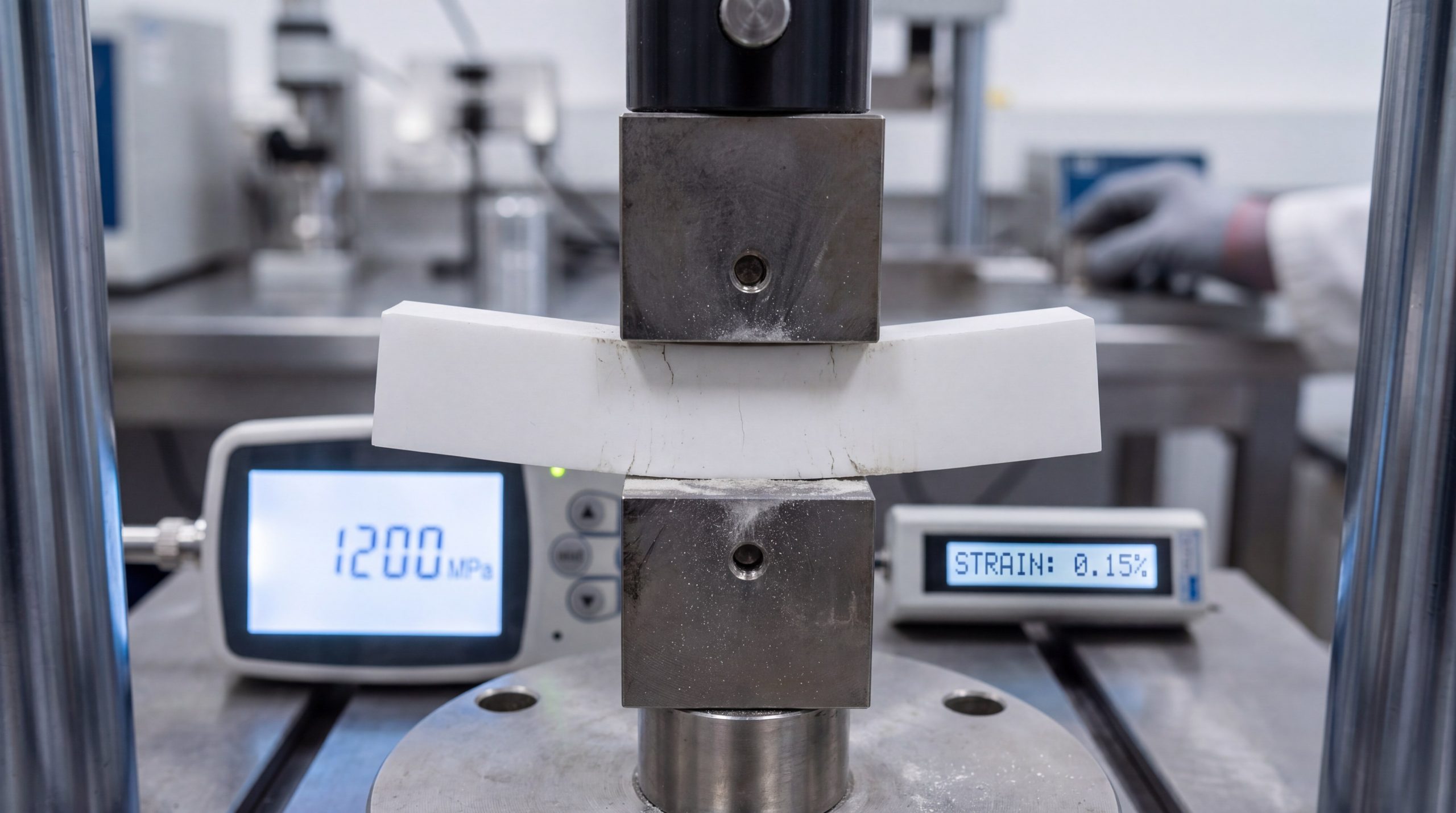
High-performance Zirconia Ceramic is remarkably strong, often exhibiting a flexural strength exceeding 900 to 1,200 MPa. This strength allows you to use ceramic parts in load-bearing applications that were previously reserved only for hardened tool steels.
Exceptional Flexural Strength
The ability of this material to resist bending without breaking is its most famous trait in the engineering world. Unlike glass or standard ceramic, it can withstand significant impact and pressure before showing signs of structural fatigue.
The kicker?
- It outperforms alumina in bending tests by nearly 3x.
- It maintains this strength even in humid or wet environments.
- Modern processing ensures zero internal porosity.
Fracture Toughness and Resilience
Fracture toughness refers to a material’s ability to resist the growth of a crack. Zirconia possesses a toughness rating of 7-10 MPa·m½, which is remarkably high for any non-metallic substance.
Think about it:
- High toughness prevents catastrophic “shattering.”
- It absorbs energy better than traditional brittle materials.
- Components can be machined to tighter tolerances.
Key Takeaway: You can replace heavy metal components with lightweight ceramic parts without sacrificing the structural integrity of your machine.
| Strength Metric | Standard Alumina | Zirconia Ceramic | |
|---|---|---|---|
| Flexural Strength | 350 MPa | 1000+ MPa | |
| Fracture Toughness | 3.5 MPa·m½ | 8.0 MPa·m½ | |
| Hardness (HV) | 1600 | 1200 |
This comparison highlights why this specific material is the preferred choice for high-stress mechanical environments.
Why Choose Zirconia Ceramic Over Metal?
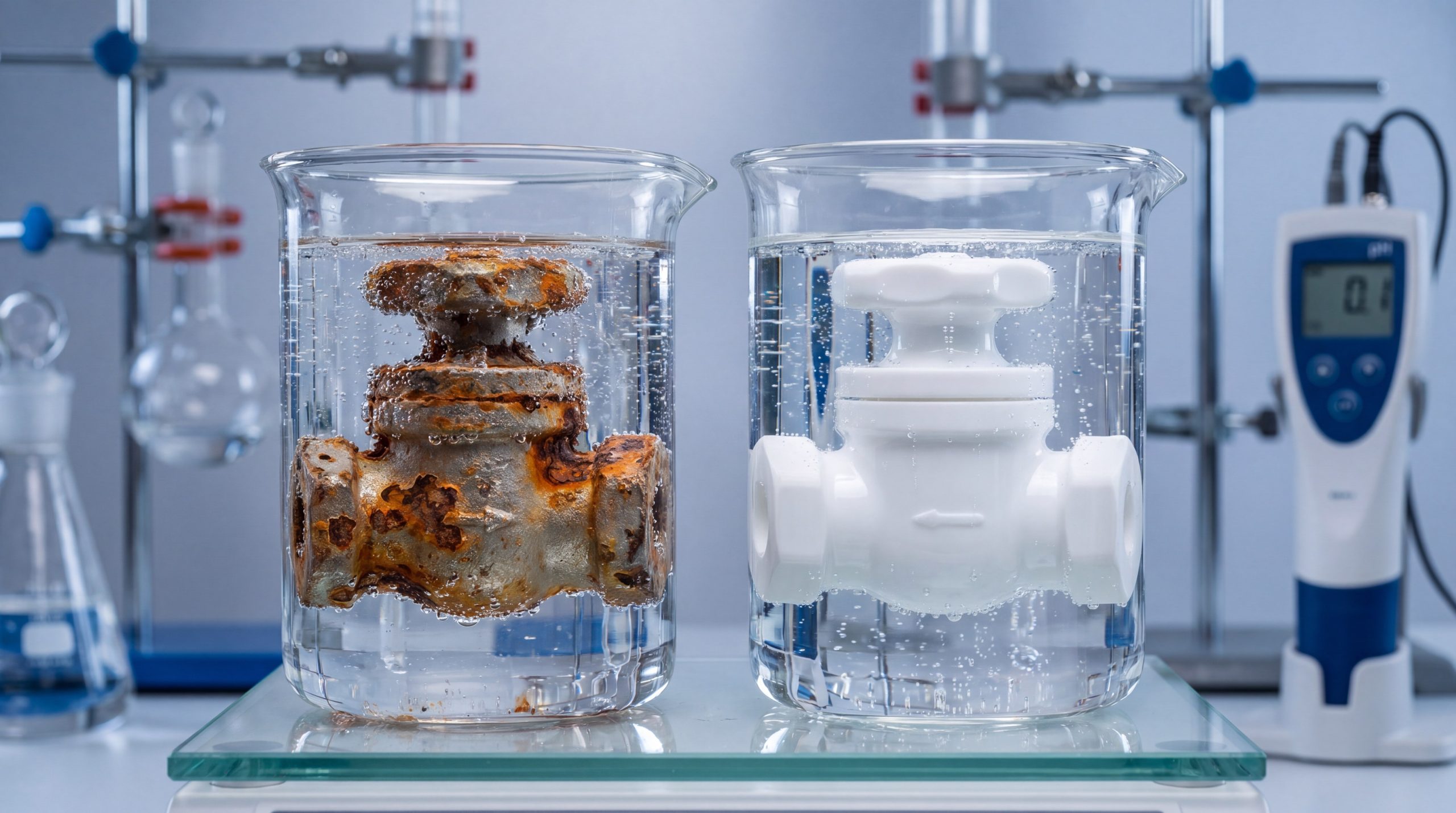
You should choose Zirconia Ceramic over metal because it offers absolute resistance to corrosion and a much lower thermal conductivity profile. In aggressive chemical processing, metals will eventually pit or rust, whereas this ceramic remains completely unaffected by most acids and alkalis.
Chemical Inertness and Stability
Because the material is already an oxide, it cannot “rust” or oxidize any further when exposed to air or water. This makes it the ideal choice for plungers and valves in the chemical industry where downtime for part replacement is costly.
Bottom line:
- No galvanic corrosion occurs between parts.
- It resists scaling in high-temperature steam.
- Surface finish remains smooth over years of use.
Superior Tribological Properties
Tribology is the study of friction and wear, and in this field, zirconia is king. Its low coefficient of friction against other materials means that your machines run cooler and require less lubrication.
In short:
- Wear rates are 10x lower than stainless steel.
- It resists “galling” or seizing during operation.
- Polished surfaces reduce the energy required for movement.
Key Takeaway: Selecting this material drastically reduces your maintenance cycle and extends the life of your entire mechanical system.
| Environment | Metal Response | Zirconia Response | |
|---|---|---|---|
| Hydrochloric Acid | Rapid Corrosion | Fully Inert | |
| 1000°C Oxygen | Oxidation/Scaling | Dimensionally Stable | |
| High-Speed Friction | Heat Buildup/Wear | Low Friction/Cooler |
Chemical and physical stability data suggests that the ceramic option is far more sustainable for long-term industrial deployments.
How Does Zirconia Ceramic Self-Heal Cracks?
The “self-healing” ability of Zirconia Ceramic is actually a phenomenon called transformation toughening. When a crack begins to form, the stress triggers a local phase change that physically squeezes the crack shut.
Transformation Toughening Effect
This process is unique to stabilized zirconia and acts as an internal safety mechanism. As a crack tip exerts pressure on the surrounding grains, they expand in volume, creating a compressive stress field that stops the crack from spreading.
Here is the deal:
- Volume expansion is approximately 3-5%.
- This expansion “clamps” the crack tip.
- It prevents the rapid failure seen in glass.
Tetragonal to Monoclinic Shift
The shift from the tetragonal phase to the monoclinic phase is the engine behind this toughening. By carefully controlling the amount of yttria during manufacturing, we ensure that enough tetragonal grains are present to react to stress.
Why does this matter?
- It allows the ceramic to “dent” rather than shatter.
- It increases the reliable lifespan of cutting tools.
- The material effectively manages its own structural health.
Key Takeaway: You can trust these parts in high-impact zones where other ceramics would fail immediately upon the first micro-crack.
| Phase State | Trigger | Resulting Action | |
|---|---|---|---|
| Tetragonal | Resting | High-energy storage | |
| Monoclinic | Localized Stress | Expansion & Clamping |
The mechanics of phase transformation provide a level of safety that is virtually non-existent in other technical ceramic families.
Where Is Zirconia Ceramic Used in Industry?
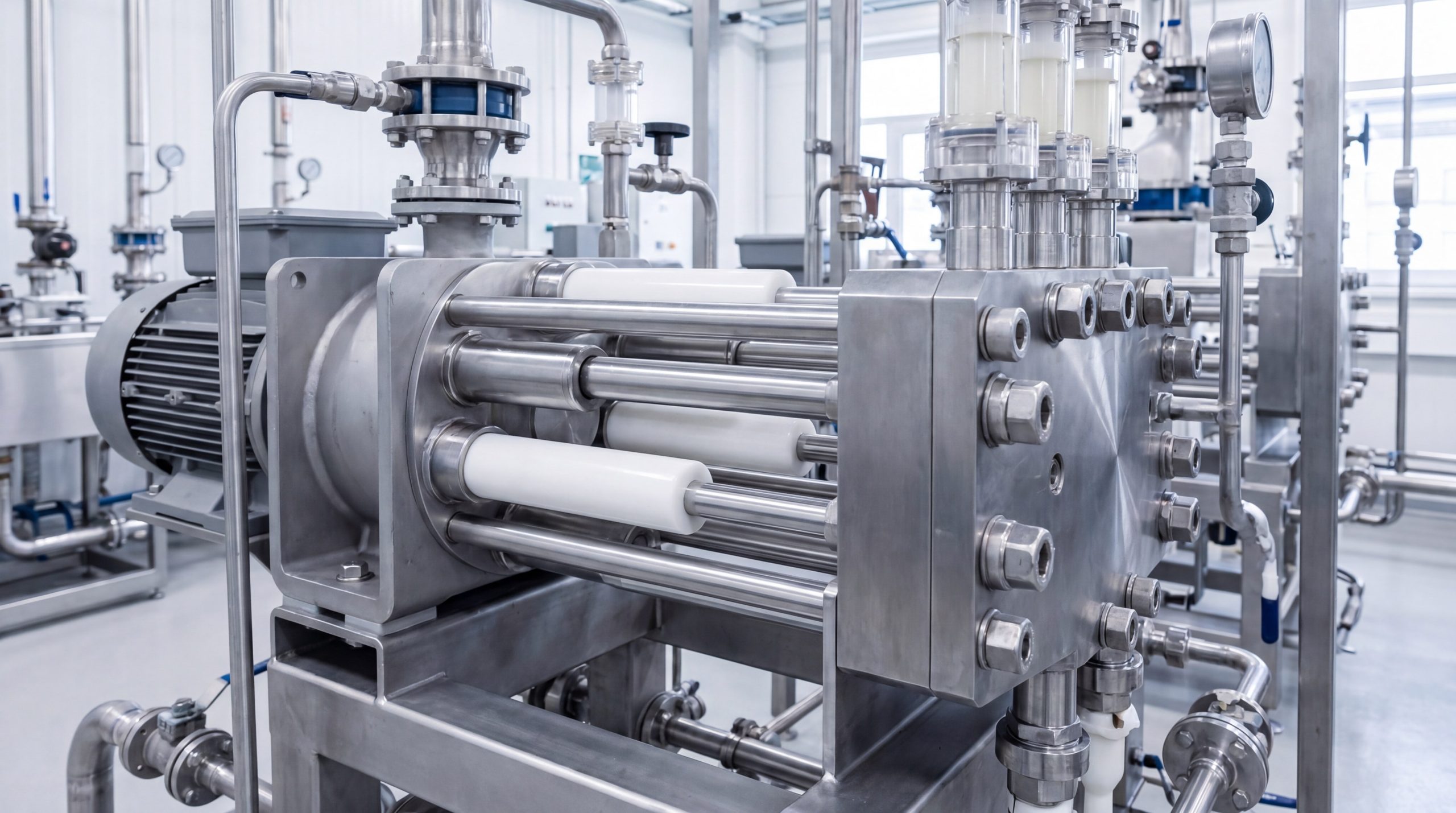
In the industrial sector, Zirconia Ceramic is used most frequently in high-pressure pumps, precision valves, and thermal protection systems. You will find it in environments where high temperatures and abrasive slurries would destroy traditional metal components in weeks.
Precision Mechanical Components
Plungers and pistons made from this material are the standard for the chemical and food industries. Their high hardness ensures that seals do not wear down, maintaining a leak-proof system for much longer than steel alternatives.
The reality?
- Used in homogenizers for dairy processing.
- Critical for high-pressure water jet cutting.
- Essential for oil and gas drilling bits.
Aerospace Thermal Protection
Because the material has very low thermal conductivity, it is often used as a thermal barrier coating (TBC). It protects the underlying metal of jet engines from melting under the extreme heat of combustion.
Bottom line:
- It withstands temperatures above 2000°C.
- It protects sensitive electronic housing.
- Its thermal expansion matches many metal alloys.
Key Takeaway: Using these components allows your equipment to operate at higher temperatures, which significantly increases fuel and process efficiency.
| Component Type | Primary Industry | Main Benefit | |
|---|---|---|---|
| Pump Plungers | Chemical | Wear & Acid Resistance | |
| Valve Balls | Oil & Gas | Erosion Resistance | |
| Thermal Shields | Aerospace | Heat Insulation |
Industrial applications leverage the unique combination of hardness and thermal stability to solve the most difficult engineering bottlenecks.
Is Zirconia Ceramic Safe for Medical Use?
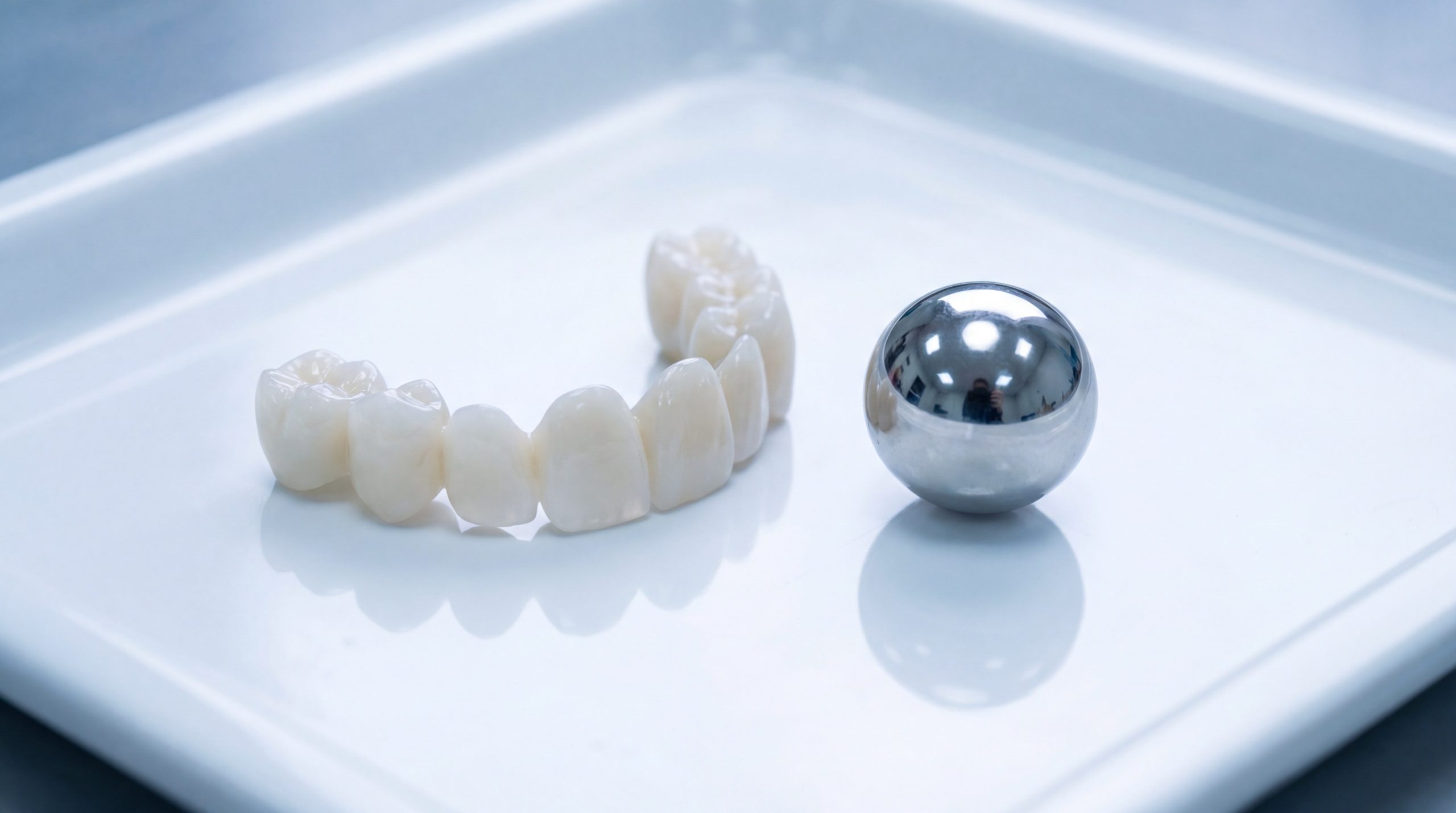
Yes, Zirconia Ceramic is exceptionally safe and is considered one of the most biocompatible materials available for human implants. You will find it used extensively in dental crowns and joint replacements because it does not trigger the allergic reactions often caused by metal ions.
Biocompatibility in Implants
Unlike metals that can leach nickel or chrome into the bloodstream, this ceramic is completely bio-inert. This means your body does not recognize it as a foreign threat, allowing bone and tissue to grow closely around the implant.
Think about it:
- No risk of “metal mouth” or metallic taste.
- Reduced inflammation in surrounding tissues.
- Zero corrosion in the salty environment of the body.
Dental Aesthetic Superiority
In dentistry, the material is prized because it can be translucent and shaded to match natural teeth. It offers the strength of a metal-based crown with the natural beauty of porcelain, giving you the best of both worlds.
The kicker?
- It is resistant to staining from coffee or tobacco.
- It does not wear down the opposing natural teeth.
- Modern CAD/CAM milling ensures a perfect fit.
Key Takeaway: You receive long-lasting medical solutions that look natural and pose no long-term toxicological risk to your health.
| Application | Metal Alternative | Ceramic Benefit | |
|---|---|---|---|
| Dental Crown | PFM (Porcelain-Fused-Metal) | No dark lines at gums | |
| Hip Joint | Cobalt-Chrome | 4000x lower wear rate | |
| Bone Screws | Titanium | Better imaging (non-glare) |
Medical data consistently proves that ceramic implants outlast traditional metal versions while providing a superior patient experience.
What Are the Primary Types of Zirconia Ceramic?
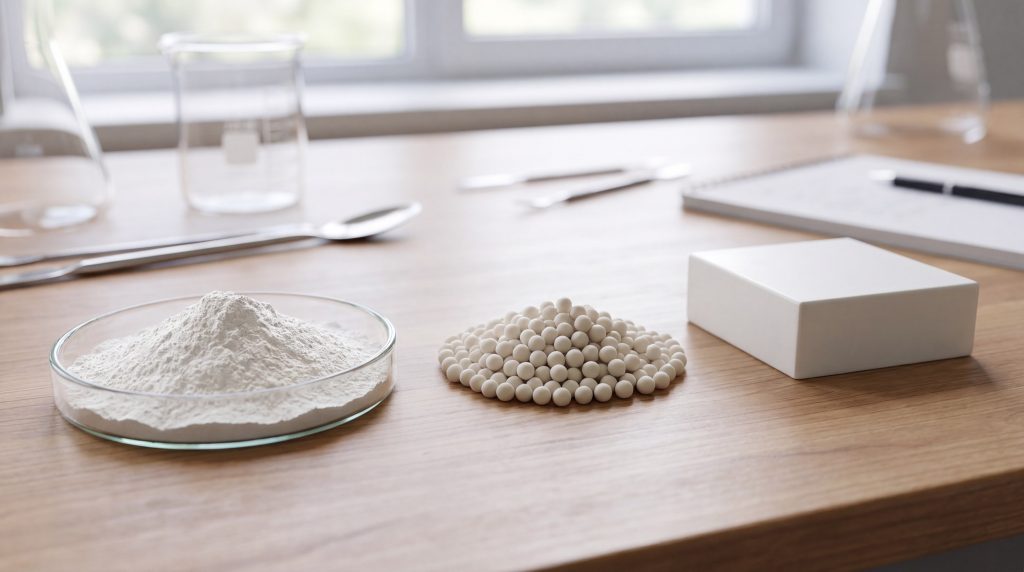
Primary types of Zirconia Ceramic include Fully Stabilized Zirconia (FSZ), Partially Stabilized Zirconia (PSZ), and Tetragonal Zirconia Polycrystal (TZP). Depending on your specific needs for strength or thermal resistance, you must choose the grade that matches your operational environment.
Fully Stabilized Zirconia (FSZ)
FSZ contains a high amount of stabilizer, usually 8 mol% yttria, which keeps the material in a cubic phase at all temperatures. While it isn’t as strong as other types, it is excellent for oxygen sensors and fuel cell electrolytes.
Look:
- Stable from room temp to melting point.
- High ionic conductivity at heat.
- Used primarily in electronic applications.
Partially Stabilized Grades (PSZ)
PSZ is a “toughened” version that contains just enough stabilizer to create a mix of cubic and tetragonal phases. This is the “workhorse” grade for industrial wear parts because it balances toughness with thermal shock resistance.
Here is the deal:
- It handles rapid temperature changes well.
- It resists impact better than FSZ.
- Commonly used in extrusion dies.
Key Takeaway: Identifying the correct stabilization level prevents you from overpaying for properties you don’t need or under-speccing for strength.
| Type | Stabilizer Amount | Primary Feature | |
|---|---|---|---|
| FSZ | ~8 mol% Y2O3 | Thermal Stability | |
| PSZ | ~3-4 mol% Y2O3 | Toughness/Resilience | |
| TZP | ~2-3 mol% Y2O3 | Peak Flexural Strength |
By selecting the right grade, you optimize both the performance and the cost-efficiency of your industrial components.
How is Industrial Zirconia Ceramic Manufactured?
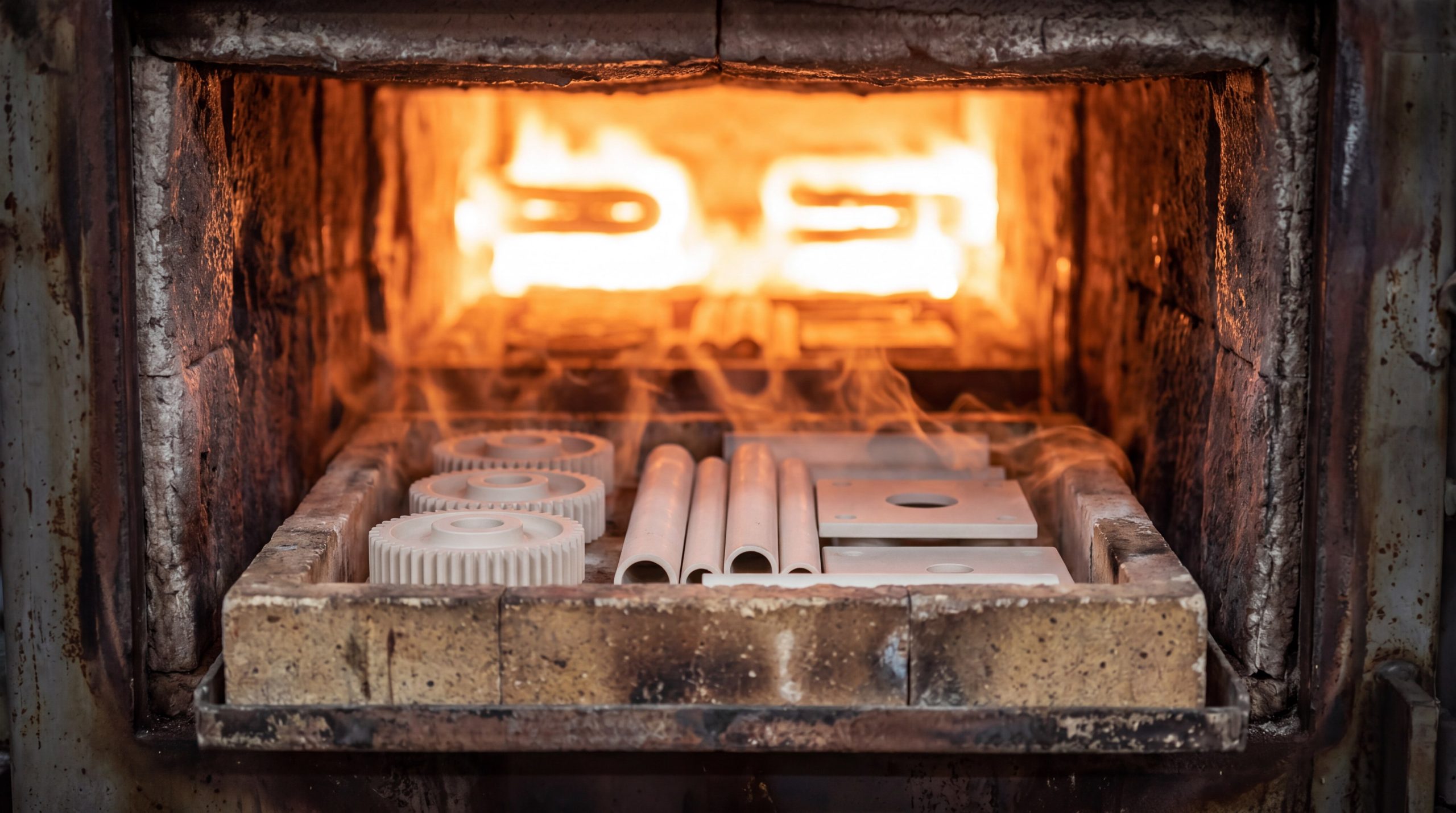
Industrial Zirconia Ceramic is manufactured through a rigorous process of powder synthesis, cold or hot pressing, and high-temperature sintering. You cannot simply melt and cast it like iron; it requires precise thermal profiles to achieve the desired density.
High-Purity Powder Processing
The process begins with sub-micron powders that must be free of contaminants like silica or iron. These powders are often mixed with binders and spray-dried into granules to ensure they flow perfectly into the shaping molds.
The reality?
- Impurities as low as 0.01% can cause failure.
- Particle size determines the final grain structure.
- Mixing must be perfectly uniform.
Precision Sintering Protocols
Once the “green body” is shaped, it enters a furnace where it is heated to between 1400°C and 1600°C. During this time, the powder particles fuse together, and the part shrinks by nearly 20-30% to reach its final density.
But wait:
- Cooling must be slow to prevent internal stress.
- Atmosphere control ensures the correct chemistry.
- Final machining is done with diamond tools.
Key Takeaway: Sourcing from a manufacturer with controlled sintering protocols ensures your parts have no hidden internal voids or weak spots.
| Process Step | Action | Critical Control | |
|---|---|---|---|
| Compaction | Pressing powder into shape | Uniform density | |
| Sintering | Heating to near-melting | Shrinkage rate | |
| Finishing | Diamond grinding | Surface roughness |
Strict manufacturing oversight is the only way to guarantee the “ceramic steel” properties that high-stakes industries demand.
How to Verify Zirconia Ceramic Batch Quality?
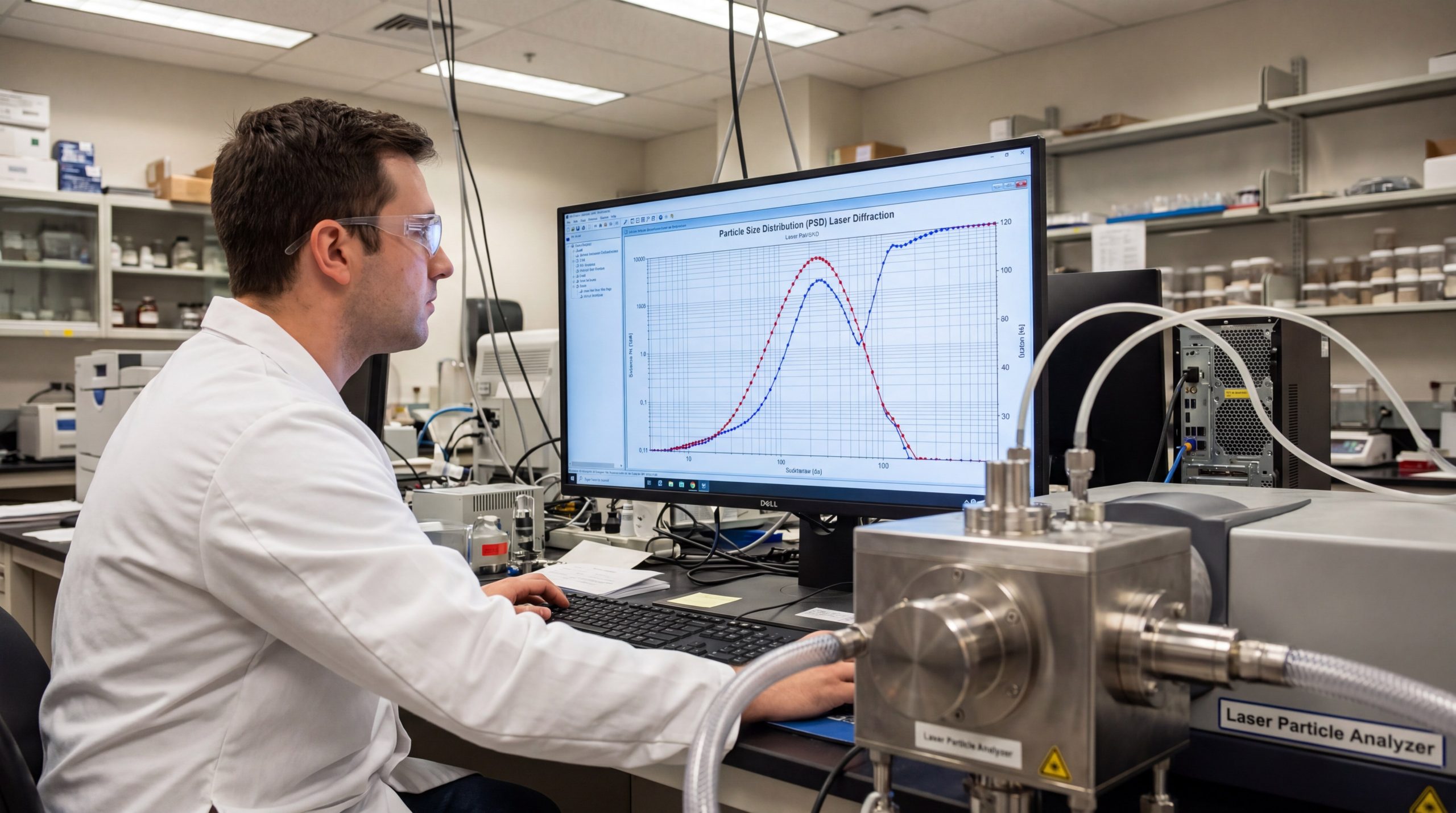
To verify Zirconia Ceramic batch quality, you must perform laser diffraction for particle size distribution and X-ray diffraction (XRD) for phase purity. If the particle size is too large or the phase composition is incorrect, the material will fail prematurely in the field.
Particle Size Distribution (PSD)
The PSD tells you how finely the starting powder was ground. For high-strength applications, a narrow distribution of sub-micron particles is necessary to create a dense, defect-free final structure.
Why does this matter?
- Oversize particles act as “stress concentrators.”
- Narrow distribution leads to uniform shrinkage.
- It directly affects the final surface polish.
Phase Purity and X-Ray Analysis
XRD analysis confirms that the stabilizers have successfully locked the material into the tetragonal phase. This is the only way to be certain that the “transformation toughening” mechanism will actually work when needed.
In short:
- XRD detects unwanted monoclinic phases.
- It ensures the chemistry matches the spec sheet.
- Every batch should come with a COA (Certificate of Analysis).
Key Takeaway: Demanding full data packages with every shipment eliminates the risk of using “sub-grade” materials that could cause expensive equipment failure.
| Test Type | Metric Measured | Acceptable Range | |
|---|---|---|---|
| Laser PSD | D50 (Average size) | 0.3μm – 0.6μm | |
| XRD Phase | % Tetragonal | > 95% | |
| Density | Archimedes Method | > 6.0 g/cm³ |
Using these verification steps allows you to maintain a zero-defect supply chain for your most critical mechanical components.
Conclusion
Selecting the right material is the difference between a high-efficiency operation and a system plagued by constant repairs. Zirconia bridges the gap between the corrosion resistance of traditional ceramics and the rugged strength of metals. By understanding its molecular structure and phase-shifting capabilities, you can unlock new levels of performance in your specific industry. We are dedicated to providing the highest purity zircon and zirconia materials to ensure your engineering success. If you are ready to upgrade your components or need a technical consultation on grade selection, contact us today to speak with our application engineers.
Frequently Asked Questions
Can I use zirconia components in high-acid environments?Yes. Zirconia is chemically inert and maintains its structural integrity across a very wide pH range, making it far superior to most metals in acidic conditions.
What is the best grade of zirconia for cutting tools?3Y-TZP (3% Yttria Tetragonal Zirconia Polycrystal). This grade offers the highest fracture toughness and flexural strength required for sharp, durable edges.
Is zirconia ceramic more expensive than stainless steel?Yes. The initial cost is higher due to complex processing, but the total cost of ownership is lower because it lasts 5-10 times longer in high-wear environments.
Can I weld zirconia parts to metal housings?No. You cannot weld them using traditional heat methods; instead, you must use specialized ceramic-to-metal adhesives or mechanical shrink-fitting.
Will a zirconia component shatter if I drop it on a concrete floor?It depends. While it is much tougher than porcelain, it is still a ceramic. A small part will likely survive, but a large, heavy component may chip due to its high mass and rigidity.