
Zirconia is a versatile crystalline oxide renowned for its high fracture toughness, thermal stability, and chemical resistance. Your industrial operations often face the hurdle of component failure due to extreme heat or corrosive environments. This degradation leads to expensive maintenance and unpredictable production delays. High-performance Zirconia Ceramic offers the durability needed to ensure your systems remain efficient and reliable.
What makes Zirconia Ceramic a top choice for industry?
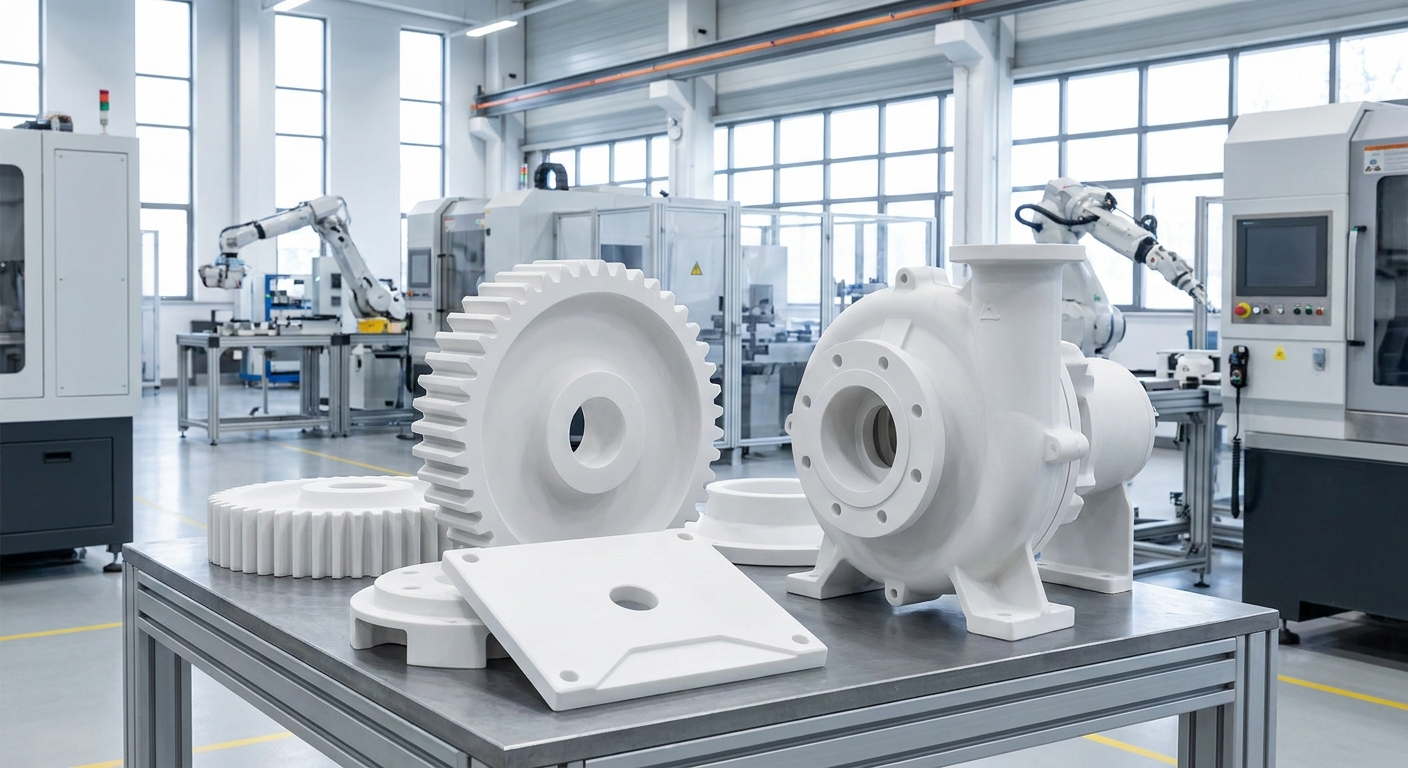
Industries choose Zirconia Ceramic because it provides a unique combination of mechanical strength and low thermal conductivity. You can rely on this material to perform in environments where traditional metals or plastics fail. Its ability to resist crack propagation makes it an essential component for heavy-duty structural parts.
The material’s versatility stems from its various stabilized forms, which allow engineers to tailor its properties. You will find that its chemical inertness prevents contamination in sensitive processing applications. This reliability ensures that your production lines experience fewer interruptions and lower long-term costs.
Why does the industry prefer it?
Look no further. The widespread adoption of this material is driven by its ability to solve complex engineering challenges across several sectors.
- High mechanical strength.
- Excellent thermal insulation.
- Superior wear resistance.
- Chemical stability.
You can integrate these components into systems ranging from pump valves to grinding media. This adaptability makes it a cornerstone of modern material science.
Key Takeaway: Zirconia provides high-strength solutions that outperform standard materials in harsh conditions.
| Property | Benefit | |
|---|---|---|
| High Toughness | Resists cracking and impact damage | |
| Low Conductivity | Protects sensitive parts from heat | |
| Chemical Inertness | Prevents corrosion in acid/alkali |
This combination of traits makes the material indispensable for high-stakes industrial environments.
How does the chemical structure affect its performance?
The performance of Zirconia Ceramic is rooted in its molecular arrangement of zirconium and oxygen atoms. You can observe different crystalline phases—monoclinic, tetragonal, and cubic—depending on the temperature and stabilizers used. These phases determine how the material responds to mechanical stress and thermal fluctuations.
At room temperature, pure zirconia is monoclinic, but it undergoes phase changes when heated. You must use stabilizers like yttria or magnesia to maintain the desired structure for industrial use. This stabilization prevents the material from crumbling during temperature cycles, ensuring structural integrity.
Can the crystal structure change under stress?
Think about this. One of the most fascinating aspects of this material is its ability to undergo transformation toughening when subjected to external pressure.
- Phase transformation (Tetragonal to Monoclinic).
- Volume expansion.
- Crack tip compression.
- Arrested crack growth.
When a crack begins to form, the local stress causes a change in the crystal structure that actually pushes the crack shut. You gain a self-healing mechanism that significantly extends the lifespan of your parts.
Key Takeaway: The crystalline structure allows for transformation toughening, which is unique among technical ceramics.
| Phase | Characteristics | |
|---|---|---|
| Monoclinic | Stable at room temperature; brittle | |
| Tetragonal | High strength; used in stabilized forms | |
| Cubic | Stable at very high temps; used in jewelry |
Understanding these phases allows you to select the right grade for your specific thermal requirements.
Why is Zirconia Ceramic so resistant to extreme wear?
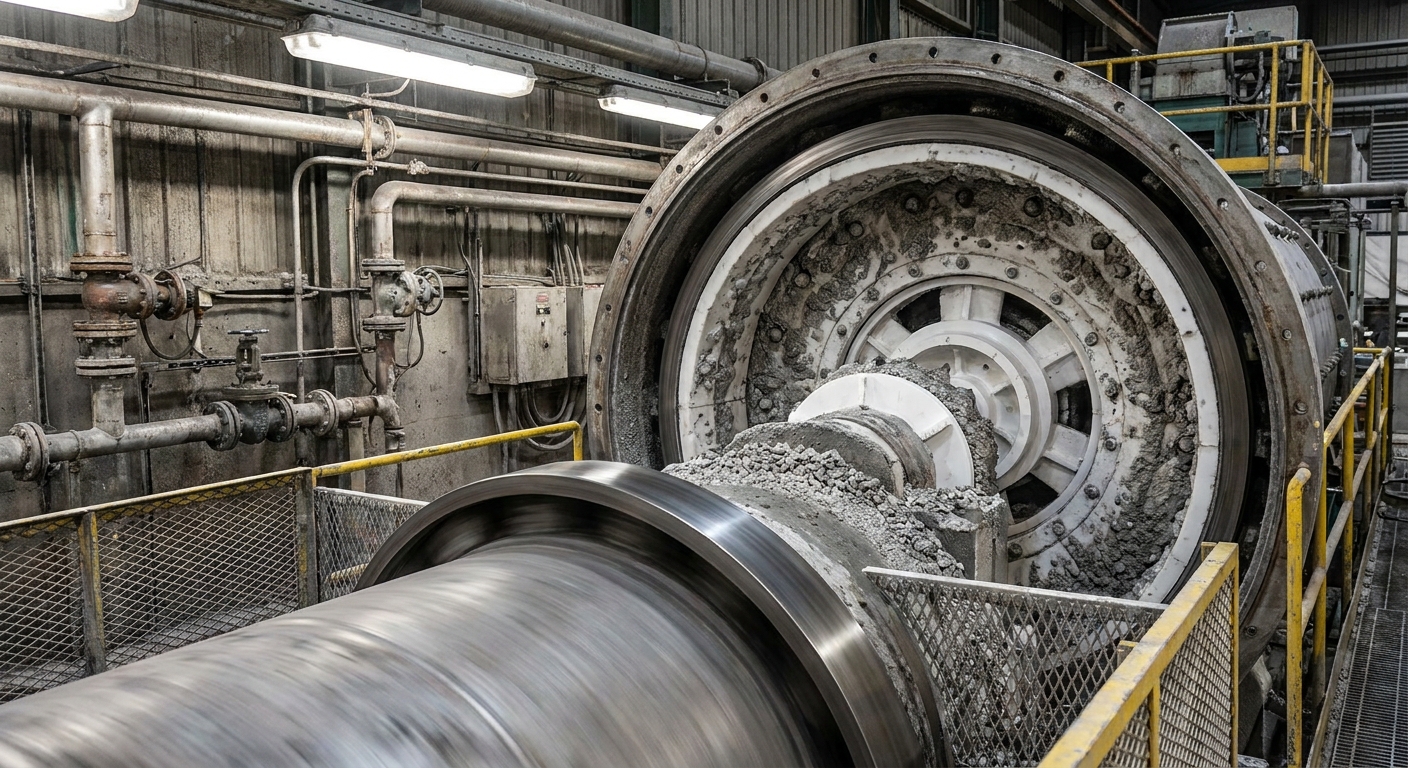
The exceptional wear resistance of Zirconia Ceramic is a direct result of its high hardness rating, which often exceeds 9 on the Mohs scale. You will notice that components made from this material show minimal signs of abrasion even after years of continuous use. This makes it a perfect choice for nozzles, bearings, and cutting tools.
Because the material is so dense and hard, it creates a surface that is nearly impossible to scratch. You can utilize it in slurry pumps or grinding mills where abrasive particles would quickly destroy steel parts. This resistance directly translates to a more stable manufacturing process for your business.
How does hardness impact your operations?
It gets better. Using harder materials means you spend less time replacing worn-out components and more time on actual production.
- Reduced friction coefficients.
- Minimal surface degradation.
- Extended maintenance intervals.
- Higher precision over time.
By maintaining its original dimensions, the material ensures that your machinery stays calibrated. You avoid the gradual loss of accuracy that typically occurs with softer industrial materials.
Key Takeaway: Extreme hardness ensures that your components maintain their shape and function despite abrasive contact.
| Feature | Industrial Impact | |
|---|---|---|
| Mohs Hardness 9+ | Near-diamond surface protection | |
| Low Friction | Reduced energy consumption | |
| Dense Microstructure | Prevents particle penetration |
High hardness and density work together to provide a surface that resists even the most aggressive wear.
What are the primary types of zirconia used today?
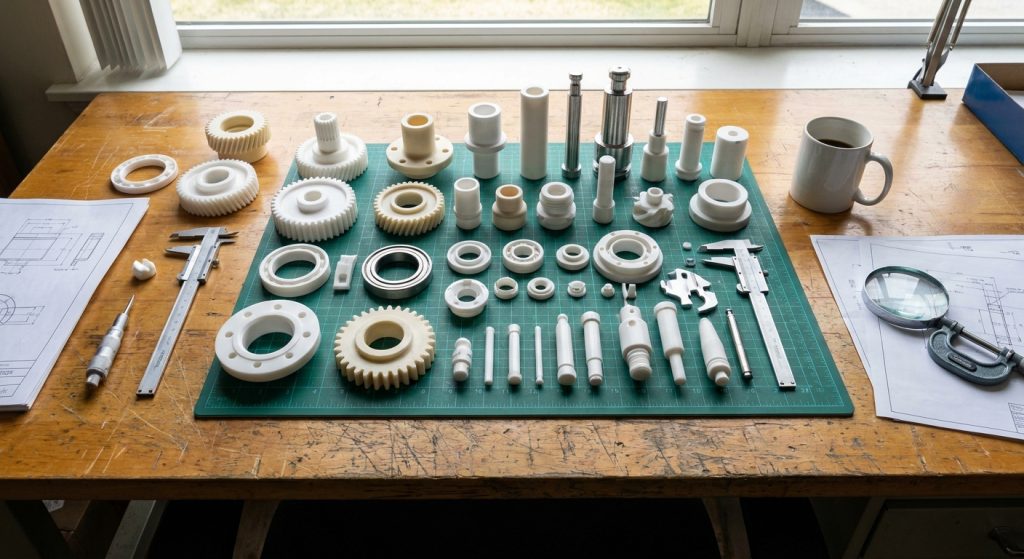
Engineers typically utilize Zirconia Ceramic in its stabilized forms, such as Yttria-Stabilized Tetragonal Zirconia Polycrystal (Y-TZP) or Magnesia-Partially Stabilized Zirconia (Mg-PSZ). You can choose between these types based on the specific thermal or mechanical loads your application requires. Each type offers a different balance of toughness and thermal stability.
Y-TZP is known for its fine grain size and incredible strength at room temperature. You might prefer Mg-PSZ for applications involving high-temperature moisture, as it is more resistant to hydrothermal degradation. Selecting the right type is crucial for the longevity of your industrial components.
What’s the best type for your needs?
Here is the deal. Each variant of the material is engineered to solve a specific set of environmental problems.
- 3Y-TZP: Best for high-strength dental and structural parts.
- Mg-PSZ: Ideal for high-temperature and corrosive pumps.
- CSZ: Perfect for oxygen sensors and solid oxide fuel cells.
- ZTA: Toughened alumina for high-impact grinding.
You should consult with a material expert to match the stabilizer to your operating environment. This ensures you do not face unexpected material failure in the field.
Key Takeaway: Stabilizers allow the material to remain functional across a wide range of temperatures and conditions.
| Type | Key Advantage | |
|---|---|---|
| Y-TZP | Highest fracture toughness | |
| Mg-PSZ | Thermal shock resistance | |
| ZTA | Cost-effective high wear resistance |
Choosing the correct stabilized grade is the most important step in your component design process.
Where can you apply Zirconia Ceramic in medical fields?
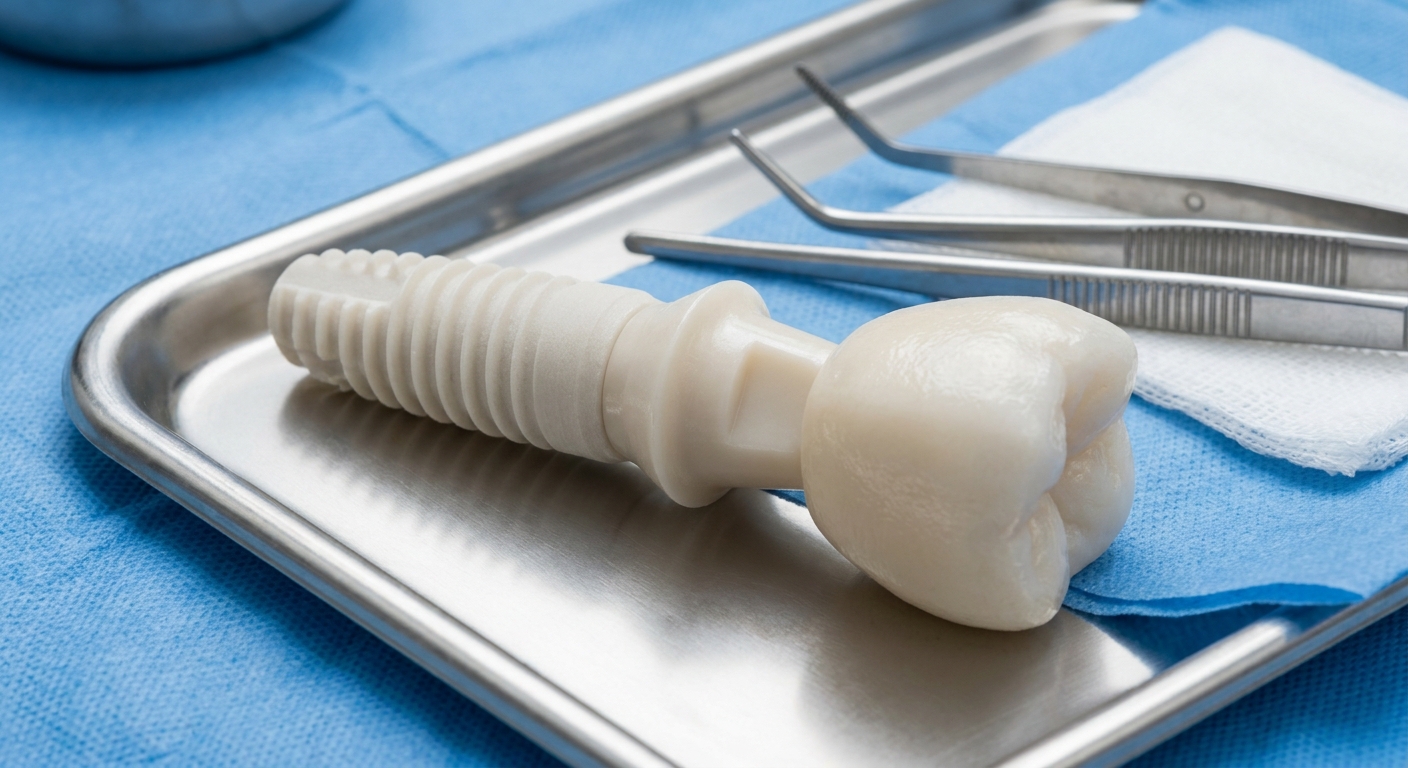
In the medical and dental sectors, Zirconia Ceramic is widely used for implants and prosthetics due to its excellent biocompatibility. You can rely on its non-reactive nature to ensure that it does not cause inflammation or allergic reactions in patients. It has become the gold standard for dental crowns and hip replacement joints.
The material’s aesthetic properties also make it a favorite for dental restorations. You will find that it can be shaded to match natural teeth while providing the strength needed for chewing. This combination of beauty and brawn makes it a superior alternative to metal-based medical solutions.
Is it safe for long-term implants?
Believe it or not. Zirconia is one of the most chemically stable materials available for human implantation.
- Non-toxic composition.
- Resistance to body fluids.
- Low bacterial adhesion.
- High radiopacity for imaging.
You can expect these implants to last decades without corroding or leaching metal ions into the bloodstream. This safety profile provides peace of mind for both surgeons and patients alike.
Key Takeaway: Biocompatibility and strength make this material the ideal choice for permanent medical and dental restorations.
| Application | Benefit | |
|---|---|---|
| Dental Crowns | Natural look and high bite strength | |
| Hip Ball Joints | Low wear rate and high longevity | |
| Surgical Tools | Non-magnetic and easily sterilized |
Medical professionals rely on this ceramic to provide durable, safe, and aesthetic solutions for patients.
Is Zirconia Ceramic suitable for high-temperature use?
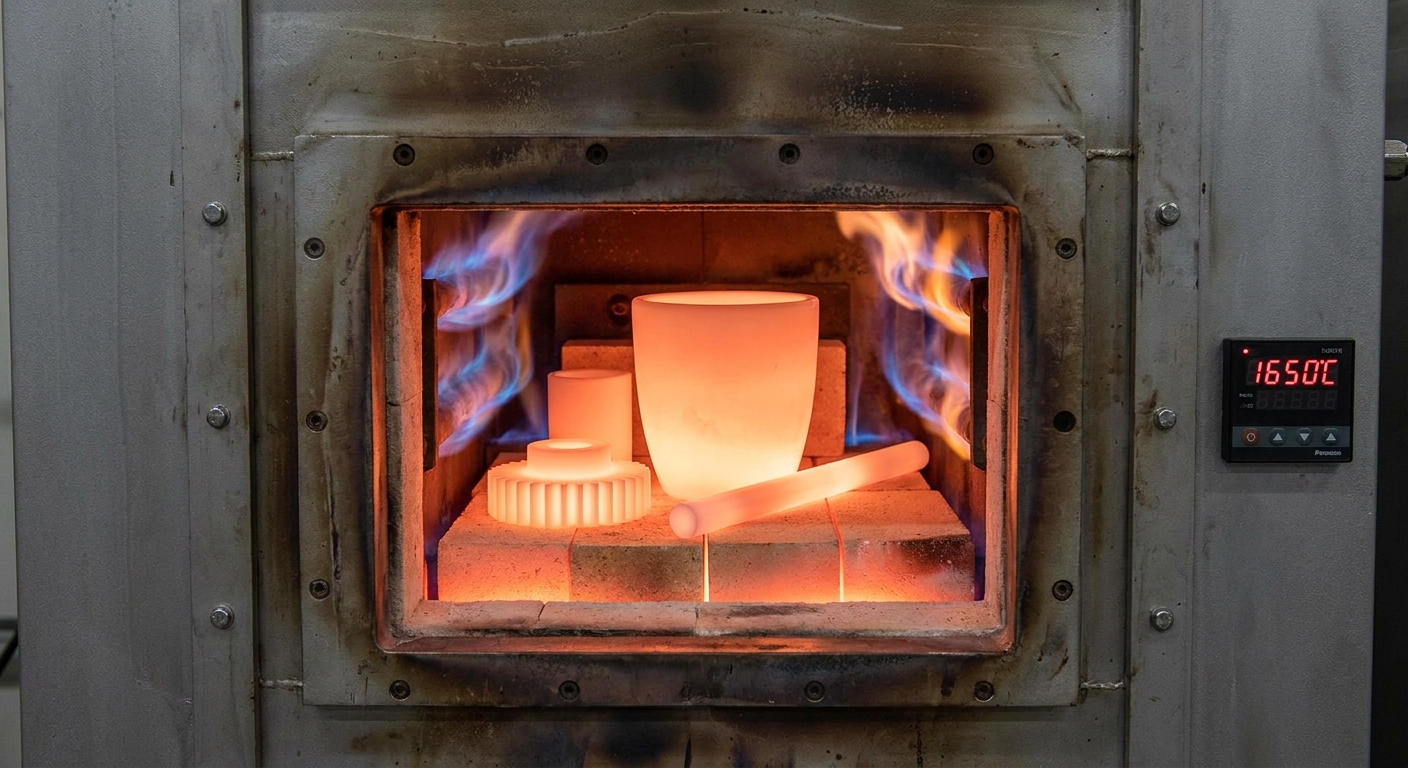
With a melting point of approximately 2715°C, Zirconia Ceramic is an outstanding refractory material for extreme heat applications. You can use it as a lining for furnaces or as a coating for jet engine components where heat management is critical. It maintains its structural integrity long after other materials have melted or deformed.
Its low thermal conductivity also makes it an excellent insulator. You will find that it protects sensitive internal components from external heat sources, improving the efficiency of thermal systems. This property is vital for aerospace and energy production industries where heat control is a primary concern.
How does it handle thermal shock?
Look closer. While the material has a high melting point, its resistance to sudden temperature changes depends on its stabilization.
- Low thermal expansion.
- High heat capacity.
- Stable phase composition.
- Refractory insulation.
You should use partially stabilized versions to handle rapid heating and cooling cycles. This prevents the internal stresses that could lead to cracking in pure, unstabilized ceramic.
Key Takeaway: High thermal stability allows the material to function as a reliable barrier in extreme heat environments.
| Thermal Property | Performance Value | |
|---|---|---|
| Melting Point | ~2715°C | |
| Thermal Conductivity | 2.0 – 2.5 W/(m·K) | |
| Max Use Temp | 1500°C – 2400°C |
Its ability to act as both a structure and an insulator makes it a dual-purpose solution for high-heat tasks.
How does the fabrication process impact product quality?
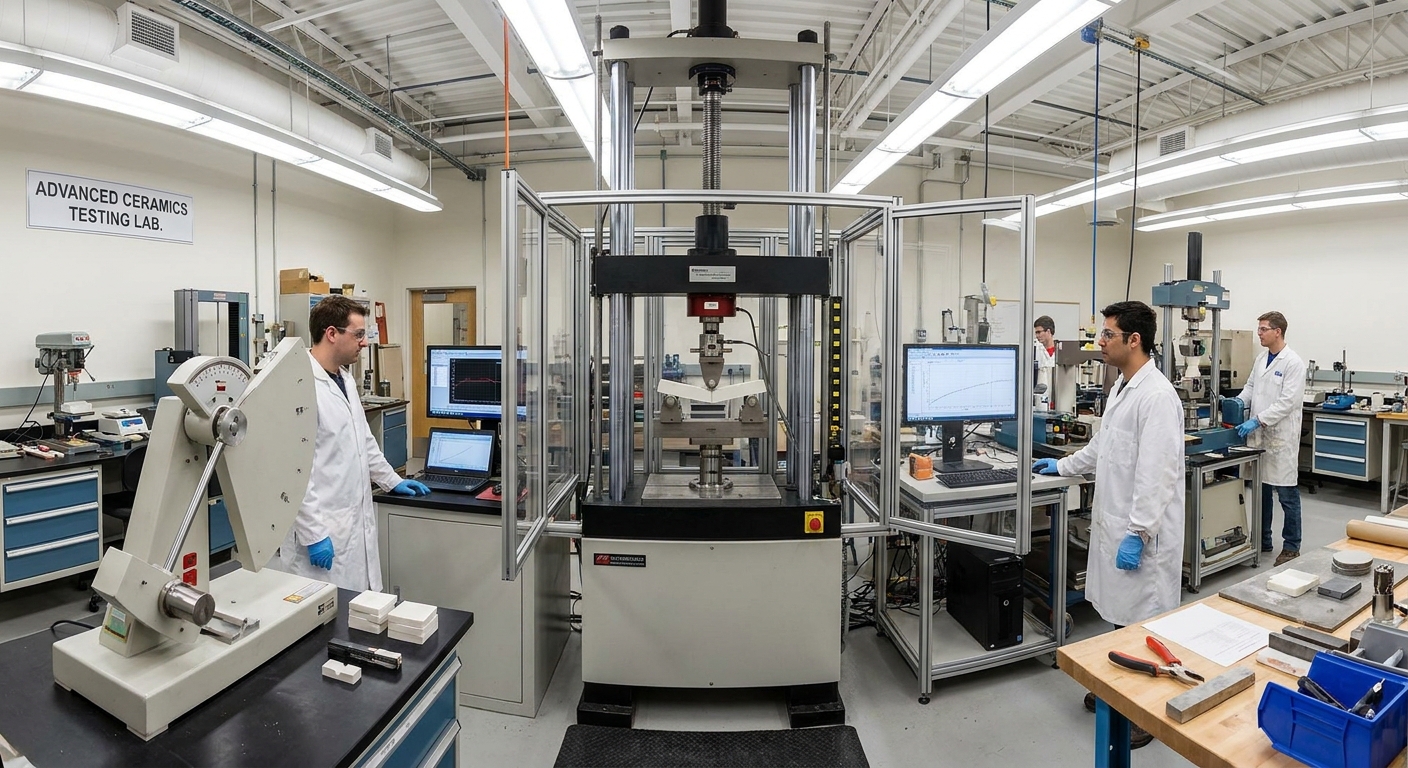
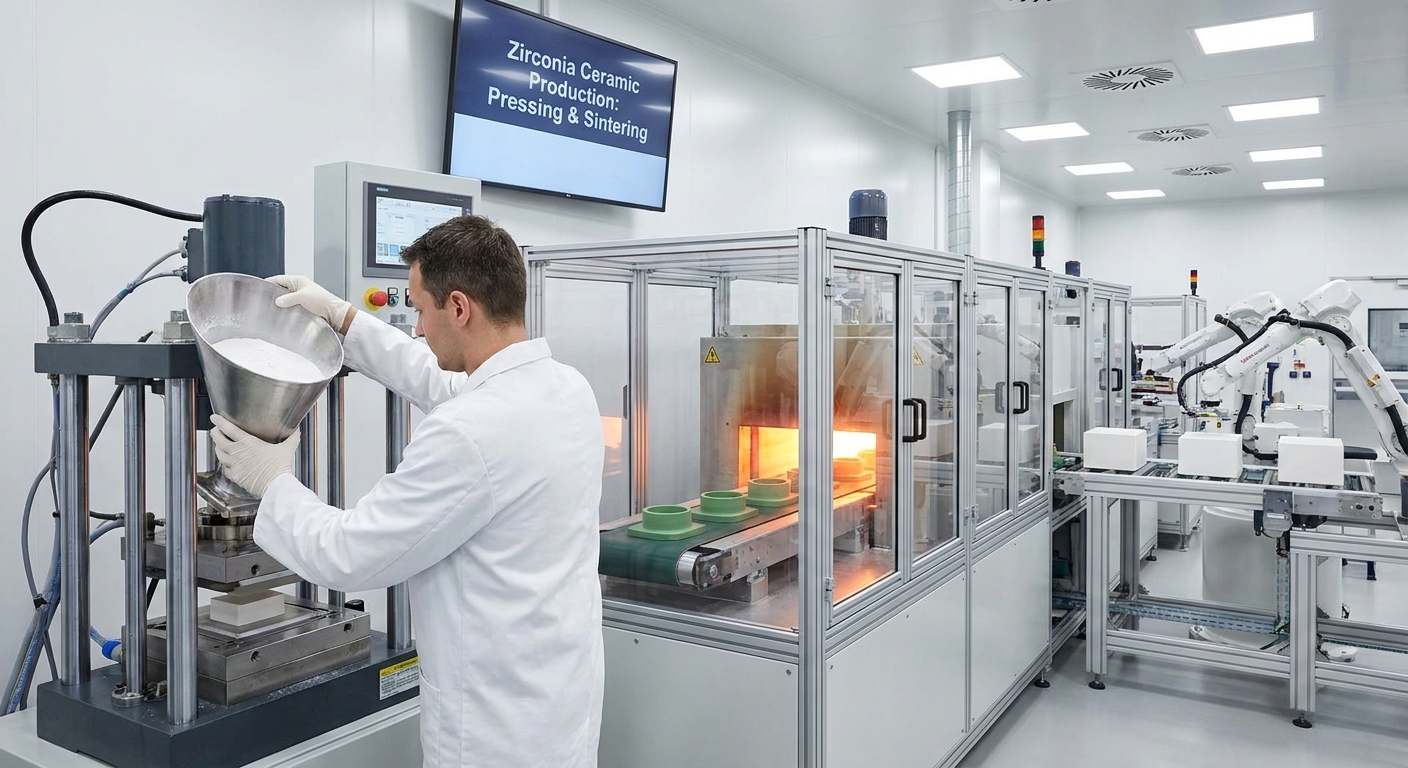
The manufacturing of Zirconia Ceramic involves complex steps like sintering, machining, and hot isostatic pressing to achieve the final shape. You will find that the quality of the starting powder and the precision of the firing cycle determine the final density. Any inconsistencies in the process can lead to microscopic flaws that weaken the part.
Advanced fabrication techniques allow for the creation of near-net-shape components with extremely tight tolerances. You can order custom-engineered parts that fit perfectly into your existing machinery without further modification. This precision reduces assembly time and ensures a better fit for high-speed moving parts.
What are the challenges in fabrication?
The truth is. Creating complex shapes from such a hard material requires specialized equipment and expertise.
- High sintering temperatures.
- Controlled cooling rates.
- Diamond tool machining.
- Precision shrinkage control.
You must account for the significant shrinkage that occurs during the firing process to achieve the final dimensions. Working with an experienced manufacturer ensures that these variables are managed correctly for your project.
Key Takeaway: Precision fabrication is essential to unlock the full mechanical potential of the ceramic material.
| Process Step | Goal | |
|---|---|---|
| Sintering | To fuse particles into a solid mass | |
| Polishing | To achieve a low-friction surface | |
| HIPing | To remove internal voids and porosity |
Quality control during each fabrication step ensures the reliability of the finished industrial component.
What are the main benefits of using this material?
One of the primary benefits of Zirconia Ceramic is its long-term cost-effectiveness compared to traditional materials. You might pay more upfront, but the reduced need for replacements and repairs saves you money over the lifecycle of the equipment. Its ability to withstand both chemical and mechanical stress is unmatched in the industry.
Furthermore, its non-magnetic and non-conductive properties are ideal for electronic applications. You can use it in environments where interference must be minimized or where electrical insulation is required. This makes it a versatile tool for high-tech manufacturing and laboratory equipment.
It is quite simple. Superior materials lead to superior outcomes for your production quality and efficiency.
- Less frequent downtime.
- Reduced contamination risk.
- Lower total cost of ownership.
- Improved product consistency.
You will see a noticeable difference in the stability of your operations once you switch to these high-performance parts. The reliability they offer is a competitive advantage in any demanding market.
Key TakeawayThe benefits of using high-grade ceramics extend far beyond mere strength, impacting your entire bottom line.
| Advantage | Business Impact | |
|---|---|---|
| Longevity | Fewer spare parts kept in inventory | |
| Inertness | Higher purity in processed goods | |
| Strength | Capability to handle higher loads |
Investing in these materials is a strategic decision to improve the robustness of your industrial infrastructure.
Are there any limitations to using Zirconia Ceramic?
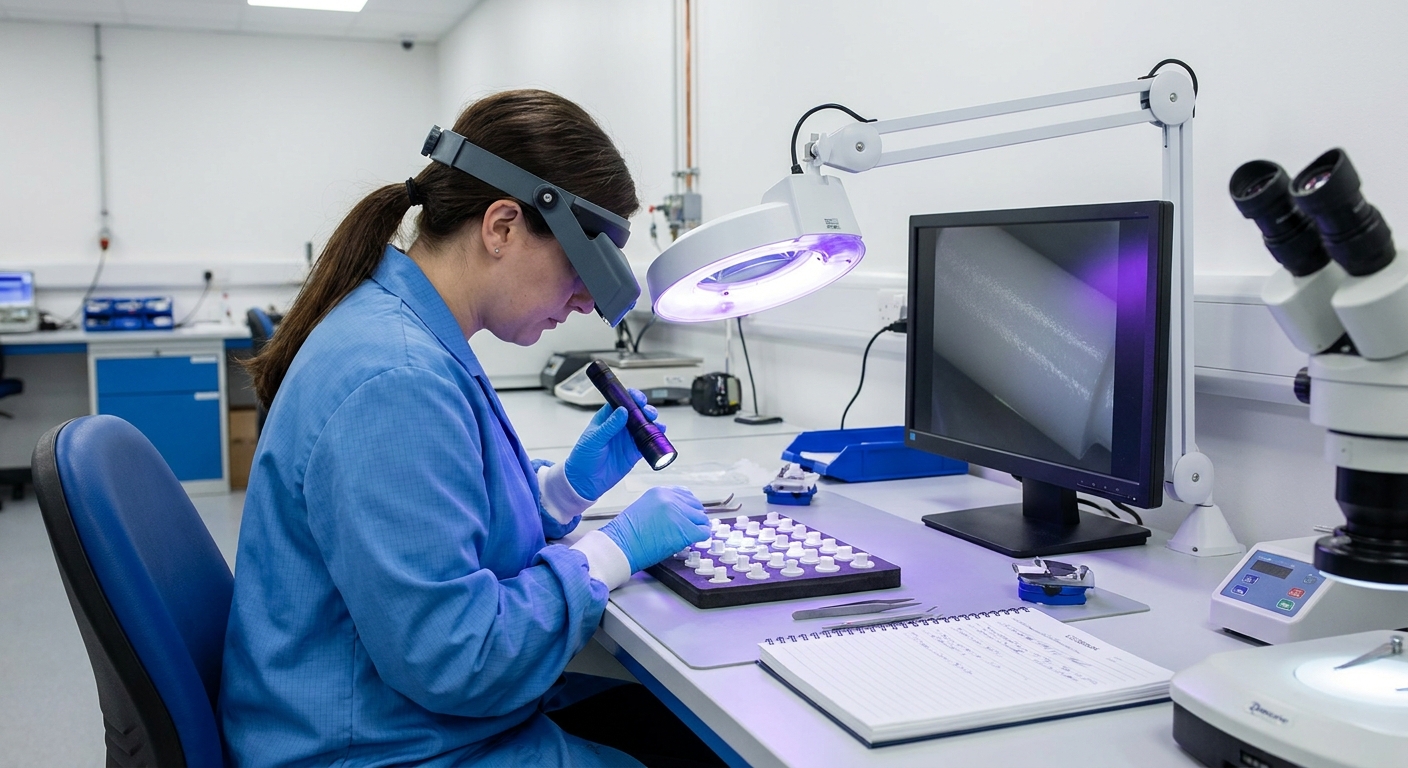
Despite its many strengths, Zirconia Ceramic can be susceptible to hydrothermal aging in certain environments. You should be aware that prolonged exposure to high-temperature steam can cause the surface to transition back to the monoclinic phase. This “low-temperature degradation” can lead to surface micro-cracking if the material is not properly stabilized.
Additionally, the material is more expensive to produce than standard alumina or industrial plastics. You must weigh the performance benefits against the initial budget requirements for your specific project. In some low-stress applications, a simpler material might be more cost-effective for your needs.
How do you mitigate these risks?
Don’t worry. There are proven ways to manage these limitations and ensure your parts last.
- Proper stabilizer selection (e.g., Ceria-stabilized).
- Surface treatments and coatings.
- Controlled operating environments.
- Strategic material placement.
You can often avoid hydrothermal aging by choosing a grade specifically designed for wet environments. Proper engineering and design ensure that you only use the material where its unique properties are truly needed.
Key Takeaway: Awareness of limitations allows you to design better systems and choose the right ceramic for the environment.
| Limitation | Mitigation Strategy | |
|---|---|---|
| High Initial Cost | Use in high-wear “hot spots” only | |
| Hydrothermal Aging | Select Ce-TZP for moist conditions | |
| Brittleness | Avoid high-impact point loading |
By understanding these factors, you can maximize the performance of the material while minimizing potential risks.
What does the future hold for zirconia technology?
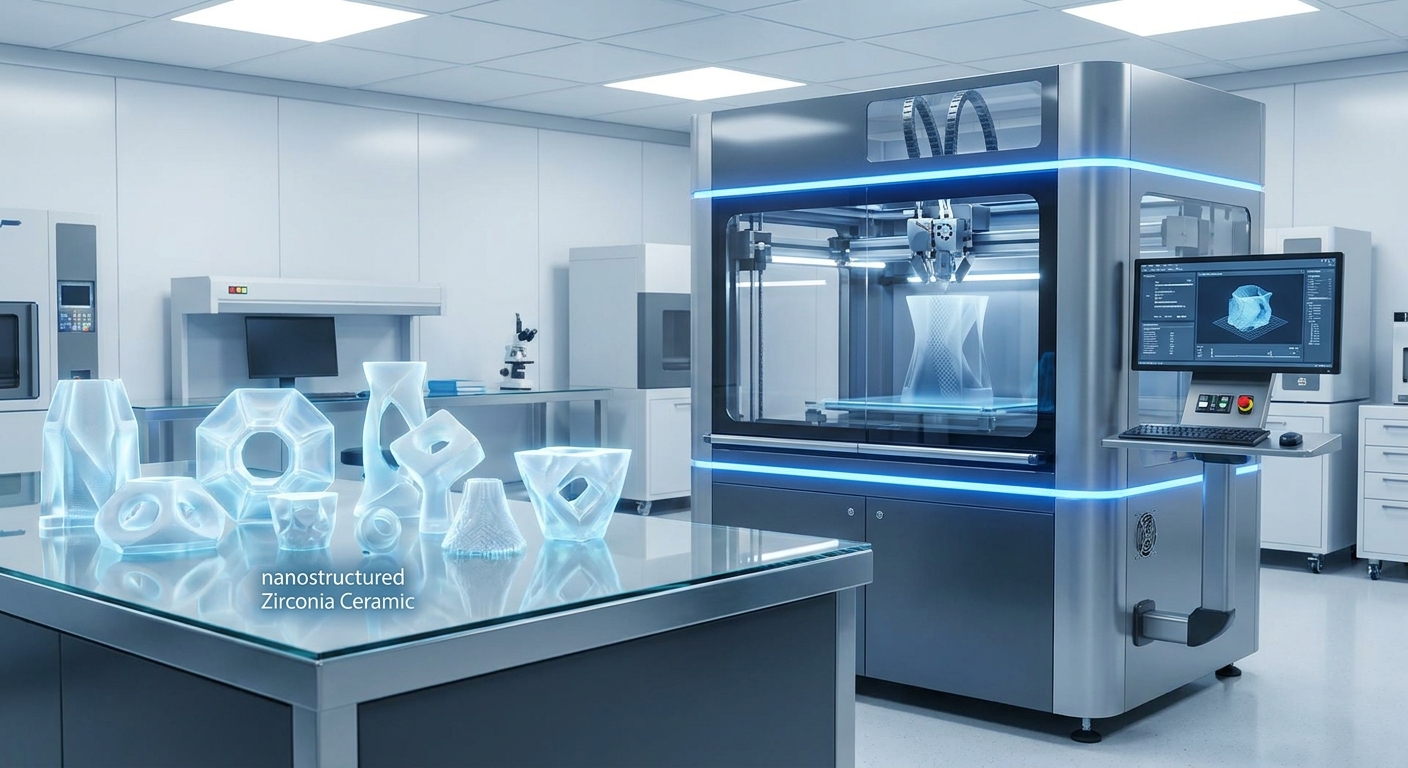
The future of Zirconia Ceramic lies in the development of nanostructured materials that offer even higher strength and transparency. You will likely see these advanced ceramics appearing in next-generation electronics and high-speed telecommunications. Researchers are currently working on ways to make the material more affordable without sacrificing its legendary toughness.
New additive manufacturing techniques are also making it easier to print complex ceramic parts. You will soon be able to order 3D-printed zirconia components that were previously impossible to machine. This innovation will open doors for more efficient engine designs and customized medical implants.
What innovations are on the horizon?
Think ahead. The next decade will bring transformative changes to how we use this remarkable material.
- 3D printing of ceramics.
- Enhanced nanocrystalline structures.
- Transparent zirconia for optics.
- Improved solid-state batteries.
You can expect these developments to make the material more accessible to a wider range of industries. Staying informed about these trends will help you keep your business at the cutting edge of technology.
Key Takeaway: Ongoing research and 3D printing will make this material more versatile and easier to integrate than ever before.
| Innovation | Expected Impact | |
|---|---|---|
| 3D Printing | Freedom of design for complex parts | |
| Nano-zirconia | Increased hardness and transparency | |
| Green Processing | Lower energy costs for manufacturing |
The evolution of ceramic technology ensures that zirconia remains a vital material for the future of engineering.
Frequently Asked Questions
Can I use zirconia in acidic environments?Yes, zirconia is highly resistant to chemical corrosion and maintains its stability in both acidic and alkaline solutions.
What’s the best way to clean zirconia parts?You should use non-abrasive cleaners or ultrasonic baths to remove surface contaminants without damaging the smooth finish.
How do I know if my application requires stabilized zirconia?If your process involves temperature cycles or requires high fracture toughness, you definitely need a stabilized grade like Y-TZP.
Can I machine zirconia after it has been sintered?It is very difficult and requires specialized diamond grinding tools; it is usually best to machine parts in the “green” state before firing.
What’s the best stabilizer for hydrothermal resistance?Ceria (Cerium oxide) is widely considered the best stabilizer for applications where the ceramic is exposed to high-temperature moisture.
Conclusion
Zirconia Ceramic solves the most demanding industrial problems by providing unmatched wear resistance, thermal stability, and biocompatibility. Whether you are dealing with premature component failure in a pump or designing a long-lasting dental restoration, this material provides the robust performance you require. Our brand vision is to eliminate production risks through engineering excellence and consistent material quality. If you are ready to enhance the durability of your systems and reduce operational downtime, contact us today to speak with an engineer.