
Zirconia material is a high-performance crystalline oxide valued for its extreme fracture toughness, thermal stability, and biocompatibility in both industrial and medical sectors. In many high-stress environments, traditional metals fail due to corrosion while standard ceramics shatter under impact, leading to costly equipment downtime and safety hazards. You can overcome these engineering bottlenecks by implementing Zirconia Ceramic , a material that bridges the gap between the ductility of metals and the chemical inertness of advanced technical ceramics.
Zirconia Ceramic: What are the primary manufacturing steps?
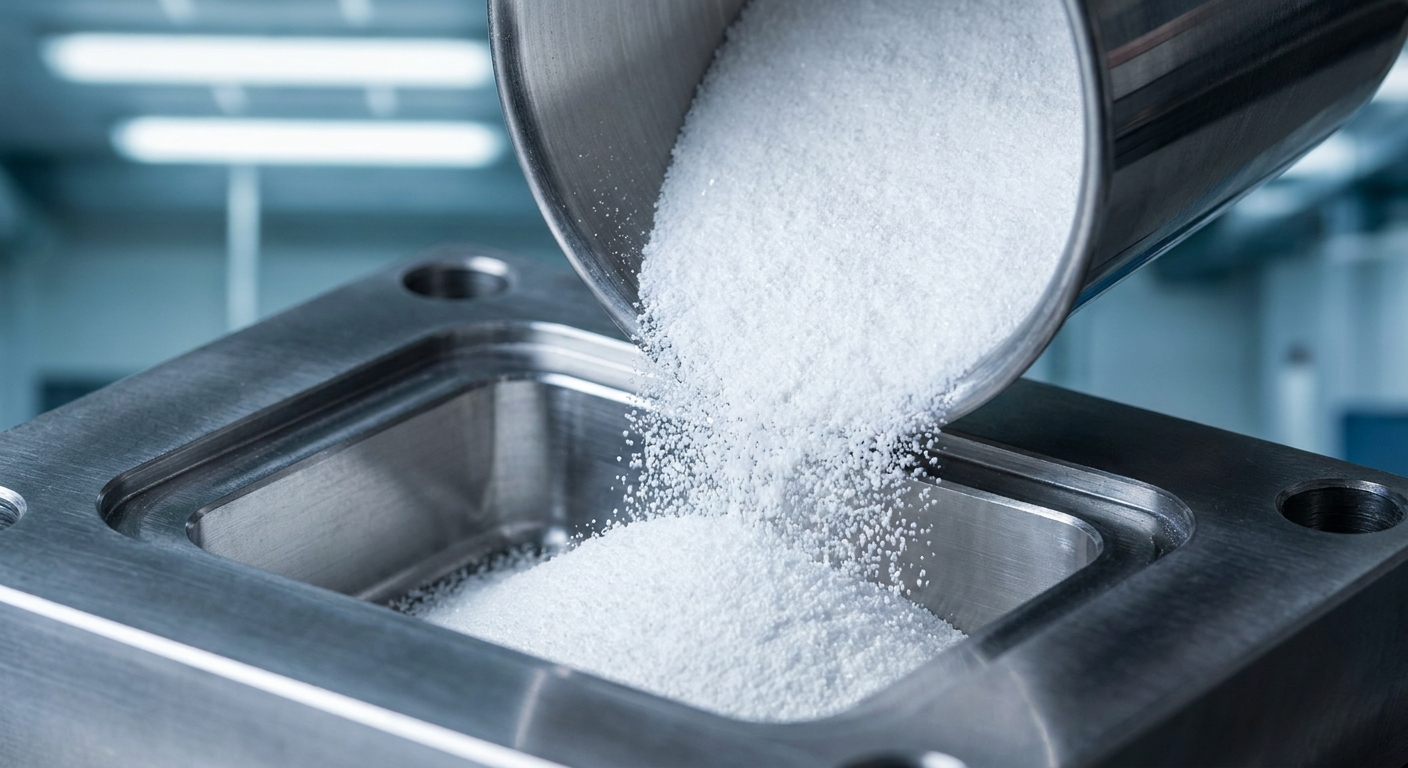
The manufacturing of this material begins with refining zircon sand into high-purity zirconium dioxide powder which is then stabilized with additives like yttria. This Zirconia Ceramic production process is highly controlled to ensure the sub-micron particle size necessary for a dense, non-porous structure. The resulting powder is shaped through pressing and then sintered at temperatures exceeding 1,450°C to achieve its final hardness.
From Raw Zircon Sand to Pure Powder
The purification process removes impurities such as silica and iron that could weaken the final structure. Manufacturers must achieve a purity level typically exceeding 94% for technical applications.
- Milling: Reducing particles to sub-micron levels.
- Stabilization: Adding Yttria (Y2O3) to lock the crystal structure.
- Granulation: Creating spray-dried granules for easy molding.
Here is the deal: The specific surface area of the powder determines how well the material will densify during the final heating stage.
Shaping and High-Temperature Sintering
Green bodies are formed using cold isostatic pressing (CIP) to ensure uniform density throughout the part. These parts then undergo a multi-stage sintering cycle where they shrink to their final dimensions.
- Pre-sintering: Preparing the part for final machining.
- Final Sintering: Heating at 1,500°C for maximum strength.
- Finishing: Diamond grinding to reach micron-level tolerances.
But wait, there is more: The sintering shrinkage is so predictable that engineers can design complex geometries with incredible precision.
Key Takeaway: Understanding the manufacturing sequence ensures you receive a material with a consistent, defect-free microstructure.
| Stage | Process Type | Primary Goal | |
|---|---|---|---|
| Refinement | Chemical Purification | Achieve >94% ZrO2 Purity | |
| Stabilization | Doping (Yttria) | Prevent phase degradation | |
| Sintering | Thermal Densification | Reach 6.0 g/cm³ density |
The manufacturing path determines the mechanical limits of the resulting structural component.
Zirconia Ceramic: Why is its fracture toughness so high?
The high fracture toughness of this material is derived from a unique phenomenon called transformation toughening, which allows the ceramic to stop cracks in their tracks. Unlike traditional brittle materials, Zirconia Ceramic reacts to localized stress by undergoing a phase change from tetragonal to monoclinic. This expansion creates a compressive force that “squeezes” cracks shut before they can propagate through the part.
The Science of Transformation Toughening
When a crack tip approaches a grain, the energy causes the crystals to expand by approximately 3-5% in volume. This localized expansion acts like a self-healing mechanism for the material.
- Phase Shift: Tetragonal to Monoclinic transition.
- Energy Absorption: The material consumes the fracture energy.
- Crack Arrest: The growth of the crack is physically blocked.
You might be wondering: How does this compare to common engineering materials like alumina or silicon carbide?
Mechanical Endurance and Load Capacity
Because of its unique crystal structure, this material can handle mechanical loads that would cause other ceramics to shatter instantly. It offers a flexural strength that often exceeds 1,000 MPa, putting it in the same league as some high-strength steel alloys.
- Vickers Hardness: Exceeds 1,200 HV.
- Elastic Modulus: Approximately 210 GPa.
- Wear Resistance: Exceptional longevity in high-friction settings.
Think about this for a second: You get the hardness of a ceramic with a level of toughness previously reserved only for metals.
Key Takeaway: Transformation toughening provides a safety margin that prevents catastrophic failure in high-impact industrial applications.
| Material | Fracture Toughness (MPa·m½) | Flexural Strength (MPa) | |
|---|---|---|---|
| Alumina | 3.5 | 350 | |
| Zirconia (YSZ) | 8.0 – 10.0 | 1,000+ | |
| Stainless Steel | 50.0 – 100.0 | 500 – 800 |
Superior fracture toughness allows for thinner, lighter designs without sacrificing structural integrity.
Zirconia Ceramic: How does it handle extreme temperatures?
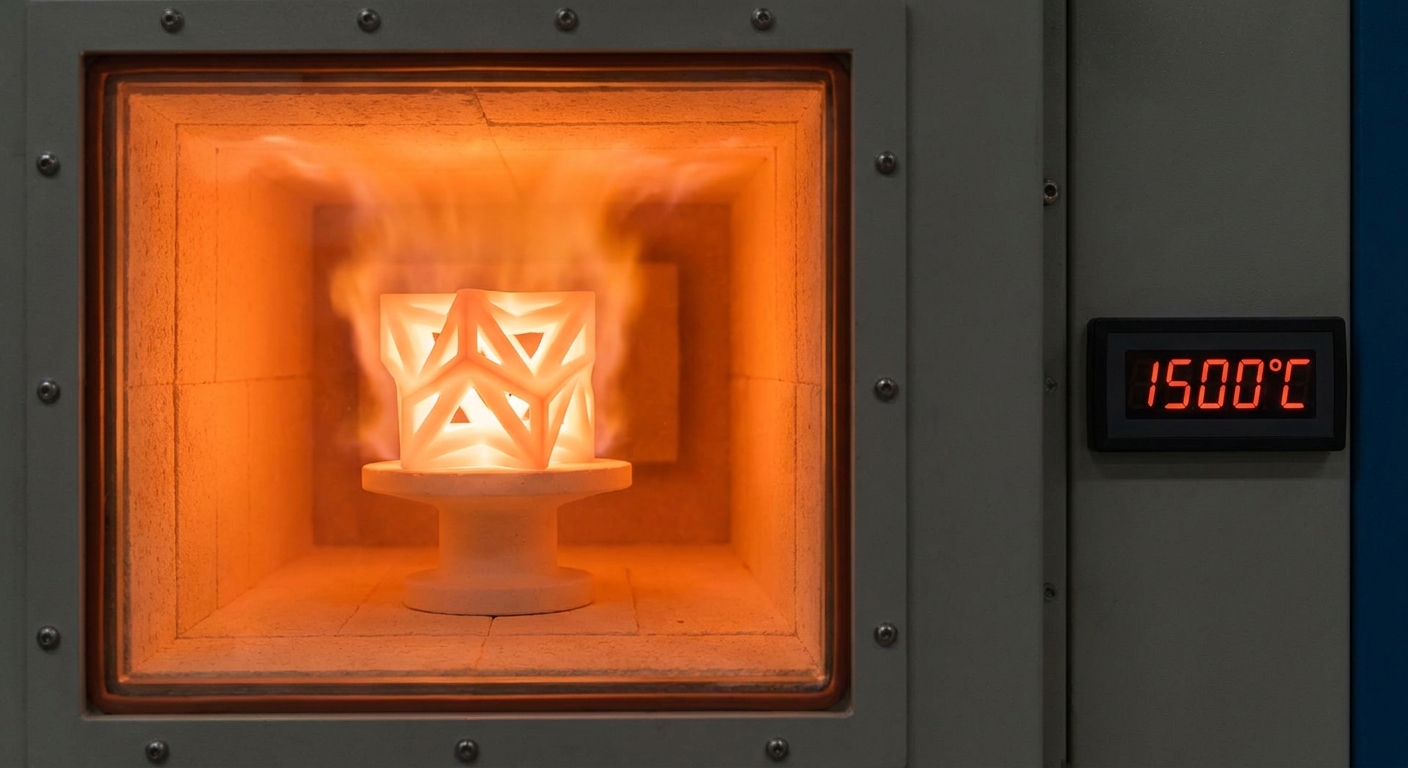
This material serves as an elite thermal insulator because Zirconia Ceramic possesses one of the lowest thermal conductivities among all advanced technical ceramics. Its melting point sits above 2,700°C, allowing it to remain structurally sound in environments where most metals would have long since liquified. It is frequently used as a thermal barrier coating to protect critical aerospace components from heat damage.
Thermal Insulation and Low Conductivity
Unlike metals that dissipate heat rapidly, this material retains heat or acts as a shield to prevent thermal transfer to sensitive electronics. This property is vital for maintaining temperature stability in specialized chemical reactors.
- Conductivity: Approximately 2.2 W/(m·K).
- Service Temp: Continuous use up to 1,200°C.
- Expansion: Matches the thermal expansion of steel.
But here is the best part: Its ability to match the expansion of steel allows for metal-ceramic hybrid assemblies that don’t crack during heating.
Stability in Oxidizing Environments
Unlike silicon-based ceramics that may oxidize at high heat, this oxide ceramic is already fully oxidized and stable. This makes it the premier choice for oxygen sensors and solid oxide fuel cell components.
- Oxygen Ion Conductivity: Becomes conductive at high temperatures.
- Chemical Stability: Resists oxidation and reduction cycles.
- Refractory Life: Extremely long lifespan in industrial kilns.
It gets even better: The material’s chemical bond is so strong that it remains inert even when glowing white-hot in a furnace.
Key Takeaway: High-temperature stability combined with low thermal conductivity makes zirconia the ideal shield for extreme thermal environments.
| Property | Value | Benefit | |
|---|---|---|---|
| Melting Point | 2,715°C | Withstands extreme heat | |
| Thermal Expansion | 10.5 x 10⁻⁶/K | Prevents thermal shock | |
| Max Continuous Temp | 1,200°C | Long-term durability |
Selecting zirconia for heat shields significantly reduces the risk of thermal fatigue in your machinery.
Zirconia Ceramic: Is it safe for human medical implants?
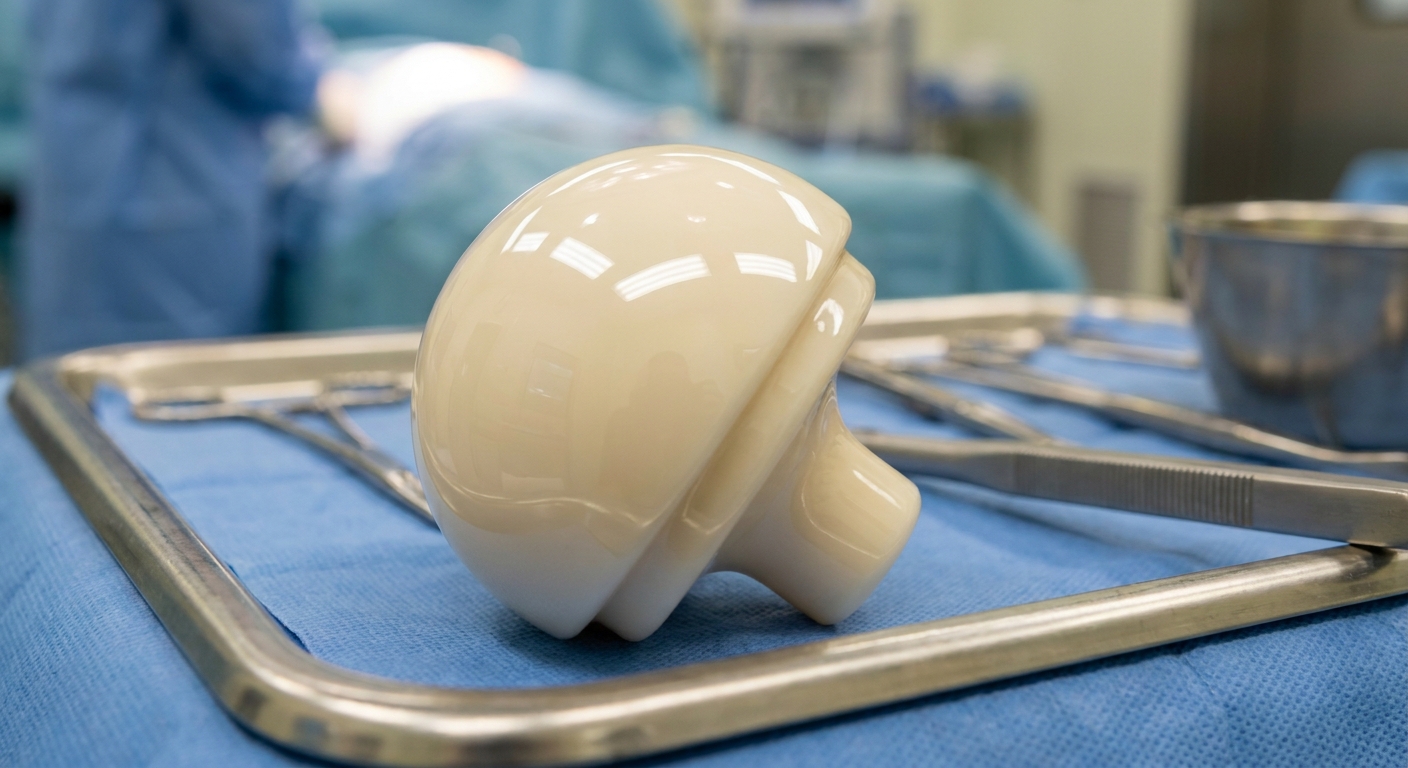
Zirconia is widely regarded as the most biocompatible ceramic available today, making Zirconia Ceramic the gold standard for orthopedic and dental implants. It does not cause allergic reactions, nor does it release metallic ions into the patient’s bloodstream over time. Furthermore, its smooth surface prevents the accumulation of bacteria, which reduces the risk of post-operative infections in patients.
Chemical Inertness in the Human Body
The human body is a highly corrosive environment for most materials, yet this ceramic remains completely unaffected by bodily fluids. It is immune to the saline-rich environment that causes even high-grade stainless steel to eventually degrade.
- Non-Toxic: No risk of metal toxicity.
- Bio-inert: Does not trigger an immune response.
- Smooth Finish: Reduces friction in joint replacements.
Check this out: Because it is not a metal, patients with severe metal sensitivities can safely receive these life-changing implants.
Orthopedic Performance and Wear Resistance
In hip and knee replacements, the material’s extreme hardness ensures that the joint surfaces do not wear down over decades of use. This longevity is critical for younger patients who need an implant that will last their entire lifetime.
- Low Friction: Smooth articulation with polymer liners.
- High Strength: Withstands the impact of walking and running.
- Radiopacity: Easily visible on X-rays for medical tracking.
The bottom line is: Zirconia implants provide a level of long-term reliability that traditional metal-on-metal joints simply cannot match.
Key Takeaway: Biocompatibility and wear resistance ensure that zirconia implants provide a safe, permanent solution for modern healthcare.
| Medical Benefit | Impact | |
|---|---|---|
| Zero Metal Ions | Eliminates systemic toxicity | |
| Low Wear | Prevents bone resorption | |
| High Strength | Enables small, low-profile designs |
Choosing medical-grade zirconia results in better patient outcomes and significantly lower rates of implant revision.
Zirconia Ceramic: What makes it ideal for dental crowns?
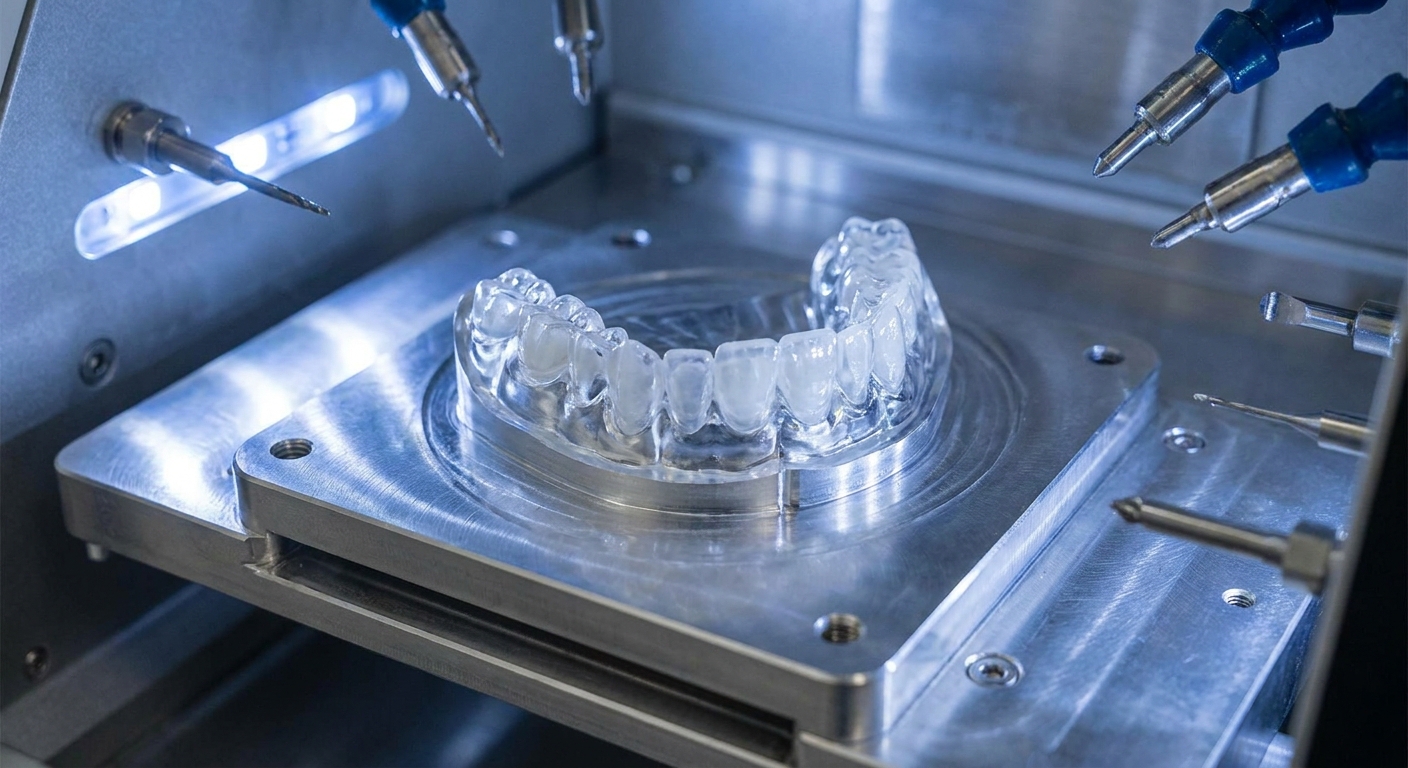
Dentists prefer this material for restorations because Zirconia Ceramic offers the perfect blend of natural aesthetics and mechanical strength. Unlike traditional porcelain-fused-to-metal crowns, monolithic zirconia will never chip or reveal a dark metal line at the gum level. It can be engineered with varying levels of translucency to perfectly match the appearance of a patient’s natural tooth enamel.
Aesthetics and Translucency
Advanced dental materials are now multi-layered, meaning the shade and translucency change from the root to the incisal edge. This mimicry allows the crown to blend seamlessly with the surrounding teeth under any lighting condition.
- Natural Look: Light passes through like real enamel.
- Stain Resistance: Impermeable to coffee, tea, and tobacco.
- Color Stability: The shade is baked in and will not fade.
But wait, there is more: Modern “Super Translucent” zirconia allows for beautiful front-teeth restorations that were previously only possible with weaker ceramics.
CAD/CAM Efficiency and Precision
The rise of digital dentistry means that your crown can be milled from a solid block of this ceramic using computer-aided manufacturing. This process ensures a micron-perfect fit, reducing the amount of time you spend in the dentist’s chair.
- Monolithic Strength: Carved from a single block.
- Precision Milling: Fits the tooth prep perfectly.
- Fast Turnaround: Bridges can be made in a single day.
Here is the best part: Because the material is so strong, the dentist can remove less of your healthy tooth structure while still providing a durable restoration.
Key Takeaway: Dental zirconia provides a metal-free, beautiful, and nearly indestructible solution for modern smile restoration.
| Restoration Type | Best Zirconia Type | Primary Advantage | |
|---|---|---|---|
| Posterior Crown | 3Y-TZP (High Strength) | Resists heavy chewing | |
| Anterior Bridge | 5Y-PSZ (High Translucency) | Perfectly matches enamel | |
| Dental Implant | Toughened Zirconia | Promotes bone growth |
Utilizing zirconia for dental work ensures a restoration that looks natural and lasts for decades.
Zirconia Ceramic: Which industrial valves use this material?
Industrial valves in the oil, gas, and mining sectors rely on Zirconia Ceramic components to handle the flow of abrasive slurries that would destroy metal valves in hours. The material’s extreme hardness and chemical resistance make it the ideal choice for valve seats, balls, and liners. These parts are specifically designed to thrive in environments where high-pressure fluids are mixed with sand or corrosive chemicals.
Resilience Against Abrasive Slurries
When pumping mining waste or fracking fluids, the grit acts like sandpaper against metal surfaces. This ceramic material, however, is significantly harder than the particles it encounters, allowing it to maintain a tight seal over long periods.
- Erosion Resistance: Outlasts hardened steel by 10x.
- Cavitation Protection: Resists the pitting caused by air bubbles.
- Tight Sealing: Maintains flat surfaces even under high wear.
Here is the kicker: Switching to ceramic internals can reduce your maintenance costs and downtime by over 60% in heavy industrial settings.
Chemical and Corrosion Resistance
Many industrial processes involve aggressive acids and alkalis that eat through stainless steel. This oxide-based ceramic is chemically inert, meaning it will not react with or be degraded by the vast majority of industrial chemicals.
- Acid Resistance: Unaffected by concentrated sulfuric or nitric acid.
- Zero Rust: Cannot oxidize or corrode in saltwater.
- Low Friction: Operates smoothly without the need for lubricants.
Wait, there is more: Its low friction coefficient also means that the actuators required to turn the valves can be smaller and more energy-efficient.
Key Takeaway: Zirconia valves are a strategic investment for any operation dealing with high-wear, high-pressure, or corrosive fluid transport.
| Valve Component | Material Advantage | Service Life Impact | |
|---|---|---|---|
| Valve Ball | High Polish / No Wear | 5x Longer Life | |
| Valve Seat | Compression Strength | Leak-free Operation | |
| Pump Liner | Impact Resistance | Reduced Friction |
Upgrading to zirconia components is the most effective way to eliminate frequent valve failures in abrasive environments.
Zirconia Ceramic: How does it improve telecommunications?
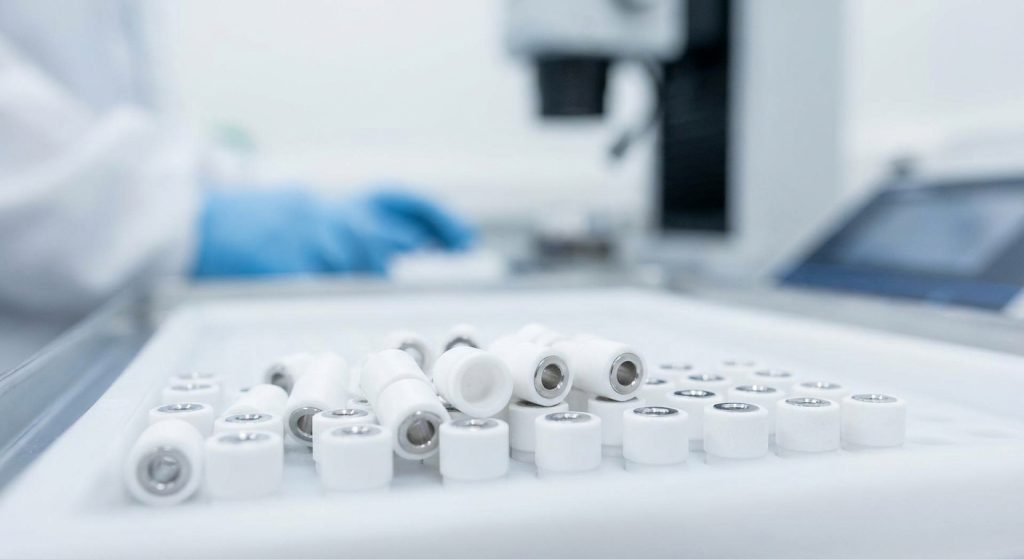
In the telecommunications industry, Zirconia Ceramic is the critical material used to create the ferrules that align fiber optic cables with nanometer precision. Because the material is non-conductive and non-magnetic, it provides a stable environment for high-speed data transmission without signal interference. Its extreme dimensional stability ensures that the fiber alignment stays perfect even as temperatures fluctuate.
Precision Alignment in Fiber Optics
The hole in a fiber optic ferrule must be perfectly centered and sized to within 0.5 microns to ensure that light signals pass through without loss. Only this ceramic material can be machined and polished to these exacting standards while maintaining its shape over time.
- Thermal Stability: Does not expand or contract with heat.
- Polishability: Achieves a mirror-like finish for low signal loss.
- Durability: Withstands thousands of plug/unplug cycles.
Think about it: The reliability of the modern internet depends on these tiny ceramic components working flawlessly in every server room.
Interference-Free Performance
As we move toward 5G and 6G technologies, the need for materials that do not block or interfere with radio waves is growing. This ceramic is “transparent” to most frequencies, making it an ideal choice for housing sensitive antennas and electronic sensors.
- Dielectric Constant: Low and stable across frequencies.
- Non-Magnetic: Ideal for high-EMI environments.
- Scratch Resistance: Keeps consumer devices looking new.
Here is the deal: Using ceramic instead of metal for device casings allows for better wireless charging and faster signal reception.
Key Takeaway: Zirconia’s unique electrical and mechanical properties make it the backbone of high-speed digital infrastructure.
| Component | Technical Role | Benefit | |
|---|---|---|---|
| Ferrule | Fiber alignment | 0.5μm precision | |
| Antenna Housing | Signal protection | Zero interference | |
| Insulator | Electrical isolation | High-voltage safety |
Specifying zirconia for telecom hardware ensures long-term signal integrity and hardware durability.
Zirconia Ceramic: Can it replace steel in cutting tools?
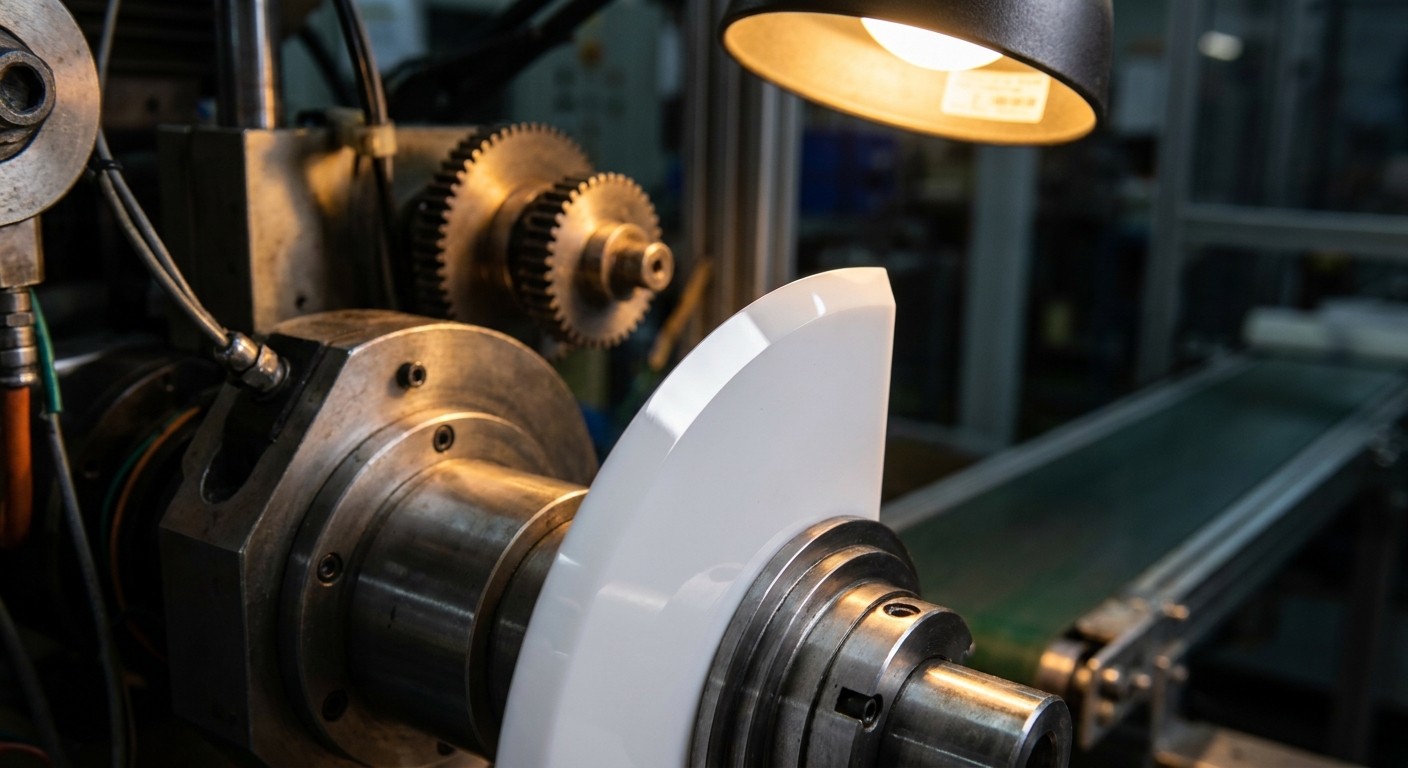
Yes, Zirconia Ceramic is an outstanding replacement for steel in industrial cutting applications, especially where blades must stay sharp while cutting through abrasive or chemically reactive materials. Because Zirconia Ceramic is much harder than stainless steel, it can maintain a razor-sharp edge up to 50 times longer. It is also non-magnetic and non-sparking, making it safer for use in explosive or high-precision environments.
Edge Retention and Hardness
Industrial slitting and cutting often generate significant heat, which causes metal blades to soften and dull. This ceramic material is immune to thermal softening, allowing it to maintain its cutting geometry even during continuous high-speed operation.
- Hardness: Twice as hard as high-carbon steel.
- Less Downtime: Fewer blade changes during production.
- Clean Cuts: Reduces fraying in textiles and plastics.
But here is the best part: Its self-sharpening characteristic means that as it wears, it reveals new, sharp edges at a microscopic level.
Specialized Safety Features
In chemical processing or battery manufacturing, a spark from a metal blade could be catastrophic. Zirconia blades provide a completely spark-free cutting solution that is also chemically non-reactive with the materials being processed.
- Non-Sparking: Safe for volatile environments.
- Non-Magnetic: Won’t attract metal shavings.
- Corrosion Proof: Can cut through wet or acidic materials.
Wait, there is more: These blades are also widely used in the food industry because they never rust and don’t impart a metallic taste to the product.
Key Takeaway: Upgrading to zirconia cutting tools dramatically increases production efficiency by extending the interval between blade sharpenings.
| Blade Type | Metal Lifespan | Zirconia Lifespan | |
|---|---|---|---|
| Textile Slitter | 1 Shift | 30+ Shifts | |
| Plastic Cutter | 1 Day | 45+ Days | |
| Food Slicer | High Corrosion | Zero Corrosion |
Switching to ceramic blades is a high-ROI move for any manufacturing line plagued by frequent blade failures.
Zirconia Ceramic: What is the future of 3D printing?
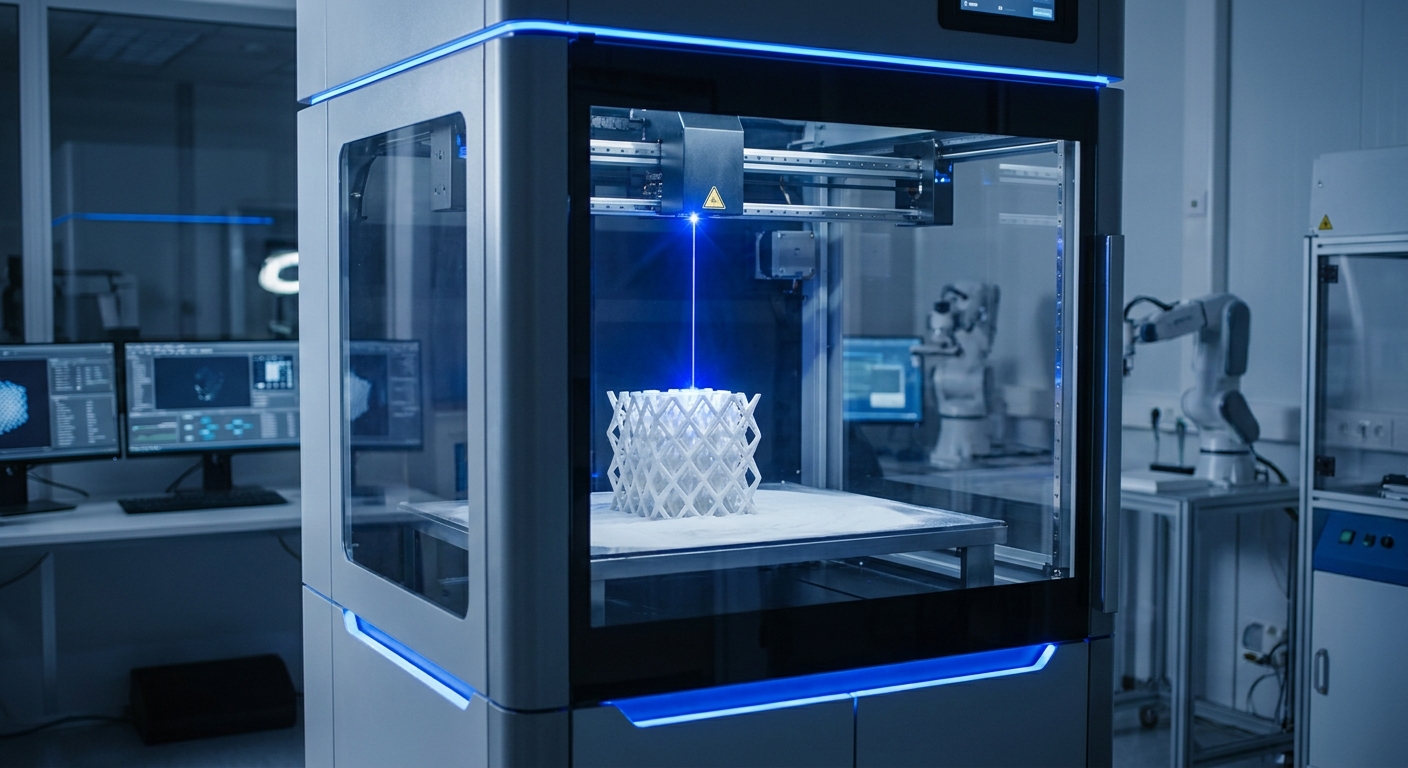
The future of this material is being shaped by additive manufacturing, which allows for the creation of complex Zirconia Ceramic parts that were previously impossible to manufacture. Through technologies like Lithography-based Ceramic Manufacturing (LCM), engineers can now print intricate lattice structures and custom medical implants tailored to an individual’s anatomy. This digital workflow reduces material waste and speeds up the development of high-performance prototypes.
Design Freedom and Internal Geometries
Traditional milling cannot create internal cooling channels or hollow lattice structures inside a solid block of ceramic. 3D printing removes these constraints, allowing for optimized designs that are lighter and more functional than their traditionally manufactured counterparts.
- Complexity: Print any shape without molds.
- Customization: Perfect for patient-specific implants.
- Weight Reduction: Lattice designs save on mass.
Now, consider this: You can now design aerospace components with internal structures that manage heat more efficiently than any solid block ever could.
Rapid Prototyping and Low Volume Production
The cost of creating a mold for a new ceramic part can be thousands of dollars, making small runs prohibitively expensive. 3D printing allows you to go from a digital CAD file to a sintered zirconia part in days rather than weeks.
- No Tooling: Eliminate the cost of expensive molds.
- Fast Iteration: Test multiple designs in one batch.
- Sustainability: Less powder waste during production.
It gets even better: The mechanical properties of 3D-printed zirconia are now comparable to traditionally pressed parts, making them suitable for end-use industrial applications.
Key Takeaway: Additive manufacturing unlocks the full potential of zirconia by allowing for geometry-driven performance and rapid product deployment.
| Feature | Traditional Molding | 3D Printing | |
|---|---|---|---|
| Design Complexity | Limited by Mold | Virtually Unlimited | |
| Prototype Speed | 4-8 Weeks | 1 Week | |
| Initial Tooling Cost | High | Zero |
Embracing 3D printing for your zirconia parts gives you a significant competitive edge in speed-to-market.
Zirconia Ceramic: Why choose a vertically integrated supplier?
Selecting a vertically integrated manufacturer for Zirconia Ceramic ensures that you have full traceability and consistent quality from the raw material to the finished component. A supplier that controls every stage of production—from powder formulation to final diamond grinding—can offer more competitive pricing and faster technical support. This integration eliminates the risks associated with middleman trading companies who often source from multiple factories with varying standards.
Traceability and Quality Assurance
In industries like aerospace and medical devices, knowing the exact chemical makeup of every batch of material is a regulatory necessity. A direct manufacturer provides a complete data package with every shipment, including particle size distribution and phase analysis reports.
- Full Chain: Traceability from ore to finished part.
- Consistent Specs: Reduced batch-to-batch variance.
- Direct Support: Talk to the engineers who made the material.
Here is the best part: A vertically integrated partner can customize the material’s properties, such as translucency or toughness, specifically for your unique application.
Long-Term Supply Stability
In today’s volatile market, having a partner with massive annual capacity and controlled raw material sources is a strategic advantage. You won’t have to worry about sudden lead-time spikes or quality shifts that could shut down your production line.
- Scalability: Ready to handle high-volume industrial orders.
- Factory Audits: Transparency builds trust through site visits.
- Cost Efficiency: Direct factory pricing without hidden fees.
But wait, there is more: A direct manufacturer like ZrBrontec maintains safety stock specifically for long-term contract partners to ensure zero-day delivery delays.
Key Takeaway: Choosing a manufacturer that owns the entire production cycle is the best way to eliminate procurement risk and ensure consistent material performance.
| Supplier Type | Quality Control | Pricing | Technical Support | |
|---|---|---|---|---|
| Trading Company | Varied | Marked Up | Limited | |
| ZrBrontec | Strict/Direct | Factory Direct | Direct Engineering |
Partnering with a vertically integrated expert ensures your project stays on schedule and meets all performance criteria.
Summary and Strategic Next Steps
Zirconia material has evolved into an indispensable resource for industries that demand the ultimate in strength, thermal resistance, and biocompatibility. Whether you are developing the next generation of dental restorations, aerospace heat shields, or high-wear industrial valves, the physical properties of this ceramic provide a solution where other materials fail. By understanding the science of transformation toughening and the advantages of modern additive manufacturing, you can optimize your designs for maximum durability and efficiency.
If you are currently facing challenges with material wear, corrosion, or thermal failure, we invite you to contact us today . Our engineering team at ZrBrontec is ready to provide tailored material recommendations, custom powder specifications, and high-precision structural components to help you solve your most difficult application hurdles. We are committed to advancing the frontier of material science through vertical integration, ensuring that every zirconia part we deliver meets the highest standards of Western industrial excellence.
Frequently Asked Questions
Can I use zirconia for high-temperature furnace linings?Yes. Zirconia is an excellent refractory material for furnace linings, particularly in environments exceeding 1,700°C where standard alumina would fail. It is also preferred for high-purity processes because it is chemically inert and will not contaminate your products.
What is the best type of zirconia for high-impact industrial parts?The best choice for high impact is 3Y-TZP (3 mol% Yttria-Stabilized Tetragonal Zirconia Polycrystal). It offers the highest level of transformation toughening and fracture toughness, making it resistant to shattering even under sudden mechanical loads.
Can I get custom-sized zirconia powder for my specific process?Absolutely. At ZrBrontec, we can customize the particle size distribution (PSD) to match your specific manufacturing needs, whether you are using dry pressing, injection molding, or tape casting. We typically maintain a D50 variance of within ±5%.
What is the best way to verify the quality of a zirconia shipment?The best way is to review the included Certificate of Analysis (COA), which should contain laser diffraction data for particle size, XRF data for chemical purity, and XRD data for phase composition. We provide these reports with every batch to ensure full transparency.
Can I visit your facility to perform a quality audit?Yes, we welcome all professional partners to visit our manufacturing facility in Qingdao, China. Seeing our vertically integrated production lines and QC laboratories firsthand is the best way to build confidence in a long-term supply partnership.