
Zirconia is a polymorphic ceramic material derived from the silicate mineral zircon, known for its exceptional mechanical strength and its ability to exist in different crystal phases based on temperature. You may often find yourself caught between the need for industrial-grade durability and the aesthetic requirements of high-translucency applications. Choosing our specialized Zirconia Ceramic solutions allows you to bypass the risk of material fatigue while achieving predictable, high-quality results across various technical and clinical sectors.
1. What is the chemical makeup of a Zirconia Ceramic?
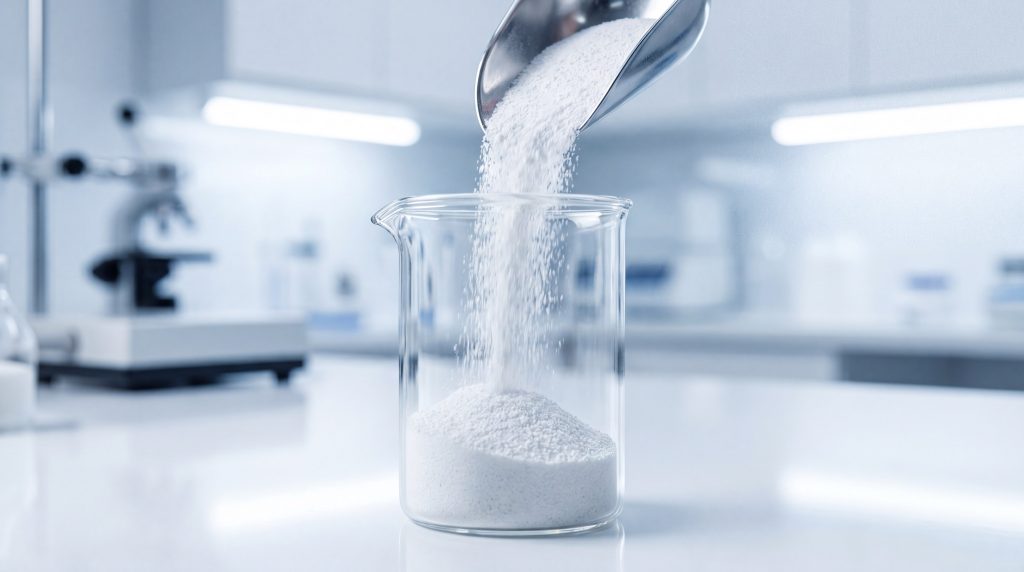
The chemical composition of a Zirconia Ceramic primarily consists of zirconium dioxide (ZrO2) integrated with specific metal oxides like yttrium to stabilize its structure. While pure zirconia is mined as the mineral zircon, it must be purified into a powder form with controlled particle sizes to be useful in engineering.
Understanding the Role of Yttria
Yttrium oxide is the most critical additive because it prevents the material from becoming brittle at room temperature. By adding roughly 3 to 5 mole % of yttria, manufacturers can “lock” the material into a strong tetragonal or cubic state.
Here is the deal: Without these stabilizers, the material would shatter during the cooling process. Other additives like alumina are also included to improve water resistance.
- Yttria: Primary stabilizer for phase control.
- Alumina: Enhances hydrothermal stability and reduces pore formation.
- Hafnium Oxide: Often remains in trace amounts to assist in densification.
Key Takeaway: Knowing the chemical additives helps you predict how the material will behave under thermal stress and moisture.
| Component | Function | Typical Percentage | |
|---|---|---|---|
| Zirconium Dioxide | Base Matrix | > 90% | |
| Yttrium Oxide | Phase Stabilizer | 3 – 5 mole % | |
| Aluminum Oxide | Corrosion Resistance | 0.05 – 0.25 wt % |
This breakdown clarifies why high-purity powders are the foundation of any reliable component.
2. How is a Zirconia Ceramic processed for stability?
Processing a Zirconia Ceramic involves compressing high-purity powder into a dense “green” state followed by high-temperature sintering to achieve final hardness. Most high-end manufacturers use the isostatic method to apply pressure uniformly from all directions, which eliminates internal voids.
The Importance of Isostatic Pressing
Cold Isostatic Pressing (CIP) is superior to uniaxial pressing because it ensures the material has a uniform density. This uniformity is vital because any variation in density will lead to uneven shrinkage during the final firing.
Consider this: Uniform density means your final part will match the intended CAD/CAM dimensions with surgical precision.
- Uniformity: Reduces internal stress risers.
- Predictability: Ensures a consistent 20% shrinkage rate.
- Quality: Eliminates microscopic pores that could lead to failure.
Key Takeaway: Selecting isostatically pressed blocks ensures that your components won’t warp or develop internal cracks during production.
| Processing Step | Description | Physical State | |
|---|---|---|---|
| CIP Compaction | Liquid pressure applied to powder | Flexible mold “Green” state | |
| Pre-sintering | Heating to a chalk-like hardness | Machinable | |
| Final Sintering | High-temp fusion at ~1500°C | Rock-hard final part |
Proper processing is the only way to transform soft powder into a material harder than most metals.
3. What are the three phases of a Zirconia Ceramic?
A Zirconia Ceramic exists in three distinct crystal phases—monoclinic, tetragonal, and cubic—depending on the temperature and the amount of stabilizer used. At room temperature, pure zirconia is naturally monoclinic, but the addition of yttria allows the stronger tetragonal and cubic phases to remain stable.
The Strength of the Tetragonal Phase
The tetragonal phase is the “workhorse” of industrial ceramics because of its high fracture toughness. When a crack starts, the crystals in this phase actually expand to “clamp” the crack shut, a phenomenon known as transformation toughening.
But wait: If the temperature exceeds 2,370 °C, the material enters the cubic phase, which is much more translucent but mechanically weaker.
- Monoclinic: Stable at room temperature; low strength.
- Tetragonal: Stable between 1,170°C and 2,370°C; high strength.
- Cubic: Stable above 2,370°C; high translucency.
Key Takeaway: Understanding phase transitions allows you to choose between maximum strength (tetragonal) or maximum aesthetics (cubic).
| Phase | Temp Range | Volume Change | Mechanical Property | |
|---|---|---|---|---|
| Monoclinic | < 1,170 °C | Baseline | Brittle | |
| Tetragonal | 1,170 – 2,370 °C | -4.5% | High Toughness | |
| Cubic | > 2,370 °C | Minimal | Translucent |
Phase control is the “secret sauce” that makes this material so versatile across different industries.
4. How has Zirconia Ceramic translucency evolved over time?
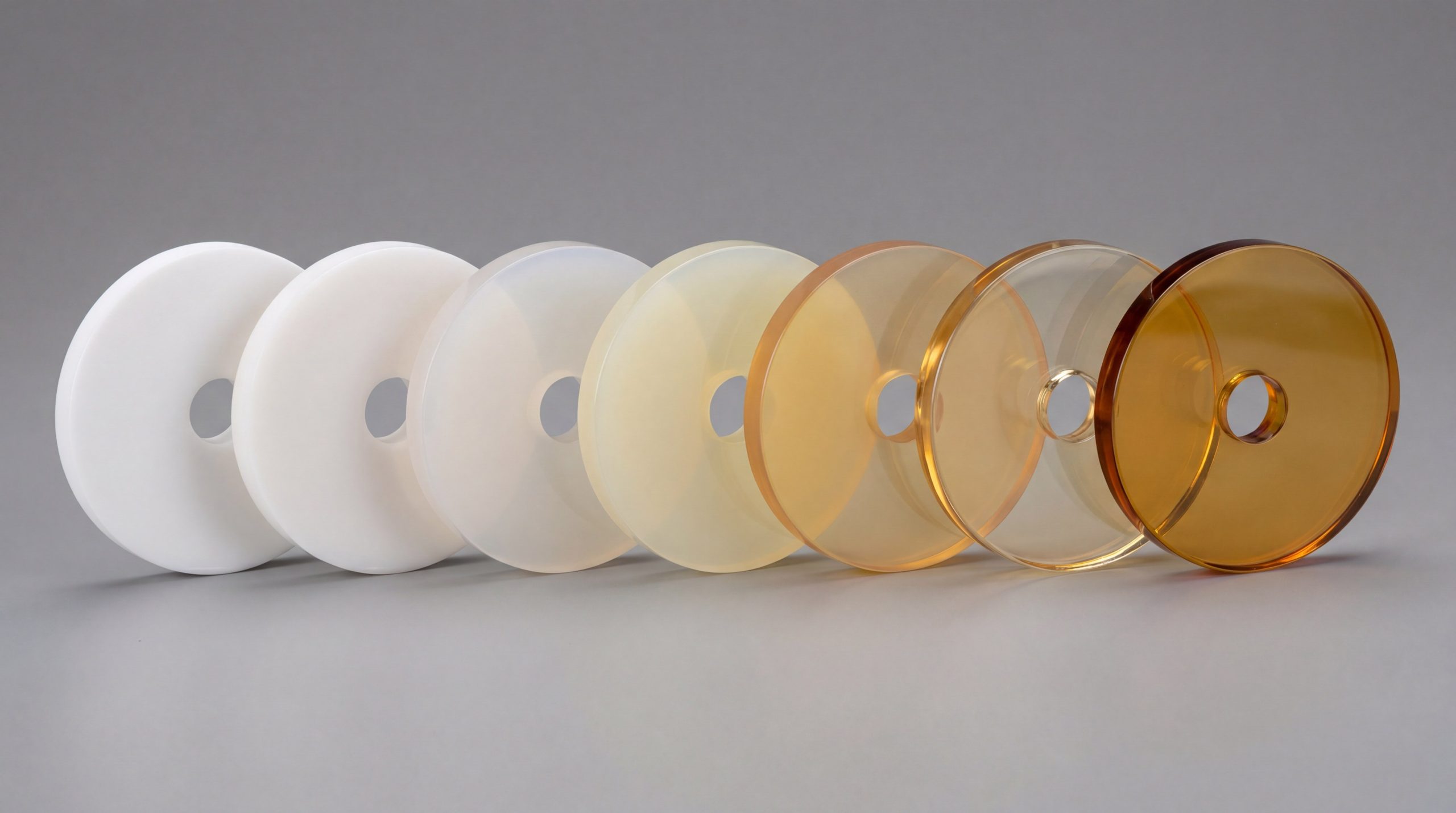
The evolution of a Zirconia Ceramic has moved from the original opaque “white metal” used for frameworks to highly translucent, multi-layered materials used for aesthetic restorations. This shift was achieved by increasing the yttria content and reducing the amount of alumina to allow more light to pass through.
From 3Y to 5Y Generations
Original 3 mole % yttria (3Y) zirconia was incredibly strong but blocked all light, making it look unnatural in anterior dental applications. Newer 5 mole % (5Y) versions contain more cubic grains, which are larger and more symmetrical, allowing light to travel through the material with less scattering.
The bottom line is: Modern multi-layered discs now mimic the natural gradient of human teeth or complex industrial glass.
- 1st Gen (3Y): Opaque, high strength.
- 2nd Gen (Translucent 3Y): Reduced alumina for better light flow.
- 3rd Gen (5Y): High cubic content for maximum translucency.
Key Takeaway: You no longer have to settle for an opaque finish; modern grades offer the optical depth of natural materials.
| Generation | Yttria Content | Light Transmission | Best Application | |
|---|---|---|---|---|
| Opaque (3Y) | 3 mole % | ~30% | Posterior Bridges | |
| Translucent (4Y) | 4 mole % | ~40% | Universal Crowns | |
| Ultra-Translucent (5Y) | 5 mole % | ~50% | Anterior Veneers |
Evolution has effectively turned a structural industrial material into an aesthetic masterpiece.
5. Does Zirconia Ceramic offer superior fracture toughness?
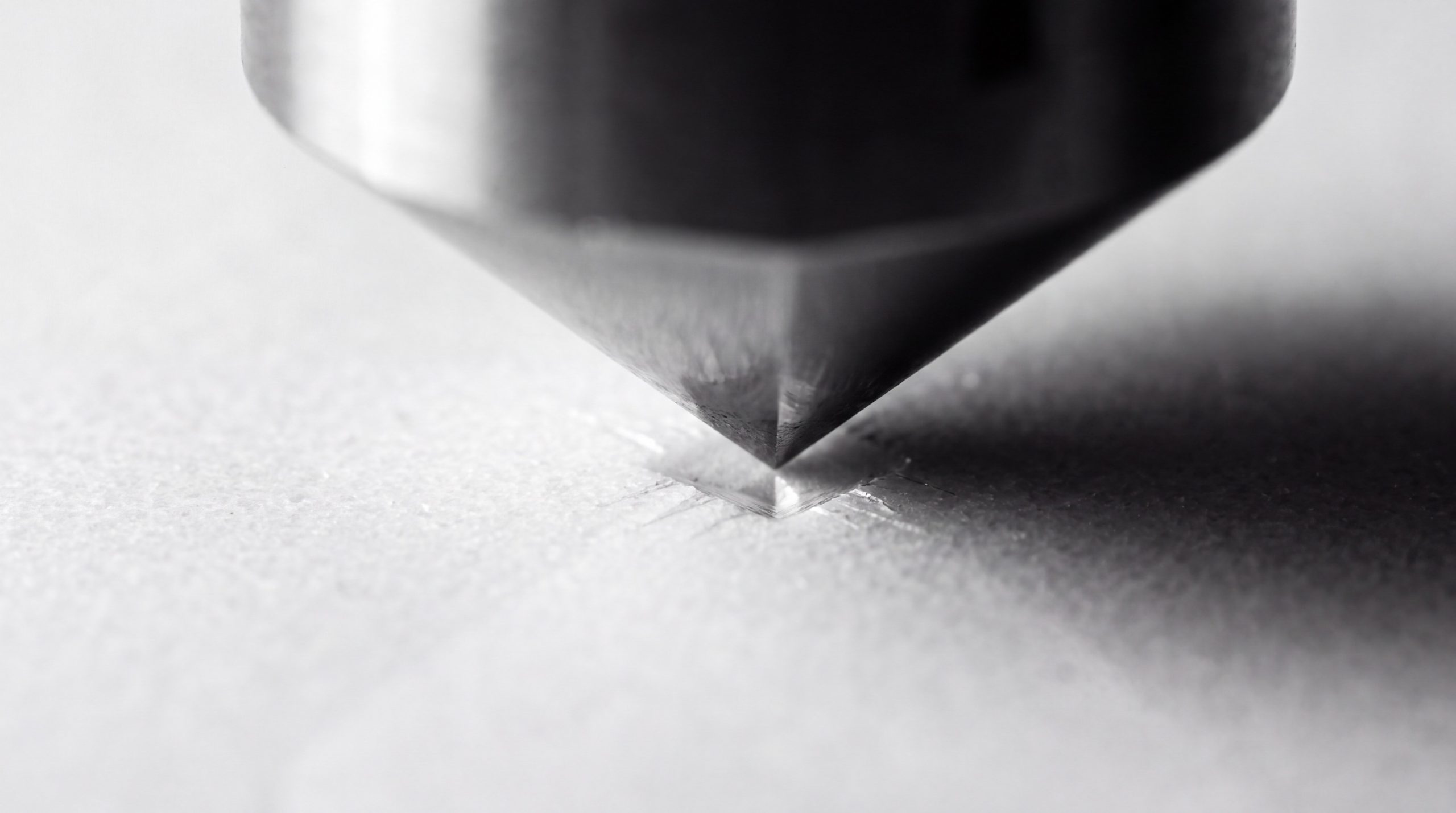
A Zirconia Ceramic offers some of the highest fracture toughness values in the ceramic world, often ranging from 3.5 to 4.5 MPa·m½. This resistance to cracking is what makes it a viable replacement for metal in high-stress environments like engine parts or dental bridges.
The Toughness Mechanism
The secret lies in the transformation zone. When a crack tries to grow, the energy at the crack tip causes nearby tetragonal crystals to expand and turn into monoclinic crystals, which effectively creates a “squeeze” that stops the crack in its tracks.
Look at it this way: It is like a self-healing material that reacts to stress to protect its own integrity.
- 3Y-TZP: Highest toughness; resists bulk fracture.
- 5Y-TZP: Lower toughness; better for low-load aesthetic zones.
- Metals: Still tougher, but zirconia is the closest ceramic equivalent.
Key Takeaway: If your application involves high loads or impact, prioritizing fracture toughness over translucency is essential for longevity.
| Material | Fracture Toughness (MPa·m½) | Flexural Strength (MPa) | |
|---|---|---|---|
| Opaque Zirconia | 3.5 – 4.5 | 1,200 – 1,400 | |
| Translucent Zirconia | 2.2 – 4.0 | 700 – 900 | |
| Lithium Disilicate | 2.0 – 2.5 | 360 – 400 |
Superior toughness is why zirconia is the primary choice for long-span posterior restorations.
6. What causes aging in a Zirconia Ceramic material?
Aging in a Zirconia Ceramic, scientifically known as Low-Temperature Degradation (LTD), occurs when the tetragonal crystals spontaneously revert to monoclinic crystals in the presence of moisture. This transformation typically starts on the surface and can slowly penetrate deeper into the material over several years.
Factors Influencing Decay
Surface roughness and grain size are the primary drivers of LTD. Smaller grains (0.2–0.5 μm) tend to transform much more slowly, which is why high-quality powder processing is so vital for the lifespan of the component.
It gets better: High-cubic zirconia (5Y) is actually more resistant to this specific type of moisture aging because the cubic phase is more stable in wet environments.
- Moisture: The primary catalyst for phase reversion.
- Grain Size: Smaller grains offer higher hydrothermal stability.
- Temperature: Accelerated aging tests use steam at 134°C to simulate years of wear.
Key Takeaway: Checking the grain size and alumina content of your raw material can help you avoid long-term structural failure.
| Aging Factor | Impact on Material | Prevention Method | |
|---|---|---|---|
| Water Exposure | Triggers surface transformation | High-purity alumina additives | |
| Large Grains | Increases rate of LTD | Precision milling of raw powder | |
| Surface Flaws | Creates entry points for moisture | High-polish finish |
Understanding aging ensures you don’t face unexpected material failures years after installation.
7. Will a Zirconia Ceramic wear down opposing natural teeth?
Contrary to popular belief, a polished Zirconia Ceramic surface is actually kinder to opposing natural enamel than traditional veneering porcelain or even some metal alloys. The wear of opposing teeth is caused by surface roughness, not the hardness of the material itself.
Polishing vs. Glazing
Research indicates that polished zirconia wears opposing enamel ten times less than feldspathic porcelain. When you glaze zirconia, the glaze layer can eventually wear away, leaving a rough interface that acts like sandpaper against the natural tooth.
The reality is: A mirror-like polish is the gold standard for protecting the articulating surfaces of any mechanical or dental system.
- Polished: Extremely low wear; stays smooth over time.
- Glazed: Can become abrasive once the thin glass layer chips.
- Veneered: High wear due to the abrasive nature of glass-ceramics.
Key Takeaway: Insisting on a high-polish finish rather than a simple glaze will significantly extend the life of the opposing structures.
| Surface Treatment | Wear on Enamel | Long-term Smoothness | |
|---|---|---|---|
| High Polish | Very Low | Excellent | |
| Surface Glaze | Moderate to High | Poor (once worn) | |
| Hand-Ground | Very High | Dangerous |
Proper surface finishing is the difference between a successful integration and a destructive one.
8. Why is it naturally opaque?
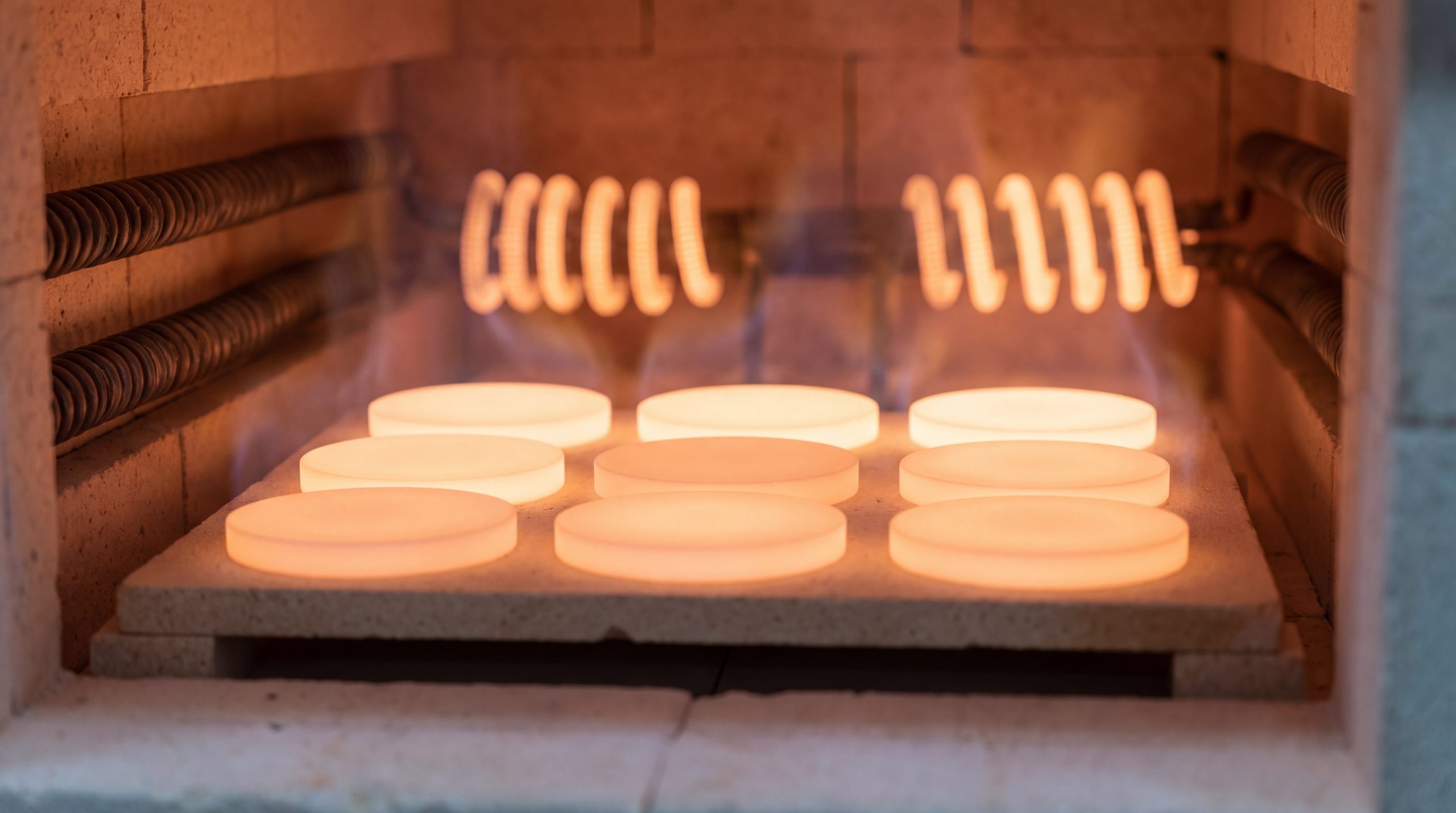
The natural opacity of a Zirconia Ceramic is caused by light scattering at the irregular boundaries of the tetragonal crystals. Because these crystals are anisotropic (meaning they refract light differently in different directions), light gets trapped or reflected rather than passing straight through.
Role of Pores and Additives
Even tiny amounts of residual porosity or different refractive indices in additives like alumina can increase opacity. During the sintering process, if the temperature isn’t perfectly controlled, these pores remain, acting like tiny mirrors that block light.
Consider this: While opacity is a challenge for front teeth, it is a massive advantage for masking dark metal posts or discolored tooth stumps.
- Scattering: Light bounces off grain boundaries.
- Absorption: Impurities in the powder can soak up light energy.
- Reflection: Occurs at the surface and internal voids.
Key Takeaway: Use the natural opacity of 3Y grades to your advantage when you need to hide unsightly underlying structures.
| Optical Factor | Effect on Light | Resulting Appearance | |
|---|---|---|---|
| Tetragonal Grains | High Scattering | Opaque / White | |
| Residual Pores | Light Reflection | Milky / Chalky | |
| Cubic Grains | Low Scattering | Translucent / Amber |
Opacity isn’t a defect; it’s a structural characteristic you can utilize for specific masking needs.
9. What are the future trends for Zirconia Ceramic?
The future of the Zirconia Ceramic industry is trending toward nano-zirconia materials and rapid-sintering technologies that allow for “single-visit” production without losing mechanical strength. These innovations aim to combine the strength of 3Y grades with the translucency of 5Y grades into a single “super-material.”
The Rise of Nano-Zirconia
Nano-zirconia features extremely small grain sizes that are smaller than the wavelength of light. This allows the material to be almost as clear as glass while maintaining the fracture toughness of traditional industrial ceramics.
Here is the kicker: New induction furnaces can now fully sinter a crown in 20 minutes, compared to the traditional 8-hour cycle.
- Rapid Firing: Cuts production time by 90%.
- Nano-Grains: Exceptional beauty and strength.
- 3D Printing: Moving toward additive manufacturing of zirconia parts.
Key Takeaway: Staying updated on rapid-sintering ovens can help you significantly increase your daily production output.
| Future Tech | Primary Benefit | Current Status | |
|---|---|---|---|
| SpeedFire Ovens | 30-min production | Available now | |
| Nano-Zirconia | Max strength + Max beauty | Late R&D / Early Pilot | |
| Gradient 3D Printing | Complex geometries | Emerging |
The next decade will likely see zirconia become the undisputed universal material for all high-performance needs.
10. How to select the right Zirconia Ceramic grade?
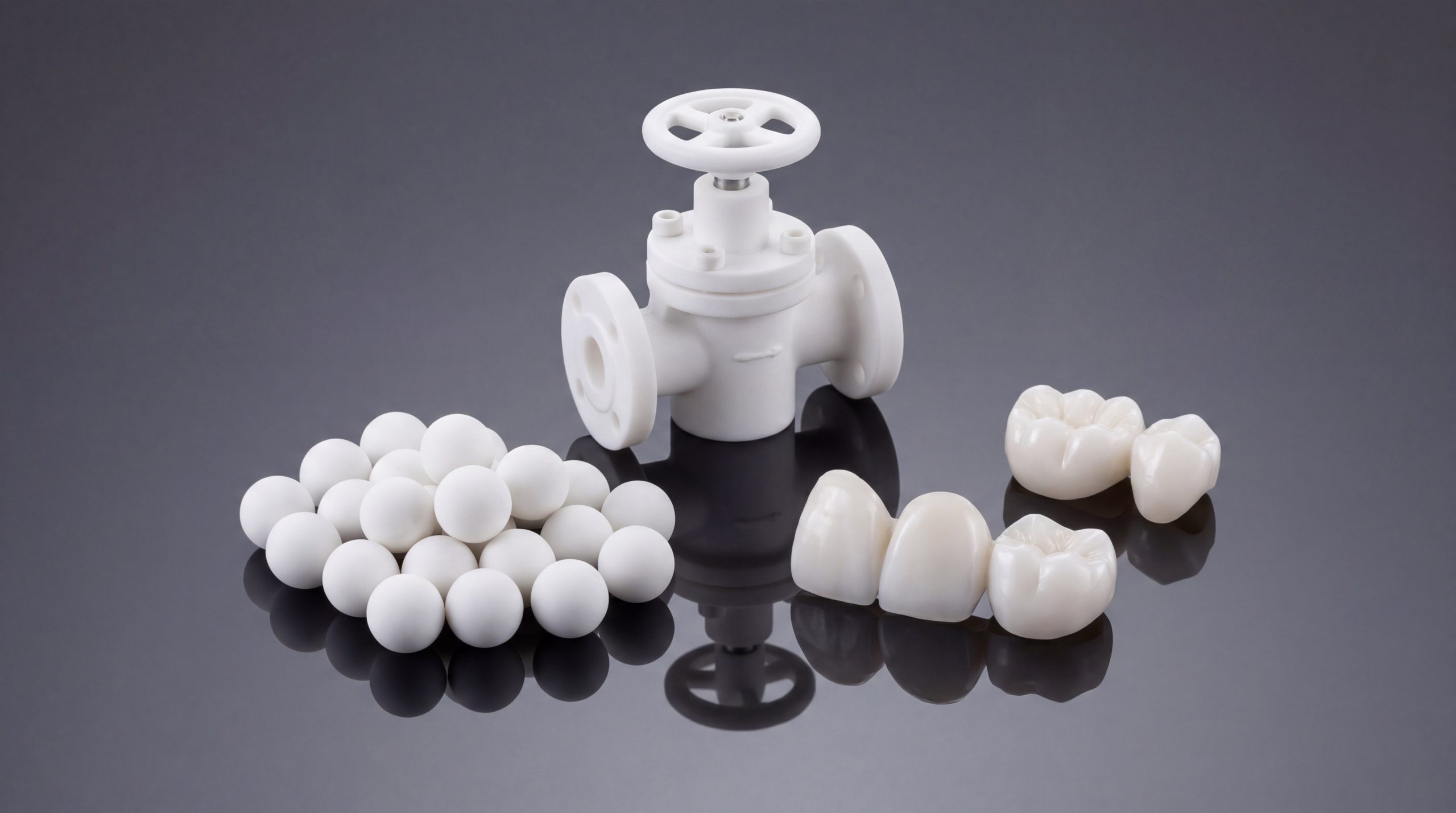
Choosing the correct Zirconia Ceramic grade requires a balance between the mechanical load the part will face and the aesthetic result you desire. For heavy industrial wear or posterior dental bridges, a high-strength 3Y grade is non-negotiable to prevent catastrophic failure.
Application Matching
If you are working on anterior veneers or low-stress decorative parts, a 5Y ultra-translucent grade is the better choice. Most universal applications now favor 4Y grades, which offer a “sweet spot” of moderate translucency and respectable 800+ MPa strength.
But wait: Always check the manufacturer’s Batch Traceability. Inconsistent powder leads to unpredictable shrinkage and poor fit.
- High Load: Stick to 3Y (1,200 MPa).
- Aesthetic Zone: Use 5Y (700 MPa).
- Universal: 4Y is the best compromise.
Key Takeaway: Matching the mole percentage of yttria to the specific stress levels of your project is the best way to ensure long-term success.
| Application | Recommended Grade | Priority | |
|---|---|---|---|
| Industrial Pump Parts | 3Y / Mg-PSZ | Hardness / Wear | |
| Long-span Bridge | 3Y-TZP | Fracture resistance | |
| Single Front Crown | 5Y-TZP | Natural aesthetics |
Correct grade selection is the ultimate insurance policy against project failure and costly reworks.
Frequently Asked Questions
Can I sinter different brands of zirconia in the same oven cycle?No, you shouldn’t. Each manufacturer has a unique shrinkage rate and specific temperature “soak” times required for their chemical additives to stabilize.
What’s the best way to avoid chipping in zirconia restorations?The best way is to use monolithic (full-contour) designs rather than layering porcelain over a zirconia frame. Chipping almost always occurs in the weaker veneering glass, not the zirconia itself.
How do I know if my zirconia is high quality?The best way to know is to request a Certificate of Analysis (COA) that shows the Particle Size Distribution (PSD) and yttria content. Stable batches from reputable manufacturers like ZrBrontec will have a PSD variance of less than ±5%.
Can I adjust the shape of a fully sintered zirconia part?Yes, you can, but only with water-cooled diamond tools. Dry grinding creates heat that can trigger a phase transition, leading to surface micro-cracks and eventual failure.
What’s the best yttria content for general use?The best content for general use is 4 mole % (4Y). It provides a balanced combination of translucency for aesthetics and enough strength to handle most posterior loads.
Conclusion
The transformation of Zirconia Ceramic from a simple industrial mineral into a highly engineered, polymorphic material has revolutionized both manufacturing and healthcare. By understanding the intricate balance between crystal phases, yttria stabilization, and surface finishing, you can navigate the complexities of material selection with confidence. Whether you are solving for extreme wear in industrial pumps or seeking the perfect translucency for an anterior crown, the evolution of this material provides a solution for every high-stakes challenge.
At ZrBrontec, we provide the engineering support and high-purity materials necessary to eliminate process variation and maximize your yield. If you are ready to upgrade your material performance and ensure batch-to-batch stability, contact us today to start a technical discussion with our expert team.