
Zirconia beads are high-density, ultra-durable spherical ceramic grinding media engineered to deliver superior kinetic energy transfer, minimal material wear, and ultra-precise wet or dry particle size reduction in industrial milling systems. High-tech manufacturers often face persistent mill downtime, severe slurry contamination, and escalating media replacement costs when grinding abrasive compounds. These bottlenecks compromise final product consistency and destroy operational margins in competitive technical markets. By replacing conventional grinding media with high-performance Zirconia Beads, you can immediately achieve sub-micron particle distribution, lower power consumption, and maintain total chemical purity throughout your production cycles.
Why Are Zirconia Beads Essential for High-Density Grinding?
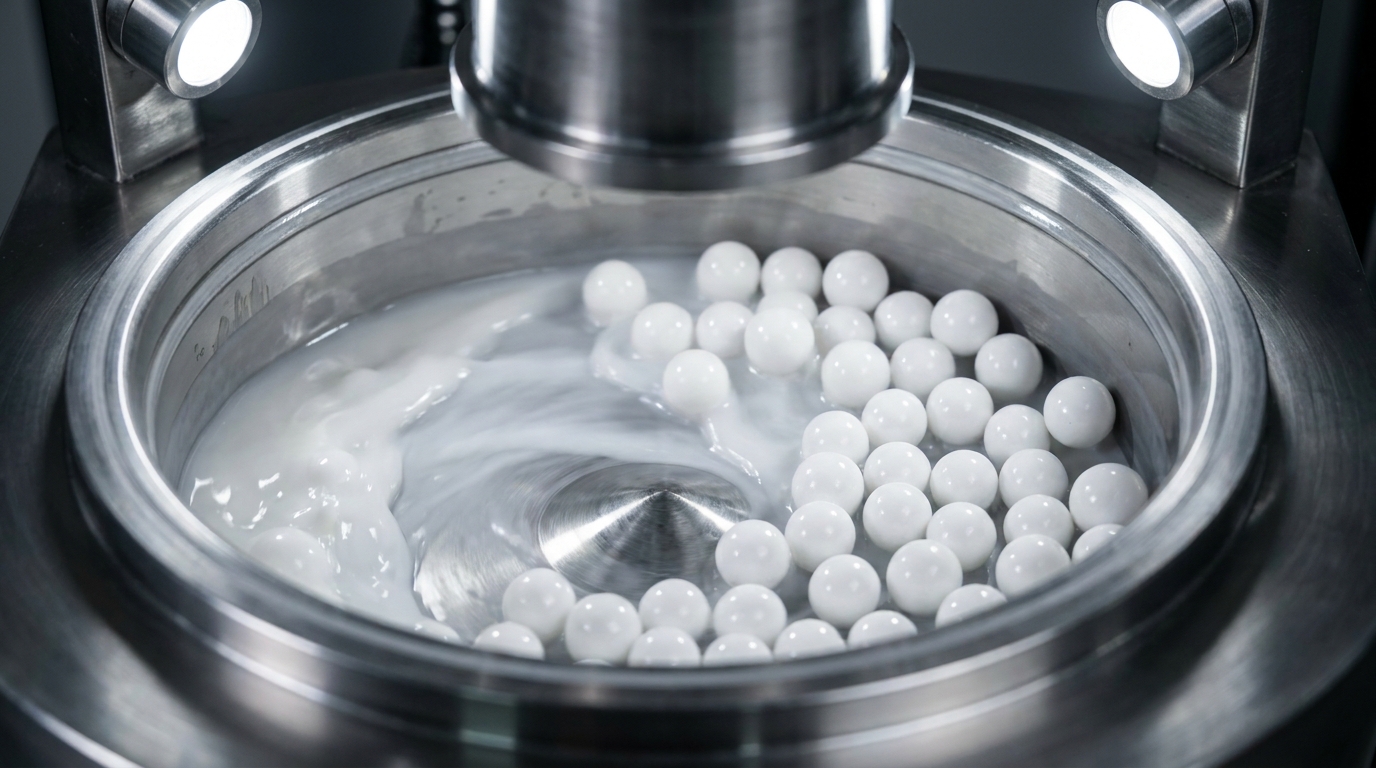
Zirconia Beads are essential for high-density grinding because their elevated specific gravity provides maximum kinetic energy transfer to shatter target particles rapidly during high-speed agitation. When your process demands sub-micron or nano-scale particle sizes, low-density media simply lacks the momentum needed to overcome fluid viscous resistance.
By generating intense impact and shear forces inside the grinding chamber, these dense ceramic spheres drastically reduce residence times required to achieve target particle size distributions. This mechanical efficiency allows your plant to maximize hourly output while keeping energy consumption under control.
How Kinetic Energy Accelerates Comminution Rate
Think about it: higher mass at equal velocity translates directly into greater impact force during media-to-particle collisions. Standard glass or low-grade ceramic media requires significantly longer residence times, leading to unnecessary energy expenditure and heat build-up in your mill.
- Accelerated particle breakage kinetics across high-viscosity slurries.
- Lower specific energy consumption per batch ton of milled product.
- Reduced process duration for fine pigment, battery, and mineral dispersions.
What Energy Advantages Do Dense Media Provide?
Here’s the deal: dense grinding beads penetrate viscous slurry environments far more effectively than traditional light options. By maintaining steady momentum inside high-energy horizontal agitator mills, you eliminate dead zones and achieve narrow particle size distributions effortlessly.
- Enhanced hydrodynamic shear force in high-viscosity chemical formulations.
- Uniform media motion reducing local mill lining and agitator disc wear.
- Consistently tight D90 particle thresholds across high-volume batch runs.
| Media Category | Specific Gravity (g/cm³) | Relative Kinetic Energy Transfer (%) | Typical Milling Pass Count |
|---|---|---|---|
| Glass Beads | 2.5 | 100% (Baseline) | 5 – 8 Passes |
| Zircon Silicate Beads | 4.0 | 160% | 3 – 5 Passes |
| High-Density Zirconia Beads | 6.0 | 240% | 1 – 2 Passes |
Selecting higher-density media significantly decreases required milling cycles while increasing overall impact kinetic energy.
Key Takeaway: Adopting high-density zirconia grinding media drastically shortens batch processing cycles and minimizes overall operational energy expenses for your facility.
What Types of Zirconia Beads Suit Your Milling Application?
Zirconia Beads are manufactured in several primary chemical formulations, including yttria-stabilized, ceria-stabilized, and zircon silicate composite grades, to match specific industrial milling environments. Choosing the correct formulation guarantees optimal media lifespan, milling efficiency, and budget efficiency for your facility.
Understanding the unique material characteristics of each grade ensures that your mill operates at peak mechanical performance without premature media degradation. Different chemical stabilizers directly alter density, hardness, and fracture toughness parameters.
When to Choose Yttria-Stabilized Zirconia Formulations
Look at it this way: yttria-stabilized zirconia offers unmatched mechanical toughness and microstructural purity for ultra-clean processing. If your application demands zero ionic leaching or iron contamination, this premium formulation is your ideal operational choice.
- Near-zero wear rate suitable for medical and pharmaceutical active ingredients.
- Extreme fracture toughness preventing bead cracking under high shear stress.
- High sphericity above 95% ensuring smooth internal hydraulic circulation.
How Ceria and Zircon Silicate Beads Differ
The reality is simple: ceria-stabilized media provides the highest density for heavy-mineral grinding, while zircon silicate offers a cost-effective option for medium-energy applications. Matching material properties directly to your slurry characteristics prevents overspending on media while maintaining required throughput.
- Ceria-stabilized beads excel in high-density mineral and ore beneficiation circuits.
- Zircon silicate beads lower operational costs in standard paint and ink production.
- Chemically inert structures protect sensitive dye formulations from discoloration.
| Bead Type | Primary Stabilizer | Density (g/cm³) | Primary Industrial Application |
|---|---|---|---|
| Yttria-Stabilized (YSZ) | Yttrium Oxide (3 mol%) | 6.0 | Pharma, Electronics, Battery Materials |
| Ceria-Stabilized (CSZ) | Cerium Oxide | 6.2 | Heavy Minerals, Calcium Carbonate |
| Zircon Composite (ZSC) | Silica / Zirconium | 4.0 – 4.5 | Industrial Paints, Printing Inks |
Matching chemical stabilization to your specific liquid carrier prevents chemical degradation and optimizes wear ratios.
Key Takeaway: Matching the exact chemical stabilization grade to your application requirements maximizes wear performance while safeguarding overall operational margins.
How Do Zirconia Beads Enhance Industrial Wear Resistance?
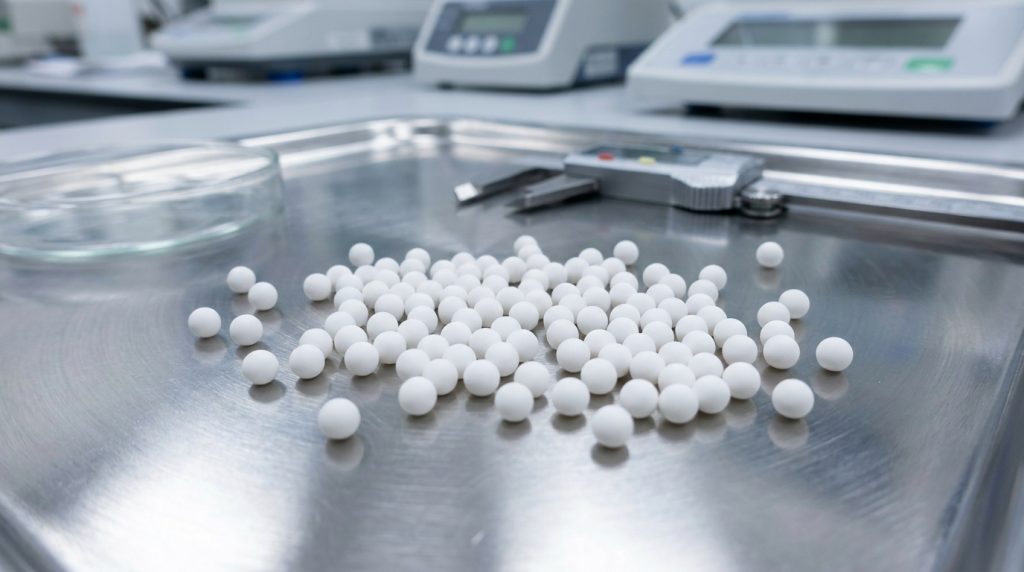
Zirconia Beads enhance wear resistance through a dense, fine-grained crystalline microstructure engineered to resist surface chipping, spalling, and friction abrasion during intense mechanical agitation. This structural integrity prevents micro-cracks from propagating under continuous impact forces inside the grinding chamber.
When subjected to severe mechanical shear, advanced zirconia ceramics utilize phase transformation mechanisms to absorb mechanical stress. This extends consumable service life far beyond that of legacy metallic or silicate media.
Why Transformation Toughening Prevents Micro-Cracking
Why does this matter? Under stress, the tetragonal crystal phase transforms to a monoclinic phase, expanding locally to clamp cracks shut before they can spread. This self-healing mechanism grants your process extraordinary operational reliability during heavy-duty milling cycles.
- Localized volume expansion halts mechanical crack propagation immediately.
- High Vickers hardness (HV1200+) prevents abrasive surface scoring.
- Sintered smooth surface minimizes friction loss and mill liner wear.
How Low Wear Rates Prevent Slurry Contamination
Here’s the deal: minimal bead attrition means virtually no media debris enters your processed product stream. You protect downstream batch quality, extend final product purity, and eliminate cost-heavy purification steps.
- Ultra-low PPM contamination rates for sensitive electronic pastes and slurries.
- Extended replacement cycles reducing consumable procurement costs over time.
- Consistent bead volume inside the chamber over hundreds of operating hours.
| Performance Metric | Glass Media | Steel Shot | Yttria Zirconia Media |
|---|---|---|---|
| Vickers Hardness (HV) | ~500 | ~700 | ~1200+ |
| Wear Attrition Rate (%/hr) | High (>0.5%) | Medium (~0.1%) | Extremely Low (<0.01%) |
| Product Contamination Type | Silica / Alkali | Heavy Metals / Iron | Inert Micro-Trace ZrO₂ |
High hardness combined with stress-induced phase stability ensures exceptionally low material loss during operation.
Key Takeaway: Investing in transformation-toughened grinding media drastically reduces batch contamination risks and extends consumable replacement intervals for significant savings.
Which Key Properties Define High-Performance Zirconia Beads?
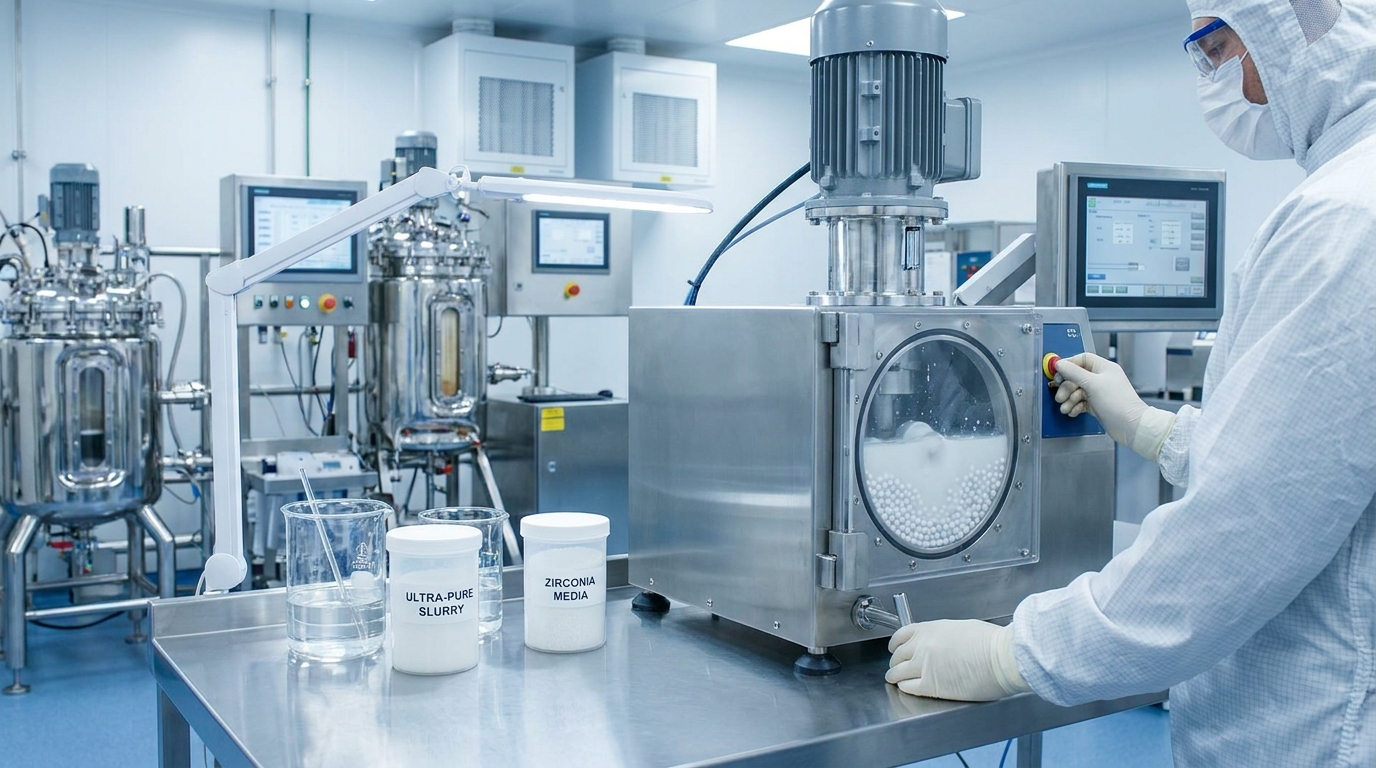
Zirconia Beads are defined by critical technical properties including specific density, Vickers hardness, sphericity, compressive strength, and chemical stability across extreme pH and temperature ranges. Understanding these core specifications allows you to select media that withstands your system’s specific mechanical shear stress.
Precise manufacturing quality control guarantees that every batch meets narrow physical tolerance thresholds. This uniformity ensures predictable fluid dynamics and repeatable grinding results across different plant locations.
Why Density and Roundness Dictate Milling Hydrodynamics
Think about it: high roundness allows smooth, laminar fluid movement within the chamber, reducing erratic turbulence and power spikes. When every bead maintains uniform sphericity, shear force is evenly distributed throughout your slurry.
- Sphericity above 95% ensures continuous hydrodynamic flow in agitator mills.
- Uniform mass distribution prevents premature internal mill liner destruction.
- Smooth surface finish reduces internal heat generation in thermal-sensitive media.
How Thermal and Chemical Stability Protect Process Stability
The reality is simple: extreme resistance to acids, alkalis, and thermal shock prevents physical degradation during aggressive chemical processing cycles. Your production runs remain predictable even when grinding corrosive or high-temperature formulations.
- Complete chemical inertness prevents slurry reaction or unintended pH shifts.
- Resistance to thermal shock during rapid cycle flushing and washing steps.
- Zero open porosity prevents liquid absorption and cross-batch contamination.
| Technical Property | Standard Specification Grade | Premium Precision Grade |
|---|---|---|
| Bulk Density (g/cm³) | 3.6 – 3.8 | 3.8 – 3.95 |
| True Density (g/cm³) | 6.0 | 6.05 |
| Sphericity Rating (%) | ≥ 92% | ≥ 98% |
| Crush Strength (Ø1.0mm) | > 200 N | > 350 N |
Verifying true density and crush strength metrics prevents unexpected bead fracturing under elevated mill agitator speeds.
Key Takeaway: Rigorous property verification empowers your engineering team to establish predictable, high-yield milling protocols that consistently perform.
How Do Zirconia Beads Maximize Yield in Fine Chemical Milling?
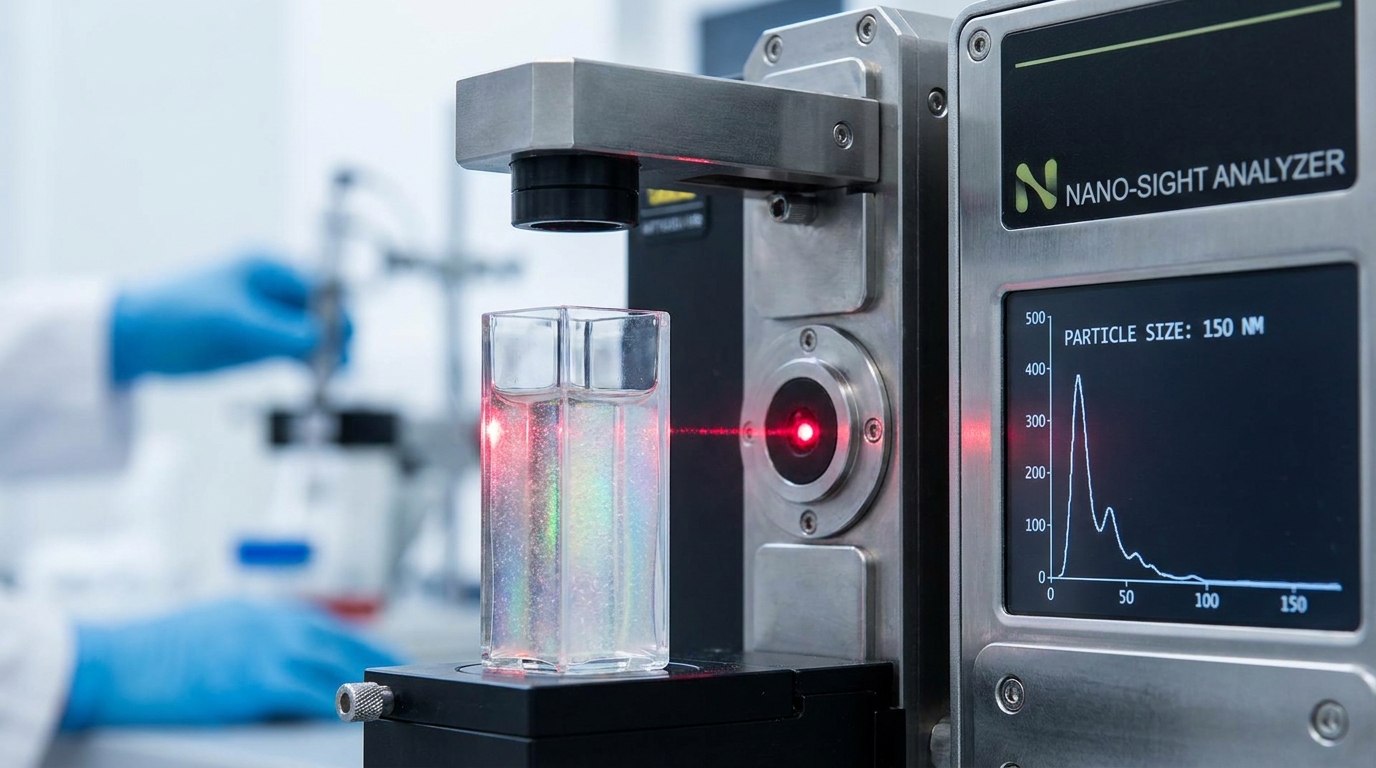
Zirconia Beads maximize yield in fine chemical milling by rapidly reducing particles to target sub-micron ranges while eliminating batch rejections caused by media wear contamination. Achieving tight particle size distributions in fewer passes reduces overall processing energy and raw material waste.
When manufacturing high-value active ingredients or specialty chemicals, even minor contamination can invalidate entire production lots. Using high-purity ceramic media safeguards material purity and ensures high first-pass acceptance rates.
How Narrow PSD Controls Improve Production Yield
Look at it this way: over-grinding creates unwanted fines, while under-grinding leads to batch filtering waste and lost throughput. High-precision media delivers consistent kinetic energy, ensuring every particle hits the target size spectrum cleanly.
- Elimination of oversized agglomerates in active chemical formulations.
- Reduced filter clogging and waste during downstream refining stages.
- Maximized first-pass yield for critical chemical reagents and catalysts.
Why High Yield Directly Lowers Manufacturing Costs
Why does this matter? Higher yield per batch translates directly to lower cost-per-kilogram and increased throughput across your manufacturing footprint. You maximize plant profitability without expanding physical machinery assets.
- Reduced scrap rate on expensive active precursor materials.
- Decreased energy demand per kilogram of finished powder product.
- Shorter batch turnaround times boosting total annual plant output.
| Production Parameter | Unoptimized Media Charge | Optimized Zirconia Media Charge |
|---|---|---|
| First-Pass Yield (%) | 82% | 96% |
| Particle Size Curve (D50) | Wide Spread (1.5 – 5.0 µm) | Narrow Distribution (0.4 – 0.6 µm) |
| Batch Rejection Rate (%) | 4.5% | < 0.2% |
Sharpening the particle size distribution curve directly eliminates product rejection costs and improves throughput efficiency.
Key Takeaway: Streamlining fine particle reduction with high-precision media protects your valuable chemical formulations and boosts first-pass production output.
Where Are Zirconia Beads Used Across Advanced Industries?
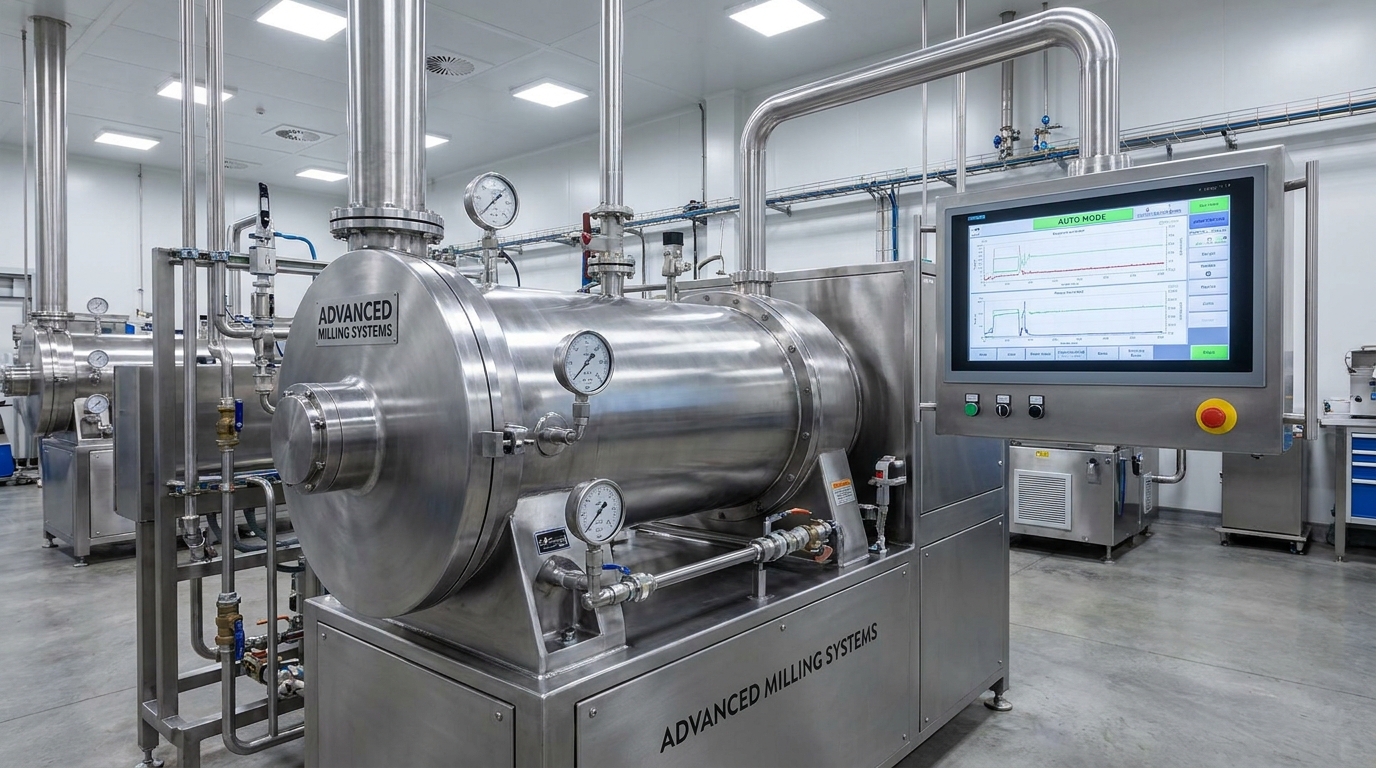
Zirconia Beads are widely used across pharmaceuticals, electronic ceramics, automotive coatings, battery slurry production, and mining applications where high-energy milling and purity are non-negotiable. Each industry relies on specific bead sizes and formulations to solve unique processing challenges.
Whether dispersing lithium battery cathode materials or grinding sterile medical compounds, selecting industry-tailored grinding media ensures compliance with strict quality standards. Modern advanced manufacturing depends on precise particle size reduction.
How Battery and Electronic Industries Deploy Precision Media
Here’s the deal: modern lithium-ion battery cathode materials and electronic pastes require sub-100 nanometer particle sizes without metallic contamination. High-purity ceramic media provides the exact mechanical force needed to achieve nanoscale dispersion reliably.
- Contamination-free dispersion of lithium iron phosphate (LFP) slurries.
- Precision grinding of dielectric materials for multilayer ceramic capacitors.
- Uniform particle size distribution ensuring optimal battery energy density.
Why Pharmaceutical and Coating Sectors Rely on Micro-Beads
Think about it: active pharmaceutical ingredients (APIs) require strict sanitary processing conditions without heavy metal leaching or bio-burden risks. Micro-beads deliver rapid size reduction, improving bioavailability and formulation stability in liquid suspensions.
- Bio-compatible media choices for sterile pharmaceutical wet milling.
- Superior color strength and gloss development in automotive coatings.
- Rapid dispersion of high-grade agrochemical liquid suspensions.
| Industry Sector | Typical Bead Size Range | Key Performance Goal |
|---|---|---|
| Battery Manufacturing | 0.1 mm – 0.4 mm | Nanoscale dispersion without metal ions |
| Pharmaceutical APIs | 0.2 mm – 0.8 mm | High purity, sterilizable wet milling |
| Automotive Paints | 0.4 mm – 1.2 mm | Maximum gloss, tint strength, narrow PSD |
| Technical Ceramics | 0.6 mm – 2.0 mm | High energy comminution, zero wear debris |
Targeting correct bead dimensions based on end-market requirements guarantees compliance with rigorous purity guidelines.
Key Takeaway: Customizing media specifications to your specific industry sector unlocks rapid particle dispersion and ensures total regulatory compliance.
How Do Zirconia Beads Compare to Other Grinding Media?
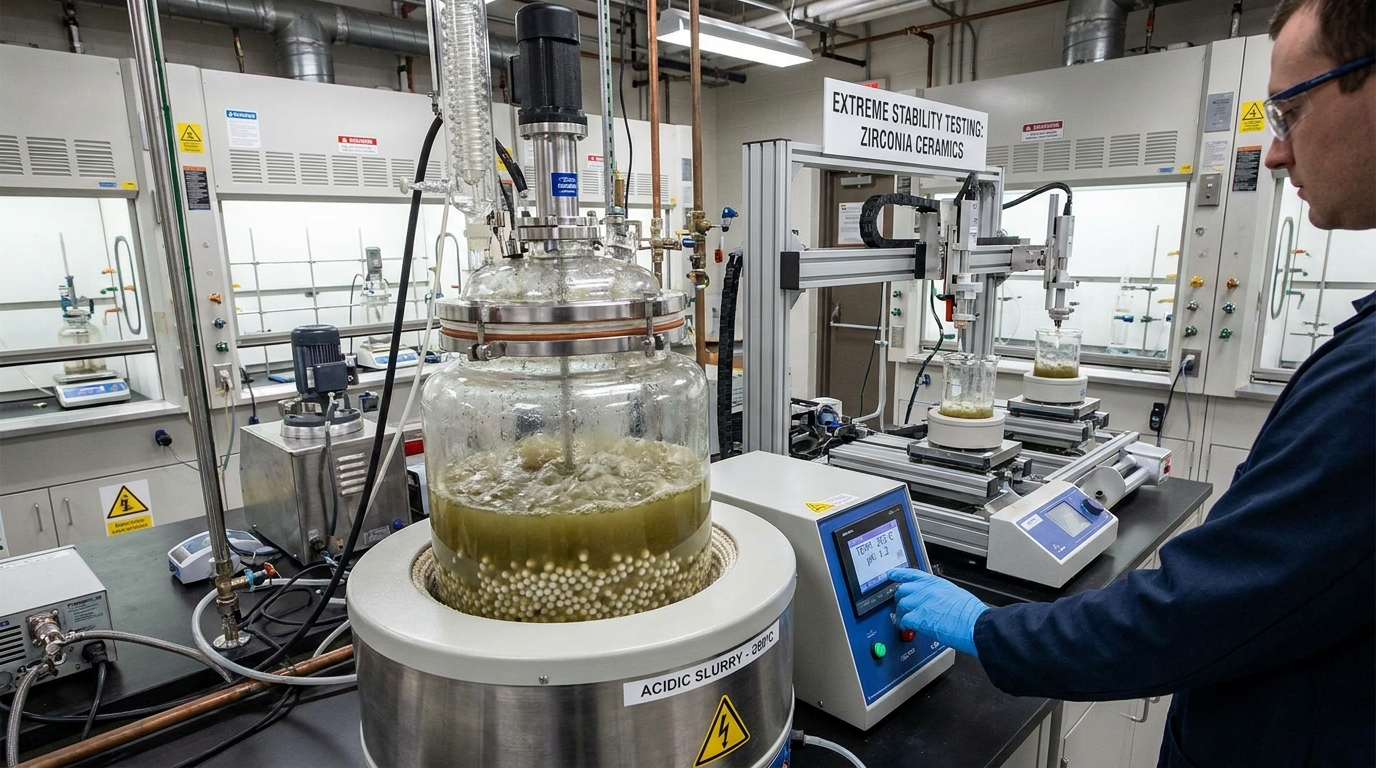
Zirconia Beads offer significantly higher density, superior fracture toughness, and lower attrition rates when directly compared to traditional steel shot, glass beads, or aluminum oxide media. While initial procurement costs are higher, their dramatically longer operational life delivers lower total cost of ownership.
Conducting a holistic media selection evaluation reveals that cheap media options often carry hidden costs in frequent maintenance, reduced throughput, and high product scrap rates. High-density ceramic media offsets its purchase price through extended utility.
Why Zirconia Outperforms Steel and Glass Options
Look at it this way: glass beads wear out rapidly under high agitation, and steel shot introduces severe metal contamination into sensitive products. High-density zirconia combines extreme durability with total chemical purity, providing an ideal operational balance.
- Up to 10 times longer service life compared to standard glass media.
- Complete elimination of metallic rust and iron ion contamination.
- Higher grinding efficiency resulting in lower machine kilowatt usage.
How Lifecycle Cost Analysis Proves High ROI
Why does this matter? Focusing solely on upfront purchase price overlooks the ongoing expenses of frequent media top-offs, product scrap, and machine repair downtime. Long-lasting ceramic media reduces maintenance labor and increases annual plant yield substantially.
- Lower media consumption rate per metric ton of target product.
- Reduced wear on internal mill agitators, pins, and chamber walls.
- Substantial savings on waste disposal and product purification cycles.
| Evaluated Criteria | Glass Media | Alumina Media | Zirconia Media |
|---|---|---|---|
| Service Life Expectancy | Short (100 hrs) | Medium (500 hrs) | Long (3000+ hrs) |
| Energy Consumption Rate | High | Moderate | Low |
| Equipment Maintenance Cost | High (Frequent wear) | Moderate | Minimal |
| Total Cost of Ownership | High | Moderate | Lowest Overall |
Long service life and minimal equipment wear offset initial capital outlay, delivering superior operational economy.
Key Takeaway: Switching from legacy media to high-density zirconia drastically lowers maintenance overhead and maximizes total return on investment.
How Can You Select the Ideal Size of Zirconia Beads?
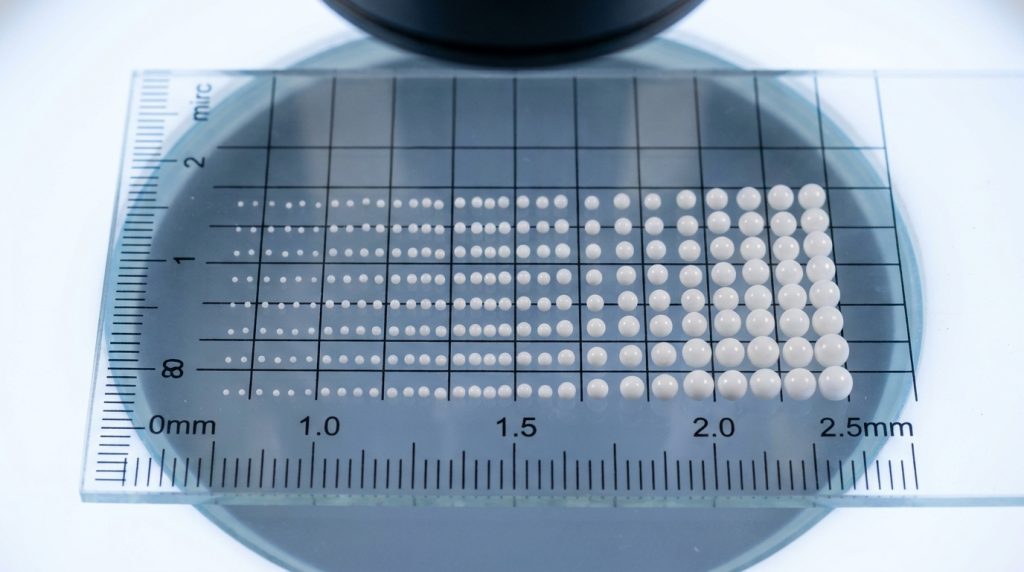
Zirconia Beads must be selected based on your initial feed size, target final particle diameter, mill gap separator dimensions, and slurry viscosity parameters. Using the correct media diameter prevents separator screen blinding while optimizing the frequency of bead-to-particle collisions.
Choosing media that is too large reduces collision frequency and slows dispersion, while undersized media may pass through separator screens or lack the energy to break hard agglomerates. Precise size matching is crucial for milling success.
How Feed and Final Particle Ratios Dictate Bead Diameter
Here’s the deal: a general engineering rule of thumb requires media beads to be roughly 10 to 20 times larger than the incoming feed particle size. Using excessively large beads reduces collision frequency, whereas undersized beads lack the kinetic energy to fracture tough agglomerates.
- Micro-beads (0.05 mm – 0.3 mm) for sub-micron and nano-dispersion tasks.
- Medium beads (0.4 mm – 1.2 mm) for standard paint, ink, and coating milling.
- Large beads (1.5 mm – 5.0 mm) for heavy mineral grinding and coarse feeds.
Why Screen Separator Gap Matching Prevents Mill Lockup
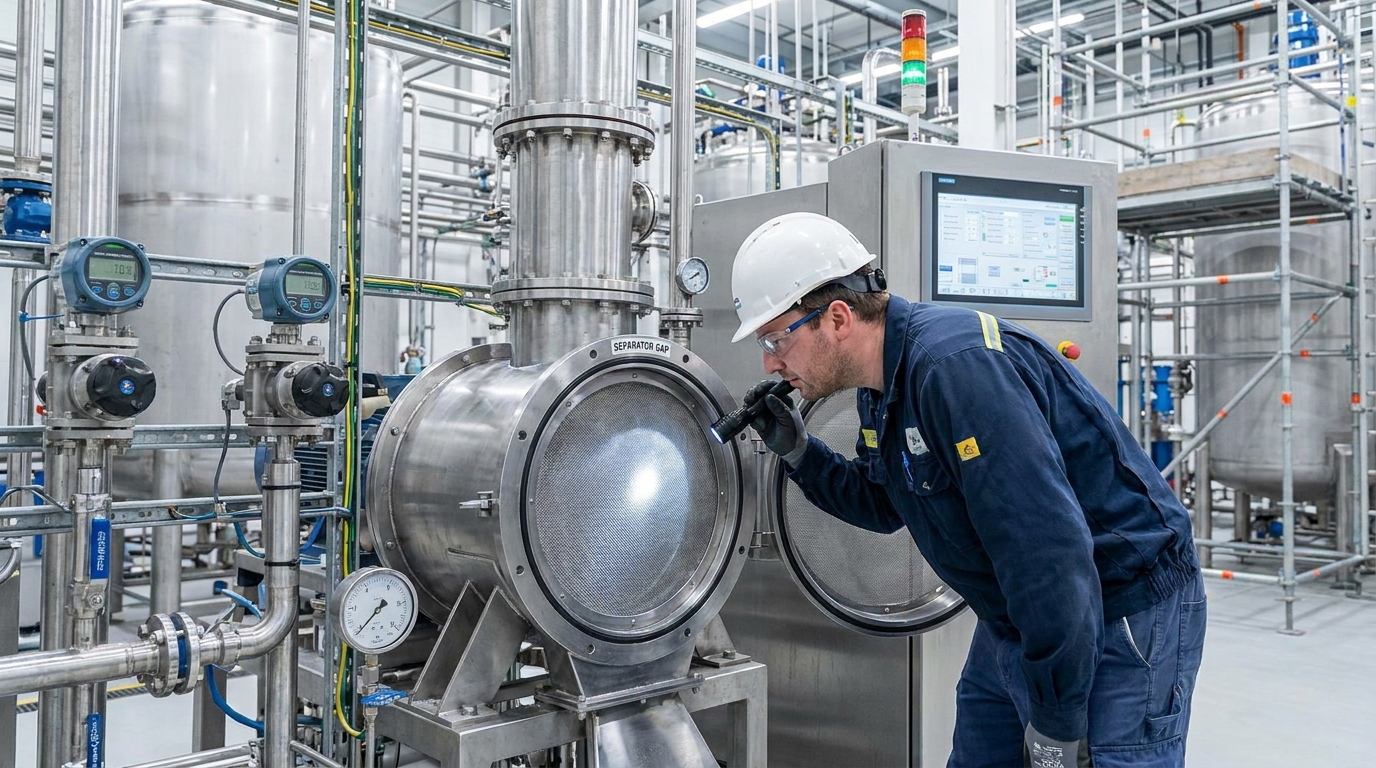
Think about it: selecting media smaller than your separator gap leads to media leakage, while media too close to the gap size causes screen blinding and pressure spikes. Maintaining a bead diameter at least 1.5 to 2 times larger than the screen gap guarantees smooth continuous operation.
- Prevention of media hydraulic packing at the discharge screen.
- Maintained stable chamber pressure during continuous high-flow milling.
- Uniform fluid velocity profile across internal agitator discs.
| Feed Size Range (D90) | Target Output Size (D50) | Recommended Bead Size Range |
|---|---|---|
| < 10 µm | Nano-scale (< 100 nm) | 0.05 mm – 0.2 mm |
| 10 µm – 50 µm | Sub-micron (0.5 – 1.0 µm) | 0.3 mm – 0.6 mm |
| 50 µm – 100 µm | Fine Micro (2.0 – 5.0 µm) | 0.8 mm – 1.4 mm |
| > 100 µm | Coarse (10 – 20 µm) | 1.5 mm – 3.0 mm |
Calculating correct dimensional ratios ensures optimal kinetic shear without risking screen blinding or media discharge leakage.
Key Takeaway: Precisely matching bead size to your target particle dimensions ensures maximum collision frequency and prevents costly operational mill shut-downs.
Why Are Yttria-Stabilized Zirconia Beads Superior in Toughness?
Zirconia Beads stabilized with yttria exhibit superior fracture toughness because the addition of yttrium oxide maintains a stable tetragonal crystal phase at room temperature. This unique lattice arrangement absorbs external mechanical energy through phase transformation, halting micro-cracks before structural breakdown occurs.
This energy-absorbing crystal structure ensures that beads do not shatter under intense kinetic impact against agitator pins or chamber walls. It provides the highest degree of operational security in high-energy milling machinery.
How Phase Transformation Halts Structural Failure
The reality is simple: when an external shock strikes the bead surface, energy triggers a phase change that increases local crystal volume by roughly 3 to 5 percent. This volumetric expansion squeezes the crack tips shut, preventing catastrophic shattering under high energy agitator speeds.
- Exceptional fracture toughness ratings (KIc > 7–10 MPa·m^1/2).
- Ability to withstand high-velocity tip speeds exceeding 14 m/s in pin mills.
- Uniform crystalline structure minimizing internal voids and manufacturing defects.
Why Long-Term Microstructural Integrity Protects Batch Quality
Look at it this way: media that maintains its structural integrity without flaking or chipping ensures consistent grinding dynamics month after month. Your team achieves repeatable product quality without adjusting milling parameters constantly.
- Sustained grinding media charge volume over thousands of operating hours.
- Consistent particle size curves without batch-to-batch variation.
- Reduced risk of foreign particle contamination in finished goods.
| Stabilizer Chemistry | Phase Structure | Fracture Toughness (KIc) | Impact Resistance |
|---|---|---|---|
| Yttria-Stabilized (YSZ) | Tetragonal Polycrystal | 8.0 – 10.0 MPa·m^1/2 | Outstanding |
| Ceria-Stabilized (CSZ) | Tetragonal / Monoclinic | 6.0 – 7.0 MPa·m^1/2 | Excellent |
| Unstabilized Zirconia | Monoclinic | 2.0 – 3.0 MPa·m^1/2 | Poor (Brittle) |
Tetragonal crystal stabilization delivers superior toughness, allowing beads to absorb high kinetic impacts without fracturing.
Key Takeaway: Leveraging yttria-stabilized ceramic media guarantees structural longevity, giving you total confidence in batch-to-batch reproducibility.
How Should You Maintain Zirconia Beads for Long Service Life?
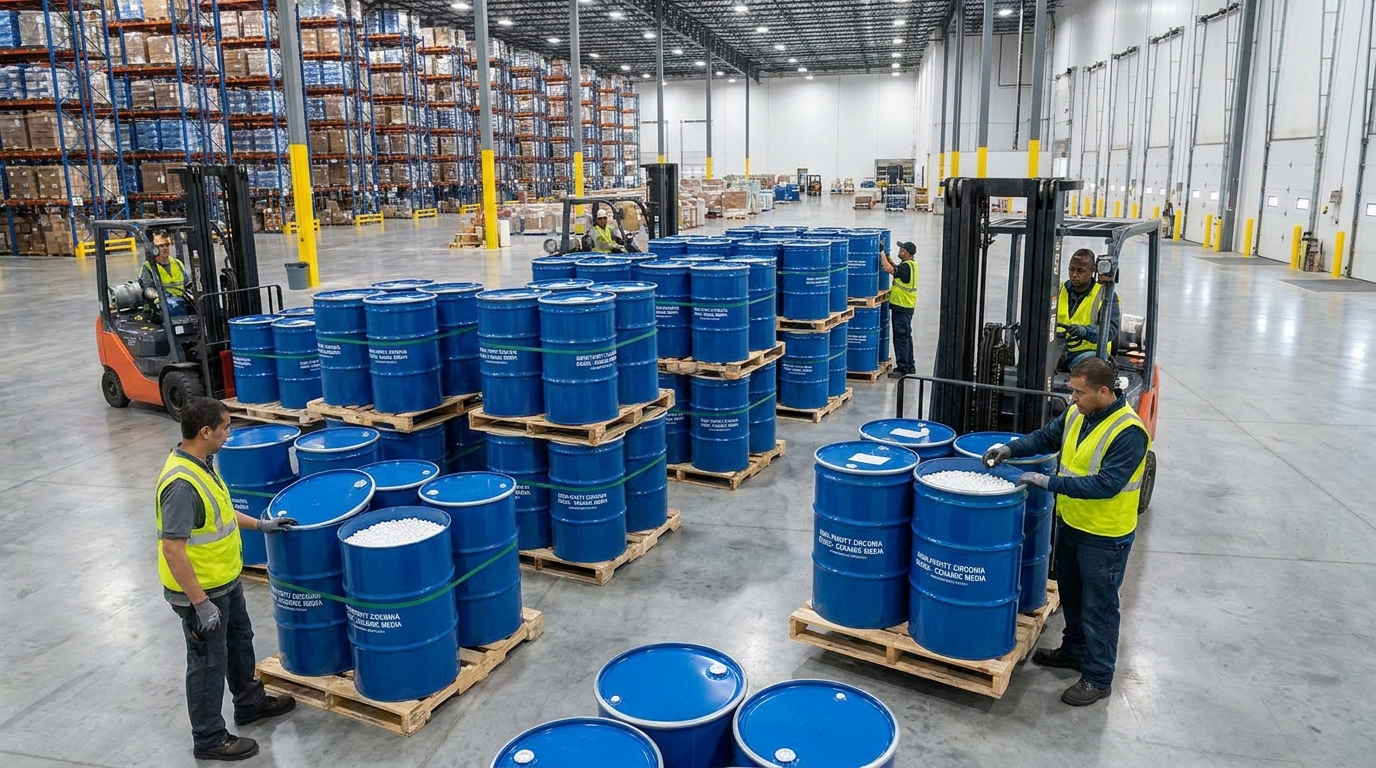
Zirconia Beads require systematic maintenance including regular cleaning, periodic screening for broken fines, and accurate charge replenishment to sustain high grinding performance over multi-year operational cycles. Establishing standard operating procedures for media care prevents premature equipment wear and ensures consistent process energy transfer.
Neglecting media charge maintenance leads to altered fluid dynamics, decreased milling efficiency, and accelerated wear on internal agitator components. Simple preventive checks keep your milling circuit operating at maximum output.
How Screening and Washing Cycles Extend Media Utility
Why does this matter? Over time, worn or misshapen media accumulates inside the mill chamber, dampening kinetic energy and increasing slurry friction. Routine washing and sieving removes fine debris and restores ideal packing density for maximum milling impact.
- Ultrasonic or solvent washing to clear sticky slurry residue from bead surfaces.
- Mechanical sieving to separate undersized or deformed beads cleanly.
- Periodic density checks to detect physical media degradation early.
Why Proper Charge Management Protects Mill Machinery
Here’s the deal: operating a mill with an under-filled media charge causes excessive agitator disc wear, while over-filling causes hydraulic pressure spikes and motor overloads. Maintaining optimal bead load volumes protects agitator discs, shaft seals, and chamber liners from premature failure.
- Maintaining precise media load volume (typically 70% to 85% chamber fill volume).
- Controlled top-off protocols with matching bead batch lots.
- Monitoring mill motor amperage to gauge internal friction changes accurately.
| Maintenance Task | Operating Interval | Target Action / Goal |
|---|---|---|
| Chamber Charge Measurement | Monthly | Top up lost volume to maintain 80% fill ratio |
| Media Washing & Sieving | Quarterly / Between Color Runs | Remove sub-sized fines and hardened slurry residues |
| Sphericity & Wear Inspection | Semi-Annually | Inspect bead surface geometry under magnification |
Adhering to a scheduled maintenance checklist protects internal mill components and maintains consistent batch grinding times.
Key Takeaway: Consistent maintenance and charge management preserve media performance and safeguard your milling machinery from premature wear.
Frequently Asked Questions
Can I mix different sizes of Zirconia Beads in the same mill?
Yes, you can mix different sizes within a controlled ratio to optimize both coarse grinding and fine dispersion simultaneously. Combining slightly larger beads with smaller micro-beads increases packing density and collision contact points within the chamber. However, you must ensure the smallest bead size remains larger than your discharge separator gap to prevent screen blinding.
What’s the best way to clean Zirconia Beads between batch color changes?
The best cleaning method involves recirculating a compatible solvent or aqueous detergent through the mill at low agitator speeds, followed by ultrasonic rinsing if necessary. Because high-density zirconia media has near-zero surface porosity, pigments and binders do not penetrate the bead body. Thorough fluid flushing quickly removes surface residues without leaving cross-contamination between batch runs.
How do I know if my Zirconia Beads need replenishment or replacement?
You know replacement or replenishment is required when product residence times increase, chamber pressure spikes unexpectedly, or visual inspection reveals misshapen beads during sieving. As beads gradually wear down over thousands of hours, reduced individual bead mass decreases kinetic energy impact. Regular sieving removes sub-sized media, and topping off with fresh beads restores target milling performance.
Can I run Zirconia Beads in dry milling systems?
Yes, you can operate zirconia media in dry milling circuits provided thermal dissipation and feed rate parameters are properly controlled. Yttria-stabilized ceramic media exhibits exceptional thermal shock resistance and high mechanical toughness, preventing bead breakage during dry impact grinding. However, adequate cooling jacket ventilation is recommended to prevent excessive heat buildup inside the milling chamber.
Engineered Ceramic Solutions for Industrial Excellence
Inefficient media wear, severe batch contamination, unpredictable particle size distributions, and excessive machinery downtime can severely undermine your plant’s operational profitability. Transitioning to high-purity ceramic grinding media solves these yield bottlenecks by boosting kinetic impact energy, drastically lowering media wear rates, and eliminating iron ion contamination across your product lines. When you upgrade your milling infrastructure, you gain complete control over particle size kinetics, protect expensive active chemical formulations, and secure predictable first-pass yield targets batch after batch.
At ZrBrontec, we provide fully integrated ceramic media solutions backed by direct manufacturing control, strict particle size customization capabilities, and expert application support. ZrBrontec is committed to engineering high-purity ceramic solutions that empower industrial precision and elevate global manufacturing yield. Whether you need to optimize high-viscosity dispersion circuits or transition to nanoscale pharmaceutical milling, our technical team is prepared to guide your material selection process from initial trials to full-scale production implementation.
Ready to eliminate contamination bottlenecks and maximize your plant’s milling throughput? To evaluate representative sample batches or discuss custom specifications with our technical specialists, contact our engineering team today for expert guidance tailored to your operational requirements.