
Selecting the ideal stabilized zirconia option requires a calculated trade-off between fracture toughness, thermal shock thresholds, and chemical environments. When a ceramic component fails prematurely due to sudden mechanical cracking or thermal degradation, entire B2B production lines grind to a costly halt. This engineering nightmare occurs because standard materials cannot withstand the combined onslaught of rapid temperature swings and abrasive wear. Fortunately, leveraging high-performance yttria stabilized zirconia alongside tailored calcia and magnesia variants delivers the precise structural integrity and thermodynamic stability needed to keep your operations running flawlessly.
Why is yttria stabilized zirconia the gold standard?
Yttria stabilized zirconia is recognized as the gold standard because its stress-induced phase transformation mechanism provides unmatched fracture toughness and flexural strength at room temperature. This unique crystalline structure prevents cracks from propagating through the material even under high mechanical stress. By choosing high-purity yttria stabilized zirconia, you ensure that your structural components maintain exceptional load-bearing performance.
This mechanical superiority makes it the ideal material for high-wear parts. Let’s see how this outstanding chemistry compares to other stabilizing options under structural loads.
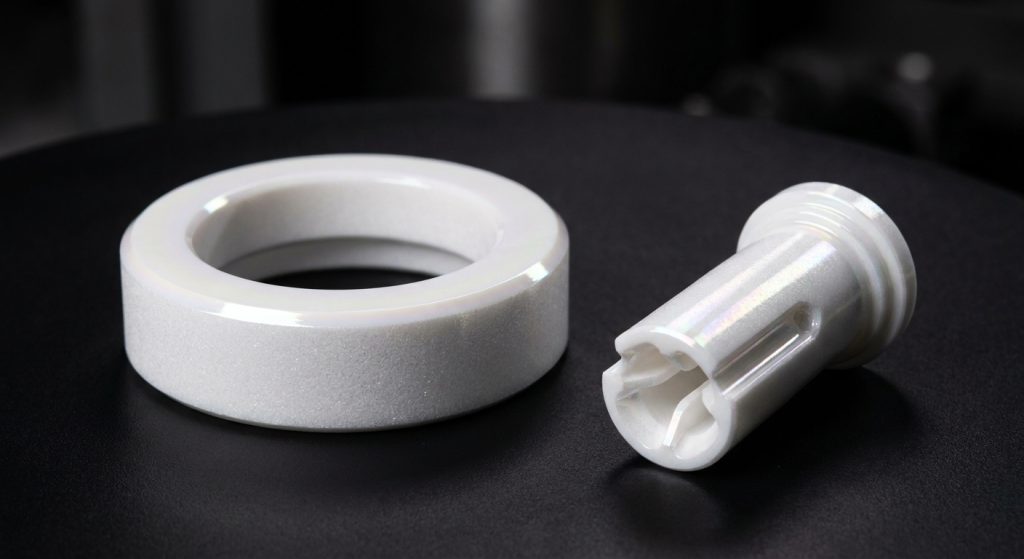
What makes this transformation mechanism unique?
When external stress acts upon the tetragonal grain structure, it triggers a phase change into a monoclinic structure. This transition causes a volume expansion of 3% to 4%, which exerts compressive stress around the crack tip. Think about it. This process effectively pinches the crack closed before it can cause a catastrophic failure.
You will find that this self-healing quality gives the material a massive advantage in challenging environments.
- Stress-triggered crystalline expansion
- Immediate crack tip blunting
- Active prevention of micro-crack propagation
What are the mechanical benchmarks of Y-TZP?
If you are searching for maximum flexural strength, yttria-stabilized formulations easily outperform alternatives. Typical grades yield a flexural strength exceeding 1,000 MPa combined with exceptional hardness. Here is the thing: you must choose the correct mol% content to balance toughness and wear resistance.
- Flexural strength: 900 to 1,200 MPa
- Fracture toughness: 5 to 15 MPa·m^1/2
- Vickers hardness: 1,200 to 1,300 HV
| Stabilizer Type | Flexural Strength (MPa) | Fracture Toughness (MPa·m^1/2) | Primary Phase |
|---|---|---|---|
| Yttria-Stabilized (YSZ) | 900 – 1200 | 5.0 – 15.0 | Tetragonal / Cubic |
| Calcia-Stabilized (CSZ) | 200 – 800 | 2.0 – 5.0 | Cubic / Tetragonal |
| Magnesia-Stabilized (MSZ) | 500 – 900 | 3.0 – 10.0 | Tetragonal |
The data clearly shows that yttria-doped variants maintain a commanding lead in raw strength and fracture resistance over calcia and magnesia.
Key Takeaway: By specifying yttria-stabilized zirconia for your structural parts, you gain peace of mind knowing that your machinery can handle extreme mechanical stress without sudden structural failure.
How does yttria stabilized zirconia combat cracking?
Yttria stabilized zirconia combats cracking by utilizing a localized phase transformation that absorbs mechanical energy at the crack tip and compresses the defect closed. This stress-induced transformation prevents microscopic cracks from expanding into catastrophic failures. Because yttria stabilized zirconia is engineered to remain metastable at room temperature, it is always primed to arrest crack propagation instantly.
This active mechanical shielding makes the ceramic behave more like a tough metal than a brittle glass.
Can microstructure prevent sudden failures?
You can achieve optimal cracking resistance by maintaining a sub-micron grain structure. If your material has fine, uniform grains, the phase transition remains highly localized. But that’s not all.
- Sub-micron grain size (0.2 – 0.5 microns)
- High sintering densification (>99.5%)
- Homogeneous dopant distribution
By keeping the grain size small, you prevent spontaneous monoclinic transformation during normal handling. This structural control ensures your parts retain their structural integrity.
How do stabilizers alter crack pathways?
When you apply stress to the ceramic, the crack path is forced to navigate localized stress fields. These compressive fields deflect the crack and absorb the kinetic energy that would otherwise split the component. Let’s face it: traditional ceramics simply lack this dynamic defense.
- Micro-crack deflection
- Compressive stress fields
- High energy dissipation
| Material Formulation | Toughening Active? | Energy Dissipation | Crack Propagation Speed |
|---|---|---|---|
| Yttria-Stabilized | Yes (Highly Active) | High (100 – 180 J/m²) | Extremely slow |
| Calcia-Stabilized | Weakly Active | Moderate (40 – 80 J/m²) | Moderate |
| Magnesia-Stabilized | Yes (Moderately Active) | High (90 – 130 J/m²) | Slow |
This mechanical breakdown demonstrates how yttria-stabilized formulas actively suppress crack development by maximizing localized energy dissipation.
Key Takeaway: When you deploy components with high transformation toughening, you drastically lower the risk of sudden mechanical failure, saving your team from unexpected maintenance downtime.
Can yttria stabilized zirconia survive thermal shock?
Yttria stabilized zirconia can survive moderate thermal shocks up to approximately 300°C, but it is more susceptible to thermal stress cracking than magnesia-stabilized formulations. Because of its relatively high coefficient of thermal expansion and low thermal conductivity, rapid temperature changes create steep internal temperature gradients. However, yttria stabilized zirconia remains highly reliable in continuous high-temperature environments where temperature changes are slow and controlled.
If your process involves extreme thermal cycling, choosing the right stabilizer is critical.
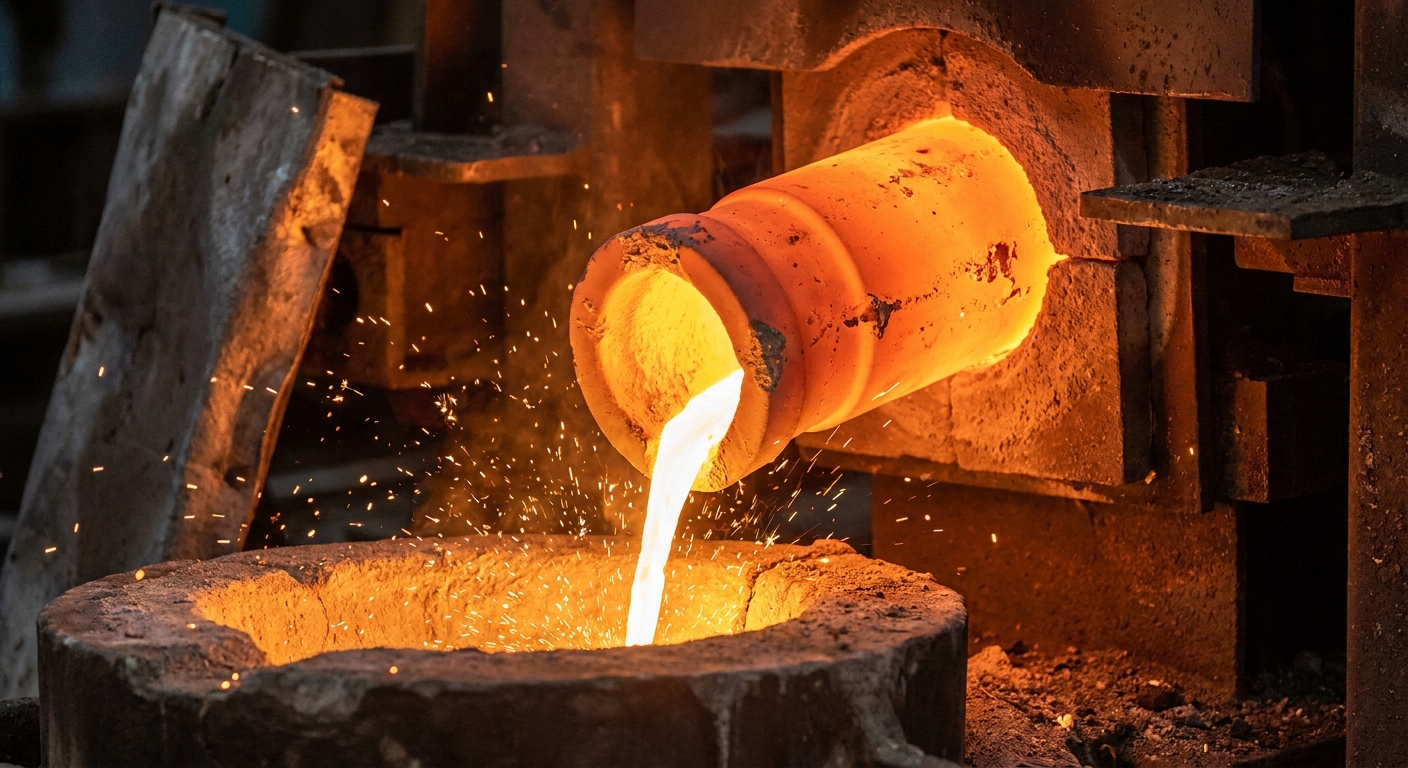
What are the thermal limits of these ceramics?
You should know that fully stabilized cubic zirconia can withstand continuous operating temperatures up to 2,500°C. However, partially stabilized yttria variants are typically limited to 1,500°C to preserve their mechanical strength. Think about it.
- Continuous service limit: 1,500°C for Y-TZP
- Refractory applications: up to 2,400°C for CSZ
- Low thermal conductivity: 2.5 – 3.0 W/m·K
If you exceed these operating boundaries, the material may undergo uncontrolled phase changes. This results in cracking due to high internal thermal stress.
How do you mitigate thermal stress?
To protect your components, you can design parts with radiused corners and uniform wall thicknesses. These design adjustments reduce the temperature differential across the body during rapid cooling. Let’s face it: careful geometry is your best defense against thermal shock.
- Avoid sharp internal corners
- Maintain uniform wall thickness
- Implement gradual preheating cycles
| Stabilizer Type | Thermal Conductivity (W/m·K) | CTE (10^-6/K) | Thermal Shock Limit (ΔT °C) |
|---|---|---|---|
| Yttria-Stabilized | 2.5 – 3.0 | 10.0 – 10.5 | 250 – 300 |
| Calcia-Stabilized | 2.0 – 2.5 | 10.0 – 11.0 | 200 – 250 |
| Magnesia-Stabilized | 2.5 – 3.0 | 9.5 – 10.0 | 350 – 450 |
This comparative grid confirms that magnesia-stabilized formulations offer the best thermal shock resistance under rapid cooling cycles.
Key Takeaway: If your industrial process involves rapid heating or cooling, designing your components with rounded profiles will help you prevent cracking and maximize thermal endurance.
Where does yttria stabilized zirconia beat magnesia?
Yttria stabilized zirconia beats magnesia-stabilized zirconia in highly abrasive, low-temperature environments because its sub-micron grain structure provides superior wear resistance and room-temperature flexural strength. While magnesia-stabilized zirconia features a coarse grain structure, yttria stabilized zirconia maintains an ultra-fine grain size that resists grain pullout under abrasive sliding loads. This fine grain size also enables you to machine components with exceptionally tight tolerances and highly polished surfaces.
For precision-engineered assemblies, yttria is the clear winner.
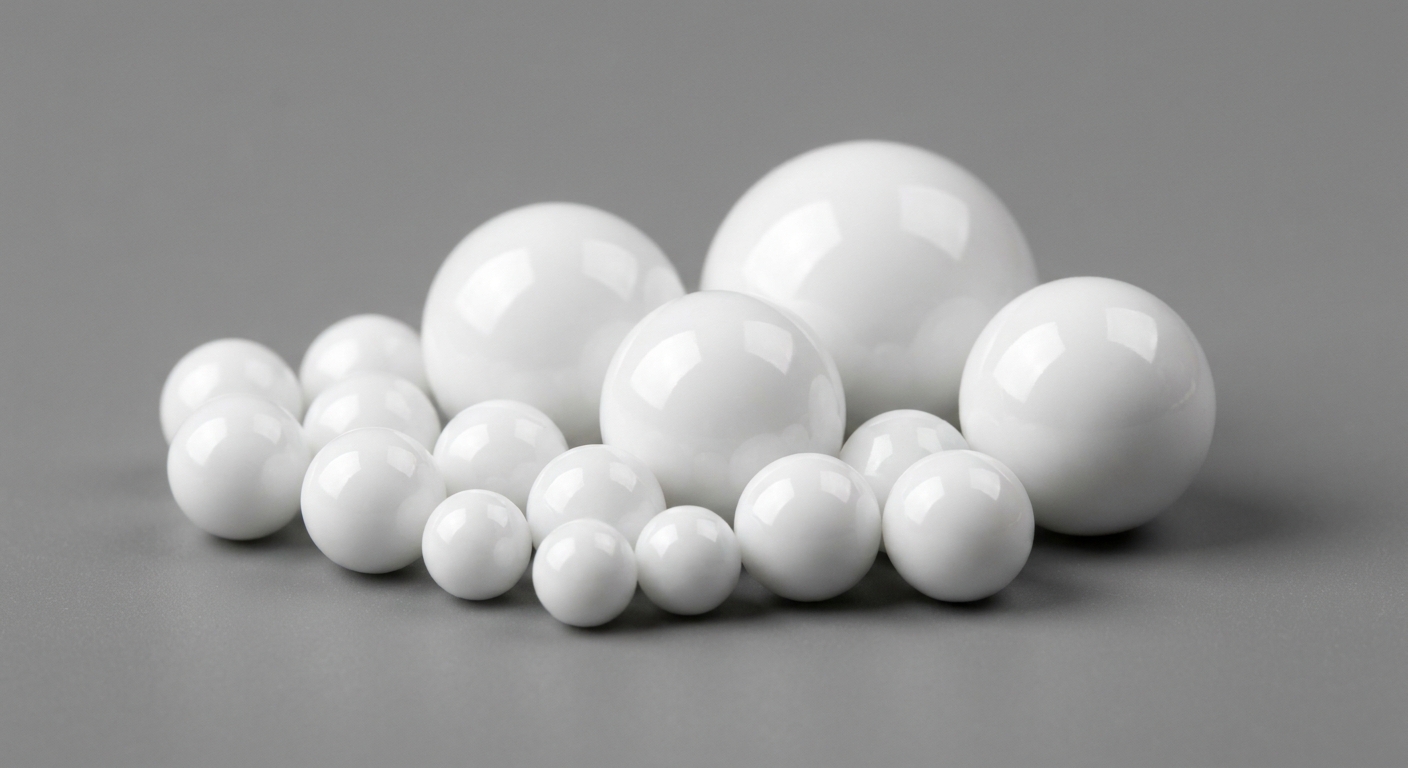
Why does grain size matter for wear?
If you use coarse-grained ceramics, abrasive forces will easily pull individual grains out of the material matrix. This grain pullout results in rapid surface degradation and accelerated mechanical wear. Here is the thing:
- Fine grains: 0.2 – 0.5 microns (YSZ)
- Coarse grains: 5 – 15 microns (MSZ)
- Smooth surface finishes: Ra < 0.05 microns
With yttria-stabilized parts, the tightly packed sub-micron grains remain locked in place. This structure ensures a mirror-like finish that minimizes friction.
Which offers better precision machining?
You will achieve much higher dimensional accuracy when grinding yttria-doped ceramics compared to magnesia-stabilized alternatives. The fine microstructure allows you to manufacture razor-sharp blades and tight-tolerance fluid control valves. Think about it.
- Tight grinding tolerances
- Sharp edge retention
- Reduced micro-chipping during machining
| Microstructural Property | Yttria-Stabilized Zirconia | Magnesia-Stabilized Zirconia | Application Advantage |
|---|---|---|---|
| Average Grain Size | 0.2 – 0.5 μm | 5.0 – 15.0 μm | YSZ: Smooth seals and sharp blades |
| Vickers Hardness | 1200 – 1300 HV | 1000 – 1100 HV | YSZ: High abrasion resistance |
| Surface Roughness (Ra) | < 0.05 μm | > 0.15 μm | YSZ: Low friction sliding seals |
As the table demonstrates, the microstructural refinement of yttria-doped zirconia directly translates to better surface finish and hardness.
Key Takeaway: Choosing yttria-stabilized zirconia for your high-wear sliding seals allows you to reduce friction, extend seal life, and cut your long-term energy consumption.
When is yttria stabilized zirconia chosen over calcia?
Yttria stabilized zirconia is chosen over calcia-stabilized zirconia when applications require maximum mechanical reliability, higher chemical purity, and resistance to stabilizer leaching. Although calcia-stabilized zirconia formulations serve as economical refractories, yttria stabilized zirconia offers vastly superior strength and fracture toughness. This prevents mechanical failures in high-load structural assemblies.
Let’s examine how these two options compare when exposed to demanding chemical and physical environments.
What makes calcia a cost-effective choice?
If you are lining high-volume industrial furnaces, raw material costs become a major deciding factor. Calcia (calcium oxide) is far more economical than yttria, making calcia-stabilized zirconia highly popular for heavy refractory bricks. But wait, there is more:
- Highly economical raw powder
- Excellent resistance to basic slags
- Superior performance in molten metal contact
However, you must avoid using calcia-stabilized parts in critical load-bearing assemblies because of their lower mechanical limits.
How do chemical stability profiles differ?
You risk stabilizer leaching if you expose calcia-stabilized zirconia to strong acids or hydrothermal conditions over long periods. Once the calcium ions leach out, the zirconia matrix destabilizes and cracks. As it turns out:
- High resistance to acidic corrosion
- Negligible chemical impurity transfer
- Long-term phase stability in humid air
| Characteristic | Yttria-Stabilized Zirconia | Calcia-Stabilized Zirconia | Ideal Processing Use |
|---|---|---|---|
| Flexural Strength | 1,000 MPa | 350 MPa | YSZ: High-pressure valves |
| Chemical Purity | Very High (>99.9%) | Moderate | YSZ: Semiconductor tools |
| Acid Resistance | Exceptional | Poor (Leaching risk) | YSZ: Chemical mixing paddles |
This physical breakdown demonstrates that while calcia excels in cost-sensitive metal casting, yttria-stabilized variants are mandatory for demanding chemical environments.
Key Takeaway: By selecting yttria-stabilized zirconia for your high-purity chemical processes, you avoid batch contamination and protect your system from corrosive degradation.
How is yttria stabilized zirconia made biocompatible?
Yttria stabilized zirconia is made highly biocompatible by maintaining extreme chemical purity, which eliminates metal ion release and minimizes bacterial adhesion. Because of its inert crystalline structure, yttria stabilized zirconia is widely used in orthopedic implants and dental restorations. This metal-free ceramic integrates seamlessly with human bone and soft tissues without causing allergic or inflammatory reactions.
Let’s explore why medical professionals prefer this advanced material for human implants.
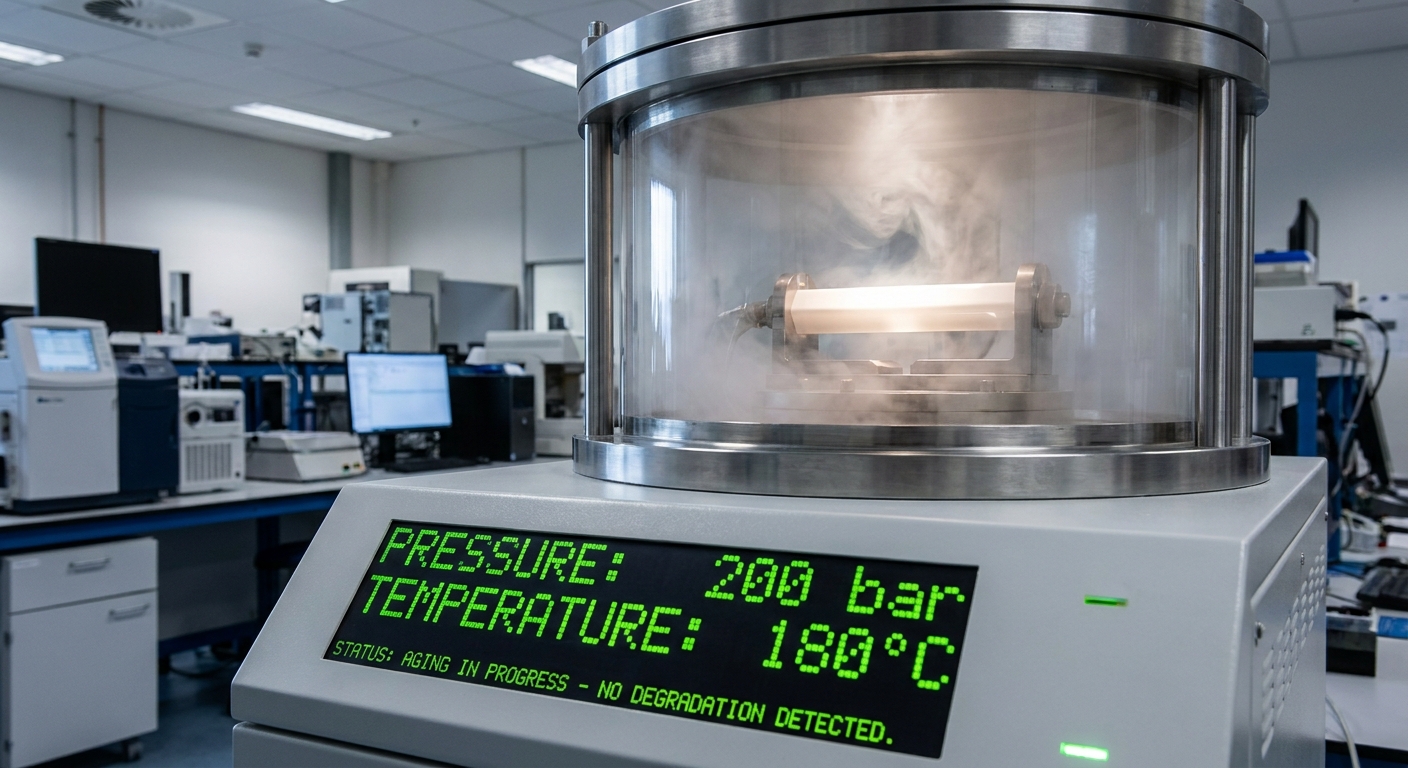
Why is it preferred for dental implants?
If you are searching for an aesthetic yet strong dental restoration, yttria-doped ceramics provide the ultimate solution. This material mimics the natural translucency of human teeth while providing exceptional chewing strength. Think about it.
- High light translucency (35% – 49%)
- Low plaque accumulation on surfaces
- Excellent wear resistance against opposing teeth
You get a highly aesthetic dental restoration that easily handles biting forces without chipping.
Can YSZ prevent joint replacement wear?
In orthopedic joint replacements, you must minimize friction to prevent wear debris from inflaming surrounding tissue. Sintered yttria-stabilized femoral heads can be polished to a mirror finish, reducing friction to near-zero levels. Here is the thing:
- Extreme wear resistance
- Mirror-polished surfaces
- Complete elimination of metal-allergy risks
| Implant Material | Biocompatibility | Flexural Strength (MPa) | Metal Ion Release Risk |
|---|---|---|---|
| Titanium Alloy | High | 850 | Yes (Nickel, Cobalt, Chrome) |
| Yttria Zirconia (3YSZ) | Exceptional | 1,100 | None (Metal-free) |
| Alumina Ceramic | High | 500 | None (Metal-free) |
The clinical data clearly shows that yttria-stabilized zirconia offers an unbeatable combination of metal-free biocompatibility and structural strength.
Key Takeaway: If you manufacture orthopedic implants, integrating yttria-stabilized zirconia will help you eliminate allergic reactions and extend implant lifespans for patients.
Why is yttria stabilized zirconia ideal for fuel cells?
Yttria stabilized zirconia is ideal for fuel cells because its oxygen-vacancy-rich crystal lattice facilitates exceptionally high oxygen ion conductivity at elevated operating temperatures. In solid oxide fuel cells (SOFCs), yttria stabilized zirconia functions as a solid electrolyte, allowing oxygen ions to migrate while blocking electron flow. This electrochemical efficiency enables clean, high-performance power generation.
Let’s look at the underlying science behind this unique electrical behavior.
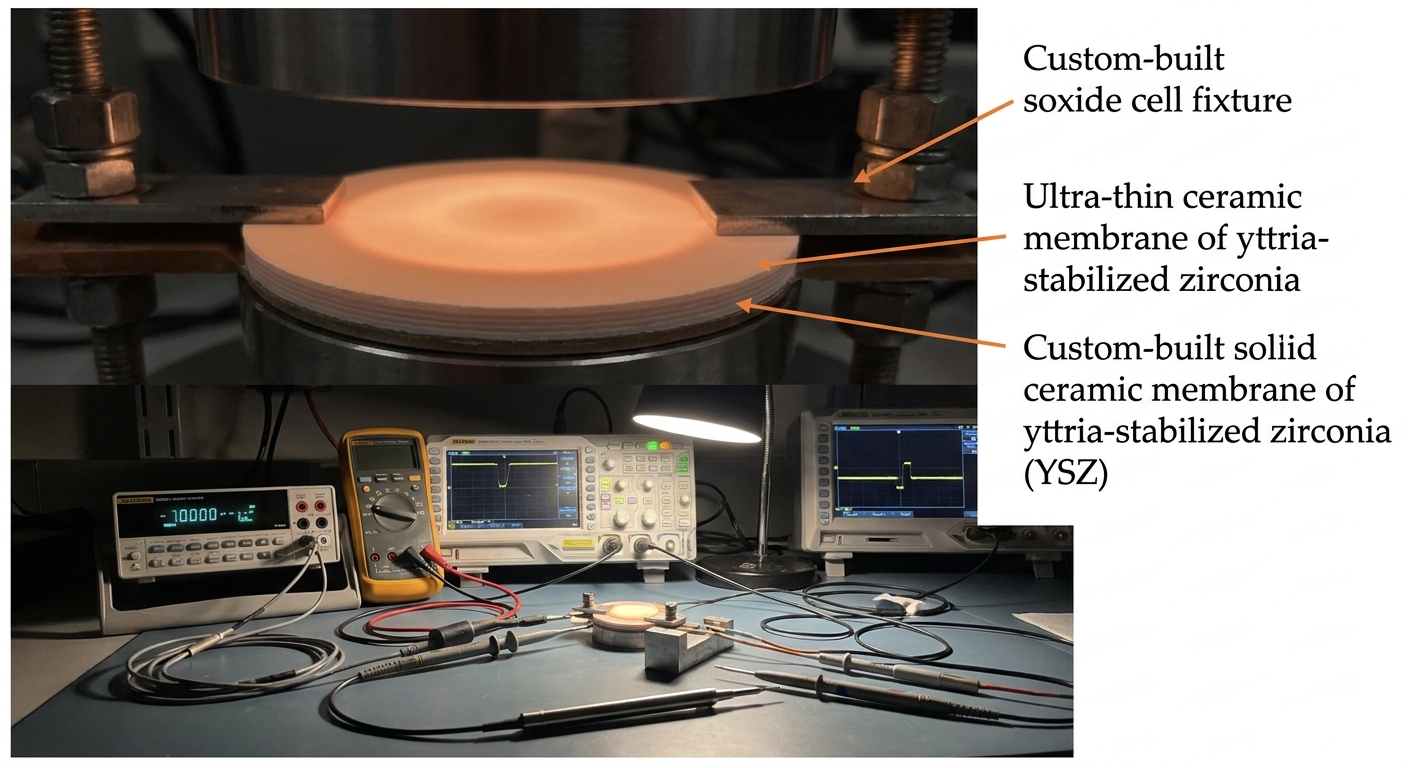
How do oxygen vacancies enable conductivity?
When you substitute trivalent yttrium ions into the tetravalent zirconium lattice, oxygen vacancies are created to maintain electrical neutrality. These vacancies act as open pathways, allowing oxygen ions to hop through the crystal structure. But that’s not all.
- High concentration of charge-carrying vacancies
- Blockade of free electronic conduction
- Excellent thermal expansion match with metal alloys
You will find that this material behaves as an excellent ion conductor only at elevated temperatures.
What is the optimal operating temperature?
If you run your fuel cell at 800°C to 1,000°C, the ionic conductivity of the electrolyte membrane reaches its peak. At these high temperatures, the material remains structurally stable and resistant to phase degradation. Let’s face it:
- Thermal operating range: 800°C – 1000°C
- Superior chemical stability in fuel atmospheres
- Highly resistant to sintering degradation
| Electrolyte Compound | Ionic Conductivity at 800°C | Thermal Expansion Matching | Structural Stability |
|---|---|---|---|
| 3mol% Yttria (3YSZ) | ~ 0.01 S/cm | Excellent | Exceptional |
| 8mol% Yttria (8YSZ) | ~ 0.10 S/cm | Good | Very Good |
| Scandia-Stabilized (ScSZ) | ~ 0.25 S/cm | Moderate | Low (Phase segregation) |
This electro-technical comparison shows that 8mol% yttria provides the optimal balance of ionic transport and long-term crystal stability.
Key Takeaway: By choosing 8mol% yttria stabilized zirconia for your electrochemical systems, you maximize energy conversion efficiency and ensure long-term power generation.
Can yttria stabilized zirconia replace tool steels?
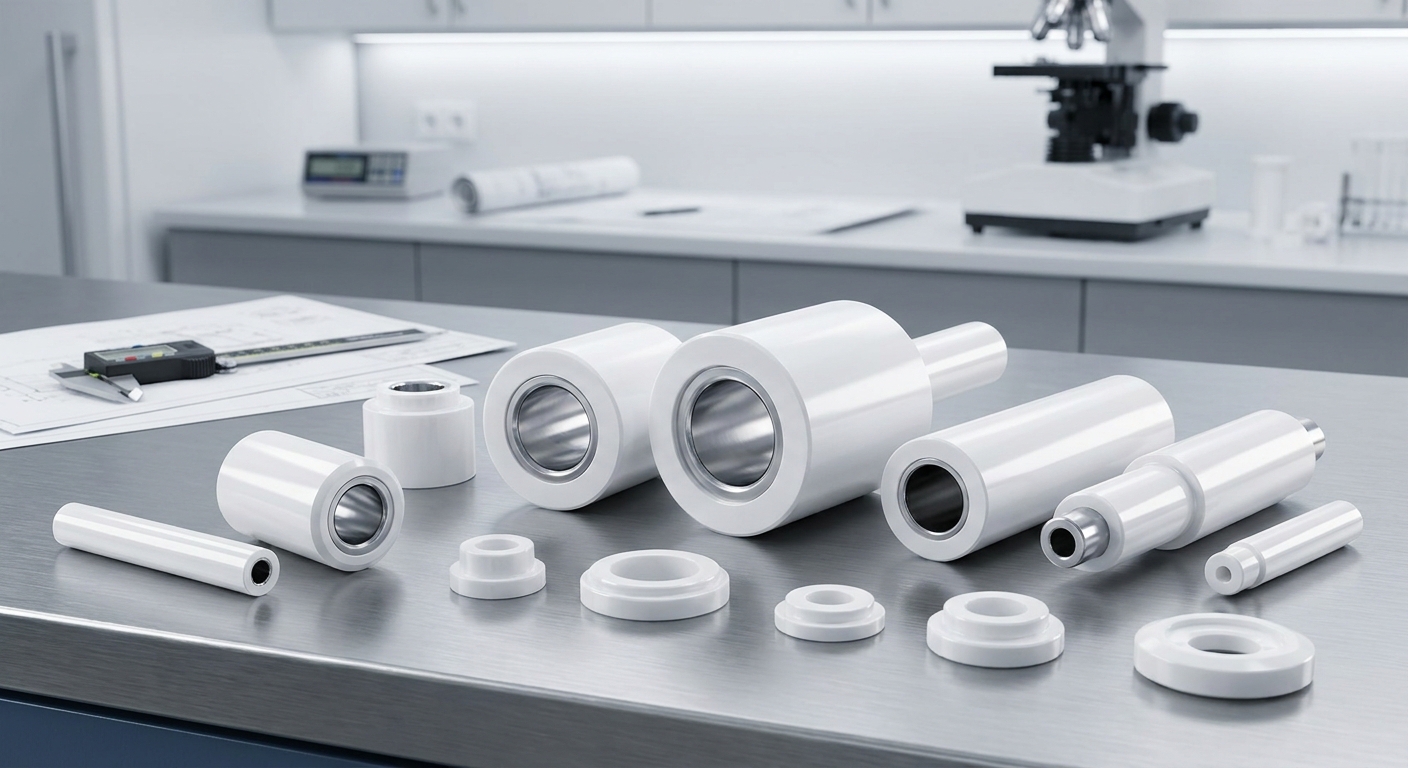
Yes, yttria stabilized zirconia can replace tool steels in high-wear, high-temperature, and corrosive industrial applications where metal components suffer from premature failure. While tool steels rust, corrode, and deform under extreme loads, yttria stabilized zirconia maintains its dimensional accuracy and mechanical strength indefinitely. This transition drastically reduces machinery downtime and maintenance labor.
Let’s evaluate how these materials compare in high-stress industrial tooling.
How does chemical wear resistance compare?
If your processing equipment handles corrosive chemical compounds, standard metal tooling will quickly degrade. Acidic or alkaline mixtures initiate tribochemical wear, which ruins precision clearances in days. Here is the thing:
- Absolute rust and oxidation resistance
- High resistance to aggressive chemical solutions
- Zero reaction with hot polymers and slurries
With advanced ceramics, you eliminate chemical wear entirely, preserving your manufacturing tolerances over millions of cycles.
What are the mechanical limits of YSZ?
You must remember that ceramics are brittle in tension, meaning they cannot withstand extreme high-impact bending forces. To prevent fracturing, you should design ceramic tools with radius edges and install them in protective steel sleeves. Think about it.
- High compressive strength (2000+ MPa)
- Lower tensile limits than steel
- Requires shock-absorbing structural designs
| Component Application | Tool Steel Lifespan | Y-TZP Lifespan | Primary Failure Mode |
|---|---|---|---|
| Chemical Extrusion Die | 6 Months | 60 Months | Metal: Scoring and widening |
| Industrial Slurry Piston | 2 Months | 24 Months | Metal: Slurry erosion |
| Slitter Blade Edge | 1 Month | 12 Months | Metal: Chemical dulling |
This component lifespan table clearly demonstrates that yttria-stabilized ceramic parts last up to ten times longer than traditional steel tooling.
Key Takeaway: Upgrading your abrasive wear parts to yttria-stabilized zirconia allows you to cut your maintenance costs, eliminate rust, and improve your operational efficiency.
How does yttria stabilized zirconia wear over time?
Yttria stabilized zirconia wears exceptionally slowly through uniform micro-abrasion, but it can suffer from surface degradation when exposed to high humidity and temperatures over extended periods. This specific phenomenon, known as low-temperature degradation (LTD) or hydrothermal aging, occurs when water molecules destabilize the tetragonal phase on the surface of the ceramic. By understanding how yttria stabilized zirconia behaves in moist environments, engineers can design parts that avoid premature surface degradation.
Let’s look at how moisture impacts the longevity of these materials under load.
What triggers hydrothermal degradation?
When you operate yttria-stabilized components in humid air between 60°C and 250°C, water molecules penetrate the crystal boundaries. This moisture triggers a spontaneous tetragonal-to-monoclinic phase transition at the surface, creating micro-cracks. As it turns out:
- Water absorption at grain boundaries
- Spontaneous phase transition without mechanical load
- Cumulative micro-cracking at the surface
This surface cracking allows more water to penetrate, causing a slow decay in mechanical properties over time.
How can you prevent hydrothermal aging?
You can easily prevent hydrothermal aging by choosing a ceramic formulation co-doped with small amounts of alumina. Alumina nanoparticles block the penetration of water molecules, stabilizing the grain boundaries. In other words:
- Co-doping with $<0.5 \text{ wt}%$ alumina
- Maintaining grain sizes below 0.3 microns
- Increasing yttria content (e.g., using 4YSZ)
| Operating Environment | Temperature (°C) | Monoclinic Phase % (1k Hrs) | Surface Roughness (Ra) |
|---|---|---|---|
| Dry Industrial Air | 150°C | < 1% (Unchanged) | 0.02 μm (Pristine) |
| Humid Autoclave | 134°C | 15% – 25% | 0.08 μm (Roughened) |
| Superheated Steam | 250°C | > 50% (Severe LTD) | 0.35 μm (Degraded) |
This experimental tracking shows that keeping operating temperatures below 150°C in moist environments prevents premature hydrothermal aging.
Key Takeaway: If your process runs under high moisture or steam, choosing a fine-grained, alumina-co-doped zirconia will help you maintain high surface smoothness and avoid premature wear.
What is the future of yttria stabilized zirconia?
The future of yttria stabilized zirconia lies in additive manufacturing (3D printing) and nano-composite materials that simultaneously improve fracture toughness and hydrothermal aging resistance. As B2B manufacturing moves toward customized, high-precision designs, 3D-printed yttria stabilized zirconia is enabling engineers to fabricate complex internal cooling channels and optimized lightweight structures. This tech breakthrough eliminates the high costs of traditional ceramic molding and machining.
Let’s look at the emerging trends shaping the next generation of technical ceramics.
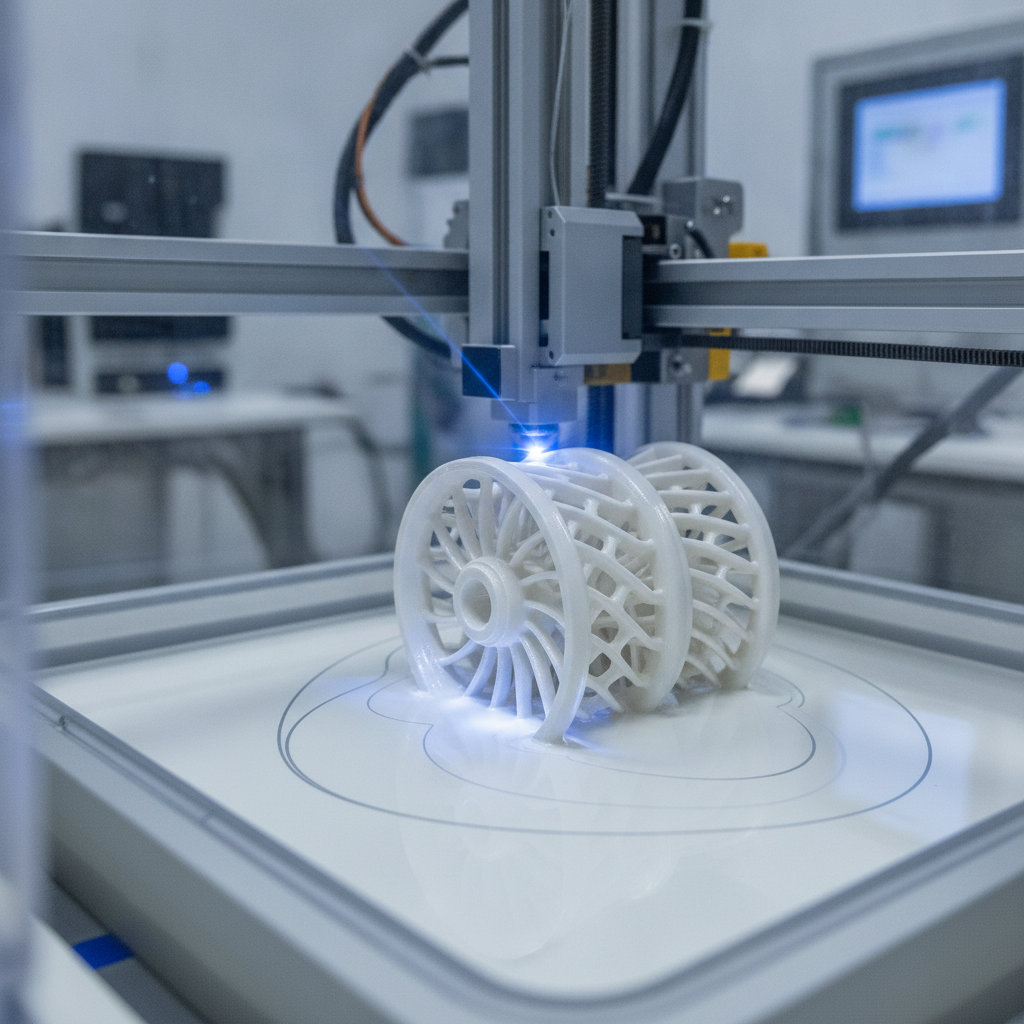
How is 3D printing changing fabrication?
You no longer have to design your parts around the limitations of expensive diamond grinding. With stereolithography (SLA) 3D printing, you can create intricate honeycomb shapes and internal spiral channels with absolute ease. To put it simply:
- Complex internal fluid channels
- No expensive mold tooling costs
- Rapid prototyping of custom components
This design freedom allows you to optimize your parts for weight reduction while retaining high load-bearing strength.
What are the benefits of nano-composites?
By blending alumina and zirconia at the nanoscale, you can create exceptionally tough materials like Alumina Toughened Zirconia (ATZ). These advanced nano-composites show almost zero wear under heavy sliding friction. Make no mistake:
- Exceptional hardness of alumina
- Extreme transformation toughness of zirconia
- High resistance to hydrothermal degradation
| Production Method | Density (%) | Flexural Strength (MPa) | Geometric Freedom |
|---|---|---|---|
| Dry Pressing & Sintering | 99.8% | 1,000 – 1,200 | Very Low (Basic blocks/cylinders) |
| SLA 3D Printing | 99.2% | 850 – 1,000 | Extremely High (Lattices & cavities) |
| Direct Ink Writing (DIW) | 98.2% | 700 – 850 | Moderate (Thin tubes & walls) |
This fabrication analysis confirms that modern additive manufacturing is rapidly matching the density and mechanical strength of traditionally sintered materials.
Key Takeaway: Transitioning to 3D-printed zirconia prototypes allows you to test custom geometries and validate structural performance within days instead of weeks.
Frequently Asked Questions
Can I use yttria stabilized zirconia in acid?
Yes, you can, but you must choose high-purity grades to prevent chemical degradation. Standard yttria stabilized zirconia offers excellent resistance to most concentrated mineral and organic acids. However, in extremely aggressive hydrothermal conditions, calcia or magnesia formulations can experience stabilizer leaching, making yttria the safest choice.
What’s the best stabilizer for thermal barriers?
Yttria is the best stabilizer choice for high-temperature coatings. For gas turbines and jet engine parts operating above 1,100°C, yttria-stabilized formulations (specifically 7-8 wt% YSZ) are the industry standard. They combine incredibly low thermal conductivity with a thermal expansion coefficient that matches metal substrates perfectly.
How do I know if my zirconia is high quality?
You must verify the ceramic’s density and grain size through technical datasheets. Authentic, high-performance zirconia must have a density exceeding 99% of its theoretical value and a grain size below 0.5 microns. Cheaper, low-grade powders will exhibit higher porosity and large, irregular grain boundaries.
Can I machine stabilized zirconia after sintering?
No, you should avoid machining zirconia after sintering due to its extreme hardness. Sintered zirconia is so tough that shaping it requires diamond-tipped grinding tools, which is highly time-consuming and expensive. You will save significant time and money by machining parts in their “green” or “bisque” state before the final sintering process.
Conclusion
Selecting the perfect stabilized zirconia grade is the single most critical decision in preventing premature mechanical failure and thermal cracking. Whether you need the unmatched strength of yttria-stabilized zirconia, the rapid thermal cycling resilience of magnesia-stabilized zirconia, or the economical refractory performance of calcia-stabilized zirconia, matching the material properties to your operating environment ensures maximum system lifespan.
At ZrBrontec, we are committed to engineering advanced zircon and technical ceramic powders that set the standard for modern industrial performance. By maintaining rigorous, state-of-the-art control over raw material refining, grain size distribution, and sintering density, we empower B2B engineering teams to build systems that survive the harshest industrial limits.
If you are ready to eliminate costly equipment breakdowns and optimize your high-wear systems, contact us today to receive professional material engineering support and customized component recommendations.