
To master high-performance industrial ceramics, you must understand that stabilized zirconia is zirconium dioxide whose crystal structure has been chemically locked to prevent catastrophic volume changes during thermal cycling. In its pure form, this material undergoes a violent phase transition when heated, causing up to a 5% volumetric expansion that leads to immediate microcracking and component failure under mechanical load. For industrial procurement officers and R&D engineers, this structural instability is a costly liability that triggers unexpected system shutdowns, ruined production batches, and damaged client trust. The ultimate solution lies in the engineering of yttria stabilized zirconia, which isolates and preserves the high-strength tetragonal phase at room temperature to deliver unmatched fracture toughness and operational reliability.
What is yttria stabilized zirconia?
To define this advanced technical ceramic, you should know that yttria stabilized zirconia is a material where zirconium dioxide is stabilized at room temperature through the addition of yttrium oxide, preventing catastrophic phase transformations. By substituting zirconium ions with yttrium ions, you lock the crystal structure in its tetragonal or cubic phase. This prevents the structural failure that normally occurs during cooling. Understanding this chemistry is crucial for selecting the right material for your high-stress applications.
What is the crystal structure of zirconia?
Pure zirconia shifts between three distinct crystal structures depending on the temperature level. These are the monoclinic, tetragonal, and cubic phases.
Think about it:
If you do not stabilize the material, cooling it below 1170°C causes a violent expansion that destroys the part. This mechanical breakdown makes unstabilized ceramics virtually useless for load-bearing applications.
- Monoclinic phase: Stable from ambient temperatures up to 1170°C.
- Tetragonal phase: Stable at mid-range temperatures from 1170°C to 2370°C.
- Cubic phase: Stable at extreme high temperatures from 2370°C up to the melting point.
How does yttria prevent phase transformation?
Yttria prevents destructive phase changes by chemically modifying the zirconium dioxide crystal lattice. When you introduce yttrium oxide, larger yttrium ions substitute for zirconium ions in the structure.
Let’s break it down:
This atomic substitution creates oxygen vacancies that stabilize the high-temperature phases at room temperature. The stabilized crystal remains highly uniform even during rapid cooling cycles.
- Ionic substitution: Y³⁺ ions replace Zr⁴⁺ ions.
- Vacancy generation: Oxygen vacancies are formed to maintain overall electrical neutrality.
- Phase lock: The tetragonal or cubic symmetry is preserved down to ambient conditions.
Partially versus fully stabilized zirconia
You must choose between partially and fully stabilized variations depending on your mechanical goals. Partially stabilized grades retain a metastable phase that offers superior mechanical toughness.
Here is the thing:
Fully stabilized versions are completely cubic, offering exceptional oxygen-ion conductivity but lower strength. This makes them ideal for chemical applications rather than structural wear parts.
- Partially Stabilized (PSZ): Typically contains 3 mol% to 4 mol% yttria for structural strength.
- Fully Stabilized (FSZ): Doped with 8 mol% or more yttria for fuel cell applications.
- Yttria concentration: Controls the dominant crystal phase and final performance properties.
Key Takeaway: By selecting the correct stabilization level, you can tailor the crystal lattice of your components to deliver either maximum structural strength or high ionic conductivity.
| Zirconia State | Yttria Content (mol%) | Dominant Crystal Phase | Volumetric Expansion Rate |
|---|---|---|---|
| Unstabilized | 0% | Monoclinic (at room temp) | ~3.5% to 5.0% (unstable) |
| Partially Stabilized | 3.0% – 4.0% | Tetragonal (Metastable) | Virtually 0.0% |
| Fully Stabilized | 8.0%+ | Cubic (Stable) | 0.0% |
This structural phase control explains why stabilized materials represent such a major leap forward for advanced engineering ceramics.
Why does yttria stabilized zirconia resist wear?
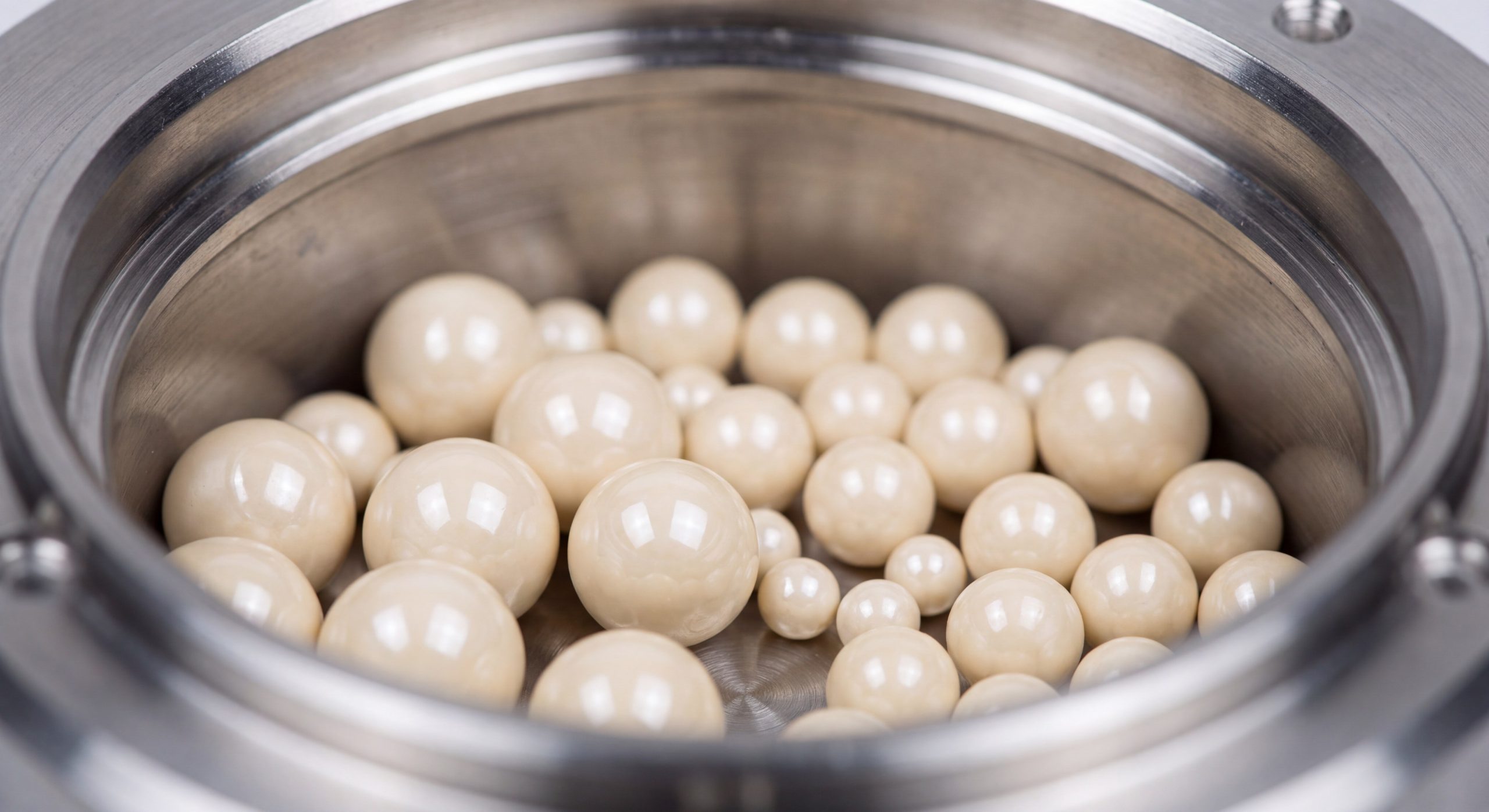
Outstanding wear resistance in yttria stabilized zirconia is driven by a unique physical phenomenon known as transformation toughening. When a crack starts to propagate under mechanical stress, the surrounding crystal structure physically adapts to halt its progress. This self-healing ability allows your wear components to survive in the most demanding abrasive environments. Understanding this wear mechanism helps you optimize the operational lifespan of your critical machinery.
The role of transformation toughening
Transformation toughening acts as a built-in defense mechanism that actively halts crack propagation. This mechanical behavior is what earned the material its reputation as “ceramic steel.”
Think about it:
When tensile stress acts on a crack tip, the nearby metastable tetragonal grains transform into the larger monoclinic phase. This volumetric expansion creates a localized compressive stress shield that physically clamps the crack shut.
- Phase trigger: Localized tensile stress initiates the crystal phase shift.
- Volume expansion: The crystal volume increases by about 4% at the crack tip.
- Compressive shielding: The expanding grains squeeze the crack tip to prevent further growth.
Hardness versus fracture toughness
Traditional ceramics like alumina are extremely hard but suffer from high brittleness under impact. This limits their use in high-impact industrial applications.
But wait, there is more:
Stabilized zirconia balances high Vickers hardness with the highest fracture toughness of any technical ceramic. This rare combination prevents micro-chipping and surface degradation under continuous sliding wear.
- Vickers Hardness: Reaches 1200 HV to 1300 HV for excellent scratch resistance.
- Fracture Toughness: Ranges from 6.0 to 10.0 MPa·m¹/² to survive heavy mechanical impacts.
- Surface Polish: Smooth surface finishes minimize friction and abrasive wear.
Industrial grinding media applications
The wear properties of this ceramic make it the premium choice for high-energy grinding mills. It outperforms traditional silica and alumina options in both lifetime and efficiency.
Here is the thing:
Grinding beads made from this material provide ultra-low contamination because they resist chipping and wear. This makes them ideal for processing high-purity paints, pigments, and pharmaceutical ingredients.
- High Density: At 6.0 g/cm³, it delivers high kinetic energy during milling.
- Low Contamination: Exceptional wear resistance preserves the purity of your milled product.
- Durability: Lasts up to 10 times longer than standard silica or alumina beads.
Key Takeaway: Utilizing transformation-toughened grinding media and wear parts dramatically reduces your maintenance downtime and prevents contamination in high-purity milling processes.
| Ceramic Material | Vickers Hardness (HV) | Fracture Toughness (MPa·m¹/²) | Relative Wear Rate |
|---|---|---|---|
| Unstabilized Alumina | 1600 – 1800 | 3.5 – 4.0 | Medium |
| Yttria Stabilized Zirconia | 1200 – 1300 | 6.0 – 10.0 | Ultra-Low |
| Silicon Carbide | 2200 – 2800 | 4.0 – 4.5 | Low |
This mechanical data highlights how yttria-stabilized materials successfully overcome the brittleness barrier that limits other hard technical ceramics.
How strong is yttria stabilized zirconia?
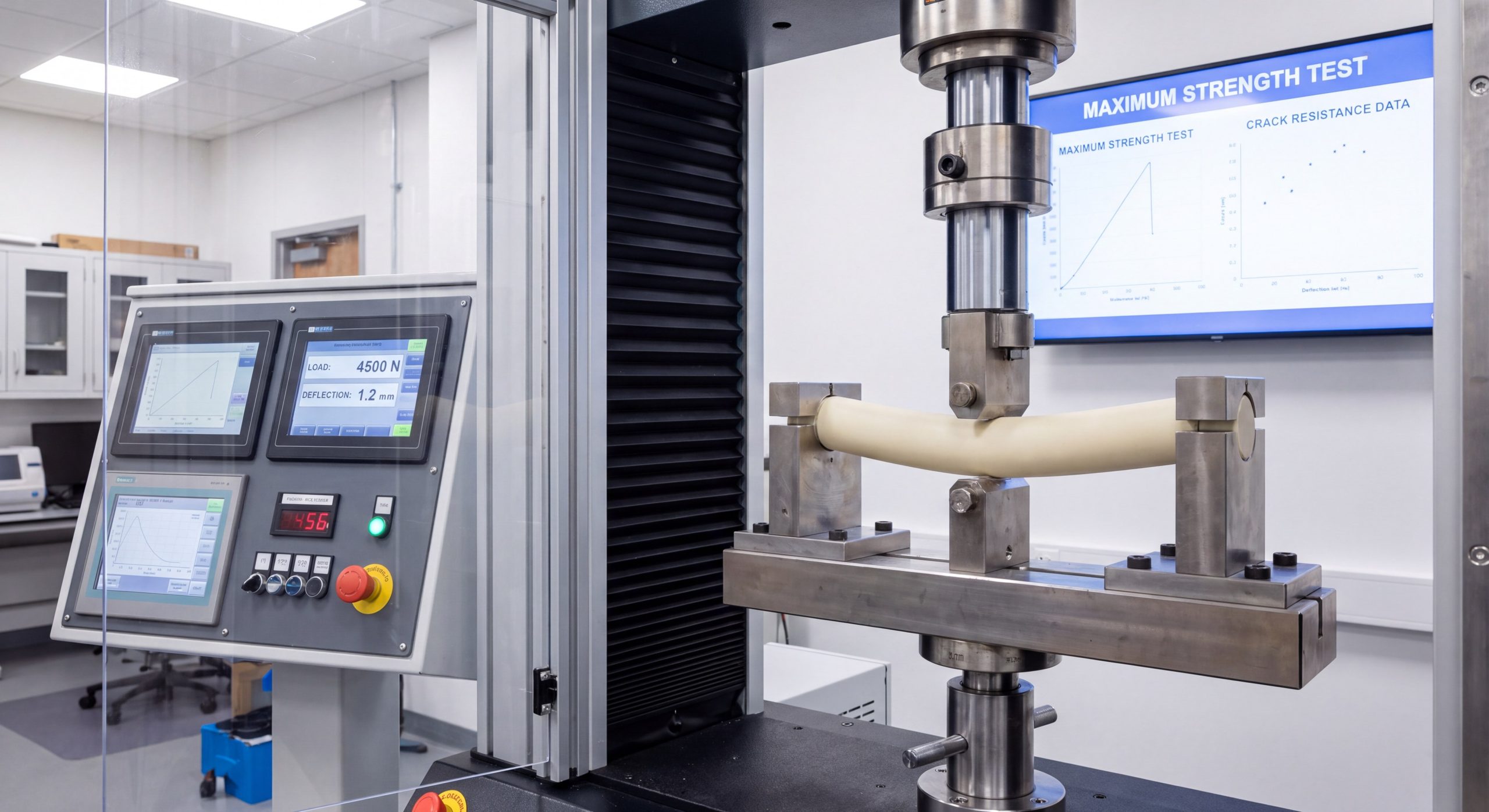
The extreme mechanical strength of yttria stabilized zirconia allows it to reach a flexural strength exceeding 1,200 MPa, making it the toughest technical ceramic available for structural parts. This mechanical reliability allows engineers to specify it for severe-service environments where other ceramics would shatter immediately. By utilizing this material, you can safely replace metals in high-pressure valves, pumps, and downhole drilling tools. Selecting the right processing parameters is the key to unlocking this incredible structural potential.
Flexural strength of industrial YSZ
Industrial grades of stabilized zirconia demonstrate incredible resistance to bending forces. This makes them highly suitable for high-load structural assemblies.
But that’s only half the story:
The flexural strength of 3Y-TZP routinely surpasses that of structural titanium alloys. This high load capacity ensures that your mechanical assemblies can withstand extreme bending and tensile loads.
- Flexural Strength: Typically ranges from 900 MPa to 1400 MPa depending on density.
- Tensile Strength: Excellent structural performance under high internal hydraulic pressures.
- Metal Replacement: Frequently replaces stainless steel in corrosive, high-load industrial pumps.
Elastic modulus and mechanical limits
You must analyze the elastic modulus to ensure correct stress distribution in hybrid assemblies. This is crucial for avoiding point-load stress concentrations.
Think about it:
With an elastic modulus of approximately 200 GPa, zirconia displays stiffness similar to steel. This allows for precise structural alignments without excessive deformation under heavy load.
- Elastic Modulus: Measures around 200 GPa for structural rigidity.
- Poisson’s Ratio: Typically 0.3, enabling predictable elastic deformation.
- Stress Distribution: Distributes mechanical stress evenly across mated metallic and ceramic interfaces.
How does processing affect ultimate strength?
The raw powder quality and sintering parameters directly dictate the final strength of your components. Even minor deviations can result in microscopic internal flaws.
Here’s the secret:
Even minor impurities like silica can accumulate at grain boundaries, reducing the flexural strength by over 30%. Using high-purity powders and advanced hot isostatic pressing achieves maximum density and fine grain sizes.
- Powder Purity: Must exceed 99.9% to prevent glass phase formation at grain boundaries.
- Hot Isostatic Pressing (HIP): Eliminates internal micro-voids to maximize material density.
- Sintering Temperature: Must be tightly controlled to prevent unwanted grain growth.
Key Takeaway: To achieve maximum component reliability, you must source high-purity raw powders and enforce precise sintering standards to prevent strength-limiting grain boundary defects.
| Processing Method | Sintered Grain Size (μm) | Flexural Strength (MPa) | Theoretical Density |
|---|---|---|---|
| Pressureless Sintering | 0.3 – 0.5 | 900 – 1100 | ~99.0% |
| Hot Isostatic Pressing (HIP) | 0.2 – 0.3 | 1200 – 1500 | > 99.8% |
| Over-sintered (Thermal abuse) | 1.5 – 3.0 | 500 – 700 | < 98.5% |
This mechanical data clearly shows how advanced processing methods directly impact the structural performance of sintered ceramic parts.
Does yttria stabilized zirconia undergo aging?
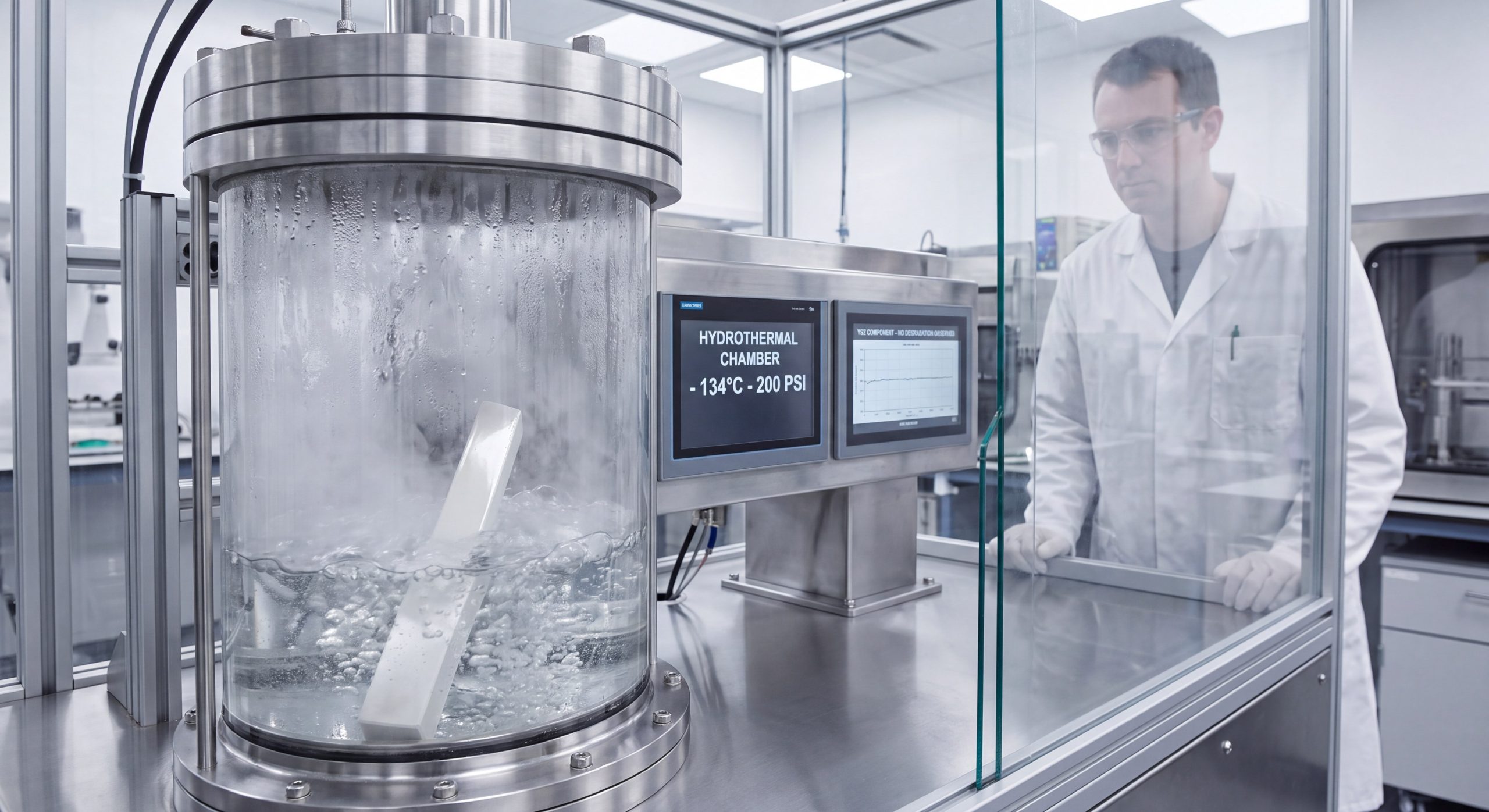
Although highly durable, yttria stabilized zirconia can undergo hydrothermal aging, also known as low-temperature degradation, when exposed to moisture over long periods at elevated temperatures. This aging process can slowly compromise the mechanical properties of your ceramic components if left unchecked. Water molecules gradually penetrate the crystal lattice, triggering an unwanted phase transformation at the surface. Fortunately, you can implement specific material design strategies to fully mitigate this environmental risk.
What is low-temperature degradation?
Low-temperature degradation occurs when moisture triggers a spontaneous phase shift from tetragonal to monoclinic. This phase change is non-stress-induced and starts at the material’s surface.
How can you avoid this?
Hydroxyl groups from water fill the oxygen vacancies that were created to stabilize the lattice. This destabilizes the tetragonal structure, causing surface microcracks that can act as initiation sites for larger fractures.
- Chemical attack: Hydroxyl groups (OH⁻) slowly diffuse into the zirconia lattice.
- Lattice destabilization: Oxygen vacancies are filled, removing the stabilization effect.
- Surface expansion: Monoclinic transformation causes surface swelling and microcracking.
Environmental factors accelerating LTD
You must identify the environments where low-temperature degradation is most likely to accelerate. This allows you to select the correct material grades for high-risk zones.
Here is the thing:
The degradation rate peaks in saturated steam environments between 60°C and 300°C. Applications in steam sterilization autoclaves, chemical processing lines, and oral cavities require special protective measures.
- Critical temperature window: Accelerates most rapidly around 134°C.
- Moisture dependence: Requires the presence of water molecules or water vapor.
- Pressure effects: Pressurized steam increases the penetration depth of hydroxyl ions.
Strategies to mitigate hydrothermal aging
Advanced material engineering allows you to prevent hydrothermal degradation by optimizing the ceramic microstructure. This ensures prolonged component survival in wet environments.
Let’s break it down:
Reducing the average grain size below a critical limit of 0.3 microns physically prevents the phase transformation. Co-doping the raw powder with small amounts of alumina also blocks water molecules from penetrating grain boundaries.
- Grain refinement: Sintering to ultra-fine grain sizes (<0.3 μm) restricts phase shifting.
- Alumina co-doping: Adding 0.1 wt% to 0.25 wt% alumina segregates to boundaries and blocks diffusion.
- Density maximization: Eliminates open pores that could otherwise act as water transport pathways.
Key Takeaway: Sourcing alumina-doped, fine-grained zirconia is essential if your components must operate reliably in wet, high-temperature, or autoclave environments.
| Material Formulation | Lifespan in Saturated Steam (134°C) | Surface Microstructure | Phase Stability |
|---|---|---|---|
| Unmodified 3Y-TZP | 1 – 2 Years | Microcracking observed | Moderate degradation |
| Alumina-Doped YSZ | 10+ Years | Pristine and smooth | Excellent stability |
| Coarse-Grained YSZ | < 6 Months | Extensive spalling | Rapid degradation |
This lifespan comparison underscores the critical importance of microstructural engineering when deploying stabilized ceramics in hydrothermal conditions.
Is yttria stabilized zirconia safe for teeth?
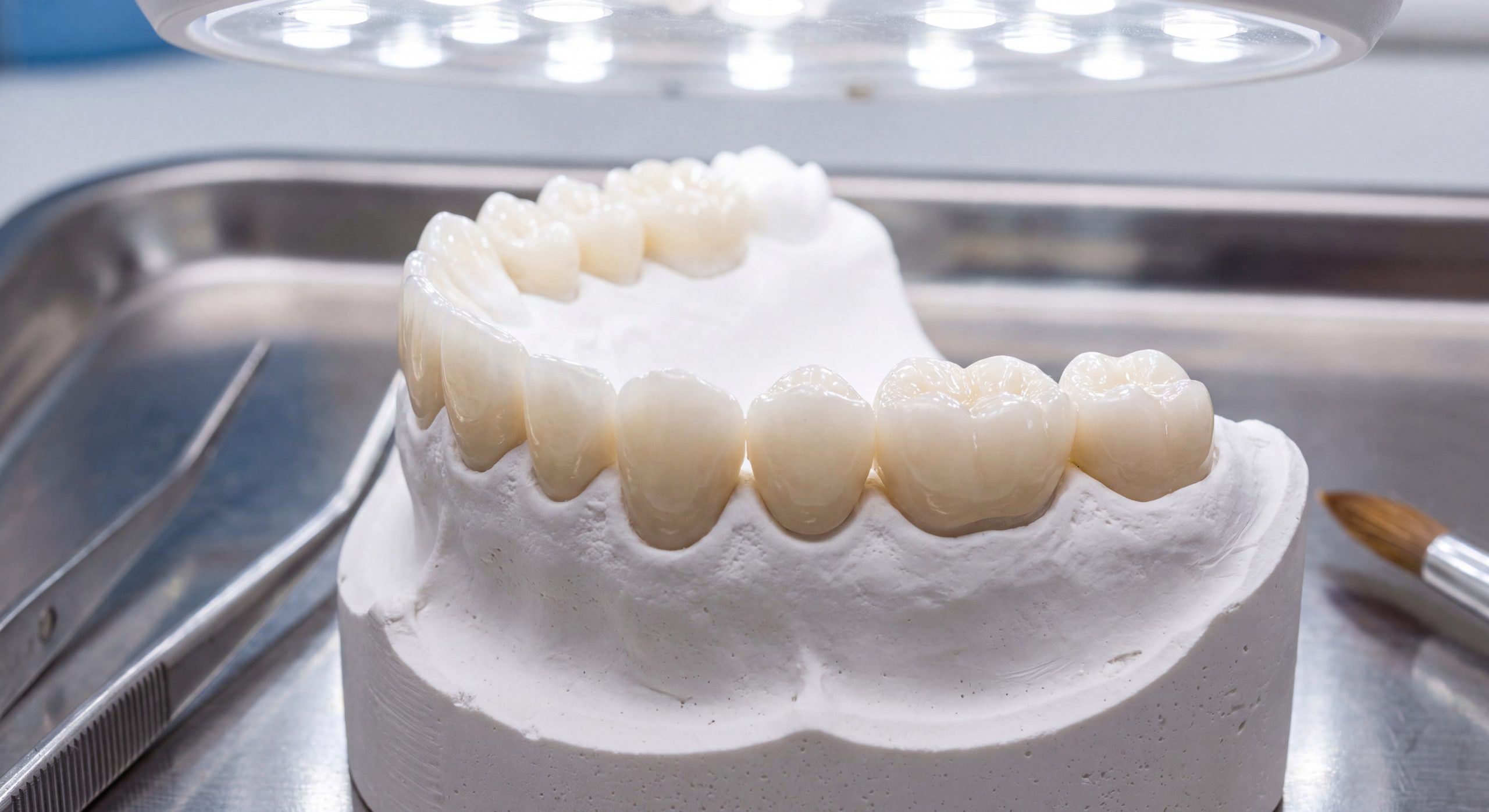
Restorative dentists widely recognize yttria stabilized zirconia as completely safe and biocompatible, providing high tissue tolerance alongside natural-looking aesthetics. Because it is chemically inert, this material does not release harmful metal ions into the human body. This makes it an ideal alternative to titanium and other dental alloys for long-term clinical restorations. Understanding the different dental grades is crucial for achieving the perfect balance of strength and translucency.
Biocompatibility and tissue integration
The biological safety of stabilized zirconia makes it highly compatible with oral tissues. It has been thoroughly tested and validated for intraoral use.
Here is the kicker:
Zirconia dental implants and crowns accumulate far less bacterial plaque than traditional metals. This significantly reduces the risk of gum inflammation and promotes excellent soft-tissue attachment.
- Inert behavior: Zero chemical reaction with saliva, body fluids, or soft tissues.
- Non-allergic: Does not trigger oral metal allergies or systemic sensitivities.
- Plaque resistance: Smooth, polished surfaces limit bacterial colonization and calculus buildup.
Comparing 3Y, 4Y, and 5Y dental grades
You must evaluate the mechanical and optical differences between 3Y, 4Y, and 5Y zirconia grades. Each grade features a unique stabilization chemistry to suit specific dental roles.
But wait, there is more:
As the yttria content increases from 3 mol% to 5 mol%, the ceramic becomes more translucent but less strong. Selecting the right grade depends entirely on whether you are restoring a front tooth or a high-load molar.
- 3Y-TZP: Offers the highest strength (1200+ MPa) but lower translucency, ideal for posterior bridges.
- 4Y-PSZ: Balances good strength (900 MPa) with medium translucency for universal clinical use.
- 5Y-PSZ: Features ultra-high translucency but lower strength (600 MPa) for anterior restorations.
Translucency versus mechanical strength
The physical reason behind this trade-off lies within the engineered crystal structure of the ceramic. Controlling this structure allows you to deliver lifelike dental restorations.
Think about it:
Increasing yttria content generates a higher volume of the cubic phase, which does not scatter light. While this cubic structure makes restorations look highly aesthetic and natural, it lacks the self-healing transformation toughening of the tetragonal phase.
- Cubic Phase: Isotropic grain structure allows light to pass through with minimal scattering.
- Tetragonal Phase: Anisotropic grains cause light polarization, reducing translucency.
- Clinical Trade-off: More cubic phase equals higher beauty but lower structural load capacity.
Key Takeaway: Navigating the trade-offs between dental grades allows you to provide patients with restorations that perfectly balance aesthetic beauty with structural longevity.
| Dental Grade | Yttria Content (mol%) | Light Translucency (%) | Flexural Strength (MPa) | Primary Clinical Use |
|---|---|---|---|---|
| 3Y-TZP | 3.0% | ~35% | 1200 – 1400 | Posterior bridges and high-load frameworks |
| 4Y-PSZ | 4.0% | ~42% | 800 – 1000 | Universal anterior and posterior crowns |
| 5Y-PSZ | 5.0% | ~49% | 600 – 700 | Aesthetic anterior veneers and single crowns |
This technical distribution explains why modern dental labs carefully match the aesthetic requirements of each case with the corresponding physical grade.
How does yttria stabilized zirconia handle heat?
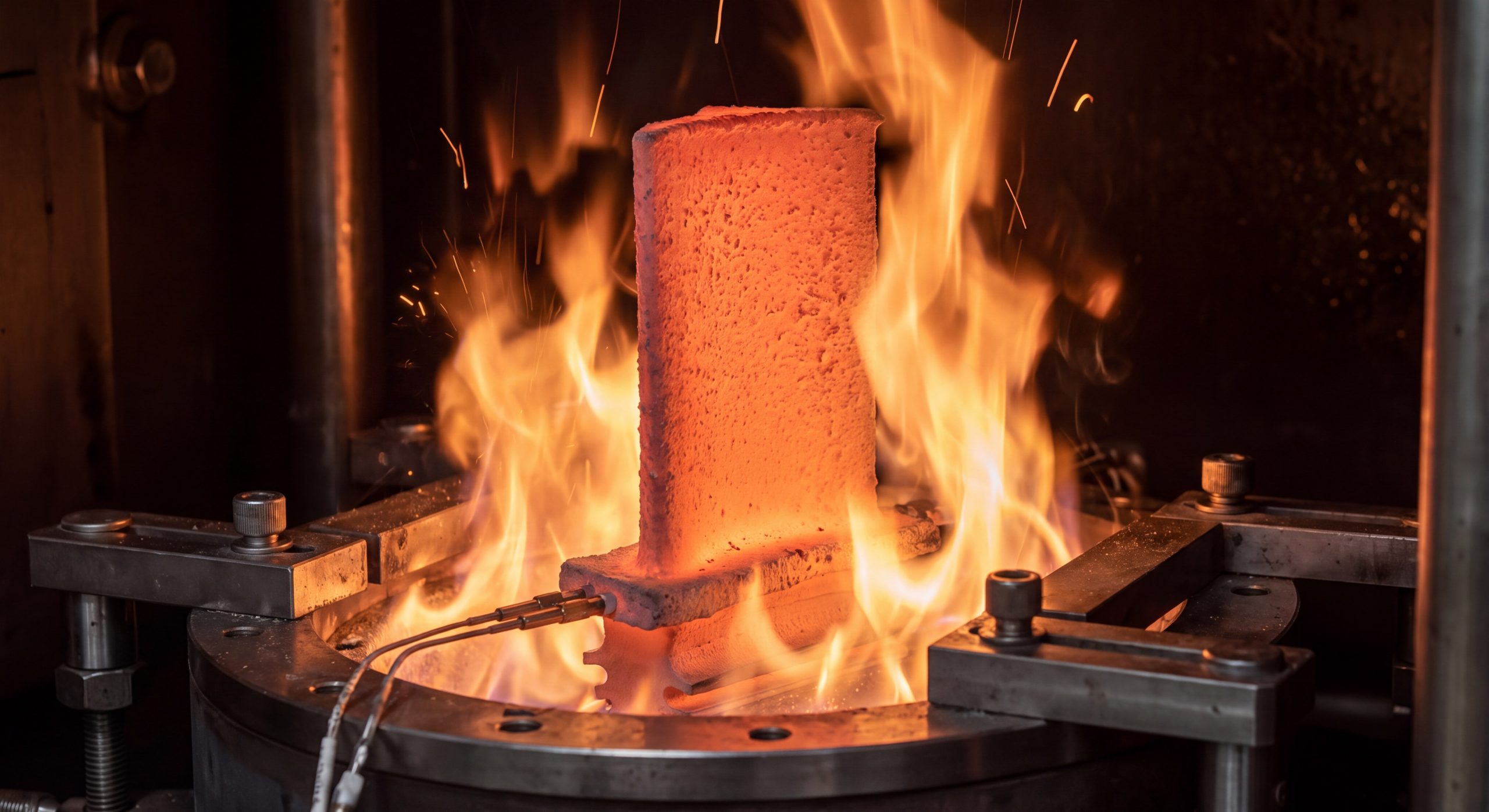
Outstanding thermal performance is a hallmark of yttria stabilized zirconia because its low thermal conductivity and high melting point of 2,700°C enable it to act as an exceptional thermal barrier. This thermal stability allows components to operate in extreme environments that would melt or deform structural steels. By applying this ceramic as a protective layer, you can shield high-temperature turbine blades and engine exhausts. Understanding how it manages thermal energy is key to optimizing your high-temperature systems.
Thermal conductivity and barrier properties
The thermal conductivity of stabilized zirconia is remarkably low compared to other technical ceramics. This makes it an outstanding insulator in gas turbine engines.
Here’s the secret:
The high concentration of oxygen vacancies created by yttria doping acts as an effective scatterer for heat-carrying phonons. This microstructural behavior restricts heat transfer, keeping your underlying metal components safely insulated.
- Low thermal conductivity: Measures only 2.0 to 3.0 W/m·K, which is ten times lower than alumina.
- Phonon scattering: Oxygen vacancies block the pathways of thermal lattice vibrations.
- Insulation efficiency: Keeps heat locked inside combustion chambers to maximize thermodynamic efficiency.
Thermal expansion coefficient mismatch
You must match thermal expansion rates when pairing ceramics with metal components. Large expansion mismatches represent a major cause of thermal interface failure.
But that’s only half the story:
Zirconia exhibits a coefficient of thermal expansion that closely matches many common industrial metals. This close match prevents thermal stress from delaminating coatings when the assembly experiences dramatic temperature shifts.
- High CTE for a ceramic: Around 10.5 × 10⁻⁶/K, aligning well with steel and superalloys.
- Delamination prevention: Minimizes interfacial shear stress during high-temperature cycling.
- Bonding reliability: Ideal for plasma-sprayed Thermal Barrier Coatings (TBCs) on nickel-based alloys.
Operating limits under thermal shock
Rapid thermal cycling can still pose a risk to stabilized zirconia if thermal gradients are too steep. You must manage heating and cooling rates to protect bulky structural components.
Think about it:
If one side of your component cools much faster than the other, internal stress can cause microcracking. Proper component design and controlled thermal transitions are required to prevent thermal shock failure.
- Thermal Shock Parameter: Determined by the balance of low thermal conductivity and high flexural strength.
- Critical gradients: Large, thick components are more susceptible to shock than thin coatings.
- Mitigation: Gradual heating and cooling curves prevent destructive thermal stresses.
Key Takeaway: Utilizing the unique thermal expansion and low conductivity of this material allows you to design high-efficiency thermal barriers that match the movement of mated metal parts.
| Ceramic Material | Thermal Conductivity (W/m·K) | Coefficient of Thermal Expansion (×10⁻⁶/K) | Melting Point (°C) |
|---|---|---|---|
| Yttria Stabilized Zirconia | 2.0 – 3.0 | 10.5 | 2700 |
| Alumina (Al₂O₃) | 30.0 | 8.0 | 2072 |
| Silicon Nitride (Si₃N₄) | 15.0 – 20.0 | 3.2 | 1900 (Decomposes) |
This thermal data illustrates why zirconia remains the unchallenged material of choice for demanding aerospace and heavy combustion insulation coatings.
Why use yttria stabilized zirconia in refractories?
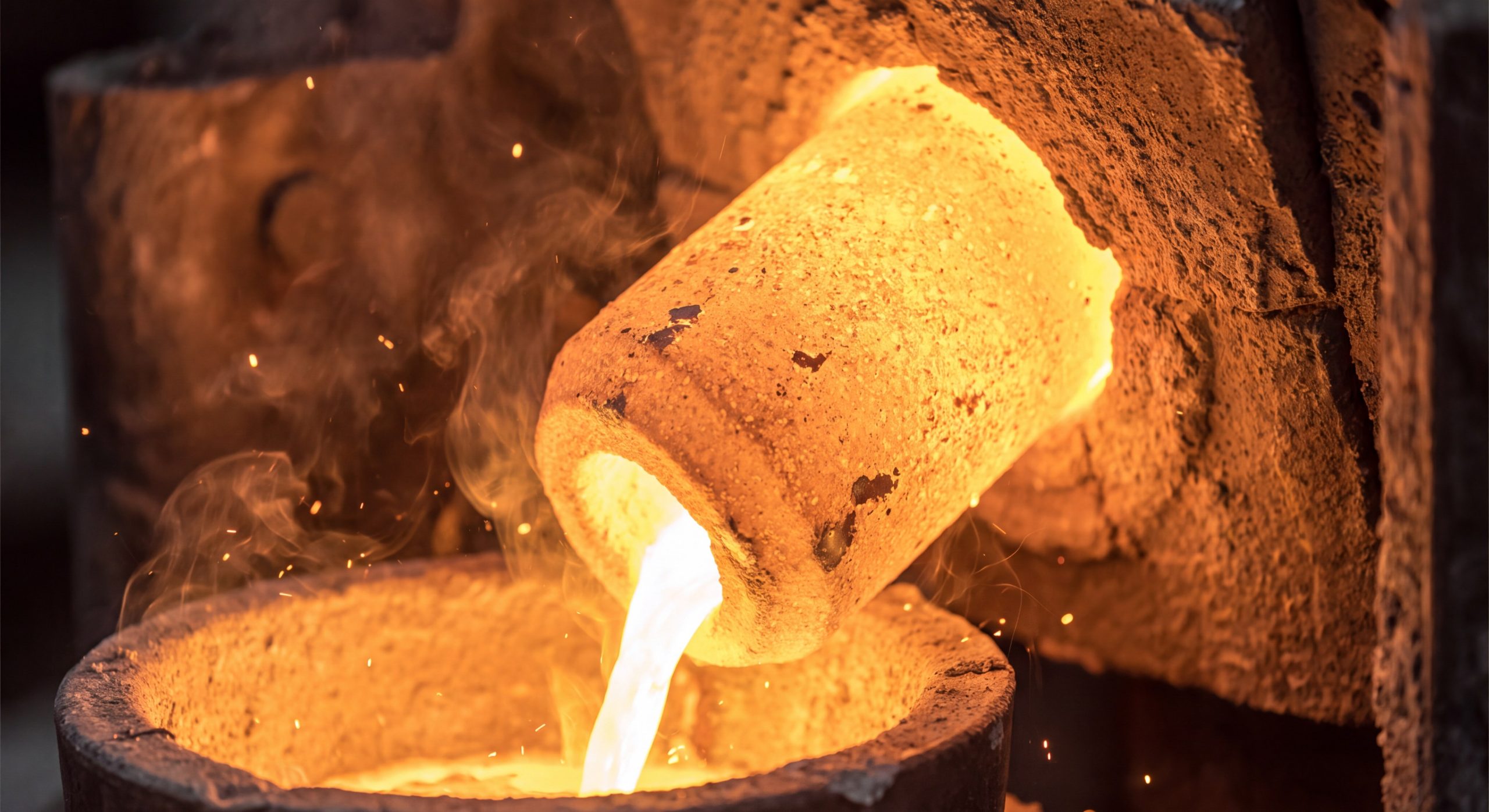
Industrial furnaces utilize yttria stabilized zirconia in critical contact zones because it maintains high-temperature structural integrity and resists corrosive chemical attack from molten slags. Under these extreme conditions, standard silica or alumina refractories dissolve quickly, leading to frequent maintenance and contaminated batches. By implementing this highly stable ceramic, you protect your casting nozzles and crucibles from chemical erosion. This strategic material choice ultimately reduces your downtime and ensures consistent metal or glass purity.
Slag and molten metal corrosion resistance
Stabilized zirconia displays exceptional chemical inertness in the presence of molten metals and highly acidic or basic slags. This resists the typical chemical washing that destroys other refractories.
What does this mean for your bottom line?
Crucibles and casting gates made from YSZ do not react with or contaminate your molten steel or silicate glass batches. This lack of chemical reactivity prevents erosion, maintaining precise flow control throughout the production cycle.
- Chemical inertness: Resists dissolution in contact with molten steel and silicate slags.
- Corrosion barrier: Prevents chemical leaching into your high-purity glass or metal melts.
- Wear preservation: Keeps internal nozzle diameters constant over prolonged casting runs.
Key applications in steel and glass casting
You will find this material acting as a critical wear component in continuous casting and glass production systems. It operates reliably in direct contact with liquid steel.
But wait, there is more:
Components like slide gates, submerged entry nozzles, and specialized glass-melting crucibles rely on zirconia to survive continuous chemical attack. Its thermal insulation properties also help prevent premature freezing of molten streams during casting.
- Slide Gates: Controls the flow of molten steel under immense thermal and mechanical pressure.
- Submerged Entry Nozzles: Guides liquid metal into molds without introducing air pockets or impurities.
- Crucible Linings: Protects furnace walls from the corrosive action of molten specialty glasses.
Maximizing continuous refractory lifespans
Implementing high-grade stabilized zirconia allows heavy manufacturing plants to achieve longer run times between maintenance intervals. This maximizes overall operational productivity.
Think about it:
A continuous steel mill can lose thousands of dollars in productivity for every hour of unscheduled furnace downtime. By upgrading your critical contact components to stabilized zirconia, you extend the reliable service life of your production lines by up to five times.
- Fewer shutdowns: Extends continuous smelting and casting runs without nozzle failure.
- Lower labor costs: Reduces the frequency of hazardous high-temperature refractory replacements.
- Product quality: Ensures flawless final casting dimensions with zero slag inclusions.
Key Takeaway: Upgrading critical flow and contact components to YSZ refractories preserves melt purity and protects your operations against expensive unscheduled casting line shutdowns.
| Refractory Material | Maximum Sintering Temp (°C) | Chemical Resistance to Acid Slag | Erosion Resistance in Molten Steel |
|---|---|---|---|
| Silica-Based Refractory | 1600 | Low | Poor |
| Chrome-Alumina | 1750 | Moderate | Moderate |
| Yttria Stabilized Zirconia | 2200+ | Outstanding | Exceptional |
This metallurgical comparison illustrates why stabilized zirconia is widely specified for critical contact areas in heavy continuous casting operations.
How does yttria stabilized zirconia power fuel cells?
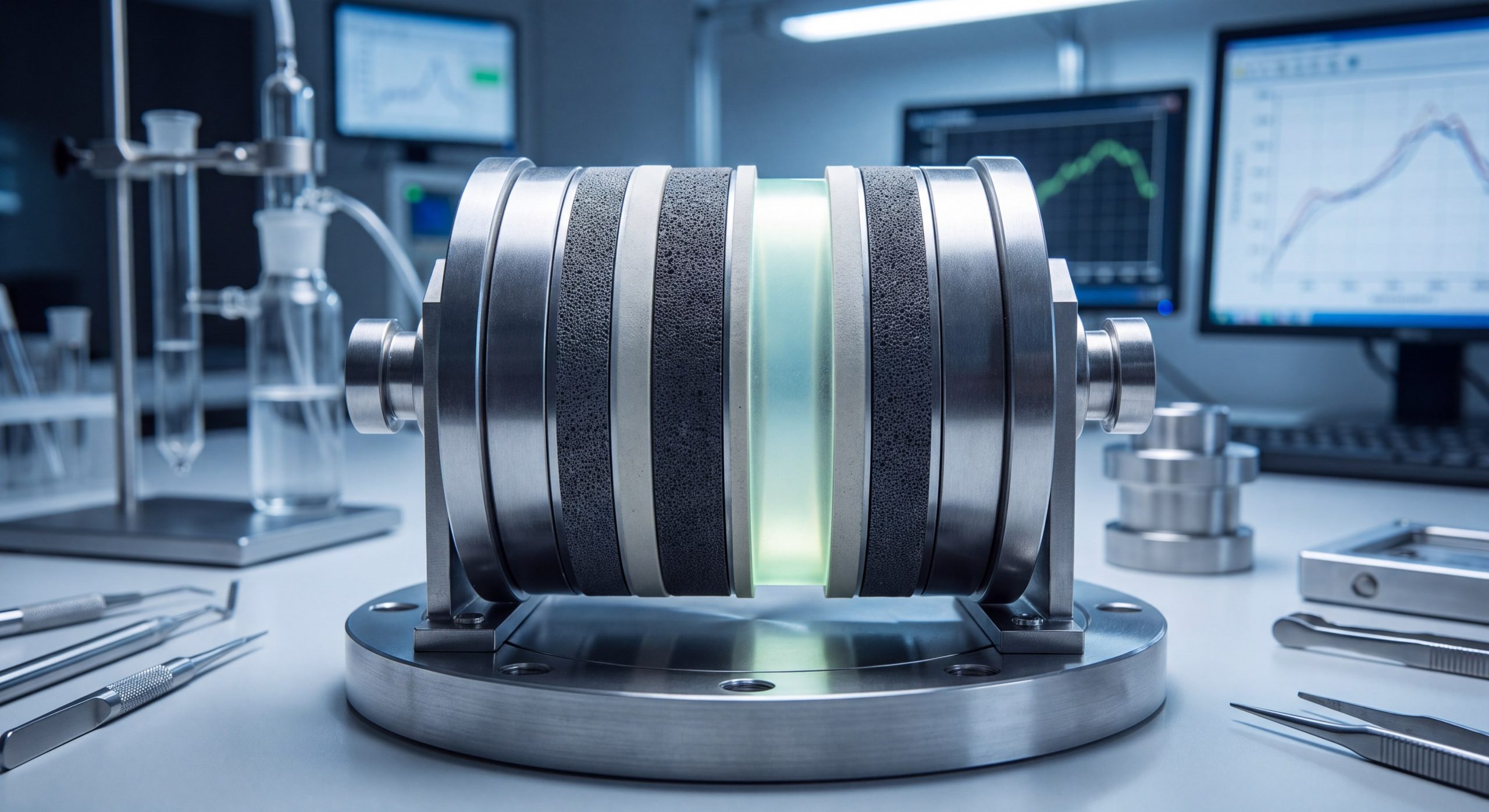
Solid oxide fuel cells rely on yttria stabilized zirconia as a solid electrolyte because its crystal lattice exhibits exceptional oxygen-ion conductivity at elevated operating temperatures. This high ion transport rate allows the fuel cell to convert chemical energy directly into clean electricity with extreme efficiency. By choosing this material, you ensure high chemical stability in both oxidizing and reducing environments. Understanding the ion conduction mechanism is essential for optimizing clean energy system designs.
Oxygen ion conductivity mechanisms
The replacement of zirconium ions with yttrium ions is what enables oxygen ion transportation through a solid ceramic. This allows for clean electrochemical power generation.
That is only the first step:
This substitution generates high concentrations of oxygen vacancies inside the crystal lattice. At operating temperatures above 700°C, oxygen ions gain enough thermal energy to hop through these vacant lattice sites, creating an electric current.
- Vacancy network: Oxygen vacancies act as open pathways for negative ion migration.
- High-temperature operation: Thermally activates the ionic hopping mechanism.
- Kröger-Vink notation: Formally represented as Vₒ•• to track structural lattice charge.
SOFC electrolyte operating temperatures
You must select the optimal stabilization concentration to maximize ionic conductivity while maintaining electrical resistance. This is vital to preventing fuel cell stack efficiency losses.
Think about it:
The industry standard of 8 mol% yttria stabilized zirconia (8YSZ) delivers the perfect balance of vacancy concentration and mechanical strength. Operating your fuel cell stack between 700°C and 1000°C achieves the highest power density.
- 8YSZ Standard: Delivers the highest oxygen-ion conductivity at high temperatures.
- Electronic Block: Maintains exceptionally high electronic resistivity to prevent internal short circuits.
- Thermal Stability: Operates continuously for thousands of hours without crystalline phase changes.
Thin-film versus bulk electrolyte membranes
Engineers utilize advanced thin-film deposition techniques to lower the operating temperatures of solid oxide systems. This reduces mechanical stresses within the fuel cell assembly.
Here is the thing:
Reducing the electrolyte thickness to the micron scale significantly cuts internal electrical resistance. This allows your fuel cells to function efficiently at intermediate temperatures, reducing material stress and cost.
- Ohmic resistance reduction: Thinner membranes allow faster oxygen ion travel at lower heats.
- Low-temperature target: Enables efficient operation in the range of 500°C to 650°C.
- Deposition methods: Screen-printing and physical vapor deposition are used to create the thin electrolyte layers.
Key Takeaway: Specifying high-quality 8YSZ electrolytes enables you to achieve optimal fuel cell power conversion rates and prolonged stack lifetimes.
| Electrolyte Composition | Operating Temp (°C) | Ionic Conductivity (S/cm) | Electronic Block Efficiency |
|---|---|---|---|
| 3YSZ (Low yttria) | 800 | ~0.02 | High |
| 8YSZ (Optimal) | 800 | ~0.10 | Exceptional |
| 10YSZ (High yttria) | 800 | ~0.08 | High |
This electrochemical performance profile explains why 8YSZ remains the benchmark electrolyte material in commercial solid oxide fuel cell designs.
Can we 3D print yttria stabilized zirconia parts?
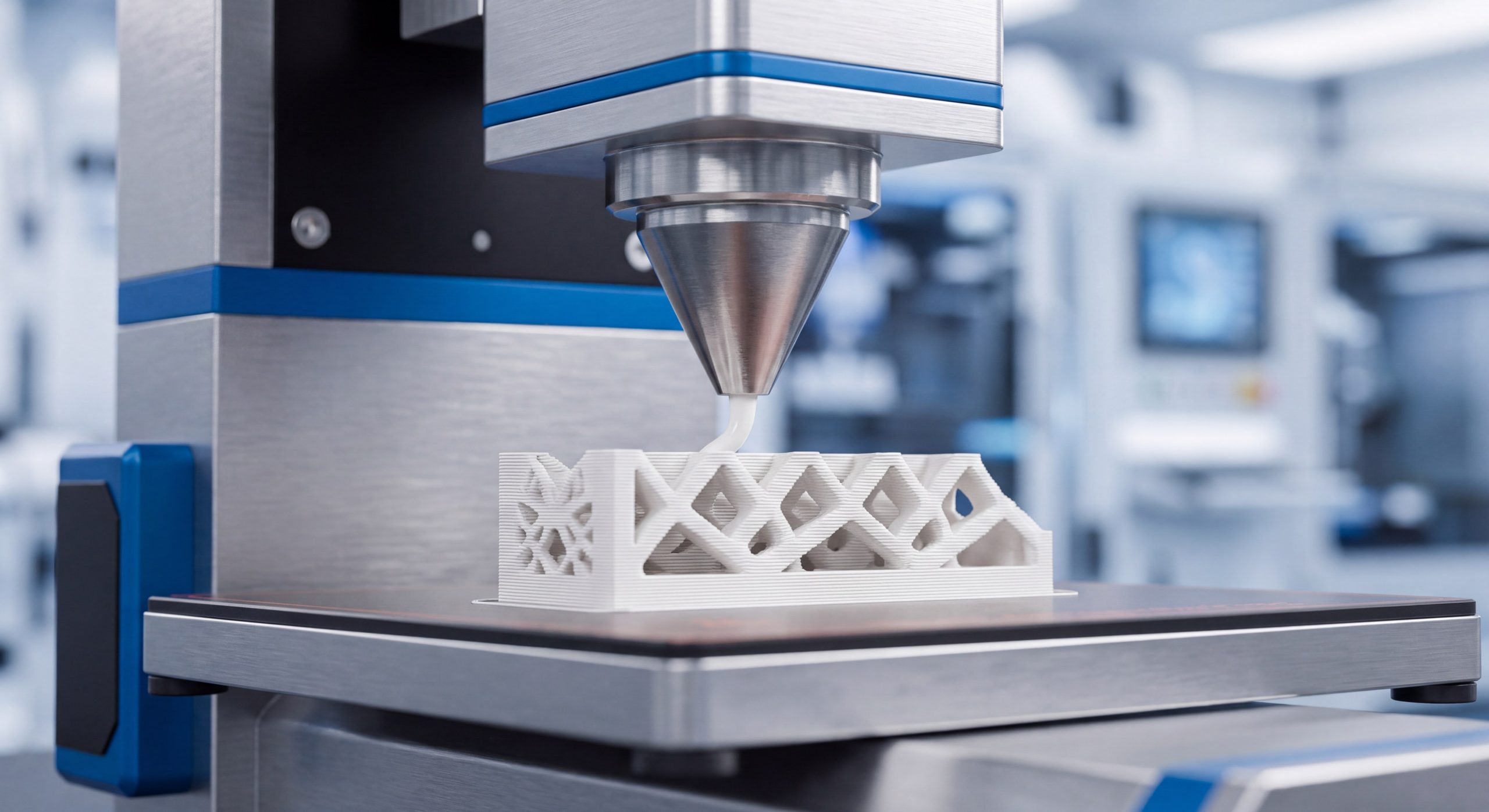
High-precision additive manufacturing systems can indeed process yttria stabilized zirconia to fabricate complex geometries that would be impossible to machine using traditional methods. This manufacturing breakthrough allows you to print internal cooling channels, complex lattices, and hollow weight-saving structures. By adopting ceramic 3D printing, you eliminate expensive diamond grinding tooling and mold-making costs. Navigating the unique sintering dynamics of printed ceramics is key to achieving success.
Stereolithography and ceramic slurry printing
Stereolithography and digital light processing represent the most precise ways to 3D print advanced ceramics. They deliver high accuracy and smooth structural finishes.
The best part?
Highly purified sub-micron zirconia powder is suspended inside a liquid photocurable resin to create a printable slurry. A ultraviolet laser or light projector then cures the resin layer-by-layer to build your dense “green” component.
- Slurry Loading: Typically 50 vol% to 60 vol% of ceramic powder to ensure high final density.
- Layer Thickness: Usually ranges from 10 to 50 microns for smooth surface finishes.
- Geometric Freedom: Prints overhangs, internal channels, and complex shapes without supporting molds.
Binder burnout and sintering shrinkage
You must account for significant shrinkage when converting your printed parts into solid ceramic components. This is a critical factor during the initial CAD design phase.
But that’s only half the story:
Post-processing requires a slow thermal binder burnout step to burn away the organic resin safely. This is followed by a high-temperature sintering cycle at 1500°C, causing an isotropic volumetric shrinkage of 20% to 30%.
- Binder Burnout: An extremely slow heating cycle (often <0.5°C per minute) to prevent cracking.
- High-Temp Sintering: Densifies the porous “brown” body into a solid, high-strength ceramic.
- Isotropic Shrinkage: Requires scaling up your CAD models beforehand to hit exact tolerances.
Structural integrity of 3D-printed YSZ
Modern printed ceramic components offer mechanical properties that rival traditionally pressed parts. This has been proven through extensive structural test comparisons.
Think about it:
When you optimize the printing orientation and sintering parameters, the final part achieves over 99% theoretical density. This ensures that your 3D-printed wear components maintain the extreme strength and fracture toughness you expect.
- Theoretical Density: Consistently surpasses 99% with optimized slurry formulations.
- Flexural Strength: Reaches 850 MPa to 1100 MPa after hot sintering.
- Microstructure uniformity: Fine, isotropic grain sizes throughout the printed geometry.
Key Takeaway: Implementing 3D printing for technical ceramics gives you absolute freedom of design, provided you scale your CAD models precisely to compensate for sintering shrinkage.
| Ceramic State | Density (% of Theoretical) | Phase and Material Composition | Sintering Shrinkage Rate |
|---|---|---|---|
| Printed Green Body | 55% – 60% | Zirconia grains suspended in polymer | Baseline (Unfired) |
| De-binded Brown Body | 50% – 55% | Porous, organic-free zirconia matrix | Highly fragile state |
| Fully Sintered Body | > 99.2% | Dense, consolidated tetragonal structure | 20% – 30% Volumetric |
This manufacturing progression highlights how physical compaction is replaced by thermal diffusion to solidify high-performance ceramic structures.
Which grade of yttria stabilized zirconia is best?
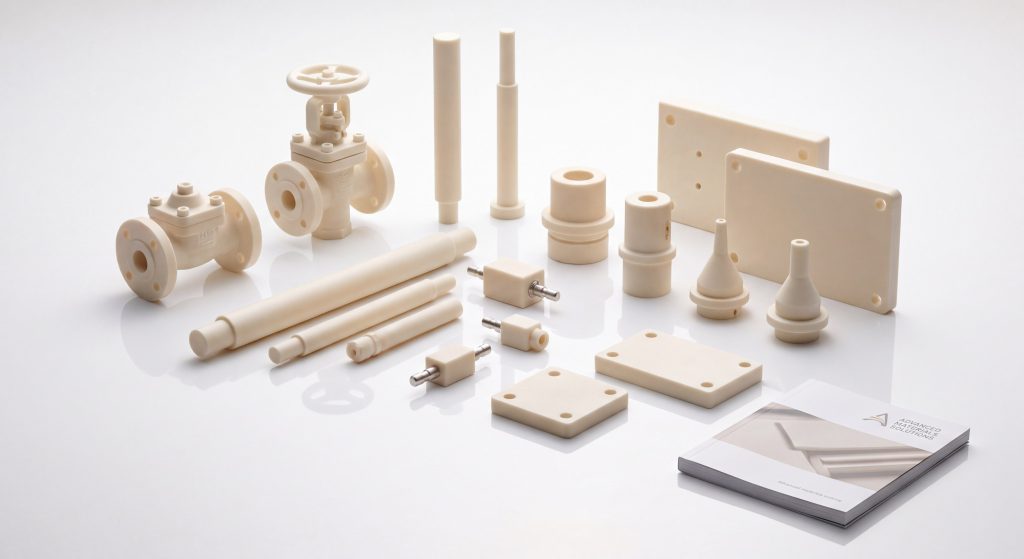
Determining which grade of yttria stabilized zirconia is best depends entirely on balancing the specific mechanical strength, translucency, and chemical environment of your application. No single formulation can excel at every task across all industries. By analyzing your physical constraints, you can specify the exact yttria dopant concentration required. Let us examine how to match material grades with your precise operational demands.
Selecting by mechanical requirements
If your application involves heavy mechanical loads, high pressure, or severe abrasive wear, you must prioritize mechanical strength. Selecting a low-yttria grade is essential for structural durability.
Let’s make it easy to choose:
The 3Y-TZP grade with 3 mol% yttria offers the highest flexural strength and toughness. This makes it the industry standard for mining valves, wear sleeves, and heavy-duty structural parts.
- 3Y-TZP Grade: Delivers a flexural strength of 1200 MPa to 1500 MPa.
- High Toughness: Uses the full potential of transformation toughening to resist crack growth.
- Severe Service: Excels in high-wear slurry pumps, nozzles, and chemical ball valves.
Selecting by optical and aesthetic needs
Applications requiring high visual beauty or light transmission demand a different stabilization chemistry. This is common in consumer-facing and dental fields.
But wait, there is more:
Upgrading to 4Y-PSZ or 5Y-PSZ grades introduces cubic phase grains that allow light to pass through smoothly. While these grades are less tough than 3Y-TZP, they are ideal for high-end consumer electronic casings and dental crowns.
- 5Y-PSZ Grade: Offers up to 49% light translucency for natural-looking teeth.
- Aesthetic Casings: Provides scratch-resistant, glossy finishes for luxury smartwatches and smartphones.
- Balanced Grades: 4Y-PSZ serves as a highly versatile intermediate choice for multi-unit dental restorations.
Sourcing consistent industrial raw powders
Achieving reliable results in your sintering furnace requires sourcing powders with extreme chemical consistency. Unstable raw supplies represent a major risk to final component quality.
Think about it:
Even minor variations in the distribution of yttria or particle size can lead to sintering defects and warping. Sourcing from a fully integrated supplier with complete batch-to-batch traceability is the best way to safeguard your production lines.
- Batch Consistency: Zero variation in chemical distribution prevents structural defects.
- BET Surface Area: Controlled particle surface area ensures predictable shrinkage behavior.
- Sourcing Traceability: Full-chain control from zircon mine to
FAQs
1. What is yttria stabilized zirconia used for?
It is widely used in structural ceramics, dental restorations, thermal barrier coatings, fuel cells, sensors, and grinding media.
2. What is the difference between 3Y, 4Y, and 5Y zirconia?
They differ mainly in yttria content, strength, toughness, and translucency. 3Y generally offers higher strength, while 5Y provides higher translucency.
3. How can aging in yttria stabilized zirconia be reduced?
Controlling yttria content, grain size, phase composition, and processing conditions can help improve resistance to low-temperature degradation.
4. Can yttria stabilized zirconia be machined?
Yes. Green-state machining is generally easier, while fully sintered zirconia requires diamond tooling.
5. How does yttria stabilized zirconia work in fuel cells?
Its oxygen-ion conductivity allows it to act as an electrolyte in solid oxide fuel cells, especially at elevated temperatures.
6. How do I choose the right yttria stabilized zirconia?
Consider the required strength, toughness, translucency, thermal performance, phase stability, and processing conditions for your application.
Conclusion
Yttria stabilized zirconia combines high strength, fracture toughness, phase stability, and useful thermal and electrical properties. These characteristics make it suitable for demanding applications including structural ceramics, dental materials, thermal barrier coatings, fuel cells, sensors, and grinding media. Selecting the right yttria content, particle characteristics, and processing conditions is important for achieving the required performance.
At ZrBrontec, we supply zirconia materials for industrial and advanced ceramic applications, with controlled purity and particle characteristics. Whether you are developing structural components, dental materials, or functional ceramics, contact us to discuss your requirements and find a suitable zirconia material for your application.