
Yttria stabilized zirconia glass ceramic is an advanced engineered ceramic material that stabilizes zirconium dioxide in its high-temperature phases using yttria, preventing mechanical degradation and cracking. Imagine you are running a high-stakes industrial production line where critical ceramic valve seals are subjected to extreme wear and rapid thermal cycling. Suddenly, a micro-crack develops, leading to a catastrophic structural failure that halts your entire operation, costing thousands of dollars per minute in unscheduled downtime. This frequent and frustrating vulnerability of conventional ceramics to sudden fracture is a persistent challenge for modern quality control and engineering teams. Fortunately, by transitioning to meticulously formulated yttria stabilized zirconia glass ceramics, you can deploy robust components that actively resist fracture, ensuring continuous uptime and predictable performance in the most severe industrial environments.
Why is yttria stabilized zirconia so strong?
The exceptional mechanical strength of yttria stabilized zirconia is primarily due to its unique stress-induced transformation toughening mechanism. When a crack begins to form, the local tensile stress triggers a martensitic transformation from the metastable tetragonal phase to the monoclinic phase. This transformation is accompanied by a localized 4% to 5% volume expansion that pinches the crack tip shut, effectively halting crack propagation. As a result, this material achieves extraordinary flexural strengths ranging from 800 to over 1700 MPa at room temperature.
This structural resilience is highly dependent on preserving a uniform distribution of yttria throughout the crystal matrix. Without precise chemical homogeneity, the stabilizing effect is lost, leading to premature monoclinic phase formation and spontaneous cracking during cooling. By refining grain sizes to the sub-micron scale, the energy barrier for transformation is optimized, ensuring consistent mechanical behavior.
What is transformation toughening?
Transformation toughening acts as a built-in defense mechanism against mechanical failure in advanced ceramic systems. The stress fields surrounding an advancing crack tip act as a physical catalyst, forcing the nearby metastable tetragonal grains to reorganize.
Think about it:
- Phase Shift: Tetragonal crystal structure shifts to a stable monoclinic phase.
- Compressive Shielding: Volume expansion creates a compressive stress zone around the crack.
- Energy Dissipation: The energy of the propagating crack is safely absorbed and dissipated.
But that is not all. This self-healing mechanism remains highly active at ambient and moderate temperatures, but its efficiency begins to drop above 800°C as the tetragonal phase naturally becomes thermodynamically stable.
How does grain size affect strength?
Grain size plays a pivotal role in dictating the overall fracture toughness and mechanical limits of the ceramic matrix. Keeping average grain sizes below 175 nanometers restricts spontaneous phase transformation during cooling while increasing grain boundary density.
Here is why:
- High Grain Boundary Density: More boundaries resist dislocations and micro-crack movement.
- Constraint of Transformation: Smaller grains are mechanically constrained by their neighbors, preventing unwanted phase shifts.
- Enhanced Hardness: Finer microstructures lead to higher Vickers hardness ratings, up to 14 GPa.
This grain boundary pinning effect ensures that the material retains its structural integrity under high cyclic loading. It prevents sudden, catastrophic failure in highly demanding mechanical settings.
Key Takeaway: By leveraging stress-induced transformation toughening and sub-micron grain control, you can deploy mechanical components that resist catastrophic cracking and survive high-load industrial environments.
| Mechanical Property | Partially Stabilized (3-4.5 mol% Y₂O₃) | Fully Stabilized (>8 mol% Y₂O₃) |
|---|---|---|
| Flexural Strength | 800 – 1700 MPa | 400 – 600 MPa |
| Fracture Toughness | 5 – 10 MPa·m^(1/2) | 2.5 – 3.0 MPa·m^(1/2) |
| Vickers Hardness | 12 – 14 GPa | 10 – 12 GPa |
Compare these values to determine the ideal stabilization level required for your specific structural load requirements.
How is yttria stabilized zirconia stabilized?
The stabilization of yttria stabilized zirconia is achieved through the substitution of zirconium ions (Zr⁴⁺) with yttrium ions (Y³⁺) within the crystal lattice. Because yttrium has a lower valence than zirconium, oxygen vacancies are automatically generated within the crystal structure to maintain charge neutrality. These oxygen vacancies distort the oxygen sub-lattice, which effectively lowers the free energy of the high-temperature cubic and tetragonal phases. Consequently, these robust, high-temperature phases are successfully stabilized down to room temperature, preventing destructive phase changes.
The exact concentration of yttrium oxide directly determines whether the resulting ceramic is partially or fully stabilized. Partially stabilized zirconia contains 3 to 4.5 mol% yttria, preserving a metastable mix of tetragonal and cubic phases optimized for mechanical strength. Fully stabilized zirconia requires higher concentrations, typically exceeding 8 mol%, resulting in a highly stable cubic phase with minimized toughness but excellent ionic conductivity.
What role do oxygen vacancies play?
Oxygen vacancies are the fundamental thermodynamic drivers of phase stabilization in doped zirconia systems. By substituting Y³⁺ into the Zr⁴⁺ sites, the oxygen coordination number is systematically adjusted, reducing lattice strain.
Think about it:
- Charge Balancing: One oxygen vacancy is created for every two yttrium ions added.
- Lattice Relaxation: Vacancies relieve the internal spatial stress of the fluorite-type crystal lattice.
- Diffusion Suppression: Lowered energy barriers prevent the cooperative atomic movements required for martensitic transformation.
Indeed, the magic lies here. Without these vacancies, the material would spontaneously collapse into the monoclinic phase during cooling, destroying its structural utility.
How does cubic phase differ from tetragonal?
The balance between cubic and tetragonal phases determines the final engineering profile of the stabilized material. Tetragonal phases are metastable and highly susceptible to toughening mechanisms, whereas cubic phases represent complete thermal equilibrium.
Here is why:
- Tetragonal Phase (3-4 mol% Y₂O₃): Dominates high-strength structural ceramics and exhibits excellent transformation toughening.
- Cubic Phase (>8 mol% Y₂O₃): Lacks transformation toughening but provides high thermal insulation and isotopic optical properties.
- Mixed Phase (PSZ): Combines localized mechanical toughness with steady high-temperature thermal stability.
This phase equilibrium allows materials engineers to customize the ceramic composition specifically for either structural load-bearing or high-temperature barrier applications.
Key Takeaway: Selecting the proper stabilization level and phase distribution allows you to tune the material specifically for high fracture toughness or optimal high-temperature thermal insulation.
| Stabilization Level | Y₂O₃ Concentration | Primary Phase(s) Present | Key Engineering Attribute |
|---|---|---|---|
| Partially Stabilized (PSZ) | 3.0 – 4.5 mol% | Tetragonal + Cubic | High Fracture Toughness |
| Fully Stabilized (FSZ) | > 8.0 mol% | Cubic | Low Thermal Conductivity |
Evaluate your thermal and mechanical operating envelopes to balance the trade-off between fracture toughness and insulation.
What is yttria stabilized zirconia sintering like?
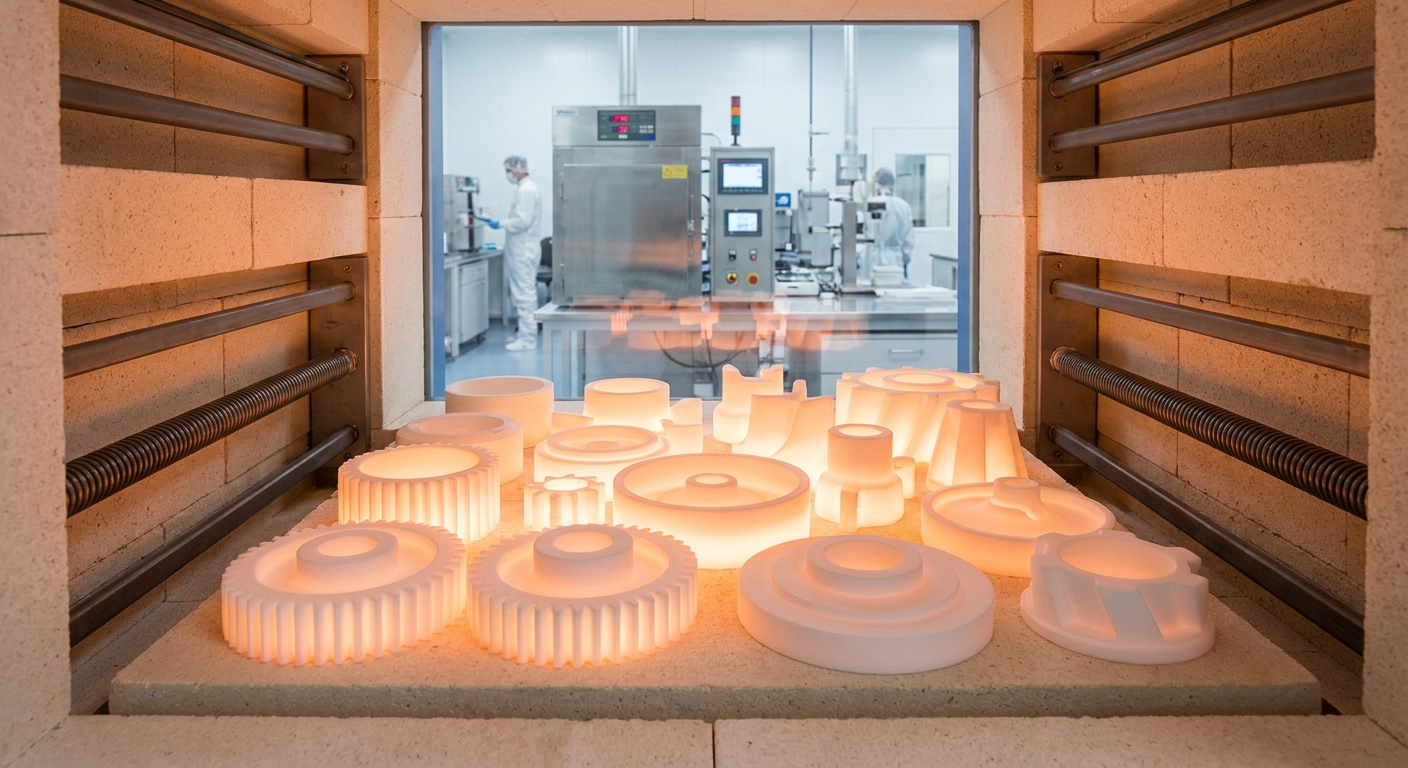
The sintering of yttria stabilized zirconia involves heating green compacts to temperatures between 1400°C and 1600°C to drive solid-state diffusion and densification. During this thermal process, individual ceramic particles merge, eliminating internal porosity and reducing the overall surface energy of the system. Precise control over the sintering profile is critical, as excessive temperatures can cause uncontrolled grain growth, which severely reduces mechanical strength. Achieving a relative density exceeding 99% of the theoretical limit is essential for ensuring maximum mechanical performance.
Atmospheric control during sintering also plays an important role in defining the final material characteristics. Firing in oxygen-rich or ambient air environments helps maintain the stoichiometry of the oxygen sub-lattice, preventing the formation of color-degrading oxygen defects. Additionally, carefully managed heating and cooling rates prevent the development of localized thermal gradients, which can introduce destructive residual stresses.
How do heating rates affect grain growth?
Heating rates directly dictate the kinetic competition between densification and grain growth during the initial and intermediate stages of sintering. Rapid heating profiles can bypass low-temperature grain boundary diffusion zones, promoting direct volume diffusion.
Think about it:
- Fast Heating (>10°C/min): Limits grain boundary migration, encouraging pore elimination before grains can coarsen.
- Slow Heating (<5°C/min): Allows grains to coarsen prematurely, trapping pores inside large grains.
- Controlled Sintering Dwell: Promotes stable, uniform grain boundary structures without grain boundary cracking.
But that is not all. By carefully bypassing grain-coarsening temperature zones, manufacturers can successfully produce dense ceramics with average grain sizes well below 200 nanometers.
How is green body density optimized?
The initial packing density of the green compact determines the shrinkage behavior and total energy required for full densification. High green body density ensures that individual particles are in close contact, reducing the diffusion distances.
Here is why:
- Compaction Method: Cold isostatic pressing (CIP) is preferred over uniaxial pressing for uniform density.
- Binder Selection: Organic binders improve green strength and burn out cleanly without leaving behind residual carbon.
- Shrinkage Prediction: Optimizing packing allows manufacturers to precisely calculate the 20% to 25% linear shrinkage that occurs during sintering.
This dimensional predictability is essential for creating high-precision engineering and dental components that require zero post-sintering adjustments.
Key Takeaway: Optimizing your sintering heating profile and initial green compaction ensures maximum densification with precise dimensional control and sub-micron grain preservation.
| Sintering Parameter | Target Operational Range | Primary Influence on Material |
|---|---|---|
| Sintering Temperature | 1400°C – 1600°C | Controls final densification and grain size |
| Heating Rate | 10°C – 20°C / minute | Determines grain boundary diffusion kinetics |
| Cooling Rate | < 5°C / minute | Minimizes residual thermal stresses |
Monitor your heating rates closely to find the perfect kinetic balance between maximum density and minimal grain growth.
Can yttria stabilized zirconia resist aging?
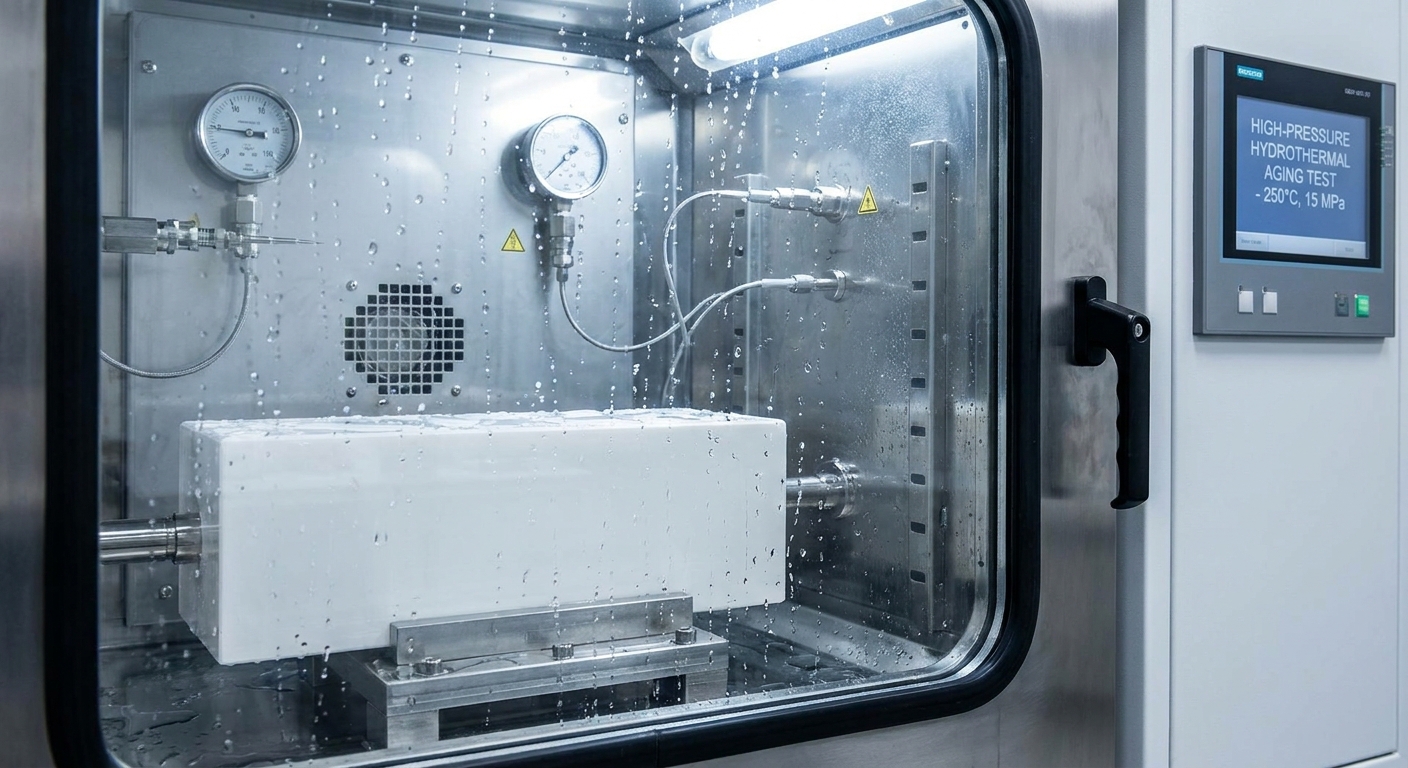
The capacity of yttria stabilized zirconia to resist low-temperature degradation (LTD), commonly known as hydrothermal aging, is a critical factor for long-term reliability. LTD occurs when water molecules penetrate the ceramic lattice in humid environments at temperatures between 150°C and 400°C, catalyzing the transformation of tetragonal grains into the monoclinic phase. This transformation starts at the surface and propagates inward, causing microcracking, surface roughening, and severe strength loss. To prevent this degradation, material engineers must optimize the yttria concentration and maintain fine grain sizes.
Increasing the yttria content to between 3.8 and 4.4 mol% significantly improves aging resistance by thermodynamic stabilization of the tetragonal phase. Furthermore, keeping grain sizes below 300 nanometers prevents the transformation from spreading, as smaller grains are mechanically constrained by surrounding boundaries. Adding secondary stabilizers, such as ceria, can also create a highly stable co-stabilized ceramic system.
What causes hydrothermal aging?
Hydrothermal aging is a progressive, water-catalyzed phase transformation that threatens the structural lifespan of zirconia in humid environments. The interaction between hydroxyl groups (OH⁻) and oxygen vacancies at grain boundaries initiates this destructive process.
Think about it:
- Vacancy Consumption: Hydroxyl ions occupy oxygen vacancies, destabilizing the local tetragonal structure.
- Surface Initiation: Tetragonal-to-monoclinic transformation begins at surface grains.
- Microcrack Propagation: Volume expansion from transformed grains creates microcracks, allowing water to penetrate deeper.
But that is not all. This autocatalytic process can reduce a high-strength ceramic component to a weak, microcracked structure if the material is not properly stabilized.
How can we prevent degradation?
Engineers use several compositional and microstructural strategies to protect the ceramic matrix from hydrothermal degradation. These strategies focus on increasing the energy barrier required for the tetragonal-to-monoclinic transformation.
Here is why:
- Grain Size Refinement: Keeping grains under 200 nanometers effectively pins the tetragonal structure in place.
- Yttria Content Optimization: Raising yttria content slightly increases phase stability without significantly reducing fracture toughness.
- Co-stabilization (Ceria/Yttria): Adding ceria (CeO₂) at 6 to 9 mol% creates highly stable crystal phases that resist aging.
Implementing these methods allows the ceramic to maintain its structural properties even after long-term exposure to hot, humid operating environments.
Key Takeaway: You can prevent low-temperature hydrothermal degradation and protect critical components from premature cracking by maintaining average grain sizes under 300 nanometers and optimizing stabilizer chemistry.
| Stabilization Method | LTD Resistance Level | Impact on Flexural Strength |
|---|---|---|
| Standard 3mol% Y₂O₃ | Moderate | High (1200 – 1500 MPa) |
| Optimized 4mol% Y₂O₃ | High | Medium-High (900 – 1100 MPa) |
| Ceria-Yttria Co-stabilized | Exceptionally High | Medium (700 – 900 MPa) |
Select a co-stabilization or optimized yttria formula to maximize service life in continuous high-humidity environments.
Where is yttria stabilized zirconia used?
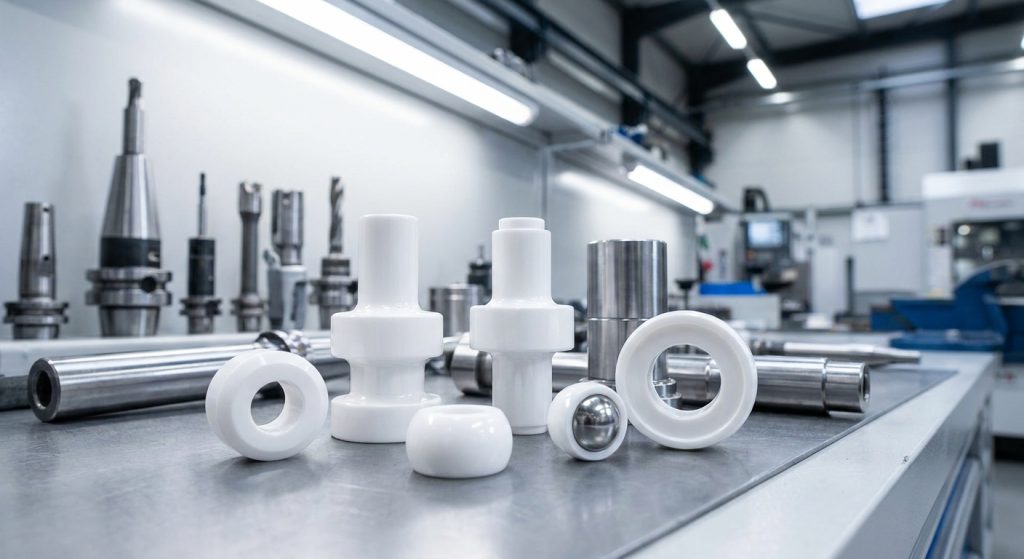
The multi-industry footprint of yttria stabilized zirconia is exceptionally broad, spanning biomedical implants, structural engineering parts, and advanced energy systems. In structural applications, its high fracture toughness and wear resistance make it an ideal choice for manufacturing industrial cutting tools, heavy-duty valve components, and high-performance grinding media. Its ability to withstand severe mechanical load and abrasive environments ensures long component lifespans. Additionally, the material’s biocompatibility and natural aesthetics have made it a preferred choice for modern dental restorations.
In the energy sector, fully stabilized variants are utilized in solid oxide fuel cells (SOFCs) and high-temperature oxygen sensors due to their excellent oxygen-ion conductivity. Operating at elevated temperatures, the oxygen vacancies in the cubic lattice allow rapid ion transport, which is essential for clean energy conversion and exhaust monitoring. This versatility demonstrates the material’s unique combination of mechanical toughness and functional electrical properties.
Which industrial sectors benefit most?
Heavy industrial and manufacturing sectors benefit greatly from the exceptional mechanical and thermal properties of stabilized zirconia. Its ability to perform reliably under extreme stress and high temperatures has solved many traditional engineering challenges.
Think about it:
- Aerospace & Defense: Used in thermal barrier coatings to protect turbine blades from extreme combustion temperatures.
- Chemical & Processing: Applied in acid-resistant pump impellers, wear-resistant seals, and slurry nozzles.
- Biomedical Field: Used for long-lasting joint replacements and dental prosthetics due to its biocompatibility.
But that is not all. This material bridges the gap between brittle traditional ceramics and wear-prone metals, offering a highly reliable alternative for extreme environments.
Structural versus functional parts?
The division between structural and functional applications depends on whether the design leverages the material’s mechanical strength or its electrical and thermal properties. Engineers choose different stabilization compositions to match these specific functional demands.
Here is why:
- Structural Parts: Utilize partially stabilized compositions to maximize wear resistance, hardness, and fracture toughness.
- Functional Parts: Leverage fully stabilized cubic phases to optimize oxygen ion transport or thermal insulation.
- Hybrid Components: Combine structural toughness with customized thermal expansion characteristics for specialized sealing systems.
By selecting the appropriate stabilization level, manufacturers can customize the material to serve as either a high-strength structural component or a highly efficient ionic conductor.
Key Takeaway: You can solve critical wear, thermal, and electrical performance challenges across diverse industries by selecting either structural partially stabilized or functional fully stabilized zirconia.
| Target Industry | Primary Component Type | Critical Material Requirement |
|---|---|---|
| Biomedical (Dental) | Crowns, Bridges, Implants | Biocompatibility, Translucency, Strength |
| Aerospace | Thermal Barrier Coatings | Low Thermal Conductivity, Phase Stability |
| Energy (SOFCs) | Oxygen Ion Membranes | High Ionic Conductivity at >800°C |
Assess your application demands to choose the ideal structural or functional grade of stabilized zirconia.
How does yttria stabilized zirconia help teeth?
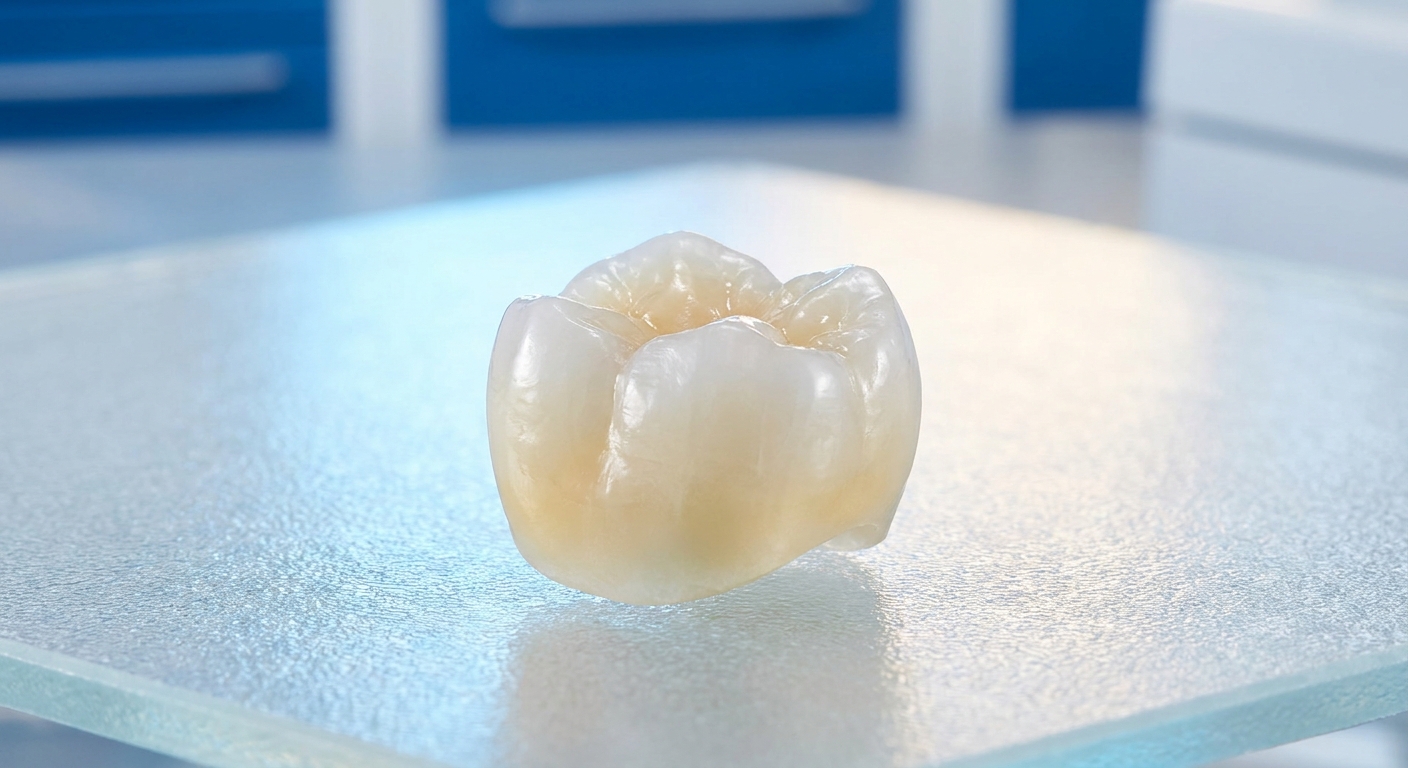
In restorative dentistry, yttria stabilized zirconia has revolutionized prosthetic treatments by providing metal-free restorations with outstanding aesthetics and biocompatibility. Its high flexural strength (800 to 1700 MPa) and fracture toughness allow it to withstand the high cyclic biting forces of the posterior jaw without framework failure. This mechanical reliability has enabled the development of long-span bridges and thin posterior crowns that require minimal tooth preparation, preserving more natural tooth structure. Additionally, the material’s biocompatibility prevents adverse tissue reactions, allergic responses, or plaque accumulation along the gumline.
By optimizing the yttria concentration and refining the grain size to the sub-micron scale, dental material manufacturers can balance mechanical strength with aesthetic translucency. This allows dental restorations to closely mimic the natural optical appearance of tooth enamel. Furthermore, its chemical inertness ensures that the restoration remains highly stable in the oral environment without leaching metals or deteriorating over time.
Is zirconia fully biocompatible?
Extensive clinical evaluations have confirmed that stabilized zirconia exhibits excellent biocompatibility, satisfying the strict requirements of ISO 10993. It remains chemically inert in physiological environments and does not leach harmful ions.
Think about it:
- No Cytotoxicity: Does not cause cell damage or adverse inflammatory responses in surrounding tissues.
- Low Plaque Adhesion: Its smooth surface resists bacterial colonization, reducing the risk of periodontal disease.
- Osseointegration Support: When used in dental implants, it supports healthy bone integration and soft tissue attachment.
But that is not all. This biological neutrality makes it an excellent alternative for patients with metal sensitivities or allergies.
How to balance strength and translucency?
Achieving the perfect balance between mechanical strength and aesthetic translucency is a primary focus of modern dental material engineering. Higher yttria concentrations increase translucency but reduce the material’s fracture toughness.
Here is why:
- High-Strength Opaque (3 mol% Y₂O₃): Provides maximum strength (1200+ MPa) for posterior frameworks, but lacks aesthetic translucency.
- Balanced Translucent (4.5-5.1 mol% Y₂O₃): Offers a good balance of strength (900 MPa) and aesthetics for anterior single crowns.
- Ultra-Translucent (5-8 mol% Y₂O₃): Maximizes translucency for aesthetic veneers, but has lower strength (300-500 MPa).
This clear trade-off requires dental technicians to carefully select the appropriate grade based on the mechanical demands and aesthetic requirements of each restoration.
Key Takeaway: You can deliver long-lasting, aesthetically pleasing dental prosthetics by matching the specific yttria molar percentage to the mechanical and visual requirements of each clinical case.
| Dental Grade | Y₂O₃ Content | Flexural Strength | Typical Clinical Application |
|---|---|---|---|
| High-Strength | 3.0 – 4.5 mol% | 1000 – 1700 MPa | Posterior multi-unit bridges |
| Translucent | 4.5 – 5.1 mol% | 800 – 1000 MPa | Anterior single crowns |
| Ultra-Translucent | 5.0 – 8.0 mol% | 300 – 600 MPa | Monolithic anterior veneers |
Use this structural-aesthetic correlation to optimize your material selection for anterior versus posterior dental arches.
Why use yttria stabilized zirconia in engines?
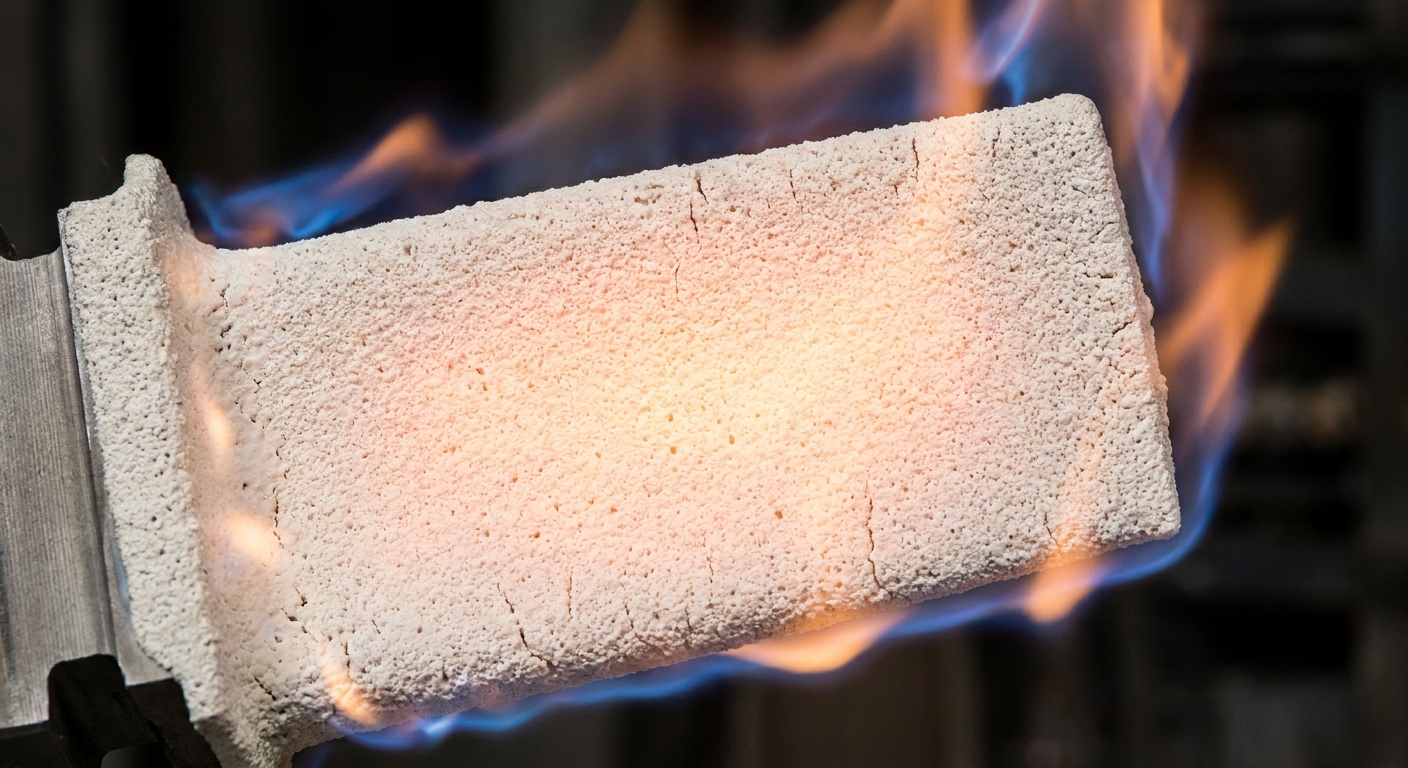
The use of yttria stabilized zirconia in gas turbine engines is essential for protecting hot-section components from extreme combustion temperatures. Applied as a thermal barrier coating (TBC), this ceramic layer provides excellent thermal insulation, allowing engines to operate at temperatures exceeding the melting point of the underlying superalloy blades. This thermal protection increases engine efficiency by 1% to 3% while significantly reducing fuel consumption. Additionally, its coefficient of thermal expansion closely matches that of the metallic superalloy substrate.
The standard coating composition is 6 to 8 wt% yttria-stabilized zirconia (6-8YSZ), which balances low thermal conductivity, phase stability, and thermal shock resistance. This compatibility minimizes interfacial thermal stresses during rapid heating and cooling cycles, preventing coating spallation. Alternative deposition methods, including air plasma spraying and electron beam physical vapor deposition, are used to create specific microstructures tailored to engine operating conditions.
What is a thermal barrier coating?
Thermal barrier coatings are highly engineered, multi-layered systems designed to protect metallic engine parts from extreme heat. The ceramic top coat is the primary insulating layer in this system.
Think about it:
- Ceramic Top Coat: Composed of YSZ to provide thermal insulation and resist erosion.
- Thermally Grown Oxide (TGO): A thin alumina layer that forms during service, providing oxidation resistance.
- Metallic Bond Coat: Connects the ceramic top coat to the superalloy substrate while managing thermal expansion differences.
But that is not all. A 200-micron layer of this ceramic coating can create a temperature drop of up to 150°C at the metal surface, significantly extending component life.
How does EB-PVD produce columnars?
Using electron beam physical vapor deposition (EB-PVD) to apply the coating produces a unique columnar microstructure that improves thermal strain tolerance. This structure is essential for turbine blades, which experience rapid thermal cycling and high centrifugal forces.
Here is why:
- Columnar Grains: Individual ceramic columns grow perpendicular to the substrate surface.
- Strain Accommodating Gaps: Gaps between columns allow the coating to expand and contract freely during thermal cycles.
- Enhanced Erosion Resistance: This structure resists mechanical wear from high-velocity particles in the gas stream.
This design ensures that the thermal barrier system can withstand thousands of high-temperature start-stop cycles without structural failure.
Key Takeaway: You can significantly increase engine efficiency and extend the service life of superalloy turbine parts by applying strain-tolerant columnar thermal barrier coatings.
| Coating System Layer | Typical Thickness | Primary Functional Material | Core Purpose |
|---|---|---|---|
| Ceramic Top Coat | 100 – 500 μm | 6-8 wt% YSZ | High thermal insulation |
| Thermally Grown Oxide | 1 – 10 μm | α-Al₂O₃ | High oxidation protection |
| Metallic Bond Coat | 75 – 150 μm | MCrAlY Alloy | Interfacial adhesion |
Assess these layer parameters to design a robust thermal barrier coating system capable of resisting severe hot corrosion.
What is yttria stabilized zirconia conduction?
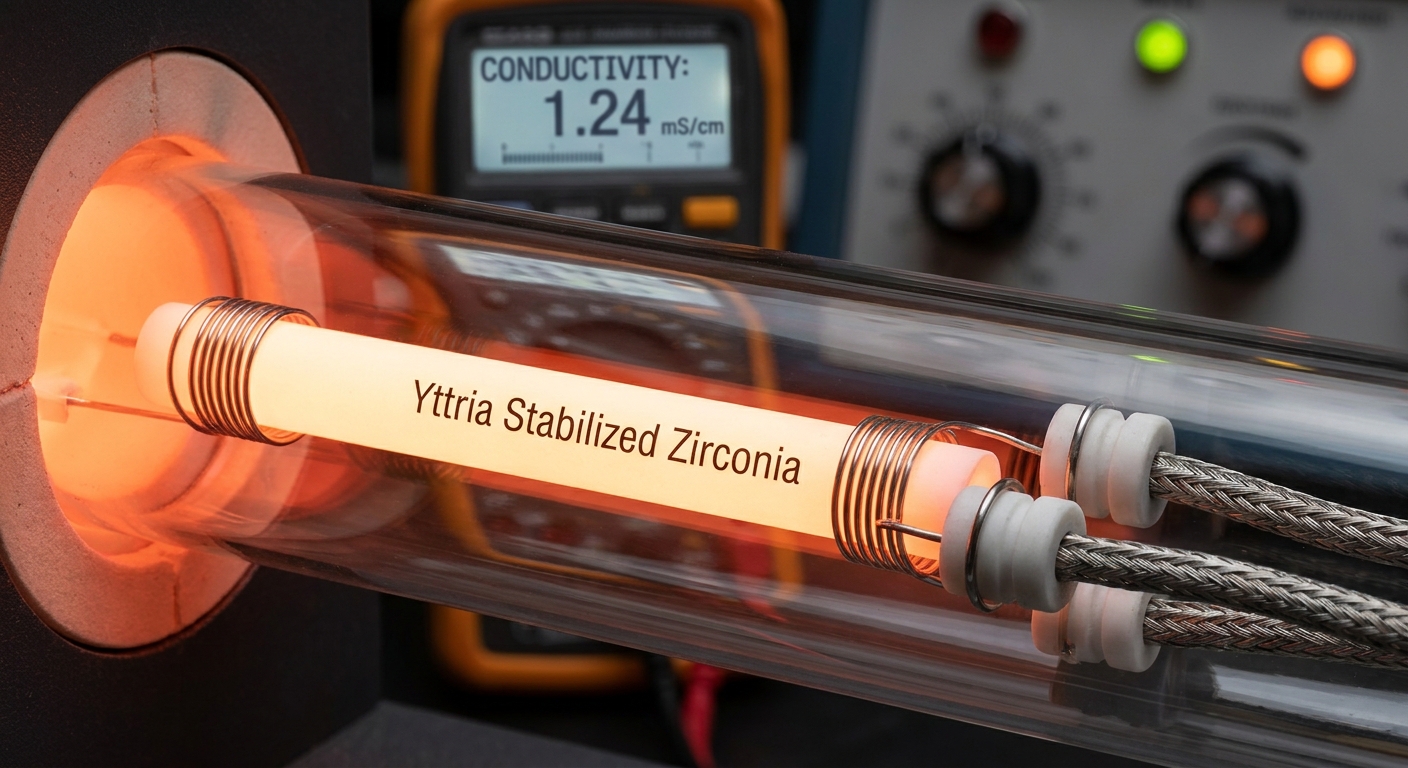
The electrical and ionic conduction of yttria stabilized zirconia is a key property utilized in high-temperature electrochemical devices. At temperatures above 500°C, the oxygen vacancies in the stabilized cubic lattice become highly mobile, allowing the material to act as an efficient oxygen-ion conductor. Under an oxygen concentration gradient, oxygen ions migrate through these vacant lattice sites, creating a measurable electrical potential. This solid-state ionic conductivity is essential for the operation of automotive oxygen sensors and solid oxide fuel cells (SOFCs).
The ionic conductivity of the material is highly dependent on both temperature and stabilizer concentration. Fully stabilized zirconia with 8 to 10 mol% yttria exhibits the highest ionic conductivity due to its stable cubic structure and high concentration of oxygen vacancies. However, if the yttria concentration is increased beyond this optimal level, the vacancies can begin to associate and cluster, which restricts ion movement and lowers overall conductivity.
How do oxygen vacancies migrate?
Oxygen ion transport in the stabilized zirconia crystal lattice is a temperature-activated hopping process. The presence of oxygen vacancies provides the open space required for oxygen ions to move through the crystal.
Think about it:
- Vacancy Hopping: Oxygen ions jump from occupied lattice sites to adjacent vacant sites.
- Activation Energy: High operating temperatures (>500°C) provide the thermal energy required to overcome hopping barriers.
- Gradient Driving Force: Ion movement is driven by differences in oxygen concentration or electrical potential across the material.
But that is not all. At low temperatures, these ions remain locked in place, meaning the material only transitions from an electrical insulator to an active ionic conductor at elevated temperatures.
How is it used in fuel cells?
The high-temperature ionic conductivity of stabilized zirconia is key to its performance in automotive exhaust sensors and solid oxide fuel cells (SOFCs). These systems rely on the material’s chemical stability in both oxidative and reductive atmospheres.
Here is why:
- Exhaust Oxygen Sensors: Measure the voltage generated across a zirconia membrane to determine the fuel-to-air ratio in combustion engine exhausts.
- SOFC Electrolyte Membranes: Provide a gas-tight barrier that transports oxygen ions from the cathode to the anode, generating clean electricity.
- Industrial Gas Purifiers: Use electrochemical pumping to extract trace oxygen from high-purity inert gas streams.
This functional versatility allows for highly accurate, real-time chemical monitoring and clean, efficient energy conversion in demanding industrial environments.
Key Takeaway: You can achieve highly efficient energy conversion and precise exhaust monitoring by exploiting the temperature-activated oxygen-ion conductivity of fully stabilized zirconia.
| Electrochemical Parameter | Operating Temperature Range | Primary Transport Carrier | Typical Conductivity Value |
|---|---|---|---|
| High-Temp Electrolyte | 700°C – 1000°C | Oxygen Ion (O²⁻) | 0.1 S/cm (at 1000°C) |
| Mid-Temp Sensor | 500°C – 700°C | Oxygen Ion (O²⁻) | 0.01 S/cm (at 600°C) |
Select the optimal operating temperature range to maximize the ionic transport rate of your electrochemical ceramic membranes.
How to mill yttria stabilized zirconia blocks?
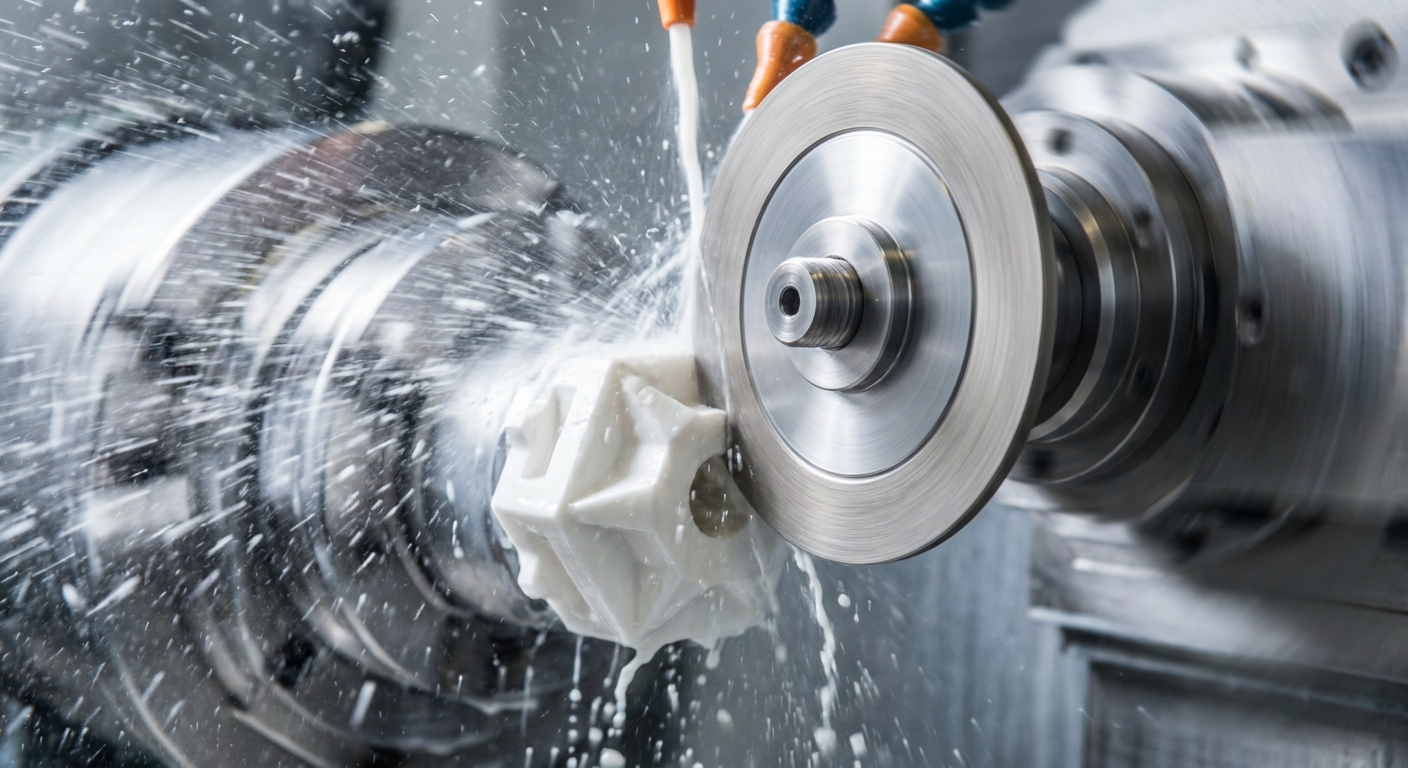
Milling yttria stabilized zirconia blocks is typically performed in the partially sintered green or white state to optimize machining efficiency and reduce tool wear. In this pre-sintered state, the ceramic block has a chalk-like consistency with a relative density of only 40% to 50%, making it easy to shape using standard CAD/CAM milling machines. After milling, the shaped green component is sintered at high temperatures (1450°C to 1550°C) to achieve full densification. This final sintering process is accompanied by a predictable 20% to 25% linear shrinkage.
This green-state milling process allows for high machining speeds and minimal mechanical stress on the milling equipment, which significantly extends tool life. However, because the green body is fragile, precise control of the milling parameters is essential to prevent edge chipping and surface microcracking. Using advanced nano-grained materials with low millability numbers can improve edge quality and finish.
What are the steps of green milling?
Green-state milling is the process of machining pre-sintered ceramic blanks before they undergo final high-temperature densification. This approach significantly reduces the time and cost compared to machining fully dense ceramics.
Think about it:
- Chalk-Like Machining: Low material hardness allows for rapid material removal with minimal cutting force.
- CAD/CAM Integration: High-precision digital toolpaths carve out complex shapes, such as dental crowns or custom structural parts.
- Enlarged Toolpaths: Software scales up the milling paths to precisely compensate for the 20% to 25% shrinkage that occurs during final sintering.
But that is not all. Any surface defects or microcracks introduced during green-state milling can act as stress concentrators, potentially leading to failure during the final sintering process.
How do we control tool wear?
Minimizing tool wear and maintaining sharp, clean edges is essential for achieving high dimensional accuracy in milled ceramic components. Machinists use specific strategies and specialized tools to ensure high-quality finishes.
Here is why:
- Diamond-Coated Tools: Use diamond-infused milling burs to ensure clean cuts and long tool life.
- Optimized Feed Rates: Keep feed rates balanced to prevent micro-chipping along thin edges and margins.
- Dust Extraction: Efficiently remove fine ceramic powder from the cutting zone during dry milling to prevent tool clogging and overheating.
Controlling these milling variables ensures that the finished component has clean, high-quality edges, which is critical for the fit and longevity of dental and structural parts.
Key Takeaway: You can manufacture highly complex, precise ceramic parts cost-effectively by utilizing green-state CAD/CAM milling with scaled-up toolpaths to compensate for sintering shrinkage.
| Milling Parameter | Green-State Machining | Fully Sintered Machining |
|---|---|---|
| Material Hardness | Very Low (Chalk-like) | Very High (12 – 14 GPa) |
| Milling Tool Wear | Low (Extended bur lifetime) | Extremely High (Frequent tool changes) |
| Linear Shrinkage | 20% – 25% during post-sintering | 0% (Part is already fully dense) |
Implement green-state milling to dramatically reduce tool wear and processing times compared to hard grinding fully sintered blanks.
What are yttria stabilized zirconia FAQs?
This section addresses frequently asked questions regarding the selection, processing, and long-term performance of yttria stabilized zirconia across different industrial and clinical applications.
Can I use yttria stabilized zirconia for sensors?
Yes, absolutely. Fully stabilized zirconia with 8 mol% yttria exhibits high oxygen-ion conductivity above 500°C, making it ideal for high-temperature exhaust gas and combustion monitoring.
What’s the best way to prevent hydrothermal aging?
Keeping the average grain size below 300 nanometers is highly effective. Finer grains pin the crystal lattice, preventing water molecules from initiating the tetragonal-to-monoclinic phase change.
How do I know if my zirconia has the correct yttria?
X-ray diffraction (XRD) testing is required. This analysis measures the phase distribution and composition of the material, confirming the presence of the desired tetragonal and cubic phases.
Can I machine zirconia in its fully sintered state?
Yes, but only with advanced diamond tooling. Because fully dense zirconia is extremely hard, green-state machining of pre-sintered blocks is highly recommended to save time and tool life.
What’s the best stabilizer ratio for dental crowns?
A balanced 4.5 to 5.1 mol% yttria composition is generally best. This range provides the optimal combination of high structural strength and natural translucency for dental restorations.
Conclusion
Yttria stabilized zirconia glass ceramics have successfully solved the critical challenge of high-temperature phase instability in industrial and clinical ceramic applications. By preventing the destructive tetragonal-to-monoclinic transformation, this material provides outstanding mechanical strength, excellent thermal insulation, and exceptional biocompatibility. These properties have enabled significant advancements in high-stress structural parts, durable dental restorations, and high-efficiency thermal barrier coatings.
At ZrBrontec, we specialize in manufacturing high-performance zircon and zirconia materials, offering consistent batch quality, precise particle size control, and comprehensive engineering support to optimize your production processes. Whether you need to resolve low-temperature degradation issues or improve the dimensional accuracy of your components, we are here to help. To discuss your project specifications and discover how our advanced material solutions can benefit your application, contact us today to connect with our technical engineering team.