
High-performance ceramics have revolutionized the way modern industrial manufacturing systems handle extreme wear, mechanical fatigue, and aggressive chemical degradation. Industrial design engineers constantly battle component wear, chemical erosion, and catastrophic thermal failures when using standard alloy tooling. These material limitations lead to expensive manufacturing downtime, frequent replacements, and lost profit margins. Imagine your processing line grinding to a sudden halt because a metal valve piston seized or a standard ceramic nozzle shattered under thermal shock. To achieve the absolute highest structural reliability, engineering teams must transition to partially stabilized zirconia because its unique transformation-toughening mechanism actively stops micro-cracks from propagating under impact.
Why choose partially stabilized zirconia?
You should choose partially stabilized zirconia for demanding industrial applications because it offers unmatched fracture toughness and reliability under high mechanical stress. Standard engineering ceramics are often too brittle, but this specialized material provides a highly robust structural alternative.
It bridges the gap between high-strength metals and traditional fragile ceramics. If you are struggling with parts that break easily under load, this advanced crystal formulation is engineered to withstand intense pressure.
What is the microstructural advantage of PSZ?
Standard engineering ceramics often suffer from brittle failure modes under impact, limiting their use in high-stress mechanical systems. When you require a material that tolerates sudden shocks, magnesium-stabilized variants offer the perfect solution.
Think about it:
- High concentrations of metastable tetragonal precipitates block stress.
- Large-grain microstructures absorb localized stress waves.
- Cream-colored aesthetics indicate high MgO blending accuracy.
Mixing zirconia with magnesium oxide stabilizers produces a highly balanced, robust matrix. This composition allows the material to perform reliably under intense pressure.
How does PSZ compare to other industrial ceramics?
Choosing the right technical ceramic requires balancing mechanical strength with budget constraints. While alumina is cost-effective, it lacks the toughness you require for heavy impact.
Here is the key:
- Alumina: Excellent hardness but vulnerable to sudden mechanical shocks.
- Zirconia Toughened Alumina (ZTA): Improved toughness but lacks long-term wear resistance.
- Magnesium-PSZ: Maximum fracture toughness at both room and elevated temperatures.
Magnesium-stabilized zirconia offers an optimized combination of hardness and fracture resilience. It fills the performance gap between brittle oxide ceramics and ductile metals.
Key Takeaway: Choosing magnesium-blend partially stabilized zirconia provides critical mechanical security in high-stress operations where standard technical ceramics or tooling steels would fail catastrophically.
| Material Property | Alumina (99.5%) | ZTA (Zirconia Toughened) | MgO-PSZ (Partially Stabilized) |
|---|---|---|---|
| Density (g/cm³) | 3.90 | 4.10 | 5.75 |
| Knoop Hardness (HK) | 2000 | 1600 | 1120 – 1300 |
| Fracture Toughness (MPa·m½) | 4.0 | 6.0 | 12.0 |
| Max Working Temp (°C) | 1700 | 1500 | 1100 |
Analytical Guidance: The comparison data clearly demonstrates that while alumina retains higher absolute hardness, MgO-PSZ delivers double the fracture toughness, making it the premier choice for structural components subjected to mechanical shock.
What makes partially stabilized zirconia so tough?
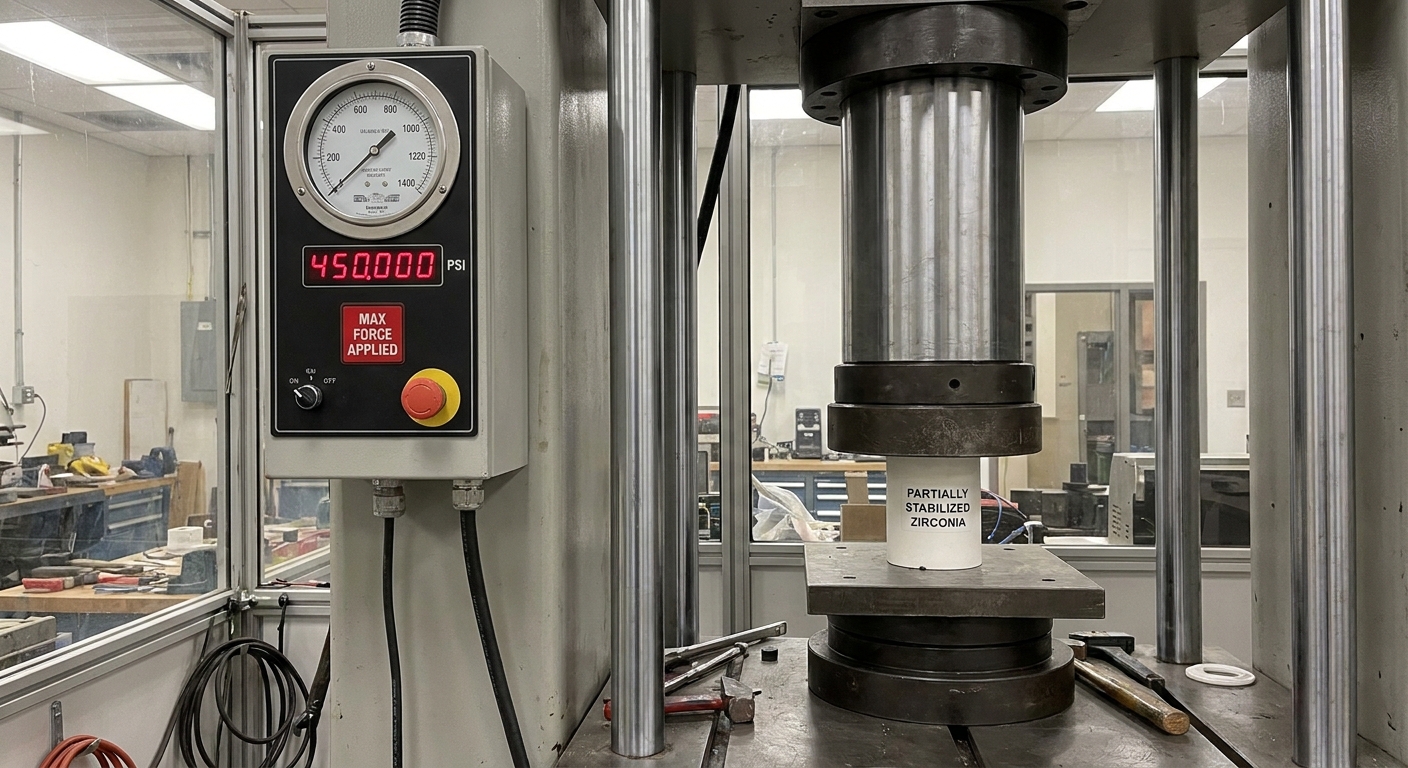
The incredible toughness of partially stabilized zirconia comes from its unique stress-induced transformation-toughening mechanism. When a microscopic crack begins to form, the material undergoes a localized phase transition that compresses the crack tip and arrests its progress.
This mechanical self-defense prevents catastrophic failure under cyclic impact loading. You can trust this structural defense mechanism to keep your critical machinery running safely.
How does transformation toughening work?
Brittle materials usually fail when a microscopic surface crack spreads rapidly through the crystal lattice. This unchecked propagation leads to sudden component disintegration in your critical systems.
It gets better:
- Localized stress prompts metastable tetragonal grains to expand.
- Grains transition into a stable monoclinic crystal structure.
- Volumetric expansion of 3% to 7% occurs at the crack tip.
Zirconia counteracts this mechanism through a stress-induced structural self-defense process. The energy from an advancing crack triggers an immediate localized phase change that halts the crack.
What is the role of metastable crystal phases?
The secret to this material’s resilience lies in the precise control of its internal crystal structures. Stabilizers trap high-strength phases in a temporary, excited state during cooling to ensure they remain active for you.
But how does this work in practice?
- Stabilizer addition levels are maintained near 10% MgO.
- Firing profiles are calibrated to preserve the tetragonal structures.
- Metastable phases remain active throughout the operational life of the part.
Upon physical impact, these phases release energy by shifting into a more stable state. This structural transformation actively compresses the crack, halting its path and protecting your assembly.
Key Takeaway: Transformation toughening acts as a built-in mechanical shock absorber, converting destructive impact energy into a protective compressive barrier.
| Phase Configuration | Crystal Structure | Volume Change (%) | Toughening Contribution |
|---|---|---|---|
| Metastable Phase | Tetragonal | Baseline (0%) | Potential Energy Reservoir |
| Transformed Phase | Monoclinic | +3.0% to +7.0% | Active Crack Compression |
| Over-Stabilized Phase | Cubic | Minimal | Low Fracture Toughness |
Analytical Guidance: Optimizing the ratio of tetragonal precipitates within the cubic matrix is vital, as excessive stabilization eliminates the transformation capability, lowering toughness back to standard ceramic levels.
Where is partially stabilized zirconia best used?
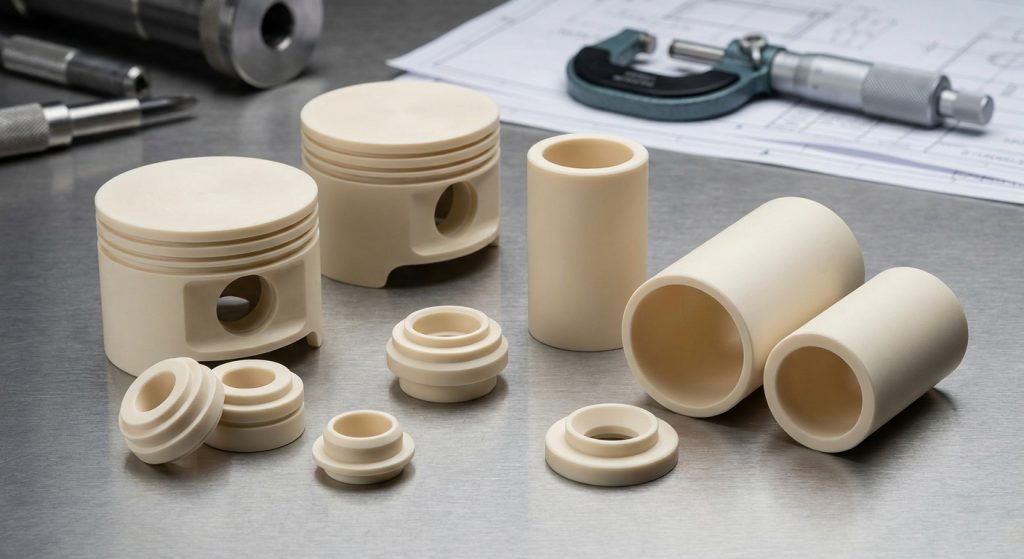
You should use partially stabilized zirconia in high-wear, corrosive, and heavy-duty environments such as chemical pump systems and wire-drawing dies. This material excels where traditional metals fail rapidly due to abrasive slurry wear or harsh chemicals.
By replacing fragile parts with this advanced ceramic, you can dramatically extend system runtimes. Your operations will benefit from massive reductions in downtime.
Why replace metal parts with ceramics?
Heavy industrial operations suffer from high costs when sliding metal parts wear out rapidly. Acidic chemicals and abrasive slurries quickly ruin even hardened alloy steels in your pumps.
Think about it:
- Slurry pump pistons and sleeves benefit from diamond-hard surfaces.
- High-pressure homogenizer valves resist high-velocity flow.
- Extrusion and wire-drawing dies maintain tight tolerances longer.
Ceramic components eliminate these issues because they are chemically inert and highly resistant to wear. Upgrading critical wear points extends your system runtimes by up to ten times.
How does PSZ handle corrosive chemicals?
Highly acidic or alkaline processing fluids degrade metal oxides, leading to pitting corrosion and mechanical weakness. This corrosion quickly contaminates your process flow.
Make no mistake:
- Completely immune to galvanic corrosion in marine environments.
- Highly resistant to sulfuric, hydrochloric, and nitric acids.
- Stable in high-pressure steam cleaning cycles.
Stabilized zirconia does not react with most industrial acids, organic solvents, or salt solutions. It maintains its structural integrity and surface finish in your most demanding chemical environments.
Key Takeaway: Swapping high-wear metal parts for stabilized zirconia components drastically reduces maintenance intervals, eliminates chemical contamination risks, and lowers total cost of ownership.
| Operating Environment | Hardened Stainless Steel | Tungsten Carbide | MgO-PSZ Ceramic |
|---|---|---|---|
| Abrasive Sand Slurry | 150 Operating Hours | 1,200 Operating Hours | 8,500+ Operating Hours |
| Hydrochloric Acid (10%) | Rapid Corrosion | Binder Leaching | Fully Inert |
| High-Velocity Steam | Erosion-Corrosion Cavitation | Moderate Erosion | Erosion Proof |
Analytical Guidance: In both abrasive slurry and acid-exposure tests, MgO-PSZ outperformed high-grade tungsten carbide by a factor of seven, demonstrating its superior long-term cost efficiency in demanding fluid-handling systems.
Is partially stabilized zirconia heat resistant?
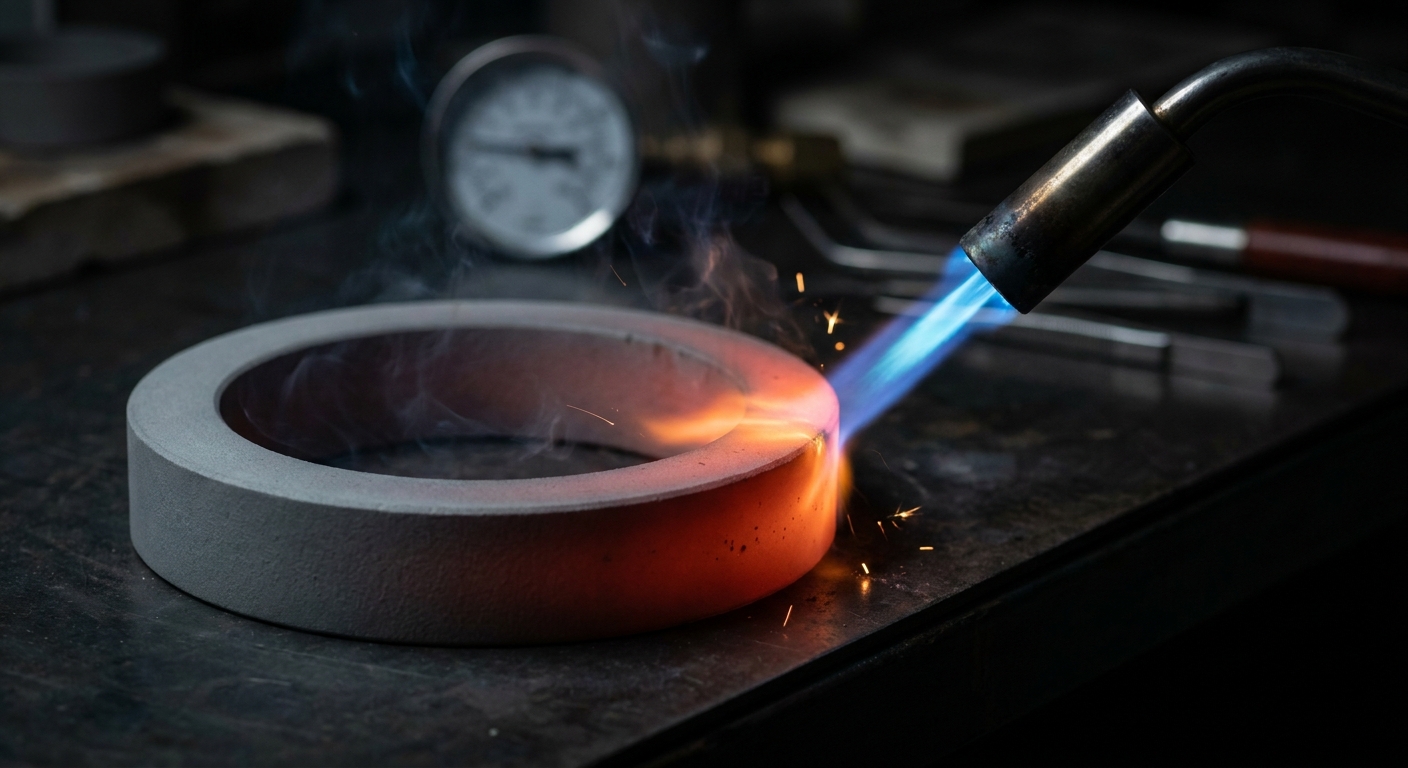
Yes, partially stabilized zirconia exhibits exceptional thermal resistance and low thermal conductivity, making it an excellent high-temperature insulator up to 1100°C. However, design engineers must carefully monitor phase stability thresholds above 500°C where structural shifts can occur.
Planning for these thermal expansion shifts is critical for preventing joint failures in metal-ceramic assemblies. You can use its insulating qualities to protect delicate surrounding electronics.
What are the limits of thermal stability?
Extreme thermal environments cause many industrial ceramics to undergo sudden volume changes. This behavior often leads to thermal shock cracking in your equipment.
Here is the catch:
- Structural phase shifts can occur between 500°C and 800°C.
- Irreversible monoclinic-to-tetragonal reversion causes dimensional changes.
- Thermal conductivity remains extremely low, acting as an insulator.
For operations using high-temperature setups, selecting the correct stabilizer chemistry is critical to preventing phase destabilization. While zirconia retains high strength up to 500°C, you must plan for structural phase shifts at higher temperatures.
How to mitigate thermal shock risks?
Rapid heating and cooling cycles create intense localized stress within solid ceramic bodies. If your chosen material cannot dissipate heat or expand uniformly, it fails catastrophically.
But that’s not the whole story:
- Limit the maximum thermal gradient across the part.
- Utilize MgO-stabilized grades for applications requiring up to 1100°C working limits.
- Compensate for the high coefficient of thermal expansion in metal housings.
Designing components with rounded corners and uniform wall thicknesses reduces these localized thermal stresses. This geometry allows the low thermal conductivity of zirconia to work as an insulating advantage for you.
Key Takeaway: While zirconia serves as an outstanding high-temperature thermal insulator, structural designs must account for phase stability thresholds above 500°C to prevent dimensional distortions.
| Temperature Range | Structural State | Thermal Expansion Coeff. | Design Recommendation |
|---|---|---|---|
| Ambient to 200°C | Completely Stable | 10.1 x 10⁻⁶/°C | Standard structural clearances |
| 200°C to 500°C | Metastable Tetragons Intact | 10.3 x 10⁻⁶/°C | Monitor joint tolerances |
| 500°C to 1100°C | Progressive Phase Shift | 10.8 x 10⁻⁶/°C | Allow for 3% volume expansion |
Analytical Guidance: Designers must match zirconia’s thermal expansion coefficient (similar to cast iron) with corresponding metal sleeves to prevent assembly binding or cracking at elevated temperatures.
How does partially stabilized zirconia wear over time?
Over long operating periods, partially stabilized zirconia wears incredibly slowly and maintains a pristine, highly polished surface due to its sub-micron grain structure. Unlike tool steels or tungsten carbides that experience micro-chipping or adhesive galling, this material remains smooth and defect-free.
This ensures long-term dimensional accuracy and minimal friction in your dynamic assemblies. You will achieve fluid-handling precision that lasts for millions of cycles.
Why does surface finish remain pristine?
Friction and sliding wear degrade industrial pistons and valves, leading to fluid bypass and system failure. Typical metals score and gall quickly under abrasive conditions in your processing lines.
Why does this matter?
- Average surface roughness (Ra) can be polished to sub-micron levels.
- Low coefficient of friction reduces wear on mating components.
- High resistance to adhesive wear prevents material transfer.
High-purity zirconia maintains its polished surface because of its incredibly fine, sub-micron grain structure. This makes it highly valuable in delicate applications where you cannot tolerate surface defects.
Does grain size prevent micro-fracturing?
Coarse-grained industrial materials frequently experience micro-chipping along grain boundaries during cyclic load operations. This chipping accelerates overall surface degradation in your systems.
The result?
- Grain boundaries remain tightly locked under frictional heat.
- Sharp, clean structural edges are maintained without chipping.
- Material erosion rates are reduced compared to standard carbide grades.
The exceptionally uniform grain structure of stabilized zirconia prevents microscopic particles from tearing away. It ensures your component retains its precise dimensional profile over millions of cycles.
Key Takeaway: The sub-micron grain structure of stabilized zirconia guarantees long-term surface integrity and minimal friction, keeping machinery running efficiently without frequent maintenance.
| Substrate Material | Coefficient of Friction (Dry) | Surface Finish Limit (Ra) | Micro-Chipping Risk |
|---|---|---|---|
| Hardened Tool Steel | 0.60 – 0.80 | < 0.10 µm | Moderate (Adhesive Wear) |
| Tungsten Carbide | 0.20 – 0.25 | < 0.05 µm | High (Micro-Fracturing) |
| MgO-PSZ Ceramic | 0.10 – 0.15 | < 0.01 µm | Extremely Low |
Analytical Guidance: With a dry friction coefficient up to six times lower than tool steel, MgO-PSZ significantly cuts parasitic energy losses while eliminating the risk of surface-to-surface galling.
How to machine partially stabilized zirconia parts?
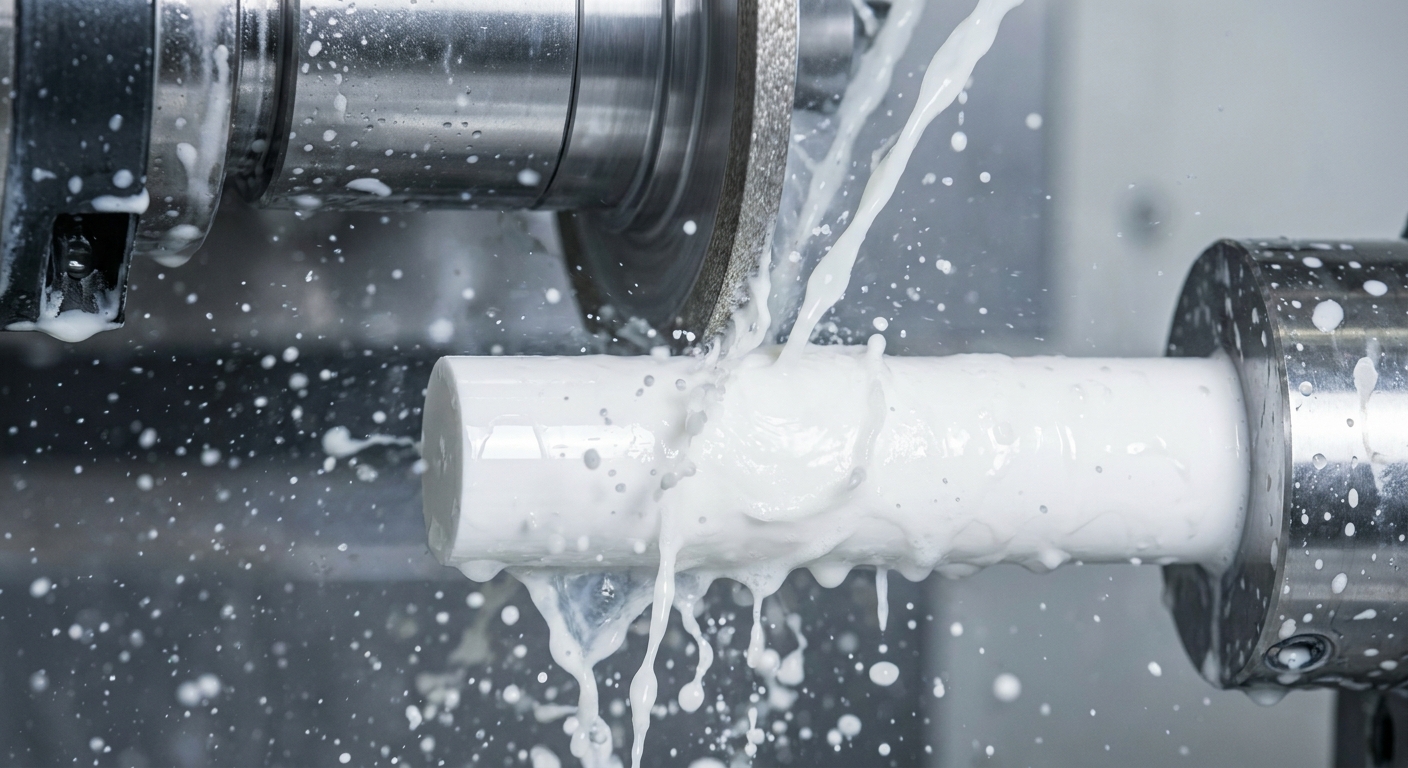
To machine partially stabilized zirconia to final tolerances, you must use high-rigidity CNC grinding equipment equipped with diamond-grit tooling. Standard steel or carbide cutting tools are completely ineffective against the material’s extreme hardness.
Continuous coolant application is also necessary to prevent localized thermal cracking during grinding. If you need tight clearances, precision diamond grinding is the only path to success.
What are the precision machining requirements?
Raw fired technical ceramics are incredibly hard, making them impossible to cut with standard high-speed steel or carbide tooling. Shaping these materials requires specialized equipment and techniques that you must understand.
Think about it:
- Use high-rigidity grinding spindles to prevent tool chatter.
- Apply continuous, high-volume liquid coolant to the cutting zone.
- Utilize resin-bonded diamond wheels for fine surface polishing.
Machining zirconia to final tolerances requires heavy-duty CNC grinding machines equipped with diamond-impregnated wheels. This process must be carefully controlled to prevent thermal stress fractures in your part.
Can we achieve tight dimensional tolerances?
Modern industrial assemblies require micron-level clearances to ensure leak-free operation without elastomeric seals. Any dimensional variance can lead to system failures for you.
Why is this crucial?
- Sphericity tolerances under 0.0005 mm for ceramic valve balls.
- Cylindrical concentricity held within 0.001 mm on pistons.
- Mirror-like surface finishes under 0.01 µm Ra.
Specialized diamond polishing allows technical ceramics to reach dimensional tolerances as tight as ±0.0013 mm. This precision guarantees you a perfect fit in tight assemblies.
Key Takeaway: Achieving micron-level precision with stabilized zirconia requires specialized diamond grinding setups, rigid machinery, and careful thermal management during production.
| Feature Attribute | Standard Ceramic Machining | High-Precision Grinding | Ultra-Precision Lapping |
|---|---|---|---|
| Dimensional Tolerance | ±0.050 mm | ±0.005 mm | ±0.0013 mm |
| Surface Finish (Ra) | 0.80 µm | 0.20 µm | 0.01 µm |
| Edge Geometry | Chamfered (0.5 mm) | Sharp Edge (0.1 mm) | Micro-Radius (<0.05 mm) |
Analytical Guidance: While standard grinding meets general industrial needs, reaching sub-micron tolerances requires specialized lapping stages, which should be reserved for critical sealing surfaces to control production costs.
Is partially stabilized zirconia electrically conductive?
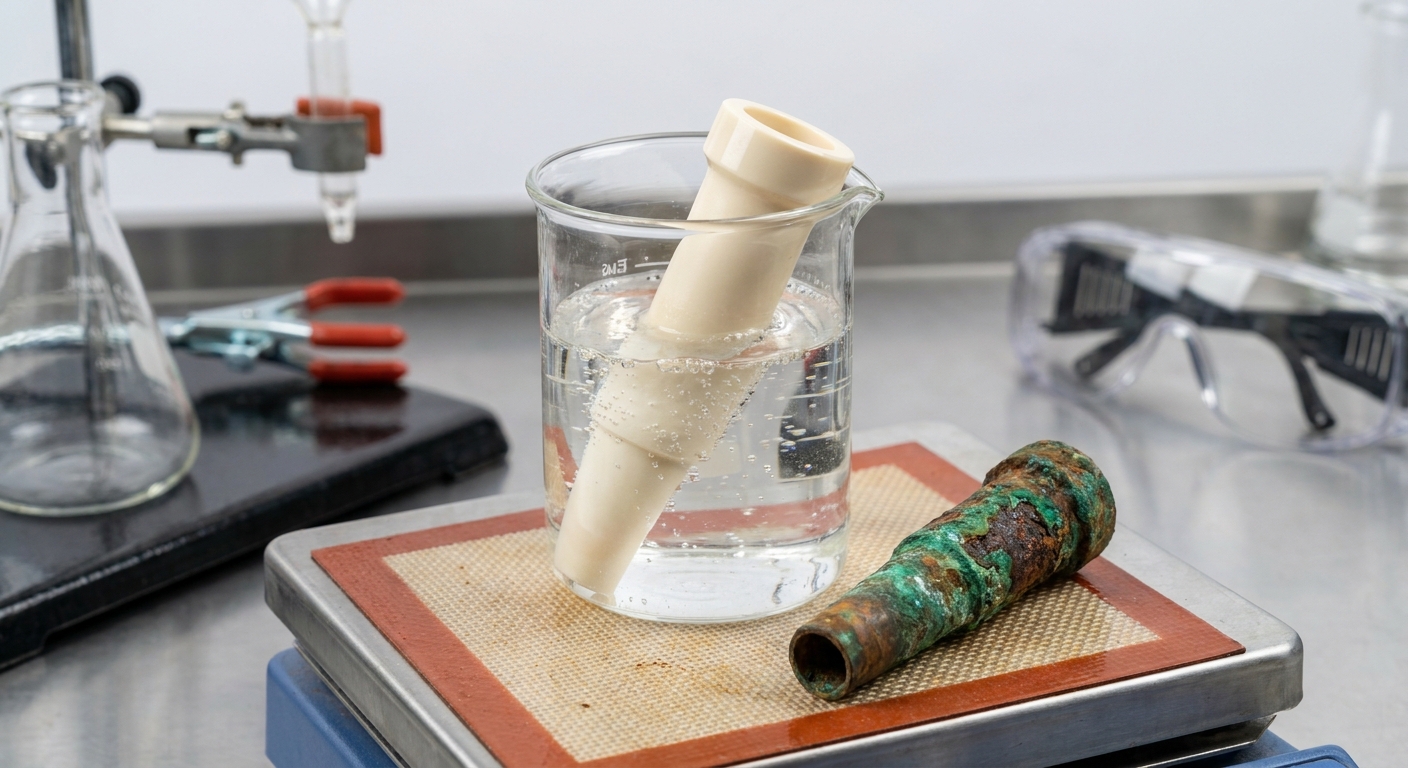
While partially stabilized zirconia acts as an excellent electrical insulator at room temperature, it becomes highly conductive to oxygen ions at elevated temperatures above 500°C. This unique thermal-electrical shift allows the material to perform as a solid-state electrolyte in sensor and fuel cell applications.
However, structural engineers must plan insulating barriers to prevent high-temperature short circuits. You must understand this physical transition when designing high-heat systems.
How does electrical resistivity change with heat?
At room temperature, zirconia functions as an outstanding electrical insulator, preventing electrical leakage in high-voltage setups. Its high resistivity blocks electrical currents that could damage your devices.
Think about it:
- High electrical resistivity at room temperature (>10¹² Ohm-cm).
- Rapidly decreasing resistivity above 500°C.
- Active oxygen-ion conductivity at elevated temperatures.
However, as the temperature approaches 500°C, the material undergoes a major physical transition. It becomes highly conductive to oxygen ions, shifting from an insulator to a solid-state electrolyte.
What are the engineering implications of ion conduction?
This unique temperature-sensitive conductivity can be a challenge or an advantage depending on your application. For example, sensor designers leverage this behavior to measure oxygen levels in exhaust streams.
Let’s look closer:
- Ideal for solid oxide fuel cell (SOFC) electrolyte membranes.
- Useful in high-temperature heating elements for specialized furnaces.
- Requires structural isolating barriers if used as an insulator above 600°C.
Conversely, structural engineers must ensure their high-temperature ceramic insulators do not inadvertently become conductive pathways. This requires you to implement careful thermal and electrical insulation design.
Key Takeaway: Zirconia changes from a high-quality electrical insulator to an active ionic conductor at high temperatures, a transition that requires careful management in thermal designs.
| Temperature (°C) | Electrical Resistivity (Ohm-cm) | Conduction State | Primary Application |
|---|---|---|---|
| 20 °C | > 10¹² | Insulator | High-Voltage Isolation |
| 300 °C | ~ 10⁷ | Semi-Insulating | Structural Barriers |
| 600 °C | ~ 10³ | Ionic Conductor | Oxygen Sensors (Lambda) |
| 1000 °C | < 10 | High Ionic Conductor | Fuel Cell Electrolytes |
Analytical Guidance: Designers of high-temperature electrical systems must avoid using zirconia as a primary insulator above 400°C, as its rapid drop in resistivity can lead to short circuits.
Why buy magnesium partially stabilized zirconia?
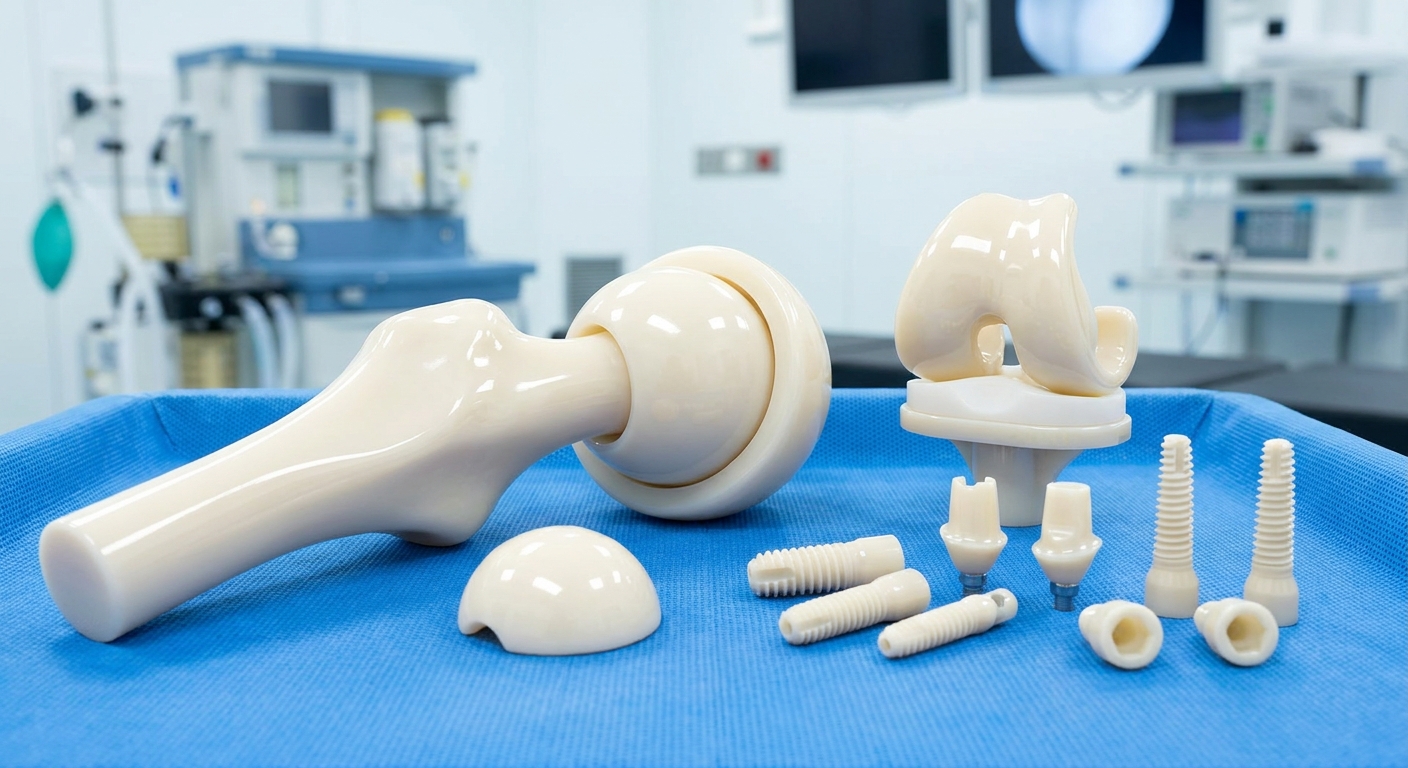
You should buy magnesium partially stabilized zirconia because it offers superior hydrothermal stability and does not suffer from low-temperature steam degradation. Unlike yttria-stabilized alternatives which can break down in hot, wet environments, this magnesium-blend material maintains its strength perfectly.
This makes it the premier choice for demanding industrial steam and fluid-handling systems. You get high mechanical toughness combined with excellent water-vapor resistance.
What are the key properties of MgO stabilizer blends?
Selecting the right stabilizing oxide directly determines the performance, cost, and lifespan of your zirconia component. Each blend is tailored for specific industrial conditions you might encounter.
The best part?
- High mechanical toughness that remains stable at elevated temperatures.
- Lower raw material costs compared to high-purity yttria options.
- Exceptional resistance to high-pressure steam degradation.
Blending zirconia with roughly 10% magnesium oxide (MgO) yields a reliable, highly fracture-tough material. This grade is widely used in heavy industrial equipment to reduce your replacement costs.
How does Mg-PSZ compare to Y-TZP?
Yttria blends have an incredibly fine grain size and offer the highest toughness at room temperature. However, they can degrade quickly when exposed to moisture between 200°C and 500°C in your steam lines.
What does this mean for you?
- Mg-PSZ: Steam-stable, high thermal limits, coarse grain, cost-effective.
- Y-TZP: Extreme room-temperature strength, fine grain, susceptible to steam degradation.
- Selection Guide: Use Mg-PSZ for hot, wet industrial systems; use Y-TZP for ambient, ultra-high-strength applications.
Magnesium-stabilized zirconia does not suffer from this low-temperature degradation. It maintains its strength and dimensions perfectly in your hot, humid, and steam-filled industrial environments.
Key Takeaway: Magnesium-stabilized zirconia (Mg-PSZ) is the preferred choice for humid, high-temperature operations where yttria-stabilized grades are vulnerable to steam degradation.
| Performance Metric | Magnesium-Stabilized (Mg-PSZ) | Yttria-Stabilized (Y-TZP) |
|---|---|---|
| Stabilizer Content | ~10 wt% MgO | ~3 mol% Y₂O₃ |
| Grain Structure | Coarse (Sub-micron precipitates in cubic matrix) | Ultra-fine (Sub-micron tetragonal grains) |
| Hydrothermal Stability | Fully stable in steam up to 300°C | Subject to low-temperature degradation |
| Relative Material Cost | Moderate | High |
Analytical Guidance: Mg-PSZ is the ideal choice for heavy industrial machinery operating in hot, humid conditions, whereas Y-TZP should be reserved for fine-precision instruments operating at room temperature.
What is the cost of partially stabilized zirconia?
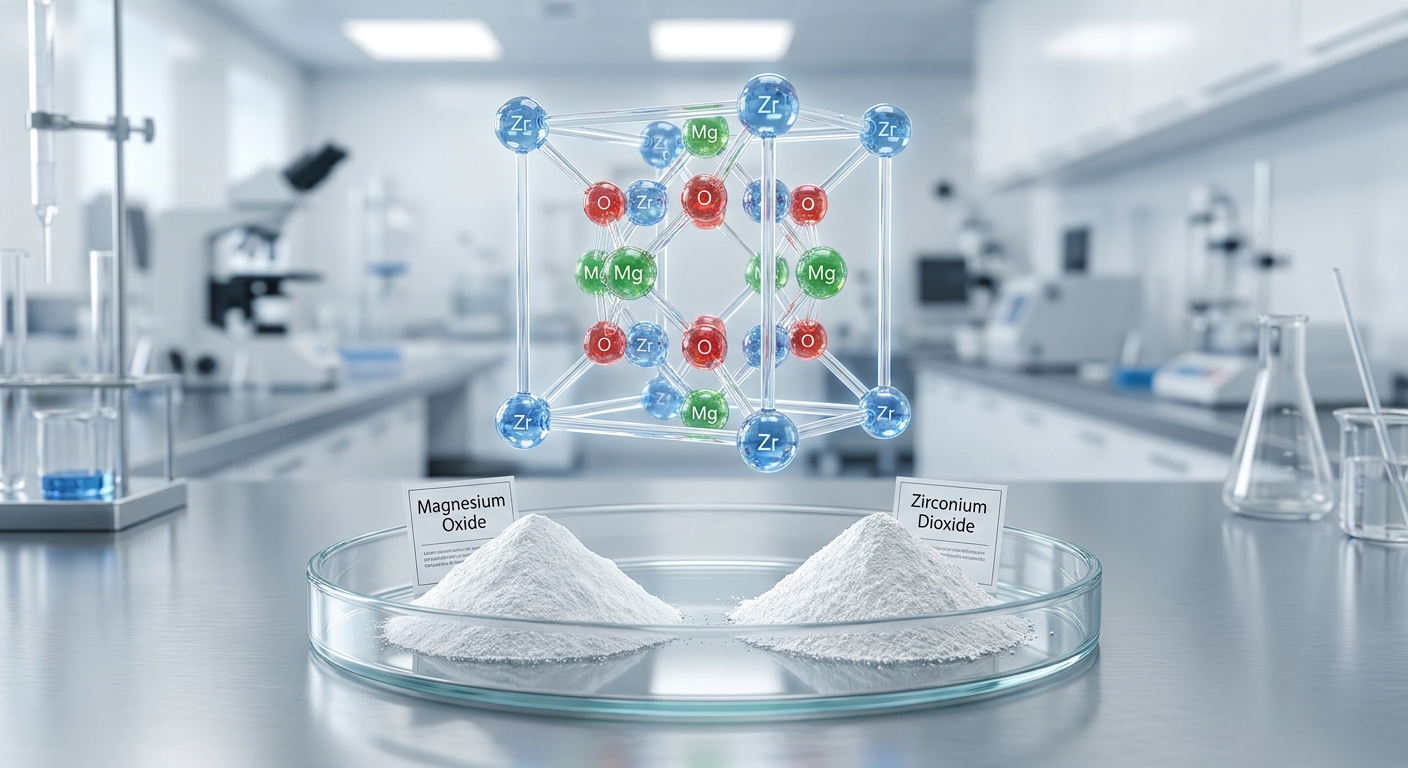
Although the initial purchase cost of partially stabilized zirconia is higher than standard metals, its exceptional lifespan provides an incredibly high return on investment. By evaluating the total cost of ownership over a multi-year period, you will find that it eliminates costly downtime and recurring replacement fees.
It essentially pays for itself in high-vibration or corrosive setups. You can easily justify the upfront premium to your purchasing department.
How to calculate the return on investment for PSZ?
The upfront cost of technical ceramic components is often higher than that of metal alternatives. However, looking only at the purchase price overlooks the ongoing costs of your equipment downtime.
Consider this:
- Frequency of machine teardowns and component replacements.
- Cost of lost production during maintenance window shutdowns.
- Savings from reduced wear on mating components.
To find the true return on investment, engineering teams must evaluate the total cost of ownership. This calculation should include replacement labor, production losses, and tool wear to show you the real savings.
When does high-toughness ceramic pay off?
In low-stress, non-corrosive environments, upgrading to advanced ceramics is rarely cost-effective. Standard metal alloys remain the practical choice for your basic operations.
Here is the key to ROI:
- Continuous-run chemical processing systems.
- Subsea oil and gas drilling equipment.
- High-volume pharmaceutical filling pumps.
However, in high-wear, acidic, or high-vibration systems, advanced ceramics pay for themselves quickly. Integrating future innovations in ceramic design helps you future-proof your systems against rising maintenance costs.
Key Takeaway: While advanced ceramics require a higher initial investment, they deliver a strong return on investment by significantly reducing equipment maintenance and downtime.
| Cost Factor | Stainless Steel Tooling | Tungsten Carbide Parts | MgO-PSZ Ceramic Components |
|---|---|---|---|
| Initial Purchase Price | $450 | $1,200 | $1,800 |
| Replacement Frequency | Every 3 Months (12x) | Every 12 Months (3x) | None (1x) |
| Total Maintenance Cost | $5,400 | $3,600 | $0 |
| Accumulated Downtime Loss | $12,000 | $6,000 | $0 |
| Total Project Cost | $17,850 | $10,800 | $1,800 |
Analytical Guidance: The lifecycle cost analysis shows that despite a higher purchase price, MgO-PSZ components save thousands of dollars by year three by eliminating replacement costs and maintenance downtime.
FAQ: How to use partially stabilized zirconia?
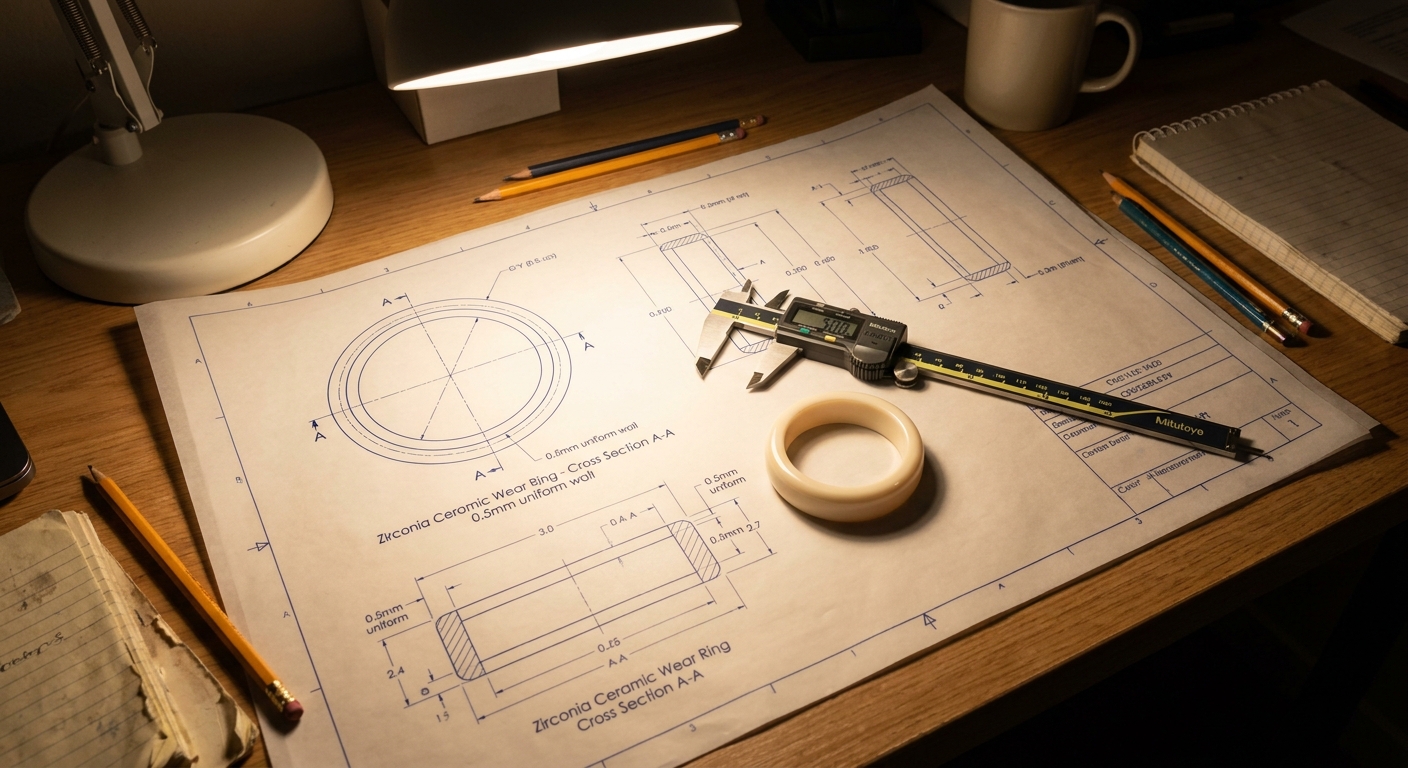
Designing and using partially stabilized zirconia successfully requires adhering to specific mechanical design rules to prevent localized stress accumulation. Transitioning from metals to advanced structural ceramics is straightforward when you understand their unique material boundaries and properties.
This guide provides answers to the most common engineering queries to help you implement it perfectly. You can bypass typical prototyping failures by reviewing these established parameters.
Material selection and structural limits
When you transition your assemblies from metal to structural ceramics, you must design with brittle material limitations in mind. Standard metal tolerances do not translate directly to ceramics, meaning you need to adapt your structural geometry.
Think about it:
- Avoid sharp internal corners to prevent stress concentration.
- Ensure uniform wall thicknesses to minimize thermal stress.
- Utilize soft metal gaskets to distribute clamping loads evenly.
Can I use partially stabilized zirconia in applications above 1000°C?
Yes, but you must design specifically for the phase changes that occur at high temperatures. The reason is that while magnesium-stabilized zirconia can withstand up to 1100°C, it experiences progressive volume expansion between 500°C and 800°C. If you do not account for this structural shift in your clearances, the component may bind or fail.
What’s the best way to prevent dimensional expansion in PSZ?
The most effective approach is to keep operating temperatures below 500°C or transition to a fully stabilized cubic zirconia. This works because fully stabilized cubic phases do not undergo stress-induced or thermal transformations. If you must operate at high temperatures, you should design sliding joints or loose fits to absorb the expansion.
How do I know if Mg-PSZ is better than Y-TZP for my project?
You should choose Mg-PSZ if your application operates in hot, wet environments or high steam temperatures. This choice is superior because magnesium stabilizer blends do not undergo hydrothermal degradation. If your system operates at ambient temperatures and demands the absolute highest raw mechanical strength, then Y-TZP is your best selection.
Can I machine partially stabilized zirconia with standard carbide tools?
No, standard carbide and high-speed steel tools cannot cut sintered zirconia due to its extreme hardness. You must use specialized diamond-grit grinding wheels on highly rigid CNC machinery to shape this material. Attempting to use standard tooling will destroy the tools and crack the ceramic component.
What’s the best method to ensure a mirror finish on PSZ?
The best method is to follow your primary grinding stages with diamond-compound lapping. This process uses progressively finer diamond pastes down to 1 micron on rotating lapping plates. This technique allows you to reach a surface finish under 0.01 µm Ra, which is perfect for sealing assemblies.
Key Takeaway: Designing successfully with advanced ceramics requires planning for high-temperature phase changes, using diamond-grit machining tools, and choosing the right stabilizer chemistry for your operating environment.
Conclusion
Upgrading your high-wear components to advanced industrial ceramics is the definitive solution to eliminate component wear, prevent aggressive chemical erosion, and avoid catastrophic thermal failures. By implementing these high-strength materials in your machinery, you safeguard your processing systems against costly unplanned downtime and elevate your production efficiency.
At Brontec, we believe that the future of heavy industry belongs to those who eliminate material boundaries. If you are ready to optimize your industrial components or need expert guidance on material selection, contact us today to speak with a ceramic application engineer. We will review your engineering drawings and help you integrate the perfect ceramic grade to future-proof your operations.