
Partially stabilized zirconia is a highly engineered ceramic material designed to withstand extreme thermal, chemical, and mechanical stresses by utilizing controlled phase stabilizer dopants to prevent catastrophic material failure. Specifying standard monolithic ceramics or high-performance alloys for heavy-duty industrial applications often results in structural degradation under sudden thermal shock or rapid wear cycles. This structural instability causes devastating operational bottlenecks, unscheduled equipment downtime, and skyrocketing replacement costs that eat into your bottom line. Transitioning to an engineered material that incorporates microstructural crack-arresting mechanics is the definitive solution to these high-stress performance challenges, and integrating partially stabilized zirconia into your mechanical assemblies is the most reliable path to achieving long-term operational success.
What is partially stabilized zirconia?
Partially stabilized zirconia is an advanced ceramic composed of zirconium dioxide combined with stabilizing oxides to suppress destructive phase transitions and preserve mechanical structural integrity. This material retains its high-temperature phase structures at room temperature to achieve exceptional fracture resistance. By locking in these metastable structures, engineers can utilize these ceramics in extreme environments where conventional materials would instantly crack.
The precise integration of dopants allows the matrix to handle intense thermomechanical loading safely. As a result, industrial operators can maintain continuous high-capacity production without fearing spontaneous component disintegration. Let’s delve deeper into how these unique phases behave.
What are the phase transitions of zirconia?
When you examine the thermodynamic properties of this material, you will notice three distinct crystal structures that shift based on temperature. Specifically, the material moves from monoclinic to tetragonal at 1170°C, and then to cubic at 2370°C. But that’s not all. Here is the deal: without stabilization, cooling causes a violent 4% to 5% volume expansion that instantly shatters the structure. You can visualize this phase change through these key parameters:
- Monoclinic Phase: Stable at room temperature up to 1170°C.
- Tetragonal Phase: Exists between 1170°C and 2370°C under high-temperature conditions.
- Cubic Phase: Highly stable structure above 2370°C.
This structural collapse is exactly what you must avoid in critical mechanical assemblies. By introducing chemical additives, you can successfully bypass this natural degradation.
How do stabilizing dopants prevent cracking?
To secure the metastable tetragonal phase at room temperature, you must introduce specific stabilizer ions into the crystal lattice. Think about it: these dopant atoms replace zirconium ions, generating oxygen vacancies that ease internal cell stress. This chemical substitution allows you to retain high-performance phases without spontaneous micro-cracking during cool-down. Here is why stabilizers are critical for your processes:
- Oxygen Vacancies: Relieve internal crystal lattice constraints.
- Lattice Distortion: Inhibits destructive martensitic transitions.
- Microstructural Control: Keeps grains uniform and resilient.
As a result, you get a material that remains structurally sound even under severe thermal stress. This stabilization process directly improves overall equipment lifetime.
| Phase State | Crystallographic Structure | Volume Change (%) | Mechanical Stability |
|---|---|---|---|
| Metastable Tetragonal | Tetragonal (t-ZrO₂) | Baseline (0%) | High Energy / Metastable |
| Transformed Monoclinic | Monoclinic (m-ZrO₂) | +3.0% to +5.0% | Low / Prone to Cracking |
This data reveals that controlling the metastable tetragonal phase is the fundamental key to avoiding destructive volume expansions.
Key Takeaway: By selecting a stabilized ceramic matrix, you ensure that your structural components retain their dimensions and mechanical properties under extreme cyclic conditions.
How does partially stabilized zirconia toughen?
Partially stabilized zirconia toughens itself through a mechanical phenomenon called stress-induced transformation toughening, which actively arrests propagating crack tips. When a crack begins to form, the localized tensile stress field triggers metastable tetragonal particles to transform back into a monoclinic structure. This localized transformation causes a volumetric expansion that exerts compressive stress directly onto the crack. This “crack pinching” mechanism prevents the fracture from spreading further through the component.
This unique ability has earned the material the title of “ceramic steel” among modern industrial engineers. It allows components to withstand impacts that would instantly shatter standard ceramics. Let’s look at the specific mechanics that make this toughness possible.
What is stress-induced martensitic transformation?
When an external load creates a crack, you will see a rapid crystallographic shift occur exactly at the point of maximum tension. Here is the deal: the energy from the moving crack tip acts as a catalyst, forcing the tetragonal crystals to expand into the monoclinic phase. This transformation acts as a microscopic shield that absorbs the kinetic energy of the crack. You will benefit from this response because:
- Energy Absorption: Microscopic phase shifts neutralize crack propagation forces.
- Compressive Shielding: Localized stress zones lock the material together.
- Damage Containment: Prevents minor surface scratches from becoming catastrophic failures.
This self-healing behavior ensures that your equipment remains operational even under heavy mechanical impacts. It is a level of reliability you won’t find in traditional structural ceramics.
How do coherent precipitates arrest crack tips?
The generation of a compressive stress field between 200 and 500 MPa works to squeeze the crack tip shut and halt its advance. Think about it: if you can actively restrict the crack tip, you prevent it from dividing the material. This protective zone of compressed crystals is what maintains the integrity of your machinery components. You must ensure the following conditions are met for optimal crack arresting:
- Precipitate Sizing: Maintain particles between 50 nm and 200 nm.
- Matrix Constraints: Use a strong cubic lattice to confine metastable grains.
- Stress Alignment: Align compressive forces perpendicular to the fracture path.
By keeping these variables within their optimal limits, you unlock the absolute maximum damage tolerance possible. This directly protects your high-investment production systems from sudden failure.
| Material Type | Fracture Toughness (K₁c) | Flexural Strength (MPa) |
|---|---|---|
| Partially Stabilized Zirconia | 10.0–12.0 MPa·m¹/² | 575–700 |
| Standard Alumina | 3.0–5.0 MPa·m¹/² | 300–400 |
| Silicon Carbide | 3.0–5.0 MPa·m¹/² | 350–450 |
The comparative metrics demonstrate that partially stabilized zirconia offers more than double the fracture toughness of standard industrial ceramics.
Key Takeaway: Using a material with a high fracture toughness value allows you to replace brittle components with confidence, minimizing risks of sudden impact failure.
Why does partially stabilized zirconia resist wear?
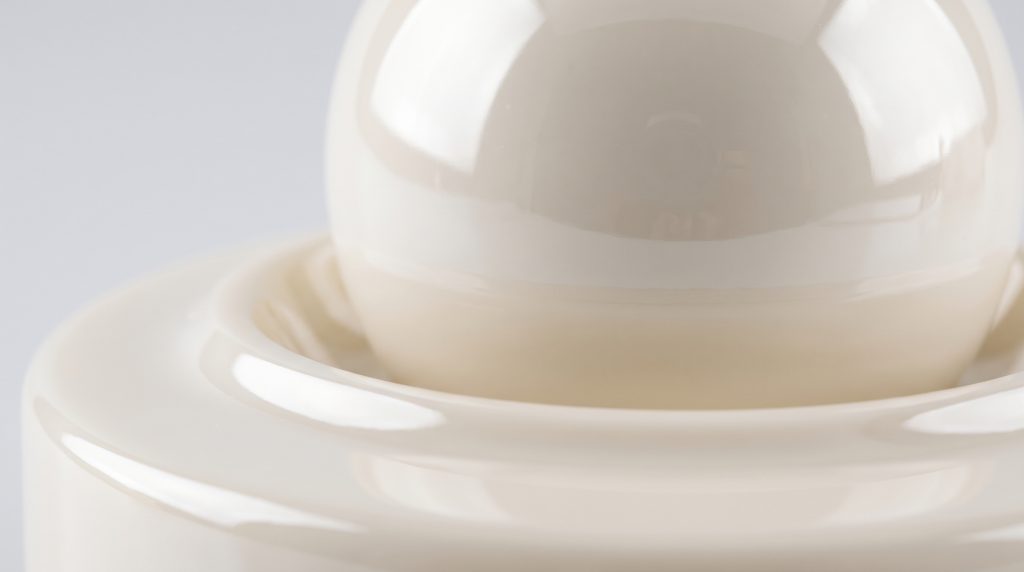
The high wear resistance of partially stabilized zirconia is a direct consequence of its high microstructural hardness combined with its outstanding fracture toughness. This combination prevents microscopic material removal, micro-spalling, and surface degradation during sliding or abrasive contact. By maintaining an extremely smooth, low-friction surface finish, the material reduces overall friction and wear rates. Consequently, it easily outlasts conventional metal alloys and standard engineering ceramics in high-friction settings.
Whether used in high-velocity pump impellers or mechanical valve seals, this wear resistance keeps maintenance cycles to an absolute minimum. It ensures that your automated systems run continuously without sudden losses in pressure or alignment. Let’s analyze the exact microstructural features driving this performance.
Understanding the bimodal grain size distribution
The presence of a dual-phase grain structure prevents microscopic wear pathways from developing on the contact surface of your parts. But that’s not all. Here is the deal: fine monoclinic precipitates are locked inside larger cubic grains, which prevents grains from pulling out under heavy shear. You can optimize this bimodal arrangement to ensure maximum surface smoothness and mechanical retention. Consider these structural factors:
- Matrix Grains: Larger cubic grains provide a solid structural base.
- Precipitate Dispersion: Fine sub-micron particles block dislocation movements.
- Grain Boundaries: Clean boundaries prevent the formation of micro-voids.
This interlocked grain structure keeps your wear components operating smoothly over millions of high-stress cycles. It completely eliminates the common problem of surface pit formation.
Mechanical properties under extreme tribological stress
When your equipment is subjected to sliding or abrasive forces, the material’s high hardness of over 1200 HV resists plastic deformation. Think about it: if the surface cannot be scratched or indented, the abrasive medium cannot initiate wear. This exceptional hardness, coupled with self-toughening properties, ensures that high localized loads are easily dissipated. You will notice significant operating advantages when handling:
- Abrasive Slurries: Hard particles slide over the surface without cutting.
- High-Velocity Erosion: Kinetic impacts are absorbed by the toughened matrix.
- Adhesive Sliding: Metal-on-ceramic contact eliminates cold welding and galling.
These combined properties make the material ideal for high-pressure fluid valves and mechanical seals. Your production lines can achieve higher uptime with reduced component replacements.
| Property Indicator | Typical Metal Alloys | Partially Stabilized Zirconia |
|---|---|---|
| Surface Hardness (HV) | 200–600 | ≥1200 |
| Wear Rate (mm³/N·m) | 10⁻⁴ to 10⁻⁵ | 10⁻⁷ to 10⁻⁸ |
| Friction Coefficient | 0.5–0.8 | 0.1–0.2 |
This tribological comparison highlights how the engineered ceramic reduces friction and lowers wear rates by several orders of magnitude compared to traditional metals.
Key Takeaway: Specifying high-hardness, low-friction ceramic components allows you to eliminate adhesive wear and dramatically extend the service life of rotating machinery.
How to synthesize partially stabilized zirconia?
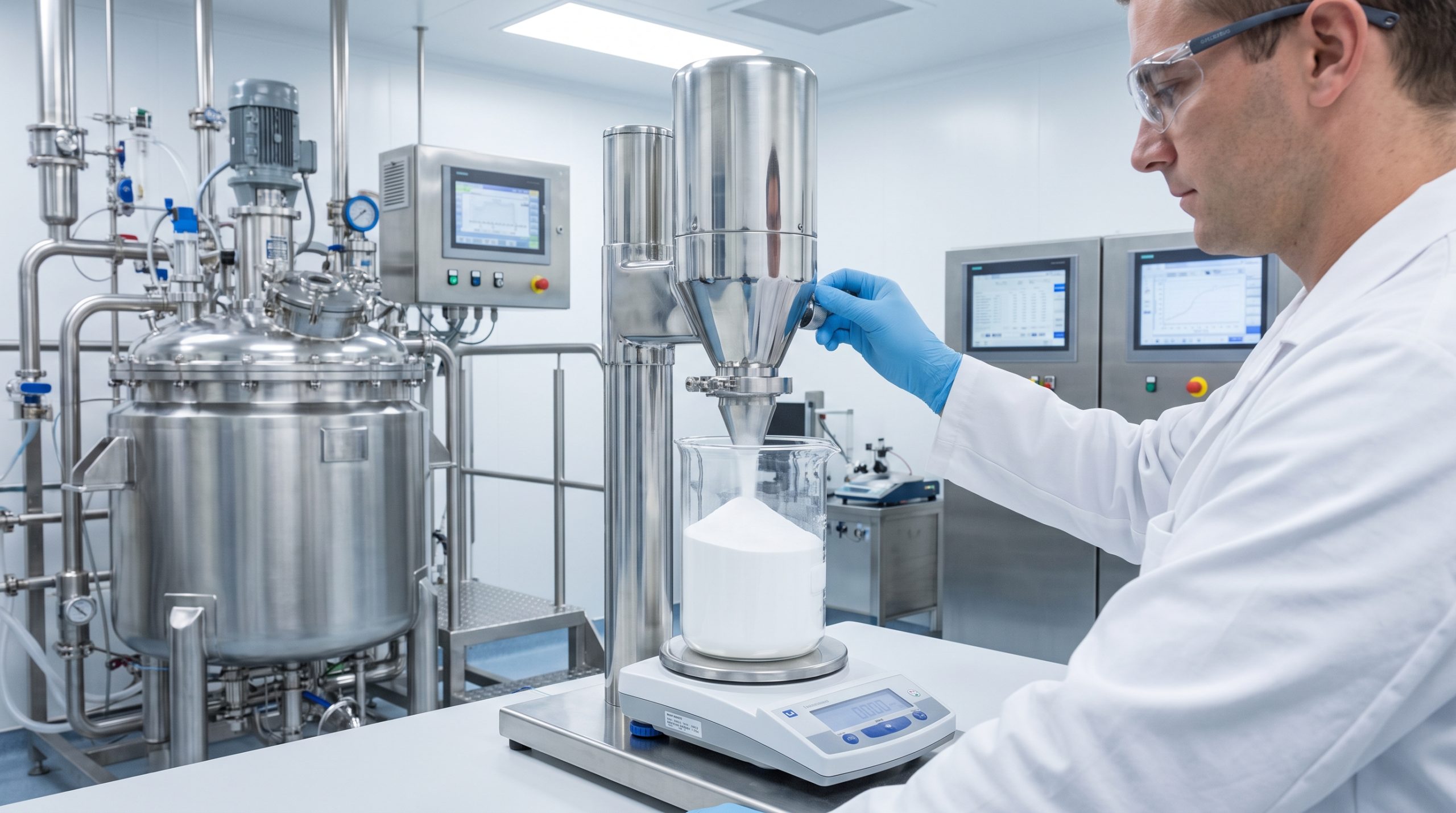
Synthesizing partially stabilized zirconia requires chemical precursor blending and thermal processing to achieve a highly homogeneous powder distribution. Manufacturers use wet-chemical co-precipitation, high-temperature flame synthesis, or rapid melt-quenching to disperse stabilizing dopants uniformly throughout the zirconia lattice. This atomic-level distribution is crucial for creating the uniform metastable phases necessary for transformation toughening. Proper synthesis protocols prevent phase separation and ensure batch-to-batch mechanical reliability.
Developing high-quality starting powders is the single most critical step in the manufacturing process. It dictates the density, strength, and overall performance of the final sintered component. Let’s compare the most prominent chemical synthesis pathways.
Is co-precipitation the ideal powder synthesis route?
Wet-chemical co-precipitation gives you unparalleled control over chemical purity and molecular-level homogeneity during powder preparation. Here is the deal: dissolving zirconium sulfate and stabilizer salts together ensures that the dopants are distributed perfectly down to the nanoscale. You will find that this method produces powders with excellent surface area and particle size consistency. This process involves the following key steps:
- Aqueous Blending: Ensures molecular-level dispersion of stabilizer salts.
- Controlled Precipitation: Uses precise pH adjustments to drop uniform hydroxides.
- Alcohol Washing: Removes residual sulfate ions to prevent sintering defects.
This strict chemical control translates directly into highly predictable sintering shrinkage and density. You can achieve excellent structural uniformity in your final product.
Flame synthesis versus rapid melt quenching
If you require ultrafine powders or unique metastable phases, flame synthesis and rapid melt quenching offer advanced production alternatives. Think about it: vaporizing precursors in a 3000°C flame allows for instant oxidation and particle nucleation within milliseconds. This rapid thermal cycle prevents grain growth and locks in the desired stabilizer distribution. You must weigh these production parameters for your custom runs:
- Flame Synthesis: Produces sub-micron particles with high surface energy.
- Melt Quenching: Uses arc furnaces to freeze homogeneous solid solutions.
- Mechanical Milling: Reduces quenched chunks into high-purity micro-powders.
These advanced thermodynamic pathways eliminate the need for long homogenization cycles. You get premium powders that require lower sintering temperatures.
| Synthesis Method | Average Particle Size | Purity Level | Sintering Temperature Range |
|---|---|---|---|
| Co-Precipitation | 20–100 nm | >99.9% | 1600–1750°C |
| Flame Synthesis | <150 nm | High | 1500–1650°C |
| Rapid Melt Quenching | <10 μm | Medium-High | 1700–1850°C |
The chemical synthesis data demonstrates that co-precipitation and flame synthesis yield the finest particle sizes, which actively lowers the required sintering temperature.
Key Takeaway: Selecting a chemical-precipitation powder source ensures high chemical purity and optimal sintering reactivity for your high-stress ceramic parts.
How to sinter partially stabilized zirconia?
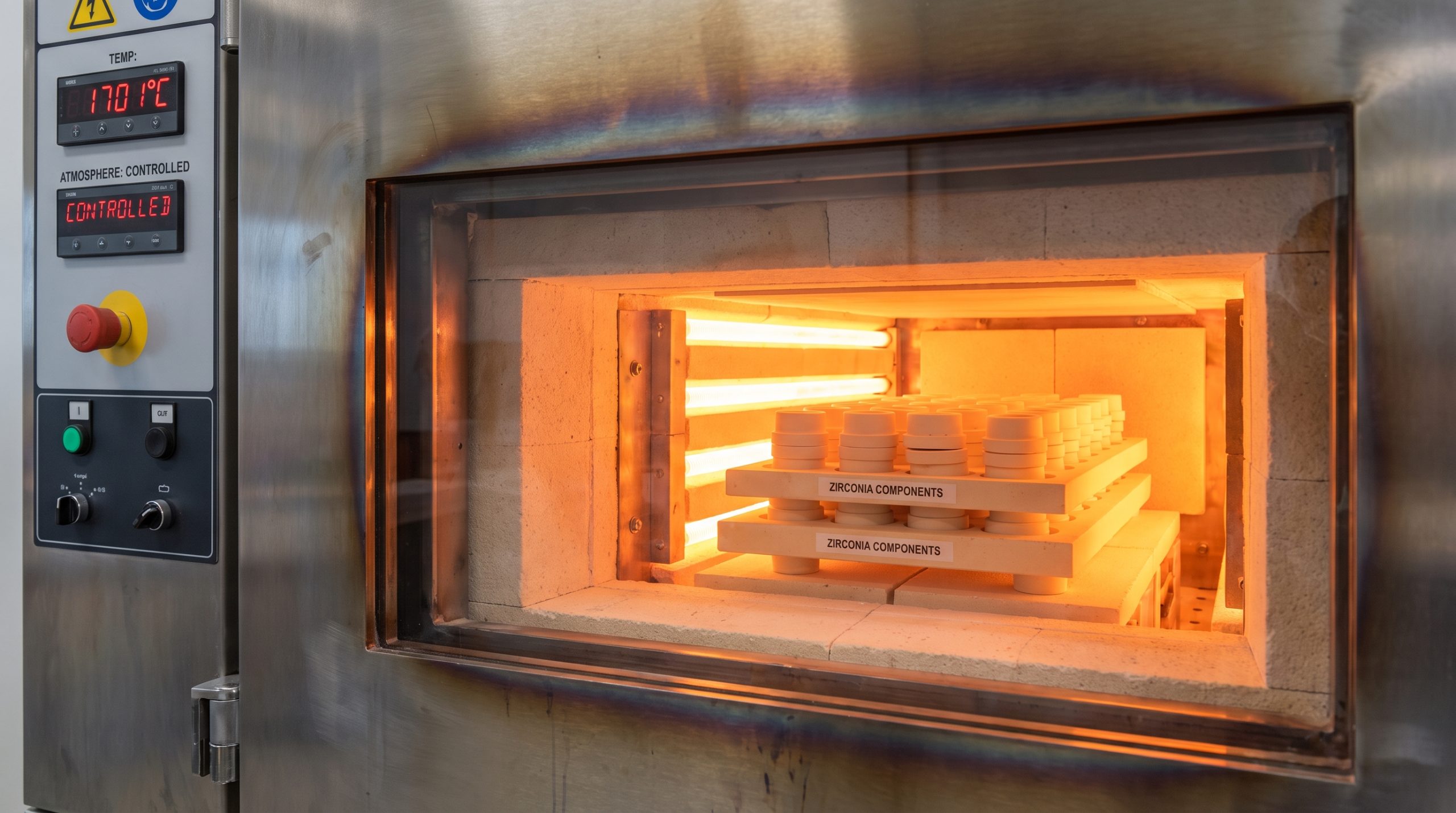
Sintering partially stabilized zirconia requires precise thermal cycles and pressure-assisted consolidation to achieve complete densification and a pore-free microstructure. The green ceramic compacts are heated to temperatures between 1600°C and 1850°C to drive atomic diffusion and eliminate internal voids. During this process, manufacturers carefully control the heating and cooling rates to prevent thermal stress fractures and manage precipitate nucleation. This precise thermal treatment determines the ratio of tetragonal to monoclinic phases in the finished part.
When performed correctly, sintering eliminates micro-pores that could otherwise act as crack initiation sites under stress. This thermal densification process is crucial for achieving maximum mechanical strength. Let’s look at the specific heat-treatment protocols.
Pressureless sintering and binder burnout schedules
Before you can begin high-temperature densification, you must completely remove organic binders without cracking the fragile green body. But that’s not all. Here is the deal: ramping the temperature too quickly will cause escaping binder gases to burst, creating microscopic cracks. You must implement a slow, multi-stage thermal profile to ensure safe outgassing. Follow these critical sintering stages:
- Binder Burnout: Heat slowly at 1°C/min to 600°C to remove organics.
- High-Temp Sintering: Fire at 1600°C to 1850°C to drive atomic diffusion.
- Controlled Cooling: Limit cooling to 50°C/hour to stabilize the phases.
This systematic thermal management ensures that your parts transition from fragile dust compacts to high-strength ceramic components. It prevents internal defects that could compromise wear resistance.
How does hot isostatic pressing eliminate pores?
Applying high temperatures and isostatic gas pressure simultaneously allows you to achieve near-theoretical densities exceeding 99.5%. Think about it: if you compress the ceramic using 200 MPa of argon gas, you squeeze out every remaining microscopic pore. This process, known as hot isostatic pressing (HIP), is essential for parts subjected to high mechanical loads. You can rely on this technique to optimize:
- Density Uniformity: Eliminates localized low-density zones.
- Fracture Resistance: Reduces the size of potential crack-starting defects.
- Surface Polishability: Enables mirror-like finishes for sliding contacts.
This pressure-assisted thermal treatment provides a massive boost to the mechanical reliability of your wear parts. It is the gold standard for high-performance structural applications.
| Sintering Method | Peak Temperature | Applied Pressure | Sintered Density (% Theoretical) |
|---|---|---|---|
| Pressureless Sintering | 1600–1850°C | Atmospheric | 95%–99% |
| Hot Isostatic Pressing | 1400–1600°C | 100–200 MPa | >99.5% |
| Spark Plasma Sintering | 1300–1500°C | 50–100 MPa | >99.0% |
This operational data shows that combining thermal energy with isostatic pressure yields the highest possible density, eliminating structural micro-voids.
Key Takeaway: Utilizing hot isostatic pressing for critical components guarantees the removal of strength-limiting internal flaws, maximizing structural reliability.
Which oxides dope partially stabilized zirconia?
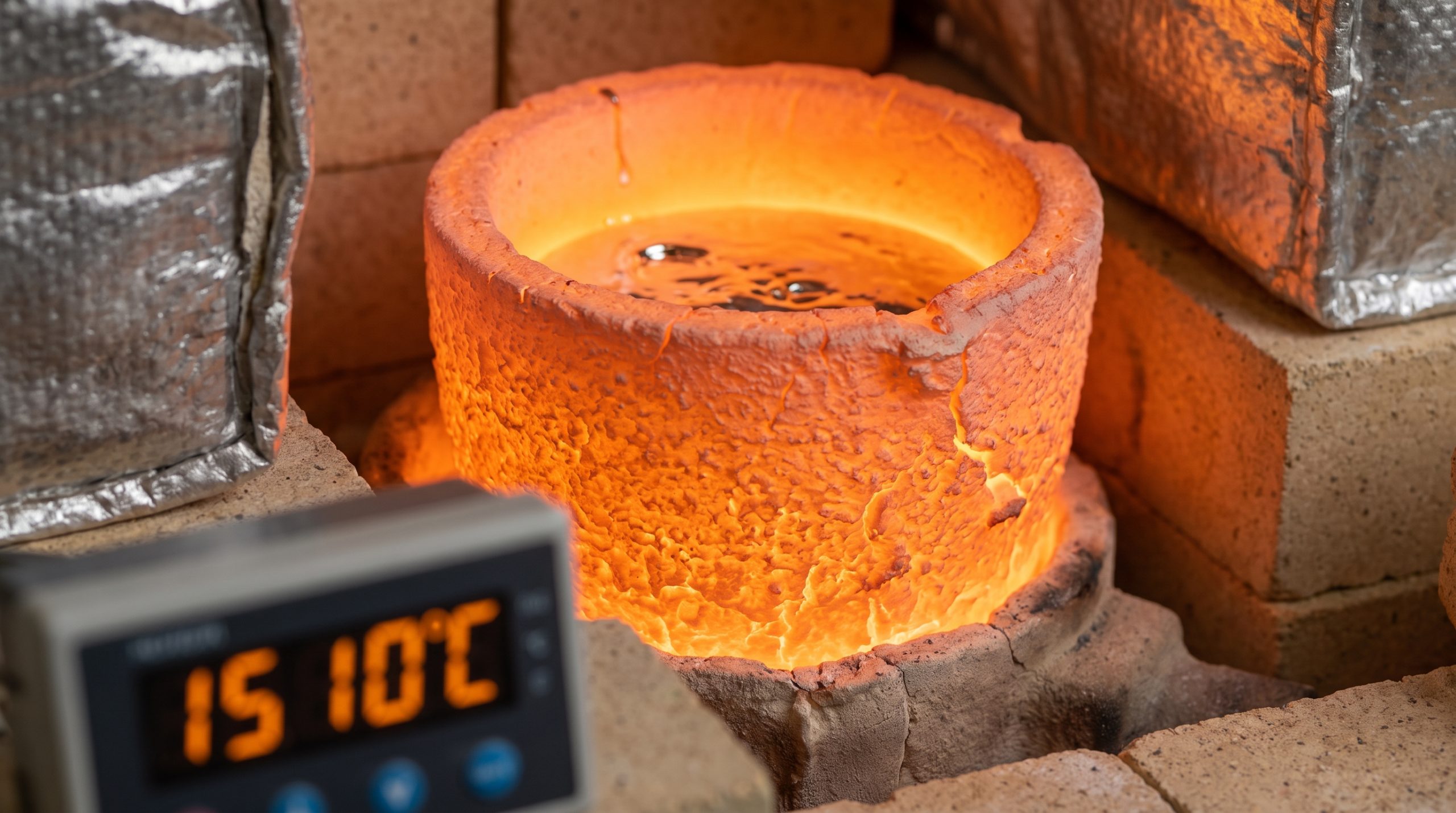
Partially stabilized zirconia is doped with stabilizing oxides such as magnesia (MgO), yttria (Y2O3), calcia (CaO), or ceria (CeO2) to tailor its mechanical and chemical properties. These aliovalent and size-mismatched dopants replace zirconium ions within the lattice, forming oxygen vacancies that stabilize high-temperature crystal structures. By adjusting the concentration and type of oxide, manufacturers can prioritize high mechanical strength, thermal shock resistance, or electrical conductivity. The selection of the dopant system dictates the suitability of the ceramic for specific high-stress industrial applications.
Each dopant system behaves differently under thermal and mechanical loading. Choosing the right stabilizer is critical for optimizing the performance of your mechanical assemblies. Let’s analyze the characteristics of the primary doped systems.
Magnesia-stabilized systems for structural wear parts
Magnesia-doped systems provide you with exceptional thermal shock resistance and mechanical stability under cyclic high-load conditions. Here is the deal: introducing 8 to 11 mol% MgO produces a tough, dual-phase microstructure consisting of a cubic matrix with dispersed monoclinic precipitates. This specific chemistry makes the material highly resistant to thermal degradation and abrasive wear. You will find this system highly effective because:
- Thermal Shock Resistance: Absorbs rapid thermal expansions without cracking.
- High-Load Stability: Retains its toughness under severe mechanical compression.
- Molten Metal Resistance: Resists chemical attack from molten iron and steel.
This unique combination of thermal and mechanical properties makes magnesia-doped ceramic the ideal material for high-temperature extrusion dies and metal-casting valves. It stands up to thermal cycles that would crack other materials.
Yttria-stabilized grades for solid electrolytes
If you require high electrical conductivity or extreme flexural strength, yttria-stabilized grades are the optimal choice. Think about it: the substitution of Y3+ for Zr4+ generates oxygen vacancies that allow oxygen ions to flow through the crystal lattice at elevated temperatures. This high ionic conductivity makes yttria-doped ceramics perfect for electrochemical sensors and fuel cell components. You can leverage this dopant chemistry to achieve:
- Maximized Flexural Strength: Achieves bending strengths exceeding 700 MPa.
- Oxygen-Ion Conductivity: Enables rapid, precise gas sensing at high heat.
- Fine Grain Size: Retains a sub-micron microstructure for superior finishes.
This chemical flexibility allows you to deploy these ceramics in both electronic and structural applications. It represents a highly versatile engineering solution for complex thermal environments.改:
| Stabilizer System | Optimal Mol% | Flexural Strength (MPa) | Primary Mechanical Advantage |
|---|---|---|---|
| Yttria ($Y_2O_3$) | 2.0 – 4.0 | 700 – 1000 | Maximum Bending Strength |
| Magnesia ($MgO$) | 8.0 – 11.0 | 500 – 650 | Superior Thermal Shock |
| Calcia ($CaO$) | 5.0 – 8.0 | 350 – 450 | Excellent Refractory Stability |
This comparison demonstrates that while yttria stabilization maximizes absolute mechanical strength, magnesia-doped systems provide superior thermal shock performance.
Key Takeaway: Selecting the specific dopant chemistry based on your primary stress type—mechanical vs. thermal—ensures your custom components will not prematurely fail in service.
Where is partially stabilized zirconia applied?
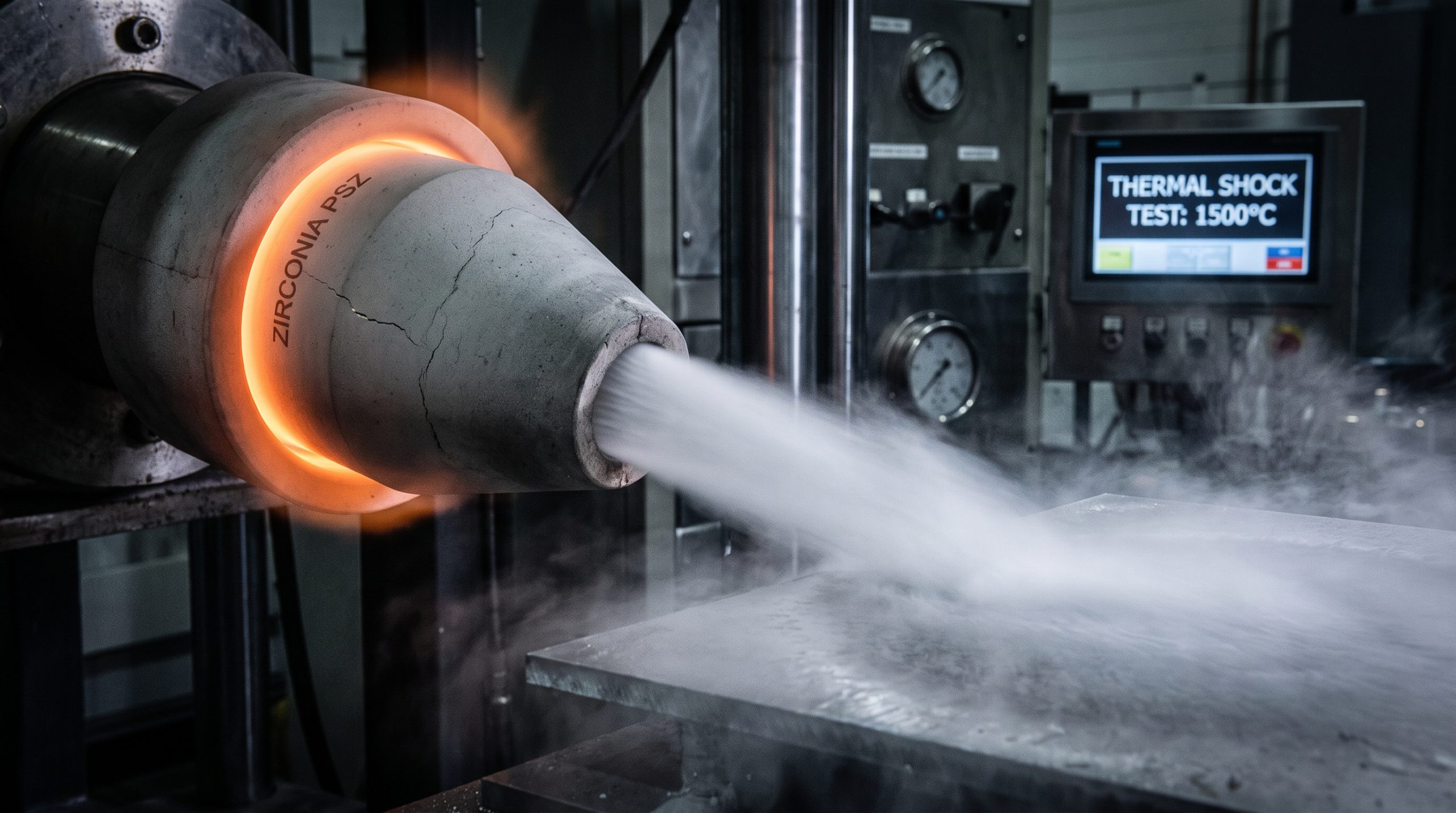
Partially stabilized zirconia is applied in demanding industrial applications including gas turbine coatings, wire drawing dies, chemical pump parts, and dental restoration blanks. Its unique combination of toughness, wear resistance, and thermal insulation makes it indispensable in environments that experience severe wear and high temperatures. In these applications, the ceramic outlasts high-performance metals and standard ceramics, maintaining tight dimensional tolerances over long operating periods. By adopting this material, operators can significantly decrease downtime and maintenance expenditures in highly automated factories.
From protective barrier coatings in aerospace to high-precision valve components in chemical plants, its impact is felt across multiple industries. Let’s look at how this material performs in specific high-stress scenarios.
Dense vertical crack coatings in gas turbines
In modern gas turbines, you can use layered coatings with dense vertical crack networks to protect hot-section components from melting. But that’s not all. Here is the deal: the vertical cracks allow the ceramic coating to expand and contract freely during rapid temperature changes, preventing delamination. This structure dramatically lowers in-plane thermal stresses, safeguarding the underlying metal turbine blades. You will benefit from these advanced thermal barrier coatings through:
- Thermal Shielding: Blocks heat transfer to double the lifetime of turbine blades.
- Erosion Resistance: Resists high-speed particle impacts under gas flows.
- Thermal Shock Relief: Vertical cracks absorb up to 60% of thermal stresses.
This specialized microstructural design allows aircraft engines and power turbines to operate at higher, more efficient temperatures. It is a vital technology for reducing fuel consumption and emissions.
Wire drawing dies and high-precision wear components
When drawing metal wire at high speeds, you need dies that can resist extreme friction and heat without losing their shape. Think about it: a wire die made of this tough ceramic maintains its inner diameter perfectly, preventing wire diameter variations. This dimensional stability is critical for keeping your automated wire production lines running smoothly and without surface defects. You can implement these components to optimize:
- Surface Finish: High-precision polished surfaces reduce friction forces.
- Erosion Tolerance: Resists abrasive wear from metal particles and lubricants.
- Component Longevity: Outlasts tungsten carbide dies by a factor of three.
This wear resistance translates directly into reduced tooling costs and improved product consistency. It represents a highly cost-effective upgrade for high-capacity wire manufacturers.
| Application Area | Operating Stress Type | Key Material Requirement | Service Life Increase vs. Metal |
|---|---|---|---|
| Gas Turbines | Thermal Cycling / Erosion | Low Conductivity / Toughness | 2 – 3x Lifespan Extension |
| Wire Drawing Dies | High-Speed Friction / Tension | Wear Resistance / Hardness | 3 – 5x Lifespan Extension |
| Chemical Pumps | Corrosive Slurry / Impact | Chemical Inertness / Toughness | 4 – 6x Lifespan Extension |
The application data demonstrates that utilizing this advanced ceramic leads to a multi-fold increase in component lifespan across diverse high-stress environments.
Key Takeaway: Integrating tough zirconia ceramics into your high-wear systems allows you to replace high-cost metal wear parts and secure long-term process stability.
How to machine partially stabilized zirconia?
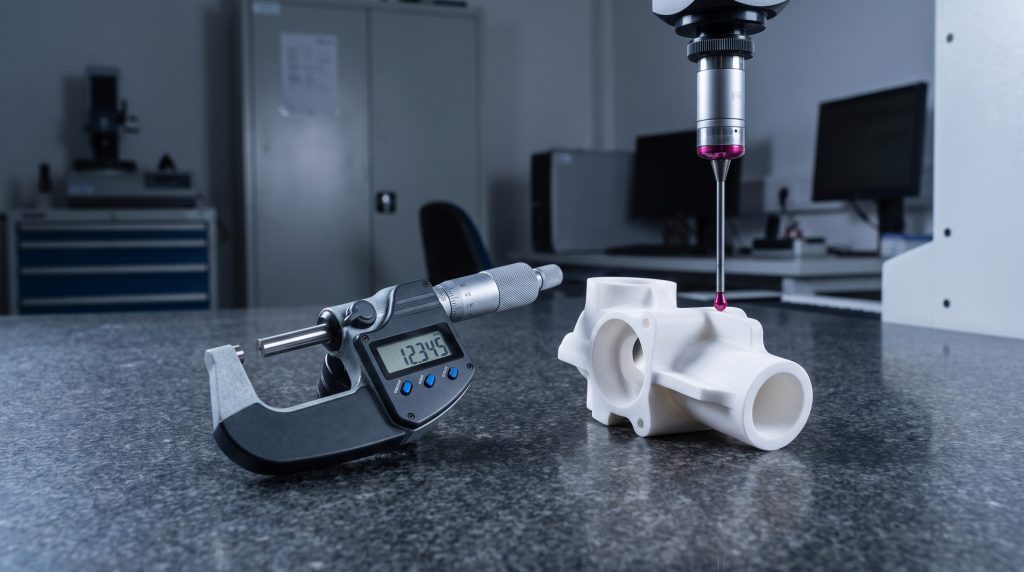
Machining partially stabilized zirconia requires a strategic combination of green-state pre-shaping and post-sintering diamond grinding to achieve precise dimensional tolerances. Green machining is performed on soft, un-sintered compacts to remove bulk material quickly and efficiently using standard cutting tools. Once fully sintered and hardened, the ceramic can only be machined using high-precision diamond-imbedded grinding wheels with continuous liquid cooling. This two-step process minimizes machining costs while preventing the formation of micro-fractures in the finished part.
Properly managing the machining parameters is vital for preserving the self-toughening phase structure of the material. Overheating or excessive grinding pressure can inadvertently trigger phase transformations, causing surface stress defects. Let’s explore the recommended machining practices.
Green-state machining versus finish-grinding
By utilizing green-state machining, you can remove over 90% of the material before the sintering step hardens the component. Here is the deal: machining un-sintered ceramic blocks is as easy as cutting chalk, allowing you to create complex geometries in minutes. However, you must carefully calculate the 15% to 22% sintering shrinkage to hit your final target dimensions. You can manage this process effectively by:
- Bulk Material Removal: Shaping green compacts reduces machining time by 80%.
- Shrinkage Calibration: Factoring in precise sintering contraction rates.
- Near-Net-Shape Forming: Minimizing the need for expensive post-sintering grinding.
This approach saves massive amounts of time and diamond tool wear, directly lowering your production costs. It makes the manufacture of complex custom ceramic parts economically viable.
Minimizing surface defects and micro-cracking
When performing finish-grinding on fully sintered parts, you must use high-pressure liquid coolants and fine-grit diamond wheels to avoid cracking. Think about it: high friction during grinding generates intense heat that can trigger premature phase transitions on the surface. By controlling the wheel speed and maintaining low depths of cut, you prevent these thermal cracks from forming. You will protect the mechanical integrity of your parts by:
- Wet Grinding: Continuous water or oil flow prevents thermal shock.
- Fine Diamond Grits: Using 325-600 grit wheels minimizes surface roughness.
- Controlled Feeds: Keeping depths of cut under 10 μm per pass avoids micro-shocks.
These strict grinding protocols ensure that your finished parts retain their high fracture toughness and wear resistance. They guarantee that no subsurface cracks will cause unexpected component failures.
| Machining Phase | Tooling Required | Removal Rate | Surface Finish Quality |
|---|---|---|---|
| Green State (Soft) | Standard Carbide Tools | Very High | Rough / Pre-sintered |
| Sintered (Hard) | Diamond-Embedded Wheels | Very Low | Excellent / Mirror Finish |
| Acid Etching (Chemical) | Fluoride Bath | Extremely Low | Matte / Selective |
This processing data shows that green-state machining should be maximized for speed, leaving diamond grinding purely for final high-precision polishing.
Key Takeaway: By maximizing bulk material removal in the green state, you save on tooling costs and avoid generating thermal stress defects in the fully hardened part.
Why trust our partially stabilized zirconia?
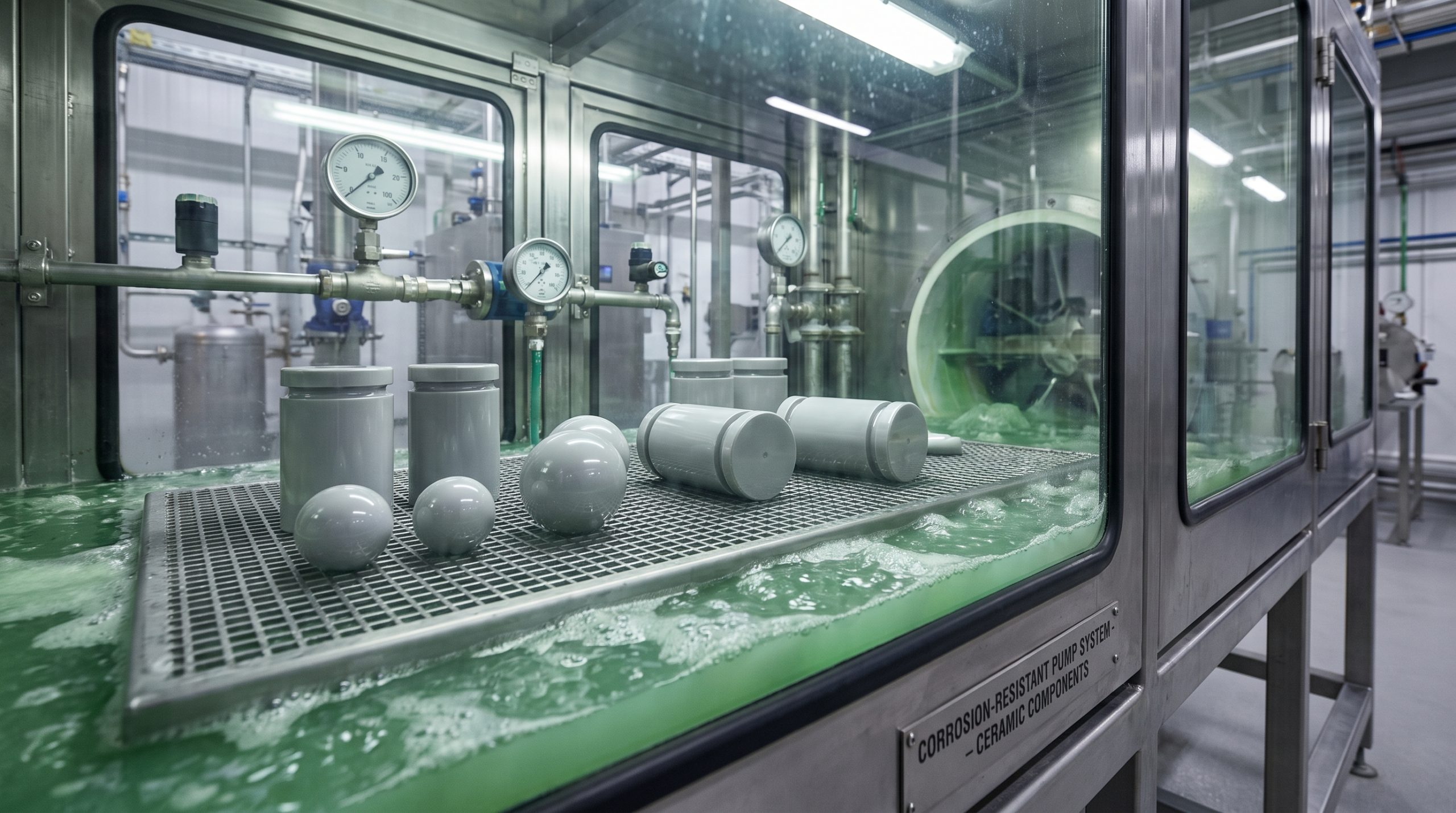
You can trust our partially stabilized zirconia because we control the entire manufacturing process from high-purity powder synthesis to final high-precision component polishing. We utilize vertical integration and rigorous laboratory testing to eliminate batch-to-batch inconsistencies in particle size, whiteness, and phase purity. Our in-house engineering team provides dedicated application support, ensuring that every ceramic grade matches your specific process conditions. This strict quality control reduces your procurement risks, lowers rejection rates, and improves your overall production yields.
We understand that consistent material performance is non-negotiable in advanced industrial systems. That is why we provide full material traceability and test data packages with every shipment. Let’s look at the quality assurance measures that set us apart.
How does ZrBrontec guarantee batch-to-batch consistency?
We maintain unmatched material consistency by performing comprehensive testing at every single stage of our production process. But that’s not all. Here is the deal: we monitor our particle size distribution and verify phase purity using advanced X-ray diffraction to prevent any quality drift. This means you will receive material that behaves identically in your sintering and molding processes every time. Our quality protocol includes:
- Raw Material Screening: Every incoming batch is analyzed for trace impurities.
- In-Line PSD Tracking: Ensures particle size distribution stays within ±5% limits.
- XRD Phase Analysis: Verifies the ratio of tetragonal to monoclinic crystals.
This extreme attention to detail eliminates manufacturing variations that could cause warping or cracking in your final parts. It gives you absolute peace of mind during high-volume production runs.
Tailoring particle size distribution for your process
Our custom milling capabilities allow us to adjust the particle size distribution of our powders to match your exact processing equipment. Think about it: whether you are using dry pressing, slip casting, or injection molding, you need a powder with the right flowability and packing density. We can customize the particle size from sub-micron levels to several microns to suit your needs. You can collaborate with us to define:
- D50 Values: Match powder particle size to your sintering temperature limits.
- Narrow PSD: Achieve consistent shrinkage and high sintered density.
- Binder Customization: Get ready-to-press granules with tailored organic binders.
This customized engineering approach ensures that our material integrates seamlessly into your existing production lines. It minimizes the time required for qualification trials and process adjustments.
| Quality Metric | Industry Average | ZrBrontec Guarantee | Operational Advantage |
|---|---|---|---|
| PSD Consistency (D₅₀) | ±15% | ±5% | Reduced Warping / Defect Rates |
| Phase Purity Verification | On Request | Every Single Batch | Guaranteed Toughening Response |
| Test Documentation | Limited | Full Traceability / COA | Complete Compliance Assurance |
The performance table highlights how ZrBrontec’s strict quality tolerances significantly outperform industry averages, directly reducing your processing risks.
Key Takeaway: Partnering with a vertically integrated manufacturer ensures you get highly consistent material, eliminating unexpected production defects and expensive downtime.
What FAQs outline partially stabilized zirconia?
This FAQ section outlines partially stabilized zirconia by addressing critical technical, commercial, and operational questions often raised by advanced procurement specialists and engineers. Understanding these fundamental questions helps you select the correct material grades and optimize your manufacturing processes. By clarifying key properties, shrinkage behaviors, and order options, we help you make informed decisions for your next engineering project. Our technical team is always available to provide additional custom advice for your specific applications.
We have compiled the most common inquiries to serve as a quick reference guide for your engineering department. Let’s address these critical material questions directly.
Can I achieve precise tolerances after sintering?
Yes, you can achieve sub-micron dimensional tolerances, but you must perform post-sintering diamond grinding to correct for natural shrinkage. During sintering, green ceramic bodies shrink by 15% to 22%, which makes direct firing to tight tolerances impossible. By using precision CNC grinding machines, you can polish and shape the hardened components to your exact target specifications.
What is the best stabilizer for thermal shock?
Magnesia is the best stabilizing dopant for applications experiencing severe thermal cycling and thermal shock. Magnesia-stabilized systems develop a unique dual-phase microstructure that absorbs thermal strains and prevents crack propagation during rapid temperature drops. This chemical composition is widely preferred for heavy metal casting and hot extrusion processes.
How do I know if my powder is fully stabilized?
You can verify the stabilization state of your material by conducting X-ray diffraction (XRD) analysis to measure the crystalline phases. Partially stabilized systems will display a mix of cubic and metastable tetragonal phases, whereas fully stabilized systems consist purely of the cubic phase. Fully stabilized ceramics do not exhibit the stress-induced transformation toughening that makes partially stabilized grades so resilient.
Can the phase transition be reversed over time?
No, the stress-induced tetragonal-to-monoclinic transformation is thermodynamically irreversible at room temperature under mechanical loading. However, you can reset the monoclinic phase back to the metastable tetragonal phase by annealing the ceramic above its phase transition temperature. This thermal treatment allows you to restore the material’s toughening potential if necessary.
What is the minimum order quantity for custom grades?
Our minimum order quantity for custom-formulated powders typically ranges from 2 to 5 metric tons depending on the complexity of the specification. For our standard grades, we offer a lower MOQ of 1 metric ton to accommodate standard production cycles. Additionally, we can supply smaller qualification samples of 25 to 100 kg to assist your engineering department with initial testing.
Conclusion & Action Guidelines
At ZrBrontec, we eliminate the costly production bottlenecks, high wear rates, and thermal cracking that plague standard industrial components. We manufacture highly stable, custom-formulated ceramic materials designed to optimize your process yields and protect your heavy machinery. Our team of experienced engineers is ready to help you select, customize, and integrate the ideal ceramic grades into your production lines. To receive tailored product recommendations, a free technical consultation, or a custom price quote within 24 hours, contact us today and let our engineering team solve your toughest material challenges. We believe that engineering excellence is built on material consistency, and we are dedicated to powering the next generation of high-performance industrial innovation.