Zirconia ceramic serves as the ultimate material solution for severe-service environments due to its self-healing transformation-toughening mechanism that arrests crack propagation. In heavy industrial processing, standard steel and carbide components constantly face rapid wear, erosion, and high-temperature fatigue that lead to catastrophic failures. These mechanical breakdowns do not just delay your timelines; they cause expensive, unscheduled shutdowns, accelerate maintenance budgets, and compromise safety thresholds. By upgrading your machinery with components made from partially stabilized zirconia, you can neutralize these severe stresses, secure predictable operating intervals, and achieve maximum throughput.
Why choose partially stabilized zirconia for tough environments?
You should select partially stabilized zirconia because its unique crystalline structure actively stops micro-cracks from propagating under intense impact. This advanced technical ceramic acts as a self-healing material by utilizing a phase-transformation mechanism triggered by localized stresses. Standard oxides fail abruptly under high tensile loads, but this material absorbs that energy and prevents sudden collapse.
Maintaining structural integrity under cyclical shock is critical to preventing downtime. By choosing this ceramic, you gain a reliable safety margin that other structural materials simply cannot offer.
What is the transformation toughening mechanism?
Let’s face it: brittle fracture is the historical Achilles’ heel of industrial ceramics. When a crack starts under tension, the localized stress triggers metastable tetragonal grains to expand. This transition into a monoclinic state causes a 3% to 4% volume increase.
The best part? This localized swelling creates a powerful compressive field that pinches the crack tip shut and stops it in its tracks.
- Metastable Tetragonal Phase: Remains primed to transition under stress.
- Monoclinic Transition: Causes volume expansion around the crack tip.
- Crack Arrest: Pinning forces stop catastrophic material propagation.
How does this prevent sudden brittle failure?
Traditional oxides experience instantaneous failure once a surface flaw is overloaded. This material behaves pseudoplastically under extreme mechanical impacts. Think about it: you get the hardness of a structural ceramic combined with the impact resistance of tool steel.
Key Takeaway: The transformation-toughening mechanism provides unmatched impact resistance, protecting critical processing components from catastrophic structural cracking.
| Metric / Parameter | Value / Description | Impact on Performance |
|---|---|---|
| Primary Stabilizer | Yttria (Y₂O₃) or Magnesia (MgO) | Retains metastable tetragonal phases |
| Transformation Mechanism | Tetragonal to Monoclinic phase shift | Localized volume expansion pins crack tips |
| Failure Mode | Non-catastrophic, high-toughness fracture | Arrests cracks before structural breach occurs |
This structural dataset highlights how phase-transformation mechanics directly mitigate the catastrophic cracking common in traditional oxide ceramics.
How tough is partially stabilized zirconia under structural loads?
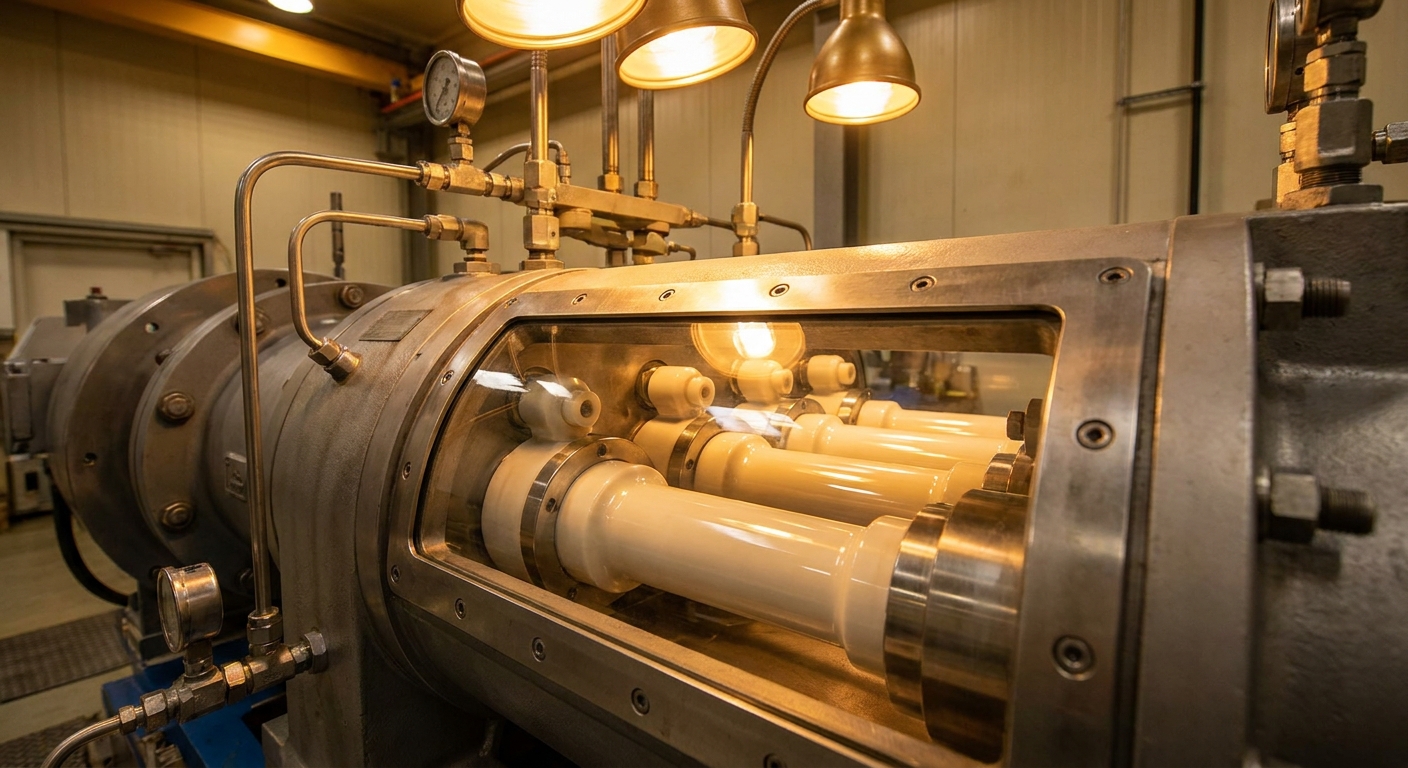
Partially stabilized zirconia exhibits an exceptional flexural strength exceeding 1,000 MPa, allowing it to withstand extreme mechanical loads that easily crack standard alumina parts. This outstanding structural durability makes it a premier option for heavy-duty assemblies. When you require maximum load-bearing capability under high bending stresses, this structural ceramic delivers unmatched performance.
It matches or exceeds the yield limits of hardened tool steels. Choosing this material ensures your system avoids sudden deformation under intensive pressure.
Evaluating flexural and tensile limits
High flexural strength is what allows this material to replace high-strength steel alloys in demanding assemblies. Hot isostatically pressed (HIP) variations can reach a flexural limit of up to 1,720 MPa. Here is why: the removal of micro-pores during the HIP process eliminates potential crack initiation sites.
If you want to replace metal components with zirconia ceramic successfully, verifying these high bending limits is the first engineering step.
How does it perform under massive compression?
Under purely compressive loads, this oxide outperforms almost all industrial alloys. It reaches compressive strengths of up to 2,500 MPa without experiencing permanent deformation. This high rigidity prevents dimensional shifting under severe hydraulic or mechanical loads.
- High Elastic Modulus (210 GPa): Resists elastic deformation.
- Zero Creep Yield: Maintains exact geometry under steady compressive forces.
- High Compressive Limit (2,000–2,500 MPa): Excels in heavy-load column bearings.
Key Takeaway: High flexural and compressive ratings allow these ceramic parts to operate reliably under stresses that degrade hardened tool steels.
| Property Metric | Standard Sintered Grade | Hot Isostatically Pressed (HIP) |
|---|---|---|
| Flexural Strength (MOR) | 1,000 – 1,240 MPa | 1,400 – 1,720 MPa |
| Compressive Strength | 2,000 MPa | 2,500 MPa |
| Elastic Modulus | 210 GPa | 210 GPa |
These performance metrics prove that HIP processing significantly increases the structural strength limits of stabilized ceramic components.
Does partially stabilized zirconia survive extreme heat?
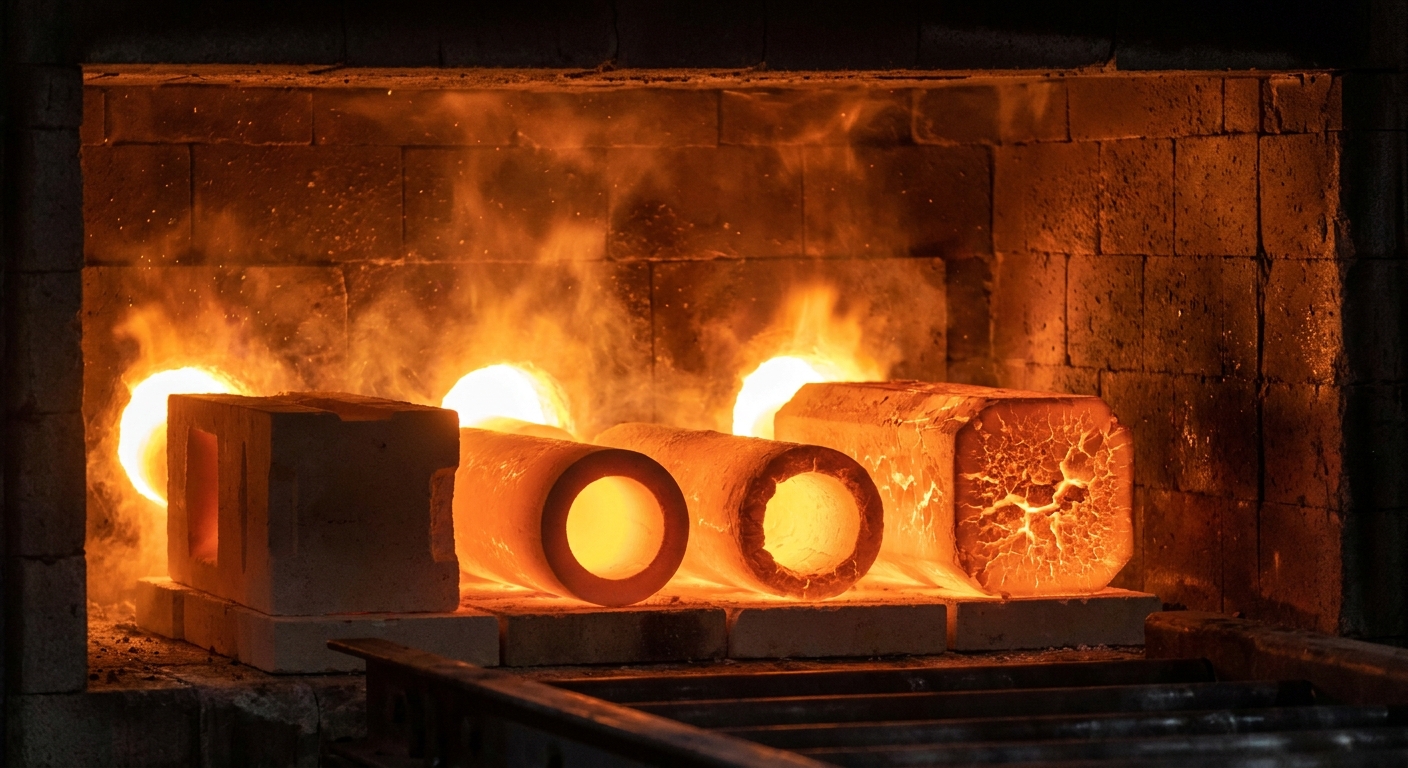
Yes, partially stabilized zirconia can continuously withstand operating temperatures up to 1,500°C while acting as a highly effective thermal insulator. You can integrate this material to isolate intensive heat and prevent thermal degradation in adjoining metal housings. Utilizing this advanced technical ceramic ensures dimensional stability where thermal expansion and heat transfer cause other materials to fail.
Its low thermal conductivity prevents thermal energy from transferring to delicate external housings. This thermal protection ensures consistent tolerances and safety across thermal boundaries.
Why does it work as a low thermal conductivity barrier?
Think about it: standard alumina conducts heat at about 30 W/m·K, which quickly transfers extreme kiln temperatures. This ceramic features an exceptionally low thermal conductivity of only 2.2 W/m·K.
This makes it a perfect insulator to protect structural frameworks and downstream process sensors.
- Thermal Isolation: Low conductivity protects adjacent metallic parts.
- Energy Conservation: Prevents unwanted heat dissipation in high-heat processes.
- Thermal Protection: Acts as a solid barrier in thermal spray nozzles.
Can it survive rapid thermal shock?
Rapid temperature fluctuations typically shatter brittle ceramics due to localized internal expansion. Fortunately, this material’s coefficient of thermal expansion closely matches that of carbon steel. This matching expansion rate drastically reduces shear stresses at metal-ceramic boundaries.
This thermal stability is heavily supported by a yttria stabilized zirconia stable at high temperatures phase profile.
Key Takeaway: Outstanding thermal insulation combined with a steel-matched expansion coefficient prevents thermal shock failures at extreme process temperatures.
| Thermal Property | Value / Measurement | Engineering Benefit |
|---|---|---|
| Thermal Conductivity (20°C) | 2.2 W/m·K | Delivers exceptional thermal isolation |
| Coeff. of Thermal Expansion (CTE) | 10.2–10.3 × 10⁻⁶/°C | Prevents shear stresses at metallic interfaces |
| Maximum Service Temp (Continuous) | 1200°C–1500°C | Remains dimensionally stable under intense heat |
This high-temperature profile illustrates why stabilized oxides perform reliably in thermal protection and high-insulation roles.
What is the microstructural layout of partially stabilized zirconia?
The microstructural layout of partially stabilized zirconia consists of a balanced mix of metastable tetragonal precipitates and stabilized cubic grains that optimize fracture resistance. Precise chemical doping during the sintering process locks in this multi-phase structure at room temperature. Without these stabilizers, pure zirconia would experience uncontrolled crystal volume shifts and fail catastrophically during cooling.
By adjusting the volumetric ratios of these phases, engineers can fine-tune mechanical behaviors. This high-density matrix yields an isotropic material free from dangerous structural anomalies.
The role of metastable tetragonal grains
The tetragonal grains represent the active mechanical defense mechanism within the ceramic matrix. These sub-micron precipitates are distributed evenly throughout the material.
Here is why: keeping them in a metastable tetragonal state requires highly controlled chemical dopants.
- Sub-micron Grain Size: Enhances material hardness and density.
- High Precipitate Density: Ensures uniform mechanical properties.
- Locked-in Energy: Ready to trigger phase-transformation when localized stress occurs.
Balancing the cubic and monoclinic phases
The cubic phase provides high-temperature creep resistance and phase stability. Engineers must keep the residual monoclinic phase very low during production.
The best part? Adjusting this volumetric ratio allows manufacturers to customize the grade for your specific application.
Key Takeaway: A precisely engineered grain matrix balances thermal stability and physical toughness, providing tailored protection for industrial systems.
| Phase Component | Volumetric Fraction | Primary Structural Contribution |
|---|---|---|
| Metastable Tetragonal | 40% – 60% | Drives transformation toughening |
| Cubic Matrix | 30% – 50% | High-temperature structural stability |
| Monoclinic (Residual) | < 10% | Kept low to prevent microstructural cracking |
This precise phase distribution determines the structural performance, showing how physical toughness is chemically integrated.
How do you wear-test partially stabilized zirconia parts?
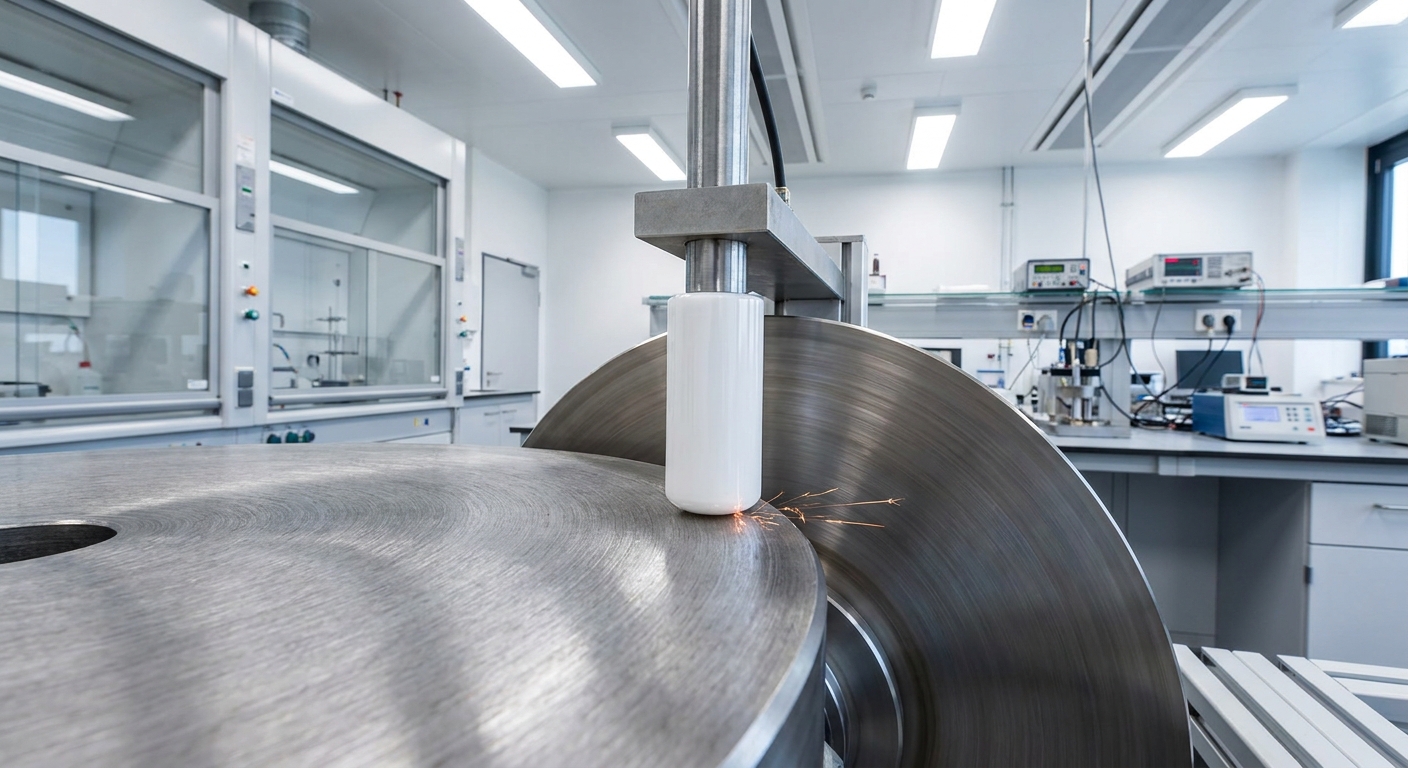
You wear-test partially stabilized zirconia using standardized tribological protocols, such as the pin-on-disk method, to calculate precise volumetric material loss under operational pressure. Standard mechanical parts wear down quickly when exposed to abrasive industrial media. Measuring this ceramic’s response under dry and lubricated sliding conditions ensures its wear rate matches your expectations.
These protocols simulate thousands of hours of physical friction in just a few days. The empirical results permit precise lifetime projections across severe-service systems.
Dynamic wear verification under ASTM G99
Pin-on-disk testing under ASTM G99 provides empirical proof of a material’s friction coefficient and long-term wear factor. Think about it: a polished ceramic plunger operating in a pump must resist constant sliding friction.
Testing under this standard demonstrates a low coefficient of friction, which minimizes heat generation.
- Low Friction (0.25–0.35): Minimizes system power draw and surface heat.
- Volumetric Precision: Tracks wear down to the micro-gram level.
- Predictable Lifetimes: Enables engineers to calculate scheduled maintenance windows.
Assessing performance in abrasive slurries
In high-velocity fluid environments, suspended grit can scour and pit vulnerable metal components. Slurry erosion tests verify that this material’s high hardness (1,300 Knoop) resists scratching.
This makes it a great candidate to improve wear resistance with partially stabilized zirconia in industrial pump components.
Key Takeaway: Rigorous ASTM wear testing confirms that this high-hardness oxide delivers a sliding lifetime up to ten times longer than hardened alloys.
| Tribological Parameter | Standard Value | Practical System Benefit |
|---|---|---|
| Knoop Hardness (1000g) | 12–13 GPa | Prevents abrasive scoring and scratching |
| ASTM G99 Friction Coeff. (Dry) | 0.25–0.35 | Low-drag operation minimizes surface heating |
| Slurry Erosion Resistance | 10x higher than Tool Steel | Extends operating lifetime of slurry pumps |
These tribological values highlight how utilizing extreme material hardness results in outstanding abrasive erosion resistance.
Where is partially stabilized zirconia used across industries?
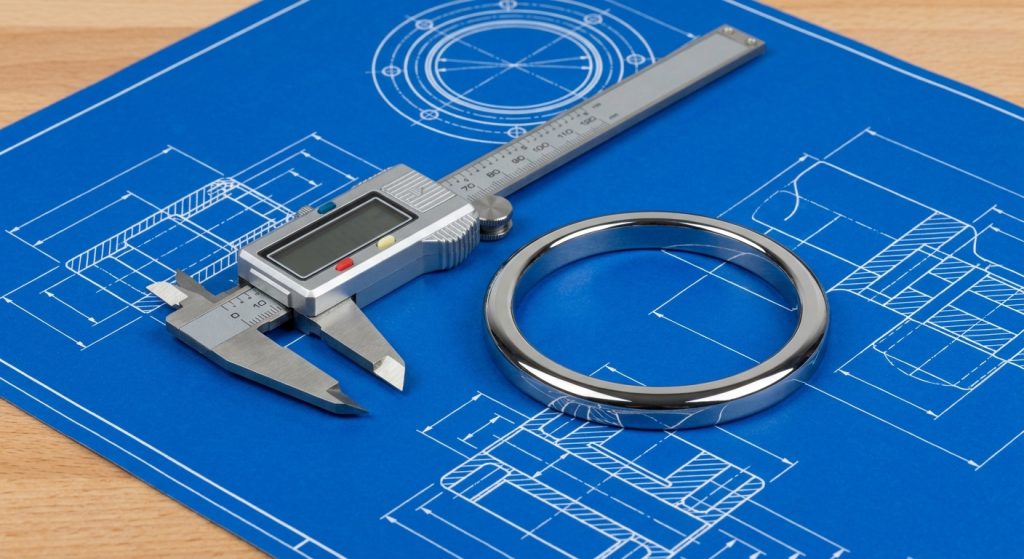
Partially stabilized zirconia is used across industries in demanding fluid management, downhole drilling, and high-speed packaging applications where metal components fail prematurely. These high-stress environments require components that combine intense hardness with extreme resistance to impact and erosion. Utilizing this advanced technical ceramic allows operators to extend system runtimes under harsh working conditions.
By upgrading these components, you eliminate frequent maintenance cycles. This direct replacement reduces overhead while maximizing processing speeds.
Precision valves and high-pressure fluid systems
In high-pressure chemical dosing pumps, metal valve balls and seats degrade due to corrosive acids and abrasive grit. The high mechanical toughness of this ceramic enables it to resist cavitation and erosion.
Utilizing heat resistance with zirconia ceramic components in these pump systems prevents dimensional wear and leaks.
- Corrosion-Proof Sealing: Resists aggressive chemical attack at high pressures.
- Zero Cavitation Wear: Eliminates micro-pitting caused by turbulent fluid flows.
- Smooth Operation: Sub-micron surface finishes ensure tight seal clearances.
Downhole drilling and container packaging tooling
Deep oil and gas wells expose drilling tools to extreme structural loads and abrasive muds. Let’s face it: standard components simply wear out too fast under these conditions.
Additionally, in high-volume can tooling, these polished rings guide metal sheets without scratching or galling.
Key Takeaway: From deep-well extraction to high-speed canning lines, this ceramic provides structural reliability in severe-service roles.
| Industry Sector | Component Type | Primary Mechanical Target |
|---|---|---|
| Fluid Management | Valve Balls, Plungers, Seats | Absolute erosion and cavitation resistance |
| Oil & Gas Drilling | Mud Motor Bearings, Wear Pads | High impact resistance under cyclic vibration |
| Packaging Industry | Can Extrusion Dies, Necking Rings | Zero-galling micro-inch surface finishes |
This application breakdown illustrates how specific mechanical advantages solve distinct, high-wear industrial problems.
Is partially stabilized zirconia chemically inert in acids?
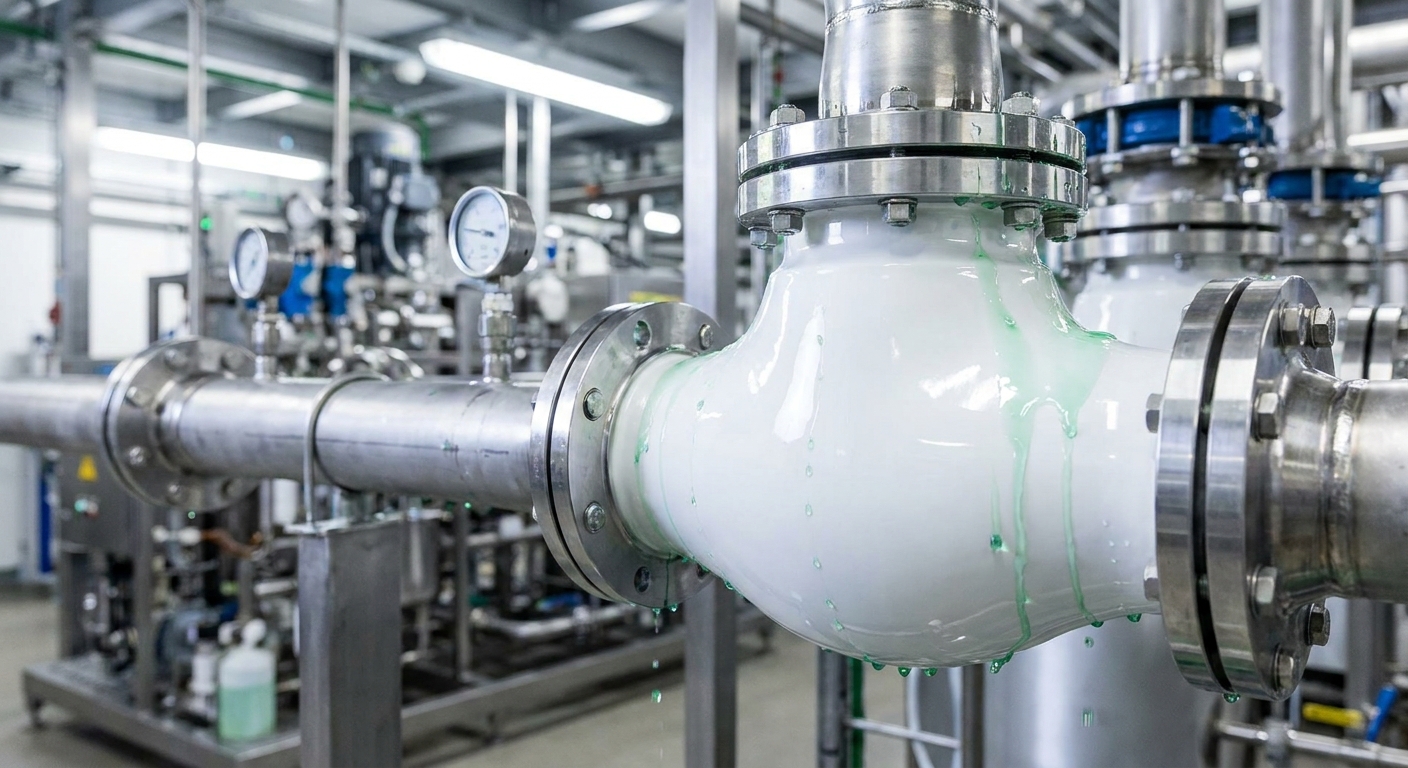
Yes, partially stabilized zirconia is exceptionally chemically inert, maintaining its structural integrity in both concentrated acids and strong alkaline solutions. Unlike many alumina-based ceramics, this oxide does not contain a silica glass boundary phase that can dissolve in corrosive fluids. This complete chemical stability prevents surface pitting, leaching, and mechanical degradation in aggressive environments.
You can operate this ceramic in severe chemical streams without experiencing material loss. This complete inertness protects product purity in chemical synthesis lines.
Surviving acidic attacks and aggressive media
Strong acids like sulfuric and hydrochloric acid quickly corrode and pit structural alloys, leading to microstructural cracking. This ceramic remains completely unaffected even at boiling temperatures.
Here is why: its high-density crystal matrix blocks chemical penetration and prevents sub-surface damage.
- Zero Acid Leaching: No loss of critical material binders over time.
- High Temperature Inertness: Resists chemical corrosion at extreme process heats.
- Oxidation Resistance: Completely immune to rusting and oxidation under high moisture.
Alkaline stability and caustic processing
Highly alkaline processes like paper pulping or chemical mixing require materials that resist caustic softening. This oxide maintains its phase stability and mechanical properties up to pH 14.
Think about it: you can run aggressive wash cycles without worrying about damaging your critical ceramic components.
Key Takeaway: Exceptional chemical resistance across the entire pH spectrum ensures a long, reliable component lifespan in the harshest chemical processing lines.
| Acid / Base Environment | Concentration Limit | Resistance Rating |
|---|---|---|
| Hydrochloric Acid (HCl) | Up to 37% at 100°C | Excellent (No surface etching) |
| Sodium Hydroxide (NaOH) | Up to 50% at 80°C | Highly Stable (No material loss) |
| Organic Solvents | All concentrations at boiling | Immune (Completely non-reactive) |
This chemical compatibility list confirms that the material remains structurally stable when exposed to highly aggressive acids and caustics.
How do you machine partially stabilized zirconia components?
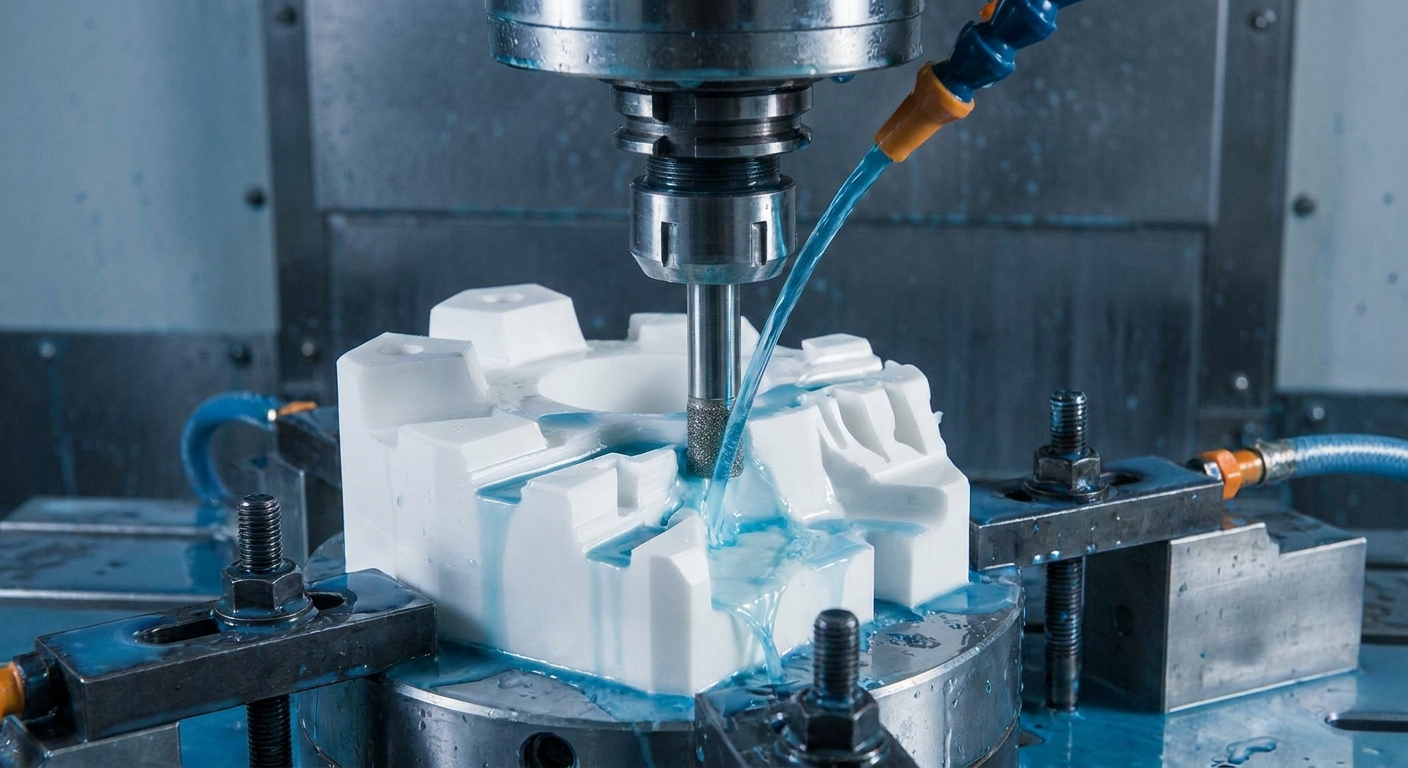
You machine partially stabilized zirconia components using a two-stage process that combines fast “green state” pre-sinter machining with high-precision diamond grinding after final firing. Processing this material in its soft, chalk-like green state allows you to shape complex geometries quickly. Once sintered to its full hardness, only diamond abrasive wheels can refine tolerances and polish the surface.
This dual-stage approach balances raw machining speed with sub-micron dimensional precision. It represents the standard for achieving close-tolerance structural fits.
Green machining and managing shrinkage
Green machining is performed before the ceramic is fired in high-temperature kilns. The best part? You can use standard carbide milling tools to shape the part, saving time and reducing tool wear.
However, you must carefully account for a predictable 20% to 30% volumetric shrinkage that occurs during sintering.
- Rapid Material Removal: Fast shaping of complex profiles in the green state.
- Carbide Tool Compatibility: Eliminates the need for expensive post-sinter diamond tools.
- Shrinkage Compensation: Precise CAD scaling matches final sintered drawings.
Post-sinter diamond grinding parameter rules
After sintering, the ceramic reaches its full hardness and cannot be worked with standard metal-cutting tools. You must use specialized machine partially stabilized zirconia for precision components protocols using diamond-grit wheels and water-soluble coolant.
Here is why: aggressive grinding or dry conditions can build up heat, triggering premature phase transitions and micro-cracking.
Key Takeaway: Combining fast green-state milling with precise post-sinter diamond grinding delivers tight clearances and high structural integrity.改:
| Machining Variable | Rough Grinding | Precision Finish Grinding |
|---|---|---|
| Diamond Wheel Grit | 80–120 Grit | 400–1200 Grit |
| Wheel Surface Speed | 25–30 m/s | 30–35 m/s |
| Coolant Medium | Water-soluble synthetic oil | High-volume water-soluble synthetic oil |
This machining parameter dataset demonstrates how precision parameters are critical to preventing surface stress cracking during finish grinding.
What stabilizer works best in partially stabilized zirconia?
The stabilizer that works best in partially stabilized zirconia depends on whether your system requires maximum mechanical strength or superior resistance to thermal shock. Adding yttria (Y₂O₃) yields Y-PSZ, which is ideal for ambient load-bearing parts due to its exceptionally fine grain structure and high flexural strength. In contrast, adding magnesia (MgO) produces Mg-PSZ, which excels in hot, humid process environments.
Selecting the wrong chemistry can compromise the material’s structural life. Understanding these differences ensures your component matches its thermal and environment limits.
Comparing yttria and magnesia systems
Yttria-stabilized grades provide the highest starting mechanical strength, with a flexural strength of over 1,200 MPa. Think about it: when you need to match tool steel properties, yttria is the default choice.
However, magnesia-stabilized grades feature a coarser grain structure that is highly resistant to thermal shock.
- Yttria Stabilizer (Y-PSZ): Max strength, fine grains, smooth finishes.
- Magnesia Stabilizer (Mg-PSZ): High thermal shock resistance, stable in steam.
- Targeted Matching: Choice depends on mechanical vs. thermal priorities.
Mitigating Low Temperature Degradation (LTD)
In warm, humid environments ($100^\circ\text{C}$ to $250^\circ\text{C}$), some yttria grades can suffer from hydrothermal aging or LTD. Water molecules can penetrate the grain lattice and cause a spontaneous, non-stress-induced transition to the monoclinic phase.
To prevent this degradation, you must specify grades with optimized grain sizes or choose magnesia-stabilized formulations.
Key Takeaway: Choosing the right stabilizer chemical system is critical to balancing mechanical strength and long-term durability in high-humidity processes.
| Stabilizer Type | Typical Mole % | Primary Advantages | Disadvantages / Vulnerabilities |
|---|---|---|---|
| Yttria (Y₂O₃) | 3.0 mol % | Ultra-fine grains, max strength | Sensitive to hydrothermal aging (LTD) |
| Magnesia (MgO) | 8.0 – 10.0 mol % | Outstanding thermal shock resistance | Coarser grains, lower flexural limits |
This structural comparison shows how different chemical stabilizers directly determine a ceramic component’s thermal and environmental limits.
How do you specify partially stabilized zirconia tolerances?
You specify partially stabilized zirconia tolerances by balancing standard “as-fired” sintering variances against high-precision post-sinter diamond grinding for critical slip-fit components. Standard kiln sintering provides tolerances of around ±1% of nominal dimensions. When your system requires tighter clearances, you must specify additional grinding and polishing operations on your engineering drawings.
Properly identifying these zones avoids unnecessary diamond finishing costs. This targeted design approach ensures maximum component precision without exceeding your budget.
Defining surface roughness and mirror finishes
Thanks to its sub-micron grain structure, this structural ceramic can be polished to a mirror finish with a Roughness Average (Rₐ) below 0.05 micro-meters. Here is why: specifying a low surface roughness reduces friction and prevents dynamic seal wear.
If you want to achieve these tolerances, you can select the right yttria stabilized zirconia grade based on your clearance and polishing requirements.
- Polished Seal Face (Rₐ < 0.05 μm): Eliminates seal abrasion.
- Sintered Surface (Rₐ ≈ 1.2 μm): Ideal for non-mating, low-cost areas.
- Lapped Tolerances (±0.005 mm): Crucial for ultra-precise slip fits.
Designing tolerance budgets for sintering
Every sintered ceramic part shrinks during firing, which introduces slight geometric variations. The best part? You can save on manufacturing costs by specifying standard sintered tolerances where clearances are non-critical.
Key Takeaway: Proper tolerance budgeting ensures cost-effective manufacturing by limiting expensive diamond grinding only to critical dynamic mating surfaces.
| Dimension Parameter | Sintered (As-Fired) | Diamond-Ground / Lapped |
|---|---|---|
| Dimensional Tolerance | ±1.0% (Min ±0.10 mm) | ±0.005 mm (Ultra-precise) |
| Surface Roughness (Rₐ) | 0.8–1.6 μm | 0.05–0.20 μm (Mirror finish) |
| Concentricity / Flatness | ±0.5 mm | ±0.01 mm |
This drawing tolerance matrix highlights the significant clearance improvements achieved by applying post-sinter precision finishing techniques.
Strategic Material Integration
Upgrading legacy metallic components to advanced structural ceramics is the definitive path to eliminating downtime and maximizing reliability. By resolving the fundamental limitations of wear, thermal shock, and chemical attack, these components safeguard your daily throughput. Our technical engineering team is ready to analyze your application loads, specify the optimal stabilizer chemistry, and finish your components to exact geometric clearances. To request a direct material analysis or custom manufacturing quote, contact us today to collaborate with our ceramic specialists. We are committed to engineering the high-performance structural boundaries that drive the next generation of industrial durability.
Advanced Materials FAQ
Can I use yttria-stabilized parts in boiling steam?
No, you should avoid using standard yttria-stabilized grades in continuous steam environments. Water molecules at temperatures between 100°C and 250°C trigger Low Temperature Degradation (LTD), causing surface micro-cracking. For these conditions, you should specify a magnesia-stabilized grade.
What is the best way to attach these ceramic parts to steel shafts?
Absolutely, the best method is utilizing shrink-fitting or active metal brazing. Because this ceramic’s coefficient of thermal expansion closely matches steel, it minimizes localized boundary stresses. This prevents bond line failures during thermal cycling.
How do I know if standard alumina is insufficient for my wear parts?
Yes, if your components suffer from sudden cracking, chipping, or catastrophic fatigue under high loads, standard alumina is inadequate. Alumina has high hardness but lacks fracture toughness. Upgrading to this stabilized oxide provides the phase-transformation toughening needed to absorb heavy impacts.
Can I machine the final sintered ceramic with standard shop tooling?
No, you cannot cut fired zirconia with standard carbide or high-speed steel workshop tools. The fully sintered material has a hardness of 1,300 Knoop and requires diamond abrasive grinding. You must complete any complex geometries during the soft green state before firing.
What is the tightest dimensional tolerance you can hold on dynamic seals?
Absolutely, we can reliably achieve linear tolerances down to ±0.005 mm and surface finishes below 0.05 μm Roughness Average (Rₐ). This is done through precision post-sinter diamond lapping. These tight clearances ensure zero-leak operation in high-pressure fluid valves.