
Partially stabilized zirconia is an advanced technical ceramic engineered to prevent catastrophic mechanical failure in high-stress industrial applications by arresting micro-cracks through stress-induced phase transformation. Operating heavy processing machinery in severe chemical or mechanical environments constantly threatens component integrity. When standard alloy valves or conventional ceramics fail from erosion, thermal shock, or brittle cracking, your production line faces costly unscheduled downtime and batch contamination. Incorporating high-performance partially stabilized zirconia components into your machinery provides the fracture toughness and chemical inertness required to survive extreme operating conditions without structural degradation.
What Is Partially Stabilized Zirconia?
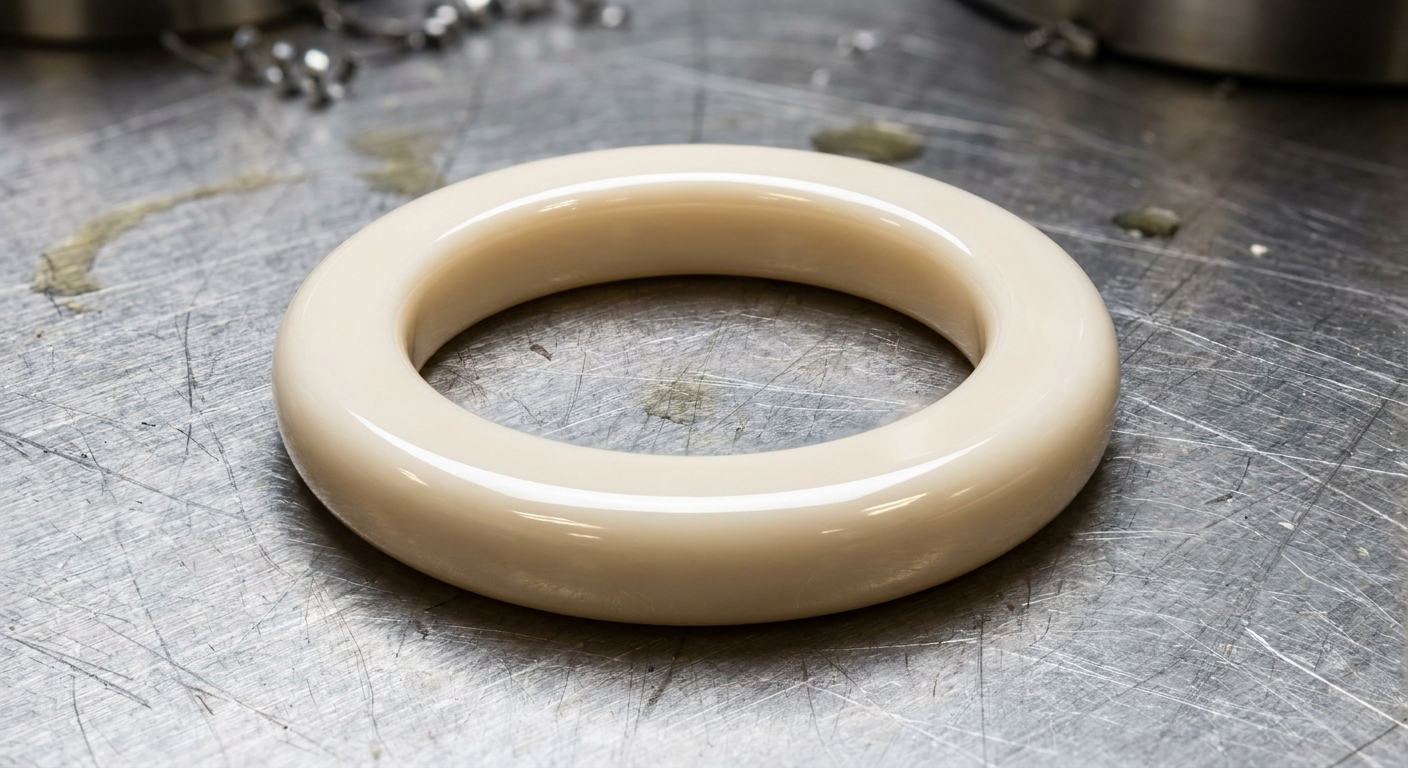
Partially stabilized zirconia is a high-toughness ceramic composite composed of zirconium dioxide modified with stabilizing oxides like yttria to retain a multi-phase crystalline structure. By incorporating dopants into pure zirconia, partially stabilized zirconia maintains a delicate balance of metastable tetragonal and monoclinic phases at room temperature. This unique mixture prevents the catastrophic cracking typically caused by volume expansion during thermal cooling.
Chemical Composition and Crystal Structure
Pure zirconium dioxide undergoes destructive phase shifts from monoclinic to tetragonal at 1170°C, accompanied by a 3% to 5% volume change. Think about it: adding yttrium oxide locks high-temperature crystal phases into a stable matrix at ambient temperatures.
Key structural features include:
- Multiphase crystal network combining cubic, tetragonal, and monoclinic grains.
- Suppression of thermal expansion stress during high-temperature processing.
- Controlled chemical formulation optimizing density and grain alignment.
How Does Phase Transformation Toughening Work?
Phase transformation toughening operates as a built-in mechanical self-defense mechanism that absorbs impact energy when micro-cracks attempt to propagate. When mechanical stress strikes a tetragonal grain, it immediately transforms into a monoclinic crystal, expanding by 3% to 5% and squeezing the crack tip shut.
This compressive stress field halts propagation before catastrophic structural failure can occur.
Key Takeaway: Utilizing phase-transformation-toughened ceramics guarantees that your components withstand high impact without unpredictable brittle fracturing.
| Microstructural State | Crystal Phase Mix | Primary Mechanical Effect |
|---|---|---|
| Unstabilized Zirconia | Monoclinic (100%) | High brittleness, prone to thermal cracking |
| Partially Stabilized (PSZ) | Tetragonal + Cubic + Monoclinic | High fracture toughness, stress-induced toughening |
| Fully Stabilized (FSZ) | Cubic (100%) | High ionic conductivity, lower mechanical toughness |
Analysis: Selecting the appropriate phase mix enables components to dynamic absorption of mechanical stress without lattice cleavage.
Why Choose Partially Stabilized Zirconia?
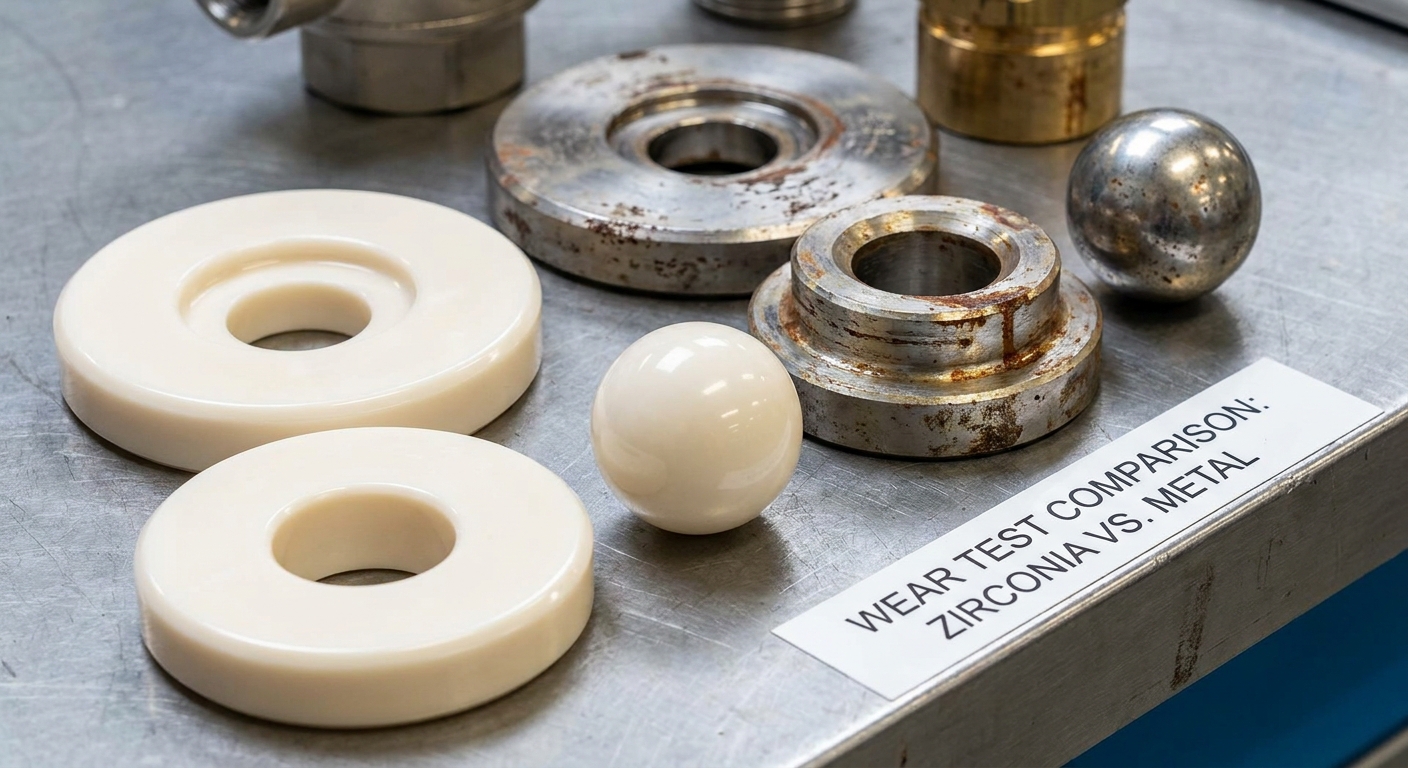
You should choose partially stabilized zirconia because it provides an unmatched combination of high density, superior flexural strength, and exceptional fracture toughness compared to traditional technical ceramics. Industrial equipment operating with partially stabilized zirconia components suffers significantly lower wear rates and avoids sudden brittle failures under mechanical stress.
Key Industrial Advantages Over Standard Ceramics
Partially stabilized ceramics deliver density values reaching 6.0 g/cm³ and a bend strength of 9,000 kgf/mm², surpassing standard alumina or porcelain materials. Here’s the deal: conventional ceramics crack under minor mechanical shocks, whereas PSZ absorbs energy dynamically.
Core operational advantages include:
- High compression intensity resisting up to 20,000 kgf/mm² of load.
- Smooth surface finishes that decrease sliding friction coefficients.
- Excellent surface integrity under severe mechanical vibration.
Long-Term Maintenance and Cost Reduction Benefits
Replacing worn metallic valves or fragile ceramic sleeves with high-toughness zirconia eliminates recurring maintenance cycles and reduces total cost of ownership. Zero rusting and exceptional abrasion resistance directly extend equipment campaign life by five to ten times.
The initial investment in technical ceramics quickly pays for itself through eliminated unscheduled downtime and reduced spare parts inventory.
Key Takeaway: Upgrading to high-strength zirconia components drastically reduces plant operating costs by eliminating sudden component failures.
| Operational Factor | Standard Technical Ceramics | Partially Stabilized Zirconia | Plant Impact |
|---|---|---|---|
| Corrosion Resistance | Moderate | High (Acid & Alkali Resistant) | Zero chemical wash-out or pitting |
| Fracture Toughness | Low to Moderate | Exceptional | Prevents sudden brittle catastrophic failure |
| Operational Lifespan | Baseline (1x) | Extended (5x – 10x) | Dramatically lower replacement frequency |
Analysis: Evaluating total cost of ownership demonstrates that initial material expenditure yields massive long-term operational savings.
How Is Partially Stabilized Zirconia Made?
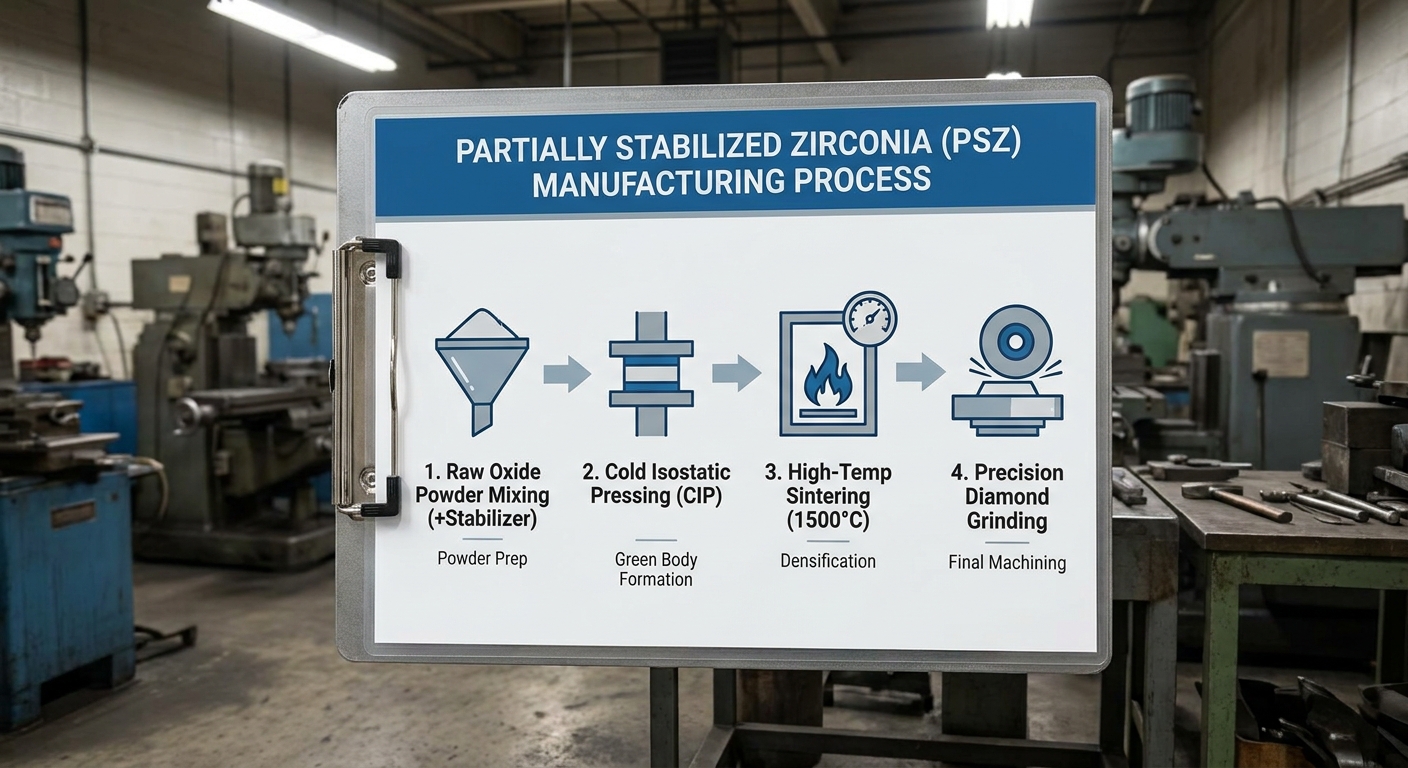
Partially stabilized zirconia is manufactured through a precise sequence of chemical powder synthesis, cold pressing, high-temperature thermal sintering, and precision diamond grinding. Precision control during powder doping allows partially stabilized zirconia to develop uniform sub-micron grain boundaries required for high mechanical toughness.
Raw Material Preparation and Yttria Doping
High-purity zirconium dioxide powder is intimately blended with controlled molar percentages of yttrium oxide stabilizer to achieve homogenous dopant distribution. Look: un-uniform powder mixing creates localized stress points that destroy fracture resistance during final usage.
Manufacturing steps include:
- Fine wet ball milling to achieve tight particle size distribution.
- Spray drying to form free-flowing spherical granules for pressing.
- Precise oxide formulation control to guarantee phase stability.
Precision Molding, Sintering, and Finishing
Granulated powders are compacted using cold isostatic pressing (CIP) to achieve uniform green body density before entering high-temperature kilns. Thermal sintering at 1450°C to 1500°C consolidates the ceramic body to its full 6.0 g/cm³ density while keeping grain size extremely fine.
Post-sintering finishing relies on specialized diamond grinding tooling to reach micron-level dimensional tolerances on critical seal faces.
Key Takeaway: Rigorous powder processing and high-temperature sintering create dense, flawless ceramic structures engineered for tight tolerances.
| Manufacturing Stage | Critical Process Variable | Quality Control Metric |
|---|---|---|
| Powder Doping & Milling | Dopant Homogeneity & PSD | Sub-micron particle uniformity |
| Cold Forming (CIP) | Compaction Pressure | Green body density distribution |
| Thermal Sintering | Temperature (~1500°C) & Ramp Rate | Sintered density (6.0 g/cm³) & grain size |
| Precision Diamond Finishing | Tool Speed & Coolant Flow | Dimensional tolerance (±0.005 mm) |
Analysis: Strict temperature management during thermal densification locks in optimal phase distributions across large component batches.
What Defines Partially Stabilized Zirconia?
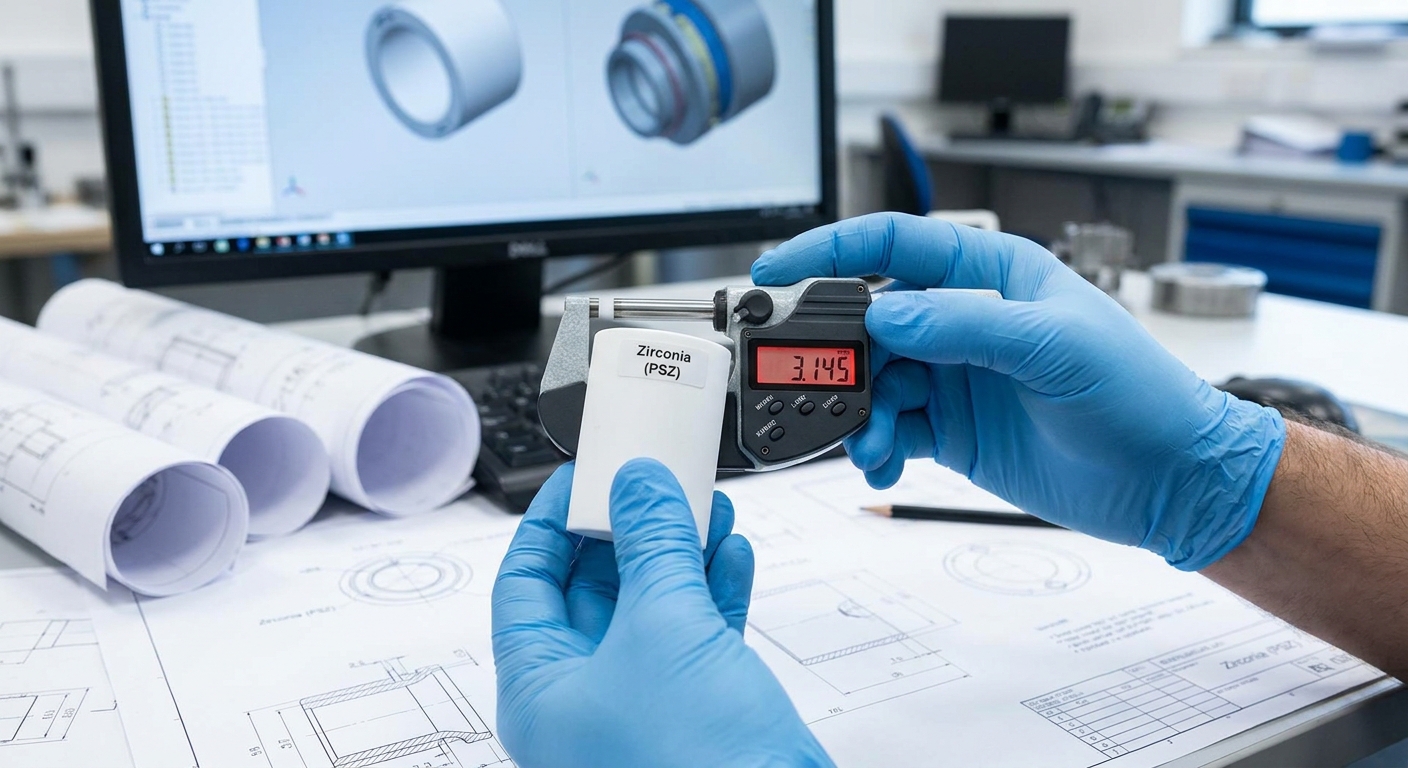
Partially stabilized zirconia is defined by its exceptional physical properties, including a density of 6.0 g/cm³, a compressive strength of 20,000 kgf/mm², and zero open porosity. Standard physical testing confirms that partially stabilized zirconia maintains high thermal insulation alongside superb mechanical durability.
Mechanical and Physical Strength Parameters
The physical specifications of PSZ ceramics set the standard for high-load industrial applications where standard metals deform or seize. Want to know the real secret? Engineers seeking components for yttria stabilized zirconia for high-stress applications rely on these specific material properties to design reliable systems.
Essential physical properties include:
- Water absorption rating of less than 0.1%, ensuring zero fluid penetration.
- Vickers hardness reaching 1300 HV for superior scratch resistance.
- High flexural strength capable of withstanding extreme mechanical shear.
Thermal and Electrical Insulation Capabilities
With a thermal conductivity of just 3 W/m·K at room temperature, PSZ acts as an effective thermal barrier in high-heat processes. Its volume resistivity exceeds 10¹⁰ Ω·cm at 20°C, providing outstanding electrical insulation across demanding industrial power environments.
The material remains structurally stable up to continuous working temperatures of 1300°C without undergoing degradation.
Key Takeaway: Comprehensive physical and electrical testing ensures that PSZ components perform reliably under extreme thermal and mechanical loads.
| Property Parameter | Metric Value | Engineering Significance |
|---|---|---|
| Density | 6.0 g/cm³ | High solidity and zero open porosity |
| Compressive Strength | 20000 kgf/mm² | Withstands extreme load-bearing forces |
| Thermal Conductivity | 3 W/m·K (25°C) | Excellent thermal barrier behavior |
| Volume Resistivity | >10¹⁰ Ω·cm | High electrical insulation capacity |
Analysis: Zero open porosity prevents chemical entrapment while high compressive strength supports heavy structural loads.
Where Is Partially Stabilized Zirconia Used?
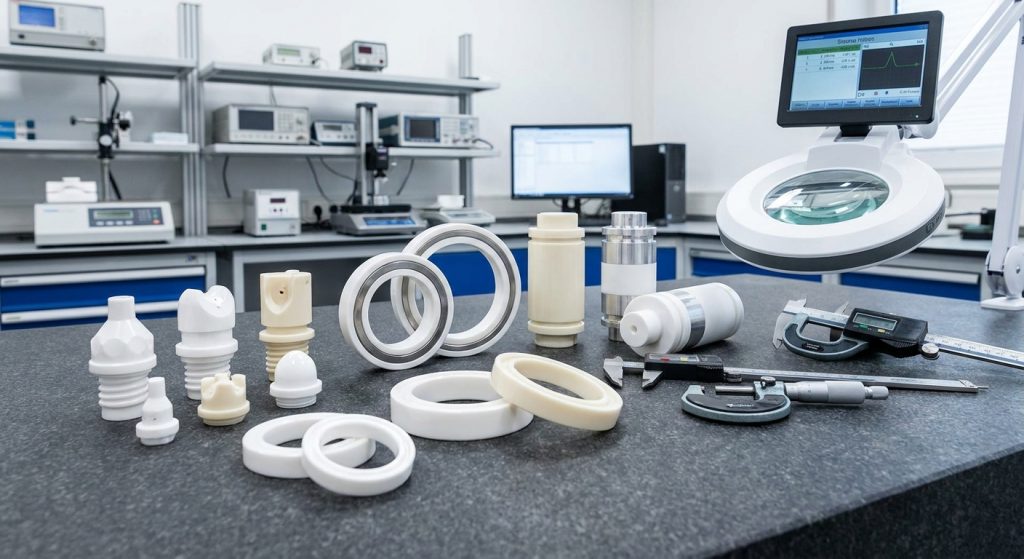
Partially stabilized zirconia is used across petrochemical processing, textile manufacturing, fluid handling, and medical technology wherever components face severe friction, chemical attack, or high mechanical loads. High-performance partially stabilized zirconia components replace failing metal parts in pumps, valves, and heavy-duty machinery.
Petrochemical and Industrial Valve Applications
In aggressive chemical processing plants, valve components face continuous exposure to abrasive slurries and concentrated acids. Consider this: metal valve seats quickly pit and leak, whereas ceramic components maintain complete dimensional stability.
Key petrochemical components include:
- Solid ceramic ball valve spheres and precision-ground valve seats.
- High-pressure pump plungers and mechanical seal faces.
- Heavy-duty chemical slurry nozzles and pipe liners.
Textile, Water Hardware, and Medical Engineering
High-speed textile machinery utilizes smooth ceramic friction slices and yarn guides to prevent thread cutting and wear groove formation. Sanitary water fixtures employ ceramic faucet discs that provide smooth, drip-free rotation across millions of continuous usage cycles.
Medical device manufacturers utilize biocompatible zirconia formulations to construct durable, wear-resistant orthopedic joint prosthetics.
Key Takeaway: Diverse industries leverage PSZ components to maximize service life and eliminate premature failures in mission-critical applications.
| Target Industry | Key Components | Operating Conditions Solved |
|---|---|---|
| Petrochemical | Bearings, Valve Plates, Nozzles | Corrosive slurries, high pressure, thermal shock |
| Textile & Manufacturing | Friction Slices, Precision Molds | High velocity friction, yarn abrasion |
| Water & Hardware | Faucet Valve Discs, Seal Rings | Constant friction, mineral scaling, moisture |
| Medical Technology | Joint Prosthetics, Structural Components | Biocompatibility, wear resistance, load-bearing |
Analysis: Deploying purpose-engineered ceramics across high-friction contact zones mitigates systemic wear across industrial infrastructure.
How Does Partially Stabilized Zirconia Compare?
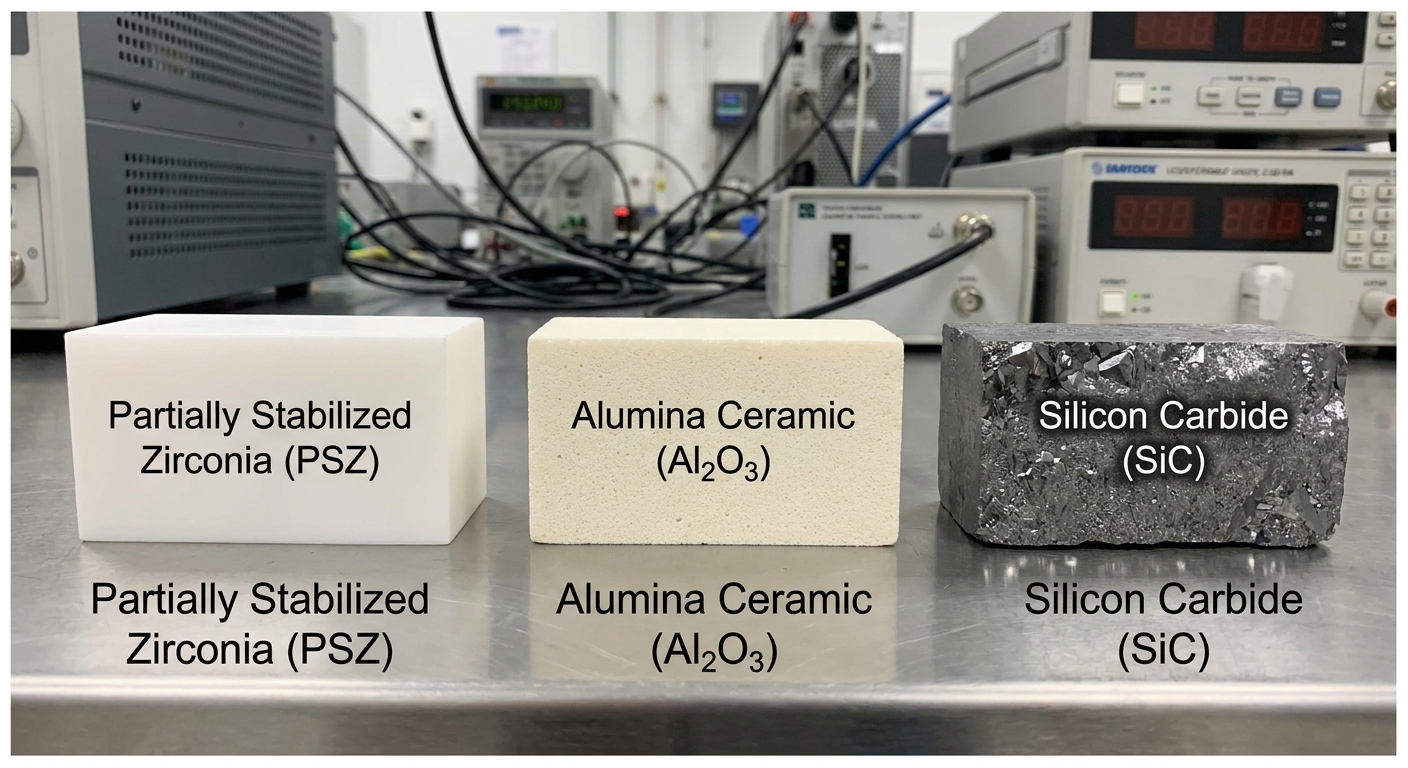
Partially stabilized zirconia compares favorably against traditional industrial ceramics by offering vastly superior fracture toughness and flexural strength, despite having lower thermal conductivity than silicon carbide or alumina. Selecting partially stabilized zirconia over other technical ceramics gives your machinery superior resistance against impact and mechanical shock.
How Does PSZ Compare to Alumina Ceramics?
While 99% alumina exhibits higher raw hardness (1700 HV versus 1300 HV), its low fracture toughness makes it susceptible to brittle chipping under mechanical impact. The best part? PSZ provides nearly triple the flexural strength of alumina, along with a significantly higher density of 6.0 g/cm³.
Material comparison indicators include:
- Higher fracture toughness preventing catastrophic shattering under load.
- Lower thermal conductivity (3 W/m·K vs 31 W/m·K) ideal for heat insulation.
- Superior surface polish capacity reducing friction against mating parts.
How Does PSZ Compare to Silicon Carbide Ceramics?
Sintered silicon carbide excels in high-temperature heat dissipation and raw surface hardness, but lacks the phase-transformation toughening mechanism of zirconia. When equipment experiences structural flexure or heavy mechanical impacts, silicon carbide components can snap easily.
PSZ absorbs physical shocks that would destroy silicon carbide, making it the safer choice for heavy load-bearing applications.
Key Takeaway: Choosing PSZ over harder but brittle ceramics prevents sudden impact fractures while delivering long-term mechanical reliability.
| Property Metric | Partially Stabilized Zirconia | Alumina (99% Al₂O₃) | Sintered Silicon Carbide (S-SiC) |
|---|---|---|---|
| Density (g/cm³) | 6.0 | 3.90 | 3.10 |
| Hardness (HV) | 1300 | 1700 | 2200 |
| Thermal Conductivity (W/m·K) | 3 | 31 | 100 |
| Flexural / Bend Strength | Extreme (9000 kgf/mm²) | Moderate (3500 kgf/mm²) | High (4000 kgf/mm²) |
Analysis: Balancing hardness with high fracture toughness ensures component durability under unpredictable mechanical impacts.
Is Partially Stabilized Zirconia Wear Resistant?
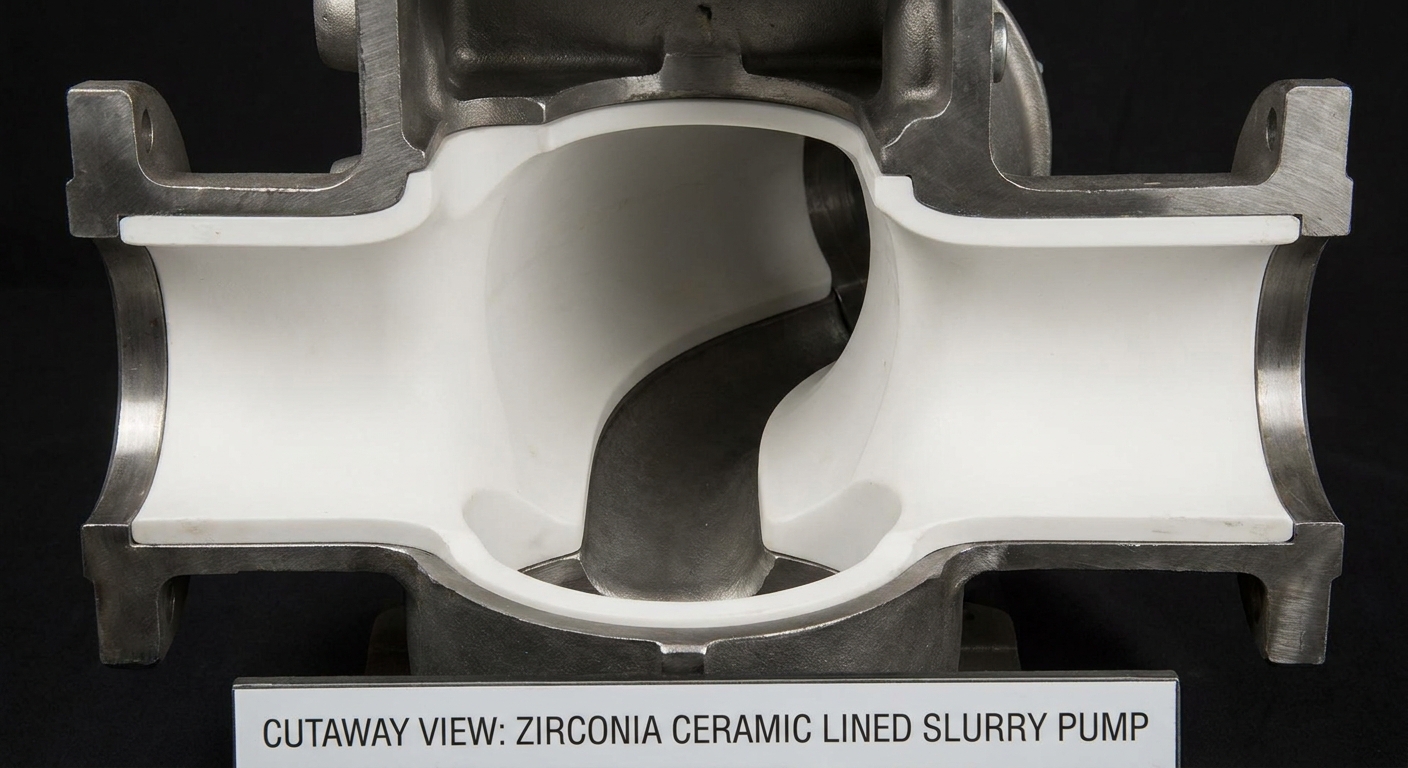
Partially stabilized zirconia is exceptionally wear resistant due to its low friction coefficient, high surface hardness, and self-reinforcing crystal matrix that resists particle erosion. Installing partially stabilized zirconia parts in slurry pumps and grinding equipment eliminates rapid material loss under heavy abrasive contact.
Tribological Behavior in Extreme Environments
In unlubricated or highly abrasive sliding contact, surface micro-chipping is the primary cause of premature component destruction. Here is the secret: phase transformation toughening dynamically resists surface micro-cracking during intense friction.
Tribological characteristics include:
- Ultra-low sliding friction coefficient preventing galling and surface scoring.
- High resistance to adhesive wear in unlubricated mechanical assemblies.
- Polish retention under continuous high-velocity particle contact.
Preventing Slurry Erosion and Cavitation Wear
Pumps transferring mineral slurries or corrosive liquids endure violent kinetic impacts from suspended solid particles. With a compressive strength of 20,000 kgf/mm², ceramic liners absorb kinetic energy without pitting or micro-flaking.
Cavitation bubbles that collapse violently against metal walls cause severe pitting, whereas ceramic surfaces remain completely unblemished.
Key Takeaway: PSZ provides complete protection against slurry erosion, surface scoring, and cavitation wear in aggressive fluid systems.
| Wear Mechanism | Traditional Metal / Alloy Behavior | PSZ Response |
|---|---|---|
| Abrasive Wear | Severe scratching, material removal | High hardness prevents abrasive gouging |
| Erosive Slurry Impact | Surface pitting, rapid thinning | Tough crystal lattice absorbs kinetic impact |
| Adhesive Wear / Galling | Metal-to-metal welding and tearing | Inert ceramic surface eliminates galling |
Analysis: Eliminating adhesive wear and cavitation pitting extends fluid processing component operational cycles exponentially.
Can Partially Stabilized Zirconia Resist Heat?
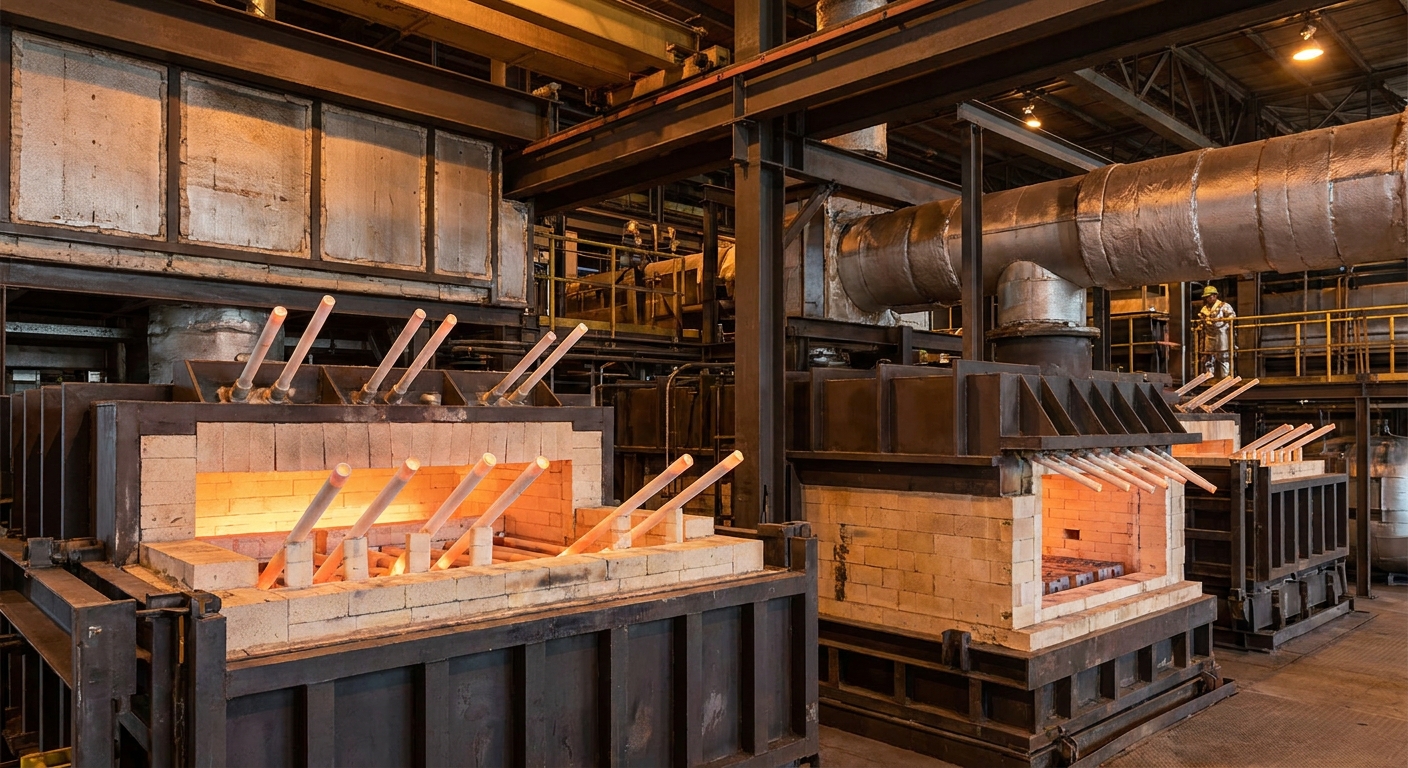
Partially stabilized zirconia can resist continuous high-temperature exposure up to 1300°C while offering strong thermal insulation and universal chemical inertness against harsh acids and alkalis. Equipment operating with partially stabilized zirconia components maintains structural integrity during severe thermal and chemical processing cycles.
Thermal Shock and High-Temperature Limits
The material maintains structural stability and mechanical strength up to a maximum operating limit of 1300°C in atmospheric environments. Think about it: a low thermal conductivity of 3 W/m·K allows ceramic liners to protect surrounding metal housing from intense heat.
Thermal management considerations include:
- Thermal shock resistance rating of ΔT = 300°C under controlled conditions.
- Thermal expansion coefficient of 9.5 x 10⁻⁶/K closely matching certain steel alloys.
- Retention of compressive strength under elevated ambient temperatures.
Acid and Chemical Corrosion Resistance
Unlike stainless steels or nickel alloys, ceramics do not suffer from oxidation, rusting, acid leaching, or galvanic pitting in liquid processing. Concentrated hydrochloric, sulfuric, and nitric acids fail to degrade the oxide crystal matrix during prolonged immersion.
This chemical stability eliminates batch product contamination caused by metal corrosion particles sloughing off fluid lines.
Key Takeaway: Deploying PSZ in high-heat and chemical environments guarantees zero chemical oxidation and reliable thermal barrier protection.
| Environmental Stress | Boundary Limit / Parameter | Operational Reality |
|---|---|---|
| Max Working Temperature | 1300°C | Stable continuous operation in hot zones |
| Thermal Shock (ΔT) | 300°C | Resists moderate rapid temperature changes |
| Acid Exposure | Universal pH resistance | Zero leaching or chemical structural degradation |
Analysis: Material stability across extreme thermal and chemical ranges prevents thermal degradation and fluid contamination.
How to Select Partially Stabilized Zirconia?
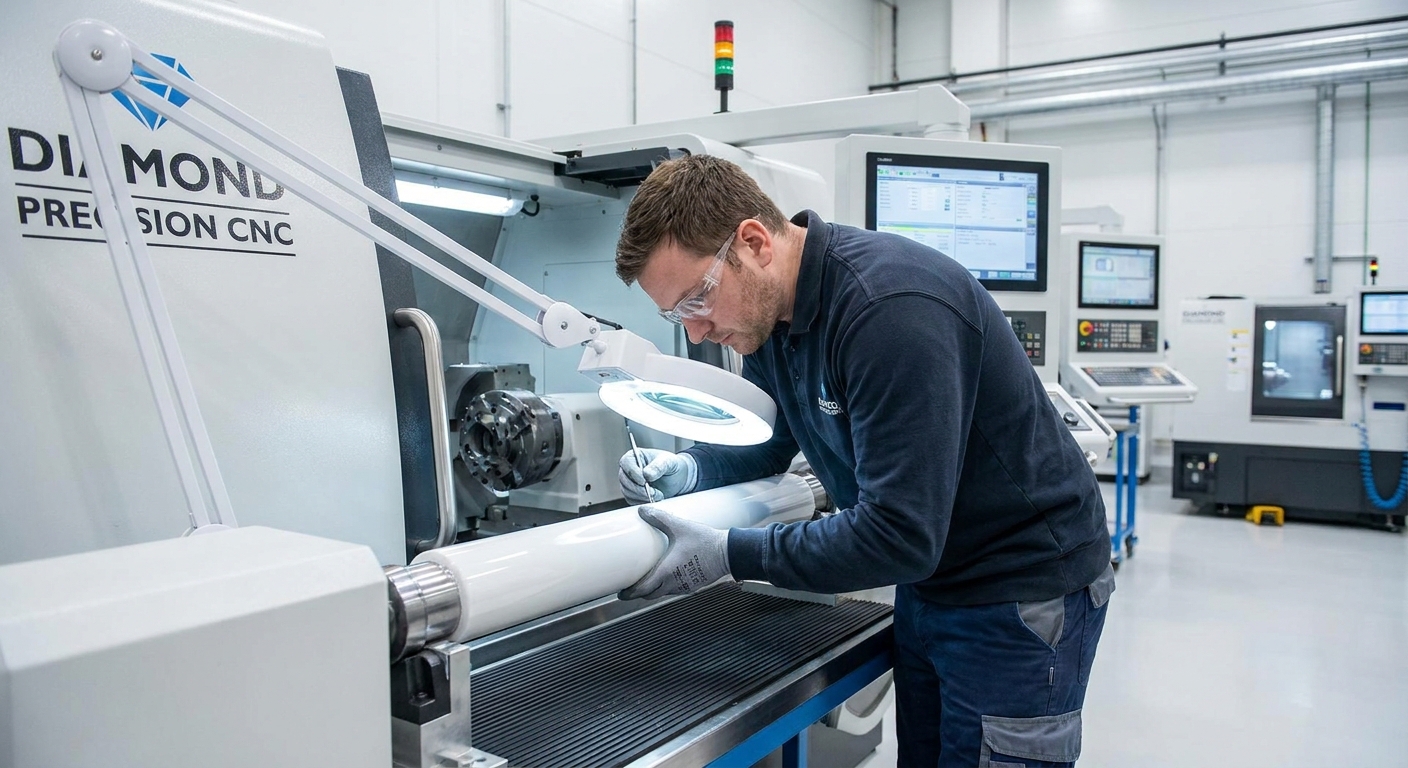
To select partially stabilized zirconia, you must evaluate your system’s working temperature, mechanical shock conditions, fluid corrosive profile, and required dimensional tolerances. Partnering with an experienced manufacturer of partially stabilized zirconia ensures your custom components meet exact structural specifications.
Assessing Application Environment and Load
Designing an effective ceramic component requires matching mechanical and environmental loads against verified physical parameters. Look: underestimating peak impact forces or thermal ramp speeds can lead to incorrect grade selection.
Selection parameters to evaluate include:
- Peak operating temperature and rate of thermal cycling.
- Mechanical stress type, distinguishing between sliding shear and pure compression.
- Chemical fluid concentration and slurry particle grit size.
How to Evaluate Supplier Quality Standards?
Manufacturing high-integrity ceramics requires rigid quality controls across raw powder procurement, cold pressing, and diamond machining. You should verify that your prospective supplier maintains ISO9001 certification and offers vertical manufacturing integration from powder to finished part.
Requesting material certification sheets and density reports guarantees that you receive fully densified 6.0 g/cm³ components without hidden voids.
Key Takeaway: A structured evaluation of your operational environment combined with rigorous supplier vetting ensures optimal component selection.
| Selection Criteria | Key Evaluation Question | Target Specification |
|---|---|---|
| Load Dynamics | High shock or pure sliding friction? | Verify flexural strength & fracture toughness |
| Chemical Media | Acidic, alkaline, or abrasive slurry? | Confirm zero porosity (0.1% water absorption) |
| Precision Needs | What tolerances are required? | Diamond grinding post-sinter capability (±0.005 mm) |
Analysis: Comprehensive application assessment combined with rigorous material verification prevents premature operational failure.
When to Use Partially Stabilized Zirconia?
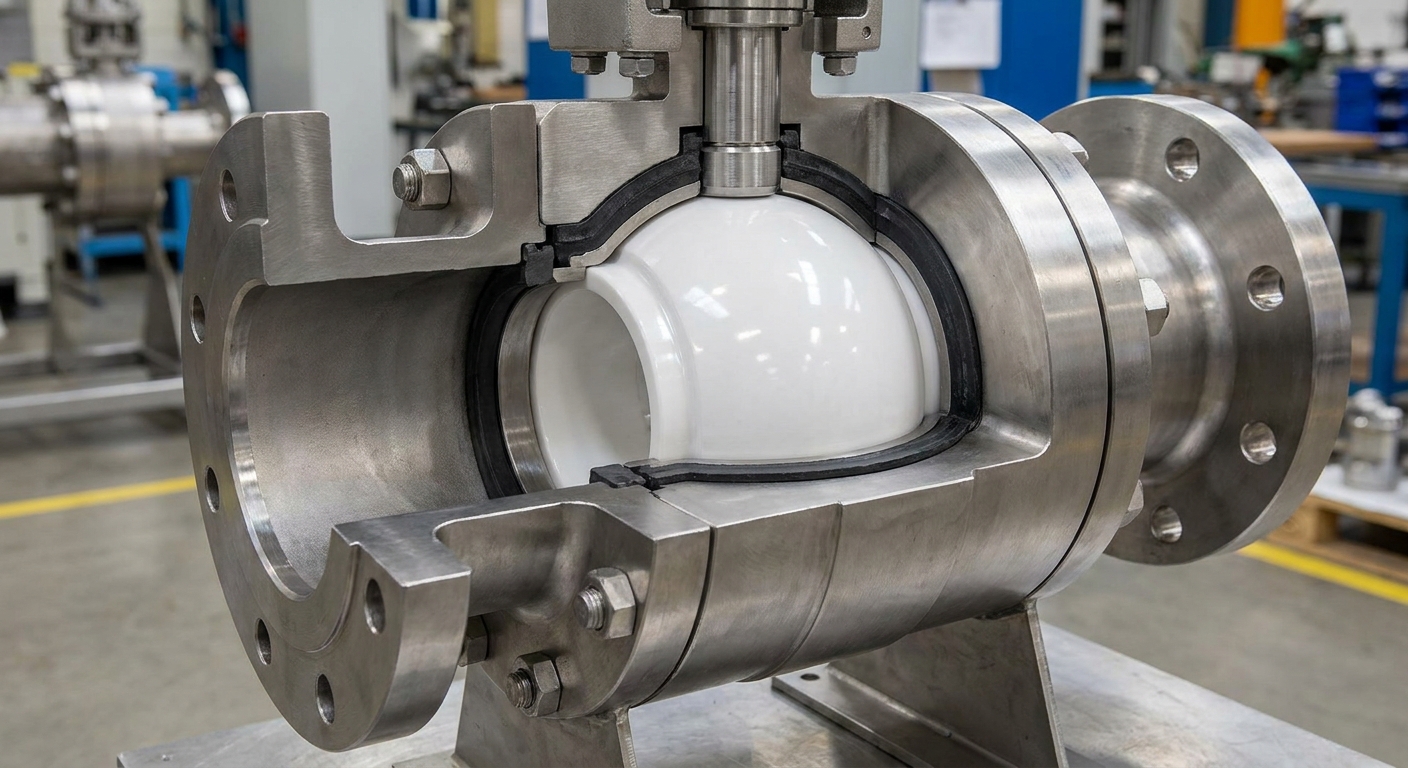
You should use partially stabilized zirconia when metal components repeatedly fail from severe abrasion, chemical pitting, or galling in high-stress processing operations. Transitioning critical wear points to partially stabilized zirconia stabilizes system pressure, extends component lifespan, and reduces maintenance downtime.
Replacing Metal Components in Severe Service
Severe service zones in chemical plants routinely destroy stainless steel, cobalt alloys, and tungsten carbide components. Here’s the deal: substituting high-toughness ceramics into problematic valve seats or pump sleeves stops recurring mechanical wear instantly.
Common failure zones ideal for upgrades include:
- Reciprocating pump plungers suffering continuous friction scoring.
- High-pressure valve discs experiencing slurry erosion and chemical washing.
- Rotating mechanical seal rings failing from dry friction galling.
Upgrading Equipment Reliability and Lifespan
Integrating technical ceramics into core processing units safeguards plant operating campaigns against unexpected shutdown events. Long-term operating data proves that ceramic components maintain tight dimensional tolerances for years under continuous service.
This exceptional durability translates directly into higher process yields, reduced repair labor, and overall plant profitability.
Key Takeaway: Replacing wear-prone metal parts with PSZ eliminates frequent maintenance cycles and secures uninterrupted industrial output.
| Legacy Component | Common Failure Mode | PSZ Upgrade Advantage |
|---|---|---|
| Metal Alloy Valve Seats | Pitting corrosion & abrasive erosion | Maintains seal tightness; zero corrosion |
| Steel Bushings / Bearings | Galling, seizure, thermal deformation | Self-lubricating, non-seizing, wear-resistant |
| Polymer / Ceramic Liners | Brittle fracture under pressure shock | Toughened crystal structure resists shock |
Analysis: Upgrading vulnerable mechanical interfaces to toughened zirconia provides permanent resilience against severe operating stresses.
Conclusion
Navigating demanding industrial processing conditions requires structural materials engineered for zero compromise. Partially Stabilized Zirconia delivers an unbeatable combination of fracture toughness, extreme wear resistance, and chemical stability across severe operating environments. When metal components erode or standard ceramics shatter, upgrading to phase-transformation-toughened ceramics guarantees prolonged operational uptime and protects your plant against costly unscheduled maintenance. To evaluate custom component designs, review material grade specifications, or request tailored engineering assistance for your facility, get in touch with our engineering team today.
Frequently Asked Questions
Can I use partially stabilized zirconia in high-acid environments?
Yes, partially stabilized zirconia exhibits outstanding chemical inertness against nearly all industrial acids, organic solvents, and corrosive liquids. Unlike metals, it does not rust or pit, making it ideal for aggressive chemical processing pipelines and valve components.
What’s the best sintering temperature for partially stabilized zirconia?
The optimal sintering temperature range for partially stabilized zirconia is typically between 1450°C and 1500°C. Sintering within this precise thermal window ensures complete densification (reaching 6.0 g/cm³) while preserving the metastable tetragonal phase balance necessary for maximum transformation toughening.
How do I know if partially stabilized zirconia is better than alumina?
You can determine if partially stabilized zirconia is superior by evaluating your system’s mechanical stress and shock requirements. While alumina offers higher surface hardness, PSZ provides nearly triple the flexural strength and vastly superior fracture toughness, making it the preferred choice for high-impact or heavy-load structural applications.
Can I machine partially stabilized zirconia after sintering?
No, standard metal cutting tools cannot machine partially stabilized zirconia post-sintering. Due to its 1300 HV hardness, post-sintering machining must be performed using specialized diamond-grinding tooling, ultrasonic machining, or laser ablation under controlled cooling conditions.
What’s the best stabilizer for partially stabilized zirconia applications?
Yttrium oxide (yttria) is widely considered the best stabilizer for general industrial structural applications due to its excellent balance of mechanical strength, fracture toughness, and room-temperature phase stability.