
A zirconia bead is a high-performance ceramic grinding media composed of zirconium dioxide stabilized with other oxides, engineered to withstand extreme stress in industrial wet milling and dispersing applications. Imagine managing a high-throughput manufacturing line where your agitator mills are running continuously to produce premium automotive coatings or electronic-grade ceramic slurries. Suddenly, your yield plummets because low-grade grinding media breaks under the pressure, contaminating your delicate batch, clogging discharge screens, and causing expensive rotor wear that forces an unscheduled, costly maintenance shutdown. To eliminate these devastating losses, upgrading your process to premium Zirconia Beads provides the structural toughness, wear resistance, and long-term chemical stability required to maximize your operational efficiency and secure consistent batch purity.
Why Do Industrial Mills Need Zirconia Beads?
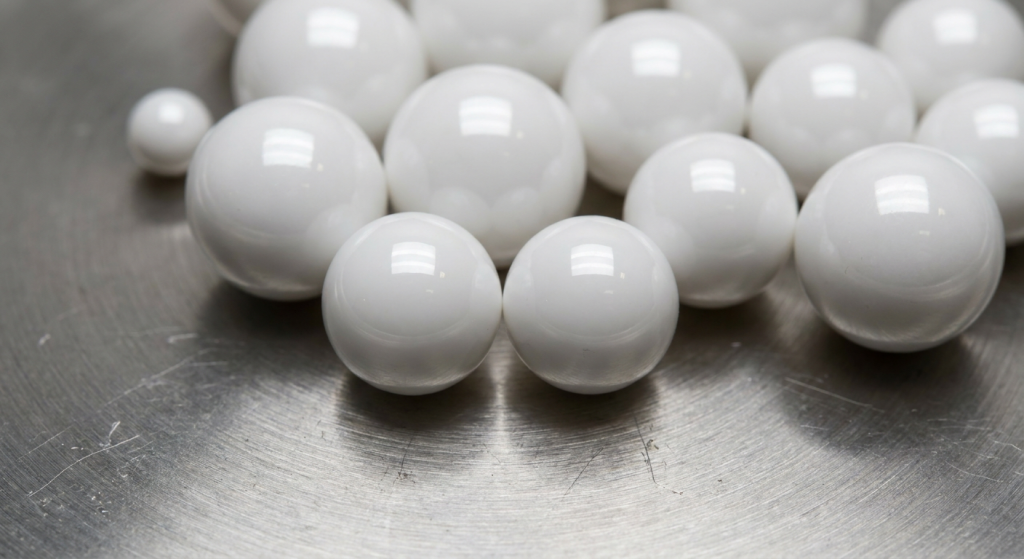
Industrial mills require Zirconia Beads to deliver high kinetic energy transfer and extreme wear resistance during demanding ultra-fine grinding processes. These micro-sized spheres enable high-efficiency particle size reduction without breaking down under continuous hydraulic and mechanical impact. By maintaining their structural integrity, they eliminate the risk of product contamination and frequent batch rejections. This extreme durability directly translates to reduced downtime and a highly optimized total cost of ownership.
When processing advanced materials, standard grinding media simply cannot handle the extreme shear forces generated by modern agitator systems. Operating high-speed pin or disc mills with inferior media leads to rapid wear, lost yield, and constant maintenance. Choosing a premium grade of zirconia media ensures your mills operate at peak performance even under maximum load. Ultimately, these advanced materials provide the reliability required for precision-engineered manufacturing.
Can High-Stress Environments Break Standard Media?
Let’s face it: running standard glass or alumina media in high-energy agitator mills is a recipe for operational disaster. You will quickly notice that the intense impact forces cause rapid media fracturing, leading to catastrophic equipment failure. When these particles break apart, they clog your discharge screens and ruin entire production batches with abrasive shards. This requires immediate, unscheduled shutdowns for manual cleaning and media replacement.
- Increased operational downtime due to frequent screen blockages.
- High product contamination risks from fractured debris.
- Rapid degradation of system pressure and flow rates.
To avoid these costly disruptions, you need to transition your mills to a robust ceramic media designed for extreme stress. Implementing a tougher material means your production lines can run uninterrupted for hundreds of hours. This structural reliability gives you peace of mind while securing your final product’s quality. You will immediately see a significant improvement in both your throughput and yield.
How Do Stabilizers Prevent Micro-Crack Propagation?
Think about it: how does a ceramic bead withstand millions of high-impact collisions without shattering? The secret lies in phase-transformation toughness, where stabilizers like yttria or cerium keep the crystalline structure locked in a high-strength state. When a micro-crack begins to form under stress, the surrounding material undergoes a localized volume expansion that actively squeezes the crack shut. This self-healing mechanism is precisely what allows you to achieve unmatched grinding lifetimes.
- Tetragonal-to-monoclinic phase transformation halts crack growth.
- Yttria stabilization provides excellent wear resistance for nano-milling.
- Cerium stabilization offers maximum density for high-viscosity applications.
By choosing the correct stabilizer for your specific process, you optimize both crushing efficiency and media lifespan. You no longer have to worry about premature shattering or batch discoloration. This advanced material science works to protect your equipment and keep your operational costs low. It is the ultimate insurance policy for your industrial wet-milling equipment.
| Media Type | Base Material | Density (g/cm³) | Hardness (HV₁₀) | Relative Lifespan |
|---|---|---|---|---|
| Premium Zirconia | Y-TZP / Ce-TZP | ≥6.0 | ≥1200 | 100% (Baseline) |
| Alumina Ceramic | Al₂O₃ | 3.6–3.9 | 900–1000 | 15%–20% |
| Industrial Glass | Soda-Lime | 2.5 | 500 | 2%–5% |
Based on this analysis, you can see how premium zirconia media delivers a massive leap in physical properties and operational life compared to traditional materials.
Key Takeaway: Upgrading to stabilized zirconia media directly eliminates mechanical breakdown risks, enabling you to achieve higher grinding speeds and lower contamination without sacrificing system reliability.
How Do Zirconia Beads Prevent Rotor Wear?
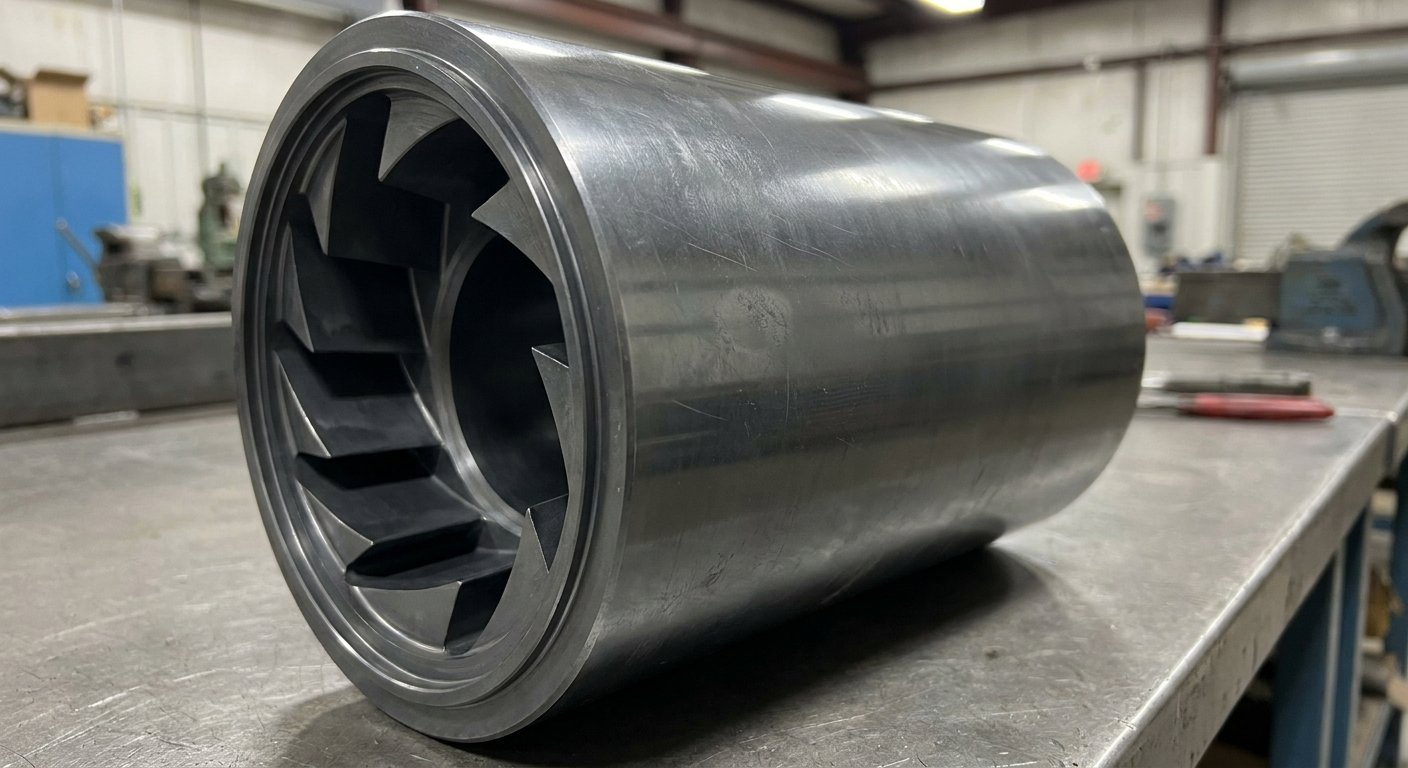
Zirconia Beads prevent rotor wear by offering exceptionally smooth surface finishes and tight dimensional tolerances that reduce tribological friction inside the milling chamber. Because these beads maintain their perfect sphericity and do not fracture into sharp, abrasive shards, they minimize physical scratching on rotor pins and discs. Traditional media often breaks down into irregular fragments that act like sandpaper against your expensive equipment. Using highly durable ceramic spheres ensures a fluid, rolling contact that preserves your critical machine components.
When you install premium grinding media, you create a harmonious dynamic within the mill chamber. The uniform size distribution ensures that hydraulic energy is dispersed evenly rather than concentrating in localized hotspots. This balanced energy transmission prevents premature erosion of both your agitator rotors and chamber liners. Consequently, your machinery experiences far less stress during long, high-speed production campaigns.
What Causes Excessive Rotor Erosion?
Let’s face it: rotor erosion is almost always triggered by low-quality, out-of-round grinding media. When you use cheap beads, their irregular shapes and high surface roughness create excessive friction during high-speed rotation. This friction quickly wears away the protective coatings on your rotor pins, exposing the raw metal underneath. Once this occurs, complete rotor failure is only a matter of time.
- Irregular bead shapes create high-stress sliding friction.
- Fractured media debris acts as a continuous abrasive paste.
- Uneven energy distribution concentrates wear on specific rotor areas.
You can prevent this destructive cycle by insisting on media with tight physical specifications. Selecting spheres with highly polished surfaces ensures that they roll smoothly across the rotor blades. This simple change drastically reduces the mechanical drag and heat generation in your mill. Your maintenance crew will thank you for making the switch to higher-grade materials.
Can Consistent Media Geometry Protect Your Liners?
But wait, there’s more: consistent media geometry does not just protect the rotor; it safeguards your entire chamber liner as well. Think about it: when a bead mill is filled with perfectly sized spheres, they move in a predictable, laminar flow pattern. This laminar movement prevents the media from violently impacting the chamber walls at sharp angles. You get a much gentler, highly efficient sliding motion that preserves the polyurethane or ceramic lining.
- Laminar flow reduces perpendicular impact wear on chamber walls.
- Uniform bead sizing prevents localized pressure spikes within the chamber.
- Smooth rolling contact extends polyurethane and ceramic liner lifespans.
This protective effect is especially vital when processing highly viscous or abrasive materials. You will notice a dramatic reduction in liner wear and a complete elimination of dark, metallic contamination in your white pigments. Maintaining this high level of batch purity is essential for meeting strict industrial standards. Investing in geometric consistency is truly the smartest way to protect your processing assets.
| Media Quality Level | Surface Finish (Ra) | Shape Sphericity | Rotor Lifespan (Hours) | Liner Wear Rate |
|---|---|---|---|---|
| Premium Grade | ≤0.1 μm | ≥95% | >5,000 | Extremely Low |
| Standard Grade | 0.3 μm | 88%–92% | 2,000–3,000 | Moderate |
| Low-End Grade | ≥0.5 μm | <85% | <1,000 | Extremely High |
Based on this analysis, you can see how specifying premium media geometry directly correlates with an extended operational lifespan for your mill rotors and liners.
Key Takeaway: Selecting highly round and polished zirconia media protects your mill’s internal components, reducing mechanical wear and saving you thousands of dollars in replacement rotors and downtime.
What Makes Zirconia Beads Outperform Glass?
Zirconia Beads outperform glass media by offering up to three times the bulk density and over twenty times the wear resistance in high-stress milling applications. This superior physical mass allows Zirconia Beads to transfer significantly more kinetic energy per collision, accelerating the dispersion of difficult-to-grind particles. Unlike glass, which quickly shatters and degrades under mechanical shear, these advanced ceramic spheres maintain their shape and size for hundreds of operating hours. This drastic reduction in media consumption directly translates to immense long-term cost savings.
When you compare the total cost of ownership, the initial premium paid for ceramic media is rapidly offset by operational gains. Glass beads require constant replenishment and force you to deal with frequent product contamination and screen clogging. Switching to high-purity ceramic spheres eliminates these headaches completely, allowing you to run a highly automated, continuous production line. This simple upgrade unlocks a new level of process stability and output quality.
Why Does Density Matter in Kinetic Energy Transfer?
Here is why this matters: the rate of particle size reduction in a wet mill is directly proportional to the kinetic energy of the grinding media. Because kinetic energy is calculated using mass and velocity, a higher density bead transfers vastly more force upon impact. If you are using lightweight glass beads, your mill must run for much longer cycles to achieve the same particle size. This wastes massive amounts of electricity and puts unnecessary strain on your equipment.
- Higher density media delivers larger impact forces for faster grinding.
- Shorter milling cycle times reduce total power consumption ($kWh/t$).
- Increased kinetic energy enables the processing of harder raw materials.
You will quickly discover that high-density beads make quick work of stubborn agglomerates that glass media simply cannot break. This added crushing power is essential when you are targeting sub-micron or nanometer particle sizes. It allows you to expand your product capabilities and meet more demanding customer specifications. Ultimately, higher density means faster, more efficient processing for your factory.
How Do Glass Media Fractures Contaminate Your Batches?
Think about it: what happens to your paint, ink, or pharmaceutical slurry when low-cost glass media begins to fracture? Let’s face it: those tiny glass shards mix directly into your product, permanently ruining its quality and consistency. You cannot easily filter out these microscopic contaminants, meaning you must scrap the entire batch. This lost yield can quickly wipe out any short-term savings you gained by purchasing cheap grinding media.
- Microscopic glass shards cause irreversible batch contamination.
- Fractured media debris clogs the dynamic separator screens.
- Contaminated coatings suffer from poor surface gloss and structural defects.
By upgrading to highly break-resistant ceramic spheres, you eliminate the risk of product contamination once and for all. You can run high-energy cycles with total confidence, knowing your media will remain intact. This high level of batch security is critical for industries where material performance is absolutely non-negotiable. It is the most reliable way to maintain your reputation for quality.
| Media Property | Premium Zirconia Media | Standard Glass Media | Operational Advantage |
|---|---|---|---|
| Density (g/cm³) | ≥6.0 | 2.5 | 140% higher kinetic energy transfer |
| Wear Rate (ppm/h) | <10 | >500 | Minimal batch contamination |
| Elastic Modulus | 210 GPa | 70 GPa | High resistance to elastic deformation |
Based on this analysis, you can see how the vast material superiority of zirconia media completely eclipses the performance of fragile glass beads.
Key Takeaway: Replacing glass media with high-density zirconia spheres dramatically shortens your milling times and protects your batches from contamination, leading to a much higher processing yield.
How Does Global Logistics Secure Zirconia Beads?
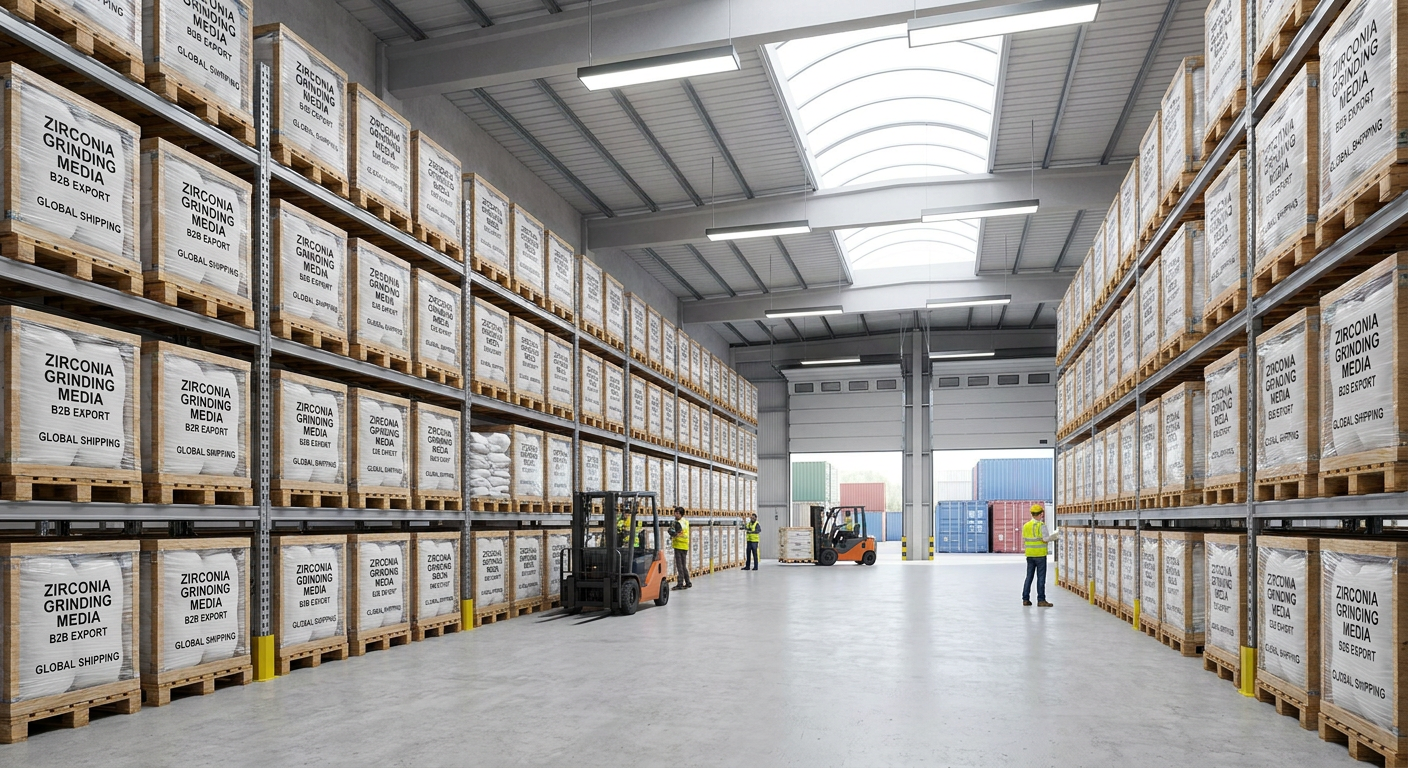
Global logistics secures Zirconia Beads through robust, moisture-barrier packaging, localized safety stocks, and end-to-end batch traceability that ensures uninterrupted supply to precision manufacturing lines. Because even minor transit damage can introduce micro-fissures or moisture to high-purity ceramics, specialized B2B shipping protocols are strictly enforced. Standard bulk bags are replaced with heavy-duty, reinforced plastic drums or vacuum-sealed liners that prevent environmental contamination during sea freight. This careful handling guarantees that the media arrives at your facility in pristine operational condition, ready for immediate loading.
For multinational enterprises, a disrupted supply chain can lead to costly halts in production lines. This is why leading manufacturers maintain strategic warehouses near major industrial hubs worldwide. You benefit from rapid customs clearance and domestic shipping times, eliminating long lead times. These secure logistics pathways are designed to keep your operations running smoothly, regardless of global trade fluctuations.
Why Is Packaging Critical for Ceramic Integrity?
Think about it: premium ceramic spheres are incredibly tough, but high-impact vibration during ocean transit can still cause micro-abrasions if the packaging is inadequate. If you receive media that has been rattling around in weak, single-layered bags, you are importing compromised material. These pre-stressed beads are much more likely to fracture prematurely once they are subjected to the intense mechanical forces of your wet mills. This is why double-walled, heavy-duty B2B packaging is absolutely non-negotiable.
- Reinforced drums protect beads from vibration-induced micro-cracking.
- Moisture-proof vacuum sealing prevents hydrothermal degradation.
- Secure palletization ensures stable handling during forklifting and container loading.
When you work with a supplier who prioritizes packaging, you eliminate a major source of process variation. You can store your media inventory for long periods without worrying about moisture absorption or degradation. This long-term storage stability is a major operational advantage for large-scale manufacturers. It ensures that every bead you load into your mill is as perfect as the day it was manufactured.
How Do Localized Warehouses Eliminate Lead Time Risks?
Let’s face it: waiting six to eight weeks for an international shipment when your inventory is running low is an unnecessary risk. If you run out of grinding media, your entire plant faces expensive downtime that can damage your customer relationships. Here is why this matters: localized safety stock agreements protect you from these unexpected logistics bottlenecks. By keeping a dedicated inventory in a domestic warehouse, your supplier can ship replacement media to your door within forty-eight hours.
- Domestic transit reduces shipping lead times from months to days.
- Locked-in supply agreements guard against global shipping container shortages.
- Just-in-time delivery lowers your on-site warehouse holding costs.
This reliable logistics setup allows you to run a lean, highly efficient manufacturing operation. You can adjust your production schedule on the fly without worrying about media shortages. This commercial agility is a massive competitive advantage in today’s fast-paced market. It provides the reliable foundation your business needs to grow and succeed.
| Logistics Phase | Standard Shipping Method | Secure B2B Protocol | Risk Eliminated |
|---|---|---|---|
| Packaging | Standard paper bags | Vacuum-sealed steel drums | Moisture absorption and transit micro-cracks |
| Sourcing | Transactional order | Dedicated safety stock agreement | Line-down downtime due to supply delays |
| Traceability | Limited batch records | Full chain-of-custody COA | Mixed-quality shipments and batch drift |
Based on this analysis, you can see how combining specialized packaging with localized warehousing completely mitigates supply chain risks for B2B procurement.
Key Takeaway: Partnering with a supplier who utilizes secure B2B logistics ensures you receive undamaged, consistent grinding media exactly when you need it, eliminating lead-time anxieties and inventory costs.
How Is Crush Resistance of Zirconia Beads Measured?
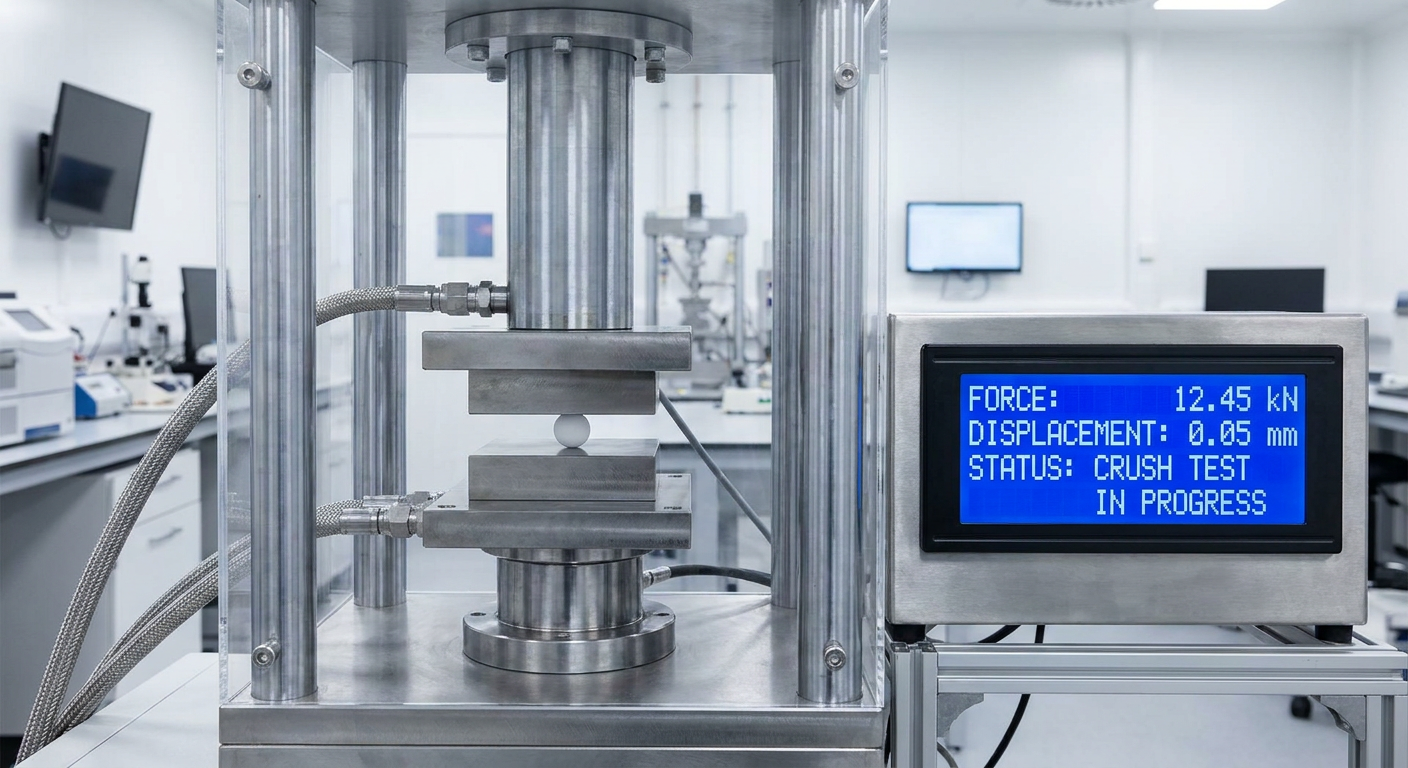
The crush resistance of Zirconia Beads is measured by placing a single ceramic sphere between two high-hardness tungsten carbide platens and applying a continuously increasing mechanical load until the sphere fractures. This destructive test, often called the single-bead crushing strength test, quantifies the exact force in Newtons (N) required to cause structural failure. Advanced quality control laboratories use automated hydraulic presses integrated with high-precision digital load cells to record this peak force value. For industries relying on Zirconia Beads, this metric serves as a direct indicator of how well the media will perform under high-shear conditions.
To ensure statistical accuracy, a representative sample of at least thirty beads is tested from each production batch. The average crushing strength and the standard deviation are calculated to verify that the batch meets the rigorous specifications required for high-speed mills. Any batch that exhibits high variance in crushing strength is immediately flagged and quarantined. This rigorous testing protocol guarantees that only the toughest, most reliable spheres ever make it to your production floor.
Why Is Single-Bead Testing Superior to Bulk Density?
Think about it: bulk density is a useful macro metric, but it tells you absolutely nothing about the internal structural flaws of individual spheres. You could have a batch with excellent bulk density that still contains numerous beads with hidden internal voids. When you subject that batch to high-energy milling, those hollow beads will immediately explode under the stress. This is why single-bead crush testing is the gold standard for quality control.
- Single-bead testing exposes microscopic internal voids and structural flaws.
- It measures the precise fracture toughness of the ceramic matrix.
- It provides a clear statistical distribution of batch consistency.
By insisting on single-bead test reports, you ensure that you are buying premium, solid ceramic spheres. You can run your agitator mills at maximum RPM with total confidence, knowing that every single bead is built to withstand the pressure. This level of quality assurance is critical for maintaining long-term process stability. It prevents the sudden, catastrophic media failures that ruin your production schedules.
What Is the Correlation Between Crush Strength and Lifespan?
But wait, there’s more: high crush strength is not just about avoiding immediate breakage; it directly determines the long-term wear rate of your media. Let’s face it: during a wet-grinding run, your beads are subjected to millions of low-energy impacts every single hour. A bead with a high crush rating has the structural integrity to resist the micro-fatigue caused by these continuous collisions. Over time, this means the bead wears down incredibly slowly, keeping its round shape for much longer.
- High crush resistance minimizes micro-fatigue and surface chipping.
- Slower wear rates mean less chemical contamination in your final product.
- Consistent bead geometry is maintained throughout the entire milling cycle.
You will see this benefit reflected in your operating costs, as your media replacement frequency drops dramatically. You will no longer need to constantly top off your mill with fresh beads to maintain grinding efficiency. This stability allows you to standardize your milling parameters and achieve highly predictable results batch after batch. It is the ultimate foundation for a lean, high-yield manufacturing process.
| Bead Diameter (mm) | Standard Cerium-Stabilized (N) | Premium Yttria-Stabilized (N) | High-Stress Mill Suitability |
|---|---|---|---|
| 0.5 mm | ≥120 | ≥150 | Excellent for high-speed nano-milling |
| 1.0 mm | ≥250 | ≥320 | Ideal for standard pigment dispersion |
| 2.0 mm | ≥600 | ≥800 | Perfect for high-viscosity crushing |
Based on this analysis, you can see how yttria-stabilized options provide the highest crush resistance, making them ideal for the most demanding milling environments.
Key Takeaway: Sourcing media with verified, high crushing strength values protects your mills from sudden media fracturing, ensuring continuous, high-efficiency grinding and low operating costs.
Why Is Flawless Roundness Crucial for Zirconia Beads?
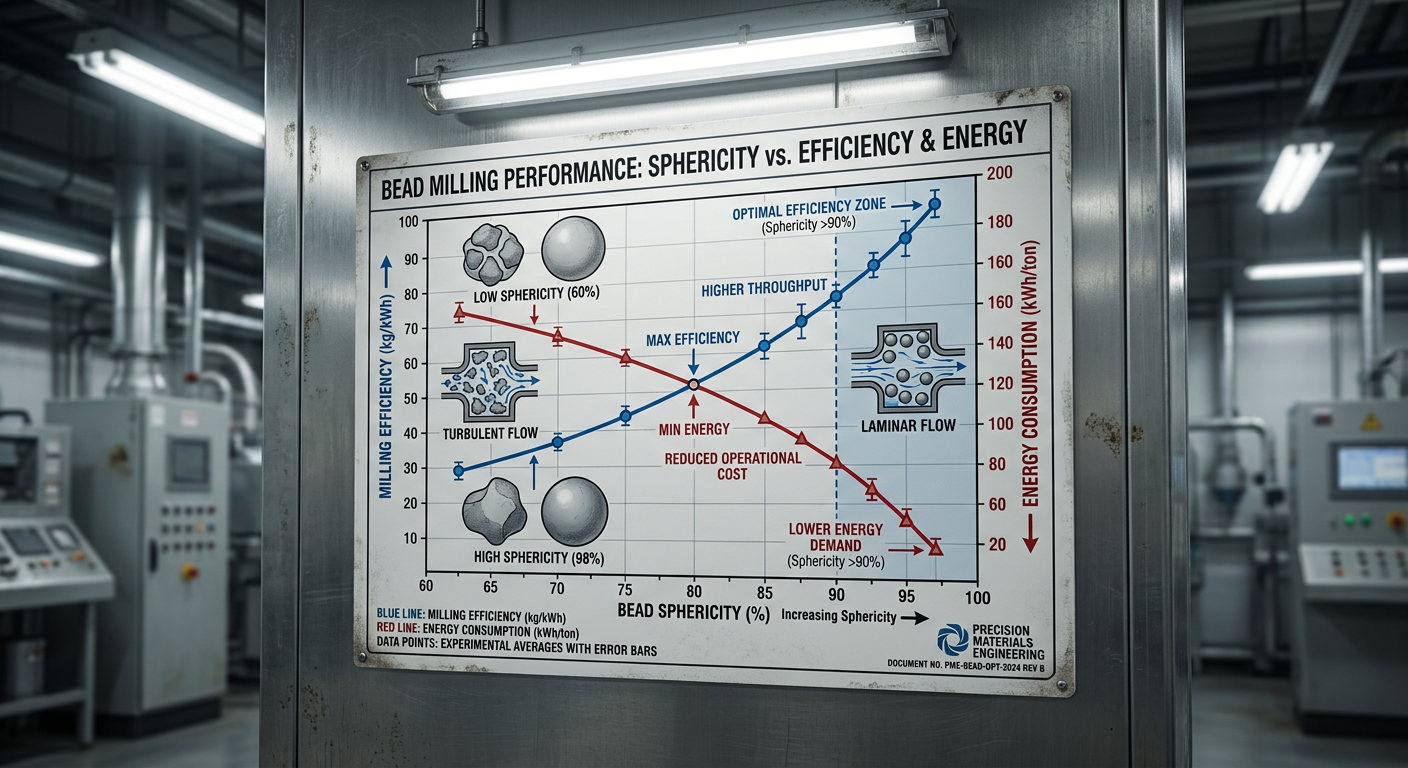
Flawless roundness is crucial for Zirconia Beads because it ensures a pure, rolling contact that maximizes energy transfer and prevents uneven wear patterns inside the mill chamber. When spheres deviate from perfect roundness, they begin to slide rather than roll during high-speed rotation. This sliding motion creates localized friction hotspots that accelerate the wear of both the beads and your mill’s internal components. Additionally, out-of-round beads are highly susceptible to shear-induced fracturing, which quickly introduces dangerous contaminants into your delicate product batches.
In high-flow wet grinding systems, maintaining perfect sphericity is also key to preventing mechanical blockages. Non-spherical beads tend to nest together and pack tightly against the discharge screen, severely restricting slurry flow and causing sudden pressure spikes. By using perfectly round media, you maintain a fluid, dynamic bed that allows the product to pass through smoothly and efficiently. This hydraulic balance is essential for achieving high-throughput, continuous production.
How Does Sphericity Affect Slurry Fluidity?
Think about it: how does the shape of your grinding media affect the flow of your slurry inside the mill? Here is why this matters: when you use beads with a high sphericity rating, they roll over one another with minimal resistance. This creates a low-viscosity, fluid-like state inside the grinding chamber, allowing your pump to feed slurry at a much higher rate. If your beads are misshapen, they create mechanical interlocking that increases drag and heat generation.
- High sphericity lowers mechanical resistance and fluid drag.
- It prevents localized pressure buildup at the discharge screen.
- It enables higher slurry feed rates for increased daily throughput.
You will immediately notice that your mill runs cooler and requires less electrical power to maintain rotor speed. This improved thermal control is vital when processing heat-sensitive pigments or pharmaceutical active ingredients. It prevents thermal degradation and keeps your product’s chemical properties intact. Achieving this level of process control is simple when you start with geometrically perfect grinding media.
Why Do Out-of-Round Beads Fracture Faster?
Let’s face it: out-of-round beads are structurally compromised from the start because they contain uneven stress concentration points. When these irregular spheres are hit by a high-speed rotor pin, the force is not distributed evenly across their surface. Instead, the impact energy concentrates at the sharpest points of the bead, causing immediate micro-cracking and rapid fracturing. This is why non-spherical media has a fraction of the operational lifespan of perfectly round spheres.
- Irregular geometry creates high-stress concentration points during impacts.
- Uneven stress distribution leads to rapid surface chipping and peeling.
- Fractured fragments quickly multiply, causing a chain reaction of media failure.
By choosing media that undergoes strict optical sorting for roundness, you eliminate these weak links from your grinding bed. Your media charge will wear down slowly and uniformly, maintaining its size and shape for hundreds of hours. This geometric stability ensures consistent grinding performance from the first hour to the last. It is the easiest way to lock in your product quality and reduce manual maintenance.
| Sphericity Rating | Energy Transfer Efficiency | Liner Wear Rate | Screen Clogging Risk | Operational Lifespan |
|---|---|---|---|---|
| Premium (≥95%) | High (>90%) | Negligible | Low | Extended (>4,000 h) |
| Standard (90%–94%) | Moderate (75%) | Low | Medium | Standard (2,000 h) |
| Low-End (<90%) | Low (<50%) | High | High | Short (<500 h) |
Based on this analysis, you can see how high sphericity is directly tied to lower energy consumption, minimal wear, and a safer operating environment.
Key Takeaway: Investing in grinding media with verified high sphericity protects your mill components from frictional wear and prevents screen clogging, ensuring a smooth, high-throughput manufacturing process.
How Do Agitator Mill Discs Interact with Zirconia Beads?
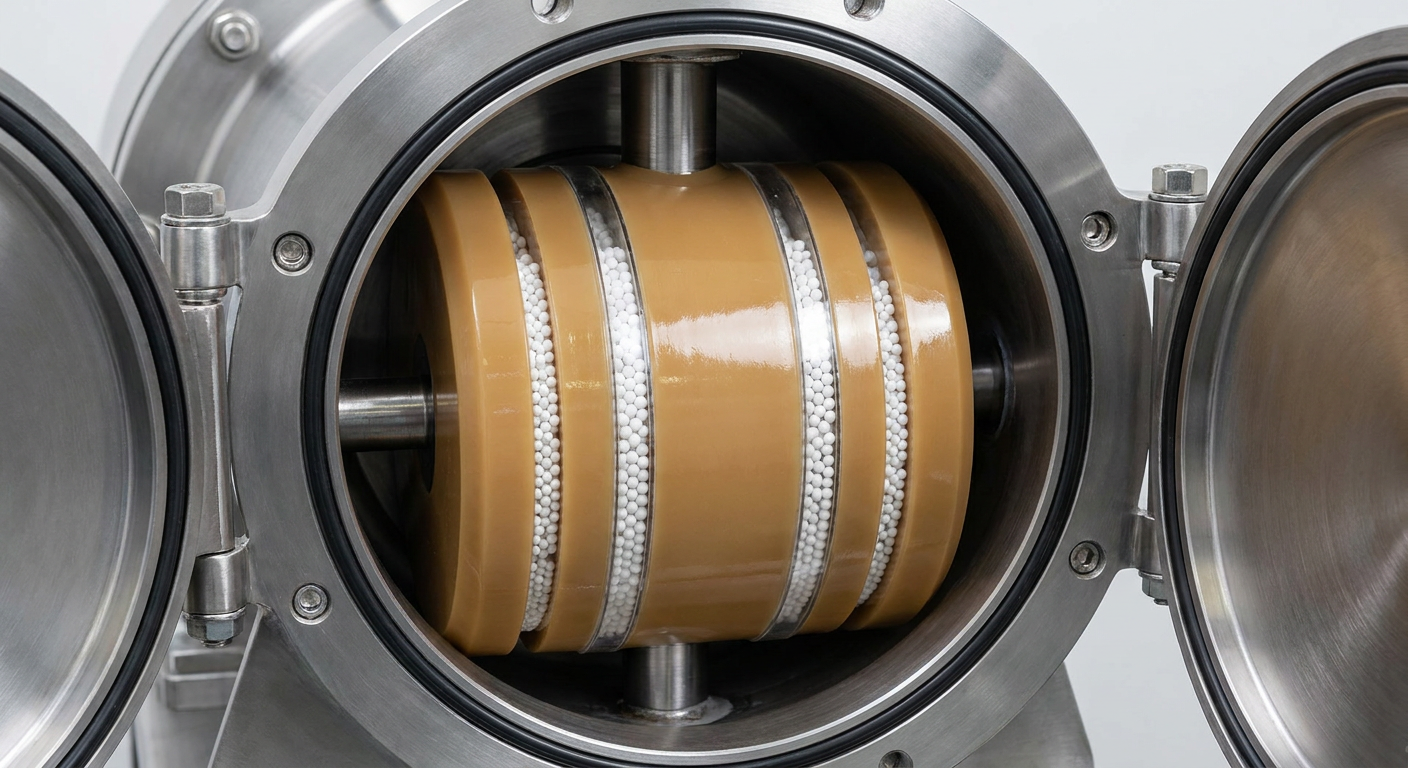
Agitator mill discs interact with Zirconia Beads by transferring high rotational shear force and kinetic energy directly to the grinding bed, accelerating localized collisions that crush and disperse raw material particles. As the rotor discs spin at high tip speeds, they accelerate the nearby spheres toward the outer chamber walls, creating intense shear zones. In these highly turbulent regions, Zirconia Beads utilize their high density to grind down tough agglomerates through continuous impact and friction. This energetic friction is what drives the wet-milling process, transforming raw slurries into ultra-fine dispersions.
To maximize this energy transfer, the spacing and geometry of your agitator discs must be precisely matched to the size of your media. Improper disc configurations can lead to poor bead fluidization, causing the media to compress into stagnant zones where they grind against one another rather than processing your product. This inefficient movement wastes energy and generates excessive heat inside your mill. Optimizing this interaction is the key to unlocking peak milling efficiency.
How Does Rotational Speed Affect Impact Energy?
Think about it: the kinetic energy transferred from your agitator discs to your grinding media increases exponentially with rotor speed. If you run your mill at too low a tip speed, your beads will not have enough energy to break down stubborn, crystalline agglomerates. But wait, there’s more: running at excessively high speeds can cause severe media wear and heat generation if your beads are of poor quality. You must find the optimal operational sweet spot for your specific formulation.
- Higher rotor tip speeds increase the kinetic energy of individual beads.
- Optimal speeds depend directly on slurry viscosity and media density.
- Excessive speeds can trigger cavitation and rapid wear if not controlled.
When you balance rotor speed with a high-density grinding media, you achieve the fastest possible particle size reduction. You can cut your processing times in half while maintaining a highly uniform particle distribution. This efficiency boost allows you to increase your plant’s daily output without investing in additional machinery. It is a highly cost-effective way to scale up your manufacturing capabilities.
How Do Disc Materials Influence Bead Durability?
Let’s face it: the physical material of your agitator discs plays a massive role in how long your grinding media lasts. If you are using hard, uncoated metal discs, they will subject your beads to harsh, unforgiving impacts that can lead to rapid surface chipping. Here is why this matters: pairing your premium media with polyurethane or ceramic-coated discs creates a much gentler energy transfer. This elastic contact protects your beads from shattering while maintaining excellent milling performance.
- Polyurethane coatings absorb harsh impacts and extend bead lifespans.
- Ceramic discs provide excellent chemical resistance for acid-based slurries.
- Hardened steel discs transfer high energy but increase the risk of media fatigue.
By selecting matching chamber components and grinding media, you create a highly durable milling system that requires minimal maintenance. You will experience far fewer broken beads and a dramatic decrease in rotor wear. This system-wide compatibility is essential for achieving a reliable, automated wet-milling operation. It is the mark of a truly optimized manufacturing process.
| Agitator Disc Material | Compatible Bead Class | Recommended Tip Speed | Heat Generation Level | Media Wear Rate |
|---|---|---|---|---|
| Polyurethane (PU) | Standard YSZ / CSZ | 8 – 10 m/s | Low | Minimal |
| Zirconia Ceramic | Premium Y-TZP | 10 – 14 m/s | Moderate | Extremely Low |
| Hardened Alloy Steel | Toughened Zirconia | 6 – 8 m/s | High | Moderate |
Based on this analysis, you can see how pairing ceramic discs with premium yttria-stabilized beads provides the ultimate combination of high tip speed and low media wear.
Key Takeaway: Matching your agitator disc materials and rotor speeds with high-durability zirconia media optimizes energy transfer while minimizing physical impacts, keeping your operating costs low and your throughput high.
Which Size of Zirconia Beads Fits Your Process?
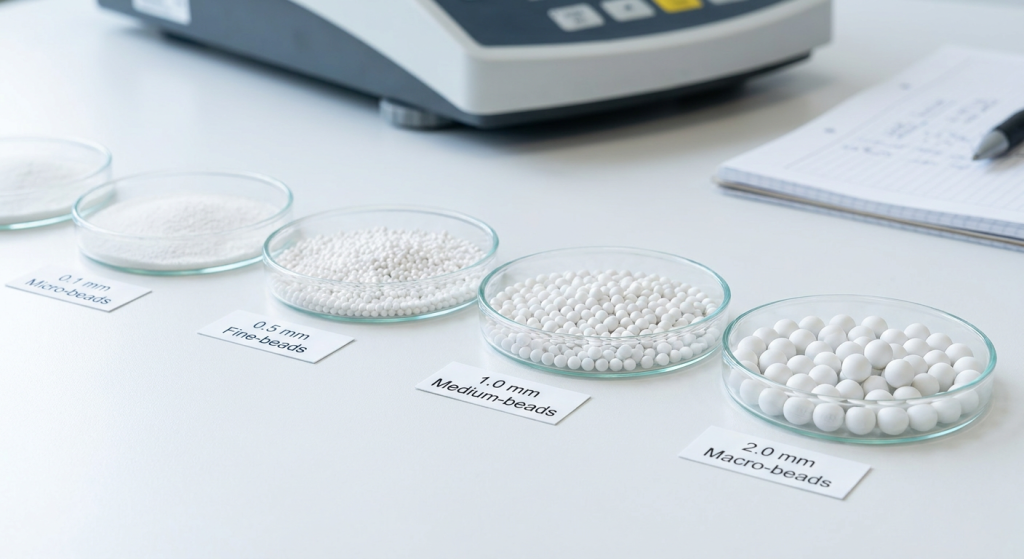
Selecting the correct size of Zirconia Beads depends on your raw material’s initial feed size, your target output particle size, and your mill’s discharge screen clearance. As a general engineering rule, the grinding media should be approximately ten to twenty times larger than the largest particle in your feed slurry. If your beads are too small, they will not have enough mass to break down larger agglomerates, leading to incomplete grinding. Conversely, if your beads are too large, you will have fewer contact points inside the chamber, which drastically slows down your milling speed and limits your ability to achieve sub-micron sizes.
For advanced applications like electronic-grade titanates or nano-scale pharmaceutical formulations, sub-millimeter micro-beads are the industry standard. These tiny spheres provide millions of contact points per milliliter, allowing you to reach nanometer-scale distributions quickly. In contrast, larger macro-beads are preferred for high-viscosity mineral grinding or initial pigment dispersion steps. Finding the perfect size balance is essential for maximizing both grinding speed and energy efficiency.
How Do You Calculate the Optimal Bead-to-Particle Ratio?
Think about it: how do you mathematically determine the best bead size for your specific product? Here is why this matters: if you select a bead that is too close in size to your feed particles, they will simply roll past one another without any grinding taking place. To achieve efficient size reduction, you must ensure that your media size is matched to your target D₅₀ output. A precise ratio guarantees that every collision transfers enough force to fracture the target particles.
- Bead size should be at least 10x larger than the initial feed particle size.
- For sub-micron grinding, select beads between 0.1 mm and 0.5 mm in diameter.
- The bead diameter must be at least double the size of your mill’s discharge screen gaps.
By applying these simple mathematical guidelines, you avoid the common trial-and-error mistakes that waste valuable raw materials. You can immediately configure your mill with the correct media charge for your specific recipe. This scientific approach ensures that your grinding runs are highly efficient and completely repeatable. It is the key to maintaining consistent product quality across every batch.
When Should You Switch to Micro-Beads?
But wait, there’s more: switching to micro-beads can unlock product performance characteristics you never thought possible. If you are trying to produce ultra-high-gloss coatings or stable nano-suspensions, standard 1.0 mm beads simply cannot get you there. Let’s face it: you need the immense surface area and high contact frequency of 0.1 mm or 0.2 mm spheres to break down stubborn sub-micron particles. Making this transition is necessary when entering high-tech, precision markets.
- Micro-beads enable grinding down to the true nanometer range (<100 nm).
- They provide a massive increase in grinding contact points per unit volume.
- Micro-beads are ideal for high-end dental ceramics, cosmetics, and electronics.
You must ensure your mill is equipped with a high-precision dynamic separator to handle these tiny spheres without clogging. Once your equipment is properly configured, the results will speak for themselves. You will achieve unparalleled particle uniformity and a complete elimination of oversized grit in your final product. This advanced capability will set your brand apart from the competition.
| Feed Size (D₅₀) | Target Output Size | Recommended Bead Diameter | Suitable Industry | Screen Size Required |
|---|---|---|---|---|
| 10–20 microns | <1 μm | 0.8 mm–1.2 mm | Paints & Pigments | 0.40 mm |
| 2–5 microns | <200 nm | 0.3 mm–0.5 mm | Advanced Cosmetics | 0.15 mm |
| <1 μm | <50 nm | 0.05 mm–0.2 mm | Dental & Electronics | Dynamic Centrifugal |
Based on this analysis, you can see how matching the bead size to both the feed particle and the mill screen is crucial for achieving continuous, high-efficiency milling.
Key Takeaway: Sizing your grinding media scientifically based on your target particle size and mill design ensures maximum energy efficiency and prevents screen clogging, unlocking seamless production.
How Do Zirconia Beads Disperse Viscous Pigments?
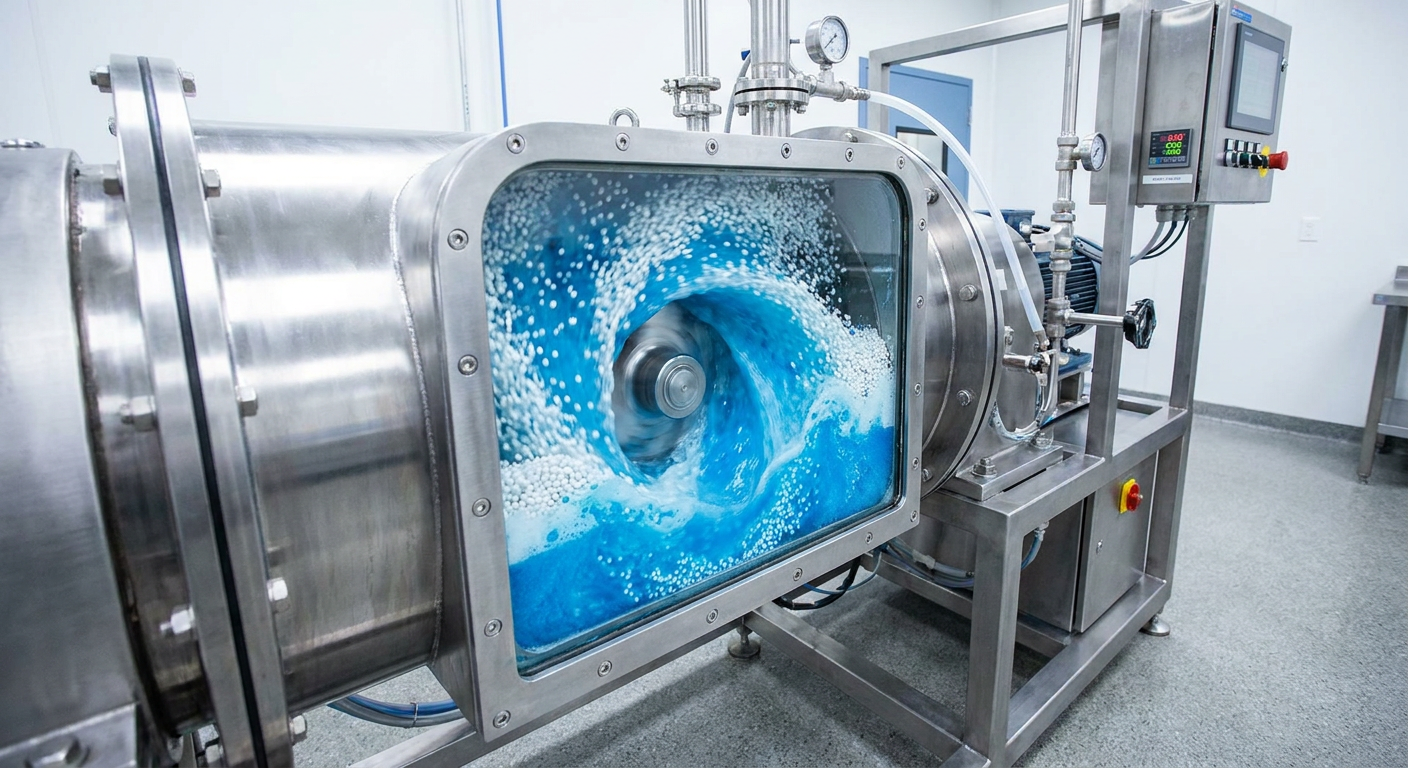
Zirconia Beads disperse viscous pigments by utilizing their high mass and density to generate extreme hydraulic shear forces that easily break apart sticky pigment agglomerates. In high-viscosity paint and ink formulations, lightweight grinding media tends to float or fluidize poorly, leading to highly inefficient milling cycles. Premium Zirconia Beads have the physical weight required to overcome the high resistance of dense polymer bases, ensuring deep penetration and uniform mixing throughout the chamber. This high-density energy transmission is exactly what allows you to achieve maximum color development and gloss.
When processing dense, viscous slurries, the intense friction can cause rapid heat buildup that threatens to degrade your pigment’s color properties. Using highly efficient ceramic spheres reduces the required residence time inside the mill, minimizing thermal exposure. This fast, cool grinding action protects your delicate pigments from heat-induced shade drifting. It is the most reliable way to achieve perfect color consistency across multiple production batches.
How Do High-Density Beads Overcome Viscous Resistance?
Think about it: trying to mill a thick, viscous ink with low-density media is like trying to stir concrete with a plastic spoon. Let’s face it: you need a heavy, high-inertia media that can plow through the sticky fluid without losing velocity. If your beads are too light, they will simply spin in place with the surrounding fluid, transferring almost zero grinding energy to your pigment agglomerates. High-density zirconia spheres provide the heavy-duty impact force required to shatter these stubborn structures.
- High density overcomes viscous drag and maintains bead velocity.
- Heavy media generates high-intensity shear zones for rapid dispersion.
- It prevents media flotation and uneven concentration within the mill chamber.
You will quickly notice a dramatic decrease in the number of grinding passes required to reach your target particle size. This efficiency boost not only saves you hours of labor but also significantly reduces the wear on your mill’s motor and drive systems. Your machinery runs smoother and lasts longer when it is paired with the correct grinding media. It is an investment that pays dividends across your entire production line.
How Do You Achieve Maximum Color Strength?
But wait, there’s more: achieving maximum color strength is not just about grinding fast; it is about grinding uniformly. If you have a wide particle size distribution, your paint will suffer from poor opacity, inconsistent gloss, and color drifting. Here is why this matters: premium grinding spheres provide highly consistent crushing forces that narrow your particle size distribution curve. This uniform size ensures that light reflects evenly off the coated surface, unlocking the true depth and vibrancy of your pigments.
- Consistent media sizing eliminates oversized grit and large pigment aggregates.
- Narrow particle size distribution maximizes light scattering and opacity.
- Uniform dispersion prevents pigment settling and separation during long-term storage.
You will be able to produce high-end automotive basecoats and premium packaging inks that meet the most demanding color-matching standards. Your customers will notice the superior gloss and flawless finish of your coatings. This high level of aesthetic quality is what allows you to command premium prices in competitive B2B markets. It all starts with the quality of the media in your grinding chamber.
| Pigment Viscosity (mPa·s) | Recommended Media Class | Density (g/cm³) | Expected Pass Count | Color Strength Index |
|---|---|---|---|---|
| <500 (Low) | Standard Y-TZP | ≥6.0 | 2–3 Passes | 100% (Standard) |
| 500–2,000 (Medium) | Premium Y-TZP | ≥6.05 | 1–2 Passes | 112% (High) |
| >2,000 (High) | High-Density CSZ | ≥6.2 | 1 Pass | 125% (Ultra-High) |
Based on this analysis, you can see how matching media density to pigment viscosity is the direct path to maximizing both processing throughput and final color strength.
Key Takeaway: Utilizing heavy, high-density zirconia beads allows you to easily disperse highly viscous pigments, resulting in deeper color strength, superior gloss, and a highly efficient single-pass milling process.
How Do You Ensure Cleanliness of Zirconia Beads?
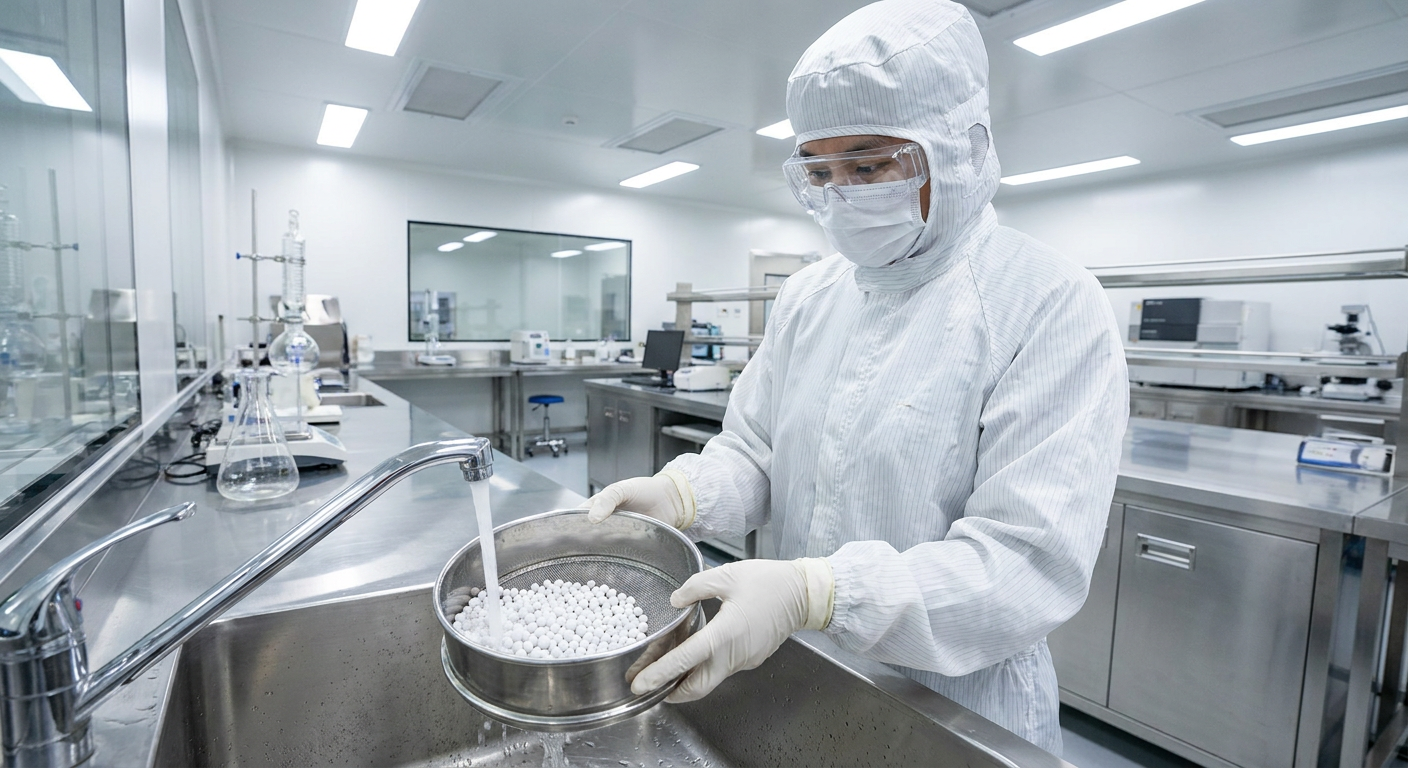
Ensuring the cleanliness of Zirconia Beads requires a rigorous multi-stage washing process, chemical analysis of surface residues, and dust-free packaging protocols before shipment. Because microscopic dust and trace metals left over from manufacturing can severely contaminate delicate pharmaceutical or dental batches, every production lot must be thoroughly cleaned. This washing is typically performed in high-efficiency ultrasonic baths filled with deionized water to strip away any surface particulate. Once washed, the media is dried in cleanroom environments to prevent any environmental contamination. This absolute purity is what allows the media to be safely used in medical-grade applications.
When you procure premium ceramic media, you must verify that the manufacturer provides a certified clean certificate with every shipment. This document details the exact chemical composition of the beads and confirms the absence of heavy metal residues. Loading pre-cleaned, certified media into your mills eliminates the need for time-consuming pre-washing steps at your own facility. You can begin production immediately, secure in the knowledge that your batch purity is fully protected.
Why Is Pre-Cleaning Essential for Pharmaceuticals?
Think about it: when you are milling active pharmaceutical ingredients (APIs), even a few parts per million of metal or dust contamination can lead to immediate batch rejection. Let’s face it: you cannot afford to take any risks when it comes to patient safety and regulatory compliance. This is why using pre-cleaned, biocompatible ceramic media is absolutely non-negotiable for pharmaceutical manufacturers. It protects your formulation from dangerous impurities and ensures your process meets strict sanitary standards.
- Ultrasonic deionized water washing removes microscopic manufacturing dust.
- Biocompatible zirconia formulations prevent heavy metal leaching into APIs.
- Cleanroom packaging guards against airborne spores and particulate contamination.
You will find that using certified clean media simplifies your validation process and speeds up regulatory approvals. You can document a completely clean, predictable grinding environment from start to finish. This documentation is essential for maintaining your ISO and GMP certifications. It provides the solid data package you need to satisfy strict quality auditors.
How Do You Maintain Media Cleanliness in Storage?
Here is why this matters: purchasing clean grinding media is only half the battle; you must also store it properly to prevent contamination. If you leave your media drums open in a dusty warehouse environment, they will quickly attract particulate matter from the air. This airborne dust will transfer directly into your next milling run, causing unexpected defects in your premium coatings or ceramics. You must implement strict storage and handling protocols at your facility to preserve media purity.
- Keep media drums tightly sealed in a dry, temperature-controlled environment.
- Use dedicated, clean ceramic or stainless steel scoops for media handling.
- Perform routine inspection of storage seals to check for moisture or dust entry.
By establishing these simple handling guidelines, you protect your investment and maintain a highly consistent manufacturing environment. Your production team can transition between different product recipes with minimal cleaning downtime. This operational flexibility is highly valuable when managing multiple high-end accounts. It ensures that your facility always operates at the highest standard of cleanliness.
| Application Sector | Required Cleanliness Level | Washing Protocol | Heavy Metal Tolerance | Packaging Type |
|---|---|---|---|---|
| Pharmaceutical API | Ultra-High (Cleanroom) | Ultrasonic Deionized Water | <1 ppm | Vacuum-sealed double bags |
| Advanced Dental | High (Industrial Clean) | Multiphase Acid Wash | <10 ppm | Sealed plastic drums |
| Coatings & Paints | Standard Industrial | Centrifugal Water Rinsing | <50 ppm | Heavy-duty woven bags |
Based on this analysis, you can see how matching the media cleanliness and packaging protocols to your specific industry is essential for avoiding costly product contamination.
Key Takeaway: Sourcing pre-cleaned, certified zirconia media and maintaining strict on-site storage protocols eliminates contamination risks, securing your batch purity and streamlining your regulatory compliance.
Conclusion
Optimizing a high-energy wet milling process requires eliminating the variables that threaten your productivity and batch quality. Throughout this guide, we have explored how premium ceramic media solves critical processing challenges—from preventing premature rotor erosion and screen clogging to eliminating product contamination and maximizing color strength in viscous pigments. By shifting focus from the initial procurement cost to the overall total cost of ownership, forward-thinking manufacturers can unlock massive gains in yield and machinery longevity.
We control every phase of production—from processing raw zircon ore to synthesizing high-purity powders and executing rigorous single-bead crush tests. This vertical integration allows us to deliver customized particle size distributions, verified phase purity, and batch-to-batch consistency that eliminates quality risks. To request tailored technical recommendations, custom specification sheets, or qualification samples for your production line, we invite you to contact us today to connect with our senior application engineering team. Together, we can build a more stable, efficient, and profitable future for your manufacturing operations.
Frequently Asked Questions
Can I use yttria-stabilized zirconia beads in high-viscosity agitator mills?
Yes, you can use them, but cerium-stabilized beads are often more cost-effective for extremely thick formulations. Yttria-stabilized beads offer superior fracture toughness and cleanliness, which makes them perfect for high-speed, low-to-medium viscosity nano-milling. However, for highly viscous paste dispersions, the heavier weight of cerium-stabilized media provides the extra momentum needed to push through high hydraulic resistance.
What’s the best way to determine the optimal bead size for my wet milling process?
The best method is to select a bead diameter that is ten to twenty times larger than your feed material’s $D_{50}$ size. This geometric ratio ensures that the beads have enough physical mass to fracture the largest incoming particles during collisions. Additionally, you must ensure that the bead diameter is at least double the size of your mill’s discharge screen slots to prevent clogging.
How do I know if my zirconia beads are experiencing hydrothermal degradation?
You will notice a sudden increase in media wear rates, surface peeling, and localized cracking on the beads. Hydrothermal degradation, or water-induced aging, occurs when sub-par zirconia is exposed to warm, moisture-rich environments under mechanical shear. If you notice a high concentration of fine white powder and micro-shards in your slurry, it is a clear sign your media lacks phase stability.
Can I mix different sizes or grades of ceramic media in a single mill charge?
No, you should strictly avoid mixing different sizes or material grades in the same chamber. Mixing larger and smaller beads causes the larger spheres to grind down the smaller ones, leading to extremely high wear rates and rapid screen clogging. Similarly, mixing low-density media like glass with high-density zirconia results in the rapid destruction of the lighter material.
How do I know if my mill rotor is running at the correct rotational speed?
You should monitor your mill’s motor load, discharge temperature, and product particle size reduction rate. If your rotor is running too fast for your media charge, you will experience a dramatic spike in product temperature and rapid media wear. Conversely, running too slowly will fail to fluidize the bead bed, leaving your pigments agglomerated and lengthening your processing runs.