
Achieving a flawless, contamination-free satin finish on high-precision components requires premium media capable of delivering high-impact energy without structural breakdown. Imagine your production line is running at full capacity, but your blast cabinets are constantly bottlenecked by shattered glass beads and excessive dust, leaving inconsistent surface profiles on your expensive components. You are losing valuable cycle time, and your finishing quality is highly unpredictable, driving up your scrap rates and operational overhead. By integrating premium Zirconia Beads into your surface finishing workflow, you can eliminate media fracturing, maintain absolute substrate integrity, and achieve highly repeatable, pristine surface finishes every single run.
Why Choose Zirconia Beads for Finishing?
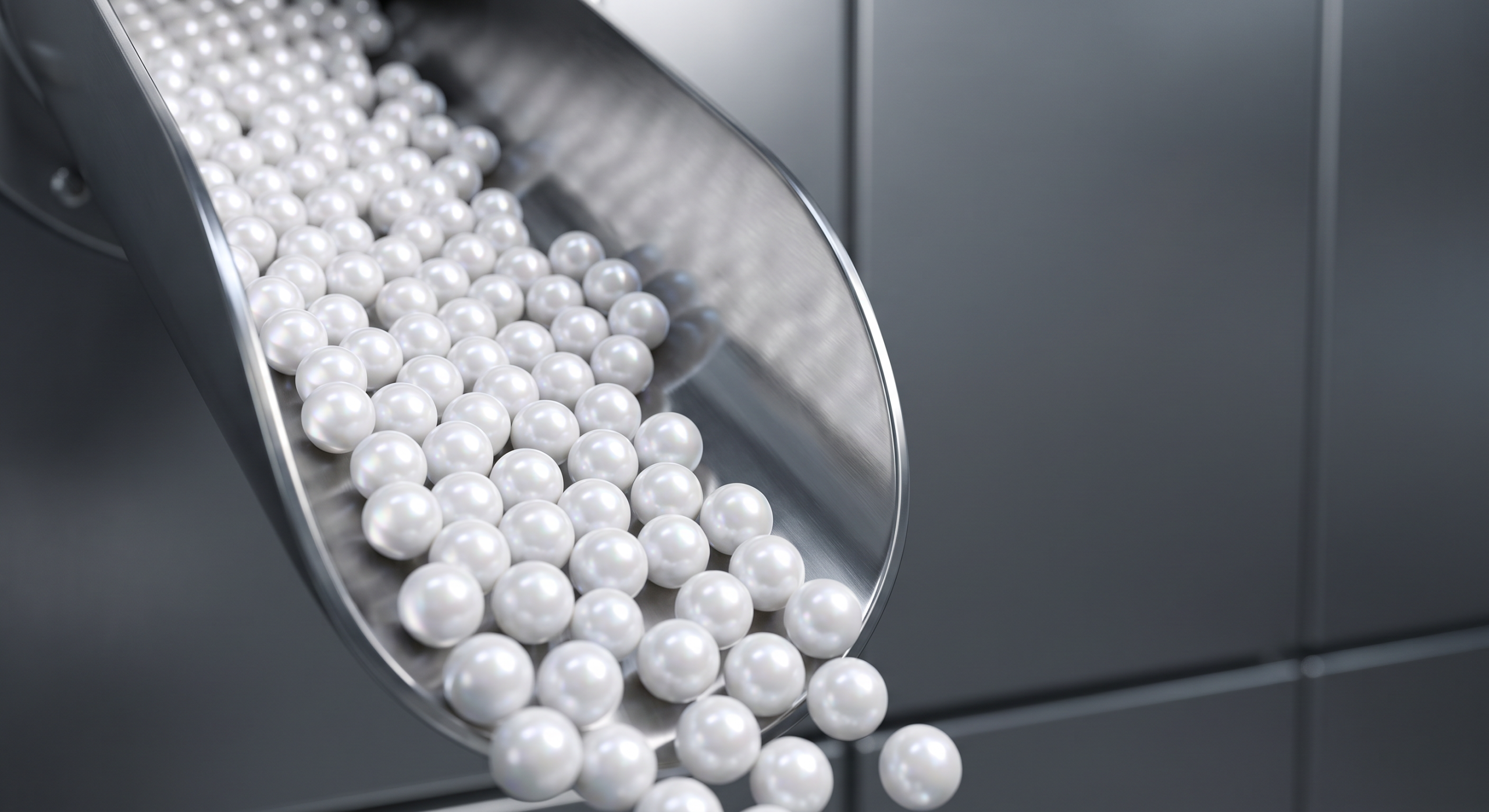
You should choose this high-performance media because its exceptional density and spherical structure provide unmatched impact energy transfer and highly consistent, satin-smooth surface profiles. When high-velocity media strikes your parts, kinetic energy converts to physical work. Standard abrasive media often fractures, but premium Zirconia Beads maintain their structural integrity to deliver uniform physical compression. This process removes surface imperfections without causing dimensional distortion.
This mechanical action creates an appealing, low-reflection finish on a variety of metal substrates. It is a highly repeatable method that modern B2B manufacturers rely on for quality control. By stabilizing your surface profile, you ensure superior performance in downstream coating steps.
What is the Science Behind Surface Blasting?
When high-velocity media strikes a substrate, kinetic energy is converted into physical work, either removing surface material or inducing compressive stress. Unlike angular media that cuts and gouges, spherical ceramic particles distribute this force uniformly across the surface. You will notice a dramatic difference in surface consistency.
Think about it:
- High density translates directly to maximum kinetic energy transfer per impact.
- Micro-level impact creates uniform surface compression, reducing microscopic stress-concentration zones.
- Zero iron contamination ensures the treated surface maintains its absolute chemical and structural integrity.
This physical consistency ensures you achieve pristine results every time without surface degradation.
How Sintering Enhances Spherical Structure
High-temperature sintering of yttria-stabilized zirconia causes recrystallization, eliminating internal voids and establishing a tightly bound, homogeneous grain structure. This process prevents fracturing under continuous impact, ensuring each bead maintains its perfect spherical shape. You can run highly aggressive blast parameters without media degradation.
Here is the deal:
- Zero internal voids mean the beads resist high-velocity fracturing.
- Perfect spherical geometry ensures uniform force distribution across the entire workpiece.
- Constant bead mass prevents erratic finishing patterns over long manufacturing runs.
By avoiding structural micro-fractures, you preserve critical tolerances.
Key Takeaway: Sintered ceramic spheres elevate your surface finishing capability from an unpredictable, dust-heavy manual grind to a highly controlled, high-efficiency process that guarantees repeatable part quality.
| Process Metric | Angular Abrasives | Sintered Ceramic Media |
|---|---|---|
| Surface Impact Style | Micro-cutting and gouging | Uniform micro-peening compression |
| Media Integrity | High fracture rates | Perfect spherical retention |
| Contamination Risk | High metallic/silica transfer | Zero chemical cross-contamination |
This comparison illustrates why transitioning to spherical ceramic media remains critical for high-precision components.
What Are the Benefits of Zirconia Beads?
The key benefits of this premium media include extreme wear resistance, high density for superior impact energy, chemical inertness, and a near-perfect spherical structure. Investing in high-grade Zirconia Beads allows you to unlock unmatched operational efficiency across your manufacturing floor. With a zirconia content exceeding ninety-five percent, these beads boast a density that is significantly higher than typical glass or silicate blasting media. This massive concentration of mass in a small volume translates to greater momentum upon impact.
You will notice that these beads resist wear and mechanical breakdown even under intense pressures. Their high toughness limits micro-cracking and spalling during continuous work cycles. Ultimately, this leads to a highly stable surface finishing environment.
Material Purity and Density Advantages
With exceptional purity, these media particles prevent cross-contamination, which is essential for medical-grade and semiconductor-grade components. You will prevent galvanic corrosion on delicate non-ferrous alloys. This guarantees compliance with strict industry regulations.
Let’s look closer:
- Chemical purity prevents galvanic corrosion on delicate non-ferrous alloys.
- Extreme material density accelerates cleaning cycles, cutting processing times by up to 40%.
- Ultra-dense structures absorb structural shocks, reducing media decay rates.
You can rely on this material consistency to meet the most stringent regulatory guidelines.
Extreme Wear and Corrosion Resistance
These beads exhibit complete chemical inertness, which prevents reactions with acids, alkalis, or moisture during wet-blasting or mass finishing operations. You will experience zero physical or chemical breakdown in harsh environments. This ensures your final product remains pristine.
Here is the reality:
- Excellent corrosion resistance enables stable wet-milling and wet-blasting.
- High physical hardness prevents flattening and deformation over hundreds of cycles.
- Zero chemical degradation ensures no unwanted chemical residues are left behind on your parts.
This means you can work with confidence, knowing your finishing process is completely stable and contaminant-free.
Key Takeaway: The extreme density and chemical purity of yttria-stabilized ceramic media provide double-digit cycle-time reductions while maintaining pristine, contamination-free surfaces.
| Physical Property | Value / Specification | Primary Performance Benefit |
|---|---|---|
| Density | ≥6.0 g/cm³ | Maximizes kinetic energy transfer and minimizes processing times |
| Zirconia Purity (ZrO₂) | ≥95% | Prevents material cross-contamination on critical substrates |
| Mohs Hardness | 9 | Resists deformation and flattening under extreme velocity |
| Fracture Toughness | 8.0 MPa·m¹/² | Eliminates shattering, maintaining spherical shape over cycles |
This physical data demonstrates why yttria-stabilized ceramic media delivers superior mechanical performance compared to traditional alternatives.
How Do Zirconia Beads Beat Other Media?
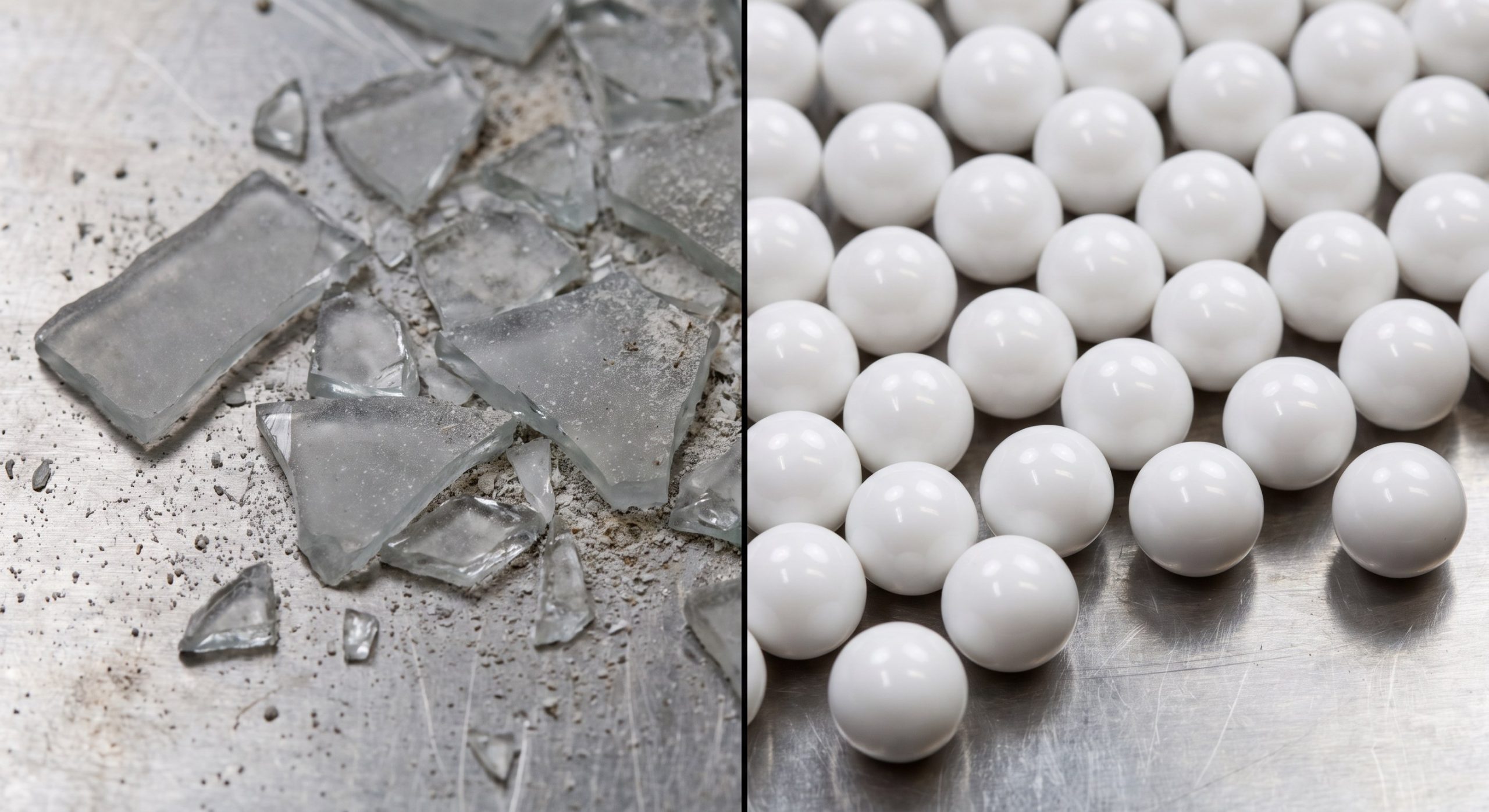
They consistently outperform traditional media by delivering up to thirty times longer service life, minimal dust generation, and significantly greater process efficiency. When you evaluate modern finishing media, Zirconia Beads stand out as a highly cost-effective and clean alternative. Traditional glass beads fracture rapidly under normal pressures, turning into jagged shards that scratch delicate components. Choosing ceramic media eliminates this physical breakdown entirely.
Furthermore, this high-durability media maintains its perfect spherical shape throughout thousands of cycles. This ensures that your finished parts show a uniform matte appearance over time. You will no longer need to worry about erratic finishing results.
Replacing Fragile Glass Beads
Glass beads are lightweight, fragile, and prone to rapid fracturing, creating jagged shards that scratch delicate parts and release hazardous silica dust. You can eliminate this risk completely by upgrading to ceramic spheres. This maintains a clean and safe workstation.
Think about it:
- Glass media fractures after only a few passes, requiring constant media replacement.
- Sintered ceramic media maintains its spherical integrity, preventing inconsistent surface finishes over time.
- Low-breakage rates eliminate dusty working environments, protecting operator health and machine life.
You can run your operations continuously without halting production for constant media top-offs.
Outperforming Rigid Aluminum Oxide
While aluminum oxide is highly aggressive due to its sharp, angular crystalline structure, it causes severe surface erosion and embeds sharp particles into soft alloys, compromising part geometry. Ceramic media delivers rapid surface cleaning without any metal loss or surface degradation. You can safeguard the dimensional integrity of your parts.
But that is not all:
- Spherical impact delivers rapid surface cleaning without any metal loss.
- Elimination of embedded grit protects structural integrity and prevents stress corrosion cracking.
- Smoother surface profiles reduce downstream friction and wear on moving components.
This allows you to achieve clean, non-destructive surface cleaning on highly critical aerospace and automotive components.
Key Takeaway: Choosing high-durability ceramic media over cheap consumables shifts your finishing process from an erratic, high-dust manual operation to a clean, standardized, and highly predictable production line.
| Feature / Metric | Ceramic Beads | Glass Beads | Aluminum Oxide |
|---|---|---|---|
| Operational Lifespan | Extremely High (Up to 30x glass) | Very Low (1-3 cycles) | Moderate (High wear rate) |
| Surface Finish Style | Satin-smooth, uniform dimpling | Inconsistent satin sheen | Rough, highly matte, etched |
| Dust Generation | Minimal to zero | Extremely high (Silica hazard) | High (Alumina dust) |
| Substrate Impact | Zero material removal | Low, but risks scratching | Severe cutting/material loss |
This comparison highlights the strategic advantage of transitioning to ceramic media to optimize B2B production yield.
How Do Zirconia Beads Serve Automotive?
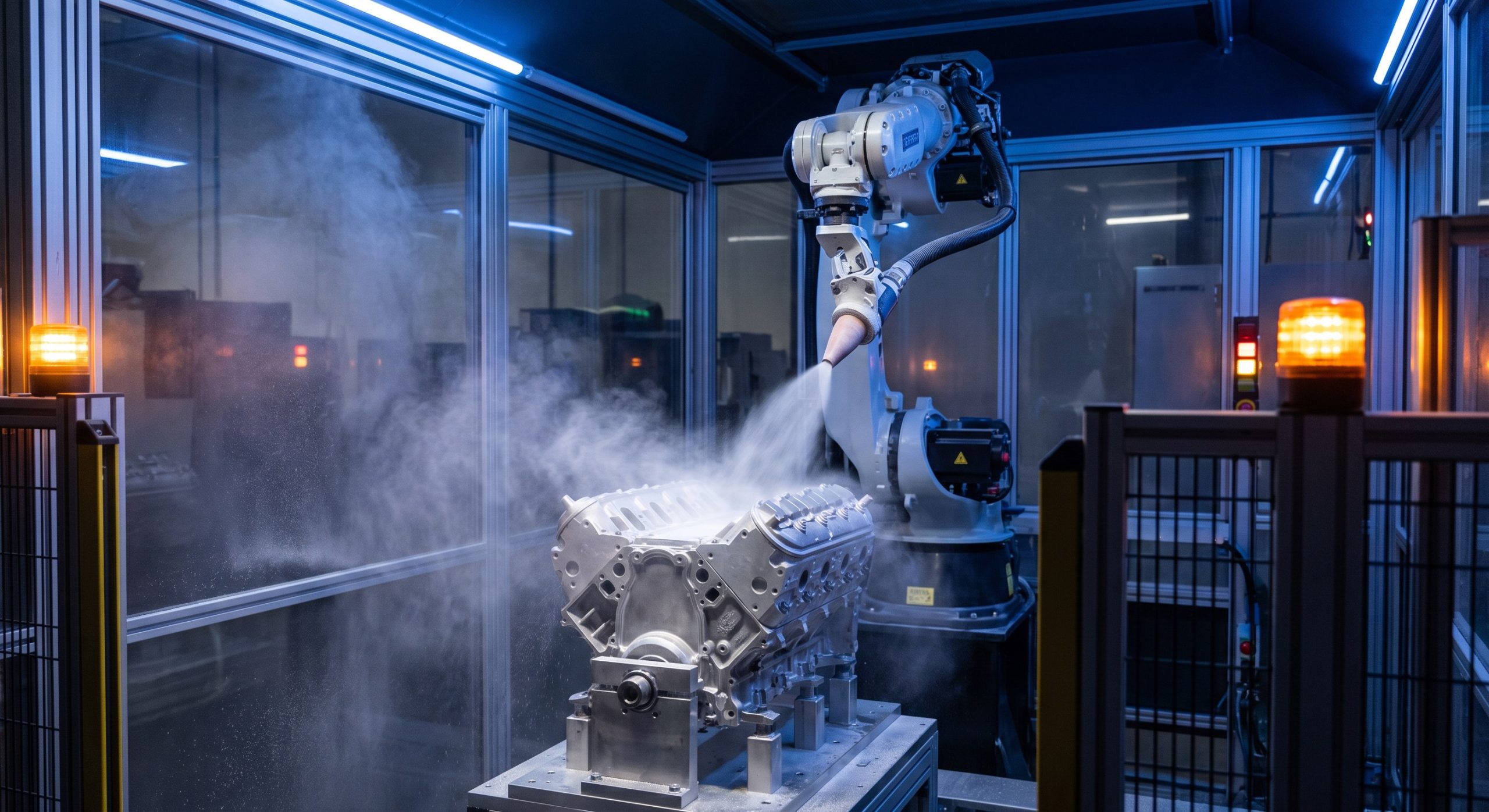
In the automotive sector, this media delivers rapid, uniform surface cleaning and shot peening for critical aluminum alloys, engine components, and brake systems to enhance part life. Modern automotive manufacturing requires high precision when processing cast parts like engine cylinder heads, turbine housings, and manifolds. Utilizing Zirconia Beads allows you to clean casting scale and parting line burrs without altering the tight tolerances of machined mating surfaces. This process is essential for maintaining mechanical sealing integrity.
By applying a uniform micro-peening impact, you actively increase the fatigue resistance of critical steel and aluminum parts. This treatment extends the service life of high-performance components under intense mechanical stress. It has become a standard specification for leading global automotive suppliers.
Processing Aluminum Alloys and Steel
Automotive manufacturing demands extreme precision when finishing cast parts, such as engine cylinder heads, turbine housings, and manifolds. This media cleans casting scale and parting line burrs without altering the tight tolerances of machined mating surfaces. You will achieve clean, chemically inert surfaces ready for demanding physical applications.
Here is the deal:
- It eliminates the risk of embedding metallic iron particles, preventing galvanic corrosion on aluminum parts.
- The bead’s impact creates a consistent matte finish, making it highly suitable for visible engine bay components.
- The treatment improves surface micro-hardness by micro-peening the outer metal layer.
This mechanical action ensures you keep your defect rates to an absolute minimum.
Maximizing Downstream Coating Adhesion
The uniform micro-dimpled texture generated by ceramic bead impacts significantly increases the overall surface area of the metal, creating mechanical interlocking anchors for primers, powder coatings, and electroplated layers. You will observe a stronger physical bond between the metal and the coating. This reduces paint peeling over long lifetimes.
Think about it:
- Increased mechanical bonding surface prevents paint peeling and bubbling over time.
- Micro-peened surfaces resist micro-cracking beneath protective coatings.
- Complete elimination of surface oxides ensures outstanding chemical adhesion.
This allows you to offer your automotive clients a highly durable surface treatment that stands up to harsh environmental exposure.
Key Takeaway: For automotive B2B suppliers, treating structural components with high-purity ceramic media yields a double-digit percentage increase in coating adhesion strength and dynamic fatigue life.
| Component Type | Material Substrate | Finishing Objective | Key Metric / Performance Gain |
|---|---|---|---|
| Cylinder Heads | Cast Aluminum | Scale removal & deburring | 30% improvement in mating surface smoothness |
| Engine Valves | Hardened Steel | Micro-peening | 15% increase in dynamic fatigue limit |
| Brake Calipers | Ductile Iron / Aluminum | Pre-coat profiling | 20% increase in powder coat adhesion strength |
This automotive application data proves how ceramic finishing directly elevates mechanical durability and coating quality.
Why Are Zirconia Beads Key in Aerospace?
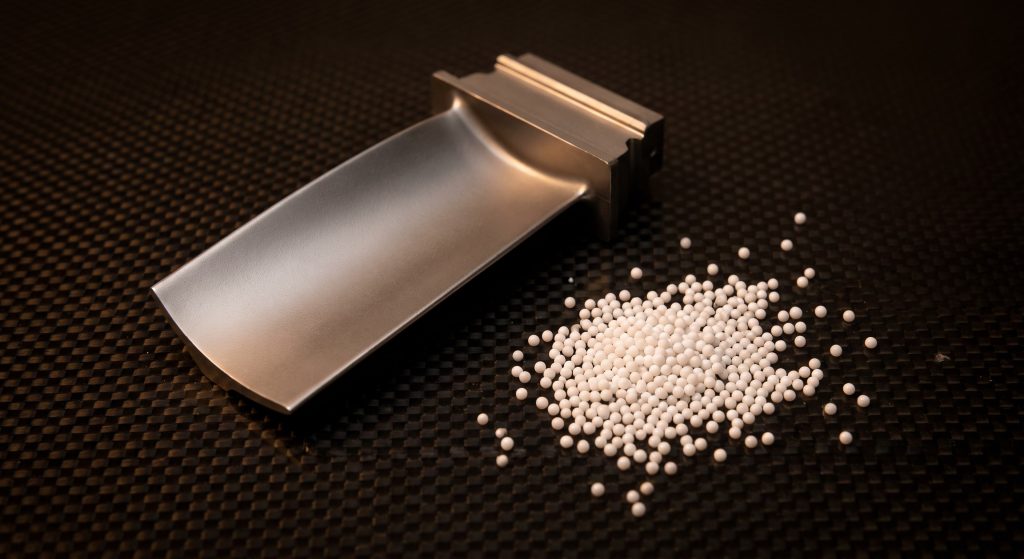
In aerospace engineering, this high-performance media is critical because it eliminates microscopic stress concentrators, removes stubborn oxide scale, and induces beneficial compressive stresses in turbine blades. Aircraft turbine components are subjected to extreme thermal cycles and centrifugal forces, where even a microscopic surface crack can propagate into catastrophic structural failure. Blasting with high-grade Zirconia Beads gently cleans turbine components without introducing micro-scratches. This process preserves the tight structural tolerances required by aerospace regulators.
Additionally, the controlled impact of these ceramic spheres creates a highly beneficial layer of compressive residual stress on the metal’s outer layer. This cold-working process blocks tension-induced crack growth, maximizing the working life of rotating parts. You can achieve consistent, ultra-reliable results across high-value alloys.
Preventing Cracks in Turbine Components
Aircraft turbine blades are subjected to extreme thermal cycles and centrifugal forces, where even a microscopic surface crack can propagate into catastrophic structural failure. Blasting with high-grade ceramic media gently cleans turbine components without introducing micro-scratches. You will prevent premature component failures by switching to a completely non-destructive, spherical finishing medium.
Think about it:
- Angular grit actually creates sharp notch-like stress concentrators.
- Ceramic spheres round out existing surface imperfections, eliminating potential crack initiation sites.
- The process thoroughly cleans thermal barrier coatings (TBC) without compromising the parent superalloy.
This ensures you satisfy the strict safety standards required of modern turbine assemblies.
Inducing Compressive Residual Stress
By cold-working the metal surface, the spherical impacts induce a highly beneficial layer of compressive residual stress. This stress barrier blocks tension-induced crack growth, maximizing the component’s working life. You can rely on this material consistency to protect aerospace parts from mechanical fatigue.
Here is the reality:
- Compressive stress acts as a barrier against thermal stress cracking.
- It significantly reduces stress corrosion cracking (SCC) in humid, saline atmospheres.
- Micro-peened surfaces exhibit improved resistance to high-frequency fatigue cycles.
You will find that your structural titanium and nickel alloys can withstand higher operating stress profiles over longer periods.
Key Takeaway: In aerospace manufacturing, high-density ceramic media is highly valued for its ability to clean critical alloys while executing precise micro-shot peening, which increases fatigue life by up to 25%.
| Aerospace Component | Substrate Material | Surface Treatment Goal | Fatigue Life Extension |
|---|---|---|---|
| Turbine Blades | Nickel-based Superalloy | Oxide cleaning & peening | Up to 25% increase in fatigue cycles |
| Landing Gear | High-strength Steel | Stress-corrosion protection | Up to 20% reduction in crack propagation |
| Fuel Manifolds | Titanium Alloy | Deburring internal channels | Smooth, frictionless fuel flow profile |
This technical breakdown illustrates why aerospace manufacturers mandate spherical ceramic treatment for high-stress rotating parts.
Can Zirconia Beads Improve Bone Implants?
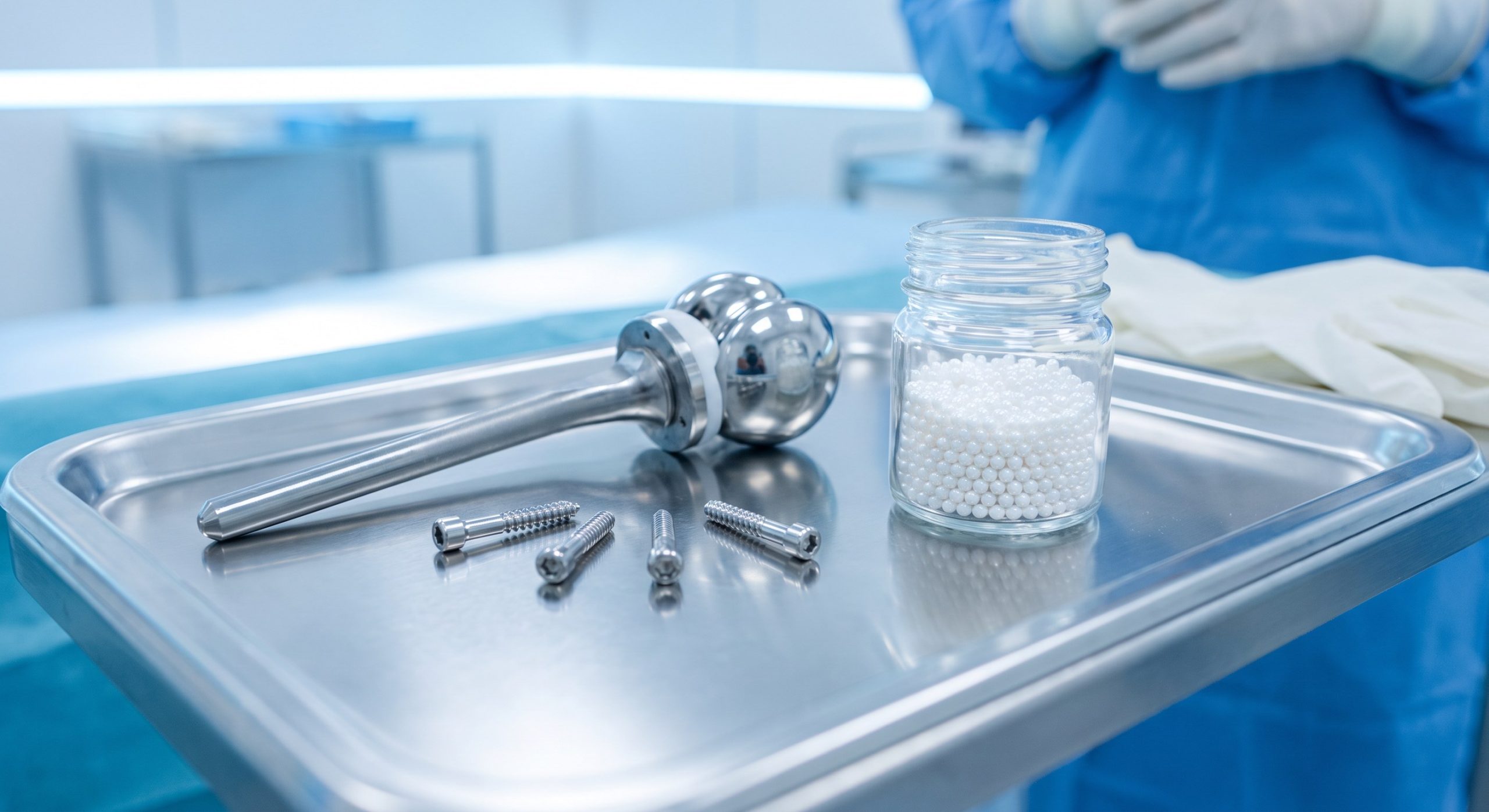
Yes, they can greatly improve medical implants and surgical instruments by delivering a highly polished, deburred, and biologically safe surface that resists bacterial accumulation. Medical devices require absolute biological safety and structural perfection, leaving no room for surface defects. Utilizing Zirconia Beads allows you to polish and deburr titanium bone screws, joint prostheses, and surgical scalpels without transferring metallic impurities. This process prevents the post-operative complications associated with iron contamination.
The resulting ultra-smooth surface profile actively prevents microscopic crevice corrosion when exposed to saline body fluids. It ensures that orthopedic implants exhibit high biocompatibility in long-term clinical settings. This level of safety is indispensable for modern biomedical engineering.
Ultra-Clean Medical Finishing
Surgical scalpels, orthopedic bone screws, and joint prostheses demand absolute structural purity and smoothness. Even microscale burrs can detach in the human body or host harmful bio-contaminants. You can easily pass stringent biomedical validation procedures by using a completely clean media option.
Here is the deal:
- Standard metal media can leave iron deposits that lead to implant rejection or tissue toxicity.
- High-purity ceramic beads polish and deburr titanium without transferring trace impurities.
- The ultra-smooth surface profile actively prevents microscopic crevice corrosion in saline body fluids.
This ensures you maintain an ultra-clean, bio-compatible manufacturing environment.
Restricting Bacterial Colonization
Microorganisms colonize surfaces by anchoring inside microscopic grooves and cracks. By polishing implants to a uniform, ultra-smooth satin or mirror finish, the physical bonding sites for bacteria are eliminated. You will reduce infection risks and improve clinical outcomes.
Think about it:
- Polishing implants to a uniform, ultra-smooth satin finish eliminates bonding sites for bacteria.
- Frictionless surfaces reduce wear debris generation inside joint cavities.
- Consistent surface profiles improve osteointegration with surrounding bone tissues.
By reducing micro-crevices, you protect patients from post-operative infections and ensure the long-term success of the implant.
Key Takeaway: Implementing high-purity ceramic media in biomedical manufacturing ensures implants achieve unmatched surface cleanliness, directly translating to superior biocompatibility and reduced infection rates.
| Medical Implement | Base Material | Finishing Process | Clinical Performance Advantage |
|---|---|---|---|
| Surgical Scalpels | Medical-grade Stainless | Deburring & satin finishing | 40% reduction in surface roughness; easier sterilization |
| Hip Joints | Titanium Alloy | Precision polishing | Near-zero friction coefficient; reduced implant wear |
| Bone Screws | Titanium Alloy | Thread cleaning & finishing | Complete elimination of toxic chemical residue |
This operational matrix highlights how high-purity ceramic media safeguards critical medical-grade implant manufacturing.
How Do Zirconia Beads Polish Electronics?
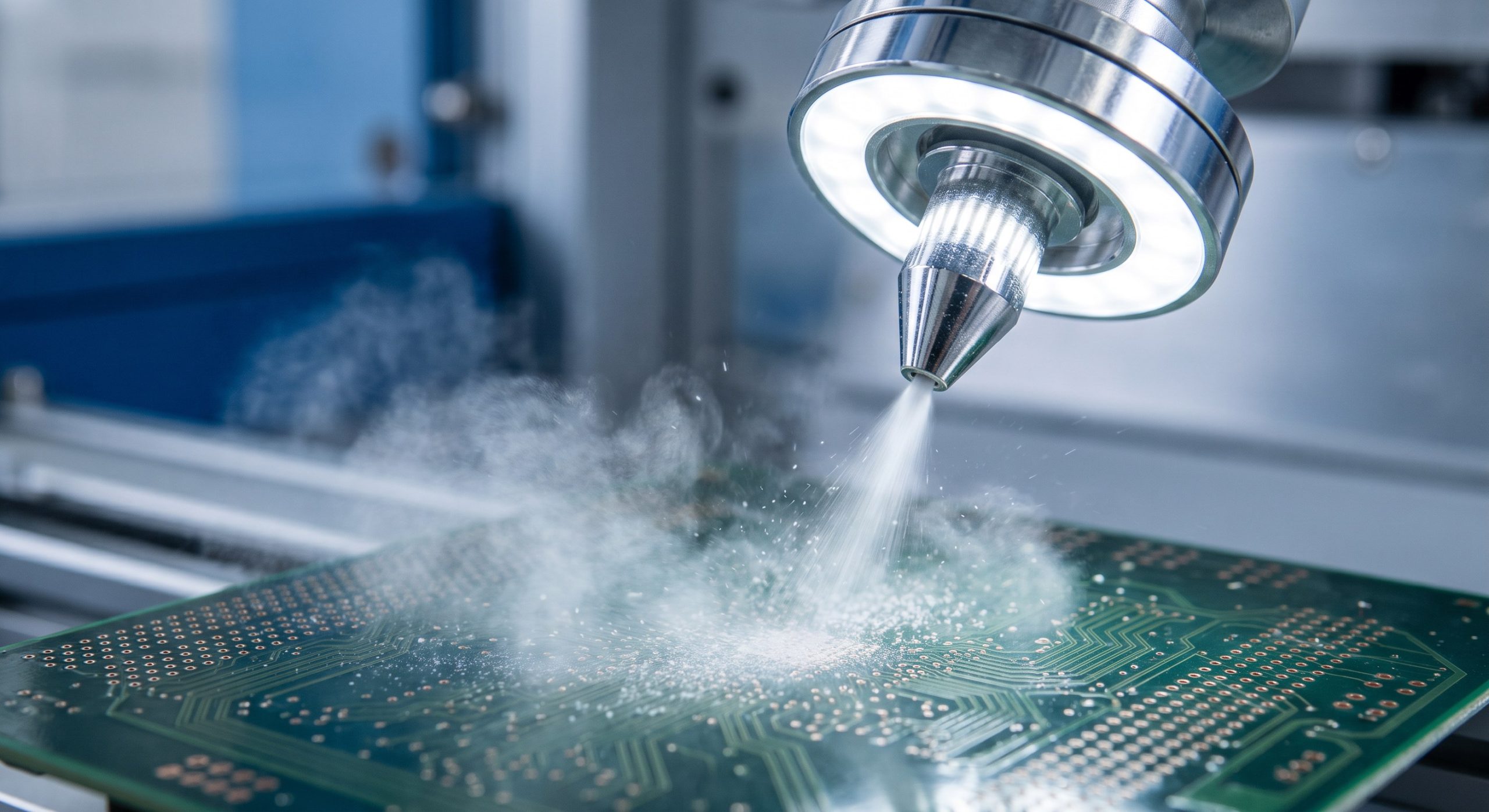
They polish electronic components by providing ultra-precise deburring, cleaning, and surface smoothing without damaging fragile microcircuits. In the consumer electronics industry, components such as microchips, sensor housings, and optical fiber connectors must be completely free of micro-burrs and flash residue. Due to their small mass and perfect sphericity, small Zirconia Beads can safely sweep away mold flash without scratching fragile sub-micrometer structures. This process protects the electrical and functional performance of your assemblies.
Additionally, using non-conductive ceramic media eliminates the risk of electrical short-circuits caused by metal dust residues. It provides a clean, dry processing method that is highly compatible with cleanroom standards. You will achieve high yields in your microelectronics manufacturing lines.
Deburring Sensitive Microelectronic Components
In the consumer electronics industry, microchips, sensor housings, and optical fiber connectors must be completely free of micro-burrs and flash residue. Due to their small mass and perfect sphericity, small ceramic beads can safely sweep away mold flash without scratching fragile structures. You can prevent micro-component failure during high-speed production by utilizing this non-destructive method.
Here is the deal:
- By using micro-sized beads, delicate electronic terminals remain entirely undamaged.
- It removes non-conductive mold release agents from contact pins, ensuring clean electrical continuity.
- The media leaves zero conductive or non-conductive dust residues behind on sensitive assemblies.
This means you keep your overall manufacturing yields high while preventing electrical defects.
Eliminating Short-Circuit Risks
Blasting with traditional metals or friable glass can leave conductive metallic dust or abrasive particles lodged between closely spaced micro-circuits, resulting in bridging and electrical shorts. Ceramic media is completely non-conductive and leaves no residue, ensuring high electrical isolation. You can protect your assemblies from physical damage during the cleaning process.
Think about it:
- Ceramic media is completely non-conductive and leaves no residue, ensuring high electrical isolation.
- Spherical impact prevents the tearing of thin circuit board foils and conductive tracks.
- Dust-free cleaning ensures high clarity on optical and camera sensor windows.
This allows you to guarantee high physical and electrical isolation across all your high-density interconnect designs.
Key Takeaway: For microelectronics manufacturers, the use of ultra-fine ceramic beads provides deep micro-cleaning of complex contact terminals, reducing product defect rates by up to 20% while safeguarding electrical isolation.
| Electronic Component | Target Material | Finishing Treatment | Manufacturing Yield Impact |
|---|---|---|---|
| Sensor Housings | Aluminum / Polymer | Mold flash deburring | 20% reduction in surface defects and reject rates |
| IC Lead Frames | Copper / Gold Plated | Cleaning contact pads | 12% increase in overall component electrical stability |
| Fiber Optic Ports | High-precision Ceramic | Micro-smoothing | Perfect light transmission with zero dust occlusion |
This industrial performance data illustrates why leading consumer electronics manufacturers mandate ceramic micro-blasting.
How to Select the Size of Zirconia Beads?
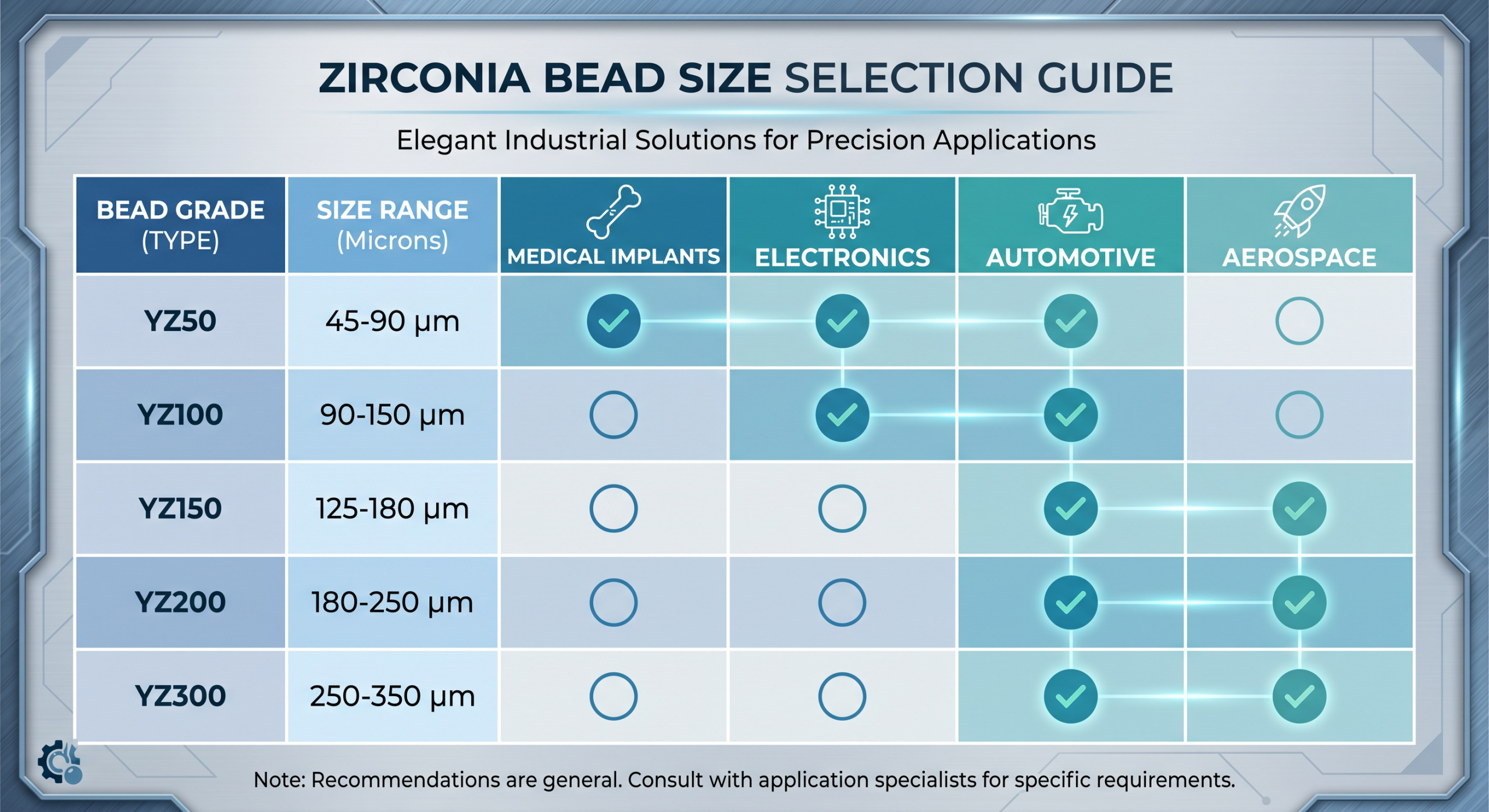
Selecting the right size of this premium media depends primarily on your workpiece material and surface finish requirements, ranging from coarse YZ300 for heavy descaling to ultra-fine YZ50 for mirror-like polishing. To achieve optimal results on your production line, you must match the media diameter with your specific component geometries. High-quality Zirconia Beads are available in a variety of sizing grades to accommodate different industrial finishing goals. Larger grades carry high kinetic energy, making them ideal for heavy cleaning and descaling.
Conversely, micro-sized grades are designed for delicate polishing and tight tolerance parts. Using the wrong size can lead to media lodging in narrow channels or surface pitting. You should carefully evaluate your target substrate before choosing your media grade.
Applying Coarse YZ300 for Heavy Descaling
Larger bead sizes carry significant momentum and kinetic energy, which makes them perfect for rugged industrial tasks. They are ideal for removing thick oxidation, scale, and casting lines from large iron castings and structural steel. You will notice dramatic time savings when clearing thick surface crusts off large heavy-industry components.
Here is the deal:
- Coarse beads are necessary for fast material profiling and high-intensity peening.
- They quickly remove stubborn oxides, scale, and rust from cast-iron or steel workpieces.
- They are best suited for rugged automotive, aerospace, and defense applications.
This mechanical configuration gives you a high material removal rate while minimizing physical wear on the equipment.
Utilizing Fine YZ50 for Precision Polishing
For high-precision applications requiring smooth finishes, ultra-fine beads are required to avoid scratching. These small particles glide gently across substrates, removing microscale burrs and polishing surfaces to a bright sheen. You can easily smooth out microscopic ridges without changing the underlying physical structure of the part.
Think about it:
- Fine beads glide gently across substrates, polishing surfaces to a brilliant sheen.
- They prevent surface distortion or warping on ultra-thin sheet metals and polymers.
- Their micro-size allows them to easily clean complex dental, surgical, or jewelry designs.
This fine control guarantees you meet tight design tolerances and aesthetic standards.
Key Takeaway: Properly matching the media diameter to your workpiece geometry and surface finish goals is crucial: choose larger, heavier beads for rapid descaling and compressive peening, and reserve ultra-fine beads for high-precision polishing and delicate deburring.
| Media Model | Bead Size Range (microns) | Primary Material Target | Typical Industrial Application |
|---|---|---|---|
| YZ300 | 250–300 μm | Heavy Steel, Cast Alloys | Rough casting cleaning and industrial shot peening |
| YZ100 | 80–125 μm | Medium Alloys, Titanium | Turbine blade conditioning and electronics deburring |
| YZ50 | 45–90 μm | Precious Metals, Fine Plastics | Precision surgical instrument and jewelry polishing |
This selection framework ensures operators avoid costly sizing errors while optimizing material processing efficiency.
Do Zirconia Beads Reduce Operating Costs?
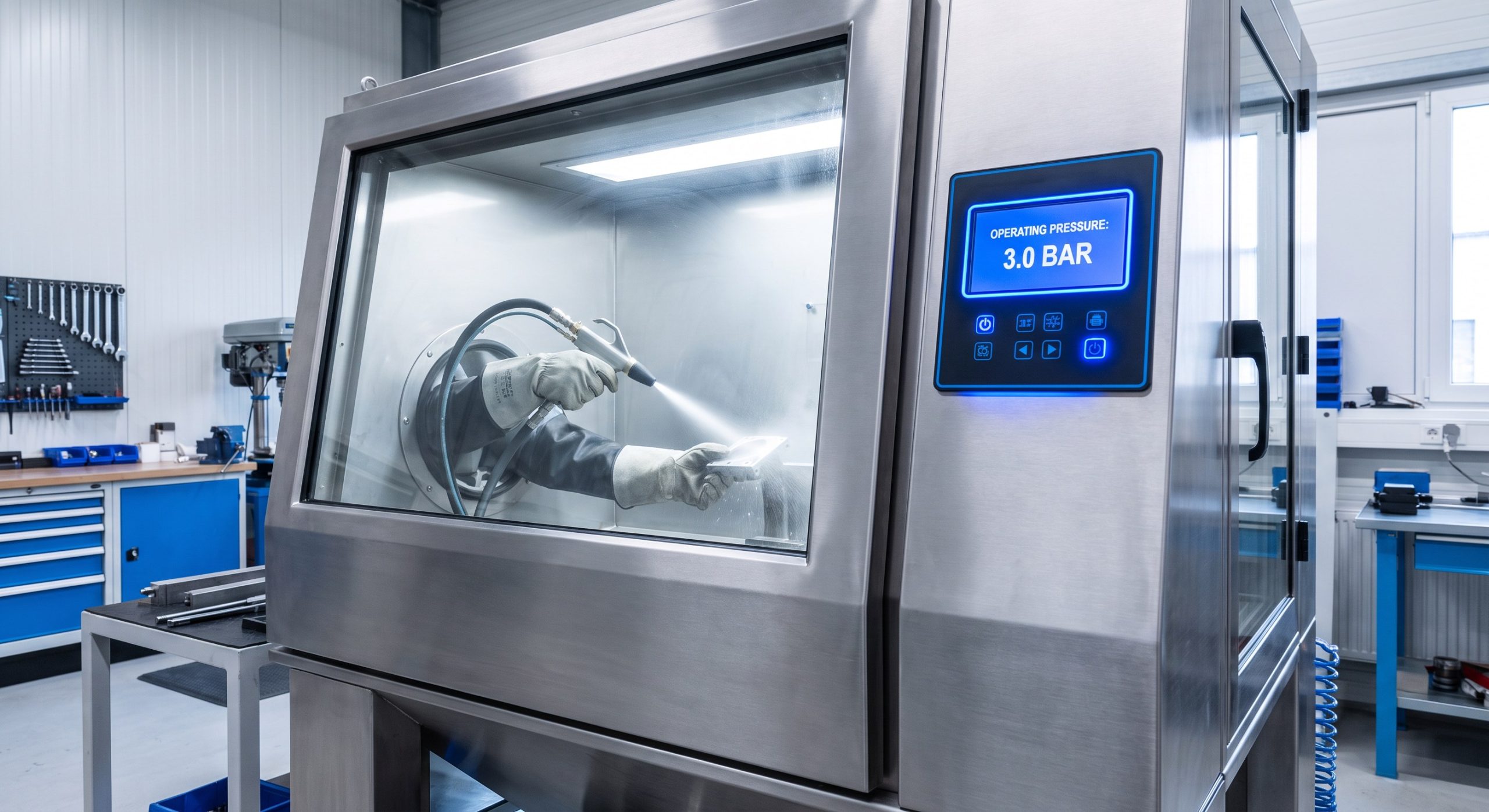
Analyzing operating costs reveals that they drastically lower overall operating costs by reducing media consumption rates, minimizing equipment wear, and decreasing maintenance downtime. While the initial purchase price of high-performance Zirconia Beads is higher than standard abrasive alternatives, their long-term economic return is unmatched. Because yttria-stabilized zirconia has high fracture toughness, the beads bounce off target substrates without shattering. This low fracture rate keeps the working media mix consistent.
You will purchase and ship up to ninety percent less bulk media over a typical fiscal year. This reduces your warehousing requirements and lowers manual labor costs associated with media replacement. You can run highly profitable, uninterrupted finishing processes with ease.
Measuring the Longevity of Premium Media
Because yttria-stabilized zirconia has high fracture toughness, the beads bounce off target substrates without shattering. This durability ensures your operational costs remain low and highly predictable over several quarters. You will see a significant reduction in waste disposal volume.
Think about it:
- High wear resistance means buying and shipping up to 90% less bulk media over a year.
- Fewer media changeouts drastically reduce machine downtime and labor costs.
- Reduced machine wear extends the lifespan of expensive blast nozzles, hoses, and mixing chambers.
By minimizing media consumption, you protect your bottom line.
Optimizing Your Media Replacement Cycles
Establishing a routine top-up schedule, combined with an automated air-wash or screen-separator system, ensures broken beads or foreign debris are removed immediately. This maintains a clean working mix for highly repeatable, high-efficiency operations. You will achieve maximum repeatability across thousands of processing cycles without unpredictable quality drops.
Here is the reality:
- Routine screening maintains a highly consistent operational grain size.
- Removing dust fines improves visual clarity inside your blast cabinets.
- Regular maintenance intervals prevent nozzle blockages and airflow fluctuations.
This structured maintenance routine keeps your operating cost per part at an absolute minimum.
Key Takeaway: Although premium ceramic media requires a higher initial investment, its exceptional durability and low wear rate generate significant long-term savings by cutting media consumption, downtime, and equipment wear.
| Blasting Media Type | Initial Media Cost | Average Lifespan (Cycles) | Equipment Wear Rate | 12-Month Total Operational Cost |
|---|---|---|---|---|
| Ceramic Beads | High | 300–400 cycles | Extremely Low | Low (Due to minimal replacements) |
| Glass Beads | Low | 10–15 cycles | High (Shattered shards) | High (Continuous purchasing/downtime) |
| Aluminum Oxide | Moderate | 20–30 cycles | Extremely High | High (Severe nozzle/hose erosion) |
This comparative data demonstrates why investing in premium ceramic media is highly cost-effective for modern, high-production finishing facilities.
What Are FAQs About Zirconia Beads?
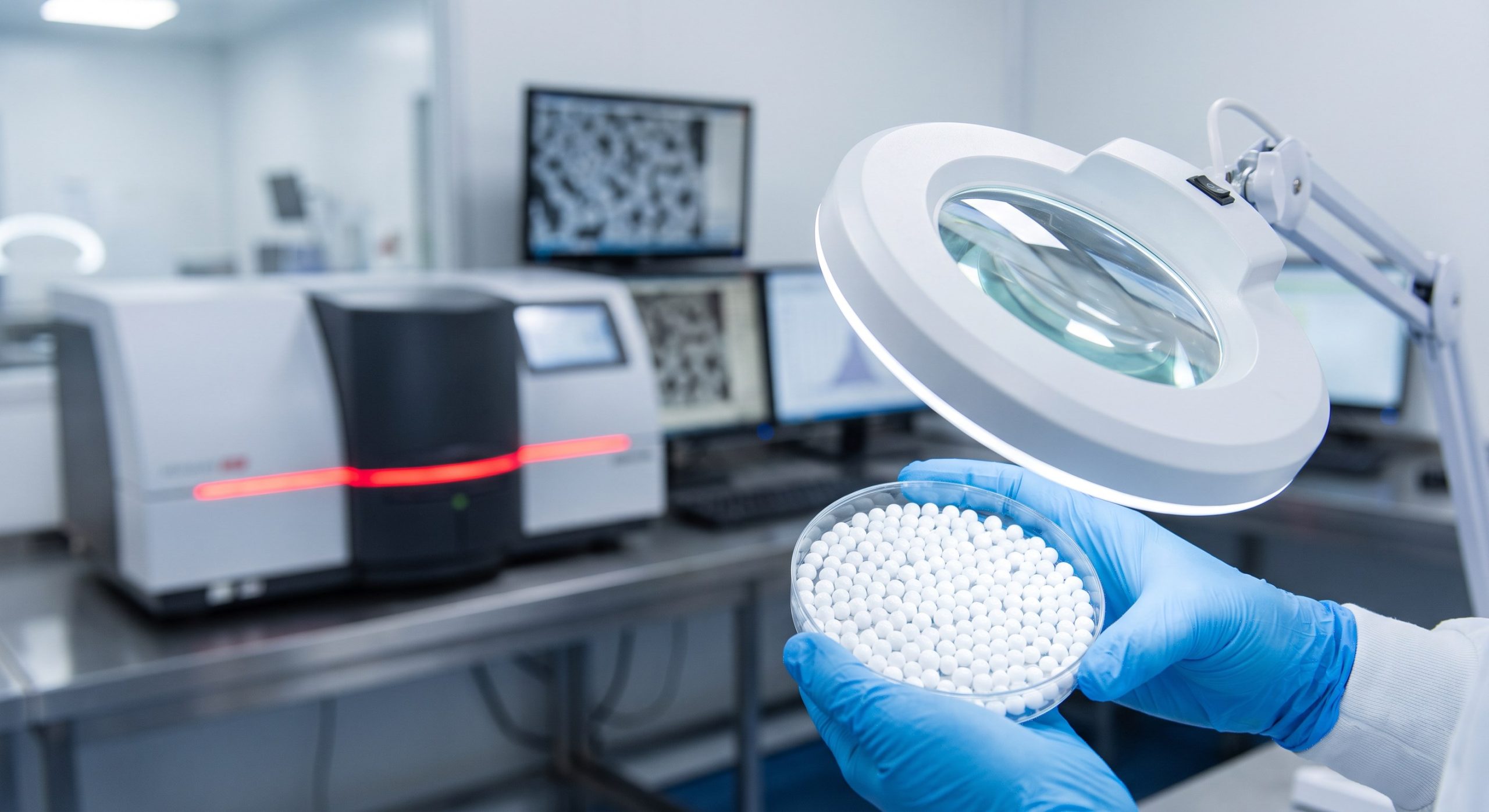
Understanding frequently asked questions about these ceramic spheres helps industrial operators resolve technical challenges, select the correct media sizes, and optimize their blast parameters for maximum finishing efficiency. Choosing high-performance Zirconia Beads for your industrial manufacturing facility is a strategic decision that raises several technical and operational questions. Operators must understand how operating pressures, recycling configurations, and sizing parameters impact their physical workflow. By addressing these concerns, you can optimize your blasting processes with complete confidence.
Maintaining a clean working mix and monitoring media wear are crucial to achieving highly repeatable finishing results. The following structured guide resolves common technical questions regarding daily operations. This knowledge allows you to maintain optimal production efficiency.
Tuning Operating Pressure and Recirculation
For most surface cleaning and finishing applications, the optimal operating pressure ranges between 2.0 and 4.0 bar, which balances rapid cleaning rates with maximum media life. You can adjust the blast pressure depending on substrate hardness. This ensures you maintain control over the resulting surface finish.
Think about it:
- Low pressures prevent physical warping on thin-walled components.
- Efficient classification systems automatically filter out broken fines and contaminants.
- Proper air wash settings prevent moisture clumping within the blast cabinet.
You can easily maintain a clean, productive working environment by setting the correct mechanical operating limits.
Determining Quality Inspection Milestones
You should monitor the surface roughness of your finished parts and inspect the media mix under magnification. Once you detect broken, non-spherical particles, or notice a drop in finishing speed, it is time to screen out fines. This simple monitoring step prevents erratic finishing profiles.
Here is the reality:
- Broken, non-spherical particles must be screened out immediately to prevent substrate damage.
- Surface roughness tracking helps you identify when the media mix needs to be topped off.
- Automated classifier screens simplify daily maintenance procedures for your operators.
This ensures you consistently deliver premium surface profiles to your B2B customers without experiencing quality drifts.
Streamline Your Surface Finishing Workflow
Achieving superior B2B surface finishing no longer requires you to accept high media consumption, dirty working environments, or erratic component quality. By adopting premium yttria-stabilized ceramic media, you solve the persistent challenges of dust contamination, frequent equipment downtime, and surface degradation. Our high-performance ceramic blasting solutions are engineered to deliver maximum kinetic energy, immaculate substrate purity, and repeatable satin-matte profiles across aerospace, medical, automotive, and electronic sectors. We empower modern manufacturing facilities to scale up output while keeping operational overhead exceptionally low. If you are ready to upgrade your processing efficiency and protect your component tolerances with the industry’s most durable media, contact us today to consult with our application engineers and secure a custom solution tailored to your exact production needs.
Frequently Asked Questions
Can I use Zirconia Beads on soft aluminum alloys?
Yes, you can absolutely use them. When operating at lower blasting pressures (between 1.5 and 2.5 bar), the uniform roundness of the beads provides an ultra-smooth, uniform satin finish without causing surface deformation, warping, or dimensional distortion on soft aluminum or magnesium components.
What is the best operating pressure for blasting?
The optimal operating pressure ranges between 2.0 and 4.0 bar. This pressure window balances high-efficiency surface cleaning with maximum media longevity, preventing premature wear on your blast cabinet components.
How do I know if my ceramic beads need replacement?
You should monitor the surface roughness of your finished parts and inspect the media mix under magnification. Once you detect broken, non-spherical particles, or notice a drop in finishing speed, it is time to screen out fines and top off the system with fresh media.
Can I recycle Zirconia Beads in a wet milling system?
Absolutely, you can recycle them repeatedly. Their excellent chemical stability and high fracture resistance make them perfect for repeated closed-loop recycling without material breakdown, corrosion, or contamination.
What is the best size for medical device polishing?
Ultra-fine models like YZ50 (45-90 microns) are the best choice. This micro-size allows you to polish complex surgical instruments and titanium implants to an immaculate satin or mirror finish while easily reaching narrow channels and preventing substrate damage.