
Zirconia beads are the high-efficiency grinding media of choice for industrial milling processes that require ultra-fine particle dispersion. Are you struggling with high media wear rates and batch contamination that ruin your margins? Experiencing constant mill downtime and rising replacement costs can stall your operations. Upgraded Zirconia Beads provide a durable, high-density solution that minimizes wear and maximizes product purity.
What Are Zirconia Beads and Why Choose Them?
Zirconia Beads are high-density, ultra-tough ceramic grinding spheres composed of zirconium oxide stabilized with yttria or ceria to deliver superior wear resistance. These advanced media are engineered to withstand intense mechanical stress and chemical erosion in modern dispersion systems. They operate as premium grinding media to deliver superior kinetic energy transfer.
What Is the Core Material of These Media?
Let’s start with the basics: When you analyze these advanced ceramic media, you will find they are built on a framework of zirconium oxide. You must understand that pure zirconia undergoes phase changes during heating, which requires stabilizers.
- Yttrium oxide or cerium oxide stabilizing agents to lock your tetragonal crystal phase.
- High-purity raw chemical powders that eliminate unwanted mineral contaminants in your final product.
- A dense crystalline matrix designed to resist high-shear impact forces.
How Do Physical Properties Benefit You?
Think about it: You will benefit immediately from the superior hardness and density of these advanced ceramic spheres. Their high density allows you to achieve excellent grinding efficiency in shorter cycles. This directly saves your facility significant energy costs over time.
- High specific gravity (6.0–6.2 g/cm³) that translates directly to maximum kinetic energy.
- Superior fracture toughness preventing chipping under stress.
Key Takeaway: Selecting high-purity stabilized ceramic media guarantees stable grinding results while protecting your processing equipment from premature wear.
| Physical Property | Value / Range | Operational Benefit |
|---|---|---|
| Specific Gravity | 6.0 – 6.2 g/cm³ | High kinetic energy input |
| Fracture Toughness | High resistance | Zero batch contamination |
| Sphericity | > 95% | Smooth, uniform wear |
These superior mechanical properties ensure your milling cycles remain highly consistent and cost-effective.
How Do Zirconia Beads Work in Industrial Mills?
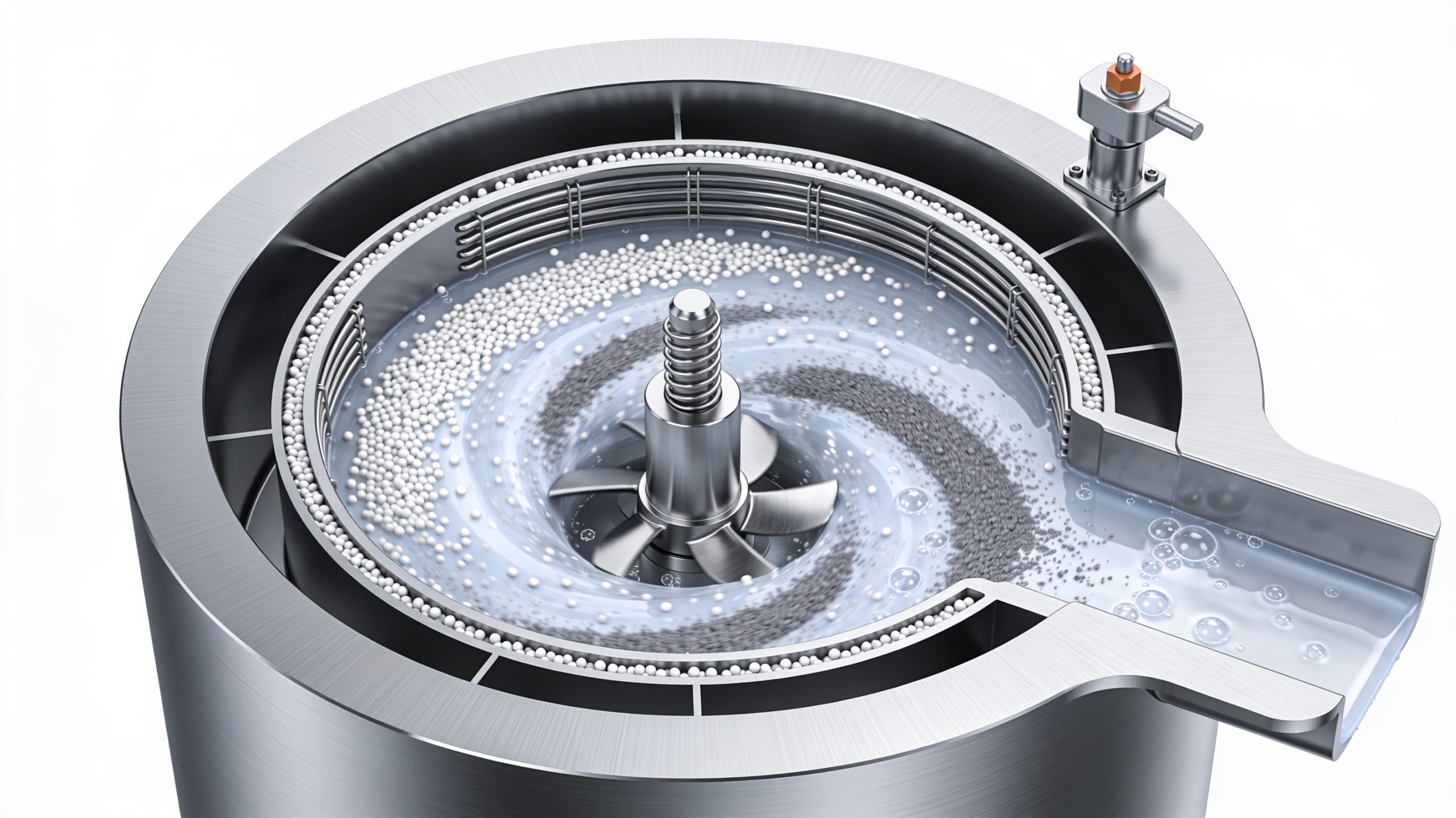
Zirconia beads work by converting rotor kinetic energy into high-impact collisions and shear forces that rapidly reduce solid particles to sub-micron scales. As they spin inside the chamber, they collide continuously with the slurry particles. This constant mechanical action breaks down agglomerates and disperses them uniformly.
What Is the Kinematics of Bead Beating?
Here is the deal: As you activate your high-speed agitator discs, the media charges into rapid, chaotic motion inside your mill. You will see that the particles in your slurry are crushed when they get trapped in high-shear zones. This process ensures rapid and uniform particle size reduction.
- High-velocity impact points that shatter crystalline solids.
- Frictional shear pathways that polish and break down soft agglomerates.
- Centrifugal fluid currents that keep your slurry moving uniformly.
Why Do They Excel in High-Viscosity Systems?
Why does this matter? When you process high-viscosity formulations, you need a grinding medium that does not float or stall under load. High-density media possess the physical weight required to penetrate thick slurries easily. This guarantees that your energy is not wasted on surface friction.
- High specific density that allows you to penetrate heavy polymer structures.
- Spherical shape that reduces frictional resistance inside your mill chamber.
Key Takeaway: High-density ceramic media ensure consistent crushing forces even when processing highly viscous slurries.
| System Type | Viscosity Range (mPa·s) | Recommended Bead Size | Primary Energy Mechanism |
|---|---|---|---|
| Low Viscosity | < 100 | 0.1 – 0.5 mm | High-velocity fluid shear |
| High Viscosity | > 1000 | 0.8 – 2.0 mm | Direct compressive impact |
Matching your slurry viscosity with the appropriate bead size optimizes flow dynamics and prevents mill blockages.
Which Factors Influence Zirconia Beads Lifespan?
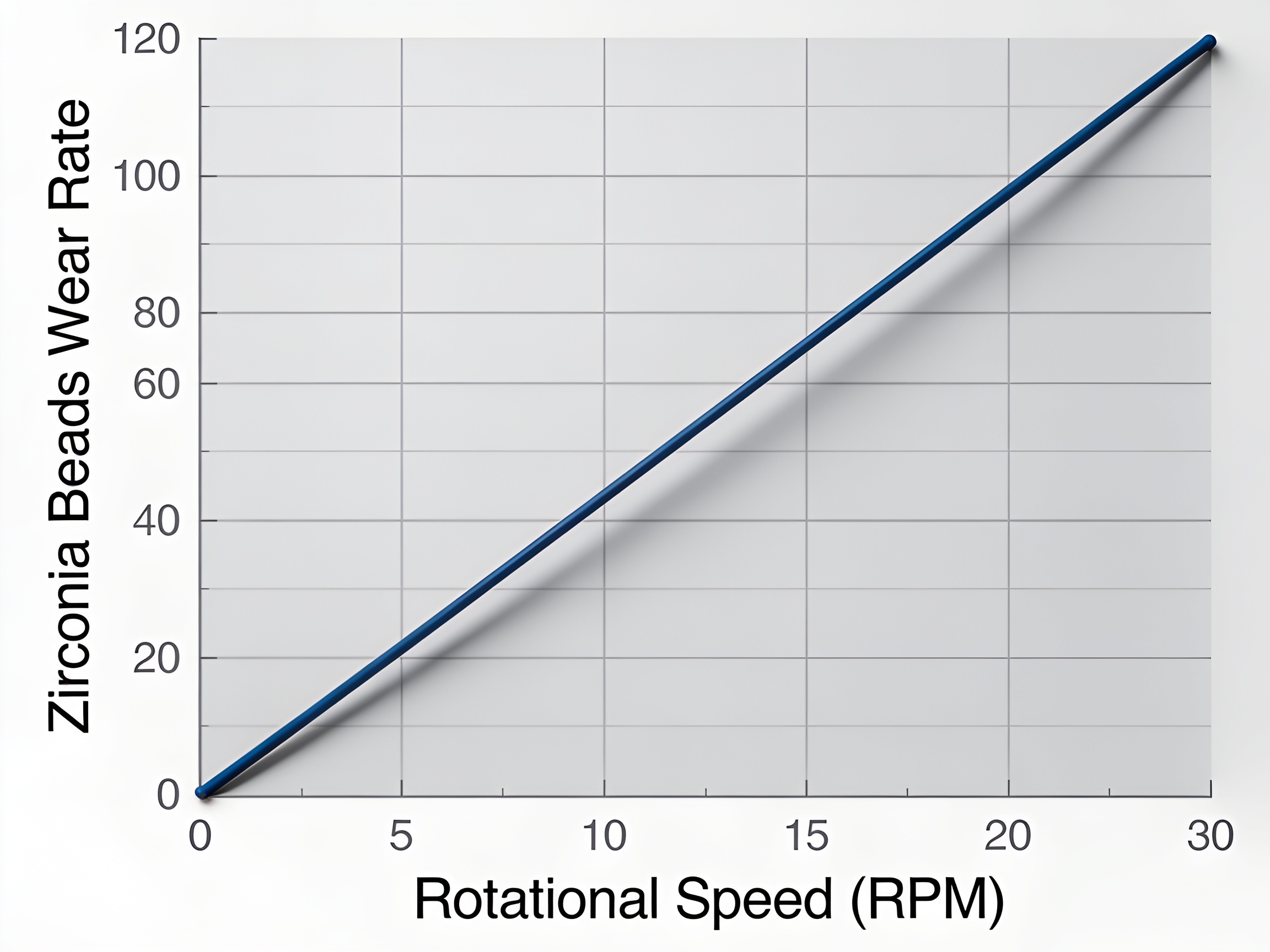
The operational lifespan of Zirconia Beads is determined by their internal grain size, manufacturing quality, and the specific chemical stabilizers used during sintering. High-quality production methods prevent the micro-cracking that leads to premature bead failure. This helps you maintain stable operations and avoid unexpected replacement costs.
How Does Grain Size Affect Your Media?
It all comes down to this: If you select beads with a sub-micron grain structure, you prevent fractures from traveling through the ceramic. You will find that smaller grains distribute mechanical stress more evenly, which protects your media from crumbling. This is essential for high-stress milling environments.
- Sub-micron grain matrices that absorb structural stress.
- Dense sintering profiles that eliminate weak internal voids.
- Uniform surface finishes that reduce wear on your mill liners.
What Is the Impact of Sphericity on Wear?
Keep this in mind: You must ensure your beads have high sphericity to avoid localized pressure points during high-shear runs. When you use irregular beads, you risk plugging your mill’s separator screens and causing sudden pressure spikes. Smooth spheres ensure stable throughput.
- Tight sphericity tolerances that protect your mill from unexpected pressure spikes.
- Smooth surface finishes that lower the wear rate of your mill liners.
Key Takeaway: Ensuring your media has a tight size distribution and high sphericity prevents irregular wear and keeps your production flowing smoothly.
| Quality Metric | Optimal Value | Direct Operational Impact | Prevention Method |
|---|---|---|---|
| Grain Size | < 0.5 μm | Prevents internal micro-fractures | Controlled sintering |
| Sphericity | > 95% | Eliminates screen clogging | Precision wet-dripping |
Investing in high-sphericity media reduces system wear and ensures predictable maintenance schedules.
Why Do Zirconia Beads Remain Essential Today?
Zirconia beads remain absolutely essential today because they combine unmatched fracture toughness, high density, and complete chemical inertness that other grinding media simply cannot duplicate. This makes them the ideal choice for modern high-energy dispersion processes. They consistently outperform cheaper alternatives in both longevity and throughput.
What Makes Them Resist Extreme Mechanical Wear?
It sounds simple, but: The secret lies in a phenomenon called phase transformation toughening, which acts as a self-healing mechanism. When a micro-crack begins to form, you will benefit from the local crystal structure swelling to seal the crack. This prevents catastrophic failure during high-shear milling.
- Phase transformation toughening that actively halts crack propagation.
- Unmatched Vickers hardness that resists abrasive wear.
- Low coefficient of friction to reduce heat build-up.
How Does Chemical Inertness Protect You?
What does this mean for you? When you grind sensitive chemicals, pharmaceuticals, or electronic slurries, you cannot afford any metallic or color contamination. You can trust these inert ceramic spheres to resist strong acids and bases without leaching. This ensures your final product maintains its exact chemical specifications.
- Zero metallic ion leaching to keep your chemical batches completely pure.
- High acid and alkali resistance to match your aggressive chemical formulations.
Key Takeaway: Investing in chemically inert media prevents costly chemical contamination in your high-value batches.
| Media Property | Premium Ceramics | Standard Glass | Operational Advantage |
|---|---|---|---|
| Acid Resistance | Excellent | Moderate to Poor | Safe processing of low-pH slurries |
| Lifetime Index | 10.0x | 1.0x (Baseline) | Massive reduction in replacement costs |
The chemical stability of advanced ceramics guarantees product purity across highly aggressive processing environments.
Can You Replace High-Performance Zirconia Beads?
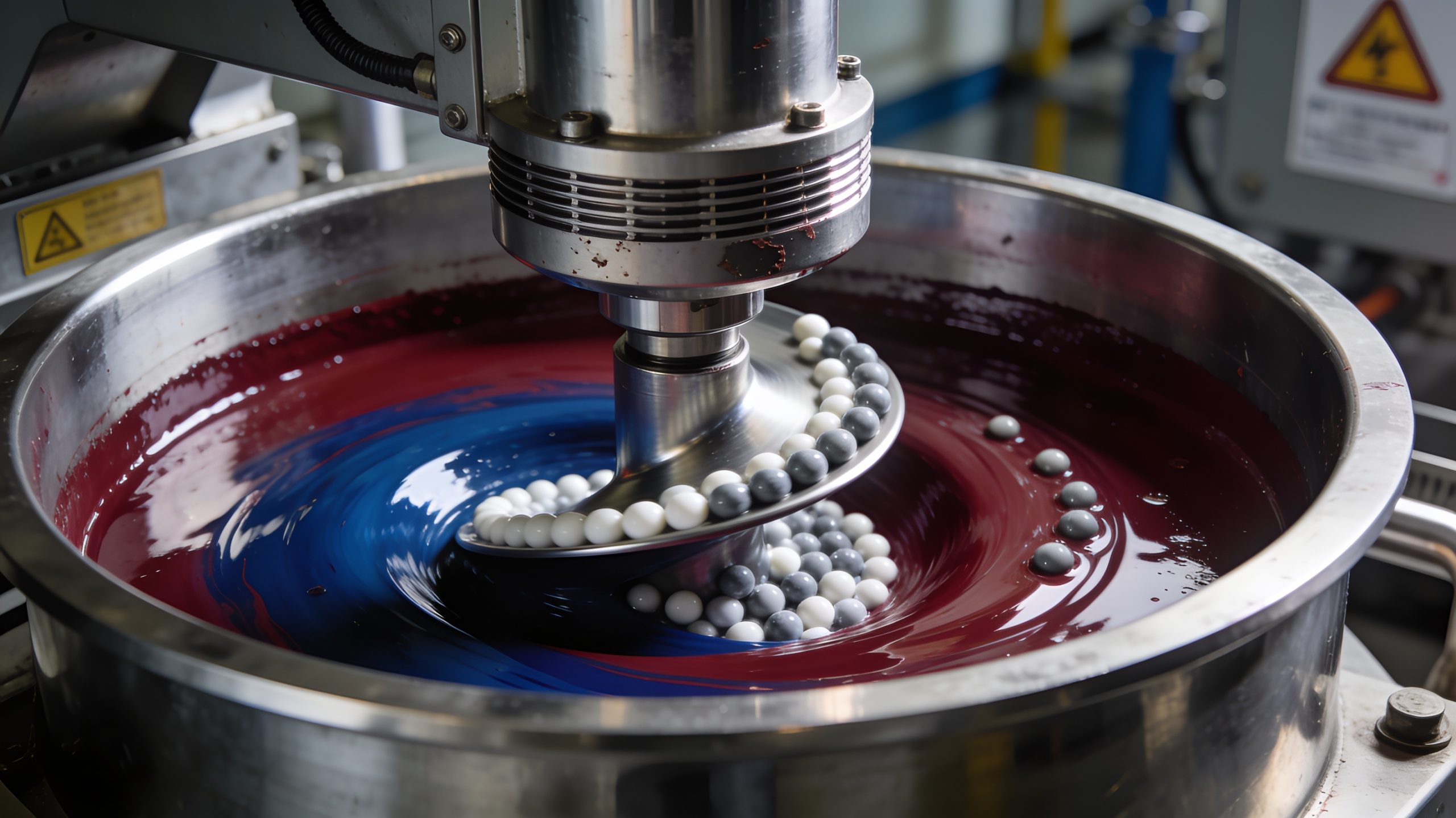
You cannot effectively replace high-performance Zirconia Beads in advanced milling applications because alternative media wear out too quickly and fail to achieve nano-scale particle targets. Standard glass or low-grade ceramics lack the physical density required for high-energy mills. Attempting to substitute them often leads to higher operational costs and extensive batch contamination.
How Do Alumina and Glass Compare?
Let’s look at the alternatives: If you try to use alumina media, you will quickly notice longer milling times due to its lower density. You will also find that glass beads degrade rapidly under high shear, contaminating your batches with fine silica dust. This makes alumina and glass poor choices for modern high-speed agitator mills.
- Alumina: Moderate density but higher wear rates.
- Glass: Cheap but prone to cracking under high energy.
- Steel: High density but causes severe discoloration.
Are There Viable Options for Nano-Milling?
The truth is: When you need to mill particles down to the true nanometer range, you will discover that alternative media simply cannot be manufactured in ultra-fine sizes. You must rely on advanced zirconia to maintain consistent grinding kinetics at these micro-scales. This makes them indispensable for nanotechnology applications.
- Sub-micron diameters that allow you to reach nanometer-scale targets.
- High fracture resistance that keeps your micro-beads from crushing under pressure.
Key Takeaway: Choosing cheaper materials will often cost you more in energy, contamination cleanup, and frequent replacement cycles.
| Media Type | Density (g/cm³) | Wear Rate | Best Fit Application |
|---|---|---|---|
| Stabilized Ceramic | 6.0 | Negligible | Sub-micron nano-milling |
| Alumina | 3.7 | Moderate | Medium-shear mineral grinding |
| Glass | 2.5 | High | Low-viscosity dispersions |
Selecting high-density media is the most cost-effective decision for achieving ultra-fine particle sizes.
How Can You Optimize Zirconia Beads Operations?
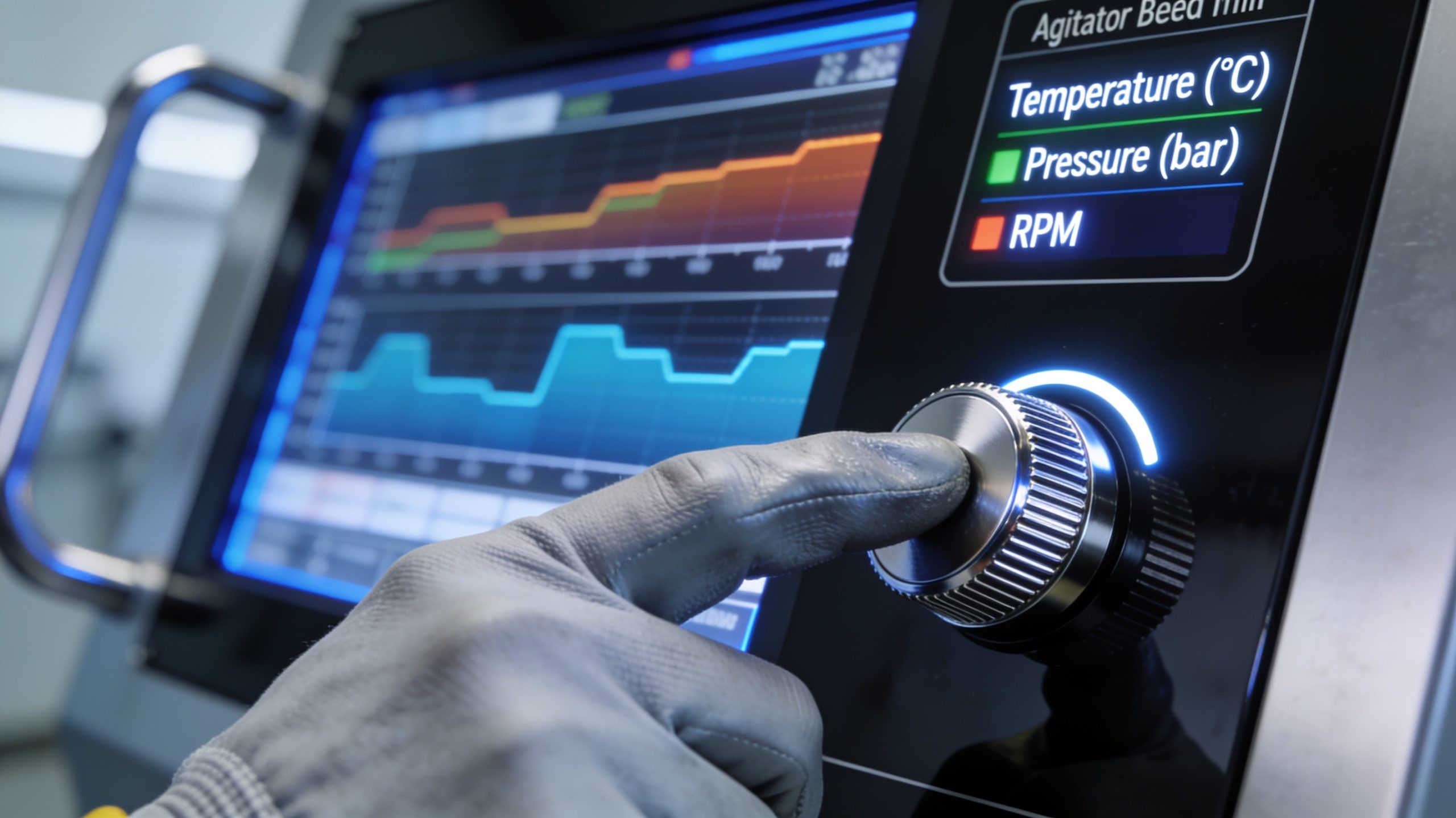
Optimizing your zirconia beads operations requires a careful balance of mill speed, regular screening of broken media, and maintaining the correct volumetric loading ratio. Proactive maintenance prevents unexpected screen blockages and excessive wear on your agitator components. This approach ensures your production line runs at peak efficiency.
What Are the Best Handling Practices?
First things first: You must store your media in clean, dry environments to prevent clumping and moisture damage. When you load the media into your mill, you should handle it gently to avoid creating micro-fractures before your run starts. This simple step significantly extends the working life of your media.
- Dry, sealed storage to prevent hydrothermal degradation.
- Pre-washing new media to remove surface manufacturing dust.
- Soft-loading techniques to prevent high-impact cracks.
How Do You Implement a Screening Protocol?
Why is this crucial? You should establish a regular screening schedule to filter out any broken or undersized beads from your mill. If you leave damaged media in the chamber, you will experience sudden pressure spikes and reduced flow rates. Regular cleaning ensures consistent output.
- Regular screening cycles to safeguard your separator screen from blockages.
- Calculated volumetric top-offs to maintain your ideal grinding kinetics.
Key Takeaway: Consistent maintenance prevents catastrophic blockages in your separator screens and extends your media life.
| Maintenance Task | Frequency | Target Goal | Potential Risk |
|---|---|---|---|
| Sieve Analysis | Every 150 hours | Remove broken beads | Screen blockages |
| Media Top-Off | After major runs | Maintain volumetric load | Slow grinding cycles |
Implementing a scheduled maintenance routine keeps operating pressures stable and prevents costly production delays.
Why Use Stabilized Zirconia Beads for Grinding?
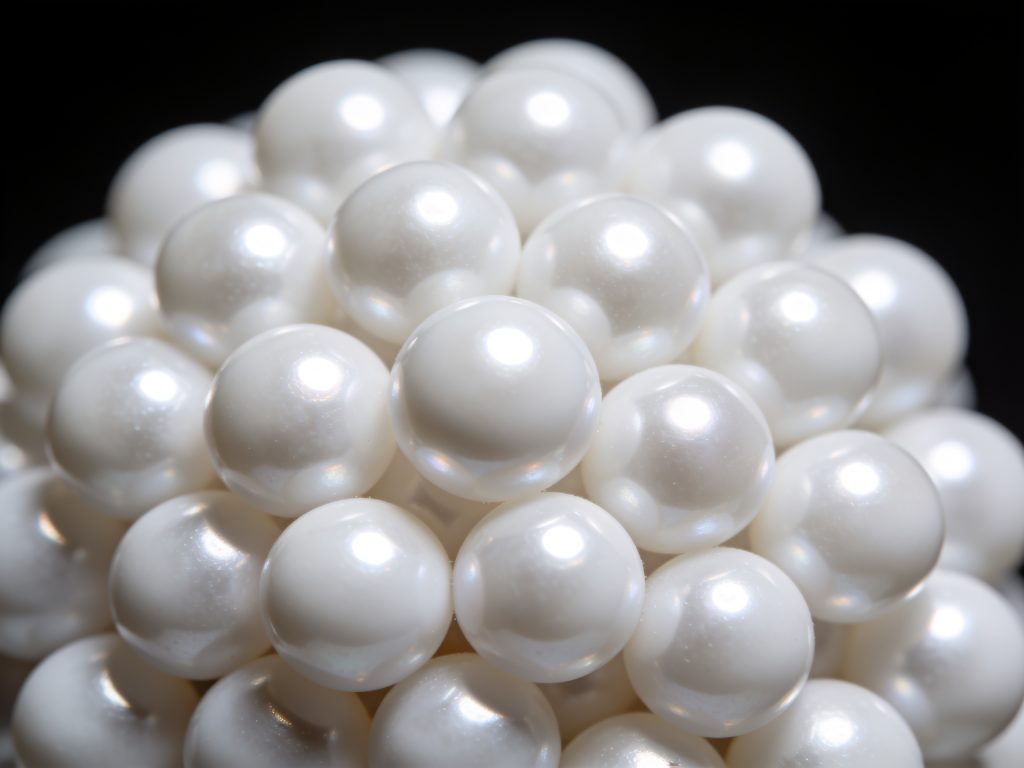
You must use stabilized Zirconia Beads for grinding because chemical stabilizers lock the robust tetragonal crystal structure, preventing destructive phase changes during high-energy runs. This structural stability maintains the high density and toughness needed for demanding milling tasks. Unstabilized media would rapidly crack and fail under high temperatures.
What Makes Yttria Stabilization Powerful?
Here is where advanced science pays off: When you use yttria-stabilized materials, you are leveraging a highly robust ceramic structure. You will find that this material actively resists high-impact cracks, making it ideal for your most demanding dispersion tasks. It provides the highest wear resistance available today.
- Tetragonal phase retention for maximum mechanical toughness.
- Superior surface finish that minimizes mill component friction.
- High wear resistance under extreme pressure.
Why Compare Cerium and Yttria Stabilizers?
Which one should you choose? You should choose cerium-stabilized media if you require a slightly higher density to process heavy, high-viscosity mineral slurries. However, you will find that yttria-stabilized spheres offer better toughness for fine organic solvent systems. Matching the stabilizer to your application is essential for performance.
- Yttria stabilization for your delicate nano-scale organic formulations.
- Cerium stabilization for your heavy-duty, water-based industrial mineral lines.
Key Takeaway: Selecting the correct stabilizing agent guarantees you achieve the best balance of density and chemical resistance.
| Stabilizer | Density (g/cm³) | Fracture Toughness | Best Chemical Slurry |
|---|---|---|---|
| Yttria (Y-TZP) | 6.0 | Maximum | Solvents, pharma, inks |
| Cerium (Ce-TZP) | 6.2 | High | High-viscosity water slurries |
Choosing the appropriate stabilizer directly impacts both grinding efficiency and overall chemical compatibility.
Where Are Zirconia Beads Applied Industrially?
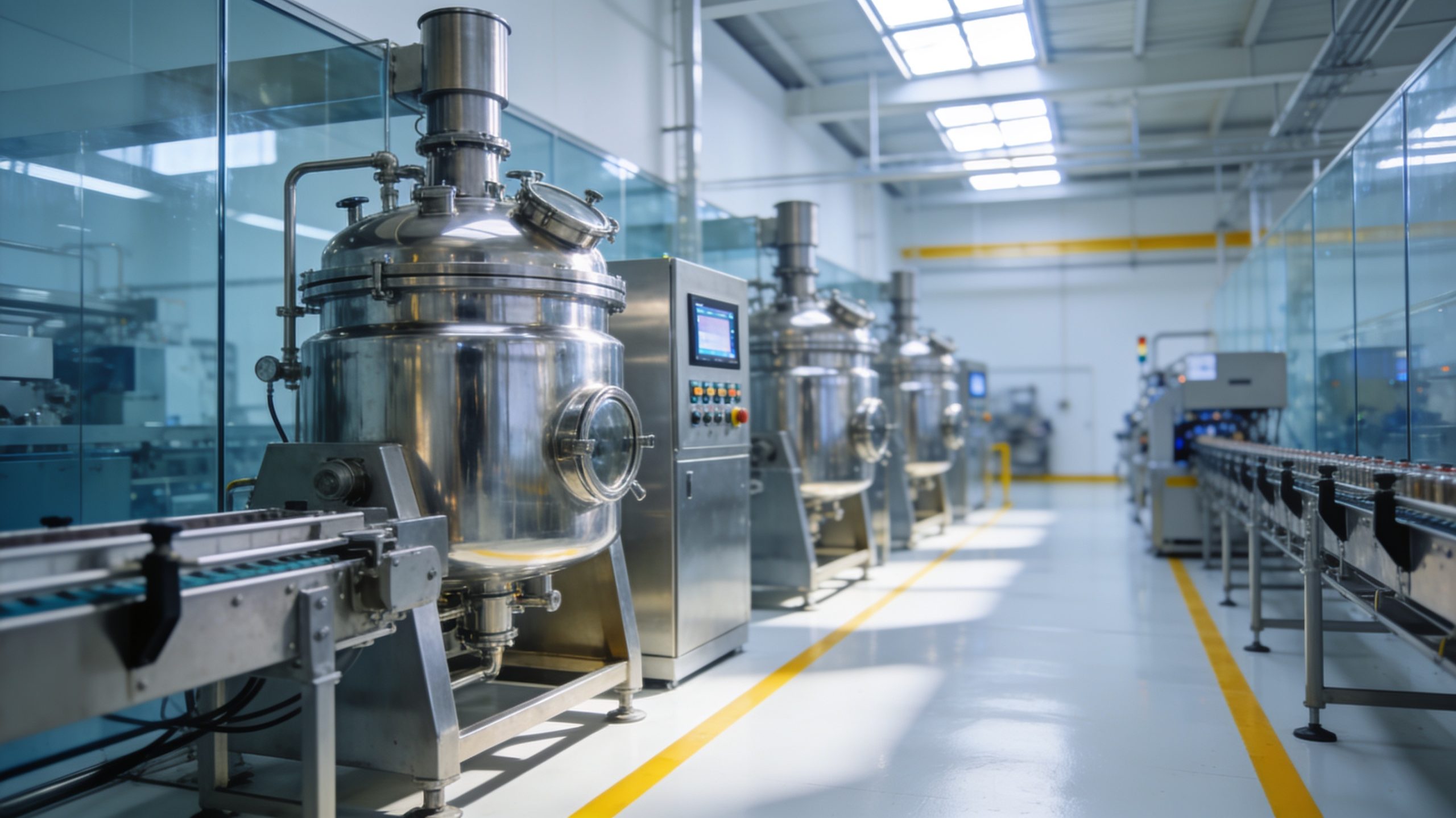
Zirconia beads are applied industrially across high-purity sectors such as pharmaceuticals, electronics, digital inks, and automotive coatings where contamination-free milling is required. These industries require exact particle sizes without any compromise on chemical purity. High-performance ceramics allow them to meet strict regulatory and market standards easily.
How Do They Serve Biotech and Pharma?
In these critical sectors, precision is non-negotiable: You will rely on these dense spheres to break down tough cell walls and yeast for DNA extraction. You can also use them to micronize active pharmaceutical ingredients safely without introducing heavy metals. This ensures a sterile, contaminant-free processing environment.
- Sterile cell lysis and tissue homogenization.
- API nano-crystallization to improve drug absorption.
- Pyrogen-free processing for injectable formulations.
Why Choose Them for Paints and Coatings?
Think about this: When you manufacture premium automotive paints or digital inkjet inks, you must achieve a perfect, sub-micron pigment dispersion. You will find that using these beads prevents color contamination and ensures your inks flow smoothly without blocking printer heads. They provide the optical clarity required for high-end applications.
- Sub-micron pigment milling to protect your digital inkjet nozzles from clogging.
- Clean dispersion to maintain your bright, light-colored paints and coatings.
Key Takeaway: Using high-grade ceramic media allows you to produce flawless, ultra-fine dispersions for high-end retail products.
| Target Industry | Primary Milling Goal | Optimal Bead Size | Critical Standard |
|---|---|---|---|
| Pharmaceuticals | Bioavailability | 0.1 – 0.3 mm | Zero metal contamination |
| Digital Inks | Print-head flow | 0.1 – 0.2 mm | Perfect spherical uniformity |
Utilizing high-purity media helps manufacturers satisfy the most demanding quality and safety requirements in highly regulated sectors.
How Do You Select These Zirconia Beads Safely?
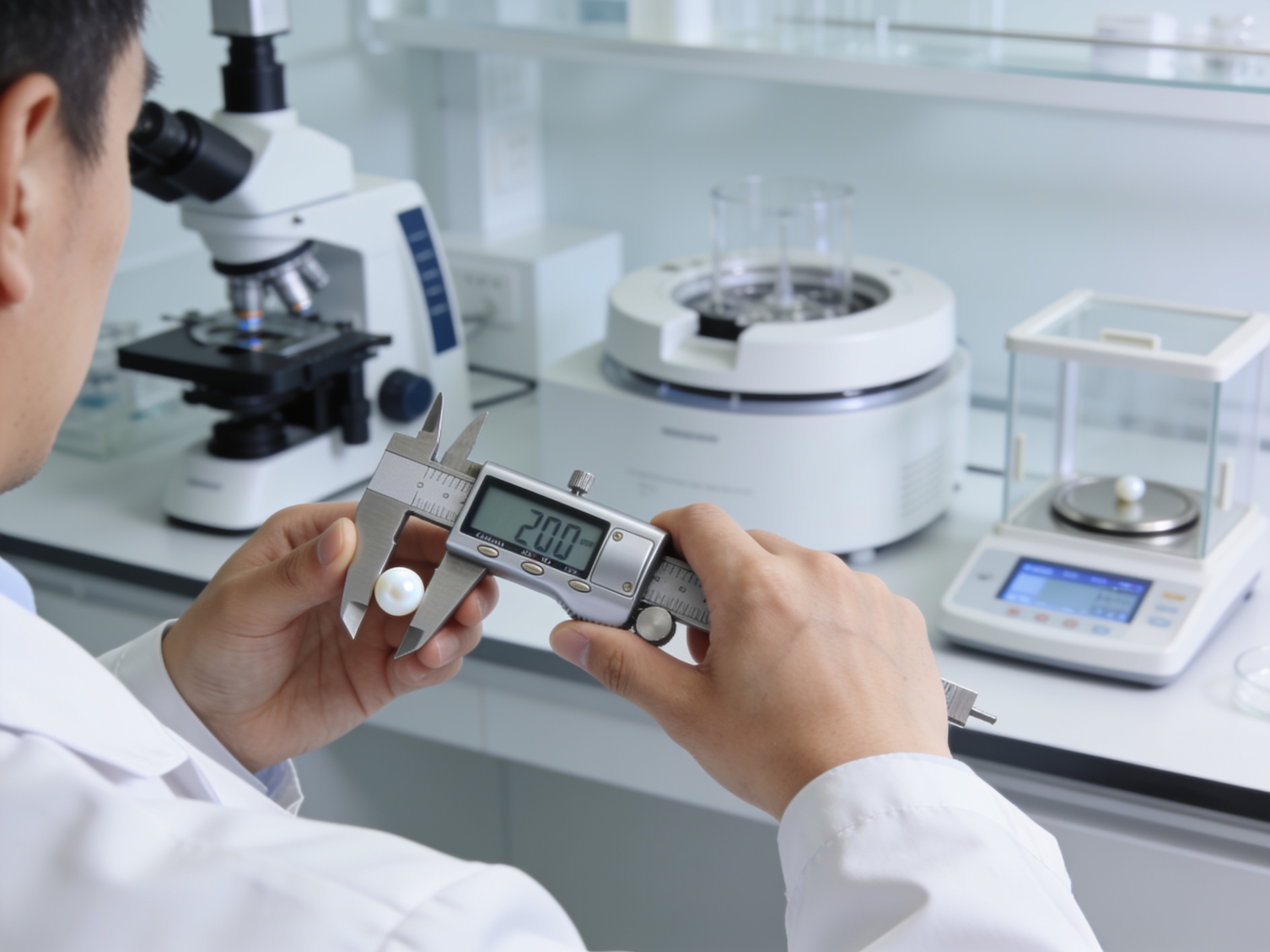
To select these Zirconia Beads safely, you must analyze your mill’s rotor speed, its separator screen clearance, and the target particle size of your slurry. Sizing your media correctly prevents issues like screen blockages, excessive wear, and motor overloads. Making an informed choice ensures both operational safety and process optimization.
How Does Mill Type Affect Your Choice?
Before you buy, consider your machinery: You must match your media to your mill’s internal layout and energy levels. If you are operating a high-speed horizontal mill, you will need to check the operating specifications to determine the safest media size. This guarantees that your mill will not experience premature wear.
- Horizontal agitator mills: Best with micro-beads for high shear.
- Vertical basket mills: Better suited for medium-sized media.
- Screen clearance formulas: Keep bead sizes larger than screen gaps.
How Do You Determine the Ideal Bead Size?
What is the golden rule? You should select a bead size that is approximately 10 to 20 times larger than your initial feed particle size. This ratio ensures you have enough contact points to grind efficiently without wasting energy. It prevents you from selecting beads that are too large to refine your fine powders.
- Clear size matching to protect your separator screen clearance.
- Proportional sizing to guarantee you crush your largest feed particles.
Key Takeaway: Matching bead size to both your initial feed size and your mill filter screen ensures a trouble-free process.
| Initial Feed Size | Target Particle Size | Recommended Bead Size | Mill Compatibility |
|---|---|---|---|
| 50 – 100 μm | < 1 μm | 0.5 – 1.0 mm | High-energy wet mills |
| < 10 μm | < 100 nm | 0.1 – 0.3 mm | Pin agitator nano-mills |
Correct size selection is the single most critical factor in achieving stable, high-throughput milling operations.
What Are Common FAQs About Zirconia Beads?

Common FAQs about zirconia beads usually address their reuse limits, recommended cleaning solutions, wear patterns, and compatibility with standard milling equipment. Understanding these parameters helps you maintain stable operations and avoid unexpected replacement costs.
1. Can I reuse zirconia beads across different product colors?
No, you should not reuse them without intensive, certified cleaning because pigments bind to microscopic surface pores and will contaminate lighter-colored batches.
2. What’s the best way to clean my zirconia beads?
The best way is to use a dedicated solvent wash cycle followed by ultrasonic agitation to strip surface contaminants safely.
3. How do I know if my zirconia beads are wearing out?
You can identify wear by measuring mill pressure spikes and performing periodic sieve tests to detect irregular shapes.
4. Can I run zirconia beads in a mill designed for glass?
Yes, but you must first verify that your mill motor and agitator shaft can handle the increased ceramic weight.
5. How do I know if yttria-stabilized beads are right for me?
You should choose them if your process requires high-energy nano-grinding, zero contamination, and maximum fracture toughness.
Conclusion
Achieving sub-micron particle sizes and maintaining pristine batch purity requires high-quality grinding media designed for extreme industrial stress. By choosing premium stabilized ceramic spheres, you can drastically reduce operational wear and eliminate costly contamination. If you are ready to optimize your dispersion process, increase throughput, and lower your production costs, contact us today to discuss your milling needs with our engineering experts.