
Choosing the right balance between strength and aesthetics depends entirely on matching the specific masticatory load of the restoration site with the correct level of yttria-stabilized dental ceramic. Picture this clinical scene: a patient walks into your office with a fractured posterior crown, visibly frustrated by another failed restoration that could not handle their bite forces. It is a nightmare scenario for any modern practice, resulting in wasted chair time, increased lab remake costs, and a significant drop in patient trust. To solve this clinical challenge, selecting the optimized chemistry of 4Y Zirconia provides the perfect B2B material solution, combining exceptional durability with natural-looking light transmission.
What Is 4Y Zirconia and How Is It Used in Practice?
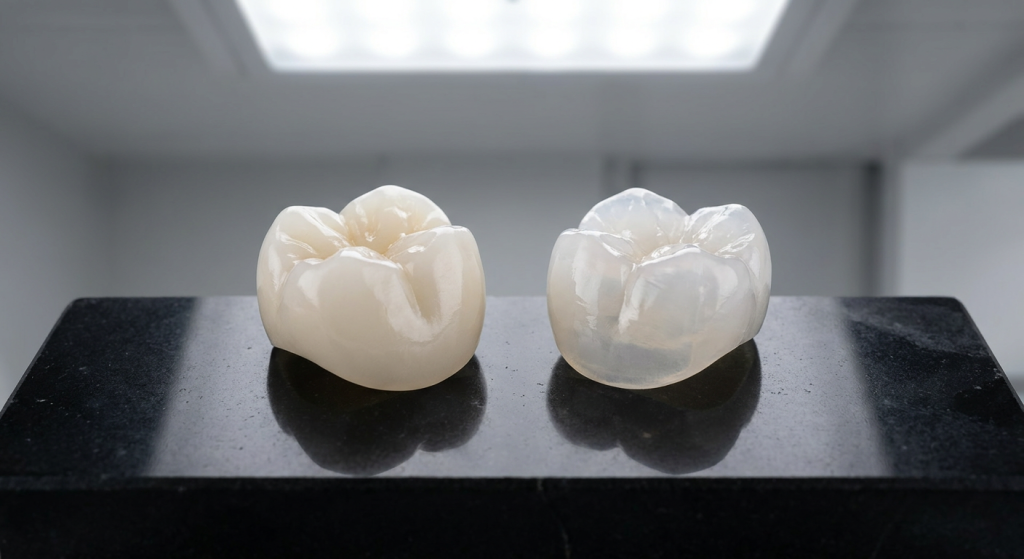
4Y Zirconia is a specialized yttria-stabilized dental ceramic that balances high flexural strength with moderate light translucency for versatile restorative applications. This premium material utilizes approximately 4 mol% yttrium oxide to stabilize the tetragonal crystal phase at room temperature, preventing cracks from propagating. It acts as an ideal all-arounder for high-performance dental laboratories.
What is the chemical composition of 4Y zirconia?
The chemical makeup of this material relies on zirconium dioxide ($ZrO_2$) doped with yttria ($Y_2O_3$) to preserve stable crystal phases under stress. This specific composition prevents low-temperature degradation (LTD), ensuring that the restoration maintains its physical properties inside the oral cavity over many years.
Here is the thing:
- Zirconium dioxide forms the base matrix of the high-purity ceramic.
- Yttria doping at 4 mol% acts as a critical phase stabilizer.
- Controlled grain sizes prevent structural shifting and micro-void formation.
What are the common restoration types in modern practices?
This material excels across a broad spectrum of restorative applications, including single anterior or posterior crowns and multi-unit bridges. Its balanced physical characteristics make it a reliable workhorse for labs that want to streamline inventory without sacrificing patient outcomes.
Think about it:
- Monolithic crowns benefit from both structural durability and pleasing shade transitions.
- Multi-unit posterior bridges utilize the high load-bearing capacity of the framework.
- Implant custom abutments achieve excellent marginal fit and biological integration.
Key Takeaway: Selecting the right chemical composition prevents early degradation and ensures the prosthetic can withstand heavy oral forces.
| Restoration Type | Recommended Thickness | Main Benefit |
|---|---|---|
| Posterior Crown | 0.8 mm – 1.0 mm | High occlusal wear resistance |
| Anterior Veneer | 0.6 mm – 0.8 mm | Realistic incisal translucency |
| Multi-Unit Bridge | 1.0 mm – 1.2 mm | Excellent framework load-bearing |
Carefully mapping the restoration type ensures you choose the appropriate material thickness for maximum safety.
How Did 4Y Zirconia Evolve in Restorative Dentistry?
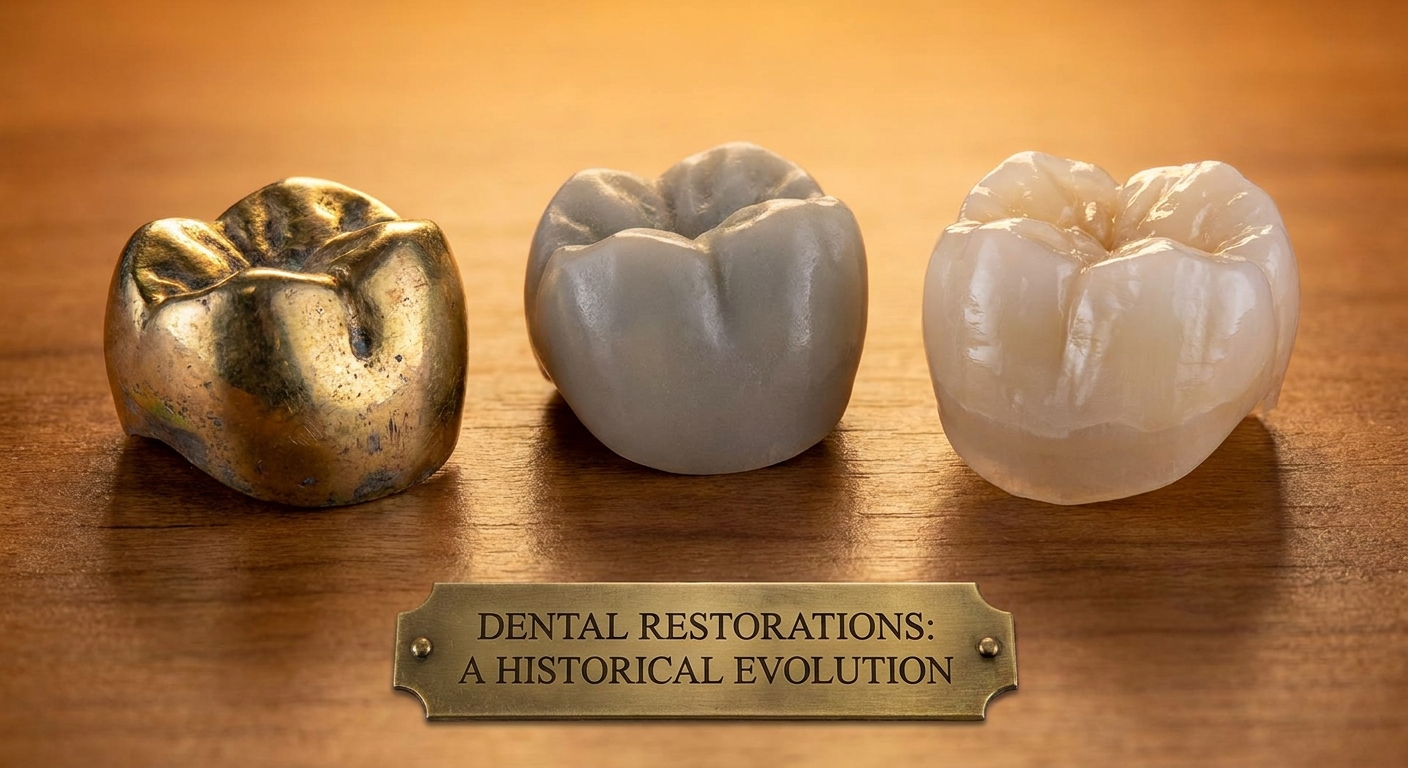
Modern 4Y Zirconia evolved as a direct response to the clinical need for a material that could transcend the optical limitations of early, opaque dental ceramics. Historically, clinicians had to choose between ultra-strong but cosmetically unappealing materials and fragile glass-ceramics. Today, this intermediate grade offers the ideal middle ground for demanding aesthetic areas.
What were the limits of early high-strength materials?
The early days of digital dentistry relied heavily on 3Y-TZP, which boasted immense strength but suffered from a chalky, opaque look. These early blocks were mostly restricted to posterior coping substructures because they failed to mimic natural tooth structures.
What does this mean for you?
- Restorations in the smile zone looked lifeless and artificial.
- Labs spent excessive time hand-layering veneering porcelain to hide the white core.
- Chipping of the hand-layered porcelain was a common, costly clinical failure.
Why did aesthetics become a major clinical focus?
Modern patients demand restorations that look completely indistinguishable from their natural dentition. This shift forced material scientists to engineer a ceramic that lets light pass through without sacrificing structural integrity under load.
Let’s face it:
- Monolithic restorations eliminate the risk of porcelain delamination.
- Natural light transmission is required to match adjacent vital teeth.
- Clinicians need high-translucency options that do not crack under pressure.
Key Takeaway: The evolution from opaque coping materials to lifelike monolithic ceramics has revolutionized laboratory efficiency and clinical success.
| Ceramic Generation | Yttria Concentration | Primary Clinical Focus |
|---|---|---|
| First Gen (3Y) | ~3.0 mol% | Maximum mechanical strength only |
| Second Gen (4Y) | ~4.0 mol% | Balanced strength and visual translucency |
| Third Gen (5Y) | ~5.0 mol% | Premium aesthetics for anterior restorations |
Reviewing the historic evolution of these ceramic generations highlights how far dental CAD/CAM materials have progressed.
What Is the Yttria Content Difference in 4Y Zirconia?
The main difference lies in the yttrium oxide concentration, which stabilizes 4Y Zirconia to have a denser crystal lattice than its high-translucency counterparts. Altering the yttria level from 3% to 4% or 5% shifts the physical properties of the ceramic blank significantly. This adjustment modifies the grain structure and determines how the restoration responds to masticatory forces.
What is the role of yttrium oxide stabilizing agents?
Yttrium oxide acts as a chemical stabilizer that arrests the natural volume expansion of zirconium dioxide when cooling. Without yttria, the ceramic would crack and crumble during the cooling cycle of the manufacturing process.
Think about it:
- Stabilizing agents freeze the high-strength tetragonal phase at room temperature.
- Proper doping levels prevent spontaneous hydrothermal degradation over time.
- Adjusting the stabilizer ratio directly controls the mechanical limits of the material.
How do crystal phases differ between 4Y and 5Y grades?
While 4Y contains a predominant tetragonal phase with highly active transformation-toughening capabilities, 5Y introduces a significant cubic phase that allows more light transmission. The cubic crystals are isotropic, meaning they do not scatter light at grain boundaries, but they are physically weaker.
Here is the thing:
- Tetragonal phases act as a shield against microcrack propagation under loading.
- Cubic phases offer high optical clarity but minimal fracture resistance.
- A blended structure allows the restoration to survive posterior chewing pressures.
Key Takeaway: Understanding crystal lattice chemistry helps laboratories select blanks that align perfectly with patient occlusal patterns.
| Ceramic Grade | Crystal Phase Composition | Toughness Response |
|---|---|---|
| 4Y Zirconia | ~75% Tetragonal, 25% Cubic | Active transformation-toughening |
| 5Y Zirconia | ~50% Tetragonal, 50% Cubic | Limited toughening, more brittle |
Analyzing the internal crystal phases reveals why yttria control is critical to prosthetic longevity.
How Does 4Y Zirconia Balance Strength and Translucency?
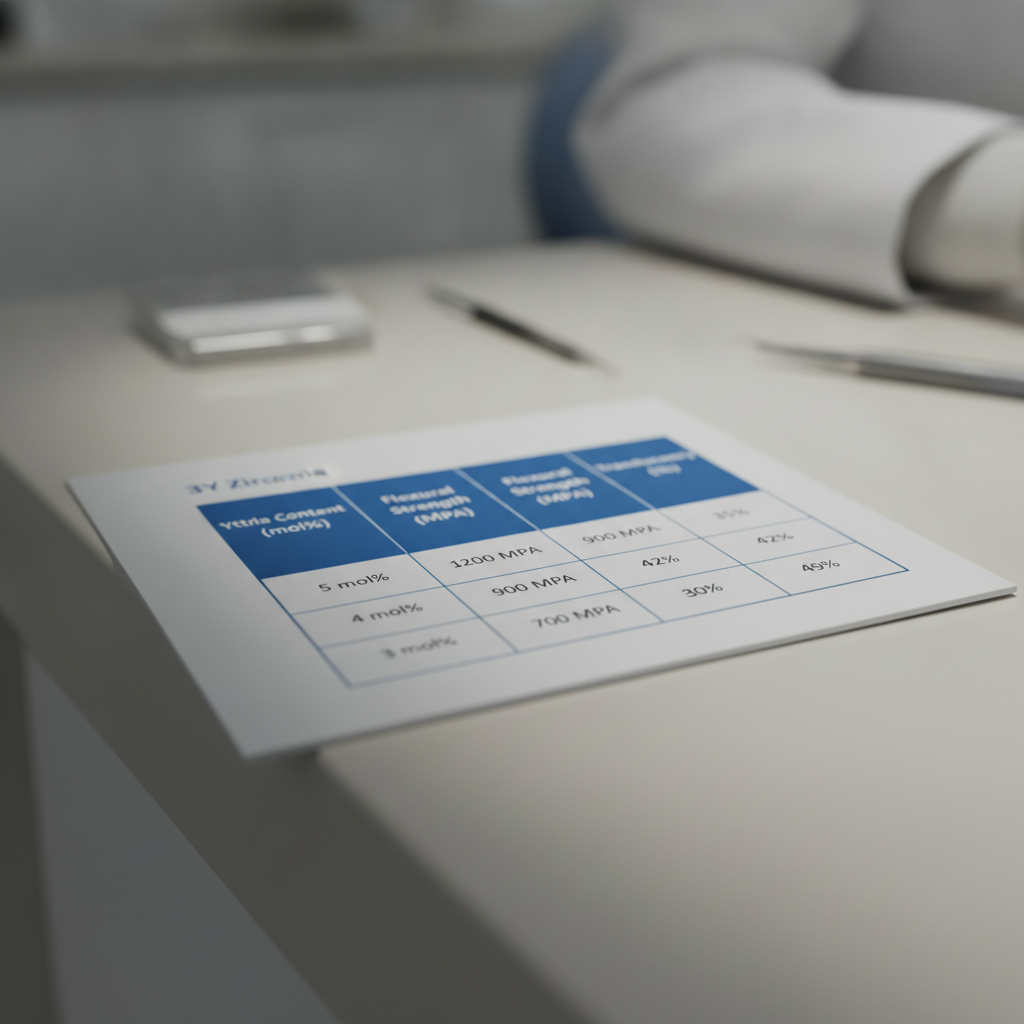
Balanced 4Y Zirconia achieves its mechanical harmony by combining a flexural strength of 1,000 to 1,200 MPa with a moderate light transmission rate of approximately 43% to 45%. This delicate balance prevents the restoration from appearing too opaque while maintaining the capacity to survive heavy masticatory loads. It provides clinicians with a versatile material that works comfortably in both posterior and anterior regions.
How does cubic crystal structure alter optical clarity?
The introduction of isotropic cubic crystals in dental zirconia minimizes light refraction as photons travel across the grain boundaries. This structural characteristic lets more light penetrate deeper into the restoration, mimicking vital enamel.
What does this mean for you?
- Fewer grain boundaries mean less light scattering throughout the prosthetic.
- The restoration looks less chalky and blends naturally with adjacent teeth.
- You can match low-value shades more easily in the aesthetic zone.
Why does higher yttria reduce flexural strength?
Increasing the yttria concentration to 5% reduces the proportion of tetragonal crystals, which means the material loses its transformation-toughening mechanism. When a crack starts in a high-yttria material, there are not enough tetragonal grains to arrest its spread, making the ceramic more brittle.
Let’s face it:
- Lower yttria grades are highly resistant to sudden failure.
- High-yttria materials are prone to microcrack propagation.
- Choosing the wrong material can lead to costly clinical remakes.
Key Takeaway: The physical trade-off between optical translucency and mechanical strength is governed entirely by grain-boundary physics.
| Material Property | 4Y Zirconia | 5Y Zirconia |
|---|---|---|
| Flexural Strength | 1,000 – 1,200 MPa | 700 – 850 MPa |
| Light Translucency | ~43% – 45% | ~49% – 51% |
| Fracture Toughness | High (Active) | Low (Limited) |
Evaluating these core physical parameters is the first step in selecting the safest material blank.
Which Clinical Cases Benefit Most From 4Y Zirconia?
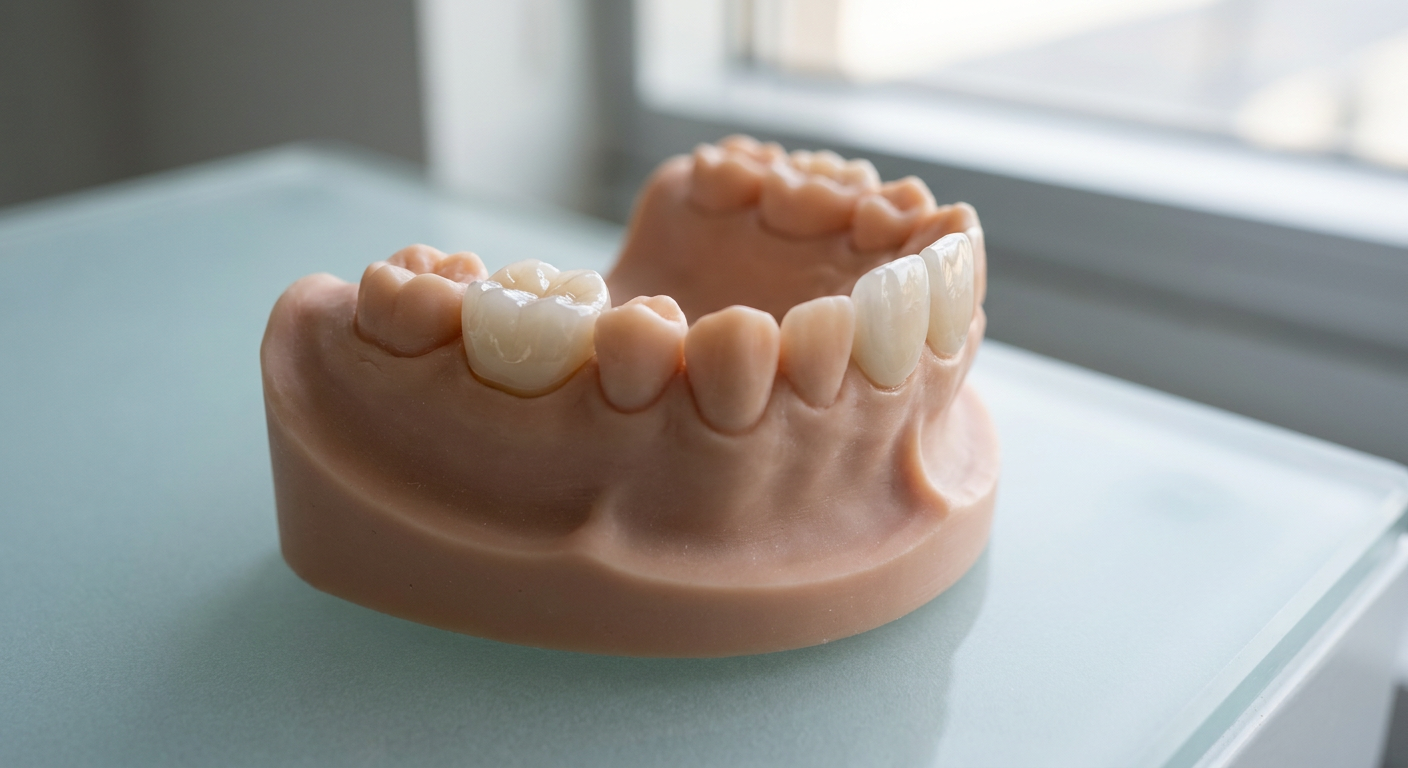
High-stress clinical cases benefit most from 4Y Zirconia because of its high flexural strength and dependable fracture resistance. This makes it the premier choice for posterior multi-unit bridges and crowns where occlusal forces are intense. It allows you to deliver a beautiful, long-lasting restoration without worrying about premature material fatigue.
Why is this material recommended for high-stress posterior teeth?
Posterior molars routinely bear chewing forces exceeding several hundred Newtons, requiring a restorative material that will not chip or fracture. The mechanical properties of this ceramic provide a safe margin of error for these high-load areas.
Think about it:
- Molar restorations require maximum load-bearing capabilities.
- Patient bite forces can spike unexpectedly during sleep.
- Thin margins are less likely to chip during trial fitting.
How do you achieve high aesthetics in the anterior zone?
In the aesthetic zone, you can utilize the moderate translucency of this material by applying precise micro-layering or surface characterization. This approach yields a highly realistic, lifelike crown that possesses the structural integrity to handle anterior guidance forces.
Here is the thing:
- Micro-layering allows you to customize incisal translucency.
- The strong core easily supports long-span anterior bridges.
- Shade matching remains consistent across different lighting conditions.
Key Takeaway: Matching the correct material grade to the clinical location minimizes the risk of intraoral failures and maximizes patient satisfaction.
| Clinical Location | Ideal Material Option | Main Clinical Challenge Solved |
|---|---|---|
| Molar Region | 4Y Zirconia | Heavy occlusal and masticatory force |
| Incisor Veneer | 5Y Zirconia | Ultra-high optical integration needs |
| Anterior Bridge | 4Y Zirconia | High shear forces on long-span pontics |
Selecting the correct material based on the tooth position is essential for long-term clinical success.
How Do You Select Between 5Y and 4Y Zirconia?

Choosing between these two premium grades requires analyzing prep clearance, tooth location, and whether the patient exhibits severe parafunctional habits. While high-translucency materials look stunning, they lack the toughness needed for heavy-load situations. Balancing these factors carefully ensures the crown stays intact for decades, making 4Y Zirconia the primary clinical safe bet.
What are the practical steps for material selection?
You should follow a systematic assessment process starting with the clinical position of the tooth and ending with prep depth. Checking these parameters upfront prevents clinical errors and reduces stress for both doctor and laboratory.
What does this mean for you?
- Step 1: Check the position (posterior molars require higher strength).
- Step 2: Measure prep clearance (thin preps require a stronger material).
- Step 3: Evaluate underlying stump shade (opaque materials hide dark preps better).
How do patient habits affect your material decision?
Patients who suffer from severe bruxism or clenching require the robust toughness of a lower-yttria material. Using a fragile, high-yttria ceramic for these patients will almost certainly result in catastrophic failure under cyclic nocturnal loading.
Let’s face it:
- Bruxing patients generate immense, destructive occlusal forces.
- Standard ceramics cannot survive continuous tooth grinding.
- Choosing a high-strength option provides peace of mind.
Key Takeaway: A methodical material selection protocol that accounts for both anatomical and patient-specific habits ensures restoration durability.
| Clinical Parameter | 4Y Zirconia Selection | 5Y Zirconia Selection |
|---|---|---|
| Minimum Prep Depth | 0.8 mm – 1.0 mm | 1.0 mm – 1.5 mm |
| Patient Bruxism | Suitable for mild to moderate | Contraindicated; risk of fracture |
| Stump Masking | Good masking of dark preps | Poor masking; transmits prep color |
Integrating patient habits into your clinical selection protocol dramatically lowers restoration failures.
Does Sintering Density Affect 4Y Zirconia Success?
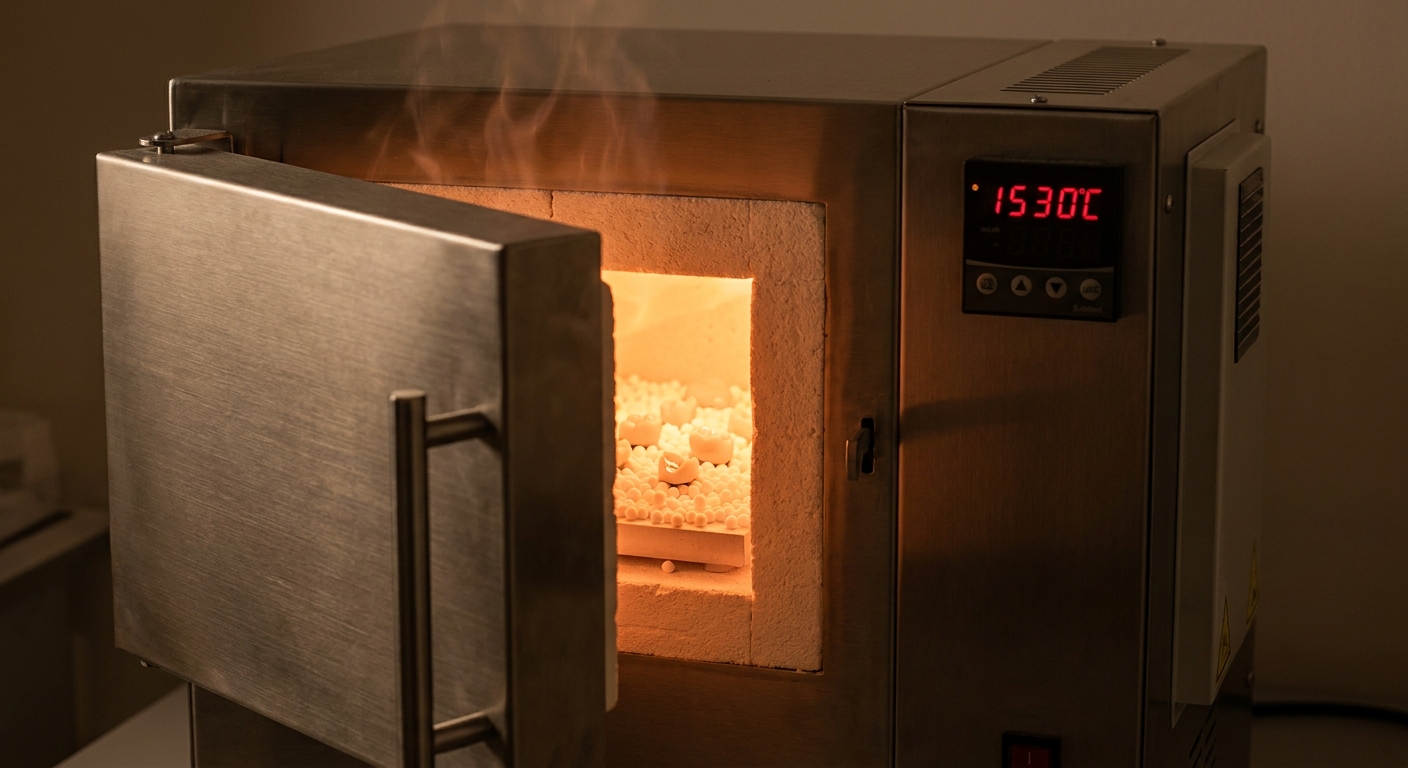
Sintering density directly determines the final mechanical strength and optical properties of 4Y Zirconia restorations by eliminating micro-porosities within the material structure. Proper thermal processing allows the ceramic grains to fuse perfectly, reaching their theoretical density. If your laboratory’s furnace is improperly calibrated, the resulting restoration will be weak and opaque.
Why is sintering temperature control so critical?
Maintaining precise temperature controls ensures the grain size remains within the optimized nanoscale range for durability. Overheating causes rapid grain growth, which degrades the ceramic’s mechanical properties and increases the risk of low-temperature aging.
Think about it:
- Accurate heating cycles ensure the material reaches maximum density.
- Improper hold times lead to incomplete sintering and fragility.
- Strict cooling protocols prevent thermal shock and micro-cracking.
How do you prevent structural defects during sintering?
Using calibrated sintering furnaces and following the manufacturer’s exact thermal profiles is the only way to guarantee predictable results. Avoiding rapid cooling steps prevents internal stress build-up, which can lead to marginal warpage or distortion of multi-unit frameworks.
Here is the thing:
- Regular furnace calibration prevents under-firing or over-firing.
- Clean heating elements prevent contamination and discoloration.
- Slow cooling rates preserve structural integrity at thin margins.
Key Takeaway: Strict adherence to validated thermal sintering profiles is vital to unlocking the full strength and optical potential of advanced ceramics.
| Sintering Phase | Optimal Parameter | Critical Outcome |
|---|---|---|
| Climb Rate | 4°C – 8°C per minute | Prevents thermal gradients and stress |
| Sintering Temp | 1500°C – 1530°C | Achieves maximum material density |
| Cooling Cycle | Slow, controlled rate | Eliminates micro-cracks and warpage |
Consistently monitoring sintering parameters is the absolute key to preventing structural failures in your lab.
Why Do Custom 4Y Zirconia Lab Solutions Matter?
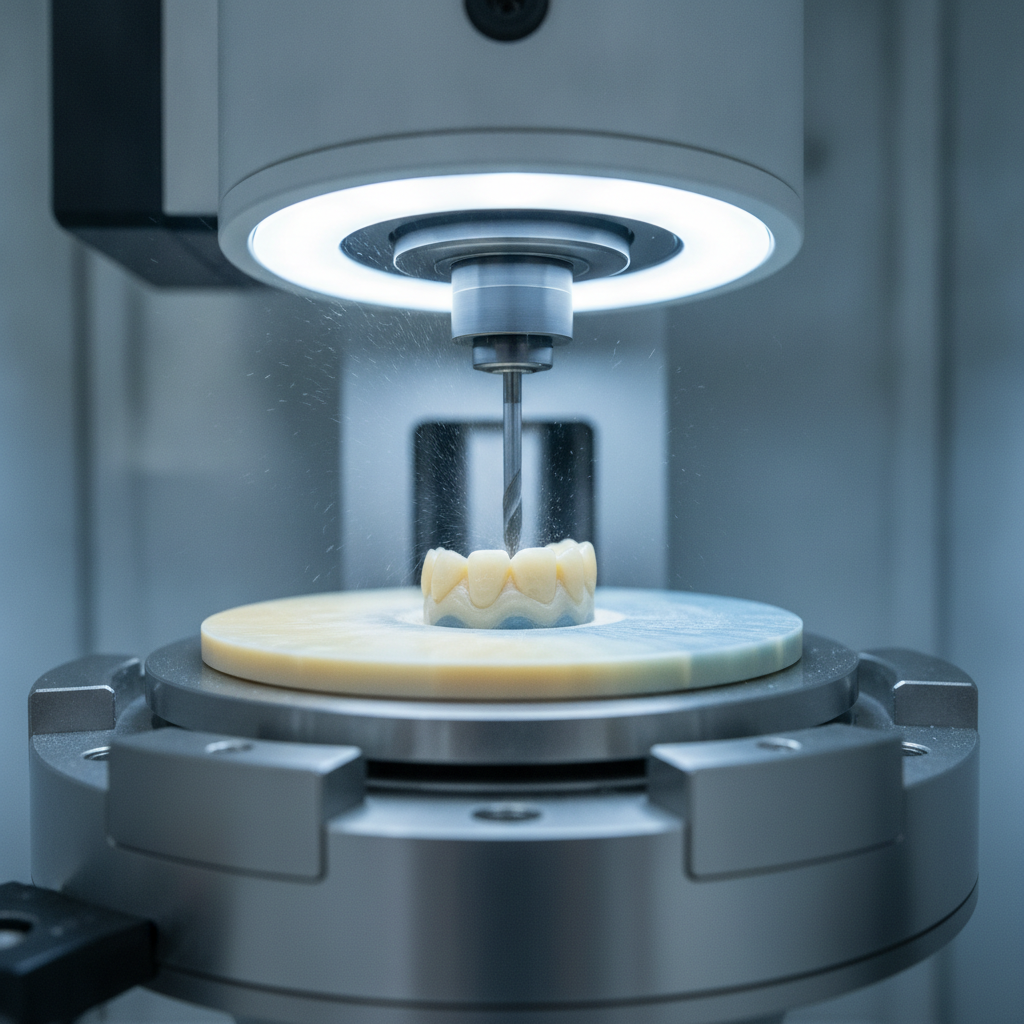
Custom lab solutions using 4Y Zirconia allow technicians to tailor the strength and shade distribution of a restoration to match the unique anatomical requirements of individual patients. This personalized approach moves away from a rigid, one-size-fits-all manufacturing model toward precise dental engineering. It enables modern laboratories to produce highly customized prosthetics that offer both beauty and brawn.
How does multi-layer shade transitioning work?
Modern multi-layered blanks feature a continuous gradient of shade and translucency from the high-strength dentin core to the lifelike incisal edge. This engineering marvel allows laboratories to mill realistic, natural-looking restorations directly with minimal hand-characterization.
What does this mean for you?
- Milled restorations show natural-looking warmth in the cervical area.
- The incisal edge mimics vital tooth structure with high clarity.
- Hand-layering times are dramatically reduced, saving valuable labor.
Why should you partner with high-quality material manufacturers?
Partnering with a reliable, high-purity material supplier ensures that your laboratory has access to stable, certified ceramic formulations. Consistent particle size distribution prevents milling defects, speeds up production workflows, and delivers highly predictable, consistent clinical results.
Let’s face it:
- High-purity raw materials prevent micro-chipping during milling.
- Certified suppliers offer rigorous quality-control documentation.
- Predictable blanks lead to higher customer satisfaction rates.
Key Takeaway: Leveraging advanced CAD/CAM technology alongside premium, multi-layered blanks represents the peak of modern B2B dental restoration efficiency.
| Restoration Feature | Single-Layer Blanks | Multi-Layer Gradient Blanks |
|---|---|---|
| Aesthetic Realism | Requires extensive hand-staining | Exceptional out-of-mill realism |
| Lab Labor Time | High; intensive manual shading | Low; minimal characterization |
| Color Consistency | Harder to replicate consistently | Highly predictable, repeatable |
Adopting multi-layered blanks is a strategic move that elevates both laboratory output quality and clinic feedback.
What Are the Biocompatible Benefits of 4Y Zirconia?
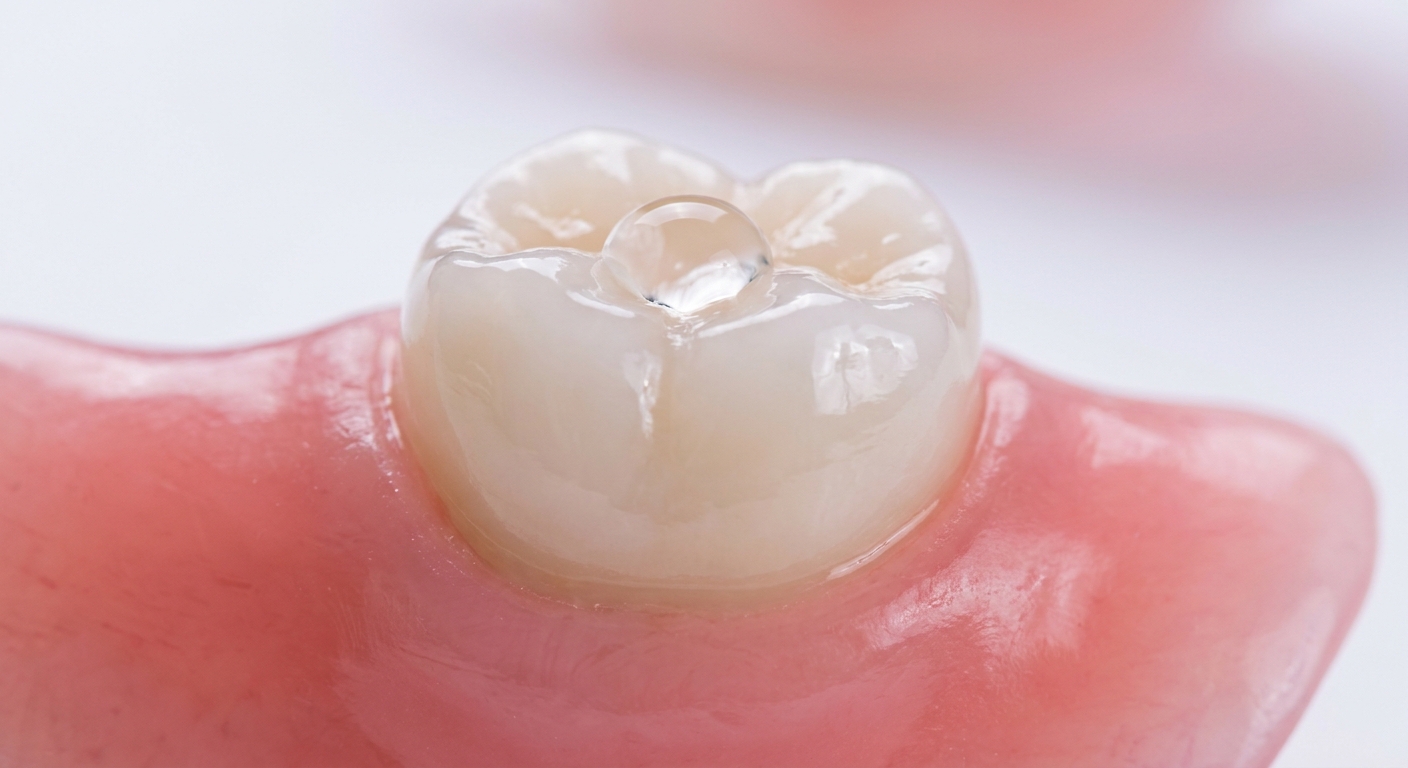
Excellent tissue biocompatibility makes 4Y Zirconia an exceptional choice for maintaining long-term gingival health around restoration margins and implant crowns. Unlike traditional metal-ceramic options, high-purity dental zirconia does not leach metallic ions or cause allergic reactions in sensitive patients. This material ensures that the surrounding soft tissues remain healthy, pink, and completely free of chronic inflammatory responses.
Why does this material resist bacterial plaque accumulation?
The highly polished, non-porous surface of modern dental ceramics inhibits the attachment of oral bacteria, preventing the formation of thick plaque layers. This clinical characteristic is highly beneficial for patients with a history of periodontal disease or subgingival restorations.
Think about it:
- Low surface roughness prevents bacterial biofilm attachment.
- Smooth margins allow easy cleaning and hygiene maintenance.
- Healthy tissues prevent gingival recession around the restoration.
How does zirconia wear against opposing vital dentition?
When properly polished and left unglazed, this ceramic exhibits low wear rates against natural tooth enamel, preventing premature wear of the opposing dentition. It is a common misconception that strong materials ruin vital teeth; a smooth, highly polished surface is actually highly protective.
Here is the thing:
- Unglazed, polished ceramics are friendlier to opposing enamel than rough glazes.
- Rough, worn glazed surfaces act like sandpaper against vital teeth.
- Maintaining a high-quality polish is essential for occlusal harmony.
Key Takeaway: The biological friendliness of premium zirconia ensures beautiful gingival integration and minimizes wear on vital teeth.
| Surface Condition | Biofilm Resistance | Opposing Enamel Wear | Gingival Integration |
|---|---|---|---|
| Polished Zirconia | Extremely high | Very low, tooth-friendly | Outstanding tissue adaptation |
| Glazed Zirconia | Moderate | Higher wear once glaze degrades | Good adaptation |
Prioritizing a high mechanical polish over a topical glaze preserves opposing vital teeth and promotes healthier tissues.
What Is the Digital Future of 4Y Zirconia?
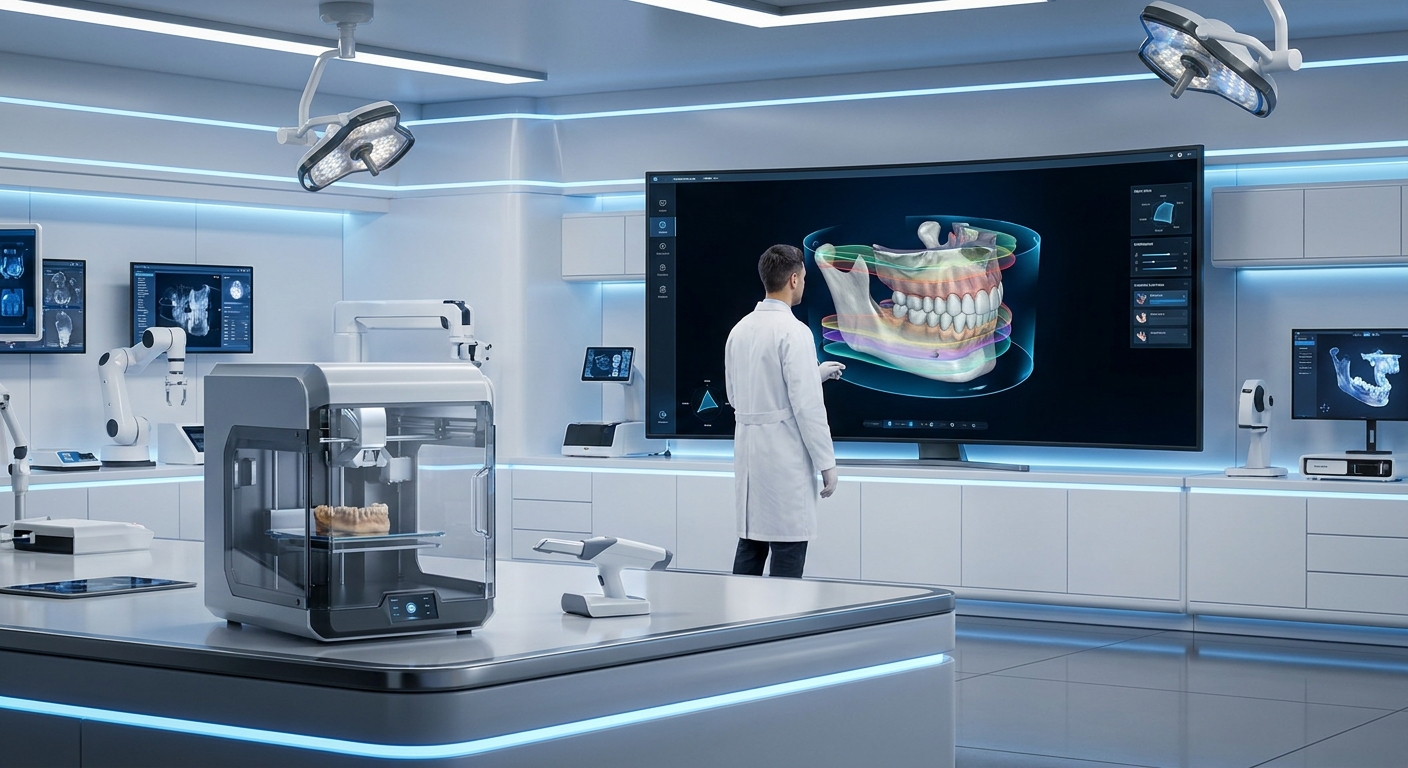
The digital future of 4Y Zirconia lies in the seamless integration of high-resolution intraoral scanning, artificial intelligence-driven design software, and ultra-precise 5-axis milling systems. This advanced ecosystem eliminates the margin of error associated with manual laboratory fabrication steps. It ensures that every restoration matches the digital model with sub-micron accuracy, resulting in rapid seating times and exceptional clinical comfort.
How does high-resolution scanning improve margin accuracy?
Digital intraoral scanners capture tooth preparations with incredible precision, sending high-fidelity files directly to the design software. This digital pathway replaces physical impressions, eliminating the risks of material distortion or casting errors.
What does this mean for you?
- Perfect marginal adaptation minimizes cement line exposure.
- You spend less time adjusting contacts chairside.
- Patients enjoy a fast, clean, and highly comfortable clinical procedure.
Will artificial intelligence and automated milling dominate?
Automated CAD design systems utilize deep learning algorithms to predict optimal tooth anatomy, which is then carved out of the ceramic blank by high-speed milling machines. This high-precision manufacturing path ensures that every single ceramic blank is processed with absolute structural safety and efficiency.
Think about it:
- AI algorithms suggest natural, patient-specific anatomical features.
- Precision milling heads reduce tool wear and material wastage.
- Restorations are manufactured faster and with complete predictability.
Key Takeaway: Embracing a fully integrated digital workflow maximizes dental clinic productivity and provides patients with a superior restorative experience.
| Manufacturing Step | Manual Method | Digital Method |
|---|---|---|
| Impression Capture | Physical tray with silicone | Intraoral optical scanning |
| Restoration Design | Hand-waxed coping method | Automated AI-driven CAD design |
| Final Fabrication | Lost-wax pressing technique | Precision 5-axis robotic milling |
Investing in integrated digital technology is the single most effective way to secure a competitive edge in restorative dentistry.
Conclusion & CTA
Navigating the delicate balance between structural strength and optical translucency no longer requires compromising clinical longevity. By choosing the ideal dental ceramic for each unique oral load, clinics and laboratories can permanently solve the headache of fractured posterior frameworks and dull, lifeless anterior smiles. Zr Brontec is committed to supporting your laboratory’s growth by supplying premium-grade, high-purity zirconia formulations engineered to perform predictably under cyclic masticatory stress. We believe that top-tier dentistry begins with raw material excellence, ensuring every single restoration stands as a testament to durability and natural beauty. To elevate your dental restoration workflows, achieve ultimate material predictability, and secure premium blanks for your laboratory, contact us today to speak with a structural ceramic expert.
FAQs
Can I use 5Y zirconia for a long-span posterior bridge?
No, you should avoid using 5Y zirconia in high-load situations because its high yttria content reduces fracture toughness, making it highly susceptible to cracking under cyclic chewing forces. For posterior restorations, choose a high-strength material like 3Y or 4Y zirconia to ensure structural safety.
What’s the best way to clean a zirconia crown before final cementation?
Yes, sandblasting is the most effective clinical method to clean the internal surface of a zirconia crown before cementation. Air-abrasion with aluminum oxide powder removes organic contaminants and creates micro-mechanical retention, ensuring a powerful bond with the luting resin.
How do I know if my laboratory sintering furnace is properly calibrated?
Yes, testing the optical translucency and density of a standardized zirconia sample disc is the best way to verify if your furnace is properly calibrated. If your sintered crowns appear opaque, chalky, or show marginal distortion, it is a clear indicator that your heating cycles are not reaching their optimal temperatures.
Can I adjust the margins of a 4Y zirconia crown chairside?
Yes, you can adjust the margins of a 4Y zirconia crown chairside, but you must use a fine-grit diamond bur with continuous water irrigation to prevent micro-cracks. Excessive dry grinding creates massive heat friction, which can trigger localized phase transitions and cause early material failure.
How do I know if 4Y zirconia will mask a severely discolored titanium abutment?
No, 4Y zirconia cannot completely mask dark metallic substrates if the ceramic wall thickness is under 0.8 mm. When handling discolored stumps or metal abutments, you must either increase the prep reduction to allow a thicker ceramic wall or select an opaque coping material to block the grey under-shade.