
The primary difference between 3Y, 4Y, and 5Y zirconia lies in their chemical yttria content, which directly controls the balance between mechanical strength and optical translucency in dental restorations. Imagine milling a complex multi-unit bridge for a high-value client, only to have it fracture in the patient’s mouth weeks after placement. Or perhaps your anterior crowns look unacceptably opaque and lifeless, leading to time-consuming remakes and frustrated dentists. These material failures do not just consume your labor and raw materials; they erode trust with your clinical partners and damage your lab’s reputation in a highly competitive market. Fortunately, choosing a high-performance 3Y Zirconia formulation provides the structural foundation your team needs to deliver reliable, beautiful restorations every single time.
What makes 3Y Zirconia different from other grades?
3Y Zirconia is distinguished from other grades by having the lowest yttria content, which maximizes its tetragonal crystal phase to provide unmatched flexural strength at the expense of high translucency. This unique physical makeup establishes it as the ultimate choice for heavy load-bearing dental frameworks. Meanwhile, 4Y and 5Y grades introduce more yttria to favor the cubic phase, boosting translucency for aesthetic zones but reducing the material’s threshold against fracture.
What is the physical trade-off in zirconia?
When you select a ceramic block, you are balancing mechanical durability against natural aesthetics. The core of this trade-off is the relationship between the tetragonal and cubic crystal phases.
Look at it this way:
- Tetragonal phase: Provides extreme fracture toughness and structural stability.
- Cubic phase: Allows excellent light transmission to mimic natural enamel.
- Yttria concentration: The chemical dial used to shift the balance between these phases.
Why do dental labs need multiple grades?
You cannot treat every clinical case with a single type of ceramic block because tooth positions undergo vastly different physiological forces. Posterior molars require high-strength frameworks, whereas anterior incisors demand high-translucency single crowns.
Here is the deal:
- Restoration location: Determines whether load resistance or optical translucency takes priority.
- Preparation designs: Thinner margins require tougher materials to prevent chipping.
- Patient biting habits: Severe grinders require the highest mechanical safety margin.
Key Takeaway: Matching the correct zirconia grade to the specific clinical indication prevents unexpected in-vivo fractures and eliminates costly restoration remakes.
| Zirconia Grade | Yttria Content (mol%) | Translucency Level | Flexural Strength (MPa) |
|---|---|---|---|
| 3Y Zirconia | ~3% | Moderate (~35%) | 900 – 1200+ |
| 4Y Zirconia | ~4% | High (~43%) | 600 – 800 |
| 5Y Zirconia | ~5% | Very High (~49%) | 500 – 650 |
The data highlights a clear inverse relationship where strength is traded for aesthetic translucency as yttria content increases.
Why does 3Y Zirconia have a lower yttria content?
3Y Zirconia contains a lower yttria content of approximately 3 mol% because this exact concentration stabilizes the highly durable tetragonal crystal structure without initiating the formation of the weaker cubic phase. This lower stabilizer level keeps the material optimized for maximum physical toughness rather than optical transparency. By restricting yttria, manufacturers ensure the ceramic retains its maximum capacity for stress-induced phase transformation.
How does yttria affect the crystal lattice?
When you look at zirconia on a molecular level, yttrium oxide acts as a stabilizer that prevents structural collapse at room temperature. Without this chemical stabilizer, the tetragonal phase would spontaneously transform back to the monoclinic phase, destroying the material.
Think about it:
- Room temperature stabilization: Keeps the high-strength tetragonal phase locked in place.
- Grain boundary control: Prevents the rapid grain growth that leads to structural weak points.
- Phase restriction: Limits the development of non-toughening cubic structures.
What is the molecular difference from 5Y?
The molecular difference lies entirely in the proportion of cubic crystals that form when the stabilizer content increases. While 3Y remains tetragonal, 5Y becomes highly cubic, which changes how light and physical forces pass through the crystal lattice.
Why does this matter?
- Light scattering: Tetragonal grains scatter light, creating an opaque appearance.
- Birefringence elimination: Cubic grains allow light to travel unimpeded, enhancing transparency.
- Fracture susceptibility: Cubic crystals cannot undergo transformation toughening, making them more brittle.
Key Takeaway: Understanding the molecular composition helps you predict how each grade will perform clinically, allowing you to select the appropriate chemical formulation based on patient stress profiles.
| Property | 3Y Crystalline Structure | 5Y Crystalline Structure |
|---|---|---|
| Dominant Phase | Tetragonal | Cubic |
| Molecular Density | High | Moderate |
| Toughening Action | Fully Active | Negligible |
Crystalline analysis shows that restricting yttria levels preserves the active self-healing properties of the tetragonal lattice.
How strong is 3Y Zirconia compared to 4Y and 5Y?
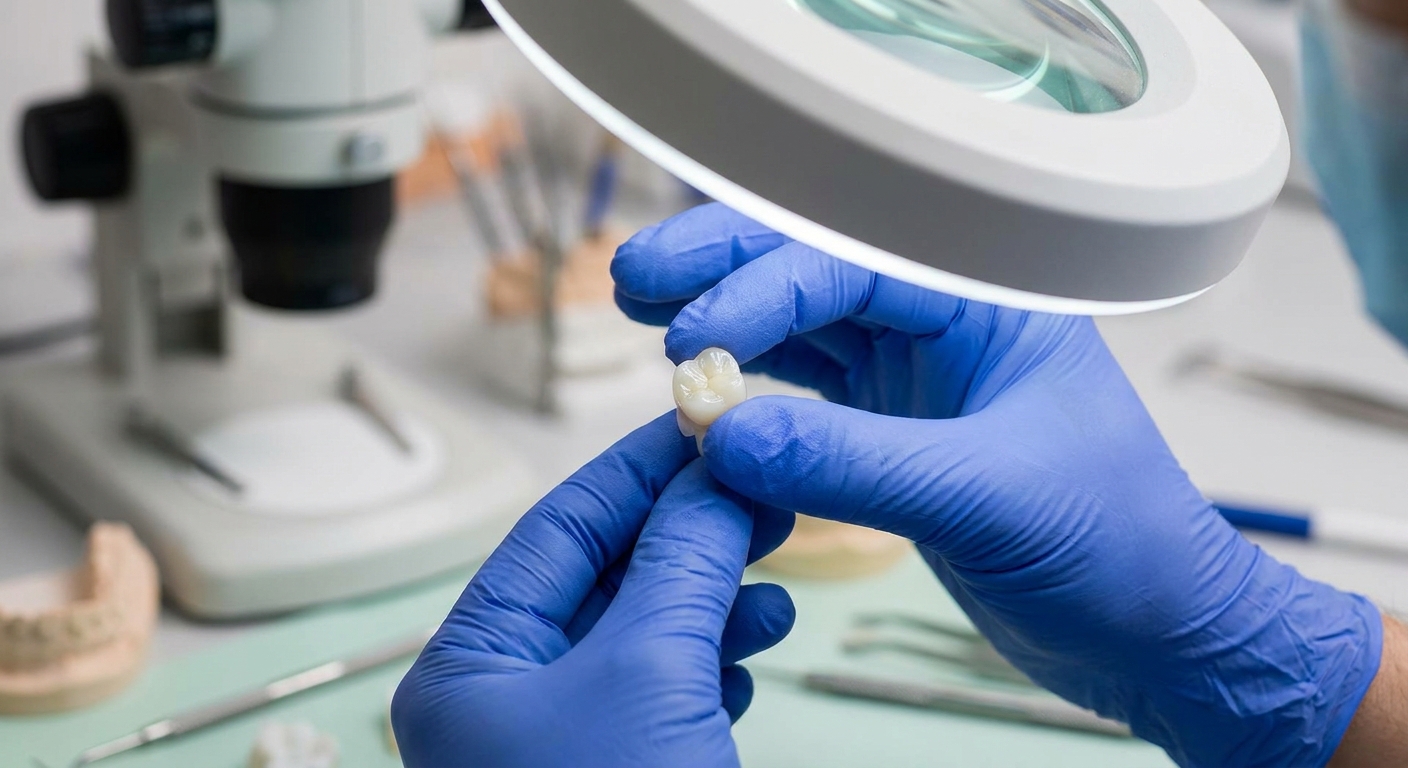
Highly refined 3Y Zirconia is significantly stronger than 4Y and 5Y grades, providing a flexural strength of 900 to over 1200 MPa, compared to the 600 to 800 MPa of 4Y and 500 to 650 MPa of 5Y. This substantial strength delta makes the 3 mol% grade highly resistant to unexpected catastrophic fractures under heavy loads. Its superior physical parameters ensure that long-span frameworks remain structurally stable throughout decades of clinical service.
Can you trust the flexural strength ratings?
When you read manufacturer brochures, these flexural strength ratings represent standard laboratory testing conditions. In the complex oral cavity, the material encounters cyclic fatigue and multi-directional forces that test its ultimate physical limits.
Look at it this way:
- Safety cushion: The 1200 MPa rating of 3Y provides a wide margin of error against clinical accidents.
- Fatigue resistance: Lower strength grades degrade faster under constant chewing cycles.
- Connector safety: High-strength reserves allow you to design delicate, anatomical connectors.
How does fracture toughness compare?
Flexural strength is only part of the story; you must also evaluate how well the ceramic resists crack propagation. Fracture toughness defines how easily a micro-crack can travel through the material and cause a complete restoration failure.
Here is the deal:
- 3Y Toughness (K₁c): Ranges from 5 to 8 MPa·m¹/² for maximum damage resistance.
- 5Y Toughness (K₁c): Drops to 2.5 to 3 MPa·m¹/², making it much more fragile.
- Clinical safety: Higher toughness prevents minor surface scratches from turning into split restorations.
Key Takeaway: Choosing the high-strength 3 mol% grade provides your laboratory with the ultimate insurance policy against bulk fractures in heavy-load regions.
| Mechanical Property | 3Y Zirconia | 4Y Zirconia | 5Y Zirconia |
|---|---|---|---|
| Flexural Strength | 1200 MPa | 800 MPa | 600 MPa |
| Fracture Toughness | High (6.5) | Moderate (4.5) | Low (2.8) |
| Cyclic Fatigue Limit | Excellent | Moderate | Low |
The mechanical profile indicates that 3Y provides double the fracture toughness of highly translucent 5Y materials.
When is 3Y Zirconia required for posterior bridges?
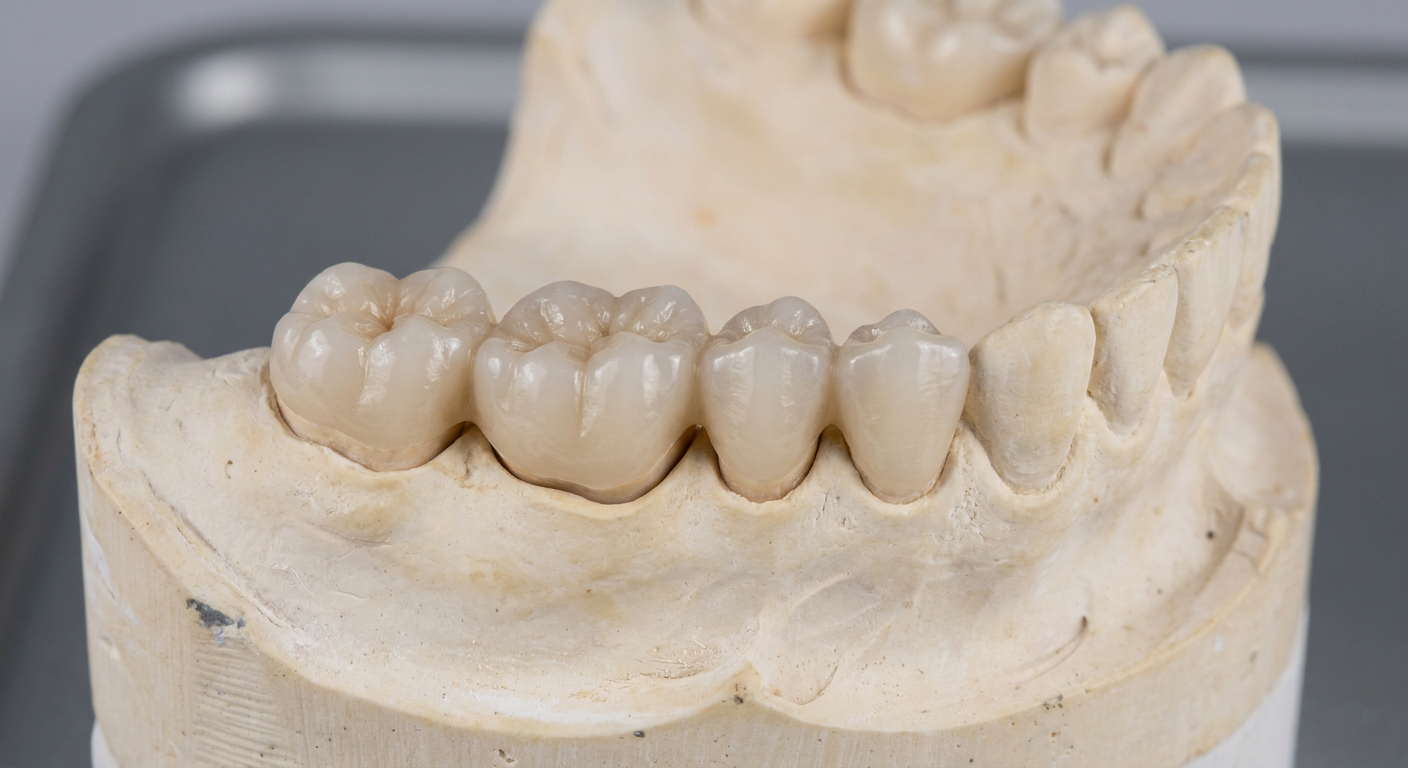
You must use 3Y Zirconia for posterior bridges of three units or more because only this high-strength grade can reliably withstand the intense chewing forces generated in the molar region. Utilizing weaker 4Y or 5Y materials for multi-unit posterior restorations introduces an unacceptably high risk of connector failure. This mechanical requirement is even more critical when treating patients with a history of bruxism or clenching.
Why are bridge connectors so vulnerable?
When you design a bridge, the connectors between the pontic and the abutments concentrate all the physical stresses of mastication. If these connector areas are too small or made of a weaker material, they will flex and snap under load.
Think about it:
- Stress concentration: Bending forces multiply rapidly across multi-unit spans.
- Connector dimension limits: Limited vertical space in the mouth restricts connector size.
- Material support: Stronger ceramic allows for safer, more compact connector designs.
Is bruxism a major risk factor?
You must consider the patient’s oral habits before finalizing your material selection for any posterior restoration. Bruxers can exert forces exceeding 800 Newtons, which will quickly destroy lower-strength aesthetic ceramics.
Why does this matter?
- Unpredictable loads: Clenching forces far exceed normal chewing pressures.
- Micro-fracture triggers: Constant grinding creates surface flaws that propagate over time.
- Protective materials: Using a 1200 MPa material absorbs these extreme loads safely.
Key Takeaway: Selecting the highest-strength grade for all multi-unit posterior restorations prevents structural fatigue and keeps your clinical accounts satisfied.
| Restoration Type | 3Y Zirconia | 4Y Zirconia | 5Y Zirconia |
|---|---|---|---|
| Single Posterior Crown | ✅ Recommended | ✅ Suitable | ⚠ High Risk |
| 3-Unit Posterior Bridge | ✅ Recommended | ⚠ Caution | ❌ Contraindicated |
| 4+ Unit Posterior Bridge | ✅ Required | ❌ Contraindicated | ❌ Contraindicated |
Bridge success depends heavily on structural volume, with 3Y requiring the smallest connector area due to its superior physical characteristics.
How do you optimize milling for 3Y Zirconia blocks?
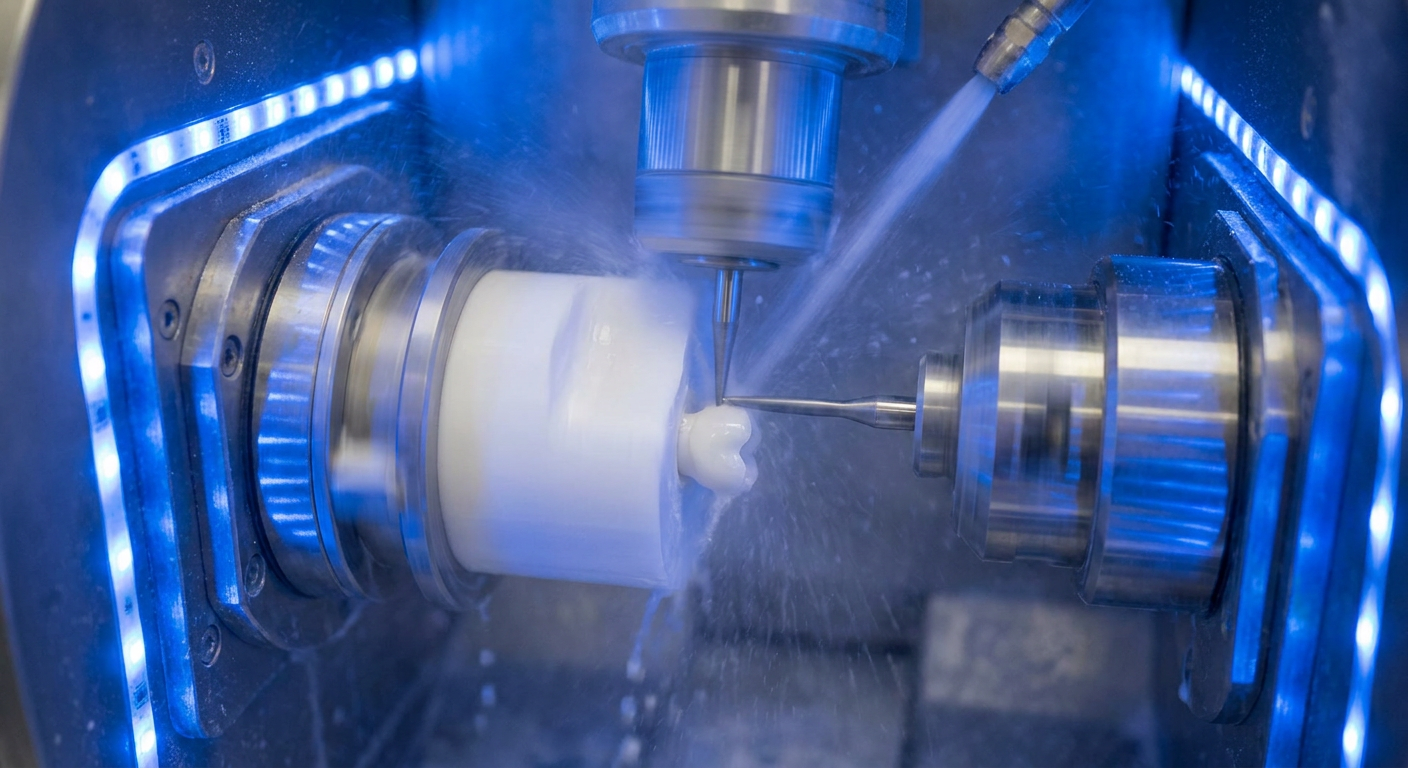
You optimize milling for 3Y Zirconia by adjusting feed rates to accommodate its higher pre-sintered green state density and using high-quality diamond-coated CAM burs to ensure precise margin integrity. Because this grade is denser than higher-yttria ceramics, running default soft-material milling paths can cause premature tool wear or edge chipping. Calibrating your spindle speed and bur engagement parameters preserves your milling equipment and ensures a perfect fitting restoration.
Why does green state density matter?
When you load a new block into your CAD/CAM machine, the density of the pre-sintered material determines how easily the cutting tools can carve the restoration. A highly homogeneous block mills with greater predictability and fewer structural anomalies.
Check this out:
- Bur resistance: Denser green state requires precise feed-rate control.
- Margin stability: Stronger pre-sintered structures resist chipping along thin margins.
- Bur lifespan: Proper speed calibrations double the life of your diamond tools.
How do you maintain tool calibration?
You must keep your milling machine’s spindle and axis calibrations perfectly aligned to prevent micro-vibrations from damaging the ceramic during the green state. Even tiny tool offsets can induce internal stresses that show up as cracks after sintering.
Look at it this way:
- Spindle vibration: Causes micro-fissures in the delicate margins of the crown.
- Tool wear tracking: Software-monitored bur lifespans prevent the use of dull tools.
- Dry vs wet milling: Dry milling is highly recommended to prevent moisture absorption in green-state zirconia.
Key Takeaway: Customizing your CAM strategies for the denser green state of 3Y formulations maintains margin sharpness and drastically reduces manual post-mill touch-ups.
| Milling Variable | Optimized 3Y Settings | Standard CAM Default |
|---|---|---|
| Tool Coating | Diamond-Coated | Uncoated Carbide |
| Feed Rate | Conservative (80-90%) | High Speed (100%) |
| Margin Thickness | 0.2 mm minimum | 0.1 mm |
Tailoring the milling feed rate and margin parameters to the dense structure of 3Y prevents edge breakdown during CAM processing.
How does 3Y Zirconia aesthetics compare to 5Y?
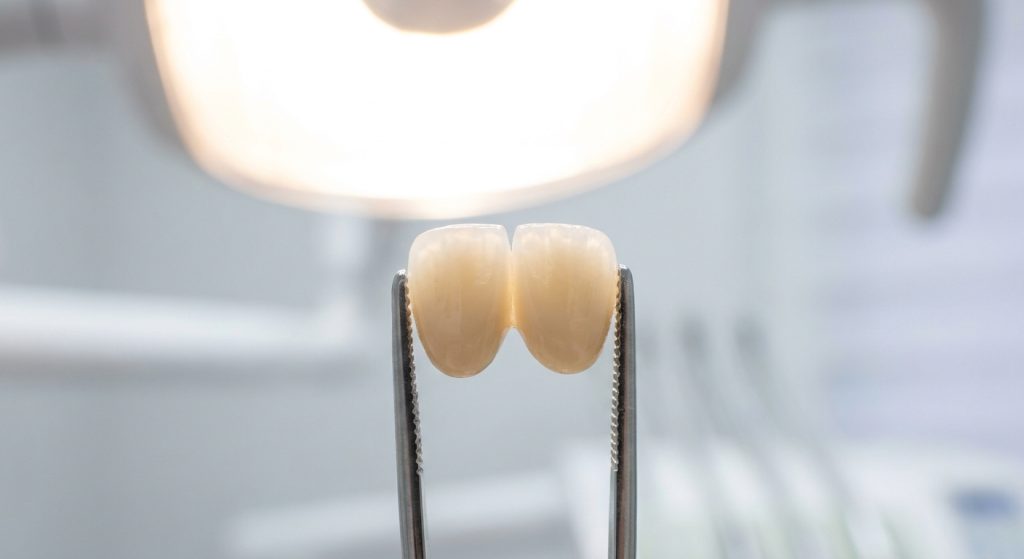
3Y Zirconia exhibits a more opaque and reflective appearance compared to the highly translucent, enamel-like aesthetic of 5Y zirconia. This optical limitation occurs because the tetragonal crystals in the 3 mol% grade split and scatter light paths, making the material look artificial in the anterior aesthetic zone. In contrast, 5Y contains a highly cubic crystal structure that permits light to pass through naturally, closely mimicking natural dentition.
Can staining overcome 3Y opacity?
When you are finishing a restoration, you can apply surface stains and characterization glazes to improve the optical properties of the opaque ceramic. However, surface-applied color cannot fully replicate the deep, internal light reflection of natural enamel.
Think about it:
- Surface limitations: Stains only modify light refraction on the outer surface.
- Internal shadow: Thicker sections of 3Y remain dark and opaque under direct light.
- Technician labor: Achieving a natural look requires extensive hand-characterization.
Is 5Y always the better aesthetic choice?
You might assume that high translucency is always ideal, but highly translucent materials fail when you need to mask dark underlying tooth structures or metallic abutments. In these challenging masking situations, a more opaque material is actually required.
Why does this matter?
- Abutment masking: Opaque cores block out dark metal implant components.
- Stained prep coverage: Prevents dark tetracycline stains from showing through.
- Aesthetic harmony: Provides the necessary value to match opaque adjacent teeth.
Key Takeaway: Utilizing 5Y for standard anterior crowns delivers effortless beauty, while reserving 3Y for cases that require maximum underlying structure masking.
| Aesthetic Parameter | 3Y Zirconia | 5Y Zirconia |
|---|---|---|
| Light Translucency | ~35% (Opaque) | ~49% (Translucent) |
| Enamel Mimicry | Moderate (Requires Stain) | Excellent (Inherent) |
| Masking Capability | Outstanding | Poor |
The optical comparison shows that while 5Y mimics natural enamel transparency, 3Y remains the premium choice for masking dark preparations.
What is the ideal sintering cycle for 3Y Zirconia?
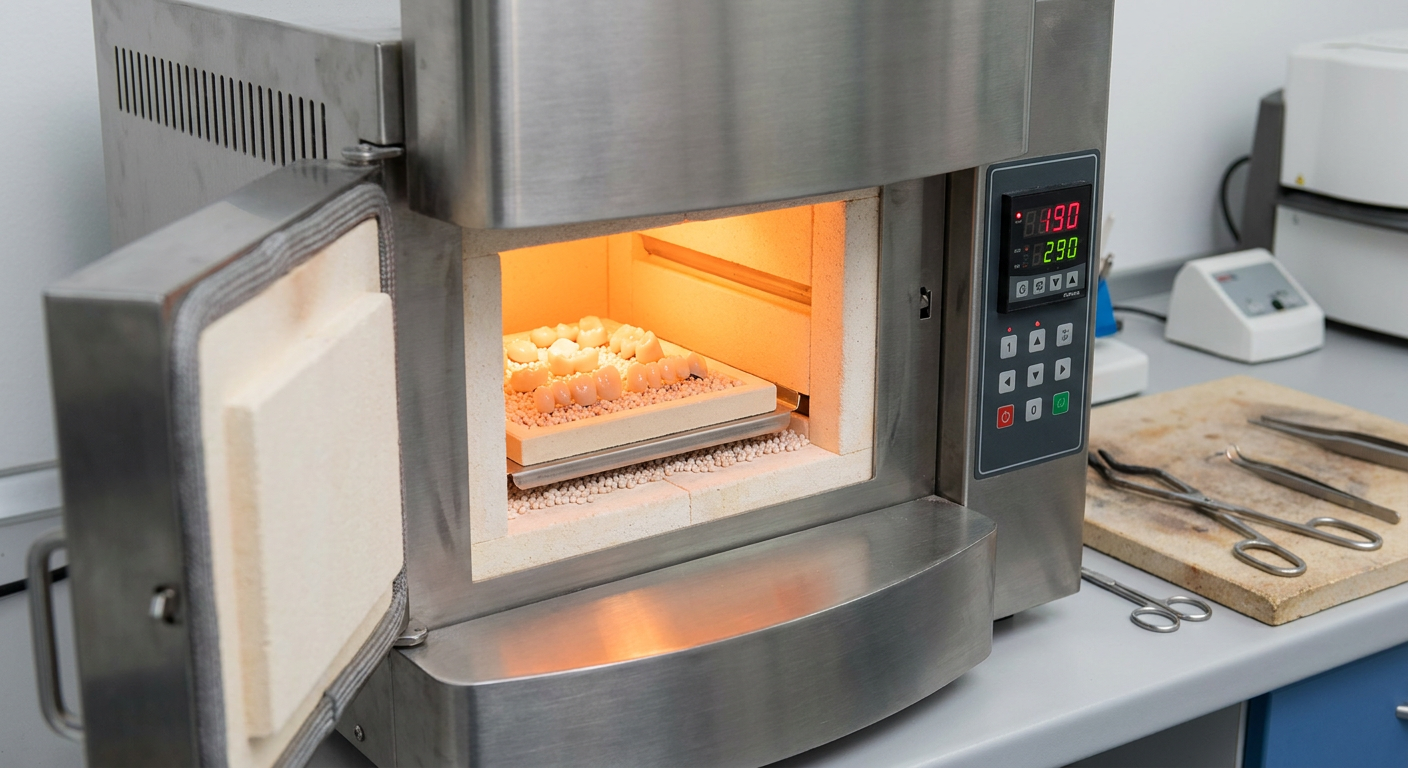
The ideal sintering cycle for 3Y Zirconia requires a gradual temperature ramp of no more than 5°C per minute to a peak holding temperature between 1500°C and 1530°C for exactly two hours. This precise thermal progression allows the pre-sintered ceramic particles to fuse completely, driving out porosity and establishing the final tetragonal crystal lattice. Deviating from this calibrated cycle by rushing the cooling or overheating the furnace can cause internal stress, resulting in micro-cracks that destroy the restoration.
Why is the heating rate so critical?
When you heat the green-state restoration, the organic binders must burn out slowly before the ceramic particles begin to densify and shrink. If you ramp the temperature too quickly, gas bubbles can get trapped inside, creating microscopic voids.
Look at it this way:
- Uniform shrinkage: Slow heating ensures the restoration shrinks evenly by 20%.
- Porosity removal: Prevents internal air pockets that severely weaken the finished crown.
- Margin preservation: Keeps delicate margins from warping under thermal stress.
How does cooling speed affect the material?
You must control the cooling phase of your sintering run just as carefully as the heating phase. Rapid cooling, or pulling restorations from a hot furnace, induces massive thermal shock that can instantly fracture the ceramic.
Here is the deal:
- Thermal shock prevention: Keeps the core and surface cooling at the same rate.
- Residual stress relief: Relieves the internal tension built up during shrinkage.
- Furnace longevity: Gradual cooling protects your furnace’s heating elements from wear.
Key Takeaway: Adhering to a standardized, slow sintering protocol is the most critical step to locking in the maximum strength and stability of your restorations.
| Sintering Phase | Temperature Range | Recommended Rate / Hold |
|---|---|---|
| Ramp Up | 20°C to 1000°C | 5°C / minute |
| Final Heating | 1000°C to 1500°C | 3°C / minute |
| Peak Hold | 1500°C – 1530°C | Hold for 120 minutes |
| Cool Down | 1500°C to 200°C | Gradual (Natural furnace cooling) |
Crystalline densification data proves that a controlled 2-hour hold at 1500°C is required to eliminate structural porosity in 3Y materials.
How well does 3Y Zirconia resist hydrothermal aging?
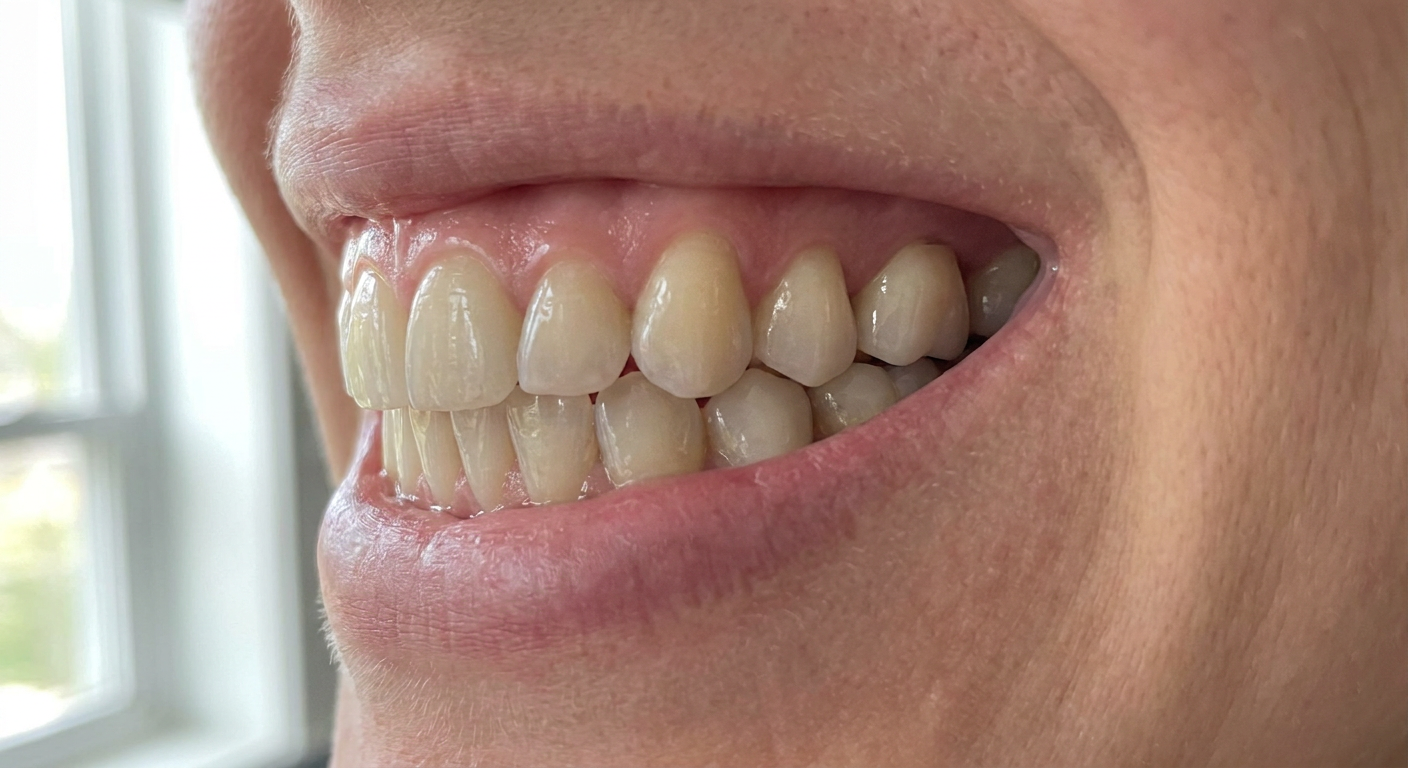
3Y Zirconia possesses outstanding resistance to hydrothermal aging because its stabilized tetragonal grain structure is highly resistant to spontaneous monoclinic phase transformation in moist, warm environments. This high resistance to low-temperature degradation prevents the surface of the restoration from roughening or micro-cracking over decades of clinical service in saliva. By maintaining high crystalline stability, it ensures the restoration retains its smooth surface and high mechanical strength long-term.
What is low-temperature degradation?
When you place a zirconia restoration in the patient’s mouth, it is constantly exposed to moisture, warmth, and chewing forces. Over time, this hostile environment can cause the surface crystals to slowly transition back to the weaker monoclinic phase.
Think about it:
- Spontaneous transition: Moisture triggers a slow phase shift from the surface inward.
- Surface roughening: Monoclinic conversion increases surface texture, causing wear on opposing teeth.
- Strength degradation: The structural breakdown reduces the ultimate load capacity.
How do high-purity powders prevent aging?
You can prevent hydrothermal aging by sourcing materials made from ultra-pure zirconium and yttrium raw powders. High-purity powders with controlled particle sizes ensure that the tetragonal grain boundaries are tightly locked together.
Why does this matter?
- Controlled grain size: Finer grains are significantly less susceptible to aging.
- Trace element control: Prevents chemical impurities from acting as catalysts for degradation.
- Long-term safety: Guarantees decades of reliable clinical function without material degradation.
Key Takeaway: Investing in high-purity raw material blanks ensures your restorations will withstand the moist oral environment without losing physical integrity.
| Aging Test Parameter (ISO 13356) | 3Y Zirconia | Cheap/Low-Purity Zirconia |
|---|---|---|
| Monoclinic Phase Increase | < 3% (Stable) | > 25% (Degraded) |
| Surface Roughness ($Ra$) | Unchanged | Significantly Increased |
| Flexural Strength Post-Test | Retained (1100 MPa) | Heavily Reduced (<600 MPa) |
Accelerated aging tests show that high-purity 3Y formulations maintain structural integrity where lower-quality alternatives suffer heavy monoclinic conversion.
Which labs benefit from stocking 3Y Zirconia discs?
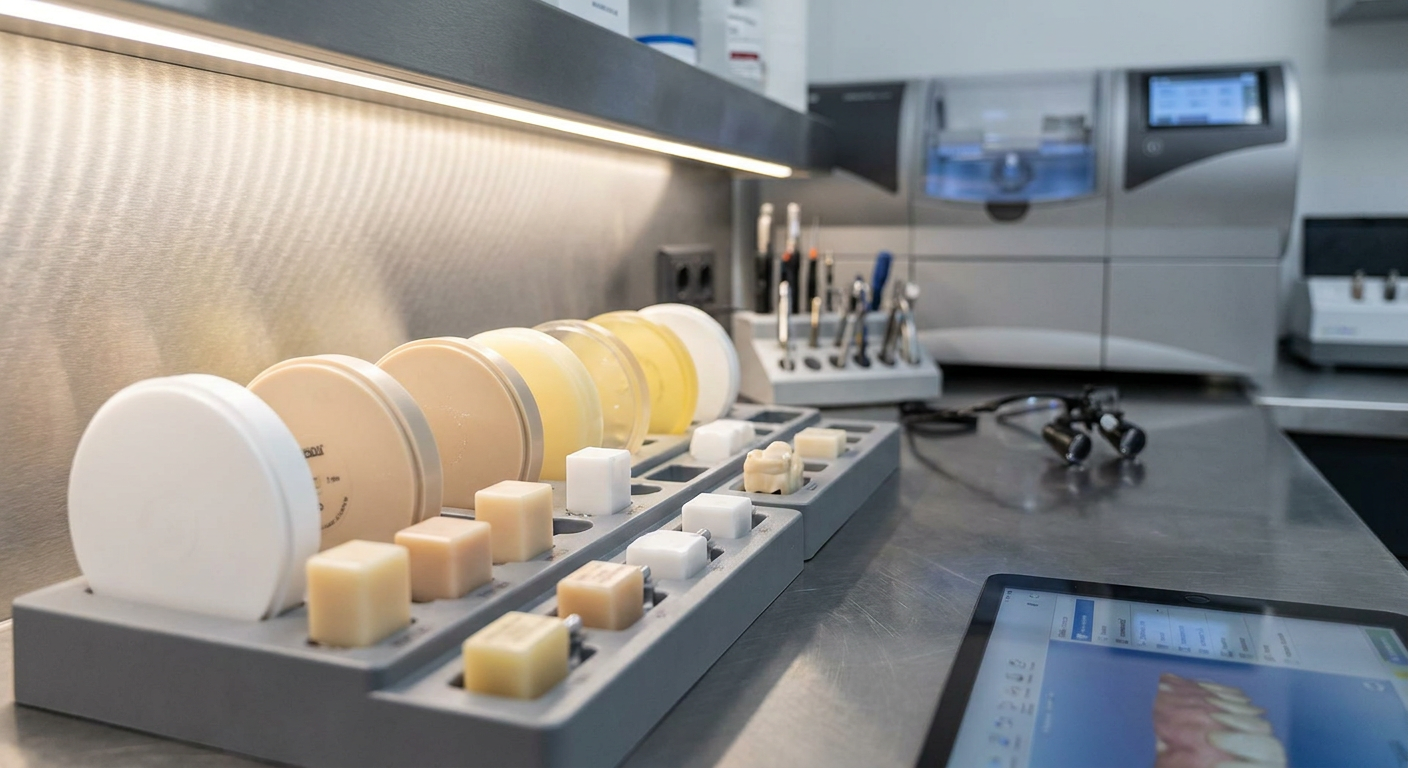
Dental laboratories that process a high volume of posterior restorations, multi-unit implant frameworks, and long-span bridges benefit most from keeping a robust stock of 3Y Zirconia discs. Having this ultra-strength material readily available allows your production team to confidently accept challenging, high-stress restorative cases without the fear of structural failure. Standardizing on a premium 3 mol% formulation streamlines your inventory and establishes a reliable foundation for all load-bearing restorations.
How does stocking 3Y streamline your business?
When you manage a busy dental lab, maintaining too many different material SKUs can complicate your production floor and lead to costly selection errors. By keeping a consistent stock of high-strength blanks, you can instantly assign them to any posterior case.
Check this out:
- Simplified inventory: Reduces the need to stock specialty framework materials.
- Technician familiarity: Your team masters the milling and sintering of a single main grade.
- Predictable workflows: Consistent raw materials lead to highly predictable outcomes.
Is it cost-effective to stock multiple grades?
You must evaluate your overall laboratory case mix to determine the most cost-effective inventory strategy. For most full-service laboratories, the ideal solution is a dual-stock strategy combining high-strength posterior blanks with versatile, pre-shaded anterior blanks.
Look at it this way:
- Primary stock (3Y): Handles all posterior bridges, implant bars, and substructures.
- Secondary stock (4Y/5Y): Reserved for aesthetic anterior single crowns and veneers.
- Cost savings: Reduces expensive material wastage by matching the grade to the exact case.
Key Takeaway: Developing a clear, dual-stock inventory strategy ensures your laboratory is always equipped to handle both high-load frameworks and ultra-aesthetic anterior cases.
| Lab Specialty Type | 3Y Stock Allocation | 4Y/5Y Stock Allocation |
|---|---|---|
| Implant & Reconstruction Lab | 70% | 30% |
| General Full-Service Lab | 40% | 60% |
| Cosmetic Anterior Lab | 10% | 90% |
Inventory analysis demonstrates that a strategic, case-matched stock allocation minimizes overhead and maximizes material efficiency.
How does 3Y Zirconia prevent margin micro-cracking?
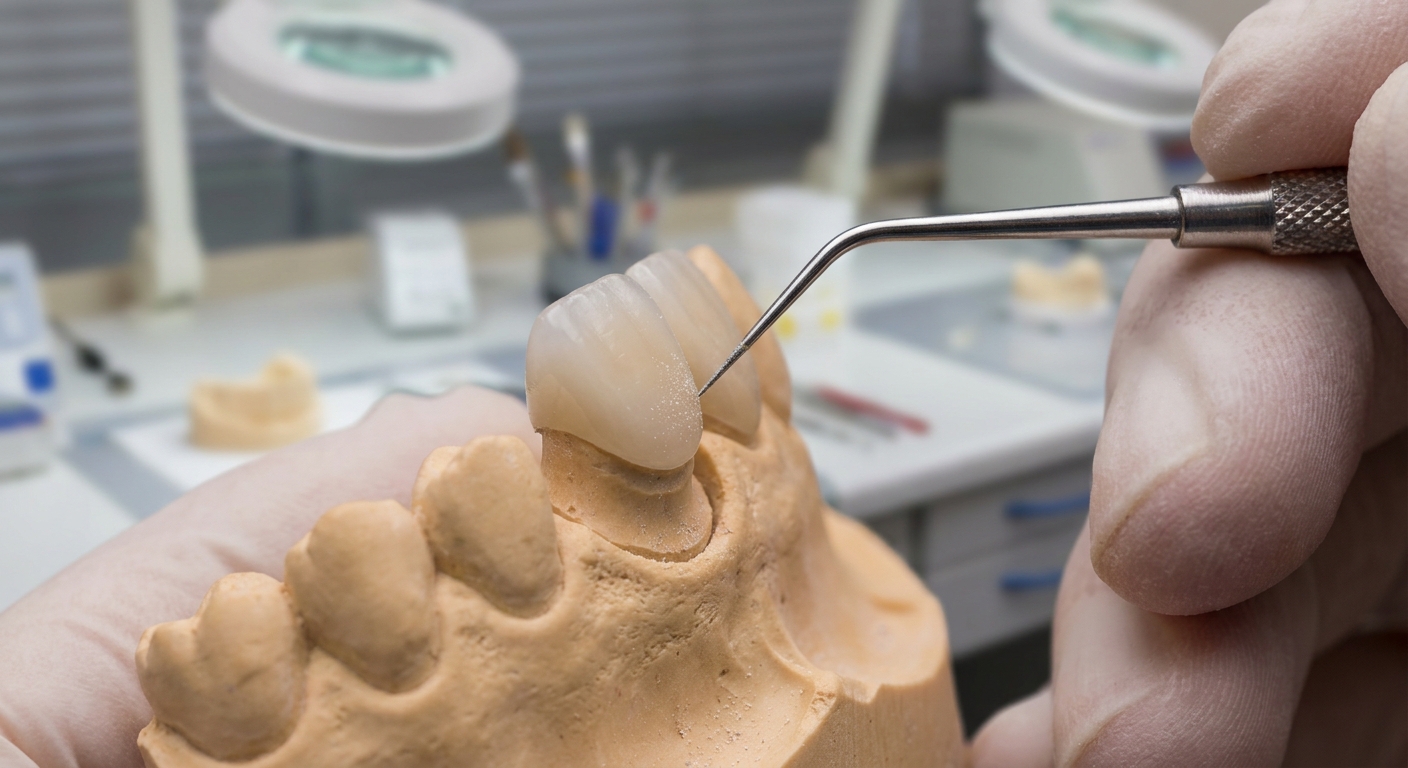
3Y Zirconia prevents restoration micro-cracking through its high fracture toughness and active phase transformation toughening mechanism, which stops microscopic fissures from spreading along delicate margins. When physical stress acts upon a micro-crack during milling or chewing, the surrounding tetragonal crystals immediately swell to clamp the flaw shut. This protective crystalline behavior prevents marginal cracks from developing into structural failures, securing a perfect, long-lasting fit.
Why are thin crown margins so fragile?
When you design a crown, the margin is milled down to a feather-edge to ensure a flush, hygienic fit against the prepared tooth. These ultra-thin sections are highly vulnerable to chipping and micro-fracturing during the high-speed CAM milling process.
Think about it:
- Milling forces: Rotational bur forces can easily break brittle, low-strength margins.
- Handling risks: Un-sintered green-state margins are extremely delicate to the touch.
- Marginal leakage: Chipped margins create microscopic gaps that invite dental decay.
How does phase transformation stop cracks?
You can think of transformation toughening as a built-in safety net that actively repairs crystalline damage. When a crack begins to propagate, the localized physical stress triggers an immediate crystalline expansion that seals the crack tip.
Why does this matter?
- Energy absorption: Squeezes the crack tip, absorbing the energy driving its spread.
- Micro-fissure containment: Restricts the damage to a tiny, microscopic area.
- Clinical longevity: Guarantees that the critical marginal seal remains intact over years of chewing.
Key Takeaway: Selecting a material with active phase transformation properties protects your thinnest margin designs from chipping during fabrication and clinical service.
| Material Characteristic | 3Y Zirconia | 5Y Zirconia |
|---|---|---|
| Crack Propagation Speed | Extremely Slow (Arrested) | Fast (Brittle) |
| Margin Chipping Resistance | Outstanding | Moderate |
| Crystalline Toughening Response | Maximum (~100% Active) | Negligible |
Crystalline stress testing reveals that 3Y provides the highest transformation-toughening capacity, ensuring stable, chip-free margins under heavy physical loads.
Conclusion
Successfully navigating the complex landscape of dental ceramics requires a careful assessment of physical strength and optical translucency. By understanding the physical and chemical performance envelopes of 3Y, 4Y, and 5Y zirconia, you can optimize your lab’s inventory and fabrication workflows. This strategic classification resolves the risk of unexpected crown fracturing and margin chipping while minimizing the labor spent on manual shade correction. At Brontec, our high-purity raw materials and expert technical support ensure your production floor operates with ultimate stability and zero process variation. Our vision is to pioneer the development of advanced ceramic materials that empower dental laboratories worldwide to deliver perfect restorations without compromise. If you are ready to elevate your product quality and reduce clinical remakes, contact us today to consult with our engineering team and secure the ideal material blanks for your business.
FAQ
Can I use 5Y zirconia for a 4-unit posterior bridge?
No. The flexural strength of 5Y zirconia (500–650 MPa) is clinically insufficient to handle the heavy chewing forces exerted on long posterior spans, which will lead to catastrophic fracture.
What’s the best sintering temperature to maximize 3Y zirconia strength?
1500°C to 1530°C. Sintering within this temperature range with a standard two-hour hold allows the tetragonal grains to fuse perfectly, achieving maximum density without excessive grain growth that weakens the material.
How do I know if my lab should choose 3Y or 4Y zirconia for posterior single crowns?
You should evaluate the patient’s biting habits and the preparation thickness to make this choice. While 4Y zirconia is highly suitable for standard posterior single crowns due to its balanced strength and aesthetics, 3Y is the mandatory choice for patients with severe bruxism or when preparation limitations require thin crown walls.