
The 3D dimensional changes of 3Y, 4Y, and 5Y zirconia single crowns vary significantly under different sintering protocols, with 3Y exhibiting exceptional stability under rapid sintering while 4Y and 5Y show varied sensitivities to high-speed thermal cycles. Many dental laboratories continuously struggle with inconsistent restoration fits, forcing technicians to spend hours manually adjusting crowns after sintering. This loss of productivity and clinical delay directly impacts your bottom line, leading to fractured margins, costly clinical remakes, and damaged partnerships with dentists who demand absolute marginal precision. By identifying how thermal cycles interact with specific yttria concentrations, such as in premium 3Y Zirconia blanks, you can eliminate these dimensional discrepancies and achieve microstructural predictability for every restoration you produce.
How does sintering affect 3Y Zirconia crowns?
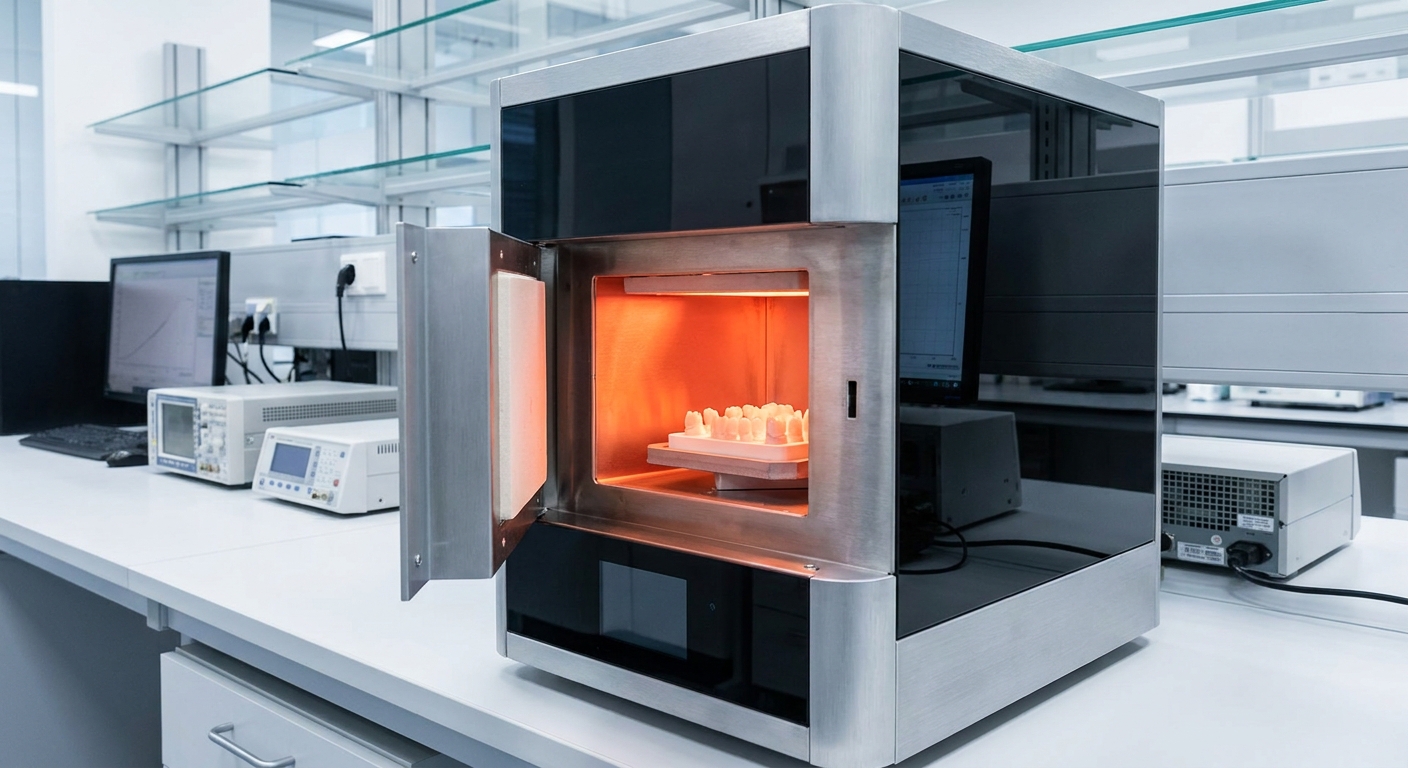
Sintering directly dictates the final physical dimensions, grain boundary interfaces, and overall structural density of 3Y Zirconia crowns. During this high-temperature thermal cycle, the milled ceramic undergoes uniform shrinkage to reach its theoretical density. If this shrinkage is not precisely controlled, the internal and marginal fit of the prosthesis will deviate from the original digital CAD design.
Understanding the structural transformation?
Sintering triggers a critical solid-state diffusion process that eliminates microscopic pores between yttria-stabilized tetragonal zirconia polycrystal grains. This microscopic densification causes a predictable volumetric shrinkage of approximately 20% to 30%. Managing this shrinkage requires precise thermal profiles to prevent localized stresses from warping the crown.
Think about it: without careful control over the cooling curve, the restoration can experience thermal shock. This micro-level distress results in micro-fractures along the restoration’s load-bearing areas.
Addressing the clinical fit dilemma
Achieving sub-30 micron accuracy at the margin is vital to prevent cement dissolution and subsequent secondary caries. By selecting highly purified materials, labs can ensure isotropic shrinkage behavior across complex preparation geometries. Implementing scientifically validated thermal protocols eliminates mechanical discrepancies, ensuring excellent seating every single time.
Here is the kicker: many dental laboratories face chronic crown fit issues without understanding why. Minor variations in furnace temperature ramps can introduce micro-strains that distort marginal areas.
- Uniform shrinkage across complex geometries
- Optimal seating under chewing forces
- Preservation of marginal integrity
Key Takeaway: Correct sintering is the single most critical factor in achieving dimensional predictability and long-term mechanical reliability for monolithic restorations.
| Sintering Metric | Standard Protocol Value | Desired Restorational Outcome |
|---|---|---|
| Linear Shrinkage Rate | ~20% – 22% | Uniform volume reduction |
| Cooling Rate Control | < 10°C/min | Prevention of localized residual stresses |
| Peak Chamber Temperature | 1450°C – 1530°C | Complete grain boundary densification |
Analytical Guidance: Dental laboratories must strictly control the furnace ramp-down rates to maintain stable structural margins on low-yttria restorations.
Why does speed sintering benefit 3Y Zirconia?
Speed sintering benefits 3Y Zirconia by significantly improving its internal and marginal fit through optimized, rapid thermal grain reorganization. Far from compromising the material, fast-firing schedules minimize grain growth, resulting in a highly uniform microstructure. This advanced thermal protocol reduces laboratory processing times while simultaneously enhancing dimensional accuracy.
The physics of rapid thermal cycles?
Accelerated thermal ramps accelerate solid-state diffusion across grain boundaries without allowing sufficient time for localized grain coarsening. This restricted grain growth preserves the high-strength tetragonal phase, keeping the material incredibly resilient against chewing forces. Consequently, the rapid cycle stabilizes the internal dimensions of the crown far more effectively than prolonged furnace schedules.
Think about it: keeping grain sizes compact limits the initiation of surface micro-cracks under severe cyclic loading. This microscopic stability translates directly into higher clinical survival rates.
Analyzing internal occlusal improvements
The intaglio-occlusal fit represents one of the most common zones for manufacturing errors. Empirical data shows that rapid cycles yield significantly lower root mean square deviations in this critical area compared to traditional twelve-hour schedules. This means less internal chairside adjustment is required during the final crown try-in.
- Fewer internal adjustments during seating
- Reduced chairside try-in times
- Optimized resistance to occlusal stresses
Key Takeaway: Speed sintering is not merely a time-saver; it actively refines the microstructural fit of low-yttria restorations.
| Sintering Protocol | Heating Rate (°C/min) | Average 3Y Zirconia IO Fit (µm) | Phase Composition Stability |
|---|---|---|---|
| Standard Sintering | 5 – 10 | 27 ± 2 | Standard Tetragonal |
| Rapid Sintering | 50 – 100 | 15 ± 2 | Ultra-Fine Tetragonal |
Analytical Guidance: Transitioning to rapid sintering cycles is highly recommended to improve the internal accuracy of low-yttria crowns.
Does rapid sintering warp 3Y Zirconia margins?
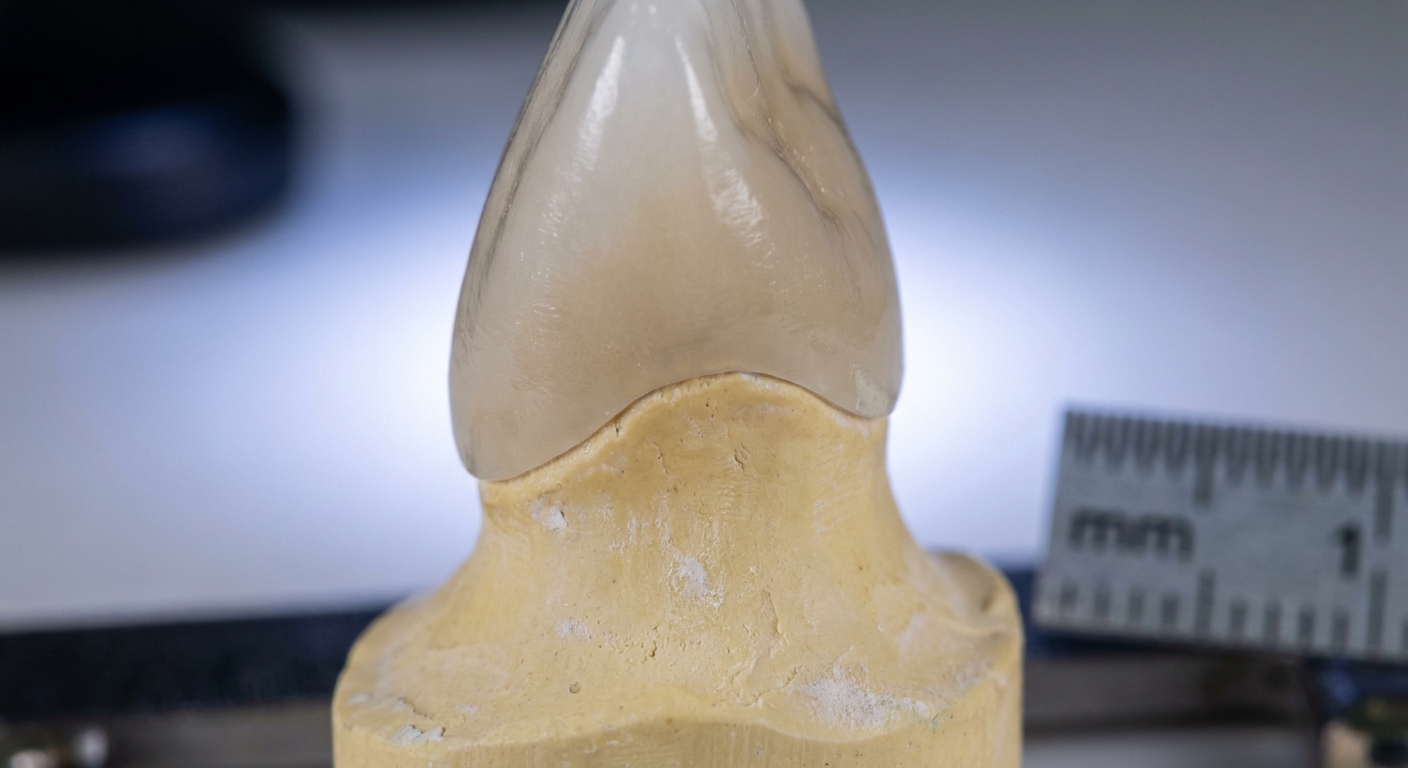
Rapid sintering does not warp 3Y Zirconia margins and instead yields a highly precise marginal seal that sits well within accepted clinical thresholds. In fact, rapid thermal cycles help control localized distortion along the thin marginal collar of single crowns. This structural stability ensures that the final restoration fits snugly against the prepared tooth structure.
Evaluating root mean square marginal metrics
Recent three-dimensional metrology studies show that rapid firing schedules maintain marginal deviations within an exceptional range. Measuring these deviations using root mean square (RMS) values confirms that rapid sintering keeps margins highly stable. This stability prevents the uneven shrinkage that often occurs during slow, non-uniform cooling cycles.
But wait, there is more: rapid thermal processing achieves complete grain densification before directional stress can distort thin marginal geometries. This prevents the marginal flaring commonly observed during longer cycles.
Securing clinical acceptability thresholds?
Prosthodontic standards specify that marginal gaps must remain below 120 micrometers to prevent cement degradation. Firing low-yttria formulations rapidly keeps marginal discrepancies well below this threshold, often under 30 micrometers. This level of precision provides a highly reliable margin that stands up to daily clinical wear.
- Marginal discrepancies kept under 30 micrometers
- Outstanding protection against micro-leakage
- Reliable seal under cyclic fatigue
Key Takeaway: Accelerated thermal processing keeps low-yttria margins exceptionally stable, ensuring fit metrics that exceed clinical standards.
| Material Group | Sintering Method | Marginal Fit (RMS) | Clinical Acceptability |
|---|---|---|---|
| 3Y Zirconia | Standard | 23 ± 1 µm | Highly Acceptable |
| 3Y Zirconia | Rapid | 19 ± 1 µm | Superior Fit |
Analytical Guidance: Rapid sintering is the preferred method for fabricating high-precision margins on low-yttria frameworks.
How does 3Y Zirconia compare to 4Y formulations?
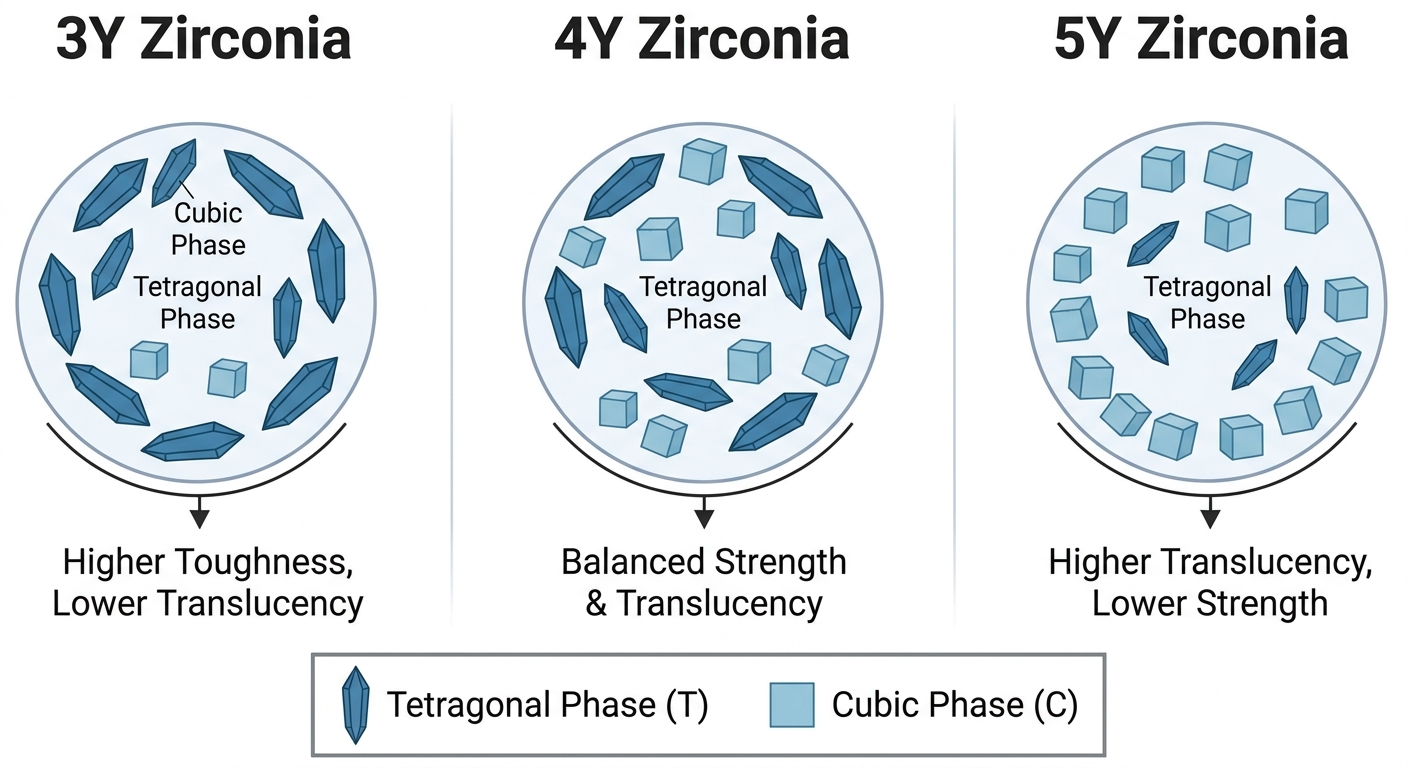
3Y Zirconia outperforms 4Y formulations when subjected to rapid sintering, as rapid cycles actually worsen the overall fit of 4Y crowns. This difference highlights the need to match your sintering protocols to the specific yttria concentration of the material. Failing to adjust your protocols can result in poor clinical fits and compromised restorations.
Comparing structural yttria compositions
Low-yttria formulations consist entirely of high-strength tetragonal crystals, which resist thermal stresses during rapid cycles. In contrast, 4Y formulations contain a mix of cubic and tetragonal phases, making them more sensitive to thermal gradients. To explore more about these phase differences, visit our premium product page.
On that note, the lack of phase uniformity in high-translucency materials often leads to mismatched internal stress lines. These thermal expansion mismatches are the primary source of deformation in speed-sintered multi-layered crowns.
The disastrous effect of speed on 4Y crowns?
Accelerating the firing rate of 4Y materials causes uneven shrinkage across the crown’s axial and marginal segments. This irregular shrinkage occurs because the different crystal phases do not expand and contract at the same rate under fast thermal ramps. As a result, 4Y crowns require slow, controlled heating and cooling to maintain their shape.
Think about it: processing multi-phase materials requires extra care to avoid micro-crack development along crystal interfaces.
- Incompatible phase expansion under rapid heating
- High risk of severe marginal warping
- Need for separate, standard sintering runs
Key Takeaway: Speed sintering is highly effective for low-yttria materials but causes significant dimensional distortions in 4Y formulations.
| Material Type | Yttria Content (mol%) | Optimal Sintering Protocol | Risk of Fast-Firing Distortion |
|---|---|---|---|
| 3Y Zirconia | ~3.0 | Rapid / Speed | Extremely Low |
| 4Y Zirconia | ~4.0 | Standard / Slow | High |
Analytical Guidance: Keep 3Y and 4Y materials on separate sintering schedules to maximize accuracy and performance for each type.
Is 5Y Zirconia less sensitive than 3Y Zirconia?

5Y Zirconia is less sensitive to sintering speeds than 3Y Zirconia because its dimensional accuracy remains virtually unchanged whether standard or rapid protocols are used. This structural consistency is due to its high cubic phase content, which remains stable across different thermal cycles. This stability gives laboratories more flexibility when processing high-translucency restorations.
Assessing cubic phase sintering kinetics?
The high yttria content in 5Y formulations stabilizes a large amount of the cubic crystal phase, which does not undergo phase transformation during heating. This isotropic crystal structure responds uniformly to thermal energy, ensuring consistent shrinkage in all directions. Consequently, the material is highly resistant to the thermal stresses that can warp low-yttria crowns.
Here is the kicker: because 5Y has fewer boundary transitions, the material does not trap local stresses as easily. This isotropic behavior protects the crown from distorting even when thermal cycles are highly accelerated.
Evaluating dimensional stability outcomes
Dimensional measurements show no statistically significant difference in fit for 5Y restorations between rapid and standard firing schedules. Whether you choose a fast cycle or a traditional overnight run, the final crown margin remains highly accurate. This predictable shrinkage makes 5Y materials exceptionally reliable for anterior restorations.
- Isotropic grain rearrangement across all zones
- Identical marginal tolerances on both cycles
- Maximum scheduling flexibility for the laboratory
Key Takeaway: 5Y formulations provide excellent processing flexibility, maintaining stable dimensional accuracy across both rapid and standard sintering schedules.
| Material Group | Firing Cycle | Internal Axial Fit (RMS) | Marginal Deviation (RMS) |
|---|---|---|---|
| 5Y Zirconia | Standard | 22 ± 2 µm | 24 ± 3 µm |
| 5Y Zirconia | Rapid | 23 ± 2 µm | 25 ± 3 µm |
Analytical Guidance: Utilize rapid sintering for 5Y restorations to accelerate production turnaround times without risking dimensional accuracy.
How does the scaling factor impact 3Y Zirconia?
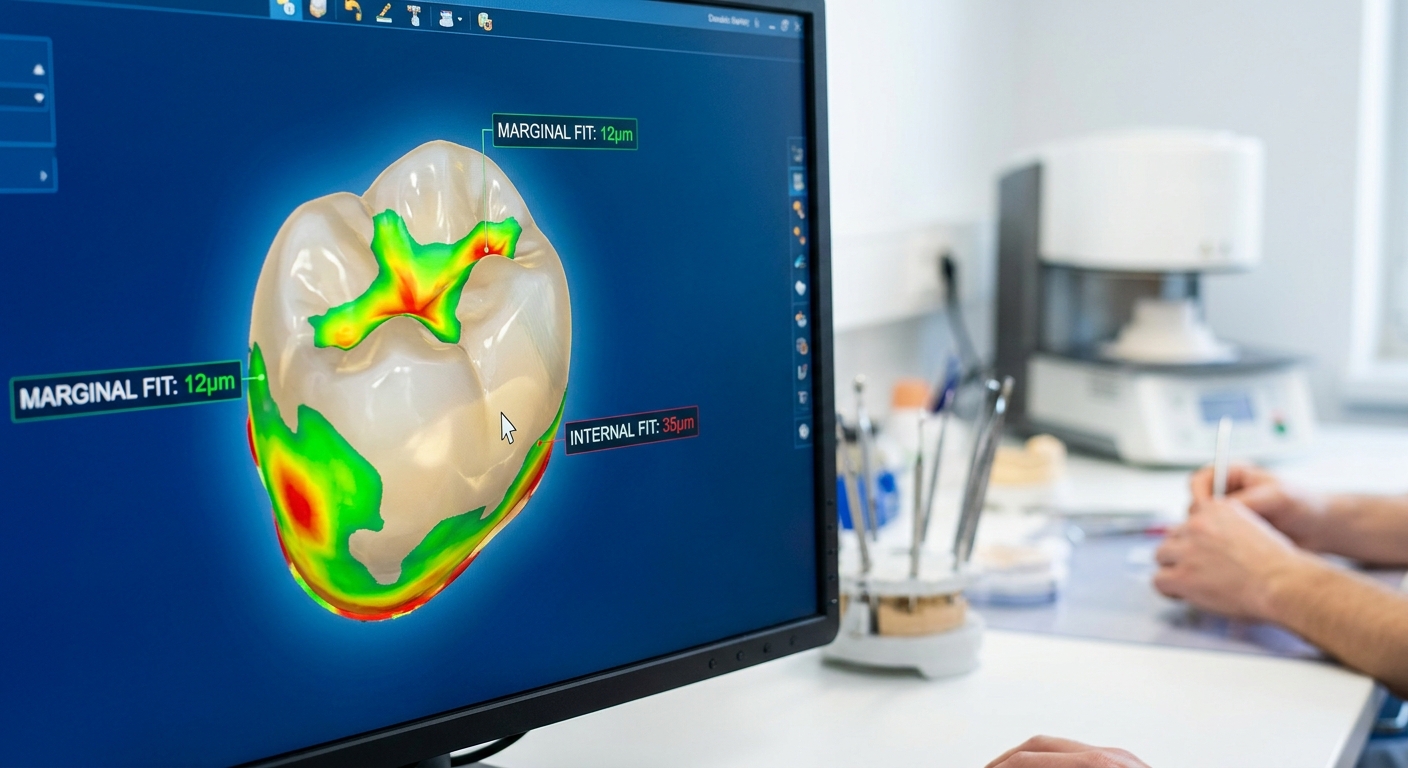
The scaling factor impacts 3Y Zirconia by determining the precise enlargement ratio required during CAM milling to compensate for sintering shrinkage. Because zirconia shrinks during firing, the CAD software must scale up the milled crown. This scaling factor must be highly accurate to ensure the sintered crown fits the prepared model perfectly.
Cracking the disk-specific magnification code?
The magnification factor compensates for the volume change that occurs as pores close during firing. Rapid sintering cycles alter this shrinkage behavior by accelerating the densification process. Consequently, the standard magnification factor becomes more critical and sensitive under rapid firing schedules than under standard ones.
Think about it: even a tiny 0.001 error in the software magnification input will result in a crown that fails to seat. This risk highlights the value of using pre-calibrated material blanks.
Mitigating microstructural shrinkage errors
To prevent fit errors, milling centers must calibrate their CAM software to account for both the disk factor and the selected firing protocol. High-quality manufacturers ensure their blanks have uniform density to prevent uneven shrinkage during fast-firing. This strict manufacturing control is what keeps shrinkage highly predictable.
- Milling adjustments for thermal kinetics
- Elimination of directional distortion during ramp-up
- Perfect restoration volume calculation
Key Takeaway: Precise calibration of the disk-specific scaling factor is essential when pairing fast-firing protocols with high-performance frameworks.
| Sintering Protocol | Factor Sensitivity | Volumetric Shrinkage Behavior | Software Calibration Needs |
|---|---|---|---|
| Standard Sintering | Moderate | Gradual / Linear | Standard Input |
| Rapid Sintering | High | Accelerated / Dynamic | Protocol-Specific Adjustment |
Analytical Guidance: Regularly run calibration test blocks on rapid cycles to fine-tune your CAM scaling factors for consistent accuracy.
What RMS deviations exist for 3Y Zirconia?
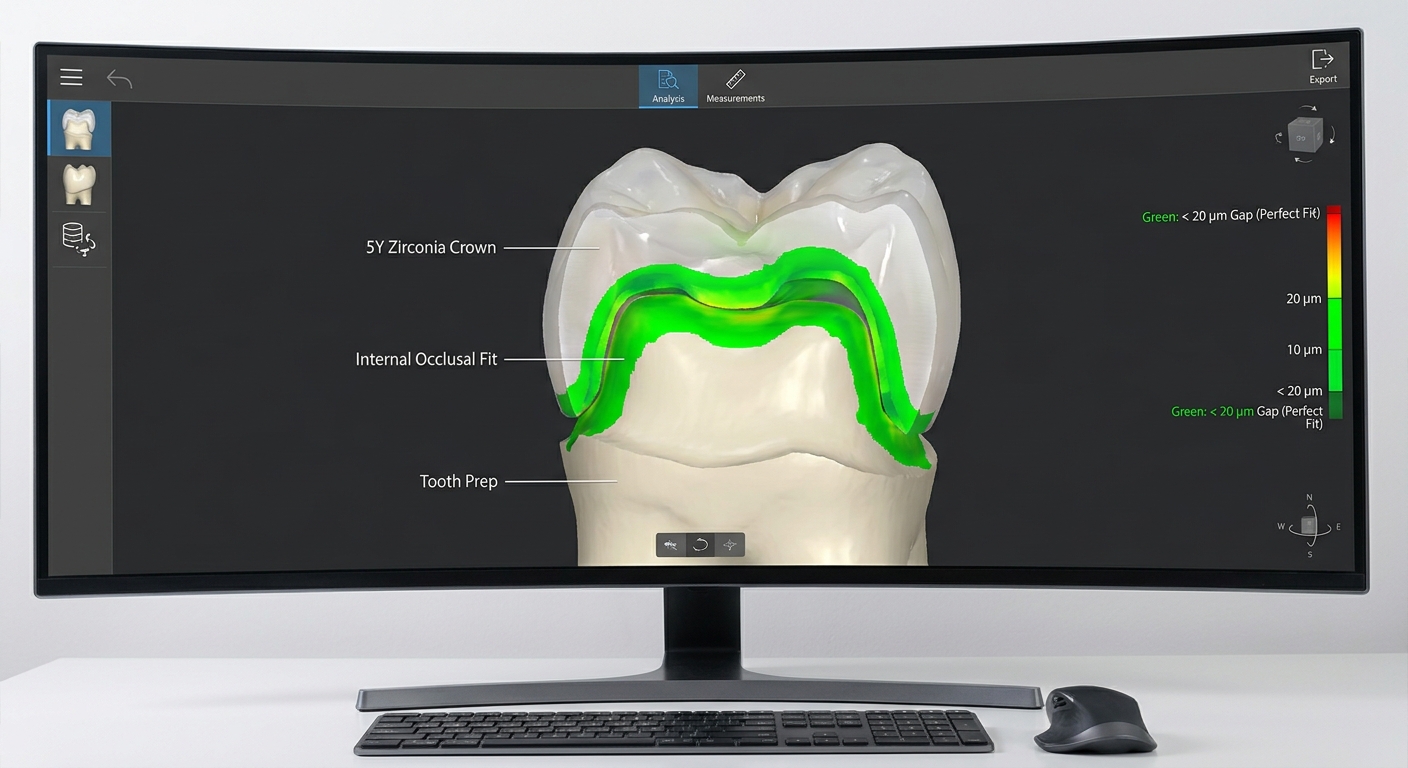
The 3Y Zirconia material exhibits incredibly low RMS deviations under rapid sintering, with values dropping to 15 ±2 µm at the intaglio-occlusal segment. This high level of accuracy represents a significant improvement over the 27 ±2 µm deviations typically seen with standard sintering. These low root mean square values confirm that rapid thermal processing delivers exceptional dimensional control.
Measuring intaglio occlusal segment changes
Metrology scans show that rapid firing schedules improve the fit of the intaglio-occlusal surface by nearly fifty percent. This improvement occurs because fast thermal cycles prevent the localized warping that can happen during long cooling phases. The result is a highly accurate internal surface that seats perfectly on the prepared tooth.
But wait, there is more: rapid thermal densification secures the internal crown volume before gravity or thermal sag can deform the structural walls. This ensures the restoration’s inner geometry remains structurally sound.
Quantifying intaglio axial displacement?
Along the internal axial walls, rapid cycles keep RMS values at an exceptional 19 ±1 µm, compared to 23 ±1 µm for standard cycles. This tight tolerance ensures optimal friction and retention for the crown. This uniform fit prevents the crown from rocking, providing long-term clinical stability.
- Slightly lower RMS deviations at critical areas
- Minimized internal occlusal interferences
- Enhanced resistance to clinical micro-rocking
Key Takeaway: 3D metrology confirms that rapid sintering significantly reduces internal deviations, providing a superior fit compared to traditional slow-firing methods.
| Segment Location | Standard Sintering RMS | Rapid Sintering RMS | Statistical Significance (P-value) |
|---|---|---|---|
| Intaglio Occlusal | 27 ± 2 µm | 15 ± 2 µm | < 0.001 (Highly Significant) |
| Intaglio Axial | 23 ± 1 µm | 19 ± 1 µm | 0.036 (Statistically Significant) |
Analytical Guidance: Transitioning to rapid sintering cycles is highly recommended to improve the internal accuracy of low-yttria crowns.
How do lab protocols optimize 3Y Zirconia fit?
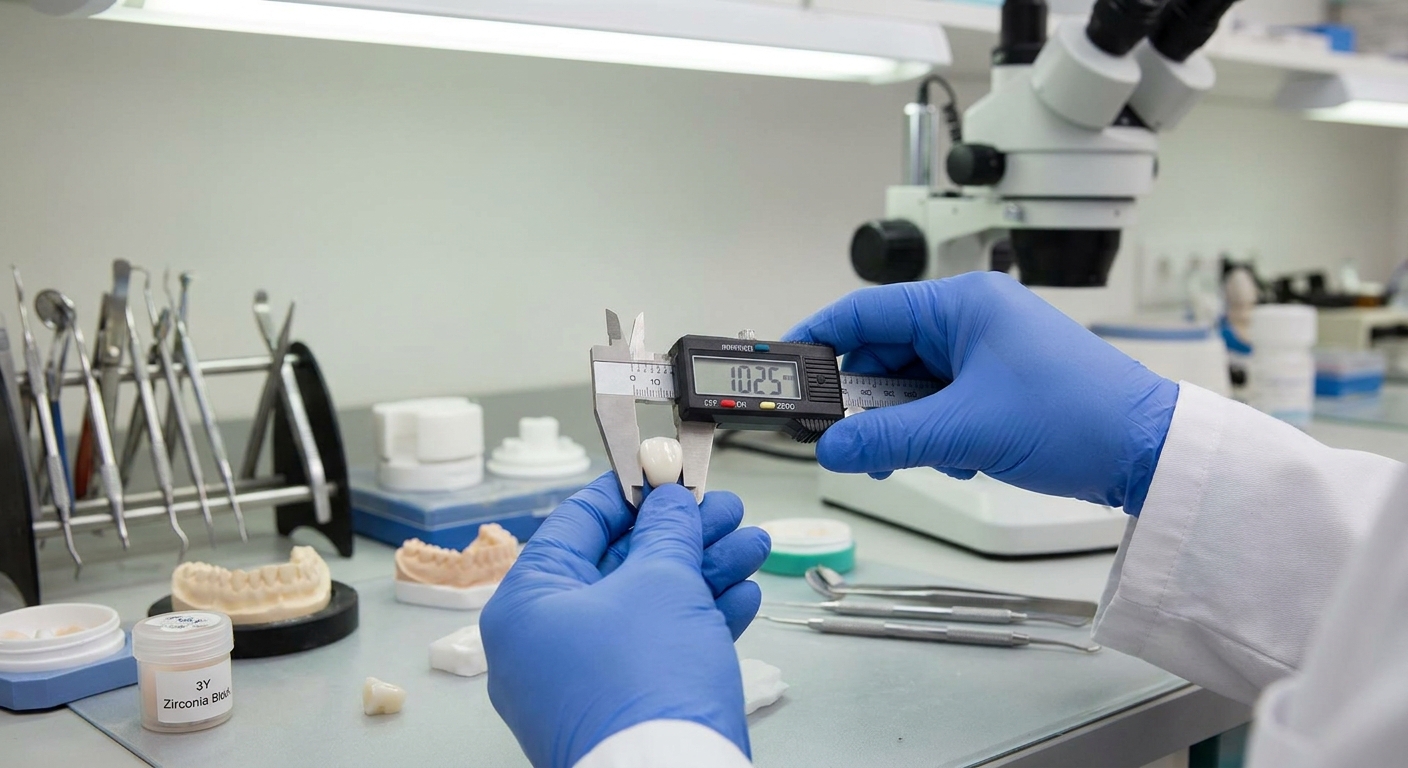
Lab protocols optimize 3Y Zirconia fit by combining precise CAD/CAM parameter settings with calibrated, high-performance sintering furnaces. Even the highest-quality zirconia blank will fail to fit if the furnace temperature profiles are incorrect. Establishing strict, standardized protocols is the only way to ensure consistent, high-yield production.
Standardizing digital CAD/CAM calibration
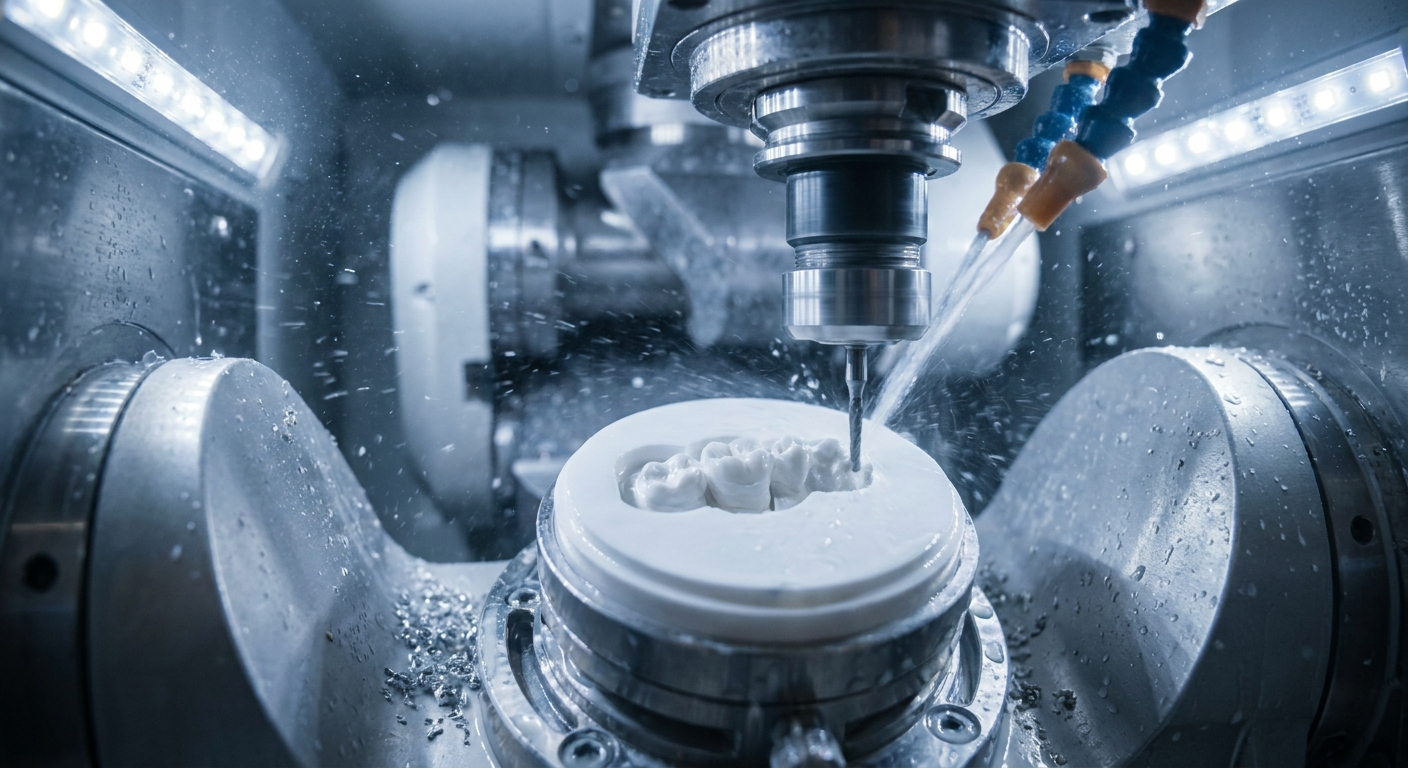
To achieve maximum accuracy, labs must align their CAD software parameters, such as cement space settings, with the shrinkage characteristics of their materials. Regular calibration of your milling spindles is essential to maintaining these tight tolerances. Using engineered components in your milling equipment ensures clean, highly accurate margins before the crown even enters the furnace.
Let’s face it: many laboratories do not calibrate their sintering furnaces on a regular basis. Over time, heating elements degrade, causing actual temperatures to drift and ruining crown fits.
Configuring correct furnace parameters?
Your sintering furnace must be programmed with the exact heating rates, holding times, and cooling ramps recommended by the material manufacturer. Rapid cycles require advanced heating elements that can distribute thermal energy evenly throughout the chamber. Proper placement of crowns on the sintering tray is also vital to ensure uniform heat exposure.
- Frequent thermal element validation
- Perfect alignment of CAD cement parameters
- Careful vertical loading of restorations
Key Takeaway: Consistent, high-precision fits require a combination of regular equipment calibration, accurate software settings, and strict adherence to validated thermal profiles.
| Sintering Variable | Optimization Target | Direct Impact on Restorations |
|---|---|---|
| Furnace Calibration | Monthly Delta < 5°C | Prevents under-firing and inconsistent shrinkage |
| Cement Space CAD | Set at 30 to 40 µm | Complements the low RMS values of rapid firing |
| Cooling Rate | Controlled to 100°C/min | Eliminates residual stresses and micro-cracking |
Analytical Guidance: Implement a weekly calibration schedule for your sintering furnaces to eliminate temperature drift and maintain consistent fits.
Labs can source premium 3Y Zirconia blanks directly from dedicated, vertically integrated manufacturers who control the entire production process from raw powder to finished disk. Controlling raw material processing is the only way to guarantee the consistent density and purity required for predictable sintering. Partnering with a reliable manufacturer helps laboratories eliminate material variability and reduce quality risks.
Verifying batch-to-batch structural purity?
High-performance dental restorations require raw materials with consistent particle size distributions and stable phase compositions. Our industrial powder division utilizes these same high-purity materials to ensure outstanding wear resistance across all applications. This strict manufacturing control is what makes our dental blanks highly reliable.
Think about it: sourcing blanks from trading companies who mix batches from different suppliers often leads to inconsistent results. This batch-to-batch variation causes unexpected shrinkage, leading to fit errors and ruined remakes.
Why vertical integration reduces quality risks
Vertically integrated manufacturers monitor every step of production, from raw powder processing and calcination to final disk pressing. This complete quality control ensures that each blank has a highly uniform density throughout. This uniform density is what guarantees isotropic shrinkage during both standard and rapid sintering cycles.
- No batch-to-batch density variance
- Strict processing controls on raw powder calcination
- Full traceability of material performance
Key Takeaway: Sourcing your materials from a direct, vertically integrated manufacturer is the best way to eliminate batch variation and ensure predictable sintering behavior.
| Sourcing Source | Material Traceability | Density Consistency | Technical Support |
|---|---|---|---|
| Direct Manufacturer | Full Batch Traceability | Excellent (D50 Variance < 5%) | Expert Engineering Support |
| Trading Supplier | Limited / Mixed | Variable | Basic Commercial Support |
Analytical Guidance: Partnering with a vertically integrated manufacturer ensures consistent material performance and simplifies your quality control.
Why choose our advanced 3Y Zirconia materials?
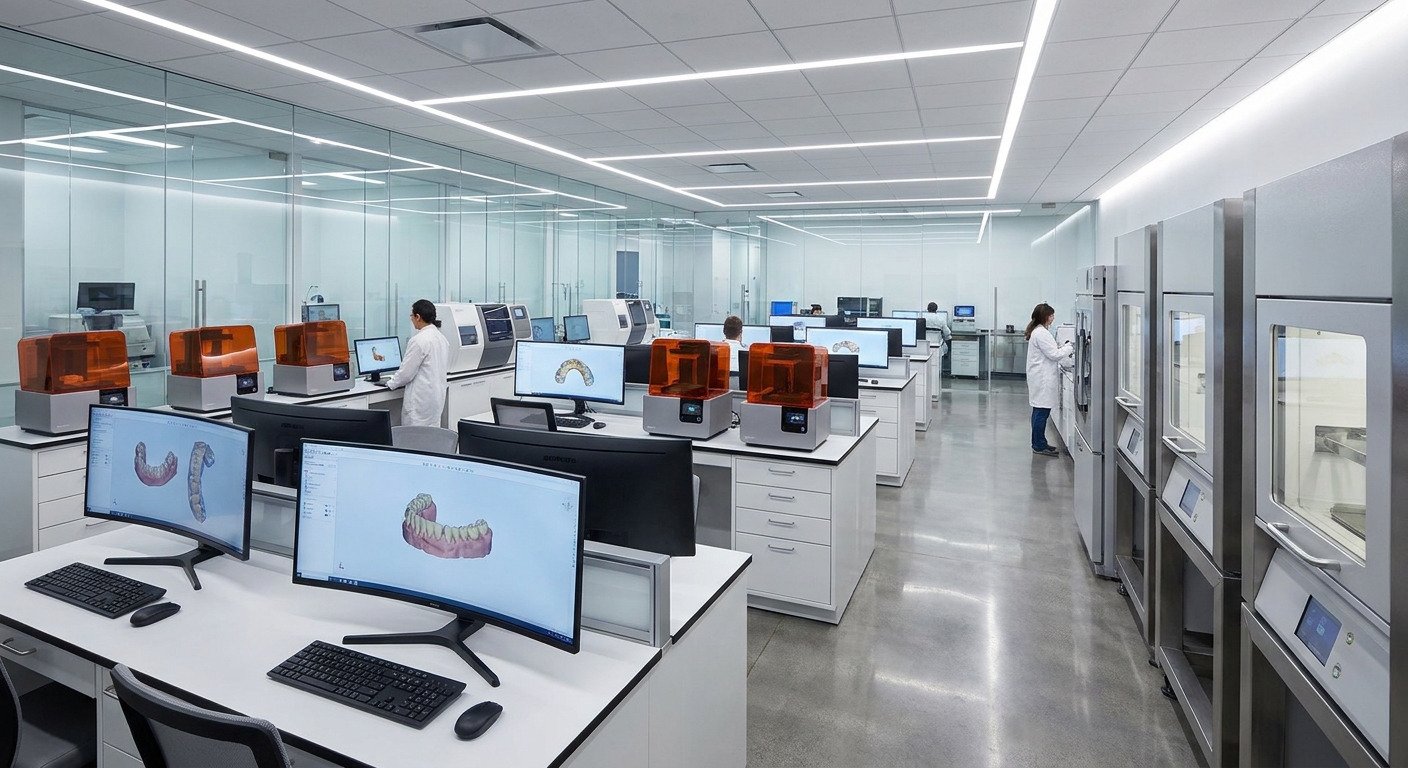
Choosing our advanced 3Y Zirconia materials ensures that your laboratory achieves exceptional dimensional predictability, high strength, and consistent clinical success. Our vertically integrated production lines deliver blanks with outstanding density uniformity and highly stable shrinkage characteristics. This superior material quality allows you to utilize rapid sintering protocols with complete confidence.
The competitive advantage of stable materials
Our unique powder manufacturing process ensures a tight particle size distribution and uniform stabilizer blending. This high-precision manufacturing prevents the microstructural defects that can cause warping or cracking during fast-firing. This means you can fast-fire single crowns and multi-unit frameworks with outstanding accuracy.
Here is the kicker: by choosing our high-purity materials, you can reduce your remake rates, optimize your production workflows, and deliver beautiful, high-precision restorations that clinicians love.
Partnering with a dedicated manufacturer?
We are committed to helping you optimize your lab workflows and improve your production yields. Our dedicated engineering team is always available to help you with furnace calibration, CAM software scaling, and material selection. Connect with our technical team to request a customized quote and sample package for your milling center.
- Eliminate remake losses entirely
- Accelerate clinical delivery times
- Maintain outstanding margin protection
Key Takeaway: Our advanced, vertically integrated materials deliver the ultimate combination of processing speed, dimensional accuracy, and mechanical reliability.
| Performance Indicator | General Competitors | Our Materials |
|---|---|---|
| Batch-to-Batch Variance | ± 15% Deviation | Under ± 5% Deviation |
| Rapid Firing Fit (IO RMS) | 25 µm to 35 µm | Outstanding 15 ± 2 µm |
| Full Traceability Records | Available upon request | Provided with every batch |
Analytical Guidance: Upgrading to our vertically integrated materials helps you optimize your workflows and ensure consistent, high-yield results.
Moving Forward with High-Yield CAD/CAM Restorations
Achieving absolute clinical precision and workflow speed is no longer a trade-off. By pairing scientific sintering protocols with high-performance, vertically integrated materials, you can banish manual grinding adjustments, eliminate expensive remake loops, and ensure flawless marginal adaptation on every crown. At ZrBrontec, we are dedicated to providing the high-purity zirconia discs and advanced support necessary to maximize your production predictability. Take the step to streamline your lab’s digital workflow and contact us today to explore our premier materials. Elevate your restorative precision and define the future of digital dentistry with a partner committed to your technical excellence.
Frequently Asked Questions
Can I rapidly sinter all yttria-stabilized zirconia restorations?
No, you cannot safely do so because high-translucency 4Y formulations are highly prone to warping under fast-firing schedules. While 3Y and 5Y materials perform exceptionally well during accelerated heating and cooling phases, 4Y materials must always be processed under slower, standard sintering runs to prevent dimensional failure.
What’s the best way to prevent marginal distortion in speed runs?
Monthly furnace calibration is the most effective approach to ensuring your heating elements distribute thermal energy evenly. Additionally, utilizing premium, high-density blanks that offer isotropic shrinkage behavior prevents the directional stresses that cause thin margins to warp during the heating ramp.
How do know if my CAM scaling factor matches my sintering schedule?
Direct micrometer measurement of a sintered calibration block is the only definitive way to verify and adjust your CAM template. If the physical block dimensions deviate from your digital target values after a rapid sintering cycle, you must enter a corrected scaling factor into your CAM software.
Can I mix 3Y and 4Y restorations in the same speed-sintering run?
No, you must never mix them because 4Y materials require slow cooling to prevent severe dimensional warping. Placing 4Y frameworks in a rapid 3Y sintering run will subject them to extreme thermal gradients, leading to severe distortions and micro-fractures along the restoration margins.
How do know if my furnace heats uniformly during rapid cycles?
By using thermal process control rings placed across your tray, you can easily measure shrinkage differences and verify heat uniformity. Any variation in the final diameter of the fired rings indicates that your sintering chamber has localized hot or cold zones that require calibration.