
The primary difference between 3Y, 4Y, and 5Y zirconia lies in their chemical stabilizer concentration, which creates an inverse trade-off between mechanical strength and aesthetic translucency. For dental laboratories and clinicians, selecting the wrong material specification often leads to premature restoration fractures in high-stress posterior regions or dull, lifelike-lacking results in the aesthetic zone. This ongoing struggle to balance durability with optical performance causes unnecessary remakes, wasted chair time, and frustrated patients. Fortunately, understanding the physical properties of 3Y Zirconia alongside its newer generations allows you to make precise, predictable selections for every clinical scenario.
How does 3Y Zirconia differ in chemical stability?
The chemical stability of 3Y Zirconia is defined by its 3 mol% yttria content, which traps the material in a highly stable tetragonal phase at room temperature. This specific configuration prevents the crystal structure from shifting back to a weaker monoclinic phase during cooling. By maintaining a uniform grain layout, you ensure that the material behaves predictably under constant chewing forces.
When you increase yttria content to 4% or 5%, the microstructure changes dramatically. This results in the formation of larger cubic grains that alter the physical response of the material. Understanding this crystalline foundation is crucial to evaluating clinical outcomes.
What occurs at the molecular level?
At the molecular level, yttrium oxide acts as an essential stabilizer within the zirconium dioxide lattice. Without this stabilizer, the ceramic would experience spontaneous volumetric expansion and fail.
Here is why this matters:
- Tetragonal grains provide extreme toughness.
- Cubic grains offer isotropic light pathways.
- Proper stabilizer distribution prevents micro-cracks.
To achieve optimum results, laboratories must source high-strength dental zirconia processed with precision chemical doping. This ensures that the crystal structure remains fully stabilized throughout the intense milling and sintering process.
Key Takeaway: Correctly selecting a tetragonal-rich material ensures maximum durability for posterior frameworks.
| Spec Grade | Yttria Content (mol%) | Flexural Strength (MPa) | Translucency Level | Recommended Application |
|---|---|---|---|---|
| 3Y Zirconia | 3.0% | ~1400 – 1450 | Medium | Posterior bridges & crowns |
| 4Y Zirconia | 4.0% | ~950 – 1000 | High | Universal posteriors & anteriors |
| 5Y Zirconia | 5.0% | ~700 – 760 | Ultra-High | Anterior crowns & 3-unit bridges |
This comparison shows how increasing the yttria content lowers mechanical strength while enhancing optical translucency.
Why is the strength of 3Y Zirconia so unique?
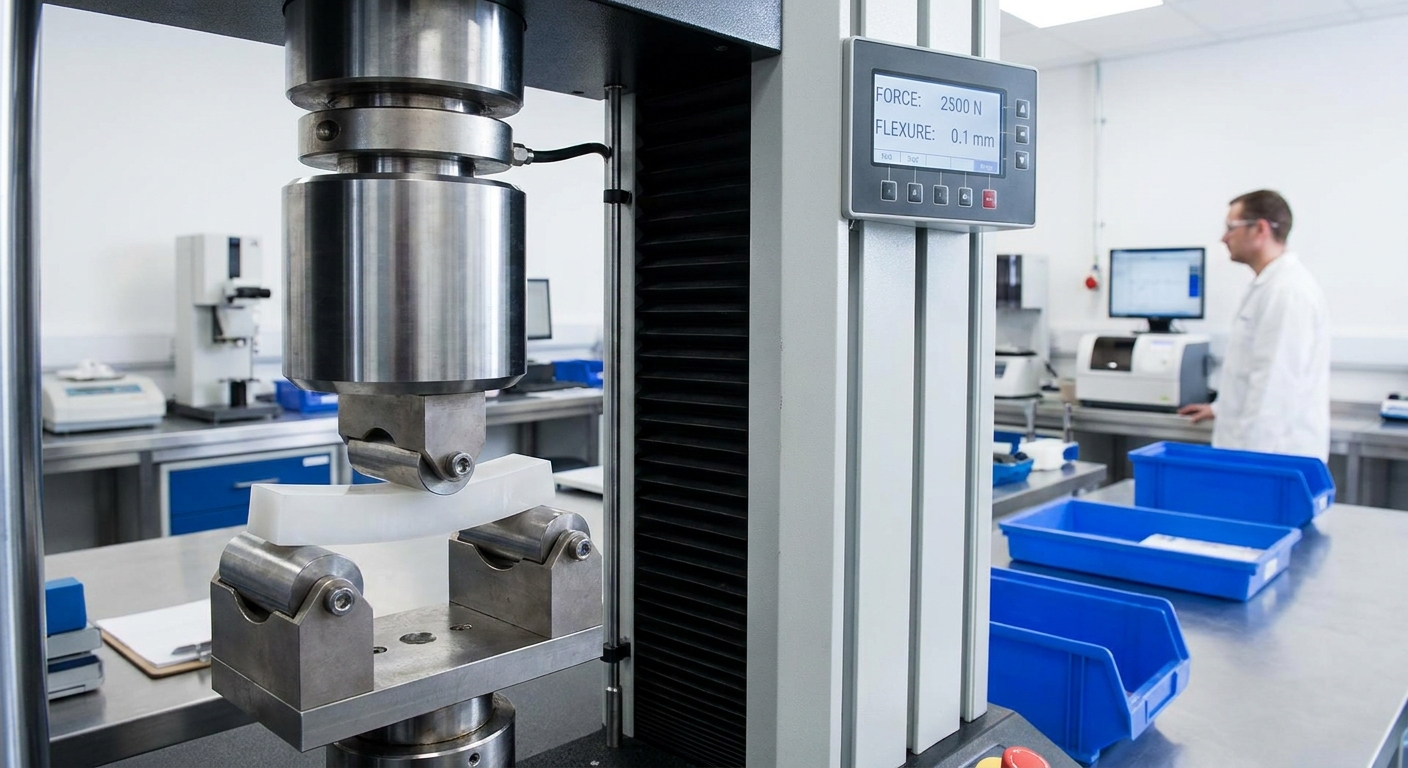
The extreme mechanical strength of 3Y Zirconia is unique because of its ability to perform transformation toughening under load. When a micro-crack begins to propagate, the surrounding tetragonal crystals transform into a larger monoclinic phase, compressing the crack tip shut. This self-healing property is what prevents catastrophic structural failures in high-stress zones.
This mechanical protection is highly valued when dealing with patients who suffer from severe bruxism. You can rest assured knowing that the material can absorb heavy dynamic forces easily.
How does transformation toughening work?
Think about it: how does a ceramic material achieve a flexural strength that outperforms some metals? When stress is applied, the local crystalline volume expands by nearly four percent, arresting the crack immediately.
- Localized stress triggers instant phase transformation.
- Volumetric expansion pinches the crack closed.
- Energy is absorbed within the grain boundary.
By deploying multilayer zirconia blocks with this mechanical profile, you achieve both the required structural support and high-end results. This eliminates the risk of early clinical fractures.
Key Takeaway: Utilizing high flexural strength materials guarantees long-term clinical survival for load-bearing restorations.
| Spec Grade | Yttria Content (mol%) | Flexural Strength (MPa) | Translucency Level | Recommended Application |
|---|---|---|---|---|
| 3Y Zirconia | 3.0% | ~1400 – 1450 | Medium | Posterior bridges & crowns |
| 4Y Zirconia | 4.0% | ~950 – 1000 | High | Universal posteriors & anteriors |
| 5Y Zirconia | 5.0% | ~700 – 760 | Ultra-High | Anterior crowns & 3-unit bridges |
Always verify that posterior substructures utilize high-strength tetragonal ceramics to avoid framework failure.
What makes 3Y Zirconia look more opaque?
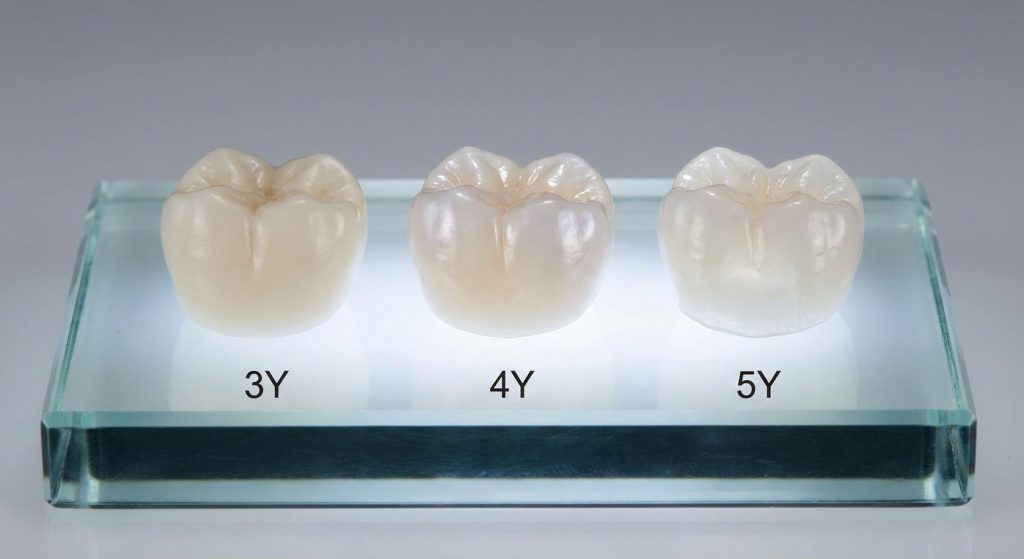
The higher opacity of 3Y Zirconia is caused by its lack of isotropic cubic crystals, which scatter light as it passes through the material. Because tetragonal crystals are birefringent, they refract incoming light in multiple directions. This natural scattering prevents light from deep penetration, resulting in a more opaque visual appearance.
While this opacity can be a drawback in aesthetic areas, it is highly beneficial when masking dark understructures. You can leverage this characteristic to hide titanium abutments or discolored tooth preparations effectively.
Can you adjust the light transmission?
Here is the deal: although the core chemistry limits natural light transmission, laboratories can apply specialized glazing and layering techniques. This allows you to blend the durable core with more translucent porcelain.
- Masking titanium abutments becomes effortless.
- Hand-layering porcelain enhances incisal translucency.
- Specialized shading liquids alter the chroma.
Utilizing high-purity zirconia powder helps maintain clean base shades, preventing gray or unnatural discoloration. This baseline purity is essential for consistent matching.
Key Takeaway: Opacity is a valuable tool for masking dark preps but requires aesthetic layering for anterior teeth.
| Spec Grade | Yttria Content (mol%) | Flexural Strength (MPa) | Translucency Level | Recommended Application |
|---|---|---|---|---|
| 3Y Zirconia | 3.0% | ~1400 – 1450 | Medium | Posterior bridges & crowns |
| 4Y Zirconia | 4.0% | ~950 – 1000 | High | Universal posteriors & anteriors |
| 5Y Zirconia | 5.0% | ~700 – 760 | Ultra-High | Anterior crowns & 3-unit bridges |
Choose your material based on whether you need to mask underlying discoloration or match highly translucent adjacent teeth.
Where should you clinically indicate 3Y Zirconia?
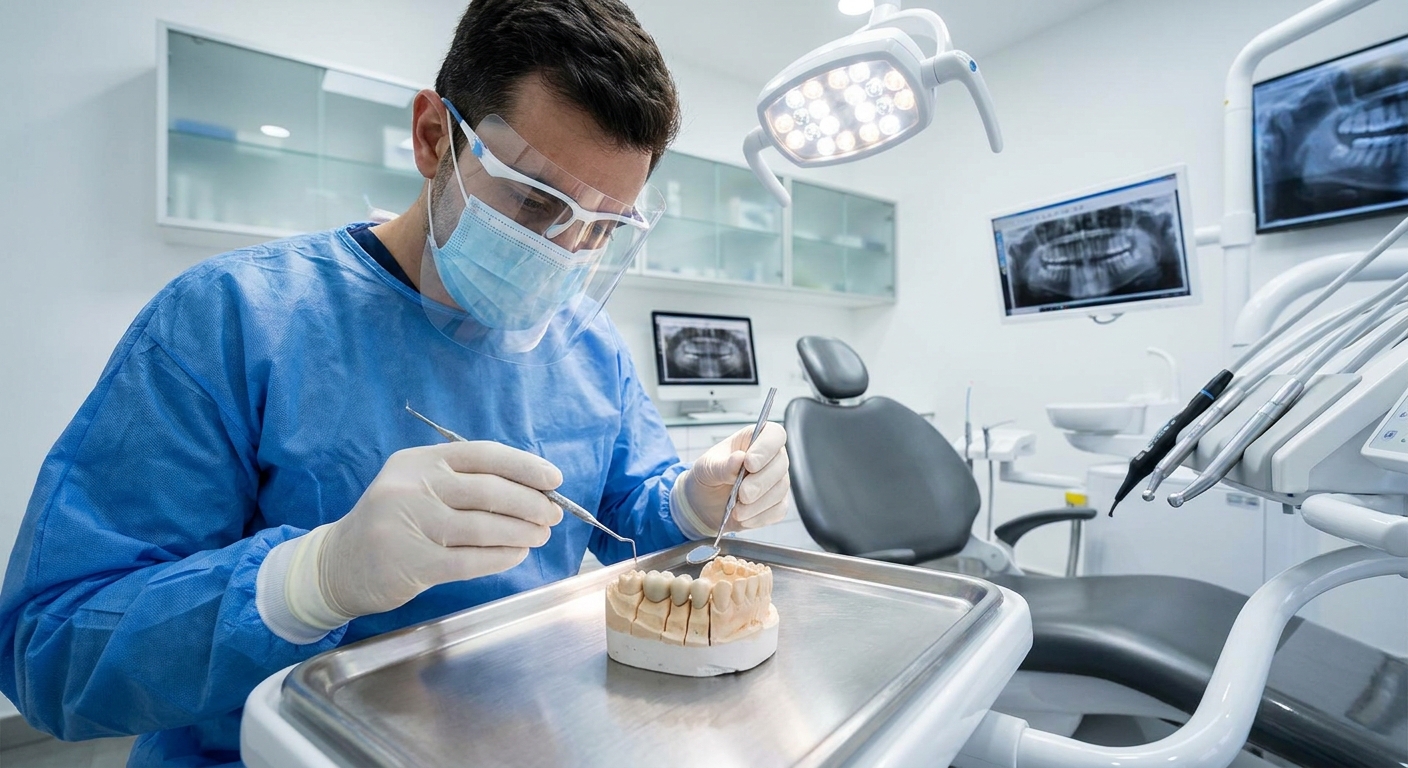
You should clinically indicate 3Y Zirconia for restorations where stress levels are exceptionally high and aesthetics are secondary. This includes multi-unit posterior bridges, implant-supported frameworks, and monolithic molar crowns. By focusing on mechanical durability in these regions, you ensure the longevity of the dental prosthetics.
When restorative space is limited, this material also shines because of its high structural reliability even at minimal thicknesses. It prevents fractures where other ceramics would fail.
Is it suitable for posterior regions?
Think about it: molar teeth bear the brunt of masticatory forces, often reaching several hundred Newtons. 3Y Zirconia provides the safety margin necessary to withstand these loads over many years.
- High-stress posterior environments require maximum toughness.
- Long-span bridges demand high flexural resistance.
- Conservative preparations perform safely with strong materials.
For demanding cases, using premium materials made from certified zirconia materials ensures consistent density and stable shrink ratios. This minimizes micro-structural deviations.
Key Takeaway: High-stress zones require the unmatched fracture resistance of a 3Y formulation to ensure clinical success.
| Spec Grade | Yttria Content (mol%) | Flexural Strength (MPa) | Translucency Level | Recommended Application |
|---|---|---|---|---|
| 3Y Zirconia | 3.0% | ~1400 – 1450 | Medium | Posterior bridges & crowns |
| 4Y Zirconia | 4.0% | ~950 – 1000 | High | Universal posteriors & anteriors |
| 5Y Zirconia | 5.0% | ~700 – 760 | Ultra-High | Anterior crowns & 3-unit bridges |
Reserve 3Y materials for high-stress posterior spans and use 5Y only when anterior translucency is the main priority.
How should you sinter 3Y Zirconia in the lab?
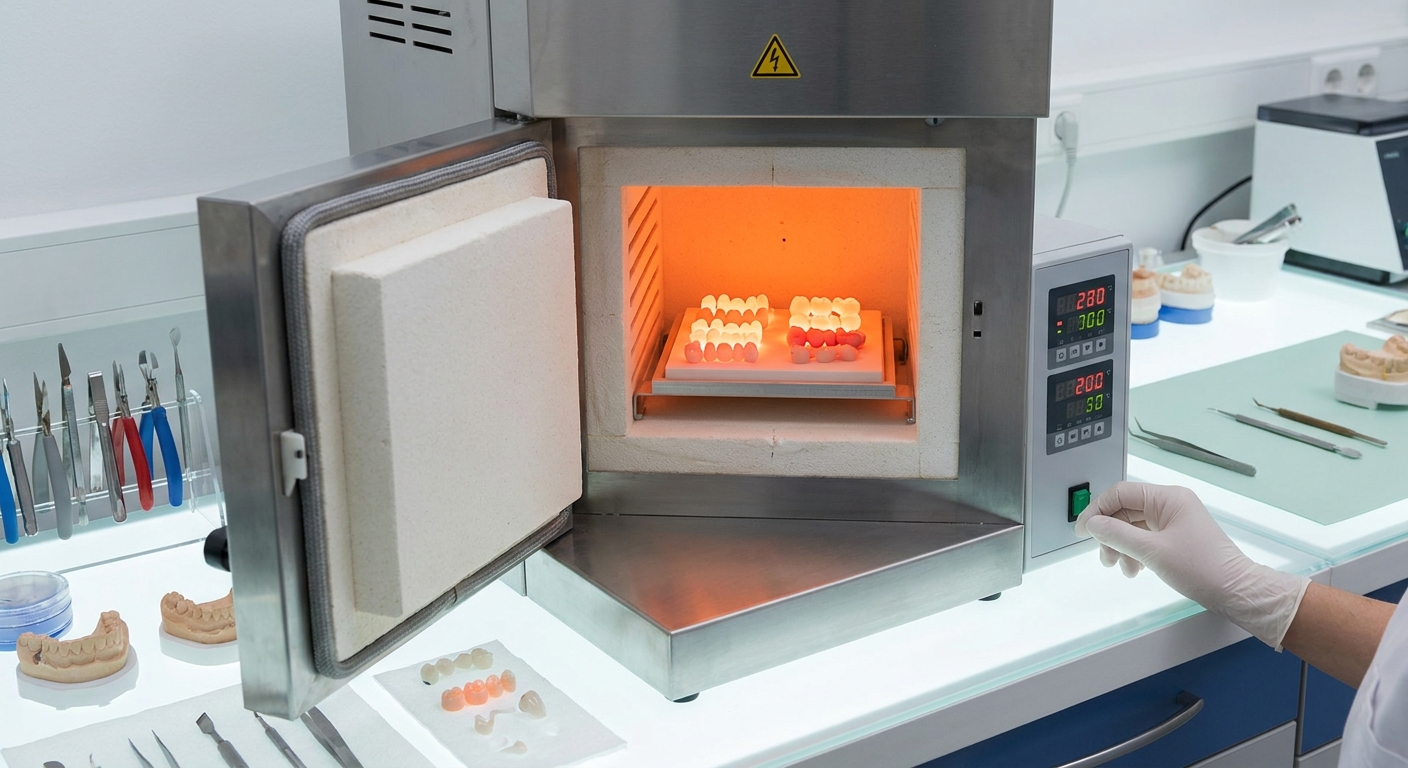
You should sinter 3Y Zirconia using a strict temperature profile that peaks between 1450°C and 1530°C to achieve full material density. Sintering at these precise temperatures ensures the optimal phase configuration without causing excessive grain growth. Deviation from this window can compromise the material’s mechanical strength.
The heating and cooling rates must also be tightly controlled to prevent internal thermal stresses from forming. A slow cooling phase is especially critical for large-span bridge frameworks.
Why does temperature control matter?
Here is why this matters: if you overheat the material, the tetragonal grains coalesce, reducing their ability to perform transformation toughening. This results in a weak ceramic prone to premature fracture.
- Sintering below 1450°C leaves pores in the material.
- Sintering above 1550°C triggers rapid grain growth.
- Programmed cooling cycles protect the restoration from thermal shock.
Ensuring your lab utilizes calibrated high-temperature furnaces guarantees that your multilayer zirconia blocks reach their theoretical properties. This calibration maintains quality standards.
Key Takeaway: Precise sintering temperature profiles are non-negotiable for preserving the mechanical integrity of dental zirconia.
| Spec Grade | Yttria Content (mol%) | Flexural Strength (MPa) | Translucency Level | Recommended Application |
|---|---|---|---|---|
| 3Y Zirconia | 3.0% | ~1400 – 1450 | Medium | Posterior bridges & crowns |
| 4Y Zirconia | 4.0% | ~950 – 1000 | High | Universal posteriors & anteriors |
| 5Y Zirconia | 5.0% | ~700 – 760 | Ultra-High | Anterior crowns & 3-unit bridges |
Always cross-reference your furnace sintering curve with the manufacturer’s specification sheet for optimal density.
Does 3Y Zirconia resist wear and aging?
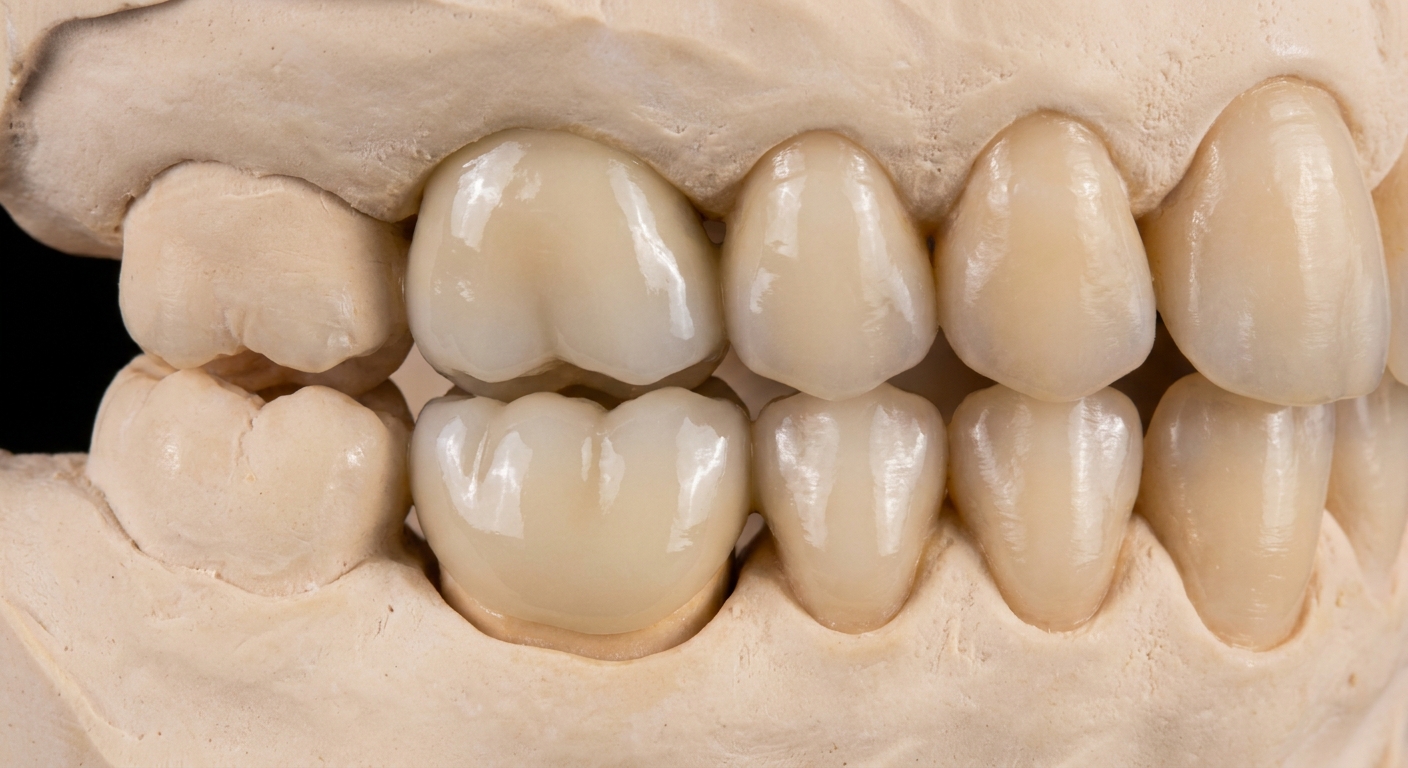
Yes, 3Y Zirconia exhibits excellent resistance to wear and hydrothermal aging under proper oral conditions. Because of its ultra-fine grain size, it maintains surface smoothness and minimizes abrasive wear on opposing natural teeth. This wear resistance is highly dependent on achieving a mirror-like polish during finishing.
Under moisture and warmth, the tetragonal grains can undergo slow-rate low-temperature degradation. However, using high-purity source powders keeps this degradation to a minimum.
What causes hydrothermal degradation?
Think about it: the oral cavity is a highly hostile, humid environment. Over time, water molecules can slowly diffuse into the crystal lattice, causing localized surface shifts.
- Hydrothermal aging occurs due to water penetration.
- Polished surfaces resist aging better than glazed ones.
- High chemical purity prevents accelerated phase breakdown.
By using high-quality materials, you ensure that the crystal lattice remains resistant to moisture-induced degradation. This protects the crown’s margins over decades of functional service.
Key Takeaway: Proper polishing of restorations is critical to preventing hydrothermal aging and minimizing opposing enamel wear.
| Spec Grade | Yttria Content (mol%) | Flexural Strength (MPa) | Translucency Level | Recommended Application |
|---|---|---|---|---|
| 3Y Zirconia | 3.0% | ~1400 – 1450 | Medium | Posterior bridges & crowns |
| 4Y Zirconia | 4.0% | ~950 – 1000 | High | Universal posteriors & anteriors |
| 5Y Zirconia | 5.0% | ~700 – 760 | Ultra-High | Anterior crowns & 3-unit bridges |
Never skip the final rubber-wheel polishing step, as a smooth ceramic surface preserves the opposing dentition.
Why is 3Y Zirconia ideal for long-span bridges?
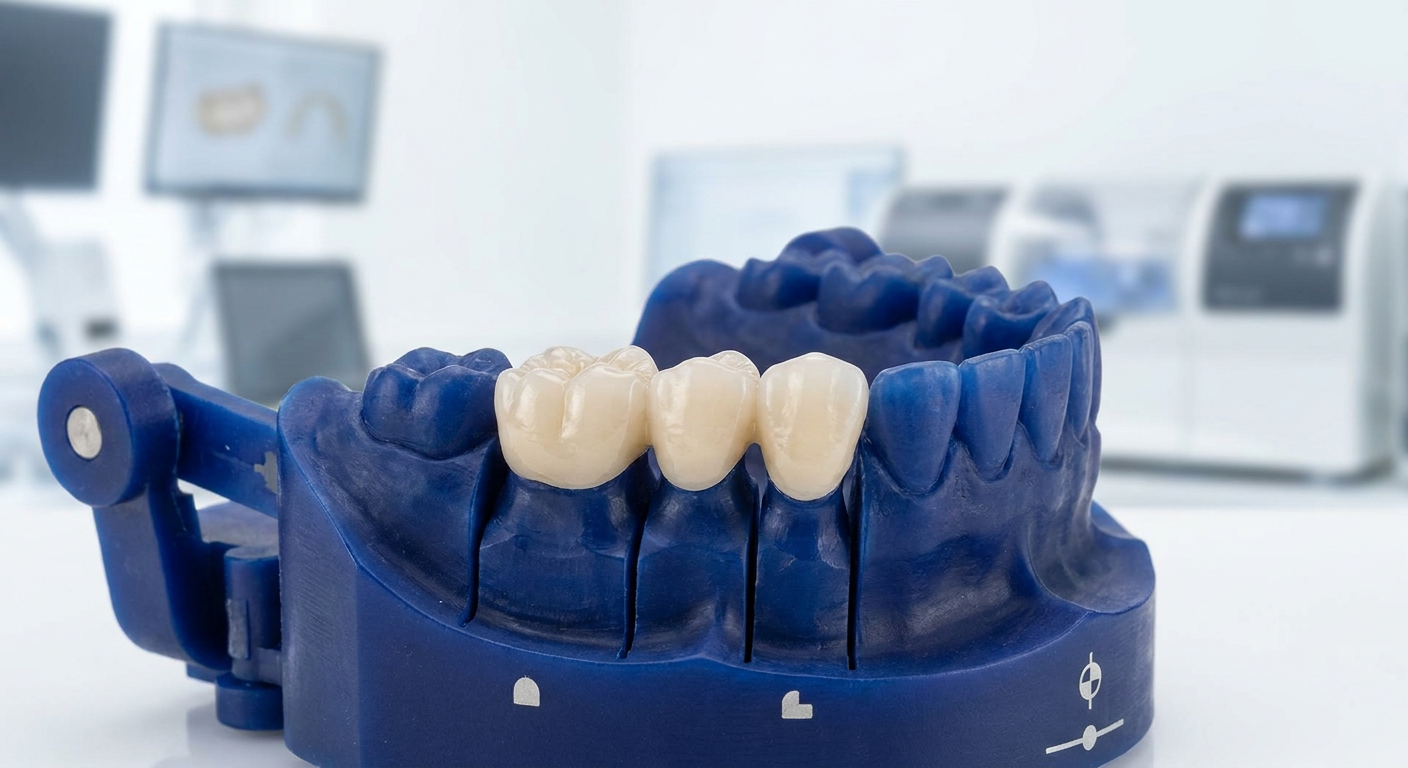
Multi-unit posterior bridges require the unmatched fracture resistance and high elastic modulus that 3Y Zirconia provides. When a bridge spans across multiple missing teeth, the connectors are subjected to high bending and tensile stresses. This material has the stiffness to resist flexing, which prevents the framework from snapping.
Using weaker 4Y or 5Y materials for these structures introduces a high risk of catastrophic shear failure. Ensuring you use the strongest material class is essential for patient safety.
Can 5Y materials handle bridge connectors?
Here is the deal: cubic-rich 5Y materials lack the physical ability to arrest cracks, making them brittle when processed in thin sections. If a long-span bridge flexes even slightly, a 5Y connector will fracture under load.
- Connector cross-sections must meet strict dimensional guidelines.
- Elastic modulus dictates the deflection behavior of the bridge.
- 3Y formulations offer twice the fracture toughness of 5Y.
To construct worry-free restorations, dental laboratories rely on high-stability materials. This structural security is why tetragonal-rich options remain the primary choice for extensive oral rehabilitation.
Key Takeaway: Long-span frameworks require the maximum toughness of a 3Y ceramic to prevent connector cleavage under load.
| Spec Grade | Yttria Content (mol%) | Flexural Strength (MPa) | Translucency Level | Recommended Application |
|---|---|---|---|---|
| 3Y Zirconia | 3.0% | ~1400 – 1450 | Medium | Posterior bridges & crowns |
| 4Y Zirconia | 4.0% | ~950 – 1000 | High | Universal posteriors & anteriors |
| 5Y Zirconia | 5.0% | ~700 – 760 | Ultra-High | Anterior crowns & 3-unit bridges |
Limit the use of 5Y formulations to single units or short anterior spans to avoid structural failure.
How do thin-wall preps work with 3Y Zirconia?
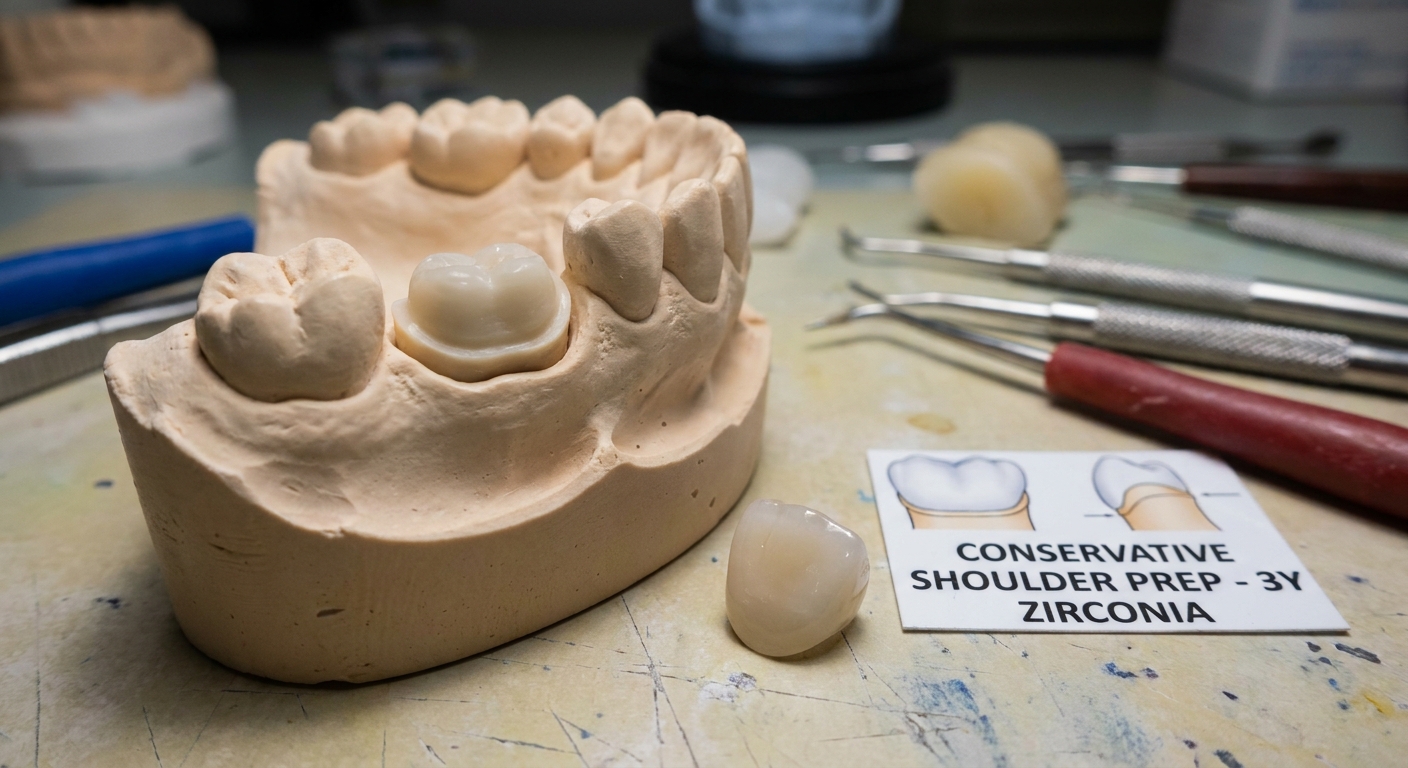
Thin-wall preparation designs work exceptionally well with 3Y Zirconia because its high structural integrity allows for wall thicknesses down to 0.5 mm. This enables you to perform conservative tooth preparations, preserving valuable natural tooth structure. The high mechanical baseline ensures the thin crown will not split under chewing forces.
In contrast, translucent 5Y materials require much thicker walls to survive, demanding more aggressive tooth reduction. This makes the older, high-strength generation a healthier choice for the patient’s dentition.
Why does prep design affect ceramic longevity?
Think about it: an aggressive crown preparation removes vital tooth structure, bringing the margins closer to the nerve. By utilizing a high-strength material, you can maintain a minimally invasive approach safely.
- Thin-margin milling requires a chip-resistant material.
- Conservative shoulder prep preserves natural tooth enamel.
- High-strength baselines allow for sub-millimeter thickness.
Milling ultra-thin restorations requires highly reliable materials. This ensures that the margins do not chip during CAD/CAM processing or during the final cementation appointment.
Key Takeaway: 3Y formulations allow for conservative tooth preps, which help protect patient tooth structures.
| Spec Grade | Yttria Content (mol%) | Flexural Strength (MPa) | Translucency Level | Recommended Application |
|---|---|---|---|---|
| 3Y Zirconia | 3.0% | ~1400 – 1450 | Medium | Posterior bridges & crowns |
| 4Y Zirconia | 4.0% | ~950 – 1000 | High | Universal posteriors & anteriors |
| 5Y Zirconia | 5.0% | ~700 – 760 | Ultra-High | Anterior crowns & 3-unit bridges |
Utilize thin-prep parameters to keep restorations conservative and preserve tooth structures in posterior zones.
How do patients benefit from 3Y Zirconia?
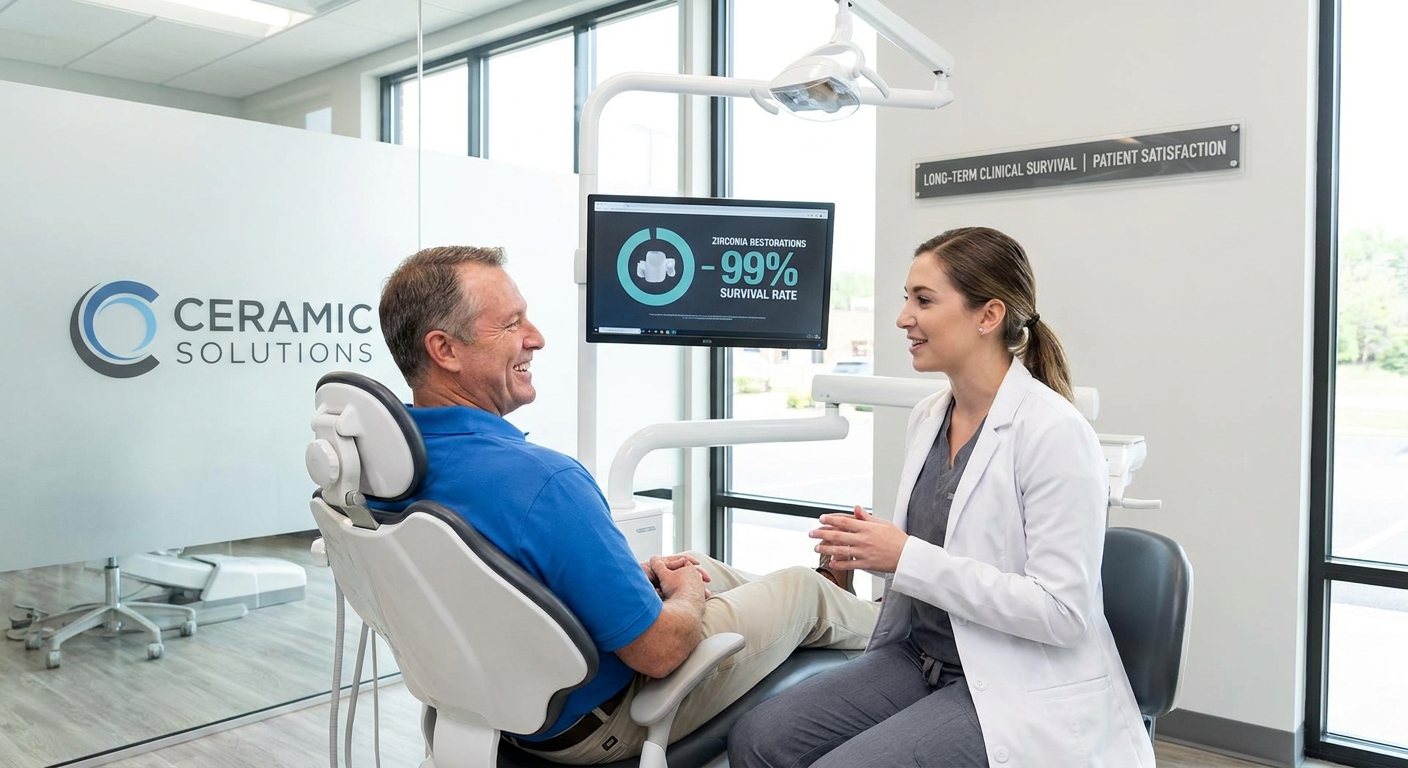
Patients benefit from 3Y Zirconia through the exceptional longevity and reliability of their dental restorations, which virtually eliminates the need for painful replacement procedures. When a crown or bridge is placed, the patient expects decades of worry-free function. This class of material delivers exactly that by resisting wear, fracture, and oral degradation.
Additionally, the biocompatibility of this material ensures healthy surrounding gingival tissues, preventing the localized inflammation or dark metal lines often associated with older PFM restorations.
Is biocompatibility a key factor?
Here is why this matters: unlike base metal alloys, zirconia is chemically inert and does not release ions into the oral cavity. This results in excellent soft tissue response and gum adaptation.
- Low plaque accumulation prevents gum infections.
- Zero metal exposure eliminates allergic reactions.
- Smooth surfaces support long-term gingival health.
By selecting high-grade materials, you provide patients with restorations that look natural, feel comfortable, and last for decades. This builds long-term trust in your practice.
Key Takeaway: Restorations made with premium 3Y ceramics deliver high-end biocompatibility and structural longevity for patients.
| Spec Grade | Yttria Content (mol%) | Flexural Strength (MPa) | Translucency Level | Recommended Application |
|---|---|---|---|---|
| 3Y Zirconia | 3.0% | ~1400 – 1450 | Medium | Posterior bridges & crowns |
| 4Y Zirconia | 4.0% | ~950 – 1000 | High | Universal posteriors & anteriors |
| 5Y Zirconia | 5.0% | ~700 – 760 | Ultra-High | Anterior crowns & 3-unit bridges |
Highlight the hypoallergenic and fracture-resistant properties of zirconia when explaining material options to patients.
Which dental chart compares 3Y Zirconia best?
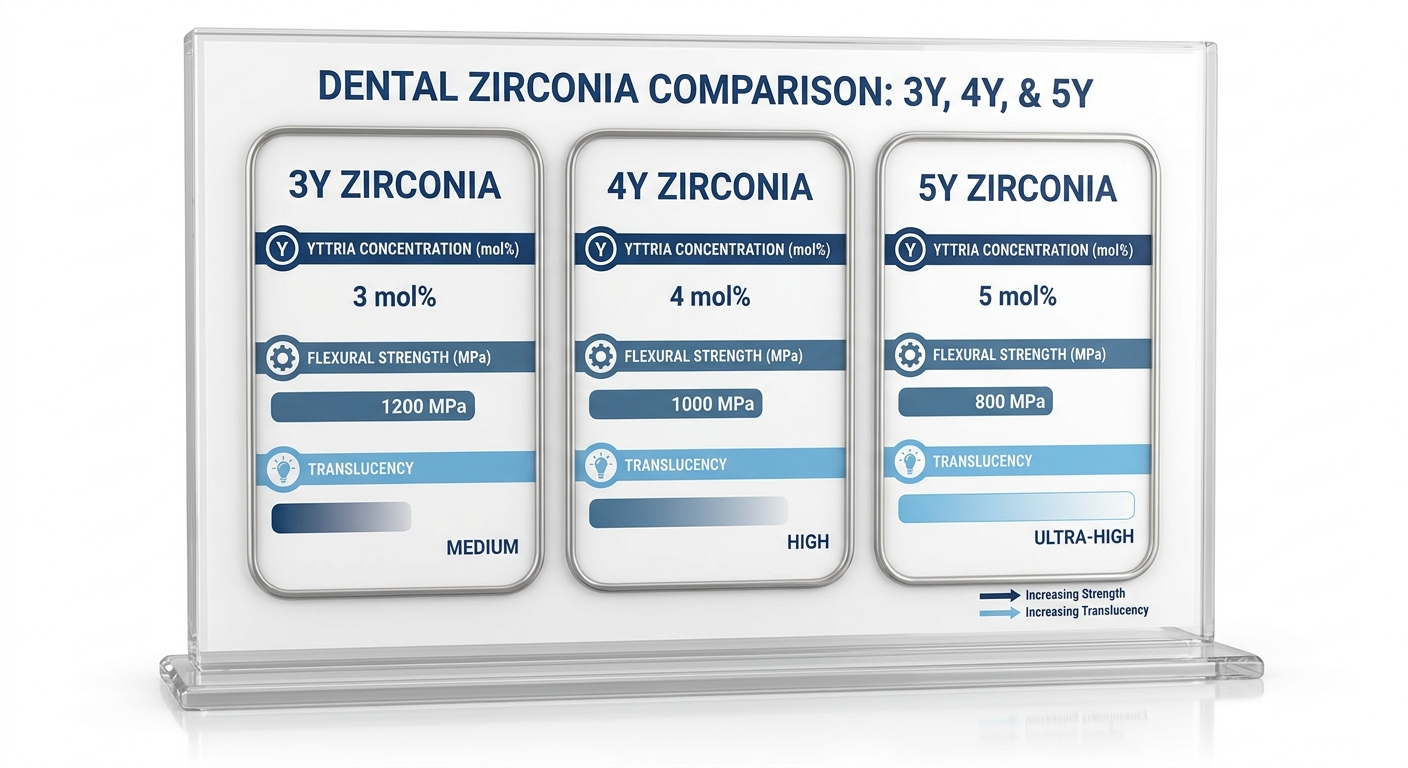
The dental chart comparing 3Y Zirconia best is one that maps yttria concentration directly against flexural strength and optical translucency values. Such a chart clearly illustrates the mechanical trade-offs that occur as you move from older to newer generations of materials. This visualization is essential for making informed materials-science decisions in your daily workflow.
Having this data at your fingertips simplifies the selection process, preventing clinical mistakes and lab remakes. It serves as a visual guide to choosing the correct formulation for each unique restoration site.
Why are spec sheets essential?
Think about it: can you afford to guess which material grade is inside your milling machine when nesting a complex implant case? Relying on verified physical properties prevents costly manufacturing failures.
- Accurate shrinkage factors ensure high milling precision.
- Flexural strength ratings guide thickness limits.
- Translucency ratings define aesthetic potential.
Using certified materials guarantees that your finished restorations will match the technical specifications shown on the comparison charts. This batch consistency is what protects your reputation.
Key Takeaway: Referencing a verified material spec sheet is the most reliable way to select the correct zirconia formulation.
| Spec Grade | Yttria Content (mol%) | Flexural Strength (MPa) | Translucency Level | Recommended Application |
|---|---|---|---|---|
| 3Y Zirconia | 3.0% | ~1400 – 1450 | Medium | Posterior bridges & crowns |
| 4Y Zirconia | 4.0% | ~950 – 1000 | High | Universal posteriors & anteriors |
| 5Y Zirconia | 5.0% | ~700 – 760 | Ultra-High | Anterior crowns & 3-unit bridges |
Always keep a physical or digital copy of the material spec chart near your CAD/CAM workstation for quick reference.
Choosing the Right Zirconia with Confidence
Navigating the differences between 3Y, 4Y, and 5Y zirconia doesn’t have to be a guessing game. By understanding the structural trade-offs between strength and translucency, you can consistently select the ideal material for both high-load posterior restorations and aesthetic anterior cases. We are dedicated to providing dental laboratories and clinics with consistent, high-purity materials that minimize clinical failures and maximize processing efficiency. Our commitment to batch-to-batch stability and technical support ensures that your dental prosthetics perform flawlessly under any clinical condition. To optimize your lab’s digital workflow and find the perfect material fit for your CAD/CAM systems, contact us to discuss your custom specifications.
Frequently Asked Questions
Can I use 5Y zirconia for a 3-unit posterior bridge?
No, you should not. Because 5Y zirconia has high cubic-phase content, it lacks transformation toughness and will likely fracture under the heavy occlusal forces of posterior spans.
What’s the best way to bond a 3Y Zirconia restoration?
The best method is an adhesive cementation protocol using sandblasting and an MDP primer. Since zirconia cannot be etched with hydrofluoric acid, air-particle abrasion paired with MDP chemistry provides the necessary chemical and micro-mechanical bond.
How do I know if my sintering furnace is under-firing?
You can tell by a noticeable loss of optical translucency and a chalky finish on the sintered restorations. When zirconia is under-fired, it fails to reach its theoretical density, leaving micro-porosities that scatter light and reduce strength.
Can I mill 3Y Zirconia using standard tungsten carbide burs?
Yes, you can mill it in its pre-sintered green state. However, using high-quality diamond-coated burs is highly recommended to extend tool life and prevent micro-chipping along thin margins.