
Choosing the right type of dental zirconia depends on the balance of strength and aesthetics required for your clinical case: you should use 3Y zirconia for high-load posterior frameworks, 4Y zirconia as a versatile workhorse, and 5Y zirconia for high-esthetic anterior restorations.
As a dental professional, you face a constant, frustrating struggle with restorations that either chip under heavy occlusion or look chalky and unnatural in the aesthetic zone. Selecting the wrong block can lead to catastrophic framework failures, ruined clinical reputations, and costly remakes that drain your laboratory’s profits. To eliminate these issues, high-quality 3Y Zirconia provides the precise structural foundation needed for maximum fracture resistance, allowing you to fabricate durable restorations with complete clinical confidence.
Why Is 3Y Zirconia the Strongest Choice?
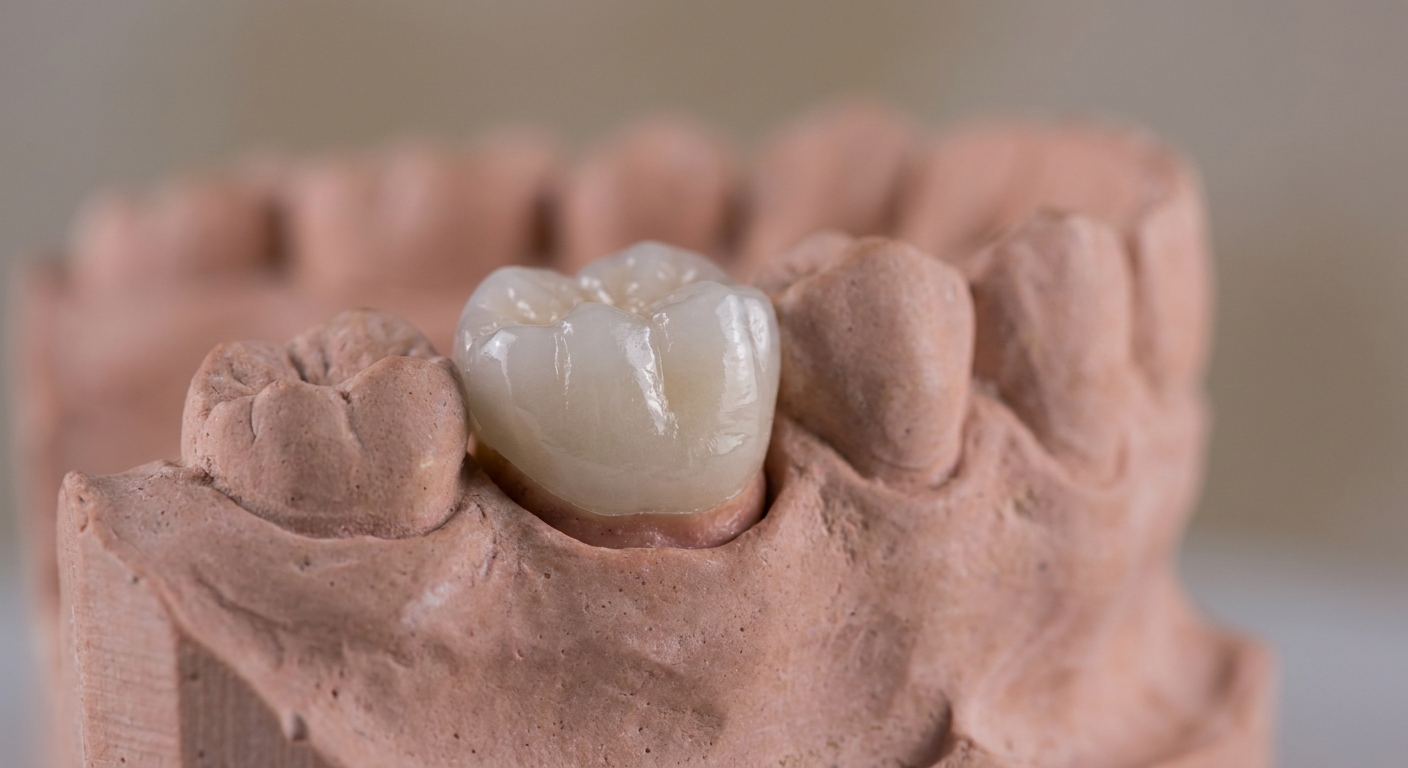
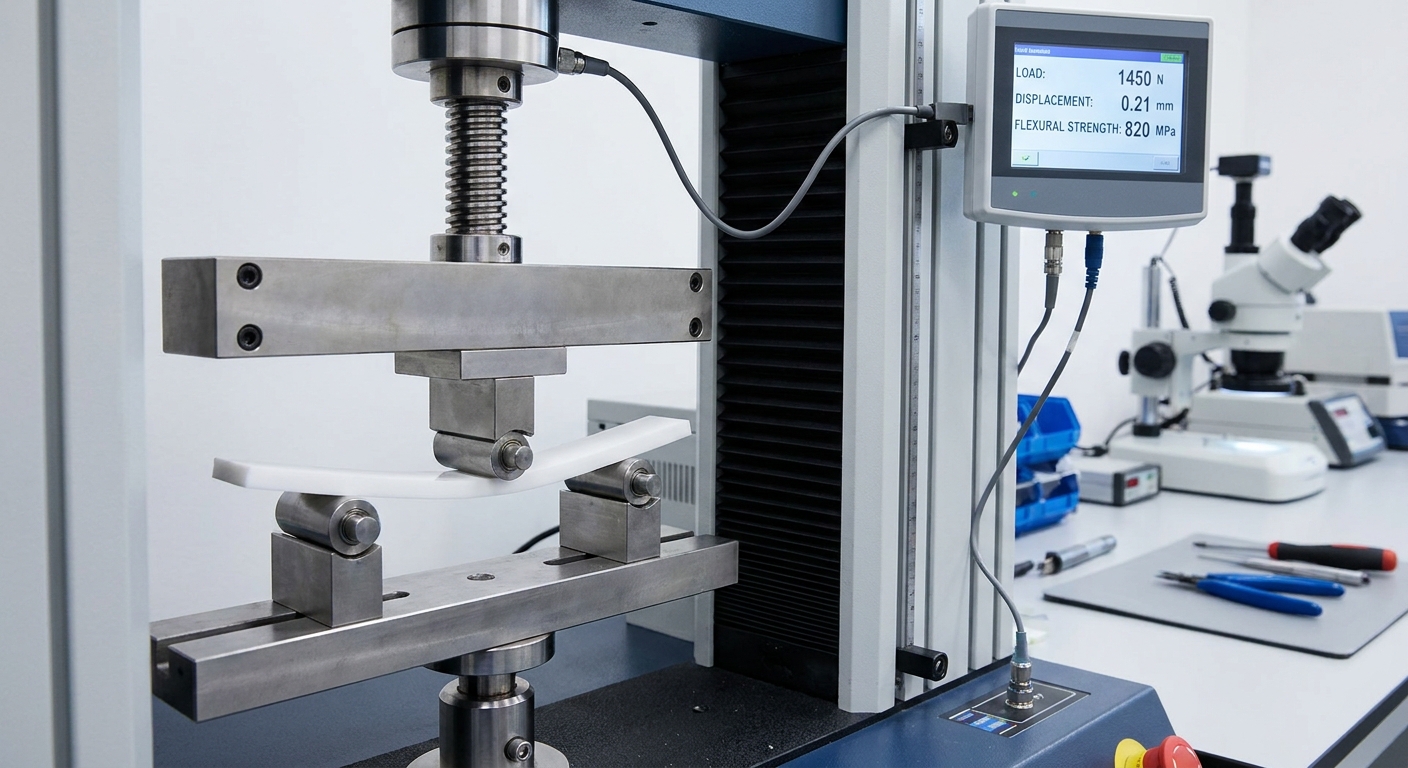
You should choose 3Y Zirconia as your strongest option because its chemical composition features 3 mol% yttria-stabilized tetragonal zirconia polycrystals (3Y-TZP), which yields a flexural strength exceeding 1,200 MPa. This highly dense, sub-micron crystalline structure provides the ultimate barrier against structural deformities in high-load areas. You can rely on this material to maintain its integrity under severe masticatory forces.
The fine grain boundary arrangement restricts micro-crack growth before it can cause a catastrophic restoration breakdown. This mechanical reliability is why laboratories choose this classical formula for demanding, high-wear clinical environments.
Tetragonal Phase Stabilization
Think about it:
The mechanical performance of this material is heavily dependent on its micro-crystalline phase distribution. Under room temperatures, the tetragonal phase is metastable, meaning it is primed to defend against physical stress.
- High flexural strength (1,200–1,500 MPa)
- Exceptional fracture toughness of 5 to 8 K₁c
- Low monoclinic phase content before stress application
This crystalline configuration ensures that restorations can endure decades of heavy biting pressure. You can expect a massive reduction in clinical fracture rates when using this structural standard.
Transformation Toughening Dynamics
Here is the secret:
When a micro-crack begins to form under load, the surrounding tetragonal crystals immediately transform into a monoclinic phase. This transformation causes a local volume expansion of about 3% to 4% at the crack tip.
- Triggers high localized compressive stress
- Actively pinches the advancing crack tip shut
- Halts catastrophic crack propagation instantly
This active self-defense mechanism is unique to this specific formulation.
Key Takeaway: You should utilize this material to prevent fractures in high-wear zones because stress-induced phase transformation actively stops cracks from spreading.
| Physical Parameter | Standard Value | Practical Clinical Impact |
|---|---|---|
| Flexural Strength | 1,200 – 1,500 MPa | Prevents posterior crown fractures under heavy load |
| Fracture Toughness | 5.5 – 8.0 $K_{1c}$ | Resists stress-induced chipping along the margins |
Analytical Guidance Sentence: Analyzing these physical properties reveals that this material’s high fracture resistance makes it the ideal structural benchmark for posterior restorations.
Where Should You Avoid 3Y Zirconia?
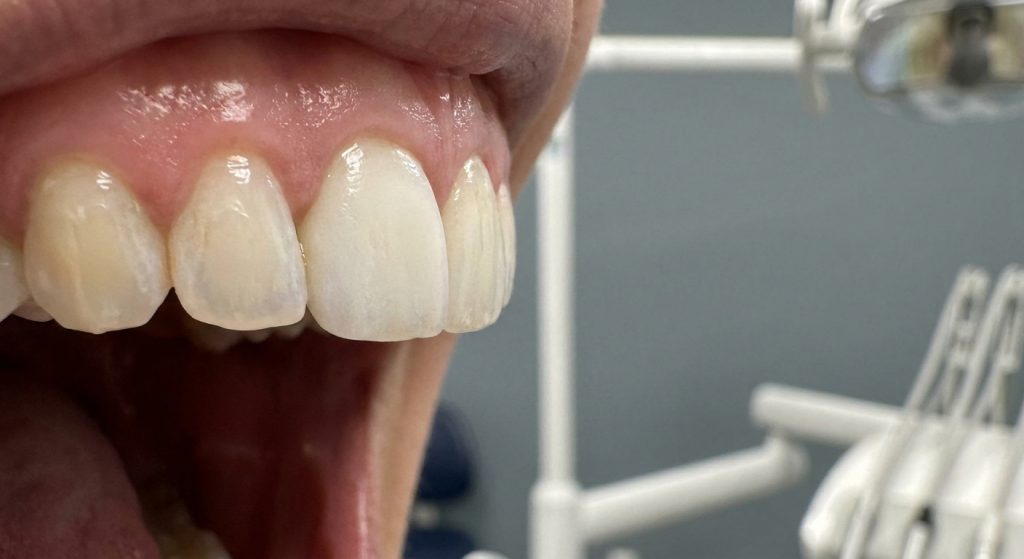
You should avoid using 3Y Zirconia in highly visible anterior regions because its dense tetragonal structure scatters light and creates an unnaturally opaque, chalky appearance. When matching the high translucency of natural incisors, this high-value restoration stands out as an obvious optical mismatch. You will struggle to achieve a natural look if you place it in the aesthetic zone.
The lack of a cubic phase prevents light from passing through the material to reveal the underlying dentin warmth. This makes it a poor choice for thin veneers or monolithic anterior crowns where lifelike esthetics are paramount.
High Aesthetic Anterior Zones
Let’s face it:
Matching natural tooth structure in the smile zone requires a material with high light transmission. This dense material only allows about 30% to 35% of light to pass through.
- High refractive index causing massive light scattering
- Chalky, monochromatic appearance in natural sunlight
- Obvious visual mismatch next to natural enamel layers
This severe optical limitation restricts its use to areas where beauty is secondary to strength. You must prioritize higher-yttria materials when restoring anterior teeth.
Ultra-Thin Veneer Restorations
That’s not all:
Minimal tooth preparation requires a material that can be milled to feather-thin margins without chipping. This formulation struggles to maintain structural integrity at margin thicknesses below 0.5 mm during high-speed milling.
- High risk of marginal micro-chipping in CAD/CAM milling
- Poor color blending with the underlying tooth dentin
- Mechanical bonding limitations on non-etched crystalline structures
This means your thin veneers are likely to look bulky and have visible margins.
Key Takeaway: You should avoid this material for anterior veneers because its low translucency and poor margin stability under 0.5 mm compromise both aesthetics and fit.
| Optical Limitation | Underlying Cause | Clinical Solution |
|---|---|---|
| High Opacity | Absence of isotropic cubic phase | Transition to 5Y zirconia or use porcelain hand-layering |
| Bulky Margins | High marginal chipping risk | Increase preparation reduction or select tougher materials |
Analytical Guidance Sentence: Carefully evaluating these optical and structural boundaries highlights why you must restrict this dense material to non-aesthetic posterior segments.
How Does 3Y Zirconia Compare to 4Y?
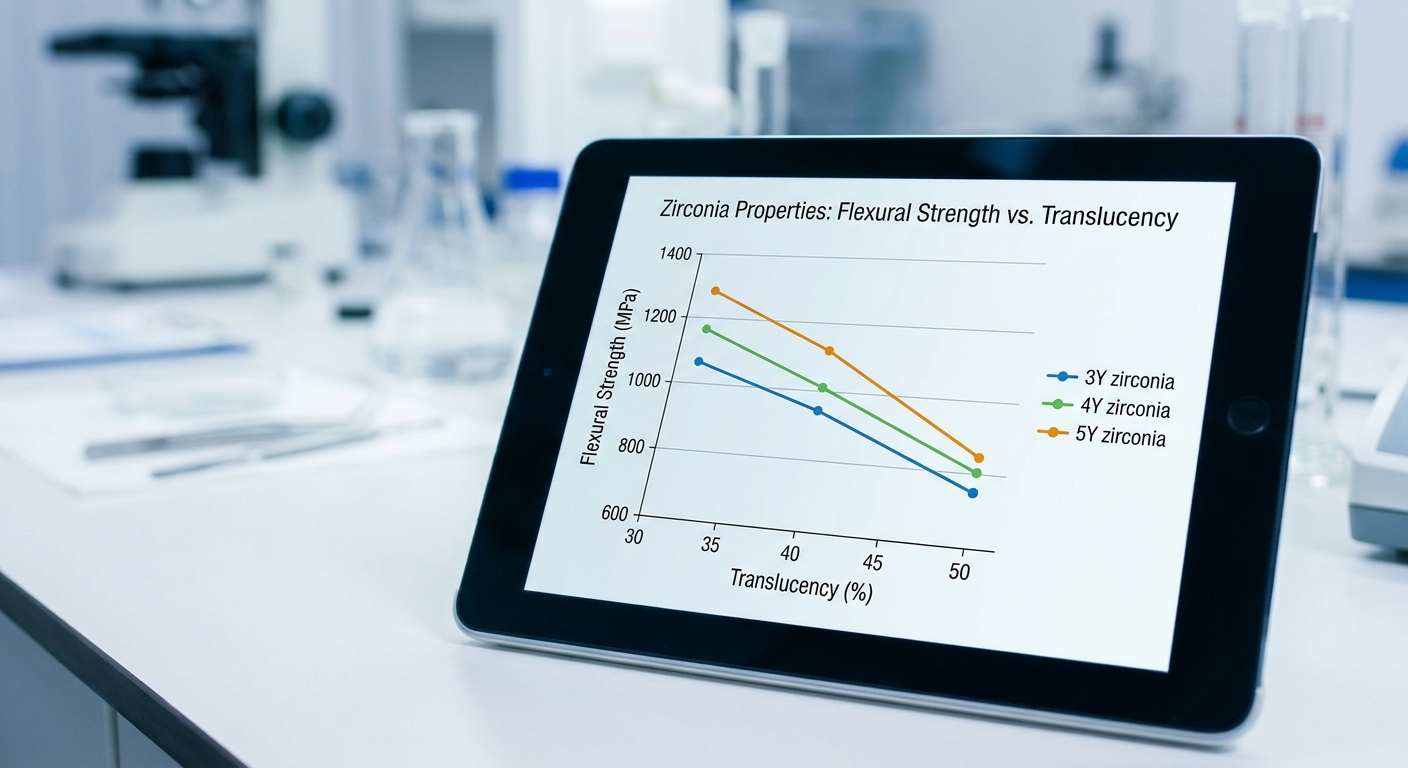
To compare these materials, 3Y Zirconia offers superior structural strength, whereas 4Y options incorporate 4 mol% yttria to introduce a cubic phase that boosts light transmission. This additional yttria increases translucency to approximately 40% to 45% while decreasing flexural strength to around 900 MPa. You must weigh this trade-off when selecting a material for multi-unit posterior cases.
The 4Y formulation acts as a versatile workhorse, blending adequate strength with improved aesthetics. However, it lacks the high fracture resistance needed for heavy-load frameworks.
The Battle of Strength and Translucency
Here’s the kicker:
Adding more yttria changes the crystal structure of the ceramic. By introducing more of the isotropic cubic phase, you reduce light scattering at grain boundaries.
- 3Y has over 90% tetragonal phase for maximum toughness
- 4Y contains about 25% cubic phase to improve light transmission
- 4Y experiences a 25% reduction in overall flexural strength
This trade-off means 4Y looks significantly more natural but cannot match the raw strength of the original formulation. You must evaluate the patient’s bite force before choosing.
Defining Clinical Intentions
Why does this matter?
Your clinical success depends on matching the material to the exact mechanical requirements of the restoration site. Selecting the wrong variant can lead to early failure or aesthetic complaints from your patients.
- Use 3Y for long-span posterior frameworks and implant posts
- Select 4Y for single monolithic crowns in the premolar zone
- Opt for 4Y when balancing strength and beauty is required
This distinction ensures you do not compromise clinical performance.
Key Takeaway: You must choose between these materials based on a trade-off: 3Y provides maximum strength for heavy frameworks, while 4Y offers the aesthetic versatility needed for single crowns.
| Material Formulation | Flexural Strength | Average Translucency | Primary Indications |
|---|---|---|---|
| 3Y-TZP (Classic) | 1,200 – 1,500 MPa | 30% – 35% | Multi-unit bridges, posterior frameworks |
| 4Y-PSZ (Workhorse) | 800 – 1,000 MPa | 40% – 45% | Single anterior/posterior crowns, onlays |
Analytical Guidance Sentence: Comparing these formulations shows that while 4Y is highly versatile, 3Y remains the standard for restorations requiring maximum load-bearing capacity.
Why Select 3Y Zirconia Over 5Y Blocks?
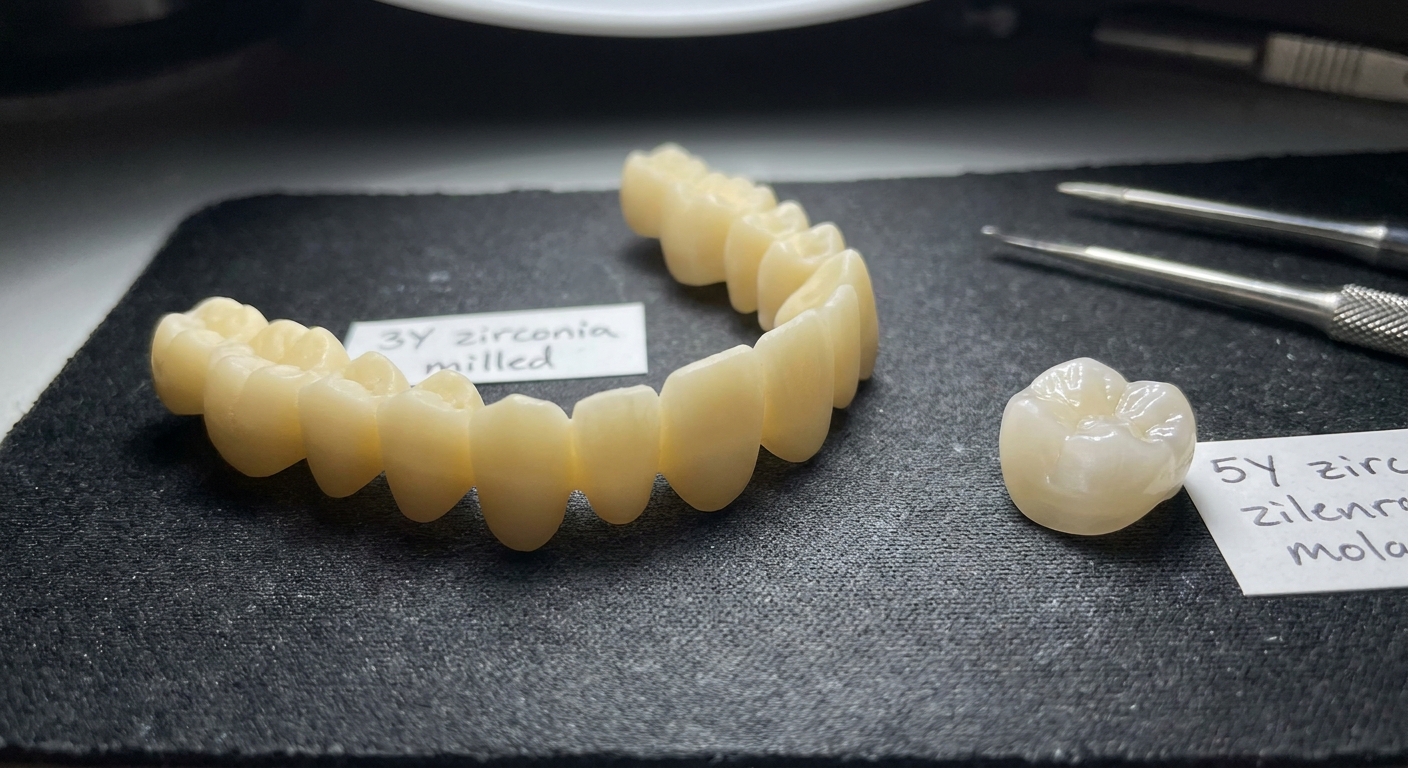
You should select 3Y Zirconia over 5Y blocks because 5Y formulations contain up to 6 mol% yttria, which stabilizes a high proportion of the cubic phase but reduces mechanical strength by nearly 50%. This high cubic content prevents transformation toughening, leaving the restoration prone to sudden fractures under heavy loads. You cannot rely on 5Y materials to survive in high-stress posterior sites.
While 5Y offers exceptional glass-like aesthetics with over 49% translucency, its low flexural strength (600 MPa) makes it unsuitable for heavy occlusion. Choosing 3Y protects your work from catastrophic failures in demanding cases.
Diminished Sintered Toughness
But wait, there’s more:
The structural properties of high-yttria ceramics change dramatically after sintering. Because the cubic phase is isotropic, it does not undergo stress-induced phase transformation to stop crack growth.
- 5Y fracture toughness is reduced to a low 2.5–3.5 K₁c
- Prone to edge chipping during CAD/CAM milling processes
- High risk of sudden, catastrophic failure under occlusal loads
This structural weakness means 5Y cannot tolerate thin preparations or heavy biting forces. You risk frequent remakes if you use it in the molar region.
Load-Bearing Requirements
Here is why:
Posterior restorations must withstand intense chewing forces that can easily exceed 800 Newtons. Only a high-toughness material can endure these forces over a long period.
- 3Y resists fatigue and stress corrosion in the oral cavity
- High transformation toughening protects the restoration from micro-cracking
- Allows you to design reliable posterior restorations with confidence
This mechanical security is essential for patients who suffer from bruxism or clenching.
Key Takeaway: You should choose 3Y over 5Y for posterior restorations because 3Y’s phase transformation toughening prevents the sudden fractures common in weak, high-cubic 5Y materials.
| Performance Metric | 3Y Zirconia | 5Y Zirconia | Risk of Failure |
|---|---|---|---|
| Flexural Strength | 1,200+ MPa | 600 – 750 MPa | High in posterior regions with 5Y |
| Transformation Toughening | Fully Active | Completely Absent | Prone to sudden cracking with 5Y |
Analytical Guidance Sentence: This material science comparison highlights why you must avoid using high-translucency 5Y blocks in any high-load clinical situation.
When Is 3Y Zirconia Best for Back Teeth?
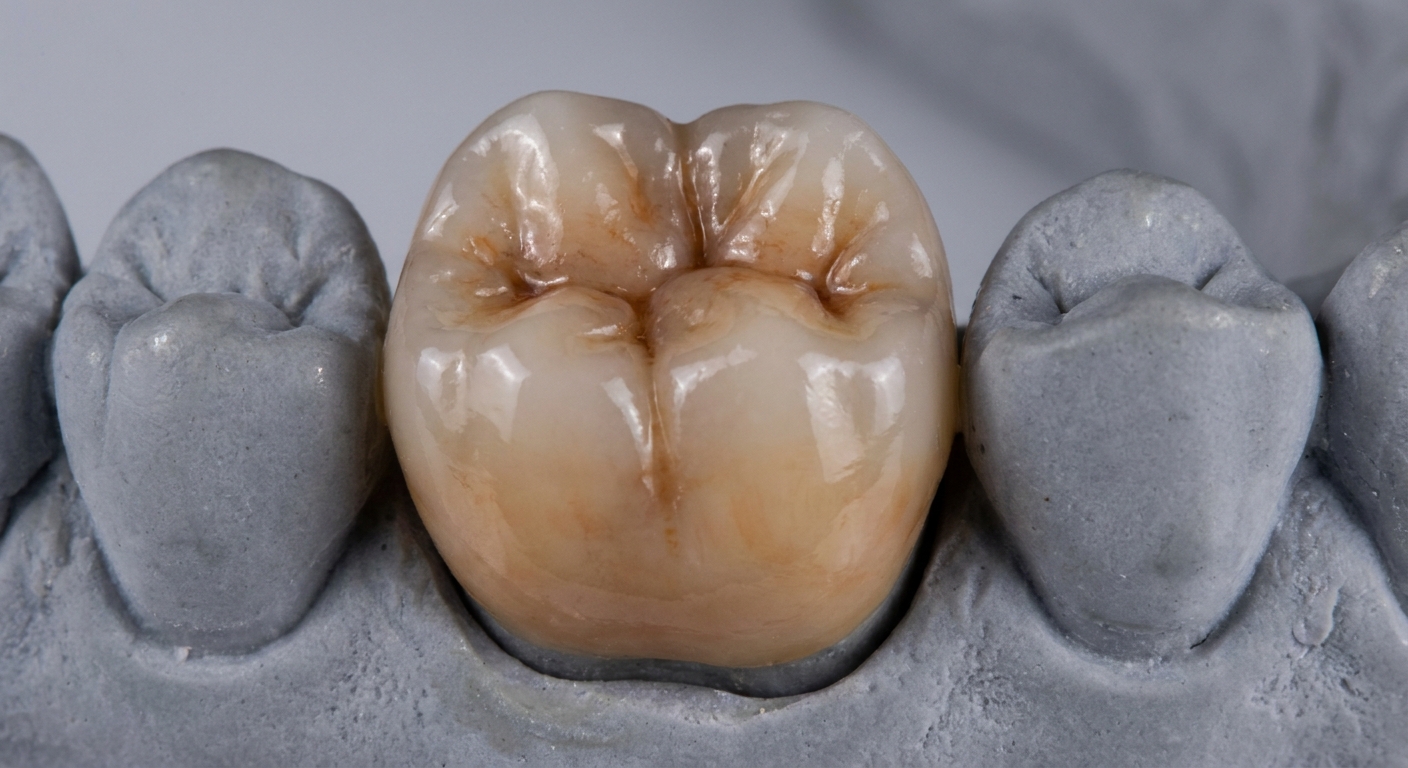
You will find that 3Y Zirconia is the best choice for back teeth when restoring patients with severe bruxism or when conserving tooth structure with ultra-thin preparations. Its exceptional strength allows you to design monolithic crowns with occlusal clearances as thin as 0.5 to 1.0 mm. You can confidently place these restorations without worrying about fractures under heavy chewing forces.
Unlike layered ceramics, monolithic posterior crowns fabricated from this material eliminate the risk of ceramic chipping. This makes it a highly reliable and durable choice for restore-and-forget restorations in the molar zone.
Managing High Masticatory Forces
Think about it:
The human bite can apply massive forces to posterior restorations, especially in patients who grind their teeth. A high-strength ceramic is essential to prevent structural failures in these areas.
- Monolithic restorations resist wear and chipping over time
- Eliminates the weak veneering porcelain interface completely
- Maintains its mechanical integrity under high cyclic loading
This long-term durability ensures your restorations remain stable and functional for years. You can significantly reduce patient complaints and remake costs.
Thin-Wall Tooth Preparations
That’s not all:
Conserving healthy tooth structure is a primary goal of modern restorative dentistry. This material allows you to utilize conservative prep designs that would cause other ceramics to fail.
- Minimal occlusal reduction of only 0.5 mm to 1.0 mm is required
- Sharp, clean margin designs can be milled without chipping
- Protects the underlying tooth structure from excessive reduction
This clinical flexibility makes it an invaluable tool for complex, conservative cases.
Key Takeaway: You should choose this material for posterior teeth because its high strength supports ultra-thin, conservative preparations while resisting heavy biting forces.
| Preparation Target | Ideal Dimension | Clinical Benefit |
|---|---|---|
| Occlusal Clearance | 0.8 mm – 1.0 mm | Conserves natural enamel while resisting high forces |
| Axial Wall Reduction | 0.5 mm | Minimizes tooth preparation depth and protects pulpal health |
Analytical Guidance Sentence: These clinical parameters confirm that this material’s exceptional strength allows for highly conservative, durable posterior preparations.
Can 3Y Zirconia Support Multi-Unit Bridges?
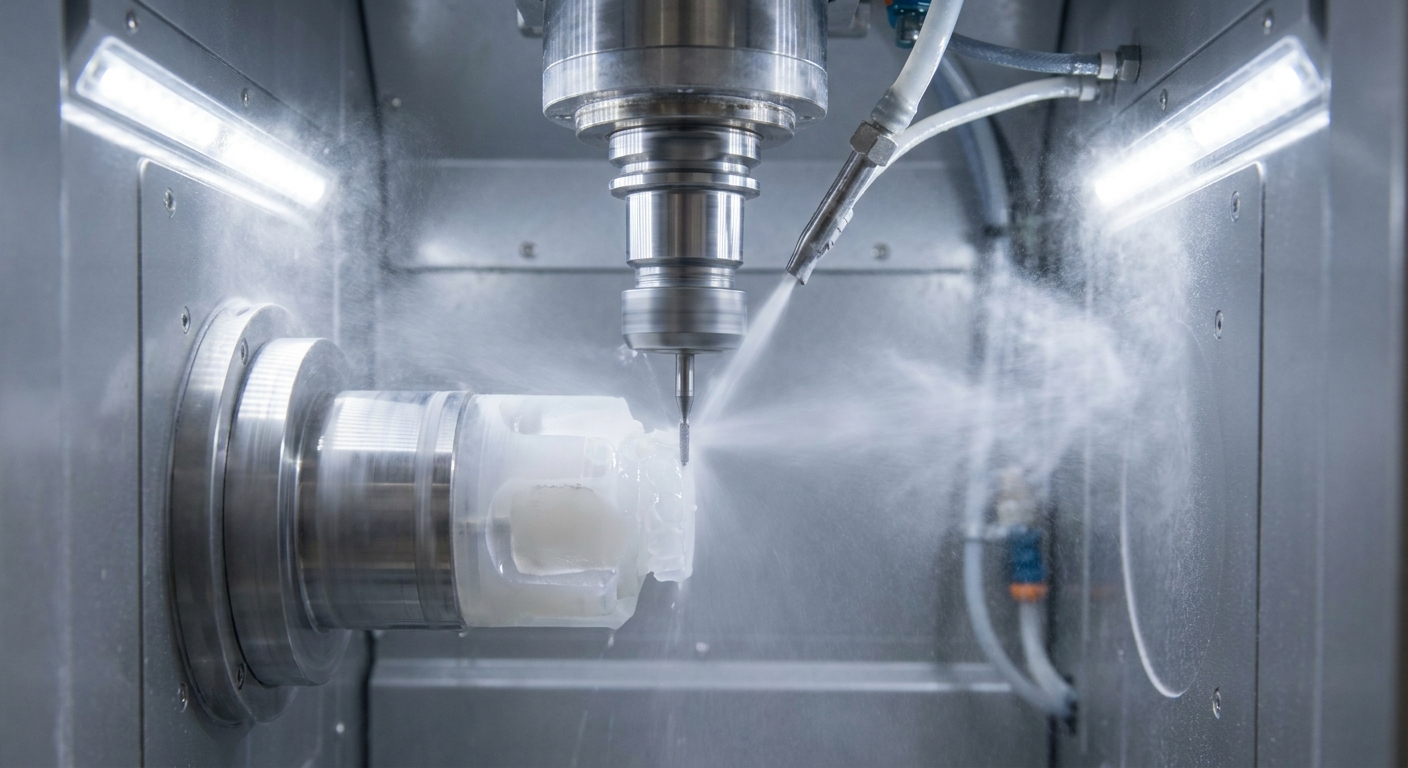
Yes, 3Y Zirconia is the only material that can reliably support long-span multi-unit bridges in the posterior region due to its high flexural strength and fracture resistance. Other translucent ceramics will fail under the high tensile forces that concentrate in the connector areas of a bridge. You can confidently design multi-unit restorations when using this reliable material.
The high rigidity of this ceramic prevents the bridge from flexing under load, protecting the abutment teeth from excessive stress. This mechanical stability is essential for the long-term success of multi-unit restorations.
Connector Dimensions and Bridge Rigidity
Here is the key:
The strength of a bridge framework depends heavily on the size and shape of its connector areas. If the connectors are too small, the restoration will fail under functional loads.
- Minimum connector size of 9 mm² for three-unit posterior bridges
- Minimum connector size of 12 mm² for bridges with four or more units
- High elastic modulus resists flexing and protects abutment teeth
This structural support prevents fractures in the connector areas, which are the most common failure points. You must adhere to these dimension guidelines for clinical success.
Mitigating Tensile Stress Concentrations
Why does this matter?
When a patient bites down on a bridge, intense tensile forces concentrate on the underside of the connector areas. Only a material with high fracture toughness can resist these stresses without cracking.
- Phase transformation toughening actively stops cracks in high-stress zones
- Dense crystalline structure distributes forces evenly across the span
- Reduces the risk of sudden catastrophic failure during chewing
This mechanical security is essential for long-span restorations.
Key Takeaway: You can design long-span posterior bridges with confidence because this high-strength material resists the intense tensile forces that concentrate in connector areas.
| Bridge Location | Minimum Connector Area | Recommended Ceramic Material |
|---|---|---|
| Posterior 3-Unit Bridge | 9.0 mm² | 3Y Zirconia (Tetragonal) |
| Posterior 4-Unit+ Bridge | 12.0 mm² | 3Y Zirconia (High-Purity only) |
Analytical Guidance Sentence: This mechanical analysis demonstrates why you must rely on high-strength tetragonal ceramics for all long-span posterior restorations.
Does 3Y Zirconia Wear Down Opposing Teeth?
No, highly polished 3Y Zirconia does not cause excessive wear on opposing natural teeth, as research shows surface roughness, rather than material hardness, is the primary cause of enamel abrasion. When you polish the occlusal surfaces to a mirror-like finish, this material is actually gentler on opposing enamel than traditional veneering porcelains. You can safely place these restorations without worrying about damaging opposing teeth.
However, if you leave the surface unpolished or if the glaze wears away to expose a rough ceramic surface, it will act like sandpaper on opposing teeth. Proper polishing protocols are essential to protect the patient’s dentition.
Polishing vs. Glazing Dynamics
Let’s face it:
Many clinicians believe that a glazed surface is the kindest option for opposing teeth. However, the thin glass glaze wears away quickly under functional loads, exposing the abrasive, unpolished ceramic beneath.
- Highly polished monolithic surfaces retain their smooth finish over time
- Glazed surfaces become rough and abrasive after the glaze wears off
- Polished ceramic has a very low coefficient of friction against natural enamel
This means that a polished crown is much friendlier to opposing teeth in the long run. You should make polishing a standard part of your workflow.
Clinical Polishing Protocols
Here is how you do it:
Achieving a completely smooth surface requires a systematic polishing sequence after any clinical adjustments. You must use specialized instruments to ensure a high-quality finish.
- Use fine diamond-impregnated rubber wheels at low speeds (under 10,000 RPM)
- Apply a high-quality diamond polishing paste for the final high-gloss shine
- Avoid overheating the ceramic, which can cause micro-cracks in the material
This protocol ensures a gentle, highly compatible surface that protects opposing dentition.
Key Takeaway: You should highly polish the occlusal surfaces of your restorations rather than relying on a glaze, as a polished surface remains smooth and gentle on opposing teeth over time.
| Surface Finish Method | Coefficient of Friction | Relative Wear on Opposing Enamel |
|---|---|---|
| Mechanical Mirror Polish | Very Low | Minimal (Gentler than veneering porcelain) |
| Glass Glaze over Ceramic | Low initially, then High | Moderate to High (Once glaze wears away) |
| Rough / As-Milled Surface | Extremely High | Severe (Highly destructive to enamel) |
Analytical Guidance Sentence: Evaluating these wear patterns confirms that meticulous mechanical polishing is essential to ensure the biocompatibility of these hard restorations.
How Do You Sinter 3Y Zirconia Correctly?
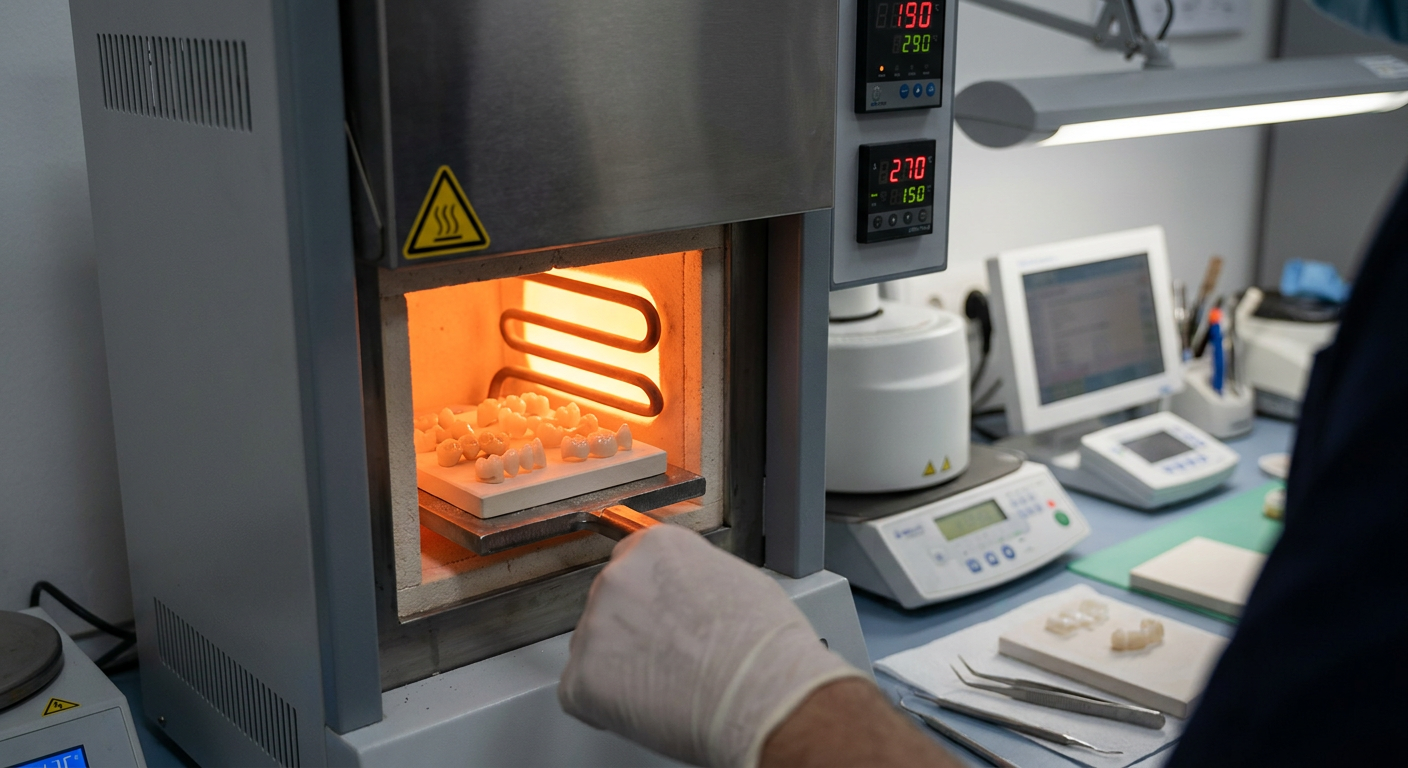
You must sinter 3Y Zirconia within a precise temperature range of1450°C to 1530°C to ensure the material achieves its full density and mechanical properties. Deviating from these recommended temperatures will compromise the material’s strength and optical properties. You will fail to achieve the desired clinical performance if you do not follow these sintering parameters.
Sintering drives grain growth and stabilizes the tetragonal phase, which is responsible for the material’s high strength. Strict control over the sintering process is essential for consistent, high-quality results.
Sintering Shrinkage and Dimensional Fit
Think about it:
During the sintering process, the milled green-stage restoration undergoes a volumetric shrinkage of approximately 20%. Managing this shrinkage is critical to achieving a precise marginal fit.
- Accurate scaling factor input is essential in your CAM software
- Even heating in the sintering chamber prevents distortion of the restoration
- Slow cooling ramps prevent thermal stress and micro-cracking in the ceramic
This precision ensures your restorations fit perfectly and require minimal clinical adjustment. You should calibrate your sintering furnace regularly.
Sintering Temperature and Phase Optimization
Here is the kicker:
The final sintering temperature directly affects the balance of crystal phases and grain size within the ceramic. If the temperature is too high, it can lead to excessive grain growth and reduced strength.
- Sintering below 1450°C results in incomplete densification and weakness
- Sintering above 1550°C causes rapid grain growth and reduces toughness
- Precise temperature control is required to optimize the tetragonal phase
This thermal control is essential to preserve the material’s unique phase transformation properties.
Key Takeaway: You must sinter this ceramic within the recommended temperature window of 1450°C to 1530°C to ensure full densification and optimize its unique phase transformation properties.
| Sintering Parameter | Recommended Target Range | Practical Engineering Impact |
|---|---|---|
| Sintering Temperature | 1450°C to 1530°C | Optimizes grain size and stabilizes the tetragonal phase |
| Thermal Cooling Rate | Slow ramp down to 200°C | Prevents thermal shock and structural cracking in the ceramic |
Analytical Guidance Sentence: This thermal analysis demonstrates that strict adherence to sintering protocols is essential to achieve the maximum mechanical properties of the material.
What Esthetic Limits Affect 3Y Zirconia?
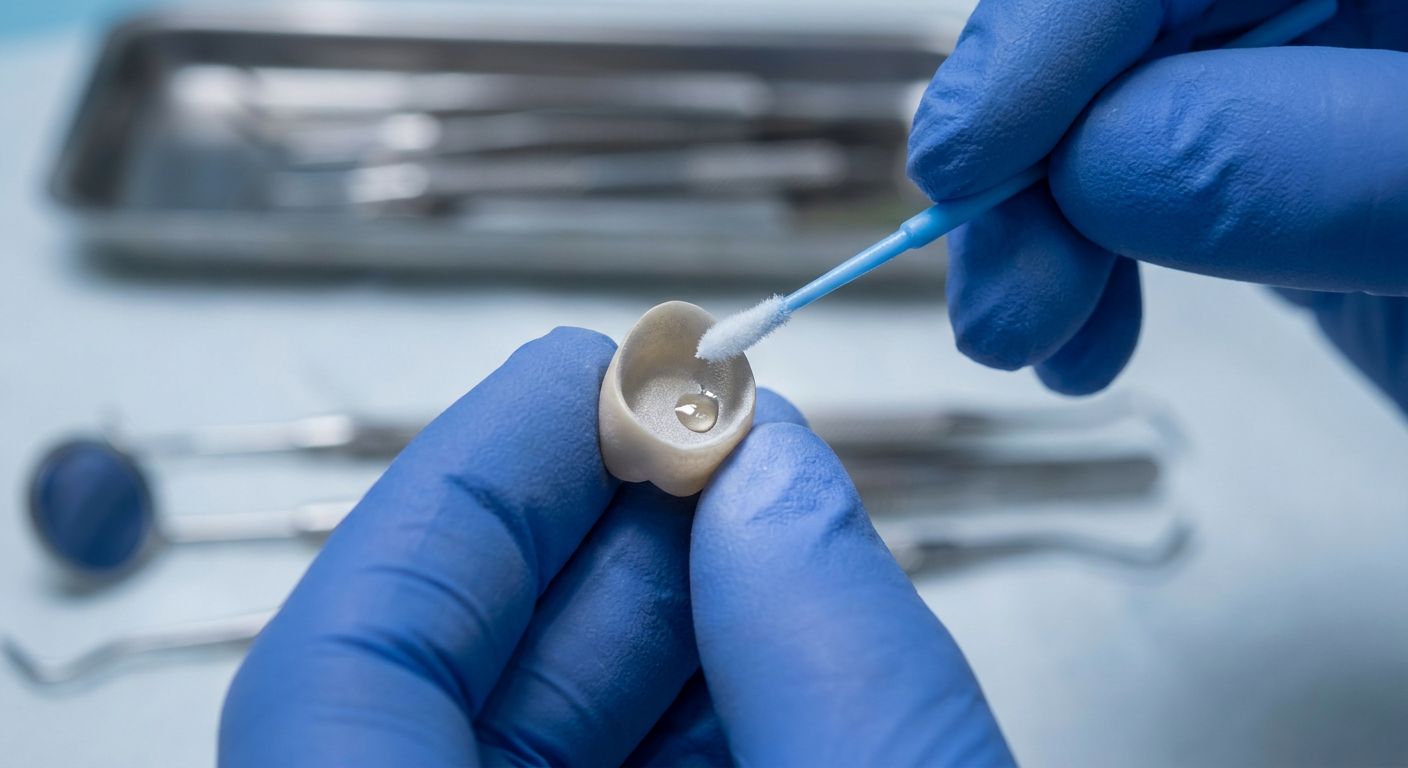
You must address the high opacity and monochromatic appearance of classic 3Y Zirconia when fabricating restorations for the aesthetic zone. Its dense crystalline structure limits light transmission, which can make restorations look opaque and lifeless next to natural teeth. You need to use advanced shading and layering techniques to overcome these aesthetic challenges.
While it provides unmatched strength, its bright white color lacks the natural color transitions found in human dentition. Modern laboratories must use strategic techniques to blend strength with beauty in these restorations.
Overcoming the High-Value Chalky Look
But wait, there’s more:
Monolithic restorations can easily look like chalky white blocks if you do not manage their color and translucency. This dense ceramic requires careful characterization to look natural.
- Apply pre-sintering liquid infiltration to add depth of color to the restoration
- Utilize multi-layered pre-shaded blocks for natural color transitions
- Limit the use of full-contour monolithic designs to posterior teeth
These techniques help reduce the high-value look and improve the overall aesthetics. You should select pre-shaded materials whenever possible.
Cutback and Layering Protocols
Here is the secret:
For high-aesthetic restorations, a facial-cutback design allows you to combine a strong structural core with a beautiful, hand-layered ceramic surface. This technique provides the best of both worlds.
- Mill a strong structural core with a 0.5 mm facial cutback design
- Hand-layer translucent veneering porcelain on the facial surface for beauty
- Keep the functional occlusal surfaces in monolithic zirconia for strength
This approach ensures your restorations are both strong enough to last and beautiful enough to satisfy patients.
Key Takeaway: You should utilize facial-cutback designs for anterior restorations to combine the strength of a tough monolithic core with the beauty of hand-layered veneering porcelain.
| Esthetic Strategy | Mechanical Safety | Visual Aesthetic Result |
|---|---|---|
| Monolithic Stain / Glaze | Maximum (Zero veneering risk) | Standard (Ideal for posterior regions) |
| Facial Cutback & Layering | High (Protects functional margins) | Excellent (Lifelike depth for anterior restorations) |
Analytical Guidance Sentence: These aesthetic guidelines show how combining monolithic structures with hand-layered ceramics can overcome the material’s natural optical limitations.
Is 3Y Zirconia Best for Custom Abutments?
You should choose 3Y Zirconia as the premier choice for custom implant abutments because its high shear strength and fracture resistance ensure a highly durable, reliable connection that can withstand complex forces. Unlike weaker translucent ceramics, this material is tough enough to support implant restorations over a long period. You can confidently design custom implant-supported restorations when utilizing this high-performance material.
In addition to its exceptional mechanical properties, this biocompatible ceramic is highly resistant to bacterial colonization, which helps reduce the risk of peri-implantitis and supports healthy soft tissue integration. Selecting this material ensures excellent, long-term clinical outcomes for your implant patients.
Titanium Base Interfaces and Mechanical Durability
Think about it:
Direct ceramic connections to titanium implants are prone to wear and fracture under functional loads. Using a titanium base (Ti-Base) interface is essential to protect the connection and ensure a long-lasting restoration.
- Highly precise metal-to-ceramic interfaces minimize micromovement and wear
- Strong ceramic walls withstand high shear forces under lateral loads
- Eliminates the risk of screw loosening or catastrophic abutment fracture
This hybrid design combines the strength of titanium with the aesthetics of ceramic. You should always use a Ti-Base for custom implant restorations.
Soft Tissue Integration and Plaque Resistance
That’s not all:
The health of the surrounding soft tissues is critical to the long-term success of dental implants. This material provides an ideal surface for healthy tissue attachment and resists plaque accumulation.
- Highly polished surfaces allow for healthy hemidesmosomal tissue attachment
- Extremely low bacterial adhesion rates protect the implant from infection
- Highly stable in the oral cavity with no risk of corrosion or degradation
This biocompatibility supports healthy peri-implant tissues and helps prevent bone loss.
Key Takeaway: You should choose this material for custom implant restorations because its high shear strength, Ti-Base compatibility, and excellent tissue integration support long-term implant health and stability.
To ensure reliable clinical outcomes and consistent quality, sourcing raw materials from a stable, vertically integrated manufacturer is essential. Our strict quality control systems help minimize process variations and sintering shrinkage fluctuations. For laboratories looking to optimize material performance, refine sintering protocols, or secure a reliable supply of premium-grade zirconia powders and blanks, contact us today to speak with a materials engineer and request a sample data package.
Frequently Asked Questions
Can I use 3Y Zirconia for an anterior veneer restoration?
Clinically, this material is not recommended for minimal-prep anterior veneers. Its high opacity will block the natural color of the underlying tooth, resulting in an unnatural appearance. Additionally, it cannot be etched with hydrofluoric acid for traditional adhesive bonding. You must utilize high-translucency 5Y zirconia or lithium disilicate for anterior veneers.
What’s the best cementation protocol for 3Y Zirconia?
The clinical standard is the APC protocol, which combines mechanical and chemical bonding. First, sandblast the internal surface of the restoration with aluminum oxide (50 μm at 1.5–2.0 bar). Next, apply a specialized primer containing 10-MDP to establish a chemical bond with the ceramic. Finally, seat the restoration using a dual-cure resin cement for maximum retentive stability.
How do I know if 3Y Zirconia or 5Y Zirconia is required for a bridge?
The choice depends on the position of the bridge and the number of units. For multi-unit bridges in the posterior region, 3Y-TZP is required due to its high strength and fracture resistance. High-translucency 5Y materials do not possess the structural integrity to withstand posterior biting forces and are prone to connector fractures. Only use 5Y formulations for single crowns or short anterior bridges.
Can I adjust 3Y Zirconia with standard diamond burs without microfracturing?
Standard coarse diamond burs should be avoided; instead, use fine-grit, red-ring diamonds with active water cooling. Adjusting zirconia generates localized heat, which can trigger phase transformations and cause micro-cracks on the surface. To prevent this, use specialized fine-grit, diamond-impregnated polishers at low speeds with light pressure and water spray.
What’s the best way to prevent debonding of 3Y Zirconia crowns?
Proper surface preparation, mechanical retention, and chemical priming are key to preventing debonding. Ensure the prepared tooth has at least 4 mm of axial wall height and a taper of 6 to 12 degrees for mechanical retention. Clean saliva and contaminants from the inner surface of the crown, sandblast it with alumina particles, apply an MDP-containing primer, and use a self-adhesive resin cement.