
Choosing between 3Y and 5Y zirconia depends entirely on balancing your clinical requirement for maximum flexural strength with your aesthetic demand for high translucency. Imagine fabricating a multi-unit bridge for a patient’s heavily loaded posterior molar, knowing that a single structural failure will ruin your laboratory’s reputation and incur high remake costs. The constant fear of restoration fractures under extreme biting forces often forces dental technicians to compromise on life-like aesthetics just to guarantee survival. Fortunately, integrating high-strength 3Y Zirconia into your CAD/CAM milling workflows resolves this dilemma by delivering unmatched fracture resistance alongside highly refined processing reliability.
How does 3Y Zirconia dominate the dental laboratory industry?
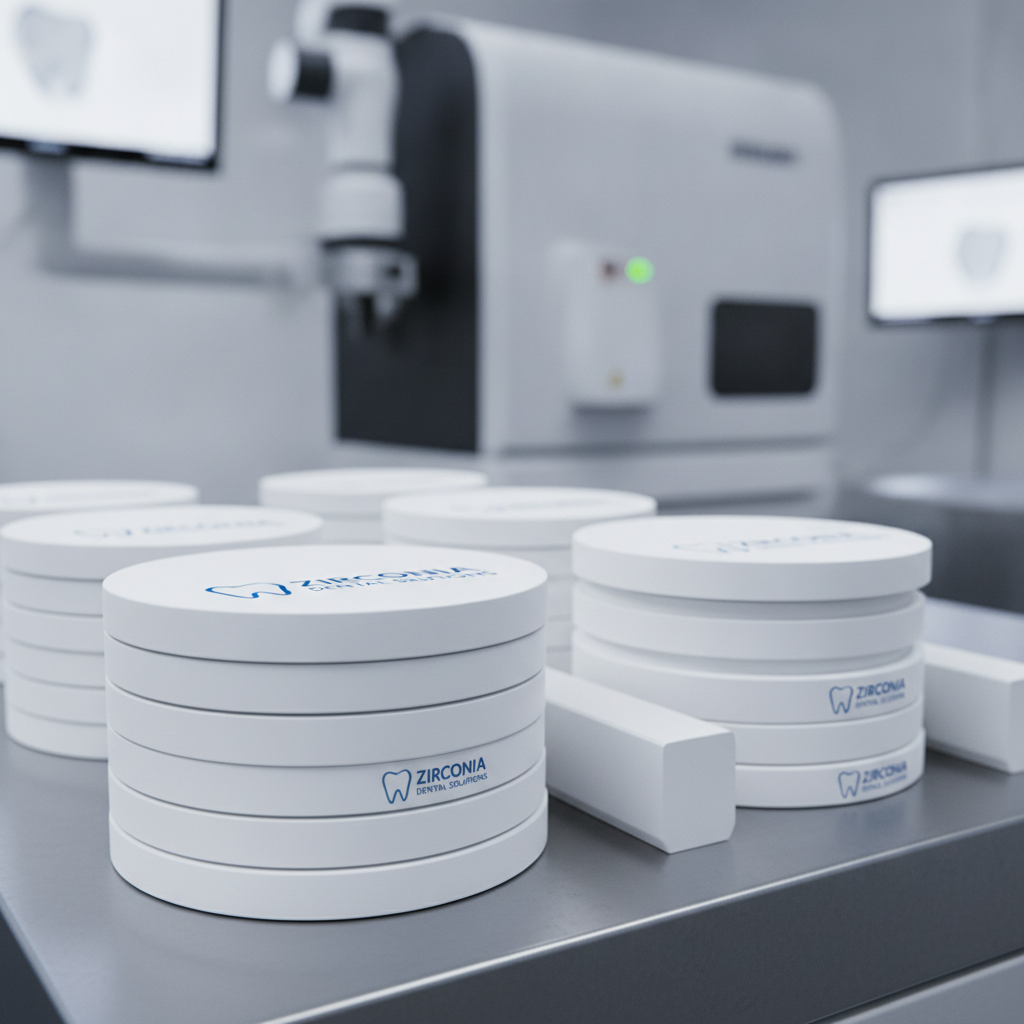
The industry-wide dominance of 3Y Zirconia stems from its unbeatable combination of extreme flexural strength and long-term mechanical reliability in posterior load-bearing regions. This material provides the structural foundation that dental laboratories need to ensure risk-free masticatory performance.
By establishing a dependable baseline of mechanical survival, this material has successfully transitioned laboratories away from fragile metal-ceramic restorations. It has become the gold standard for high-volume milling operations worldwide.
The physical evolution of CAD/CAM dental ceramics
When you evaluate the historical shift in restorative dental materials, you quickly see how early glass-ceramics fell short under high occlusal stress. These older materials frequently suffered catastrophic fractures when subjected to posterior biting forces.
But here is the catch:
- Glass-ceramics lack the structural reinforcement required for multi-unit posterior frameworks.
- Traditional feldspathic materials exhibit extremely high rates of crack propagation.
- Early polycrystalline blocks were highly prone to edge chipping during high-speed milling.
This historical limitation forced the dental market to seek a far tougher crystalline structure.
Why laboratories trust high-purity formulations
High-purity raw powders ensure that your restorations maintain perfect dimensional stability and predictable shrinkage rates during the thermal sintering process. This precision protects your marginal fit and reduces tedious manual adjustments.
Think about it for a second:
- Ultra-pure formulations prevent internal voids that compromise structural integrity.
- Uniform particle sizes result in predictable, uniform shrinkage during sintering.
- Consistent material density ensures reliable tool paths during CAD/CAM milling.
Ultimately, these attributes protect your laboratory’s bottom line by preventing costly remakes.
Key Takeaway: By standardizing your high-load posterior restorations on premium first-generation zirconia, you guarantee structural survival and eliminate the risk of catastrophic ceramic fractures.
| Spec Parameter | Flexural Strength (MPa) | Translucency (%) | Crystalline Structure | Primary B2B Applications |
|---|---|---|---|---|
| High-Toughness 3Y | 1,100 – 1,400 MPa | 35% – 40% | 100% Tetragonal | Posterior bridges, implant frameworks, custom abutments |
This outstanding mechanical capacity ensures that long-span frameworks remain fully intact under heavy chewing forces.
Why does 3Y Zirconia transition between distinct phases?
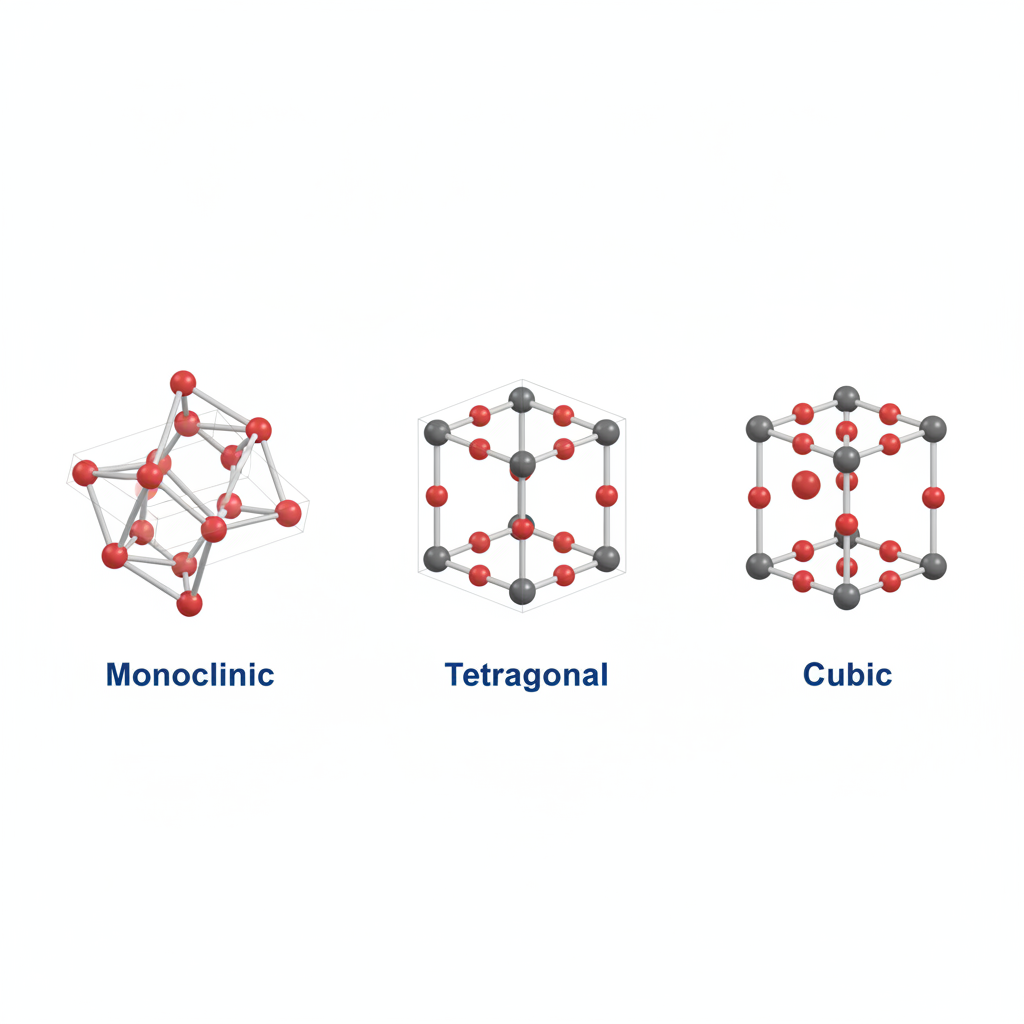
Zirconia transitions between distinct phases because its atomic crystal lattice rearranges itself dynamically in response to thermal processing and yttria stabilization. When cooling unstabilized zirconia, the material undergoes a destructive volume change, which is why utilizing doped 3Y Zirconia is essential to freeze the tough tetragonal phase at room temperature.
Understanding how these crystal lattices behave helps you prevent structural stress during laboratory processing. By controlling these thermal shifts, you preserve the strength of the finished restoration.
Defining the three major crystalline states
Zirconia exists in monoclinic, tetragonal, and cubic structural states depending on temperature. As you heat the raw powder, it transitions from monoclinic to the denser tetragonal and highly stable cubic configurations.
Let’s break it down:
- Monoclinic Phase: Highly fragile state stable from room temperature up to 1170°C.
- Tetragonal Phase: Strong, elongated lattice configuration stable between 1170°C and 2370°C.
- Cubic Phase: Transparent, isotropic configuration stable from 2370°C up to the melting point.
Keeping the tetragonal phase stable at room temperature is the key to maintaining high structural toughness.
The mechanical danger of spontaneous reversion
If your material lacks sufficient stabilizing dopants, it will revert to the monoclinic phase during cooling. This reversion triggers a sudden volumetric expansion of up to five percent, which instantly shatters the ceramic.
Why does this matter?
- Spontaneous cooling shifts generate intense internal tension within the ceramic matrix.
- Rapid crystal expansion acts as an internal wedge that creates micro-cracks.
- Uncontrolled phase reversion leads to rapid, catastrophic failure of the crown.
You must use precisely formulated discs to lock in the beneficial tetragonal phase permanently.
Key Takeaway: Understanding thermal phase transitions allows you to optimize your laboratory’s sintering cycles and prevent structural damage caused by rapid cooling rates.
| Spec Parameter | Flexural Strength (MPa) | Translucency (%) | Crystalline Structure | Primary B2B Applications |
|---|---|---|---|---|
| Monoclinic Phase | < 300 MPa | < 20% (Opaque) | Monoclinic Lattice | None (unusable for restorations) |
Avoiding monoclinic reversion ensures that your finished crowns retain their structural integrity indefinitely.
How does 3Y Zirconia leverage transformation toughening?
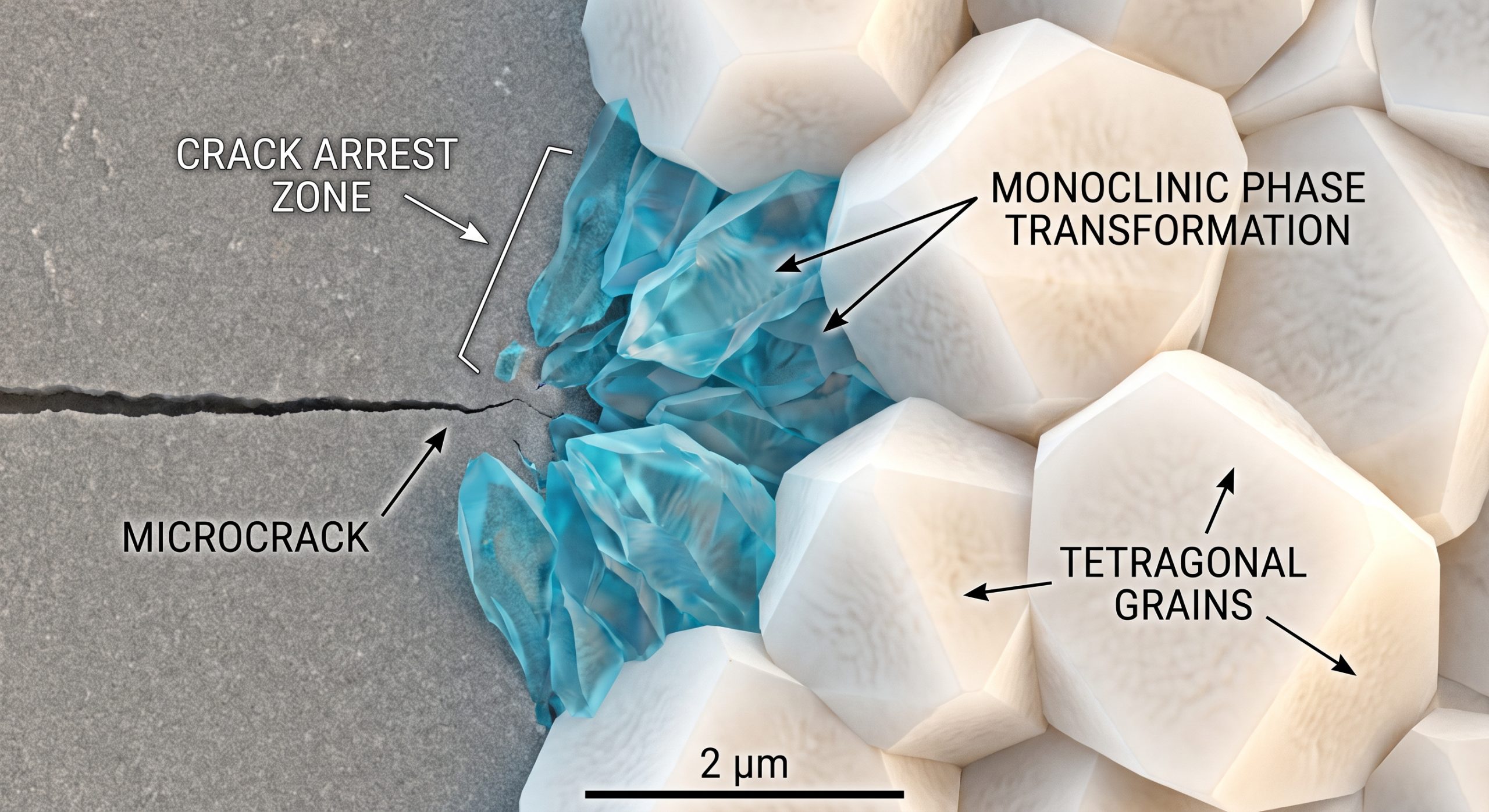
Unlocking high fracture resistance with 3Y Zirconia relies on a physical defense mechanism known as transformation toughening, which actively stops microcracks from propagating through the material. This unique quality makes the ceramic dynamic rather than passively brittle.
When an external stress concentration initiates a microcrack, the surrounding grains absorb the energy. This mechanical action neutralizes the threat before a complete fracture can occur.
Building a mechanical shield against fractures
When a microscopic crack begins to split the ceramic, the tensile stress triggers a localized crystalline reaction. As you watch the crack expand, the surrounding tetragonal grains immediately respond.
Think about it for a second:
- Metastable tetragonal grains absorb the localized energy of the advancing crack.
- The surrounding crystal lattice instantly shifts to a larger monoclinic configuration.
- This rapid expansion acts like a mechanical clamp, putting the crack under intense compression.
This automatic shielding process blocks further structural breakdown.
Squeezing the crack tip shut in real time
The localized four percent volume expansion of the newly formed monoclinic crystals generates a compressive stress zone. This squeeze acts as a physical barrier that actively arrests crack growth.
Here is the best part:
- The expanding grains pinch the crack tip together, stopping it in its tracks.
- This active energy absorption prevents micro-fractures from turning into catastrophic failures.
- You get a material that behaves more like steel than a traditional glass-ceramic.
This self-healing mechanical trait is what gives posterior frameworks their long-term survival rates.
Key Takeaway: By utilizing a material with active transformation toughening, you provide your clinical clients with restorations that can dynamically withstand biting forces and resist structural fatigue.
| Spec Parameter | Flexural Strength (MPa) | Translucency (%) | Crystalline Structure | Primary B2B Applications |
|---|---|---|---|---|
| Active Tetragonal | 1,200 – 1,400 MPa | 35% – 40% | 100% Tetragonal | Multi-unit posterior bridges, stress-bearing frames |
This active resistance to crack propagation is the primary reason posterior frameworks achieve decades of clinical success.
How does 3Y Zirconia balance strength against translucency?
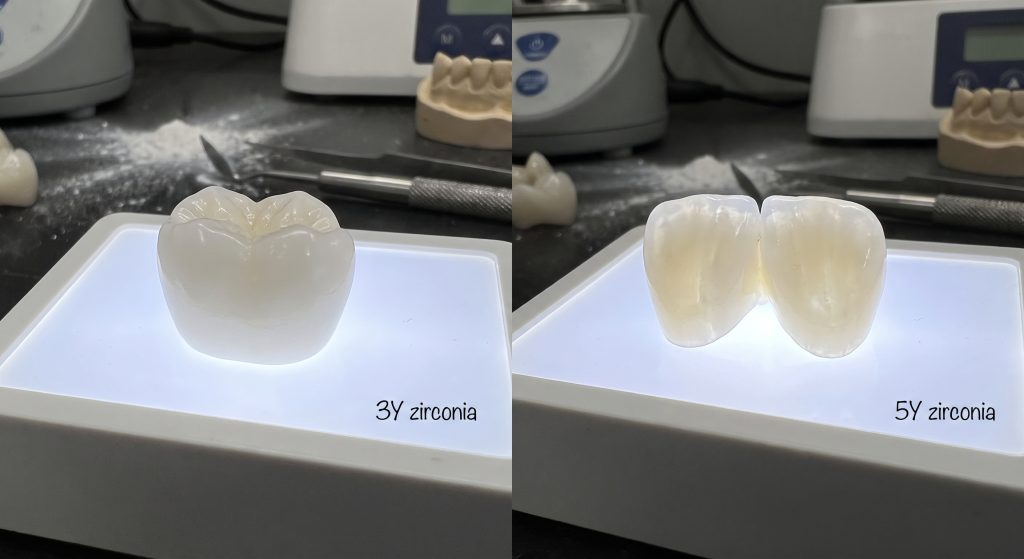
The balance between strength and translucency in 3Y Zirconia is dictated by the refractive differences between its tetragonal and cubic crystal phases. Because tetragonal grains are highly birefringent, they scatter light and create a more opaque appearance compared to isotropic cubic structures.
While this opacity is ideal for masking dark tooth preparations and metal posts, it limits the material’s aesthetic use in the anterior zone. Balancing these optical properties is a critical consideration for your daily laboratory cases.
The optical physics of light scattering
Tetragonal crystals refract light along multiple axes, which scatters light at grain boundaries and limits translucency. If you require highly translucent restorations, you must understand how these grain structures affect light flow.
Let’s break it down:
- Birefringent grain boundaries act as tiny mirrors, bouncing light away from its path.
- Trace amounts of alumina dopants create refractive index mismatches that increase opacity.
- Residual microscopic pores block and absorb light, reducing vital translucency.
This natural scattering makes the material highly effective at blocking out dark background stumps.
Managing the strength-to-aesthetics trade-off
As you increase yttria content to create more cubic phase, you gain optical clarity but lose fracture toughness. This occurs because cubic crystals lack the capability to undergo transformation toughening.
But here is the catch:
- High-strength formulations retain maximum toughness but look more opaque.
- Highly aesthetic materials look beautiful but are prone to cracking under posterior loads.
- You must align your material selection with the mechanical demands of the clinical site.
Selecting the correct balance ensures both structural survival and aesthetic success.
Key Takeaway: By matching the material’s opacity with dark stump-shades and saving high-translucency grades for anterior zones, you optimize both aesthetic results and mechanical survival.
| Spec Parameter | Flexural Strength (MPa) | Translucency (%) | Crystalline Structure | Primary B2B Applications |
|---|---|---|---|---|
| Opaque 3Y Grade | 1,200 – 1,300 MPa | 35% – 38% | Tetragonal (Birefringent) | Core frameworks, dark stump masking, implant abutments |
This balanced optic profile makes the material the premium choice for masking metal posts and compromised dentin.
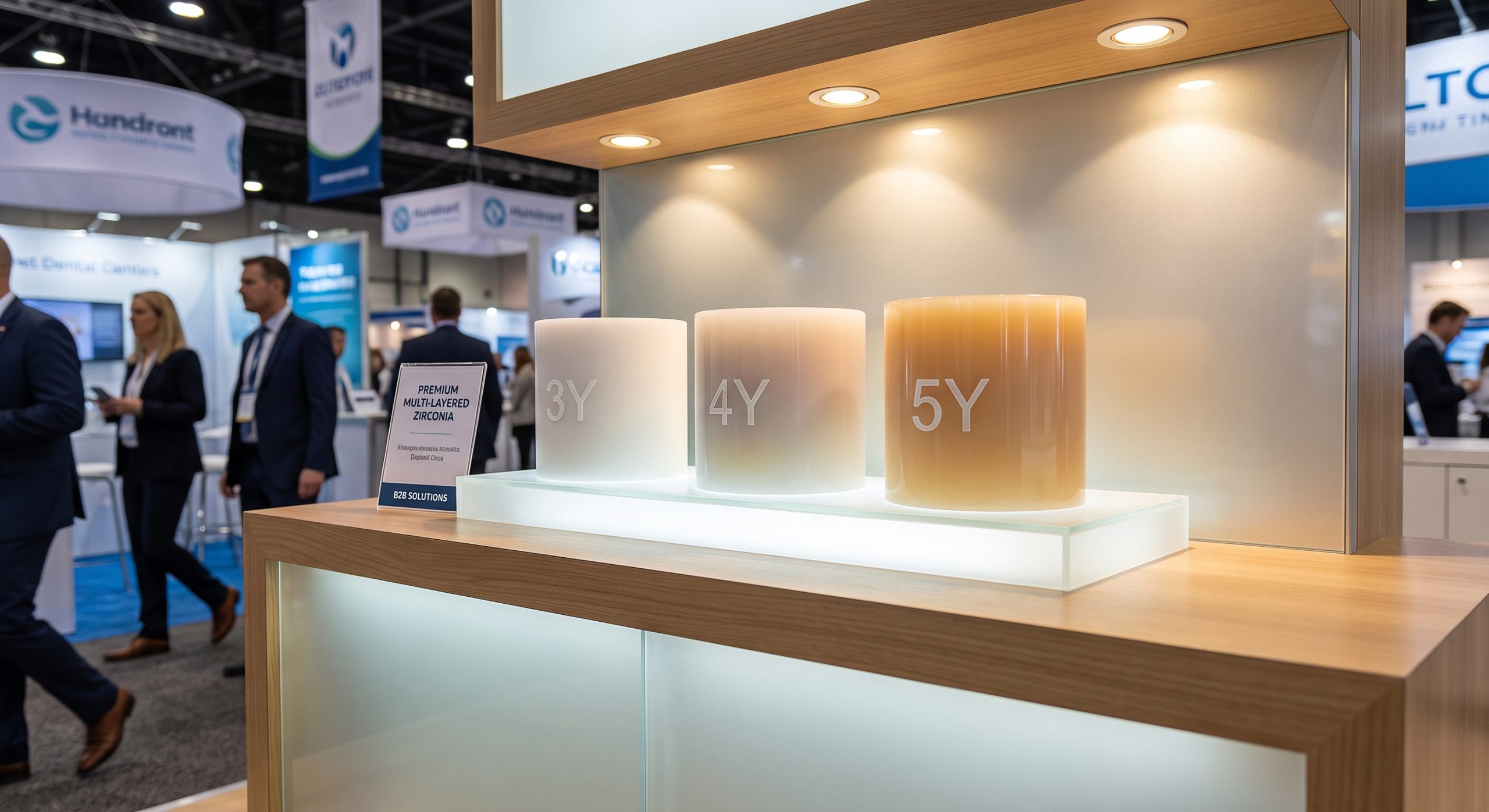
Premium dopants are necessary for 3Y Zirconia because they generate the atomic yttrium substitutions and oxygen vacancies required to stabilize the tetragonal crystal phase at room temperature. Without these highly precise chemical additives, the material would instantly disintegrate upon cooling.
By utilizing advanced raw materials during processing, manufacturers can carefully tune the mechanical limits of the ceramic. This chemical control is what guarantees consistent behavior during milling and sintering.
How does yttrium oxide stabilize the lattice?
Yttrium ions substitute directly for zirconium ions within the crystal lattice, correcting the structural instability that occurs at room temperature. This substitution generates oxygen vacancies that lock the tetragonal structure in place.
Why does this matter?
- Trivalent yttrium ions alter the coordination number of the zirconium-oxygen bond.
- The resulting oxygen vacancies relieve internal crystal strains during cooling.
- The beneficial tetragonal phase remains stable without requiring constant high temperatures.
This molecular locking mechanism gives your sintered blocks their remarkable structural strength.
The critical role of stabilizer concentration
Maintaining a strict three molar percent yttria concentration is vital to ensuring a fully tetragonal matrix. If your dopant ratios fluctuate even slightly, the physical properties of the restoration will degrade rapidly.
Think about it for a second:
- Too little yttria results in high monoclinic content and spontaneous cracking.
- Too much yttria stabilizes the cubic phase, reducing mechanical fracture toughness.
- You depend on high-quality manufacturing to ensure perfect dopant distribution throughout the disc.
Consistent chemistry is the secret to producing predictable clinical restorations.
Key Takeaway: By sourcing discs fabricated with high-purity, evenly distributed stabilizers, you ensure uniform shrinkage and prevent warping during high-temperature sintering cycles.
| Spec Parameter | Flexural Strength (MPa) | Translucency (%) | Crystalline Structure | Primary B2B Applications |
|---|---|---|---|---|
| Doped 3Y Formulation | 1,150 – 1,350 MPa | 38% – 40% | 100% Stabilized Tetragonal | Posterior crowns, multi-unit frameworks, substructures |
This exact dopant ratio provides the ideal molecular foundation for demanding CAD/CAM restorations.
How does 3Y Zirconia resist low-temperature degradation?
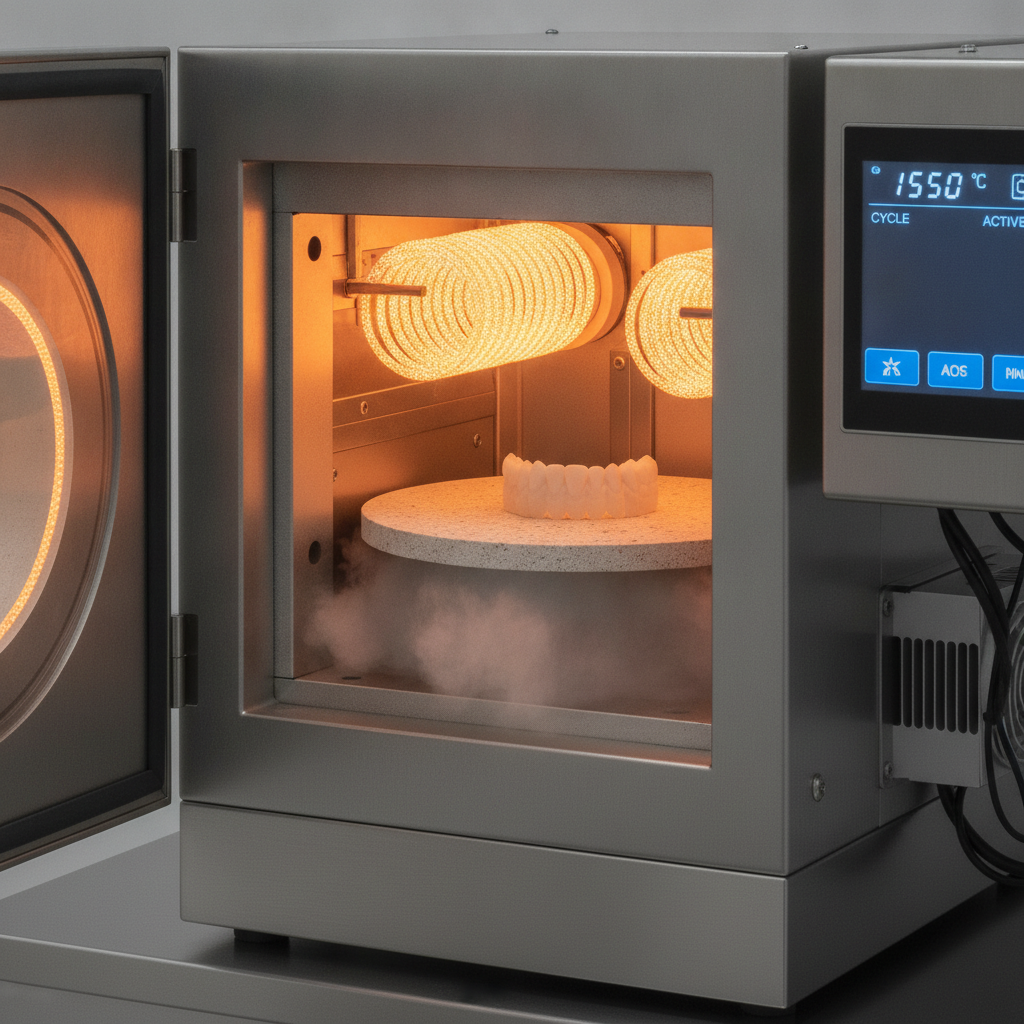
To resist low-temperature degradation in wet environments, 3Y Zirconia relies on trace additions of alumina to block water molecules from penetrating its crystalline grain boundaries. This chemical barrier prevents the spontaneous, progressive decay of the restoration.
Because the oral cavity is a warm, humid environment, your restorations are constantly exposed to moisture under cyclic loading. Without proper protection, this exposure can trigger premature mechanical failure.
What is the process of hydrothermal aging?
Hydrothermal aging occurs when water molecules bond with the ceramic surface, causing the tough tetragonal grains to slowly revert to the weaker monoclinic phase. As you use the restoration under wet conditions, this decay propagates inward.
Let’s face it:
- Moisture breaks down the stabilizing yttria bonds at grain boundaries.
- The resulting monoclinic reversion causes localized volumetric swelling.
- This swelling generates micro-cracks that gradually weaken the overall structure.
This aging process can lead to unexpected surface roughness and loss of strength over time.
How minor alumina dopants stop aging
Adding small amounts of alumina to the grain boundaries significantly increases resistance to moisture penetration. These tiny alumina particles act as physical blocks that protect the yttria stabilizer.
Here is the plain truth:
- Alumina limits the diffusion of water ions along the grain junctions.
- It maintains structural integrity without negatively impacting the material’s translucency.
- You get a restoration that remains fully stable throughout years of clinical service.
This micro-structural addition is what makes modern dental ceramics so durable in wet conditions.
Key Takeaway: By selecting zirconia discs formulated with trace alumina dopants, you protect your restorations from hydrothermal aging and ensure their long-term mechanical survival.
| Spec Parameter | Flexural Strength (MPa) | Translucency (%) | Crystalline Structure | Primary B2B Applications |
|---|---|---|---|---|
| Alumina-Stabilized 3Y | 1,200 – 1,400 MPa | 35% – 39% | Tetragonal with trace alumina | Humid oral environments, long-span posterior bridges |
This thermal and chemical stability prevents premature degradation in demanding clinical environments.
When should you choose 3Y Zirconia over 5Y restorations?
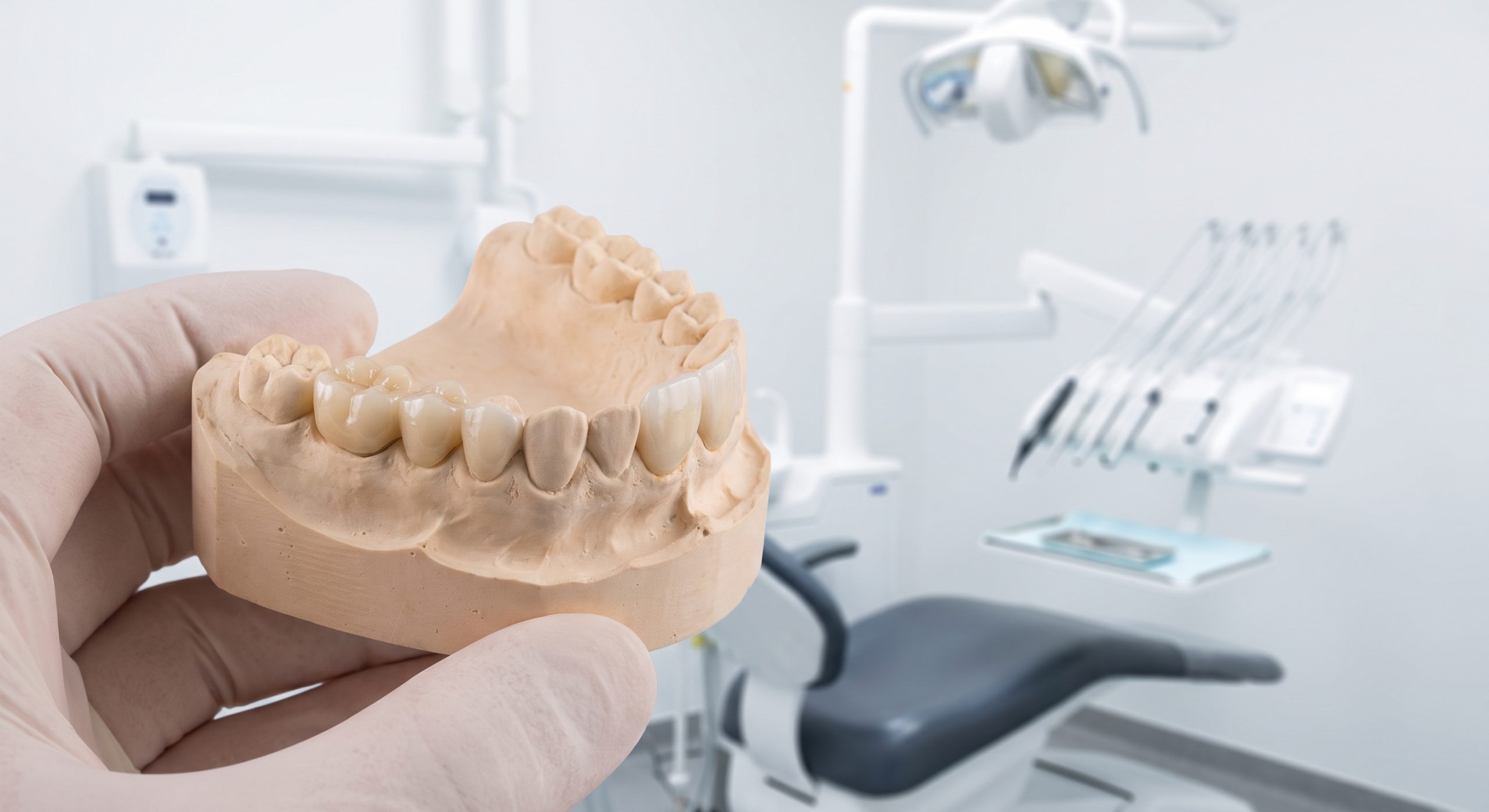
You should choose 3Y Zirconia over 5Y alternatives when a clinical case demands maximum flexural strength, such as for posterior multi-unit bridges or frameworks for bruxism patients, rather than the high translucency of multilayer zirconia blocks or specialized dental PMMA blanks. This material decision directly determines whether your restoration can withstand high chewing forces without fracturing.
By assessing the masticatory forces at the restoration site, you can make an informed choice that protects the patient. High-load zones require the exceptional toughness that only a fully tetragonal structure can deliver.
Managing extreme loads in the posterior zone
Posterior bridges with long spans are subjected to intense chewing forces that can easily fracture weaker, highly translucent ceramics. If you are fabricating a multi-unit bridge, you cannot risk using a brittle material.
Think about it:
- Long-span frameworks require connector cross-sections of at least nine square millimeters.
- Bruxism patients subject restorations to destructive grinding forces during sleep.
- Tetragonal structures absorb these cyclic loads through active phase changes.
This mechanical capacity makes the material the only reliable option for posterior areas.
When aesthetic demands override strength
In the anterior zone, the primary clinical demand shifts from mechanical strength to natural light transmission. If you are restoring a single front tooth, high-translucency 5Y formulations provide a superior aesthetic result.
But here is the catch:
- Translucent 5Y materials lack the toughness needed to support multi-unit frameworks.
- They are more prone to chipping when placed in high-load masticatory areas.
- You must balance these properties based on the anatomical position of the restoration.
Choosing the right grade ensures both clinical success and lifelike beauty.
Key Takeaway: By dedicating high-strength tetragonal blocks to posterior bridges and saving translucent yttria grades for single anterior crowns, you prevent structural failures.
| Spec Parameter | Flexural Strength (MPa) | Translucency (%) | Crystalline Structure | Primary B2B Applications |
|---|---|---|---|---|
| Posterior 3Y Grade | 1,100 – 1,350 MPa | 35% – 40% | 100% Tetragonal | Multi-unit bridges, heavy-bruxism crowns, frameworks |
This targeted material selection maximizes the mechanical lifespan of your dental laboratory restorations.
Can 4Y alternatives bridge the gap for 3Y Zirconia?
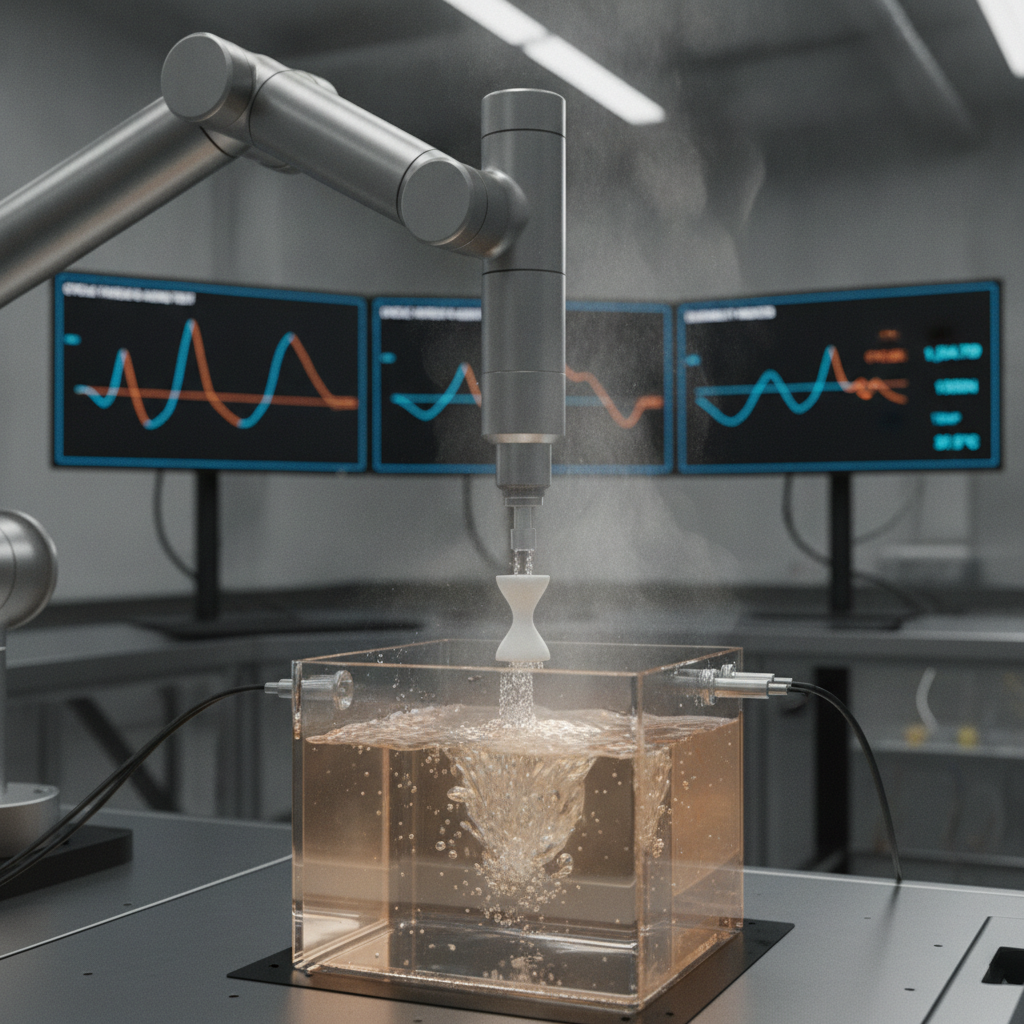
The introduction of fourth-generation 4Y-TZP ceramics provides an intermediate option that bridges the gap between the high strength of 3Y Zirconia and the superior aesthetics of 5Y formulations. This hybrid configuration allows laboratories to simplify their stock by using a single, versatile material.
By incorporating approximately twenty-five percent cubic phase, this material achieves a balanced physical profile. This makes it suitable for a wide variety of clinical cases, both anterior and posterior.
The balanced performance of fourth-generation blocks
Fourth-generation zirconia offers a compelling blend of moderate translucency and high flexural strength. As you process these discs, you will find they deliver reliable performance across multiple indications.
Let’s take it a step further:
- They retain sufficient flexural strength to support short posterior bridges.
- They offer improved light transmission compared to traditional first-generation blocks.
- You can reduce your raw material inventory by stocking a single multi-use grade.
This versatility makes them highly popular in modern CAD/CAM laboratories.
Simplifying laboratory inventory workflows
Managing multiple types of zirconia discs can complicate your milling schedules and increase storage costs. Transitioning to a balanced material simplifies your laboratory’s daily operations.
Here is the real beauty of it:
- Technicians do not need to constantly switch out disc stocks for different cases.
- Sintering programs can be standardized across a wider range of restorations.
- You minimize the risk of a technician selecting the wrong material grade.
Streamlining your inventory reduces operational errors and improves overall production speed.
Key Takeaway: By incorporating balanced intermediate-grade zirconia into your daily workflow, you simplify inventory management while maintaining high clinical standards for both strength and aesthetics.
| Spec Parameter | Flexural Strength (MPa) | Translucency (%) | Crystalline Structure | Primary B2B Applications |
|---|---|---|---|---|
| Balanced 4Y Grade | 800 – 1,000 MPa | 43% – 46% | ~75% Tet / ~25% Cubic | Multi-indication crowns, short-span posterior bridges |
This intermediate option delivers the balanced performance needed to satisfy diverse clinical requirements.
Why do preparation and sandblasting rules change for 3Y Zirconia?
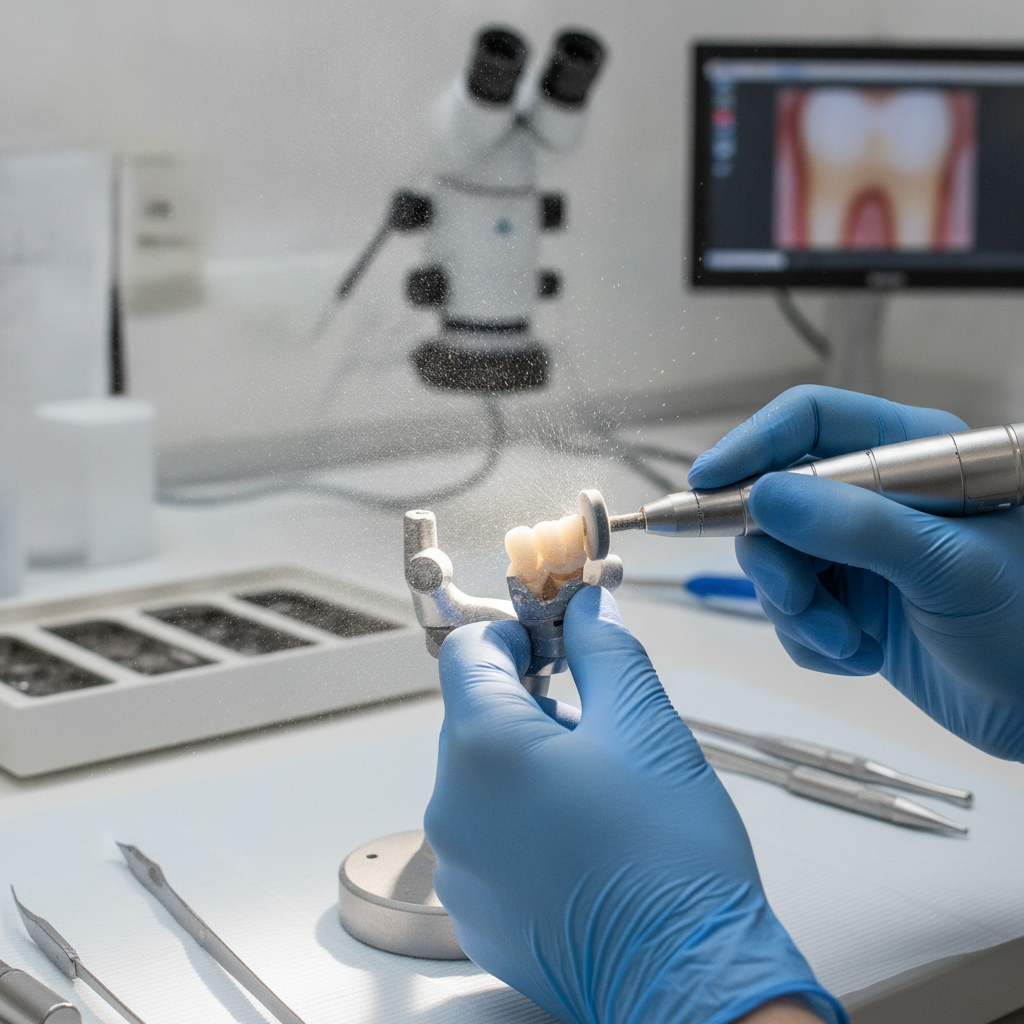
Mechanical adjustments and sandblasting rules change for 3Y Zirconia because aggressive grinding and high-pressure abrasion can trigger uncontrolled, premature phase transformations that weaken the ceramic matrix. To prevent this micro-structural damage, you must adhere to low-pressure and water-cooled processing techniques.
When technicians apply excessive force or heat during adjustments, they inadvertently compromise the material’s built-in defense mechanisms. This improper handling can lead to early failure under clinical loads.
The danger of dry grinding without coolant
Dry grinding with diamond instruments generates intense localized friction heat that destabilizes the yttria bonds. As you adjust the margins of a sintered crown, managing this thermal stress is vital.
Think about it:
- Dry friction triggers a premature tetragonal-to-monoclinic phase shift.
- This uncontrolled transition creates micro-cracks along the critical margins.
- You must use water-cooled diamond burs to keep the material cool during adjustments.
Using proper cooling techniques prevents the formation of structural flaws that lead to failures.
How high-pressure sandblasting degrades the surface
Using high air pressure during alumina sandblasting can cause severe micro-chipping and stress concentrations on the internal crown surface. This surface damage acts as a starting point for cracks.
But here is the catch:
- Air pressures exceeding two bar will cause localized cracking.
- Coarse abrasive particles strip away the protective surface compression layer.
- You should restrict sandblasting to low pressures and fine alumina powders.
Adhering to these limits preserves the raw mechanical strength of your finished restorations.
Key Takeaway: By training your laboratory technicians to use gentle, water-cooled grinding and low-pressure sandblasting, you maintain the structural integrity of your zirconia restorations.
| Spec Parameter | Flexural Strength (MPa) | Translucency (%) | Crystalline Structure | Primary B2B Applications |
|---|---|---|---|---|
| Processed 3Y Zirconia | 1,100 – 1,350 MPa | 35% – 40% | Sintered Tetragonal | High-stress mechanical adjustments, custom frameworks |
Careful mechanical handling ensures that your restorations retain their full structural capacity during clinical use.
How do you achieve exceptional bonding with 3Y Zirconia?
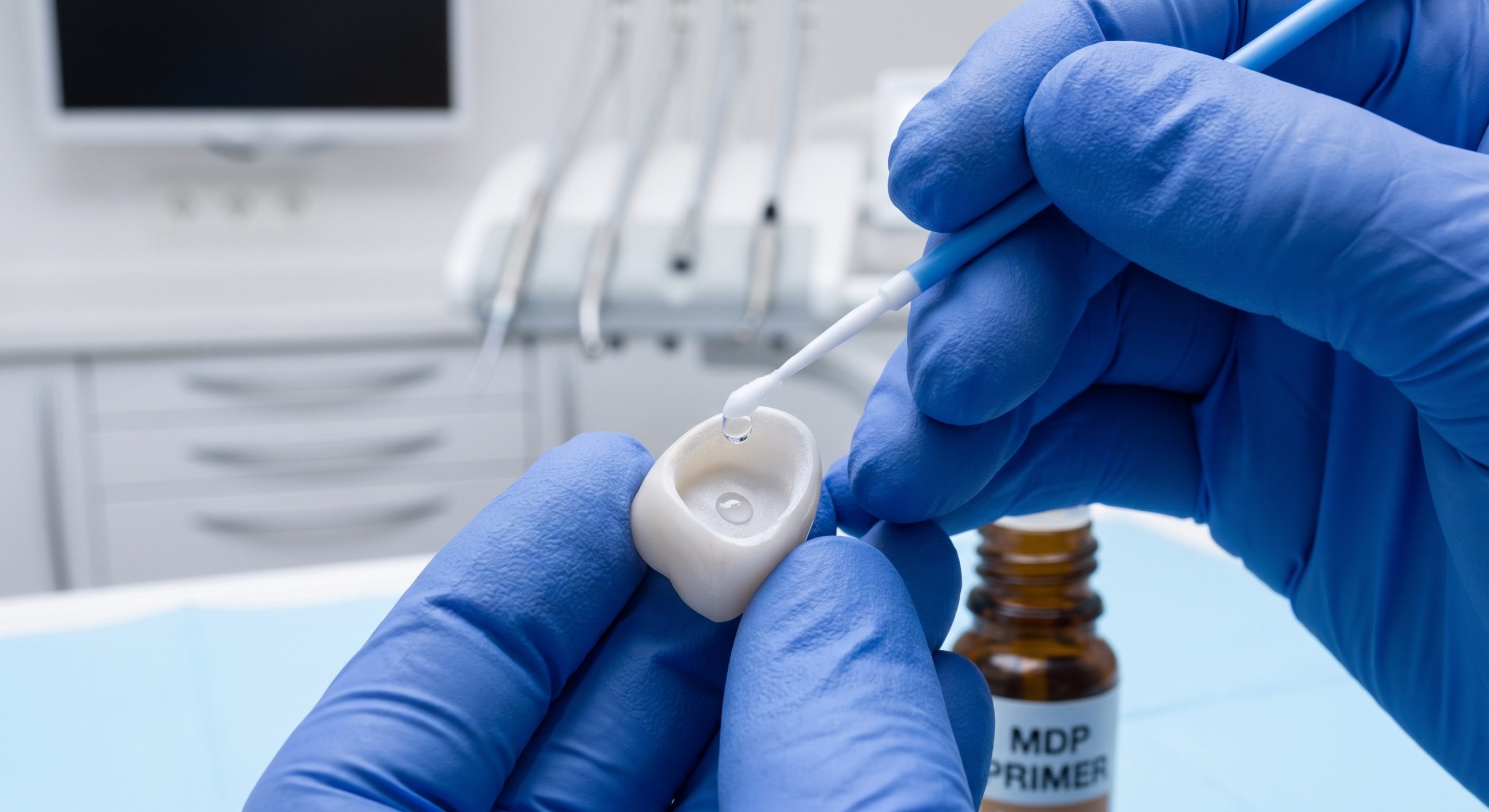
Achieving an exceptional, long-lasting bond with 3Y Zirconia requires combining low-pressure mechanical sandblasting with a specialized chemical primer containing active MDP monomers. This combined approach ensures a reliable, moisture-resistant connection between the tooth structure and the restoration.
Because this ceramic lacks a glassy matrix, it cannot be etched with traditional hydrofluoric acid. You must utilize chemical priming to establish a durable adhesive bond.
Why are chemical primers necessary?
Traditional glass-ceramic etching techniques do not work on high-strength polycrystalline materials. To achieve a strong bond, you must rely on specialized adhesive chemistry.
Let’s be realistic:
- Hydrofluoric acid cannot dissolve the dense polycrystalline structure.
- Silane coupling agents alone fail to create a reliable chemical bond.
- You must apply a specialized primer containing 10-MDP monomers to the surface.
This chemical treatment provides the molecular link needed for exceptional adhesion.
How MDP monomers establish strong bonds
The phosphate groups in the 10-MDP monomer form highly stable chemical bonds with the metal oxides on the ceramic surface. This molecular bond resists water degradation and maintains its strength over time.
Why does this matter?
- It creates a water-resistant seal that prevents marginal micro-leakage.
- The adhesive bond helps distribute stress evenly across the tooth preparation.
- You get a restoration that remains firmly attached even under heavy biting forces.
Using MDP primers is the key to ensuring long-term success in the oral cavity.
Key Takeaway: By recommending chemical primers with active MDP monomers to your clinical clients, you ensure high bond strength and prevent premature restoration debonding.
| Spec Parameter | Flexural Strength (MPa) | Translucency (%) | Crystalline Structure | Primary B2B Applications |
|---|---|---|---|---|
| Adhesive-Bonded 3Y | 1,200 – 1,400 MPa | 35% – 40% | MDP-Primed Tetragonal | Non-retentive preparations, short crowns, high-load abutments |
This chemical bonding protocol ensures that your restorations remain securely in place over years of clinical use.
Conclusion
Navigating the technical differences between 3Y, 4Y, and 5Y zirconia allows dental laboratories to make material decisions that optimize both mechanical strength and aesthetics. Sourcing high-purity dental ceramics resolves the constant fear of posterior fractures, ensuring your restorations deliver long-term reliability and precise marginal fit. If you are ready to elevate your laboratory’s production quality, reduce remake rates, and explore our advanced materials, contact us today to discuss your raw material and milling blank needs. Our mission is to empower global B2B buyers with premium, high-performance ceramic formulations that support predictable clinical outcomes and enhance manufacturing workflows.
FAQ Section
Can I use 3Y Zirconia for thin anterior veneers?
No, it is highly discouraged. Because 3Y Zirconia has high opacity and moderate light scattering properties, it cannot replicate the natural translucency of anterior enamel. For thin anterior restorations, you should use highly translucent 5Y Zirconia or glass-ceramics to achieve realistic aesthetic results.
What’s the best method to adjust zirconia after sintering?
Use fine-grit diamond burs under continuous water cooling. This approach is essential because water cooling prevents the accumulation of friction heat, which can trigger micro-cracks and uncontrolled phase transformations. Keeping your speeds low and applying light pressure will protect the structural integrity of the crown margins.
How do I know if 3Y Zirconia or 5Y Zirconia is better for my case?
Assess the mechanical and aesthetic needs of the restoration site. If you are fabricating a multi-unit posterior bridge or working with a patient who grinds their teeth, choose 3Y Zirconia for its high strength and fracture toughness. If you are fabricating single crowns or veneers in the anterior aesthetic zone, select 5Y Zirconia for its superior translucency.
Can I etch 3Y Zirconia with hydrofluoric acid?
No, you cannot. Polycrystalline ceramics lack the glassy silica matrix that hydrofluoric acid relies on to create micro-mechanical retention. Instead, you must gently sandblast the internal surface of the restoration and apply a specialized primer containing MDP monomers to achieve a strong chemical bond.