
High strength “ceramic steel” zirconia represents the pinnacle of advanced technical ceramics, uniquely combining the extreme hardness of an oxide ceramic with a shatter-resistant fracture toughness that rivals structural metals. If you are operating critical machinery in severe industrial environments, you know how quickly traditional engineering alloys degrade under continuous abrasion, corrosive chemical attack, and high temperatures. Settling for metals means accepting continuous replacement costs and expensive unscheduled maintenance, while opting for standard technical ceramics leaves your entire system vulnerable to sudden, catastrophic shatter events under physical impact.
Here is your solution: utilizing high-performance mechanical components manufactured with High-Purity Zirconia completely eliminates these operational vulnerabilities. This specialized material is engineered to absorb kinetic energy and actively prevent micro-cracks from propagating through your parts. By replacing fragile conventional ceramics and wear-prone alloys with this highly stabilized material, you can achieve unprecedented runtime security, lower your total cost of ownership, and protect your critical manufacturing margins.
What Is High-Purity Zirconia Ceramic Steel?
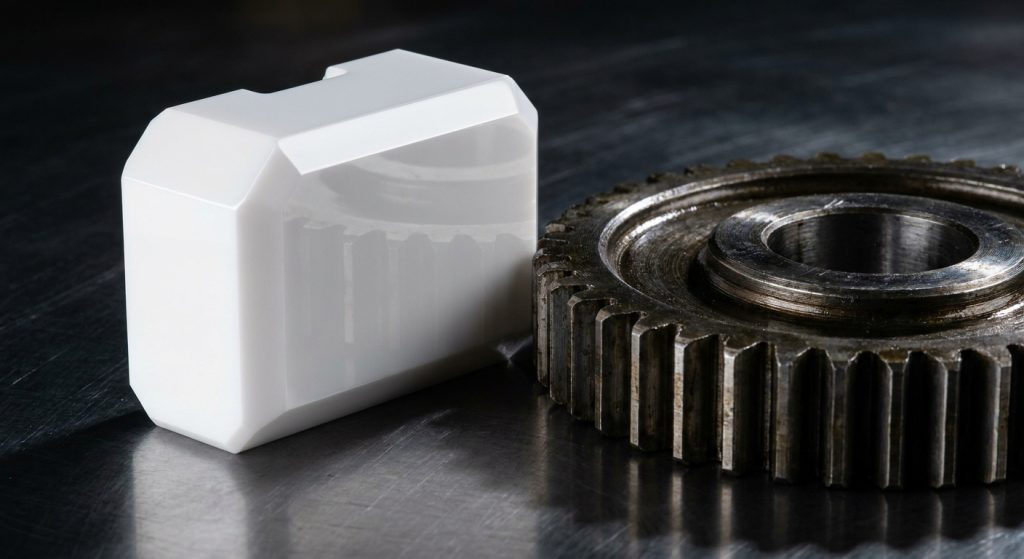
High strength ceramic steel zirconia is a highly specialized polymorphic ceramic engineered with dopant oxides like yttria or magnesia to prevent structural decay and retain high toughness at room temperature. When designing critical mechanical components for highly loaded systems, opting for High-Purity Zirconia gives your engineering team the exact phase-stabilized microstructure needed to survive high-impact operations. Pure zirconium dioxide (ZrO₂) natively transitions through monoclinic, tetragonal, and cubic crystallographic states during heating, which typically causes severe micro-cracking during cooling. By introducing specific stabilizing oxides, we lock the material into a stable, highly robust tetragonal form at room temperature.
This microscopic stabilization transforms an otherwise brittle ceramic into a high-strength structural powerhouse. You will find that this material possesses an elastic modulus and thermal expansion coefficient that closely mimic steel alloys. This close matching allows for smooth engineering transitions when swapping metal parts for technical ceramic equivalents.
The Structural Secrets of Ceramic Steel
To understand why this material is called ceramic steel, you must look at how its grains are packed together under high-temperature sintering. The ultra-fine grain size of this oxide ceramic allows for exceptionally smooth surfaces and incredibly sharp edges. Here is why this matters:
- It eliminates the microscopic surface defects where cracks typically begin.
- It allows you to maintain tight dimensional tolerances in moving parts.
- It minimizes friction coefficients when sliding against other mating faces.
Think about it: most technical ceramics will fail instantly the moment they face a sharp bending force. With this engineered crystal structure, you get an oxide matrix that actively resists deformation. This structural cohesion is what makes it a premier option for high-reliability components.
How Do Crystal Phases Transition Under Stress?
The secret to this material’s unmatched resilience lies in how its crystal phases respond dynamically to external mechanical loads. Under localized physical stress, the metastable tetragonal grains undergo an instantaneous transformation into a monoclinic phase. And the best part?
- This transition triggers a localized volumetric expansion of about 3% to 5%.
- This expansion acts as a micro-clamp around any starting crack.
- It effectively stops the crack from propagating further through the part.
By managing these phase boundaries carefully during thermal processing, manufacturers can tailor the microstructural properties to your exact operating needs. You can choose different stabilizer packages depending on whether your system prioritizes thermal limits or tensile strength.
Key Takeaways
- Phase Control: Eliminates the catastrophic brittleness typical of standard technical ceramics.
- Steel-Like Behavior: Offers a thermal expansion profile that matches iron and steel alloys perfectly.
| Crystal Phase | Temperature Range (°C) | Volumetric Change During Phase Transition (%) | Structural Integrity |
|---|---|---|---|
| Monoclinic | Room Temp up to 1170°C | Baseline | Stable at low temperatures; brittle |
| Tetragonal | 1170°C to 2370°C | ~3%–5% Shrinkage | Metastable state at room temp via dopants |
| Cubic | 2370°C to 2690°C (Melting) | Volumetric Expansion on Cooling | High thermal stability; low thermal shock resistance |
Evaluating these phase transitions is critical to choosing the correct stabilizer for your high-stress structural parts.
Why Does High-Purity Zirconia Resist Fracture?
High-Purity Zirconia resists catastrophic fracture failures because it employs a self-healing microstructural mechanism known as transformation toughening to pinch cracks shut under stress. This outstanding fracture toughness makes High-Purity Zirconia the most reliable advanced ceramic for handling heavy shock loads in industrial setups. While traditional ceramics fail instantly when a micro-crack develops, this material absorbs the energy of the crack tip. The localized mechanical stress triggers an immediate crystalline rearrangement that absorbs the impact energy.
By using this physical transformation, the ceramic material acts more like a high-strength steel than a standard porcelain or alumina. You no longer have to worry about sudden, catastrophic breakages during everyday operations. This mechanical reliability opens up new possibilities for your heavy-duty industrial machinery.
Understanding Transformation Toughening
Transformation toughening is a physical phenomenon where localized kinetic energy is redirected to restructure the material’s atomic lattice. When a crack begins to form under load, the tensile stress fields at the tip release the constraints holding the tetragonal grains. Here is how this matters:
- The tetragonal grains transform into larger monoclinic grains instantly.
- The resulting volumetric expansion exerts a massive compressive force.
- This compressive stress field pinches the crack tip closed before it can grow.
Think about it: you are essentially deploying a built-in mechanical defense system that operates at the molecular level. This self-healing behavior is unique to stabilized zirconia and cannot be found in standard technical ceramics like alumina.
How Does It Stop Crack Propagation Instantly?
To visualize this process, imagine a crack trying to push its way through a highly pressurized wall of crystalline grains. As the crack tip approaches a metastable grain, the localized stress triggers a rapid crystallographic expansion. And the best part?
- The expanding grains squeeze the crack tip from both sides.
- The kinetic energy driving the crack forward is entirely dissipated.
- The crack is arrested within microns of its origin point.
This dynamic resistance results in a fracture toughness value of up to 12 $\text{MPa}\cdot\text{m}^{1/2}$. This is more than triple the toughness of standard alumina, ensuring your components can survive high-impact shocks.
Key Takeaways
- Crack Arrest: Actively stops cracks from propagating using stress-induced volume expansion.
- Shock Resistance: Delivers a fracture toughness that is unmatched by other structural ceramics.
| Ceramic Material | Fracture Toughness (MPa·m¹/²) | Flexural Strength (MPa) | Compressive Strength (MPa) |
|---|---|---|---|
| Y-TZP (Yttria-Stabilized) | 8.0 – 12.0 | 900 – 1200 | 2000+ |
| Mg-PSZ (Magnesia-Stabilized) | 7.0 – 10.0 | 600 – 800 | 1800+ |
| Alumina 99.7% Al₂O₃) | 3.5 – 4.5 | 350 – 450 | 2500 |
| Silicon Nitride (Si₃N₄) | 5.0 – 7.0 | 700 – 900 | 3000 |
Choosing Y-TZP provides the highest flexural strength and toughness for components subjected to complex bending and tensile stresses.
How Does High-Purity Zirconia Excel Under Wear?
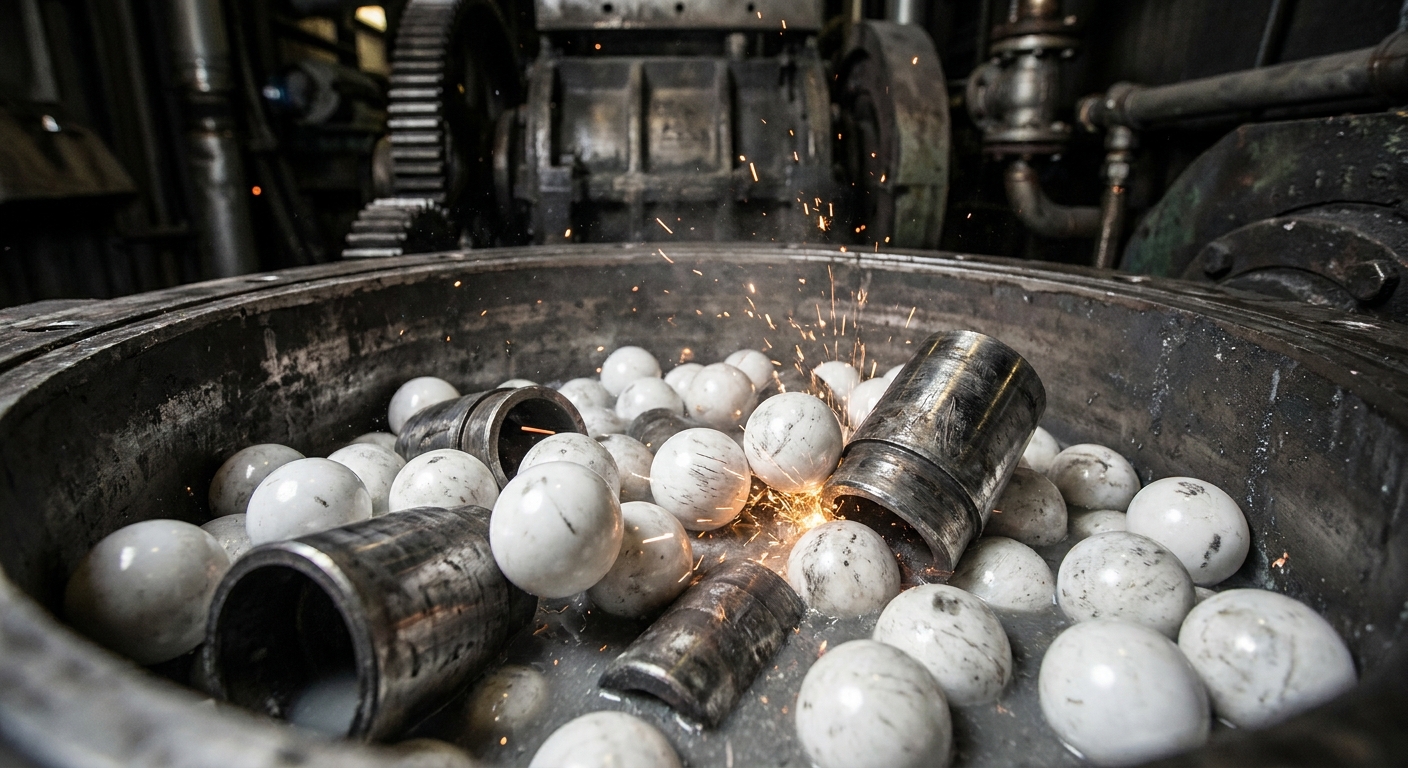
High-Purity Zirconia excels under severe wear because its combined high hardness and fracture toughness prevent the micro-chipping that typically accelerates abrasive wear in industrial environments. If you are looking to maximize the service life of your milling, grinding, or sliding components, using High-Purity Zirconia provides an exceptionally durable wear-resistant barrier. Traditional metallic alloys wear down rapidly under continuous abrasion, requiring frequent replacement and causing product contamination. This technical ceramic offers a smooth, highly dense surface that dramatically reduces sliding friction.
By minimizing both adhesive and abrasive wear, you can maintain precise operational tolerances over millions of cycles. This reliability is especially crucial in high-speed rotating assemblies where even minor wear can cause unbalanced loads. Let us examine the exact tribological properties that make this performance possible.
Hardness vs. Toughness: The Wear Paradox
In material science, high hardness usually comes with extreme brittleness, which leads to micro-chipping under high physical loads. However, this material perfectly balances a high Vickers hardness of over 1200 HV with remarkable fracture toughness. Here is why this matters:
- It prevents micro-fracturing at the contact points of sliding surfaces.
- It resists scratch formation when exposed to hard mineral slurries.
- It maintains a mirror-like finish, reducing overall wear rates.
Think about it: when you eliminate micro-chipping, you eliminate the primary generator of abrasive debris. This clean-running behavior protects both the ceramic part and the mating metallic surfaces from premature failure.
Why Grinding Media Relies on This Durability
Industrial bead mills operate under brutal impact and shear forces to reduce particle sizes to the sub-micron range. If you use low-grade grinding media, the beads will wear down quickly and contaminate your final product. But wait, there’s more:
- The high density of this ceramic ($6.0\,g/cm^3$) delivers maximum kinetic energy.
- The exceptional wear resistance ensures almost zero bead attrition over time.
- It guarantees a clean milling environment with no metallic contamination.
This ultra-low wear rate is why advanced industries rely heavily on stabilized zirconia beads for electronic materials and pharmaceuticals. You get faster milling times combined with unmatched product purity.
Key Takeaways
- Extended Service Life: Drastically reduces wear rates compared to hardened tool steels and alumina.
- Contamination Control: Eliminates metallic debris in sensitive milling and chemical mixing processes.
| Material Group | Vickers Hardness (HV₀.₅) | Dry Sliding Wear Rate (mm³/N·m) | Coeff. of Friction (vs. Steel) |
|---|---|---|---|
| High-Purity Zirconia | 1250 | 1.2 × 10⁻⁷ | 0.20 – 0.25 |
| Chrome Carbide Alloy | 800 | 4.5 × 10⁻⁶ | 0.45 – 0.60 |
| Alumina ($96\%$ Grade) | 1100 | 2.8 × 10⁻⁶ | 0.30 – 0.40 |
| Hardened Tool Steel | 700 | 8.2 × 10⁻⁶ | 0.50 – 0.70 |
This comparison demonstrates that zirconia’s sliding wear rate is over 60 times lower than that of hardened tool steel.
Can High-Purity Zirconia Resist Acid Corrosion?
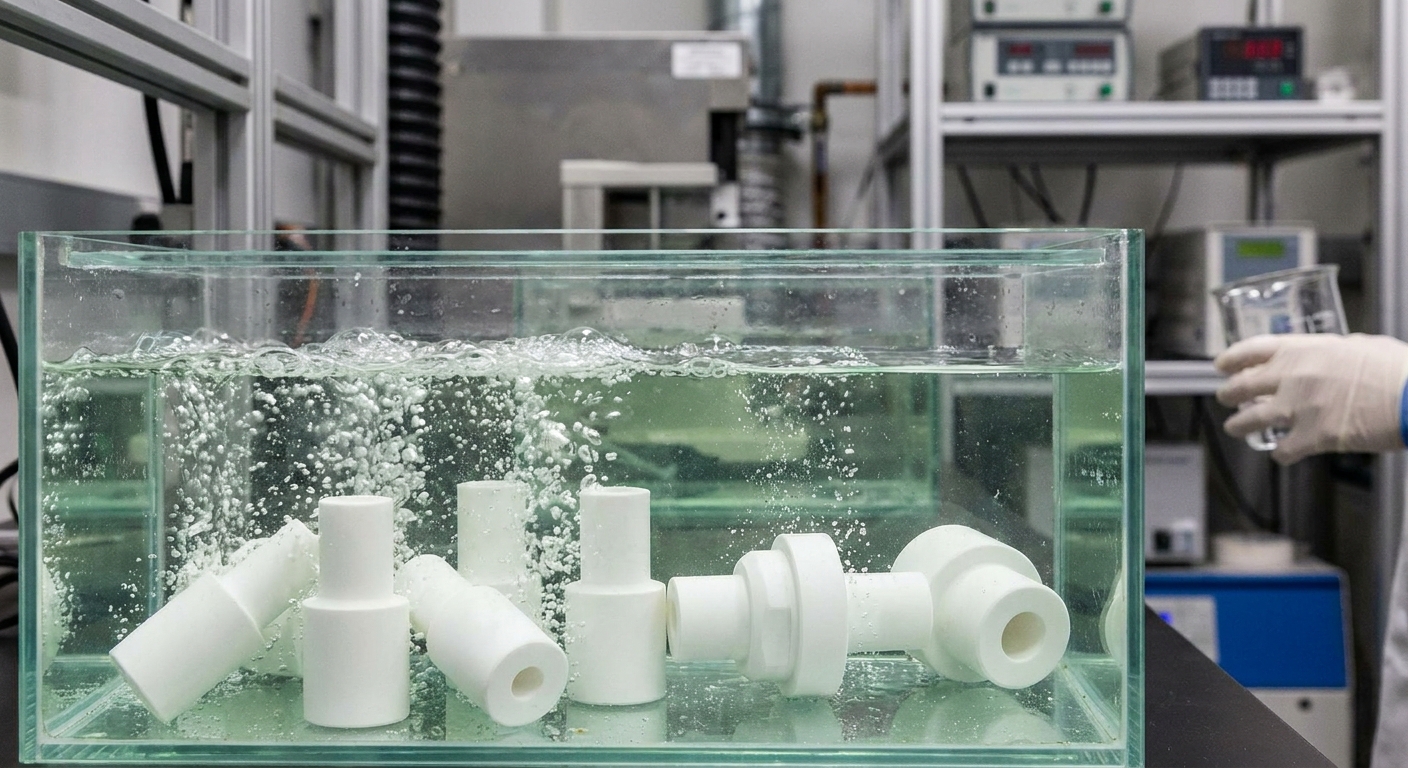
High-Purity Zirconia resists acid corrosion exceptionally well because its fully oxidized, chemically inert ionic bonding structure is completely immune to the oxidation and galvanic attacks that destroy metals. This complete chemical resistance allows High-Purity Zirconia to operate continuously in extreme pH environments without experiencing any surface degradation or ion-leaching. Traditional stainless steels and superalloys will quickly pit and corrode when exposed to hot mineral acids or strong alkaline washes. This oxide ceramic provides a stable, non-reactive barrier that maintains its structural integrity.
By using this material in your chemical processing lines, you can eliminate the risk of stress corrosion cracking. The grain boundaries are engineered to resist chemical penetration, ensuring long-term reliability. Let us explore how this performance translates into real-world industrial chemical systems.
Chemical Inertness in Highly Acidic Media
When handling hot hydrochloric, sulfuric, or nitric acids, even the most expensive superalloys eventually yield to chemical attack. Because this material is already in its highest oxidation state, acids cannot react with its surface. Here is why this matters:
- It prevents any structural thinning or pitting of the component.
- It guarantees zero ion contamination in highly sensitive chemical reactions.
- It eliminates the need for expensive, toxic corrosion inhibitors in your system.
Think about it: you can run highly aggressive chemical processes at elevated temperatures without worrying about part failure. This chemical stability is vital for manufacturing high-purity acids, catalysts, and specialty chemicals.
Why Do Acid and Alkaline Solutions Fail to Corrode It?
The fundamental reason for this chemical resistance lies in the strong ionic bonds holding the zirconium and oxygen atoms together. Unlike metals, which have free electrons that facilitate electrochemical oxidation, this material is a complete electrical insulator. And the best part?
- There is no possibility of galvanic corrosion when in contact with metals.
- It remains completely unaffected by high-velocity slurry erosion.
- The material maintains its high-gloss, low-friction surface even in caustic baths.
This dual resistance to both chemical corrosion and mechanical abrasion makes it the ultimate choice for slurry valves, chemical metering pumps, and industrial seals. You get a component that performs flawlessly where other materials fail within weeks.
Key Takeaways
- Universal pH Resistance: Performs exceptionally well from pH 0 to 14 without structural loss.
- Galvanic Isolation: Eliminates electrochemical reactions and pitting in mixed-metal systems.
| Corrosive Medium | Temperature (°C) | Zirconia Corrosion Resistance Rating | Metal Alloy (316L SS) Equivalent Rating |
|---|---|---|---|
| 30% Hydrochloric Acid (HCl) | 90 | Excellent (<0.01 mm/yr loss) | Poor (Rapid attack) |
| 50% Sodium Hydroxide (NaOH) | 100 | Very Good (<0.05 mm/yr loss) | Moderate (Pitting risk) |
| Concentrated Sulfuric (H₂SO₄) | 120 | Excellent (<0.01 mm/yr loss) | Poor (Accelerated degradation) |
| Sour Crude Oil (High H₂S) | 150 | Excellent (No sulfide cracking) | Moderate (Sulfide stress cracking) |
Using this chemical compatibility matrix, you can see why zirconia is replacing stainless steel in aggressive chemical pump housings.
Why Does High-Purity Zirconia Resist Extreme Heat?
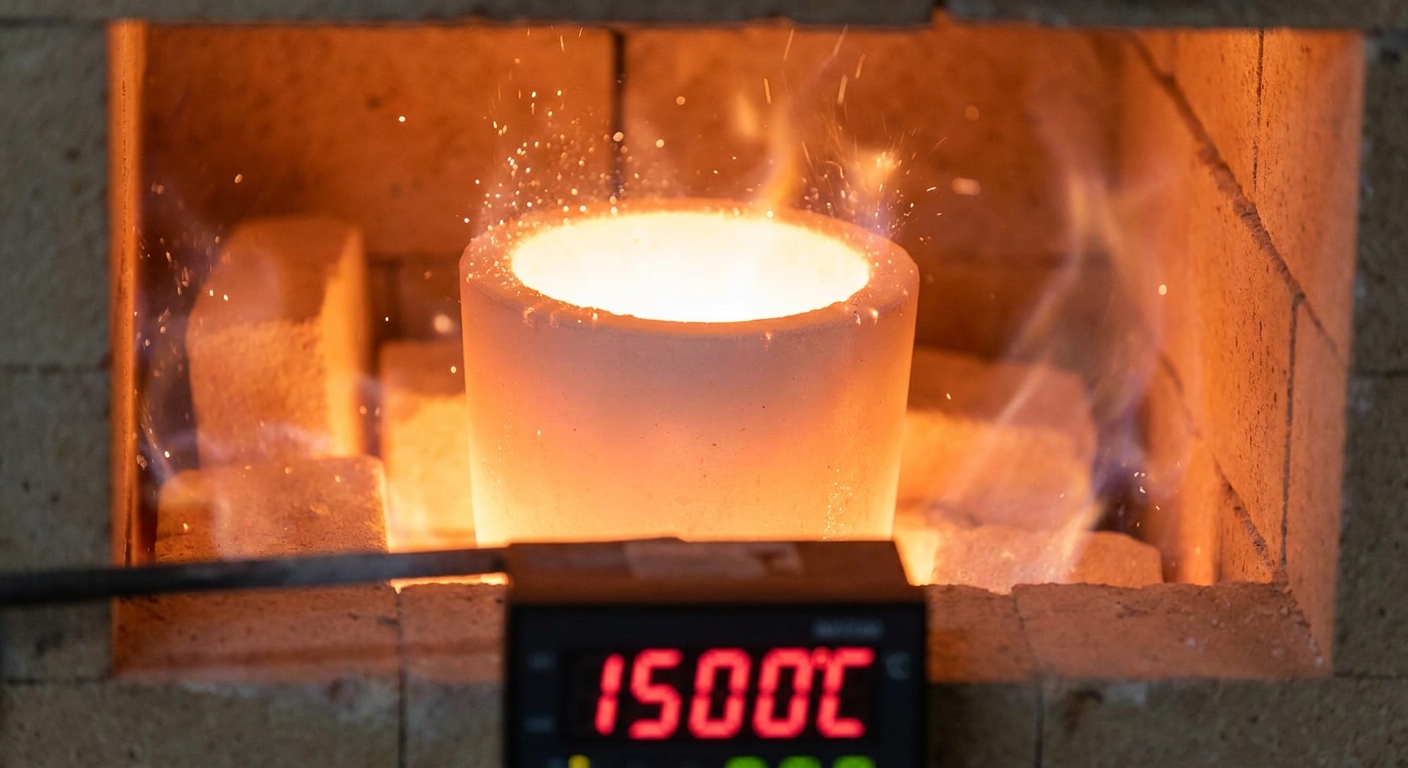
Why High-Purity Zirconia resists extreme heat is explained by its exceptionally high melting point of 2700°C and its low thermal conductivity, which makes it an outstanding thermal insulator. When you need a material that can withstand high-temperature environments without undergoing structural deformation or creeping, choosing High-Purity Zirconia is the most reliable choice. Unlike metals that soften and lose their strength at moderate temperatures, this material retains its mechanical load-bearing capacity even at temperatures exceeding 1500°C. This makes it highly sought after for advanced industrial furnaces and thermal barriers.
Additionally, its extremely low thermal conductivity allows it to act as an effective shield against heat transfer. This unique combination of refractory limits and insulating performance is unmatched by almost any other engineering ceramic. Let us look closer at how you can utilize these thermal properties.
High Thermal Stability Up to 2400 Degrees C
In high-temperature kiln operations and vacuum induction furnaces, materials are subjected to intense thermal gradients that cause rapid degradation. Because of its structural stability, this technical ceramic can withstand long-term exposure to these extreme environments. Here is why this matters:
- It prevents high-temperature creep and dimensional warping.
- It resists chemical reactions with molten metals and slag.
- It minimizes heat loss, improving the energy efficiency of your furnace.
Think about it: you can run your thermal processes at higher temperatures to achieve greater yields and faster cycle times. This material’s thermal limits allow you to push the boundaries of high-temperature manufacturing.
Dealing with Thermal Shock Challenges
While this material is an exceptional insulator, its low thermal conductivity means rapid temperature changes can create internal stresses. To design successfully around this thermal shock limitation, you must implement gradual heating and cooling rates. And the best part?
- Optimized geometric shapes with rounded corners can easily mitigate these stresses.
- Magnesia-stabilized grades offer microstructural features that absorb thermal shock.
- You can match its thermal expansion to iron parts to prevent joints from loosening.
By working closely with material engineers to select the proper stabilizer grade and component geometry, you can easily overcome thermal shock challenges. This ensures reliable performance in cyclic thermal environments.
Key Takeaways
- Refractory Performance: Retains its mechanical strength up to a service limit of $2400^\circ\text{C}$.
- Thermal Insulation: Features a thermal conductivity that is 15 times lower than alumina.
| Thermal Parameter | High-Purity Zirconia (YSZ) | Alumina (99% Al₂O₃) | Silicon Carbide (SiC) |
|---|---|---|---|
| Max Service Temp (Inert) | 2400°C | 1700°C | 1600°C |
| Thermal Conductivity | 2.0 – 2.5 W/m·K | 26 – 30 W/m·K | 110 – 130 W/m·K |
| Coeff. of Thermal Expansion | 10.5 ×10⁻⁶/K | 8.0 ×10⁻⁶/K | 4.0 ×10⁻⁶/K |
| Thermal Shock Resistance (ΔT °C) | 250 – 300 | ~200 | 350 – 400 |
Engineers must design parts with gradual thickness transitions to handle the low thermal conductivity and prevent thermal gradient cracking.
How Does High-Purity Zirconia Outperform Metals?
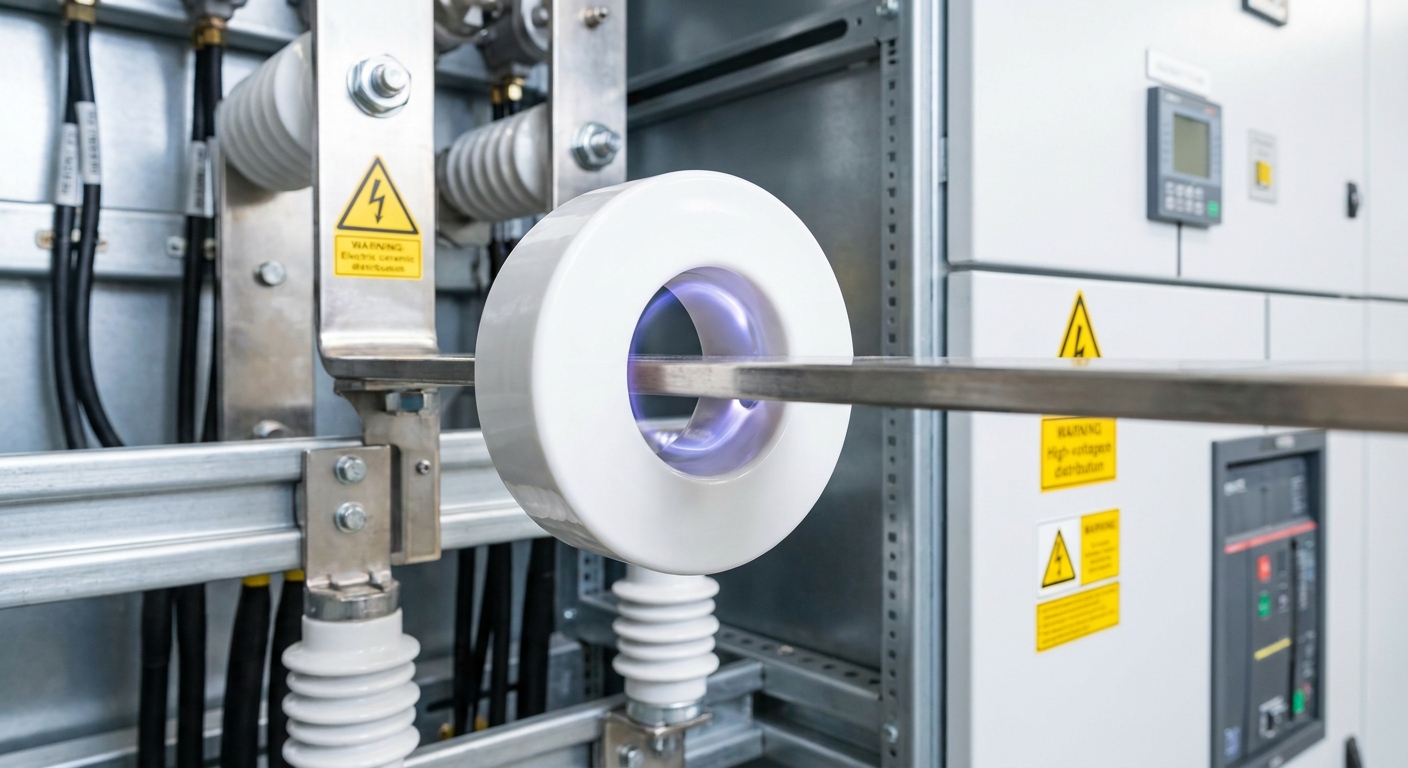
High-Purity Zirconia outperforms heavy metals because it provides a lightweight, non-magnetic, and electrically insulating alternative that matches the strength and toughness of high-performance alloys. Replacing metal parts with High-Purity Zirconia allows your system to run without the typical limitations of metallic components, such as magnetic interference and electrical conductivity. In many advanced applications, using heavy metals adds unnecessary weight and increases rotational inertia. This ceramic material has a density that is roughly 75% of steel, providing significant weight reduction.
Furthermore, it requires absolutely no lubrication due to its low self-friction properties, eliminating the risk of galling and wear. This self-lubricating capability reduces maintenance intervals and extends your system’s overall uptime. Let us look at how these material characteristics translate into superior operational efficiency.
Eliminating Weight and Reducing Rotational Inertia
In high-speed rotating machinery, reducing the weight of moving parts is crucial to lowering energy consumption and bearing stress. Because of its high strength-to-weight ratio, this ceramic allows you to design thinner, lighter components without sacrificing durability. Here is why this matters:
- It minimizes the starting torque required for heavy rotating shafts.
- It reduces wear on surrounding support bearings, extending their lifespan.
- It allows you to run your equipment at higher rotational speeds safely.
Think about it: you can achieve greater speed and precision while lowering your operating costs. This weight-saving benefit makes it an ideal choice for high-velocity guide rollers, shafts, and impellers.
Non-Magnetic and Electrically Insulating Benefits
Metal components can cause severe issues in environments that use high-voltage electrical fields or high-frequency magnetic resonance. Since this oxide ceramic is completely non-magnetic and acts as an excellent electrical insulator, it operates perfectly without interference. And the best part?
- It completely eliminates eddy-current heating in magnetic induction setups.
- It prevents electrical arcing and short circuits in high-voltage equipment.
- It allows you to place structural parts directly inside sensitive magnetic fields.
This electromagnetic transparency is critical for semiconductor manufacturing, medical scanners, and high-frequency welding applications. You can place highly robust parts exactly where they are needed without disrupting electromagnetic waves.
Key Takeaways
- Electromagnetic Neutrality: Completely non-magnetic and electrically insulating, preventing induction heating.
- Weight Reduction: Weighs 25% less than structural steel, lowering rotational inertia.
| Metric | High-Purity Zirconia | Hardened Tool Steel (H13) | Titanium Grade 5 (Ti-6Al-4V) |
|---|---|---|---|
| Density (g/cm³) | 6.05 | 7.80 | 4.43 |
| Magnetic Permeability | 1.000 (Non-magnetic) | >100 (Ferromagnetic) | 1.00005 (Paramagnetic) |
| Electrical Conductivity | Insulator (10⁻¹² S/m) | Conductor (10⁶ S/m) | Conductor (5.8 × 10⁵ S/m) |
| Lubrication Required? | No (Low self-friction) | Yes (High galling risk) | Yes (High friction coefficient) |
This performance comparison shows how zirconia delivers steel-like strength while eliminating electrical and magnetic conductivity.
Where Is High-Purity Zirconia Applied in Tech?
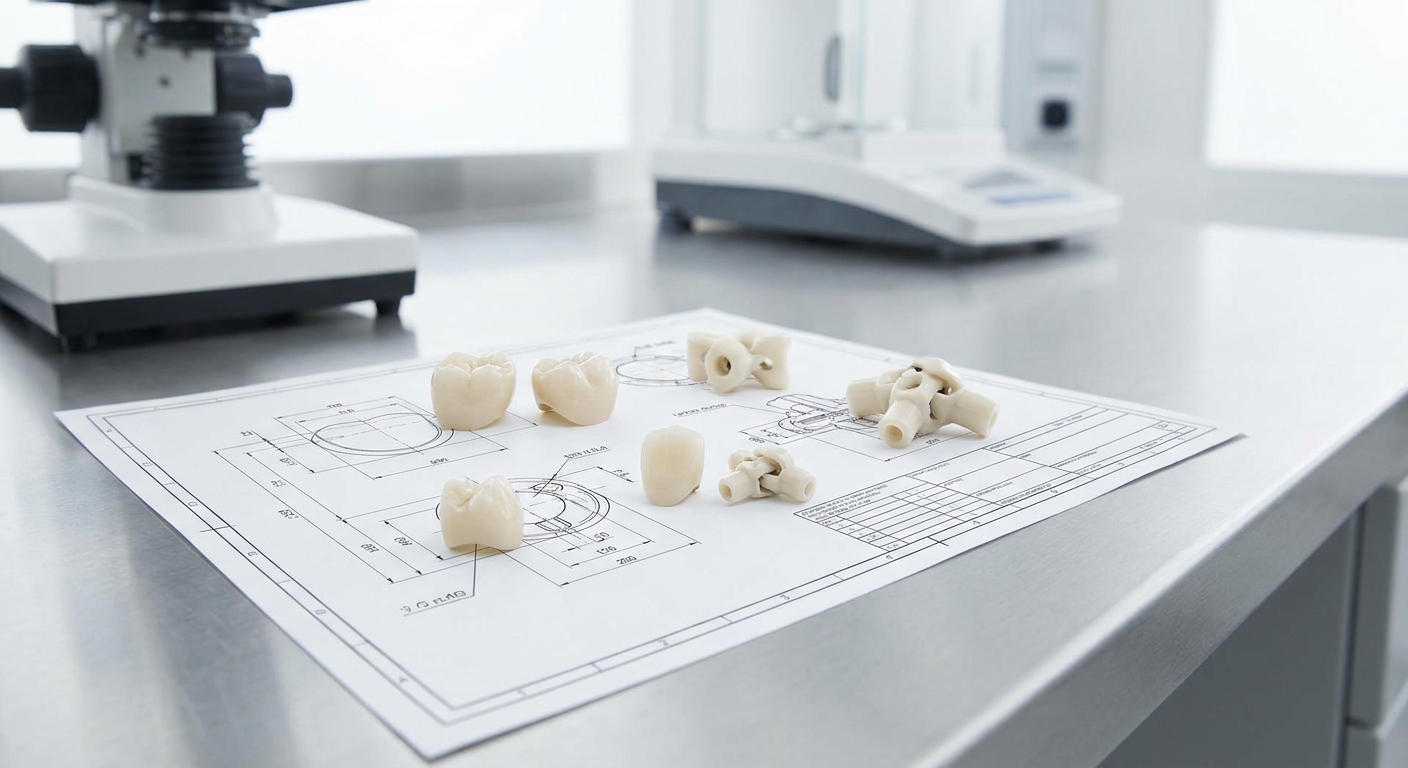
High-Purity Zirconia is applied across cutting-edge fields like aerospace propulsion, medical prosthetics, and advanced energy sensors where extreme reliability and material purity are mandatory. As modern engineering pushes materials to their absolute physical limits, specifying components made from High-Purity Zirconia allows tech innovators to solve complex structural challenges. Traditional materials fail to meet the multi-functional demands of high-altitude space travel, deep-well energy extraction, or long-term in-body medical implants. This advanced ceramic material provides the exact balance of bio-inertness, thermal protection, and wear resistance required for these demanding applications.
By utilizing its specialized properties, you can design parts that function flawlessly under vacuum, high radiation, or constant bodily contact. Let us explore the specific technological frontiers where this ceramic is making a massive impact today.
Powering Aerospace and Ion Propulsion Systems
In space exploration, components must endure intense thermal cycling, high-vacuum outgassing, and plasma erosion without degrading. Hall-effect thrusters and satellite thruster nozzles rely heavily on this material to maintain their shape under continuous ion bombardment. Here is why this matters:
- It resists plasma erosion, maintaining critical nozzle geometries over long missions.
- It exhibits zero outgassing in vacuum, preventing lens and sensor contamination.
- It provides excellent thermal insulation, protecting sensitive onboard electronics.
Think about it: a single material failure in orbit means the complete loss of a multi-million-dollar satellite. Using this robust ceramic provides the extreme reliability needed to ensure mission success.
Medical Prostheses and Dental Crowns
Inside the human body, materials must be highly biocompatible and resist corrosive body fluids for decades. Because it is completely bio-inert, this oxide ceramic has become the gold standard for hip replacements and dental bridges. And the best part?
- It does not trigger any immune response or metal-sensitivity reactions.
- It promotes outstanding osseointegration, bonding securely with bone tissue.
- Its natural semi-translucent appearance provides superior aesthetic results.
This combination of high flexural strength and natural appearance allows you to design dental prosthetics that look and perform exactly like natural teeth. Patients get a lifelong, durable solution that never corrodes.
Key Takeaways
- Biocompatibility: Completely bio-inert and non-toxic, making it ideal for medical implants.
- Plasma Resistance: Withstands ion bombardment and erosion in space propulsion systems.
| Application Sector | Key Component | Primary Material Property Utilized | Operational Advantage |
|---|---|---|---|
| Aerospace | Thruster Channel Rings | Plasma erosion resistance & max heat | Zero degradation under ion bombardment |
| Medical/Dental | Multi-unit Dental Bridges | Flexural strength (1200 MPa) & bio-inertness | High structural load bearing with zero immune response |
| Automotive/Energy | Oxygen Exhaust Sensors | Oxygen ion conductivity at 600°C | Real-time combustion ratio adjustments |
| Petrochemical | Deep-well Pump Liners | Sand slurry erosion resistance | 10× increase in continuous pumping runtime |
Matching your specific operational demands with the correct stabilizer grade ensures your high-tech parts meet their expected service lives.
How Is High-Purity Zirconia Custom Machined?
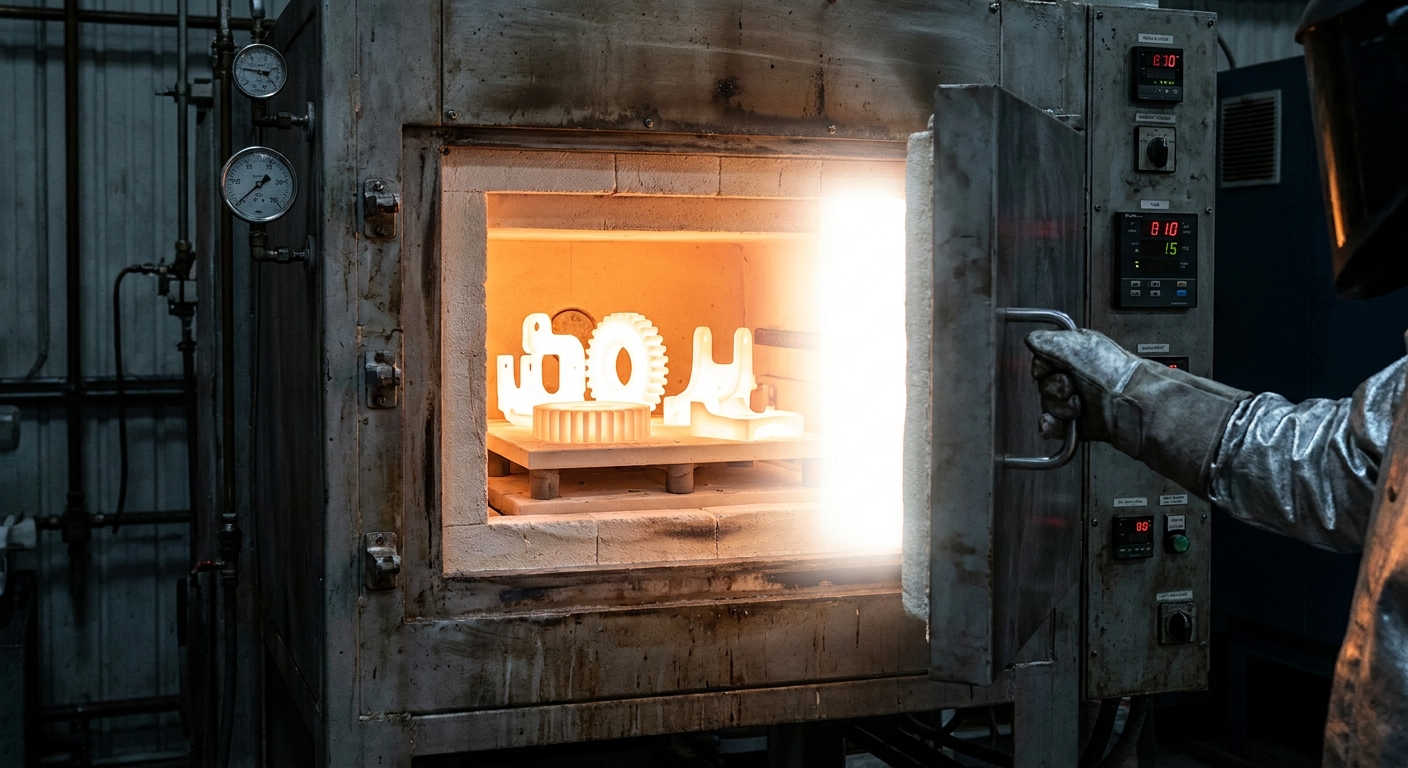
High-Purity Zirconia is custom machined through a multi-step process involving green-state shaping, high-temperature sintering, and final high-precision diamond grinding to achieve sub-micron dimensional tolerances. Because High-Purity Zirconia reaches an extremely high hardness after sintering, you must plan your manufacturing route carefully to balance costs and precision. In its “green” or unfired powder compact state, the material is relatively soft and can be easily shaped using standard carbide cutting tools. Sintering at temperatures around 1500°C then densifies the part, causing about 20% volumetric shrinkage.
To achieve extremely tight dimensional tolerances and mirror-like surface finishes, any post-sintering modifications must be done using specialized diamond-abrasive tools. This requires precise machinery and skilled operators who understand ceramic behavior. Let us break down the standard methods used to manufacture these complex custom parts.
Precision Diamond Grinding and Finishing
When your application requires micron-level tolerances, standard machining tools are useless against the material’s final fired hardness. High-precision CNC grinding machines utilizing diamond-impregnated wheels are used to slowly shave away material. Here is why this matters:
- It prevents the formation of subsurface micro-cracks during grinding.
- It allows you to achieve a surface roughness (Ra) of less than 0.05 microns.
- It ensures flawless dimensional matching for high-pressure seal faces.
Think about it: you are working with a material that is harder than tool steel, so continuous fluid cooling is required to prevent thermal stress. This slow, precise grinding process is what guarantees the high reliability of your finished parts.
Ceramic Injection Molding for Large Volumes
If you need to produce thousands of complex parts economically, traditional grinding becomes too costly and time-consuming. Ceramic Injection Molding (CIM) solves this by mixing the raw ceramic powder with a polymer binder to mold complex geometries. And the best part?
- It allows you to produce intricate features like internal threads and cross-holes easily.
- It drastically reduces raw material waste and machining time.
- The process achieves excellent consistency across massive production runs.
After molding, the polymer binder is carefully burned out before the part goes into the sintering furnace. This near-net-shape manufacturing route provides a highly cost-effective solution for high-volume B2B needs.
Key Takeaways
- Precision Tolerances: Achieves sub-micron dimensional accuracy through post-sintering diamond grinding.
- Volume Efficiency: Lowers unit costs for complex geometries using Ceramic Injection Molding.
| Manufacturing Route | Typical Dimensional Tolerance | Surface Finish (Ra μm) | Economical Volume Range | Tooling Cost Level |
|---|---|---|---|---|
| Diamond Grinding | ±0.002 mm | 0.05 – 0.2 | Low to Medium (1 – 500 parts) | Low (Standard CNC setups) |
| Injection Molding | ±0.5% of dimension | 0.4 – 0.8 | High (5000+ parts) | Very High (Custom mold cavities) |
| Laser Scribing | ±0.05 mm | Not Applicable | Medium to High (1000+ parts) | Low to Medium (Software driven) |
Combining near-net-shape molding with secondary CNC grinding is the best strategy to balance accuracy and budget.
Why Choose Zr Brontec for High-Purity Zirconia?
Partners choose Zr Brontec because we offer complete B2B manufacturing support, custom powder formulations, and rigorous quality inspection to guarantee consistent long-term performance. When you partner with Zr Brontec, you are not just buying off-the-shelf ceramic parts; you are gaining access to premium-grade High-Purity Zirconia materials tailored to your specific application environment. We understand that mechanical and chemical systems vary wildly, which is why we offer dedicated grade selection support from our material scientists. Our advanced production facilities ensure that every batch of ceramic material features uniform physical properties and zero defects.
From initial design verification to final quality control testing, our team works as an extension of your own engineering department. We help you optimize your component designs to prevent stress concentrations and maximize service life. Partnering with us means securing a stable, reliable supply chain for your high-performance B2B components.
Dedicated Grade Selection Support
Choosing the wrong stabilizer or manufacturing method can lead to premature component failure or unnecessary machining costs. Our engineering team assists you in analyzing your system’s physical, chemical, and thermal loads to select the ideal material. Here is why this matters:
- It prevents low-temperature hydrothermal degradation in wet environments.
- It ensures you select the correct dopant package for maximum thermal shock resistance.
- It optimizes your design geometry to reduce diamond grinding costs.
Think about it: having expert ceramic engineers guide you through the material selection phase saves you weeks of testing. You get a fully verified, high-performance part designed specifically to excel in your application.
Secure Your Stable Industrial Supply
In global B2B manufacturing, unexpected supply chain disruptions or inconsistent material quality can halt your production line and harm your margins. Zr Brontec guarantees consistent powder characteristics, controlled particle size distribution, and stable long-term supply. And the best part?
- Every batch is tested using X-ray diffraction to confirm phase purity.
- You get predictable, reliable wear behavior across every single shipment.
- We maintain secure, redundant sourcing channels to ensure continuous availability.
If you are ready to eliminate metal wear, resist corrosion, and reduce your maintenance cycles, you should partner with us. We invite you to contact us today to discuss your custom specifications with our technical engineering team and secure your high-performance material supply.
Key Takeaways
- Quality Assurance: Every single component undergoes rigorous material verification and inspection.
- Supply Chain Stability: Guarantees zero variations across production batches for predictable long-term use.
| Service Offering | Technical Parameter Controlled | Target Outcome for Client | Verification Method |
|---|---|---|---|
| Grade Selection | Dopant concentration (Yttria/Magnesia) | Optimized stability for thermal vs. impact loads | X-ray Diffraction (XRD) phase analysis |
| PSD Customization | Particle Size Distribution (D50 limits) | High density and minimal sintering defects | Laser diffraction particle sizing |
| Long-Term Supply | Sintered whiteness & chemical purity | Zero variance across years of production runs | Inductively Coupled Plasma (ICP) purity testing |
Controlling these raw powder and processing parameters ensures that your custom parts perform reliably in the field.
What FAQs Demystify High-Purity Zirconia?
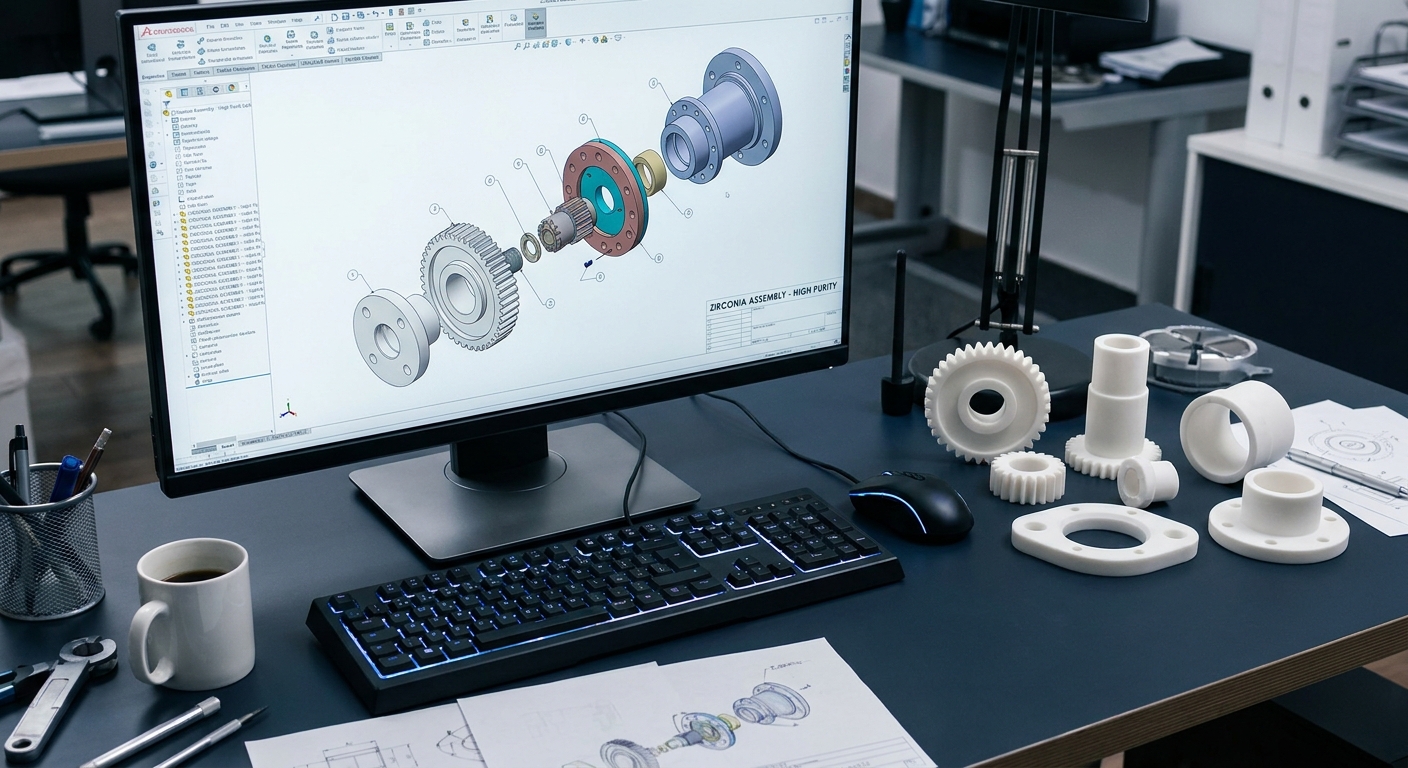
These frequently asked questions clarify how High-Purity Zirconia handles physical, chemical, and thermal demands in demanding industrial environments. Understanding the limits and processing requirements of High-Purity Zirconia is essential to successfully incorporating it into your mechanical assemblies. Many engineers and procurement managers have questions regarding how this material behaves when replacing traditional metals or other ceramics. This guide provides clear, practical answers to help you make informed material decisions.
By addressing these technical considerations, you can avoid common design errors and streamline your prototyping phase. Let us look at the most common questions raised by our B2B partners.
Conclusion
In conclusion, High-Purity Zirconia combines steel-like toughness with ceramic hardness, delivering outstanding resistance to wear, heat, corrosion, and fracture. Its unique transformation toughening mechanism ensures reliable performance even under extreme mechanical and environmental stress. As a result, it serves as a superior material choice for demanding industrial applications where durability and stability are critical. If you would like more technical details or custom solutions, please feel free to contact us for further discussion.
FAQ Section
Can I Use Zirconia to Replace Steel in Shock?
Yes, you can. However, you must design parts with rounded internal fillets rather than sharp $90^\circ$ corners. While this ceramic offers steel-like toughness and outstanding tensile properties, it remains a ceramic material that is sensitive to localized stress concentration at sharp joints.
How Do I Know If Thermal Cracking Will Occur?
By calculating your operating temperature drops against the material’s thermal shock rating of $250^\circ\text{C}$. If your process experiences rapid cooling gradients larger than this limit within seconds, you should implement gradual heating cycles or specify Magnesia-Stabilized Zirconia, which resists thermal cycling stress better.
What’s the Best Stabilizer for Humid Areas?
Magnesia or Ceria are the best choices. Yttria-stabilized zirconia can undergo low-temperature hydrothermal degradation when exposed continuously to water vapor between $100^\circ\text{C}$ and $300^\circ\text{C}$, whereas magnesia-stabilized grades are completely immune to hydrothermal aging.
How Do I Know If My Ceramic Grade Is Food Safe?
Absolutely. Our high-purity industrial grades feature over 99.9% clean oxide matrices with all organic binders completely burned out during the high-temperature sintering phase. This leaves a chemically inert, non-porous material that is easily sterilized and complies with global food-safety requirements.
Can I Machine Fully Sintered Parts In-House?
Only with specialized diamond-grit tooling and continuous fluid cooling. Once the sintering process is complete, the material achieves its full structural hardness and cannot be modified with standard carbide or high-speed steel tools without risking tool damage or fracturing the ceramic part.