
If you are like most dental professionals, you likely do not know the exact chemical formulation of the zirconia restorations you seat or produce every single day. Many clinicians and laboratory technicians use the generic term “multilayered” without realizing that different manufacturers employ vastly different mechanical and crystalline structures under this single label. You are often left completely in the dark about whether your selected restoration is built to withstand high mechanical forces or optimized solely for front-tooth aesthetics.
This material blindspot can lead to devastating clinical failures, such as catastrophic crown fractures under heavy posterior occlusal loads or unexpected visual dullness in the anterior zone. When communications break down between you and your technical dental laboratory, you risk sacrificing patient satisfaction and incurring thousands of dollars in avoidable remake fees. By partnering with advanced manufacturers to implement premium 4Y Zirconia, you can eliminate this guesswork and achieve the ultimate compromise between structural durability and lifelike vitality.
Is 4Y Zirconia the best choice for your practice?
Choosing 4Y Zirconia is indeed the best decision for your dental practice if you want to deliver highly versatile, reliable, and aesthetic restorations. This class of ceramic fills the critical structural gap between older, highly opaque materials and newer, extremely fragile aesthetic formulations. You will find that this material allows you to streamline your clinical workflows with complete confidence.
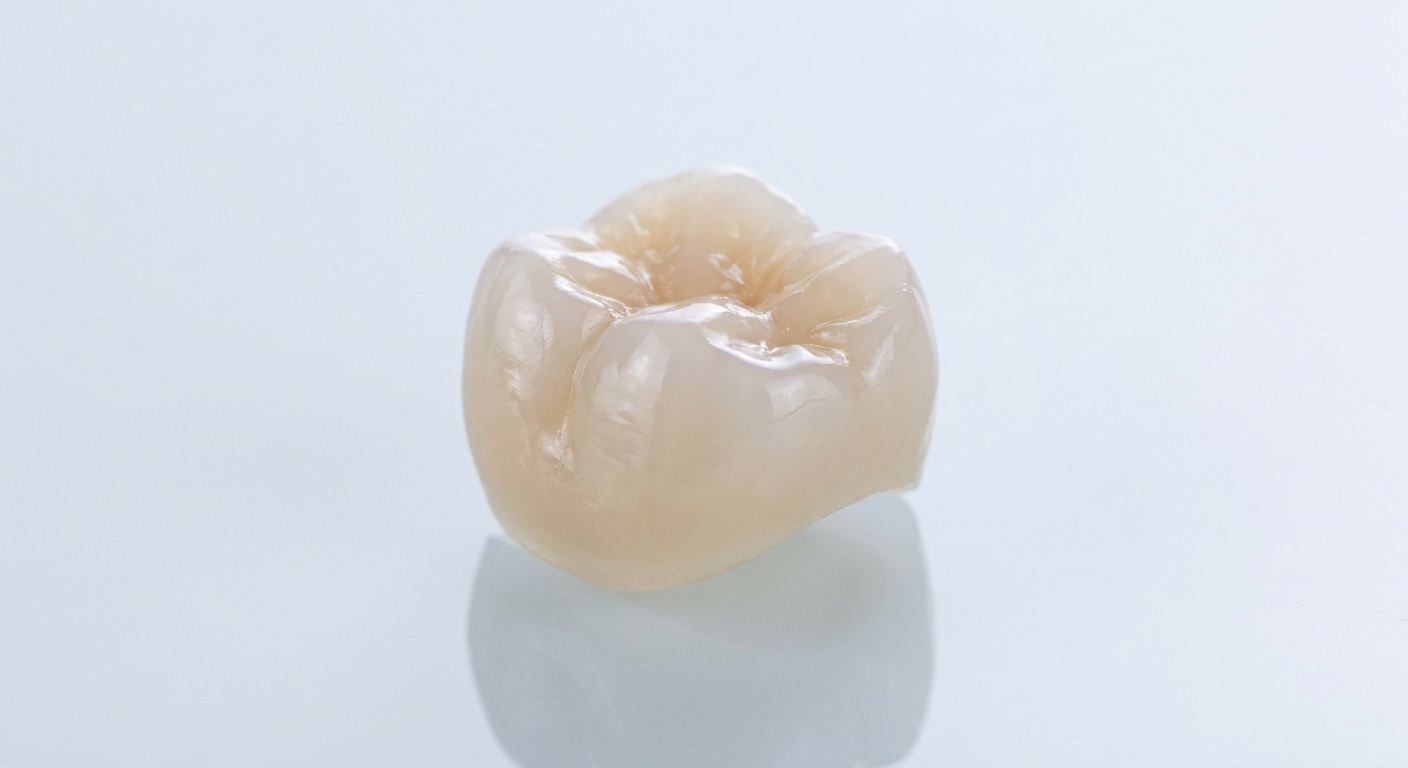
As you analyze your daily restorative cases, having a single material that covers both posterior and anterior arches simplifies your clinical inventory. You no longer need to waste space stocking multiple specialized ceramic lines or deciphering confusing material codes.
What is your clinical priority for dental crowns?
You must first determine whether your specific restoration zone demands raw mechanical strength or advanced cosmetic blending. Evaluating these critical parameters before picking a ceramic formulation will help you avoid premature failure:
- Mechanical load: The localized biting forces of the patient.
- Tooth structure: The total preparation depth and remaining healthy enamel.
- Stump shade: The dark shade characteristics of the underlying prepped tooth.
Think about it:
Placing a highly opaque restoration in the aesthetic zone will leave your patient with a dull, unnatural smile. By choosing a balanced ceramic, you optimize both strength and beauty simultaneously.
Balancing structural strength and lifelike beauty
You can easily elevate your clinical success by choosing a material that mimics natural tooth optics. This specific yttria stabilization provides:
- Light transmission: Excellent light transmission through the incisal third.
- Shade masking: Sufficient masking capability to hide dark metal posts or discolored dentin.
- Environmental resistance: Superior resistance to aging and moisture exposure in the mouth.
Here is why this matters:
You do not have to settle for chalky, opaque crowns that look like plastic anymore. The balanced optical refraction of this modern formulation guarantees a restoration that blends seamlessly into the surrounding natural teeth.
Key Takeaway: Choosing this balanced material class provides you with a robust 1000 MPa structural framework while matching the natural beauty of healthy human enamel.
| Material Category | Aesthetic Translucency | Flexural Strength (MPa) | Recommended Clinical Indications |
|---|---|---|---|
| Standard 3Y Ceramic | Low (Highly Opaque) | High (1200 – 1400 MPa) | Posterior bridges and high-stress crowns |
| Balanced 4Y Ceramic | Moderate-High (Balanced) | Medium (900 – 1100 MPa) | Universal use (Anterior and posterior) |
| Translucent 5Y Ceramic | Very High (Highly Translucent) | Low (600 – 750 MPa) | Anterior single restorations only |
Use this table to easily compare mechanical properties and select the right material for your patient’s specific location.
How does 4Y Zirconia compare in mechanical strength?
This ceramic formulation delivers an exceptional flexural strength of approximately 1000 MPa, making it a highly resilient and durable clinical option. When you compare 4Y Zirconia to traditional glass-ceramics, you immediately notice a massive leap in fracture toughness and structural load-bearing capacity. This added strength gives you immense peace of mind when placing restorations under heavy chewing forces.
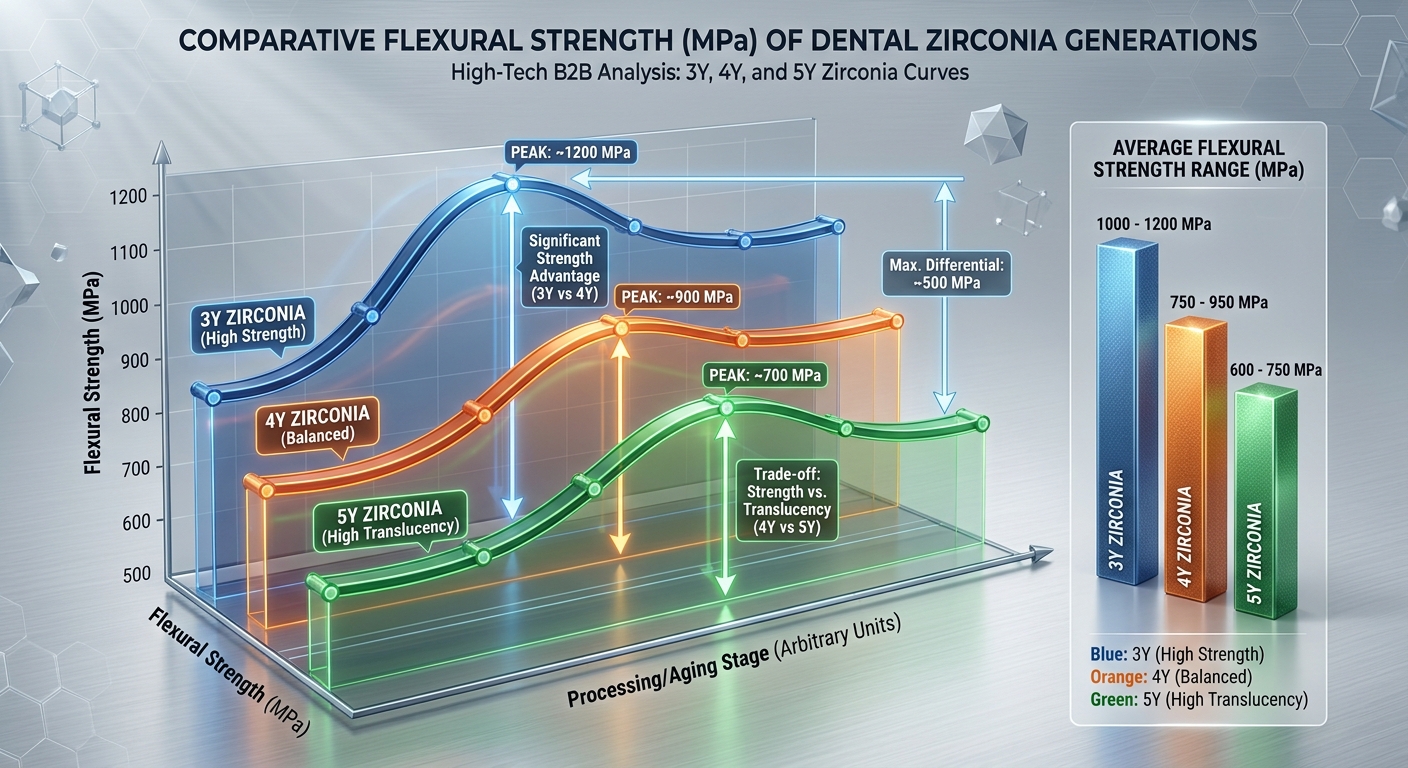
You will also appreciate how well this material resists microscopic cracking during final chairside adjustments. The stabilized yttria formulation ensures that the crystal structure remains completely stable even under high-speed diamond burs.
Why does flexural strength matter for posterior teeth?
You need high flexural strength to prevent sudden, catastrophic failures under heavy, cyclical chewing forces. High-performance ceramics protect your hard work from:
- Seating damage: Marginal chipping during final seating and cementation.
- Bruxism forces: Bulk fracture caused by patient bruxism or unexpected biting impacts.
- Connector stress: Tensile stresses across long-span posterior connectors.
But here is the catch:
Raw strength means nothing if the material is too brittle. The way this balanced ceramic absorbs and distributes occlusal stress determines how many years the crown will survive in the mouth.
Comparing microscopic crystalline structures
You can observe how the microscopic phase distribution of this ceramic directly influences its long-term wear characteristics. The refined tetragonal and cubic grain boundaries provide:
- Hydrothermal stability: Outstanding resistance to hydrothermal aging under hot and wet oral conditions.
- Enamel safety: A smooth, kind-wearing surface that does not damage opposing natural enamel.
- Margin precision: Tight internal tolerances for a highly precise and consistent marginal fit.
Let’s face it:
Microscopic grain stability is your ultimate shield against restoration degradation. The optimized distribution of yttria stabilizes the crystal lattice to stop microscopic cracks before they can propagate.
Key Takeaway: The 1000 MPa flexural strength threshold of this material provides the heavy-duty structural defense your posterior restorations need without damaging opposing teeth.
| Material Property | Traditional 3Y | Balanced 4Y | Highly Translucent 5Y |
|---|---|---|---|
| Flexural Strength | High (>1200 MPa) | Medium (~1000 MPa) | Low (~650 MPa) |
| Fracture Toughness | Outstanding | High | Moderate |
| Enamel Abrasiveness | Low (If polished) | Extremely Low | Minimal |
Check these mechanical values to verify that your selected material holds the correct physical properties for posterior areas.
Why choose 4Y Zirconia for your dental restorations?
You should choose this material because it offers the ultimate clinical versatility, allowing you to fabricate both anterior and posterior restorations using a single universal disc. Utilizing 4Y Zirconia streamlines your digital CAD/CAM processes and significantly reduces your laboratory’s remake rates. You will quickly discover how easily this material adapts to conservative tooth preparations.
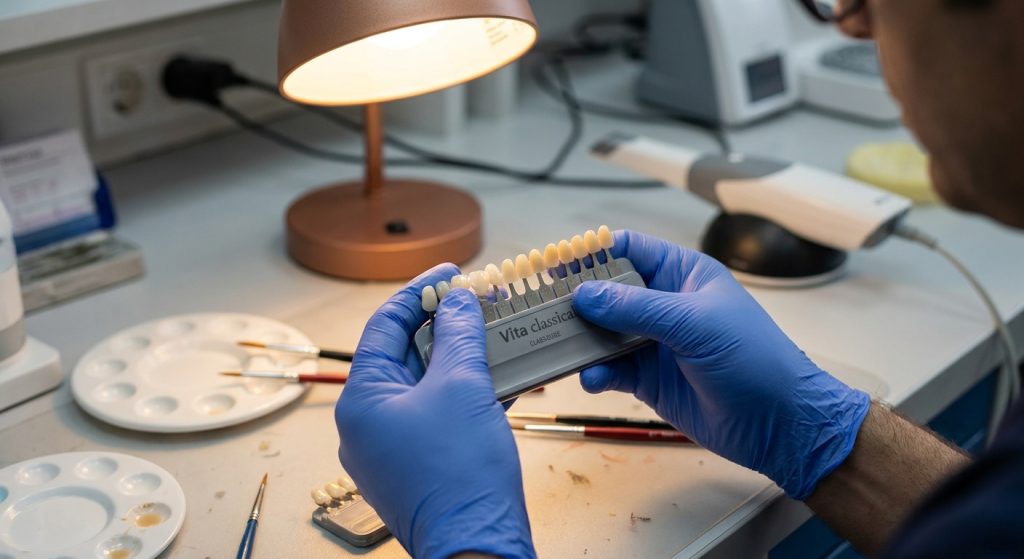
The unique chemical composition prevents the lifeless, chalky appearance that often ruins monolithic posterior crowns. You get highly aesthetic, light-transmitting restorations that blend naturally with real tooth structure.
What are the clinical advantages of universal ceramics?
You will enjoy several immediate business and clinical benefits when you integrate this balanced ceramic into your daily routines. These distinct advantages include:
- Consolidated ordering: Drastically reduced inventory costs from consolidating multiple disc lines.
- Clinical efficiency: Fewer chairside adjustments and faster crown seating times.
- Patient satisfaction: Higher patient satisfaction from highly lifelike, natural-looking results.
The best part?
You can design ultra-conservative, thin-walled restorations down to 0.5 mm in thickness. This helps you preserve more precious, healthy enamel during tooth preparation.
Preventing catastrophic restoration failures
You can lower your clinical risk profiles by capitalizing on the advanced phase transformation capabilities of this formulation. This chemical self-defense mechanism actively prevents:
- Crack propagation: Sub-surface micro-cracks from turning into complete crown splits.
- Dynamic flexing: Marginal leakage caused by structural flexing under heavy chewing.
- Porcelain chipping: Delamination issues commonly associated with veneered porcelain frameworks.
Think about it:
A ceramic material that actively fights crack propagation under load is your best insurance policy. This built-in security keeps your clinical reputation pristine and your patients happy.
Key Takeaway: Selecting a universal ceramic standard protects your practices from unexpected breakage while maintaining beautiful aesthetics in all areas of the mouth.
| Parameter | Feldspathic Porcelain | Glass-Ceramics | Balanced 4Y Material |
|---|---|---|---|
| Min Prep Thickness | 1.5 mm | 1.0 mm | 0.5 – 0.8 mm |
| Risk of Chipping | Very High | Moderate | Minimal |
| Aesthetic Quality | Excellent | Outstanding | Excellent |
Use this comparison to see how much healthy tooth structure you can save by switching to modern advanced ceramics.
Can 4Y Zirconia improve your aesthetic outcomes?
It absolutely can, because the elevated translucency levels of this material permit natural light transmission that perfectly mimics real tooth enamel. When you switch to 4Y Zirconia, you eliminate the dull, dead look that often plagues monolithic crown designs. Your patients will love how naturally the finished crown blends with their surrounding smile.
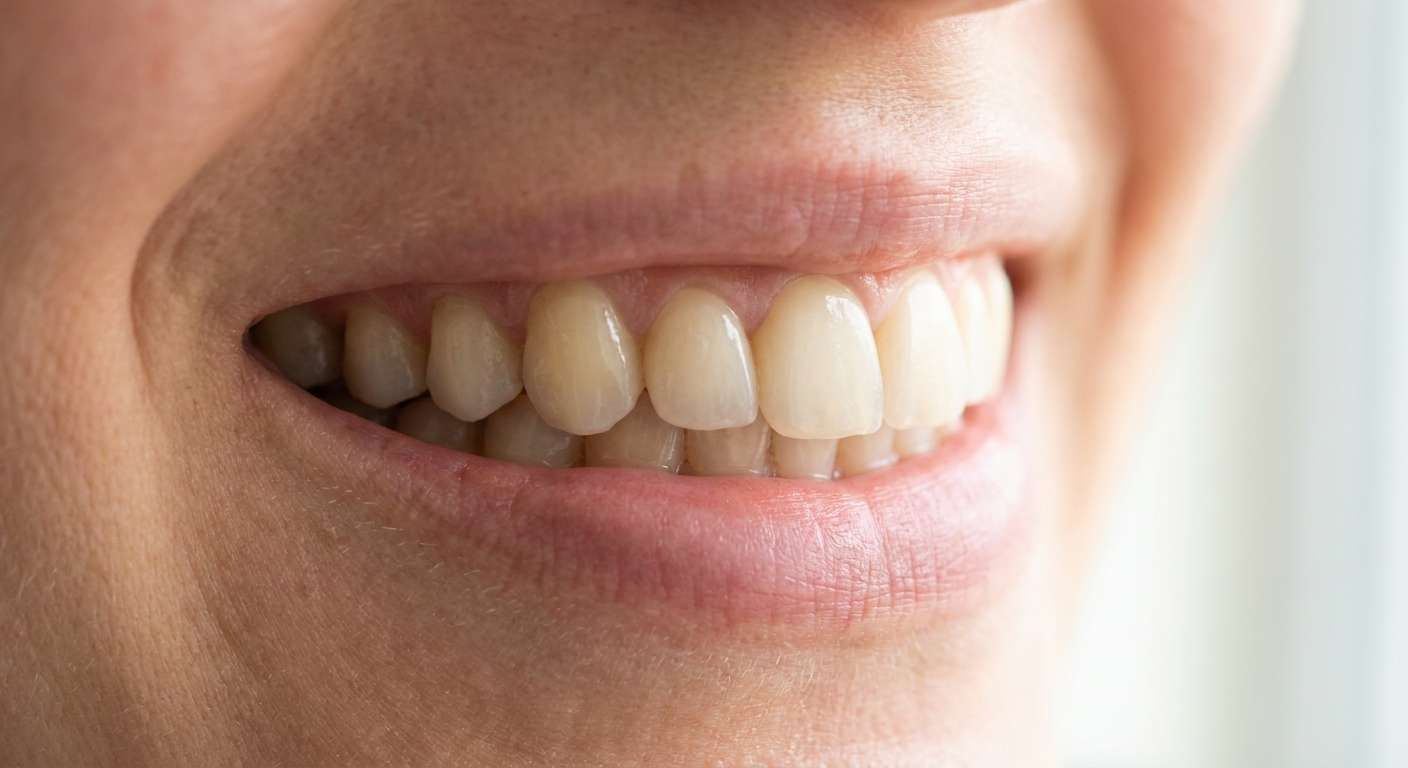
You will find that this material excels at capturing the delicate shade transitions required for anterior teeth. The underlying warm color gradients flow smoothly from the cervical collar to the incisal edge.
How to achieve natural translucency?
You can easily craft highly realistic restorations by taking advantage of the premium raw powders used in this ceramic class. This high optical quality results in:
- Shade depth: A warm, natural shade depth that absorbs and scatters surrounding light.
- Margin aesthetics: The elimination of ugly dark grey lines near the gum tissue.
- Chameleon integration: An excellent chameleon effect that blends with adjacent natural teeth.
And it gets better:
You do not need to spend hours hand-layering fragile porcelains to get this beautiful depth. The pre-shaded layers inside the disc do all the heavy lifting for you.
Managing light transmission and masking ability
You should understand that light behavior in dental ceramics is governed by yttria concentration and crystal phases. The balanced structure of this material ensures:
- Light penetration: Sufficient light penetration to give lifelike depth to the crown body.
- Masking capability: Adequate opacity to hide titanium implant abutments and metal posts.
- Natural fluorescence: Natural fluorescence under ultraviolet light for a vibrant smile.
Picture this:
A crown that behaves exactly like a natural tooth under both sunlight and disco lighting is the ultimate aesthetic goal. You can achieve this standard consistently without resorting to weaker glass materials.
Key Takeaway: Applying this aesthetic ceramic category allows you to deliver stunning, light-transmitting restorations that capture natural tooth vitality without sacrificing posterior durability.
| Optical Characteristic | Opaque 3Y Ceramic | Balanced 4Y Ceramic | Translucent 5Y Ceramic |
|---|---|---|---|
| Total Translucency (%) | 30% – 35% | 43% – 47% | 49% – 53% |
| Chameleon Blend Effect | Poor | Excellent | Outstanding |
| Abutment Masking | High | Moderate-High | Low |
Refer to this optical data to choose the right balance of translucency and masking power for your next patient case.
Where should you apply 4Y Zirconia milling discs?
You should apply these highly versatile discs across a wide range of restorative cases, including single crowns, premolars, and short-span bridges. By utilizing 4Y Zirconia in your daily CAD/CAM milling procedures, you gain a highly adaptable material that fits almost any situation. This eliminates the need to constantly swap out discs in your milling machines.
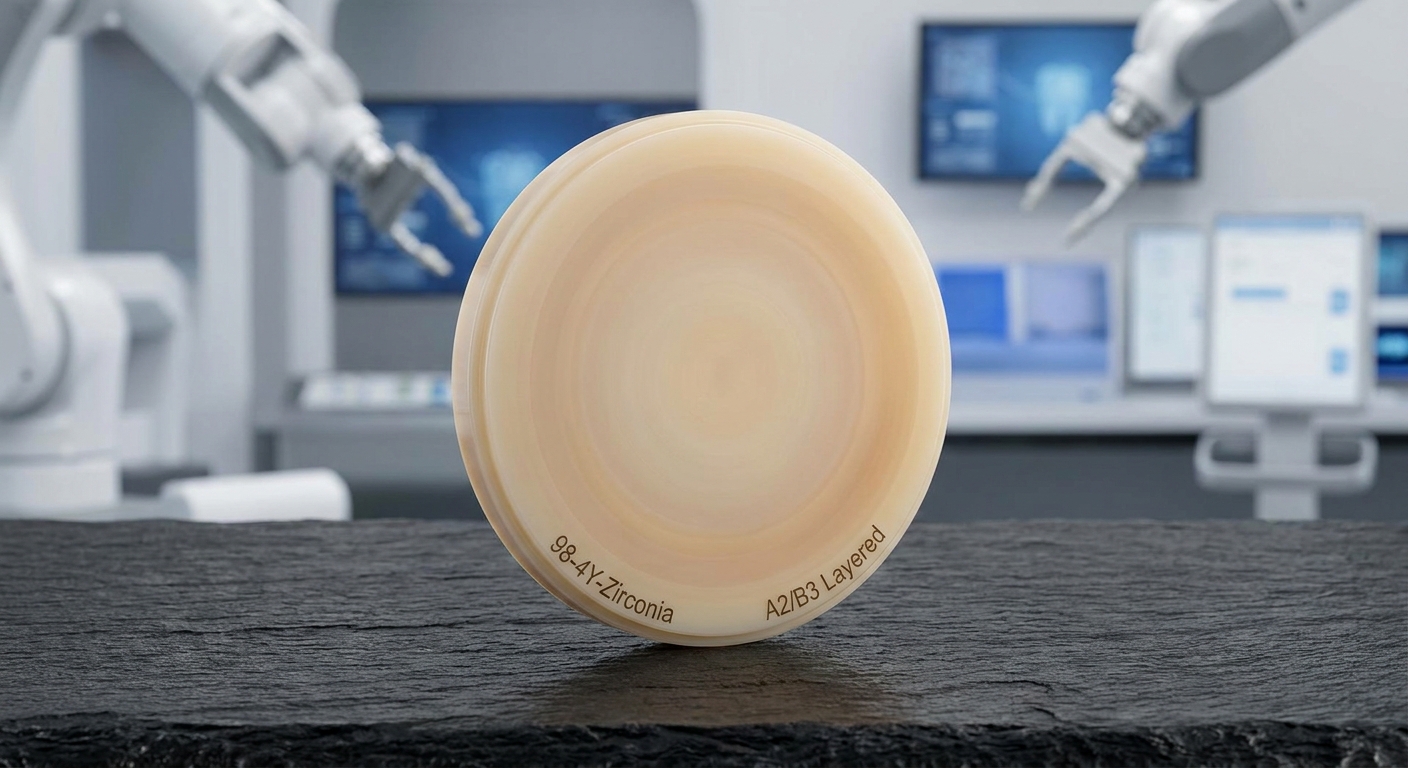
You will find that these discs provide exceptionally sharp margins even when milling ultra-thin preparation profiles. The excellent pre-sintered structural stability prevents edge chipping during fast milling cycles.
Should you choose it for posterior or anterior arches?
You can confidently select this ceramic for either arch because of its unique blend of mechanical toughness and aesthetic translucency. Consider these guidelines for your designs:
- Anterior use: Anterior restorations that need moderate stress resistance and high visual warmth.
- Premolar use: Premolar cases that demand a seamless transition from strength to beauty.
- Posterior use: Standard posterior crowns where space is limited and load is normal.
Here is the deal:
You no longer have to risk fracture in the molar region by using weak glass-ceramics just to get a good shade match. This material handles the heavy chewing loads effortlessly while looking beautiful.
Designing safe multi-unit dental bridges
You can safely design durable multi-unit bridges with this ceramic as long as you maintain proper connector sizes. Always design your bridges to meet these structural requirements:
- Anterior connector: A minimum connector area of 9 mm² for anterior three-unit bridges.
- Posterior connector: A minimum connector area of 12 mm² for posterior three-unit bridges.
- Span restrictions: Strict avoidance of long-span bridges in high-stress bicuspid regions.
But there is a catch:
If you ignore these connector dimensions, even the strongest ceramic will fail over time. Keep your bridge designs within these specs to ensure decades of clinical success.
Key Takeaway: Implementing these versatile discs across both anterior and posterior cases maximizes your laboratory efficiency while guaranteeing highly reliable restorations.
| Indication | Standard 3Y Ceramic | Balanced 4Y Ceramic | High-Translucency 5Y |
|---|---|---|---|
| Single Anterior Crown | Acceptable (Needs staining) | Ideal (Monolithic or stained) | Ideal (Monolithic) |
| Single Posterior Crown | Ideal (High-stress cases) | Ideal (Universal posterior) | Acceptable (Low-stress cases) |
| 3-Unit Posterior Bridge | Recommended | Approved (With 12 mm² connector) | Contraindicated |
Check this clinical indications matrix to ensure your design matches the structural limits of the material.
Is 4Y Zirconia ideal for modern dental labs?
Yes, it is the ideal choice for modern dental laboratories because it streamlines your production workflows while ensuring highly predictable sintering results. When your laboratory transitions to 4Y Zirconia, you immediately eliminate the bottleneck of managing multiple specialized ceramic lines. Your digital design team can standardize their nesting rules with absolute confidence.
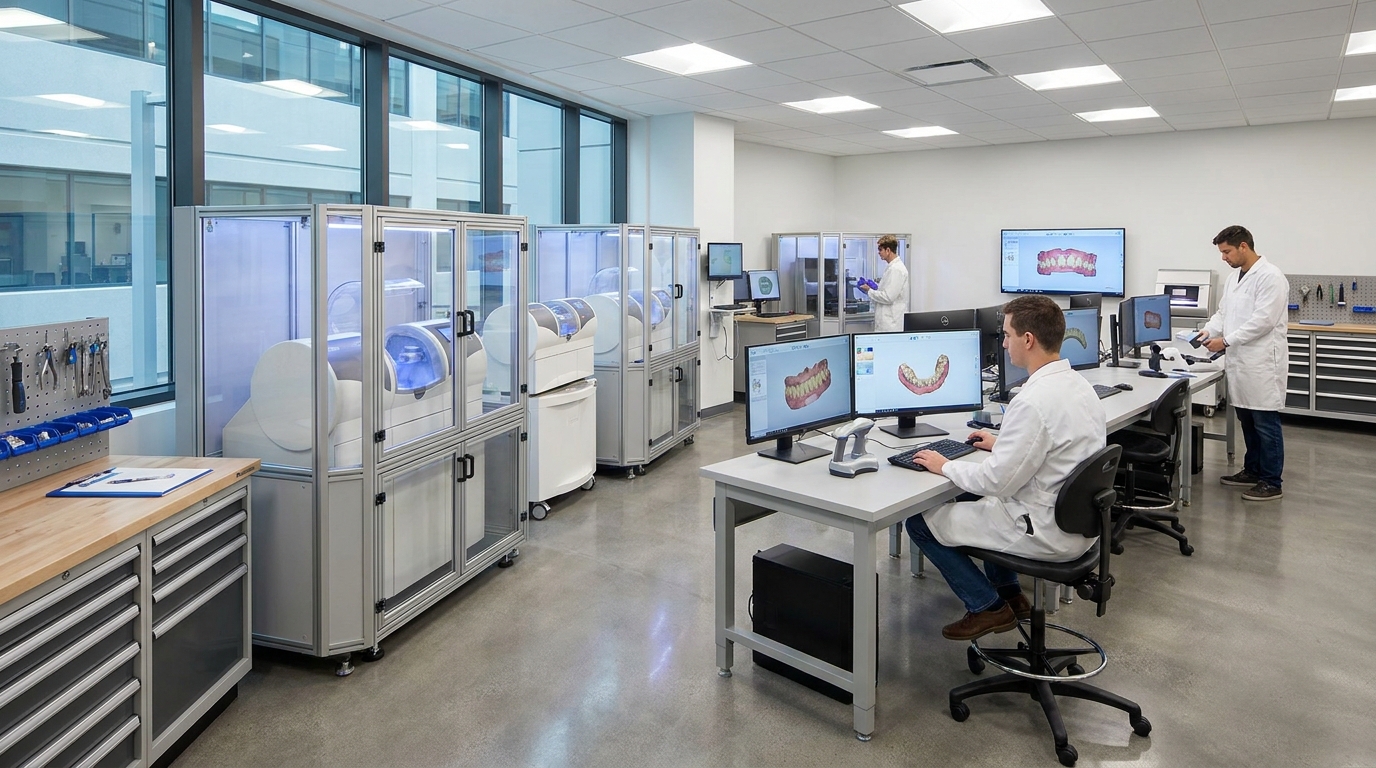
You will love how cleanly this material trims in its green state before sintering. This clean machinability ensures that delicate crown margins remain completely intact during post-mill detailing.
How does it simplify digital laboratory workflows?
You can dramatically boost your daily unit production by adopting a standardized ceramic milling protocol. This simplified workflow offers several distinct advantages:
- Nesting simplicity: Faster digital nesting since your technicians work with a single material.
- Sintering efficiency: Standardized sintering cycles that allow you to mix cases in one furnace run.
- Training standardization: Simplified technician training because finishing and glazing steps are uniform.
Bottom line?
A simple, repeatable workflow is the absolute secret to growing your dental laboratory’s profits. By removing material complexity, you free up your skilled technicians to focus on final quality control.
Consolidating and reducing disc inventory costs
You can free up significant working capital and shelf space by consolidating your ceramic raw materials. This consolidation helps your business by:
- Stock reduction: Reducing the number of shaded discs you need to buy and keep.
- Risk management: Minimizing the risk of using the wrong material class on a critical case.
- Bulk procurement: Allowing you to negotiate much better bulk pricing on your most-used disc type.
Here is the pivot:
Keeping dozens of different disc formulations on your shelves is a massive waste of capital. Switching to a single, high-performance universal option helps you cut overhead costs immediately.
Key Takeaway: Adopting this balanced ceramic standard in your laboratory simplifies operations, lowers inventory costs, and guarantees highly predictable results.
| Lab Efficiency Metric | Multi-Disc Inventory System | Standardized 4Y System |
|---|---|---|
| Stocking Requirements | High (3Y, 4Y, and 5Y in all shades) | Low (Consolidated multi-layer discs) |
| Sintering Efficiency | Low (Multiple specialized firing runs) | High (Unified sintering temperature) |
| Milling Setup | Complex (Constant tool recalibrations) | Simple (Standardized toolpaths) |
Review these efficiency gains to see how consolidating your materials can improve your monthly profits.
How do you layer 4Y Zirconia discs properly?
Layering this material properly requires you to understand the exact height distribution of the transitional shade zones within the multi-layered disc. When you design your restorations, nesting the crown correctly within the pre-shaded 4Y Zirconia disc guarantees a flawless color transition. You must position the delicate incisal portion of the crown in the upper third of the disc to capture the highest translucency.
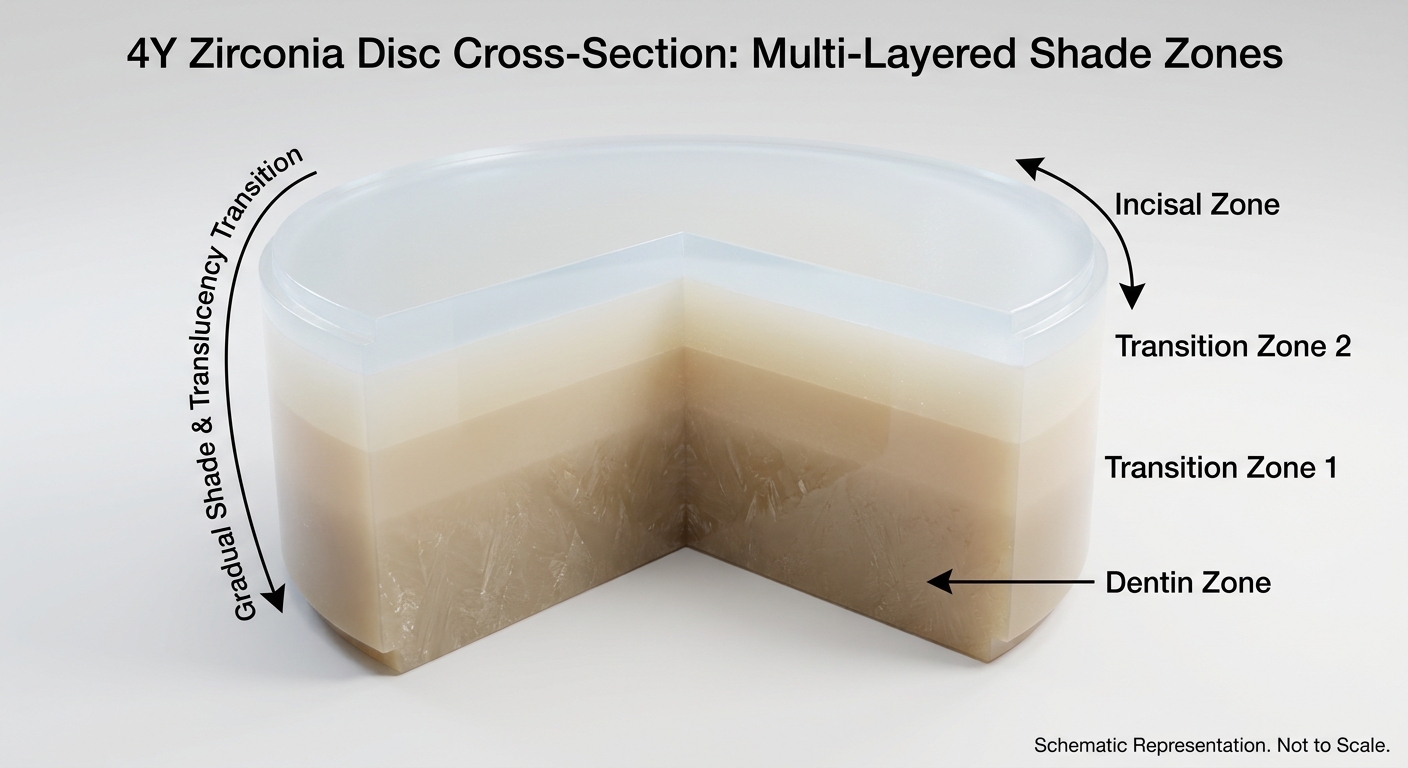
You will quickly find that matching the patient’s natural shade gradient is incredibly easy with these multi-layer discs. The integrated transition zones prevent harsh color lines from showing in the finished crown.
What are the multi-layered disc shade zones?
You must master the physical layout of modern multi-layered discs to achieve consistent shade matches. A standard multi-layered disc contains:
- Incisal zone: An enamel/incisal zone at the very top with maximum light transmission.
- Transitional layers: A series of transitional layers in the middle that blend shade intensity.
- Dentin base: A dense body/dentin zone at the bottom providing the base chroma.
Think about it:
If you place a short crown at the very bottom of a thick disc, you will end up with an opaque restoration that looks completely lifeless. Always plan your vertical nesting positions with extreme care.
Aligning the transitional layers in CAD software
You can easily optimize your aesthetic outcomes by aligning your digital CAD files with the disc’s internal shade map. Follow these nested alignment steps:
- Template importing: Import the manufacturer’s exact disc shade template into your CAD software.
- Anterior positioning: Position anterior teeth with the incisal edge touching the very top boundary.
- Posterior placement: Place posterior restorations slightly lower to gain more body chroma and strength.
The best part?
Modern design software lets you preview this shade transition in real-time before you press start on the mill. This digital assurance removes all the guesswork from your daily production.
Key Takeaway: Mastering the vertical nesting and alignment of your CAD designs within multi-layered discs is the secret to producing incredibly lifelike, perfectly shaded restorations.
| Disc Layer Zone | Thickness Percentage | Target Restorative Area | Translucency Level |
|---|---|---|---|
| Enamel Layer | 20% – 30% of disc | Incisal/Occlusal edges | Highest (Light scattering) |
| Transition Layers | 30% – 40% of disc | Middle third of crown | Moderate-High (Graded blend) |
| Dentin Layer | 30% – 40% of disc | Cervical collar/Margins | Base Chroma (Masking prep) |
Use this vertical zoning guide to properly position your digital restoration files within multi-layered discs for optimal shade transitions.
What makes 4Y Zirconia highly reliable?
The exceptional reliability of this material stems from its optimized yttria content, which prevents low-temperature degradation while maintaining high fracture resistance. When you seat a restoration made from 4Y Zirconia, you benefit from a material that actively resists aging in wet oral conditions. The stable crystal structure ensures that your hard work survives for decades.
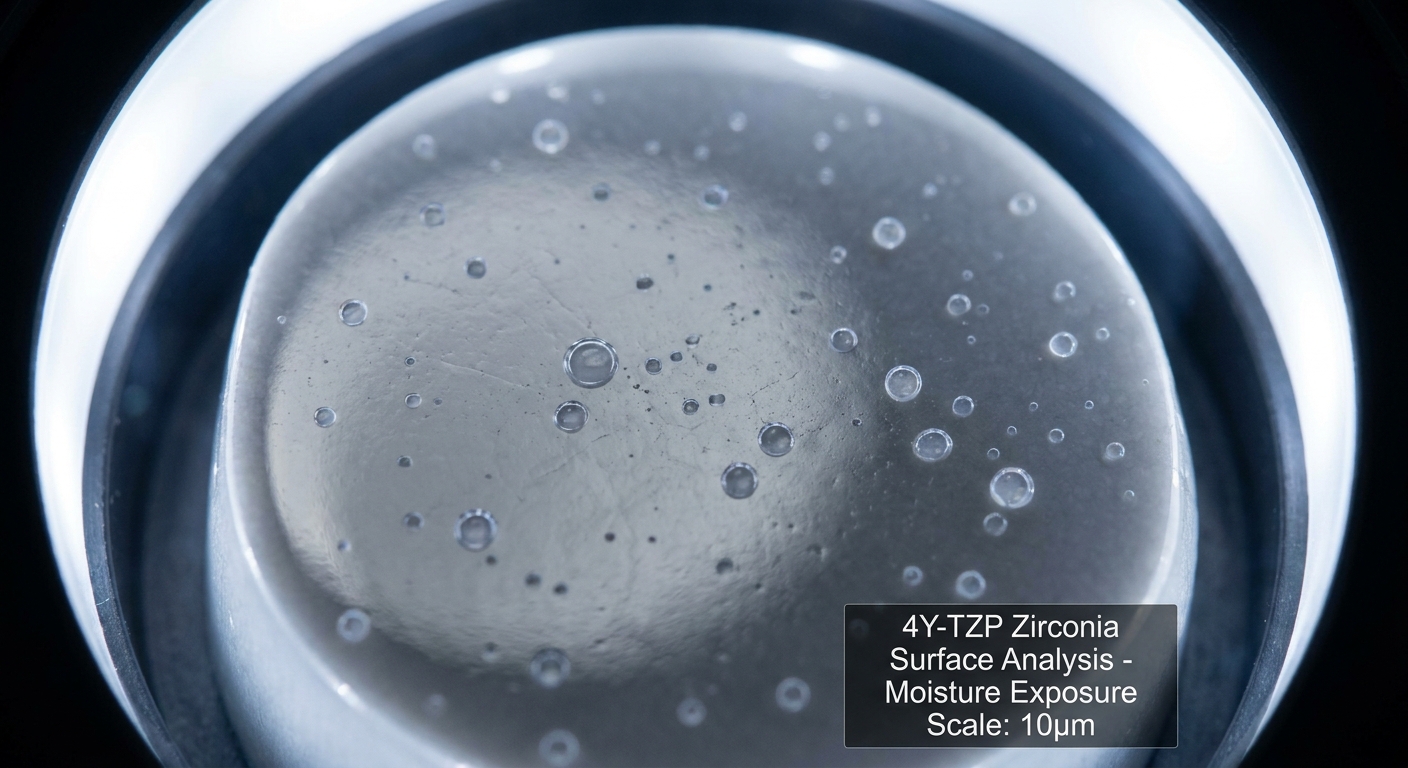
You can count on this ceramic to maintain its structural strength even after extensive polishing or adjustment. The material does not easily succumb to the micro-fractures that weaken other aesthetic materials.
Why is phase stability critical?
You need high phase stability to prevent your restorations from slowly deteriorating under constant oral humidity and stress. Phase stability protects against:
- Surface roughening: Surface roughening that can cause excessive wear on opposing teeth.
- Crystal transformation: Spontaneous crystal transformation that leads to micro-cracking.
- Strength loss: The gradual loss of flexural strength over years of clinical service.
Here is the thing:
A ceramic that breaks down over time is a ticking time bomb in your patient’s mouth. Choosing a highly phase-stable material guarantees that your restorations remain strong for the long haul.
Long-term clinical survival rates
You will find that clinical studies consistently show exceptional survival rates for this ceramic class across all areas of the mouth. These impressive survival rates are supported by:
- Fatigue resistance: Excellent resistance to cyclic fatigue under high masticatory forces.
- Biocompatibility: Outstanding biocompatibility that promotes healthy surrounding gingival tissues.
- Marginal integrity: Superior marginal integrity that prevents recurrent decay under the crown.
Let’s be honest:
Your clinical reputation is built entirely on the longevity of your restorations. Using a material with a proven record of long-term survival is the easiest way to build patient trust.
Key Takeaway: The exceptional reliability of this ceramic formulation ensures that your restorations resist environmental aging and mechanical fatigue, providing decades of trouble-free clinical service.
| Reliability Metric | Glass-Ceramics | Standard 4Y Ceramics | High-Translucency 5Y |
|---|---|---|---|
| Resistance to Aging | High (Non-crystalline phase) | Excellent (Phase-stabilized) | Moderate-Low |
| Cyclic Fatigue Limit | Low | High | Moderate |
| 10-Year Survival Rate | Moderate (~85%) | Extremely High (>95%) | Good (~90% in anterior) |
Compare these long-term reliability metrics to ensure that your chosen material can withstand the demanding conditions of the oral cavity.
Should you transition to 4Y Zirconia now?
You should definitely make the transition now if you want to elevate your restoration quality while significantly boosting your laboratory’s daily production efficiency. Transitioning to 4Y Zirconia allows you to modernize your restorative offerings and meet the rising aesthetic demands of your patients. You will quickly see how this upgrade sets your business apart from traditional competitors.
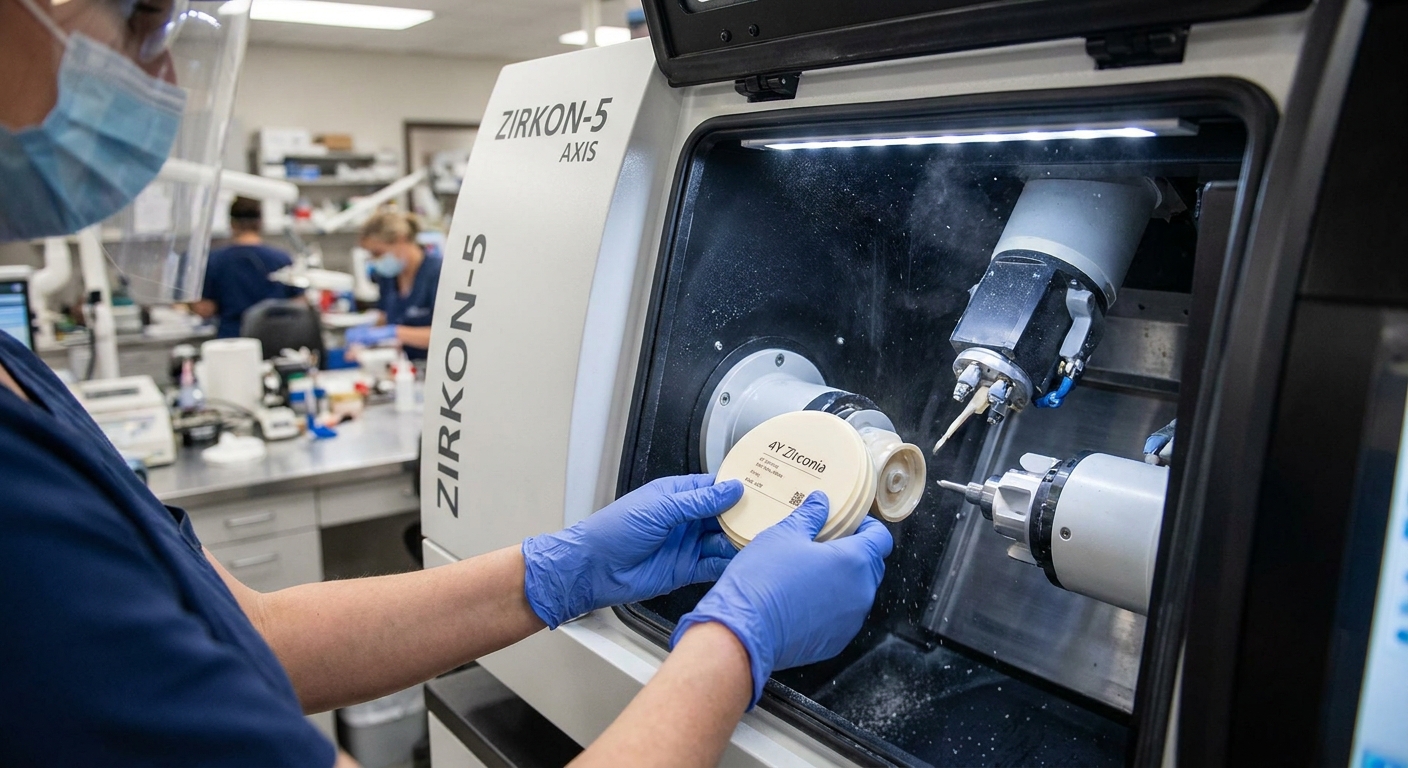
You do not need to invest in expensive new equipment to make this transition successful. Your existing CAD/CAM milling systems and sintering furnaces are likely already fully compatible with this material.
Evaluating your laboratory equipment capacity
You must verify that your current digital manufacturing systems can handle the precise milling and sintering requirements of this advanced ceramic. Check that your equipment meets these standard specifications:
- Precision milling: A high-precision 4-axis or 5-axis CAD/CAM milling machine.
- Thermal range: Sintering furnaces capable of reaching and holding 1450°C to 1550°C.
- Software library: Compatible digital design software with updated material libraries.
The best part?
Most modern laboratory equipment is already pre-configured for these advanced materials. You can easily import the correct milling templates and start production in a matter of minutes.
Is the transition learning curve worth it?
You might wonder if changing your primary ceramic material will disrupt your current laboratory production. The minor learning curve is easily offset by these long-term advantages:
- Remake reduction: Fewer remakes caused by material fractures or poor shade matching.
- Finishing speed: Faster finishing times since monolithic restorations require minimal glazing.
- Client retention: More consistent results that build deep trust with your clinical clients.
Look at it this way:
Staying stuck with outdated, fragile, or opaque materials is the fastest way to lose clients to modern, high-tech labs. Taking the leap now positions your business for future success.
Key Takeaway: Transitioning to this modern ceramic standard immediately enhances your laboratory’s capabilities, improves restoration quality, and guarantees a rapid return on your investment.
| Transition Stage | Implementation Steps | Estimated Timeframe | Required Resources |
|---|---|---|---|
| System Check | Verify furnace limits & mill calibrations | 1 – 2 Days | Laboratory Technician |
| Software Update | Import correct material CAD templates | 1 Day | CAD Designer |
| Test Production | Mill and sinter test restorations | 2 – 3 Days | Full Laboratory Team |
Use this step-by-step transition roadmap to plan your laboratory’s migration to this high-performance ceramic material.
How do you glaze 4Y Zirconia correctly?
Glazing this material correctly requires you to apply a very thin, uniform layer of low-fusing ceramic paste and fire it under precise thermal parameters. When you finish 4Y Zirconia, you must avoid thick glaze pools that can chip or ruin the precise margin details under chewing forces. A light, delicate application is the key to maintaining surface strength and lifelike luster.
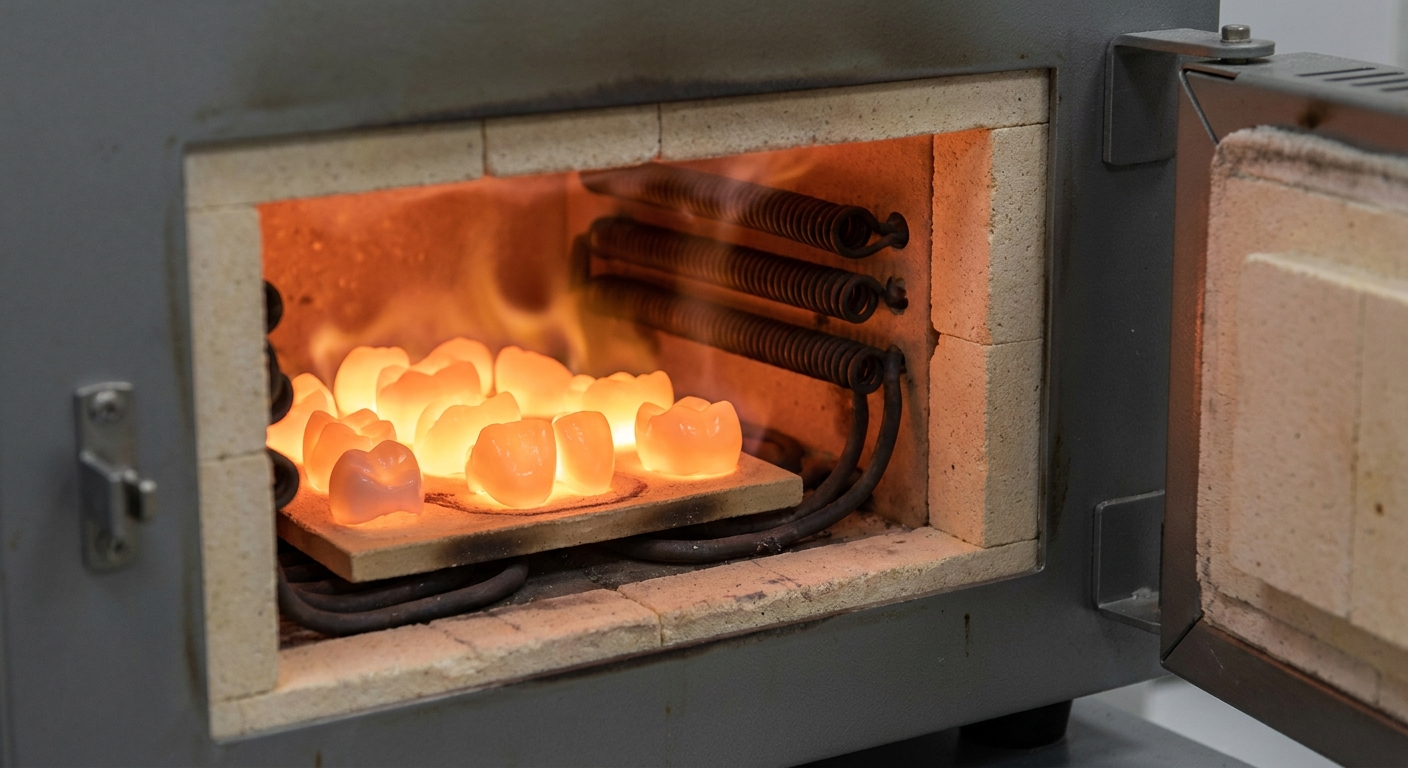
You will find that using a high-quality glaze paste brings out the natural depth and translucency of the material. The correct firing temperature ensures that the glaze bonds permanently without distorting the underlying structure.
Mastering the optimal firing cycle
You must follow the manufacturer’s exact firing guidelines to prevent structural stress or optical cloudy spots in your finished restorations. An optimal glazing cycle includes:
- Drying phase: A slow preheating phase to ensure the restoration is completely dry.
- Thermal peak: A precise peak temperature hold, typically between 750°C and 850°C.
- Cooling control: A slow, controlled cooling phase to prevent thermal shock in the ceramic.
Think about it:
Rushing the cooling phase to save a few minutes is the fastest way to crack a perfect crown. Take your time, let the furnace cool slowly, and you will get flawless results every single time.
Can over-glazing ruin your margins?
You must protect the delicate margins of your restorations from being rounded off by excessive glaze accumulation. Over-glazing can lead to several clinical problems:
- Plaque traps: Thick margins that trap plaque and cause chronic gingival inflammation.
- High occlusion: High occlusion spots that require extensive adjustments at the chairside.
- Artificial shine: A glassy, fake appearance that ruins the natural surface texture of the crown.
The truth is:
Less is always more when it comes to glazing high-performance ceramics. A thin, perfectly fired micro-layer protects your margins and gives you the most natural aesthetic finish.
Key Takeaway: Mastering the low-fusing glazing process and maintaining precise thermal controls guarantees that your finished restorations keep their perfect margins and lifelike beauty.
| Glazing Parameter | Recommended Standard | Common Mistake to Avoid | Clinical Consequence |
|---|---|---|---|
| Glaze Thickness | Ultra-thin micro-layer | Thick pooling at margins | Poor fit / Plaque trap |
| Peak Temperature | 780°C – 820°C | Firing too hot (>850°C) | Loss of surface texture |
| Cooling Rate | Slow, controlled cool | Opening furnace door hot | Structural cracking |
Follow these critical glazing parameters to ensure your finished restorations maintain their high structural integrity and exquisite cosmetic details.
Frequently Asked Questions
Can I use this material for thin-walled prep designs?
Yes, you can. The high flexural strength of this modern material enables you to safely decrease wall thickness to 0.5 mm in non-stress areas without risking fracture. This allows for far more conservative preparations that keep natural enamel intact.
What’s the best cementation protocol for these restorations?
The best protocol is adhesive bonding. You must air-abrade the internal crown surface with alumina oxide, apply an MDP-containing primer, and seat the crown using a premium dual-cure resin cement. This process guarantees an exceptionally durable chemical and mechanical bond.
Can I adjust these restorations chairside?
Yes, you can easily perform adjustments. You should use fine-grit diamond burs under continuous water spray to prevent thermal stress and localized micro-fractures from forming. Always polish the adjusted area with specialized rubber wheels to recreate a kind-wearing surface.
How do I ensure a perfect shade match every time?
The best way is through nesting calibration. Your laboratory technician must position the digital restoration file within the designated transitional layers of the multi-layered disc before milling. This step aligns the crown’s anatomy with the natural gradient of the enamel and dentin zones.
What’s the best way to clean the crowns before final bonding?
The best method is saliva decontamination. You should sandblast the restoration and rinse it thoroughly, then apply an active zirconia oxide cleaning gel for 20 seconds to completely strip away salivary phosphate contaminants. This leaves a clean surface ready for the adhesive primer.
Conclusion
Ultimately, understanding the exact formulation of your dental ceramics is the only way to guarantee predictable, beautiful clinical outcomes for your patients. By adopting this balanced restorative option, you eliminate the dangerous compromise between structural strength and natural translucency. Your practice will quickly gain a reputation for delivering restorations that both last and look absolutely spectacular.
Do not let confusing manufacturer labels and vague lab prescriptions put your clinical success and business reputation at risk. It is time to start having open, detailed conversations with your laboratory partners about the specific materials they are using for your cases. Take control of your clinical quality and contact us today to learn how our premium ceramic solutions can solve your clinical problems and elevate your practice’s standards.