
In high-stress industrial operations, equipment failures and premature wear are costly challenges. Zirconia Structural Components offer a solution by combining extreme toughness, chemical inertness, and thermal stability. This guide explores why these advanced ceramics outperform traditional materials, where they are applied, and how to select and maintain them for maximum performance and longevity.
Why Choose Zirconia Structural Components?
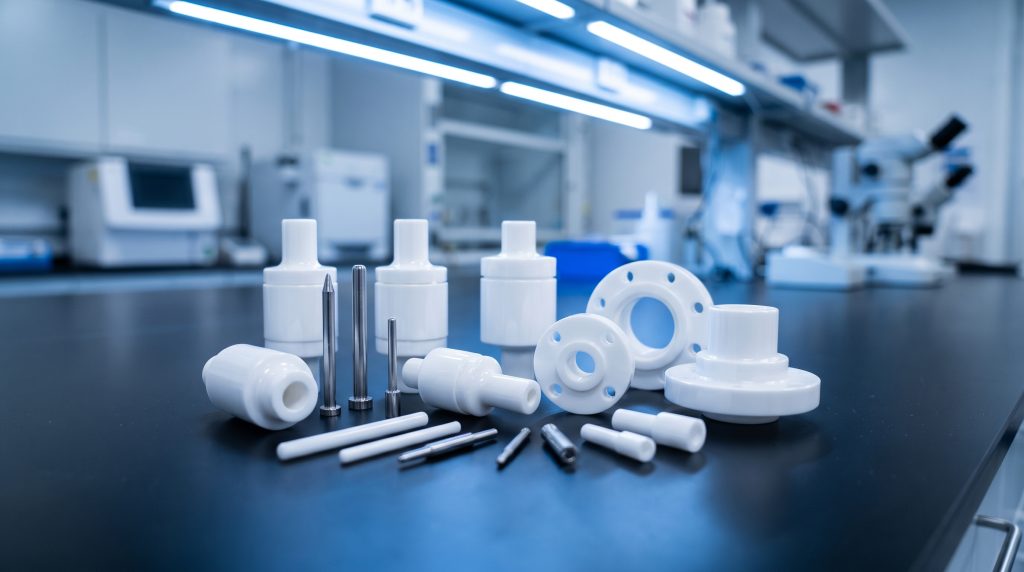
Choosing Zirconia Structural Components is the most effective way to eliminate frequent equipment failures caused by extreme wear, high-stress friction, and chemical corrosion in your production processes. Traditional metal parts wear down rapidly under high pressure, leading to costly leaks, frequent maintenance cycles, and severe downtime that destroys your profit margins. To solve this problem, ZrBrontec offers high-purity, precision-engineered advanced ceramics designed to survive the harshest industrial processing environments.
By upgrading your machinery with these advanced structural ceramics, you can easily ensure stable batch quality and continuous throughput. This professional guide will detail the engineering, application, and procurement rules you must follow to optimize these critical materials.
Superior Wear and Impact Resistance
You can say goodbye to rapid wear in heavy-duty machinery.
Here’s the deal:
- Micro-hardness exceeding HV1200 provides maximum scratch and abrasion resistance.
- Stabilized crystalline structures actively resist heavy mechanical impact forces.
- Ultra-low surface friction coefficients reduce localized heat generation.
When you implement these components in high-speed lines, they maintain their polished surface finishes even when handling abrasive mineral slurries. This prevents the material erosion that typically ruins high-stress steel tooling within days.
Unmatched Corrosion and Chemical Inertness
Harsh chemicals and acidic environments often ruin standard industrial parts, forcing you to deal with frequent replacement cycles.
Think about it:
- Exceptional resistance to strong acids and aggressive alkaline solutions.
- Complete zero-metal contamination during high-speed wet milling and mixing.
- Incredible molecular stability that prevents chemical degradation in reactive media.
You will notice that these advanced ceramics remain completely inert under exposure to aggressive chemical compounds. This ensures your high-purity process fluids stay exceptionally clean and free from unwanted metallic ions.
High Thermal Shock Thresholds
Extreme temperature fluctuations can crack standard industrial ceramics instantly, leaving you with shattered components and halted assembly lines.
But wait, there’s more:
- Low thermal conductivity limits rapid internal heat transfer and structural expansion.
- Excellent mechanical integrity is fully maintained up to highly elevated temperatures.
- Stabilized chemical phases prevent sudden thermal cracking during fast heat cycles.
Key Takeaway: You should invest in yttria-stabilized zirconia components to shield your operations from catastrophic thermal failure and unexpected maintenance downtime.
Where are Zirconia Structural Components Used?
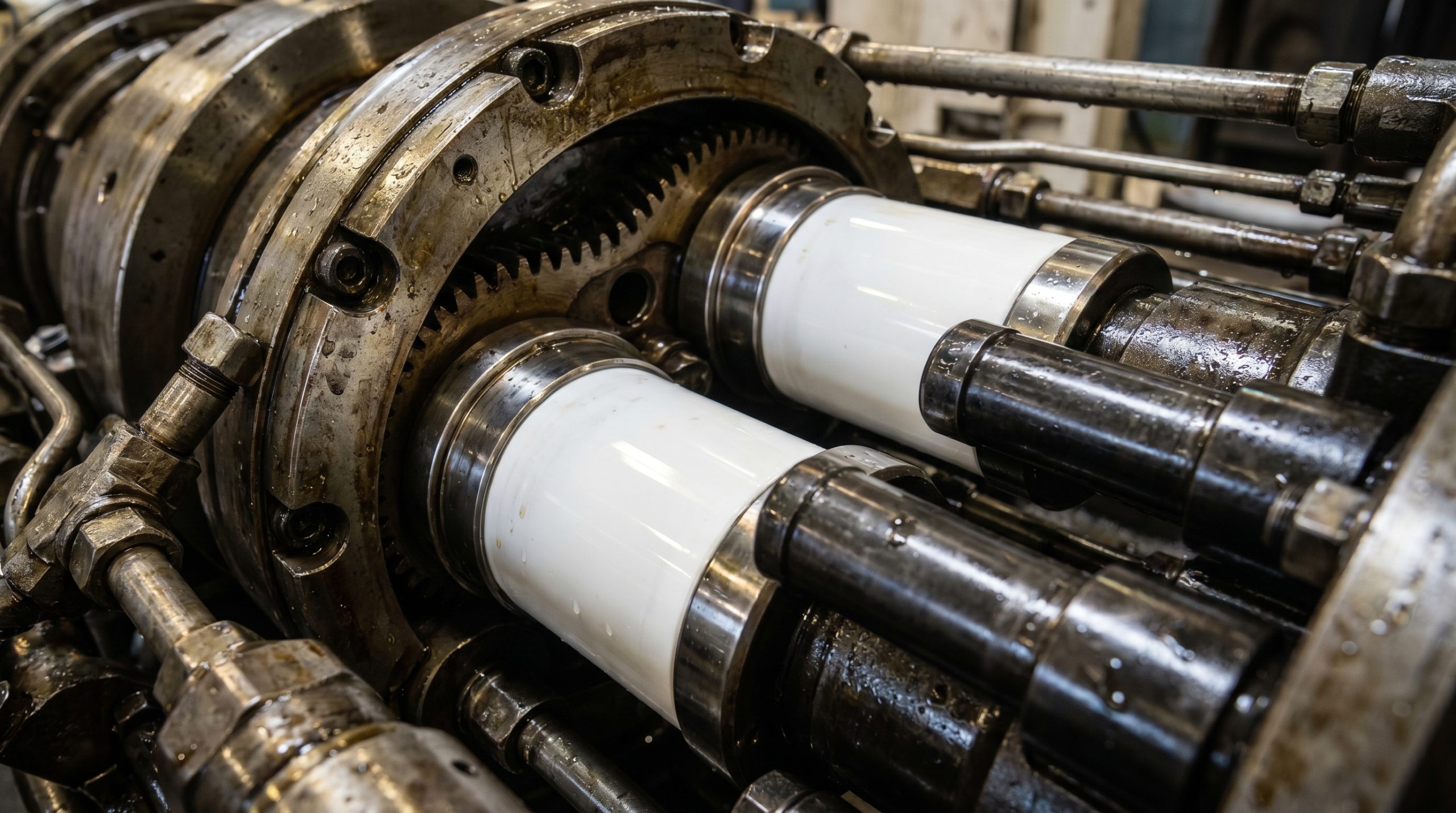
High-performance Zirconia Structural Components are primarily used in high-wear drilling equipment, ultra-fine milling machinery, and dental CAD/CAM systems. You will find these parts deployed where metals fail within hours due to high abrasive forces.
Their adaptability across medical, industrial, and heavy mining industries makes them a universal solution for extreme engineering problems. By replacing outdated materials with these parts, you safeguard your process line against erratic shutdowns.
Heavy-Duty Cylinder Sleeves and Plungers
You face extreme pressures in oil, gas, and slurry pumping operations that require highly durable materials.
Let’s face it:
- Mud pump cylinder liners resist highly abrasive drilling muds and sand slurries.
- Piston plungers offer ultra-smooth surfaces that significantly extend seal life.
- High fracturing pressure handling prevents mechanical degradation under stress.
These structural parts withstand intense operational pressures to keep your high-pressure pumps running continuously. They ensure you avoid costly fluid leaks and sudden pressure drops during deep drilling.
High-Viscosity Sander and Mill Fittings
Ultra-fine wet grinding requires parts that can withstand severe continuous friction without wearing down.
Think about it:
- Agitator discs and pin-mill rotors are engineered for intensive nano-grinding.
- Chamber linings prevent heavy product contamination in high-end pigment inks.
- High-speed rotor shafts run smoothly without causing thermal expansion.
You will achieve superior particle size distribution without worrying about metal wear particles contaminating your batch. This is critical when you are refining high-value pharmaceutical ingredients or battery chemicals.
Medical, Dental, and Precision Knives
Cleanliness and precision are critical in surgical, dental, and industrial food processing settings.
The best part?
- CAD/CAM dental blanks are designed for high-translucency ceramic crowns.
- Surgical scalpel blades retain micro-sharpness far longer than carbon steel.
- Non-reactive food processing blades do not alter food taste or oxidize.
Key Takeaway: You should rely on these tailored parts to handle the toughest wear environments in medical and high-pressure drilling.
| Industrial Segment | Specific Component | Target Wear Environment | Recommended Stabilizer (3Y/5Y/8Y) |
|---|---|---|---|
| Oil & Gas Drilling | Cylinder Sleeves, Plungers | Extreme slurry abrasion, high pressure | 3Y-TZP (High toughness) |
| Chemical & Pigments | Sander Fittings, Agitators | Acidic mixtures, high-velocity milling | 3Y-TZP (Zero metal pollution) |
| CAD/CAM Dental | Milling Blanks, Crowns | Cyclic load, precision margins | 3Y-TZP to 5Y-PSZ (High translucency) |
Choosing the correct stabilizer variant ensures your machinery achieves maximum durability in its unique environment.
How Tough are Zirconia Structural Components?
The extreme toughness of Zirconia Structural Components is driven by a unique phase transformation process, which you can explore further via our advanced zirconia materials engineering page. This physical property prevents the sudden shattering that makes other advanced ceramics difficult to use in high-impact settings.
When a microscopic crack begins to form, the material undergoes a localized volumetric expansion that clamps the crack shut. This self-healing property provides a level of fracture toughness that is unmatched by conventional ceramics.
Transformation Toughening Mechanisms
Traditional ceramics are notoriously brittle and shatter under sudden impact loads.
Now, you might be wondering:
- Tetragonal-to-monoclinic phase change is activated by localized stress.
- Localized volume expansion of 3% to 4% occurs at the crack tip.
- Active compressive stress barrier halts further defect propagation.
This dynamic mechanism acts like a microscopic shock absorber to protect your components from catastrophic failure. You can subject the parts to high mechanical stresses without worrying about sudden, unexpected cracks.
Fracture Toughness vs. Traditional Ceramics
You need to understand how this material compares to standard options on the market.
Here’s the deal:
- Fracture toughness values of 8 to 12 MPa·m¹/² outclass competitors.
- Double the toughness of standard high-purity alumina ceramics.
- Significantly higher impact resistance than silicon carbide structures.
You will experience fewer cracked components even during intense mechanical stress cycles. This makes it the ideal material for structural components that face continuous mechanical hammering.
Sintering Phase and Density Control
Achieving maximum toughness requires meticulous density control during the manufacturing process.
But wait, there’s more:
- Controlled sintering temperatures are required to achieve high density ($\ge 6.0 \text{ g/cm}^3$).
- Fine sub-micron grain structure maximizes grain boundary strength.
- Homogeneous stabilizer distribution avoids localized phase instability.
Key Takeaway: You can trust this material’s transformation toughening to absorb extreme structural shocks without cracking.
| Material Type | Fracture Toughness (MPa·m¹/²) | Hardness (GPa) | Typical Flexural Strength (MPa) |
|---|---|---|---|
| Zirconia (3Y-TZP) | 8.0 – 12.0 | 12.5 | 900 – 1200 |
| Alumina ($Al_2O_3$) | 3.5 – 4.5 | 18.0 | 350 – 500 |
| Silicon Carbide (SiC) | 3.0 – 4.0 | 25.0 | 400 – 600 |
Maintaining high-density standards guarantees your parts will deliver superior performance under high pressure.
What Limits Zirconia Structural Components?
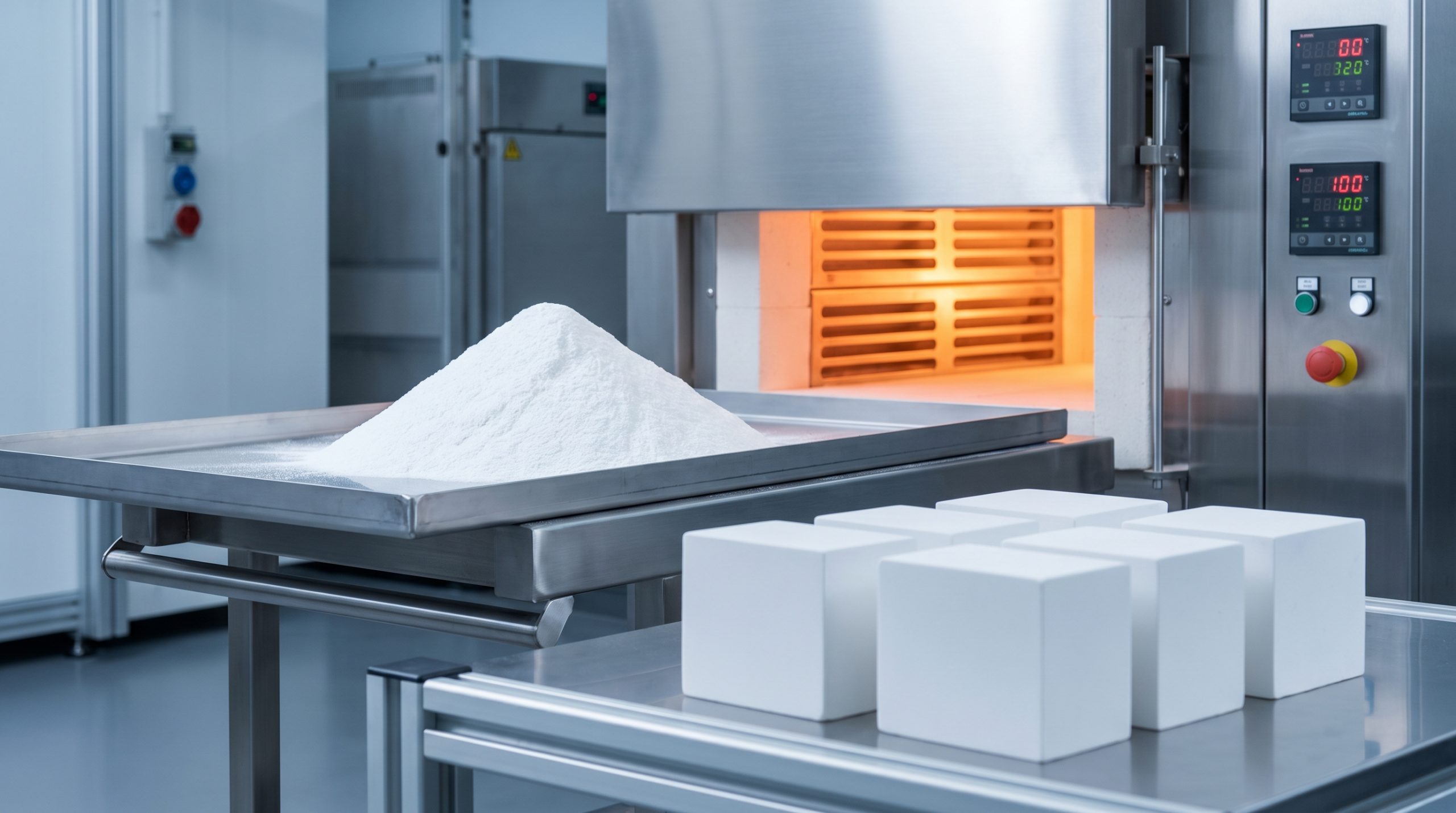
The operational limits of Zirconia Structural Components primarily revolve around low-temperature hydrothermal degradation and high-temperature environmental aging. While this material is extremely tough, it is not impervious to all high-temperature steam conditions.
When exposed to continuous moisture at moderately high temperatures, the stabilized phase can slowly transition prematurely. Understanding these physical boundaries allows you to design systems that avoid premature material fatigue.
Low-Temperature Degradation Risks
Moisture can quietly degrade the crystal matrix over extended periods.
Let’s face it:
- Surface aging is caused by exposure to hot water or pressurized steam.
- Gradual micro-cracking occurs due to premature monoclinic phase transition.
- Loss of surface gloss and mechanical strength develops over time.
You can mitigate this risk by selecting premium grades optimized for hydrothermal stability. Proper material selection ensures your components maintain their mechanical properties even in humid conditions.
High-Stress Hydrothermal Environments
Combined mechanical stress and high-temperature steam demand strict engineering controls.
Think about it:
- Accelerated degradation occurs under high pressure and saturated steam.
- Tailored stabilizer concentrations are required to resist aging.
- High-density sintering profiles are critical to block water penetration.
When you consult with our engineers, we help you select the exact formulation to survive these conditions. This prevents the surface degradation that can compromise your mechanical seals.
Machining and Sintering Shrinkage Challenges
Managing dimensions is difficult because the material shrinks significantly during firing.
That’s not all.
- Dimensional shrinkage of ~20% occurs during final sintering.
- Diamond grinding is required for post-sintered high-precision parts.
- High tool wear occurs during final finish machining.
Key Takeaway: You must account for hydrothermal aging and firing shrinkage to ensure long-term dimensional precision.
| Environmental Threat | Degradation Mechanism | Sintering Control | Protective Mitigation |
|---|---|---|---|
| Hydrothermal Aging | Surface phase monoclinic transition | Precise grain-size refinement | 3Y-TZP specialized dopants |
| Sintering Shrinkage | Volumetric contraction (~20%) | Controlled green-body density | CAD/CAM shrinkage-coefficient calculation |
| High-Temp Fatigue | Phase destabilization | Optimal stabilizer homogenization | Post-sinter HIP (Hot Isostatic Pressing) |
Proper specification matching ensures your components will bypass hydrothermal pitfalls and perform perfectly.
Are Zirconia Structural Components Costly?
While the initial purchase price of Zirconia Structural Components may seem premium, you can drastically lower your total cost of ownership by integrating our high-durability zircon-based engineered components. Cheap metal parts often wear out within weeks, costing you more in maintenance labor than the price of advanced ceramics.
High raw material processing costs and long sintering cycles contribute to the higher upfront expense. However, when you calculate the cost of replacement parts and downtime, these ceramics pay for themselves quickly.
Raw Material and Sintering Costs
Ultra-pure zircon chemical synthesis requires advanced manufacturing equipment and massive energy inputs.
The best part?
- Specialized chemical processing is required to refine raw zircon sand.
- High-temperature kilns must operate above 1450°C for several days.
- Expensive diamond grinding tooling is needed for high-precision finishing.
You receive an incredibly dense, defect-free part that handles wear effortlessly. This high-purity powder processing is what prevents premature wear under heavy industrial loads.
Total Cost of Ownership vs. Metal Parts
Buying cheap metal parts often turns out to be a costly mistake.
Why does this matter?
- 8 to 10 times longer wear-life compared to hardened tool steels.
- Reduced maintenance labor costs due to fewer parts swaps.
- Drastically decreased production downtime losses during key operations.
You will see a fast return on investment as your lines keep running without interruptions. This protects your high-volume manufacturing lines from erratic production delays.
Production Yield and Defects Mitigation
Preventing micro-cracking during fabrication is vital to maintaining stable pricing.
Want to know the best way forward?
- Advanced spray-drying powder technology ensures consistent mold packing.
- Isostatic pressing is used to eliminate internal density gradients.
- Automated inspection is integrated to eliminate defective parts early.
Key Takeaway: You should analyze the full operational lifespan of your parts to realize the massive savings of zirconia.
| Sourcing Option | Initial Purchase Price | Replacement Frequency | Maintenance Downtime Cost |
|---|---|---|---|
| Premium Zirconia | High | Low (Once every 2 years) | Near Zero |
| Standard Metal | Low | High (Every 2-3 months) | High (Frequent teardowns) |
| Alumina Ceramic | Medium | Medium (Every 6-9 months) | Moderate |
Investing in premium engineered materials eliminates recurring repair costs and maximizes your plant’s profitability.
Who Makes Zirconia Structural Components?
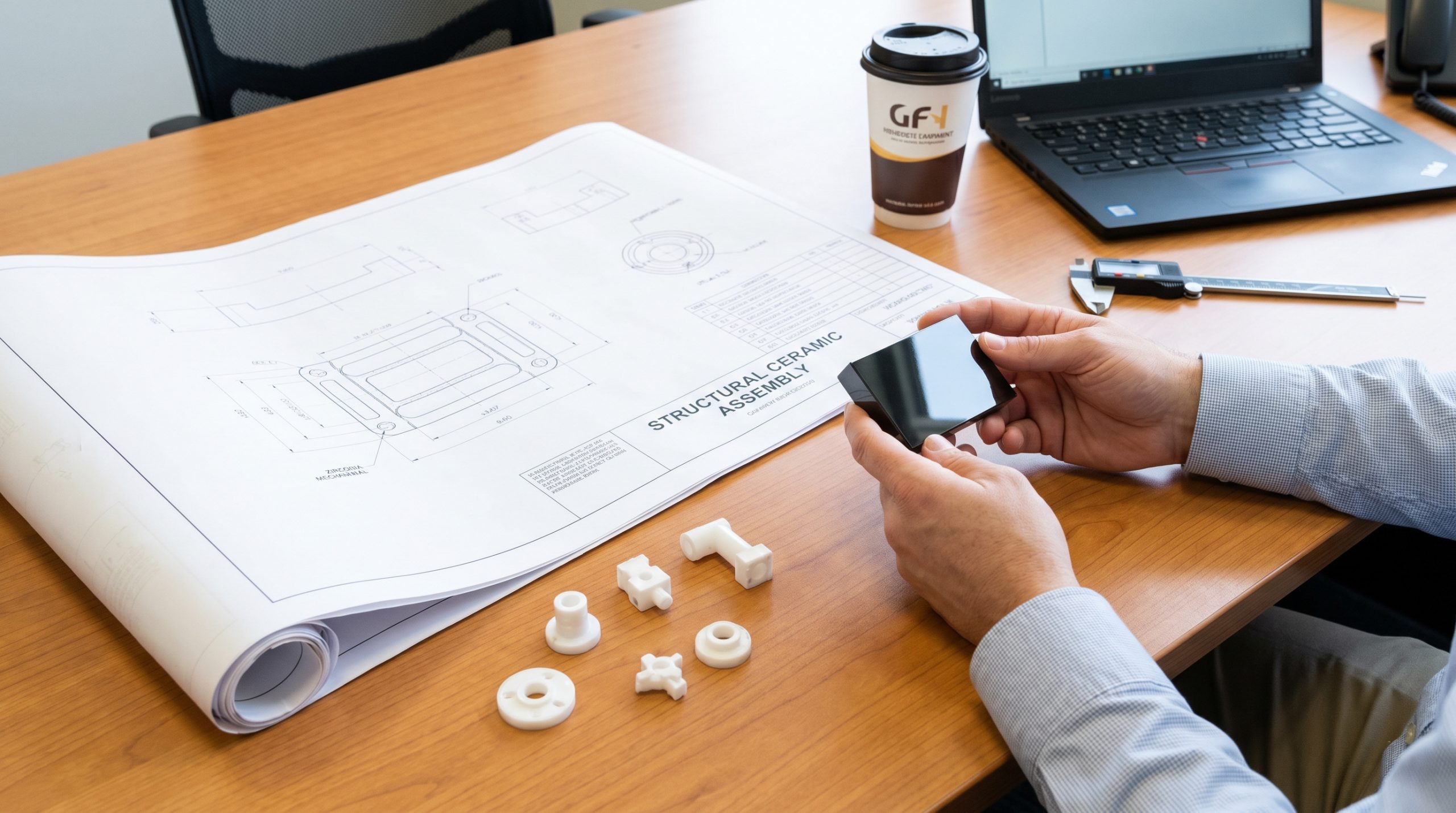
Sourcing your Zirconia Structural Components from a vertically integrated manufacturer like ZrBrontec guarantees total material traceability and consistent engineering performance. Working directly with the factory eliminates the quality variance that often comes with intermediate brokers.
Buying from trading intermediaries introduces high quality-drift risks due to split supplier chains. By auditing factories directly, you ensure that every batch of advanced ceramics meets strict testing standards.
Choosing Vertically Integrated Manufacturers
Working with an end-to-end manufacturer gives you absolute control over your material characteristics.
Here’s the deal:
- Direct control from raw zircon sand to the final sintered component.
- Customized particle size distribution optimized for your specific molds.
- Predictable physical properties across every single production batch.
You get parts that are custom-designed for your mechanical systems without middlemen markups. This direct coordination guarantees that your structural components match your exact engineering drawings.
The Quality Risk of Trading Companies
Trading companies often source from multiple small workshops with inconsistent quality standards.
Let’s face it:
- High risk of sudden batch-to-batch mechanical and structural variance.
- Lack of direct technical support when a component fails prematurely.
- Extended lead times due to fragmented international logistics chains.
You risk major process delays if your supplier cannot guarantee consistent material purity. Sourcing from a single integrated factory removes this operational bottleneck.
Direct Factory Auditing Standards
A thorough direct inspection of the production floor gives you peace of mind.
As it turns out:
- Verification of laser diffraction particle size analyzers in the lab.
- On-site inspection of high-temperature drying and sintering kilns.
- Review of full batch traceability records from raw ore to shipping.
Key Takeaway: You should source directly from integrated factories to eliminate raw material fluctuation and secure robust technical support.
| Parameter | Vertically Integrated (e.g., ZrBrontec) | Typical Trading Intermediary | Impact on Buyer |
|---|---|---|---|
| Material Traceability | Full chain: Ore $\rightarrow$ Powder $\rightarrow$ Part | Fragmented (multiple sub-vendors) | Risk of sudden batch-to-batch variation |
| Custom PSD Control | Adjusted dynamically in mill lines | Fixed catalog items only | Critical for optimizing sintering curves |
| Lead Times | Managed via in-house capacity planning | Dependent on third-party backlogs | Risk of manufacturing downtime |
Partnering with an integrated supplier protects your engineering projects from low-quality materials and unexpected supply delays.
How to Clean Zirconia Structural Components?
Cleaning your Zirconia Structural Components safely requires using specific chemical reagents and ultrasonic baths, which you can read about on our direct factory engineering standards page. Using incorrect cleaning methods can damage polished surfaces, leading to accelerated wear.
While these ceramics are incredibly durable, aggressive mechanical abrasion can trigger localized crystal phase changes. Employing gentle chemical and thermal cleaning protocols ensures the material’s microstructural integrity remains uncompromised.
Chemical Cleaning and Purity Maintenance
Contaminated industrial parts can compromise your entire production batch, leading to expensive product scrap.
Think about it:
- Mild acid washing removes metallic rub-on contaminants safely.
- High-frequency ultrasonic baths clean complex internal channels.
- Avoidance of hydrofluoric (HF) acid prevents chemical attack on the matrix.
You will easily preserve the high purity of your processing line by following these clean-in-place steps. This prevents the buildup of organic residues that can harbor bacteria.
Thermal Regeneration Best Practices
Sometimes heat cleaning is necessary to burn off organic residues from the ceramic surface.
But wait, there’s more:
- Slow ramp-up heating rates prevent thermal stress fractures.
- High-temperature oxidation cycles eliminate surface carbons.
- Gradual cool-down schedules avoid microstructural damage.
You can extend the operational life of your components by managing these thermal profiles carefully. Rapid temperature spikes must be avoided to keep the material structurally sound.
Minimizing Surface Phase Alteration
Harsh abrasive brushing can damage the delicate crystal matrix and cause premature surface fatigue.
That’s not all.
- Avoidance of coarse diamond abrasive pads for manual cleaning.
- Selection of non-marring synthetic brushes for debris removal.
- Regular inspection of the ceramic surface for localized micro-stress.
Key Takeaway: You should clean with mild chemicals and controlled thermal cycles to prevent premature surface wear.
| Cleaning Method | Recommended Chemical Reagents | Temperature Limits | Primary Application |
|---|---|---|---|
| Ultrasonic Bath | Weak dilute $HNO_3$ or citric acid | < 80°C | Removing fine powder and dust |
| Thermal Burn-Off | Clean air environment | Max 500°C (Slow ramp) | Eliminating oily organic residue |
| Chemical Wipe | Isopropyl alcohol (IPA) | Ambient room temp | Surface grease and handling prep |
Adhering to correct chemical washing procedures keeps your high-performance parts clean without altering their structural properties.
Will Zirconia Structural Components Break?
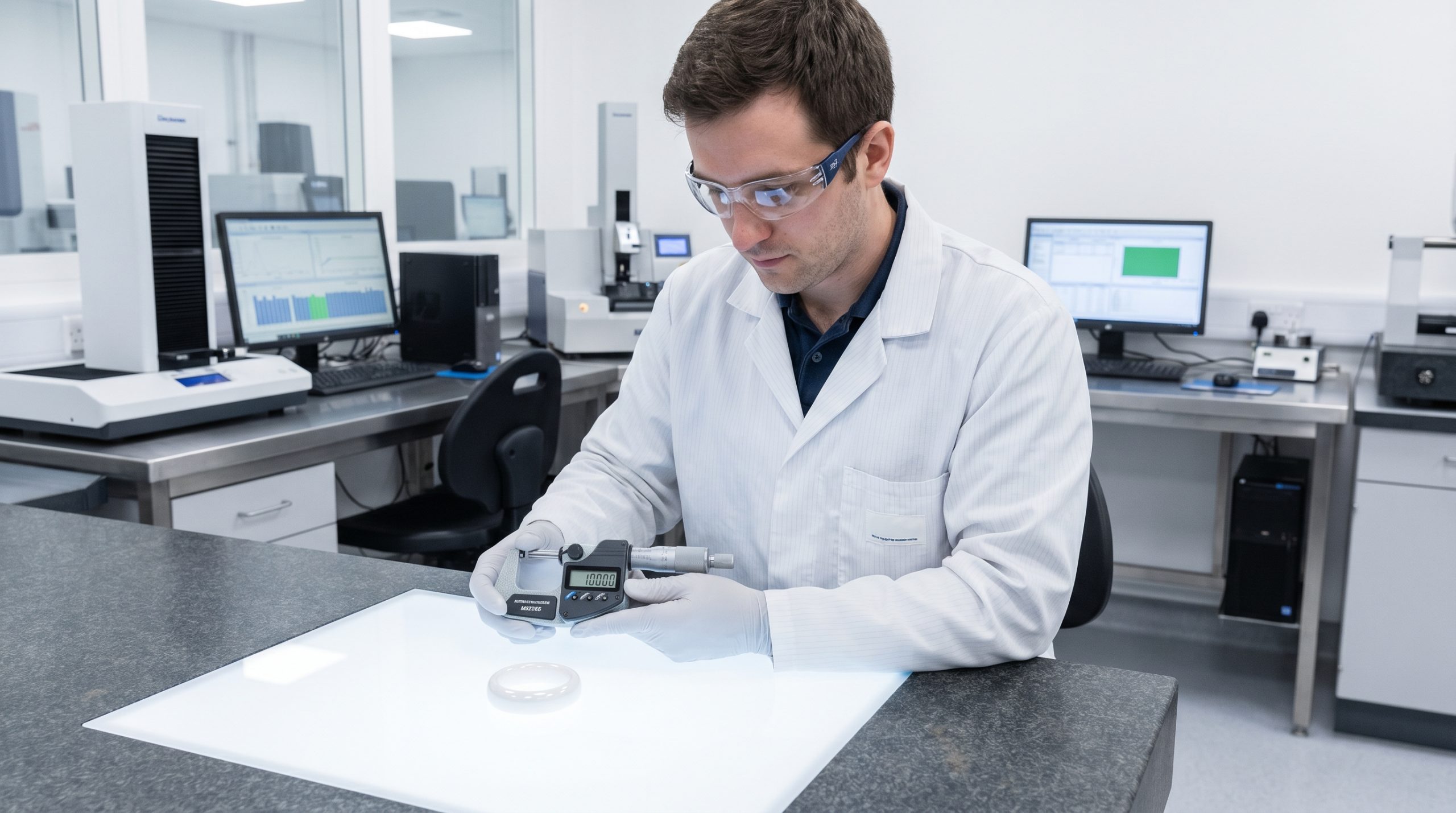
Under normal design conditions, Zirconia Structural Components will not break because their high fracture toughness allows them to handle exceptional tensile and compressive loads. However, proper engineering calculations are required to avoid overloading.
Catastrophic failure can occur if your system design includes sharp internal corners or intense localized point loads. Correctly distributing stresses across the geometry of the component prevents sudden shattering.
Stress Distribution and Structural Design
Poor component design is the leading cause of premature failure in technical ceramics.
Now, you might be wondering:
- Generous corner radii eliminate stress concentration points.
- Smooth chamfers prevent chipping along sharp mechanical edges.
- Even clamp distribution avoids concentrated localized loading.
You will avoid structural damage by working closely with our engineers during the initial blueprint phase. Designing components with uniform wall thicknesses minimizes stress during operations.
Critical Flaw and Microcrack Propagation
Subsurface defects can grow slowly under cyclic stress until a major failure occurs without warning.
Want to know the best way forward?
- Non-destructive ultrasonic testing detects hidden internal voids.
- Precision dye-penetrant inspection exposes tiny surface cracks.
- High-density processing minimizes internal material porosity.
You can rest easy knowing that every piece undergoes strict quality control inspections before shipment. This level of quality assurance is critical for high-pressure pump parts.
Stabilizer Optimization (3Y vs. 5Y-TZP)
Selecting the wrong stabilization formulation can reduce the mechanical fatigue life of your parts.
Let’s face it:
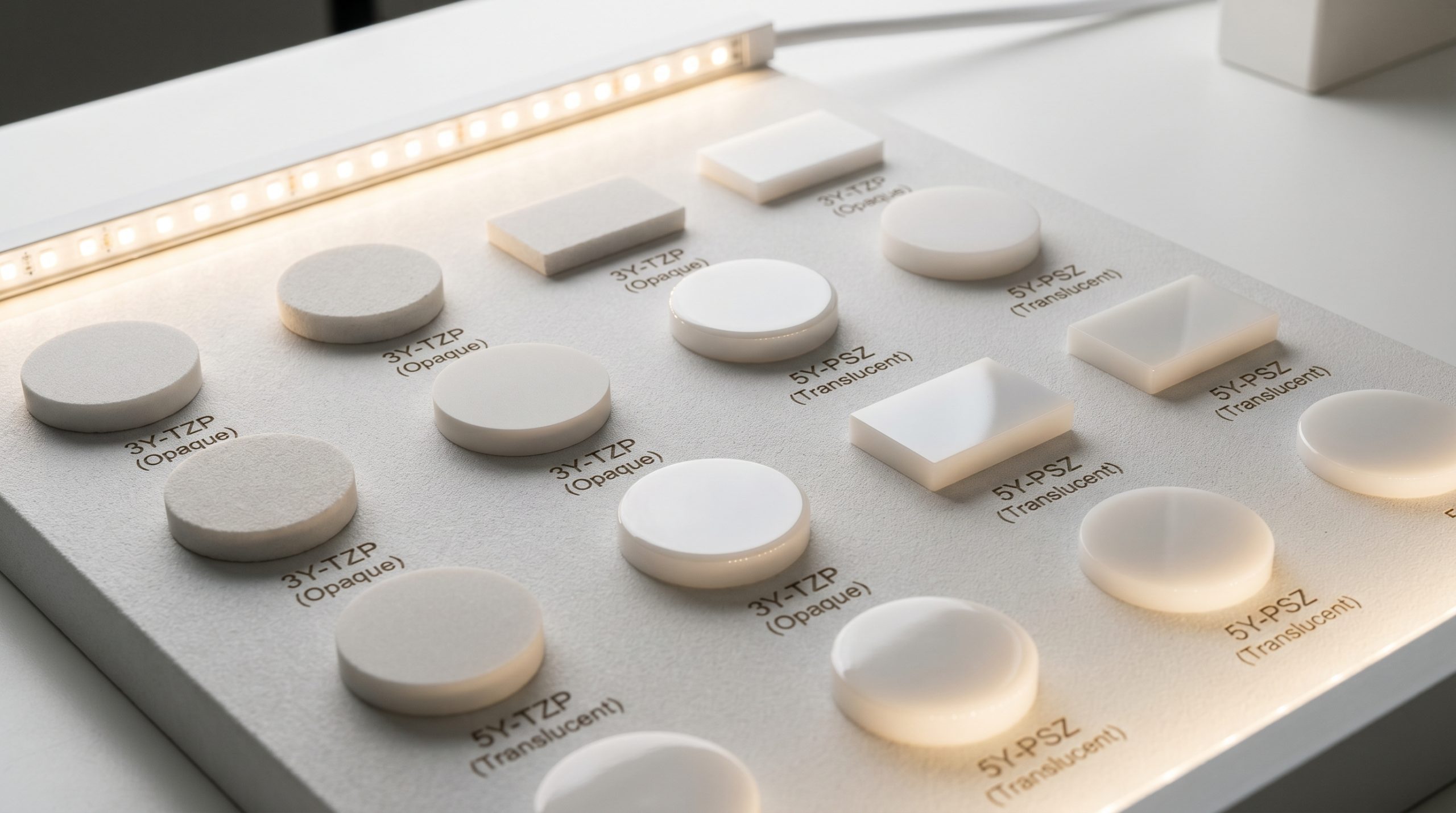
- 3Y-TZP is the best choice for high-impact industrial applications.
- 5Y-PSZ is designed specifically for translucent dental work.
- 8Y-FSZ is fully stabilized for high-temperature solid oxide fuel cells.
Key Takeaway: You must specify 3Y-TZP for high-load industrial parts to take advantage of maximum mechanical strength.
| Stabilizer Grade | Primary Crystal Phase | Flexural Strength (MPa) | Recommended Usage |
|---|---|---|---|
| 3Y-TZP (3 mol% Yttria) | Tetragonal | 900 – 1200 | Industrial wear parts, pump plungers |
| 5Y-PSZ (5 mol% Yttria) | Tetragonal + Cubic | 600 – 800 | Translucent dental crowns, precision knives |
| 8Y-FSZ (8 mol% Yttria) | Cubic | 200 – 300 | Oxygen sensors, fuel cell electrolytes |
Optimizing the yttria stabilizer chemistry ensures your mechanical parts can handle cyclical stresses without fracturing.
Are Zirconia Structural Components Non-Toxic?
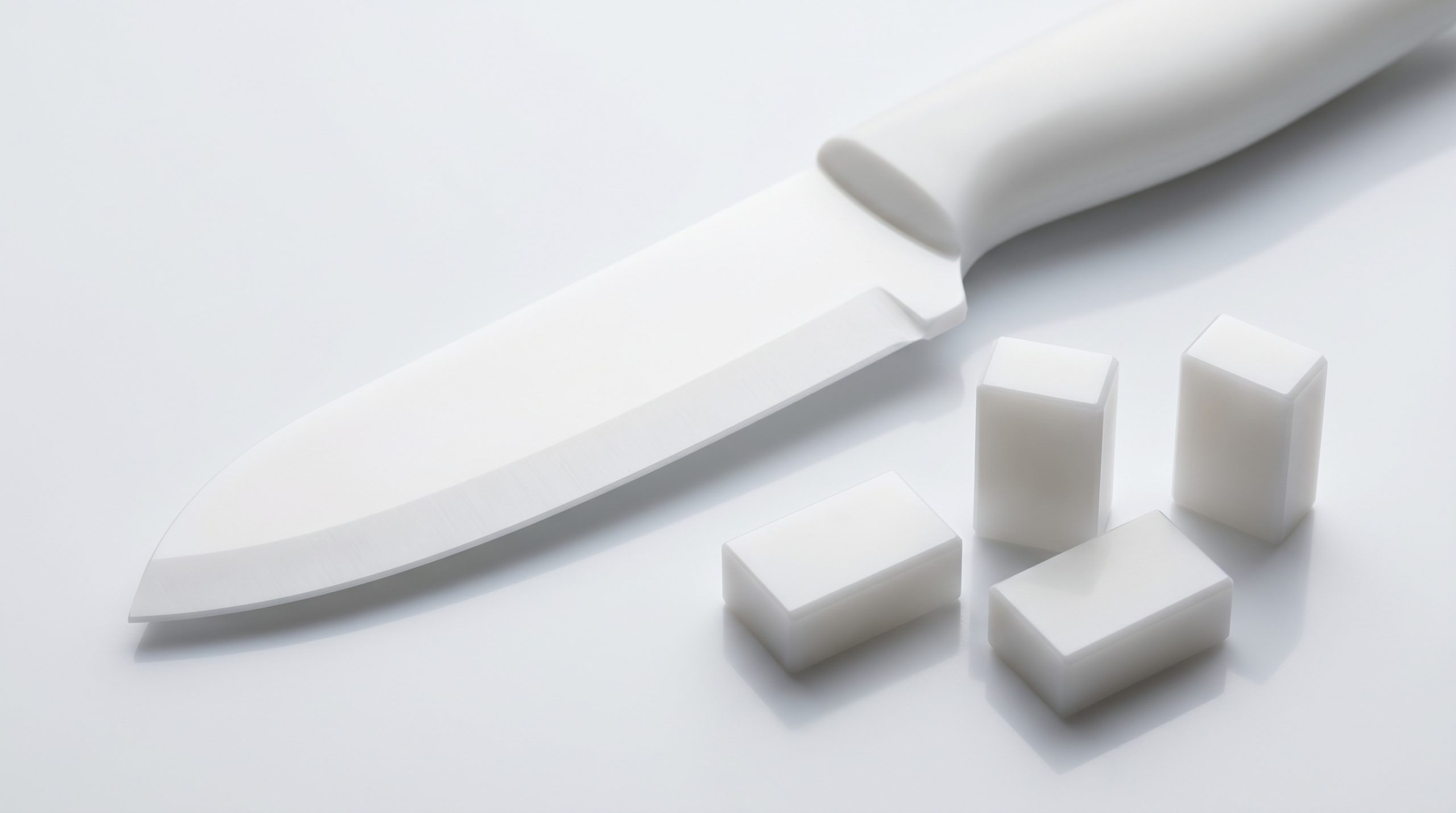
Yes, Zirconia Structural Components are completely non-toxic and biocompatible, making them exceptionally safe for sensitive applications like dental implants, which you can discuss with our contact our technical engineering team. This makes them highly valued in both medical and hygienic food processing.
The chemical inertness of this material prevents it from releasing harmful metal ions or reacting with biological tissues. Maintaining low radioactivity grade controls during ore refining ensures safe contact in any consumer or medical setting.
Biocompatibility in Medical and Dental Uses
Standard metal implants can corrode and trigger adverse reactions in patients over time.
As it turns out:
- Zero-allergy risk compared to nickel or chrome metal alloys.
- High osseointegration supports excellent bone attachment.
- Natural color matching mimics biological structures perfectly.
You will notice a high success rate in surgical implants when using this advanced material. Its resistance to bodily fluids ensures it will not degrade or weaken over decades of use.
Food-Contact Safety Certifications
Industrial food processors must maintain strict hygienic standards to pass regulatory inspections.
Think about it:
- Corrosion-free surfaces do not harbor microscopic bacteria.
- Excellent resistance to strong food-grade cleaning detergents.
- Zero chemical transfer of tastes or contaminants to food.
You can easily meet FDA standards by integrating these clean, inert parts into your line. This eliminates the risk of rusty metals contaminating your food products.
Low Radioactivity Grade Controls
Raw zircon materials naturally contain trace radionuclides that must be carefully processed.
Here’s the deal:
- Sourcing premium-grade sands guarantees low natural radioactivity.
- Meticulous chemical purification isolates pure zirconium oxide.
- Certified testing is conducted to guarantee safety in consumer products.
Key Takeaway: You should implement these non-toxic materials to fulfill strict safety and regulatory demands in medical and food processing.
| Regulatory Metric | Zirconia (3Y-TZP) | Stainless Steel (316L) | Titanium (Ti-6Al-4V) |
|---|---|---|---|
| Metal Ion Release | None | Low (Nickel/Chrome traces) | Extremely low |
| Allergenic Risk | Zero | Moderate | Low |
| Bacterial Adhesion | Very Low | Moderate | Low |
Selecting certified high-purity ceramics ensures your consumer-facing products conform to the highest global safety standards.
How to Buy Zirconia Structural Components?
To buy high-quality Zirconia Structural Components, you must start by aligning your CAD blueprints, tolerance requirements, and target application stresses with a certified technical manufacturer. Attempting to buy off-the-shelf components often leads to poor mechanical fits and premature failure.
Securing prototype samples allows you to validate the material’s fit and wear behavior within your existing machinery. Establishing long-term supply agreements then guarantees stable pricing and consistent batch-to-batch quality.
Custom Specification and Draft Alignment
Getting the dimensions right before production begins is essential to avoid costly manufacturing mistakes.
Want to know the best way forward?
- Submit detailed CAD files with precise, realistic tolerances.
- Specify the exact environment and temperature peaks.
- Optimize radii and wall thicknesses with our engineering team.
You will save time and money by resolving design issues before the material is fired. Our team helps you adjust the blueprints to account for sintering contraction.
Sampling, Prototyping, and Pilot Batches
You should never jump into full-scale production without testing physical parts first.
Think about it:
- Order low-volume test runs to verify dimensions.
- Test prototypes under actual high-stress working conditions.
- Review wear properties with our technical staff.
This structured approach ensures the final high-volume parts will operate flawlessly. It allows you to make minor design tweaks before investing in high-volume tooling.
Setting Long-Term Supply Agreements
Fluctuations in international raw materials can impact your operating budget.
The best part?
- Locked-in annual pricing protects your operational margins.
- Guaranteed safety stock is kept in our warehouse facilities.
- Dedicated engineering support is available for ongoing optimization.
Key Takeaway: You must follow a disciplined design, prototype, and contract path to secure high-performing parts at stable prices.
| Procurement Stage | Key Deliverable | Buyer Action Required | Supplier Output |
|---|---|---|---|
| 1. Design Review | Custom Spec Sheet | Provide CAD files and mechanical specs | Technical feasibility report |
| 2. Prototyping | Trial Batch Parts | Install and monitor test samples | COA and PSD reports |
| 3. Scale-Up | Supply Agreement | Lock in yearly volume forecasts | Safety stock holds and priority kiln slots |
Following this systematic step-by-step onboarding plan guarantees your production lines will never experience unexpected downtime due to parts shortages.
Conclusion
If you are ready to eliminate costly equipment downtime, premature component failures, and quality drift from your manufacturing process, you need a partner who controls the entire engineering chain. At ZrBrontec, our mission is to deliver consistent, high-density structural components that keep your heavy-duty operations running smoothly under the harshest conditions imaginable. We support your engineering projects with direct laboratory testing, custom particle size distributions, and robust technical support. Stop struggling with brittle materials and fast-wearing metal parts; contact us today to discuss your custom specifications with an expert engineer and secure the stable supply of materials your operations deserve.
Frequently Asked Questions
Can I machine zirconia components after they have been sintered?
Yes, but only with highly specialized diamond-coated tooling under continuous liquid coolant. Because sintered zirconia features a hardness rating above HV1200, standard steel or carbide cutting tools will wear out instantly without cutting the material. Precision grinding must be performed slowly to prevent localized thermal shock from cracking the structural component.
What’s the best way to determine if yttria stabilization is right for my application?
You should choose 3Y-TZP (3 mol% yttria-stabilized zirconia) for any heavy industrial application requiring maximum impact resistance and mechanical toughness. If your project demands high light translucency for optical or dental crowns, 5Y-PSZ is the superior option. For high-temperature fuel cell electrolytes or oxygen sensors, fully stabilized 8Y-FSZ is the required industry standard.
How do I know if my machinery is suffering from hydrothermal aging?
You will notice a gradual loss of surface gloss, followed by micro-cracking and a powdery white residue on the component’s outer layer. This occurs when continuous exposure to steam or moisture triggers a premature phase transition from tetragonal to monoclinic. If you notice these symptoms, our technical team can help you upgrade to a hydrothermally stable zirconia grade.
Can I use standard industrial acid cleaners on these structural parts?
Yes, you can safely clean them with dilute nitric, hydrochloric, or citric acids without compromising the material’s mechanical strength. However, you must absolutely avoid using hydrofluoric (HF) acid, as it will selectively attack and dissolve any silicate phases in the ceramic matrix. Utilizing ultrasonic clean-in-place baths with safe reagents is highly recommended.
How do I know if my custom CAD drawings are optimized for technical ceramics?
Your design is optimized if it completely avoids sharp internal corners, features generous corner radii, and utilizes uniform wall thicknesses. Sharp geometric transitions create intense stress concentration points that can lead to crack propagation during sintering or high-stress operations. Our engineering group will audit your CAD files and offer feedback to ensure flawless fabrication.