
Zirconia is a high-performance technical ceramic known for its metal-like toughness and chemical inertness. Many procurement managers face the frustration of brittle material failures in high-heat or high-stress environments. This fragility leads to costly production downtime and frequent equipment replacements. Implementing Zirconia Ceramic into your supply chain provides the structural reliability needed to withstand extreme industrial conditions.
1. What Is Zirconia Ceramic and Its Primary Composition?
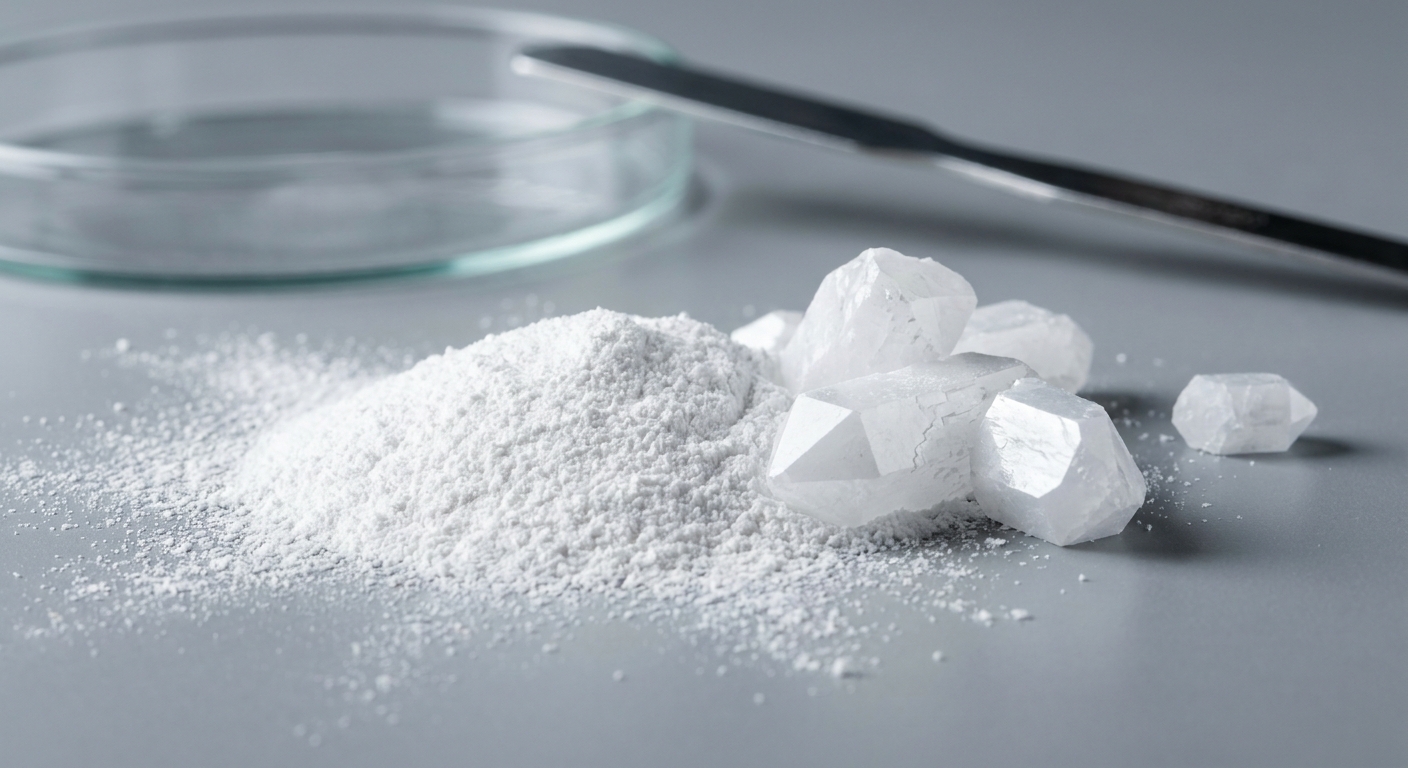
Zirconia Ceramic is an inorganic, non-metallic material primarily composed of zirconium dioxide (ZrO2) that exists in various crystalline phases depending on temperature. In its pure form, the material is a white crystalline oxide that exhibits a monoclinic structure at room temperature. This composition makes it highly resistant to chemical corrosion and extreme temperatures.
The Chemical Foundation of ZrO2
The primary building blocks of this material are zirconium and oxygen atoms arranged in a specific long-range order.
Think about it: the purity of these raw materials dictates the final performance of the ceramic part.
- Zirconium (Zr)
- Oxygen (O)
- Trace impurities (SiO2, Fe2O3)
Crystalline Phase Transitions
Zirconia is polymorphic, meaning it changes its atomic arrangement as it is heated or cooled.
Here is the deal: without stabilization, the volume change during cooling would cause the material to shatter.
- Monoclinic phase (Room temperature)
- Tetragonal phase (1173°C – 2370°C)
- Cubic phase (> 2370°C)
Key Takeaway
Understanding the phase behavior is essential for engineering parts that maintain structural integrity across varying temperature ranges.
| Phase | Stability Temp | Characteristic |
|---|---|---|
| Monoclinic | < 1173°C | Brittle and prone to cracking |
| Tetragonal | 1173°C – 2370°C | High strength and toughness |
| Cubic | > 2370°C | Isotropic and optically clear |
Analyze the thermal environment of your application to determine which phase stabilization is necessary for long-term stability.
2. How Is Zirconia Ceramic Extracted and Processed?
Zirconia ceramic is extracted from zircon sand through complex chemical purification processes like chlorination, alkali oxide decomposition, or lime fusion. These methods are designed to isolate high-purity zircon powder & sand from natural minerals. Refining the material involves removing unwanted oxides like silica and iron that can compromise structural properties.
Industrial Extraction Routes
The extraction process begins at coastal areas where zircon sand is collected and concentrated.
Believe it or not: the refinement level determines the “whiteness” and sintering behavior of the final product.
- Chlorination (Mass production)
- Plasma Dissociation (Ultra-pure grades)
- Alkali Fusion (Chemical grade)
Refining for Structural Purity
Once the zirconium dioxide is isolated, it must be milled into a fine powder with a controlled particle size.
The best part? Narrow particle size distribution ensures a more uniform shrinkage during the subsequent sintering stage.
- Ball milling for PSD control
- Magnetic separation for iron removal
- Calcination for phase preparation
Key Takeaway
High-purity extraction is the foundation of a reliable ceramic component, ensuring consistent mechanical behavior across different production batches.
| Method | Output Purity | Primary Benefit |
|---|---|---|
| Chlorination | 99.5%+ | Scalable for industrial use |
| Plasma | 99.9%+ | Zero residual impurities |
| Lime Fusion | 99.0%+ | Cost-effective for refractories |
Evaluate the purity requirements of your specific component to balance material cost with performance needs.
3. Why Is Yttrium Essential for Zirconia Ceramic Stability?
Yttrium acts as a chemical stabilizer that “locks” the Zirconia Ceramic into its high-strength tetragonal phase at room temperature. Without this additive, the material would undergo a destructive 4.9% volume expansion upon cooling, leading to catastrophic failure. This yttria-stabilized tetragonal zirconia polycrystal (3Y-TZP) is the industry standard for high-toughness applications.
The Mechanism of Phase Stabilization
By substituting some zirconium atoms with yttrium, the crystal lattice becomes stable in the tetragonal phase even when cold.
As it turns out: this stabilization is what allows zirconia to be used in solid, load-bearing structural parts.
- Y2O3 (Yttrium Oxide)
- Atomic substitution
- Lattice stress management
Transformation Toughening Effects
When a crack tip approaches a stabilized grain, the local stress triggers a phase change back to the monoclinic state.
Here is the kicker: the resulting volume expansion actually “squeezes” the crack shut, preventing it from growing.
- Crack tip energy absorption
- Tetragonal-to-monoclinic transition
- Compressive stress generation
Key Takeaway
Yttrium stabilization transforms a brittle oxide into a “ceramic steel” capable of resisting fracture through active internal stress management.
| Stabilizer | Mol % | Resulting Property |
|---|---|---|
| Yttria (3Y) | 3 mol% | Maximum fracture toughness |
| Yttria (5Y) | 5 mol% | High translucency/Aesthetics |
| Magnesia (MgO) | Variable | Superior thermal shock resistance |
Review the yttrium concentration in your material data sheet to ensure it aligns with your toughness requirements.
4. What Are the Mechanical Properties of Zirconia Ceramic?
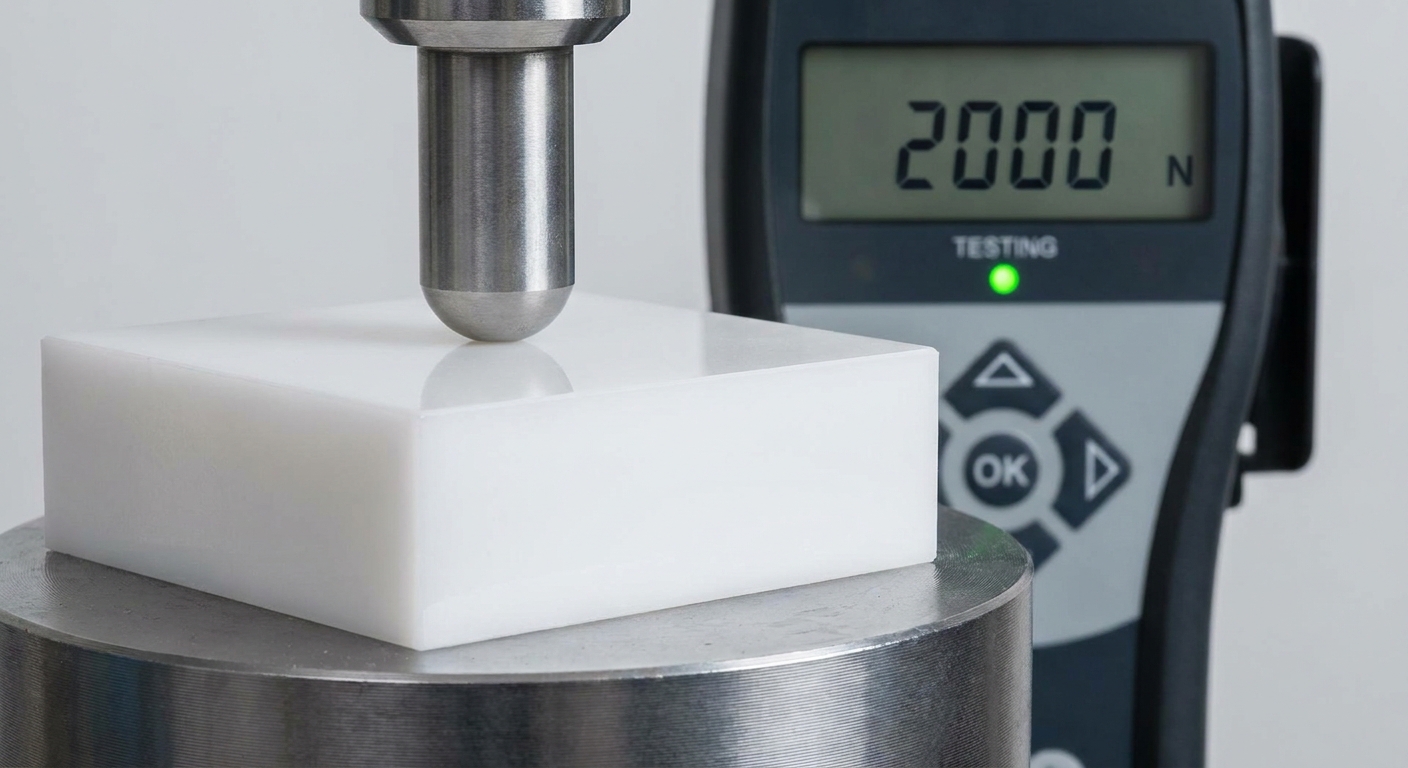
Zirconia ceramic exhibits a unique combination of high bending strength, extreme hardness, and a fracture toughness that is roughly double that of standard alumina. These properties allow zircon-based engineered components to perform in environments where other ceramics would shatter under impact. It effectively bridges the gap between the hardness of traditional ceramics and the toughness of structural metals.
Hardness and Wear Resistance
The Vickers hardness of this material typically exceeds HV1200, making it nearly impossible to scratch with standard tools.
Think about it: such high hardness translates directly into a longer service life for wear-intensive industrial parts.
- Diamond-like scratch resistance
- Low coefficient of friction
- High surface finish capability
Bending Strength and Durability
Structural zirconia can withstand flexural loads of over 1000 MPa, providing a high safety margin for engineering designs.
Here is the deal: this durability ensures that parts do not fail suddenly when subjected to unexpected mechanical vibration.
- Flexural strength (>900 MPa)
- Fracture toughness (8-10 MPa·m1/2)
- High Young’s modulus
Key Takeaway
The mechanical profile of zirconia makes it the premier choice for components requiring both extreme surface hardness and internal structural reliability.
| Property | Zirconia (3Y-TZP) | Alumina (99%) |
|---|---|---|
| Bending Strength | 1000 MPa | 350 MPa |
| Fracture Toughness | 8.0 MPa·m1/2 | 4.0 MPa·m1/2 |
| Density | 6.0 g/cm³ | 3.9 g/cm³ |
Compare these metrics against your current material benchmarks to identify potential areas for component lifespan improvement.
5. How Is Zirconia Ceramic Formed from Powder to Blocks?
The production of Zirconia Ceramic begins by pressing stabilized powder into a “green body” using uniaxial or cold isostatic pressing (CIP) techniques. Isostatic pressing is often preferred because it applies equal pressure from all directions, resulting in a highly uniform density. This uniformity is critical for preventing warping or uneven shrinkage during the final firing stage.
Uniaxial vs. Isostatic Methods
Uniaxial pressing is fast for simple shapes, while CIP is necessary for complex geometries and superior material homogeneity.
But wait, there’s more: isostatic pressing reduces internal friction, which eliminates many common manufacturing defects found in cheaper ceramics.
- Hydraulic pressure distribution
- Elastic mold technology
- Green density optimization
Hot Isostatic Pressing (HIP) for Density
For the most demanding applications, a secondary HIP process uses heat and gas pressure to remove the last traces of porosity.
The best part? This process creates a material so dense it achieves theoretical limits of strength and chemical resistance.
- Porosity elimination
- Isotropic property enhancement
- High-pressure argon gas usage
Key Takeaway
The forming method directly impacts the final part’s reliability; isostatic pressing is essential for high-performance industrial components.
| Forming Method | Density Uniformity | Setup Cost |
|---|---|---|
| Uniaxial | Low-Medium | Low |
| Isostatic (CIP) | High | Medium |
| Hot Isostatic (HIP) | Ultra-High | High |
Analyze your part geometry and performance requirements to choose the most cost-effective yet reliable forming method.
6. Why Is Sintering Critical for Zirconia Ceramic Quality?
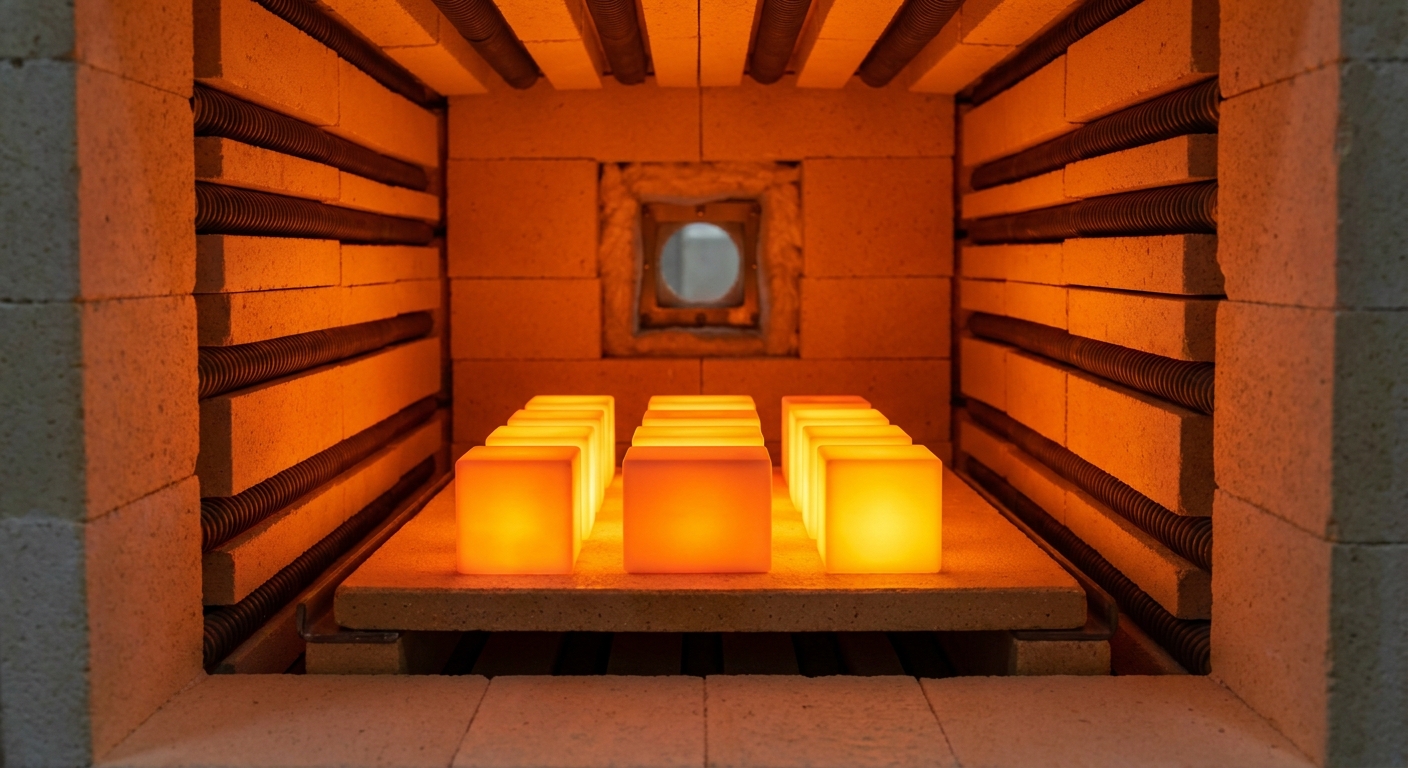
Sintering is the process where the zirconia ceramic green body is heated to temperatures around 1450°C to fuse the powder particles into a solid, dense mass. During this phase, the material undergoes a massive linear shrinkage of approximately 20% to 25% as the pores are eliminated. Controlling the heating and cooling rates is vital to prevent internal stress and ensure the final dimensions match the engineering specs.
Managing the Sintering Cycle
Precise temperature control prevents grain growth, which can weaken the material if grains become too large.
Believe it or not: even a 10-degree variance in the peak temperature can significantly alter the toughness of the ceramic.
- Ramp-up speed control
- Dwell time optimization
- Controlled cooling phases
Impact of Shrinkage on Precision
Manufacturers must use advanced CAD/CAM software to account for the predictable but significant shrinkage that occurs in the kiln.
Here is the kicker: if the shrinkage is not perfectly isotropic, the final part will warp and fail to fit the intended assembly.
- 20-25% linear contraction
- CAD/CAM compensation factors
- Atmospheric control during firing
Key Takeaway
Sintering is the most sensitive step in the manufacturing chain, dictating both the final mechanical strength and the dimensional accuracy of the part.
| Variable | Effect of Excess | Target State |
|---|---|---|
| Temperature | Large grain growth | Fine, uniform microstructure |
| Dwell Time | Reduced toughness | Maximum densification |
| Cooling Rate | Internal micro-cracks | Stress-free transformation |
Examine the sintering logs from your supplier to ensure that the material has reached its optimal density without overheating.
7. How Is Zirconia Ceramic Utilized in Modern Dentistry?
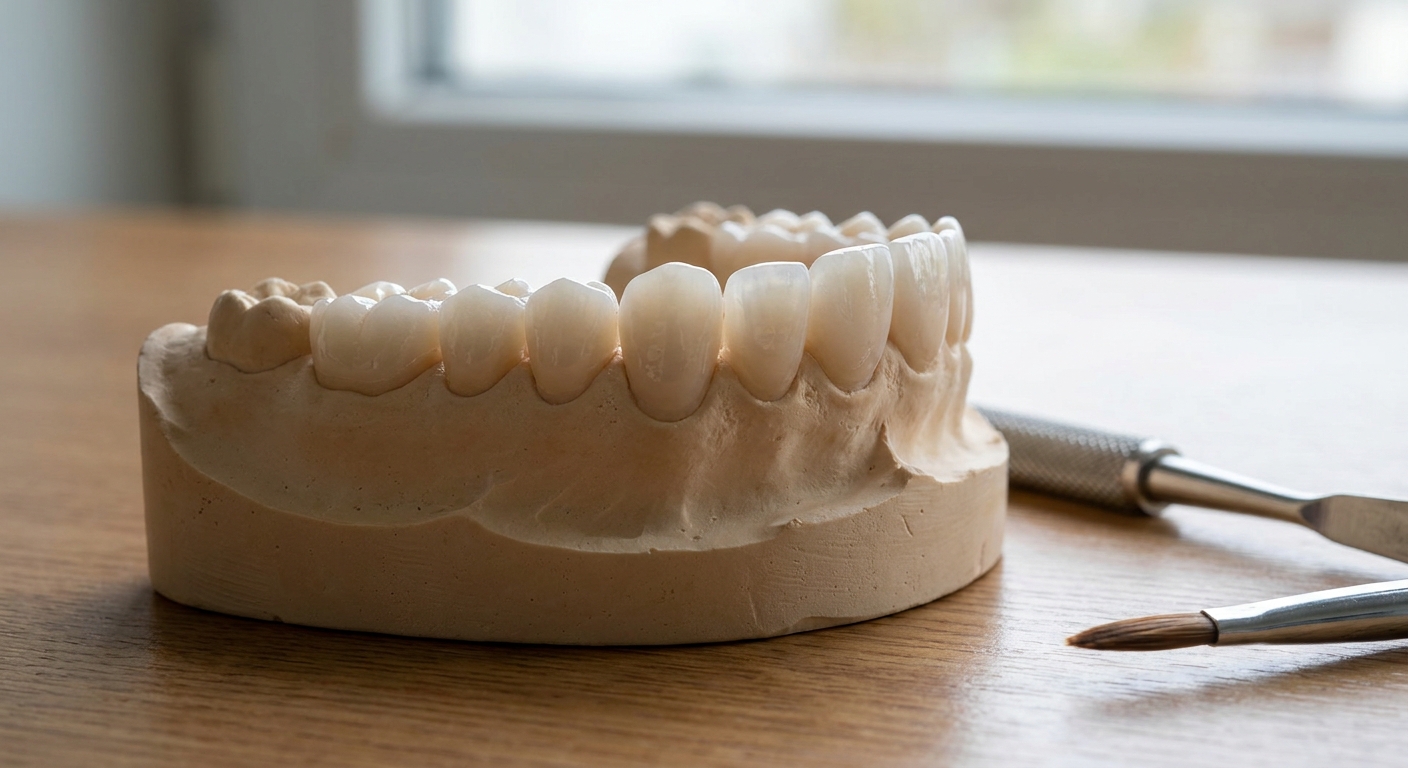
In the Zirconia Ceramic dental sector, this material has replaced metal-based restorations due to its biocompatibility, natural aesthetics, and high fracture resistance. Dentists utilize it for crowns, bridges, and implants because it can be milled into complex shapes while maintaining the strength to withstand biting forces. Modern dental industry solutions focus on “translucent” zirconia that mimics the appearance of natural tooth enamel.
Aesthetic vs. Structural Grades
High-translucency zirconia uses higher yttria content (4Y or 5Y) to provide better light transmission for front-tooth restorations.
Think about it: you no longer have to choose between a crown that looks good and one that is strong enough to last decades.
- 3Y-TZP (Opaque, high strength)
- 5Y-TZP (Translucent, aesthetic)
- Multi-layered gradients
Digital Milling and Fit
Dental labs use CAD/CAM technology to mill restorations from pre-sintered blocks, which are easier to process than the final hardened ceramic.
The best part? This digital workflow ensures a “passive fit” that minimizes stress on the underlying tooth structure during use.
- Chalk-like green state milling
- Diamond tool precision
- Post-milling sintering cycles
Key Takeaway
Zirconia has revolutionized restorative dentistry by combining the visual appeal of porcelain with the structural endurance of titanium.
| Restoration | Material | Primary Benefit |
|---|---|---|
| Posterior Crown | 3Y-TZP | Maximum chewing strength |
| Anterior Crown | 5Y-TZP | Natural light translucency |
| Long-Span Bridge | 3Y-TZP | Resistance to flexural failure |
Select the zirconia grade based on the location of the restoration to balance the need for aesthetics with structural load requirements.
8. What Causes Degradation in Zirconia Ceramic Components?
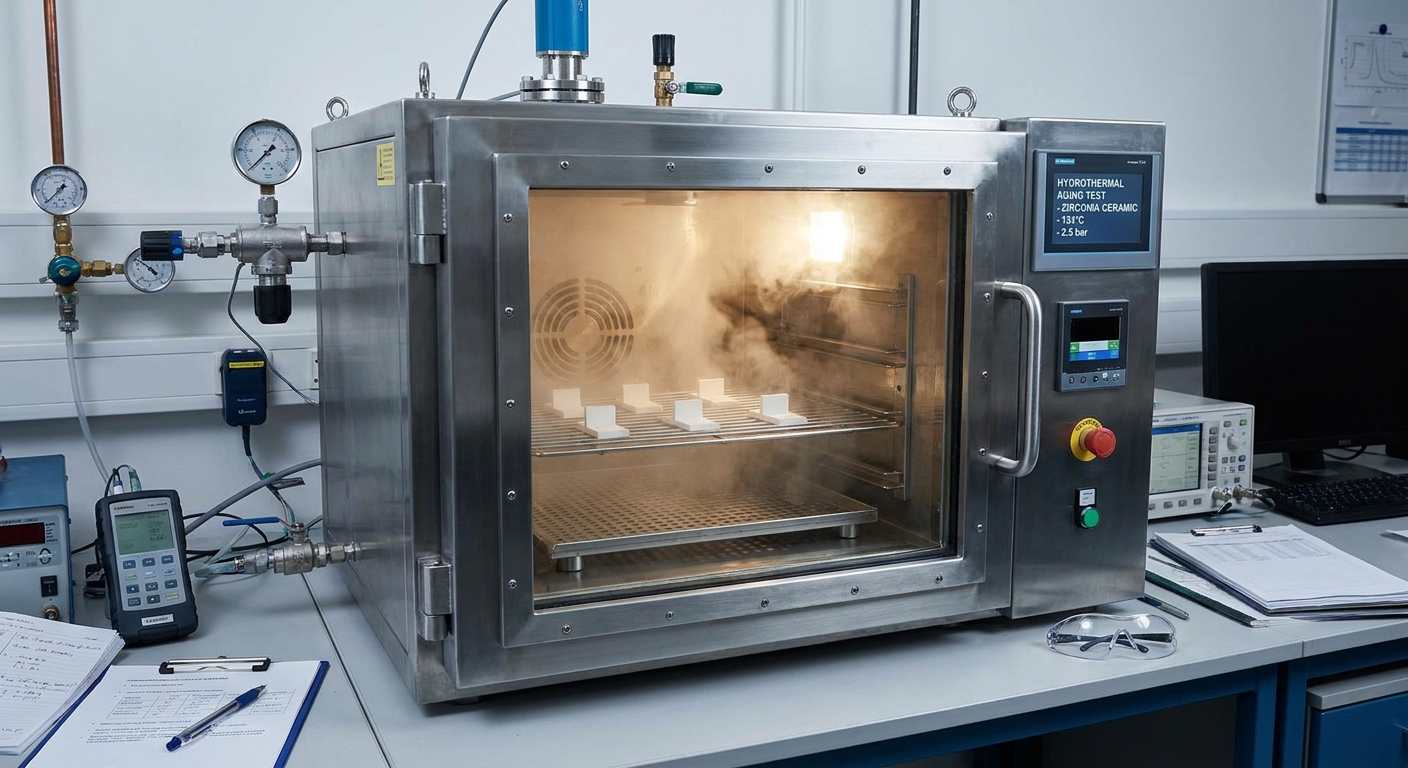
Zirconia ceramic can suffer from low-temperature degradation (LTD), also known as hydrothermal ageing, when exposed to moisture and heat for extended periods. This process causes the tetragonal phase to spontaneously revert to the monoclinic phase on the surface, creating micro-cracks that eventually weaken the part. High-quality manufacturers often add small amounts of alumina to the mix to act as a buffer against this specific type of moisture-driven decay.
The Hydrothermal Ageing Process
Moisture penetrates the grain boundaries and triggers the phase transformation without any external mechanical stress.
Here is the deal: if left unchecked, this surface degradation can lead to significant surface roughness and eventual structural failure.
- Water vapor penetration
- Surface phase destabilization
- Crack propagation network
Preventing LTD with Additives
Modern ceramic engineering uses specialized stabilizers and dopants to ensure the material remains stable even in humid environments.
As it turns out: adding just 0.5% zirconium silicate or alumina can drastically increase the resistance to hydrothermal aging.
- Alumina (Al2O3) buffering
- Grain boundary optimization
- Controlled surface finish
Key Takeaway
Understanding hydrothermal stability is critical for parts used in medical implants or industrial steam environments where moisture is constant.
| Environment | Degradation Risk | Prevention Strategy |
|---|---|---|
| Dry/High Temp | Low | Standard 3Y-TZP |
| Humid/130°C | High | Alumina-alloyed zirconia |
| Saline/Body Temp | Moderate | High-purity stabilizer control |
Specify the moisture exposure of your application during the procurement phase to ensure the correct stabilization additives are included.
9. How Is Zirconia Ceramic Used in Industrial Engineering?
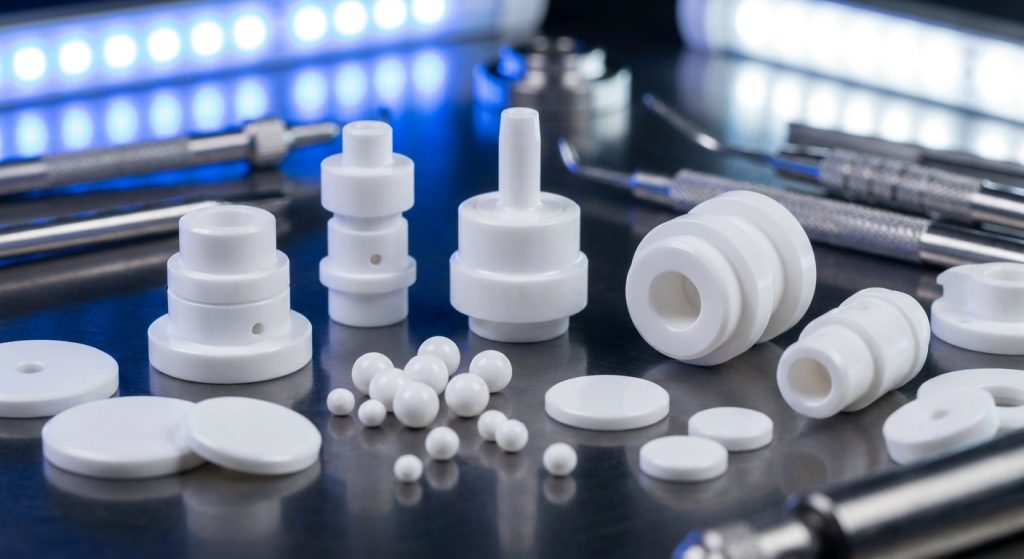
Industrial engineers utilize Zirconia Ceramic for high-wear components like pump valves, grinding media, and cutting tools that must operate in corrosive environments. Its high density and impact resistance make it superior to other ceramics for heavy-duty applications. Furthermore, industrial wear parts made from zirconia provide a non-contaminating alternative to steel in pharmaceutical and food processing.
High-Performance Grinding Media
Zirconia beads are used to mill pigments, inks, and chemicals due to their high mass and low wear rate.
Here is the kicker: because the material is so hard, it does not release metallic or silica contaminants into the processed batch.
- High-density milling
- Low contamination risk
- Superior bead longevity
Refractory and Chemical Resistance
The material remains inert when exposed to molten metals and strong acids, making it ideal for crucibles and chemical sensors.
Think about it: using zirconia in your high-heat process can reduce equipment replacement costs by up to 50% over traditional materials.
- Acid-proof pump liners
- Oxygen sensors (Solid electrolyte)
- Refractory industry applications
Key Takeaway
Zirconia is the ultimate problem-solver for industrial engineering challenges involving the destructive combination of high wear, heat, and corrosion.
| Application | Advantage | Result |
|---|---|---|
| Pump Seals | Low friction | Reduced energy consumption |
| Grinding Beads | High density | Faster processing times |
| Cutting Blades | Edge retention | Longer tool life between shifts |
Conduct a life-cycle cost analysis to see how the higher upfront cost of zirconia is offset by massive reductions in downtime.
10. How to Ensure Quality When Sourcing Zirconia Ceramic?
Sourcing high-quality zirconia ceramic requires verifying batch-to-batch consistency in particle size distribution (PSD) and phase purity. Minor fluctuations in the chemical makeup can lead to variations in sintering shrinkage, resulting in parts that do not fit together correctly. A reliable supplier should provide a Certificate of Analysis (COA) for every shipment to guarantee the material meets your engineering tolerances.
Verifying Material Specifications
You must look for X-Ray Diffraction (XRD) data to confirm that the material is primarily in the tetragonal phase.
The best part? Professional manufacturers will offer technical consultation to help you match the specific zirconia grade to your stress environment.
- XRD Phase Analysis
- PSD Laser Diffraction
- Chemical XRF Analysis
Importance of Batch Traceability
Consistent manufacturing relies on knowing that the powder used for Part A is identical to the powder used for Part B six months later.
Here is the deal: traceability ensures that any performance issues can be traced back to the raw material batch for rapid troubleshooting.
- COA documentation
- Radioactivity certification
- Sintering data logs
Key Takeaway
Never compromise on documentation; the quality of a zirconia component is only as good as the verified data behind its production.
| QC Parameter | Acceptable Range | Testing Method |
|---|---|---|
| ZrO2 + HfO2 | ≥ 94.0% | XRF Analysis |
| D50 Particle Size | ±5% variance | Laser Diffraction |
| Phase Purity | >95% Tetragonal | XRD Testing |
Audit your supplier’s testing protocols to ensure they are performing in-process monitoring rather than just final batch checks.
Conclusion
Understanding the complexities of zirconia is the first step toward optimizing your industrial and dental products. We have explored how this material solves the critical problem of ceramic brittleness through phase stabilization, provides unmatched wear resistance, and maintains dimensional accuracy through controlled manufacturing. At our core, we believe that material stability is the foundation of engineering excellence. Our brand is dedicated to providing the technical data and consistent material quality you need to eliminate procurement risks and improve product longevity. To discuss your specific application or to request a custom material specification, contact us today.
FAQ
Can I use zirconia in a highly acidic chemical environment?
Yes, zirconia is highly acid-proof and chemically inert, making it one of the most reliable materials for pump liners and valves in the chemical processing industry.
What’s the best way to prevent cracking during the finishing of sintered parts?
The most effective method is to use wet grinding with diamond-tipped tools and low pressure, as dry grinding generates localized heat that can trigger premature phase transformations.
How do I know if my zirconia parts are suffering from hydrothermal ageing?
You can look for signs of surface roughening, a loss of translucency, or spontaneous surface micro-cracking, which usually indicates the material is reverting to the monoclinic phase.
Can I mix different batches of zirconia powder for one production run?
It is highly discouraged because even slight variations in particle size between batches can cause uneven shrinkage rates during sintering, leading to warped or cracked final parts.
What’s the best grade of zirconia for a bridge that requires both high strength and good aesthetics?
Our technical team usually recommends a multi-layered or gradient zirconia disk that transitions from a high-strength 3Y base to a high-translucency 5Y incisal edge.