
Zirconia Ceramic properties include high fracture toughness, extreme hardness, and excellent chemical resistance, making it an essential material for high-performance engineering. In many industrial settings, conventional metal components frequently fail under extreme stress or corrosive attack, leading to catastrophic equipment breakdowns. This results in expensive downtime, lost production yields, and soaring maintenance costs that can cripple a facility’s bottom line. High-performance Zirconia Ceramic provides the ultimate solution by delivering a unique combination of mechanical strength and thermal stability that ensures long-term reliability in the most demanding environments.
What defines the physical nature of Zirconia Ceramic?
Zirconia Ceramic is a high-density material characterized by its polymorphic nature and exceptional structural integrity across various crystalline phases. In its pure form, the material appears as a white to yellowish solid with a specific density ranging between 5.68 and 6.10 g/cm³.
What are the primary crystallographic phases?
As it turns out, this material exists in three distinct crystallographic phases: monoclinic, tetragonal, and cubic. You must understand that the transition between these phases is what dictates the material’s final mechanical behavior and stability.
- Monoclinic: Stable at room temperature up to 1170°C.
- Tetragonal: Exists between 1170°C and 2370°C.
- Cubic: Stable from 2370°C up to the melting point.
How does stabilizer content affect appearance?
The addition of stabilizers like yttria or magnesia allows you to maintain the tetragonal or cubic phases at room temperature. But that’s not all, as these additives also influence the final whiteness and opacity of the sintered part.
- Stabilizers prevent uncontrolled volume expansion during cooling.
- Controlled grain size ensures a smooth, non-porous surface finish.
- High whiteness is critical for dental and sanitary applications.
Key Takeaway: The physical properties of Zirconia are defined by high density and phase-stability achieved through precise doping with stabilizer additives.
| Physical Property | Description/Value | |
|---|---|---|
| Appearance | White to yellowish solid | |
| Specific Density | 5.68–6.10 g/cm³ | |
| Crystal Phases | Monoclinic, Tetragonal, Cubic | |
| Solubility | Insoluble in water/acids |
This data confirms that the density and phase stability of the material provide a robust foundation for heavy-duty industrial use.
Why is Zirconia Ceramic exceptionally tough?
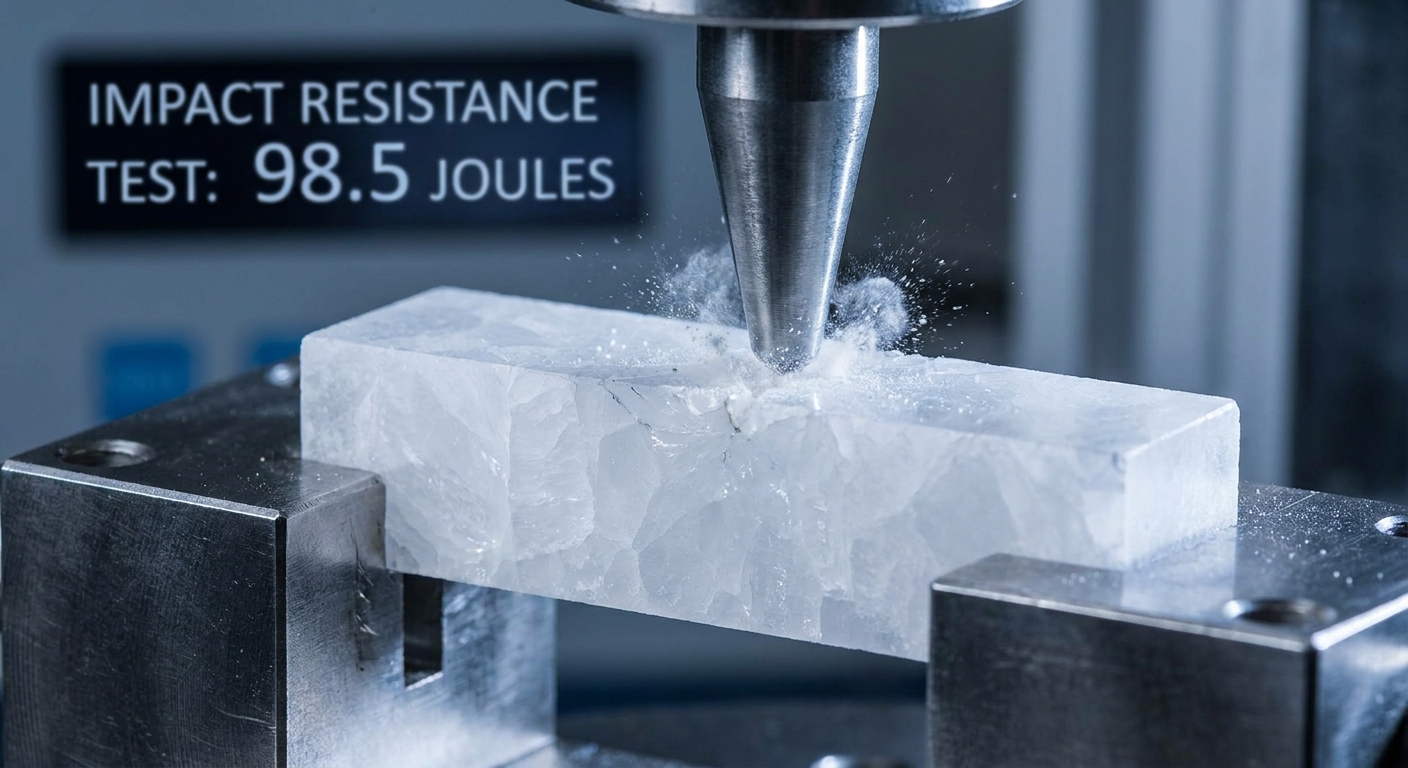
Zirconia Ceramic is renowned for its “ceramic steel” reputation, which stems from a unique internal energy-absorption process known as transformation toughening. This mechanism allows the material to resist shattering even when subjected to high-impact forces.
How does transformation toughening stop cracks?
When a crack begins to form, the stress triggers a phase change from tetragonal to monoclinic in the surrounding grains. Here is the kicker: this transformation causes a volume expansion that effectively squeezes the crack shut and prevents it from spreading.
- Energy absorption occurs at the molecular level.
- Localized expansion creates compressive stress around defects.
- You benefit from a material that actively fights structural failure.
What is the fracture toughness of stabilized grades?
Yttria-stabilized zirconia (YSZ) typically reaches a fracture toughness of 7–10 MPa·m^0.5, which is far superior to most other technical ceramics. Think about it—this high resistance to crack propagation makes it the go-to choice for high-impact zones.
- YSZ grades offer the highest reliability in the industry.
- It outperforms standard alumina and silicon carbide in toughness.
- You can trust this material in high-vibration machinery.
Key Takeaway: Transformation toughening provides Zirconia with the highest fracture resistance of any technical ceramic, enabling it to absorb significant impact energy.
| Mechanical Metric | Value | |
|---|---|---|
| Fracture Toughness | 7–10 MPa·m^0.5 | |
| Energy Absorption | High (via phase transition) | |
| Impact Reliability | Superior in stress zones |
The high fracture toughness values listed above demonstrate why this material is often referred to as “ceramic steel” in engineering circles.
What are the mechanical limits of Zirconia Ceramic?
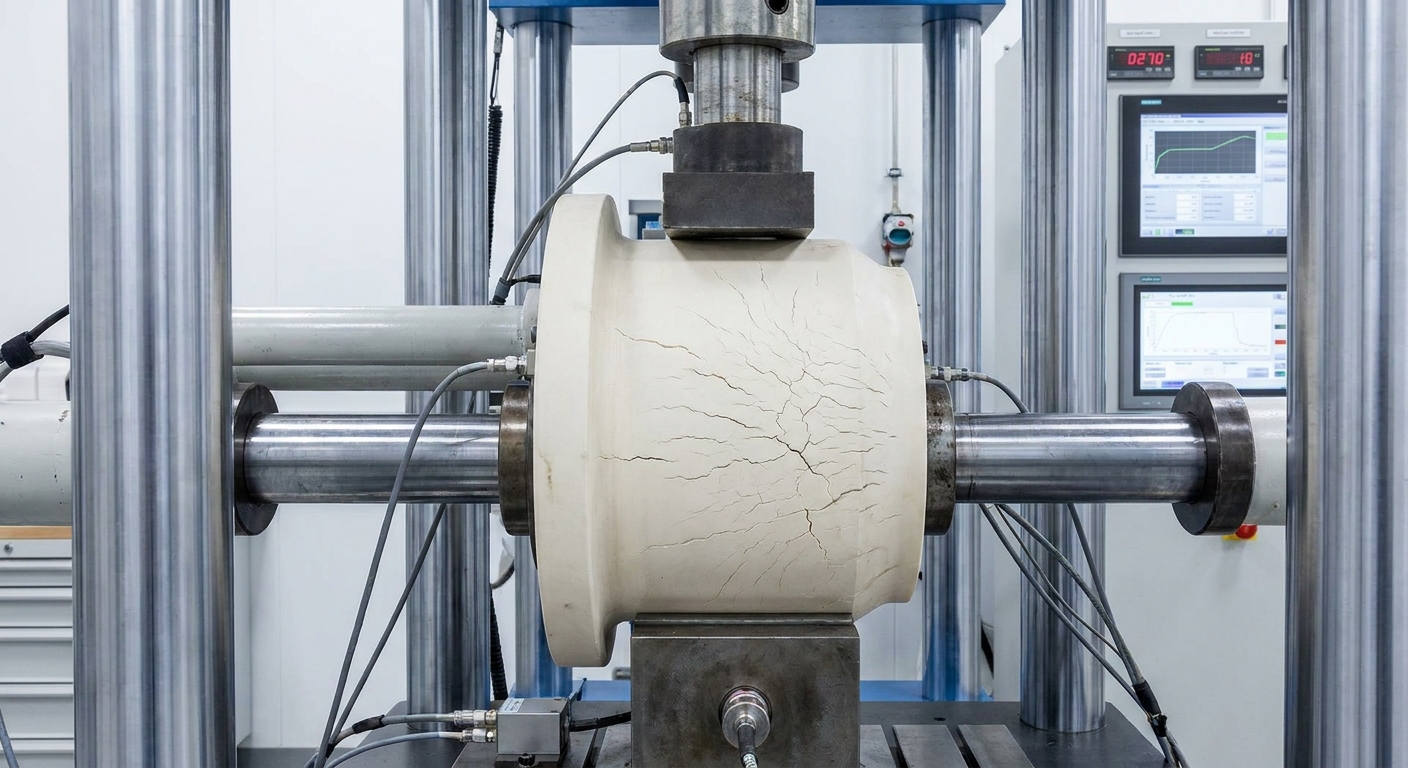
The mechanical envelope of Zirconia Ceramic extends to high-load applications where extreme hardness and flexural strength are required for survival. It maintains incredible structural rigidity even under intense pressures, making it ideal for precision industrial tools.
What is the typical flexural strength range?
Flexural strength for high-purity grades can reach up to 1000 MPa, allowing the material to bear heavy loads without deforming. You will find that this strength is essential for components like valve seats and pump impellers.
- High flexural strength prevents structural bending.
- It supports long-term durability in pressurized systems.
- You get consistent performance under varying load conditions.
How does hardness prevent surface wear?
The Vickers hardness of this material typically ranges between 11 and 13 GPa, providing you with excellent scratch and wear resistance. But there is more to the story: this hardness ensures that precision-machined tolerances are maintained over years of operation.
- Hardness levels rival those of specialized tool steels.
- It resists abrasion from high-velocity particles or fluids.
- Surface integrity remains intact in high-friction environments.
Key Takeaway: High flexural strength and Vickers hardness allow Zirconia to replace metals in heavy-duty industrial wear parts and structural components.
| Strength Indicator | Value | |
|---|---|---|
| Flexural Strength | Up to 1000 MPa | |
| Vickers Hardness | 11–13 GPa | |
| Elastic Modulus | ~200 GPa |
These mechanical properties prove that the material can endure extreme physical stress without compromising its dimensional accuracy.
How does Zirconia Ceramic manage extreme heat?
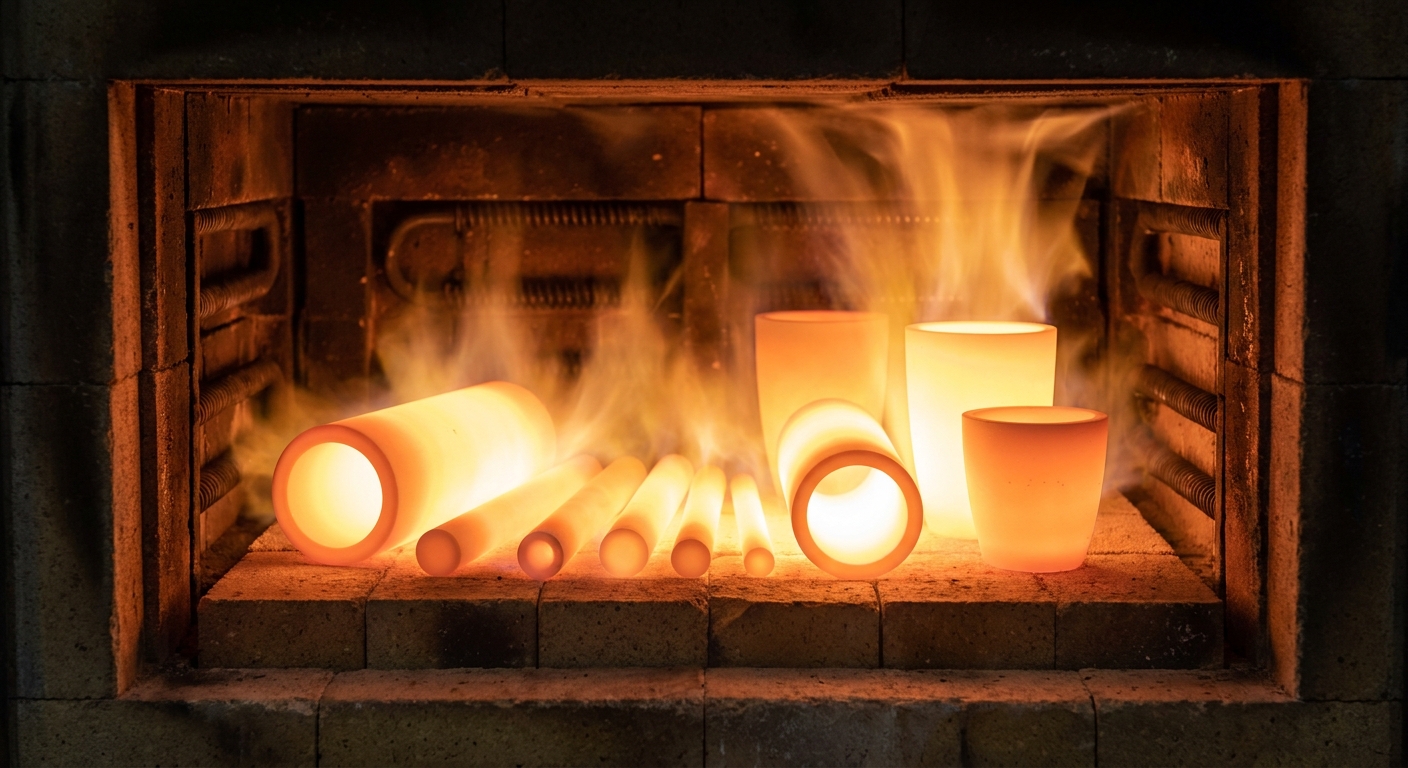
Zirconia Ceramic is a premier refractory material capable of withstanding temperatures that would melt most traditional metals. Its melting point sits at approximately 2700°C, making it a staple for high-temperature furnace linings and aerospace coatings.
Is it an effective thermal insulator?
Yes, because it possesses a very low thermal conductivity of only 2–3 W/m·K, which is much lower than most other technical ceramics. The best part? You can use it as a highly effective thermal barrier to protect sensitive electronics or structural alloys.
- Low conductivity prevents heat transfer through components.
- It protects surrounding equipment from thermal damage.
- You can optimize energy efficiency in high-heat processes.
How does the expansion coefficient assist bonding?
The coefficient of thermal expansion is approximately 10 x10⁻⁶/°C, which is remarkably similar to many common industrial metals. This is a big deal because it allows you to create reliable ceramic-to-metal bonds without the risk of delamination during heat cycles.
- Matching coefficients minimize internal stress during cooling.
- It enables the creation of hybrid assembly parts.
- You get high reliability in aerospace and automotive assemblies.
Key Takeaway: Zirconia combines a 2700°C melting point with low conductivity to serve as a superior thermal barrier in extreme environments.
| Thermal Property | Value | |
|---|---|---|
| Melting Point | ~2700°C | |
| Thermal Conductivity | 2–3 W/m·K | |
| Expansion Coefficient | ~10 x10⁻⁶/°C |
The combination of a high melting point and low conductivity makes this material an elite choice for thermal protection applications.
Can Zirconia Ceramic act as a solid electrolyte?
Zirconia Ceramic undergoes a functional shift at elevated temperatures, transitioning from an electrical insulator to an efficient ionic conductor. This unique electronic property is widely leveraged in modern green energy and automotive sensing technologies.
When does it become ionically conductive?
The material becomes ionically conductive when temperatures rise, allowing oxygen ions to flow through the crystalline lattice. You should know that this conductivity is highly predictable, making it a perfect candidate for precision measurement devices.
- Yttria stabilization creates oxygen vacancies in the lattice.
- Ionic flow increases proportionally with temperature.
- You can measure oxygen concentrations with extreme accuracy.
What are the main applications for this property?
The most common application is the oxygen sensor found in almost every automotive exhaust system globally. But wait, it’s also the core electrolyte used in Solid Oxide Fuel Cells (SOFCs) for clean energy production.
- Automotive sensors optimize fuel combustion ratios.
- Fuel cells convert chemical energy into electricity efficiently.
- You contribute to lower emissions through this technology.
Key Takeaway: Zirconia’s ability to conduct oxygen ions at high temperatures makes it indispensable for modern sensors and renewable energy systems.
| Electrical Property | Characteristic | |
|---|---|---|
| Room Temp Behavior | Electrical Insulator | |
| High Temp Behavior | Ionic Conductor (Oxygen) | |
| Primary Device | Oxygen Sensors / SOFC |
As shown in the table, the material’s temperature-dependent conductivity is the fundamental principle behind global emissions control technology.
Is Zirconia Ceramic resistant to chemical corrosion?
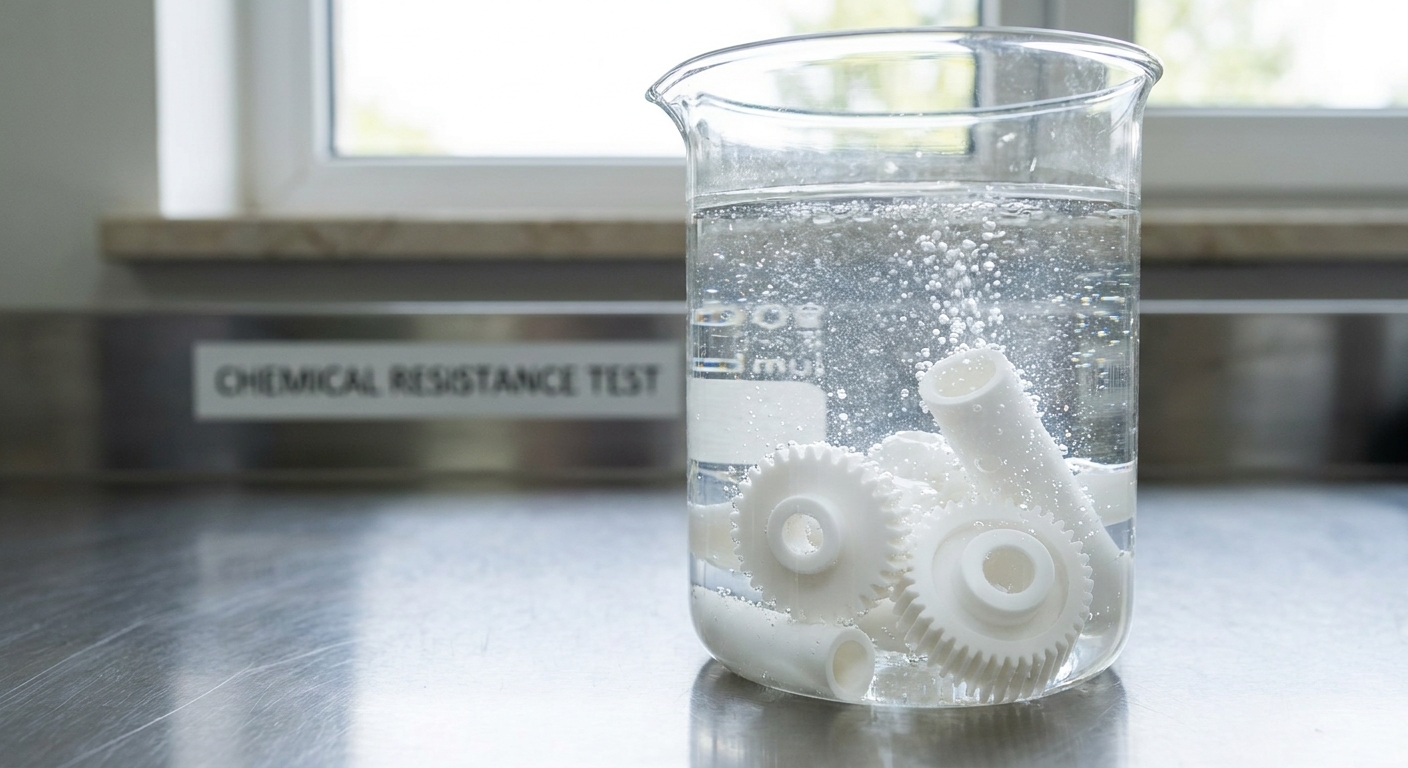
Zirconia Ceramic exhibits exceptional chemical inertness, allowing it to remain stable in environments that would rapidly degrade traditional alloys or lower-grade ceramics. It is largely unaffected by the aggressive acids and alkalis used in chemical processing.
How does it perform in oxidizing atmospheres?
It remains remarkably stable in oxidizing atmospheres even at temperatures exceeding 1000°C. Here is the kicker: the material does not leach impurities, which is a critical requirement for maintaining purity in sensitive chemical reactors.
- Oxidation resistance ensures long-term surface integrity.
- You avoid the risk of batch contamination in processing.
- Maintenance intervals are significantly extended.
Why is it safe for medical and dental use?
Because the material is bio-inert, it does not react with human tissues or bodily fluids, making it safe for long-term implantation. Think about it—you can replace missing teeth or damaged joints with a material that the body completely accepts.
- High biocompatibility prevents allergic or immune reactions.
- Chemical stability prevents the release of metallic ions.
- You get a solution that lasts for decades in the body.
Key Takeaway: Total chemical stability ensures a long service life and zero contamination in both industrial chemical processes and medical applications.
| Chemical Resistance | Rating | |
|---|---|---|
| Acid Resistance | Excellent | |
| Alkali Resistance | High | |
| Oxidation Stability | Stable up to 1000°C+ |
The excellent ratings for acid and alkali resistance confirm that this material is a premier choice for corrosive industrial environments.
Which industries benefit most from Zirconia Ceramic?
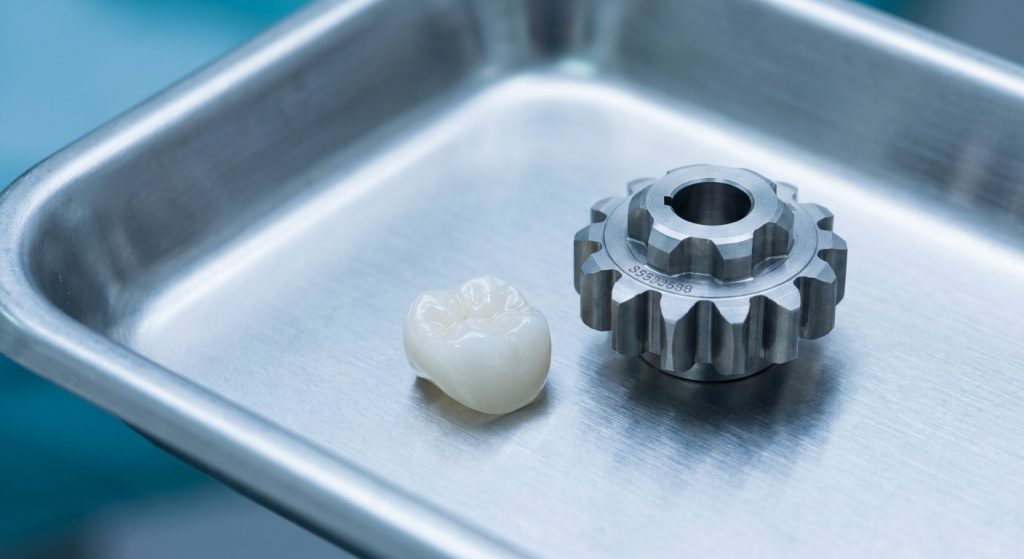
Zirconia Ceramic is so versatile that it bridges the gap between heavy industrial wear parts and delicate medical restoration components. Its unique blend of biocompatibility and mechanical strength makes it a “gold standard” material across multiple sectors.
How is it used in aerospace engineering?
In the aerospace sector, it is primarily applied as thermal barrier coatings for turbine blades in jet engines. You should realize that this allows engines to run at higher temperatures, which directly improves fuel efficiency and thrust performance.
- Coatings protect metallic blades from melting.
- It extends the service life of critical engine parts.
- You benefit from more efficient air travel technology.
What makes it a leader in dental restorations?
It is the preferred material for dental crowns and bridges due to its natural, tooth-like appearance and immense fracture resistance. But that’s not all—the precision of CAD/CAM milling ensures you get a perfect fit every single time.
- Natural translucency mimics human tooth enamel.
- High strength prevents the chipping common in porcelain.
- You receive a durable restoration that looks beautiful.
Key Takeaway: From high-altitude jet engines to precision dental implants, Zirconia provides the reliability needed for mission-critical parts.
| Industry Sector | Primary Use Case | |
|---|---|---|
| Aerospace | Thermal Barrier Coatings | |
| Dental | Crowns, Bridges, Implants | |
| Manufacturing | Grinding Media, Wear Parts |
This diverse list of applications highlights how the material’s properties translate into value across very different technical fields.
How is Zirconia Ceramic quality controlled?
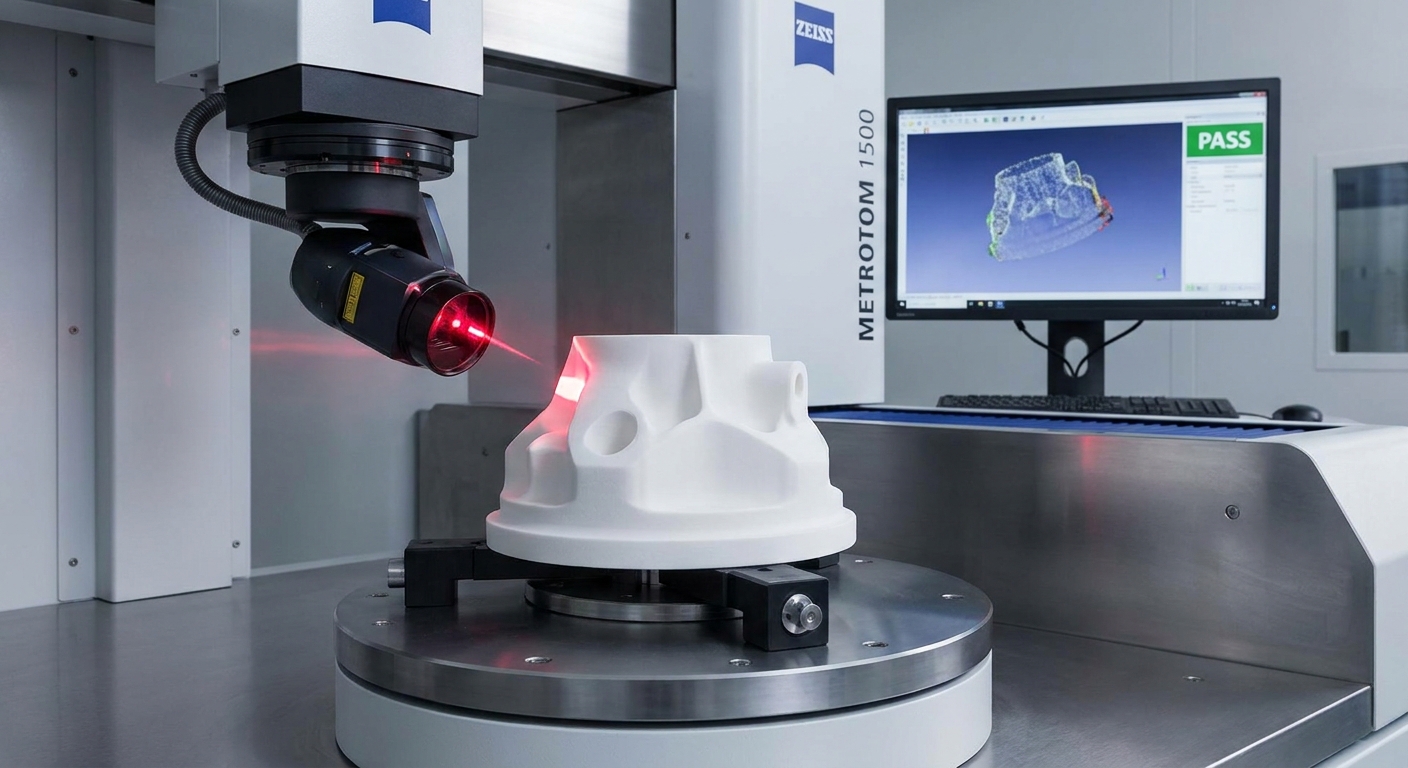
Zirconia Ceramic quality must be rigorously controlled during production to ensure that every batch sinters identically and meets dimensional tolerances. Manufacturers utilize advanced monitoring of powder characteristics to eliminate production variance.
Why is particle size distribution critical?
You must maintain a narrow particle size distribution (PSD) to ensure uniform shrinkage during the sintering process. As it turns out, even small fluctuations in the D50 value can lead to cracks or dimensional errors in the final part.
- Uniform particles lead to a dense, pore-free structure.
- You get predictable results from your sintering kilns.
- Waste and rework are minimized through strict PSD control.
How is crystalline phase purity verified?
Phase purity is typically verified using X-Ray Diffraction (XRD) to ensure the correct ratio of tetragonal to monoclinic grains. Here is the kicker: if the monoclinic phase is too high before sintering, the part will likely fail during cooling.
- XRD testing provides a chemical “fingerprint” of the batch.
- High tetragonal content ensures maximum toughening.
- You receive full batch traceability for quality assurance.
Key Takeaway: Rigorous PSD and phase testing eliminate production variance, ensuring that every ceramic part performs exactly as engineered.
| QC Parameter | Method/Target | |
|---|---|---|
| Particle Size (D50) | ±5% Variance | |
| Phase Purity | >98% Tetragonal (for YSZ) | |
| Documentation | Full Batch Traceability |
The tight tolerances in QC parameters ensure that the material behaves consistently throughout the manufacturing and sintering lifecycle.
Can Zirconia Ceramic parts be customized?
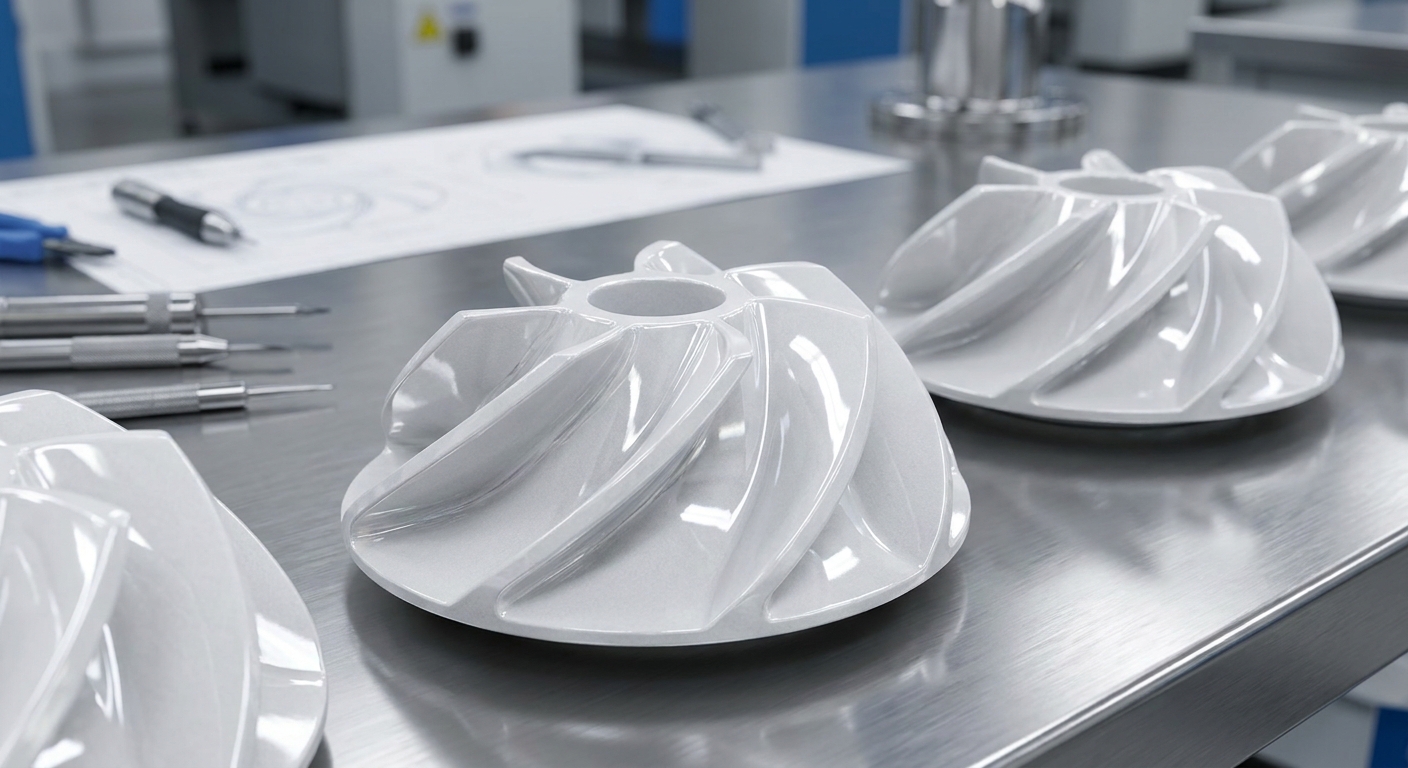
Zirconia Ceramic allows for significant customization at both the powder formulation level and the final geometric shaping stage. This flexibility enables you to tailor the material’s properties to match the specific conditions of your unique application.
What geometric complexities are possible?
Using advanced dry pressing or injection molding, you can create complex geometries like pump impellers, nozzles, and threaded connectors. The best part is that these parts maintain their shape perfectly after the final sintering stage.
- Complex internal channels can be engineered.
- You can integrate ceramic parts into existing assemblies.
- Custom molds allow for high-volume production runs.
Can the surface finish be tailored?
Yes, the final surface can be ground and polished to achieve sub-micron tolerances and mirror-like finishes. Think about it—this reduces friction and wear in rotating parts, significantly extending the life of your equipment.
- Mirror finishes reduce friction in seal applications.
- Precise tolerances ensure airtight fits in valves.
- You can choose from matte to high-gloss surfaces.
Key Takeaway: Engineering support allows for tailored zirconia solutions that are specifically designed to match your process conditions and geometries.
| Custom Option | Application Benefit | |
|---|---|---|
| Surface Finish | Reduced friction and wear | |
| Geometry | Integration into complex tools | |
| Sintering Profile | Optimized density and hardness |
Customization options ensure that the material is not just an off-the-shelf product, but a precision-engineered solution for your specific needs.
How to select the right Zirconia Ceramic grade?
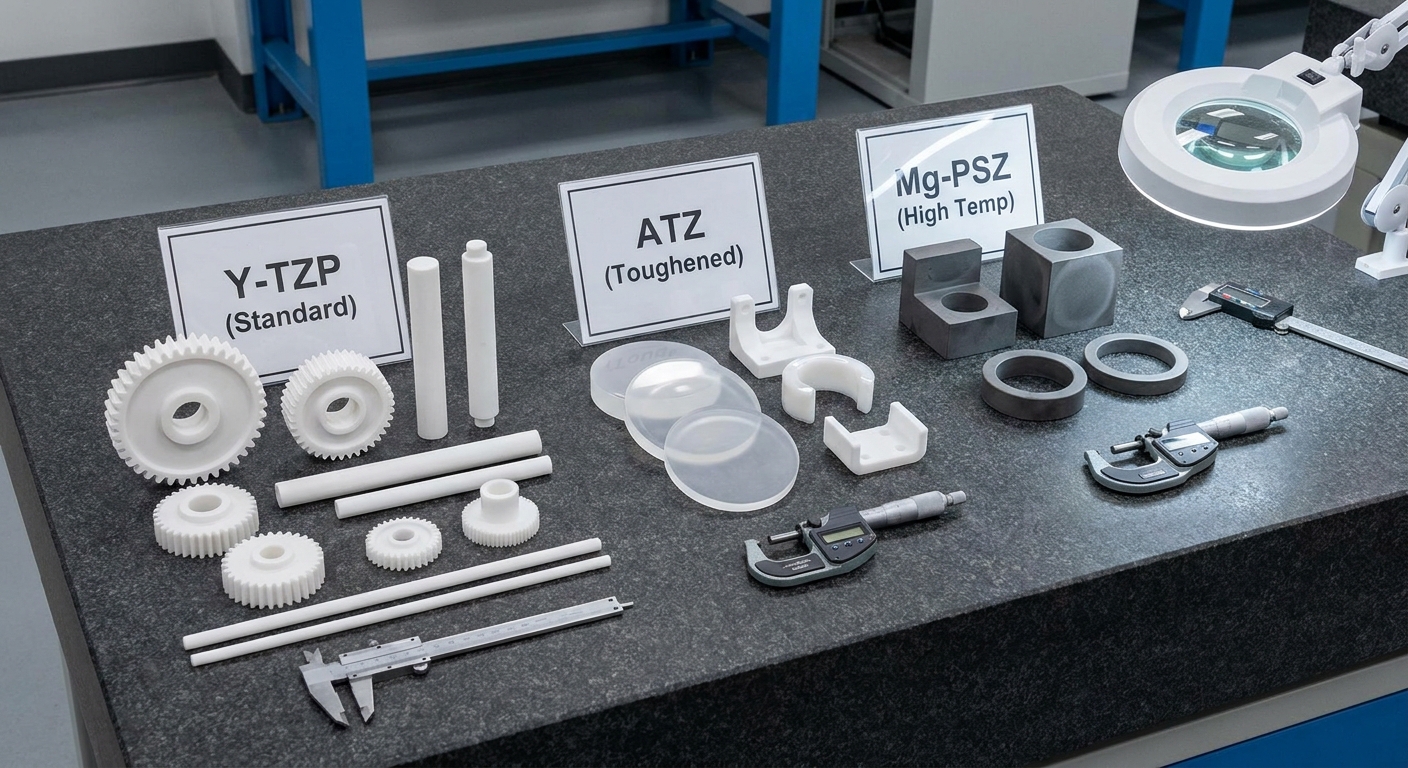
Selecting the right Zirconia Ceramic grade requires you to balance mechanical toughness against your specific thermal or chemical requirements. The choice typically depends on the percentage of yttria used to stabilize the crystal structure.
When should you choose 3Y-TZP?
You should choose 3Y-TZP (3% Yttria-stabilized) when your application requires the absolute maximum mechanical strength and fracture toughness. As it turns out, this is the industry standard for structural parts like cutting blades and pump components.
- It offers the best resistance to impact and bending.
- The fine grain structure provides a superior surface.
- You get the highest reliability for structural loads.
Is 8Y-CSZ better for electrical applications?
Yes, 8Y-CSZ (8% Yttria Fully Stabilized) is the better choice when you need high ionic conductivity for oxygen sensors or fuel cells. But wait, this grade has lower mechanical toughness than 3Y-TZP, so it should not be used for heavy structural loads.
- It provides the highest rate of oxygen ion flow.
- The cubic phase remains stable at all temperatures.
- You optimize the sensitivity of your electronic devices.
Key Takeaway: Selecting the correct stabilizer content (3Y, 5Y, or 8Y) is the most critical step in optimizing the performance of your application.
| Grade Type | Primary Advantage | |
|---|---|---|
| 3Y-TZP | Maximum mechanical strength | |
| 5Y-PSZ | Balance of strength and optics | |
| 8Y-CSZ | Superior ionic conductivity |
Matching the specific grade to your technical requirements is the final step in ensuring long-term success with these advanced materials.
Strategic Conclusion
Zirconia remains a cornerstone of modern material science, offering a unique blend of metallic toughness and ceramic hardness. By solving the persistent problem of industrial failure and downtime, it allows manufacturers to achieve higher yields and lower operating costs. Our vision is to empower your production through stable, high-performance materials that eliminate quality risks. To find the perfect grade for your specific application, please contact us today to speak with an engineering specialist.
Frequently Asked Questions
1. Can I use zirconia in acidic chemical environments?Yes. Zirconia is highly chemically inert and remains stable when exposed to most acids and alkalis commonly used in industrial processing.
2. What’s the best grade for high-strength structural parts?The best grade is typically 3Y-TZP because it offers the highest fracture toughness and flexural strength through the transformation toughening mechanism.
3. How do I know if my zirconia is high quality?It depends on the manufacturer’s quality control documentation; you should look for full batch traceability and precise particle size distribution reports.
4. Can I customize the surface finish for high-friction parts?Yes. You can have the parts ground and polished to sub-micron tolerances to achieve a mirror-like finish that significantly reduces friction and wear.
5. What’s the best material for automotive oxygen sensors?Yttria-stabilized zirconia is the industry standard because it acts as a solid electrolyte that conducts oxygen ions efficiently at high temperatures.