
Zirconia is a high-performance crystalline oxide of zirconium that provides the unique combination of high fracture toughness, wear resistance, and chemical inertness required for the most demanding B2B industrial environments. You often face the frustration of ceramic components shattering under mechanical shock or degrading in high-heat cycles, which results in costly production halts and frequent part replacements. These material failures don’t just slow you down; they jeopardize your equipment’s precision and safety standards. Fortunately, by integrating Zirconia Ceramic into your workflow, you leverage a “ceramic steel” that offers the durability of metal without the susceptibility to corrosion or electromagnetic interference.
What defines the basic Zirconia Ceramic?
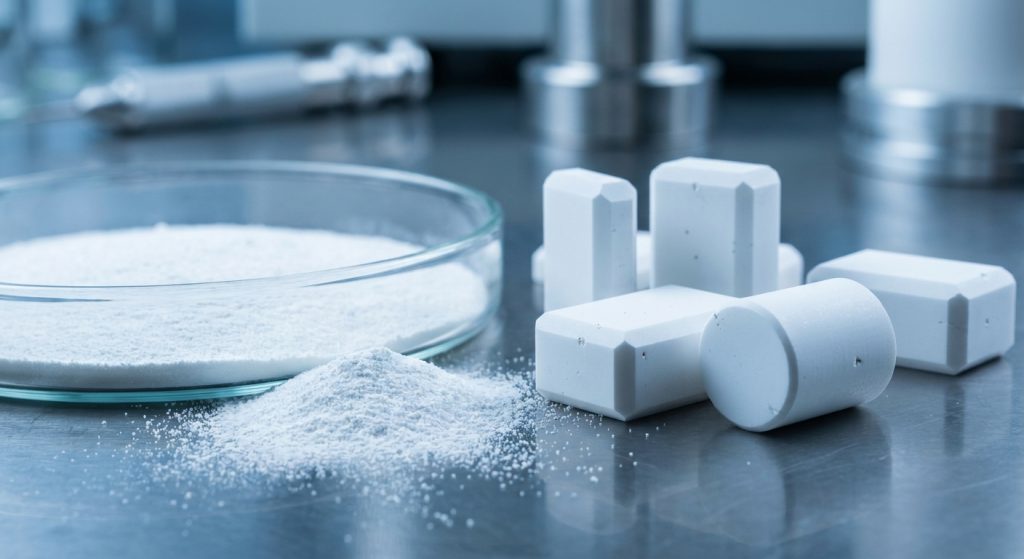
Zirconia is characterized by its high density and a polymorphic crystal structure that allows it to maintain incredibly sharp edges and smooth surface finishes. This high-grade Zirconia Ceramic material is fundamentally different from alumina because it possesses a flexibility and impact resistance that usually belongs only to metallic alloys.
Its molecular stability is managed through the addition of specific oxides like yttria or magnesia. These stabilizers allow the ceramic to remain in a high-performance state across a wide range of operational temperatures.
The molecular phases of Zirconium Dioxide
Think about this: Zirconia exists in three distinct phases—monoclinic, tetragonal, and cubic. Each phase offers different mechanical properties, and controlling these phases is what allows engineers to “tune” the material for your specific application.
Why density matters for your parts
- High density prevents fluid absorption in pump seals.
- Fine grain size enables sub-micron surface polishing.
- Sharp edge retention is ideal for industrial cutting blades.
| Property | Value/Description | |
|---|---|---|
| Crystal Structure | Polycrystalline (Monoclinic/Tetragonal/Cubic) | |
| Hardness (Vickers) | 1200 – 1300 HV | |
| Density | 6.0 g/cm³ |
Comparing these fundamental traits reveals why Zirconia is preferred over standard technical ceramics for high-precision components.
Key Takeaway: Understanding the basic density and phase structure of Zirconia is essential because it dictates how the material will behave under load. For you, this means selecting a material that won’t chip or crack as easily as traditional porcelain or alumina.
How is high-grade Zirconia Ceramic made?
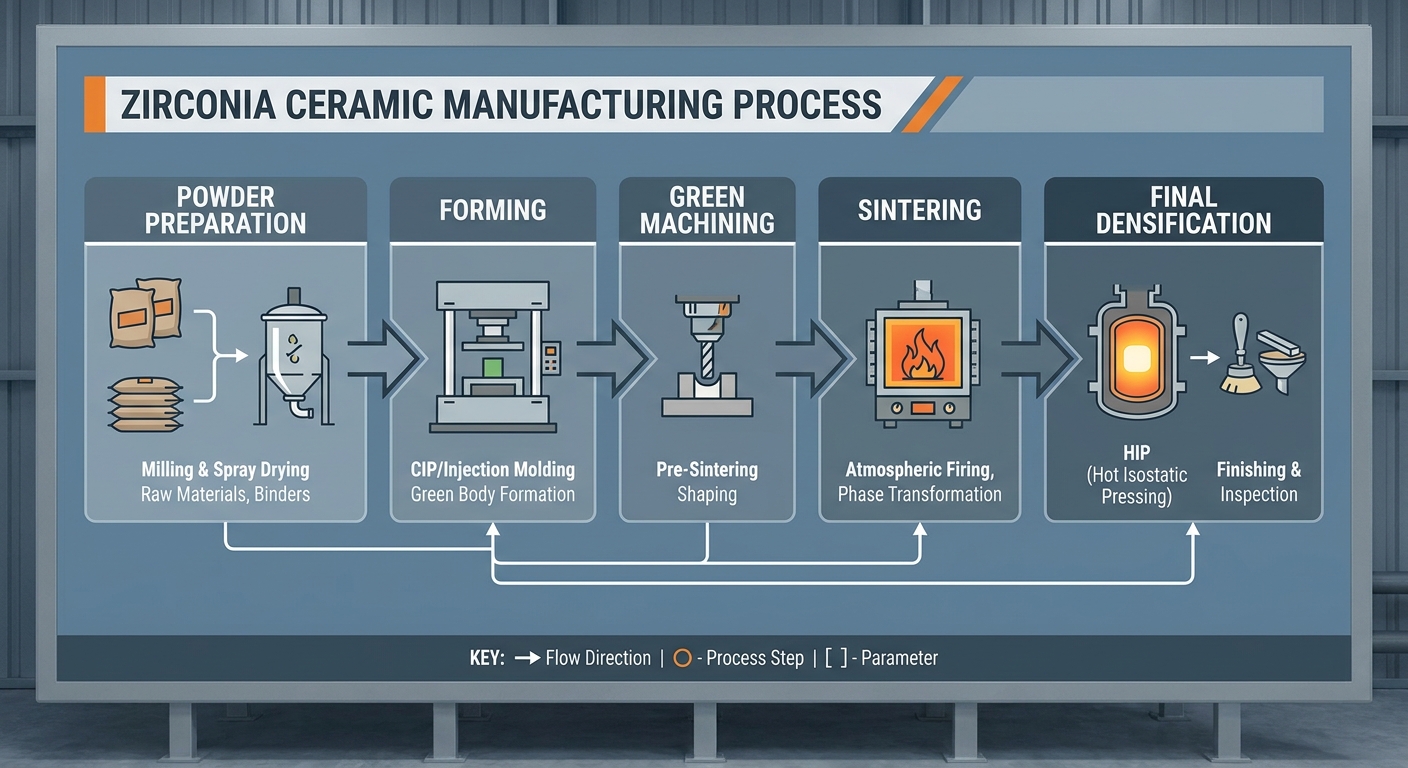
High-grade manufacturing involves a sophisticated process of chemical precipitation, milling, and high-temperature sintering to achieve near-theoretical density. Producing Zirconia Ceramic requires precise control over the powder grain size to ensure that the final component lacks internal micro-cracks or voids.
The process often starts with the creation of a “green body,” which is then machined into a rough shape before undergoing final densification. This two-stage approach allows for complex geometries that would be impossible to achieve through grinding alone.
Sintering and phase stabilization
But wait, there is more to the story than just heat. During the sintering process, the material is fired at temperatures exceeding 1,500°C, where the stabilizers effectively “lock” the high-strength tetragonal phase into place.
- Raw powder preparation and mixing with stabilizers.
- Cold isostatic pressing to form the initial shape.
- High-temperature sintering for final hardening.
| Manufacturing Step | Purpose | |
|---|---|---|
| Isostatic Pressing | Ensures uniform density across the part | |
| Sintering | Fuses particles to remove porosity | |
| Diamond Grinding | Achieves final dimensional tolerances |
The precision of the manufacturing cycle directly influences the longevity and reliability of the finished industrial parts.
Key Takeaway: The manufacturing process is the foundation of the material’s performance, as any inconsistency in sintering can lead to premature failure. You should prioritize parts made with rigorous phase control to ensure maximum service life.
Why is Zirconia Ceramic exceptionally tough?
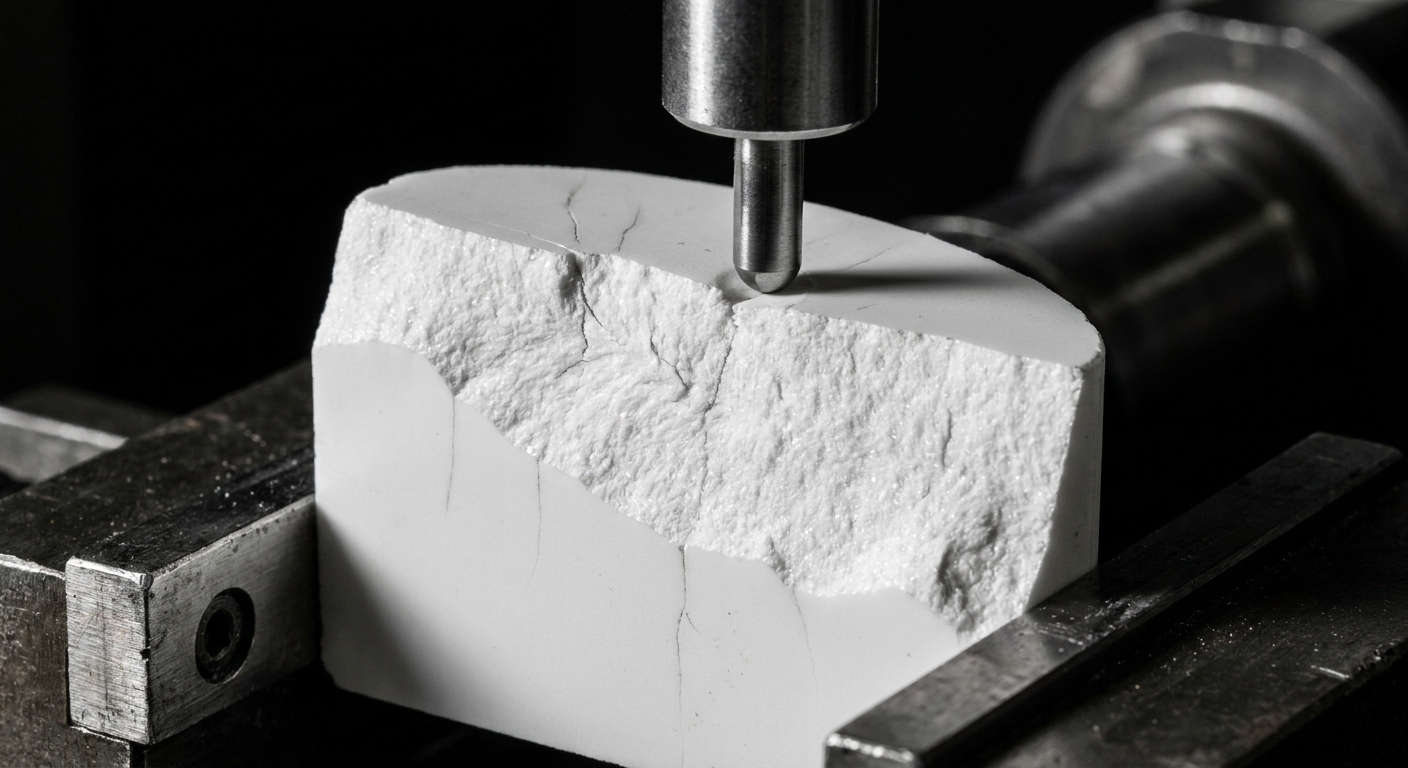
Zirconia is exceptionally tough due to a unique phenomenon called “transformation toughening,” where the material actually expands to clamp shut any emerging micro-cracks. This Zirconia Ceramic mechanism mimics the behavior of steel, allowing the material to absorb energy that would shatter other technical ceramics.
When a crack begins to form, the stress triggers a phase change from tetragonal to monoclinic. This local expansion creates a compressive stress field that effectively heals the material in real-time.
How transformation toughening works
Here is the kicker: the volume expansion during the phase change is about 3-5%. This might sound small, but it is enough to push back against the crack tip and stop it from propagating through the rest of the component.
Benefits of high fracture toughness
- Resistance to sudden mechanical impacts.
- Ability to survive high-pressure environments.
- Reduced risk of catastrophic “shatter” failures.
| Mechanism | Description | Result | |
|---|---|---|---|
| Phase Change | Tetragonal to Monoclinic shift | 3-5% volume expansion | |
| Crack Blunting | Compressive stress at crack tip | Stop crack growth |
This self-healing property makes Zirconia the most resilient ceramic option available for high-stress mechanical assemblies.
Key Takeaway: Transformation toughening is the “secret sauce” that allows Zirconia to handle mechanical loads that would destroy alumina. For your operations, this translates to a massive reduction in unexpected part fractures.
What are the thermal limits of Zirconia Ceramic?
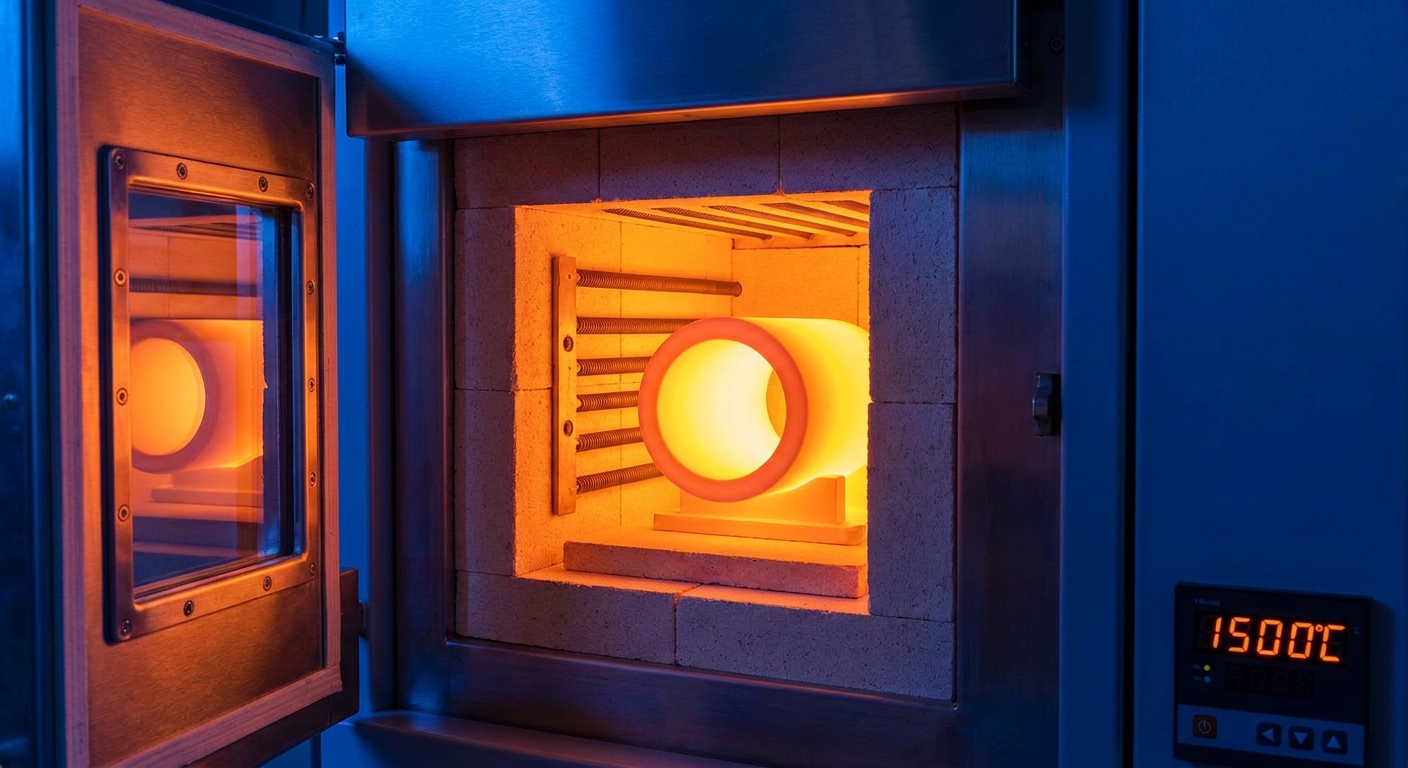
Zirconia can withstand temperatures up to 2,400°C, making it an elite choice for thermal insulation and high-temperature furnace components. While other materials melt or lose structural integrity, Zirconia Ceramic maintains its hardness and dimensional stability even in blistering heat.
A major advantage for you is its low thermal conductivity. This makes it an excellent thermal barrier, protecting sensitive equipment from heat transfer during intense industrial processes.
Coefficient of thermal expansion
The best part? Zirconia has a thermal expansion coefficient that is very similar to iron and steel. This means you can bond it to metal parts without worrying about the assembly cracking when the temperature changes.
High-temperature applications
- Induction heating susceptors.
- High-temperature fuel cell membranes.
- Thermal barrier coatings for turbine blades.
| Thermal Property | Metric | |
|---|---|---|
| Max Operating Temp | ~2,400°C | |
| Thermal Conductivity | 2-3 W/m·K | |
| Expansion Coeff. | ~10 x 10⁻⁶/K |
Its thermal properties are engineered to bridge the gap between traditional refractories and advanced structural components.
Key TakeawayZirconia’s low thermal conductivity combined with a metal-like expansion coefficient solves the problem of ceramic-to-metal bonding. You can use it in high-heat zones where other ceramics would fail due to thermal shock.
Is Zirconia Ceramic chemically resistant?
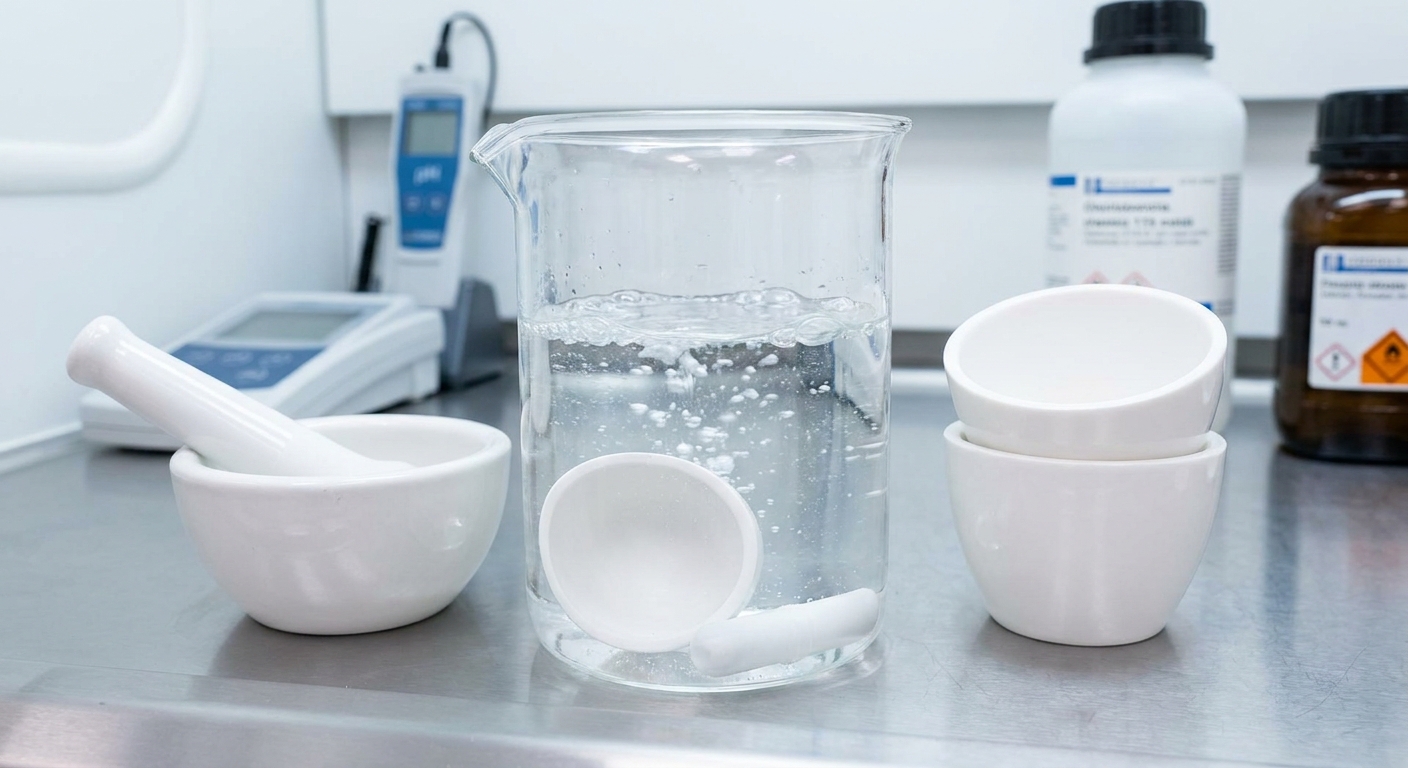
Zirconia is highly resistant to most acids, alkalis, and organic solvents, maintaining its surface integrity in the most corrosive industrial environments. This Zirconia Ceramic remains inert even when exposed to molten metals or aggressive chemical slurries that would quickly erode stainless steel.
Unlike metals, it does not oxidize or rust, which is critical for maintaining purity in chemical processing and pharmaceutical manufacturing. It provides a contamination-free solution for your most sensitive fluid-handling systems.
Stability in aggressive pH levels
It gets better: Zirconia shows remarkable stability in both highly acidic and strongly basic conditions. Whether you are dealing with sulfuric acid or caustic cleaners, the material’s polished surface remains smooth and functional.
Why chemical inertness matters
- Prevents batch contamination in processing.
- Extends the life of pump seals and valves.
- Reduces cleaning frequency in hygienic applications.
| Environment | Resistance Level | |
|---|---|---|
| Concentrated Acids | Excellent | |
| Caustic Alkalis | High | |
| Molten Metals | Stable (non-wetting) |
The chemical robustness of Zirconia ensures that your components won’t leach impurities or degrade during long-term exposure to harsh reagents.
Key Takeaway: Chemical resistance is a primary driver for choosing Zirconia in fluid-handling roles. By using this material, you eliminate the risk of corrosion-induced leaks and ensure the long-term purity of your processed materials.
How does Zirconia Ceramic benefit dentistry?
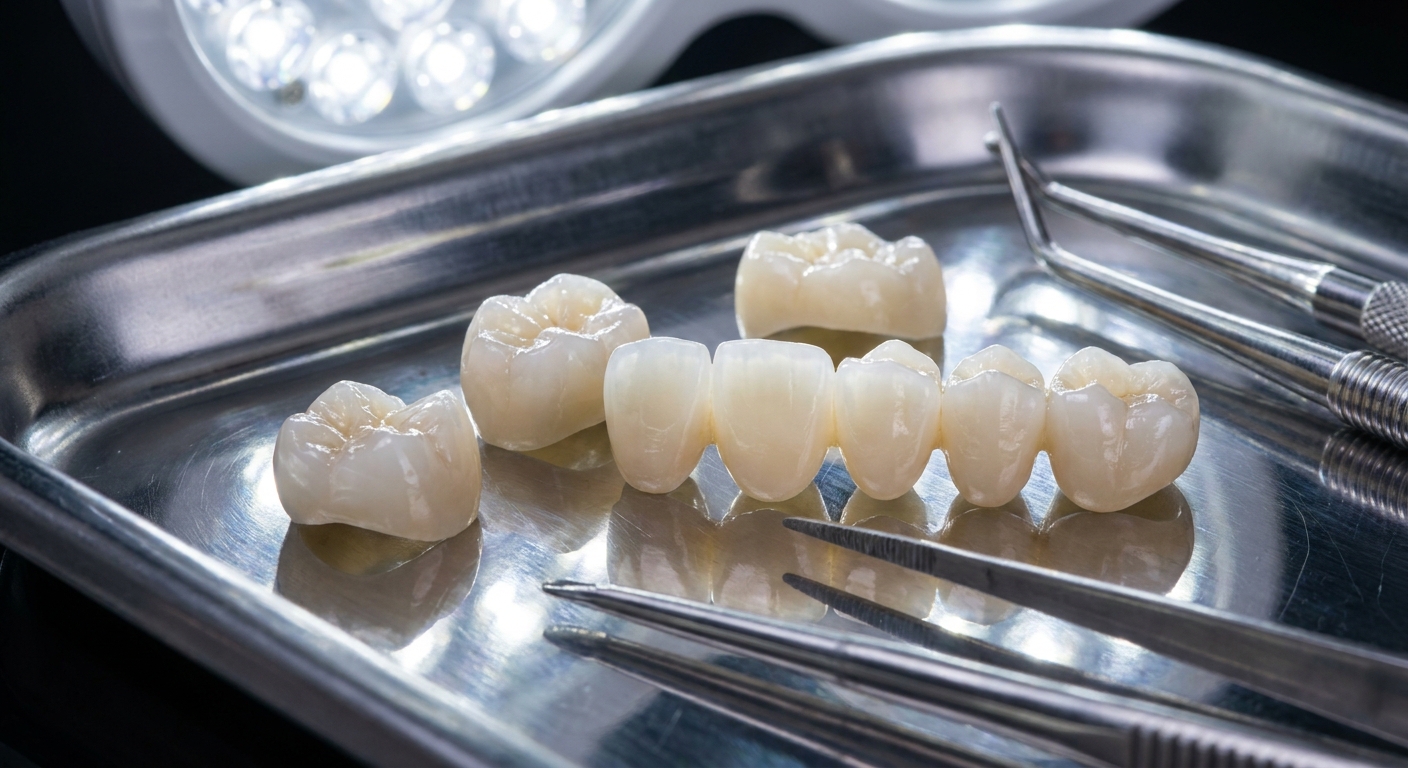
Zirconia benefits dentistry by providing a biocompatible, tooth-colored material that is strong enough to withstand the immense biting forces of the human jaw. Zirconia Ceramic has largely replaced traditional metal-fused-to-porcelain crowns because it offers superior aesthetics without the “dark line” often seen at the gumline.
Because it is metal-free, it is an ideal solution for patients with metal sensitivities. Its translucency can be adjusted during manufacturing to perfectly mimic the appearance of natural enamel.
Biocompatibility and soft tissue health
Now, let’s look closer: Zirconia is highly resistant to plaque accumulation, which promotes healthier gum tissue around implants and crowns. It is a “bio-inert” material, meaning the human body does not treat it as a foreign invader.
- High-strength crowns and multi-unit bridges.
- Custom abutments for dental implants.
- Aesthetic veneers with high fracture resistance.
| Dental Feature | Benefit | |
|---|---|---|
| Translucency | Natural aesthetic appearance | |
| Flexural Strength | >900 MPa (survives biting force) | |
| Bio-Inertness | No allergic reactions |
The dental industry relies on Zirconia because it combines the beauty of glass ceramics with the ruggedness of industrial materials.
Key Takeaway: In dentistry, Zirconia solves the conflict between beauty and strength. You get restorations that look natural but have the mechanical backbone to last for decades without chipping.
Is Zirconia Ceramic vital for industry?
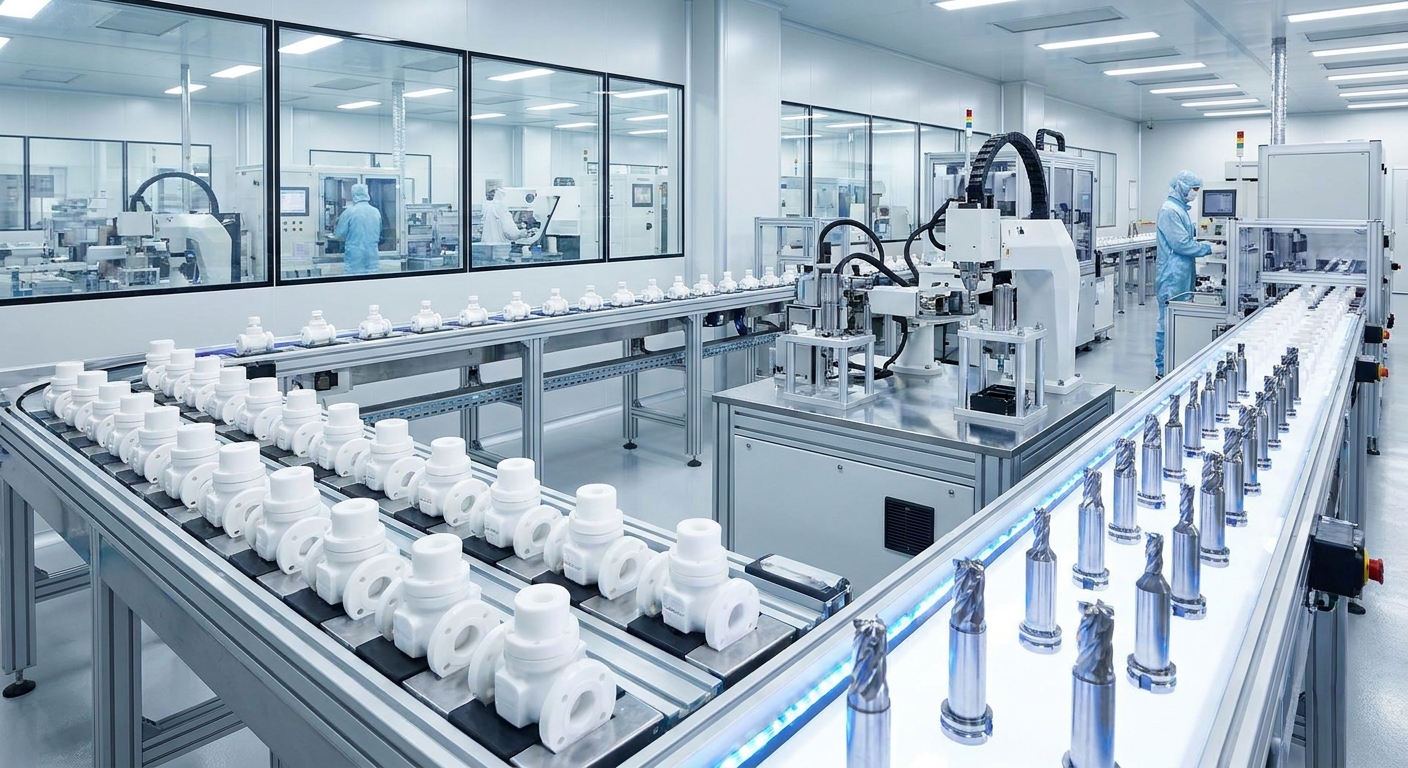
Zirconia is vital for industry because it enables the creation of wear-resistant components like pump seals, valves, and grinding media that outlast metallic alternatives by a factor of ten. High-performance Zirconia Ceramic is the go-to material for abrasive slurry handling where steel parts would be ground down in days.
Its high hardness and low friction coefficient mean that moving parts generate less heat and require less frequent lubrication. This directly translates to lower energy consumption and reduced maintenance for your facility.
Performance in abrasive environments
Think about this: In the paper and textile industries, Zirconia blades stay sharp significantly longer than steel. This reduces the downtime required to swap out dull cutting tools and ensures a consistent product quality.
Key industrial components
- Precision ball valve seats and balls.
- High-pressure pump plungers and liners.
- Extrusion dies for wire and tube forming.
| Component | Improvement Over Steel | |
|---|---|---|
| Pump Seals | 5x – 10x longer life | |
| Cutting Blades | Superior edge retention | |
| Valve Balls | Corrosion-proof performance |
Industrial systems equipped with Zirconia components operate with higher reliability and much lower total cost of ownership over time.
Key Takeaway: Industrial durability is the hallmark of Zirconia. By switching to Zirconia for your high-wear parts, you move from a reactive maintenance model to a proactive, high-efficiency operational strategy.
Can Zirconia Ceramic improve electronics?
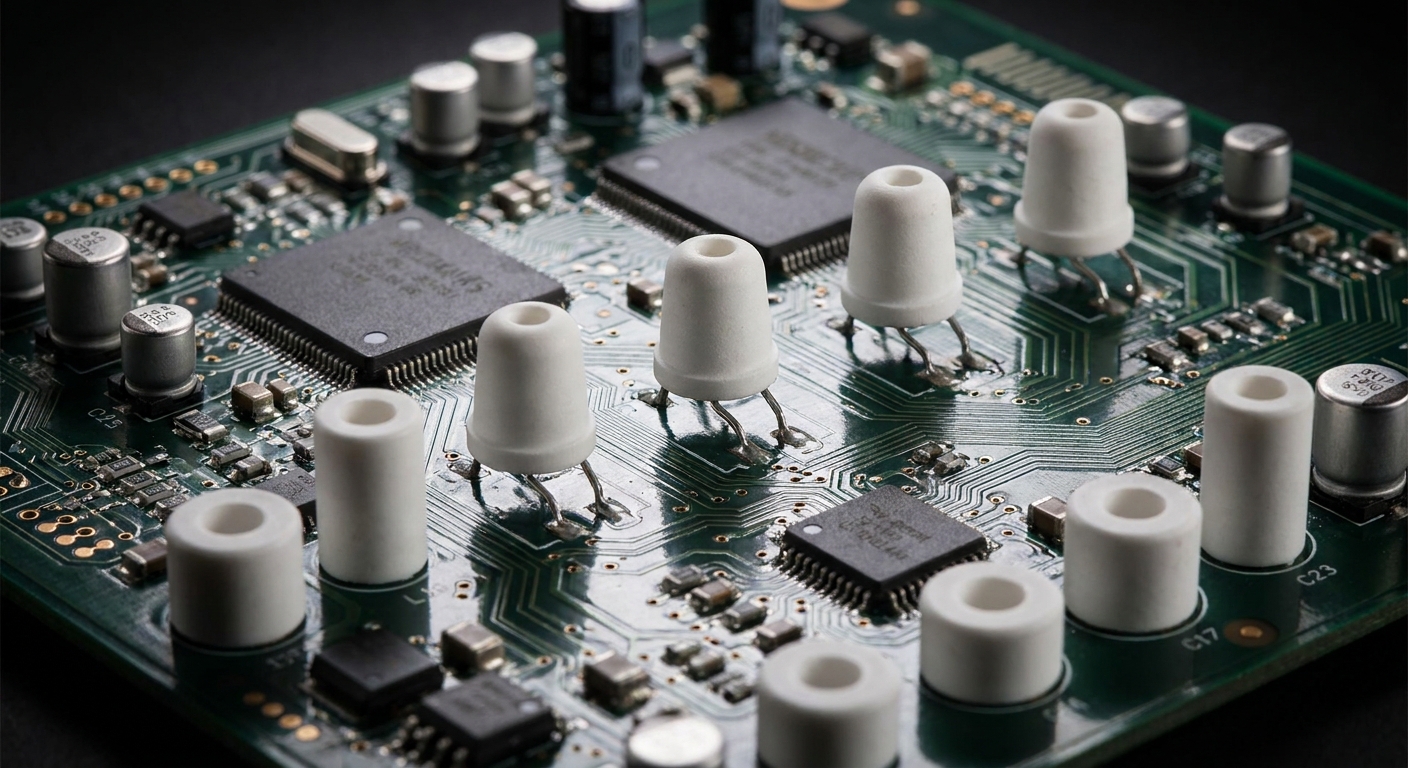
Zirconia improves electronics by acting as a high-performance oxygen ion conductor at high temperatures, which is essential for the functionality of modern oxygen sensors. Zirconia Ceramic is also an excellent electrical insulator, providing the thermal stability needed for power electronics and high-voltage circuit components.
In automotive applications, Zirconia-based sensors monitor exhaust gases to optimize fuel combustion. This allows your engines to run more efficiently while meeting strict environmental emissions standards.
Oxygen sensing technology
It gets better: At temperatures above 600°C, Zirconia becomes a solid electrolyte. It allows oxygen ions to move through its crystal lattice, creating a measurable electrical signal proportional to oxygen concentration.
Electronic applications
- Automotive lambda sensors (oxygen sensors).
- Solid oxide fuel cell (SOFC) membranes.
- High-temperature insulating rings for semiconductors.
| Electronic Property | Value/Use | |
|---|---|---|
| Electrical Resistivity | Very High (Insulator) | |
| Ionic Conductivity | High (at >600°C) | |
| Dielectric Constant | ~25 |
The ability to conduct ions while remaining an electrical insulator at high temperatures makes Zirconia unique among technical ceramics.
Key TakeawayZirconia’s role in electronics is specialized but critical. For you, it provides the sensing and insulating capabilities necessary for high-efficiency energy systems and environmental monitoring.
What variants of Zirconia Ceramic exist?
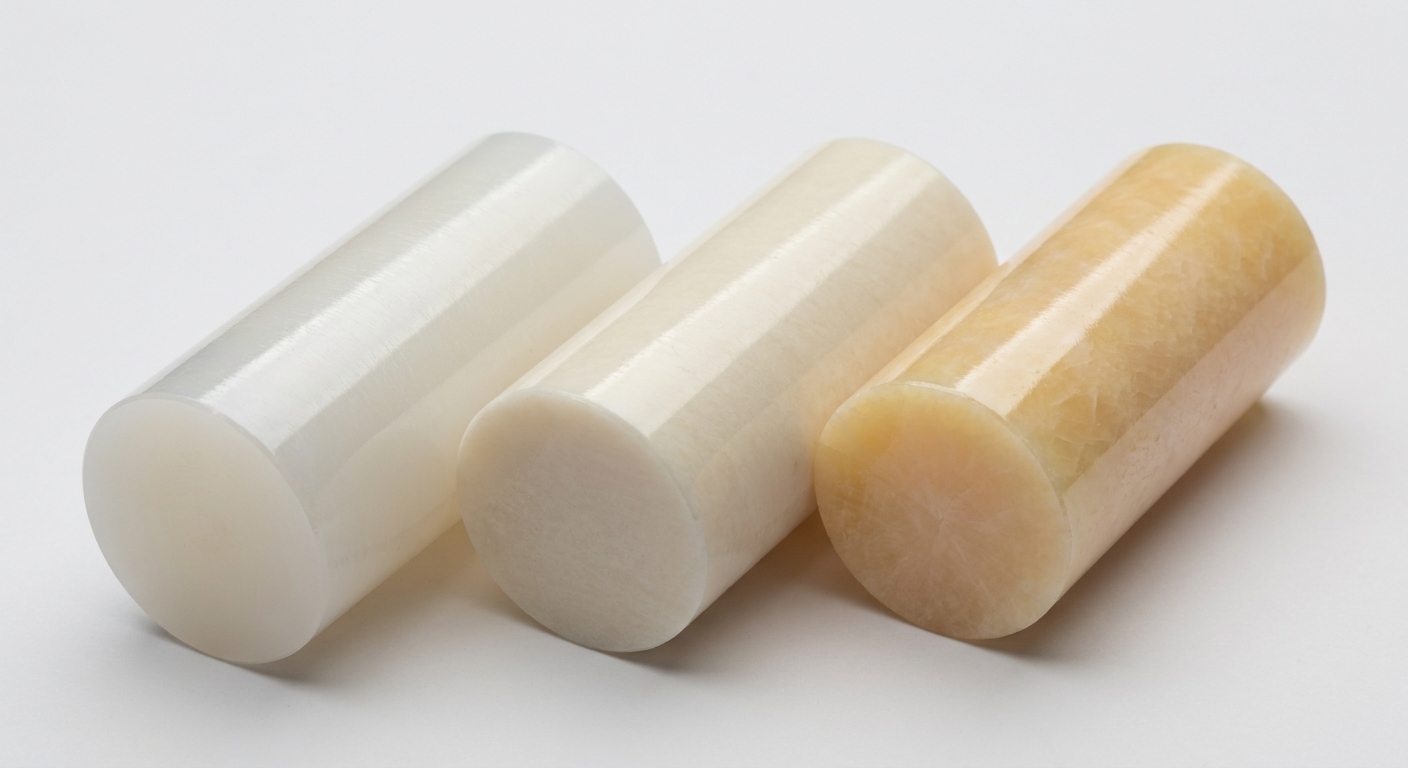
The primary variants of Zirconia include Yttria-Stabilized Zirconia (YSZ), Magnesia-Stabilized Zirconia (MSZ), and Ceria-Stabilized Zirconia (CSZ), each tailored for specific mechanical or thermal needs. Choosing the right Zirconia Ceramic variant depends on whether you prioritize fracture toughness, hydrothermal stability, or thermal shock resistance.
YSZ is the most common “all-rounder” for structural parts, while MSZ is often preferred for high-pressure plungers due to its better stability in the presence of moisture at high temperatures.
Comparing common stabilizers
Here is the kicker: Different stabilizers change the grain structure. Ceria-stabilized Zirconia, for example, offers the highest fracture toughness of all, making it virtually impossible to break through mechanical impact.
Choosing your grade
- YSZ: Best for dental and high-precision structural parts.
- MSZ: Excellent for wet, high-temperature mechanical wear.
- CSZ: Ideal for the most extreme impact-heavy environments.
| Variant | Key Strength | Typical Use | |
|---|---|---|---|
| 3mol% YSZ | Highest Strength | Dental crowns, bearings | |
| Mg-PSZ | Thermal Stability | Pump parts, plungers | |
| Ce-TZP | Impact Resistance | Grinding beads, mill liners |
Matching the specific Zirconia grade to your operational environment is the key to maximizing the material’s benefits.
Key TakeawayNot all Zirconia is created equal. Understanding the difference between Yttria and Magnesia stabilization allows you to select a part that won’t degrade in your specific working conditions.
Where is Zirconia Ceramic going next?
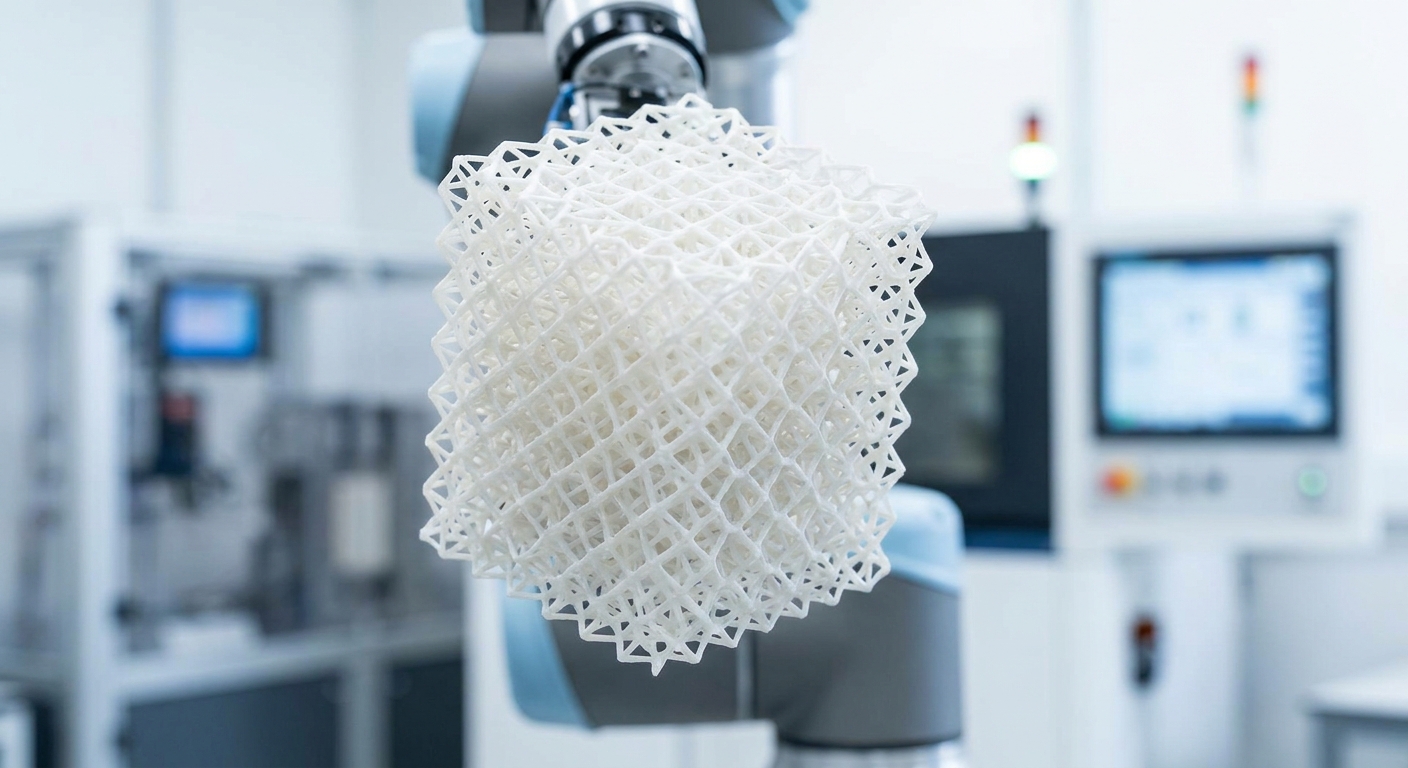
Zirconia is moving toward additive manufacturing and nanotechnology, allowing for the creation of complex 3D-printed ceramic lattices that were previously impossible to manufacture. Modern Zirconia Ceramic research is focusing on nano-sized powders to create even tougher, more transparent materials for optical and medical sensors.
As 3D printing technologies like SLA and DLP mature, you will be able to order custom-designed ceramic parts with intricate internal cooling channels or lightweight lattice structures.
Additive manufacturing potential
But wait, there is more: 3D printing eliminates the need for expensive diamond grinding of complex shapes. This lowers the entry cost for prototyping new industrial designs and speeds up your development cycle.
Future trends
- 3D-printed custom surgical implants.
- Nano-zirconia coatings for aerospace components.
- Highly transparent zirconia for smartphone camera lenses.
| Future Tech | Impact | |
|---|---|---|
| 3D Printing | Reduced lead times for custom parts | |
| Nanoceramics | Even higher fracture toughness | |
| Opto-Zirconia | New lens and sensor applications |
The evolution of Zirconia from a bulk material to a precision-engineered nanostructure is opening doors for the next generation of industrial technology.
Key Takeaway: The future of Zirconia lies in customization and precision. For your business, this means faster access to high-performance parts that are perfectly optimized for your specific engineering challenges.
Selecting the Right Solution
Material failure is the enemy of industrial efficiency. Whether you are dealing with brittle fractures in the field or corrosive wear in the factory, the right material choice can solve the problem once and for all. Zirconia Ceramic provides the toughness, chemical resistance, and thermal stability that modern B2B operations demand. At ZrBrontec, we specialize in high-performance zircon materials validated across the most demanding global industries. We can help you transition from failing components to engineered ceramic solutions that stand the test of time. Our vision is to empower your industry with materials that never compromise on performance or precision. If you are ready to upgrade your systems, contact us today to discuss your specific technical requirements.
Frequently Asked Questions
Can I use Zirconia Ceramic in high-vacuum environments?Yes, it is highly suitable for vacuum applications. Zirconia has extremely low outgassing rates and maintains its dimensional stability under vacuum, making it a staple in semiconductor and aerospace testing equipment.
What is the best way to machine Zirconia Ceramic parts?The best way is to perform “green-state” machining before final sintering. Once Zirconia is fully densified, it is so hard that it can only be shaped using specialized diamond-tipped grinding tools, which is significantly more expensive.
Is Zirconia Ceramic better than Alumina for all applications?Not necessarily, but it is better for toughness. While Alumina is more cost-effective and slightly harder, Zirconia is much more resistant to cracking and thermal shock, making it the better choice for structural components.
How do I know if I need Yttria or Magnesia stabilized Zirconia?It depends on your humidity and heat levels. If your application involves high-pressure steam or hot water, Magnesia-stabilized Zirconia is generally better as it resists low-temperature hydrothermal degradation more effectively than Yttria grades.
Can I weld Zirconia Ceramic directly to steel?No, you cannot weld it in the traditional sense. You must use active metal brazing or specialized adhesive bonding techniques because ceramics do not melt and fuse like metals do during a standard welding process.