
Industrial systems often fail when standard materials succumb to extreme heat, abrasive wear, or chemical corrosion, leading to catastrophic downtime. You might find that your current components simply cannot keep up with the increasing demands of high-precision engineering and harsh operating environments. Zirconia Ceramic is the ultimate solution, offering a unique blend of mechanical strength and thermal stability that bridges the gap between traditional ceramics and high-performance metals. By understanding its specific properties and diverse applications, you can optimize your equipment’s lifespan and ensure consistent performance in even the most challenging conditions.
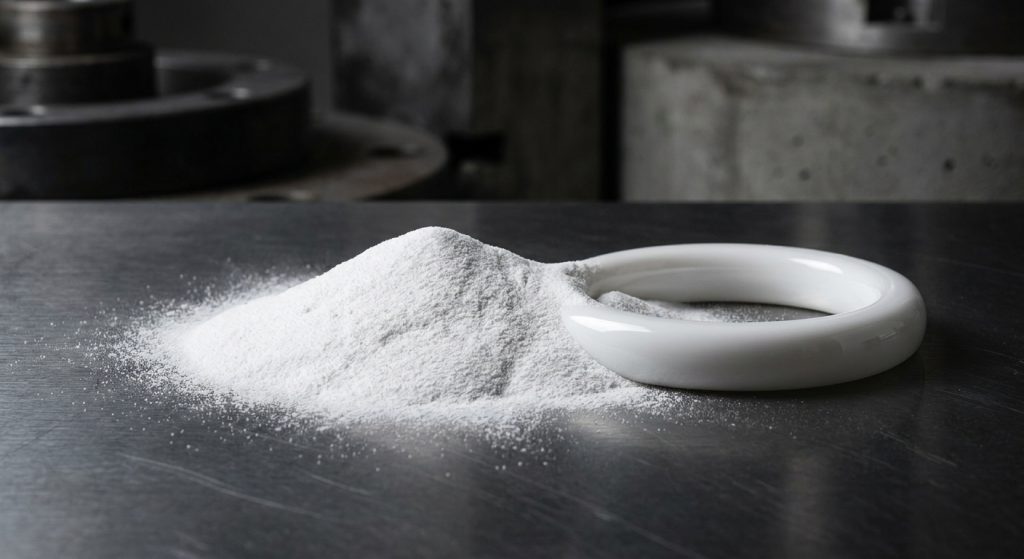
What is the fundamental nature of Zirconia Ceramic?
Zirconia Ceramic is a high-performance material derived from zirconium oxide (ZrO2) that provides an exceptional combination of high fracture toughness and low thermal conductivity. You will notice that unlike standard ceramics which are often brittle, this material behaves more like steel under mechanical pressure. It is specifically engineered to resist cracking through a specialized crystal lattice structure.
The molecular advantage of ZrO2
Let’s get straight to the point: The chemical purity of the material determines its effectiveness in high-end industrial settings. By controlling the transformation between monoclinic and tetragonal phases, manufacturers can create a “ceramic steel” that outperforms traditional insulators.
- High chemical stability in oxidizing environments.
- Superior resistance to ionic migration at high temperatures.
- Minimal porosity for maximum structural density.
Why stabilizers are required
You might be wondering: Pure zirconia undergoes a volume change during cooling that can cause shattering, which is why stabilizers like Yttria or Magnesia are added. These additives lock the material into a stable phase, allowing it to maintain its shape and strength through extreme temperature cycles. Key Takeaway: Stabilizing the crystal structure is what makes this material reliable for heavy-duty structural and functional use.
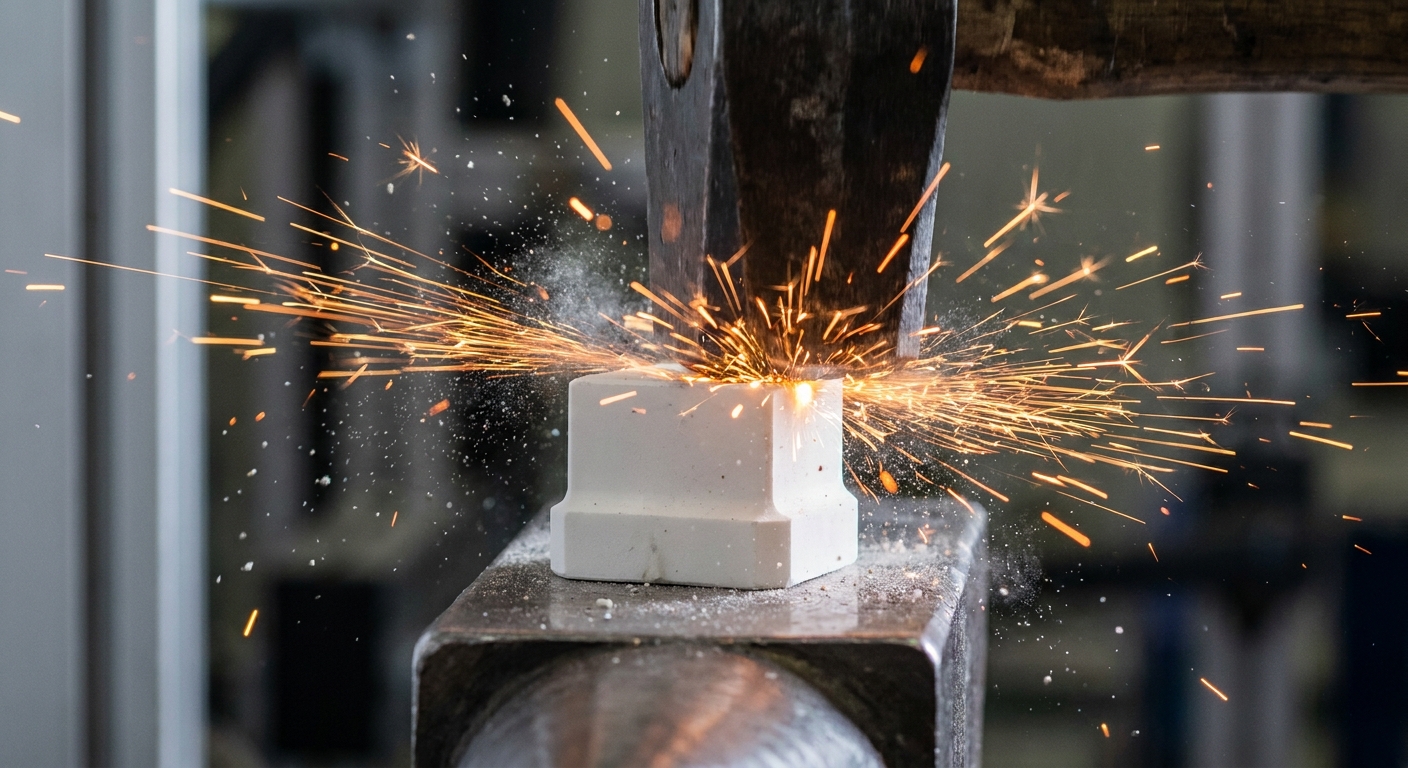
Why does Zirconia Ceramic offer such high fracture toughness?
Zirconia Ceramic achieves its industry-leading fracture toughness through a process called transformation toughening, where the material actually works to “heal” emerging cracks. When a crack starts to form, the stress triggers a phase change that expands the local volume and compresses the crack shut. You can rely on this mechanism to prevent sudden, brittle failures in your critical assemblies.
Understanding the self-healing mechanism
Believe it or not: This unique ability allows the material to absorb energy that would typically shatter other advanced ceramics. You will find that this makes it ideal for environments where high impact or vibration is a constant factor.
- Active crack-tip compression through phase expansion.
- Significant increase in flexural strength over alumina.
- High resistance to edge chipping during precision machining.
Long-term reliability under load
Here is the deal: The durability of these components ensures that you spend less time on maintenance and more time on production. It is the material of choice for parts that must withstand cyclic loading without developing fatigue-related defects. Key Takeaway: Transformation toughening provides a safety margin that is essential for high-stress mechanical engineering applications.
| Property | Value | Benefit | |
|---|---|---|---|
| Fracture Toughness | 8-10 MPa·m½ | Prevents catastrophic crack propagation | |
| Flexural Strength | 900-1200 MPa | Supports heavy mechanical loads | |
| Vickers Hardness | 1200 HV | Exceptional surface wear resistance |
The mechanical superiority of this material allows it to replace metal parts in high-friction environments without sacrificing reliability.
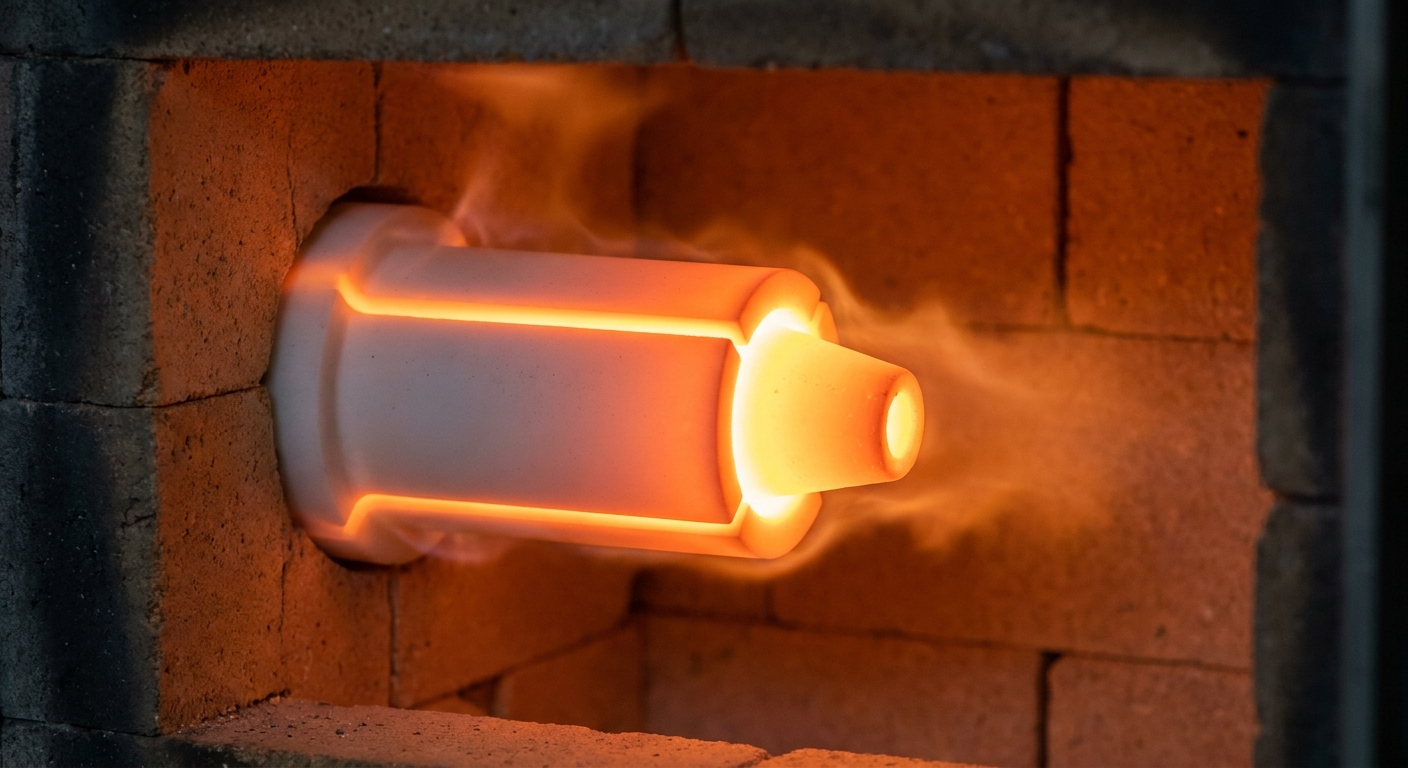
How does Zirconia Ceramic handle extreme thermal environments?
Zirconia Ceramic maintains its structural integrity at temperatures exceeding 2,000°C while simultaneously acting as a highly efficient thermal insulator. Its low thermal conductivity ensures that heat stays localized, protecting your surrounding sensitive electronics and mechanical housings. You will find that this thermal resistance is critical for aerospace engines and high-temperature furnaces.
Resistance to thermal shock
The best part? Even when subjected to rapid heating or cooling cycles, stabilized grades of this material resist cracking and deformation. You can deploy it in combustion chambers where thermal gradients are extremely steep and unpredictable.
- Max service temperatures reaching up to 2400°C.
- Low thermal expansion coefficient comparable to cast iron.
- High stability against thermal degradation over time.
Acting as a heat barrier
It gets better: Because it conducts heat so poorly, it is frequently used as a coating or a structural liner to reduce cooling requirements for engines. This leads to higher fuel efficiency and significantly reduced operating costs for your heavy machinery. Key Takeaway: Its ability to survive and insulate at extreme temperatures makes it indispensable for modern thermal management systems.
| Thermal Metric | Performance | User Impact | |
|---|---|---|---|
| Melting Point | ~2715°C | Safe for extreme refractory use | |
| Thermal Conductivity | <2.5 W/m·K | Elite insulation for sensitive parts | |
| Expansion Coefficient | 10.5 x 10⁻⁶/K | Matches steel for thermal fit |
The low thermal conductivity combined with high heat resistance creates a material that excels as both a structural component and a protective barrier.
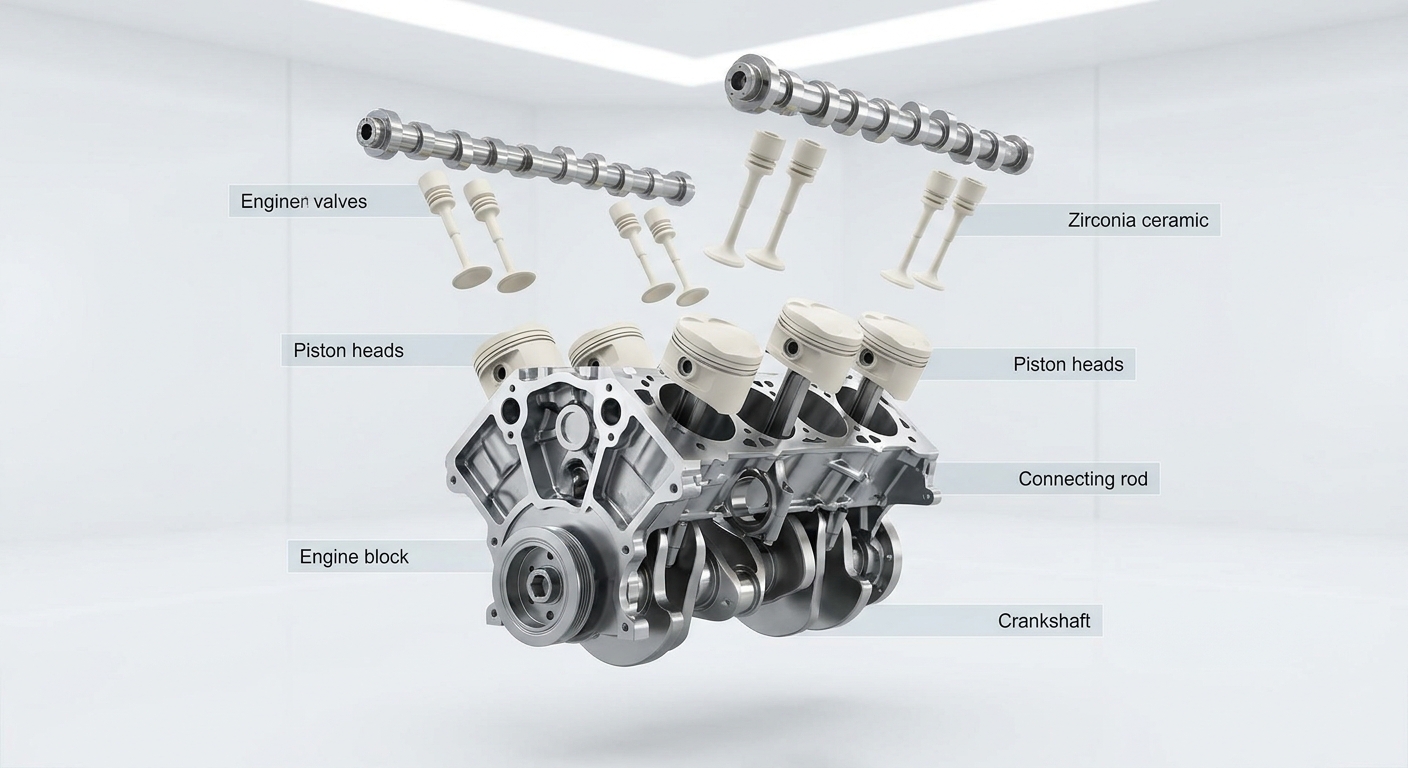
Is Zirconia Ceramic the best choice for structural parts?
Zirconia Ceramic is often considered the premier choice for structural parts because it combines the hardness of a ceramic with the impact resistance of a metal. You can use it for valves, pump liners, and engine components that are constantly exposed to high pressure and friction. Its high density and smooth surface finish significantly reduce the wear on mating components.
Enhancing engine and pump life
Think about this: In high-pressure fluid systems, the erosion resistance of this ceramic ensures that your seals and valves remain leak-proof for millions of cycles. You will notice a drastic reduction in the frequency of part replacements when switching from hardened steel.
- Zero galling or welding in non-lubricated friction zones.
- Dimensional stability under high compressive stress.
- Lightweight profile compared to traditional heavy alloys.
Precision in structural engineering
Wait, there is more: Because the material can be machined to extremely tight tolerances, it is perfect for high-speed rotating parts like bearings. This precision ensures that your machinery runs smoother, quieter, and with less energy waste. Key Takeaway: Using this material for structural components drastically increases the Mean Time Between Failures (MTBF) for industrial equipment.
| Component | Key Requirement | Zirconia Advantage | |
|---|---|---|---|
| Pump Pistons | Wear Resistance | 10x longer life than stainless steel | |
| Bearings | Low Friction | Operates at higher RPMs without lube | |
| Valve Seats | Chemical Inertness | Resists pitting and erosion |
The combination of metal-like toughness and ceramic hardness makes it the most versatile material for modern structural engineering.
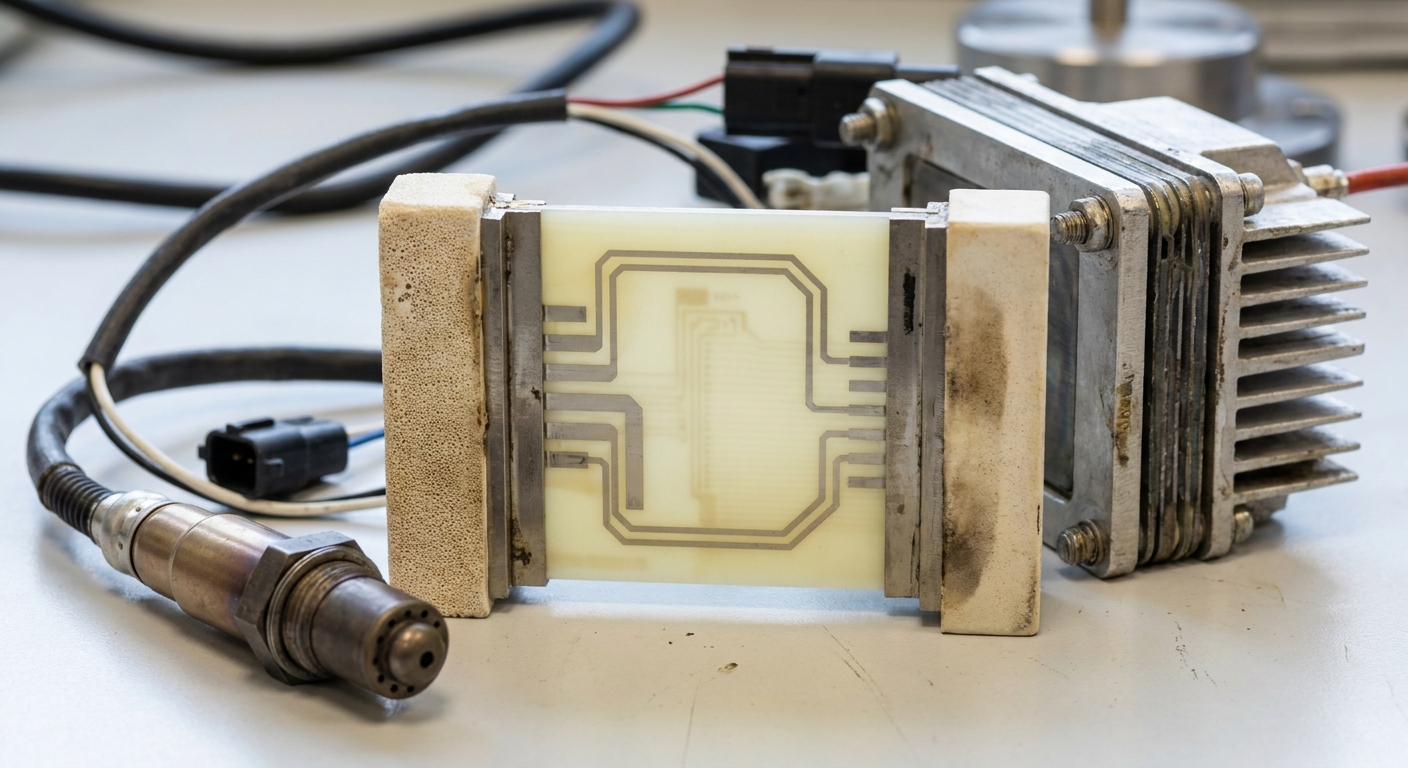
Why is Zirconia Ceramic essential for functional components?
Zirconia Ceramic serves as a critical “smart material” in functional components due to its unique ability to conduct oxygen ions at high temperatures. You will find it at the core of oxygen sensors, fuel cells, and heating elements where electrical and chemical properties are just as important as mechanical strength. This material enables real-time monitoring and efficient energy conversion in modern industrial processes.
Oxygen sensing and gas control
You might be wondering: How does a ceramic help control car emissions or furnace atmosphere? At high temperatures, the oxygen vacancies in the crystal lattice allow ions to move, creating a voltage that accurately measures gas concentration.
- Fast response times for real-time process monitoring.
- High sensitivity even in low-oxygen environments.
- Durability in exhaust streams filled with particulates.
Solid Oxide Fuel Cells (SOFC)
Look at it this way: As an electrolyte in fuel cells, it provides the stable, non-porous barrier needed to facilitate the chemical reaction that generates clean electricity. This makes it a foundational technology for the transition to sustainable industrial energy. Key Takeaway: Its functional versatility allows it to bridge the gap between structural support and active electrochemical participation.
| Functional Application | Mechanism | Core Benefit | |
|---|---|---|---|
| Oxygen Sensors | Ion Conductivity | Precise air-fuel ratio control | |
| Electrolyte Plates | Phase Purity | Efficient energy storage and transfer | |
| Heating Elements | High Resistance | Clean heating in vacuum furnaces |
The electrochemical properties of this material make it a vital part of the global effort toward higher efficiency and lower emissions.
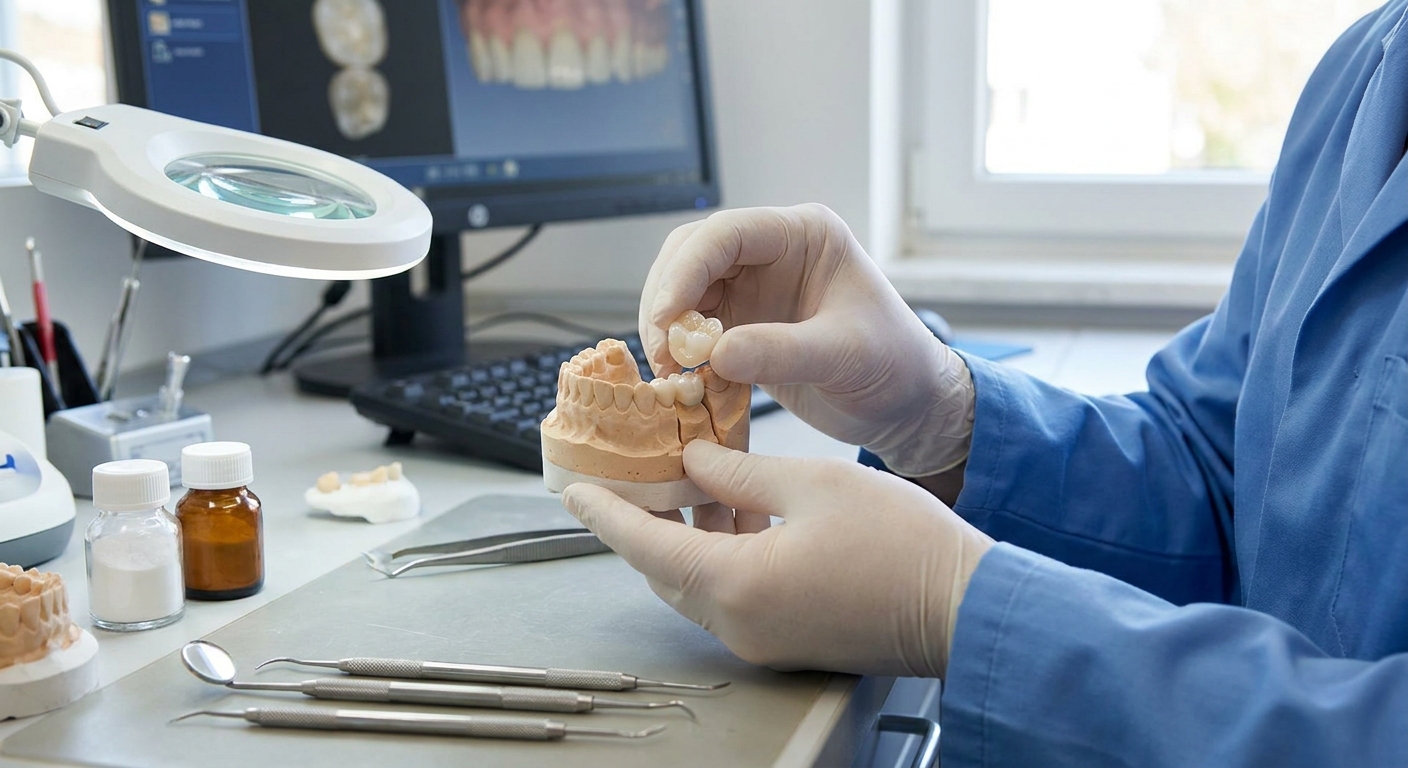
How has Zirconia Ceramic revolutionized modern dentistry?
Zirconia Ceramic has become the gold standard in dental applications because it offers the perfect balance of aesthetic beauty, biocompatibility, and extreme durability. You will see it used primarily for crowns, bridges, and implants that look indistinguishable from natural teeth. Unlike metal-based restorations, these ceramic solutions do not cause gum discoloration or allergic reactions.
Aesthetics and natural appearance
But wait, it gets better: The translucency of high-purity zirconia allows it to mimic the light-reflecting properties of natural tooth enamel. You can provide patients with restorations that are both functional and visually stunning, boosting overall satisfaction.
- Available in multiple shades to match natural teeth.
- High translucency without compromising material strength.
- Precise CAD/CAM milling for a perfect anatomical fit.
Biocompatibility and safety
Here is the deal: Because it is chemically inert, the material does not leach ions into the body, making it the safest choice for long-term oral implants. You can be confident that these restorations will remain stable and irritation-free for decades. Key Takeaway: It provides a metal-free alternative that is stronger than traditional porcelain while maintaining superior aesthetics.
| Material Type | Aesthetic Score | Strength | Gum Compatibility | |
|---|---|---|---|---|
| Solid Zirconia | High | Extreme | Excellent | |
| Layered Zirconia | Highest | Very High | Excellent | |
| Porcelain-fused-Metal | Low | High | Poor (Grey lines) |
The integration of this material into dental practices has effectively eliminated the need for unsightly and potentially reactive metal restorations.
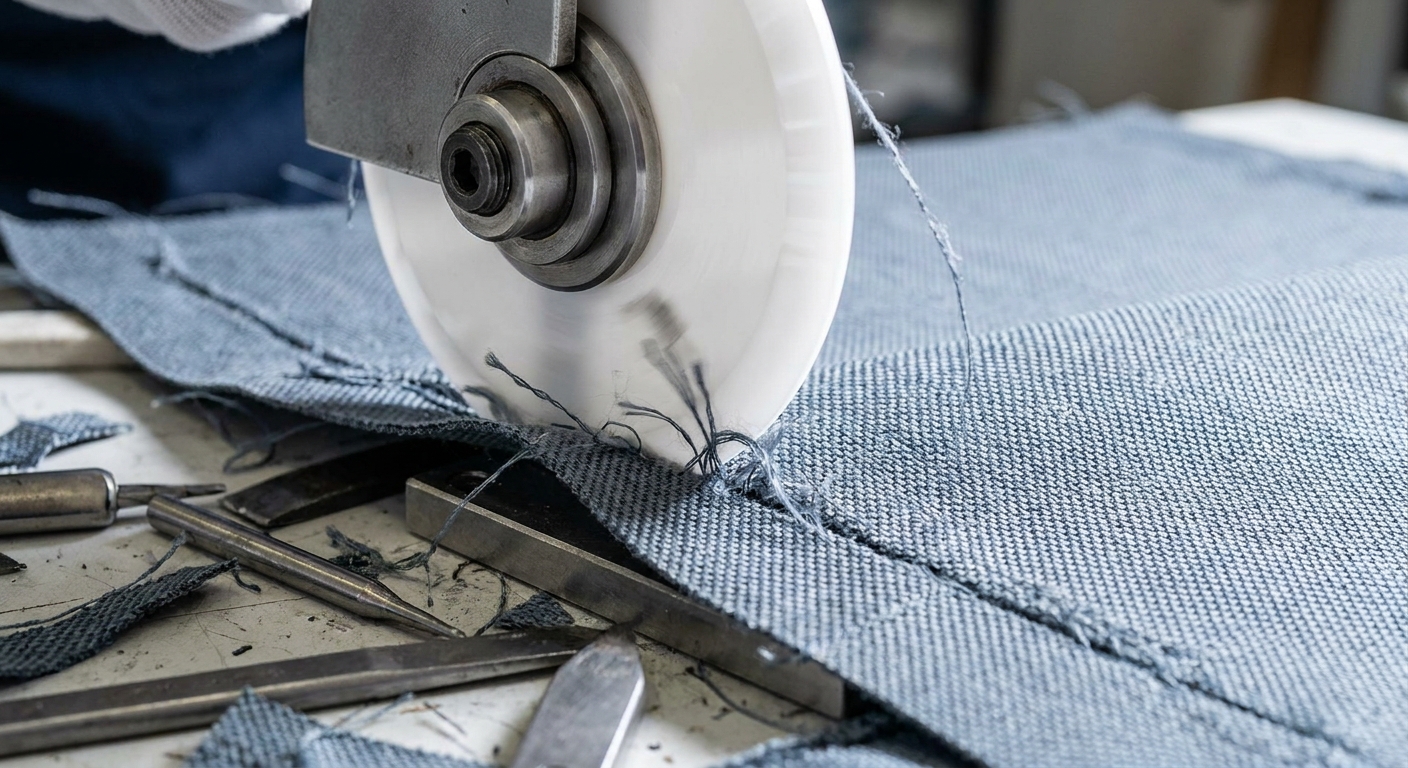
Can Zirconia Ceramic improve industrial cutting precision?
Zirconia Ceramic is increasingly used for industrial blades and cutting tools because its edge retention is far superior to even the highest grades of tool steel. You will find that these blades stay sharp up to 100 times longer than metal counterparts when cutting through paper, fabric, or thin plastics. This leads to cleaner cuts and significantly reduced downtime for blade sharpening.
Superior edge retention
Bottom line: The extreme hardness of the material ensures that the cutting edge does not dull or roll over, even under constant friction. This is especially useful in automated production lines where stopping to change a blade is a costly inconvenience.
- Resistance to magnetic interference during high-speed cutting.
- Zero rust or corrosion in wet cutting environments.
- Ultra-smooth surface finish that prevents material sticking.
Contamination-free processing
Don’t forget: In pharmaceutical and food processing, these blades are preferred because they do not flake or release metal particles into the product. You can ensure the highest levels of purity and safety for your end consumers. Key Takeaway: Its non-metallic nature and hardness make it the ultimate tool for high-precision, contamination-sensitive cutting tasks.
| Tool Application | Steel Performance | Zirconia Performance | Benefit | |
|---|---|---|---|---|
| Slitting Blades | Moderate life | 50x – 100x life | Lower cost per cut | |
| Food Slicing | Risk of rust | 100% rust-proof | High safety standards | |
| Milling Media | Metal contamination | Pure results | High product quality |
Upgrading to ceramic tooling is a strategic move for any manufacturer looking to optimize throughput and product purity.
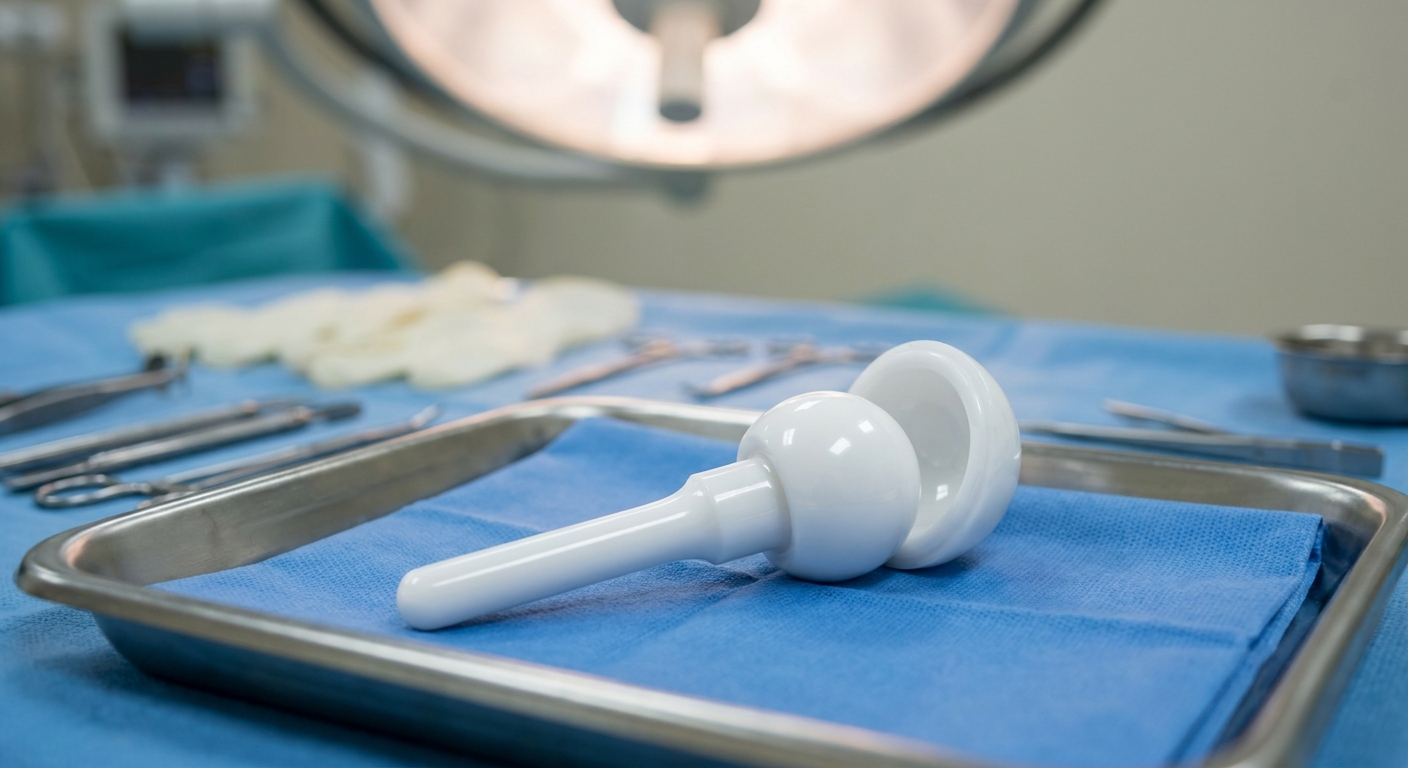
Why is Zirconia Ceramic vital for medical implants?
Zirconia Ceramic is a vital material for medical implants like hip and knee joints because of its extremely low wear rate and total resistance to the aggressive fluids within the human body. You will benefit from joint replacements that last significantly longer than traditional metal-on-plastic designs, reducing the need for painful revision surgeries. Its bio-inert nature ensures that the body accepts the implant without inflammatory responses.
Minimizing wear in artificial joints
This is critical: The exceptionally smooth surface of the ceramic ball-and-socket reduces friction to near-zero levels when lubricated by natural body fluids. You will find that this prevents the buildup of wear debris, which is the leading cause of implant failure and bone loss.
- Hardness that resists scratching from bone fragments.
- Ultra-polished finish for smooth, silent joint movement.
- High toughness to prevent fracture during accidental impacts.
Corrosion-proof longevity
Believe it or not: Unlike cobalt-chrome or titanium, this ceramic will never oxidize or release metal ions into the bloodstream. This makes it the only viable choice for patients with metal sensitivities or those requiring an implant for several decades. Key Takeaway: Its chemical passivity and mechanical durability make it the safest and most long-lasting material for orthopedic implants.
| Implant Property | Metal Alloys | Zirconia Ceramic | Patient Impact | |
|---|---|---|---|---|
| Bio-Inertness | Potential ion release | Totally Inert | No inflammatory risk | |
| Wear Resistance | Higher debris | Minimal debris | Longer implant life | |
| Surface Finish | Average | Superior Mirror | Smoother movement |
The transition to ceramic implants represents a significant leap forward in the longevity and quality of life for orthopedic patients.
What should you consider when selecting a Zirconia Ceramic grade?
Selecting the right Zirconia Ceramic requires you to evaluate the specific mechanical and thermal demands of your application. You must decide between different stabilizers, such as Yttria-Stabilized Zirconia (YSZ) for toughness or Magnesia-Stabilized Zirconia (MSZ) for thermal shock resistance. Choosing the wrong grade can lead to premature failure if the material’s phase stability is not matched to the operating environment.
Matching stabilizers to stressors
Don’t overlook this: Yttria-stabilized grades are perfect for most structural and dental needs because they offer the highest strength and toughness at room temperature. However, for applications involving constant steam or water at high heat, you may need a different stabilizer to prevent low-temperature degradation.
- Y-TZP: Best for precision parts and high mechanical stress.
- Mg-PSZ: Best for large parts and high thermal cycling.
- Ce-TZP: Best for environments with high moisture and acidity.
Evaluating manufacturing quality
To wrap it up: The particle size distribution (PSD) and the sintering process used by your supplier will dictate the final density and reliability of the part. You should always request a Certificate of Analysis (COA) to ensure that the material meets the strict tolerances of your engineering specifications. Key Takeaway: Understanding the chemistry of the stabilizers is the most important step in ensuring long-term material performance.
| Operating Condition | Recommended Grade | Primary Reason | |
|---|---|---|---|
| High Impact/Stress | 3Y-TZP | Maximum toughness | |
| Thermal Shock | Mg-PSZ | Large grain resistance | |
| Acidic/Corrosive | Ce-TZP | Resistance to hydrothermal aging |
A careful assessment of your operating environment will allow you to select a material that maximizes both performance and cost-effectiveness.
How does the manufacturing of Zirconia Ceramic affect quality?
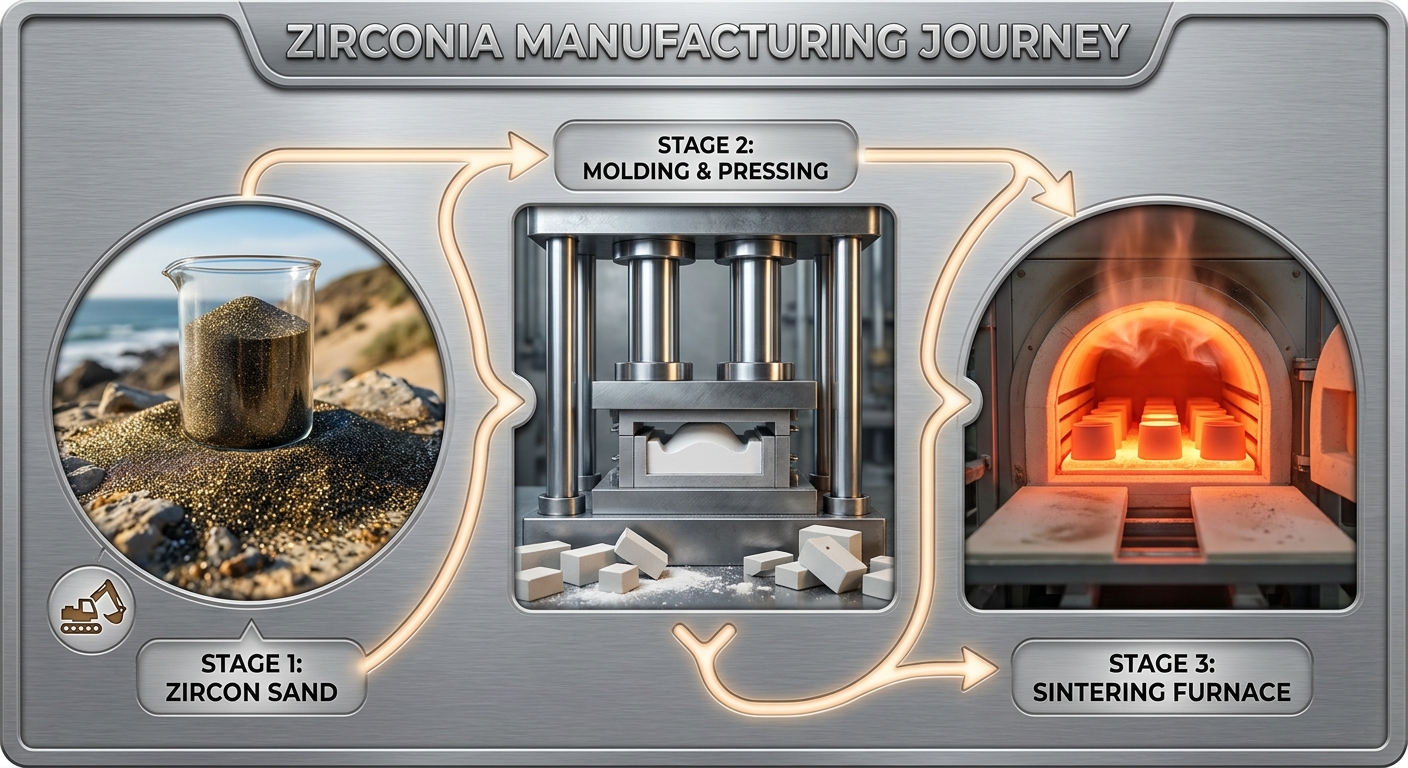
The quality of Zirconia Ceramic is determined at every stage of production, from the purification of the raw powder to the final precision diamond grinding. You will find that improper sintering temperatures or uneven pressing can result in internal micro-cracks that compromise the structural integrity of the entire component. A vertically integrated manufacturer who controls the entire journey ensures a consistent, high-density finished product.
Frequently Asked Questions
Can I use zirconia in underwater applications?Absolutely. While some older grades faced “hydrothermal aging,” modern Cerium-stabilized and high-purity Yttria-stabilized ceramics are engineered to remain stable in wet and acidic environments for decades.
What’s the best way to clean zirconia components?Concise judgment: Ultrasonic cleaning with a mild solvent is best. Because the material is chemically inert, you can use most industrial cleaners without risking surface damage or pitting, though you should avoid harsh mechanical abrasives.
How do I know if I should choose zirconia over alumina?Concise judgment: Choose zirconia if you require high impact resistance or thermal insulation. If your application only requires high hardness and high-temperature stability without mechanical shock, alumina may be a more cost-effective alternative.
Can I machine zirconia in my own shop?Concise judgment: Only if you have specialized diamond-grinding equipment. Zirconia is far too hard for standard carbide or high-speed steel tools; it requires diamond-tipped wheels and constant coolant to achieve precision tolerances.
What is the lead time for custom zirconia structural parts?Concise judgment: Typically 4 to 8 weeks depending on complexity. Because the material must be molded, sintered at high temperatures, and then precision-ground, the process requires careful timing to ensure density and dimensional accuracy.
Key Takeaway: Total control over the sintering and pressing process is what differentiates industrial-grade zirconia from lower-quality hobbyist materials.
Whether you are seeking high-precision structural parts or bioactive medical solutions, choosing the right material is paramount. To ensure your next project achieves the highest standards of stability and performance, contact us today to consult with our specialized engineering team.