
Choosing between Zirconium (Zr) and Tungsten (W) depends entirely on whether your application prioritizes low-weight corrosion resistance or extreme thermal density. Many industrial buyers struggle with inconsistent material grades that lead to premature component failure and costly downtime. These unpredictable maintenance cycles can destroy your production margins and damage your reputation for reliability. By selecting high-quality zirconium silicate and understanding atomic property differences, you can secure predictable performance across every batch.
Which transition metal fits your atomic requirements?
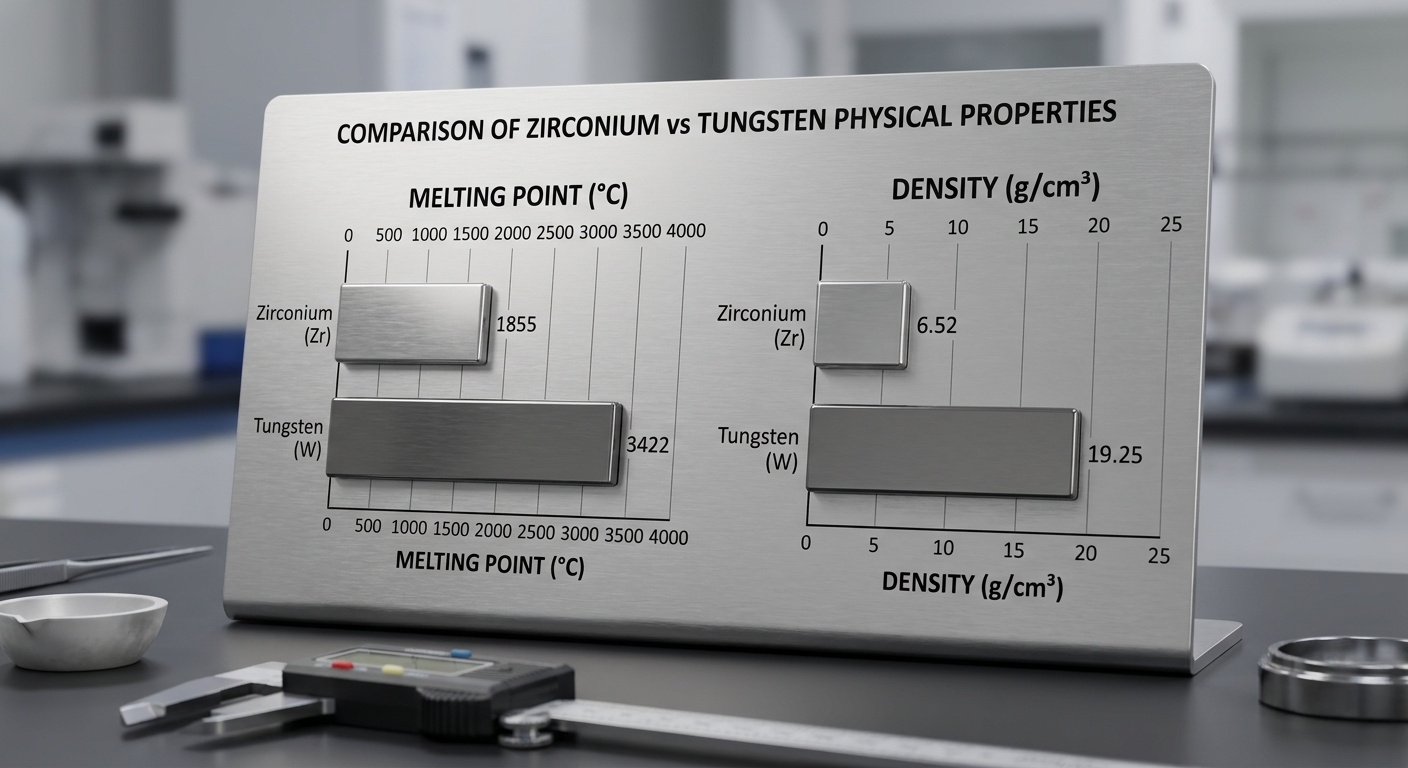
Zirconium belongs to Group 4 of the periodic table with atomic number 40, whereas Tungsten resides in Group 6 with atomic number 74. You will find that these atomic positions dictate their fundamental chemical behaviors and bonding strengths in industrial environments. High-purity zirconium silicate is often the preferred choice when you need stable electron configurations for ceramic opacification.
How do atomic numbers 40 and 74 affect your project?
The higher atomic number of Tungsten results in a significantly more complex electron shell structure. This complexity provides the basis for its incredible density and melting point. Here is the kicker:
- Zirconium (Zr): Atomic Weight 91.224, Period 5.
- Tungsten (W): Atomic Weight 183.84, Period 6.
- Zr Shells: 2, 8, 18, 10, 2.
- W Shells: 2, 8, 18, 32, 12, 2.
| Atomic Property | Zirconium (Zr) | Tungsten (W) | |
|---|---|---|---|
| Atomic Number | 40 | 74 | |
| Group | 4 | 6 | |
| Block | d-block | d-block |
The atomic weight of Tungsten is more than double that of Zirconium, influencing every mechanical interaction.
Key Takeaway: You should choose Zirconium for lighter transition metal needs and Tungsten for heavy-duty atomic mass applications.
Why does density matter for your component weight?
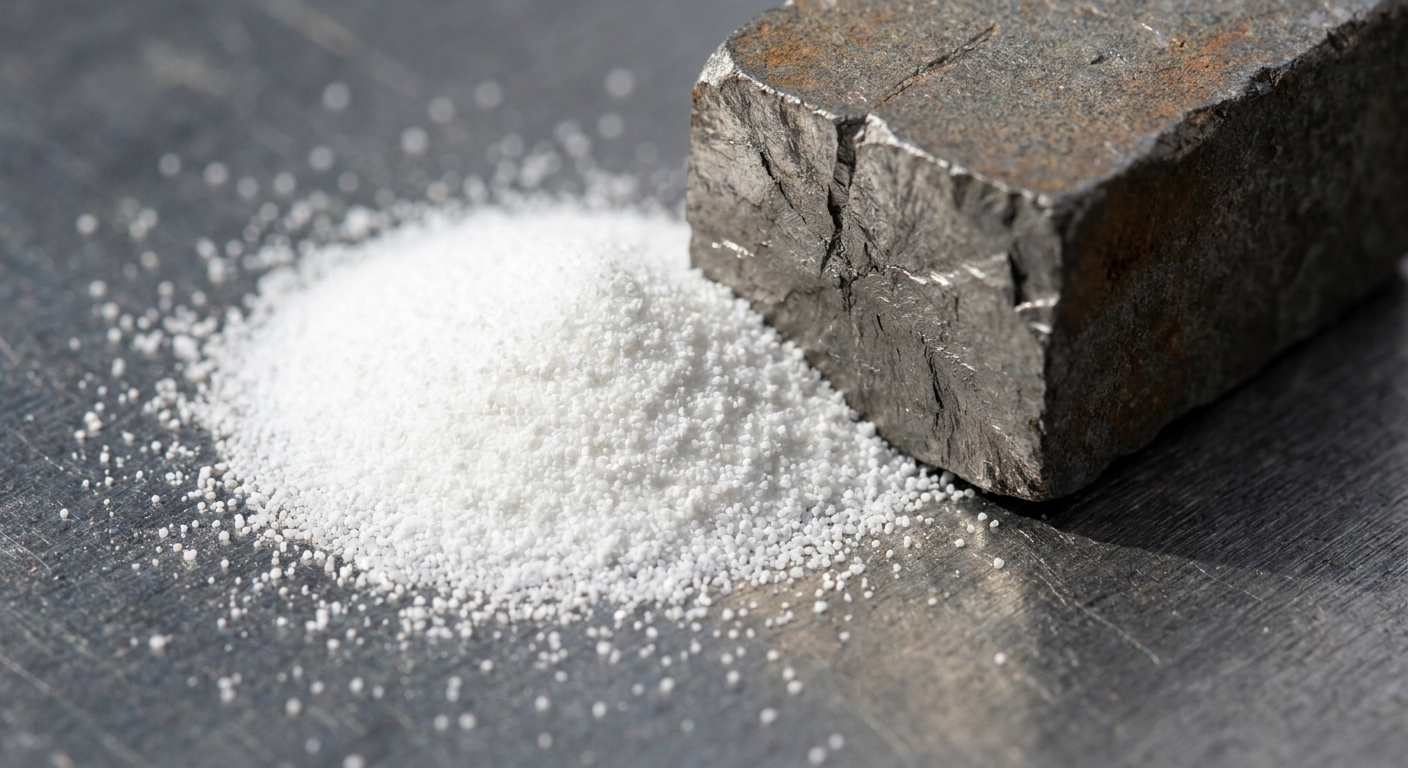
Tungsten is approximately 195% denser than Zirconium, providing a heavy-duty mass that Zirconium simply cannot match in small volumes. When you integrate zirconium silicate into your workflow, you benefit from a much lower density profile of around 6.511 g/cm³. This makes Zirconium ideal for aerospace components where every gram of weight reduction saves fuel.
Is weight a factor in your material selection?
If you are designing ballast or radiation shielding, the high density of Tungsten is your greatest asset. Conversely, Zirconium’s light nature allows for high-strength parts that don’t weigh down the assembly. Here is the deal:
- Zr Density: 6.511 g/cm³ (Solid at STP).
- W Density: 19.25 g/cm³ (Solid at STP).
- Zr Molar Volume: 14.011 cm³/mol.
- W Molar Volume: 9.47 cm³/mol.
| Physical Property | Zirconium | Tungsten | |
|---|---|---|---|
| Density at STP | 6.511 g/cm³ | 19.25 g/cm³ | |
| Liquid Density | 5.8 g/cm³ | 17.6 g/cm³ | |
| Phase | Solid | Solid |
Tungsten provides nearly three times the mass per volume compared to Zirconium.
Key Takeaway: Select Tungsten for concentrated mass and Zirconium for high-strength, lightweight industrial structural parts.
Can zirconium silicate handle your furnace heat?
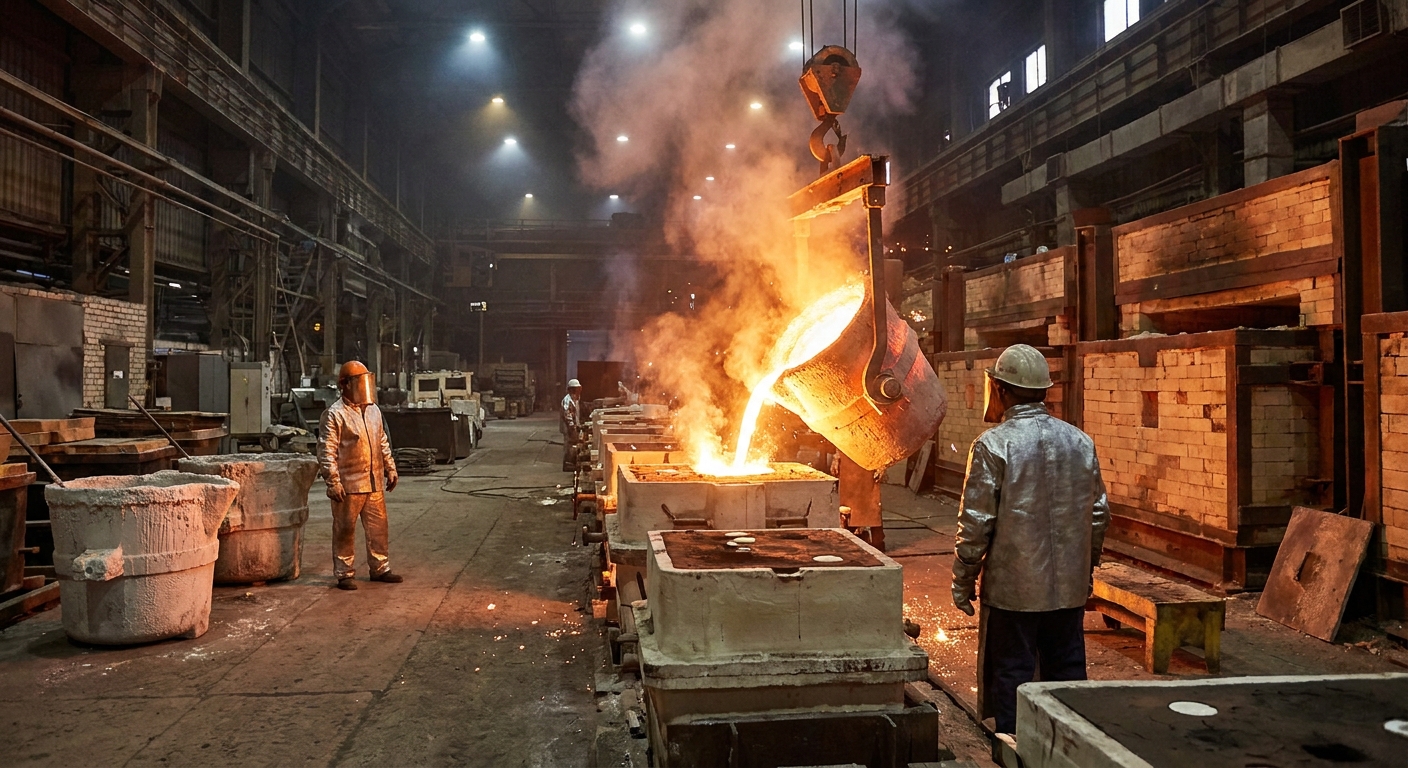
Tungsten possesses the highest melting point of all metals at 3695 Kelvin, far surpassing Zirconium’s respectable 2128 Kelvin. While Tungsten dominates extreme heat environments, zirconium silicate provides the necessary thermal stability for high-quality ceramic glazes. You can rely on Zirconium-based materials to maintain structural integrity in standard furnace operations.
Analyzing melting points from 2128 to 3695 Kelvin?
Tungsten’s heat resistance makes it the go-to for vacuum furnace elements and aerospace nozzles. Zirconium, however, offers a lower thermal expansion rate which can be critical for precision fitment. You need to know:
- Zr Boiling Point: 4682 K.
- W Boiling Point: 5828 K.
- Zr Heat of Fusion: 21 kJ/mol.
- W Heat of Fusion: 35 kJ/mol.
| Thermal Property | Zirconium | Tungsten | |
|---|---|---|---|
| Melting Point | 2128 K | 3695 K | |
| Boiling Point | 4682 K | 5828 K | |
| Expansion Coeff. | 5.7 µm/m·K | 4.5 µm/m·K |
Tungsten remains solid at temperatures that would completely vaporize most other industrial metals.
Key Takeaway: Prioritize Tungsten for extreme temperature contact and Zirconium for stable thermal cycles in refractories .
Which element offers superior wear and hardness?
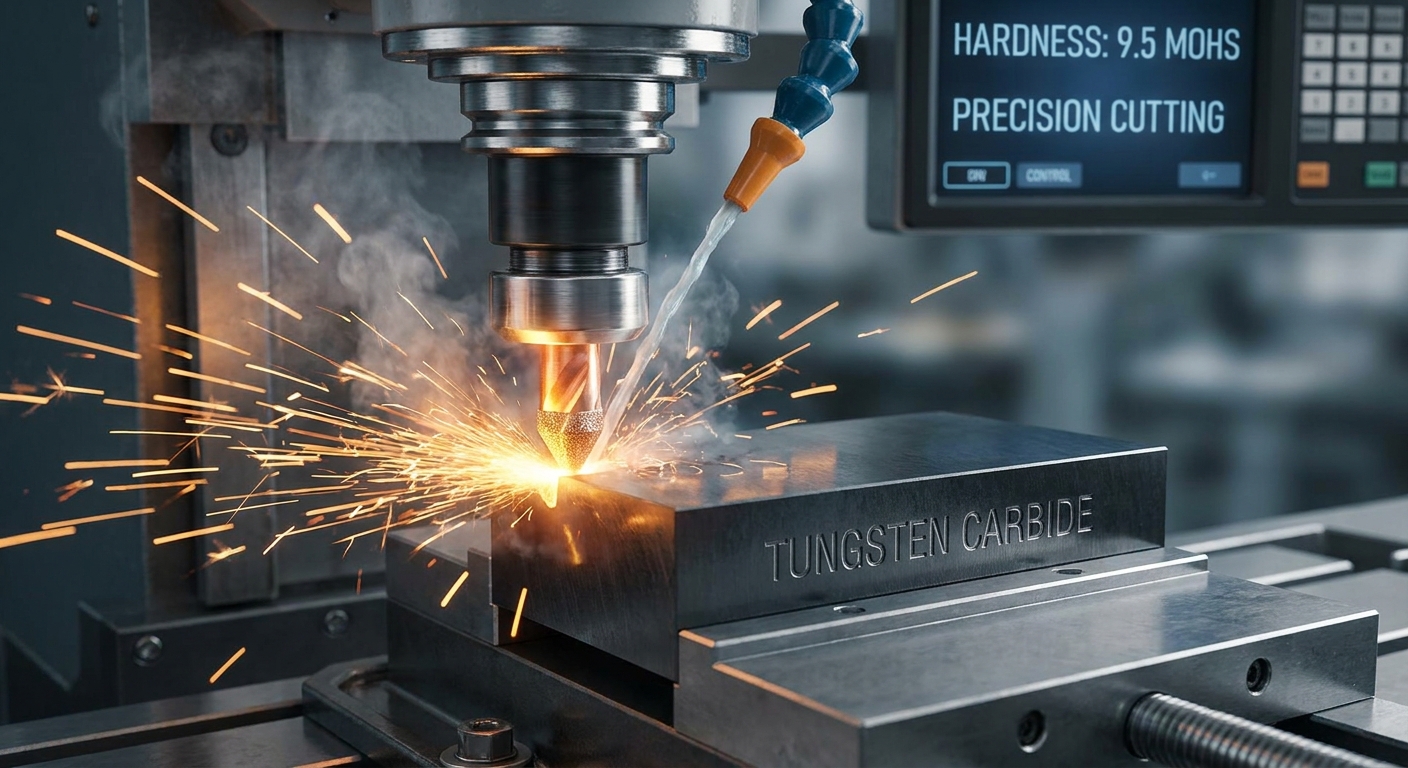
Tungsten is significantly harder than Zirconium, measuring 7.5 on the Mohs scale compared to Zirconium’s score of 5.0. Utilizing zirconium silicate allows you to balance this hardness with superior fracture toughness in ceramic applications. This means your components can resist cracks even under mechanical stress.
Evaluating Young Modulus and Mohs hardness scales?
The Young Modulus of Tungsten is massive, indicating a high level of stiffness that prevents deformation. Zirconium is more flexible, which can be an advantage in certain structural applications. But wait, there is more:
- Zr Young Modulus: 68 GPa.
- W Young Modulus: 411 GPa.
- Zr Vickers Hardness: 903 MPa.
- W Vickers Hardness: 3430 MPa.
| Mechanical Property | Zirconium | Tungsten | |
|---|---|---|---|
| Mohs Hardness | 5.0 | 7.5 | |
| Shear Modulus | 33 GPa | 161 GPa | |
| Bulk Modulus | N/A | 310 GPa |
Tungsten provides nearly six times the stiffness of Zirconium, making it virtually unyielding in high-pressure tasks.
Key Takeaway: Use Tungsten for abrasive cutting tools and Zirconium for durable grinding media .
Is zirconium silicate better for chemical resistance?
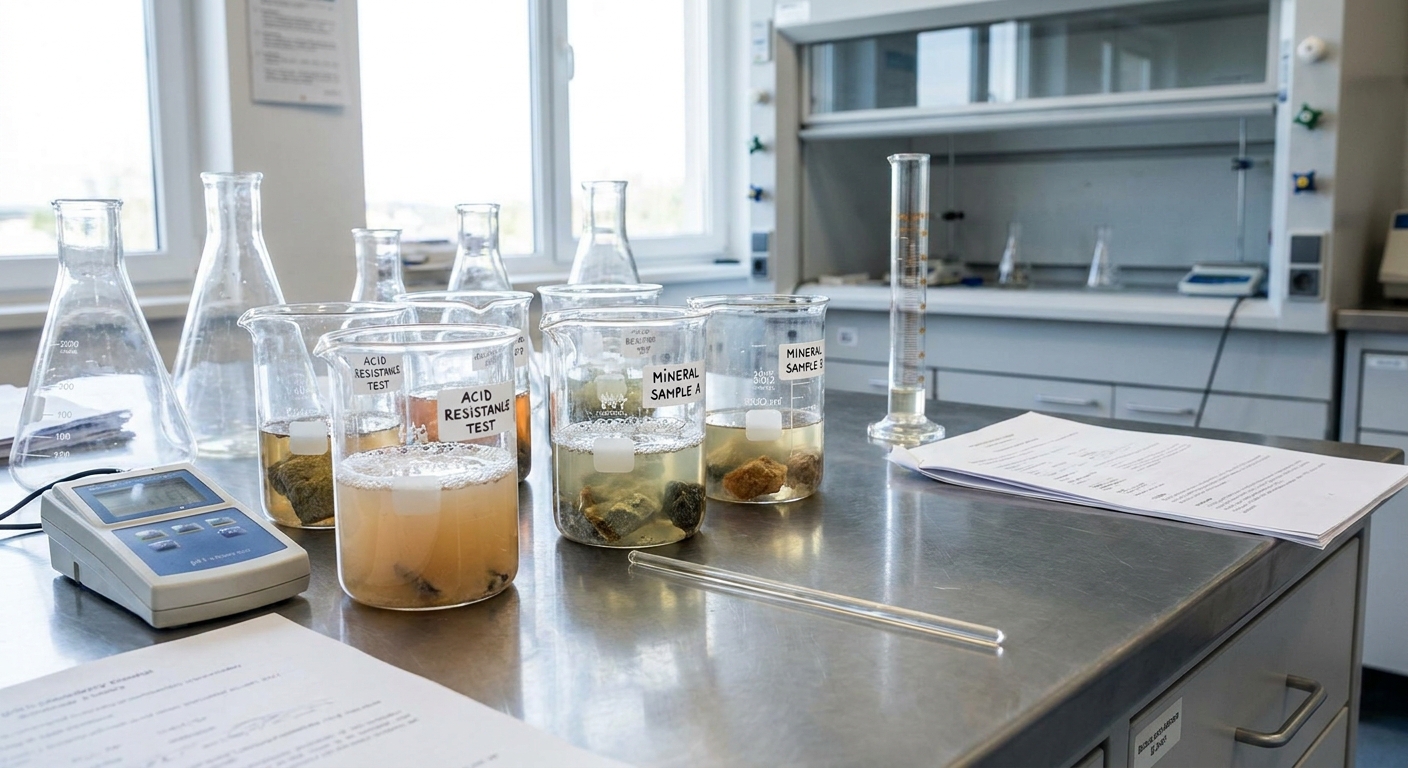
Zirconium is world-renowned for its exceptional resistance to acids and alkalis, often outperforming Tungsten in corrosive chemical processing. You will find that zirconium silicate provides an inert barrier that prevents chemical contamination in sensitive glazes. This makes it a staple in the chemical industry for lining pipes and reaction vessels.
Assessing oxidation states and electronegativity?
The electronegativity of Zirconium is 1.33, whereas Tungsten sits much higher at 2.36. This difference explains why Zirconium forms a highly stable protective oxide layer almost instantly. Here is the kicker:
- Zr Electronegativity: 1.33 (Pauling).
- W Electronegativity: 2.36 (Pauling).
- Zr Common Oxidation: +4.
- W Common Oxidation: +4, +6.
| Chemical Property | Zirconium | Tungsten | |
|---|---|---|---|
| Oxidation States | 4 | 4, 6 | |
| Electron Affinity | 41.1 kJ/mol | 78.6 kJ/mol | |
| Ionization (1st) | 640.1 kJ/mol | 770 kJ/mol |
Zirconium’s lower electronegativity allows it to bond more readily with oxygen to create a self-healing surface.
Key Takeaway: Choose Zirconium for aggressive chemical environments and zirconia materials for long-term corrosion stability.
How do opacifiers impact your final glaze quality?
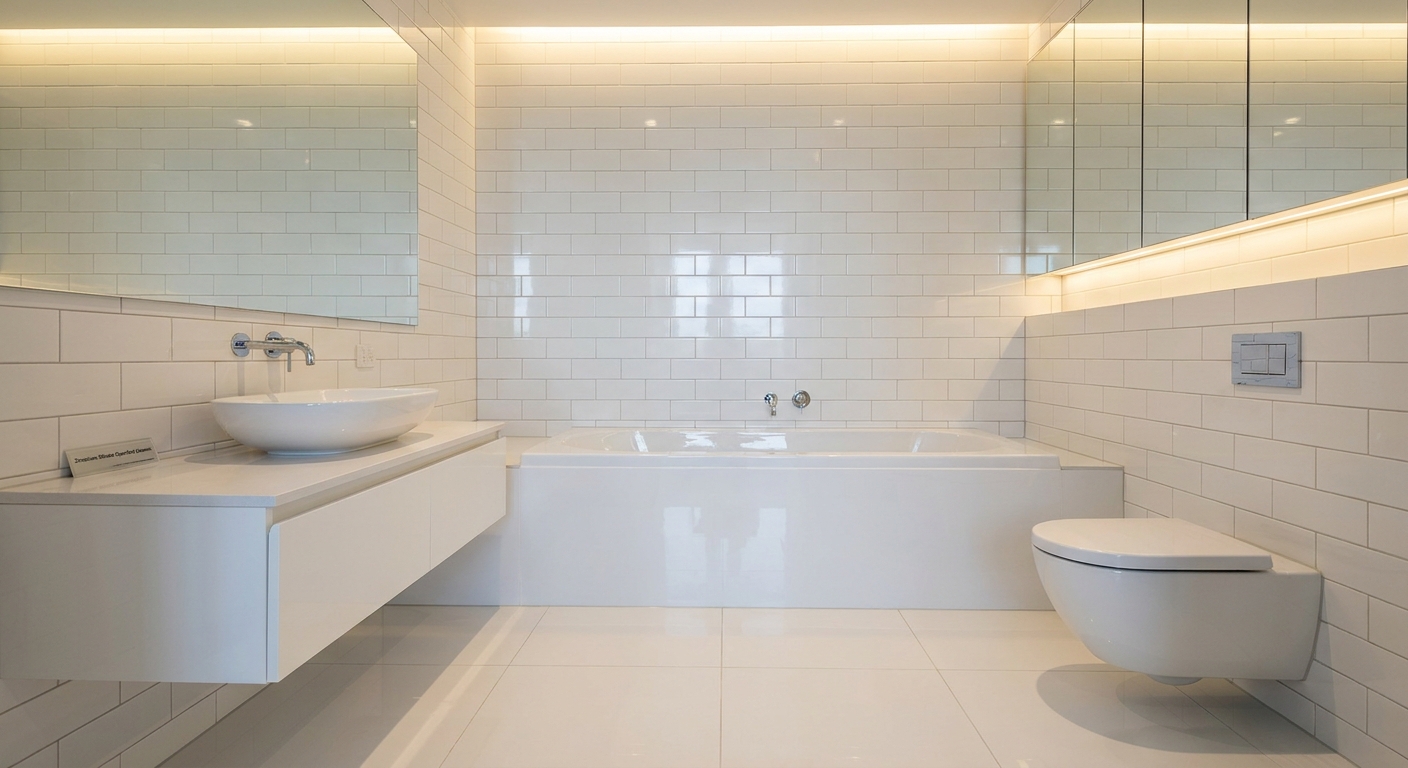
Zirconium is the industry standard for opacification because it provides superior whiteness and gloss that Tungsten cannot achieve. When you use zirconium silicate , the high refractive index ensures a brilliant finish on sanitaryware and tiles. Tungsten is rarely used in these applications due to its dark, gray coloration.
Achieving consistency in whiteness and opacity?
The particle size of your opacifier directly determines the smoothness of your final glaze. You can customize the D50 of Zirconium powders to eliminate surface pinholes and black spots. Check this out:
- Zr Whiteness Level: 88 – 96+.
- W Color: Gray/Steel.
- Zr Application: Ceramic Opacifier.
- W Application: Electrodes/Alloys.
| Optical/Color Factor | Zirconium | Tungsten | |
|---|---|---|---|
| Refractive Index | High (as Silicate) | Low (Metallic) | |
| Color (Pure) | Silver | Gray | |
| Opacity Power | Excellent | None |
Zirconium silicate is the only viable choice for achieving pure white ceramic aesthetics at scale.
Key Takeaway: Always rely on Zirconium-based zirconium silicate for high-end ceramic whiteness and glaze stability.
Inconsistent particle size distribution in zirconium silicate can cause glaze cracking and firing defects that ruin entire production batches. You must verify that your supplier provides full COA and MSDS documentation for every shipment. Many low-price suppliers switch ore sources, leading to unpredictable results in your kiln.
Eliminating batch-to-batch variation in supply?
A technically competent supplier should offer precise D50 control to ensure your formula doesn’t need constant adjustments. You need a partner that understands the specific requirements of the ceramics industry . Make no mistake:
- Risk 1: Batch inconsistency.
- Risk 2: Heavy metal contamination.
- Risk 3: Poor powder dispersibility.
- Risk 4: Unreliable lead times.
| Procurement Risk | Low-Grade Supplier | Premium Supplier | |
|---|---|---|---|
| Batch Traceability | Missing | Full Documentation | |
| Particle Control | Wide Variance | ±0.5μm Tolerance | |
| Technical Support | Sales-only | Engineering-led |
Consistent material properties are the only way to ensure your production yield remains high and profitable.
Key Takeaway: You should audit your supplier’s quality control to avoid the hidden costs of raw material variation.
Should you use zirconium silicate for refractories?
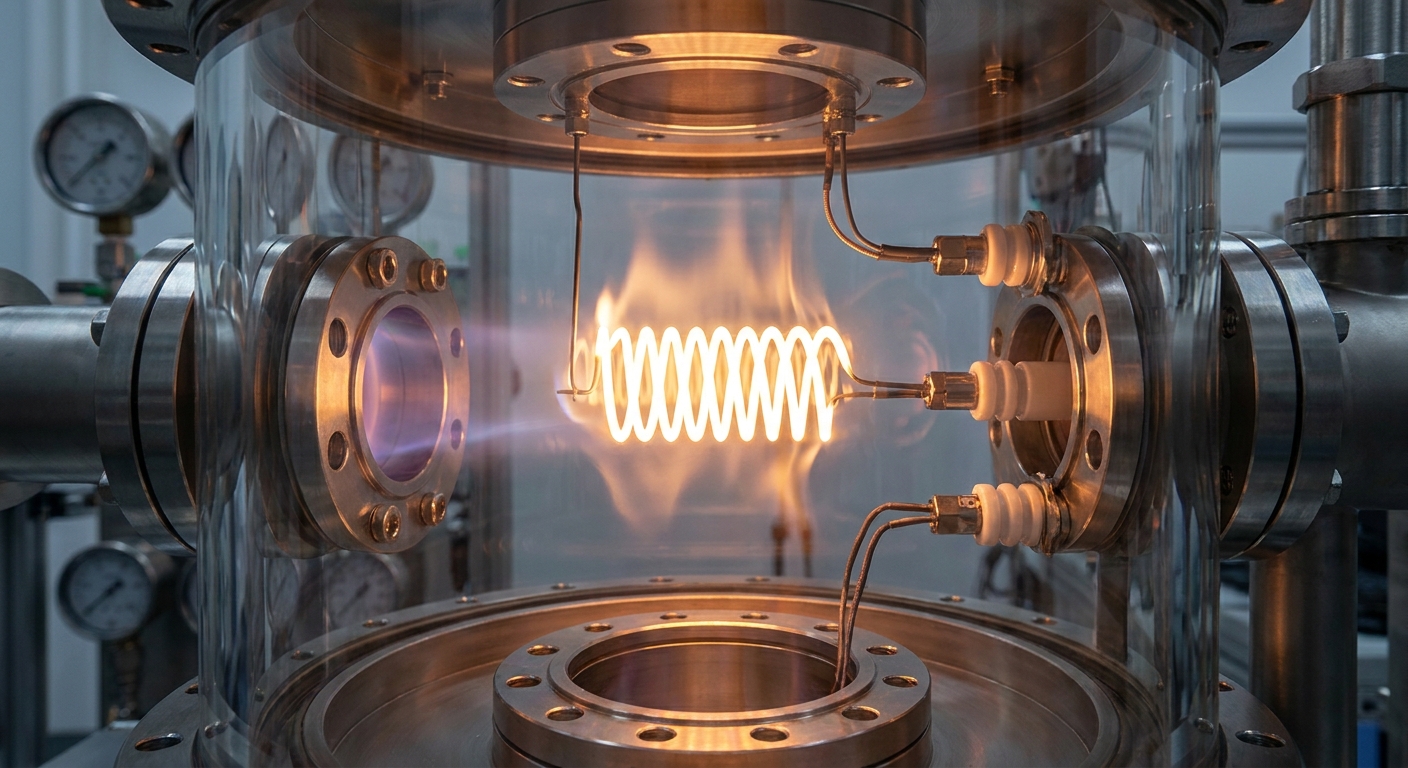
Zirconium-based materials are essential for glass contact refractories because they offer high corrosion resistance against molten glass. By choosing zirconium silicate , you extend the campaign life of your furnace and reduce unplanned shutdowns. While Tungsten is used for specialty electrodes, Zirconium handles the bulk of high-temp structural lining.
Resisting corrosion in molten glass environments?
Thermal shock stability is another area where Zirconium excels, allowing your linings to survive rapid temperature changes. This predictability is vital for maintaining steady production in glass and steel manufacturing. You should consider:
- Corrosion Resistance: High (Zr).
- Thermal Shock: Excellent (Zr).
- Metal Resistance: High (W).
- Lining Life: Extended with Zr.
| Refractory Metric | Zirconium (Zr) | Tungsten (W) | |
|---|---|---|---|
| Glass Contact | Preferred | Non-standard | |
| Thermal Shock | High | Moderate | |
| Max Temp (Air) | Moderate | Very High |
Zirconium materials provide the inert interface required to prevent molten substances from eroding furnace structures.
Key Takeaway: Implement Zirconium for glass contact zones and Tungsten for specialized high-vacuum heating elements.
Which metal provides the best electrical performance?
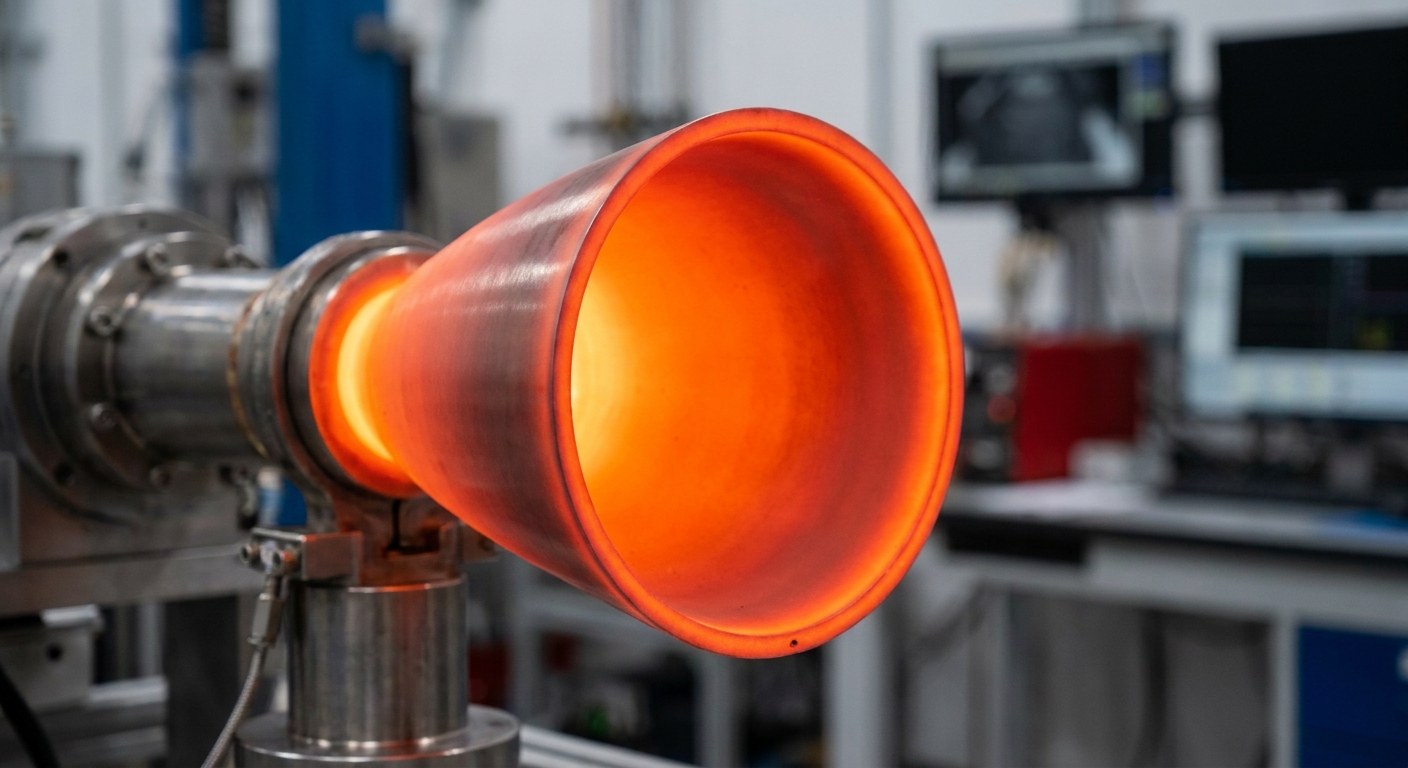
Tungsten is a much better electrical conductor than Zirconium, boasting a conductivity of 20,000,000 S/m. You will find that zirconium silicate is actually used as an electrical insulator in many advanced ceramic components. This makes Tungsten the primary choice for filaments, electrodes, and high-power circuitry.
How do conductivity and resistivity differ?
The resistivity of Zirconium is nearly ten times higher than that of Tungsten, which restricts its use in purely conductive paths. However, this high resistivity is perfect for creating thermal barriers in electronics. Here is the deal:
- Zr Conductivity: 2,400,000 S/m.
- W Conductivity: 20,000,000 S/m.
- Zr Resistivity: 4.2e-7 Ω·m.
- W Resistivity: 5e-8 Ω·m.
| Electrical Property | Zirconium | Tungsten | |
|---|---|---|---|
| Conductivity | 2.4 MS/m | 20.0 MS/m | |
| Resistivity | 0.42 µΩ·m | 0.05 µΩ·m | |
| Superconducting | 0.61 K | 0.015 K |
Tungsten allows for efficient current flow with minimal energy loss compared to Zirconium.
Key Takeaway: Utilize Tungsten for conductive electrical parts and Zirconium for insulating structural ceramic assemblies.
How do you select the right grade for production?
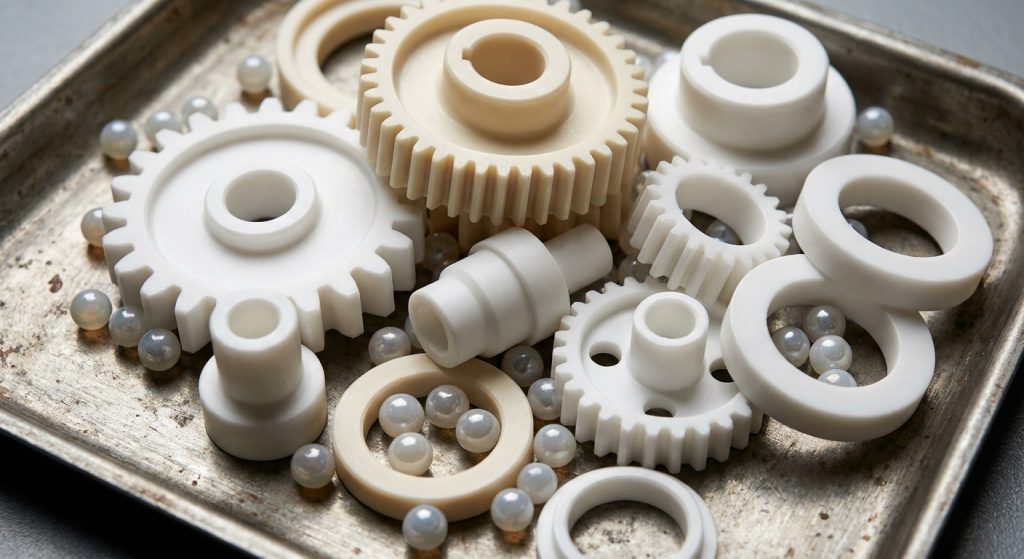
Selecting the right grade requires you to match specific material parameters like ZrO₂ content and D50 particle size to your end application. High-grade zirconium silicate can be tailored with ZrO₂ levels ranging from 63% to over 99%. Your choice should be driven by the specific thermal and chemical stresses of your production environment.
Frequently Asked B2B Procurement Questions
You need clear answers to technical questions before committing to a large-scale material order. Here is the bottom line:
- Can I use zircon for high-temp linings? Yes, zircon sand and powder are standard for foundry and refractory linings.
- What’s the best way to prevent glaze defects? Use zirconium silicate with a narrow particle size distribution (±0.5μm).
- How do I know if the purity is industrial grade? Check the Fe₂O₃ levels; ceramic grade should be below 0.05%.
- Can I customize particle size for mass production? Yes, premium suppliers offer customization from 0.5 to 50 μm.
- What’s the best metal for extreme wear resistance? Tungsten is harder, but Zirconia (Y-TZP) offers better fracture toughness.
| Grade Category | Typical ZrO₂ | Primary Use | |
|---|---|---|---|
| Ceramic Grade | 65% | Glazes & Tiles | |
| Foundry Grade | 66% | Casting Molds | |
| Advanced Grade | 99%+ | Structural Parts |
Choosing the correct grade eliminates the need for recipe changes and costly manufacturing reworks.
Key Takeaway: You should partner with a technical specialist who provides customizable grades and documented batch consistency.
Summary of Material Insights
By comparing Zirconium and Tungsten, you can effectively solve common production problems like unplanned shutdowns, inconsistent glaze finishes, and premature component wear. Whether you need the extreme heat resistance of Tungsten for electrodes or the superior opacification of zirconium silicate for ceramics, selecting the right atomic profile is critical for your bottom line. We provide consistent, high-performance materials validated across global industrial sectors to ensure your operations run smoothly.
Ready to optimize your material supply chain? Contact us today to discuss your specific technical requirements and request a sample for your next production trial.
FAQ: Zirconium vs Tungsten Comparison
Can I use Zirconium in high-acid chemical reactors? Yes, Zirconium offers world-class resistance to organic and inorganic acids, making it superior to Tungsten in many corrosive environments.
What’s the best material for precision casting molds? Zircon sand and powder are the preferred choices for investment casting due to their low thermal expansion and high refractoriness.
How do I prevent black spots in my white ceramic glazes? You should select a high-purity zirconium silicate with Fe₂O₃ levels below 0.05% to ensure maximum color purity and whiteness.
Can I weld Zirconium to Tungsten for hybrid components? While technically difficult due to differing melting points and crystal structures, specialty brazing techniques can sometimes join these transition metals.
What’s the best metal for high-speed industrial cutting tools? Tungsten (specifically Tungsten Carbide) is the industry standard for cutting tools because of its extreme hardness and resistance to deformation.