
Zirconia Resin (5Y) is an advanced photocurable technical ceramic formulation engineered to produce high-strength, highly translucent ceramic components via stereolithography and digital light processing. Imagine setting up a complex ceramic 3D print only to watch the green-state part crack during the initial sintering stage, wasting hours of engineering labor and costly material. In traditional technical ceramic manufacturing, machining intricate geometries is notoriously difficult, leading to micro-fractures, extensive tool wear, and excessive scrap rates that derail your production timeline. Fortunately, additive manufacturing with high-purity 5Y Zirconia resin solves this challenge by enabling seamless, tool-free fabrication of complex ceramic parts with near-zero material waste.
Why Choose 5Y Zirconia for Zero-Waste Manufacturing?
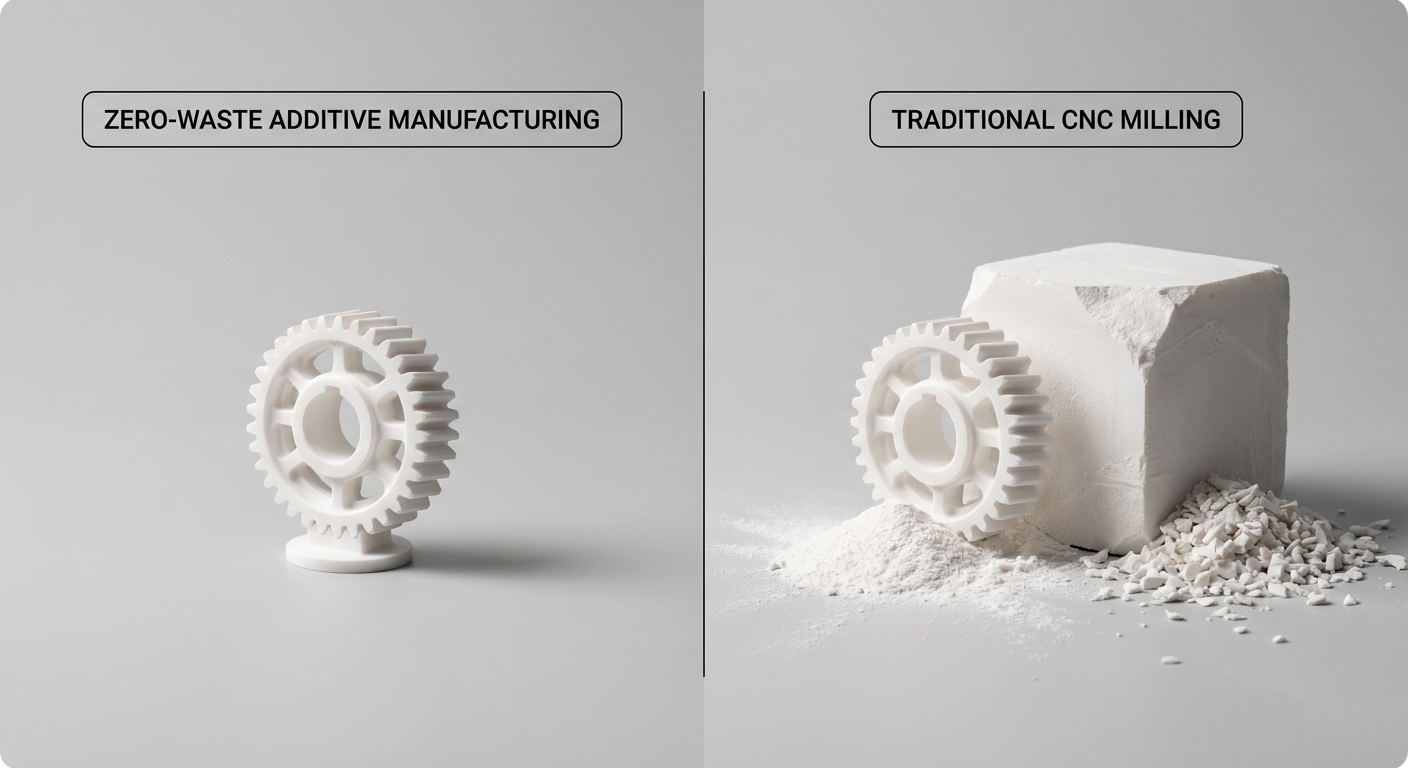
Choosing 5Y Zirconia for zero-waste additive manufacturing is the single most effective way to eliminate costly raw material loss while achieving extreme structural performance. By using precise vat photopolymerization, we can construct technical components layer by layer, ensuring that unused material remains in liquid form for future builds. This revolutionary approach completely replaces traditional CNC milling processes that turn expensive material into unusable white powder.
Does Printing Reduce Costly Material Waste?
Think about it: traditional subtractive machining is highly wasteful when carving technical ceramic parts from solid blocks. But when you adopt additive manufacturing, the raw resin is cured only where it is needed, preserving the surrounding liquid.
- Zero material waste: Uncured resin is reclaimed for the next build.
- Minimized tool wear: No diamond grinding tools are required.
- Optimized raw materials: Every gram of high-purity powder is utilized.
How Does Sintering Help?
Here is the key: additive sintering minimizes physical deformities during thermal processing, which saves you from rewriting production schedules due to failed parts. By curing precise, high-density green parts, you ensure uniform shrinkage during kiln sintering.
- Uniform heat distribution: Prevents cracking or warping.
- Symmetric shrinkage rates: Ensures predictable dimensions.
- Elimination of micro-cracks: Promotes superior structural strength.
Key Takeaway: Utilizing additive manufacturing with technical ceramics protects your budget from raw material loss and minimizes expensive post-processing steps.
| Ceramic Process | Material Yield | Cost of Post-Processing | Scrap Rates |
|---|---|---|---|
| CNC Ceramic Milling | 15% – 30% | Extremely High | 20% – 40% |
| Additive 3D Printing | 95% – 98% | Low to Moderate | Under 5% |
This comparative yield data demonstrates that digital light processing offers an incredibly efficient path to high-purity ceramic manufacturing.
How Does 5Y Zirconia Transform Dental Restorations?
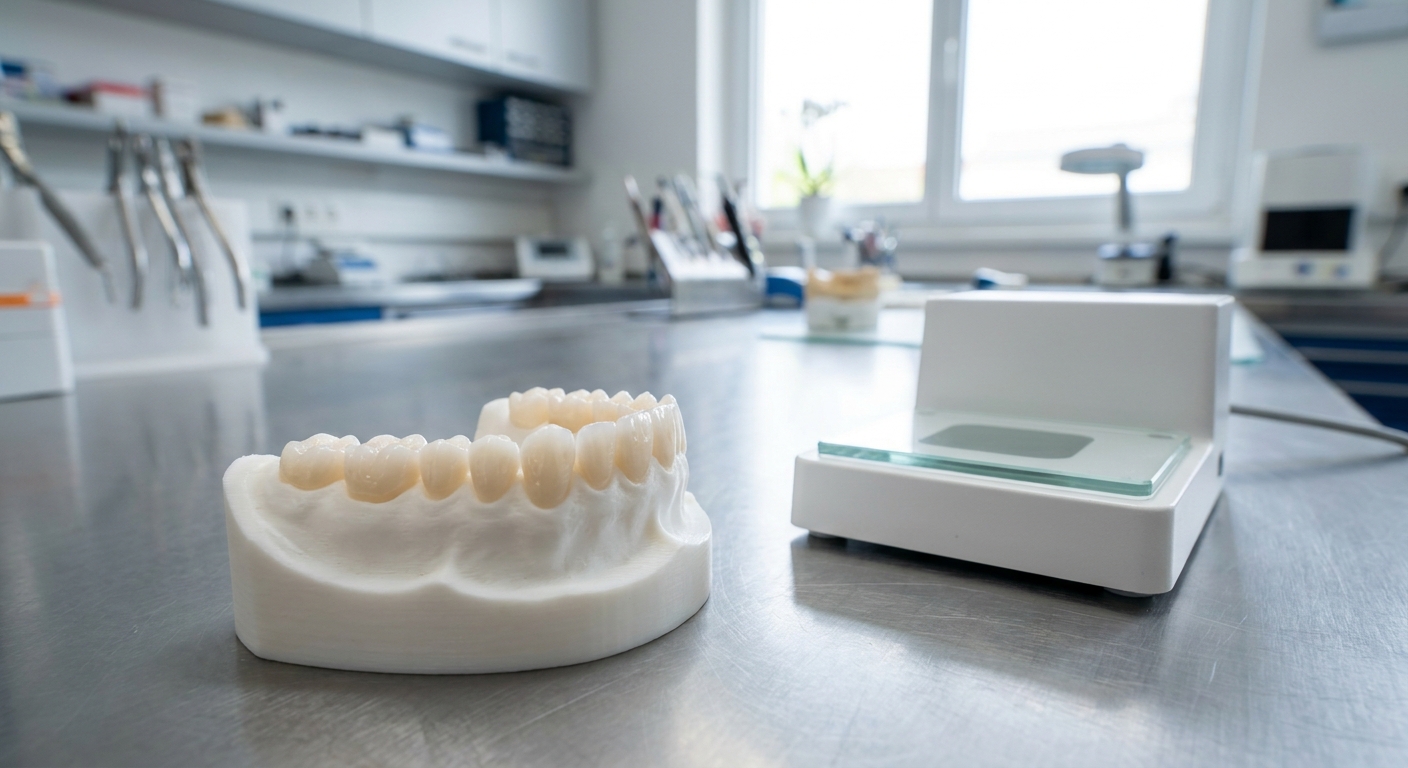
5Y Zirconia transforms dental restorations by delivering a spectacular balance of lifelike translucency and incredible mechanical durability. By incorporating higher yttria content, this material mimics the natural shade gradients of human teeth while providing the strength needed for multi-unit bridges. It eliminates the aesthetic compromises of traditional metallic restorations, giving patients natural-looking smiles that last.
Is Esthetics the Main Dental Benefit?
Here is the thing: patients demand dental crowns that look exactly like natural enamel under any lighting conditions. When you use advanced photocurable resins, the higher translucency of the final sintered crown ensures that light passes through the restoration naturally.
- Natural light transmission: Mimics real enamel light refraction.
- Custom shade matching: Compatible with standard dental shade guides.
- No dark margins: Eliminates gray lines at the gumline.
How Long Do Sintered Crowns Last?
Look at it this way: dental restorations must withstand repetitive chewing forces over decades without chipping or wearing down. Fortunately, the high fracture toughness of sintered ceramic restorations guarantees long-term durability in high-stress clinical situations.
- Excellent wear resistance: Protects opposing dentition.
- High fatigue strength: Prevents sudden fracture under load.
- Biocompatible surface: Promotes healthy gum tissue adhesion.
Key Takeaway: High-yttria ceramic resins empower dental clinics to fabricate highly aesthetic, long-lasting restorations in-house, significantly improving patient satisfaction.
| Restoration Material | Light Translucency | Flexural Strength | Aesthetic Realism |
|---|---|---|---|
| Feldspathic Porcelain | Very High (45%) | Low (120 MPa) | Excellent |
| Standard 3Y Zirconia | Low (35%) | Extreme (1200 MPa) | Moderate |
| Advanced 5Y Zirconia | High (42%) | High (800 MPa) | Exceptional |
The mechanical and optical data shows that high-yttria formulations provide the ideal sweet spot for dental crowns and anterior bridges.
What Makes 5Y Zirconia Perfect for Precision Parts?
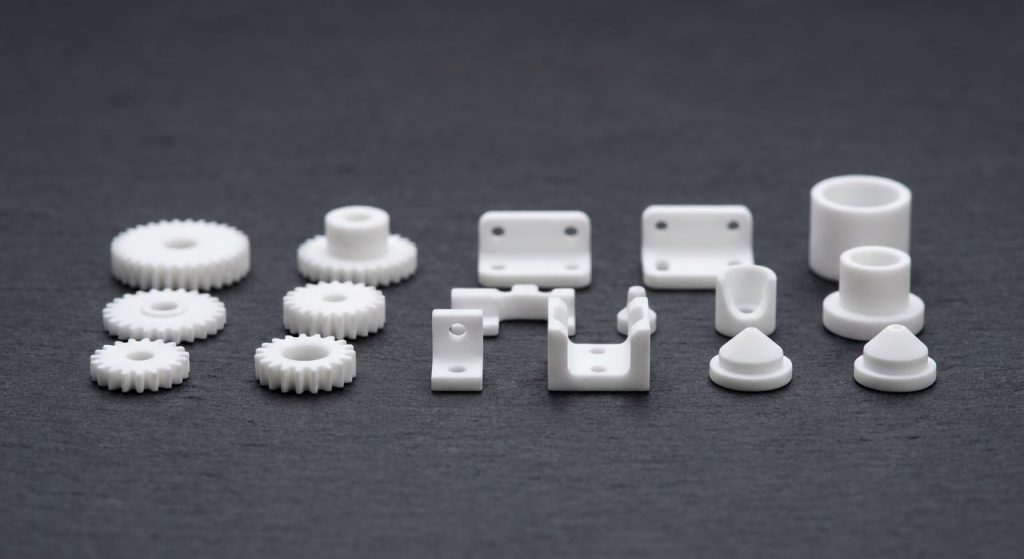
Precision industrial components require 5Y Zirconia due to its exceptional dimensional accuracy, fine feature resolution, and mirror-like surface finishes. By using digital light processing, you can create intricate micro-gears, spray nozzles, and fiber optic ferrules that were previously impossible to fabricate. The ultra-fine particle distribution in the liquid resin ensures that every micro-detail is perfectly captured during the photo-curing step.
Are Fine Micro-Gears Achievable?
But wait, there’s more: traditional ceramic injection molding cannot handle complex undercut geometries without expensive tooling. Additive manufacturing lets you easily print intricate micro-components down to tens of microns, giving you ultimate design freedom.
- Sharp edge retention: Cures exact profiles with minimal rounding.
- Complex internal paths: Resolves fluid channels inside small nozzles.
- High aspect ratios: Supports thin walls and tall geometries.
What is the Surface Finish Quality?
The secret is simple: technical ceramic parts must minimize sliding friction to reduce component wear in automated machinery. When you print using optimized ceramic resin, the sintered surfaces achieve excellent smoothness that requires minimal diamond polishing.
- Ultra-low surface roughness: Reduces sliding wear and friction.
- High density structure: Eliminates voids and surface pitting.
- Polished finish options: Achieves mirror-like gloss with standard steps.
Key Takeaway: Utilizing additive-grade technical resins allows engineers to design high-precision micro-components that lower friction and improve operational longevity in machinery.
| Production Method | Minimum Wall Thickness | Surface Roughness (Ra) | Geometric Complexity |
|---|---|---|---|
| Dry Pressing & CNC | 1.0 mm | > 1.6 μm | Very Limited |
| Stereolithography | 0.2 mm | < 0.4 μm | Almost Unlimited |
This surface roughness comparison highlights the massive finish advantages of vat photopolymerization over traditional pressing methods.
How Does 5Y Zirconia Survive High Mechanical Stress?
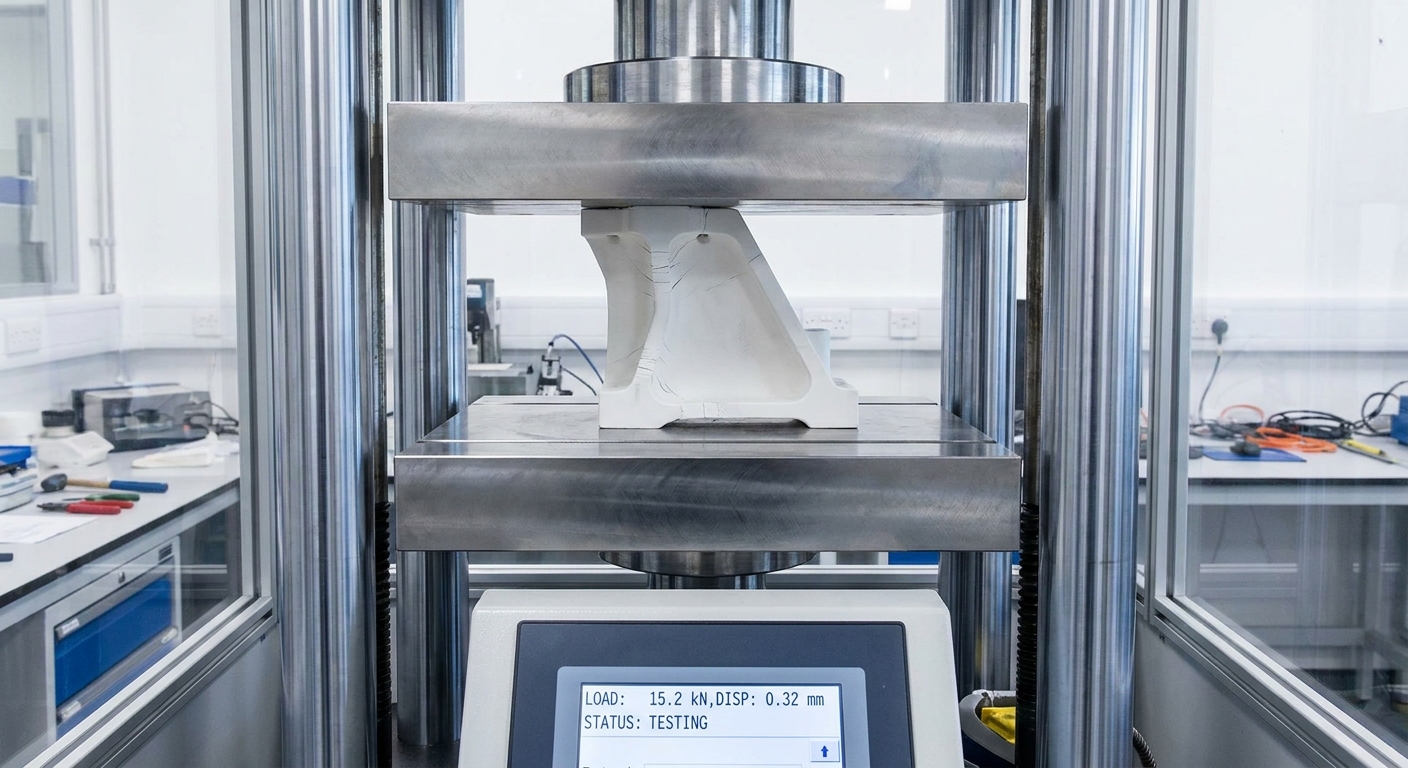
5Y Zirconia survives extreme mechanical stress by utilizing a phase-transformation toughening mechanism that arrests crack propagation under heavy loads. Unlike brittle traditional ceramics, this material absorbs mechanical energy by shifting its crystal structure at the site of stress, preventing catastrophic structural failures. This unique behavior makes it the premier choice for high-load brackets, aerospace fasteners, and heavy-duty industrial valves.
What is the Flexural Strength?
Specifically: structural components must support substantial bending loads without experiencing sudden catastrophic cracking. By selecting advanced resin systems, you achieve a flexural strength exceeding 800 MPa, allowing your designs to carry massive forces.
- High load-bearing capacity: Withstands bending and shear forces.
- Reliable elastic modulus: Resists deformation under sustained weight.
- Predictable failure rates: Exhibits consistent mechanical performance.
Does Fracture Toughness Hold Up?
Make no mistake: toughness is the critical barrier that prevents micro-cracks from turning into catastrophic component failures. High-purity sintered materials resist micro-fissure expansion, ensuring that you can deploy these parts in highly dynamic industrial environments.
- Crack arresting behavior: Absorbs localized impact energy.
- Micro-crack inhibition: Stabilizes the ceramic crystal matrix.
- Fatigue resistance: Prevents slow crack growth over millions of cycles.
Key Takeaway: The unique structural properties of this technical ceramic guarantee that your high-stress parts operate safely and reliably under continuous loads.
| Material Property | Sintered Value | Standard Metal (Al 6061) | High-Performance Polymer |
|---|---|---|---|
| Flexural Strength | 800 – 900 MPa | 275 MPa (Yield) | 90 – 150 MPa |
| Elastic Modulus | 210 GPa | 69 GPa | 3 – 8 GPa |
These mechanical properties prove that technical ceramics deliver far superior structural stiffness and loading capabilities compared to standard metals.
Why Choose 5Y Zirconia Over Polymer Alternatives?
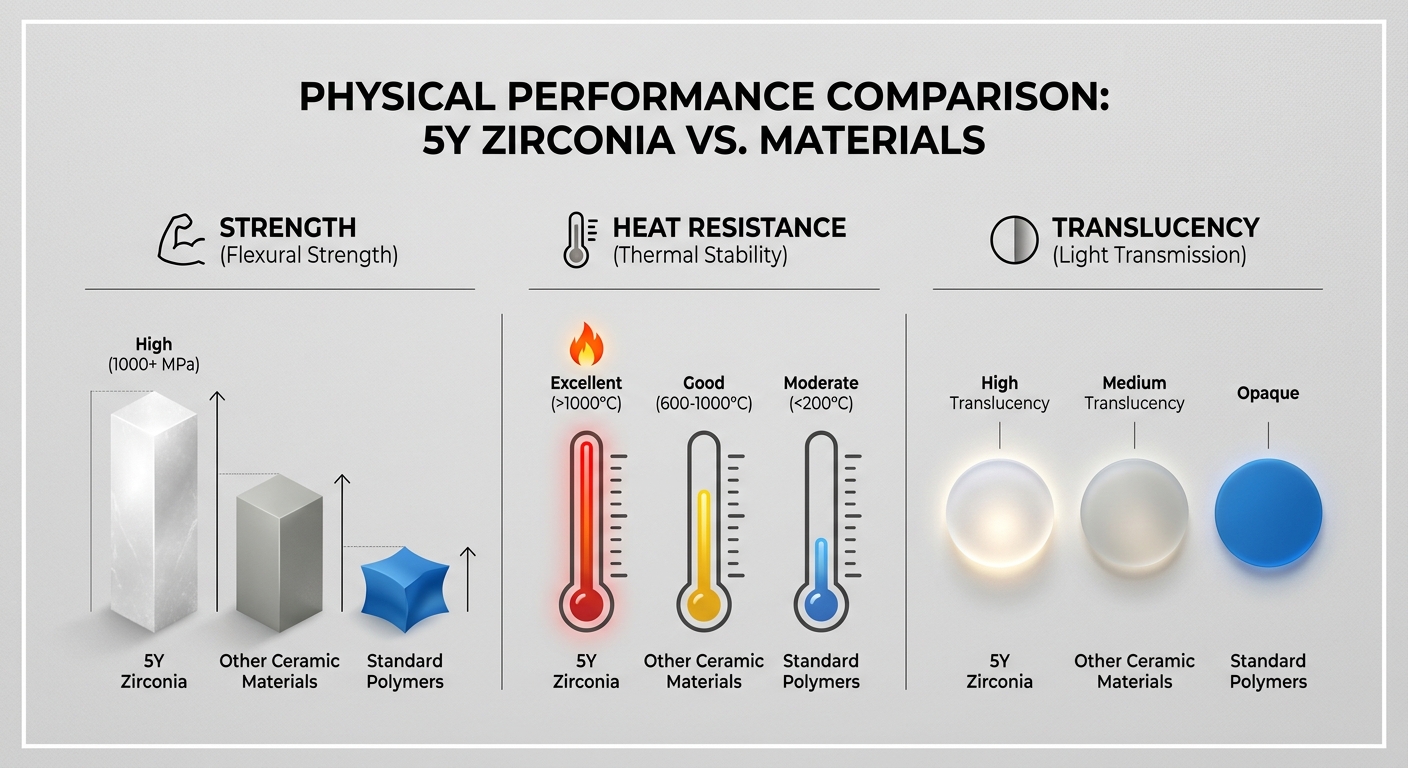
Choosing 5Y Zirconia over high-performance polymers is essential when your application demands long-term wear resistance, thermal stability, and chemical inertness. While plastics like PEEK or ULTEM deform at elevated temperatures and degrade in aggressive solvents, sintered technical ceramics remain completely unaffected. This material choice ensures that your critical sensors and structural components remain stable under the harshest environmental conditions.
Can Polymers Match Technical Ceramics?
Consider this: engineering polymers look attractive because they are cheap to print, but they wear down quickly under sliding contact. When you choose sintered ceramics, you gain a surface hardness that is orders of magnitude harder than any engineering plastic.
- Incredible scratch resistance: Resists abrasive particles and sliding wear.
- No chemical degradation: Withstands concentrated acids and bases.
- Zero moisture absorption: Maintains dimensional stability in humid areas.
What About Long-Term Durability?
Here is why: engineering plastics creep and deform under sustained mechanical loads, leading to precision assembly misalignments over time. High-performance ceramics maintain their exact shape forever, saving you from expensive downtime and maintenance schedules.
- Zero creep deformation: Retains precise dimensions under stress.
- Extreme wear life: Lasts up to ten times longer than polymers.
- Thermal creep resistance: Prevents warping in hot environments.
Key Takeaway: Replacing failure-prone plastic parts with advanced technical ceramics protects your operations from premature mechanical wear and chemical degradation.
| Performance Metric | Advanced Ceramic | PEEK Polymer | Alumina Ceramic |
|---|---|---|---|
| Vickers Hardness (Hv) | 1200 – 1300 | 25 – 30 | 1500 – 1600 |
| Chemical Resistance | Universal | Limited in Acid | Universal |
This hardness and stability comparison highlights why technical ceramics outperform engineering plastics in severe industrial service environments.
How Does SLA Printing Handle 5Y Zirconia Curing?
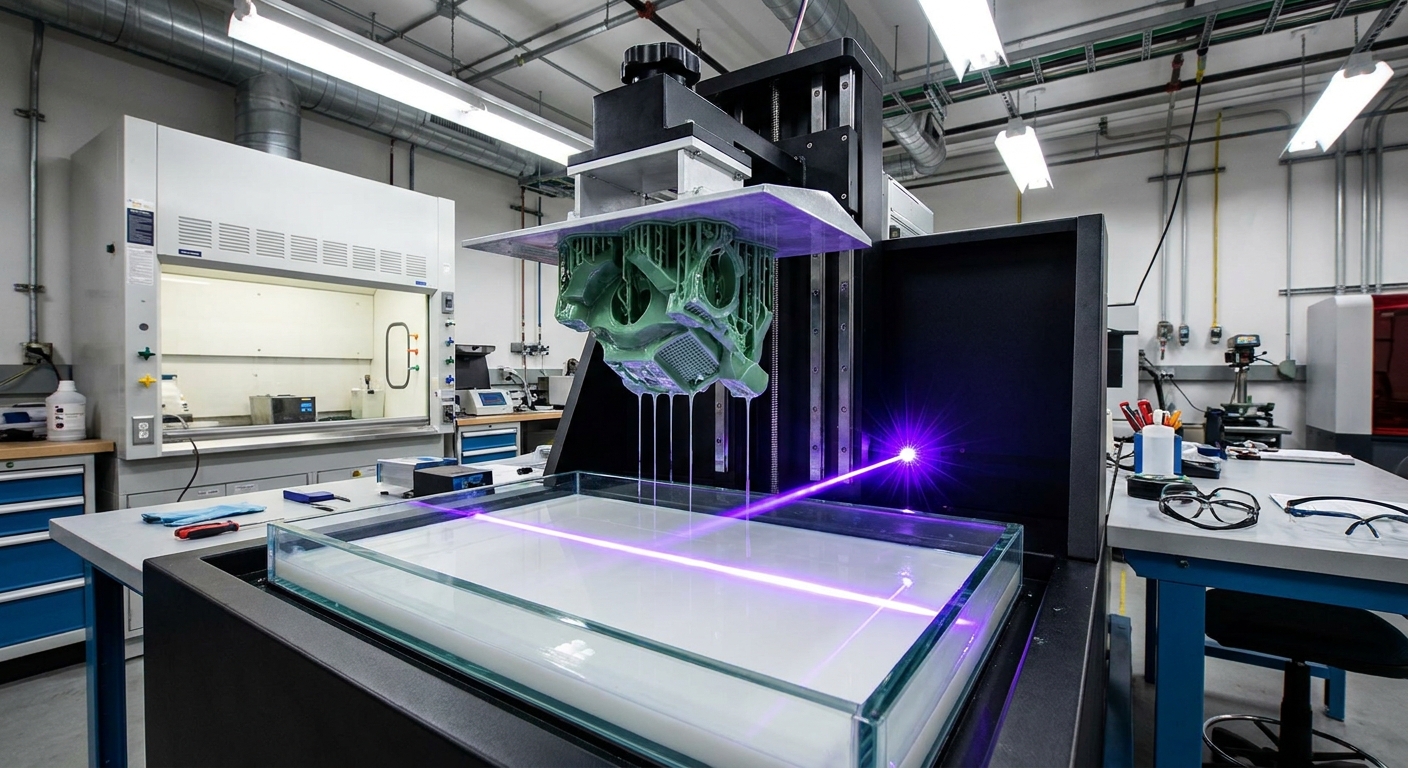
SLA printing handles 5Y Zirconia curing by utilizing high-intensity UV lasers to precisely polymerize the monomer matrix around the suspended ceramic particles. Because ceramic particles scatter light during exposure, the SLA engine must carefully calibrate laser power, speed, and wavelength to achieve complete curing depth. This precise optical control ensures excellent green-state density and prevents layer separation during post-processing.
How Does the 405nm Light React?
To put it simply: the ceramic powders in the slurry can block the curing light if your printer is not calibrated correctly. By using a powerful 385nm or 405nm light source, you ensure deep light penetration that cures the resin evenly.
- High cure depth: Ensures thorough polymerization of thick layers.
- Controlled light scattering: Maintains sharp, accurate feature edges.
- Optimized photoinitiators: Maximizes curing speed and efficiency.
Is Layer-to-Layer Adhesion Strong?
Why does this matter? Weak adhesion between printed layers will lead to splitting or cracking when your parts enter the sintering kiln. Fortunately, optimized resin formulations promote strong chemical bonding across layers, ensuring your part behaves like a single solid piece.
- Cross-linked polymer chains: Connects adjacent layers chemically.
- Homogeneous green body: Prevents structural weak spots.
- Delamination prevention: Withstands intense thermal de-binding.
Key Takeaway: Utilizing calibrated vat polymerization printers ensures that your ceramic parts exhibit high isotropic strength and flawless structural integrity.
| Printing Parameter | Recommended Range | Typical Result | Critical Benefit |
|---|---|---|---|
| Light Wavelength | 385 – 405 nm | Precise Curing | High Feature Resolution |
| Layer Thickness | 25 – 50 μm | Dense Green Body | Smooth Surface Finish |
This standard parameter table demonstrates that carefully tuned UV exposure settings are vital for generating dense, defect-free green parts.
Why is Kiln Sintering Critical for 5Y Zirconia?
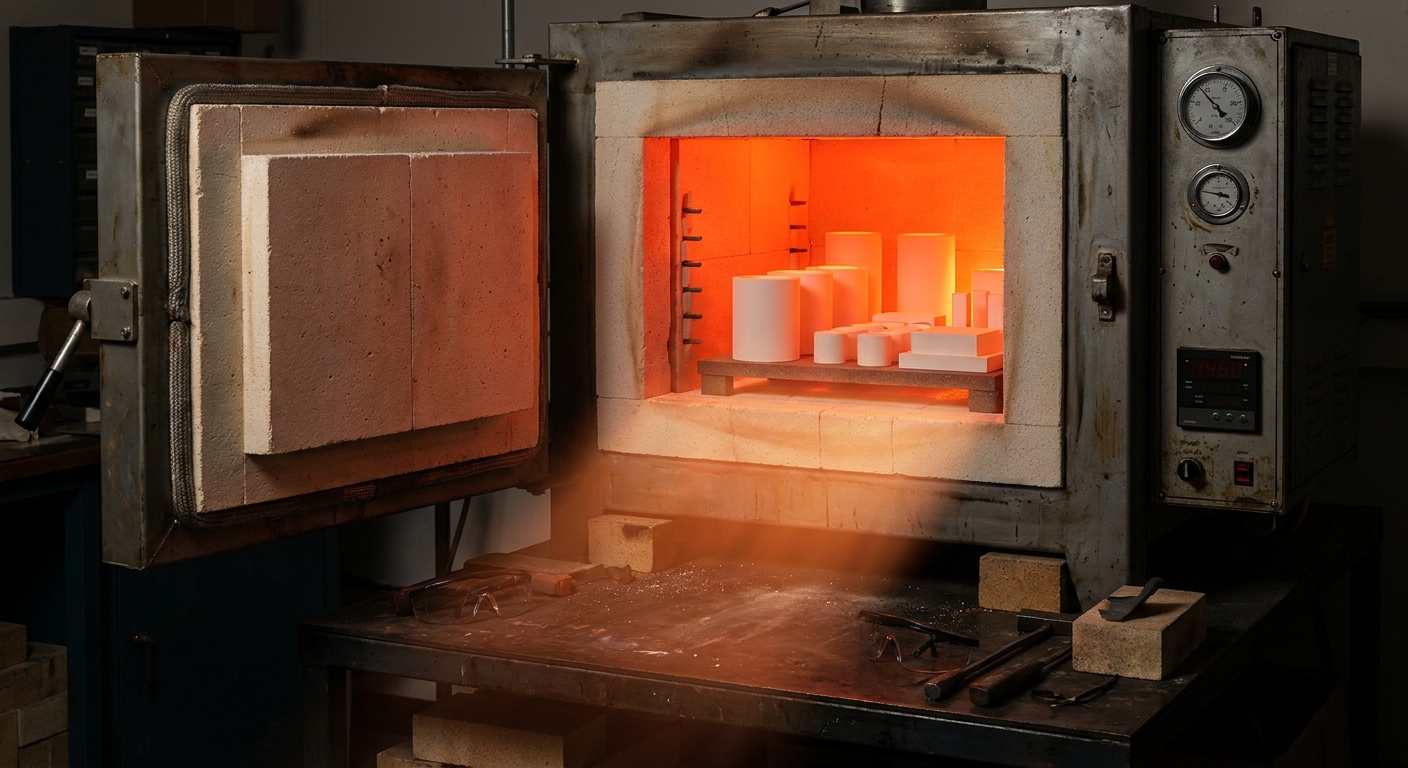
Kiln sintering is critical for 5Y Zirconia because it burns out the temporary polymer binder and fuses the loose ceramic particles into a fully dense, high-strength structural component. During this high-temperature thermal cycle, the printed part shrinks predictably as individual ceramic grains merge and eliminate microscopic voids. This transformation converts the fragile green-state printed part into an incredibly hard, heat-resistant technical ceramic.
What Happens During Thermal Sintering?
The real challenge is this: ramping up the temperature too quickly can trap gases inside the ceramic, causing the part to burst. When you follow a slow, controlled thermal de-binding profile, you safely evaporate the organic binder before fusing the ceramic.
- Controlled organic burn-out: Safely removes polymers under 600°C.
- Solid-state diffusion: Merges ceramic grains at 1450°C.
- Pore elimination: Drives out air to achieve maximum density.
How Much Does the Ceramic Shrink?
It gets better: although high shrinkage sounds difficult to manage, modern CAD software can automatically compensate for this scaling factor with perfect accuracy. When you plan for a consistent shrinkage rate, you achieve precise final dimensions without secondary machining.
- Consistent scaling factors: Typically 20% to 22% linear shrinkage.
- Isotropic volume contraction: Ensures uniform shape changes.
- Predictable final tolerances: Meets strict industrial assembly requirements.
Key Takeaway: Following a validated, high-temperature sintering cycle is essential to convert printed green parts into exceptionally dense and strong technical components.
| Sintering Phase | Temperature Range | Physical Action | Sintering Purpose |
|---|---|---|---|
| Polymer De-binding | 20°C – 600°C | Evaporates Binder | Prevents Internal Cracks |
| Grain Fusion | 1400°C – 1500°C | Fuses Ceramic Grains | Achieves 99% Theoretical Density |
Analyzing this thermal cycle highlights how precise temperature controls are necessary to unlock the full mechanical potential of the ceramic.
How Does 5Y Zirconia Handle Complex Lattices?
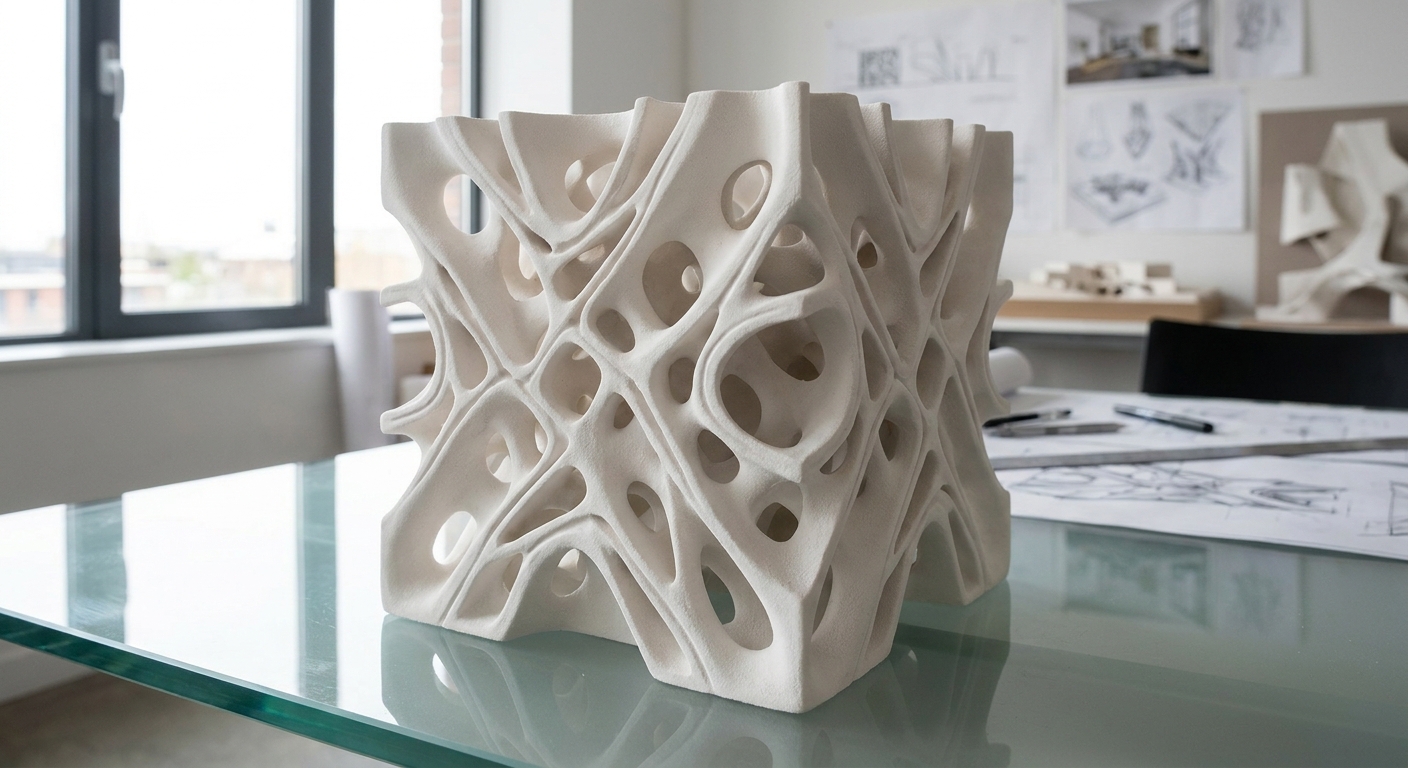
5Y Zirconia handles complex lattice structures exceptionally well because the low-viscosity resin drains easily from intricate internal geometries before curing. Unlike traditional subtractive machining, which cannot hollow out enclosed spaces, additive manufacturing allows you to build organic, weight-optimized structures with internal truss networks. This design freedom allows you to reduce overall part weight while maintaining incredible stiffness.
Are Internal Channels Possible?
This is where it gets interesting: conventional manufacturing cannot drill curved fluid channels inside solid ceramic blocks. But when you build additively, you can design sweeping fluid paths that optimize heat transfer and fluid dynamics in your equipment.
- Sweeping internal geometries: Optimizes complex fluid flows.
- No draft angles: Eliminates manufacturing mold constraints.
- Hollow lightweight cores: Reduces overall structural mass.
What Geometric Limits Exist?
The best part? Additive manufacturing reduces geometric limitations to a minimum, allowing you to print overhangs and fine lattices that were once considered impossible. By implementing smart design rules, you can create self-supporting geometries that print without sacrificial materials.
- Overhang capability: Prints angles up to 45 degrees without supports.
- Fine lattice structures: Resolves struts down to 300 microns.
- Integrated assemblies: Combines multiple separate parts into one.
Key Takeaway: High-precision additive manufacturing unlocks radical new geometric capabilities, letting you build lightweight structures that perform better than heavy solid blocks.
| Structure Type | Production Feasibility | Stress Distribution | Weight Reduction |
|---|---|---|---|
| Machined Ceramic | Extremely Low | Poor (Sharp Corners) | 0% – 10% |
| Additive Lattice | Very High | Excellent (Curved Joints) | 40% – 60% |
This comparative structural data reveals that additive manufacturing is uniquely suited for fabricating complex, high-efficiency lightweight components.
What are the Thermal Limits of 5Y Zirconia Parts?
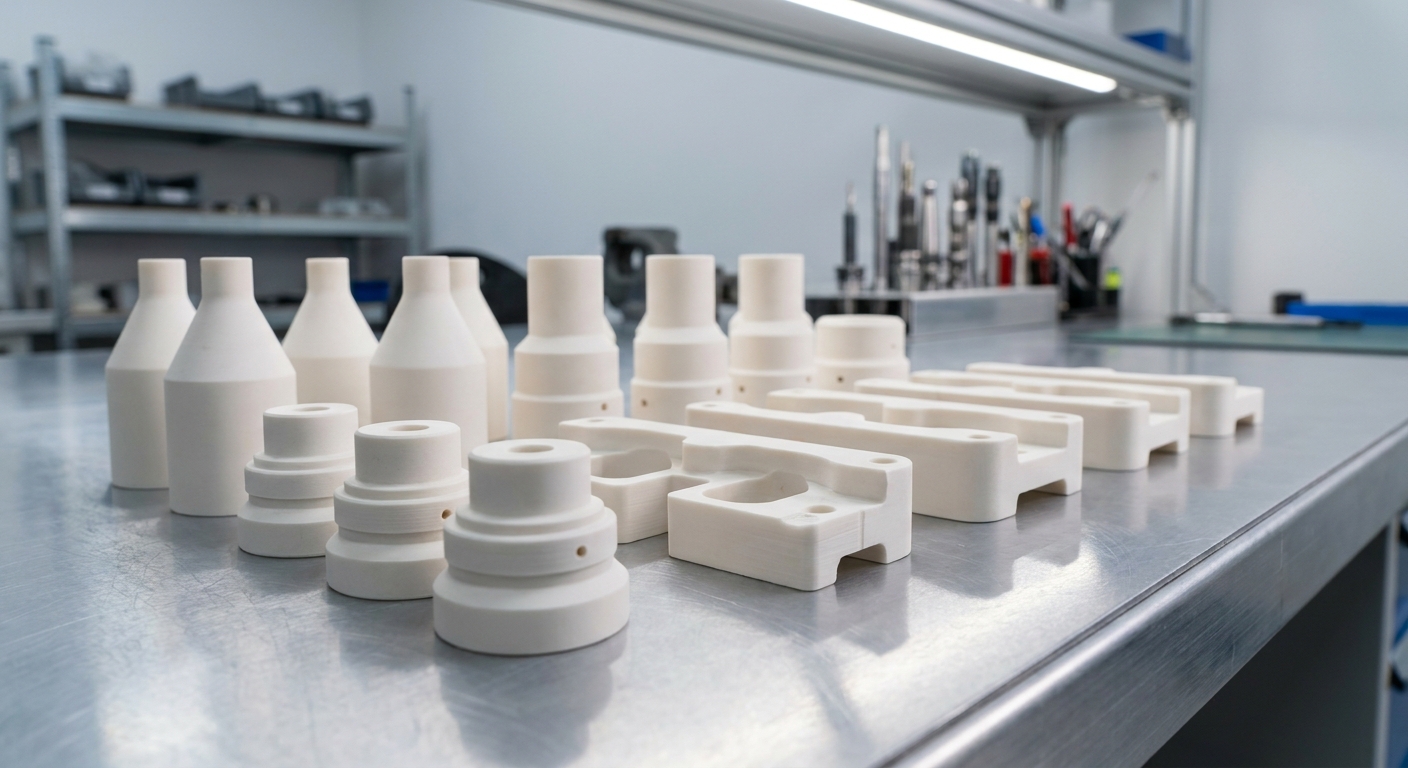
The thermal limits of 5Y Zirconia parts are exceptionally high, withstanding continuous service temperatures exceeding 1200°C without sacrificing mechanical integrity or deforming. This extreme heat tolerance is combined with low thermal conductivity, allowing the material to serve as an effective thermal barrier in high-temperature applications. It remains stable where standard metals would melt and high-performance engineering plastics would vaporize.
Can It Survive Thermal Shock?
Let’s be honest: rapid temperature fluctuations can cause internal stresses that shatter standard, low-toughness ceramic parts. When you design with stabilized zirconia, the material’s unique microstructure helps absorb thermal stresses, giving your parts superior thermal shock resistance.
- Low thermal expansion: Minimizes dimensional changes during heating.
- High fracture toughness: Resists crack initiation from thermal gradients.
- Stable crystal phases: Prevents microstructural breakdown under heat.
What is the Maximum Heat Level?
What does this mean for you? You can confidently deploy these technical components in extreme environments like combustion chambers, industrial kilns, and aerospace exhaust systems. The material maintains its high hardness and load-bearing capacity even at white-hot temperatures.
- Continuous service temperature: Operates safely up to 1200°C.
- Extreme melting point: Resists degradation up to 2700°C.
- Minimal thermal oxidation: Will not degrade or scale in oxygen.
Key Takeaway: High service temperature limits ensure that your critical components operate reliably under extreme heat without losing their mechanical properties.
| Material Class | Maximum Service Temp | Thermal Conductivity | High-Temp Stability |
|---|---|---|---|
| Al6061 Aluminum | 150°C | 167 W/m·K | Extremely Poor |
| Stainless Steel 316 | 800°C | 16.3 W/m·K | Moderate |
| Technical Zirconia | 1200°C | 2.5 W/m·K | Outstanding |
Comparing thermal stability across material classes confirms that zirconia is the premier choice for extreme-heat insulation and structural reliability.
How Translucent is Sintered 5Y Zirconia Resin?
Sintered 5Y Zirconia resin exhibits outstanding light translucency, allowing up to 45% of visible light to pass through thin-walled sections with beautiful light transmission. This optical property is achieved by optimizing the material’s yttria content, which stabilizes the cubic crystal phase and eliminates light scattering at grain boundaries. The result is a high-tech material that looks as beautiful as premium glass while maintaining the rugged strength of structural ceramics.
Does Wall Thickness Affect Translucency?
How is this possible? Thicker ceramic sections naturally absorb and scatter more light, reducing the overall translucency of the component. When you design thin-walled features down to 0.5 mm, you achieve maximum light passage, creating beautiful aesthetic effects.
- Wall thickness control: Thin sections yield beautiful translucency.
- Sub-micron grain structure: Reduces light scattering within the matrix.
- Aesthetic gradient potential: Creates natural transitions in dental work.
How is High-Gloss Finish Achieved?
But wait, there’s more: a rough surface will scatter light and ruin the beautiful translucency of your printed component. By using standard diamond polishing compounds, you can easily achieve a high-gloss, mirror-like finish that highlights the material’s depth.
- Polishing compatibility: Responds beautifully to fine abrasives.
- Mirror-like gloss: Enhances aesthetic depth and light refraction.
- Scratch-resistant shine: Protects the beautiful surface gloss from wear.
Key Takeaway: The remarkable optical clarity of high-yttria ceramics makes them the absolute best material for high-end consumer products, luxury wear, and lifelike dental restorations.
| Wall Thickness | Light Translucency | Visual Appearance | Surface Polish Level |
|---|---|---|---|
| 0.5 mm | ~45% Translucent | Highly Translucent | Mirror Gloss |
| 1.0 mm | ~40% Translucent | Partially Translucent | Semi-Gloss |
| 2.0 mm | ~30% Translucent | Mostly Opaque | Smooth Satin |
This light transmission data shows that thin-walled parts capitalize on the unique cubic crystal structures of high-yttria formulations.
Conclusion
Sintered technical ceramic components have traditionally been restricted by slow machining times, high production scrap, and massive material waste. By combining advanced additive manufacturing with high-purity zirconia, we have solved these critical production bottlenecks, enabling tool-free fabrication of intricate micro-gears, thermal brackets, and lifelike dental restorations. We can help you transition from heavy, failure-prone metal and polymer assemblies to exceptionally dense, high-performance ceramics that withstand extreme heat, chemicals, and mechanical stress. Our team of engineering specialists is ready to turn your complex designs into flawless, sintered realities with zero material waste. To explore how this advanced ceramic can transform your manufacturing pipeline, contact us today to discuss your technical specifications. We believe that the future of engineering belongs to those who design without limits, and we are committed to building that future one layer of high-performance ceramic at a time.
Frequently Asked Questions
Can I print extremely thin walls with this ceramic?
Yes, you can easily print walls as thin as 0.2 mm. This is achievable because the low-viscosity resin and high-resolution SLA lasers allow for incredibly fine curing control, though you must handle the green parts carefully before sintering.
What’s the best way to handle the scaling factor?
The best approach is to use automatic scaling compensation in your CAD software. Sintering causes a consistent volumetric shrinkage of 20% to 22%, so you must pre-scale your digital models to ensure the final sintered part meets your required tolerances.
How do I know if my parts require post-sintering polishing?
You only need secondary polishing if your application requires a mirror finish or ultra-low friction. Sintered parts naturally achieve a smooth Ra of less than 0.4 μm, which is perfectly adequate for most B2B thermal and mechanical applications.
Can I use standard laboratory kilns for sintering?
No, standard laboratory kilns usually do not reach the required temperatures. Fusing zirconia requires specialized high-temperature kilns capable of maintaining stable temperatures between 1400°C and 1500°C with controlled thermal ramp schedules.
What’s the best application for this material?
The best applications are high-stress industrial parts, high-temperature thermal barriers, and premium dental restorations. This material provides an unmatched combination of high hardness, extreme heat resistance, and natural translucency that standard metals and plastics cannot match.