
The five essential things to know about zirconia are its yttria-stabilization chemistry, mechanical flexural limits, optical translucency values, precise sintering parameters, and adhesive bonding protocols. Many dental laboratories and procurement officers struggle with micro-cracking and premature material failures in their ceramic prosthetics. This constant threat of failure breeds anxiety, wastes hours of manual labor, and damages your hard-earned client trust. Fortunately, understanding the structural behavior of 3y 4y 5y zirconia provides the clear blueprint you need to choose the perfect material grade with total confidence.
What is the chemistry of 3y 4y 5y zirconia?
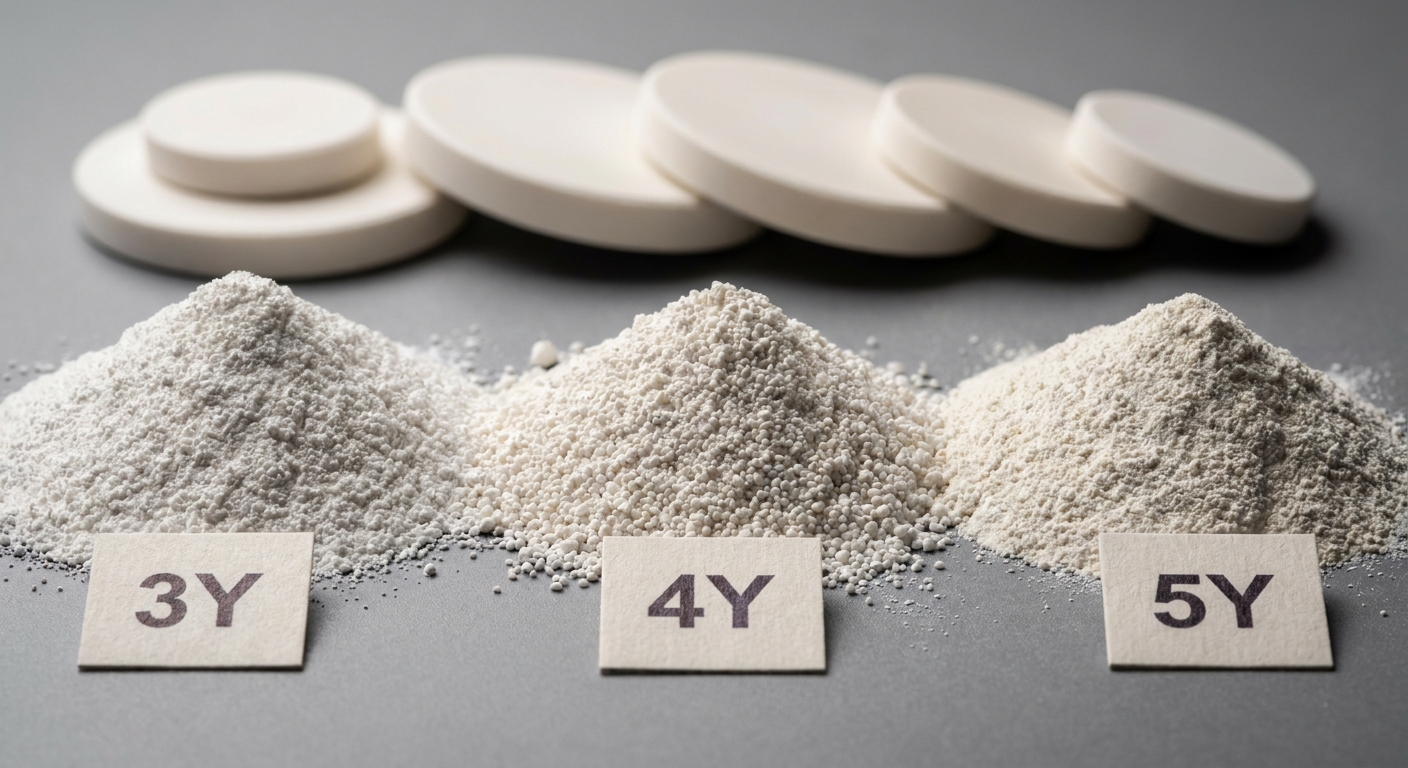
The chemistry of 3y 4y 5y zirconia is defined by the precise concentration of yttria added to stabilize the zirconium dioxide lattice. Without this chemical stabilizer, the material would undergo rapid phase transformation during cooling, resulting in catastrophic cracks.
Adding varying mol percentages of yttria freezes the high-temperature tetragonal or cubic phases at room temperature. This chemical composition determines the overall stability and long-term durability of the ceramic.
How does yttria concentration affect phase stability?
When you modify the yttria stabilizer concentration, you directly alter the underlying crystal lattice stability. The stabilizer locks the grain boundaries and halts spontaneous transformation at room temperature.
Think about it:
- 3Y uses 3 mol% yttria to maintain a 100% tetragonal phase.
- 4Y utilizes 4 mol% yttria to form a mixed tetragonal-cubic phase.
- 5Y integrates 5 mol% yttria to maximize the highly translucent cubic phase.
By adjusting these chemical parameters, you dictate how the material responds to external forces.
Why does the cubic crystal phase matter for durability?
The cubic phase reduces the material’s ability to halt cracks through transformation-toughening. While cubic grains are highly aesthetic, they lack the mechanical stress-buffering capacity of tetragonal grains.
Here is why this matters:
- Cubic grains do not undergo stress-induced phase transformations.
- Tetragonal grains expand to monoclinic, clamping down on propagating cracks.
- High-cubic ceramics can fracture more easily under high tensile loading.
Key Takeaway: You must choose the stabilization level that perfectly balances your aesthetic goals against the mechanical demands of the restoration environment.
| Grade | Yttria Content (mol%) | Phase Composition | Toughness Level |
|---|---|---|---|
| 3Y | 3% | 100% Tetragonal | Excellent |
| 4Y | 4% | Mixed Cubic-Tetragonal | Moderate |
| 5Y | 5% | ~50% Cubic / 50% Tetragonal | Low |
This composition chart illustrates why selecting the lower-yttria grades is mandatory for high-stress posterior restorations.
How does strength vary in 3y 4y 5y zirconia?
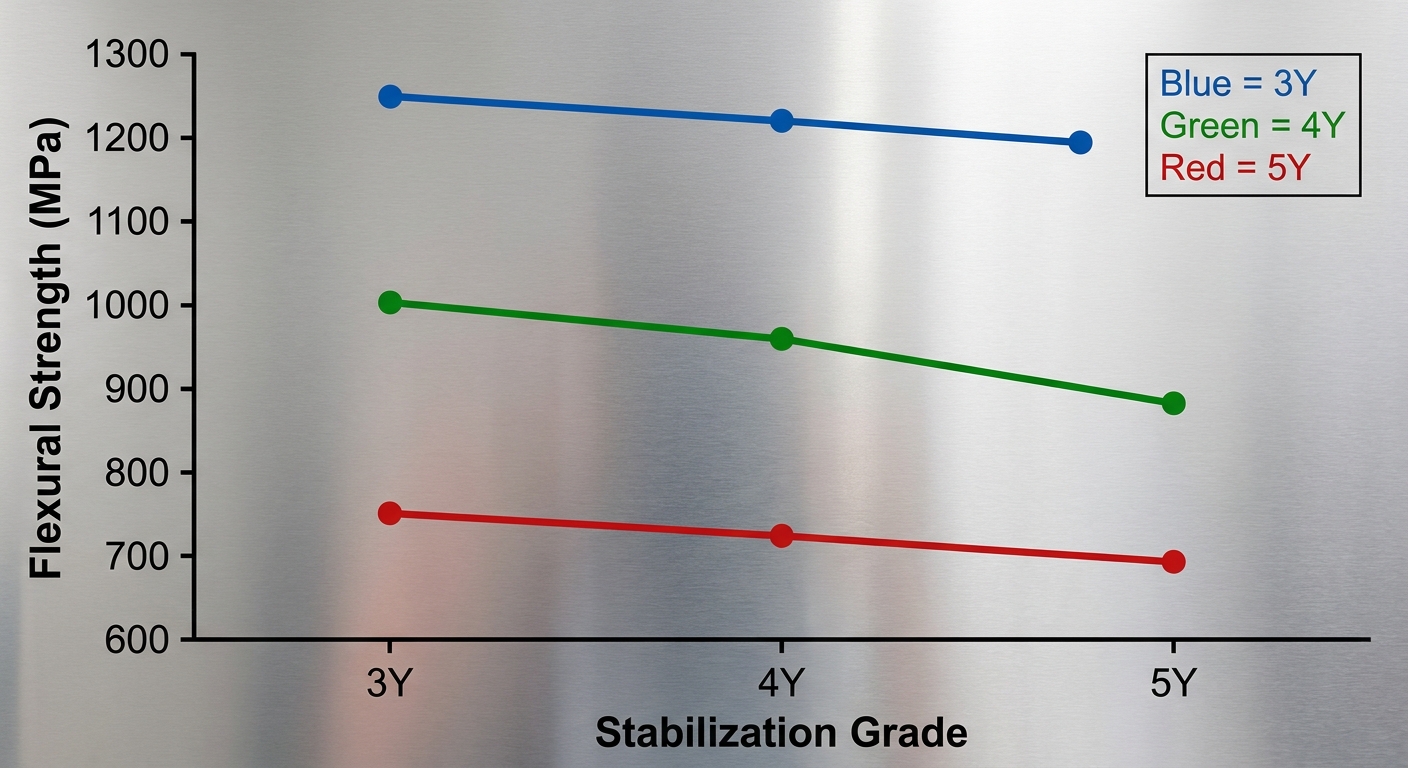
The mechanical strength of 3y 4y 5y zirconia varies significantly, with values dropping from over 1,200 MPa in 3Y down to approximately 700 MPa in 5Y. This dramatic drop is a direct consequence of the decreased transformation-toughening capability in high-yttria formulations.
Understanding these strength boundaries helps you prevent unexpected stress fractures in high-load structural components. Selecting a grade without verifying its load limits introduces unacceptable risk.
What are the flexural limits of different stabilization grades?
You must match your clinical or structural designs with the designated load capacities of each grade. High-load regions demand extreme mechanical resilience to survive cyclic stress over decades.
Let’s break it down:
- 3Y-TZP achieves over 1,200 MPa, making it ideal for multi-unit frameworks.
- 4Y-PSZ ranges between 900 and 1,000 MPa for versatile posterior crowns.
- 5Y-PSZ hovers around 700 MPa, strictly suited for anterior restorations.
Choosing the wrong strength profile can lead to catastrophic failure under chewing forces.
How do testing standards affect the strength values you see?
Manufacturers utilize different testing methodologies that can inflate the reported strength values of their materials. These disparities make it difficult to compare structural materials objectively.
The best part?
- The 3-point bending test offers highly conservative, reliable flexural data.
- The biaxial flexural strength test generally yields significantly higher MPa numbers.
- Span length adjustments in tests can make the exact same ceramic seem stronger.
Key Takeaway: You must always verify the exact ISO testing standards used by your material supplier to ensure a fair comparison.
| Grade | Flexural Strength (3-Point) | ISO 6872 Classification | Primary Indication |
|---|---|---|---|
| 3Y | 1,200+ MPa | Class 5 (High load) | Posterior bridges |
| 4Y | 900 – 1,000 MPa | Class 4 (Moderate load) | Single posterior crowns |
| 5Y | 700 MPa | Class 3 (Low load) | Anterior veneers |
Comparing these mechanical metrics reveals why 3Y remains the industry standard for full-arch restorative frameworks.
Which is the most translucent 3y 4y 5y zirconia?
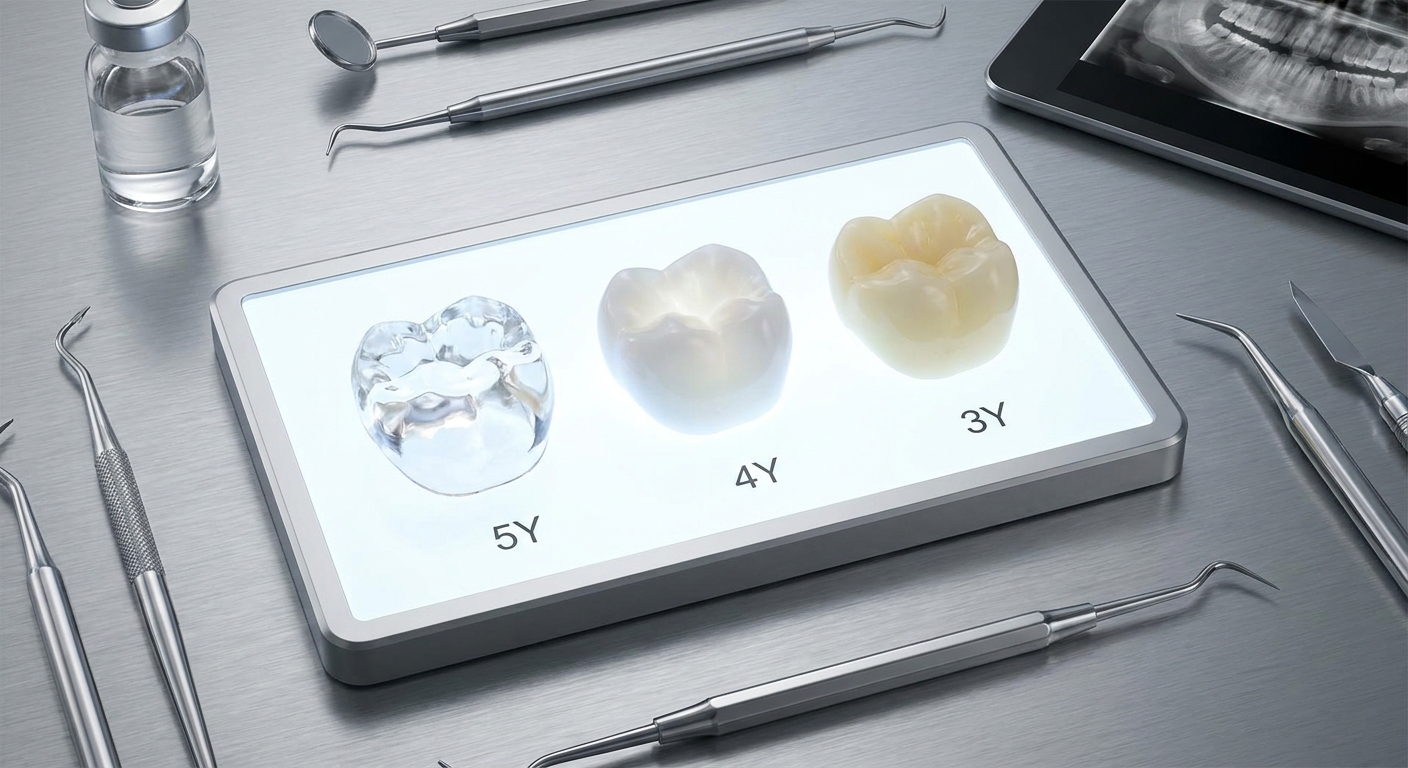
The most translucent option among the 3y 4y 5y zirconia grades is 5Y, which transmits nearly 50% of light thanks to its large cubic grain structure. This makes 5Y highly aesthetic and perfect for mimicking natural tooth enamel.
On the other hand, 3Y remains highly opaque, offering a dull appearance that requires extensive veneering or staining. Modern manufacturing has resolved this limitation by introducing gradient materials.
Why does cubic grain structure eliminate light scattering?
When you look at translucent ceramics, you are seeing the result of isotropic light transmission. Symmetrical crystal boundaries allow light waves to travel through the material with minimal interference.
Think about it:
- Cubic crystals are larger and more symmetrical than tetragonal crystals.
- This symmetry reduces light refraction at internal grain boundaries.
- Fewer grain boundaries translate directly to higher optical clarity.
By choosing a high-cubic material, you ensure that light passes deep into the prosthetic structure.
How can you leverage multi-layered translucency gradients?
Modern multi-layered discs combine different shades and light-transmission values in a single blank. This gradient mimics the transition from opaque dentin to highly translucent enamel.
Here is why this matters:
- A translucent enamel layer transitions down to a high-strength body layer.
- Graded yttria contents eliminate visible boundaries between the layers.
- You can mill complete restorations without needing tedious hand-layering techniques.
Key Takeaway: Utilizing multi-layered blanks allows you to deliver highly aesthetic, strong restorations in a fraction of the time.
| Zirconia Grade | Light Transmission (%) | Surface Optical Quality | Aesthetic Best-Use |
|---|---|---|---|
| 3Y | ~35% | Opaque, High Value | Masking metal abutments |
| 4Y | ~45% | Semi-Translucent | High-quality posterior crowns |
| 5Y | ~49% | High Translucency | Anterior cosmetic cases |
This optical data confirms that 5Y is the premier choice for cosmetic cases demanding natural enamel characteristics.
How do you sinter dental 3y 4y 5y zirconia?
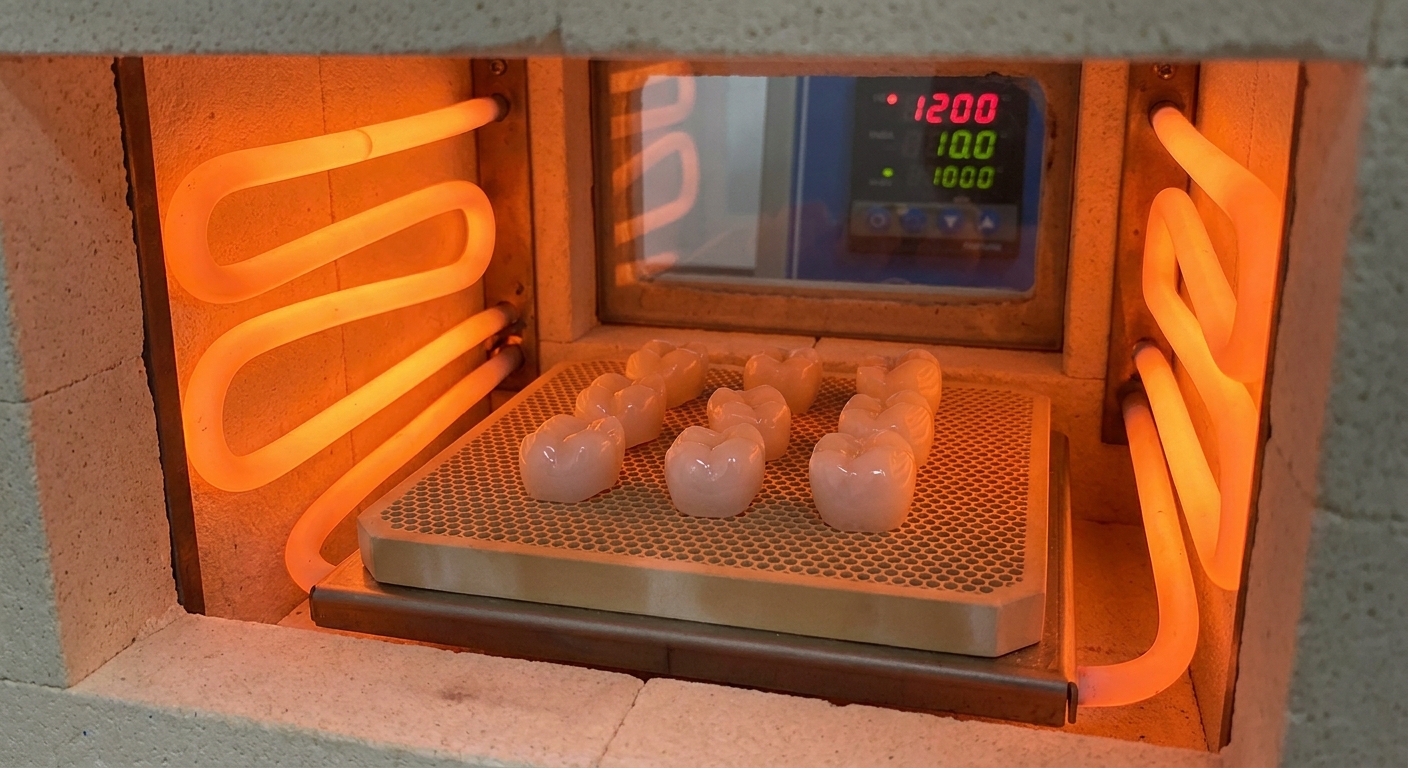
Sintering dental 3y 4y 5y zirconia requires heating the milled material to precise peak temperatures, typically between 1450°C and 1550°C, to achieve full density. This thermal cycle triggers solid-state diffusion, turning a soft chalky blank into a dense component.
Deviating from these specific temperature profiles will compromise both the structural strength and optical translucency of your finished restoration.
What happens if you under-sinter or over-sinter the ceramic?
You risk causing catastrophic failure if your sintering furnace temperature is poorly calibrated. Minute deviations in thermal energy alter grain boundary distribution.
Let’s break it down:
- Under-sintering leaves micro-pores that act as stress concentrators.
- Over-sintering promotes runaway grain growth, weakening the material.
- Slight temperature offsets can completely mute the translucency of 5Y.
Keeping your furnace clean and calibrated is essential to achieving predictable density every day.
Why are fast sintering cycles a double-edged sword?
While rapid firing programs boost your lab’s productivity, they can introduce severe internal stresses. Rapid temperature changes do not allow the material to stabilize uniformly.
The truth is:
- Fast cycles can lead to thermal shock and immediate micro-cracking.
- Sintering speed must always match the thickness of the framework.
- Multi-unit bridges require slow, conservative cooling cycles to survive.
Key Takeaway: You should limit high-speed sintering to single-unit restorations to protect structural integrity.
| Sintering Cycle | Peak Temperature | Total Cycle Time | Structural Risk |
|---|---|---|---|
| Slow Standard | 1500°C – 1530°C | 7 – 9 Hours | Minimum risk, peak strength |
| Fast/Speed | 1540°C – 1560°C | 90 – 120 Minutes | Moderate risk of micro-cracks |
| Ultra-Speed | 1580°C | Under 60 Minutes | High risk, limited to single units |
This operational comparison underscores why slow thermal profiles are preferred to secure the maximum mechanical properties.
How do you bond restorations of 3y 4y 5y zirconia?
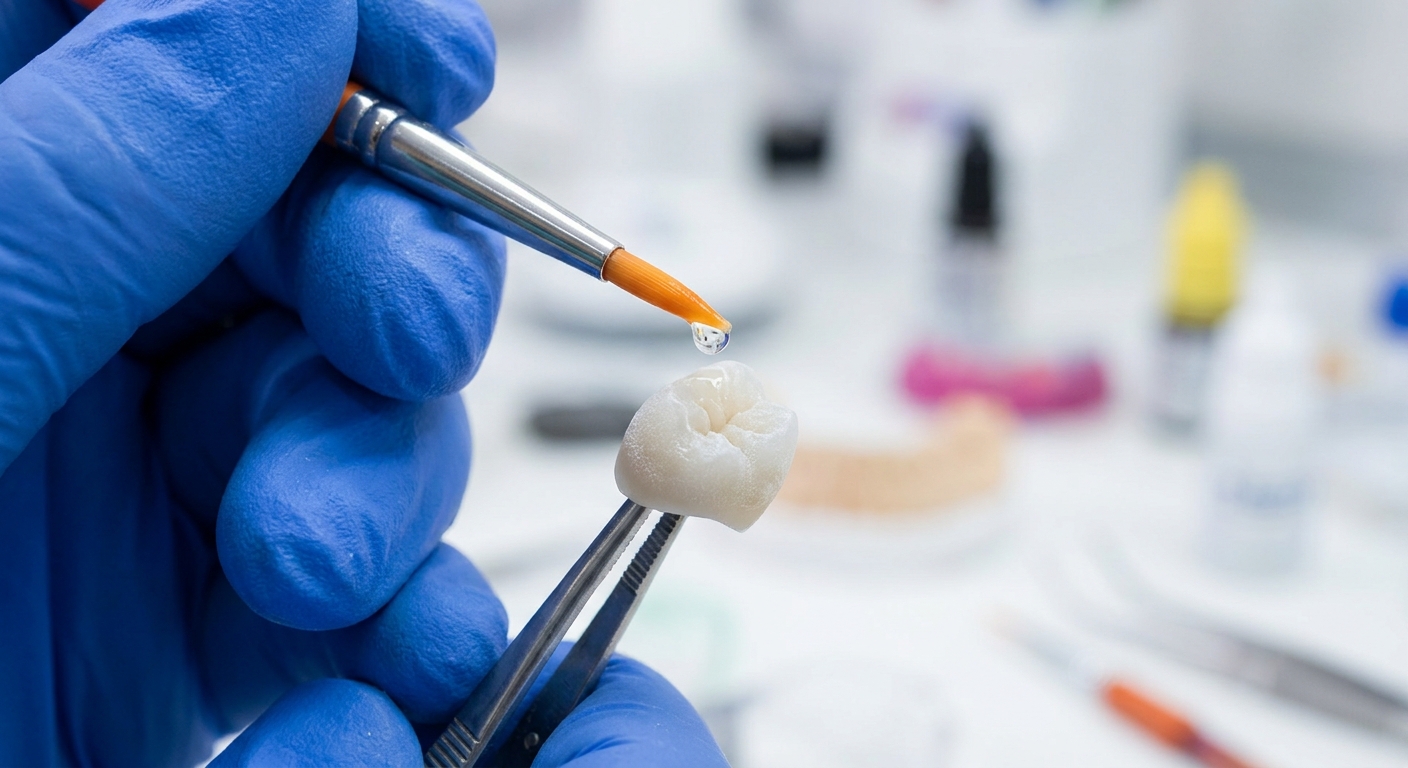
Bonding restorations of 3y 4y 5y zirconia is achieved by implementing a chemical coupling technique that combines alumina air abrasion with phosphate-monomer primers. Because these materials lack a glass phase, standard hydrofluoric acid etching will not work.
Using a structured protocol ensures that you achieve an unbreakable chemical and mechanical link to the underlying structure. Skipping any of these steps inevitably leads to premature adhesive failures.
What is the proven APC bonding technique?
You can achieve robust, long-term bond strengths by utilizing the clinical APC protocol. This method circumvents the inert chemical nature of stabilized ceramics.
Here is why this matters:
- Air abrasion (A) with alumina micro-particles micro-roughens the surface.
- Primer application (P) using 10-MDP creates a chemical coordinate bond.
- Composite cement (C) ensures high tensile resistance and seals the margins.
This methodical approach ensures that your restorations stay anchored under extreme loading.
Why does salivary contamination ruin your adhesive interface?
Salivary proteins bond instantly to the oxide surface during try-in, blocking your adhesive primers. This biological barrier completely halts chemical adhesion.
But wait, there’s more:
- Standard water rinsing cannot break the salivary-protein chemical bonds.
- Using specialized basic cleaning solutions chemically strips away the proteins.
- Decontamination restores the active oxide sites needed for MDP bonding.
Key Takeaway: You must thoroughly decontaminate and prime the internal surface to achieve high-performance clinical results.
| Step | Action Required | Chemical Mechanism | Outcome |
|---|---|---|---|
| A | Blast with 50µm Alumina | Mechanical retention | Increased surface roughness |
| P | Apply MDP-based Primer | Coordinate covalent bond | Strong chemical coupling |
| C | Apply Dual-Cure Cement | Polymerization | Leak-proof margin seal |
This operational sequence demonstrates why dual chemical-mechanical prep is necessary for a permanent bond.
How do you avoid aging in 3y 4y 5y zirconia?
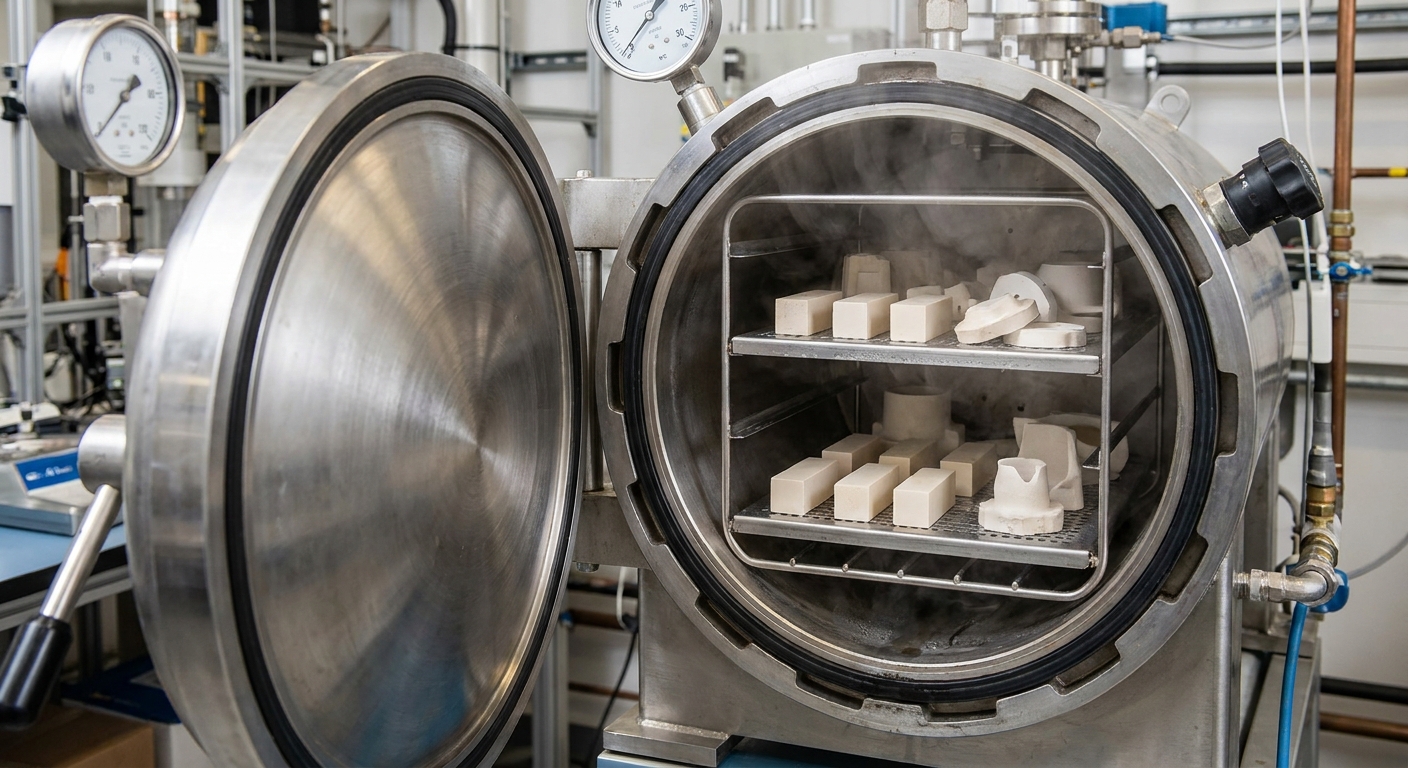
To avoid aging in 3y 4y 5y zirconia, you must prevent low-temperature degradation (LTD) by maintaining optimal sintering density and using high-purity raw powders. Aging occurs when water molecules destabilize the tetragonal phase, prompting spontaneous surface transformation.
This slow degradation causes micro-cracking, roughens the surface, and ultimately destroys the structural capacity of the component over time.
What causes low-temperature hydrothermal degradation?
You must recognize that moisture acts as a slow chemical catalyst for structural phase decay. The physical environment of the oral cavity accelerates this phase shift.
Think about it:
- Water molecules penetrate into the tetragonal crystal boundaries.
- This contact triggers a localized shift back to the monoclinic phase.
- Monoclinic expansion causes internal tensile stress and micro-fractures.
Higher-yttria grades like 5Y are actually more resistant to this specific degradation due to their high cubic content.
How does surface polishing prevent phase degradation?
Creating an ultra-smooth finish prevents the micro-traps where moisture accumulates. Smooth surfaces also reduce friction and mechanical stress.
Here is why this matters:
- Polishing eliminates the micro-grooves that harbor water molecules.
- Highly polished margins resist low-temperature structural degradation.
- Smooth surfaces minimize wear on opposing tooth structures.
Key Takeaway: You should always polish clinical adjustments meticulously to safeguard against rapid phase transitions.
| Phase Condition | Surface Topography | Structural Stability | Aging Vulnerability |
|---|---|---|---|
| Sintered & Polished | Smooth (Ra < 0.1 µm) | Highly Stable | Minimum |
| Ground (Unpolished) | Rough with micro-grooves | Unstable | Maximum |
| Hydrothermally Aged | Pitted and micro-cracked | Severely compromised | Complete degradation |
This structural comparison highlights why final surface polishing is a critical safeguard against hydrothermal degradation.
What are CAD/CAM requirements for 3y 4y 5y zirconia?
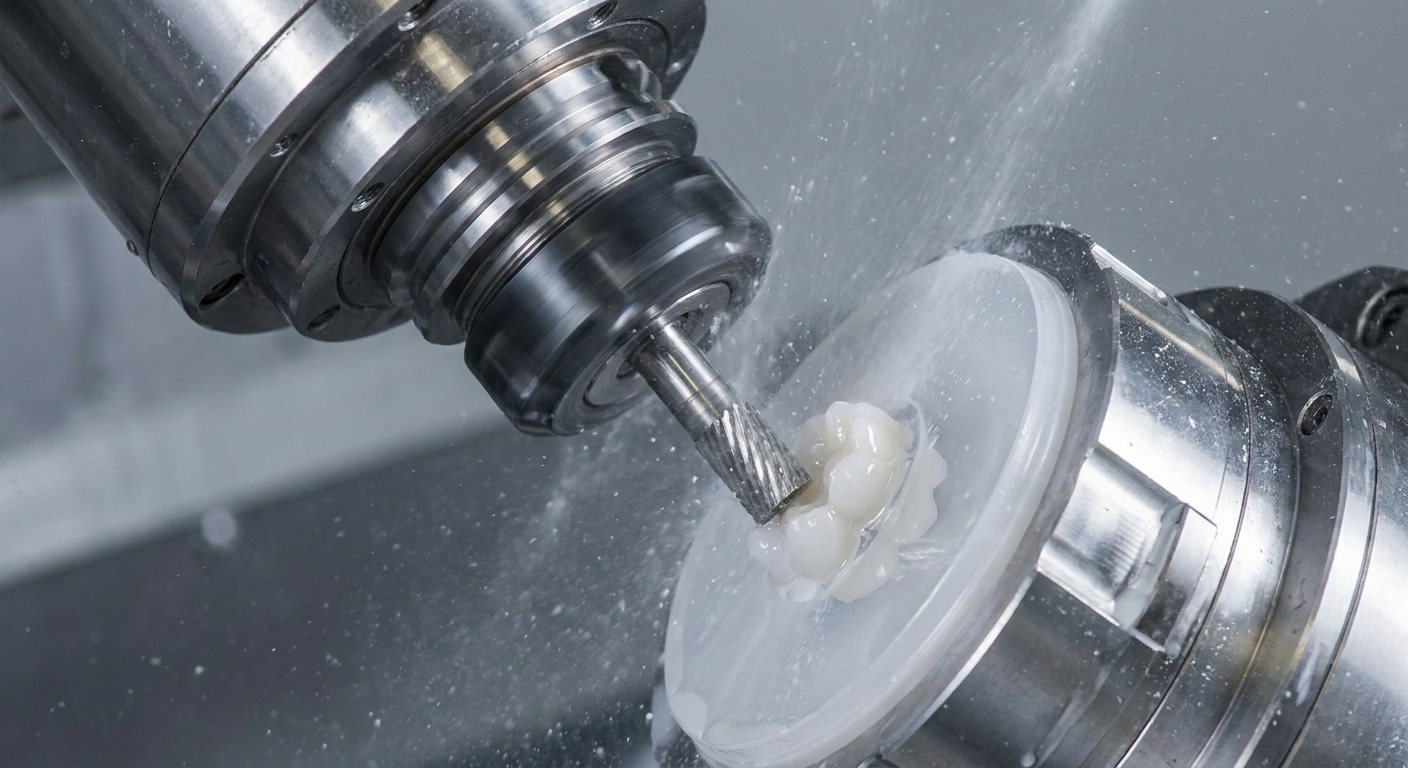
The CAD/CAM requirements for 3y 4y 5y zirconia center on exact milling calibration, calculating accurate batch-specific shrinkage factors, and utilizing high-quality diamond bur tooling. Because zirconia is milled in a chalky “green” state, managing fragile margin edges is crucial.
Precise scaling calculations in your design software compensate for the 20% shrinkage that occurs during the high-temperature sintering step.
How do you calibrate software scaling for exact fitment?
You must input the exact magnification factor provided on each zirconia blank’s barcode. Slighting this step will result in prosthetic parts that fail to seat.
Let’s break it down:
- Each manufacturing lot has a slightly unique density and shrinkage rate.
- CAD/CAM software scales your design up to match this precise value.
- Sintering then shrinks the restoration back to the exact targeted dimensions.
Ignoring this shrinkage value will yield restorations that are either too small or loose.
Why does tool wear dictate the quality of milled margins?
Dull milling burs will chip the delicate margins of your pre-sintered zirconia restorations. Sharp, precise cutting tools prevent microscopic defects at the edges.
The best part?
- Using sharp diamond burs produces crisp, chip-free restoration margins.
- Automated tool tracking software warns you before tools exceed their lifespan.
- Slower feed rates protect fragile cubic-rich 5Y margins from fracturing.
Key Takeaway: You must implement a strict tooling replacement schedule to maintain high margin precision and prevent remakes.
| Milling Parameter | 3Y Green State | 5Y Green State | Impact on Bur Life |
|---|---|---|---|
| Edge Strength | High resistance to chipping | Low resistance to chipping | Moderate bur wear |
| Feed Milling Rate | Standard high-speed | Slower conservative feed | Low bur wear |
| Tool Life Limit | 40 – 50 units milled | 30 – 40 units milled | Critical constraint |
This operational data highlights why the milling machine parameters must be dynamically adjusted for different yttria grades.
How do you select structural 3y 4y 5y zirconia?
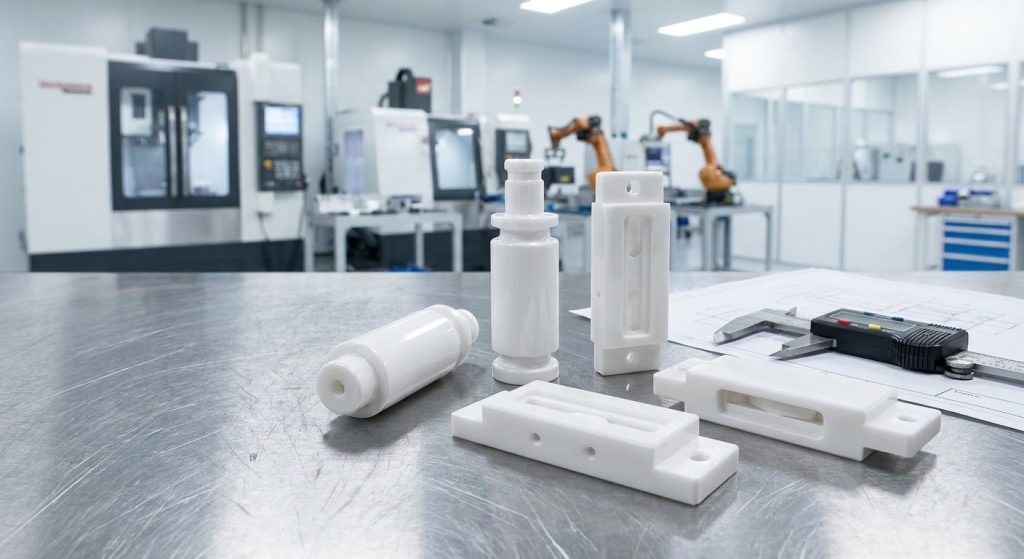
Selecting structural 3y 4y 5y zirconia requires evaluating the mechanical friction, high-temperature load, and chemical exposure of your application to find the matching grade. For heavy industrial wear parts, 3Y is the undisputed material of choice.
Choosing the wrong structural formulation can result in catastrophic stress failure or rapid surface fatigue in mechanical assemblies.
Which applications demand the high toughness of 3Y?
You should specify high-toughness 3Y-TZP for parts operating in harsh, abrasive conditions. Its superior crack-resistance prevents catastrophic failure.
Think about it:
- Pump impellers benefit from extreme cavitation and impact resistance.
- Ceramic cutting blades maintain sharp edges due to high hardness.
- Valves handling abrasive slurry resist erosive wear over years of service.
This high-impact resistance makes 3Y the backbone of extreme technical ceramic applications.
When are 4Y and 5Y grades suited for industrial use?
You can deploy high-yttria formulations when optical transparency or high-temperature stability is paramount. They solve functional challenges where raw strength is secondary.
Here is why this matters:
- Oxygen sensors utilize 5Y’s high oxygen ion conductivity.
- Optical inspection windows require the transparency of high-cubic phases.
- Chemical reaction crucibles benefit from high-yttria thermal insulation.
Key Takeaway: You must reserve high-yttria grades for applications prioritizing chemical or optical traits over raw mechanical strength.
| Industrial Part | Primary Mechanical Stress | Best Zirconia Grade | Wear Life Expectancy |
|---|---|---|---|
| Slurry Pump Sleeve | High abrasion & friction | 3Y | Longest service life |
| Oxygen Sensor Pin | Thermal cycling, ion flow | 5Y | High functional stability |
| Thread Guides | Continuous abrasive friction | 3Y | Excellent surface polish |
This comparison shows why 3Y-TZP is preferred when extreme physical toughness and abrasion resistance are required.
Why does yttria content define 3y 4y 5y zirconia?
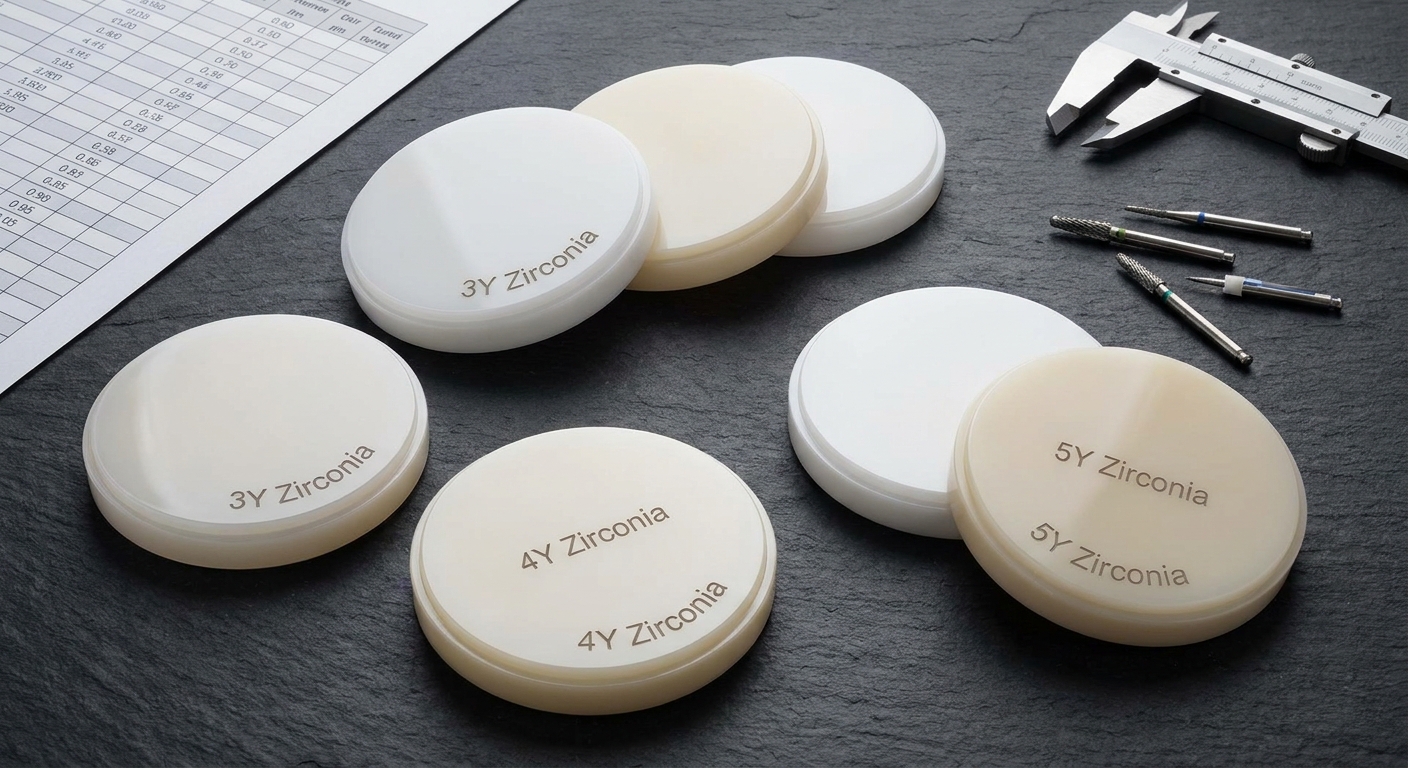
Yttria content defines 3y 4y 5y zirconia because it acts as the primary chemical regulator that balances mechanical toughness against optical light transmission. Adjusting the yttria level is how manufacturers shift the material from structural class to cosmetic class.
This chemical modification fundamentally dictates how the ceramic behaves during machining, sintering, and long-term mechanical loading.
How does yttria dictate crystallographic phase ratios?
You are controlling the percentage of tetragonal versus cubic grains when you adjust the yttria mol%. These ratios lock in the material’s physical capabilities.
Let’s break it down:
- 3 mol% yttria yields a highly stable tetragonal grain matrix.
- 4 mol% introduces a balanced blend of cubic and tetragonal phases.
- 5 mol% forces nearly half the grains into the isotropic cubic configuration.
This shift in crystal symmetry is what gives each grade its unique properties.
Why is the strength-translucency trade-off inescapable?
You cannot maximize both strength and translucency in a single, un-layered ceramic formulation. The physics of light refraction oppose the mechanics of transformation-toughening.
The truth is:
- Cubic grains allow light to pass but cannot stop propagating cracks.
- Tetragonal grains scatter light but provide high transformation-toughening.
- Adding stabilizer directly reduces toughness while boosting translucency.
Key Takeaway: You must approach material selection as a calculated trade-off between physical resilience and cosmetic appeal.
| Yttria Mol% | Tetragonal Phase (%) | Cubic Phase (%) | Toughness (MPa·m^0.5) |
|---|---|---|---|
| 3 mol% | 100% | 0% | 5.5 – 6.0 (High toughness) |
| 4 mol% | ~75% | ~25% | 3.5 – 4.5 (Medium toughness) |
| 5 mol% | ~50% | ~50% | 2.5 – 3.0 (Low toughness) |
The crystallographic data shows why raising yttria concentrations systematically compromises the material’s fracture energy barrier.
What are finishing rules for 3y 4y 5y zirconia?
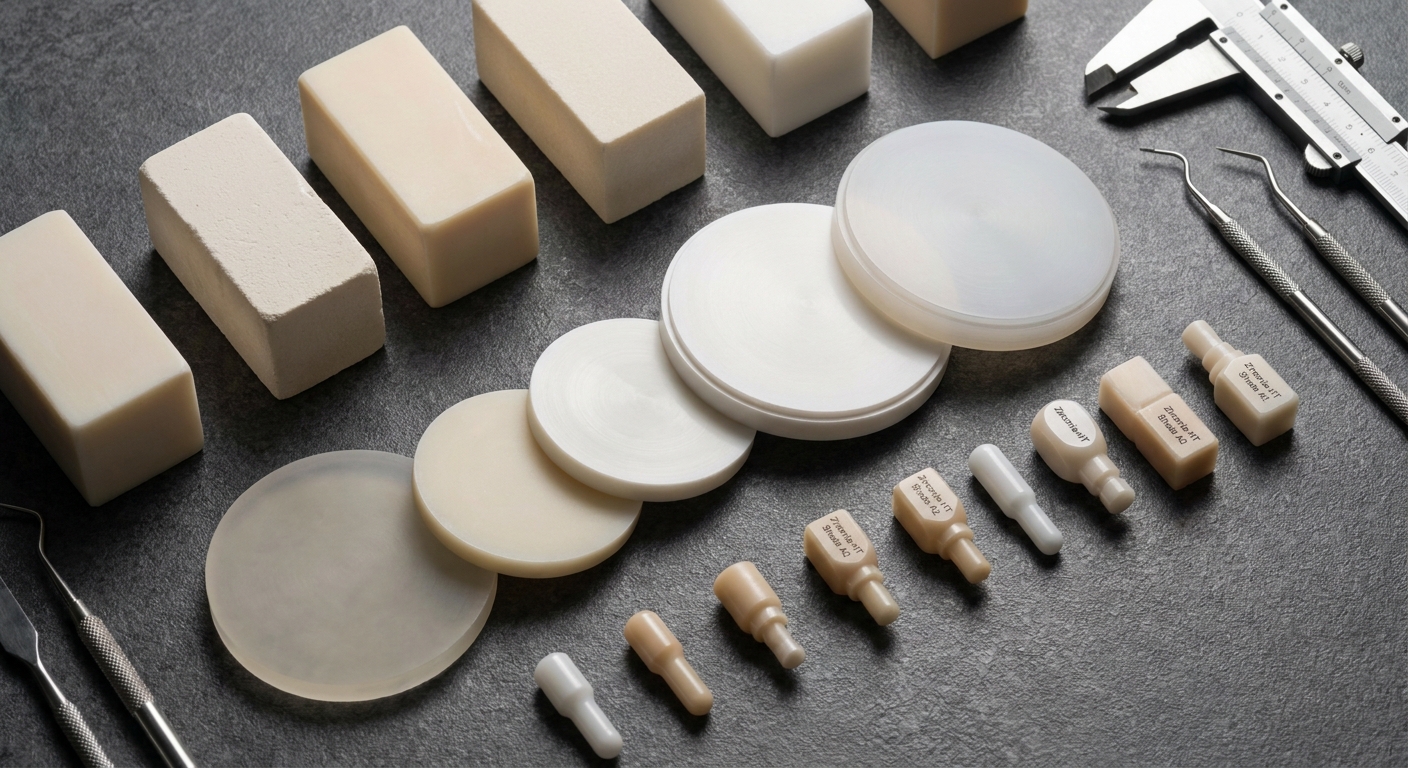
The finishing rules for 3y 4y 5y zirconia dictate that you must avoid localized overheating during adjustments and use fine diamond instruments under water spray. High mechanical friction can trigger unwanted localized monoclinic phase shifts.
Strict compliance with these post-sintering finishing rules ensures that your technical or dental components maintain their design dimensions.
Why must you avoid heat generation during grinding?
You can ruin the mechanical integrity of a sintered component by using dry, high-speed handpieces. Thermal stress creates localized tension fields that lead to failure.
Think about it:
- Dry grinding generates intense heat that triggers localized thermal stress.
- Thermal stresses initiate micro-cracks that compromise structural life.
- Water cooling dissipates heat and lubricates the cutting interface.
Using light finger pressure and water cooling protects the ceramic structure from micro-fracturing.
How does final glaze firing alter surface tension?
Applying a glaze layer can seal surface micro-voids, but it must be done with precise thermal controls. The firing temperature must match the thermal expansion coefficient of the core.
Here is why this matters:
- Glaze cycles help seal superficial defects on the ceramic surface.
- Over-glazing can pool in critical margins, throwing off design tolerances.
- Proper firing cycles restore compressive stress states to the outer surface.
Key Takeaway: You should always follow a dual polishing and glazing approach to secure peak physical properties.
| Finishing Tool | Recommended Speed | Lubrication Required | Purpose |
|---|---|---|---|
| Fine Diamond Bur | 10,000 – 15,000 RPM | Water spray mandatory | Anatomical adjustments |
| Silicone Polisher | 5,000 – 8,000 RPM | Recommended | High shine, smooth finish |
| Glaze Firing Cycle | Standard kiln run | None (Dry vacuum) | Final sealing and lustre |
This operational guide shows how low-stress finishing techniques preserve the designed strength of the sintered ceramic.
Conclusion & CTA
The shift toward high-performance technical and dental ceramics is expanding rapidly, demanding high precision and stable manufacturing outputs. Navigating the choices within yttria-stabilized materials requires deep technical insight and a reliable partner. Achieving high yields and zero-defect components is possible when you lock down your raw material supply and consult directly with processing experts.
Are you ready to optimize your ceramic production yield and eliminate process variations? Our dedicated engineering team is here to support you with custom specifications, stable long-term supply, and rigorous batch quality testing. Don’t leave your structural integrity to chance—contact us today to discuss your application parameters and request high-purity samples.
FAQ Section
Can I sinter 3Y, 4Y, and 5Y zirconia together in the same furnace run?
No, it is highly discouraged. Sintering these distinct grades together compromises either the strength of the 3Y or the translucency of the 5Y because each formulation demands its own precise temperature curve and holding time to achieve peak properties.
What’s the best primer to use for bonding zirconia restorations?
An MDP-based primer is the undisputed gold standard. Primers containing the functional phosphate monomer 10-MDP establish coordinate covalent bonds with the metal oxide surface of the ceramic, securing a bond that resists water degradation far better than traditional silane agents.
How do I know if my zirconia blanks have been fully sintered?
Verify by checking if the fired component’s dimensions precisely match your calculated shrinkage scaling, or by assessing whether the material has achieved its theoretical density of approximately 6.0 g/cm³.
Can I use 5Y zirconia for heavy-duty industrial wear plates?
No, it is not recommended. The high yttria content in 5Y reduces its fracture toughness and flexural strength to levels that cannot withstand the continuous impact and intense mechanical stress typical of industrial wear applications.