
Yttria Stabilized Zirconia is a high-performance, ultra-tough industrial ceramic material in which the crystal structure of zirconium dioxide is made stable at room temperature by the addition of yttrium oxide. Traditional metal components and standard ceramics frequently fail when subjected to severe mechanical friction, corrosive chemicals, and extreme operating temperatures. These premature failures lead to unexpected system shutdowns, high maintenance overheads, and lost productivity for your business. By integrating yttria stabilized zirconia into your engineering designs, you can eliminate these critical failure points and achieve unparalleled structural reliability. This advanced material provides the wear resistance, fracture toughness, and thermal stability required to keep your high-value production lines operating smoothly.
What Is Yttria Stabilized Zirconia?
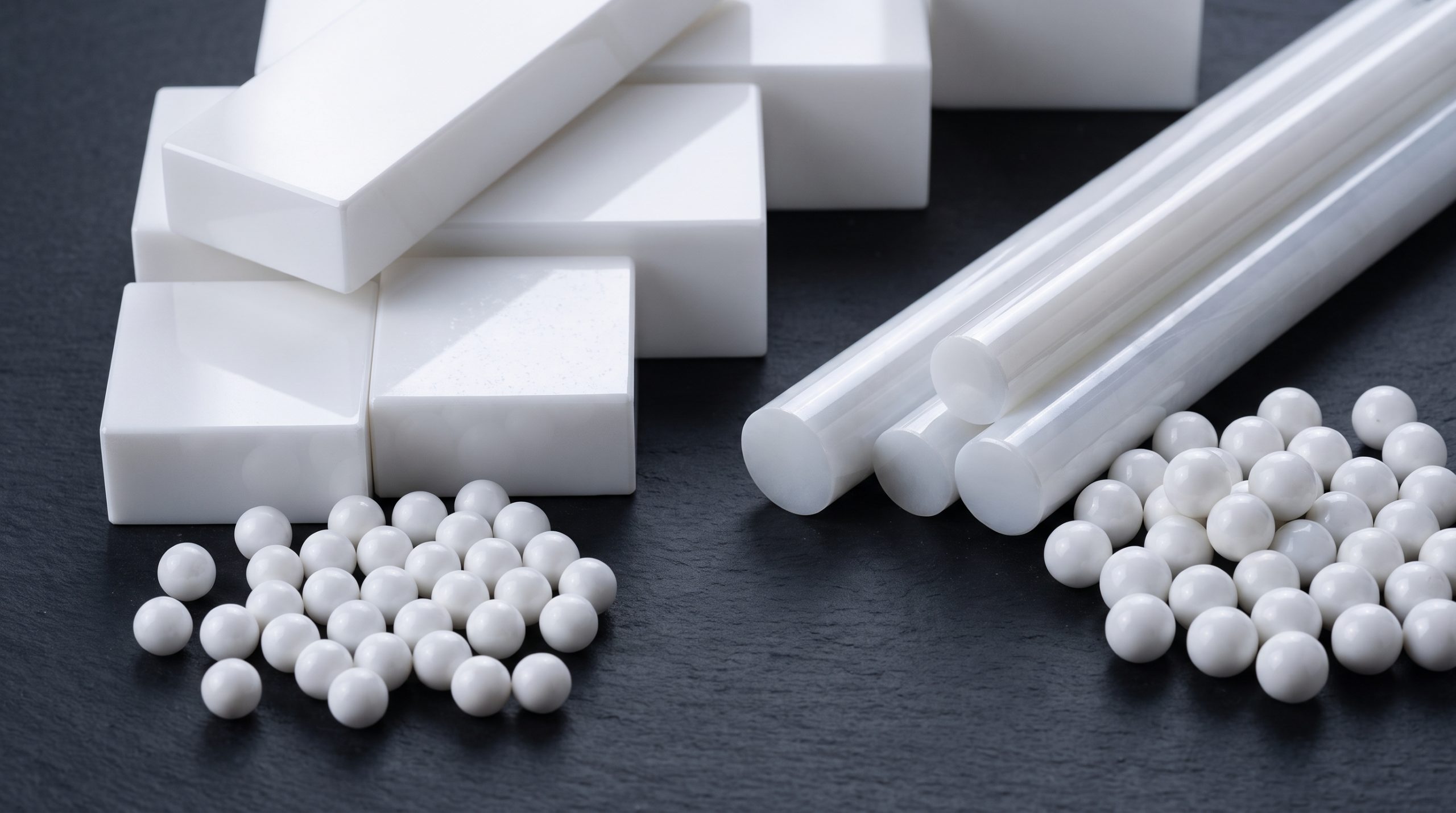
Yttria Stabilized Zirconia is an advanced oxide ceramic engineered by adding yttrium oxide to pure zirconium dioxide to trap its highly resilient crystal phase. By introducing this chemical stabilizer, the material achieves unprecedented mechanical strength and fracture toughness. If you are sourcing components for extreme wear environments, utilizing yttria stabilized zirconia is the industry standard for preventing premature mechanical failure. This unique material outperforms traditional engineering ceramics across multiple operational benchmarks.
What is the Chemical Composition of YSZ?
When you examine the molecular makeup of this material, you will find a highly controlled mixture of zirconium dioxide and yttrium oxide stabilizer. Typically, engineers specify a stabilizer concentration of 3 to 8 mole percent depending on the final target properties.
Think about it:
Without this stabilizer, the ceramic would simply crumble under thermal cycling.
- Zirconium Dioxide (ZrO₂): The robust crystalline base matrix.
- Yttrium Oxide (Y₂O₃): The chemical dopant providing lattice stabilization.
How Does Phase Stabilization Work?
Phase stabilization is the thermodynamic process that keeps this ceramic from cracking during cooling cycles. Under normal conditions, pure zirconia undergoes a destructive volume expansion when transitioning between crystal phases.
But that is not all:
By adding yttria, you successfully lock the high-temperature tetragonal phase right down to room temperature.
- Tetragonal Phase: Provides elite mechanical strength and toughness.
- Cubic Phase: Offers excellent ionic conductivity and transparency.
- Monoclinic Phase: The unstable room-temperature state of pure zirconia.
Why Is Yttrium Used to Stabilize Zirconia?
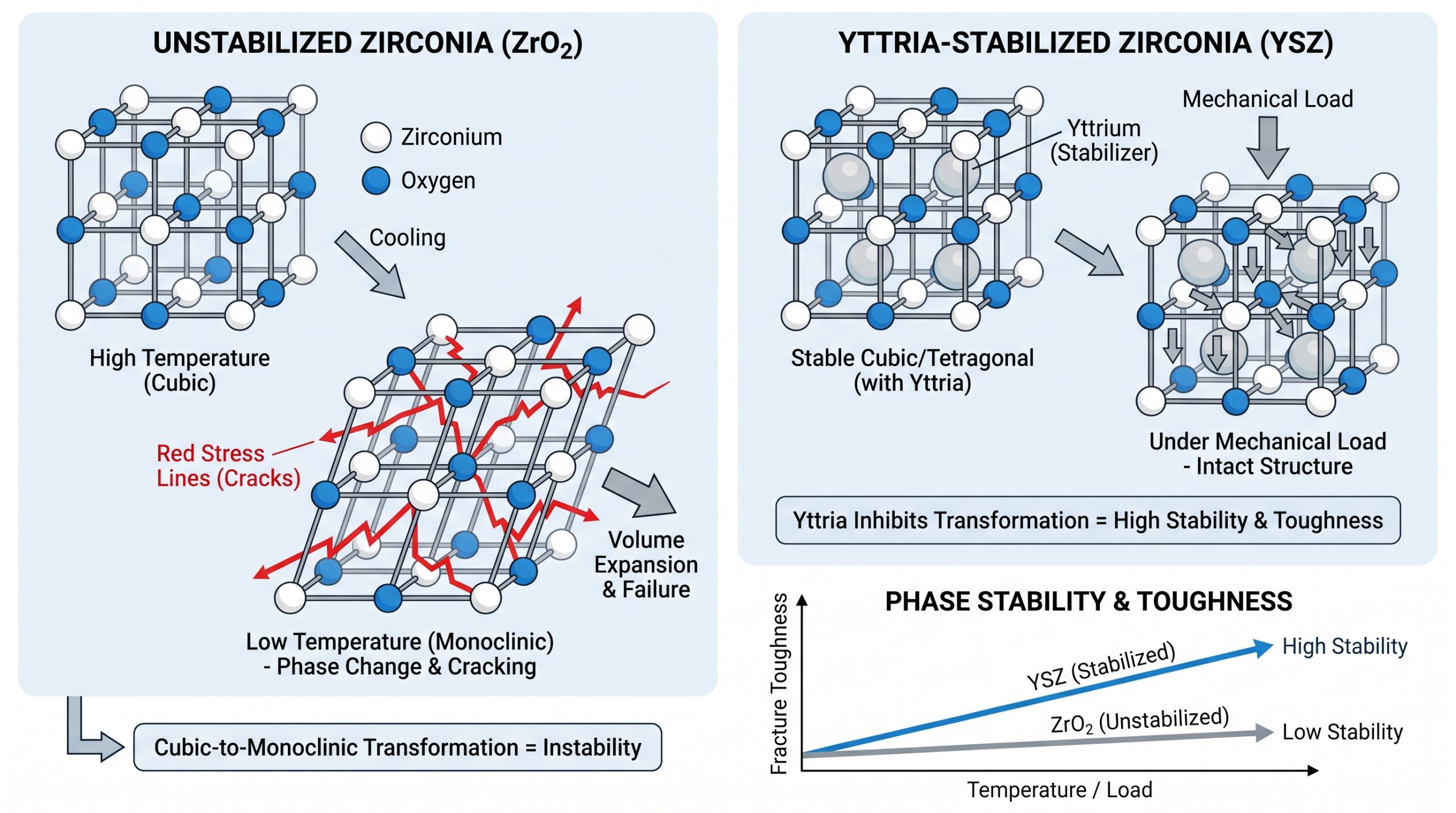
Yttrium oxide is used to stabilize zirconia because its trivalent ions substitute into the quadrivalent zirconium lattice to generate stabilizing oxygen vacancies. This deliberate crystal manipulation is what prevents catastrophic volume changes when manufacturing yttria stabilized zirconia. Without this stabilizer, pure zirconia components would crack and disintegrate during the cooling phase of production. You can count on yttria to act as the ultimate stabilizing key for high-performance ceramic applications.
What Happens During Thermal Cooling?
During the cooling process, unstabilized zirconia experiences a severe crystal phase shift that triggers cracking. Specifically, the material tries to transition from its high-temperature tetragonal structure to a monoclinic structure.
Here is the kicker:
This transition causes an immediate 3% to 5% volume expansion that destroys the part.
- Phase Transition: High-temperature tetragonal to room-temperature monoclinic.
- Volume Expansion: Induces massive internal tensile stresses.
- Failure Mode: Spontaneous micro-cracking and complete mechanical shattering.
How Is Crack Propagation Blocked?
You can leverage a unique phenomenon known as phase-transformation toughening to completely arrest crack propagation. When a micro-crack begins to form, the localized stress triggers a local phase transformation that squeezes the crack shut.
Let’s dig a little deeper:
The surrounding crystal grains expand slightly under stress, creating a compressive shield around the tip of the crack.
- Stress-Induced Transformation: Localized transition from tetragonal to monoclinic.
- Compressive Shield: Absorbs the fracture energy before the crack can propagate.
- Self-Healing Effect: Dramatically boosts the overall toughness of your components.
| Zirconia State | Crystal Structure | Volume Change Relative to High Temp | Vulnerability to Cracking |
|---|---|---|---|
| Pure Zirconia (Unstabilized) | Monoclinic (at room temperature) | +3% to +5% (Expansion) | Extremely High (Catastrophic shattering) |
| Yttria-Stabilized Zirconia | Tetragonal / Cubic (Meta-stable) | 0% (Locked Lattice Volume) | Extremely Low (Toughened resistance) |
This data highlights how chemical phase stabilization directly mitigates the volumetric expansion that causes catastrophic mechanical failures in unstabilized oxides.
Key Takeaway: For B2B buyers, sourcing components stabilized with yttria guarantees structural integrity and dimensional stability under severe mechanical and thermal cycling, eliminating the risk of sudden, costly equipment downtime.
What Key Properties Define This High-Performance Ceramic?
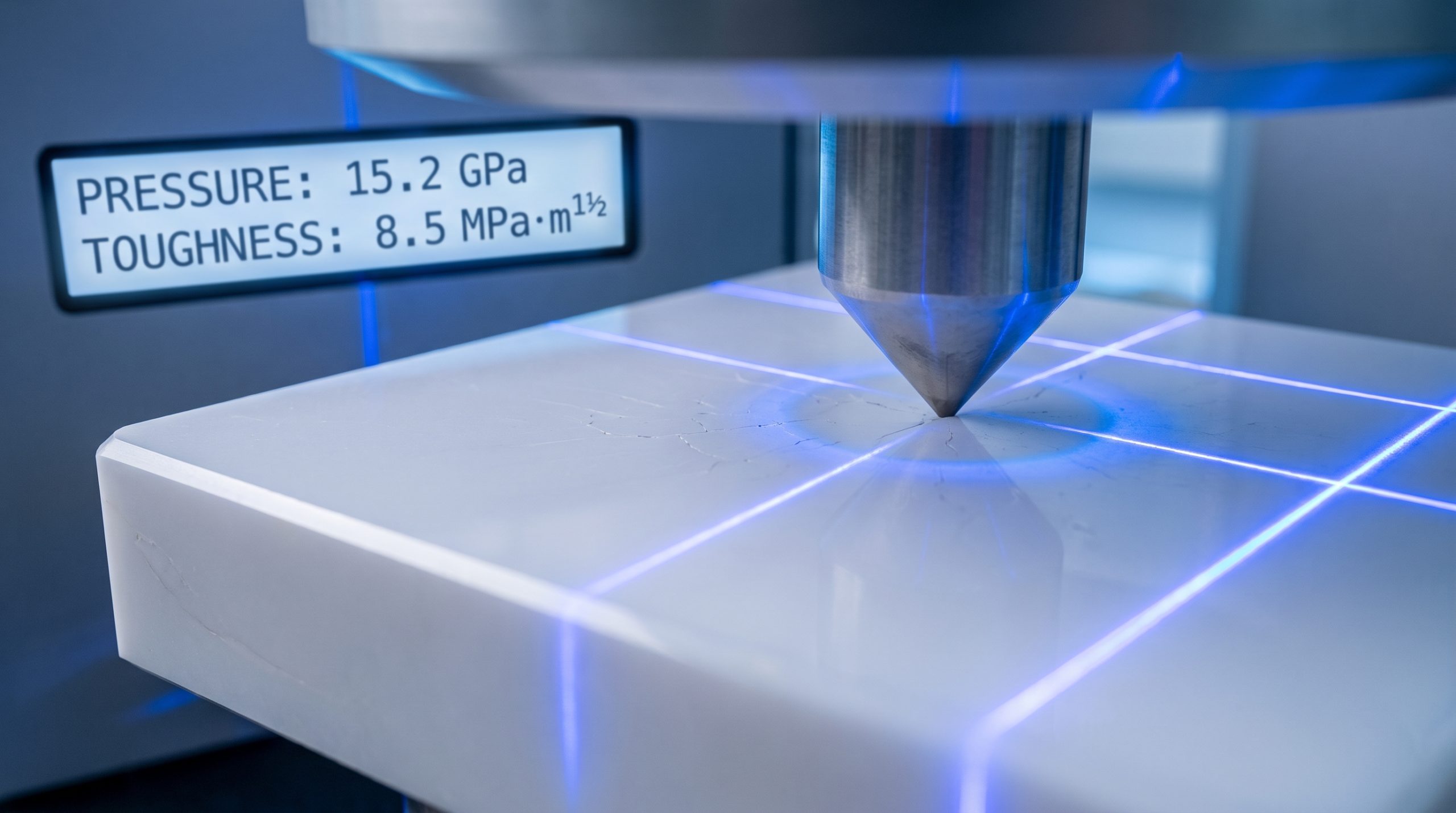
Yttria Stabilized Zirconia is defined by an extraordinary combination of high flexural strength, superior fracture toughness, and excellent wear resistance. These properties set a new benchmark for structural ceramics, making it the premier choice for demanding industrial environments. When you select yttria stabilized zirconia, you gain access to mechanical characteristics that mimic the durability of metals. This unique balance ensures that your components can withstand extreme stress and high operating temperatures.
How Strong and Fracture-Resistant Is It?
With a flexural strength reaching up to 1200 MPa, this ceramic stands as one of the strongest materials available. You will find that its fracture toughness is equally impressive, allowing it to absorb impacts that would shatter standard alumina.
But that is only half the story:
Its unique grain structure distributes applied loads evenly across the entire surface of the component.
- Flexural Strength: Measured between 900 and 1200 MPa under standard testing.
- Fracture Toughness: Ranges from 5 to 10 MPa·m¹/² for elite performance.
- Impact Resistance: Far exceeds that of traditional oxide ceramics.
Why Does It Resist Extreme Wear and Heat?
The material boasts a Vickers hardness of over 1200 HV, which allows it to resist abrasive wear in the harshest environments. Furthermore, you can operate these components in continuous temperatures up to 1500°C without compromising their structural properties.
Simply put:
This high hardness coupled with low thermal conductivity makes it an exceptional thermal barrier.
- Vickers Hardness: Exceeds 1200 HV, offering incredible scratch resistance.
- Maximum Operating Temp: Stable and reliable up to 1500°C.
- Thermal Conductivity: Exceptionally low at approximately 2.5 W/m·K.
| Property Metric | Standard Measured Range | Comparison to High-Alloy Steel | Industrial Advantage |
|---|---|---|---|
| Flexural Strength | 900–1200 MPa | Comparable / Superior | High structural load capability |
| Fracture Toughness | 5–10 MPa·m¹/² | Slightly lower, but elite for ceramics | Resists catastrophic propagation |
| Vickers Hardness | 1200–1300 HV | 2× to 3× Higher | Extreme wear and scratch resistance |
| Thermal Conductivity | ≈2.5 W/m·K | Significantly lower (10× lower) | Excellent thermal insulation |
This data highlights how the combination of metal-like flexural strength and ceramic-grade hardness makes this material the ultimate hybrid for extreme wear and temperature applications.
Key Takeaway: Choosing this advanced material allows you to deploy ceramic components in high-load, high-wear zones that previously required frequent metal replacement, significantly slashing your operational maintenance costs.
How Does It Outperform Metals and Other Ceramics?
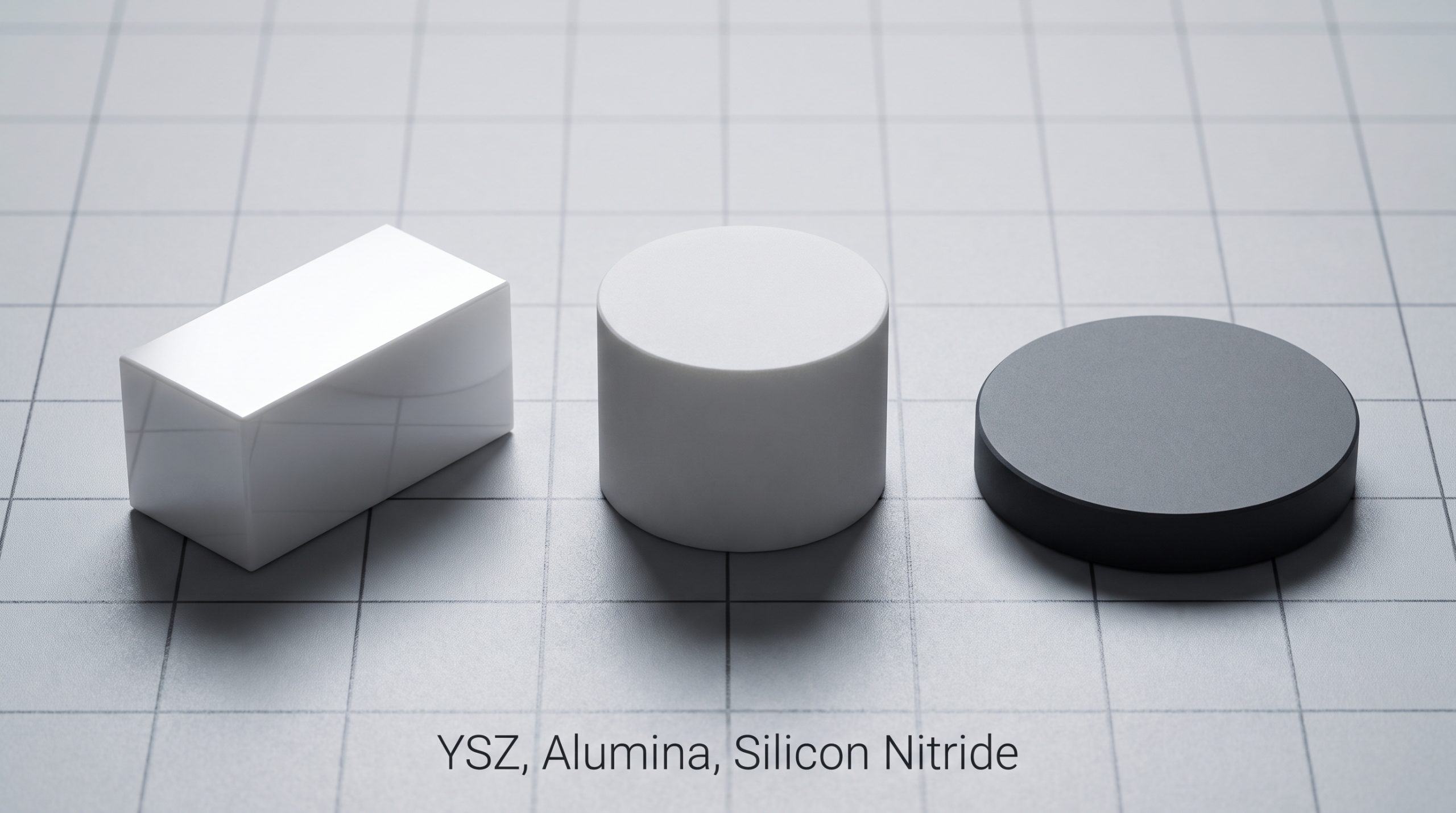
Yttria Stabilized Zirconia outperforms metals and standard ceramics by offering an inert chemical structure, lower density, and superior resistance to friction and wear. Unlike steels that oxidize or corrode in harsh chemical environments, this material remains completely unaffected. When comparing yttria stabilized zirconia to traditional ceramics like alumina, its superior fracture toughness prevents sudden cracking. You will find that switching to this advanced material dramatically extends the service life of your high-wear industrial assets.
Why Switch From Metal Components?
Traditional metals fail rapidly under the combined effects of corrosive chemicals, abrasive wear, and extreme thermal stresses. When you upgrade your components to zirconia, you eliminate issues like galvanic corrosion, surface oxidation, and rapid wear.
Think about it:
Why settle for metals that require frequent lubrication and replacement when ceramics offer a maintenance-free solution?
- Zero Corrosion: Inert oxide chemistry ignores strong acids and alkalis.
- Lightweight Performance: Approximately 20% lighter than structural steel alloys.
- Self-Lubrication: Lower coefficient of friction reduces wear on mating parts.
How Does It Compare to Alumina?
While alumina is a popular cost-effective choice, it suffers from high brittleness and lower fracture resistance. Zirconia offers double the fracture toughness of alumina, allowing you to use it in high-impact operations.
Here is the kicker:
Its ultra-fine grain size enables a much smoother surface finish, minimizing friction.
- Higher Edge Retention: Resists chipping along sharp edges and corners.
- Superior Surface Finish: Can be polished to a mirror-like shine.
- High Fracture Resistance: Absorbs energy that would cause alumina to fail.
| Performance Parameter | Yttria Stabilized Zirconia (YSZ) | Alumina (99.7% Al₂O₃) | Hardened Steel (AISI 4140) |
|---|---|---|---|
| Density ($g/cm^3$) | 6.05 | 3.95 | 7.85 |
| Fracture Toughness | High (8.0 MPa·m¹/²) | Low (3.5 MPa·m¹/²) | Very High (50+ MPa·m¹/²) |
| Max Use Temp | High (1500°C) | Very High (1700°C) | Low (500°C) |
| Corrosion Rate | Zero (Inert Oxide) | Zero (Inert Oxide) | High (Oxidizes rapidly) |
This comparison clearly shows that while alumina and steel have specific strengths, only stabilized zirconia bridges the gap between metal-like toughness and ceramic-like chemical inertness.
Key Takeaway: For B2B buyers looking to minimize maintenance overhead, upgrading from alumina or steel to zirconia is the single most effective way to eliminate mechanical fatigue and corrosion-induced failures.
Which Industrial Applications Rely on This Advanced Material?
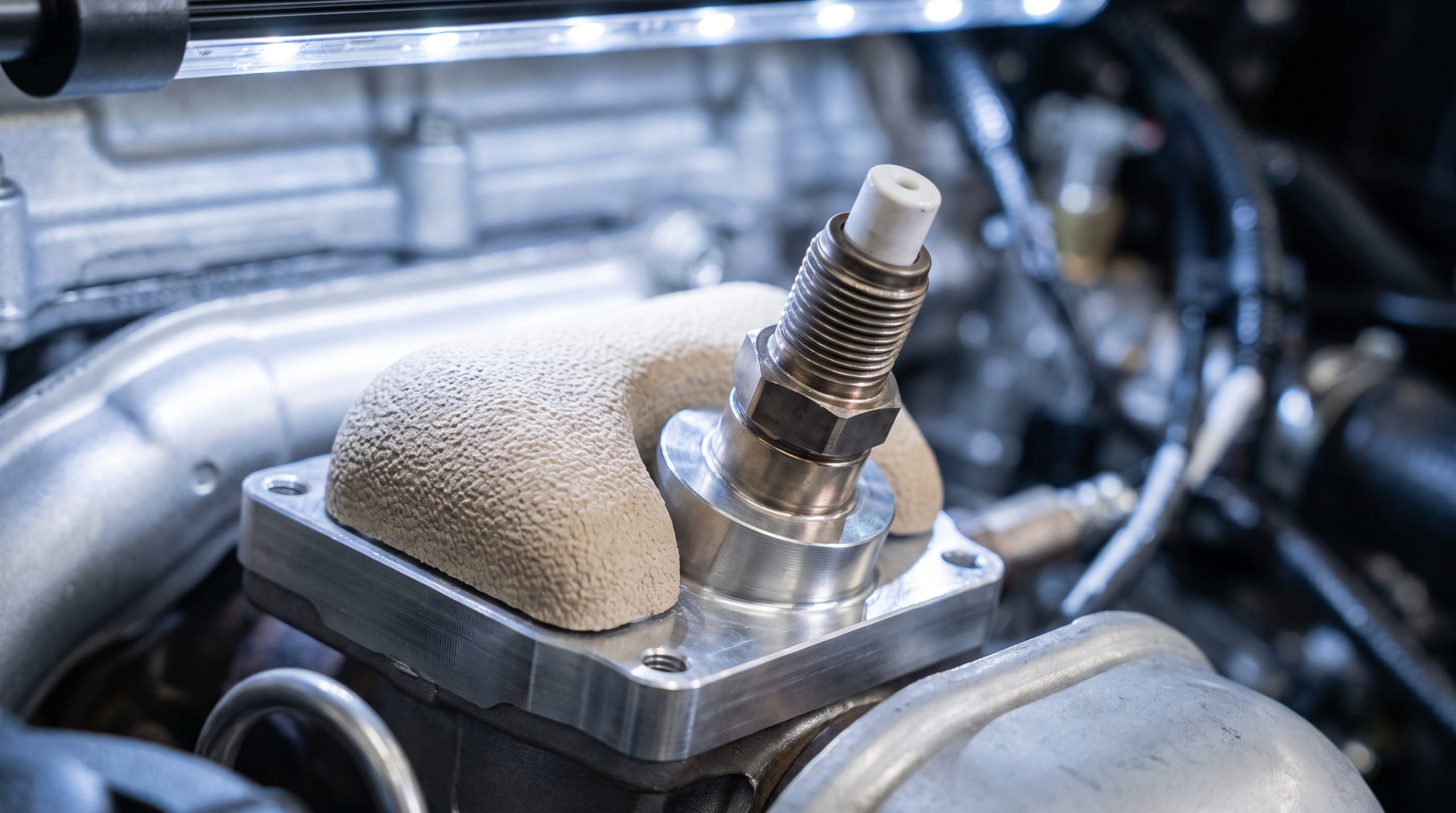
Yttria Stabilized Zirconia is relied upon in a diverse array of demanding industries, ranging from advanced biomedical engineering to heavy industrial manufacturing. Its exceptional toughness, biocompatibility, and chemical resistance make it a vital material for critical components worldwide. When you integrate yttria stabilized zirconia into your workflow, you ensure consistent performance under intense thermal and physical stress. Let us look at the primary industries where this outstanding material plays a central role.
Why Is It Popular in Medical and Dental Fields?
In modern healthcare, biocompatibility is just as critical as mechanical strength when selecting material solutions. You will find zirconia utilized extensively in structural dental crowns, bridges, and joint implants.
The best part?
Its natural tooth-like coloration and high translucency make it the premier choice for modern aesthetic restorations.
- Biocompatible: Causes no adverse reactions inside the human body.
- Aesthetic Superiority: Provides natural appearance and excellent light transmission.
- High Fatigue Resistance: Easily withstands years of cyclic chewing forces.
How Is It Used in Heavy Industrial Environments?
Heavy machinery and thermal systems benefit from the chemical inertness and extreme temperature resistance of zirconia components. You will find it in high-temperature furnace tubes, oxygen sensors, and thermal barrier coatings.
Here is the thing:
Its ability to insulate metal surfaces from extreme heat is critical for modern aerospace turbines.
- Thermal Barrier Coatings (TBCs): Protects jet engine components from melting.
- Oxygen Sensors: Conducts oxygen ions at high temperatures for automotive emissions control.
- Pump Plungers and Valves: Handles highly abrasive slurries and corrosive chemicals without wear.
| Industry Sector | Primary YSZ Component | Primary Stress Type | Required Material Property |
|---|---|---|---|
| Bio-Medical | Dental Crowns & Implants | Cyclic chewing load, moisture | Biocompatibility, high flexural strength |
| Aerospace & Power | Thermal Barrier Coatings | High heat, oxidative gas | Low thermal conductivity, high thermal expansion |
| Fluid Handling | Valve balls, pump plungers | Sliding wear, chemical attack | High hardness, low friction coefficient |
This data highlights how the specific physical properties of stabilized zirconia are tailored to meet the distinct high-stress challenges of both medical and industrial fields.
Key Takeaway: If your operation involves extreme thermal loads, abrasive fluid handling, or requires strictly bio-inert materials, utilizing zirconia components ensures peak operational safety and long-term mechanical reliability.
How Do 3Y, 4Y, and 5Y Grades Compare?
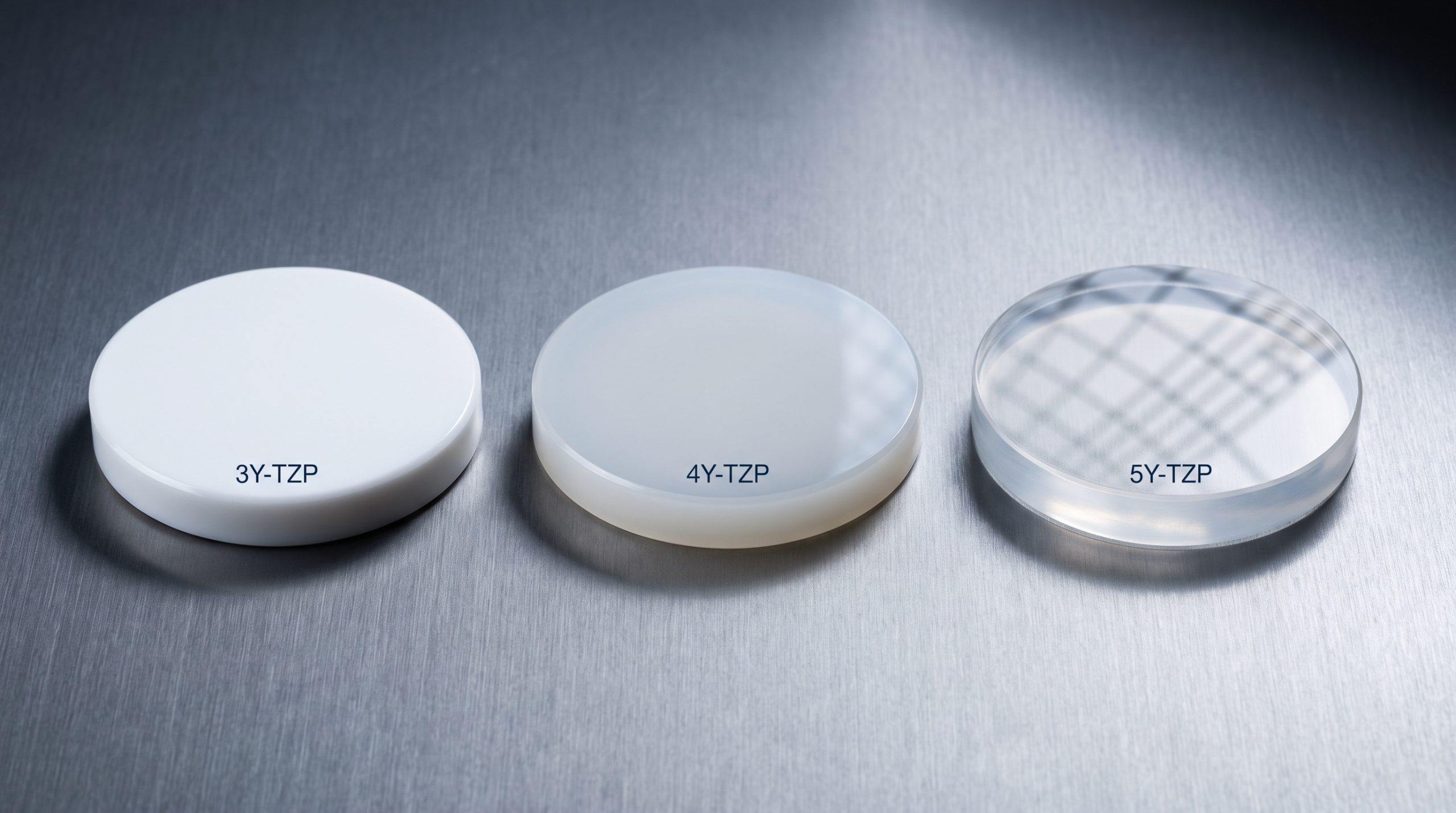
The physical properties of Yttria Stabilized Zirconia change based on the mole percentage of yttria added, resulting in distinct 3Y, 4Y, and 5Y grades. Each grade is tailored to provide a specific balance between mechanical toughness and optical clarity. By understanding how these yttria stabilized zirconia formulations differ, you can select the perfect material for your application. This section breaks down the differences so you can make an informed procurement decision.
What Is the Standard 3Y-TZP Grade?
The 3Y grade contains approximately 3 mole percent of yttria, making it the toughest and strongest option available. You should choose this grade when your application demands maximum structural integrity and fracture resistance.
You might be wondering:
Why is 3Y so incredibly strong compared to higher-doped formulations?
- 100% Tetragonal Phase: Maximum structural reinforcement and phase-transformation toughening.
- High Flexural Strength: Typically ranges between 1000 and 1200 MPa.
- Best For: Industrial pump components, grinding media, and structural tools.
Why Choose 4Y and 5Y Grades?
As you increase the yttria content to 4% or 5%, the material integrates cubic crystal phases. This phase change reduces light scattering at the grain boundaries, dramatically boosting translucency.
But that is not all:
While you gain beautiful aesthetics, you do experience a slight decrease in overall mechanical strength.
- 4Y-PSZ: The perfect middle-ground option for semi-aesthetic structural parts.
- 5Y-PSZ: The highest translucency grade, perfect for aesthetic dental restorations.
- Cubic Integration: Reduces the self-healing phase-transformation mechanism slightly.
| Material Grade | Yttria Content (mol%) | Crystal Phase Structure | Flexural Strength (MPa) | Optical Translucency | Best Application |
|---|---|---|---|---|---|
| 3Y-TZP | ≈3.0 mol% | 100% Tetragonal | 1000–1200 MPa | Low (≈35%) | High-load structural parts |
| 4Y-PSZ | ≈4.0 mol% | Mixed Tetragonal/Cubic | 700–900 MPa | Medium (≈43%) | Semi-aesthetic dental restorations |
| 5Y-PSZ | ≈5.0 mol% | High Cubic Phase | 500–650 MPa | High (≈49%) | Aesthetic anterior crowns, consumer items |
This grade comparison illustrates how adjusting the chemical stabilizer level allows engineers to fine-tune the material’s internal crystal structure to balance strength with aesthetic translucency.
Key Takeaway: For industrial applications where sheer load-bearing capability is critical, always specify the 3Y-TZP grade to maximize structural longevity and resistance to impact wear.
Why Is It Critical for Solid Oxide Fuel Cells?
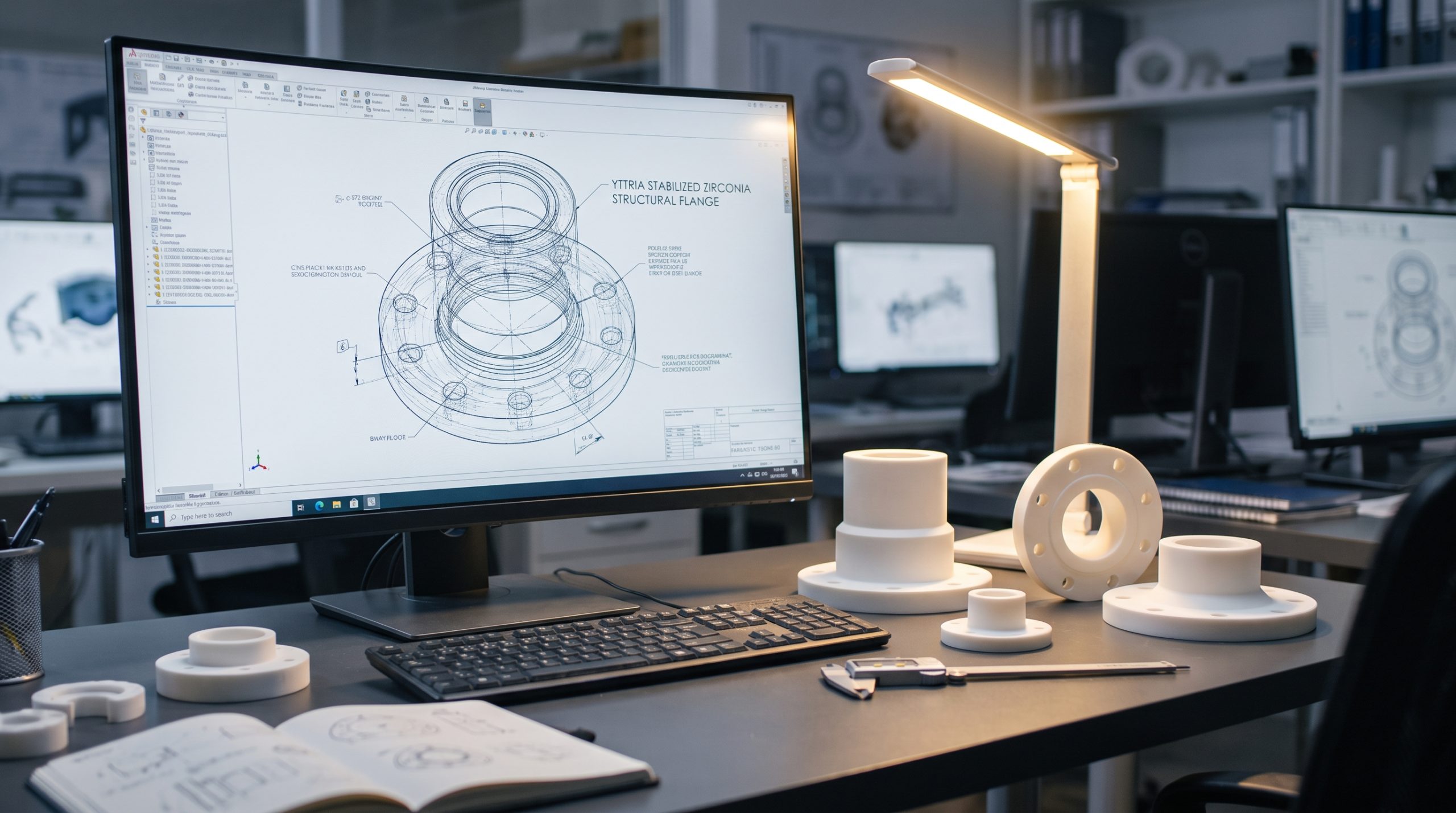
Yttria Stabilized Zirconia is critical for Solid Oxide Fuel Cells because it exhibits high oxygen ion conductivity at elevated temperatures while remaining electrically insulating. This unique combination of electrochemical properties makes it the ideal solid state electrolyte. When you design modern clean energy systems, utilizing yttria stabilized zirconia ensures high efficiency and extreme thermal stability. It enables fuel cells to operate continuously in high-temperature environments with minimal degradation.
How Does It Act as an Electrolyte Membrane?
In a fuel cell, the solid electrolyte must allow oxygen ions to pass through while completely blocking electron flow. You will find that fully stabilized 8Y-YSZ is the industry benchmark for this precise task.
What does this mean for efficiency?
It prevents internal electrical short-circuits, ensuring that the cell maximizes power output.
- Ionic Conductivity: High permeability for oxygen ions (O²⁻) at high temperatures.
- Electronic Insulation: Completely blocks free electrons to maintain voltage.
- Chemical Stability: Remains inert in both oxidizing and reducing gas streams.
What Are the Temperature Requirements?
To achieve optimal ionic conductivity, your fuel cell system must operate at elevated temperatures, typically between 800°C and 1000°C. At these extreme temperatures, the oxygen vacancies in the zirconia lattice become highly active.
Here is the thing:
This high-temperature operation requires materials with matching thermal expansion to prevent cracking.
- Activation Window: Peak performance achieved between 800°C and 1000°C.
- Thermal Matching: Matches the coefficient of thermal expansion of typical electrode materials.
- Durability: Withstands years of constant thermal cycles without structural failure.
| Metric Parameter | Value at 800°C | Value at 1000°C | Main Operating Constraint |
|---|---|---|---|
| Ionic Conductivity | ≈0.02 S/cm | ≈0.1 S/cm | Demands high thermal operation |
| Electronic Conductivity | <10⁻⁴ S/cm | <10⁻³ S/cm | Must be kept low to prevent power loss |
| Thermal Expansion Coeff. | ≈10.5 × 10⁻⁶ /K | ≈10.5 × 10⁻⁶ /K | Matches typical ceramic interconnects |
This data highlights how the temperature-dependent increase in ionic conductivity dictates the operating parameters of zirconia-based energy systems.
Key Takeaway: For developers in the green energy sector, specifying high-purity fully stabilized zirconia ensures maximum ionic throughput and matching thermal expansion, protecting your fuel cell stack from thermal stress cracking.
How Does It Compare to Other Stabilized Zirconias?
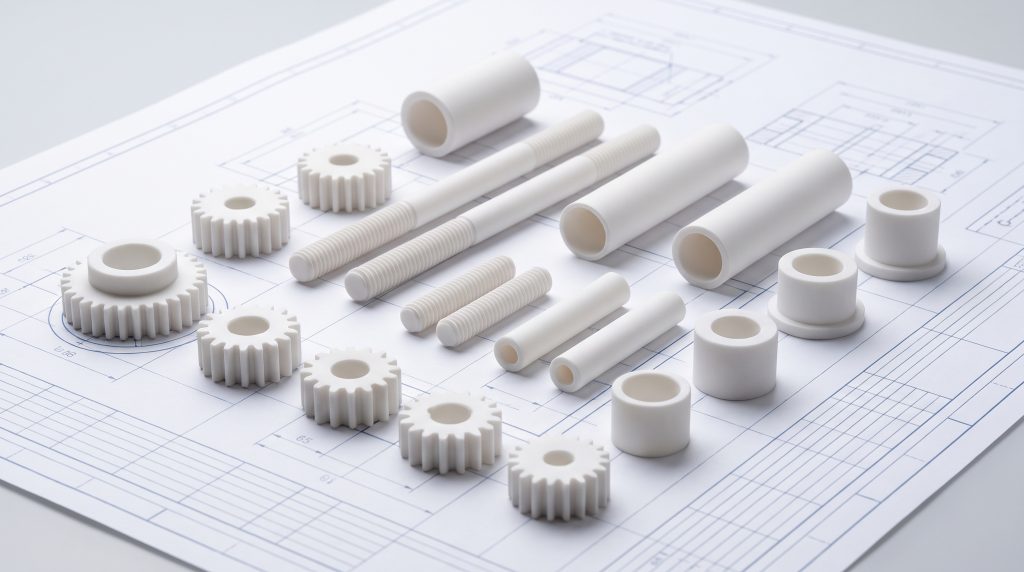
Yttria Stabilized Zirconia is compared to other stabilized zirconias like magnesia, calcia, and ceria-stabilized grades to determine the best choice for specific environments. While yttria is the most common stabilizer, other oxides offer specialized performance advantages in niche operations. Understanding these differences allows you to optimize your material selection for extreme temperatures or moisture-heavy environments. In this section, we compare yttria stabilized zirconia directly with alternative stabilized grades.
When to Choose Magnesia or Calcia?
Magnesia-stabilized zirconia offers exceptional thermal shock resistance and is completely immune to low-temperature hydrothermal degradation. If you are operating in high-pressure steam environments, magnesia is often a superior choice.
In stark contrast:
Calcia-stabilized zirconia is more economical and is primarily used in refractory applications like steel casting.
- Magnesia (MSZ): Excellent for steam environments and cyclic thermal exposure.
- Calcia (CSZ): Highly economical, ideal for extreme high-temperature crucibles.
- Thermal Shock Resistance: MSZ’s coarser grain structure handles thermal shocks exceptionally well.
What Makes Ceria Zirconia Unique?
Ceria-stabilized zirconia provides unmatched resistance to hydrothermal aging, making it perfect for underwater and oilfield pump components. When you operate in wet environments at moderate temperatures, ceria prevents the surface degradation that can affect yttria grades.
Here is the kicker:
It is also extremely tough, although it has slightly lower hardness than yttria-stabilized parts.
- Hydrothermal Aging Resistance: Absolutely immune to low-temperature degradation in water.
- High Toughness: Resists heavy mechanical impacts without chipping.
- Best For: Marine pumps, deep-sea exploration tools, and slurry valves.
| Ceramic Material | Primary Stabilizer Oxide | Key Performance Advantage | Primary Mechanical Trade-off |
|---|---|---|---|
| YSZ (Yttria) | Y₂O₃ | Highest ambient room-temp strength and toughness | Susceptible to low-temp hydrothermal aging |
| MSZ (Magnesia) | MgO | Resistant to hydrothermal degradation; high thermal shock resistance | Coarser microstructural grain size |
| CSZ (Calcia) | CaO | Highly economical at very high temperatures ($>2000^\circ\text{C}$) | Lower fracture toughness |
| CeSZ (Ceria) | CeO₂ | Complete resistance to hydrothermal aging (low-temp degradation) | Lower hardness and wear resistance |
This comparison highlights how choosing the appropriate chemical stabilizer allows you to mitigate specific environmental risks such as hydrothermal aging or extreme thermal shock.
Key Takeaway: While yttria-stabilized zirconia offers the best overall room-temperature strength, switching to ceria or magnesia-stabilized grades is recommended if your components face continuous exposure to high-pressure steam or hot, wet environments.
What Manufacturing Methods Shape This Toughened Ceramic?
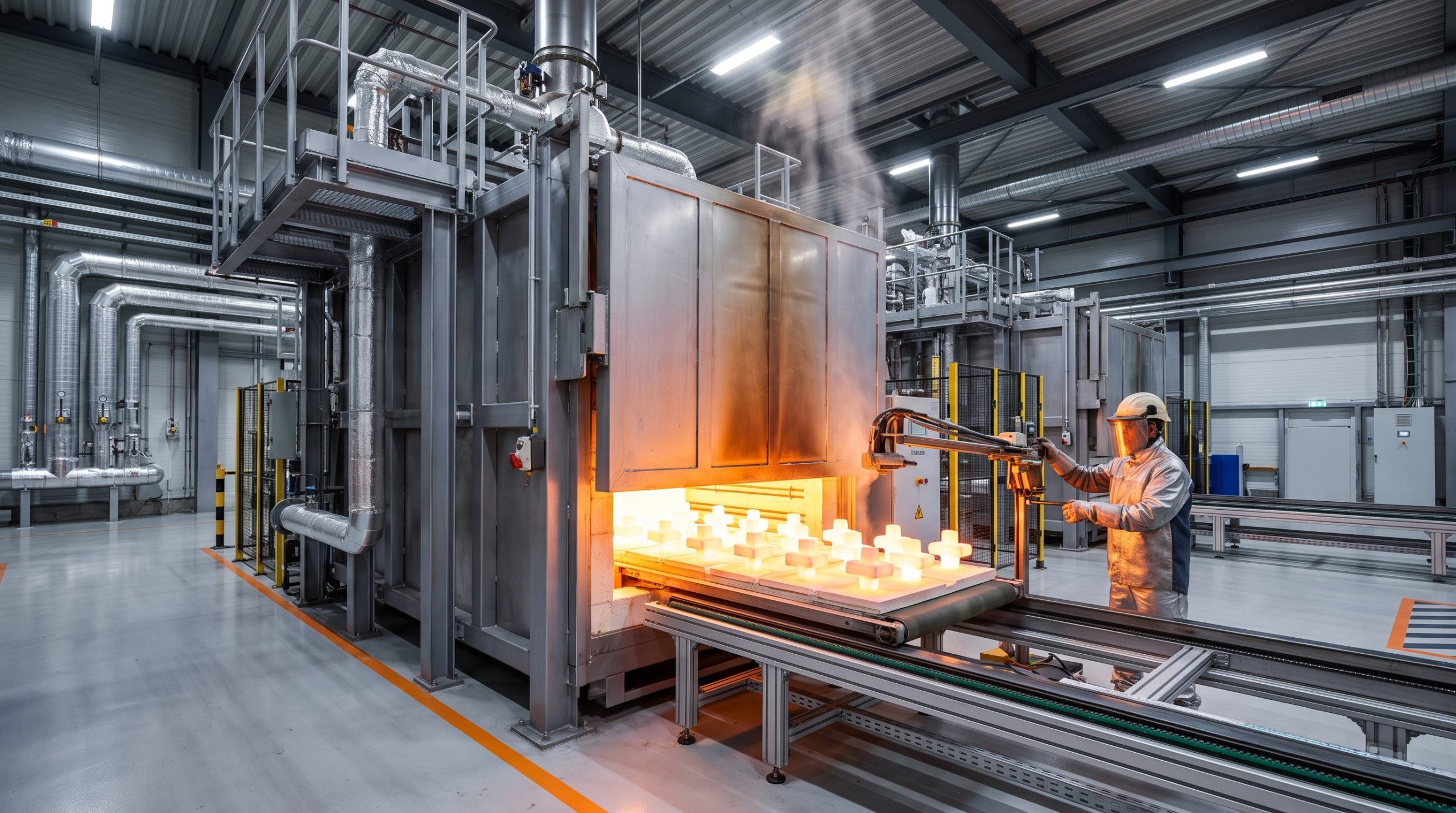
Yttria Stabilized Zirconia is shaped through a combination of powder metallurgy pressing, high-temperature sintering, and precision diamond grinding. This complex manufacturing sequence is critical to obtaining a completely dense, defect-free component. When you source parts made of yttria stabilized zirconia, understanding these fabrication steps helps you design components with realistic tolerances. Let us explore the primary methods used to shape this incredibly hard and resilient material.
How Does the Sintering Phase Work?
Sintering is the thermal process where raw powder compacts are heated to extreme temperatures to fuse the ceramic particles together. During this phase, you must account for a significant volumetric shrinkage of roughly 20%.
Simply put:
Precise control of the sintering temperature curve is what dictates the final density and grain size.
- Powder Pressing: Dry pressing or Cold Isostatic Pressing (CIP) creates the initial green body.
- Sintering Range: Typically fired between 1400°C and 1550°C.
- Densification: Eliminates micro-porosity to reach over 99% theoretical density.
Why Is Precision Machining Required?
Due to the extreme hardness of fully sintered zirconia, standard metal cutting tools are completely useless. You must use specialized CNC machinery equipped with diamond-impregnated grinding wheels to achieve high-precision tolerances.
But that is not all:
Green machining can be performed before final sintering to quickly remove bulk material and lower costs.
- Green Machining: Done in the pre-sintered state when the material behaves like chalk.
- Diamond Grinding: Achieves final precise tolerances as tight as $\pm0.002$ mm.
- Surface Polishing: Minimizes surface micro-cracks that could act as stress concentrators.
| Manufacturing Phase | Temperature Range | Physical Changes Occurring | Final Microstructural Outcome |
|---|---|---|---|
| Green Pressing | Ambient (20°C) | Mechanical packing of raw powder grains | Porous body, density ≈50% of theoretical |
| Pre-Sintering | 900°C–1050°C | Partial necking of particles | Easily machinable “chalk-like” body |
| Final Sintering | 1450°C–1550°C | Grain growth, elimination of pore networks | Dense body (>99%), 20% volume shrinkage |
This manufacturing sequence highlights why precise thermal profiles and specialized diamond finishing are crucial for producing structurally sound ceramic components.
Key Takeaway: Collaborating with a manufacturer who masterfully manages the 20% sintering shrinkage and offers precision diamond grinding guarantees your parts will fit perfectly and perform flawlessly without premature fracture.
How Can You Solve Common Industrial Ceramics Challenges?
Yttria Stabilized Zirconia challenges can be solved by optimizing component geometry, managing thermal gradients, and choosing the correct stabilization grade for your operational environment. While zirconia is an elite engineering material, poor design can still lead to early mechanical issues or thermal shock failures. When you implement best-practice design rules, you unlock the full wear-resistant potential of yttria stabilized zirconia. Let us look at how you can overcome these design hurdles to maximize the life of your ceramic assets.
What Are the Best Design Rules for Zirconia?
When designing structural parts, you must avoid sharp interior corners and sudden changes in cross-sectional thickness. These sharp features act as severe stress concentrators that can lead to crack initiation.
Think about it:
By incorporating generous radii and uniform wall thicknesses, you distribute mechanical loads safely.
- Radiused Corners: Replaces sharp interior angles to reduce mechanical stress.
- Uniform Thickness: Prevents uneven shrinkage and warping during high-temperature sintering.
- Smooth Transitions: Eases localized stress concentration points during thermal expansion.
How to Manage Thermal Gradients Safely?
Zirconia’s low thermal conductivity means rapid thermal cycling can cause large temperature differences within the same component. You can mitigate this thermal shock risk by ensuring slow ramping speeds and utilizing thin-walled designs.
Here is the thing:
Controlling the rate of temperature change keeps the internal stresses well within the material’s limits.
- Controlled Thermal Ramping: Keep heating and cooling rates below 150°C per minute.
- Thin-Walled Components: Minimizes internal temperature differences across the part.
- Pre-Heating: Gradually warms the component before exposing it to maximum operational heat.
Let’s clear things up:
By preparing your physical operating environments and implementing sensible geometry limits, you can easily deploy zirconia without any structural failures.
- Operating Fluid Chemistry: Confirm chemical compatibility with the yttria stabilizer to avoid long-term aging.
- Thermal Transition Speeds: Monitor your system’s heat-up curves to prevent thermal shock events.
- Loading Stress Calculations: Validate that peak operational loads remain safely within the material’s flexural strength limits.
Frequently Asked Questions
Can I use zirconia instead of hardened steel for high-impact parts?
Yes, you can, but with specific design modifications. While zirconia matches steel’s wear resistance and excels in corrosive environments, it is still more brittle than metal, so you must eliminate sharp interior corners and avoid heavy point impacts.
What is the best way to prevent thermal shock in zirconia components?
The best way is to keep thermal ramp rates gradual and use thin-walled designs. Because of its low thermal conductivity, you should avoid sudden thermal changes exceeding 150°C per minute to ensure uniform thermal expansion across the component.
How do I know if 3Y or 5Y zirconia is best for my project?
You can decide based on whether your priority is sheer mechanical strength or optical translucency. Choose the 3Y-TZP grade if your part needs to withstand high physical loads, and select 5Y-PSZ if your application requires light transmission, such as in dental restorations.
Can I prototype complex zirconia components with 3D printing?
Yes, you can prototype them successfully. Using advanced ceramic 3D printing methods like stereolithography (SLA) allows you to build intricate geometries, which are then debound and sintered to achieve full industrial density.
How do I know if extreme heat will degrade my zirconia parts?
You can monitor the operational temperature and environment for triggers of grain boundary degradation. If your parts are continuously exposed to temperatures exceeding 1500°C or subjected to high-pressure steam at lower temperatures, you may observe microstructural aging and should consider alternative stabilizers like magnesia or ceria.
Conclusion
Navigating the complexities of advanced ceramics can be challenging, but choosing the right material does not have to be. This guide resolved how yttria stabilized zirconia addresses critical wear, corrosion, and thermal limitations where metals and traditional ceramics fail. Whether you need custom industrial components or high-strength wear parts, ZrBrontec has the expertise, engineering capabilities, and high-purity materials to bring your designs to life. To optimize your manufacturing efficiency and secure the longest-lasting components for your application, contact us today.
At ZrBrontec, we shape the future of industrial performance, turning extreme engineering challenges into seamless structural solutions.