
Zirconia structural parts are mainly applied in high-stress industrial environments requiring extreme wear resistance, chemical inertness, and thermal stability across the chemical, machinery, medical, and aerospace sectors. In modern manufacturing, you often face critical bottlenecks when traditional metal or plastic components fail under aggressive chemicals or intense friction. These failures lead to unplanned downtime and rising operational costs that erode your profit margins. Zirconia Ceramic, available through ZrBrontec , provides the mechanical strength and stability required to thrive in these demanding conditions.
Why Use Zirconia Ceramic in Chemical Processing?
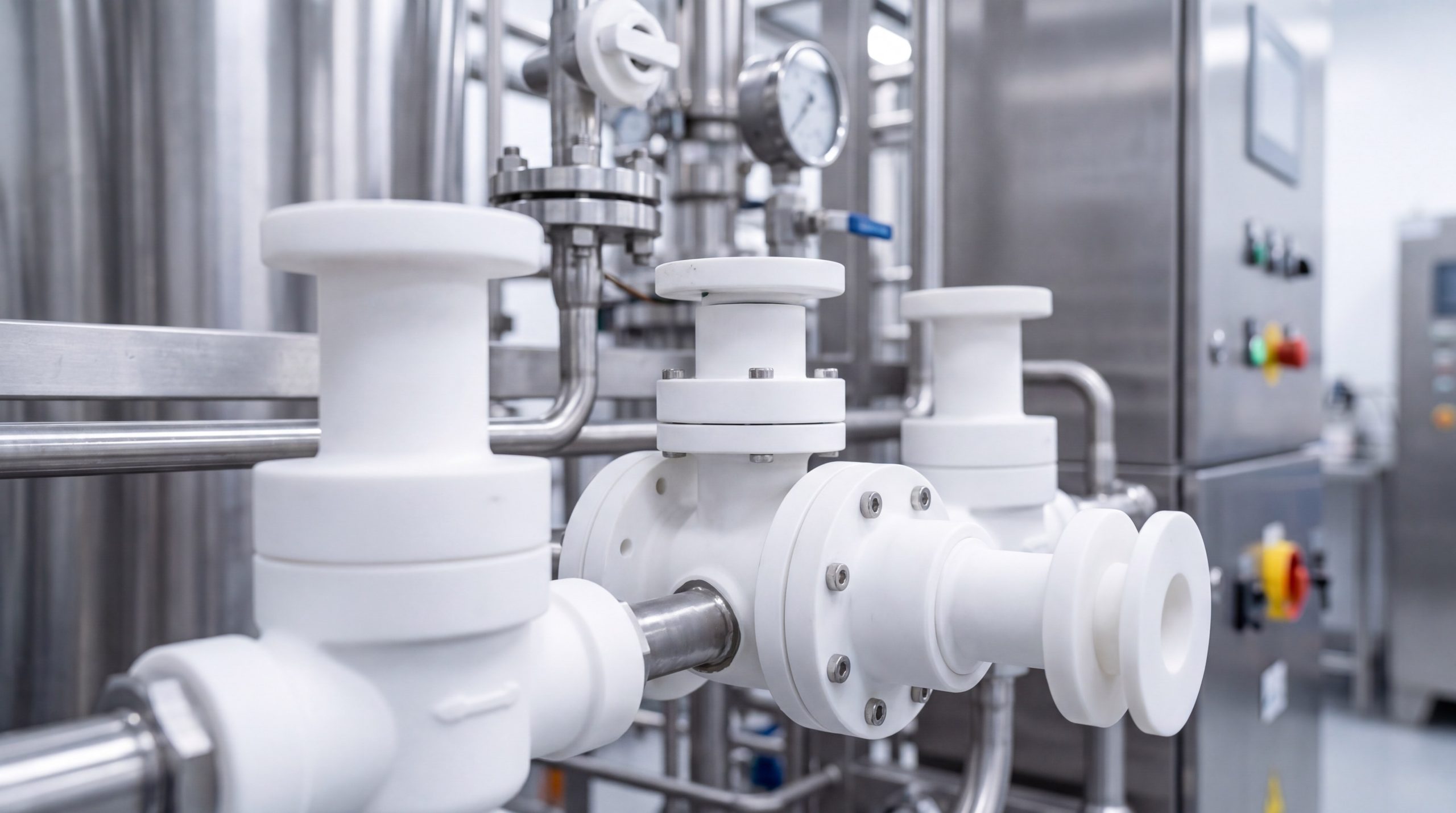
Zirconia Ceramic is used in chemical processing to provide a surface that is immune to most acids and alkalis. This material ensures that your structural parts do not react with processed fluids. By utilizing Zirconia Ceramic, you maintain high purity in your chemical output while extending the lifespan of your infrastructure.
Does It Resist Corrosive Environments?
You can rely on this material to withstand harsh chemicals that would typically degrade specialized alloys or stainless steel. Its chemical inertness is vital for maintaining the integrity of your processing lines.
Wait, there is more:
- Zero contamination risk for high-purity fluids.
- Resistance to both acidic and alkaline reagents.
- Superior longevity in submerged applications.
- Minimal surface degradation over time.
Can It Handle High-Heat Reactions?
Zirconia remains stable at temperatures where most metals lose their structural integrity and begin to deform. Its low thermal conductivity helps you maintain precise temperature control within your reactors and crucibles.
Think about it:
- Melting point reaches approximately 2700°C.
- Excellent insulation for thermal management.
- Stable performance during rapid temperature cycles.
- Reduced energy loss in heated systems.
Key Takeaway: Implementing zirconia in chemical systems eliminates material degradation issues and prevents the frequent failure of aggressive processing components.
| Feature | Performance Level | Primary User Benefit | |
|---|---|---|---|
| Acid Resistance | Exceptional | Zero contamination risk | |
| Thermal Conductivity | Low (2.0-3.0 W/m·K) | Precise heat insulation | |
| Melting Point | ~2700°C | High-heat reliability |
This data confirms that zirconia is the superior choice for chemical environments where material purity and heat resistance are non-negotiable.
How Does Zirconia Ceramic Improve Machinery Performance?
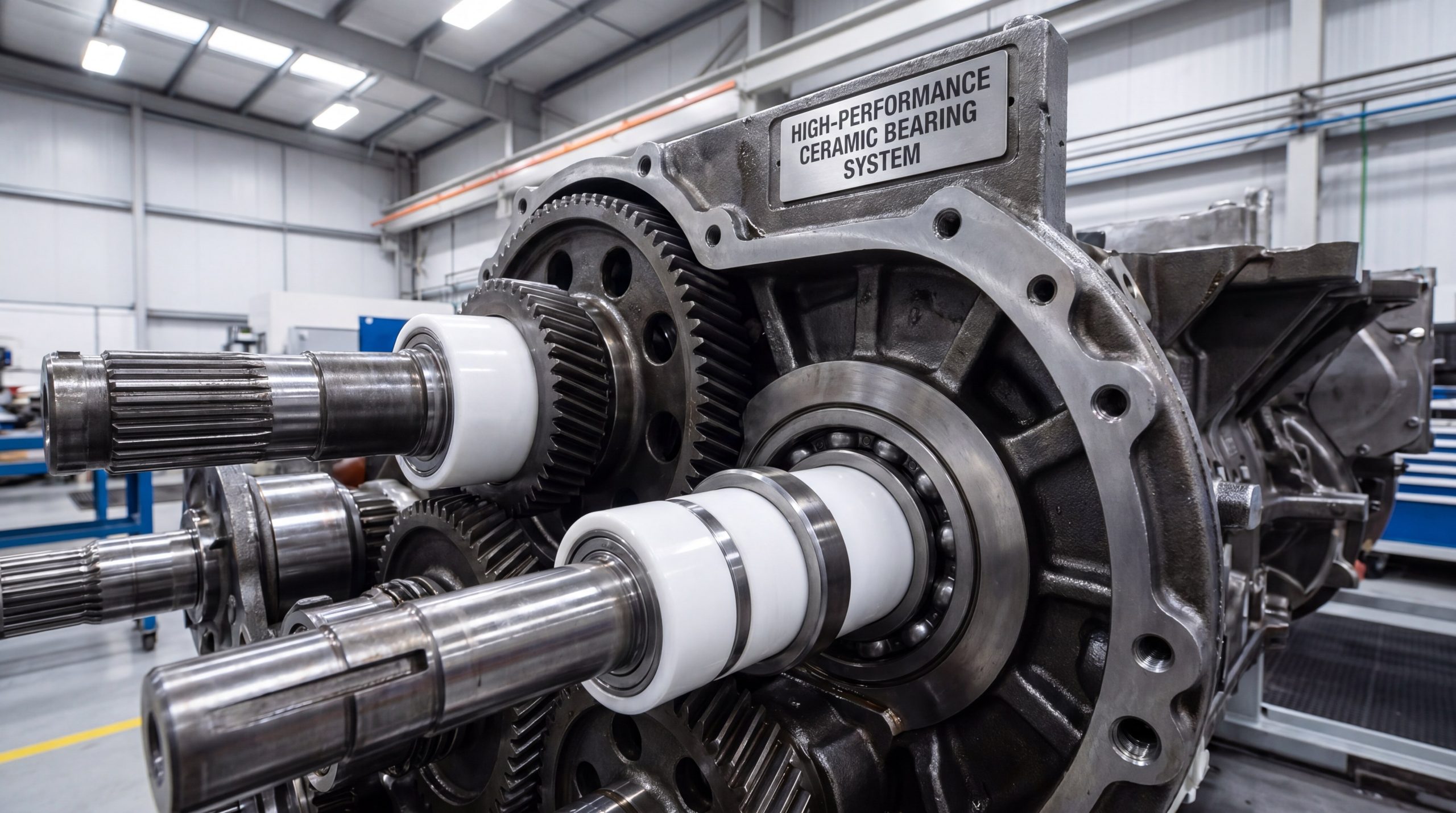
Zirconia Ceramic improves machinery performance by significantly reducing friction and increasing the wear resistance of rotating or sliding assemblies. In high-speed machinery, Zirconia Ceramic bearings offer a service life that far exceeds traditional steel alternatives. This material choice ensures tighter tolerances and reduces your overall maintenance overhead.
Are High-Toughness Bearings Better?
In your high-speed equipment, friction acts as the primary enemy of operational efficiency and part longevity. Zirconia bearings provide the hardness needed to resist surface scoring and heat buildup during continuous operation.
Here is the deal:
- Higher wear resistance than standard steel.
- Reduced need for frequent lubrication cycles.
- Extended service life for rotating components.
- Lower vibration levels at high RPMs.
Why Use Precision Valves for Fluid Control?
When you manage abrasive or high-pressure fluids, standard metal valves often leak or wear out prematurely. Zirconia valve balls and seats maintain their seal and dimensional accuracy even under constant mechanical stress.
The bottom line is:
- Permanent maintenance of seal integrity.
- High resistance to erosive fluid flow.
- Non-magnetic properties for sensitive systems.
- Smooth surface finish for reduced torque requirements.
Key Takeaway: Replacing metal wear parts with zirconia increases your machine’s uptime and ensures consistent precision across long production runs.
| Property | Zirconia Value | Alloy Steel Comparison | |
|---|---|---|---|
| Hardness (HV) | >1200 | 400 – 800 | |
| Flexural Strength | 900 – 1200 MPa | 500 – 1000 MPa | |
| Density | 6.0 g/cm³ | 7.8 g/cm³ |
Transitioning to ceramic components provides a significant boost in mechanical durability and reduces the weight of moving assemblies.
Where is Zirconia Ceramic Used in Electronics?
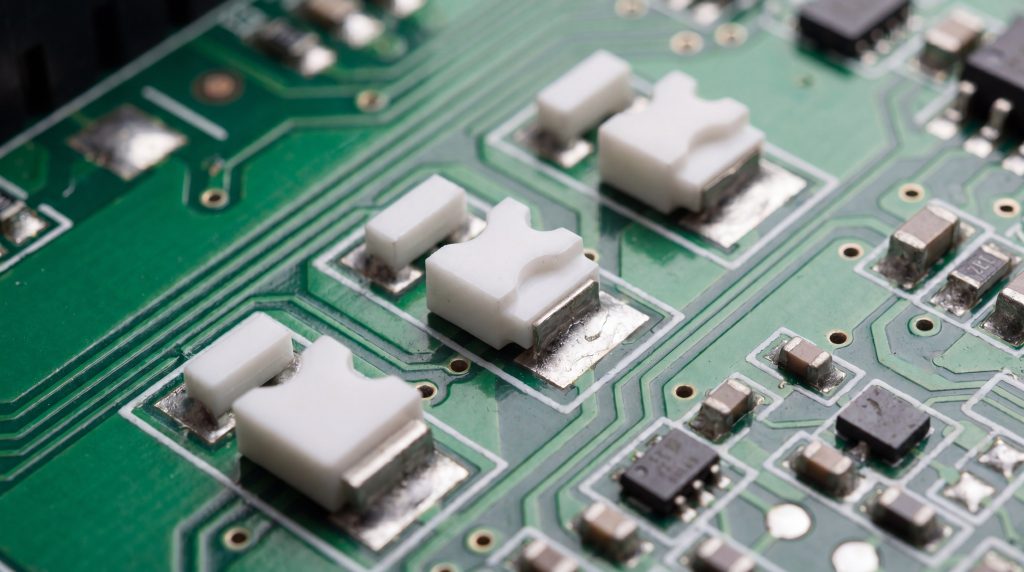
Zirconia Ceramic is found at the heart of modern sensing technology and energy storage systems. Its oxygen-ion conductivity at high temperatures makes it the ideal material for oxygen sensors and gas detection systems. By using Zirconia Ceramic components, you can obtain high-sensitivity data in real-time within automated industrial environments.
How Do Sensors Use This Material?
You will find that zirconia is essential for providing accurate feedback in combustion and environmental monitoring systems. Its unique electrical properties allow it to function effectively in extreme thermal conditions that would destroy silicon-based sensors.
Think about it:
- High sensitivity to oxygen concentration changes.
- Reliable performance in high-temperature zones.
- Minimal drift in sensor calibration over time.
- Compact design possibilities for advanced automation.
Can It Support Solid Fuel Cells?
As you explore sustainable energy solutions, zirconia serves as a critical solid electrolyte for fuel cell technology. Its high strength and ionic conductivity allow for the development of durable cells that operate efficiently for thousands of hours.
Wait, there is more:
- Superior ionic conductivity at high heat.
- Stable structural support for cell stacks.
- Resistance to thermal shock during startup.
- Long-term chemical stability in reactive cells.
Key Takeaway: Zirconia’s unique electrical and thermal properties enable you to build more sensitive and durable electronic control systems for industrial automation.
| Electronic Factor | Zirconia Characteristic | Impact on System | |
|---|---|---|---|
| Dielectric Constant | High (~25) | Efficient energy storage | |
| Ionic Conductivity | Temp-Dependent | Precise gas sensing | |
| Stability | High Thermal Resistance | Reliable automation |
The integration of these ceramics allows for more robust electronic designs that can survive the most punishing industrial environments.
Is Zirconia Ceramic the Best Choice for Medical Tools?
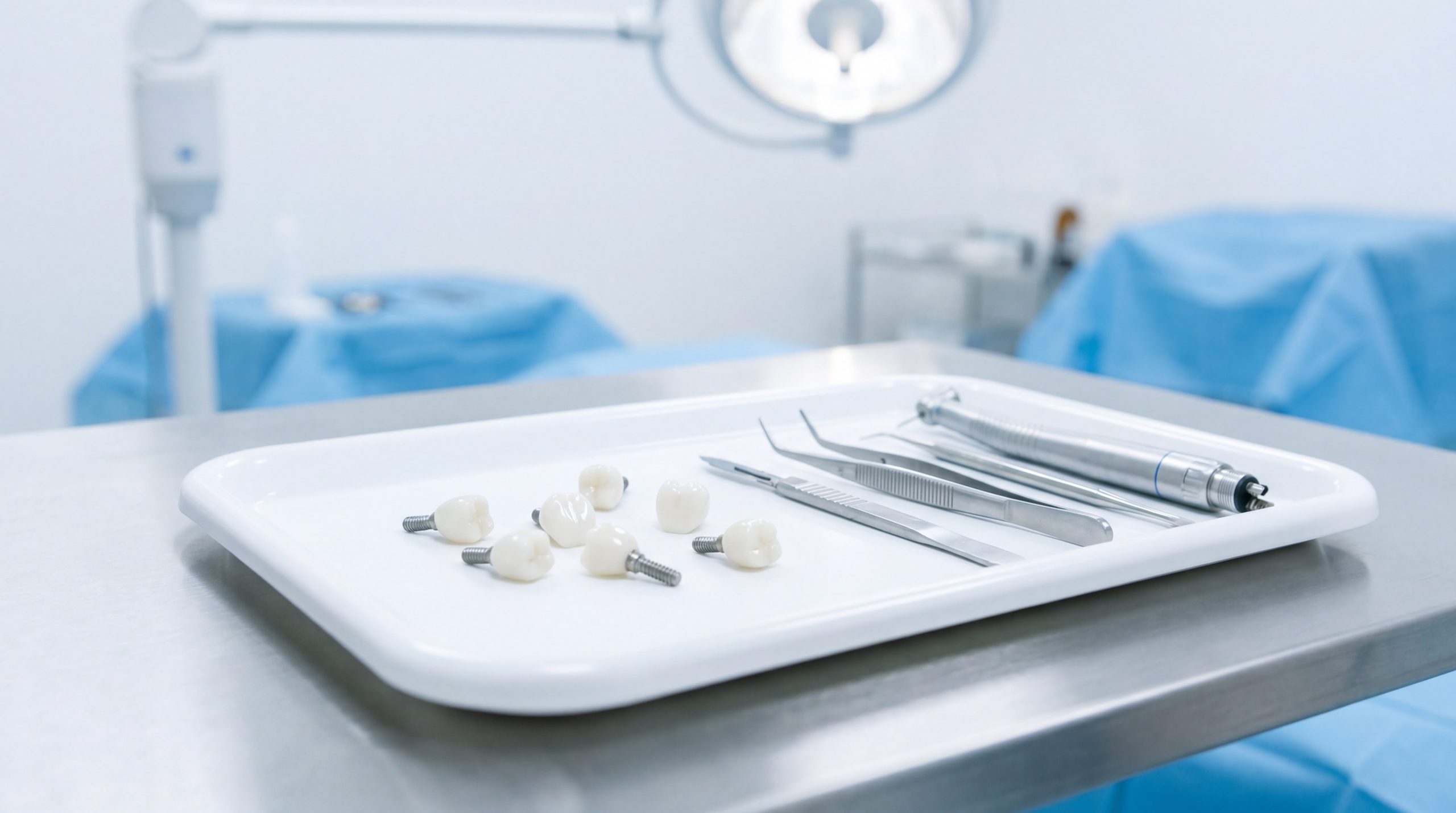
Zirconia Ceramic is the gold standard for medical applications due to its exceptional biocompatibility and high fracture toughness. In the dental field, Zirconia Ceramic is used for crowns and implants that perfectly mimic natural tooth structure. This material ensures that you can provide patients with safe, non-allergenic, and long-lasting restorative solutions.
Why Use Zirconia for Dental Restoration?
In your practice, you need materials that are both aesthetically pleasing and biologically safe for long-term patient health. Zirconia’s transparency and resistance to chipping make it superior to traditional porcelain-fused-to-metal options.
Here is the deal:
- Non-toxic and non-allergenic properties.
- High sintered density for extreme durability.
- Natural aesthetics for restorative dentistry.
- Resistant to bacterial accumulation and plaque.
Are Surgical Instruments More Precise?
When you require surgical tools that maintain a sharp edge without the risk of metallic corrosion, zirconia is the definitive answer. It provides the necessary hardness for scalpels while remaining completely non-magnetic for use near MRI equipment.
Think about it:
- Superior edge retention compared to steel.
- Stable under high-heat sterilization cycles.
- Non-magnetic for specialized operating rooms.
- Reduced friction during delicate tissue cutting.
Key Takeaway: The safety profile and mechanical strength of zirconia make it a superior alternative to metals in high-stakes medical and dental applications.
| Medical Benefit | Zirconia Performance | Patient Outcome | |
|---|---|---|---|
| Biocompatibility | Non-toxic | No adverse reactions | |
| Wear Resistance | High Sintered Density | Decades of service life | |
| Sterilization | Heat/Chemical Stable | Maximum hygiene safety |
Utilizing zirconia ensures that medical devices meet the highest standards of safety and mechanical reliability for critical patient care.
Can Zirconia Ceramic Enhance Automotive Efficiency?
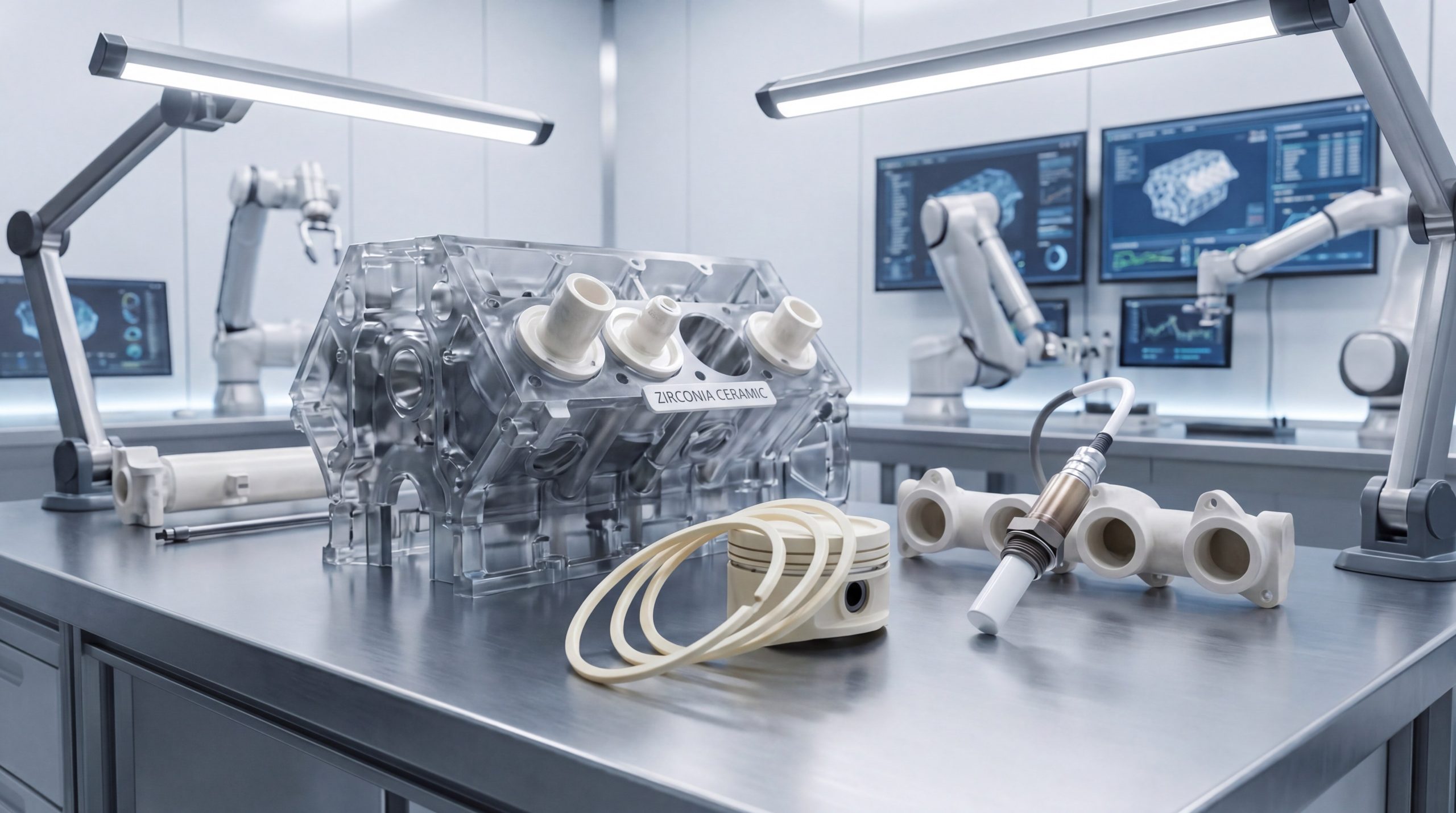
Zirconia Ceramic enhances automotive efficiency by optimizing combustion through advanced oxygen sensors and reducing internal engine friction. You can integrate Zirconia Ceramic piston rings and cylinder liners into existing designs to improve overall thermal control. These components allow your vehicle systems to meet stricter environmental regulations while maintaining peak performance.
How Do Oxygen Sensors Save Fuel?
You can optimize your engine’s combustion by utilizing zirconia-based components to detect oxygen levels in exhaust gases. This data allows the vehicle’s control unit to adjust fuel ratios instantly for maximum efficiency and lower emissions.
Wait, there is more:
- Real-time adjustment of air-to-fuel ratios.
- Significant reduction in harmful exhaust output.
- Durable operation in high-heat exhaust manifolds.
- Improved fuel economy across all driving cycles.
Can Engine Parts Reduce Thermal Loss?
Zirconia’s coefficient of thermal expansion is remarkably close to that of steel, allowing for seamless integration into high-heat engine zones. By using ceramic liners, you reduce heat loss through the engine block and increase total power output.
The bottom line is:
- Lower mass for improved power-to-weight.
- Superior thermal insulation within cylinders.
- Reduced friction on moving piston surfaces.
- Extended lifespan for critical engine cores.
Key Takeaway: Integrating zirconia into automotive designs helps you meet environmental goals while improving the mechanical efficiency of modern internal combustion engines.
| Component | Zirconia Role | Primary Result | |
|---|---|---|---|
| O2 Sensor | Gas detection | Lower fuel consumption | |
| Piston Ring | Friction reduction | Extended engine life | |
| Exhaust Valve | Heat resistance | Reduced emissions |
The thermal properties of zirconia allow engines to operate at higher efficiencies without the risk of traditional material failure.
Why is Zirconia Ceramic Ideal for Wear-Resistant Tools?
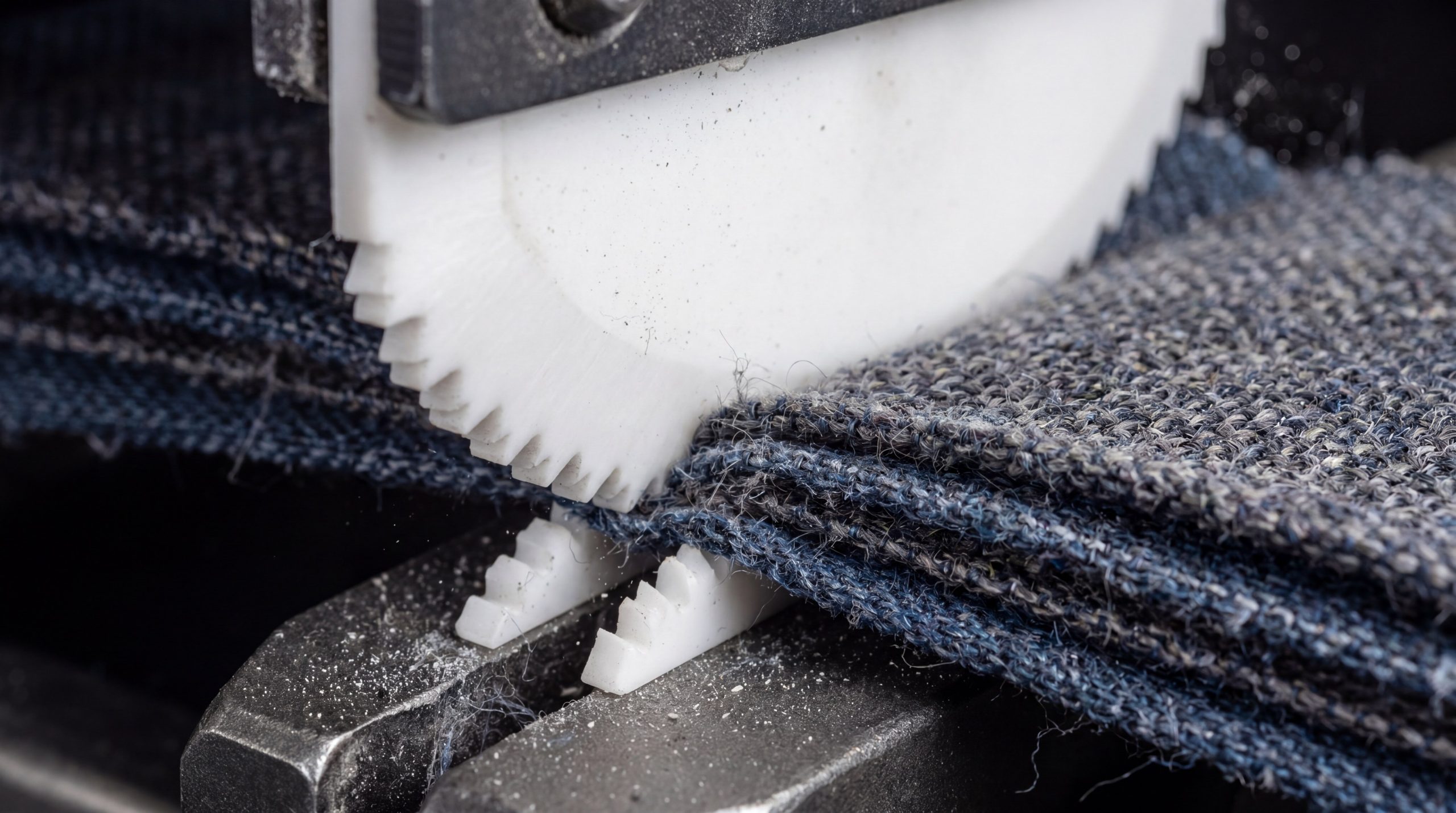
Zirconia Ceramic is ideal for tools because it stays sharp significantly longer than steel and resists the abrasive forces of industrial processing. For your textile or film cutting operations, Zirconia Ceramic blades provide cleaner cuts with fewer interruptions for tool replacement. This high hardness ensures that your production lines remain operational and profitable over longer cycles.
How Long Do Cutting Blades Last?
In your industrial cutting environment, standard metal blades often dull quickly under the stress of high-speed friction. Zirconia tools maintain their razor-sharp edge for extended periods, reducing the labor costs associated with frequent blade changes.
Here is the deal:
- 5x to 10x longer lifespan than steel.
- No metallic contamination of cut products.
- Superior resistance to abrasive materials.
- Clean, precise cuts throughout the cycle.
Can Nozzles Withstand High Pressure?
In the metallurgy and chemical industries, nozzles are often subjected to extreme abrasion from high-velocity particles. Zirconia sizing nozzles maintain their aperture diameter over time, ensuring your fluid flow remains consistent and predictable.
Think about it:
- Zero aperture widening during heavy use.
- High resistance to erosive particle flow.
- Chemically inert for use with slurries.
- Reliable performance in high-pressure sprays.
Key Takeaway: Investing in zirconia wear parts dramatically lowers your “cost-per-cycle” by extending tool life and reducing the downtime required for maintenance.
| Tool Type | Main Stress Factor | Lifecycle Improvement | |
|---|---|---|---|
| Slitter Blades | Abrasive Friction | 5x longer than steel | |
| Spray Nozzles | Erosive Flow | 3x longer than Alumina | |
| Grinding Media | High Impact | Minimal material loss |
Using these high-performance ceramics ensures that your tooling budget is spent effectively on components that outlast traditional materials.
How Does Zirconia Ceramic Benefit Aerospace Systems?
Zirconia Ceramic benefits aerospace systems by providing thermal barrier coatings that protect turbine blades from melting at extreme combustion temperatures. These Zirconia Ceramic solutions allow engines to run hotter, which directly increases thrust and fuel efficiency for your aircraft. Furthermore, the material’s high rigidity and radiation resistance make it perfect for lightweight structural parts in satellite applications.
Do Thermal Coatings Increase Engine Thrust?
In the aerospace sector, you need to protect sensitive engine parts from the intense heat generated during flight. Zirconia-based coatings provide the insulation necessary to push performance limits while maintaining the structural safety of the engine.
Wait, there is more:
- Plasma-sprayed layers for heat protection.
- Enhanced safety for high-temperature turbines.
- Significant increase in engine fuel efficiency.
- Protection against oxidation and corrosion.
Is Weight Reduction Critical for Satellites?
Every gram counts when you are launching hardware into orbit. By using ceramic structural brackets and insulators, you reduce the payload weight of satellites while maintaining the rigidity required for space missions.
The bottom line is:
- High rigidity with lower density than steel.
- Excellent resistance to cosmic radiation.
- Low thermal expansion for dimensional stability.
- Reliable performance in a vacuum environment.
Key Takeaway: Zirconia ceramic allows you to push the boundaries of aerospace engineering by providing lightweight, heat-resistant components that withstand extreme orbital environments.
| Metric | Zirconia Solution | Strategic Advantage | |
|---|---|---|---|
| Heat Protection | Barrier coatings | Enhanced engine safety | |
| Mass Reduction | Ceramic structures | Lower launch costs | |
| Reliability | Low expansion | Dimensional stability |
Advanced aerospace engineering relies on these ceramics to maintain structural integrity in the most punishing environments known to man.
Can Zirconia Ceramic Handle Corrosive Fluid Pumping?
Zirconia Ceramic is designed to handle corrosive fluids and abrasive slurries without the pitting and scoring that destroys metal components. When your pumps handle mining waste or aggressive chemicals, Zirconia Ceramic plungers and liners prevent leaks and protect your seals from premature wear. This material choice ensures your pumping systems remain operational where metals typically fail within weeks.
Why Use Ceramic Plungers and Pistons?
Metal plungers often fail due to surface scoring when handling abrasive fluids. Zirconia plungers offer a mirror-like finish and incredible hardness, which prevents leaks and significantly extends the life of your pump seals.
Here is the deal:
- Mirror-smooth surface for seal protection.
- Extreme resistance to chemical pitting.
- Hardness rating of HV1200+ for longevity.
- Reliable performance in high-pressure cycles.
Can It Survive Mining Slurry Impact?
In mining or wastewater treatment, your pump components are under constant attack from suspended solids. Zirconia’s high fracture toughness ensures that your pump liners and impellers don’t crack under high-velocity particle impact.
Think about it:
- High fracture toughness prevents cracking.
- Zero-porosity surface prevents fluid absorption.
- High thermal shock resistance for varied flows.
- Significant reduction in maintenance intervals.
Key Takeaway: Moving to zirconia fluid-handling parts ensures your pumping systems remain operational in abrasive environments where metals typically fail quickly.
| Component | Common Failure | Zirconia Solution | |
|---|---|---|---|
| Pump Piston | Surface scoring | HV1200+ hardness | |
| Seal Ring | Thermal cracking | High shock resistance | |
| Valve Seat | Erosion/Leaking | Zero-porosity surface |
Using zirconia for fluid management turns your most problematic maintenance areas into reliable, long-term assets for your operation.
What Are the Future Trends for Zirconia Ceramic?
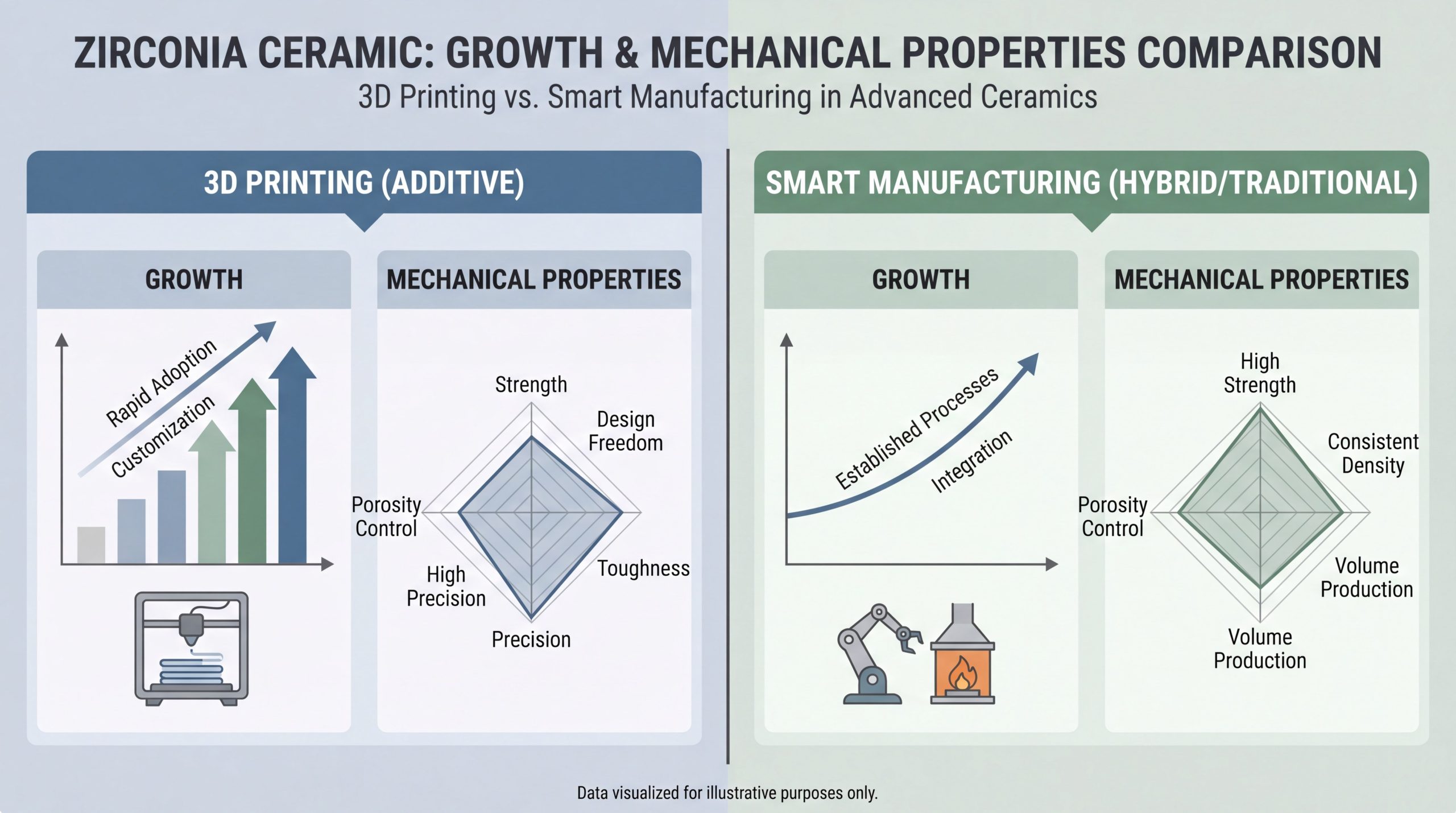
The future of Zirconia Ceramic is shifting toward additive manufacturing and smart components with integrated health monitoring. This technology allows you to design complex structural parts with internal cooling channels that were previously impossible to machine. By partnering with an innovative specialist like ZrBrontec , you can leverage these next-generation materials to stay ahead of your competitors.
Is 3D Printing the Next Step?
Additive manufacturing is revolutionizing the technical ceramic industry. You can now create bio-mimetic structures and intricate industrial parts without the high cost of traditional tooling or molding.
Wait, there is more:
- Complete freedom for complex geometries.
- Rapid prototyping of functional ceramic parts.
- Reduction in material waste during production.
- Optimized internal structures for thermal flow.
Will “Smart” Ceramics Monitor Themselves?
Future developments will allow you to use Zirconia Ceramic components that can monitor their own structural health. These parts can alert you to stress or temperature spikes before a failure occurs, enabling proactive maintenance strategies.
The bottom line is:
- Real-time monitoring of part integrity.
- Early detection of mechanical stress.
- Integration with industrial IoT systems.
- Infinite component lifespan through self-healing.
Key Takeaway: Staying ahead of these trends ensures you are ready for the next generation of industrial manufacturing and complex engineering challenges.
| Technology | Current Status | Expected Impact | |
|---|---|---|---|
| 3D Printing | Emerging | Design freedom | |
| Nano-Zirconia | R&D Stage | Ultra-high strength | |
| Smart Ceramics | Concept | Proactive maintenance |
The evolution of ceramic manufacturing is opening new doors for engineers to solve problems that were once considered insurmountable.
How to Select the Right Zirconia Ceramic Material?
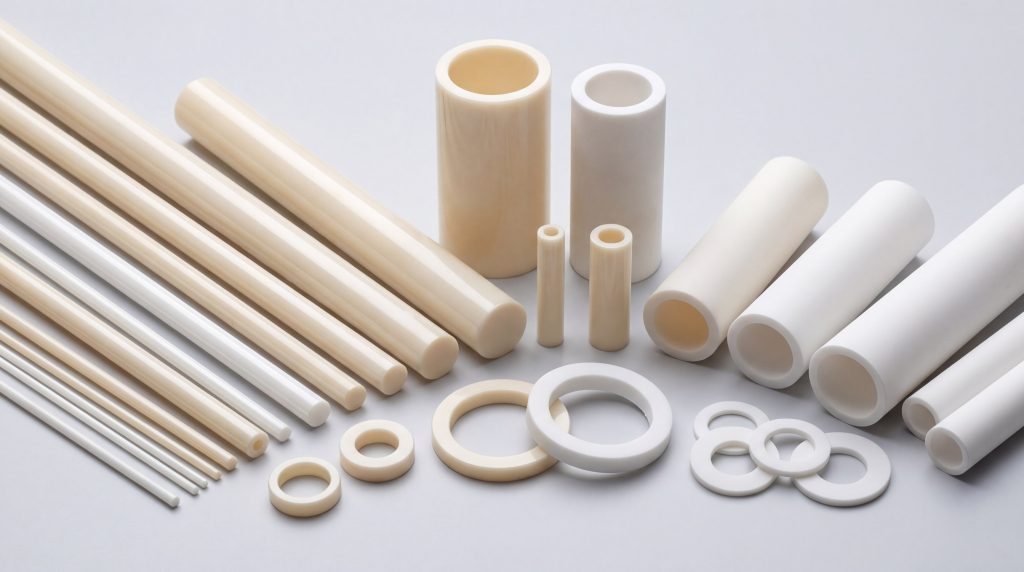
Selecting the right material requires comparing different stabilization grades to match the specific stresses of your application. For most structural needs, Zirconia Ceramic in the 3Y-TZP grade offers the best balance of toughness and strength. It is essential to choose a partner that provides full material traceability to ensure that your parts perform reliably in the field.
Which Stabilization Grade Do You Need?
Not all zirconia is the same. While 3Y-TZP is excellent for high strength, you may need Magnesia-stabilized grades for environments involving extremely high temperatures to prevent structural phase transformation.
Here is the deal:
- 3Y-TZP for maximum fracture toughness.
- Magnesia-stabilized for high-temp stability.
- Ceria-stabilized for superior thermal shock.
- Precise grade matching for specific workflows.
Why is Supplier Integration Important?
When you source structural parts, you must ensure your supplier has control over the entire production chain. Selecting a partner that produces their own powder ensures that the batch-to-batch consistency of your parts is guaranteed.
Think about it:
- Full traceability from raw ore to part.
- Consistent sintering behavior every time.
- Guaranteed purity of the chemical composition.
- Technical support from material scientists.
Key Takeaway: Selecting the correct grade and a vertically integrated partner is essential to ensure your zirconia parts perform reliably under stress.
| Selection Factor | Priority Level | Critical Reason | |
|---|---|---|---|
| Phase Purity | High | Prevents structural cracking | |
| Sintered Density | Critical | Determines wear resistance | |
| PSD Control | High | Ensures consistent shrinkage |
By focusing on these core parameters, you can secure high-performance ceramic components that provide a measurable return on investment.
Frequently Asked Questions
Can I customize the geometry of zirconia ceramic parts?Yes, you can easily produce complex geometries through CNC machining and Ceramic Injection Molding (CIM) to match your exact engineering drawings. These methods allow for high precision in even the most intricate designs.
What’s the best way to clean zirconia ceramic components?Since zirconia is chemically inert, you can safely use most industrial solvents, strong acids, or ultrasonic cleaning methods. The material’s surface integrity will not be damaged by these standard industrial cleaning protocols.
How do I know if zirconia ceramic is better than alumina?If your application involves high impact or requires high fracture toughness, zirconia is the better choice. Alumina is often harder and more cost-effective, but it is significantly more brittle and prone to cracking under mechanical stress.
Can I use zirconia ceramic in cryogenic temperatures?Yes, you can utilize zirconia in extreme cold because it maintains its structural properties without becoming brittle at cryogenic temperatures. This makes it a preferred material for specialized laboratory and space exploration applications.
What’s the best grade for high-impact use?Yttria-stabilized zirconia (3Y-TZP) is the best grade for high-impact structural applications due to its unique transformation toughening mechanism. This atomic-level process actively inhibits crack propagation to prevent part failure.
Elevate Your Engineering Standards
At ZrBrontec, we believe that material stability is the foundation of industrial success. Our vertically integrated production ensures that every component you receive meets the highest standards of precision and durability. Contact us today to discuss your specific application and discover how high-performance zirconia can transform your operational efficiency. Together, we can build a future defined by unbreakable reliability and uncompromising quality.