
Zirconia Ceramic is a high-performance material valued for its extreme hardness, thermal stability, and chemical resistance in demanding industrial environments. You may notice that standard engineering components often fail prematurely when subjected to intense mechanical stress or corrosive agents. These frequent failures lead to expensive downtime and significantly reduced production efficiency in your facility. Fortunately, integrating advanced zirconia solutions allows you to overcome these limitations by utilizing the material’s unique “ceramic steel” properties.
Why Is Hardness Critical for Zirconia Ceramic?
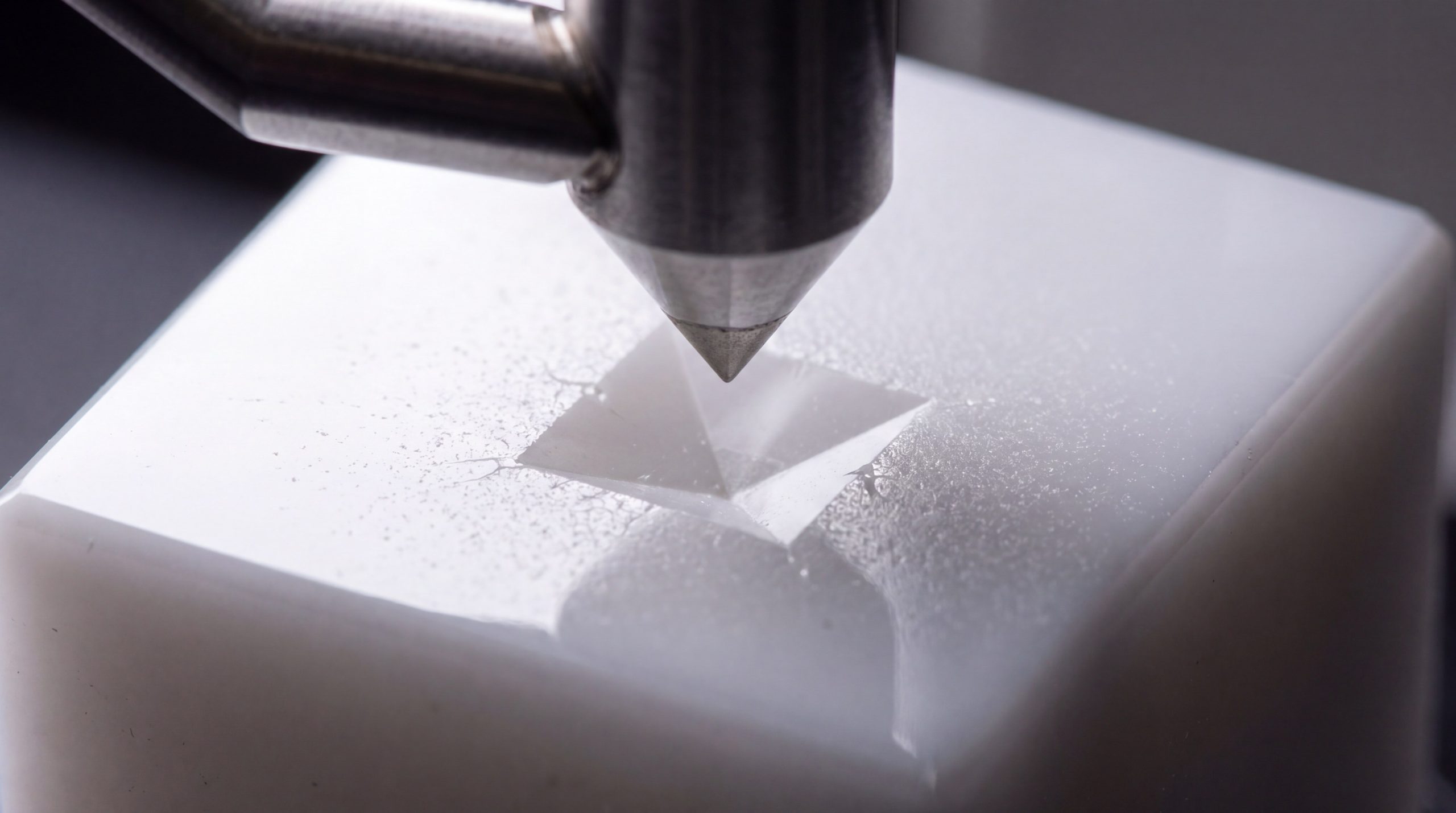
Hardness is critical for Zirconia Ceramic because it ensures dimensional stability and resistance to surface deformation under extreme mechanical loads. You can rely on its high Vickers hardness to prevent scratches and wear in precision assemblies. This property makes the material indispensable for tools that must maintain sharp edges or exact tolerances over long periods.
What is the Mohs hardness of zirconia ceramic?
The material typically registers above 7.5 on the Mohs scale, with specialized grades reaching even higher. Think about this:
- It effectively resists mechanical abrasion from most industrial particulates.
- The crystal structure prevents surface pitting during high-pressure contact.
- You gain a surface that remains pristine even in sandy or gritty environments.
How does it compare to industrial diamond?
While diamond is harder, zirconia offers superior fracture toughness that prevents the brittle failures common in other ultra-hard materials. Here is the deal:
- Zirconia absorbs energy through a transformation toughening mechanism.
- It provides a more cost-effective solution for large-scale industrial wear plates.
- You get the benefit of extreme hardness without the risk of shattering.
Key Takeaway: Zirconia’s hardness provides the foundation for its exceptional durability in mechanical applications.
| Feature | Zirconia Ceramic | Industrial Diamond | |
|---|---|---|---|
| Mohs Hardness | 7.5 – 9.0 | 10 | |
| Fracture Toughness | High (Transformation Toughened) | Very Low (Brittle) | |
| Impact Resistance | Excellent | Poor |
The comparison shows that while diamond leads in pure hardness, zirconia provides the necessary toughness for heavy-duty industrial use.
Does Zirconia Ceramic Have a High Melting Point?
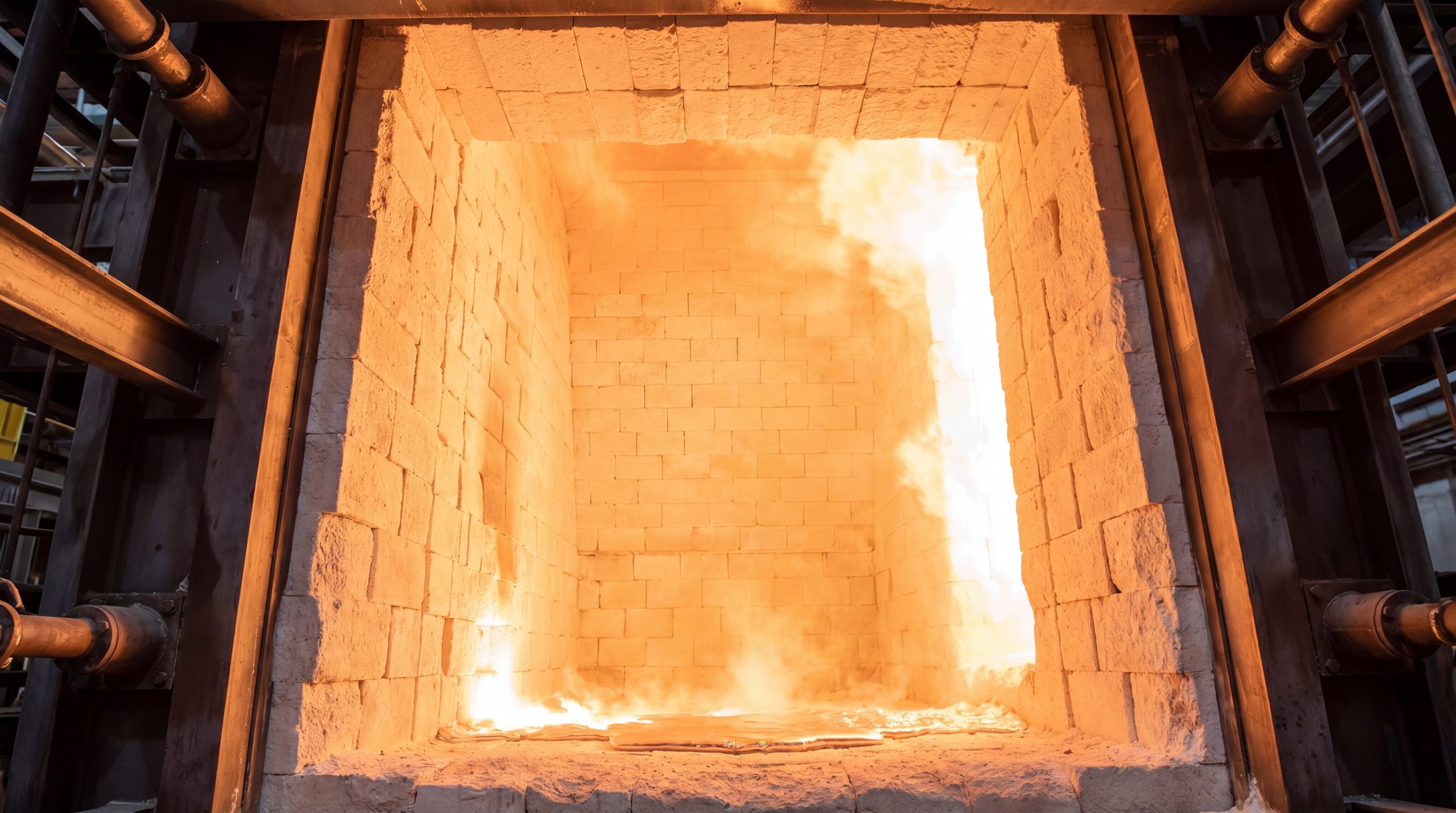
Zirconia Ceramic features an exceptionally high melting point of approximately 2,715 °C, allowing it to remain structurally sound in extreme heat. You will find that this thermal stability surpasses most metals and many other technical ceramics. By choosing high-purity zirconia materials , you ensure that your high-temperature processes are not interrupted by material degradation.
Can it withstand extreme refractory heat?
You can use this material in the most intense furnace environments without fearing structural collapse. It is quite simple:
- It resists melting even when in direct contact with molten metals.
- The material maintains its shape during rapid thermal cycling.
- You can utilize it as a reliable shield for sensitive heating elements.
What is the melting point of zirconia ceramic?
The stable melting point of 2,715 °C makes it a premier choice for specialized refractory bricks. Best of all:
- It prevents the contamination of molten glass or precious metals.
- The high-purity composition ensures no phase changes occur at standard operating heats.
- You benefit from a material that acts as a permanent thermal barrier.
Key Takeaway: High melting points allow zirconia to function as a primary refractory material in metallurgy and glassmaking.
| Property | Zirconia Value | Industrial Application | |
|---|---|---|---|
| Melting Temperature | ~2,715 °C | Furnace linings and crucibles | |
| Thermal Stability | Excellent | High-heat metallurgical cycles | |
| Phase Integrity | Controlled via Stabilizers | Long-term refractory life |
Zirconia’s extreme thermal thresholds make it the ideal candidate for environments where other materials would liquefy.
How Is Zirconia Ceramic Thermal Conductivity Unique?
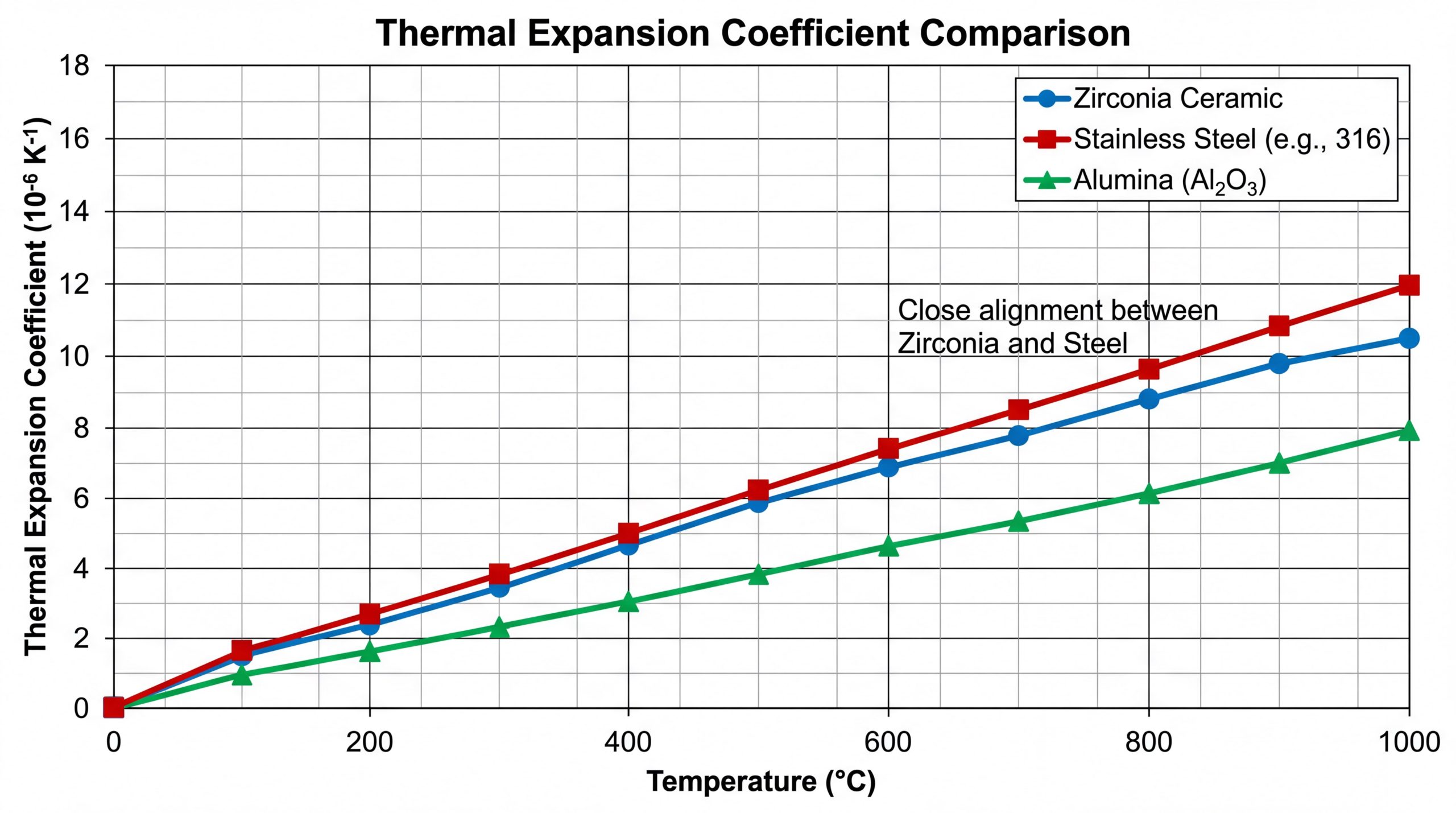
Zirconia Ceramic is unique because it combines very low thermal conductivity with a coefficient of expansion that matches steel. You can utilize it as a powerful insulator while maintaining a perfect mechanical fit with metallic housings. This dual capability prevents the cracking that usually occurs when ceramics and metals are joined in high-heat systems.
Why is its thermal expansion similar to metal?
This specific property allows you to design ceramic-to-metal assemblies that expand and contract in unison. Consider this:
- It eliminates the internal stresses that typically shatter ceramic inserts.
- You can press-fit zirconia parts into steel sleeves with high confidence.
- The alignment prevents leaks in seals during temperature fluctuations.
Does low conductivity prevent thermal shock?
While low conductivity usually poses risks, the stabilized structure of zirconia manages heat gradients remarkably well. Believe it or not:
- It acts as a barrier that protects sensitive electronics from external heat.
- The material localizes heat, which is vital for engine efficiency.
- You can handle high-temperature fluids without heating the exterior of your equipment.
Key Takeaway: The thermal expansion match with steel is the primary reason zirconia is used in mechanical engine components.
| Comparison | Zirconia Ceramic | Alumina | Stainless Steel | |
|---|---|---|---|---|
| Thermal Expansion | ~10.5 (similar to steel) | ~8.0 | ~11.0 – 16.0 | |
| Thermal Conductivity | ~2.0 W/(m·K) | ~30 W/(m·K) | ~15 W/(m·K) |
The table highlights how zirconia bridges the gap between traditional ceramic insulation and metallic expansion properties.
When Does Zirconia Ceramic Become Conductive?
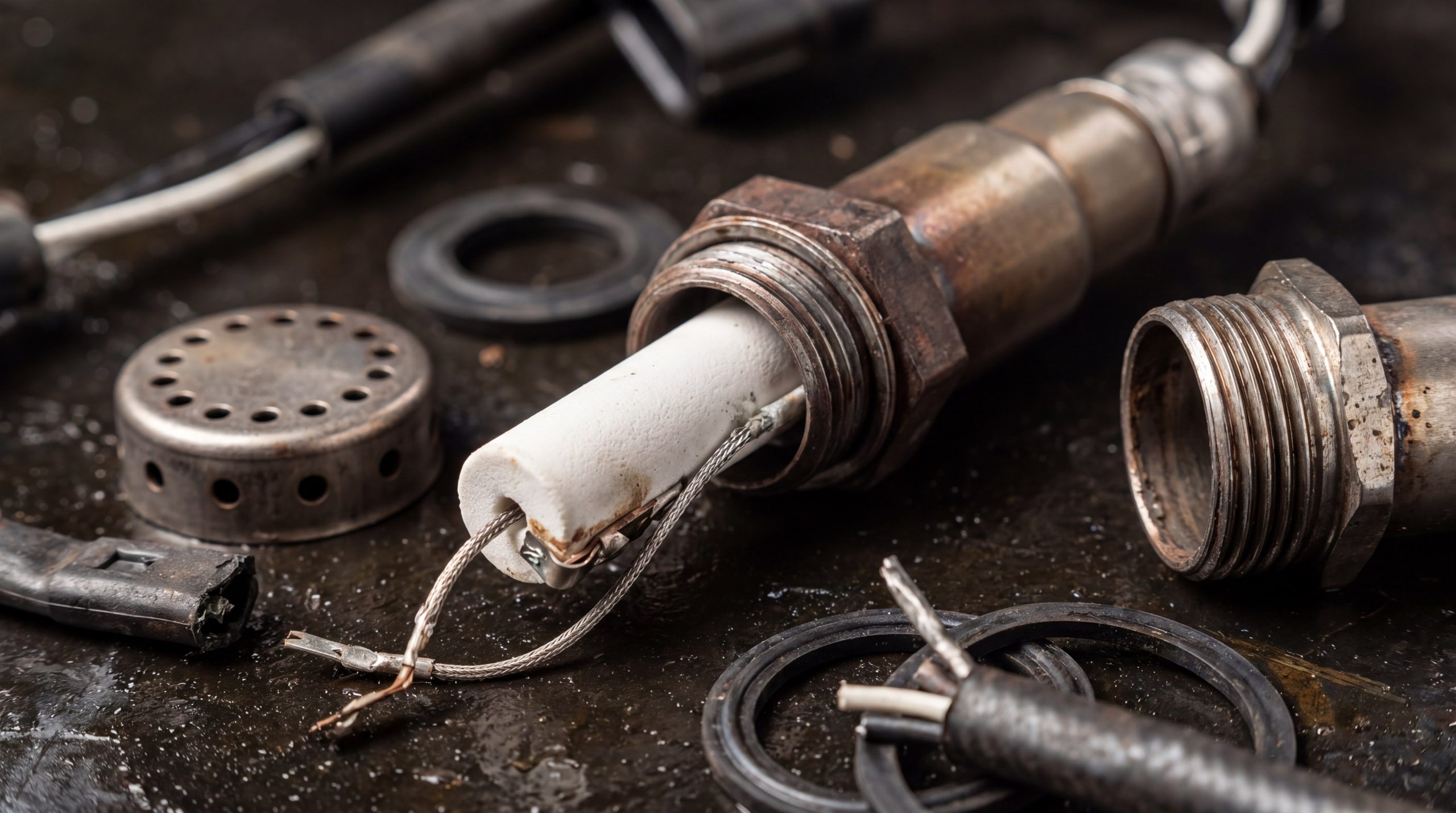
Zirconia Ceramic undergoes a transition from an electrical insulator to an ion conductor when exposed to high temperatures. You will observe that it blocks electricity perfectly at room temperature, making it a reliable dielectric. However, in automotive and energy sectors, you can leverage its high-temperature conductivity for engineered components like oxygen sensors.
Is zirconia ceramic an electrical insulator?
At ambient temperatures, the material provides excellent resistivity to prevent electrical leakage. You should know:
- It serves as a high-performance substrate for electronics.
- The dielectric strength protects components from high-voltage surges.
- You can use it in precision sensors that require absolute signal isolation.
How do oxygen sensors use its conductivity?
Once heated, the crystal lattice allows oxygen ions to pass through, creating a measurable electrical signal. Look at this:
- It measures the oxygen differential between exhaust and ambient air.
- The material facilitates real-time fuel-to-air ratio adjustments in engines.
- You benefit from lower emissions and improved fuel economy.
Key Takeaway: Zirconia’s unique electrical transition makes it the gold standard for high-temperature gas sensing.
| State | Electrical Behavior | Common Use Case | |
|---|---|---|---|
| Room Temperature | High-Performance Insulator | Electronic substrates and spacers | |
| High Temperature | Ionic Conductor | Lambda (Oxygen) sensors | |
| Intermediate | Variable Dielectric | Specialized industrial sensors |
This transition is the functional heart of modern automotive emission control systems worldwide.
Why Is Zirconia Ceramic Used for Dental Implants?
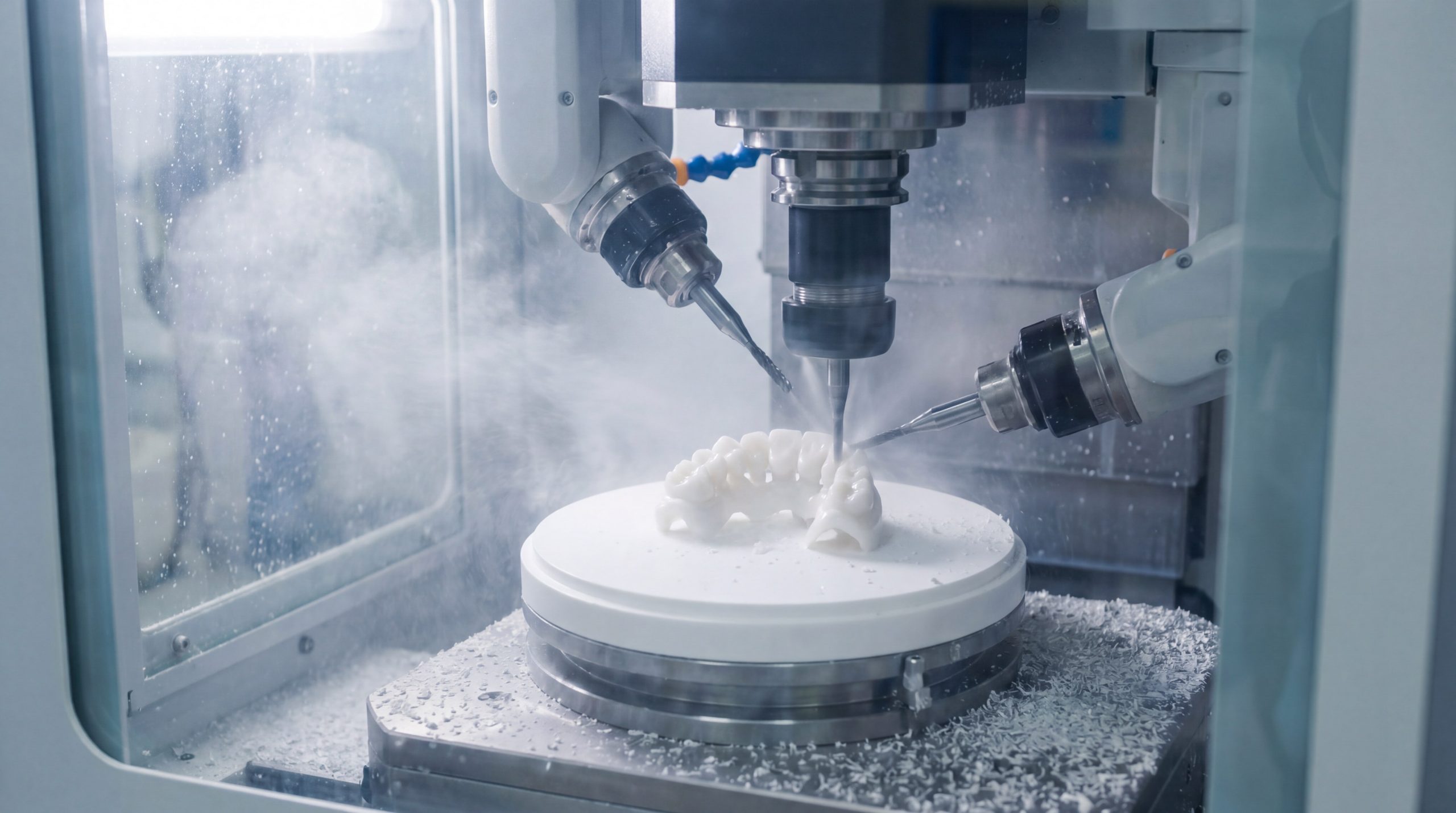
Zirconia Ceramic is the preferred material for dental implants because it is completely biocompatible and mimics the natural look of teeth. You can provide patients with crowns and bridges that are as strong as metal but far more aesthetic. Its resistance to biological corrosion ensures that the implants remain functional and safe for a lifetime.
What makes it biocompatible for implants?
The material is chemically inert, meaning it will not react with your patient’s oral tissues or blood. Think about this:
- It prevents the dark gum line discoloration associated with metal alloys.
- The smooth surface inhibits the accumulation of dental plaque.
- You eliminate the risk of allergic reactions to titanium or nickel.
How precise is CAD/CAM milling for zirconia?
Modern milling technology allows you to carve zirconia blocks into highly complex tooth shapes with micron-level accuracy. It is very straightforward:
- Pre-sintered blocks are soft enough for rapid, precise machining.
- Final sintering provides the ultimate strength and translucency.
- You achieve a perfect fit that reduces chair time for the patient.
Key Takeaway: Biocompatibility and CAD/CAM compatibility make zirconia the ultimate choice for modern restorative dentistry.
| Benefit | Zirconia Ceramic | Traditional Metal-Ceramic | |
|---|---|---|---|
| Aesthetics | Natural Translucency | Opaque with Metal Shadow | |
| Tissue Health | High Biocompatibility | Potential for Inflammation | |
| Durability | Extremely High | Risk of Porcelain Chipping |
The data confirms that zirconia offers a superior balance of strength and biological safety for dental procedures.
How Does Zirconia Ceramic Benefit Aerospace?
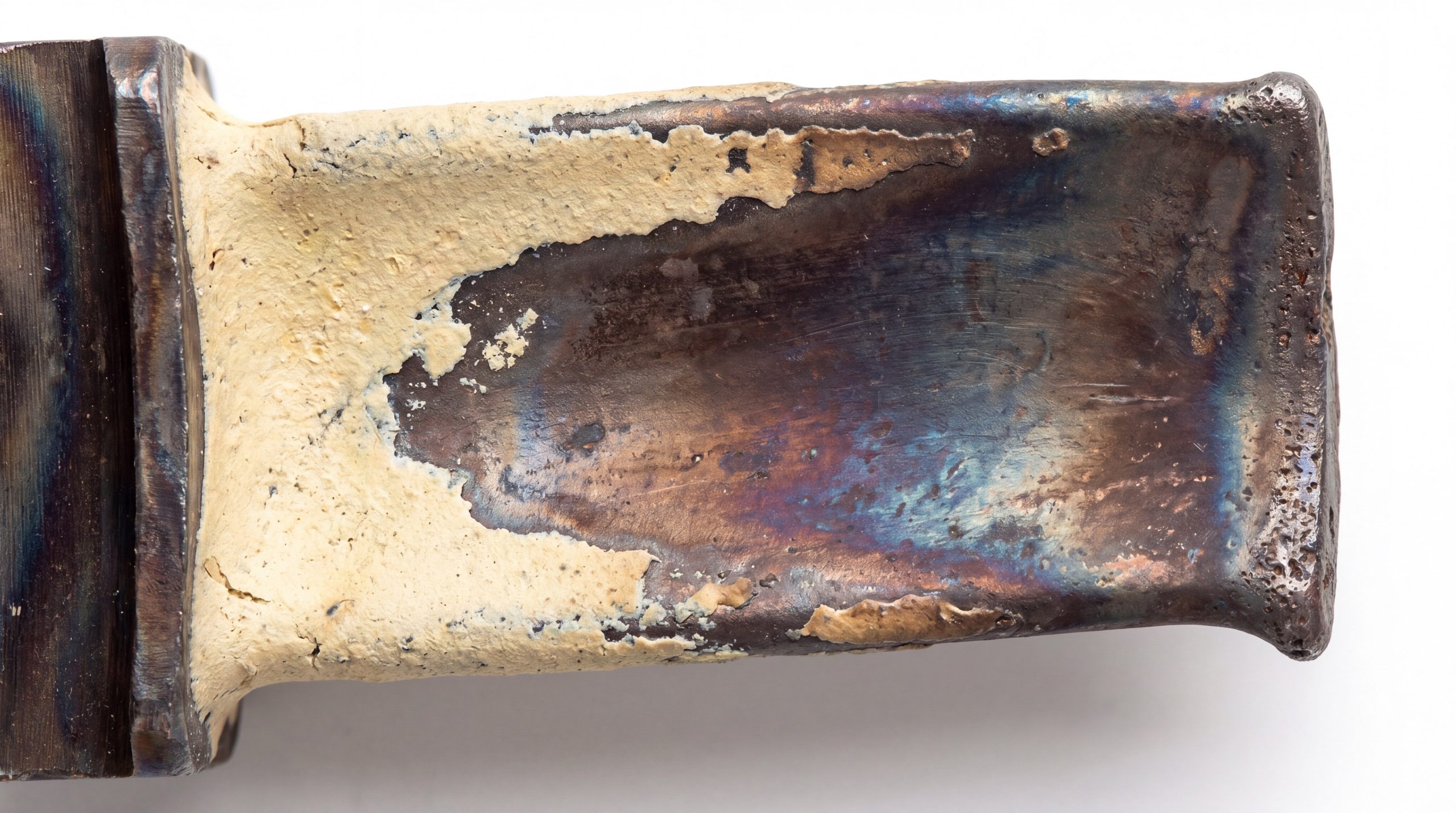
Aerospace engineers use Zirconia Ceramic primarily as a thermal barrier coating to protect engine components from catastrophic heat. You can increase the operating temperature of a jet engine far beyond the melting point of its metal turbine blades by using this material. This innovation allows you to achieve higher fuel efficiency and greater thrust. By applying Zirconia Ceramic layers, you extend the service life of critical flight hardware.
What are thermal barrier coatings?
These are thin ceramic layers sprayed onto the surfaces of metal alloy components. The secret is:
- They create a massive temperature gradient over a very small thickness.
- The coating prevents the underlying metal from softening or oxidizing.
- You can run engines hotter to extract more energy from the fuel.
Can it survive jet engine combustion zones?
Yes, the material is designed to withstand the violent, corrosive environment inside a turbine. Here is the deal:
- It resists the abrasive force of high-speed exhaust gases.
- The material remains stable despite rapid acceleration and deceleration.
- You reduce the maintenance frequency of expensive propulsion systems.
Key Takeaway: Zirconia thermal barriers are essential for the efficiency and safety of modern high-bypass jet engines.
| Component | Role of Zirconia | Resulting Benefit | |
|---|---|---|---|
| Turbine Blades | Thermal Barrier Coating | 100°C+ increase in operating temp | |
| Combustion Liner | Insulating Shield | Enhanced durability of outer casing | |
| Nozzle Guide Vanes | Heat Resistance | Precise airflow control at high heat |
Zirconia enables aerospace systems to push the boundaries of physics by managing heat that would destroy metals.
Can Zirconia Ceramic Improve Wear Components?
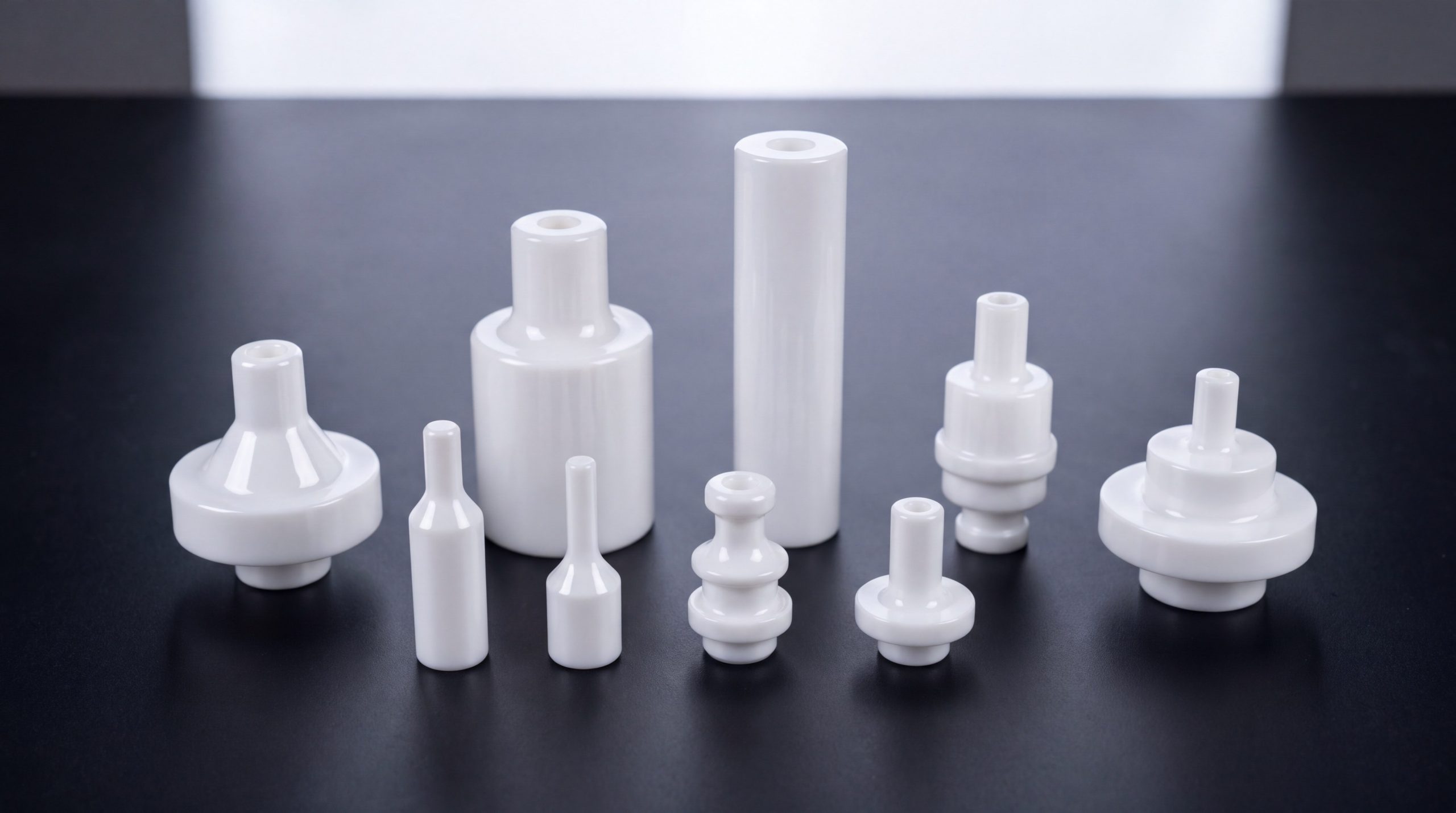
Zirconia Ceramic dramatically improves the lifespan of wear components by reducing friction and resisting mechanical abrasion. You can replace traditional steel plungers, valves, and liners with zirconia to achieve up to ten times the service life. This upgrade directly reduces your operational costs by minimizing the need for replacement parts and labor.
How do ceramic liners reduce industrial friction?
The ultra-smooth surface finish of polished zirconia allows moving parts to glide with minimal resistance. Take a look:
- Polished surfaces reach a mirror finish that steel cannot maintain.
- Reduced friction leads to lower energy consumption for your pumps.
- You eliminate the “galling” effect common in metal-on-metal contact.
Are zirconia pump components more durable?
Because they do not corrode or wear down like metal, these parts handle aggressive slurries with ease. It is quite simple:
- The material is immune to the abrasive particles in mining fluids.
- It maintains high-pressure seals much longer than plastic or metal.
- You avoid the catastrophic failures caused by sudden seal erosion.
Key Takeaway: Switching to zirconia wear parts provides a significant return on investment through reduced maintenance.
| Part Type | Metal Lifespan | Zirconia Lifespan | |
|---|---|---|---|
| Pump Plunger | 3 – 6 Months | 36+ Months | |
| Valve Seat | 2 Months | 18+ Months | |
| Bushing | 4 Months | 24+ Months |
The lifespan extension demonstrates why zirconia is the preferred material for high-uptime manufacturing environments.
Is Zirconia Ceramic Resistant to Chemicals?
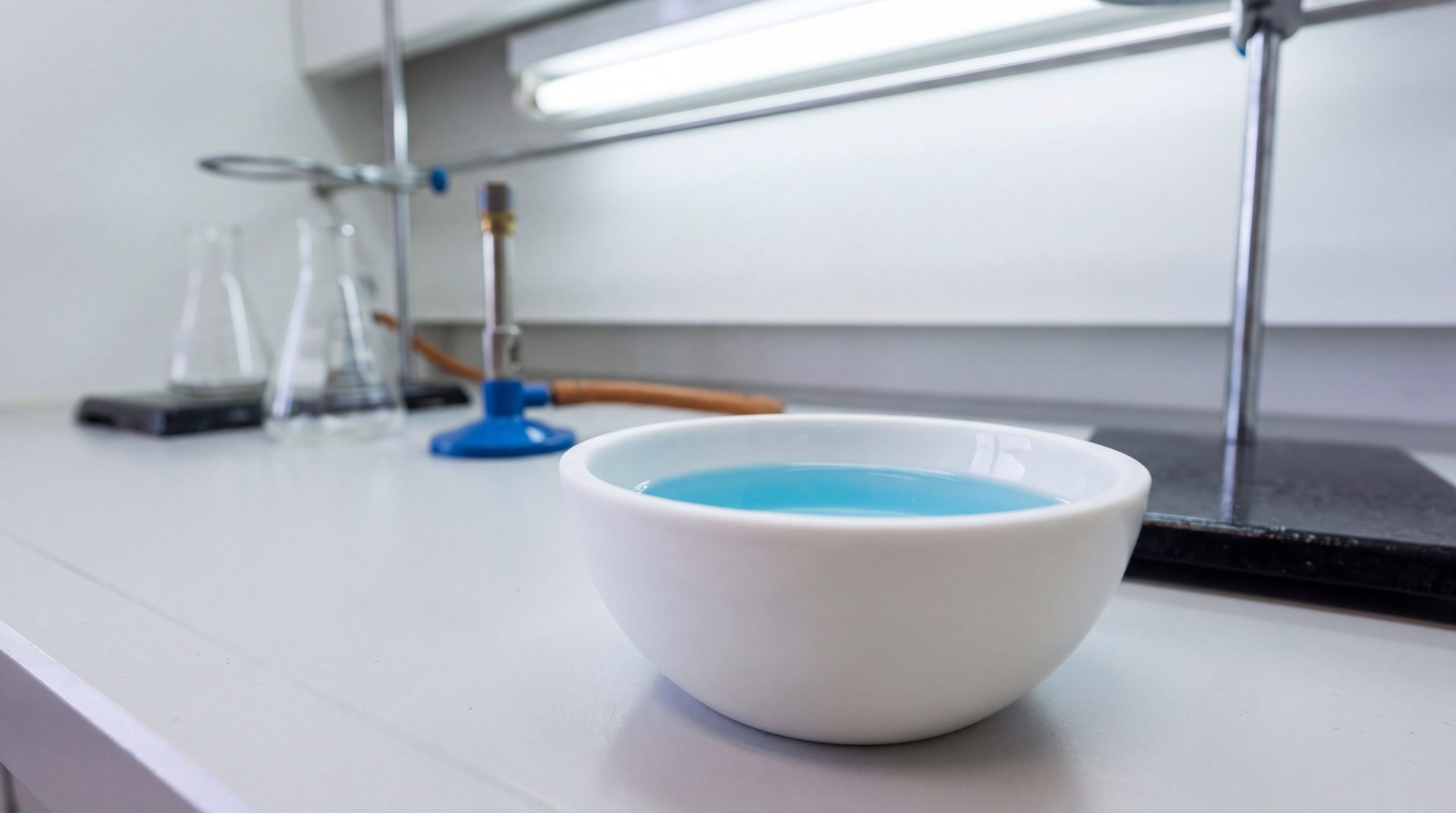
Zirconia Ceramic is highly resistant to chemicals, maintaining its integrity in both acidic and alkaline environments. You can use it in chemical processing without worrying about the material leaching impurities into your products. Utilizing specialized Zirconia Ceramic grades ensures that your labware and industrial reactors remain contamination-free during harsh reactions.
Does it resist acid and alkali corrosion?
The material remains insoluble and unreactive across a wide pH range. Think about this:
- It withstands exposure to dilute sulfuric and hydrochloric acids.
- The surface does not degrade when cleaned with caustic alkalis.
- You get a material that keeps your chemical processes pure.
Is it stable in investment casting slurries?
Zirconia is the material of choice for precision casting molds because it does not react with molten metals. Here is the deal:
- It prevents the metal from sticking to the mold during solidification.
- The chemical stability ensures a superior surface finish on the final part.
- You avoid the defects caused by mold-metal chemical interactions.
Key Takeaway: Chemical inertness makes zirconia a safe and reliable choice for high-purity processing and casting.
| Environment | Chemical Compatibility | Industrial Application | |
|---|---|---|---|
| Acidic Solutions | High Resistance | Chemical pump liners and valves | |
| Alkaline Solutions | High Resistance | Lab equipment and cleaning tanks | |
| Molten Metals | Non-Reactive | Precision casting and crucibles |
Zirconia acts as a chemically neutral barrier, protecting your product quality in the harshest processing conditions.
Why Use Zirconia Ceramic in Electronics?
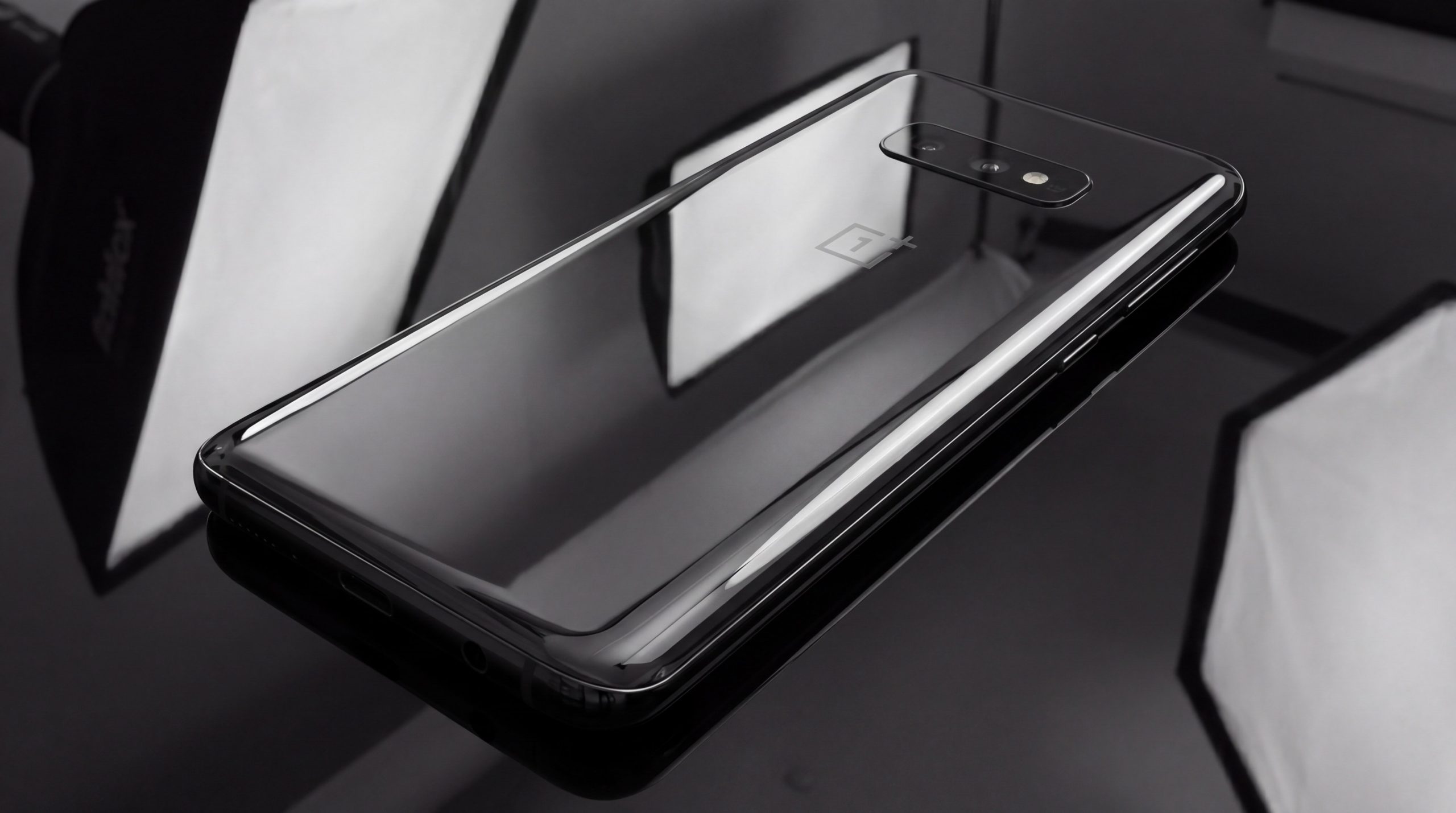
Zirconia Ceramic is used in electronics for its scratch resistance and “radio-transparent” properties. You can enjoy a premium smartphone or wearable device that stays looking new while maintaining perfect wireless connectivity. Unlike metal casings, zirconia does not block internal antennas, allowing you to experience uninterrupted 5G and Wi-Fi signals.
Why choose ceramic for phone back panels?
It provides a glossy, premium feel that is nearly impossible to scratch with keys or sand. Look at this:
- The material is significantly tougher and more crack-resistant than glass.
- It offers a unique depth of color that enhances product design.
- You get a device that maintains its resale value over time.
Does it interfere with 5G signal transmission?
Because it is a non-conductive ceramic, electromagnetic waves pass through it without signal loss. Believe it or not:
- You no longer need visible “antenna lines” on your device.
- The material supports faster data speeds through better signal clarity.
- You benefit from more reliable Bluetooth and wireless charging.
Key Takeaway: Zirconia provides the perfect combination of aesthetic luxury and functional transparency for modern electronics.
| Feature | Zirconia Backing | Metal Backing | |
|---|---|---|---|
| Signal Loss | Near Zero | High (Requires Antennas) | |
| Scratch Resistance | Excellent | Poor (Easy to Scuff) | |
| Impact Durability | High | Very High |
Zirconia solves the traditional conflict between having a durable metal-like body and maintaining high-quality wireless signals.
How Does Zirconia Ceramic Enhance Grinding?
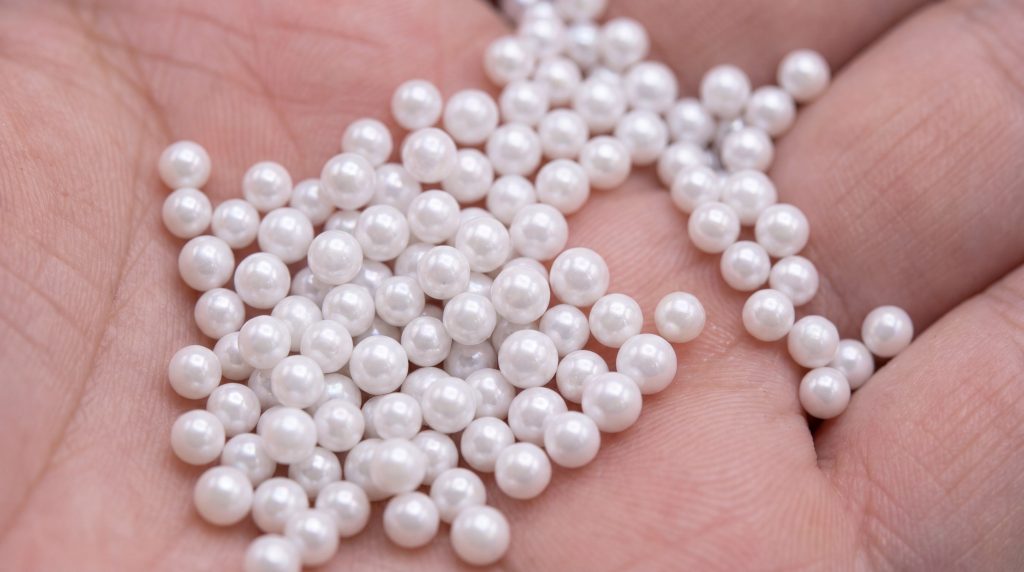
Zirconia Ceramic enhances grinding efficiency due to its high density and incredible wear resistance. You can achieve sub-micron particle sizes much faster when using high-density Zirconia Ceramic beads compared to glass or alumina. This efficiency allows you to produce smoother paints, pigments, and pharmaceuticals with significantly lower contamination levels.
How does density improve milling efficiency?
Heavier beads carry more kinetic energy, allowing them to crush particles more effectively. Think about this:
- The high density (6.0 g/cm³) reduces the time required for ultra-fine milling.
- You can process larger batches with the same equipment footprint.
- The energy is transferred more directly into the material being ground.
What is the lifespan of zirconia beads?
The extreme hardness ensures that the beads lose almost zero mass even after months of constant use. Here is the deal:
- You spend much less money on replacing expensive grinding media.
- The final product remains pure because the beads do not wear off into the mix.
- You get consistent results batch after batch without media degradation.
Key Takeaway: High density and low wear rates make zirconia the most cost-effective media for precision milling.
| Media Type | Density (g/cm³) | Relative Wear Rate | |
|---|---|---|---|
| Zirconia Beads | 6.0 | Lowest | |
| Alumina Beads | 3.6 | Medium | |
| Glass Beads | 2.5 | High |
The high density and low wear rate of zirconia beads ensure your milling process is both fast and ultra-pure.
Strategic Conclusion
Selecting the right grade of zirconia is essential for optimizing performance and reducing production costs. Whether you require stabilized powders for dental applications or high-density structural parts for industrial wear, working with a vertically integrated manufacturer ensures batch consistency and technical reliability. To explore custom specifications or request stability data for your next project, feel free to contact us today .
Brand StanceAt ZrBrontec, we provide more than just materials; we deliver engineering stability. Our vertical integration from raw ore to finished components ensures that every part you receive meets the most stringent quality and traceability standards in the industry
Frequently Asked Questions
Can I use zirconia ceramic in high-acid environments?Yes, zirconia is highly resistant to most dilute acids and alkalis. It remains chemically stable and does not corrode or leach impurities into your chemical processes.
What’s the best stabilizer for dental zirconia?Yttria is the best and most common stabilizer for dental applications. It provides the necessary phase stability to create crowns that are both exceptionally strong and naturally translucent.
How do I know if zirconia ceramic is right for my pump?You should evaluate if your current metal parts are failing due to abrasion, corrosion, or high heat. If any of these factors are present, zirconia’s hardness and chemical inertness will likely extend your pump’s lifespan significantly.
Can I mill zirconia with standard dental tools?No, you must use specialized CAD/CAM milling machines and diamond-coated burrs. While the pre-sintered state is manageable, the material’s toughness requires dedicated precision equipment.
What’s the best way to clean zirconia crucibles?Concise judgment: use chemical soaking or ultrasonic cleaning rather than mechanical scraping. Because zirconia is chemically resistant, you can safely use strong cleaning agents to remove metallic residues without damaging the ceramic.