
Zirconia structural components survive extreme environments by combining high fracture toughness, thermal stability, and chemical inertness to outperform traditional metals. In industries where heat, friction, and corrosive media attack standard equipment, these advanced ceramic parts maintain dimensional integrity and functional performance. Many engineering teams face frequent downtime because of material softening or abrasive wear. By switching to high-performance Zirconia Ceramic, you can significantly reduce maintenance intervals and prevent the costly failure modes typical of polymers or alloys.
Why choose a Zirconia Ceramic structural component for heat?
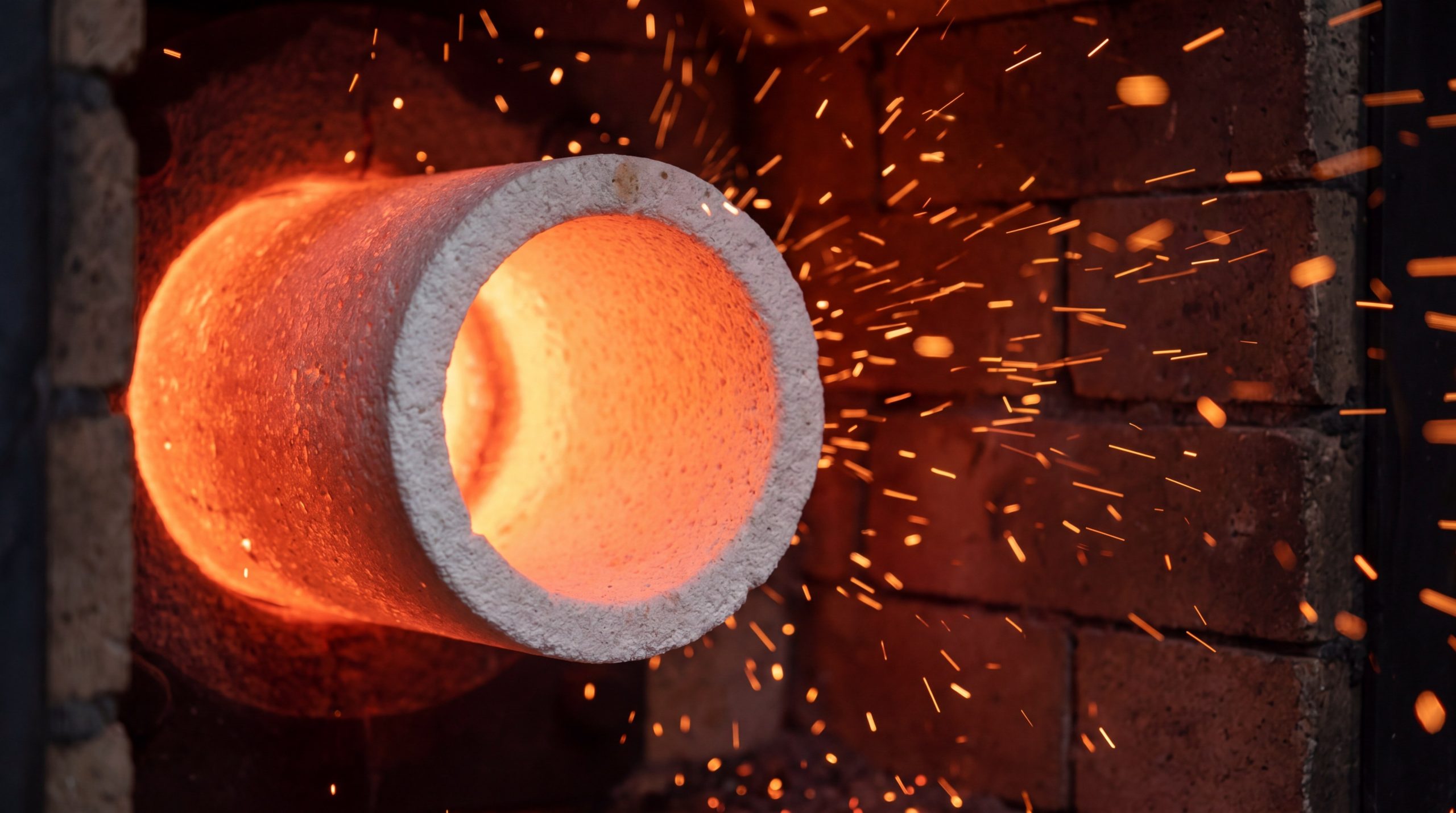
Zirconia Ceramic components are the preferred choice for high-temperature applications because they maintain their mechanical strength at temperatures where most metals begin to soften or deform. You can find specialized zirconia materials that provide the necessary thermal barrier to protect sensitive system internals.
High-Temperature Stability
- Resists deformation under extreme thermal loads.
- Maintains structural integrity up to 2400°C.
- Prevents oxidation that typically destroys metal parts.
Have you ever wondered why your metal parts warp in the kiln? You will find that zirconia provides the thermal stiffness required to keep your production lines running without deviation.
Thermal Insulation Benefits
You need a material that acts as a shield against heat transfer to protect your surrounding machinery. Zirconia has a low thermal conductivity that keeps the heat exactly where it belongs.
Look:
It acts as a high-efficiency insulator. Because of this, you can operate closer to heat sources without risking systemic damage.
| Feature | Performance Detail |
|---|---|
| Max Operating Temp | Up to 2400°C depending on stabilization |
| Thermal Conductivity | ~2.0 – 3.0 W/(m·K) |
| Resistance to Oxidation | Excellent |
Key Takeaway: Zirconia ceramic prevents thermal deformation and provides superior insulation in high-heat zones. This data shows that zirconia offers a thermal performance profile unmatched by industrial alloys.
How does Zirconia Ceramic resist wear in harsh conditions?
The wear resistance of a Zirconia Ceramic component stems from its exceptionally high hardness and unique “transformation toughening” mechanism that halts crack propagation. Using high-quality zircon powder & sand in the manufacturing process ensures a dense, uniform grain structure that resists abrasive particles.
Hardness and Surface Integrity
Think about the cost of abrasive wear. You can eliminate the constant replacement of guides and plates by utilizing the surface density of advanced ceramics.
The best part?
It retains polished finishes even in slurry environments. Diamond-like hardness levels prevent surface scratching while reducing the coefficient of friction in sliding pairs.
Transformation Toughening Explained
You should know that zirconia actually gets stronger when stressed. Under localized pressure, the crystal structure shifts to create compressive stress that “squeezes” cracks shut.
Here is the deal:
This phase transformation is why it doesn’t shatter like glass. You get the hardness of ceramic with a toughness that rivals some metals.
| Wear Metric | Zirconia Performance |
|---|---|
| Vickers Hardness | >1200 HV |
| Friction Coefficient | Low (self-lubricating properties) |
| Surface Finish | Ra 0.02 – 0.2 achievable |
Key Takeaway: The unique molecular structure of zirconia allows it to resist abrasion and impact better than standard ceramics. These metrics emphasize the material’s ability to maintain surface integrity under mechanical friction.
Is Zirconia Ceramic stable during rapid thermal cycling?
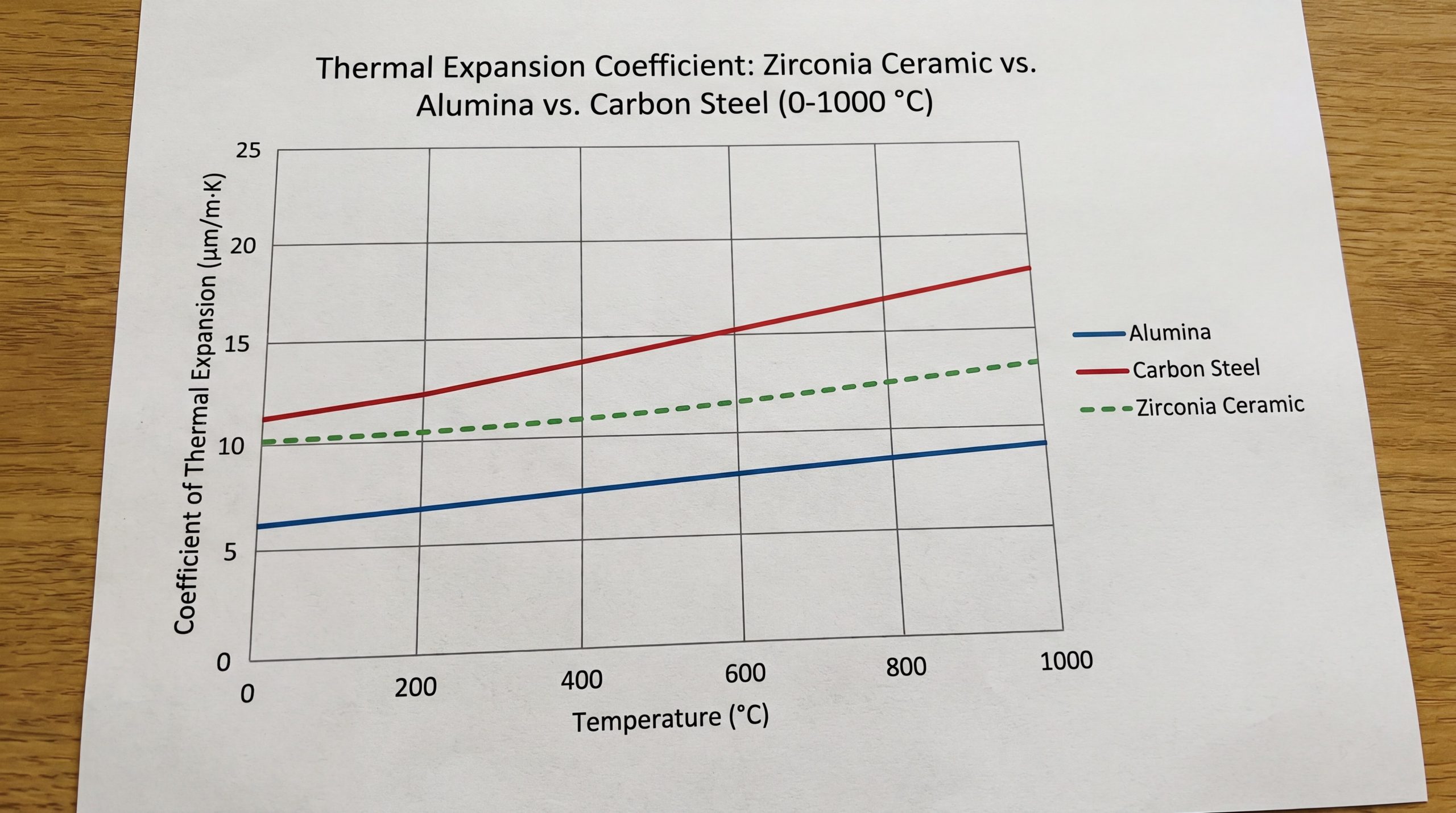
Zirconia Ceramic is remarkably stable during rapid thermal cycling due to a coefficient of thermal expansion that closely matches steel, reducing internal stress. High-performance grinding media & structural parts are specifically engineered to withstand these sudden temperature shifts without fracturing.
Thermal Expansion Matching
- Minimizes stress at interfaces between ceramic and metal.
- Prevents delamination in composite assemblies.
- Ensures tight tolerances are held throughout a heating cycle.
Do you have issues with parts cracking during startup or shutdown? You will find that zirconia’s expansion behavior allows it to “move” with your machine’s metal frame.
Resistance to Thermal Shock
You need components that don’t fail when the temperature drops 500 degrees in seconds. Zirconia’s high fracture toughness provides the safety margin necessary for these volatile environments.
The bottom line:
It survives the “shocks” that cause other ceramics to explode. You can trust it in exhaust systems and molten metal handling.
| Thermal Property | Zirconia Characteristic |
|---|---|
| Expansion Coeff | ~10.5 x 10⁻⁶/K (similar to steel) |
| Thermal Shock Resist | High for a ceramic material |
| Dimensional Drift | Minimal after repeated cycling |
Key Takeaway: Zirconia’s similarity to steel’s expansion rate makes it the most stable ceramic for metal-to-ceramic assemblies. This compatibility is crucial for designing systems that undergo frequent temperature fluctuations.
Can Zirconia Ceramic components provide electrical insulation?
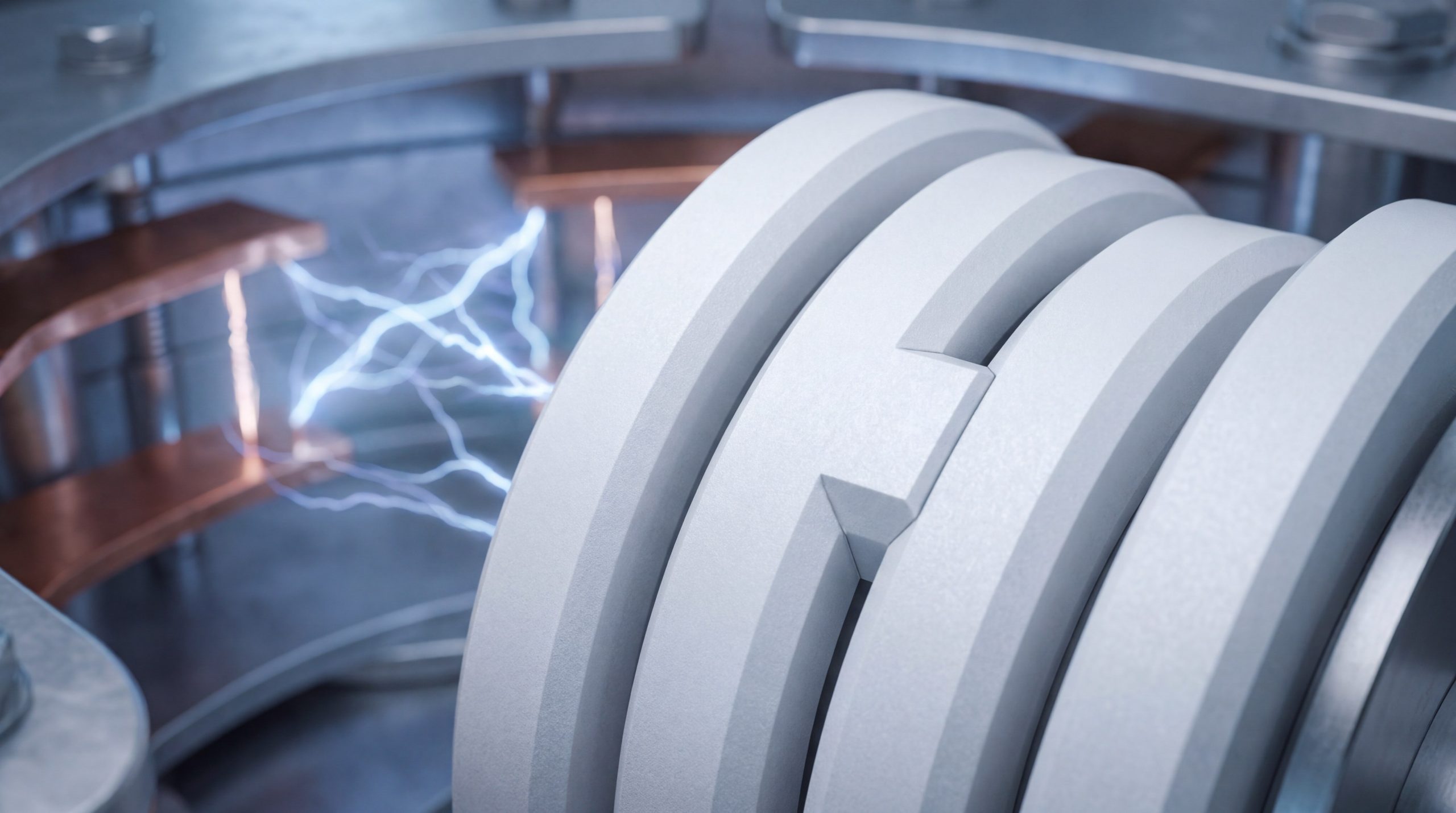
A Zirconia Ceramic part serves as an excellent electrical insulator, effectively blocking current flow even at high temperatures where other materials become conductive. Using zircon-based engineered components ensures that your sensors and high-voltage modules remain isolated from interference.
Dielectric Strength and Isolation
Are stray currents ruining your data? You can use zirconia to create a physical and electrical barrier that stays solid under heat.
Consider this:
It prevents arcing in high-voltage industrial modules. Because of this, it maintains high resistivity at elevated temperatures and remains ideal for insulating standoffs.
Non-Magnetic Characteristics
- Does not interfere with precision signal transmission.
- Will not attract metallic debris in the process stream.
- Perfect for MRI and sensitive magnetic sensor housings.
You might be working with sensitive high-frequency electronic environments. Zirconia is completely non-magnetic, meaning it won’t distort your signals or interfere with magnetic fields.
| Electrical Property | Typical Value |
|---|---|
| Dielectric Constant | ~28 (at 1 MHz) |
| Volume Resistivity | >10¹² Ω·cm |
| Magnetic Behavior | Non-magnetic (Paramagnetic) |
Key Takeaway: Zirconia provides reliable electrical isolation and zero magnetic interference for precision electronics. The following table highlights the specific dielectric properties that protect complex circuits.
What defines the durability of Zirconia Ceramic parts?
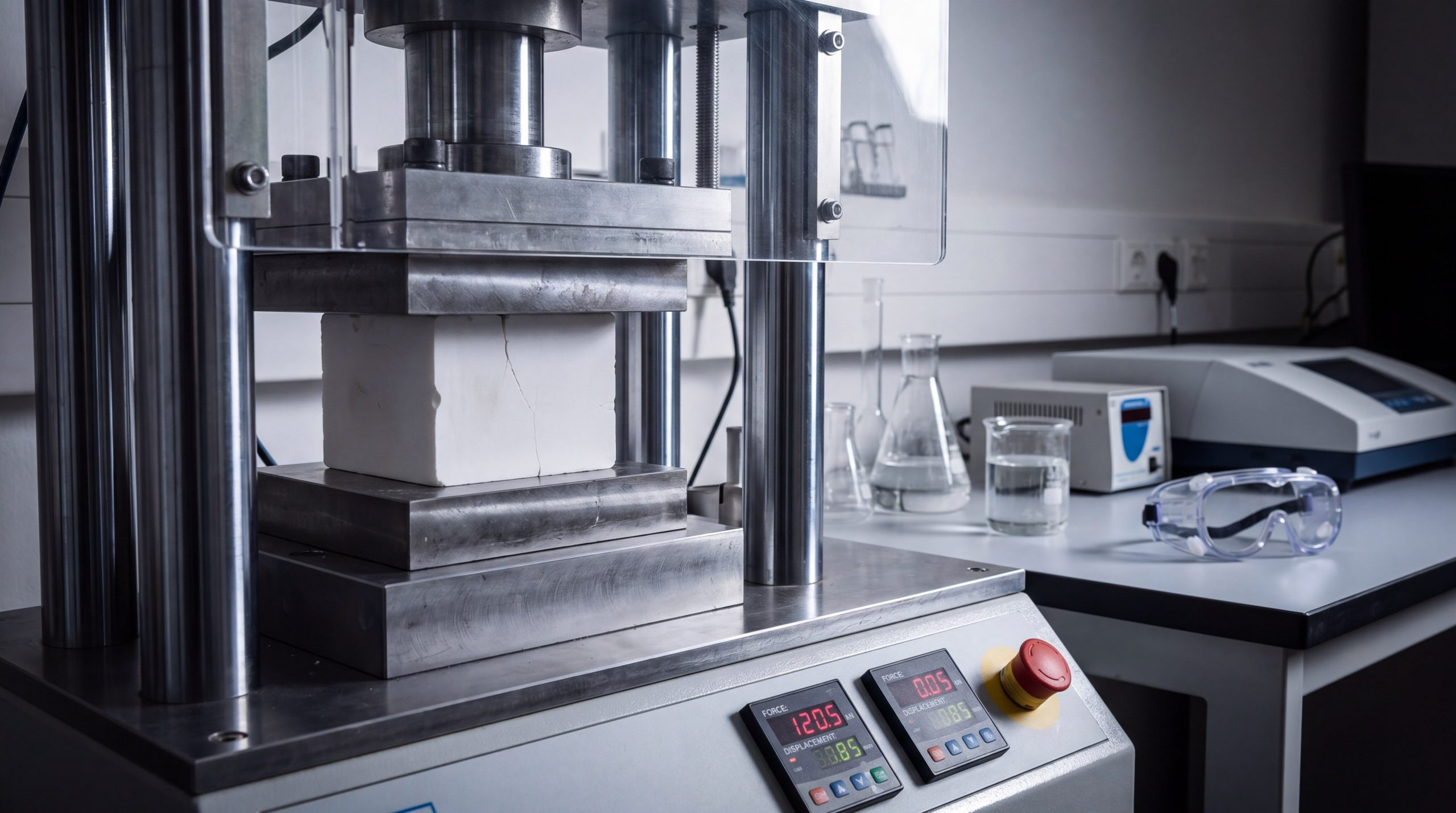
The durability of a Zirconia Ceramic component is defined by its high fracture toughness, which allows it to absorb energy and resist impact better than any other advanced ceramic. By sourcing high-purity zirconia materials, manufacturers can ensure the part survives vibrations and mechanical shocks.
Impact Resistance and Toughness
- Higher fracture toughness than alumina or silicon carbide.
- Resists chipping during handling and installation.
- Handles mechanical vibrations in heavy machinery.
Tired of fragile ceramic parts breaking during assembly? You will notice that zirconia behaves more like a metal in its ability to resist brittle failure.
Fatigue Life in Dynamic Systems
You need a part that lasts for millions of cycles without developing micro-cracks. Zirconia’s stable grain structure ensures that “creep” and fatigue are minimized over years of service.
The result:
It maintains its strength over time. You can install it in high-duty cycle robotics and expect consistent performance.
| Durability Metric | Zirconia Performance |
|---|---|
| Fracture Toughness | 7 – 10 MPa·m¹/² |
| Flexural Strength | 900 – 1200 MPa |
| Density | ~6.0 g/cm³ |
Key Takeaway: Zirconia is the “ceramic steel,” offering the highest impact and fracture resistance in the ceramic family. These mechanical properties ensure long-term reliability in high-vibration applications.
How to optimize Zirconia Ceramic design for extreme loads?
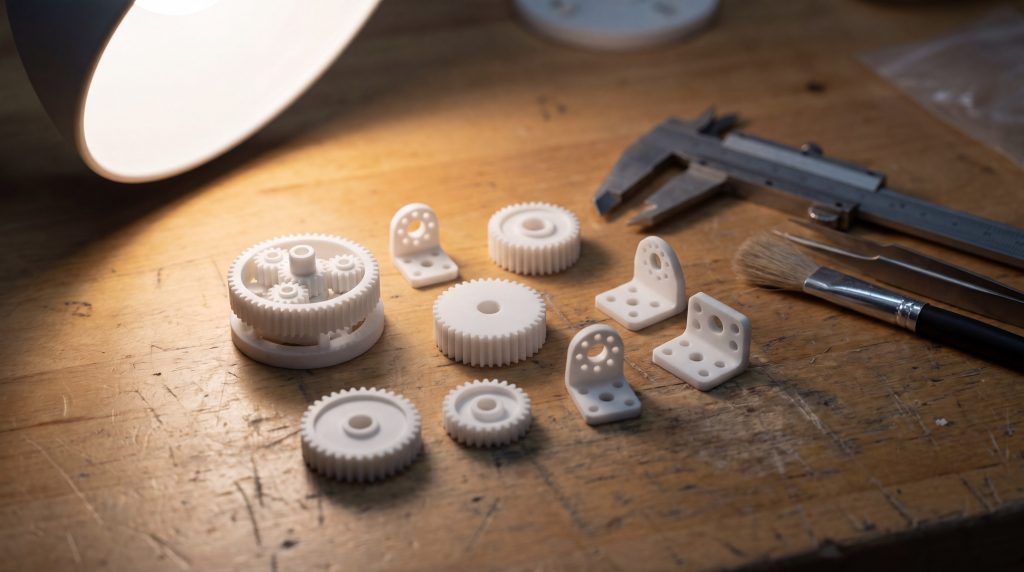
Optimizing a Zirconia Ceramic design requires a focus on geometry, specifically using large radii and consistent wall thicknesses to distribute stress. When you specify zircon powder & sand for the initial material, the resulting consistency allows for thinner, more complex profiles.
Stress Concentration Management
Are your parts failing at the edges? You can solve this by smoothing out your CAD designs to accommodate the way ceramics handle tension.
Look:
Use generous fillets to replace sharp 90-degree corners. By distributing clamping forces over larger surface areas, you prevent localized failure points.
Producibility and Wall Thickness
- Maintain wall thicknesses above 0.1 mm for sintering.
- Keep designs symmetrical to prevent warping.
- Enable uniform shrinkage during the firing process.
You should aim for balanced geometry to ensure the material sinters correctly. Symmetry is your friend in ceramic design because it leads to better dimensional accuracy.
| Design Parameter | Recommendation |
|---|---|
| Min Wall Thickness | 0.1 mm – 0.5 mm |
| Edge Treatment | Chamfer or Radius required |
| Tolerance Capability | ± 0.002 mm (with grinding) |
Key Takeaway: Proper geometric design, including radii and consistent walls, is essential to maximize zirconia’s load-bearing capacity. Following these design guidelines minimizes the risk of internal stress fractures.
Why is Zirconia Ceramic preferred for chemical processing?
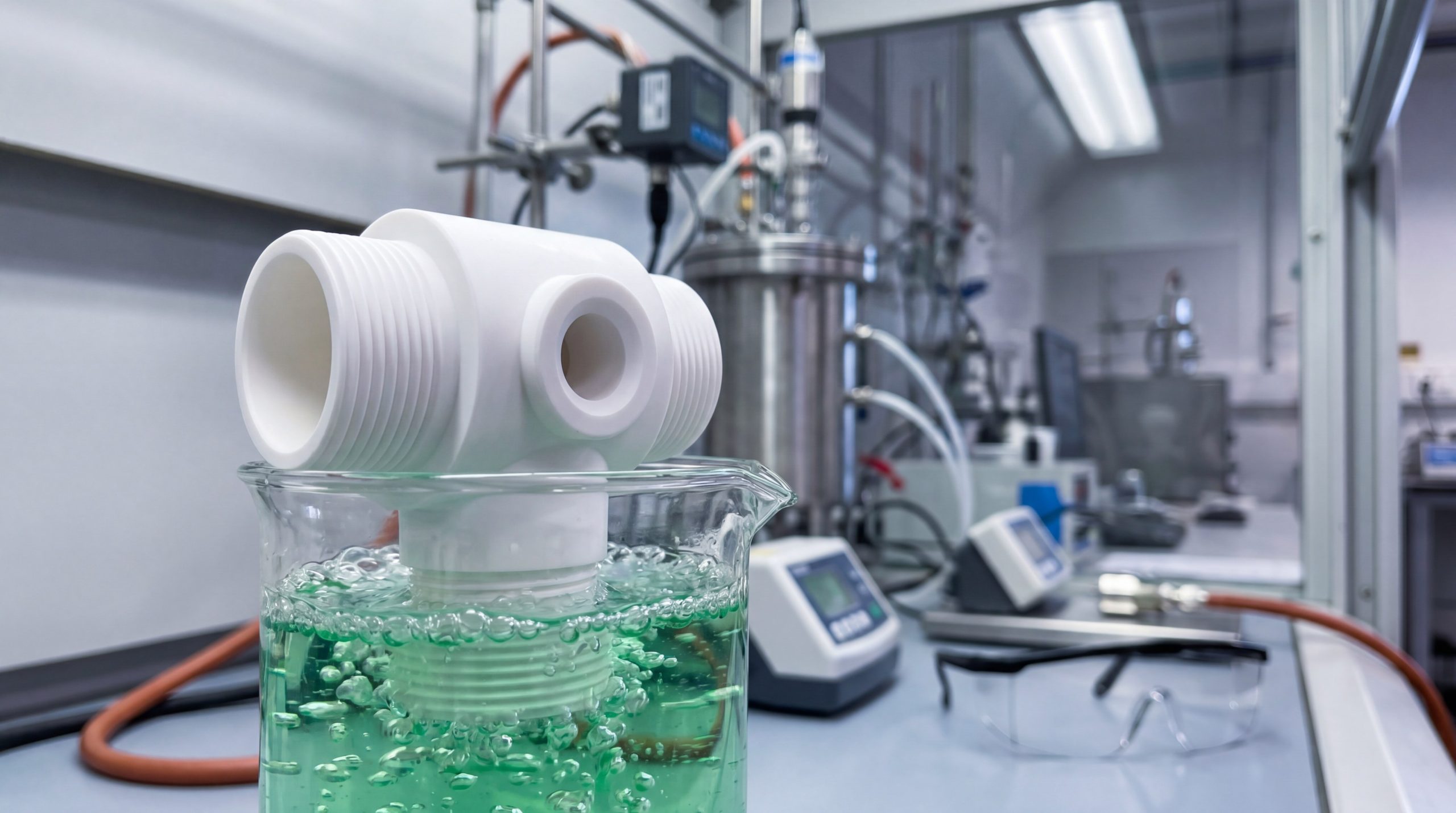
Zirconia Ceramic is preferred in chemical processing because it is chemically inert, meaning it does not react with strong acids, alkalis, or organic solvents. Precision grinding media & structural parts made from zirconia ensure that your chemical yield remains pure and uncontaminated.
Corrosion Resistance in Acids
- Unaffected by hydrochloric, sulfuric, or nitric acids.
- Will not rust or oxidize like stainless steel.
- Maintains surface smoothness in aggressive fluids.
Do you spend too much on corrosion-resistant alloys? You will find that zirconia outlasts even exotic metals in acidic environments, saving you significant replacement costs.
High Purity and Contamination Control
You need to maintain the highest purity levels in pharmaceutical processing. Zirconia does not leach ions into your media, ensuring your final product meets strict quality standards.
The benefit:
Zero contamination in your process stream. Because of this, you can pass rigorous purity audits with ease.
| Chemical Exposure | Zirconia Stability |
|---|---|
| Strong Acids (pH 0-4) | Excellent |
| Strong Alkalis (pH 10-14) | Excellent |
| Organic Solvents | Fully Inert |
Key Takeaway: Zirconia’s chemical inertness makes it the ideal material for corrosive fluid handling and high-purity processing. The table above confirms its stability across the entire pH spectrum.
Does Zirconia Ceramic improve ROI in aerospace applications?
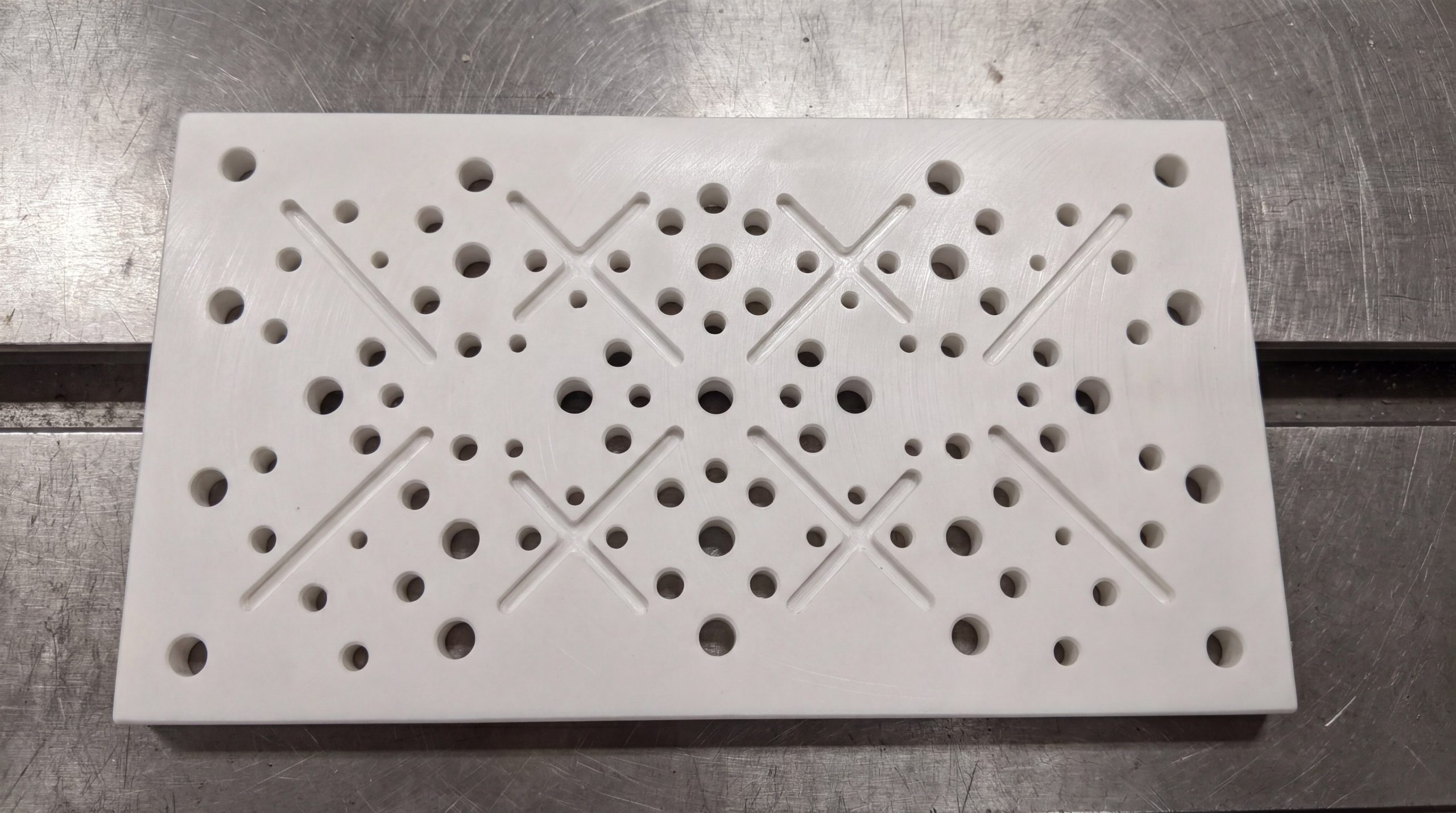
Using Zirconia Ceramic significantly improves ROI in aerospace by extending the Mean Time Between Failures (MTBF) and reducing the weight of high-temperature assemblies. Incorporating zircon-based engineered components allows aircraft systems to operate at higher efficiencies without a weight penalty.
Weight Reduction and Efficiency
- Lighter than traditional nickel-based superalloys.
- Allows for higher engine operating temperatures.
- Reduces fuel consumption through thermal management.
Are you looking for ways to shed grams? You can replace heavy metal heat shields with zirconia to achieve better thermal protection at a fraction of the weight.
Lower Total Cost of Ownership
You might see a higher initial price tag, but the longevity of zirconia reduces your “cost per hour.” Fewer changeouts mean less labor and fewer grounded aircraft.
The math is simple:
Longer service life equals lower costs. Because of this, zirconia is the most cost-effective choice for mission-critical aerospace parts.
| ROI Factor | Economic Impact |
|---|---|
| Maintenance Interval | Extended by 3x – 5x |
| Weight Savings | Up to 40% vs. certain alloys |
| Component Life | Multi-year reliability |
Key Takeaway: Zirconia components reduce aerospace operating costs through weight savings and drastically longer service intervals. This economic advantage translates to higher fleet availability and lower lifetime expenses.
What are the precision limits for Zirconia Ceramic components?
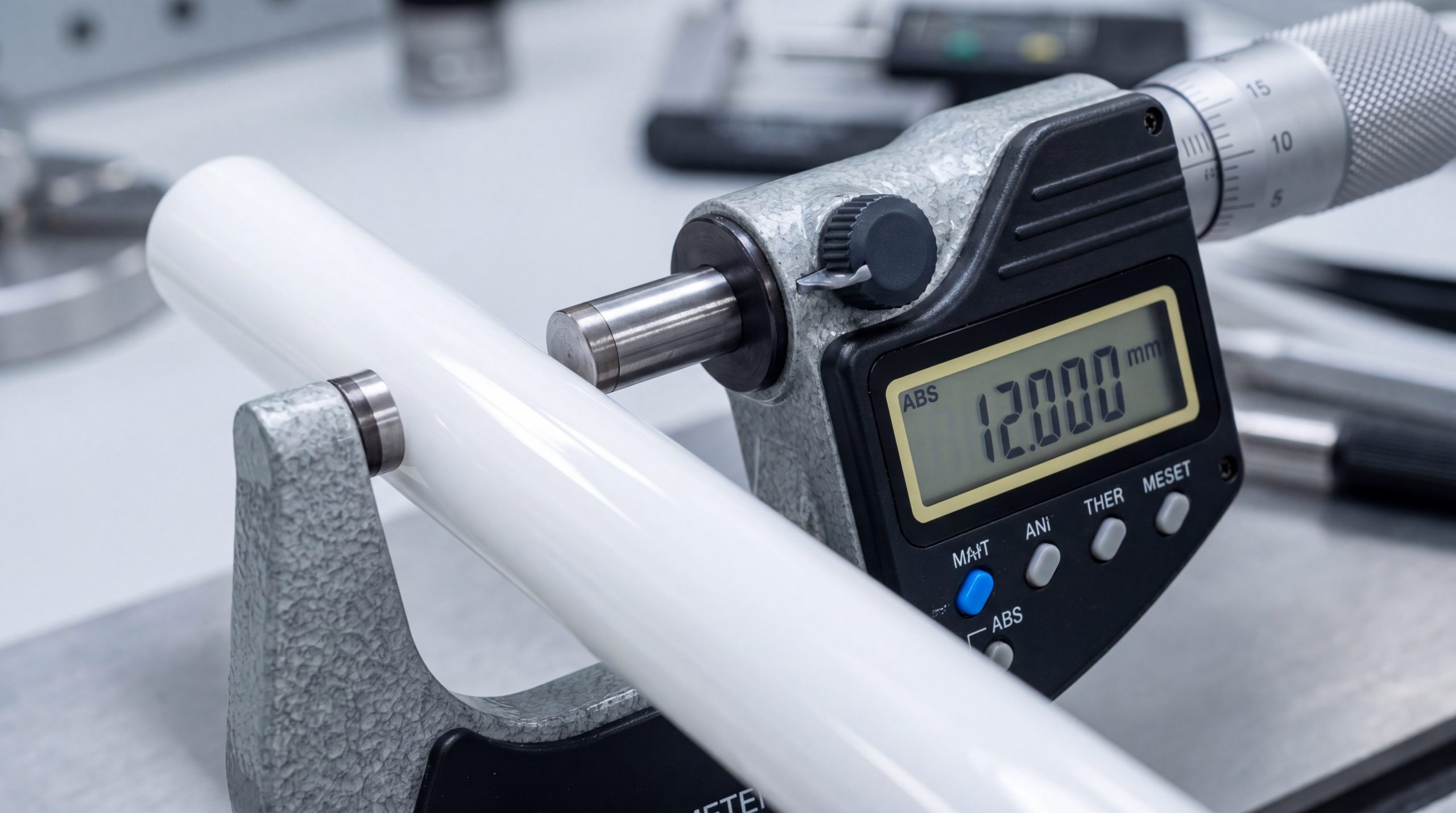
The precision limits for Zirconia Ceramic components reach sub-micron levels, with tolerances as tight as 0.002 mm achievable through diamond grinding. By starting with ultra-fine zirconia materials, manufacturers can produce parts that meet the most demanding fits in the automotive and medical sectors.
Achieving Sub-Micron Tolerances
- Roundness and concentricity held to 0.002 mm.
- Straightness maintained within 0.004 mm.
- Precision finishing for perfect mechanical fits.
Do your assemblies require “perfect” alignment? You can rely on zirconia to stay dimensionally stable after machining, ensuring your tolerances don’t drift over time.
Surface Roughness Standards
You need surfaces that minimize friction and wear on mating parts. Zirconia can be polished to a mirror finish (Ra 0.02), which is essential for seals and medical implants.
Take note:
It reaches finishes that metals can’t sustain. Because of this, your seals will last longer and your pumps will run smoother.
| Measurement | Precision Capability |
|---|---|
| Outer Diameter | ≤ 150 mm |
| Surface Roughness | Ra 0.02 – 0.2 |
| Concentricity | 0.002 mm |
Key Takeaway: Zirconia components offer the highest precision and surface quality available in modern industrial ceramics. These capabilities enable engineers to specify tighter fits than previously possible with standard materials.
How do you select the best Zirconia Ceramic grade for use?
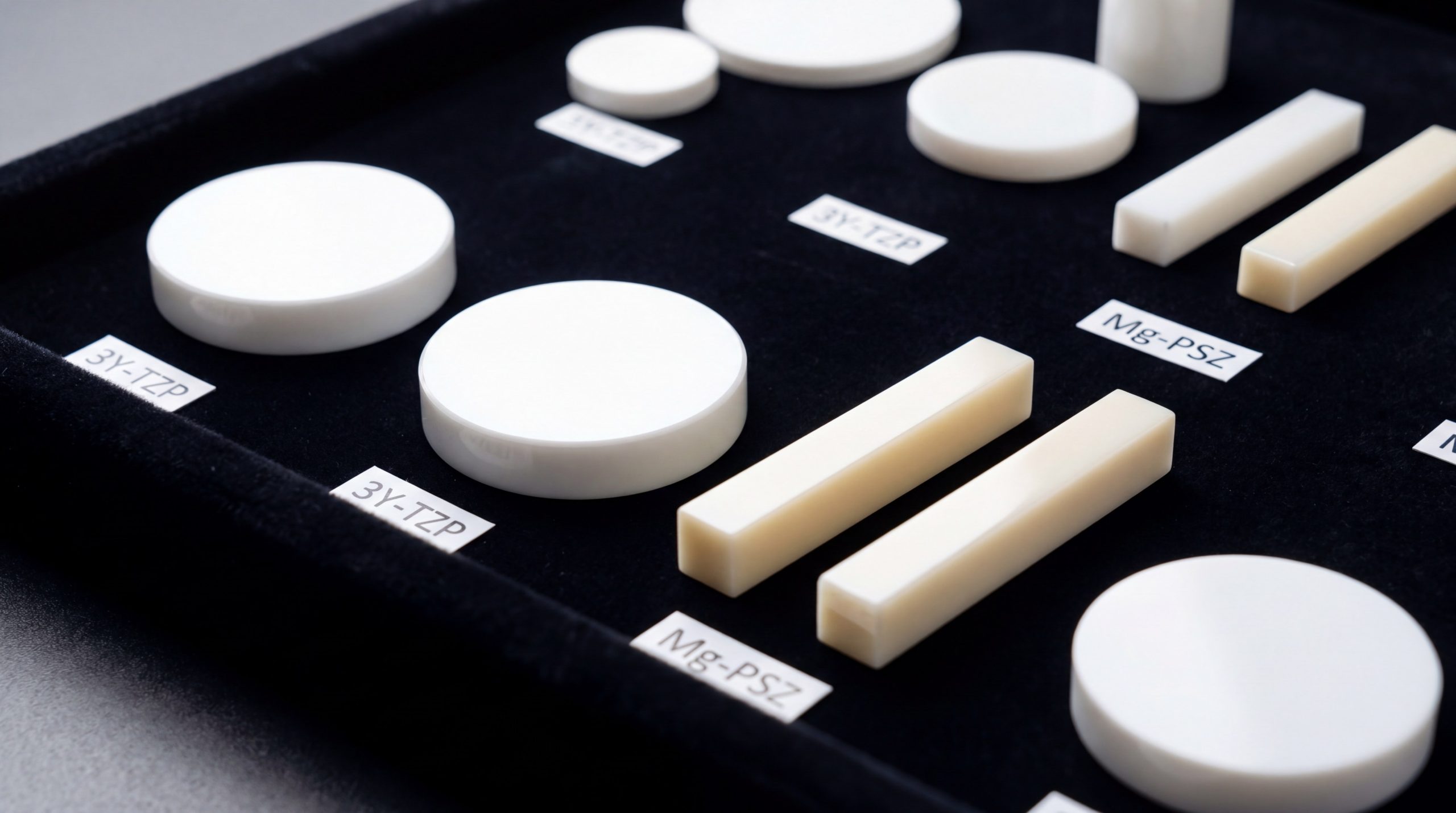
Selecting the best Zirconia Ceramic grade requires matching the stabilizer—such as Yttria or Magnesia—to your specific environmental stresses. For the best results, consult with engineers regarding zircon powder & sand specifications to ensure the raw material matches your performance needs.
Yttria-Stabilized vs. Magnesia-Stabilized
Are you confused by the different grades? You will find that YSZ is the “all-around” performer, while MSZ excels in high-pressure steam environments.
The deal:
Yttria (YSZ) offers the highest strength and toughness at room temp. However, Magnesia (MSZ) provides better resistance to moisture and hydrothermal degradation.
Matching Grade to Load
- Evaluate peak loads and thermal shocks for each application.
- Consider stabilizer content for thermal stability needs.
- Match oxygen conductivity requirements for sensor use.
You should evaluate the peak loads and thermal shocks your part will face. Higher stabilizer content generally increases thermal stability but can slightly alter mechanical toughness.
| Grade Type | Best Use Case |
|---|---|
| 3Y-TZP | General structural, high strength |
| Mg-PSZ | High temperature, steam environments |
| 8Y-FSZ | Oxygen sensors, fuel cells |
Key Takeaway: Selecting the correct stabilization grade is the difference between a part that lasts years and one that fails in weeks. Choosing the right material ensures maximum lifecycle value in your specific operating environment.
Frequently Asked Questions
Can I replace my existing stainless steel parts with Zirconia Ceramic directly?
In most cases, yes, though you should check your design for stress concentrators. Because zirconia has a similar thermal expansion to steel, it usually fits into the same assemblies without requiring major redesigns, providing much better wear and heat resistance.
What’s the best way to clean Zirconia Ceramic structural components?
The best way is using ultrasonic cleaning with mild detergents or acidic solutions, as the material is chemically inert. You don’t have to worry about corrosion or surface degradation, making it easy to maintain in high-purity environments like laboratories.
How do I know if my application requires Yttria or Magnesia stabilization?
You should choose Yttria-stabilized zirconia for maximum mechanical strength and toughness in dry conditions. If your application involves high-temperature steam or constant moisture (which can cause Yttria grades to degrade), Magnesia-stabilized zirconia is the safer choice for long-term stability.
Can Zirconia Ceramic handle high-impact loads?
While it is the toughest ceramic, it is still more brittle than steel. You can use it in high-vibration environments, but you should avoid direct, heavy metal-on-ceramic impacts. Proper design, such as using protective housings, will allow it to thrive under significant mechanical stress.
How do I get a custom Zirconia Ceramic part manufactured to my drawings?
You should start by providing your technical drawings and operating conditions to an expert manufacturer. To begin your project, contact us today for a comprehensive design-for-manufacturing review and a tailored quotation that meets your specific environmental requirements.
Conclusion
Zirconia structural components provide the ultimate solution for industrial environments where thermal shock, abrasive wear, and chemical corrosion cause standard materials to fail. By transitioning to high-performance advanced ceramics, you eliminate frequent maintenance cycles and secure process stability in critical applications. At ZrBrontec, our brand vision is to empower global engineering teams with consistent, high-purity zircon solutions that reduce process variation and quality risk. If you are ready to optimize your system performance and lower your total cost of ownership, contact us today to discuss your custom manufacturing requirements.