
Zirconia ceramics are engineered for high-precision structural components and advanced functional tools that must endure environments where traditional metals fail. You likely face the constant frustration of material fatigue, abrasive wear, and chemical corrosion that halts production and drains your maintenance budget. This instability often leads to compromised safety and unpredictable downtime that hurts your bottom line. Integrating a high-performance Zirconia Ceramic into your workflow provides a definitive solution by offering superior fracture toughness and chemical inertness.
What is Zirconia Ceramic used for?
Zirconia ceramic is used for a wide range of industrial applications ranging from heavy-duty mechanical parts like bearings and valves to sophisticated functional tools like oxygen sensors. This versatile material bridges the gap between technical ceramics and high-strength metals.
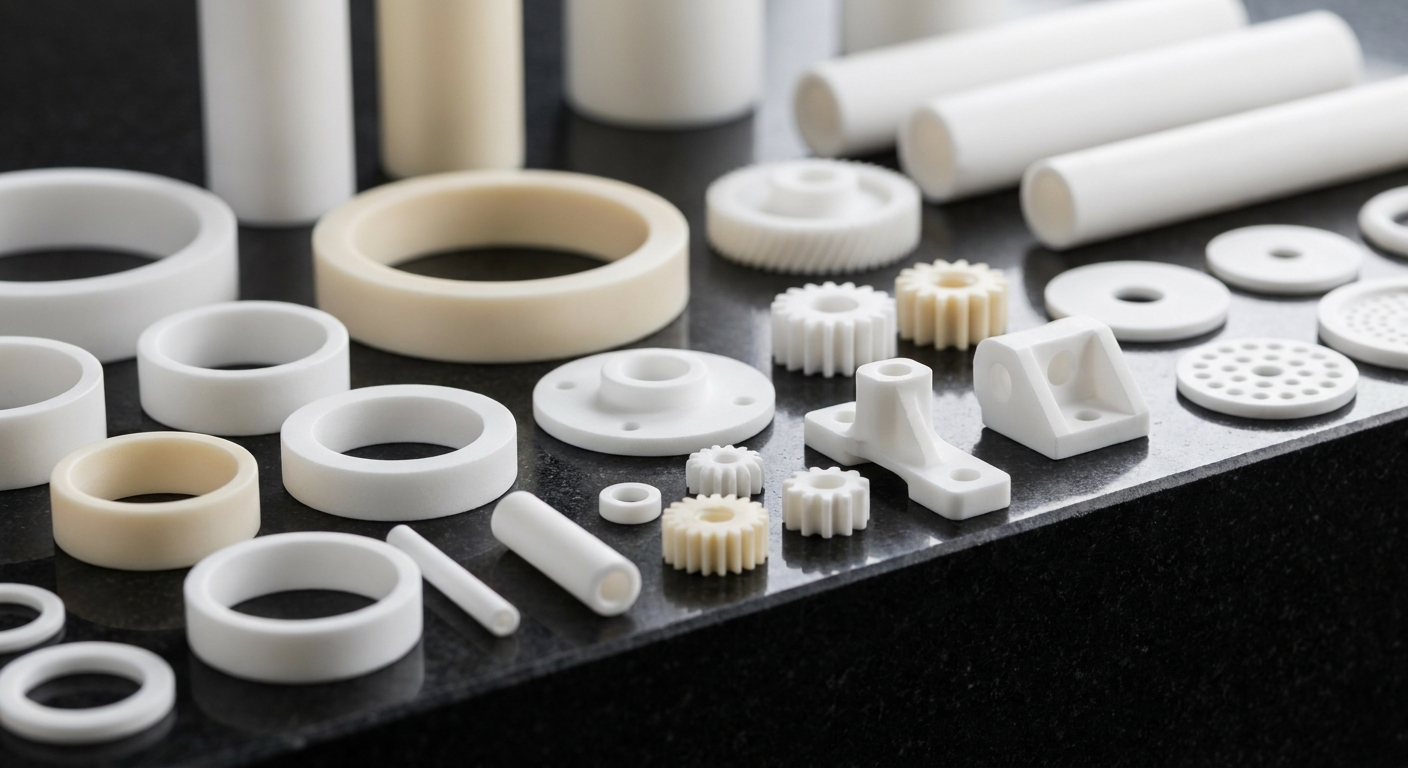
Where do structural parts excel?
You will find these parts in settings where mechanical stress and abrasive wear are the primary concerns for operations. Structural components provide the physical backbone for machinery that must operate under extreme pressure without cracking.
- High-precision ball and roller bearings
- Industrial valve components for corrosive fluids
- Grinding media for high-efficiency dispersion
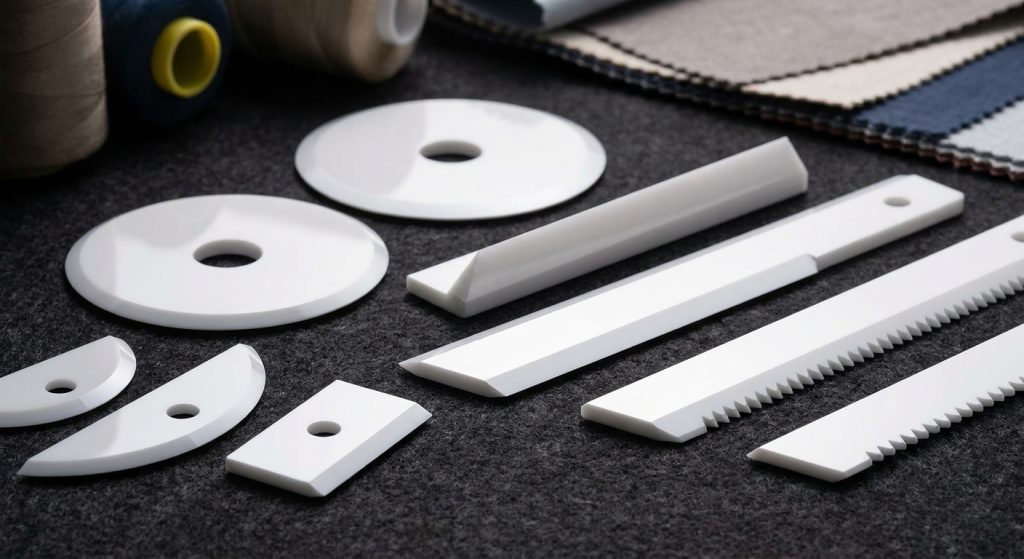
- Cutting tools for textiles and films
Think about this. Because of its high fracture toughness, the material resists the “brittle” reputation typically associated with standard ceramics.
How do functional parts work?
The utility of these materials extends beyond physical strength into the realm of advanced physics and specialized chemical sensing. Functional components leverage properties like electrical conductivity at high temperatures to serve as active elements in electronic systems.
- Solid oxide fuel cell electrolytes
- Oxygen sensors for combustion control
- High-temperature heating elements
- Thermal barrier coatings for engines
The best part? You can use the same base material to solve both a mechanical wear problem and an electronic sensing requirement.
Key Takeaway
Zirconia serves as a dual-purpose engineering material that replaces metals in high-wear roles while providing unique electronic properties for functional tools.
| Application Category | Primary Benefit | Example Component |
|---|---|---|
| Structural | Impact Resistance | Ceramic Bearings |
| Functional | Ion Conductivity | Oxygen Sensors |
| Protective | Thermal Insulation | Engine Coatings |
Why use Zirconia Ceramic in dental apps?
You should use zirconia ceramic in dental applications because it provides the necessary phase stability and biocompatibility required for long-term oral restorations. Utilizing a specialized Zirconia Ceramic ensures that your CAD/CAM milling results remain consistent across every patient case.
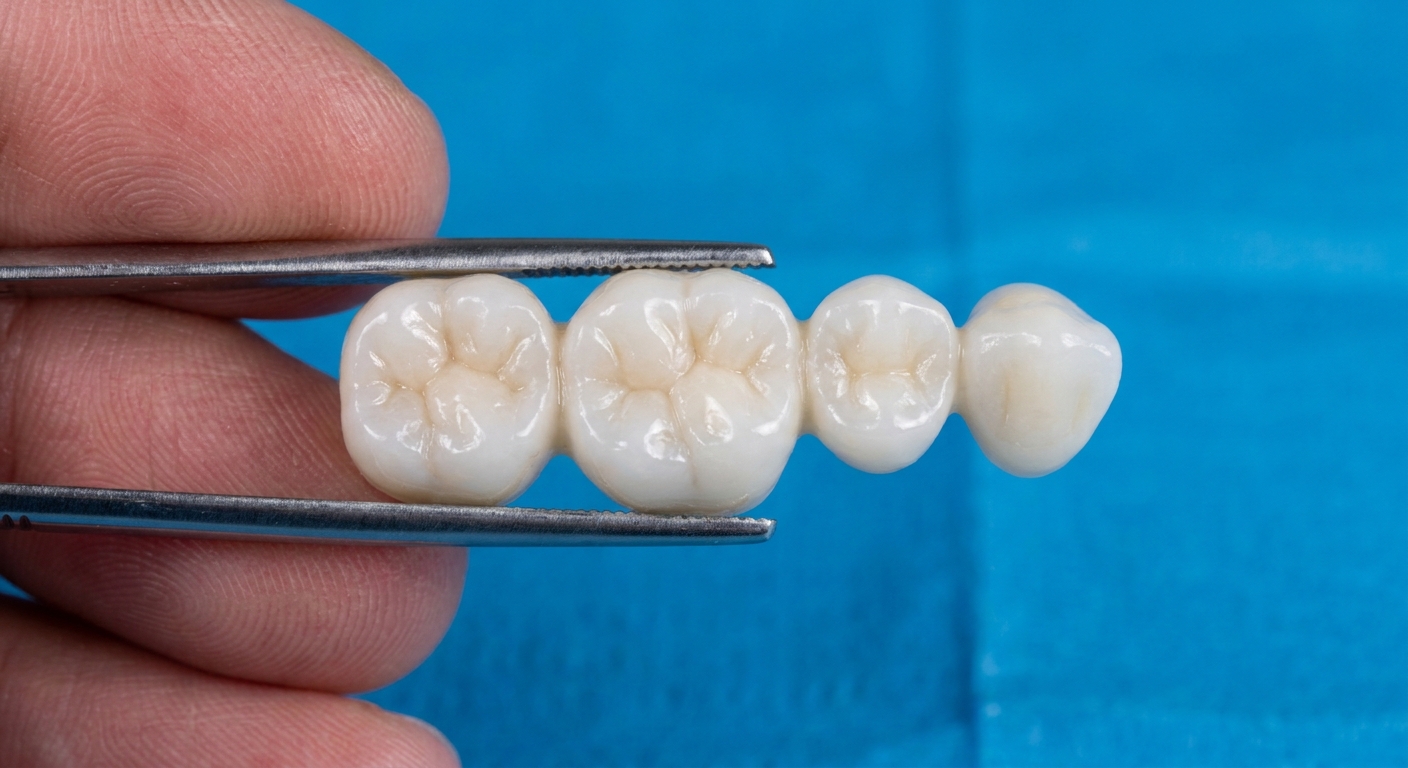
Does it improve CAD/CAM results?
Because the material features a controlled sintering shrinkage, you can achieve tighter tolerances and a better fit for crowns and bridges. This precision reduces the need for manual adjustments and improves patient comfort significantly.
- Reduced shrinkage variance to ±0.3%
- Optimized specific surface area for milling
- Consistent 3Y/5Y stabilizer distribution
- High edge stability during grinding
The reality is that inconsistent material quality can lead to micro-cracks during the milling process that fail months later.
Why is phase purity critical?
Phase purity ensures that the material does not undergo unwanted transformations that could lead to premature cracking in the oral environment. High-purity tetragonal zirconia remains stable even under the moist, high-stress conditions of the human mouth.
- Phase purity exceeding 98%
- Resistance to low-temperature degradation
- Stable translucency for natural aesthetics
- Bio-inert surface to prevent gum irritation
But it gets better. This stability allows for thinner wall designs in crowns without sacrificing the overall strength of the restoration.
Key Takeaway
High-purity zirconia is the industry standard for dental CAD/CAM because it combines aesthetic translucency with the mechanical strength needed for stability.
| Dental Property | Requirement | Impact on Patient |
|---|---|---|
| Phase Purity | >98% Tetragonal | Long-term durability |
| Shrinkage | ±0.3% Variance | Precision fitment |
| Color | Stable Whiteness | Natural aesthetics |
Is Zirconia Ceramic good for bearings?
Zirconia ceramic is an ideal material for bearings because it offers oil-free self-lubrication and exceptional resistance to magnetoelectric interference and extreme temperatures. These properties make them far superior to stainless steel in specialty environments.
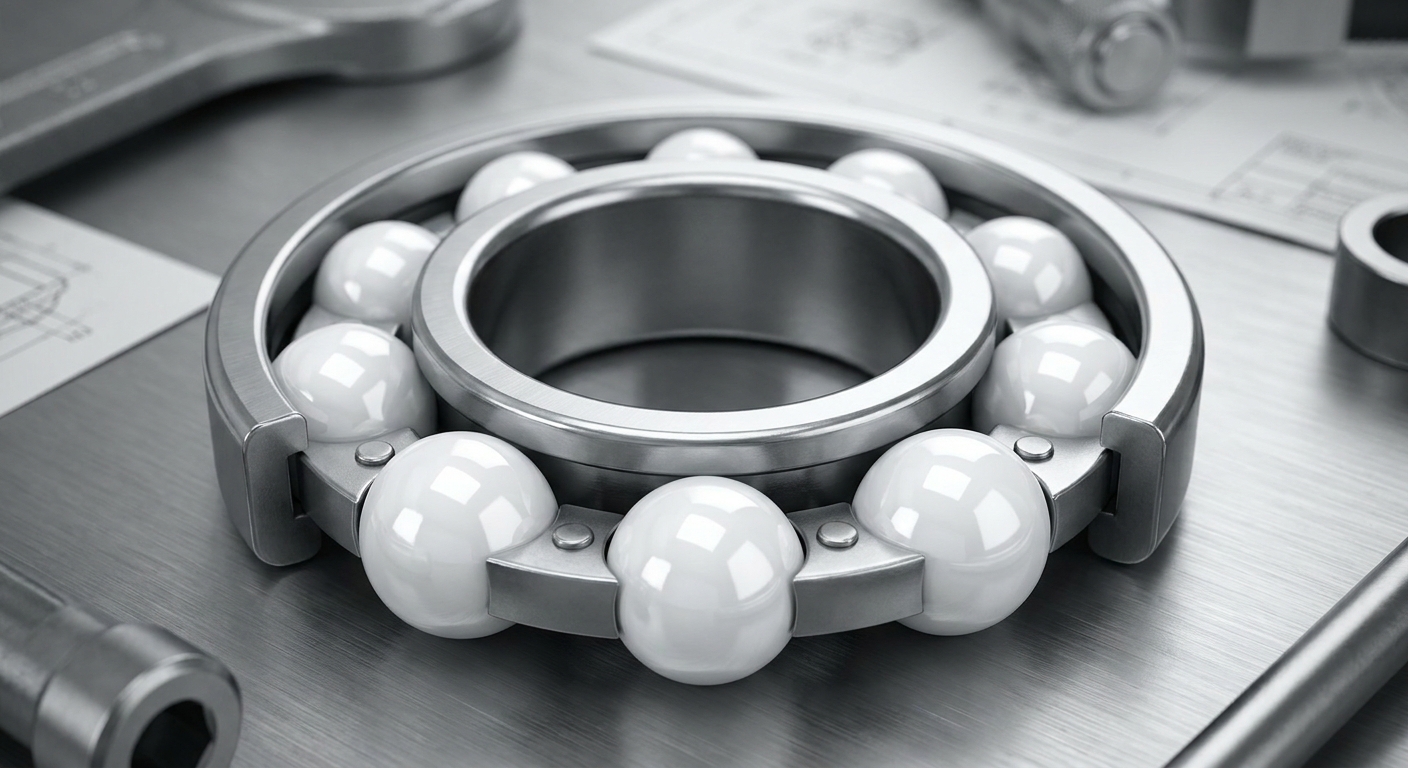
Can it operate without oil?
The low friction coefficient of this material allows these bearings to operate in “dry” conditions where traditional lubricants would evaporate. This is essential for cleanroom environments or food processing where contamination must be avoided at all costs.
- Elimination of grease contamination
- Reduced maintenance requirements
- Stable operation in vacuum settings
- Low heat generation at high speeds
You see, the self-lubricating nature of the ceramic surface prevents the “seizing” common in metal-on-metal contact.
Does it survive harsh chemicals?
In environments where organic acids or cooling fluids are present, metal bearings would corrode rapidly and fail within weeks. Zirconia remains completely inert, allowing your equipment to run smoothly even in the presence of aggressive chemical agents.
- Non-magnetic for MRI applications
- Resistance to magnetoelectric insulation
- Operating range for extreme cold or heat
- Immunity to galvanic corrosion
Here is the kicker. By switching to ceramic bearings, you can extend the service life of micro-cooling fans by over 300%.
Key Takeaway
Zirconia bearings are the preferred choice for specialty chemical pumps and cooling systems where traditional lubricants fail due to noise or wear.
| Bearing Metric | Metal (Steel) | Zirconia Ceramic |
|---|---|---|
| Lubrication | Required | Self-lubricating |
| Magnetism | Magnetic | Non-magnetic |
| Corrosion | High Risk | Chemically Inert |
How does Zirconia Ceramic resist wear?
Zirconia ceramic resists wear through its high density and exceptional hardness, which allow it to withstand high-impact energy without material loss. Selecting a high-grade Zirconia Ceramic ensures that your grinding and dispersion processes remain efficient over long cycles.
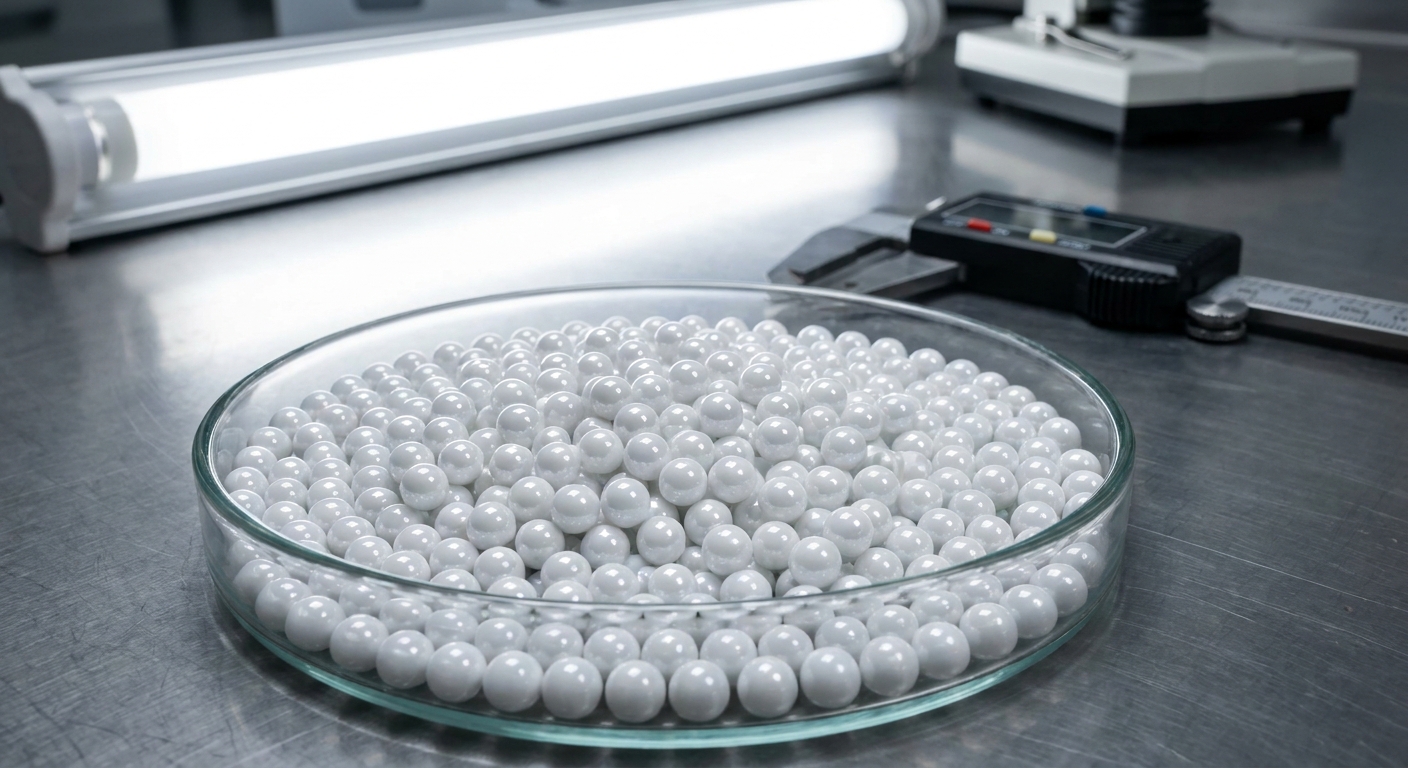
Why is density important?
High density provides more kinetic energy during the grinding process, which significantly improves the dispersion efficiency of your raw materials. This allows you to achieve sub-micron particle sizes in less time than using traditional alumina media.
- Density ≥ 6.0 g/cm³ for maximum impact
- Uniform internal structure to prevent breakage
- High sphericity for smooth movement
- Reduced energy consumption per batch
And it gets better. The increased efficiency means you can process more volume without upgrading your existing mill hardware.
How does it protect purity?
The ultra-low wear rate means that your final product won’t be contaminated by fragments of the grinding media during the process. This is critical for the production of electronics, pharmaceuticals, and high-end pigments where purity is a requirement.
- Zero pollution of ground materials
- Stable performance in alkaline media
- Smooth surface finish to prevent sticking
- Resistant to high-impact milling forces
The reality is that even a small amount of metallic contamination can ruin a multi-million dollar batch of specialty chemicals.
Key Takeaway
The mechanical toughness of zirconia makes it ideal for abrasive environments, providing a significant increase in service life compared to lower-grade alternatives.
| Wear Indicator | Standard Alumina | Zirconia Ceramic |
|---|---|---|
| Hardness (HV) | ~1100 | 1200+ |
| Density (g/cm³) | ~3.9 | ≥6.0 |
| Wear Rate | Moderate | Ultra-low |
Can Zirconia Ceramic handle heat?
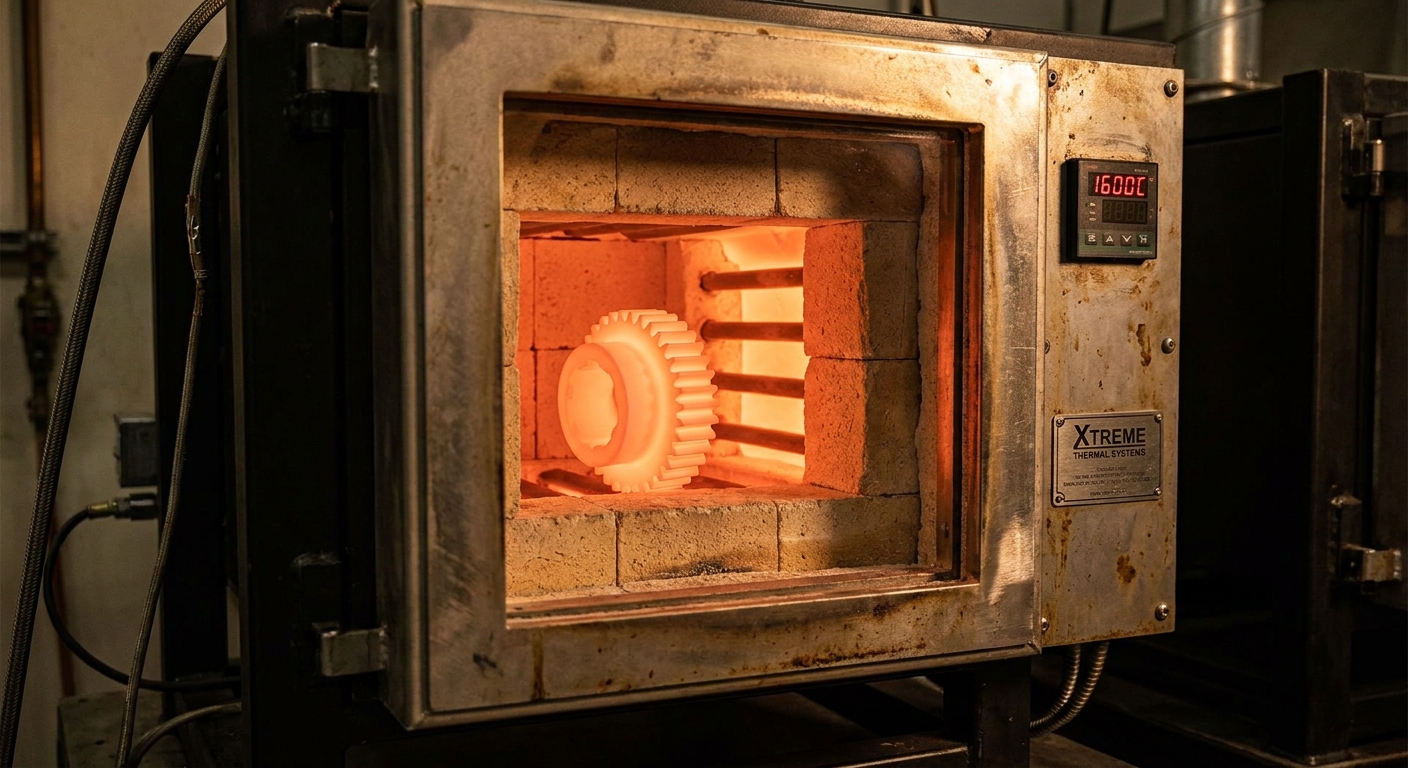
Zirconia ceramic can handle extreme heat, maintaining its structural integrity at temperatures up to 4,352°F where most metals would melt or oxidize. It is one of the few materials that can act as both an insulator and a heating element depending on the thermal state.
Is it a good insulator?
At room temperature, this material acts as a high-performance insulator with high resistivity to electrical current. This allows it to protect sensitive components from electrical discharge while providing a physical barrier against heat transfer.
- Low thermal conductivity (2.2 W/m·K)
- High resistivity at low temperatures
- Resistance to thermal shock cycles
- Stable crystalline structure under heat
Believe it or not, this insulating property makes it the perfect material for furnace linings and protective heat shields.
How does it resist shock?
Stabilized zirconia is specifically designed to resist the expansion and contraction that occurs during rapid heating and cooling cycles. This prevents the “spalling” or cracking that often destroys standard refractory bricks in industrial kilns.
- Addition of yttrium for phase stability
- High thermal expansion compatibility
- Maintains strength at 2,000°C+
- Oxidation-resistant in air environments
The best part? You can rely on these components to last through thousands of thermal cycles without needing a replacement.
Key Takeaway
Zirconia’s unique thermal properties make it an essential material for high-temperature shielding and specialized heating applications in aerospace and manufacturing.
| Thermal Property | Value / Limit | Application |
|---|---|---|
| Max Operating Temp | 4,352°F (2,400°C) | Furnaces |
| Transition Temp | 1,112°F | Heating Elements |
| Stability | High Phase Stability | Refractory Bricks |
Is Zirconia Ceramic used in valves?
Zirconia ceramic is used in valves because its thermal shock resistance and chemical stability protect pipelines from the corrosive effects of hydrogen sulfide. Incorporating a Zirconia Ceramic valve ball into your system prevents the rapid degradation typically seen in stainless steel hardware.
Why replace metal valves?
Traditional metal valves are quickly disabled by carbon dioxide and reservoir water found in oil and gas extraction processes. These aggressive fluids cause pitting and scale buildup that lead to leaks and dangerous pressure failures.
- Zero scale accumulation on surfaces
- Immunity to H2S “sour gas” corrosion
- Resistance to organic acid erosion
- High pressure-bearing capacity
You see, while metal valves might be cheaper initially, the cost of frequent replacements and repairs far outweighs the investment in ceramic.
How does it improve flow?
The mirror-smooth surface finish of a ceramic valve ball reduces turbulence and prevents the friction that causes energy loss in the system. Because the material does not corrode, the surface remains smooth for the entire life of the valve.
- Mirror-polished surface finish
- Precise dimensional tolerances
- Reduced torque required for operation
- Extended seal life due to low friction
Think about this. A ceramic valve can operate for years in conditions that would destroy a metal valve in just a few months.
Key Takeaway
Integrating zirconia into valve systems eliminates the common failure points found in metal hardware, particularly when dealing with aggressive reservoir fluids.
| Environment | Metal Valve Life | Zirconia Valve Life |
|---|---|---|
| H2S Rich Fluid | Low (Months) | High (Years) |
| High-Pressure Sand | Rapid Erosion | High Resistance |
| Acidic Media | High Corrosion | Inert |
How is Zirconia Ceramic a conductor?
Zirconia ceramic becomes a conductor through the movement of oxygen ions within its crystal lattice once the temperature exceeds 1,112°F. This transition is a unique physical property that makes the material essential for electrochemical devices.
What triggers conductivity?
As the material is heated, the resistivity drops sharply, allowing oxygen ions to flow through the vacancies in the lattice structure. This allows the ceramic to act as a solid electrolyte that can transport ions while remaining an insulator to electrons.
- Resistivity drops significantly at 600°C
- Becomes a full conductor by 1,000°C
- High oxygen ion mobility
- Stability in oxidizing atmospheres
Here is the secret. This temperature-dependent behavior allows for the creation of “smart” components that change state based on their environment.
Is it used in fuel cells?
Because of its ion-conducting properties, zirconia is the primary material used for Solid Oxide Fuel Cells (SOFC) that generate clean electricity. It provides the necessary barrier that allows chemical reactions to occur while maintaining the physical separation of gases.
- High efficiency in energy conversion
- Durability at high operating temps
- Reduced emissions in power generation
- Long-term chemical stability
The reality is that without zirconia, modern high-temperature fuel cell technology would not be commercially viable.
Key Takeaway
Zirconia’s temperature-dependent conductivity allows it to function as a smart material that acts as an insulator during handling but a conductor during operation.
| Temp Range | Electrical State | Industrial Use |
|---|---|---|
| Room Temp | Insulator | Safety Components |
| 1,112°F | Semi-conductive | Transition phase |
| >1,832°F | Conductor | Heating Elements |
Why choose Zirconia Ceramic for coatings?
You should choose zirconia ceramic for coatings because it acts as a thermal barrier that protects metal substrates from extreme heat in turbine engines. Applying a Zirconia Ceramic coating allows engines to run at higher temperatures, which directly translates to improved fuel efficiency.
How does it protect engines?
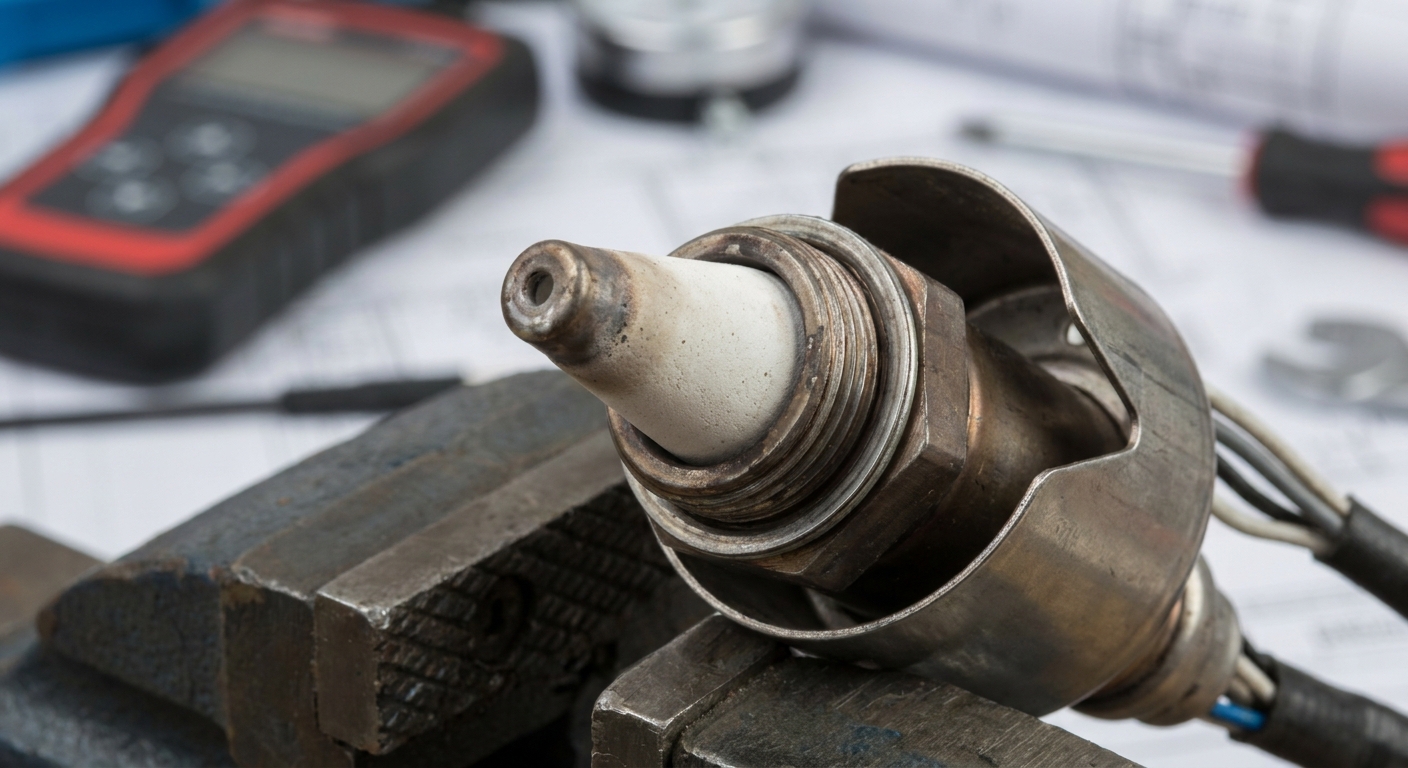
The coating serves as an insulating layer that keeps the metal components of the engine significantly cooler than the surrounding combustion gases. By using a yttrium stabilizer, the coating remains bonded to the metal and does not crack under the stress of flight.
- Insulation for aerospace turbine blades
- Corrosion resistance for ship components
- Extended engine component life
- Protection against thermal fatigue
It gets even more interesting. This technology is a critical component of national defense and high-performance commercial aviation.
Where else is it used?
The same thermal barrier technology is applied to automobile power systems and large-scale thermal power generation facilities to reduce wear. These coatings prevent the oxidation and melting of critical metal parts that are expensive to replace.
- Protection for surface ship engines
- Automobile exhaust system coatings
- Thermal power generation efficiency
- Surface protection for industrial kilns
The reality is that these coatings are the only reason modern jet engines can operate at temperatures that exceed the melting point of their own metal components.
Key Takeaway
Thermal barrier coatings made of zirconia are critical for modern propulsion, allowing engines to run hotter and more efficiently than ever before.
| Coating Benefit | Impact on Engine | Result |
|---|---|---|
| Heat Insulation | Higher Combustion | Fuel Efficiency |
| Corrosion Resist | Metal Protection | Extended Life |
| Phase Stability | No Cracking | Safety/Reliability |
Is Zirconia Ceramic used in sensors?
Zirconia ceramic is used in oxygen sensors to detect the specific ratio of oxygen to combustion gas in automotive and industrial engines. This real-time detection is the foundation of modern emission control systems that reduce smog and harmful pollutants.
How does it reduce smog?
The sensor detects the difference in oxygen concentration between the exhaust gas and the outside air to generate a voltage signal for the engine computer. This allows the vehicle to automatically adjust the fuel mixture to ensure the catalytic converter operates at peak efficiency.
- Automatic oxygen detection signals
- Real-time fuel mixture adjustment
- Integration with three-way catalysts
- Significant reduction in NOx emissions
What does this mean for you? It means your fleet can meet strict environmental standards without sacrificing engine performance.
Is it reliable?
These sensors must withstand the rapid temperature changes and corrosive exhaust gases of an engine without losing their calibration. Zirconia is uniquely suited for this because it maintains its electrochemical properties even after years of exposure to heat.
- Fast response times to gas changes
- High-temperature chemical stability
- Durability against exhaust particulates
- Stable electrical signal output
Think about this. These small ceramic components are the primary reason for the dramatic improvement in urban air quality over the last few decades.
Key Takeaway
Zirconia-based oxygen sensors are a cornerstone of modern environmental protection, ensuring that vehicles meet strict emissions standards worldwide.
| Sensor Role | Mechanism | Environmental Goal |
|---|---|---|
| Gas Detection | Oxygen ion flux | Optimize combustion |
| Control Loop | ECU Integration | Lower CO2/NOx |
| Durability | Thermal resistance | Long-term compliance |
How to source quality Zirconia Ceramic?
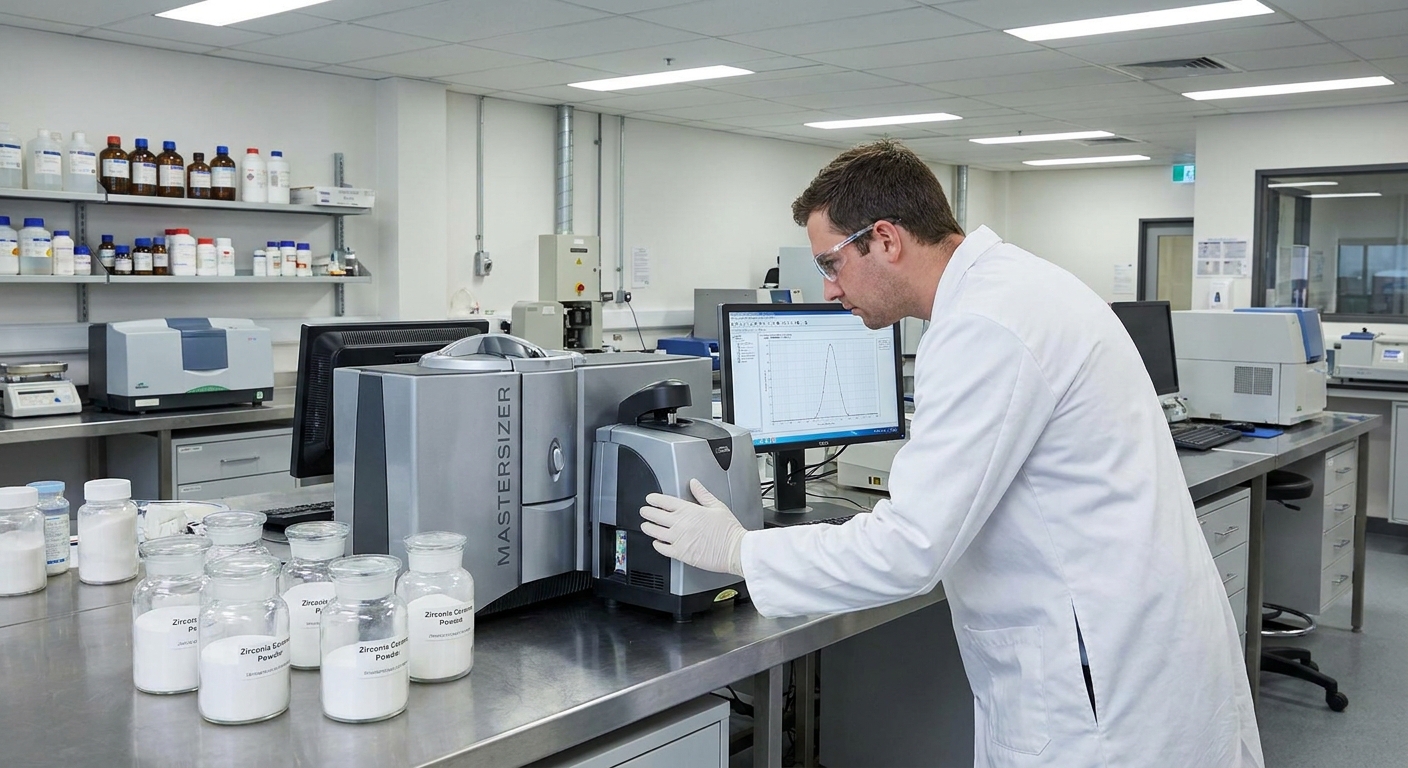
To source quality zirconia ceramic, you must partner with a vertically integrated manufacturer that controls the process from raw ore to the final sintered component. Sourcing a high-stability Zirconia Ceramic requires verifying detailed data reports and particle size distributions for every batch.
Why check PSD consistency?
Narrow particle size distribution (PSD) ensures that your ceramic parts sinter uniformly, which prevents the internal stresses that cause cracking. If the particles are inconsistent, the final part will have weak spots that lead to catastrophic failure under pressure.
- Verify D50 variance within ±5%
- Check for narrow distribution curves
- Request COA and PSD reports
- Analyze batch-to-batch repeatability
That’s just the beginning. Stable particle characteristics are the only way to ensure your automated production lines run without interruption.
Is traceability necessary?
In precision industries like dental and aerospace, full batch traceability is required to manage quality risk and ensure regulatory compliance. You need a partner who can provide a complete paper trail from the moment the material is mined to the final quality release.
- Full chain records for every batch
- X-ray diffraction (XRD) phase analysis
- Radioactivity level certification
- Direct access to engineering support
The reality is that in precision manufacturing, a minor variation in material whiteness or phase purity can trigger a total product rejection.
Key Takeaway
Selecting a manufacturer with on-site engineering support and rigorous QC protocols is the most effective way to eliminate procurement risk.
| Quality Metric | Typical Supplier | Expert Manufacturer |
|---|---|---|
| PSD Variance | ±15% | ±5% |
| Documentation | On request | Every batch |
| Support | Sales-based | Engineer-led |
Conclusion
Zirconia ceramics represent the pinnacle of material science for applications requiring extreme durability, thermal management, and chemical resistance. By understanding the specific needs of your structural or functional components, you can leverage these unique properties to improve system longevity and process efficiency. At ZrBrontec, we are committed to providing the data-supported stability your operations require.
Ready to optimize your industrial performance with high-stability materials?
Contact us today to discuss your custom specifications and receive a technical recommendation from our engineering team within 24 hours.
Frequently Asked Questions
- How do you ensure batch-to-batch consistency in zirconia?
Consistency is maintained through standardized production parameters and comprehensive testing of every batch for chemical composition and particle size distribution. - Can zirconia ceramic be customized to specific sizes?
Yes, both the particle size distribution of the powder and the final geometry of structural parts can be customized to match your specific application requirements. - What is the typical lead time for custom zirconia parts?
Standard grades typically ship within 2-3 weeks, while custom specifications or high-volume orders may require 4-6 weeks depending on complexity. - Does zirconia require lubrication in bearing applications?
No, zirconia ceramic has oil-free self-lubricating properties, making it ideal for environments where traditional lubricants are prohibited. - Is zirconia ceramic safe for medical and dental use?
Yes, high-purity zirconia is bio-inert and exceptionally durable, making it the preferred material for long-term dental and medical implants.