
The primary types of zirconia used in dental applications are 3Y-TZP (high strength), 4Y-ZP (universal hybrid), and 5Y-ZP (high translucency), each engineered to address specific mechanical and aesthetic requirements. In modern restorative dentistry, clinical teams and laboratories frequently face catastrophic failures, such as posterior restoration fractures or disappointing, opaque, “chalky” aesthetics in highly visible anterior areas. Choosing a generic zirconia block for all clinical indications is no longer viable, and a single mistake can lead to dissatisfied patients, damaged professional reputations, and costly remakes that drain laboratory profitability. The ultimate solution lies in mastering the microstructural differences of these materials and selecting the ideal block, especially high-translucency 5Y Zirconia for cases where natural, lifelike beauty is paramount.
What is the science behind 5Y Zirconia?
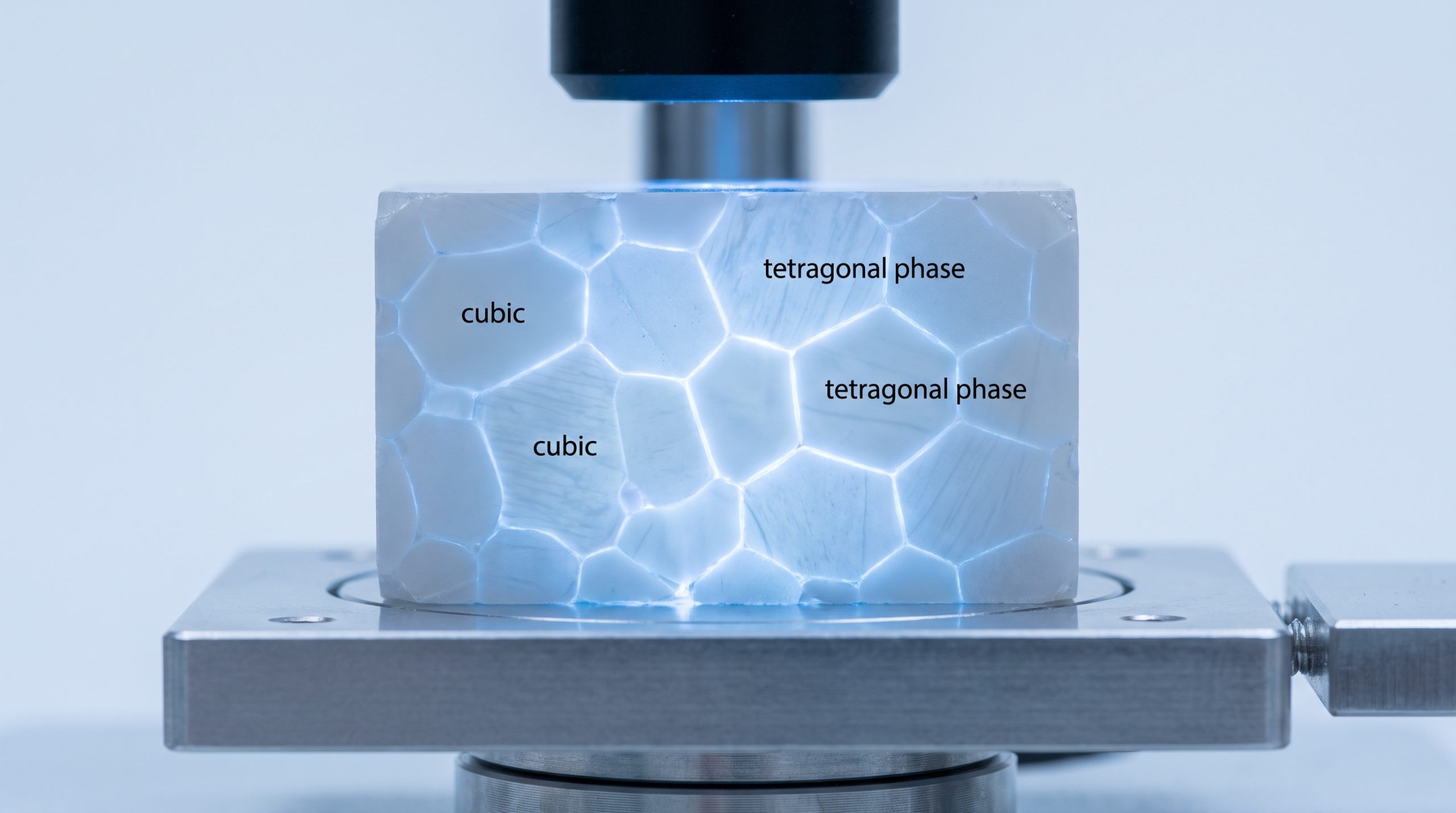
The fundamental science behind 5Y Zirconia lies in its stabilization with 5 mol% yttrium oxide, which creates a high volume of isotropic cubic crystals. This yttria content prevents unstable volume changes during cooling. As a result, the ceramic remains stable at room temperature. This cubic matrix reduces light scattering at grain boundaries.
Understanding this microstructure allows you to predict the material’s optical behavior. However, these cubic crystals lack the ability to perform active crack arresting. You are trading mechanical toughness for lifelike translucency. This fundamental compromise dictates its clinical use.
The Role of Yttria as a Crystal Stabilizer
When you work with modern ceramics, yttrium oxide is the vital stabilizer that keeps the structure intact. Without this critical additive, the material would expand and crumble during cooling. Here is the key: yttria chemically locks the crystals in their high-temperature phases. This process gives you a reliable material that lasts for years.
- Prevents spontaneous structural cracking.
- Maintains chemical stability at room temperature.
- Determines the ultimate ratio of cubic to tetragonal phases.
You must recognize how yttria concentration affects the final restoration. Higher levels create more cubic structures, boosting translucency. This allows you to achieve stunning, lifelike restorations. Managing this chemistry is essential for predictable outcomes.
Can We Control Tetragonal and Cubic Phases?
You can control how these structural phases respond to chewing forces. Tetragonal grains are highly tough and stop cracks from spreading. Think about it: cubic grains are larger and let light pass, but they cannot stop cracks. This is why balancing these phases is so critical.
- Tetragonal phase offers high mechanical strength.
- Cubic phase provides excellent light transmission.
- Correct phase distribution prevents premature clinical failures.
You will find that high-translucency blocks contain more than 50% cubic crystals. This makes them ideal for the anterior region. However, you should avoid using them in high-stress posterior areas. This careful selection protects your work from heavy occlusal forces.
Key Takeaway: Understanding the crystalline chemistry of stabilized zirconia allows you to confidently select materials that prevent early clinical failure while achieving optimal lifelike translucency.
| Parameter | Tetragonal Phase | Cubic Phase |
|---|---|---|
| Primary Benefit | High fracture toughness | Superior optical translucency |
| Optical Behavior | High light scattering (opaque) | Isotropic light transmission |
| Stress Response | Active transformation toughening | Passive structural stability |
Analyzing crystalline phases helps you match structural limits with actual clinical forces.
How does 3Y compare to 5Y Zirconia?
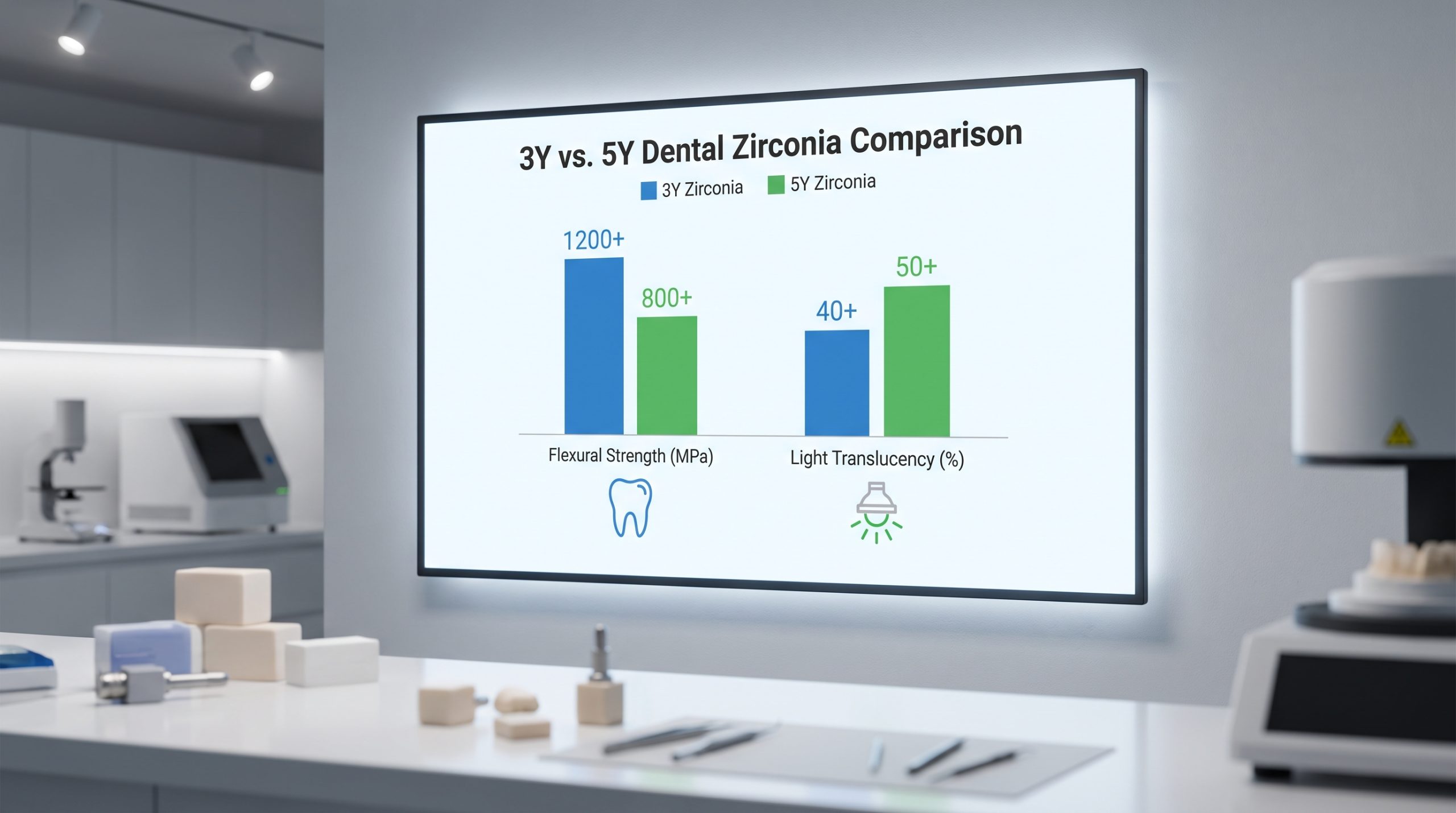
When comparing these materials, 3Y-TZP offers maximum flexural strength for heavy posterior loads, whereas 5Y Zirconia prioritizes premium anterior aesthetics with higher light transmission. This trade-off exists because 3Y contains fewer yttria additives, leaving it in the tough tetragonal phase. Conversely, the 5Y formulation introduces more yttria to create a highly translucent cubic matrix. This fundamental difference determines where and how you should utilize each material.
If you select the wrong block, your restorations may either look too opaque or fracture. Putting a 3Y crown on a central incisor often results in an aesthetic rejection. On the other hand, placing a 5Y crown on a high-load molar is very risky. Let’s explore how these materials compare.
Understanding the Strength-Aesthetics Trade-Off
When you design restorations, you are constantly balancing how strong they are against how natural they look. Let’s face it: patients want beautiful smiles, but they also want restorations that do not break. By choosing the right yttria content, you can satisfy both demands without compromising your clinical standards. You just need to know where the mechanical boundaries lie.
- High-strength 3Y blocks light, creating an opaque look.
- Aesthetic 5Y permits natural light transmission for lifelike depth.
- Finding the right balance reduces both remakes and clinical failures.
You will find that managing this trade-off is much easier when you map the patient’s aesthetic expectations. The anterior zone demands the optical brilliance of high-yttria ceramics. Meanwhile, posterior sectors require the rugged durability of tetragonal structures. This clinical mapping protects your work from unexpected stresses.
What Does the Mechanical Data Reveal?
If you look closely at the mechanical specifications, the contrast between these materials becomes very clear. Here is the key: 3Y zirconia boasts a flexural strength exceeding 1,200 MPa, making it virtually indestructible. In comparison, 5Y options operate in the range of 600 to 800 MPa. This means you must modify your preparation designs and loading expectations.
- 3Y flexural strength: 1,000 to 1,400 MPa.
- 5Y flexural strength: 600 to 800 MPa.
- 3Y exhibits active transformation toughening; 5Y does not.
You cannot expect a high-translucency material to survive the same physical abuse as a framework ceramic. Understanding these physical limits protects your work from unexpected stresses. It allows you to select the precise material needed for each unique dental arch. This level of clinical precision is what makes your practice stand out.
Key Takeaway: Comparing mechanical properties ensures you never compromise posterior structural safety while maximizing anterior aesthetic outcomes.
| Mechanical Property | 3Y-TZP | 5Y-ZP |
|---|---|---|
| Flexural Strength (MPa) | 1,000 – 1,400 | 600 – 800 |
| Fracture Toughness | High (5.0–8.0 MPa·m¹/²) | Low (2.5–3.5 MPa·m¹/²) |
| Primary Indication | Core Frameworks / Posterior | Anterior Crowns / Veneers |
Evaluating these metrics side-by-side simplifies chairside material selection.
How does 4Y bridge 3Y and 5Y Zirconia?
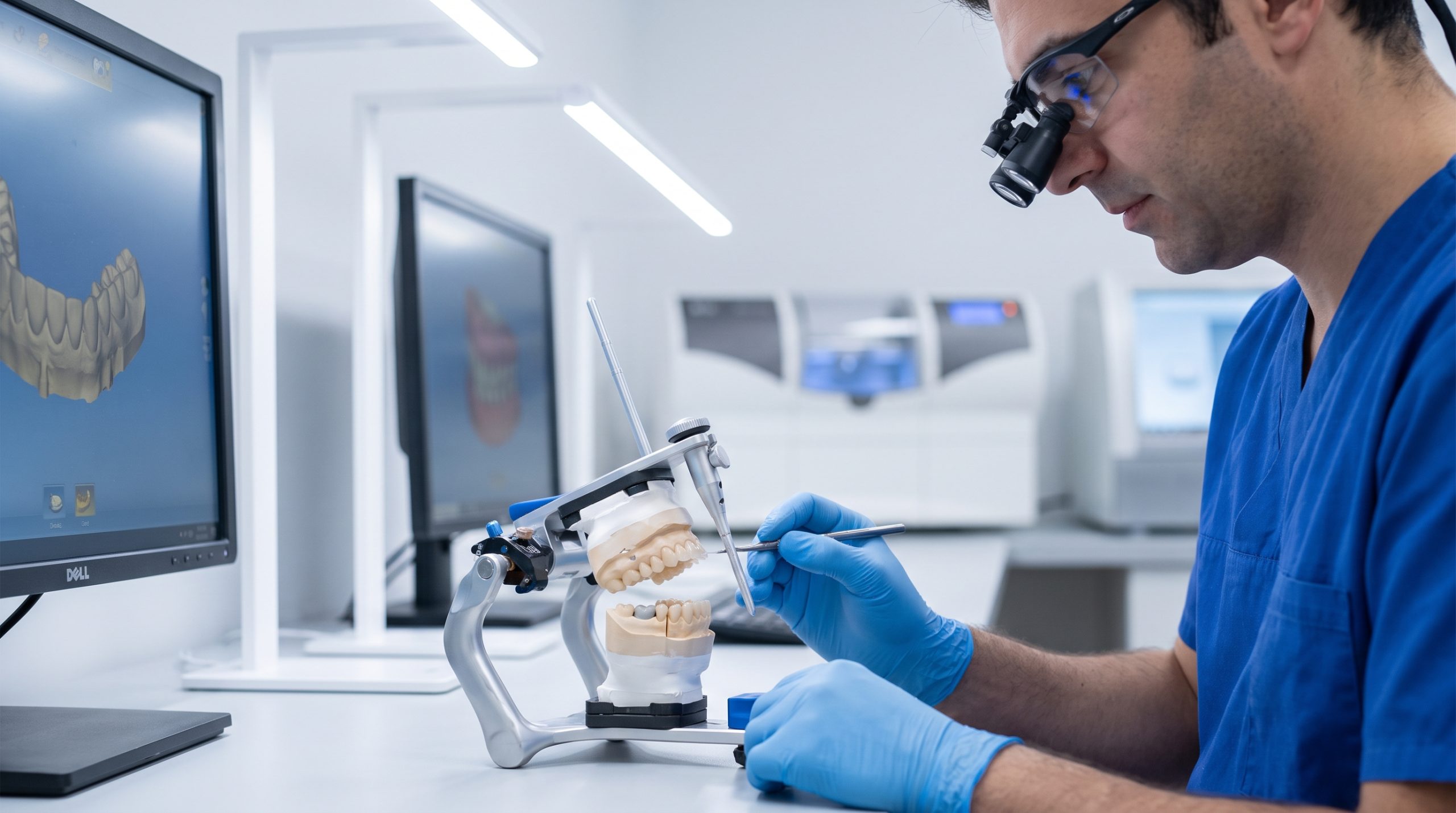
The 4Y yttria formulation bridges 3Y and 5Y Zirconia by combining a durable tetragonal crystalline matrix with enough cubic phase to deliver balanced translucency. This intermediate material acts as a highly versatile hybrid option for daily clinical cases. It provides a flexural strength of approximately 900 MPa, making it robust enough for posterior single crowns. At the same time, its optical quality prevents the unnatural, opaque appearance of traditional ceramics.
By integrating this hybrid into your inventory, you can significantly streamline your laboratory CAD/CAM workflows. You no longer have to stock separate blocks for every minor clinical variation. Instead, you can rely on a single, dependable category for a wide range of common restorations. Let’s look at how this hybrid simplifies your material selection process.
The Emergence of All-Purpose Hybrid Formulations
When you evaluate the evolution of dental materials, the creation of 4Y formulations stands out as a major breakthrough. Think about it: instead of forcing you to choose between absolute strength and absolute beauty, materials science engineered a balanced middle ground. This hybrid approach allows you to address the majority of standard crown restorations with complete confidence. It reduces the stress of choosing between two extreme options.
- Delivers a balanced microstructural composition.
- Provides enough cubic phase to mimic natural dentin.
- Maintains high mechanical strength for everyday posterior single units.
You will notice that these hybrid blocks mill beautifully and offer excellent margin stability. This makes your laboratory work more predictable. It also reduces the time spent on manual adjustments. This efficiency is ideal for fast-paced modern dental practices.
When Is Balanced Performance the Best Strategy?
In many clinical situations, you are faced with a premolar or a multi-unit bridge that requires moderate aesthetic appeal alongside solid structural support. Here is the key: this is where the 4Y hybrid truly shines, as it handles masticatory forces while looking remarkably natural. You do not have to worry about the aesthetic failures of 3Y or the fracture risks of 5Y. It represents a highly reliable, low-risk option for your daily caseload.
- Optimized for premolars and single-unit posterior crowns.
- Perfect for short-span anterior bridges under moderate load.
- Lowers restoration fracture rates without sacrificing natural aesthetics.
You can confidently prescribe this material for patients who exhibit normal bite patterns. It provides the perfect balance of peace of mind and visual harmony. This material helps you deliver exceptional results across a broad spectrum of cases. It is a smart addition to any clinical toolkit.
Key Takeaway: Implementing hybrid zirconia formulations in your clinic or lab simplifies material inventory while maintaining an excellent balance of strength and aesthetics.
| Clinical Feature | 3Y-TZP | 4Y-ZP (Hybrid) | 5Y-ZP |
|---|---|---|---|
| Strength Class | Ultra-High | Moderate-High | Moderate |
| Translucency Level | Low | Medium | High |
| Primary Indication | Long-span bridges | Single crowns (all areas) | Anterior single units |
Utilizing 4Y as a universal option minimizes selection errors in standard cases.
Why does 5Y Zirconia offer top aesthetics?
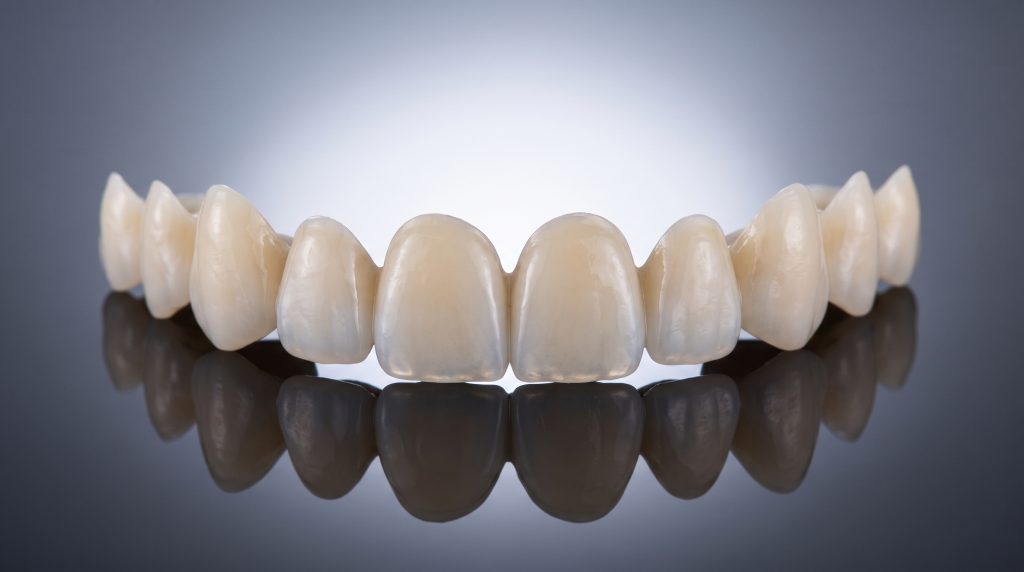
The reason why 5Y Zirconia offers top aesthetics is its high concentration of yttria, which generates a large volume of cubic crystals that eliminate optical refractive boundaries. These isotropic cubic grains allow light to pass through the restoration almost unhindered, mimicking natural enamel. This optical behavior is crucial when trying to match adjacent natural teeth in the highly visible anterior zone. By choosing this formulation, you can achieve a depth of translucency that rivals glass-ceramics.
When you use this material, you will notice a significant improvement in shade matching and value control. Traditional zirconia often looks dull and white under intense clinical lighting. With this high-yttria ceramic, however, you can capture the natural vitality and warmth of the patient’s dentin. Let’s explore the optical physics that make this possible.
How Does Light Pass Through Cubic Crystals?
To understand why this material looks so lifelike, you have to look at how light interacts with its internal crystals. Let’s face it: regular tetragonal zirconia has grain boundaries that scatter light in every direction, creating an opaque look. The cubic crystal structure in this high-yttria formulation, however, features large, uniform grains that allow light to travel straight through. This gives you an unprecedented level of control over the optical value of your restorations.
- Isotropic cubic grains prevent light scattering.
- Replicates the natural light-transmission curve of human enamel.
- Minimizes the need for heavy, opaque layering ceramics.
You will see a huge difference when cementing these crowns in the anterior aesthetic zone. They blend seamlessly with the patient’s natural dentition. This optical harmony hides margins with ease. This quality is what separates premium restorations from average ones.
Mimicking Natural Tooth Structure and Enamel
Achieving a natural look is not just about translucency; you also need to recreate the subtle color gradients of human teeth. But wait, there’s more: modern multi-layered discs combine this high-yttria chemistry with advanced pre-shading to mimic the dentin-to-enamel transition. This allows you to produce monolithic crowns that look highly customized straight out of the milling machine. You can save hours of lab finishing time while still delivering premium results.
- Pre-shaded gradient layers replicate dentin and enamel transitions.
- High-translucency cubic base allows natural tooth warmth to show through.
- Reduces the reliance on complex external staining techniques.
You can achieve gorgeous, lifelike restorations with minimal porcelain layering. This reduces the risk of veneer chipping, which is a common headache in aesthetic dentistry. It is the ultimate tool for beautiful, durable anterior smiles. It raises the standard of what a B2B lab can provide.
Key Takeaway: Leveraging the advanced cubic crystal structure of high-yttria zirconia allows you to deliver anterior restorations with unparalleled optical vitality and natural light depth.
| Optical Metric | Standard 3Y Zirconia | Modern 5Y Zirconia |
|---|---|---|
| Translucency Percentage | ~35% – 40% | ~49% – 53% |
| Light Refraction | High (Opaque barrier) | Low (Isotropic transmission) |
| Chroma/Value Match | Requires heavy staining | Naturally mimics dentin/enamel |
Optical clarity depends directly on the concentration of isotropic cubic crystals.
Is 5Y Zirconia strong enough for bridges?
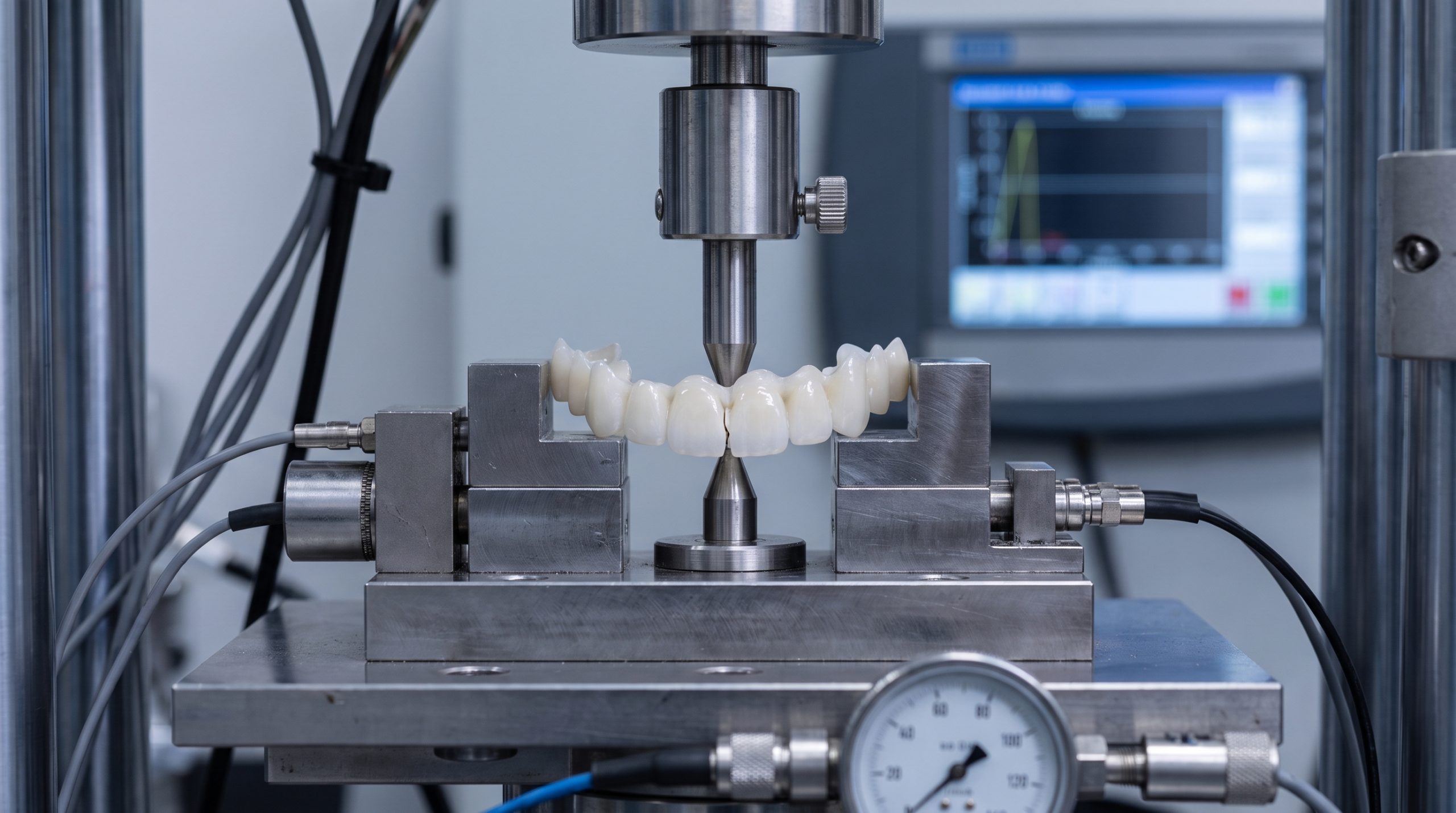
While 5Y Zirconia is strong enough for single crowns and select three-unit anterior bridges, it lacks the fracture toughness required for high-stress posterior multi-unit restorations. This limitation is a direct result of its microstructural composition, which contains over 50% cubic crystals that cannot undergo active transformation toughening. Consequently, if a microscopic crack begins to form under heavy chewing loads, the material cannot stop it from spreading. You must be extremely careful when planning multi-unit cases in the molar region with this ceramic.
Using this material inappropriately is a primary cause of costly clinical failures and disappointed patients. If you place a long-span bridge made of high-yttria zirconia in a patient with bruxism, a catastrophic fracture is highly likely. To avoid these issues, you must understand the mechanical boundaries and connector requirements of this material. Let’s examine these limits in detail to protect your dental practice.
Evaluating Limits of Flexural Strength
When you evaluate materials for bridge frameworks, you must consider the maximum bite forces your patient can exert. Think about it: a posterior bridge can be subjected to forces exceeding 800 Newtons, especially in patients with parafunctional habits. Since this aesthetic ceramic typically tops out at 600 to 800 MPa, it simply does not have the safety margin needed for heavy posterior spans. You are much safer using a stronger, tougher 3Y or 4Y substrate for these high-stress areas.
- 5Y flexural strength is limited to 600–800 MPa.
- Lacks the crack-stopping ability of tetragonal zirconia.
- Risk of sudden catastrophic failure increases under high posterior loads.
You must reserve high-translucency options for situations where aesthetic demands outweigh extreme mechanical requirements. This clinical discipline prevents unexpected fractures and maintains patient confidence. It is a cornerstone of responsible treatment planning. This is how you build a reliable clinical reputation.
What Are the Risks of Multi-Unit Restorations?
The biggest risk in multi-unit design lies in the cross-sectional area of the connectors between the crowns. Here is the key: while you can design very thin connectors with ultra-strong 3Y zirconia, high-translucency materials require much thicker, bulkier dimensions to resist breaking. These large connectors can look unnatural in the mouth and make it difficult for patients to clean between their teeth. You must balance the physical size of the connector against the patient’s aesthetic expectations.
- Strong 3Y requires only a small connector area ($9\text{ mm}^2$).
- Translucent 5Y requires a larger connector area ($12\text{–}16\text{ mm}^2$).
- Bulkier connectors can restrict interproximal space and affect hygiene.
You will find that trying to force a highly translucent material into a multi-unit posterior span often leads to compromises in both strength and aesthetics. Instead, you should select a hybrid or layered approach for those complex situations. This ensures your restorations remain both beautiful and structurally sound for years to come. This conservative planning protects both the clinician and the patient.
Key Takeaway: Understanding the mechanical limitations of high-translucency zirconia prevents catastrophic bridge fractures, ensuring you maintain a safe and reliable clinical track record.
| Restoration Type | 3Y-TZP (High Strength) | 5Y-ZP (Aesthetic) |
|---|---|---|
| Single Posterior Unit | Recommended | Acceptable (with adequate thickness) |
| 3-Unit Anterior Bridge | Recommended | Recommended (with $12\text{ mm}^2$ connectors) |
| Posterior Multi-Unit | Recommended | Contraindicated (high fracture risk) |
Always match the connector size and material strength to the patient’s occlusal zone.
When should you choose 5Y Zirconia?
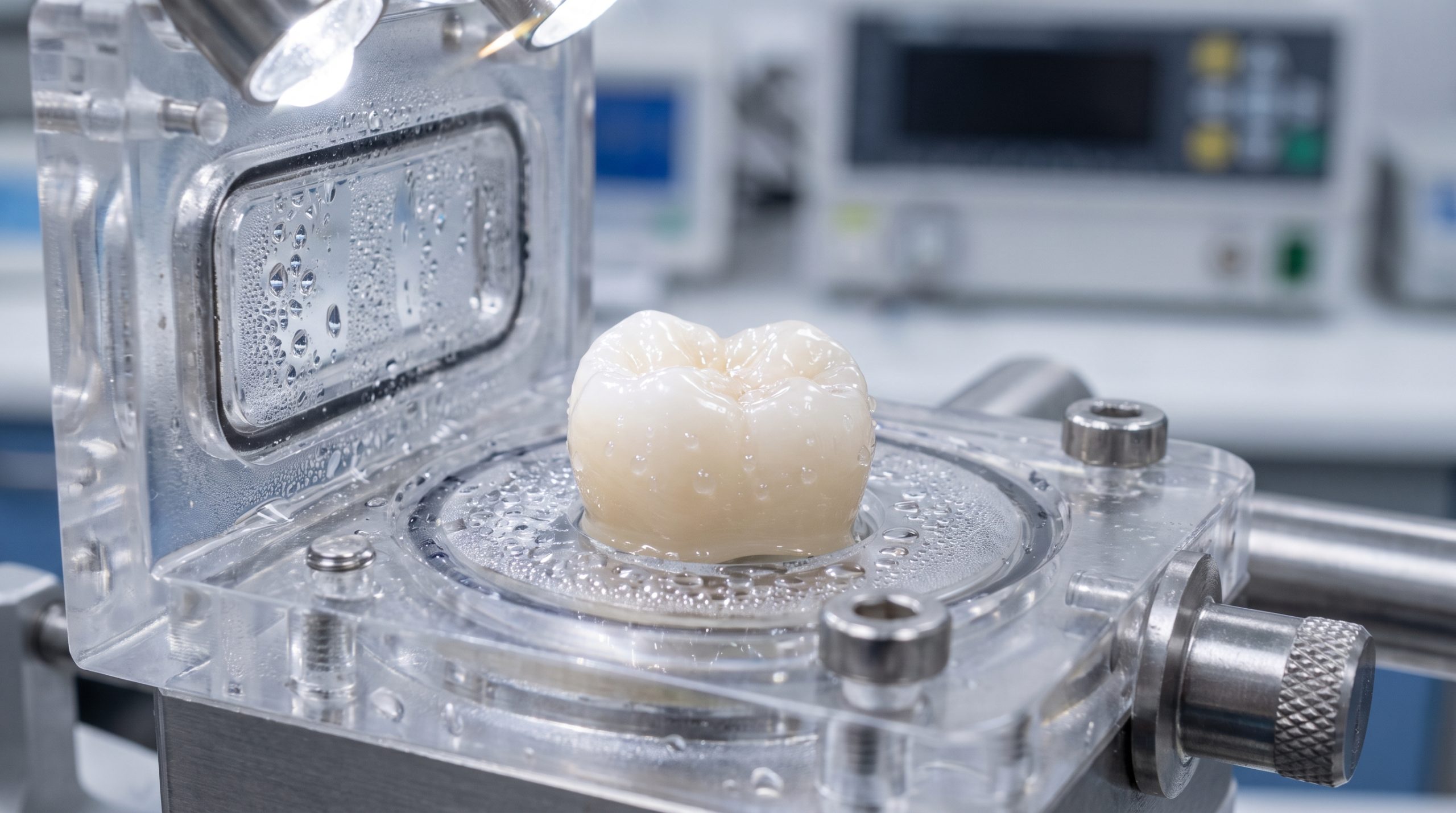
You should choose 5Y Zirconia for single-unit anterior crowns, ultra-thin veneers, and small anterior bridges where matching natural enamel translucency is your primary goal. This aesthetic material is ideal when your patient demands a lifelike smile and has healthy, non-bruxing occlusal patterns. Because it transmits light beautifully, it eliminates the dull, opaque look of traditional zirconia. It is the perfect choice for cosmetic restorations in the visual zone.
By identifying the ideal clinical cases for this premium ceramic, you can deliver restorations that satisfy even the most demanding patients. You no longer have to sacrifice the strength of zirconia just to get the beauty of glass-ceramics. Instead, you can have the best of both worlds in your aesthetic cases. Let’s examine the specific indications where this material outperforms other options.
Aesthetic Zones and Anterior Restorations
When you work in the anterior aesthetic zone, matching the subtle nuances of natural teeth is your biggest challenge. Let’s face it: patients will notice even the smallest color or value mismatch in their front teeth. This high-yttria ceramic gives you the optical tools you need to blend your restorations seamlessly with natural dentition. It provides a beautiful, natural warmth that traditional ceramics simply cannot match.
- Perfect for single central and lateral incisor crowns.
- Blends naturally with adjacent unrestored teeth.
- Reduces the need for highly skilled, time-consuming ceramic layering.
You can confidently use this material to create single-unit restorations that disappear into the patient’s smile. It is an excellent choice for patients who want a quick, highly aesthetic cosmetic improvement. This material helps you achieve consistently beautiful results in the most challenging visual areas. It makes your cosmetic outcomes highly predictable.
How Do Inlays, Onlays, and Veneers Benefit?
For minimally invasive restorations like inlays, onlays, and veneers, conserving healthy tooth structure is your top priority. But wait, there’s more: because this ceramic is highly translucent, it can transmit the underlying natural tooth shade, helping your margin lines blend in seamlessly. This chameleon effect allows you to perform conservative preparations without worrying about visible margins. It is a fantastic option for patients who want to keep as much of their natural enamel as possible.
- Ideal for ultra-thin veneers with minimal tooth reduction.
- High translucency creates a natural “chameleon effect” at margins.
- Stronger than traditional glass-ceramic veneers for improved durability.
You will love how easy it is to achieve flawless, imperceptible margins with this high-translucency ceramic. It allows you to offer your patients strong, conservative restorations that look completely natural. This approach elevates your cosmetic dentistry to a whole new level. It delivers outstanding clinical value with minimal preparation.
Key Takeaway: Targeting high-translucency zirconia for anterior single units and conservative veneers allows you to deliver maximum aesthetic value with exceptional material strength.
| Indication | Clinical Suitability | Key Material Benefit |
|---|---|---|
| Anterior Crown | Excellent | Maximizes natural light depth |
| Thin Veneer | Excellent | Superior edge strength, low chipping |
| Inlay / Onlay | Very Good | Flawless margin blending (chameleon effect) |
Using high-translucency materials for conservative restorations ensures seamless visual integration.
How do you sinter 5Y Zirconia safely?
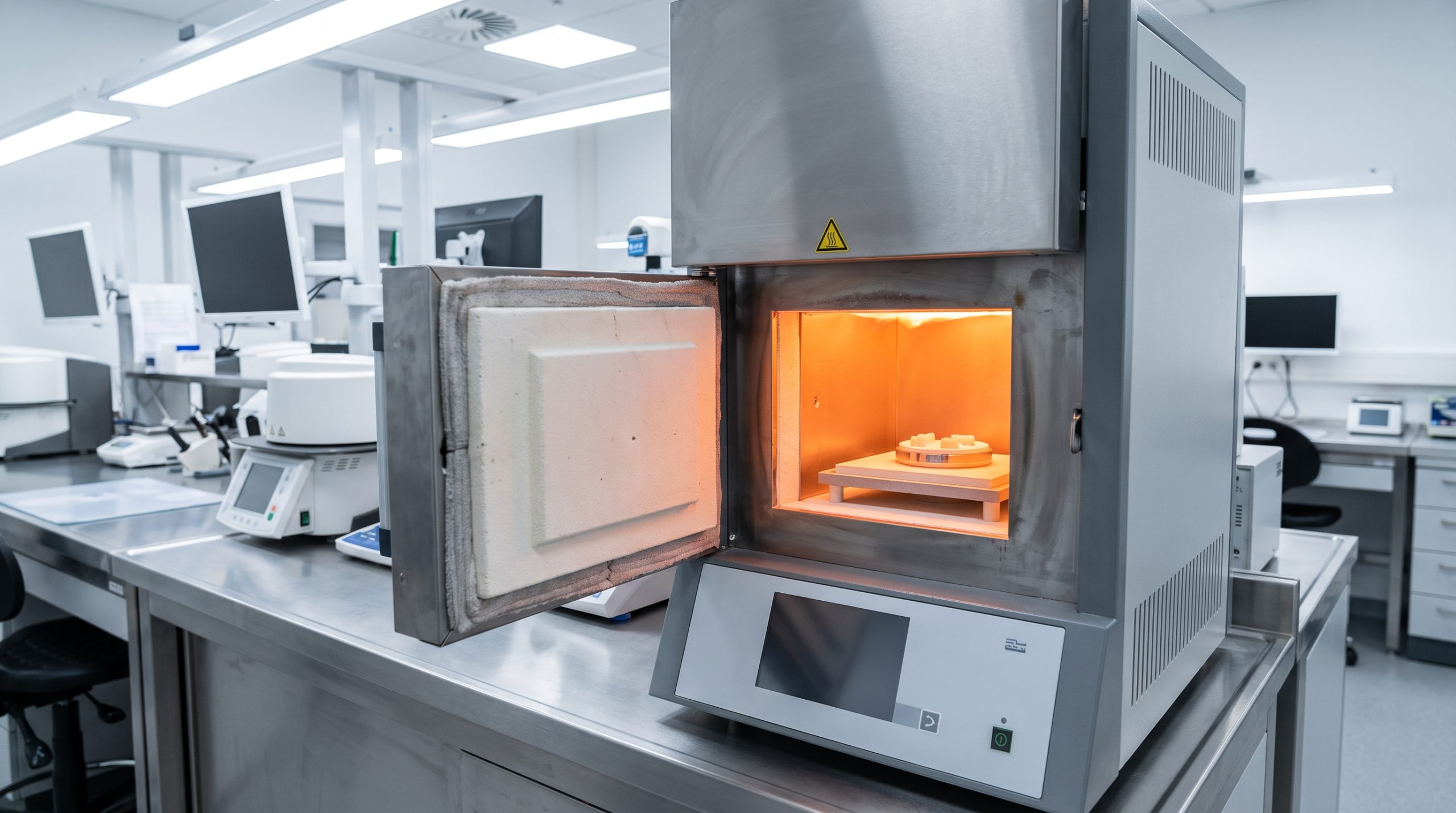
To sinter 5Y Zirconia safely, you must follow a strict, controlled heating profile that peaks between 1,450°C and 1,530°C with precise dwell times to optimize both crystalline growth and final material density. Sintering is the most critical step in laboratory processing because it determines the final optical and physical properties of the restoration. If you deviate from the manufacturer’s recommended heating curves, you risk compromising both the strength and the beauty of the ceramic. This process requires a calibrated, high-quality dental laboratory furnace.
Many common processing errors, like cloudy restorations or unexpected cracks, can be traced back to poor sintering practices. By mastering these thermal parameters, you can ensure that your restorations achieve their full aesthetic and structural potential. You will see a major improvement in the consistency and quality of your milled work. Let’s examine the key temperature controls needed for successful processing.
Critical Temperature Controls for Cubic Phases
When you sinter high-yttria ceramics, you are managing a delicate crystalline transformation. Think about it: the final size of the cubic grains is directly determined by how hot the furnace gets and how long it stays there. If your peak temperature is too low, the grains will not grow properly, resulting in a dull, opaque crown. You must ensure your furnace is accurately calibrated to maintain the narrow thermal window required for these materials.
- Peak temperatures must be kept strictly within manufacturer specs.
- Correct thermal dwelling allows isotropic cubic grains to form.
- Accurate furnace calibration prevents visual and structural defects.
You will achieve the best optical results by maintaining steady, controlled heating rates throughout the entire cycle. This level of thermal control ensures that every restoration comes out with beautiful translucency. It also guarantees correct shading. It is the key to consistent laboratory quality.
What Are the Consequences of Over-Sintering Restorations?
It is tempting to think that higher temperatures or longer sintering cycles will make your restorations look even more translucent. Here is the key: exceeding the recommended thermal limits causes runaway grain growth, which makes the material extremely brittle and prone to cracking. Over-sintering destroys the delicate balance between the cubic and tetragonal phases, leaving you with a fragile crown. You must respect the physical limits of the ceramic during every cycle.
- Excessive temperatures trigger rapid, unstable grain growth.
- Causes high brittleness and lowers the overall fracture resistance.
- Can result in micro-cracks that cause catastrophic clinical failure.
You must avoid the temptation to speed up cycles unless using a validated rapid-sintering furnace. Following the standard thermal protocols protects your laboratory from expensive remakes. It also maintains your reputation for high-quality work. Slow and steady thermal processing remains the safest path to success.
Key Takeaway: Precise control of the sintering cycle guarantees that your restorations achieve their ideal translucency and density, preventing laboratory errors and early clinical failure.
| Sintering Phase | Ideal Parameter Range | Clinical Impact |
|---|---|---|
| Heating Rate | 2°C to 10°C per minute | Prevents thermal shock and stress fractures |
| Peak Temperature | 1,450°C – 1,530°C | Maximizes density and cubic grain development |
| Dwell/Holding Time | 2 hours | Completes the sintering process uniformly |
Sticking to precise thermal curves is essential for achieving the best optical properties.
What clinical cases suit 5Y Zirconia best?
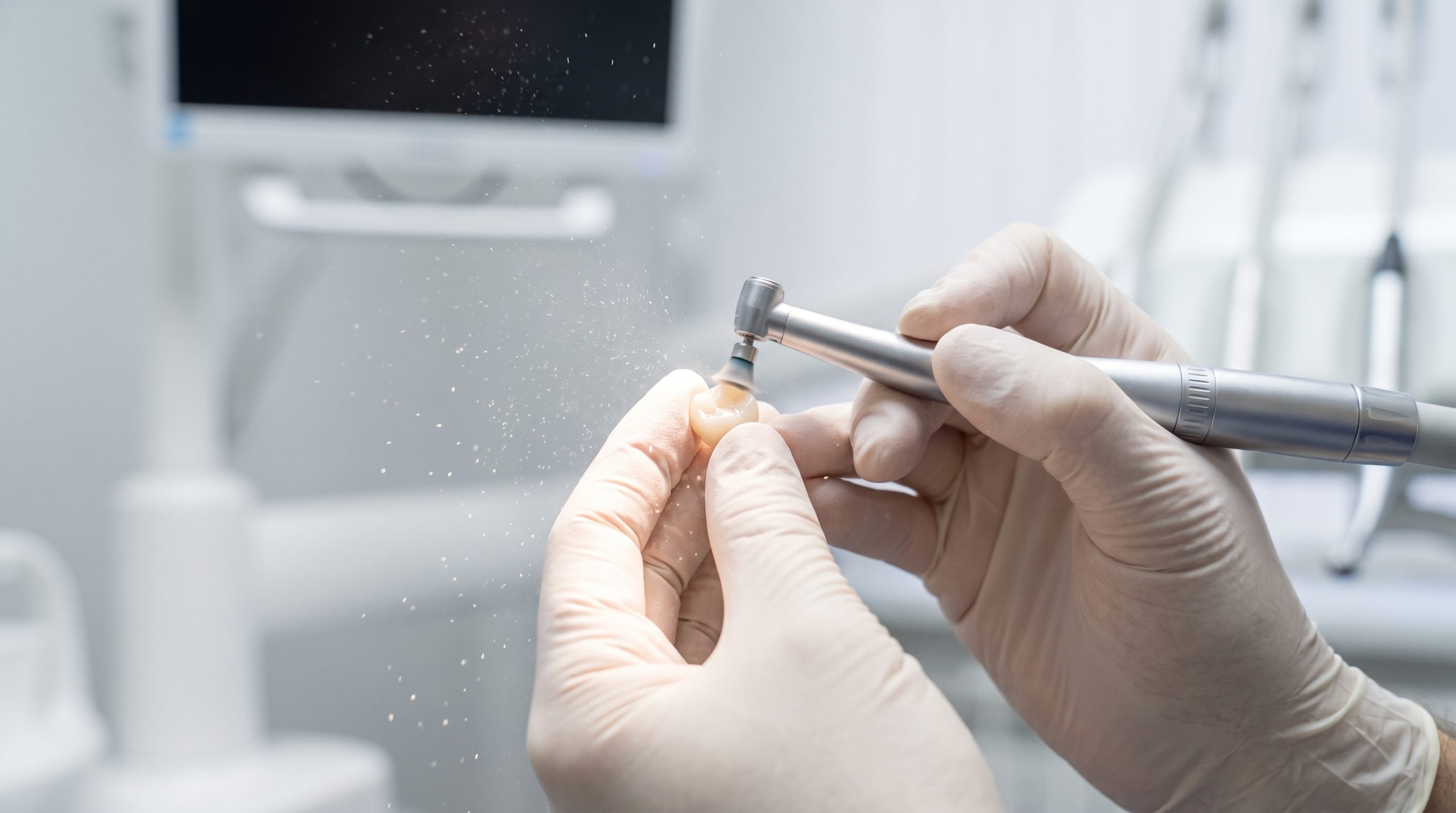
The clinical cases that suit 5Y Zirconia best are those involving single monolithic anterior crowns, cosmetic veneers, and restorations in low-stress, non-bruxism patients. These situations allow you to take full advantage of the material’s premium light transmission and lifelike aesthetics without risking mechanical failure. By matching the ceramic to the patient’s specific physical and aesthetic needs, you ensure a long-lasting, successful outcome. It is an excellent option for patients who demand a beautiful, natural-looking smile.
By identifying these ideal patient profiles early in the treatment planning phase, you can avoid post-cementation complications. You will be able to select the perfect material for each unique smile design with complete confidence. This careful selection protects your professional reputation and keeps clinical remakes to a minimum. Let’s review the key clinical scenarios where this premium material truly stands out.
Monolithic Anterior Crowns in Visual Zones
When you design restorations for front teeth, you are always looking for ways to combine beauty with reliability. Let’s face it: traditional layered crowns look great but are prone to chipping at the porcelain margins over time. By using a monolithic design with this high-translucency ceramic, you eliminate the risk of porcelain chipping entirely while still achieving gorgeous aesthetics. This approach gives you a stronger, more durable restoration that still looks completely natural.
- Eliminates the risk of external porcelain chipping.
- Provides natural light depth in monolithic form.
- Reduces the clinical chair time required for finishing and adjustments.
You can achieve incredibly lifelike results with minimal surface staining and a simple polish. This streamlined workflow reduces laboratory costs. It also ensures a faster turnaround for your patients. It is a highly efficient way to deliver premium cosmetic dentistry.
Can We Safely Place These in Low-Stress Cases?
To ensure the long-term success of your restorations, you must perform a thorough occlusal evaluation on every patient. But wait, there’s more: if your patient has healthy bite patterns and shows no signs of grinding or clenching, you can safely use this aesthetic material. This allows you to provide beautiful, translucent restorations even in the premolar and molar regions. It is an excellent way to elevate the overall quality of your restorative work.
- Safest for patients with normal, healthy occlusal forces.
- Can be used in posterior areas under low-stress conditions.
- Minimizes the risk of stress fractures in non-bruxism patients.
You must avoid using high-translucency materials in patients who show signs of heavy wear. Correct patient screening is your best defense against unexpected clinical failures. It allows you to deliver beautiful smiles that stand the test of time. This clinical diligence is what defines a top-tier dental professional.
Key Takeaway: Selecting monolithic high-translucency zirconia for low-stress anterior cases eliminates veneer chipping while meeting the highest aesthetic demands of your patients.
| Clinical Scenario | Aesthetic Demand | Mechanical Risk | Material Recommendation |
|---|---|---|---|
| Central Incisor Crown | High | Low | Monolithic 5Y Zirconia |
| Posterior Bruxist Molar | Low | Extremely High | 3Y-TZP (High Strength) |
| Premolar Single Unit | Medium | Moderate | 4Y-ZP (Hybrid) |
Careful patient selection is key to matching material performance with real-world forces.
Does 5Y Zirconia wear down opposing teeth?
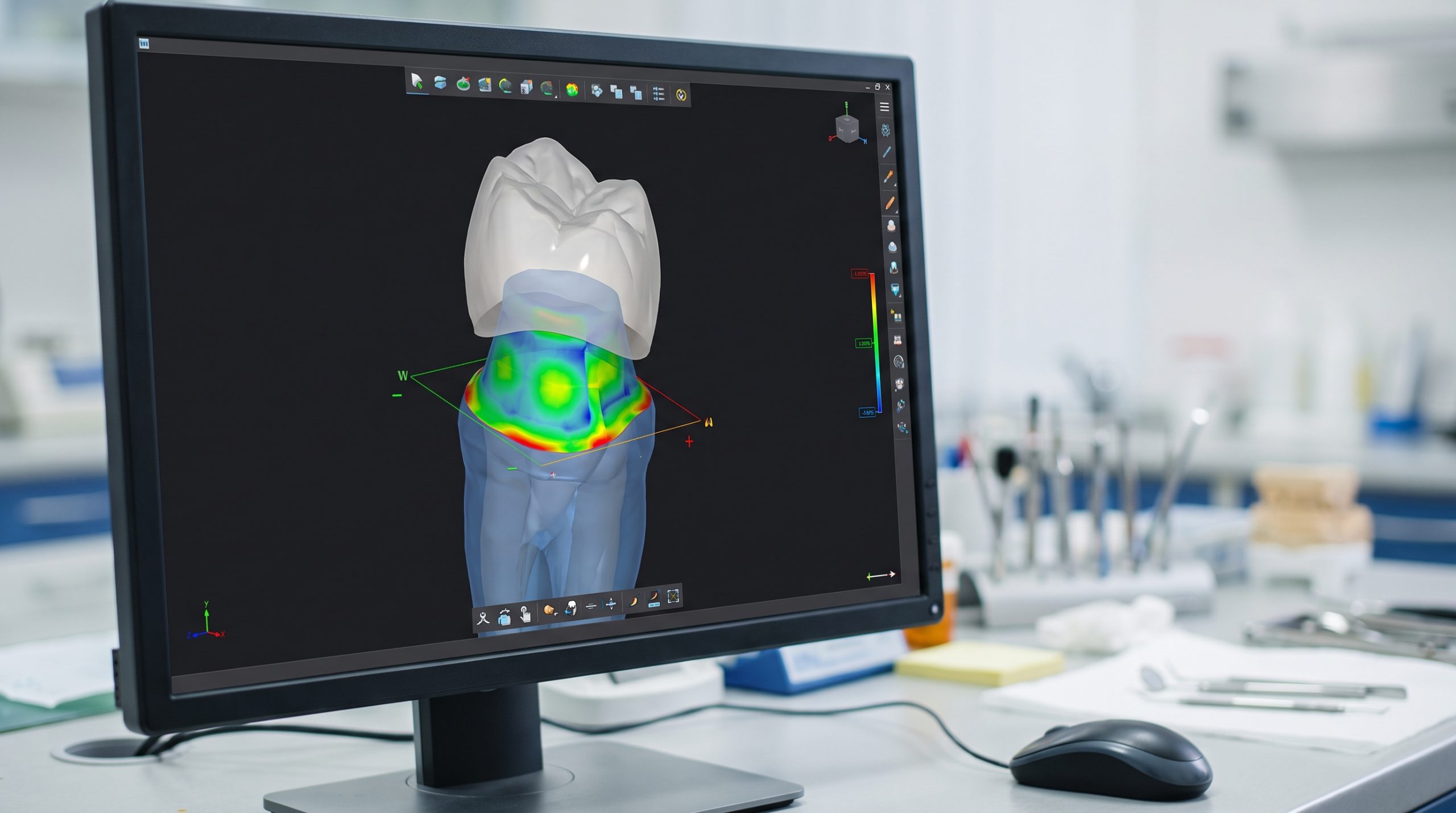
No, polished 5Y Zirconia does not wear down opposing teeth when it is properly finished, making it significantly less abrasive to natural enamel than glazed surfaces. A common misconception in dentistry is that because zirconia is extremely hard, it must be highly destructive to opposing teeth. In reality, scientific wear studies show that surface roughness, rather than material hardness, is the primary cause of enamel wear. When you maintain a highly polished, smooth surface, you protect the opposing teeth from excessive friction.
This tribological behavior makes the material an excellent choice for restorations that contact natural enamel during chewing. By choosing high-quality, polished materials, you can safeguard your patient’s long-term oral health. You will also maintain excellent occlusal stability over time. Let’s look at the science behind surface finishing and wear kinetics.
The Impact of Surface Polish vs. Glazing
When you finish a restoration, you must understand how the surface texture affects opposing teeth over time. Think about it: many dentists believe a glazed surface is the smoothest option, but glaze can wear away quickly, exposing a rough, abrasive ceramic surface underneath. A highly polished zirconia surface, on the other hand, remains perfectly smooth and gentle on enamel even after years of use. This is why investing time in thorough mechanical polishing is so important for clinical success.
- Polished surfaces remain extremely smooth over long periods.
- Glazed layers can wear away, exposing rough, abrasive structures.
- Mechanical polishing is highly recommended for all occlusal contact areas.
You will notice that polished restorations maintain their gentle, low-wear characteristics indefinitely. This simple clinical step protects the patient’s natural dentition from premature wear. It also prevents chipping. It is a highly effective way to ensure long-term comfort and health.
How Do Wear Rates Compare to Traditional Porcelains?
If you compare wear rates, you will find that polished zirconia is actually kinder to opposing teeth than traditional feldspathic porcelain. Here is the key: conventional porcelain contains large, abrasive silica particles that can grind down opposing enamel very quickly. In contrast, the ultra-fine grain structure of polished high-yttria zirconia creates almost no friction against human enamel. This makes it one of the safest aesthetic materials you can choose for occlusal restorations.
- Traditional glass-ceramics are more abrasive than polished zirconia.
- Fine grain sizes reduce friction and protect opposing structures.
- Helps maintain stable occlusal relationships over years of clinical use.
You can confidently use this material for patients who have healthy opposing teeth without worrying about accelerated wear. It provides a highly biocompatible, enamel-friendly solution for your daily cases. This material represents a major upgrade over older, more abrasive ceramic options. It is a win-win for both aesthetics and tooth conservation.
Key Takeaway: Ensuring your zirconia restorations are polished rather than glazed protects opposing enamel, keeping your patients’ natural teeth healthy and stable.
| Material & Finish | Enamel Wear Rate | Surface Characteristics |
|---|---|---|
| Polished 5Y Zirconia | Extremely Low | Remains smooth, highly stable |
| Glazed Zirconia | Moderate to High | Glaze wears off, exposing rough ceramic |
| Feldspathic Porcelain | High | Highly abrasive silica glass particles |
Prioritizing mechanical polishing over glazing is key to protecting opposing natural dentition.
How does preparation alter 5Y Zirconia use?
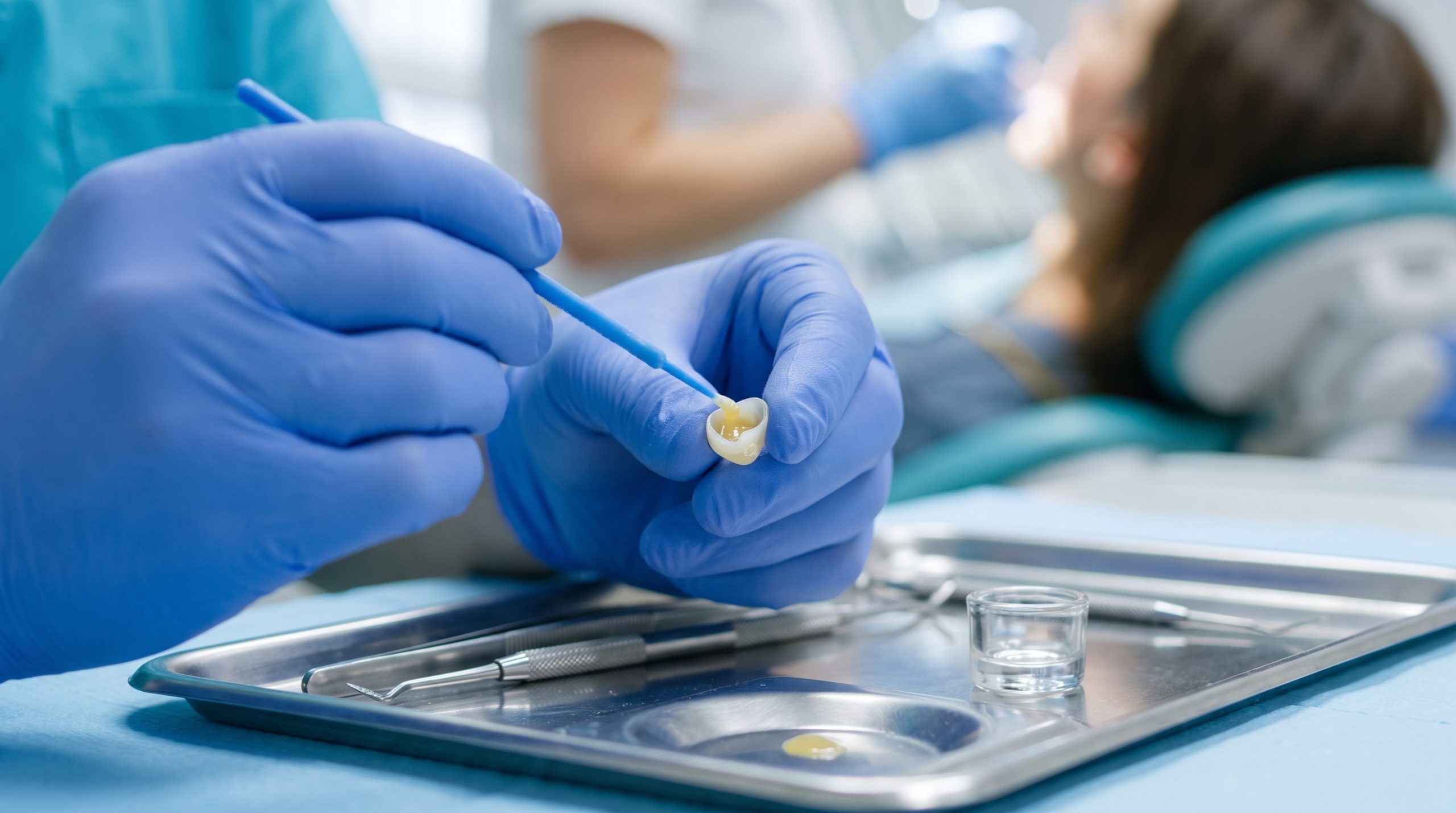
Preparation alters 5Y Zirconia use by requiring greater reduction depths of 0.8 mm to 1.2 mm to compensate for its lower flexural strength compared to high-strength blocks. While ultra-strong 3Y zirconia can tolerate very thin preparations of 0.5 mm, the aesthetic 5Y formulation requires more structural bulk. You must adjust your preparation design to ensure that the material has enough thickness in all areas, especially at the margins. This careful design is essential for clinical success.
Ignoring these preparation guidelines can lead to thin areas in your crowns that are highly prone to fracturing during use. By adapting your clinical techniques, you can ensure that every restoration has the structural support it needs. This prevents expensive and time-consuming remakes. Let’s look at the specific wall thickness requirements and cementation strategies for these aesthetic restorations.
Wall Thickness and Reduction Requirements
When you prepare a tooth for a highly aesthetic restoration, you must ensure that you create enough space for the ceramic. Let’s face it: if your preparation is too thin, the final crown will either look opaque or be too weak to survive chewing forces. You need to aim for a minimum shoulder or chamfer reduction of 0.8 mm to 1.2 mm in all visual areas. This gives the material the bulk it needs to look beautiful and perform reliably.
- Requires a minimum of 0.8 mm wall reduction at margins.
- Needs 1.0 mm to 1.2 mm of occlusal reduction.
- Chamfer or shoulder margins must be smooth and well-defined.
You must avoid sharp angles or feather-edge preparations, as these can create stress concentration points. Smooth, rounded transitions are your best defense against unexpected fracture lines. This simple change in your preparation technique dramatically improves clinical success rates. It is a critical best practice for modern clinical protocols.
What Are the Best Cementation Strategies?
Once your restoration is ready for cementation, you must choose the right bonding strategy to ensure a secure fit. But wait, there’s more: because this ceramic is highly translucent, the color of your cement can actually affect the final shade. You should use a high-quality adhesive resin cement with a coordinated try-in paste to ensure the perfect color match. This bonding process also helps reinforce the restoration, making it much stronger.
- Adhesive resin cement with MDP primer is highly recommended.
- Coordinated try-in pastes help verify shade matches before bonding.
- Strong adhesive bonds help reinforce and protect the ceramic structure.
You must ensure that the internal surface of the crown is properly sandblasted before applying the adhesive primer. This step ensures a strong chemical bond that prevents micro-leakage. It also prevents early debonding. It is the final, crucial step in delivering a beautiful, long-lasting smile.
Key Takeaway: Adhering to strict wall thickness reductions and using adhesive resin cementation reinforces high-translucency zirconia, ensuring both outstanding aesthetics and long-term durability.
| Preparation Parameter | 3Y-TZP (High Strength) | 5Y-ZP (High Translucency) |
|---|---|---|
| Min Margin Reduction | 0.5 mm | 0.8 mm |
| Min Occlusal Reduction | 1.0 mm | 1.2 mm to 1.5 mm |
| Cementation Method | Luting or Adhesive | Adhesive Resin (Recommended) |
Adjusting your clinical preparation depth is key to matching material properties with clinical success.
Conclusion
Choosing the right dental zirconia is a critical decision that directly affects the quality, strength, and visual beauty of your restorations. Whether you are dealing with catastrophic posterior fractures or trying to avoid the chalky, opaque appearance of traditional ceramics in the anterior visual zone, selecting the precise material formulation is key to your success. By matching the outstanding strength of 3Y-TZP, the versatile performance of 4Y hybrid, and the premium optical clarity of 5Y Zirconia to the unique physical and aesthetic needs of each patient, you can consistently deliver beautiful smiles while avoiding expensive remakes.
At ZR Brontec, we are committed to helping you achieve this perfect balance of strength and aesthetics. We manufacture a comprehensive range of premium dental CAD/CAM zirconia blocks, all produced under strict quality standards to ensure exceptional density, precise milling characteristics, and reliable thermal stability. Our technical support team is always available to assist you in selecting the ideal blocks and optimizing your laboratory sintering cycles. To elevate your clinical outcomes and streamline your restorative workflows, contact us today to discuss your custom material needs and order samples for your dental laboratory or clinic.
Frequently Asked Questions
Can I use 5Y Zirconia for posterior crowns?
Yes, you can, but with caution. While this material is suitable for single-unit posterior restorations under low occlusal loads, it requires a larger preparation depth of at least $1.2\text{ mm}$ to $1.5\text{ mm}$ to prevent cracks. It is contraindicated for patients with severe bruxism or clenching.
What’s the best yttria level for multi-unit bridges?
Without a doubt, 3Y-TZP remains the best choice for multi-unit posterior bridges. This material offers the highest flexural strength and fracture toughness, ensuring your bridge framework can handle heavy chewing forces. While 5Y Zirconia is beautiful, its high cubic phase makes it too brittle for posterior multi-unit spans.
How do I know if my furnace is over-sintering the crowns?
You will typically notice that over-sintered restorations appear opaque, exhibit unexpected micro-cracks, or show shade distortions after firing. When temperatures exceed the recommended $1,530^\circ\text{C}$ limit, runaway grain growth occurs, destroying the structural stability of the ceramic. Regular furnace calibration is critical to prevent these defects.
Can I cement 5Y Zirconia using standard glass ionomer?
Yes, you can, provided your preparation has adequate retention form and wall thickness. However, using an adhesive resin cement with an MDP-based primer is highly recommended because it chemically bonds to the restoration, reinforcing the ceramic and significantly reducing the risk of fracture in thin visual zones.
Is 5Y Zirconia a good alternative to lithium disilicate?
Absolutely. It offers a very similar level of lifelike translucency while providing nearly double the flexural strength (~600–800 MPa compared to ~360–450 MPa). It can also be milled in thin sections with significantly less risk of margin chipping during laboratory processing.